




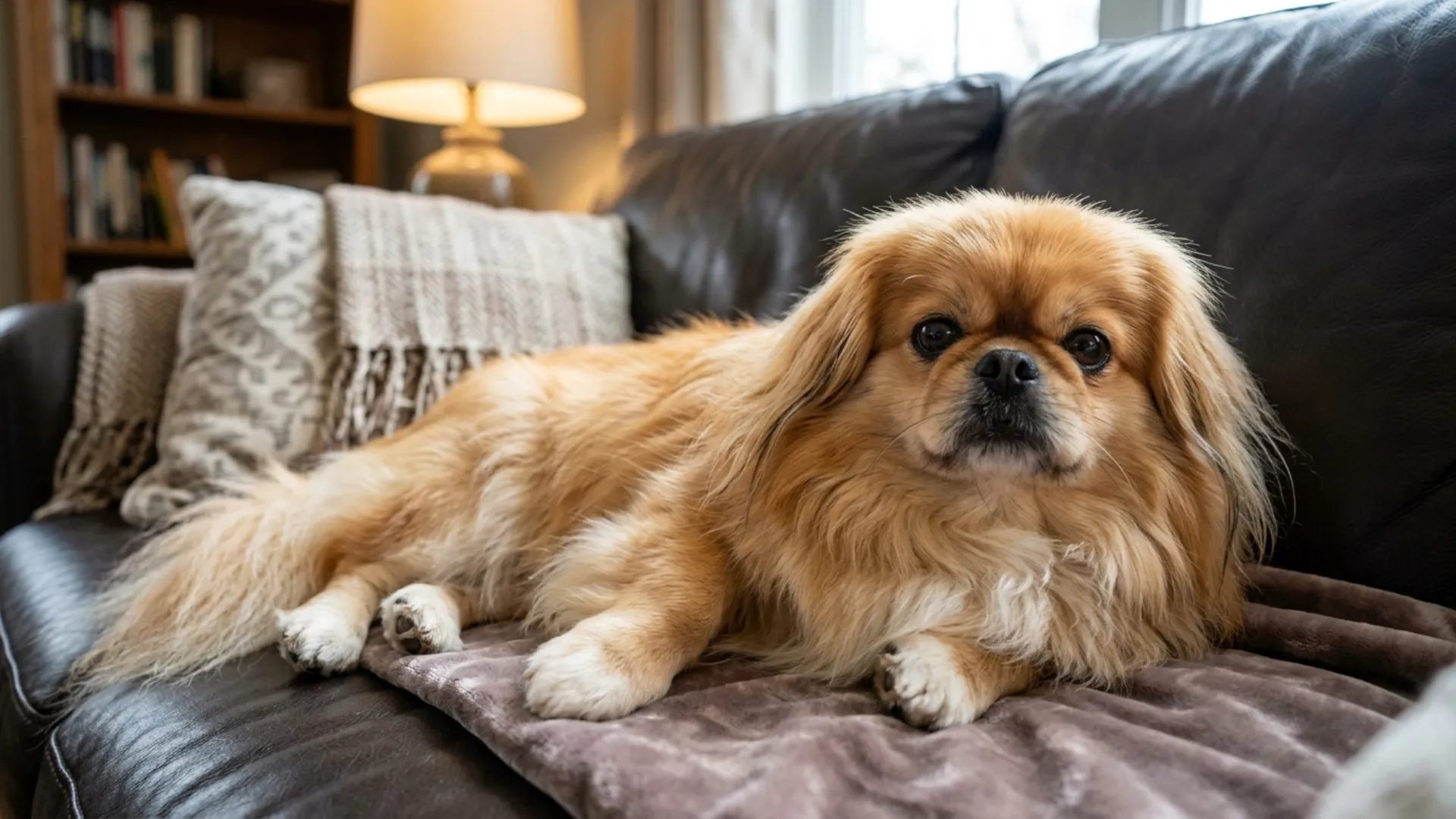
The house is quiet, the coffee is warm, and there is finally nowhere you need to be. Your ideal companion is curled up nearby, perfectly content after a short walk around the neighborhood.
That scene captures why couch potato dog breeds appeal to homeowners who prefer a slower lifestyle. Some dogs naturally need less strenuous daily activity than working or sporting breeds, although every dog still needs exercise, play, training, and social interaction. Their age matters too.
Puppies often have bursts of energy, while older dogs commonly spend more time resting, provided their health allows it. For the right household, a calmer companion can turn ordinary evenings into something enjoyable. You get a dog to share the home with, without planning your entire day around intense exercise.
By the end of this article, you’ll have a closer look at relaxed breeds that can make quiet home life feel especially comfortable.
Key Takeaways
When the day calls for a quiet corner, a warm drink, and plenty of time at home, some dogs are perfectly happy to settle into that routine with you.
Great Danes may look built for serious work, yet they can be surprisingly manageable with around 30 to 60 minutes of daily exercise.
The Pekingese takes the slow pace even further, with short walks and indoor games often fitting its routine just fine.
As you move through the list, the Pug, Cavalier King Charles Spaniel, Clumber Spaniel, Basset Hound, and Newfoundland each bring their own reasons for enjoying quieter days.
Ultimate Couch‑Potato Dog Breeds for Lazy owners
1. Great Dane
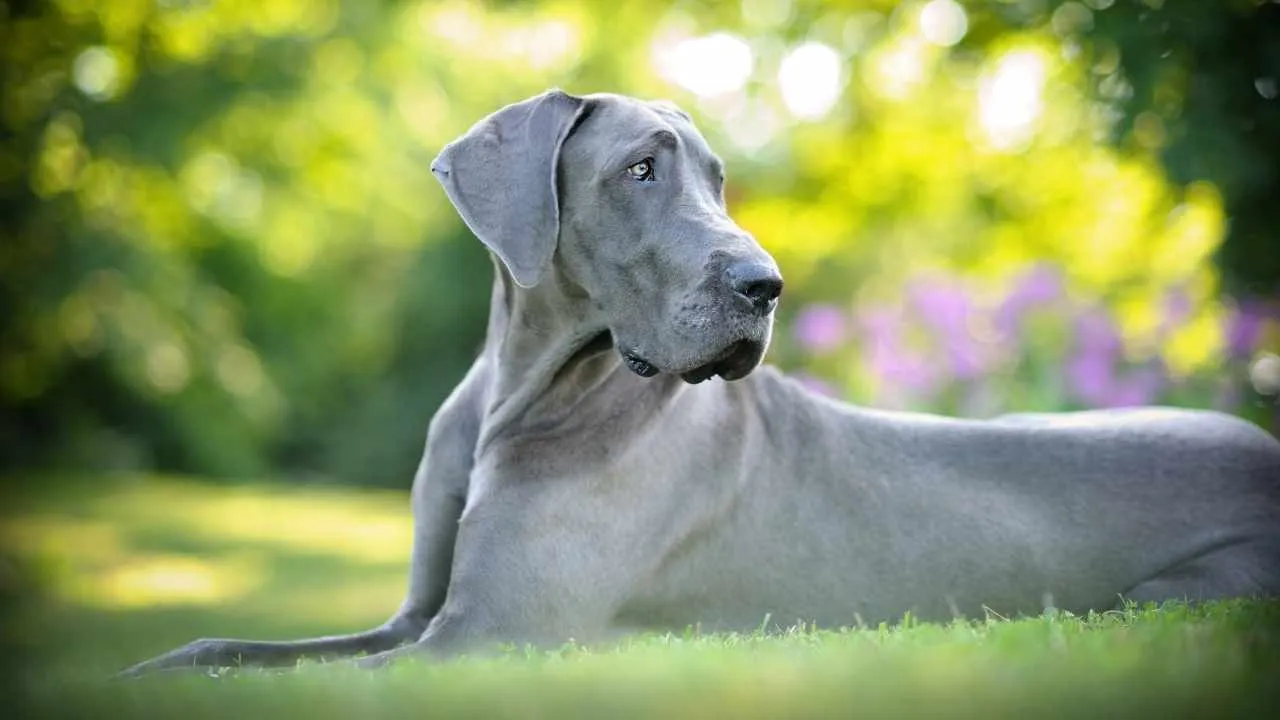
Great Dane originated in Germany, where its powerful build made it useful for hunting wild boar, including aggressive animals that required considerable strength to bring down.
British writers called the breed the “German Boarhound,” while Germany still uses the name Deutsche Dogge, or German Mastiff.
Surprisingly Manageable
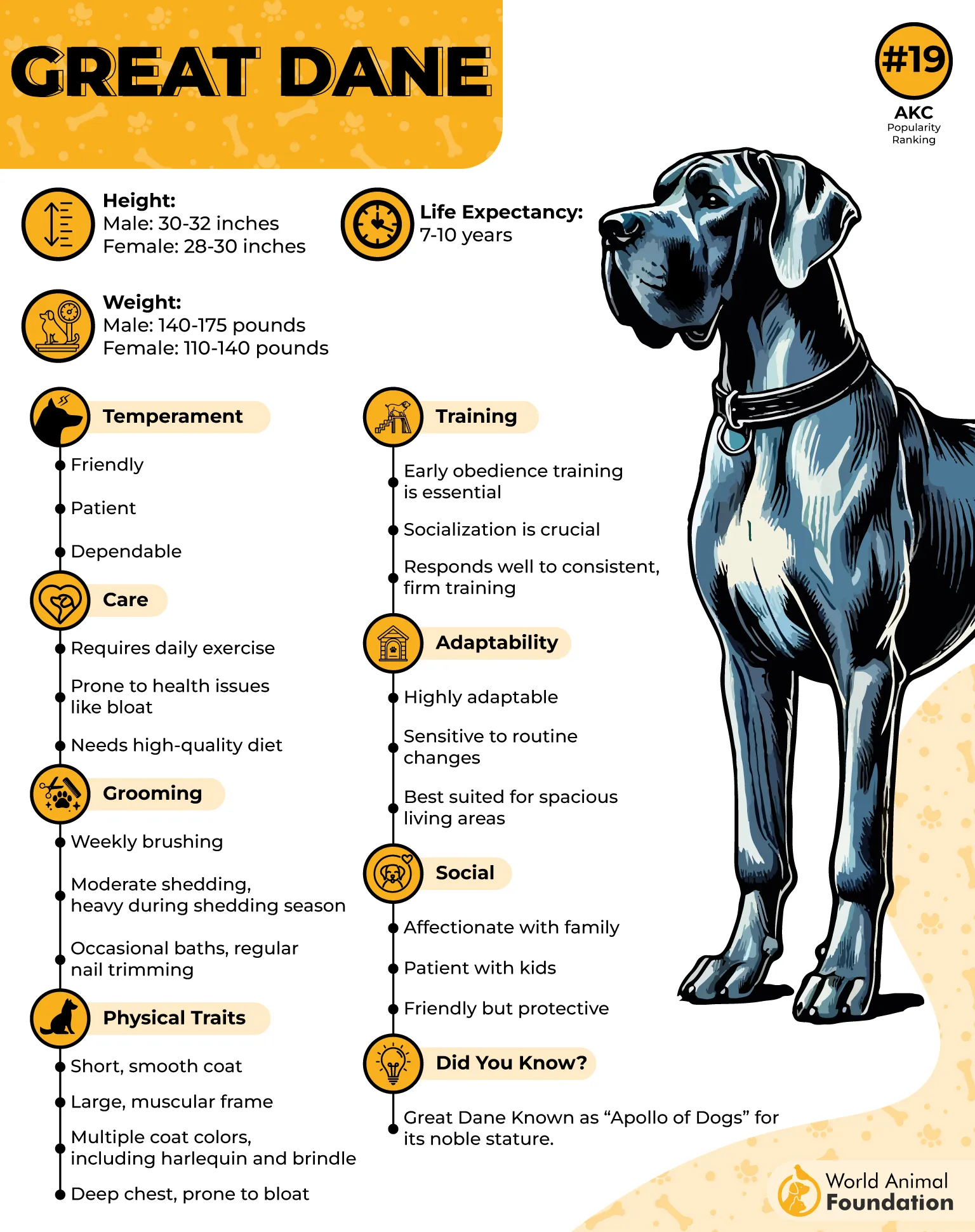
Great Dane needs about 30 to 60 minutes of daily exercise, which can come from neighborhood walks and play in a fenced yard. Adults can also enjoy longer hikes, while running and strenuous outings are better reserved until the joints have fully matured around age two.
The breed also fits several activities into that moderate routine:
Agility courses
Scent tracking
Flyball games
A Giant Shadow
This big dog breed often follows its favorite person from room to room and may even attempt to squeeze onto a lap despite its impressive size. Early socialization can help a reserved dog become more comfortable around unfamiliar people and other animals, as the AKC reported.
2. Pekingese
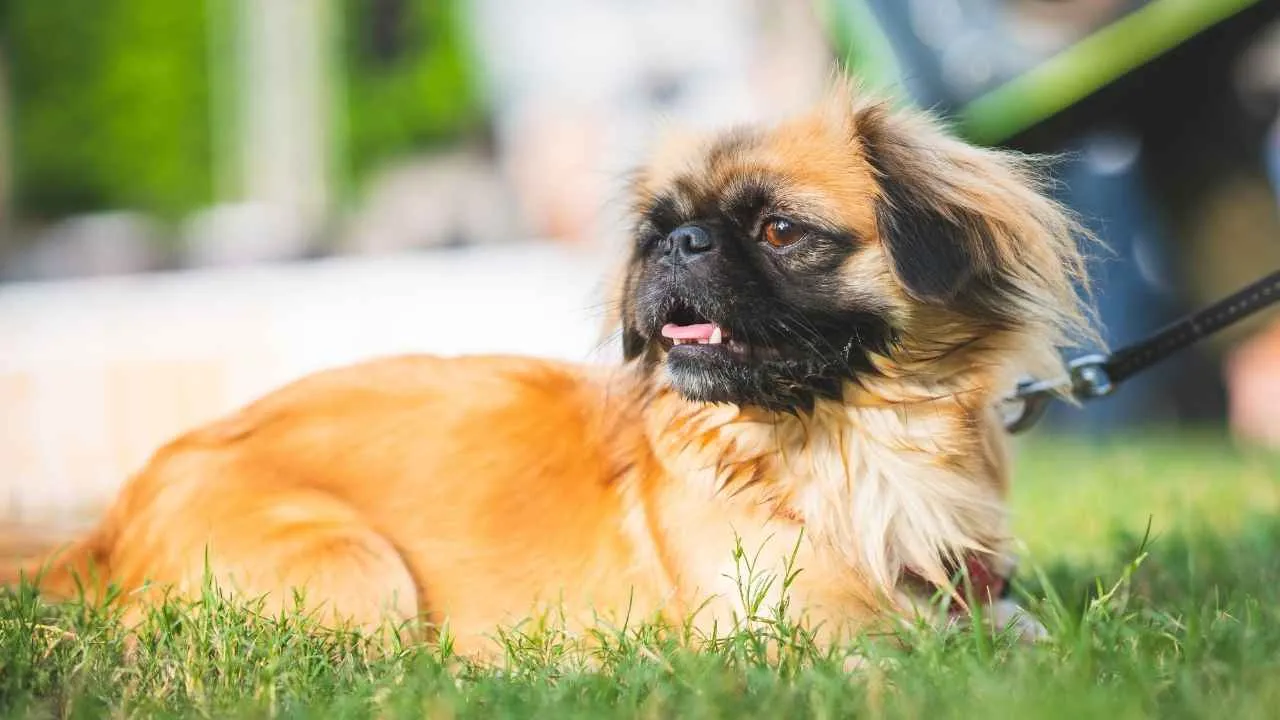
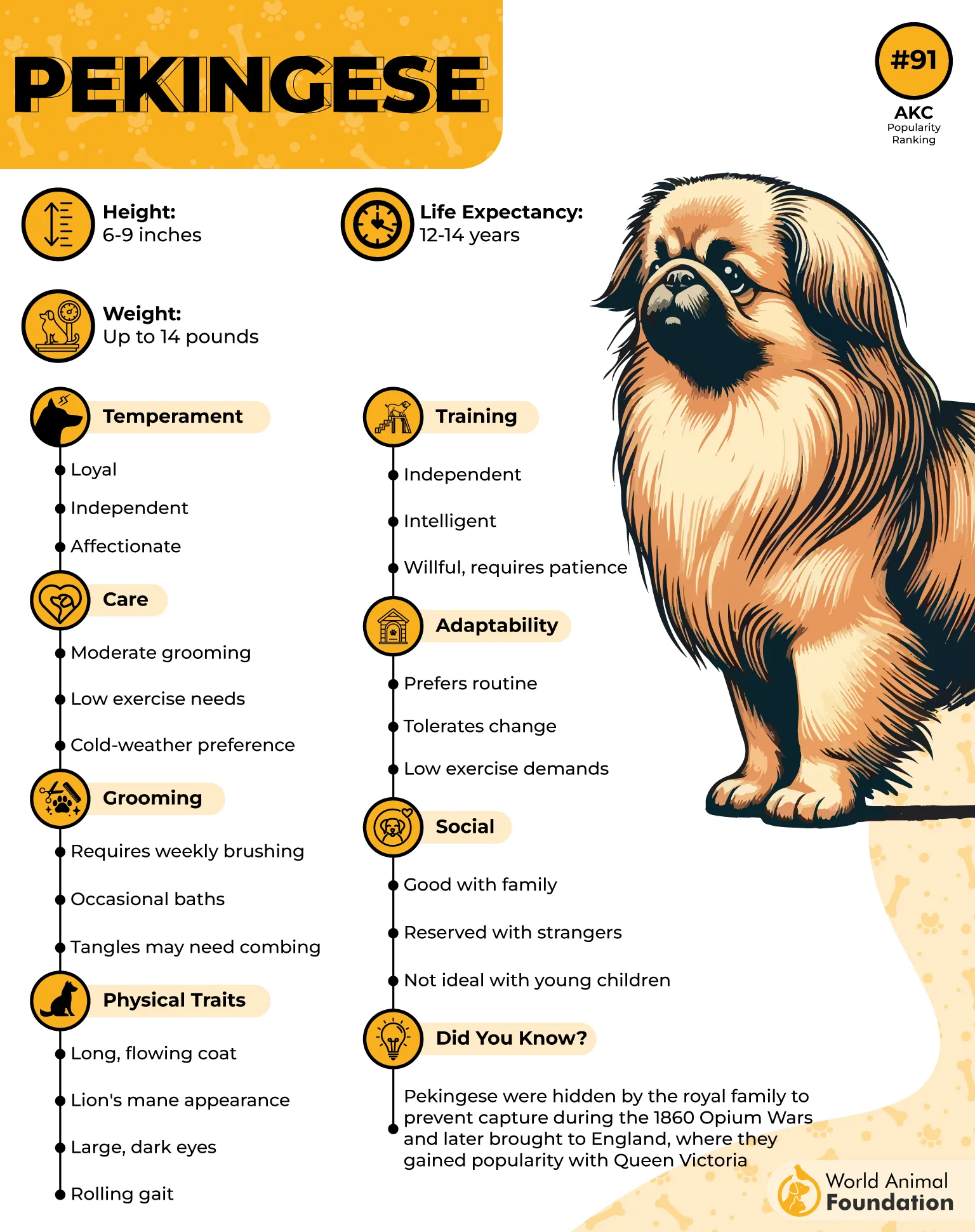
Pekingese dates back around 2,000 years in China, where Buddhist monks bred these small dogs as cherished companions known for their striking appearance and distinctive look.
The tiniest were called “sleeve dogs” because they could fit inside the sleeves of emperors’ robes, as mentioned by Omlet.
Made for Quiet Days
Pekingese suits a relaxed household rhythm, with a preference for lounging beside its favorite person rather than joining lengthy outings. One or two 20- to 30-minute walks each day can provide enough activity while keeping longer exertion off the agenda.
Their details make their daily routine easier to picture:
Indoor games can provide extra activity
Flat faces make heat especially risky
Moderate energy levels need regular exercise
A Selective Socialite
This low-maintenance dog breed can be affectionate with the whole household while forming a particularly strong attachment to one person. Around unfamiliar people, this observant little dog may become vocal, including barking when someone approaches the home or a delivery arrives.
3. Pug
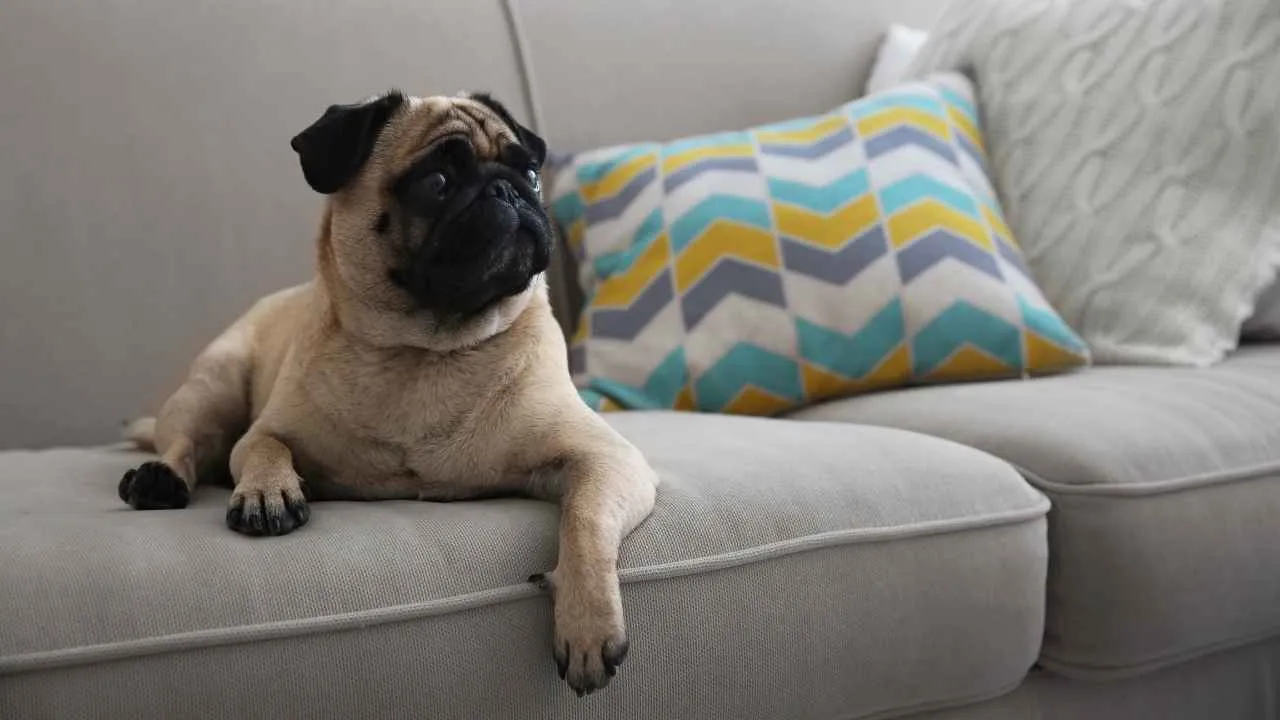
The Pug is believed to have originated in the Orient centuries ago and later became a familiar companion in Tibetan monasteries. During the 1700s, the breed traveled from China to Europe with the East India Trading Company, adding another chapter to its long journey.
Easy on Activity
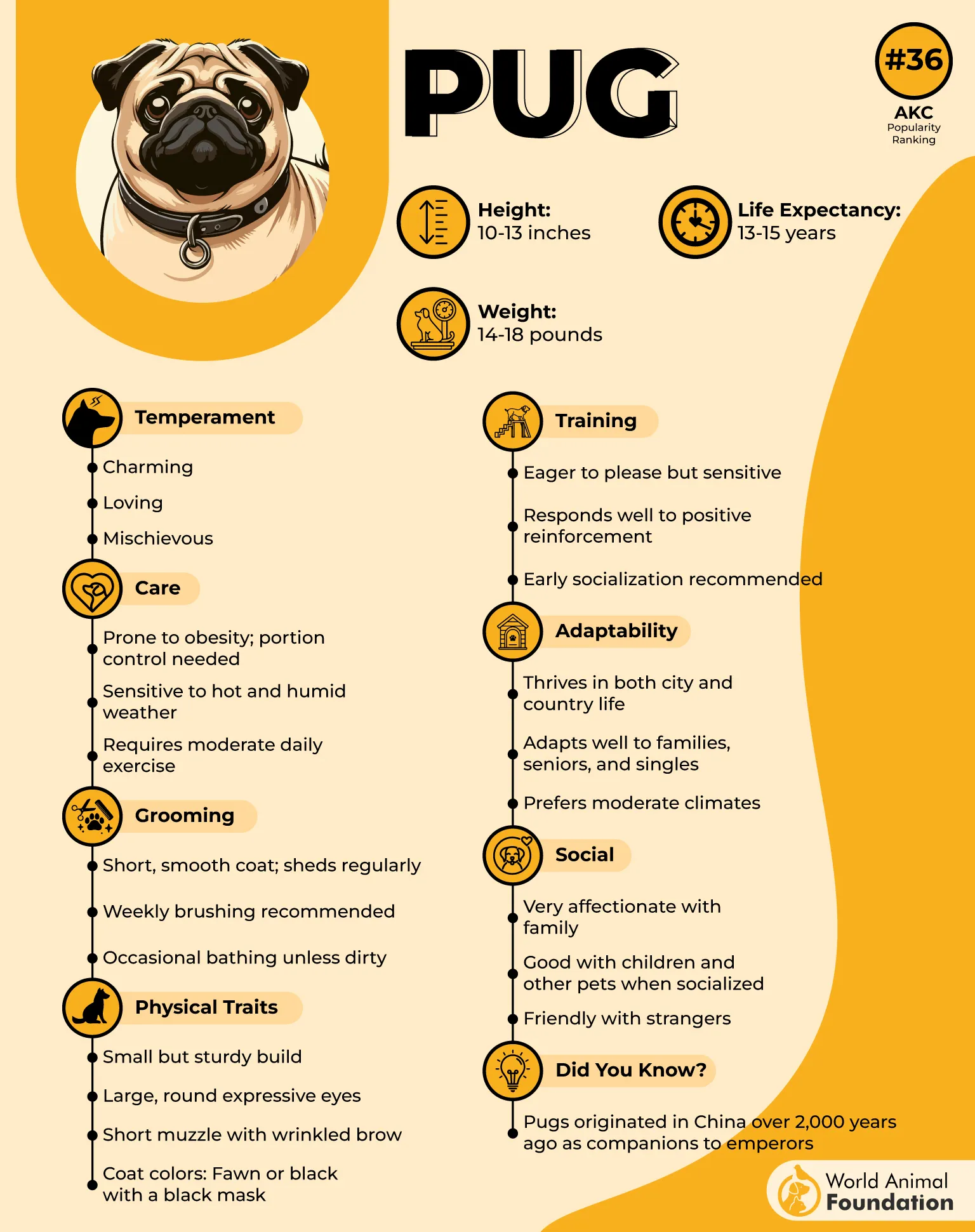
This lazy dog breed has fairly low energy and generally needs less than an hour of exercise each day, making shorter sessions a better fit. Its flat face, shortened snout, and tiny nostrils can make breathing harder during exertion or hot, humid weather.
A little activity can go a long way:
Exercise is best split into shorter sessions
Fetch suits its 5 to 10 mph pace
Indoor play can replace longer outings
A Social Little Character
The Pug enjoys being included when something interesting is happening and often wants to join family activities rather than watch from the sidelines.
Its friendly nature also makes it comfortable around children, babies, other pets, and visiting guests when interactions are handled appropriately.
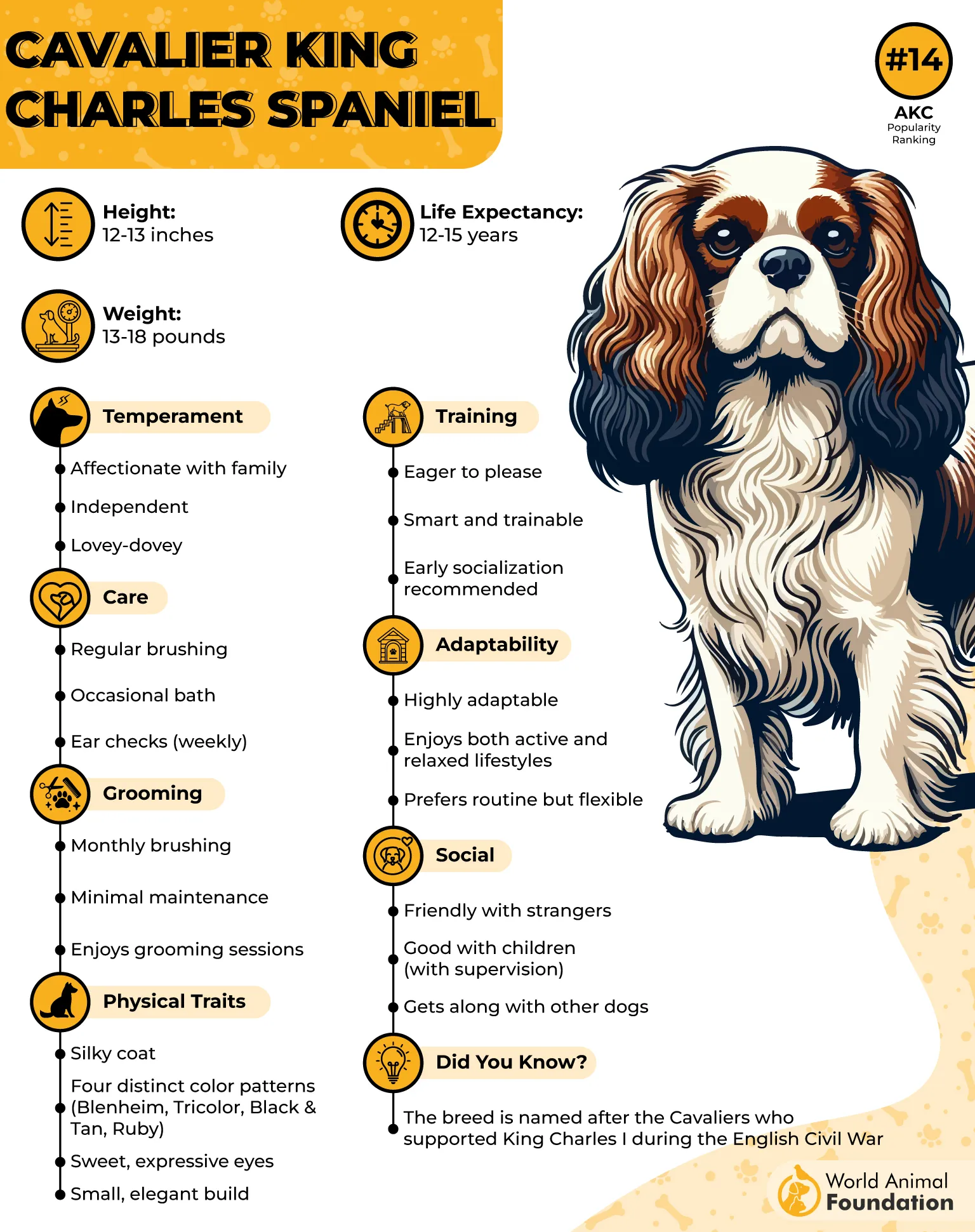
4. Cavalier King Charles Spaniel
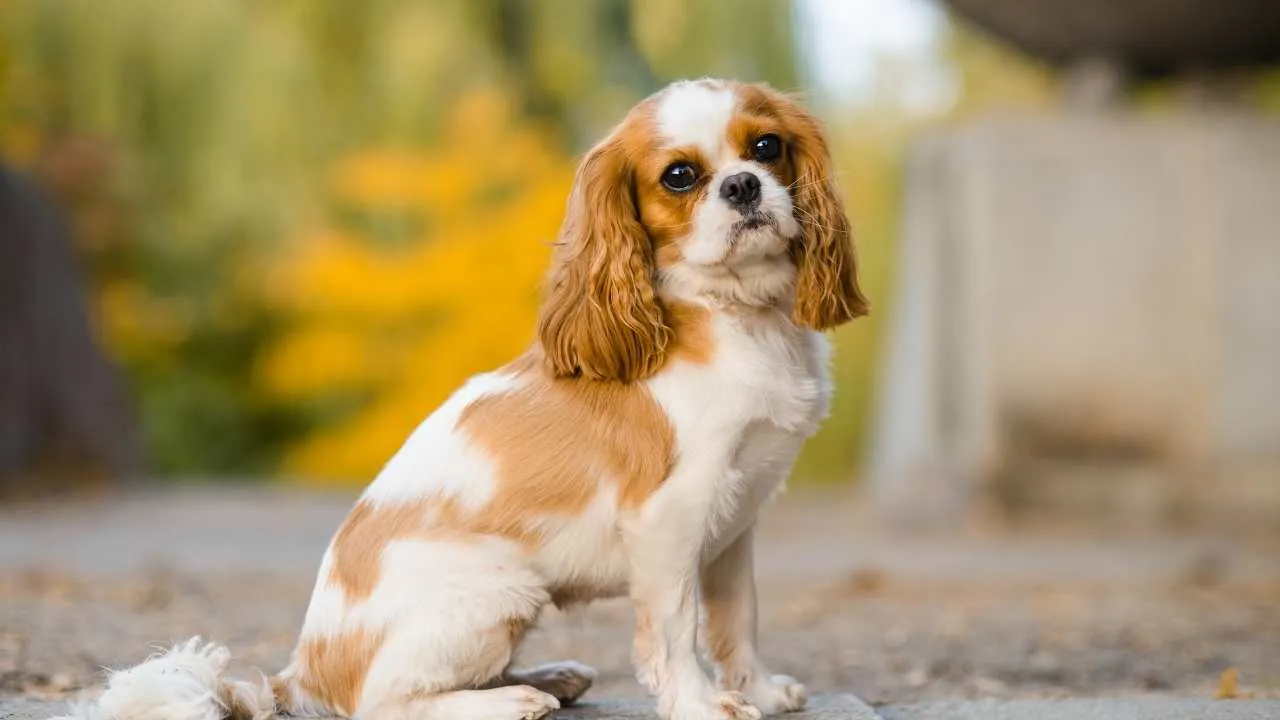
Cavalier King Charles Spaniel began as a Tudor-era lap dog, valued for warming feet and even serving as a little living hot-water bottle on chilly days. During the 1700s, King Charles II became so attached to the breed that its name became closely linked with the king.
Sedentary Lifestyle
These pups suit relaxed households with a moderate energy level and a manageable daily routine. Two 20- to 30-minute walks, playtime, and brief training sessions can provide enough activity without demanding an intense workout schedule.
Its laid-back nature suits several easy options:
Enjoys leisurely walks with plenty of sniffing
Comfortable with regular indoor relaxation
Prefers activities that do not depend on speed
A Companion at Home
Cavalier King Charles Spaniel is highly adaptable to different household arrangements, from living with one person to sharing a busy family home. Their intelligence also calls for mental engagement, while a quiet afternoon beside their favorite person can easily fit into the same routine.
5. Clumber Spaniel
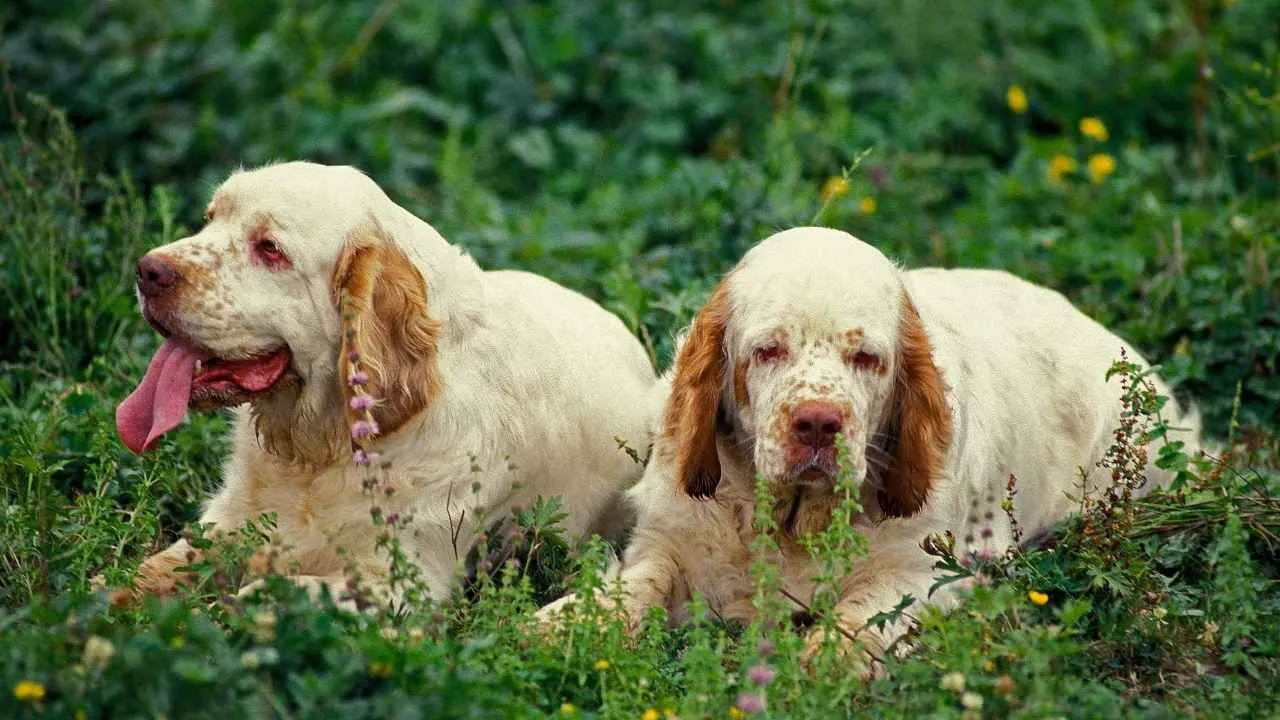
Clumber Spaniel first appeared in late-1700s England and ranks among the oldest Spaniel breeds, with its precise beginnings still uncertain.
A focused breeding program began at Clumber Park in Nottinghamshire, with Alpine Spaniel and Basset Hound among the breeds suggested as possible ancestors.
Made for Slow Days
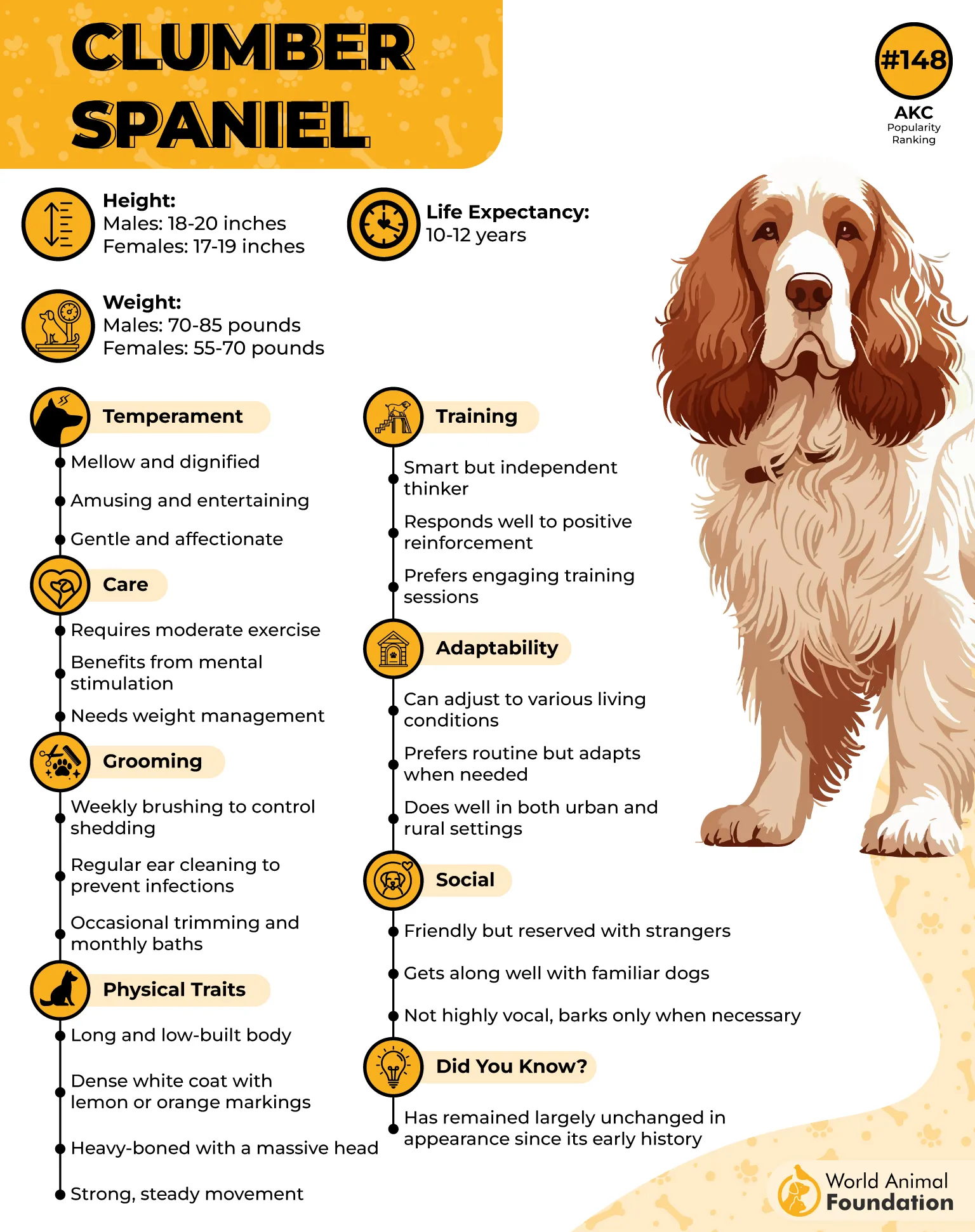
This house pet is the heaviest and stockiest of the Spaniels, a build suited to pushing through dense undergrowth while hunting and retrieving game. For a relaxed household, that physical strength comes with a surprisingly modest daily activity requirement of around 30 minutes.
There is no need to pack exercise into one session:
Enjoys frequent scent-sniffing breaks
Likes sunny spots for daytime naps
Can join hikes without constant activity
Easygoing Company
Clumber Spaniel has an amiable temperament and can fit into homes with adults, children, cats, and other dogs when introductions are handled properly. Their size does call for supervision around very young children, since an enthusiastic encounter could accidentally knock a small child over.
6. Basset Hound
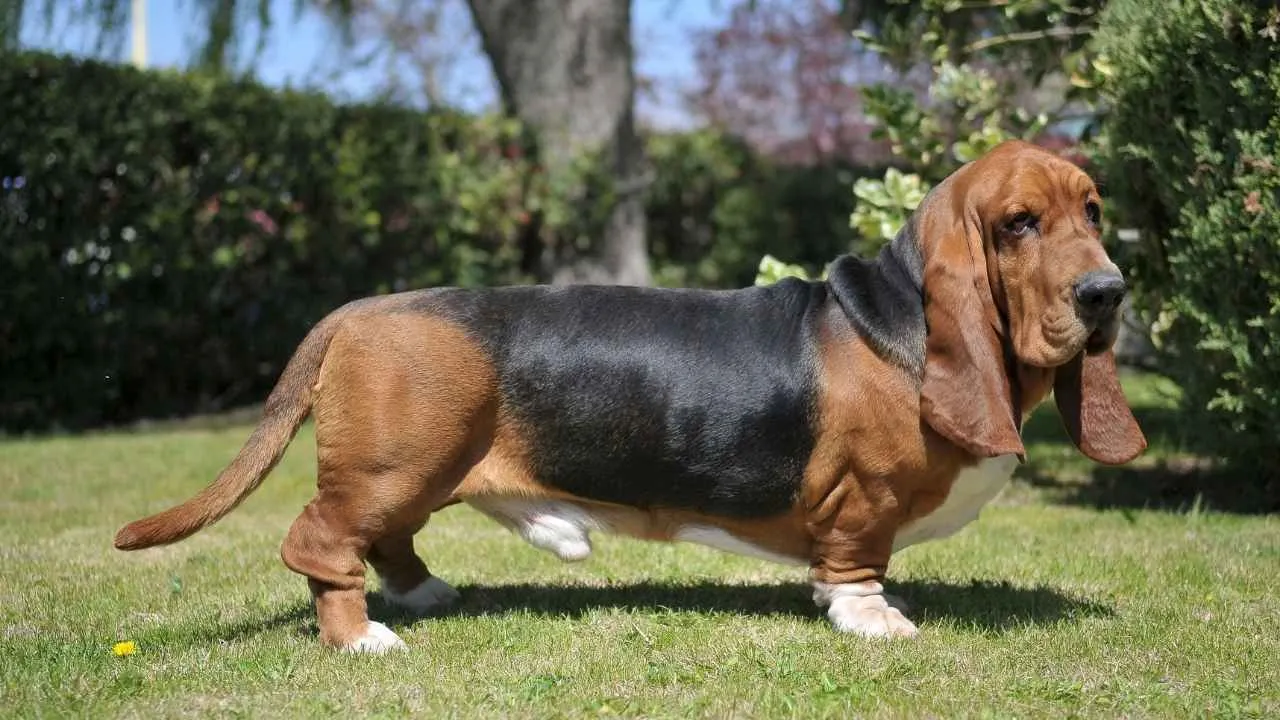
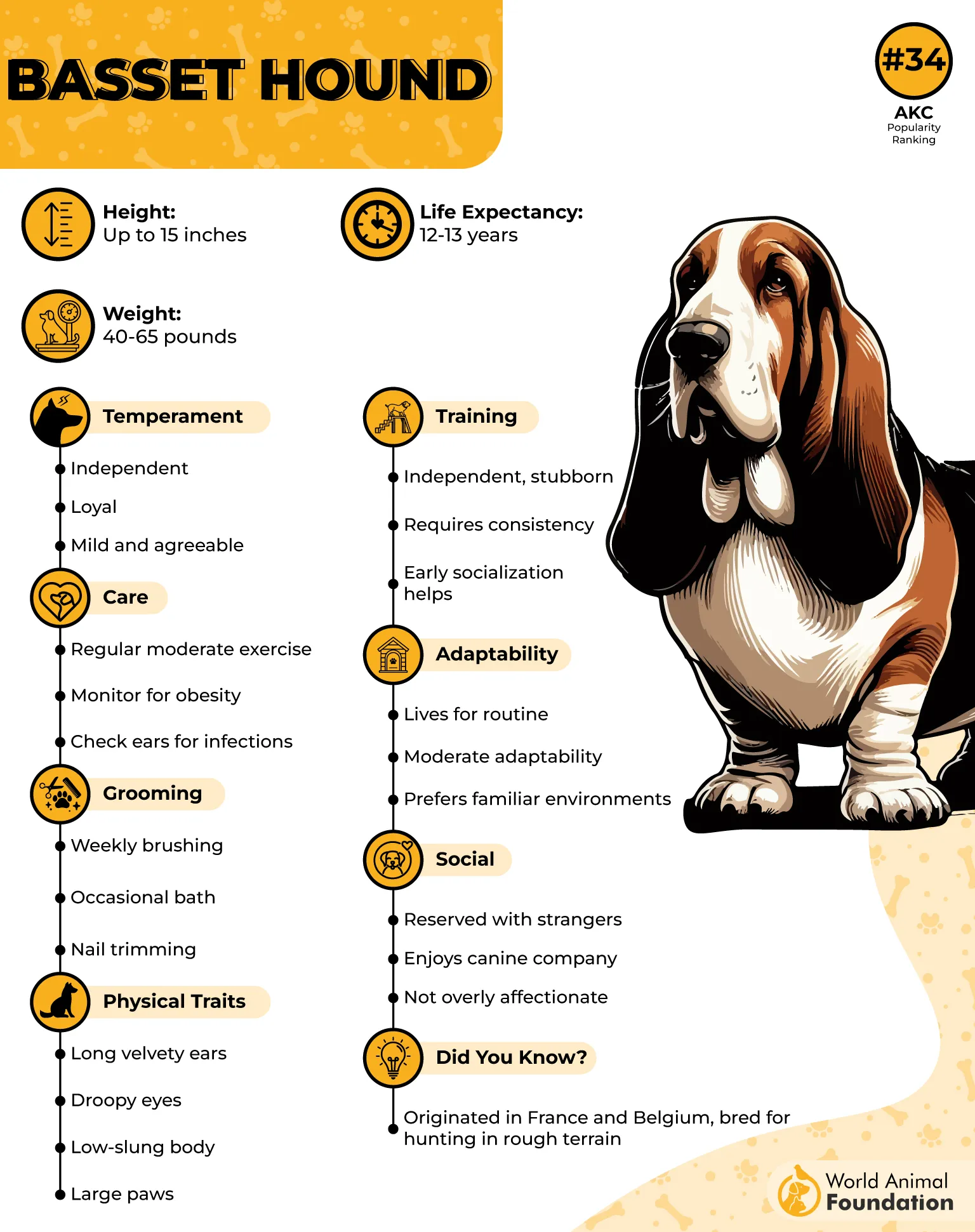
Basset Hound is believed to have originated in France, where hunters used these low-built dogs to pursue rabbits and hares. Its name comes from the French word bas, meaning low or dwarf, while later crosses with Bloodhounds increased the breed’s size.
Easygoing at Home
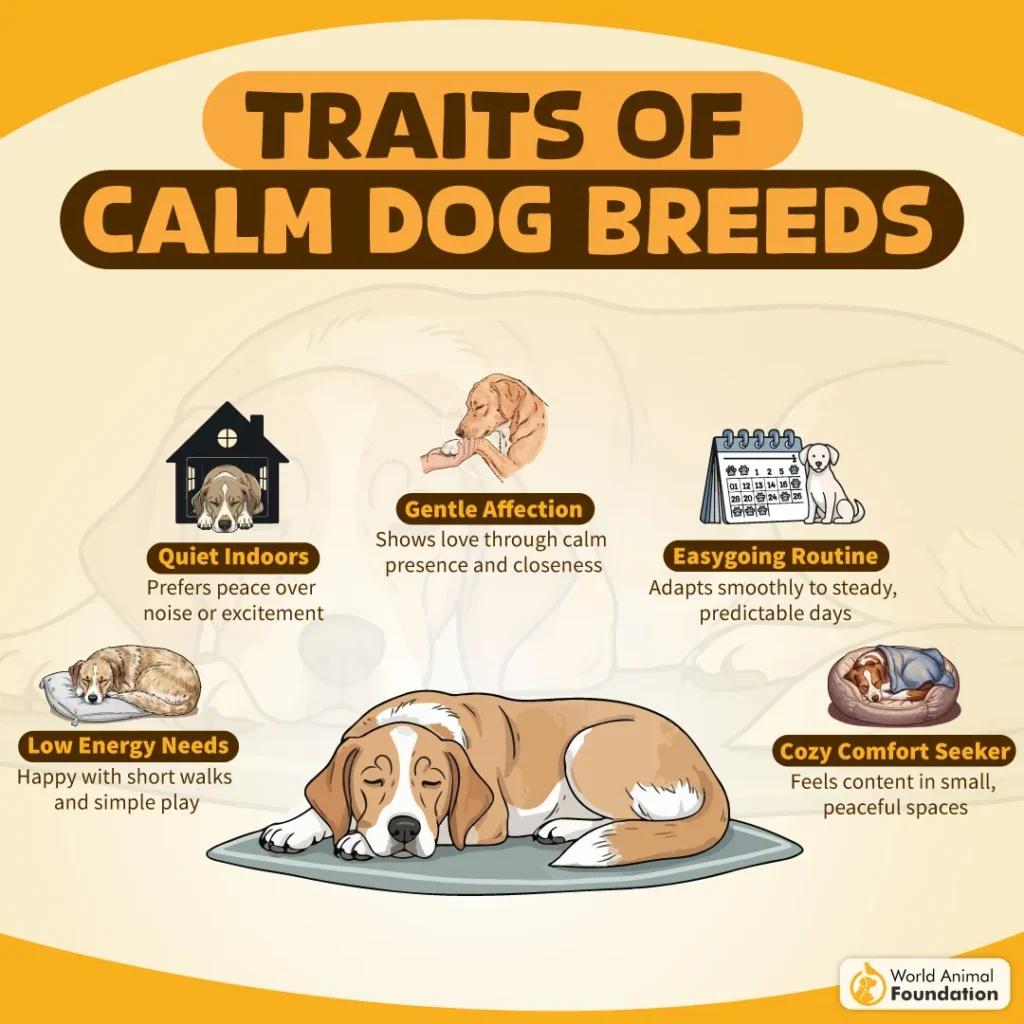
These dogs have a calm, good-natured personality and tend to accept family members and visitors without much fuss. Around the house, this laid-back character suits people who prefer quiet days, relaxed routines, and a dog that enjoys lounging nearby.
Daily life is easier with a few simple adjustments:
Better suited to homes with fewer stairs
Around 20–30 minutes of daily exercise
Long backs and short legs limit running
Follow That Nose
The Basset Hound can become intensely focused when an interesting scent reaches its nose, following the trail with surprising determination and little distraction.
A fenced area or leash is important outdoors because a tempting smell can quickly take priority over everything else around it.
7. Newfoundland
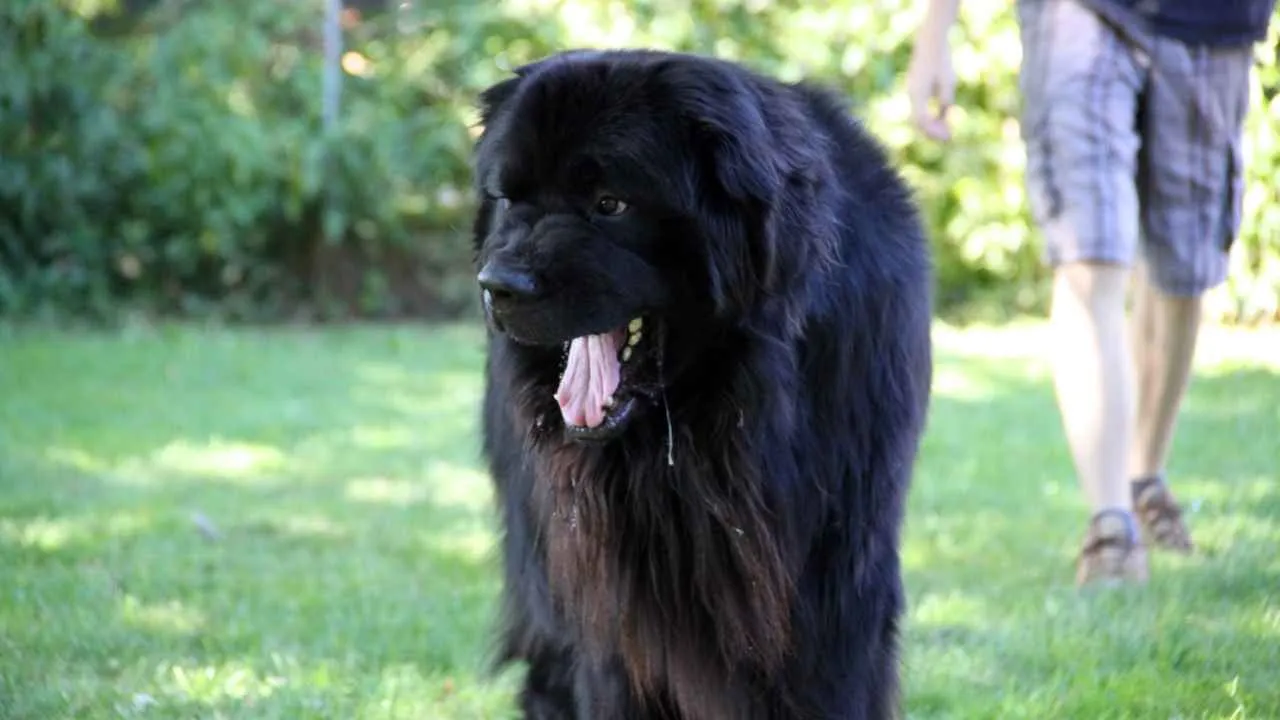
Newfoundland was developed on the island of Newfoundland in Canada, where its early form was more lightly built than the dog seen today.
Breeding is believed to have begun with Portuguese fishermen’s Mastiffs during the 16th century, linking the breed closely to working life on the coast.
A Gentler Pace
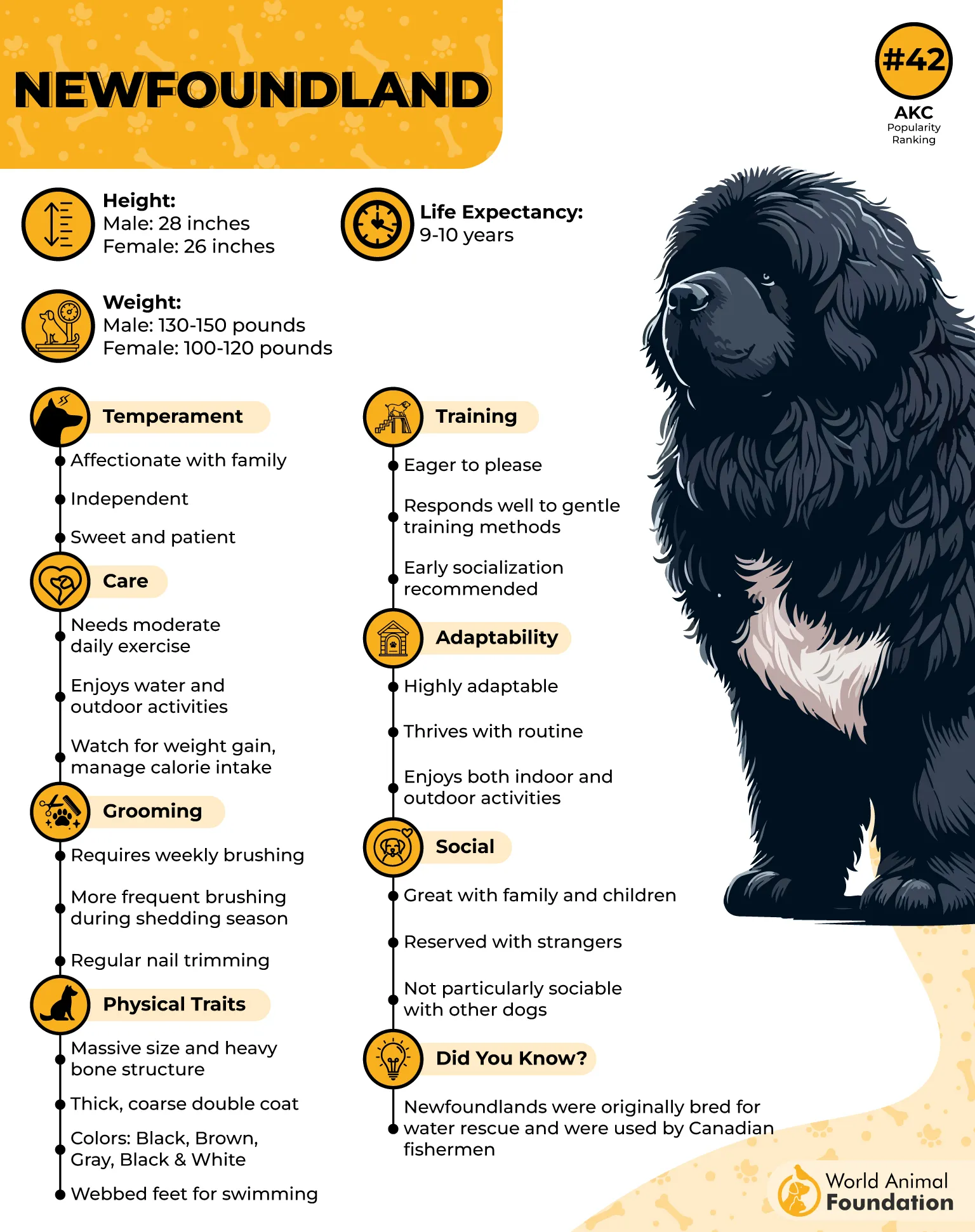
Newfies do not need hours of strenuous activity to fill their day, making roughly 30 minutes of daily exercise suitable for many individuals. A leisurely walk, relaxed hike, or swim can provide activity without the long-distance running that can place extra strain on its joints, as noted by Britannica.
These practical options fit this slower rhythm:
Leisurely hiking
Tracking competitions
Dock jumping
A Giant With Manners
This nanny dog has a patient, gentle temperament and generally welcomes people, cats, smaller dogs, and children. Early socialization and consistent training are important because this large breed may not realize how easily its size can knock over a toddler during play.
Conclusion
A slower lifestyle does not mean a dog should lounge around every hour sleeping beside you. Even relaxed companions need movement, play, training, attention, and social contact to stay healthy. The appeal comes from dogs that can settle comfortably after those needs are met, leaving more room for quiet evenings and unhurried weekends.
Dog owners should consider age, health, size, weather sensitivity, and living space when planning daily activity. Some dogs may need more engagement than expected, even if they enjoy lounging.
For an animal lover, ideal dog breeds are those whose natural pace fits your routine, while remaining ready to provide the care they need every day.
