




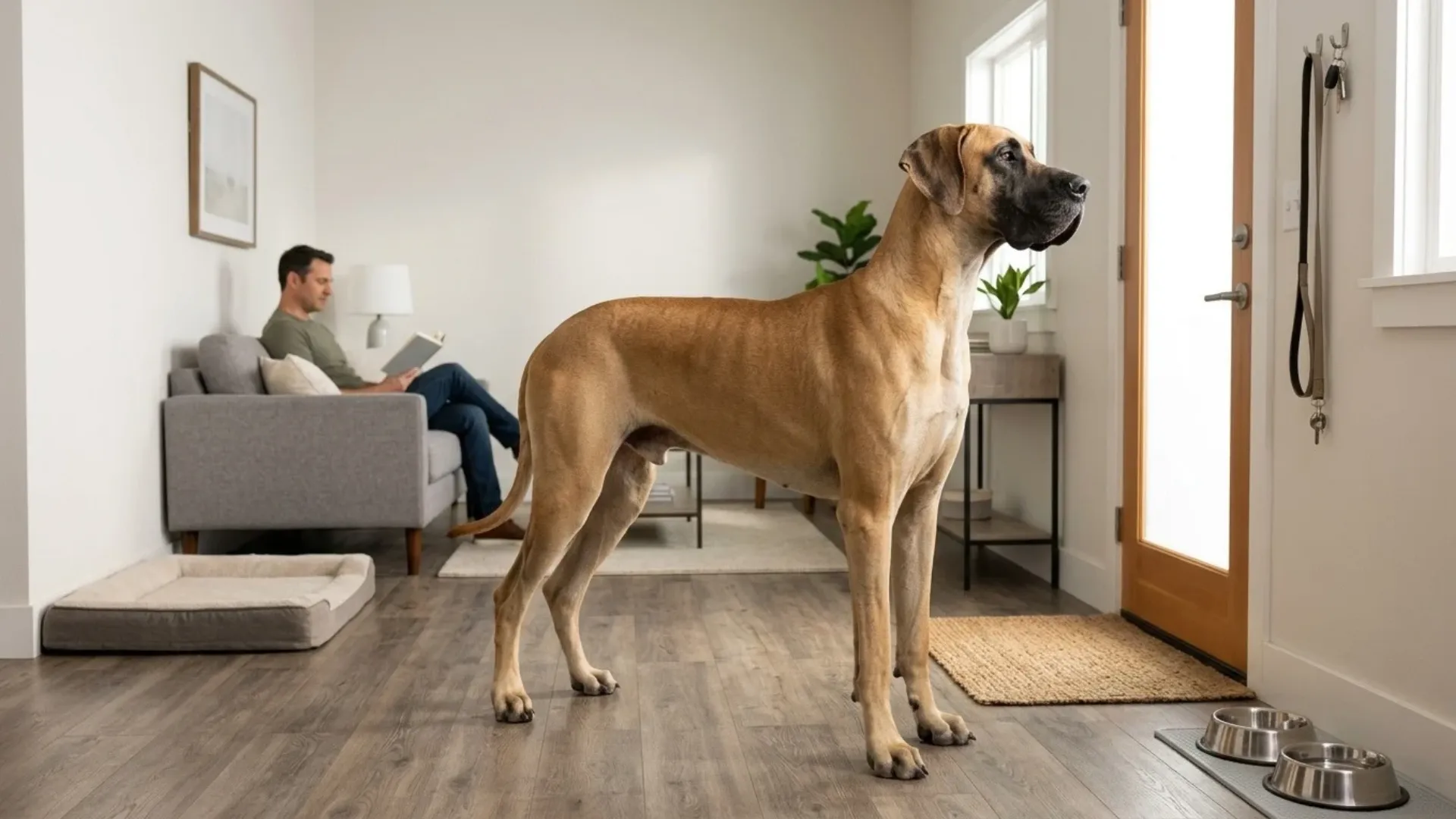
Want total peace of mind at home without turning your life into a non-stop grooming and exercise boot camp? The secret isn’t a hyper-vigilant watchdog that barks at every falling leaf, but a composed giant that instinctively knows the difference between a real threat and a routine delivery.
Balancing reliable home security with a low-maintenance lifestyle comes down to choosing calm dog breeds whose natural temperament matches your daily rhythm. From sleek, short-coated couch potatoes to dignified giants with predictable temperaments, the ideal guardian protects your family by simply existing by your side.
By choosing a breed with the right balance of gentle devotion, simple coat care, and manageable energy, you can enjoy unwavering family protection without adding an overwhelming care routine to your day. Let’s explore the top dog breeds that bring effortless security, affectionate companionship, and total ease to your home.
Ultimate Calm Guard Dog Breeds for Low-Maintenance Homes
1. Bullmastiff
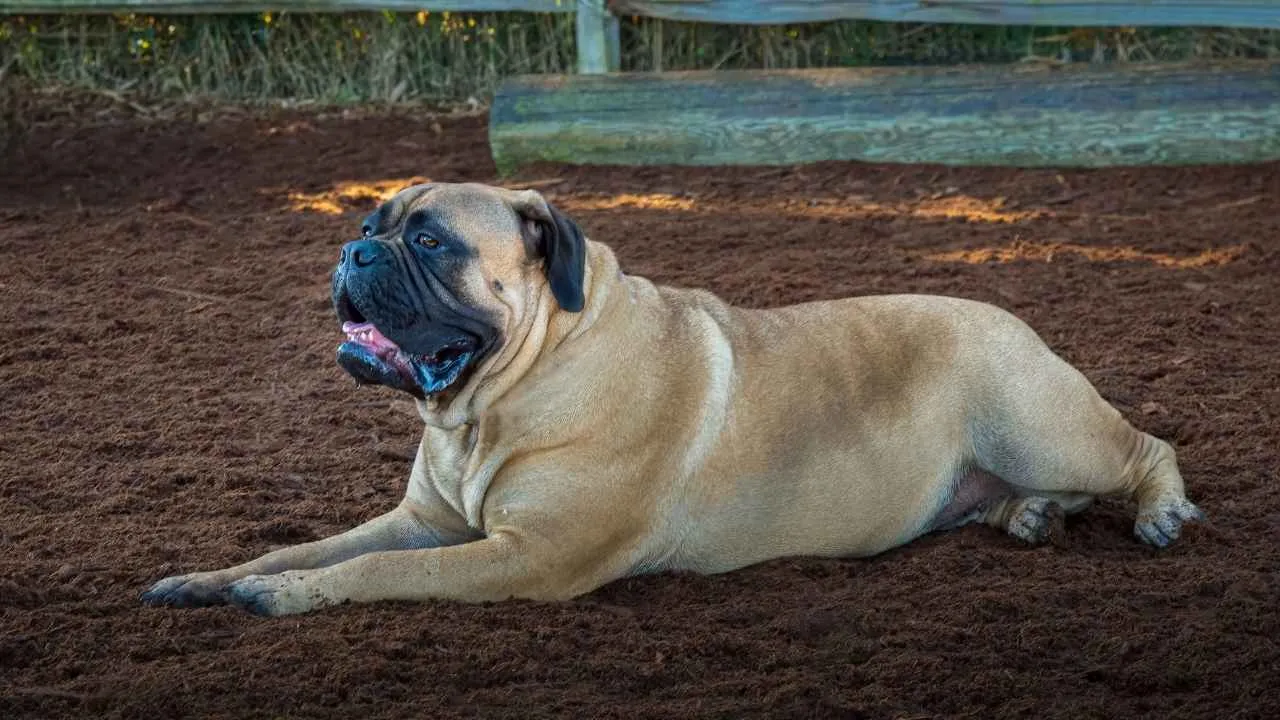
The Bullmastiff relies on pure, silent presence to command complete respect. Stepping straight out of English estate history, this heavy-duty guardian seamlessly transitions from a watchful protector to a relaxed couch potato alongside its favorite humans.
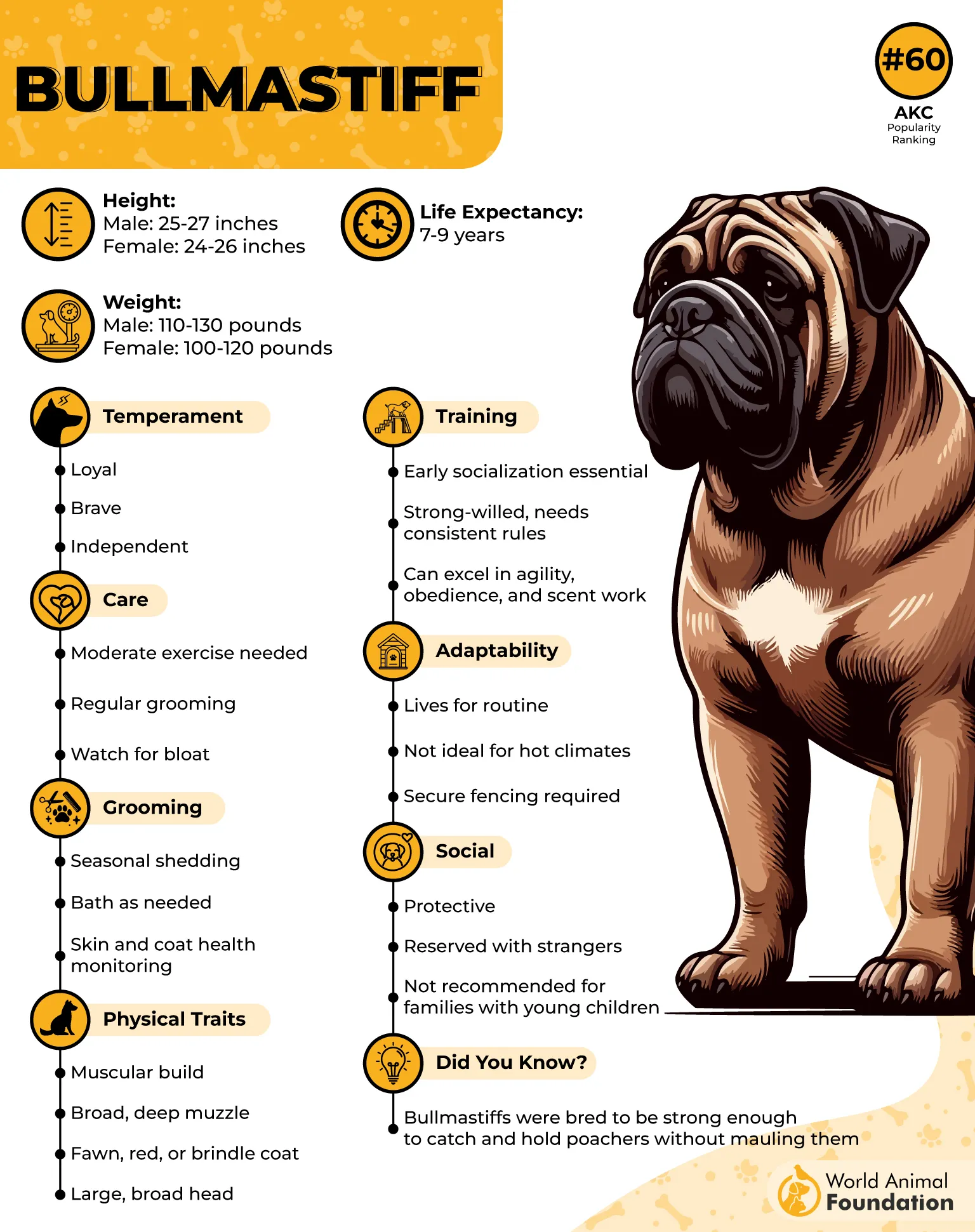
The AKC recognizes that nothing matters more to a Bullmastiff than snuggling close to its family right after wrapping up a leisurely daily stroll. While those inherent guarding instincts keep them tuned into suspicious activity, proper socialization helps adults distinguish ordinary visitors from actual threats.
Their quiet demeanor means they rarely bark without a clear reason, making their alert signals all the more meaningful when they do sound off.
Their sleek, short coats require minimal upkeep. A quick weekly brush, routine nail clipping, basic dental care, and occasional drool cleanup cover their maintenance needs, paired with moderate exercise.
Home care tip
Keep your Bullmastiff at a healthy weight and provide a cool resting area in warm weather. Discuss joint health and bloat prevention with your vet, as both deserve attention in giant breeds.
2. Great Dane
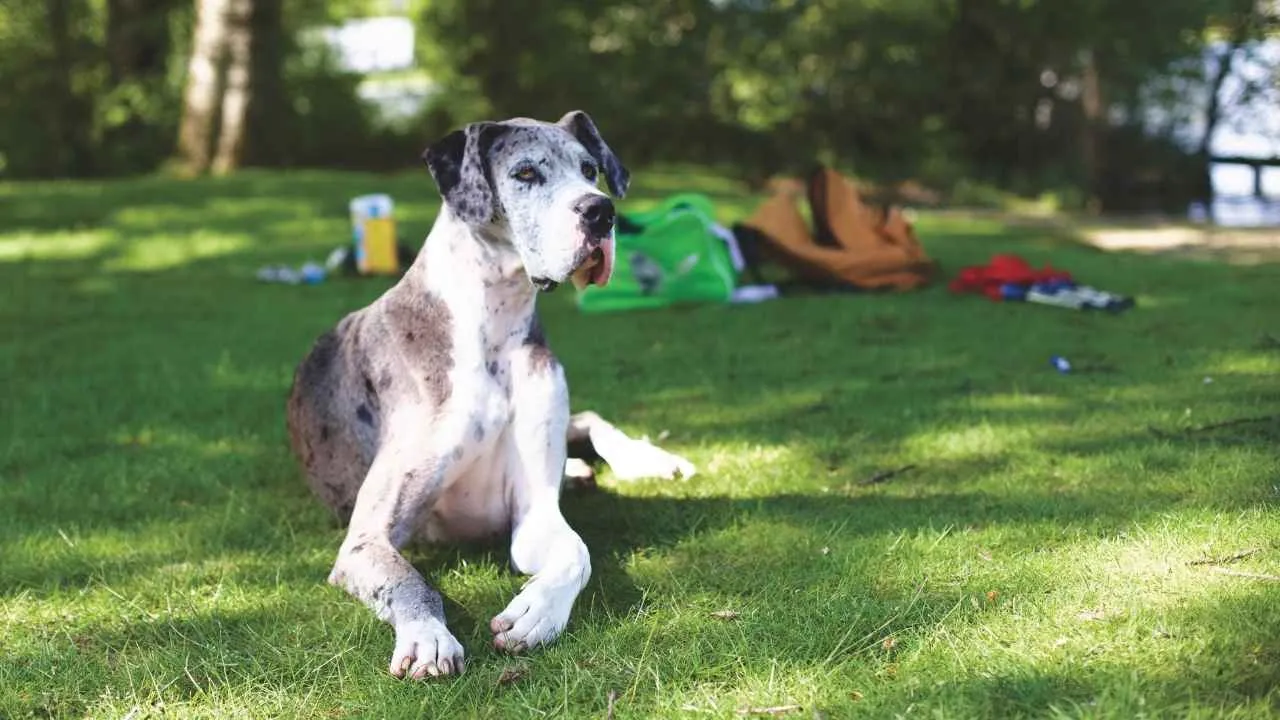
Standing tall with a heart full of gold, the Great Dane proves you don’t need a fiery attitude to act as an effective deterrent. Greencross Vets mentions that these lovable gentle giants adore human closeness and frequently shadow their owners from room to room simply to remain involved in household activities.
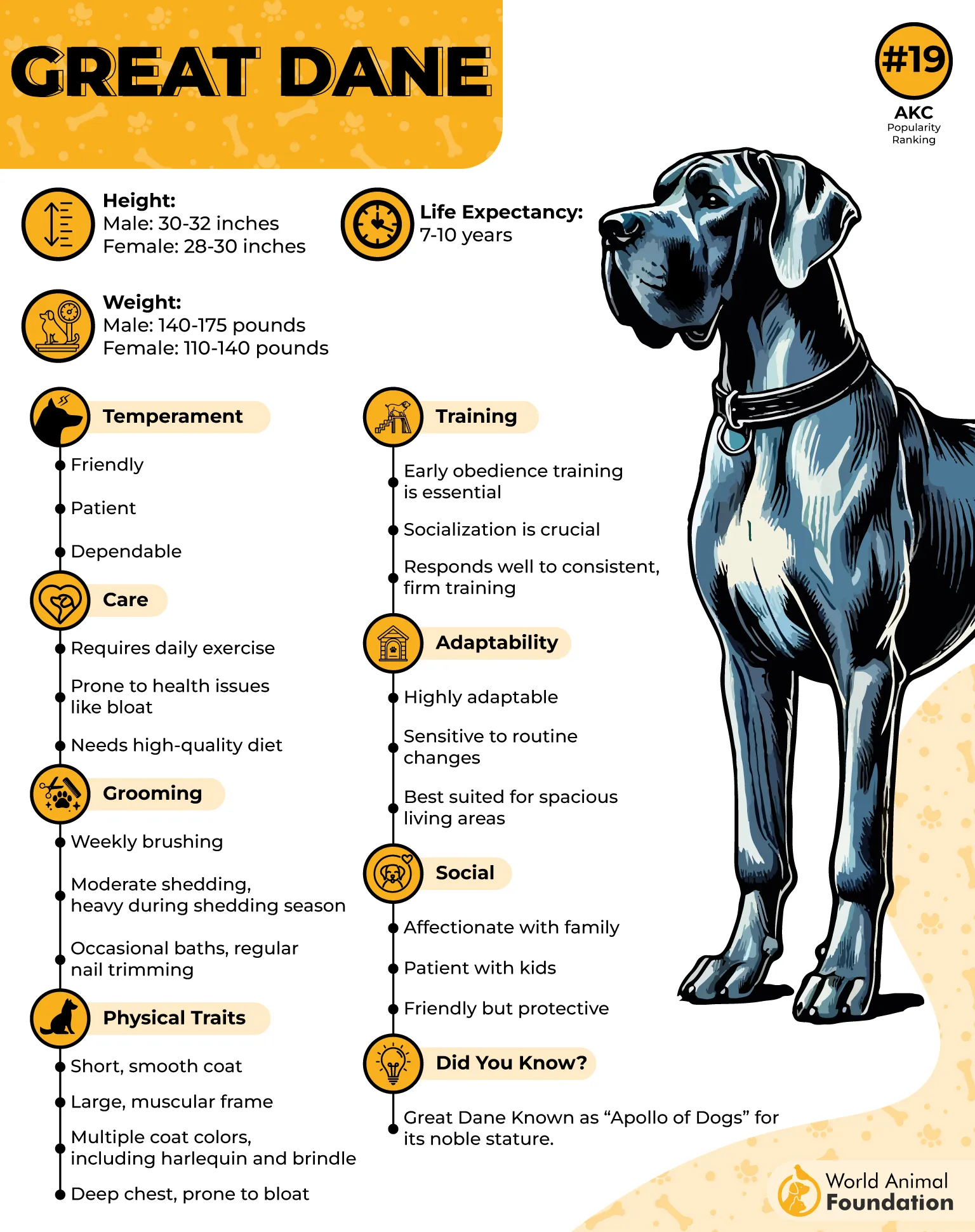
Between their towering stature, broad chest, and booming bark, unwanted visitors rarely consider stepping out of line when a Dane is on duty.
Clear boundaries and positive training help these companions thrive. They effortlessly get along with children when adults supervise interactions and teach everyone to respect the dog’s space.
Their short coat needs only weekly brushing and standard grooming. Daily walks and moderate play maintain fitness, though puppies require carefully managed activity as their bones and joints develop.
Home care tip
Budget for large food portions, sturdy equipment, and veterinary expenses. Great Danes also face an elevated risk of bloat, so ask your vet about warning signs and preventive care.
3. Boerboel
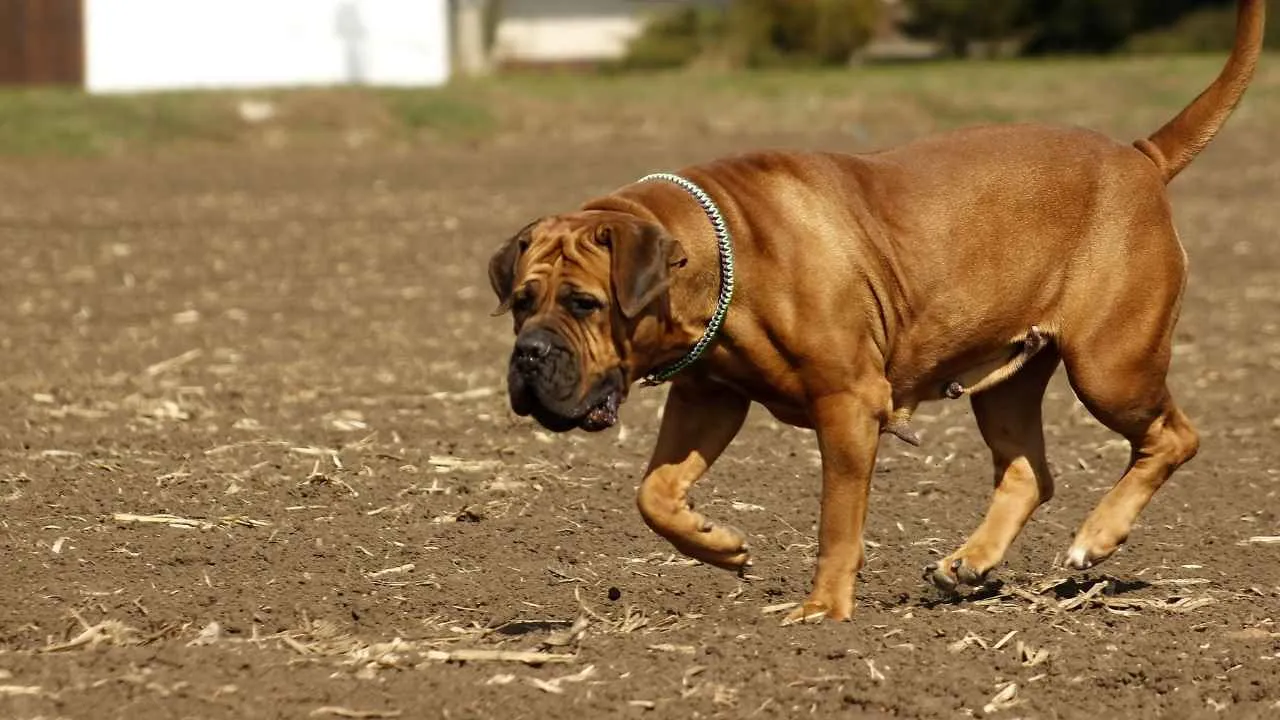
The battle-ready Boerboel radiates effortless authority built on generations of homestead defense. Packing dense muscle and strong territorial instincts, this formidable protector stays endlessly devoted to its familiar circle.
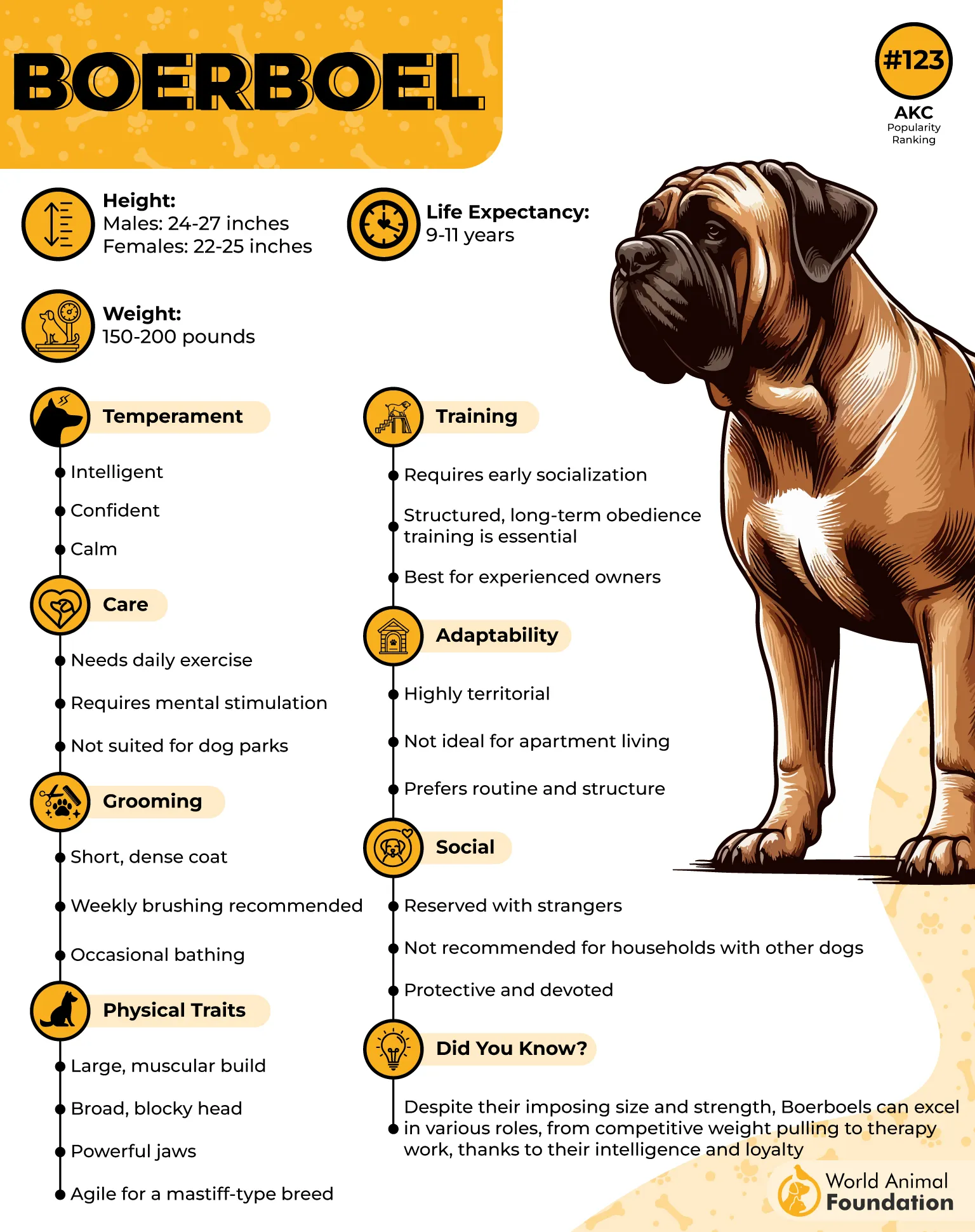
Orvis states that Boerboels stay alert when strangers approach, making early socialization essential to handle unfamiliar people without excessive suspicion. Consistent obedience training ensures dependable manners on walks and around visitors.
Their smooth, short coat requires minimal upkeep, with weekly brushing and basic hygiene covering most grooming tasks. However, these highly intelligent, working-minded dogs demand structured physical exercise, engaging tasks, clear boundaries, and regular quality time with confident handlers who understand guardian behavior.
Apartment living and crowded urban neighborhoods can easily prove overwhelming for this breed without significant space and structured outlets.
Home care tip
Install secure fencing, supervise introductions, and work with a qualified trainer familiar with powerful working breeds. Never rely on instinct alone to manage household safety.
4. Newfoundland
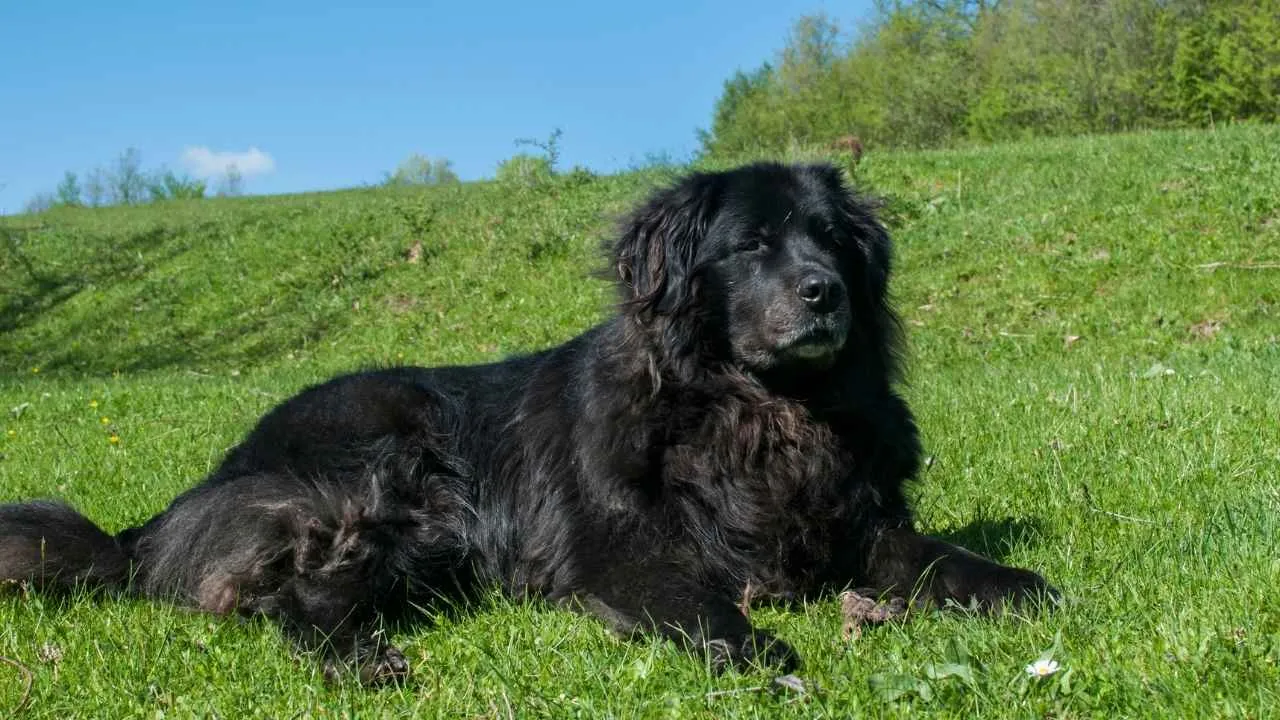
Bringing a Newfoundland home means gaining a massive, fluffy guardian with a legendary water rescue legacy. While not an aggressive protection specialist, its size, deep voice, and devotion offer a reassuring presence.
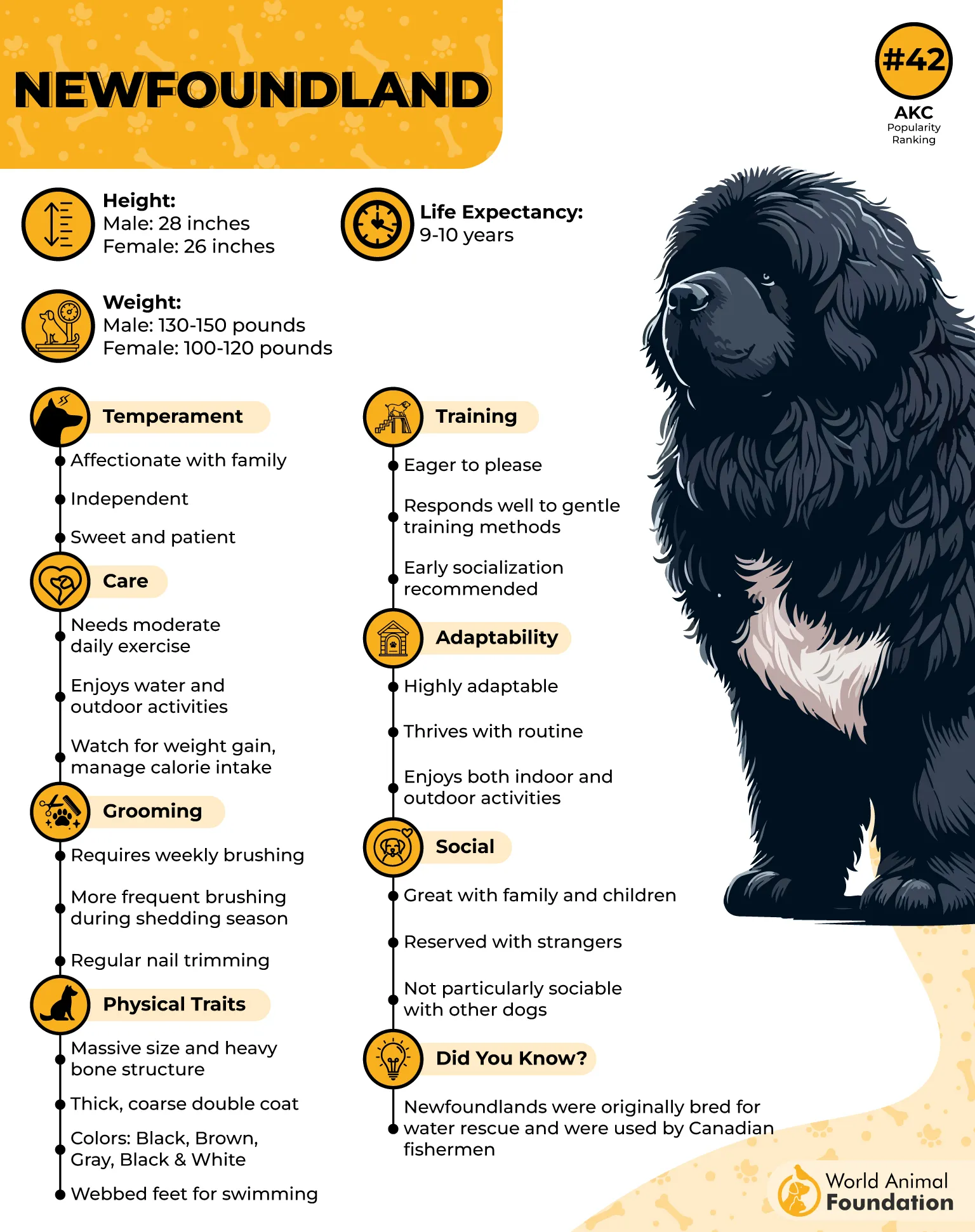
Their mellow vibe makes them absolute superstars in family settings, particularly around respectful children who understand gentle animal handling. Early socialization remains essential, and adults should always supervise playtime simply because a playful giant can accidentally knock over a small child during an enthusiastic greeting.

Their plush coat requires regular brushing to prevent tangles and manage heavy shedding, alongside drool cleanup. Daily walks and gentle play keep them fit without demanding extreme exercise.
Home care tip
Choose this breed for its gentle companionship and physical deterrence rather than aggressive guarding. Prepare for regular coat maintenance, drool management, and the higher healthcare costs associated with giant working breeds.
5. Mastiff

Boasting an enormous head, broad shoulders, and a regal disposition, the Mastiff creates an instantly striking profile while preferring a quiet afternoon with family.
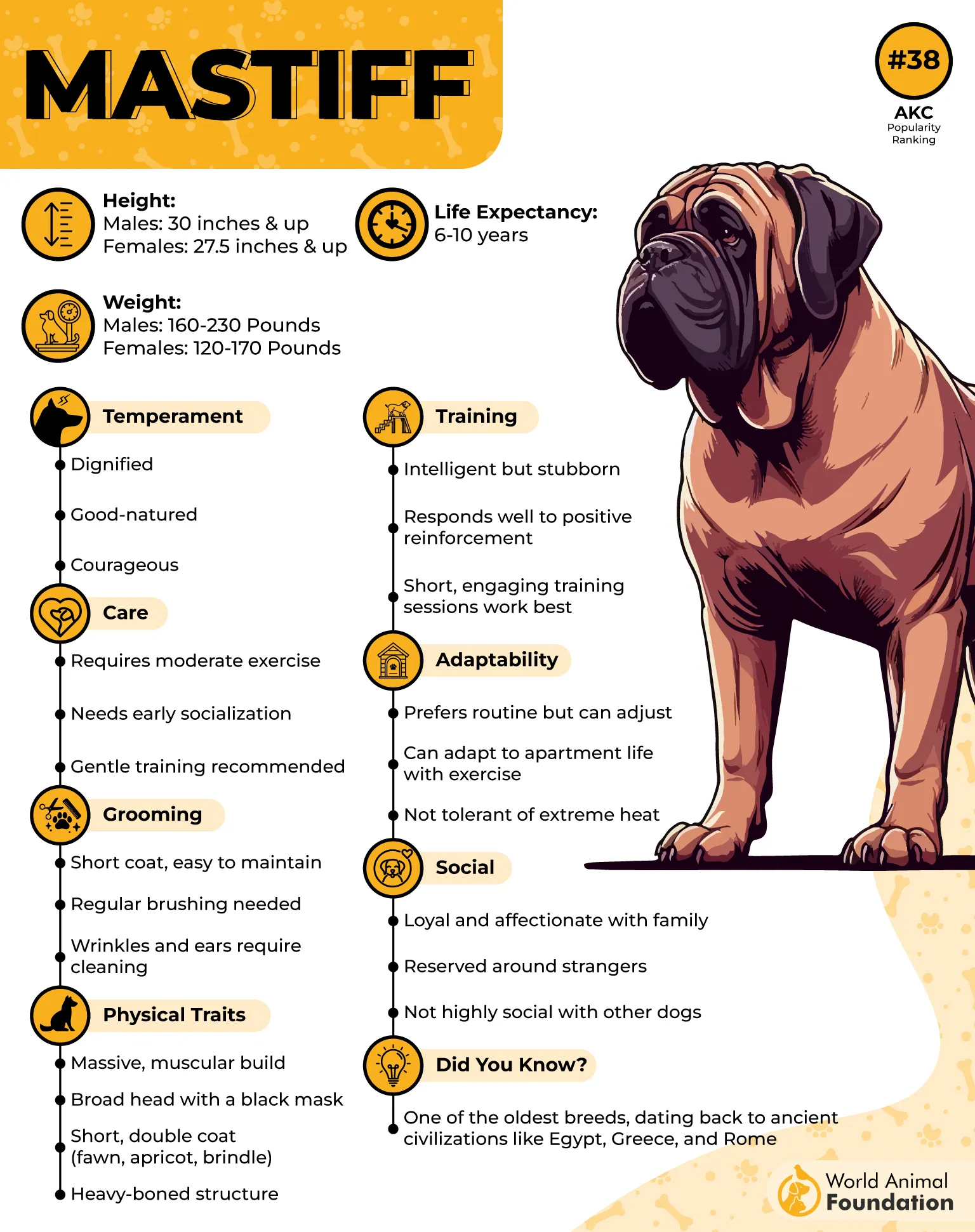
Historically valued as estate guardians, these steady giants balance protective instincts with a remarkably level-headed, docile demeanor around trusted people. They maintain a watchful eye over unfamiliar visitors while showering their owners with boundless affection and loyalty.
Early training lays down vital household manners, teaching them to walk politely without pulling on the leash and to greet houseguests calmly.
Their short coat keeps grooming straightforward with weekly brushing, nail care, and dental hygiene, alongside drool cleanup. Moderate daily walks give them just enough activity to keep their joints healthy.
Home care tip
Maintain a strict weight management plan to protect aging joints, and avoid vigorous exercise immediately before or after meals. Consult your veterinarian regarding joint supplements and bloat awareness.
6. Dogue de Bordeaux
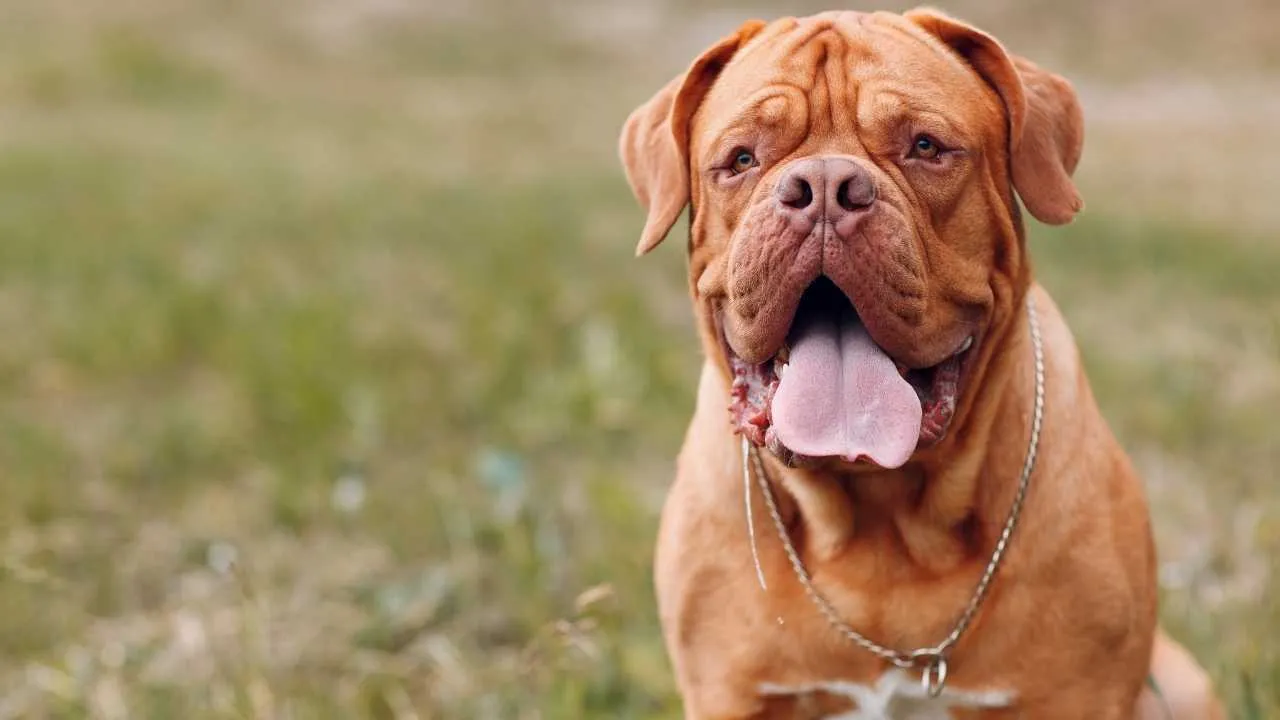
The French Mastiff, Dogue De Bordeaux, blends deep historical protective instincts with an intense attachment to its people. Its calm moments at home contrast with the confidence it displays when unfamiliar activity catches its attention.
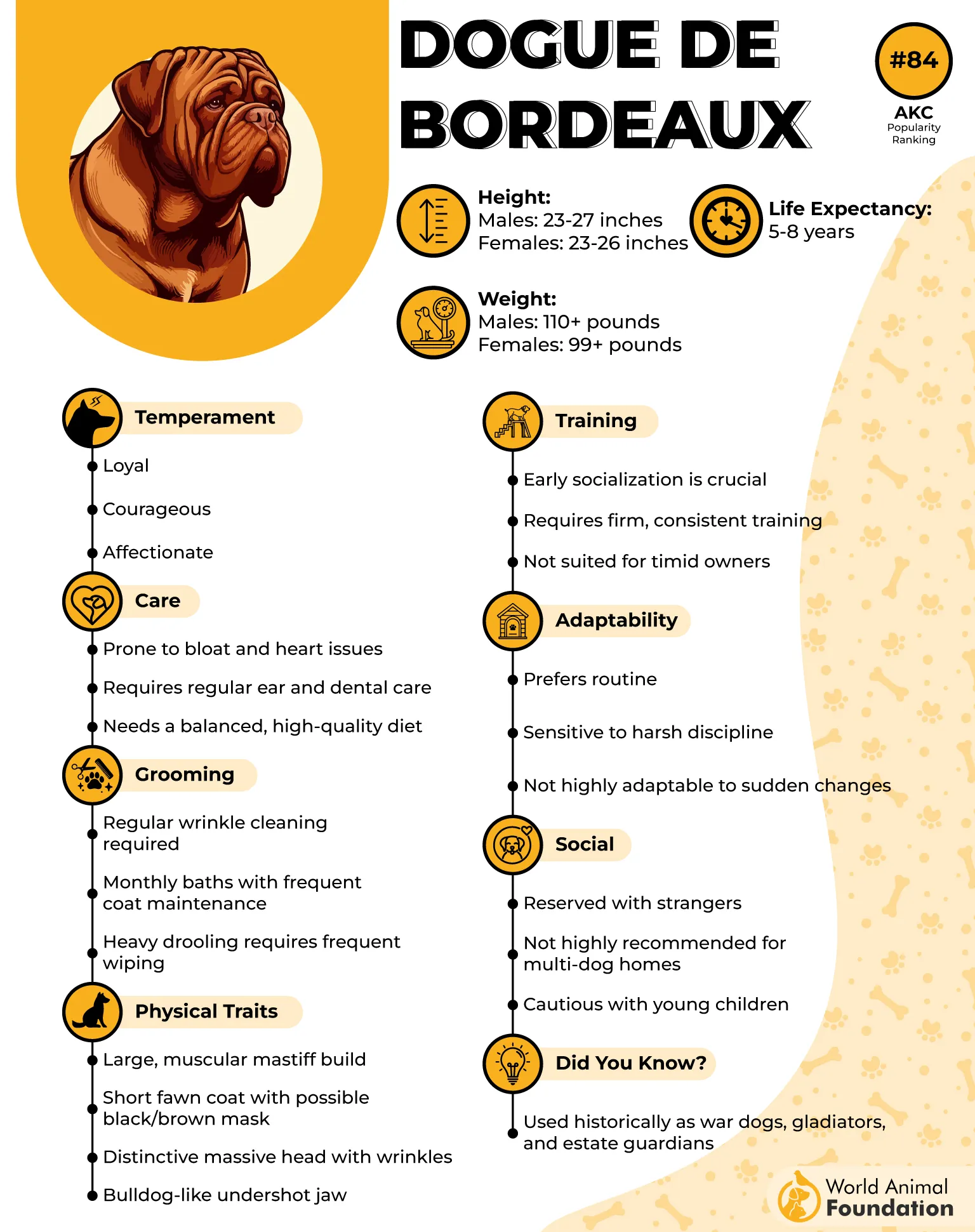
Early socialization helps them feel confident around visitors, while early obedience training makes their strength easy to manage on leash.
While their short coat needs only occasional brushing, facial wrinkles require regular cleaning and thorough drying. Washable bedding helps manage everyday drool alongside moderate daily walks.
Low-impact outdoor strolls and brief backyard play sessions keep their energy balanced. Keep in mind that their heavy builds and brachycephalic structure make them sensitive to heat and humidity.
Home care tip
Keep your dog in a cool environment and schedule regular veterinary health checks to monitor heart and joint condition.
7. Broholmer
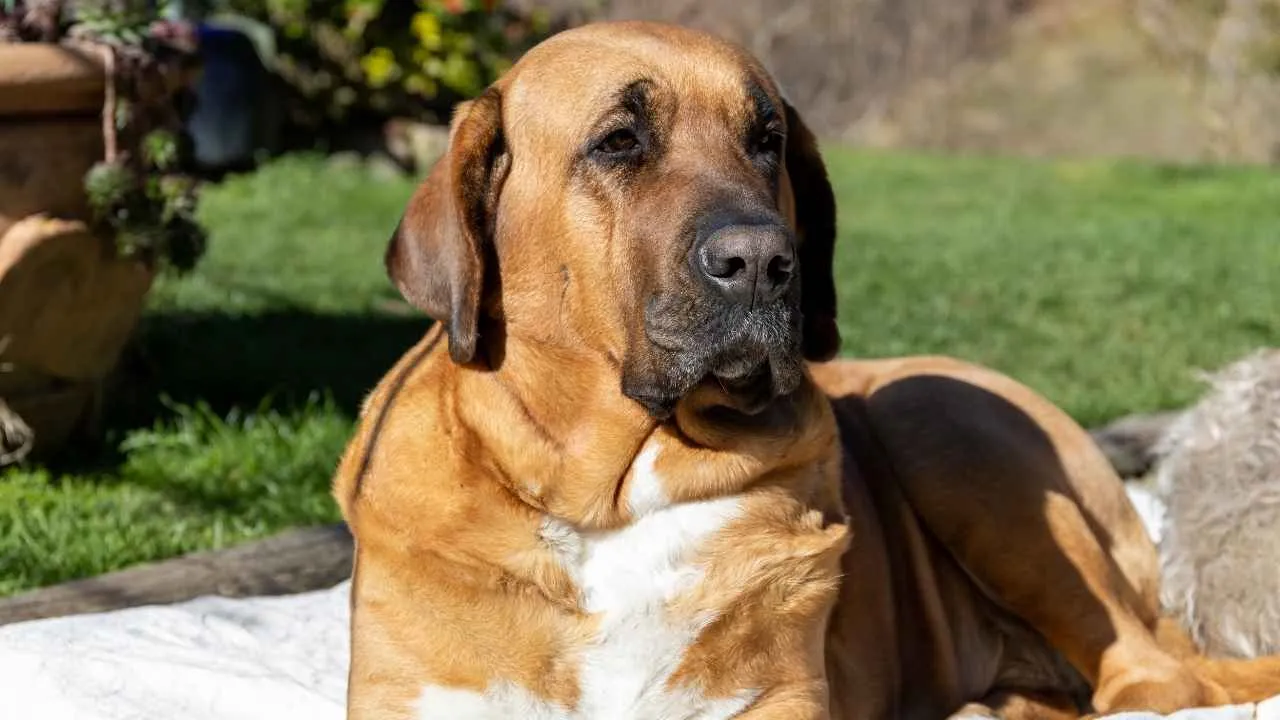
Built sturdy with a calm, watchful demeanor, this Danish property guardian, the Broholmer, uses its sheer physical presence and sharp alertness to draw attention to unfamiliar activity.
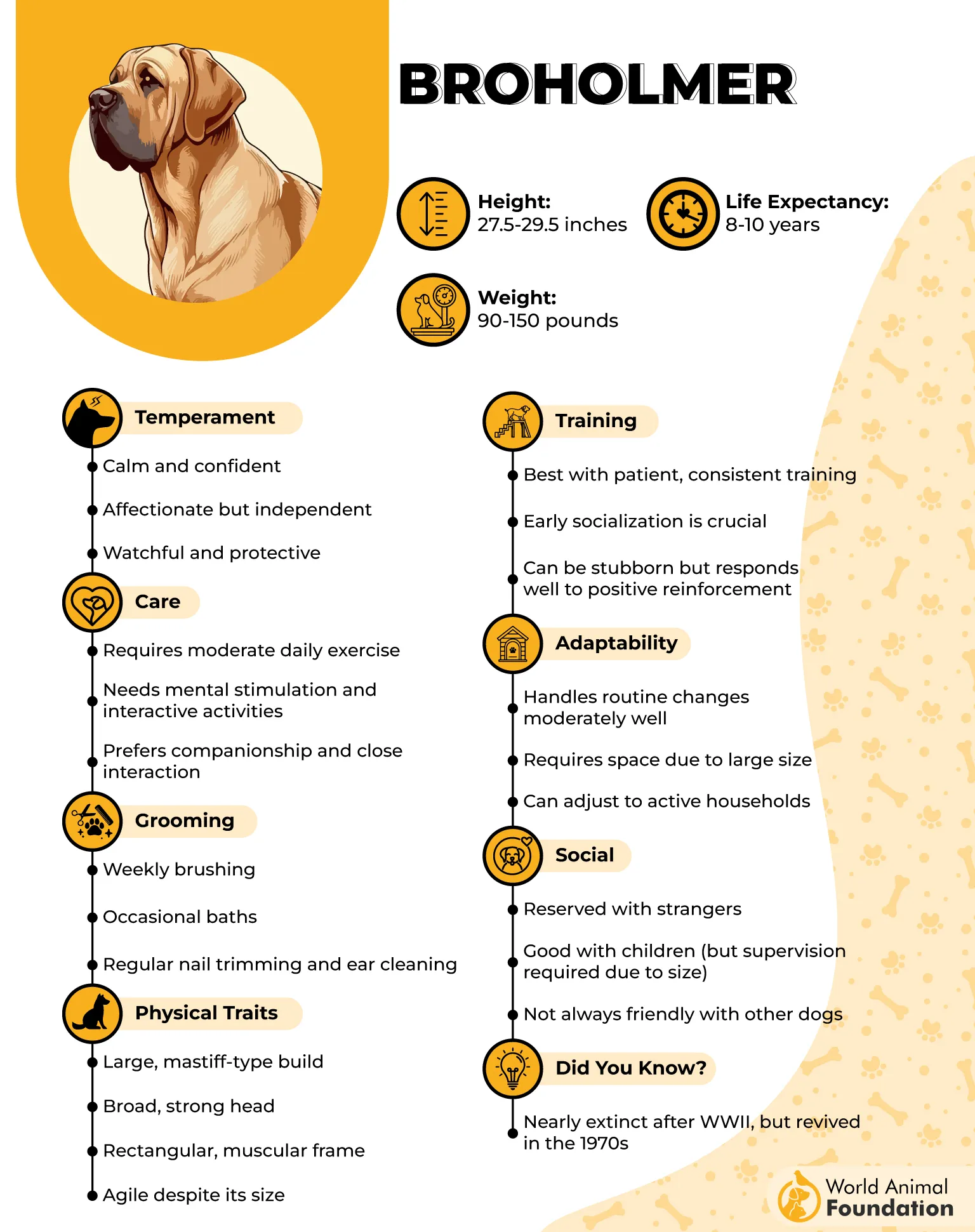
Broholmers form strong bonds with their owners and thrive on a predictable routine. Because of their deep-seated guarding heritage, starting positive-reinforcement training and broad socialization during early puppyhood ensures they remain well-mannered companions. Thoughtful, controlled introductions help them learn to accept guests into the home without unnecessary suspicion.
A short coat makes weekly brushing manageable, complemented by routine nail and dental care. Daily walks and moderate play maintain a healthy balance between relaxation and movement.
Home care tip
Provide secure outdoor space, regular human companionship, and consistent boundaries. The breed suits households that appreciate a substantial guardian with manageable coat care.
8. Kuvasz
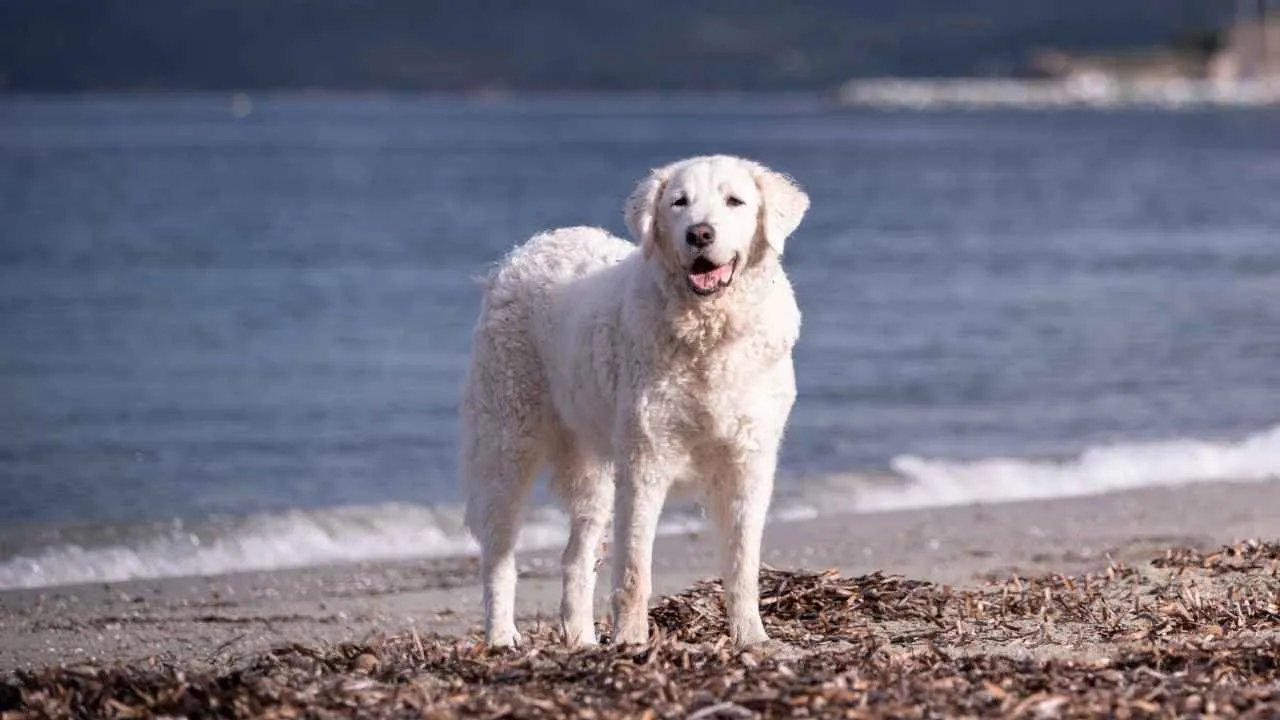
The snowy-coated Kuvasz stands as a majestic livestock guardian that forms an intensely loyal connection with trusted people while keeping a reserved stance toward unfamiliar visitors.
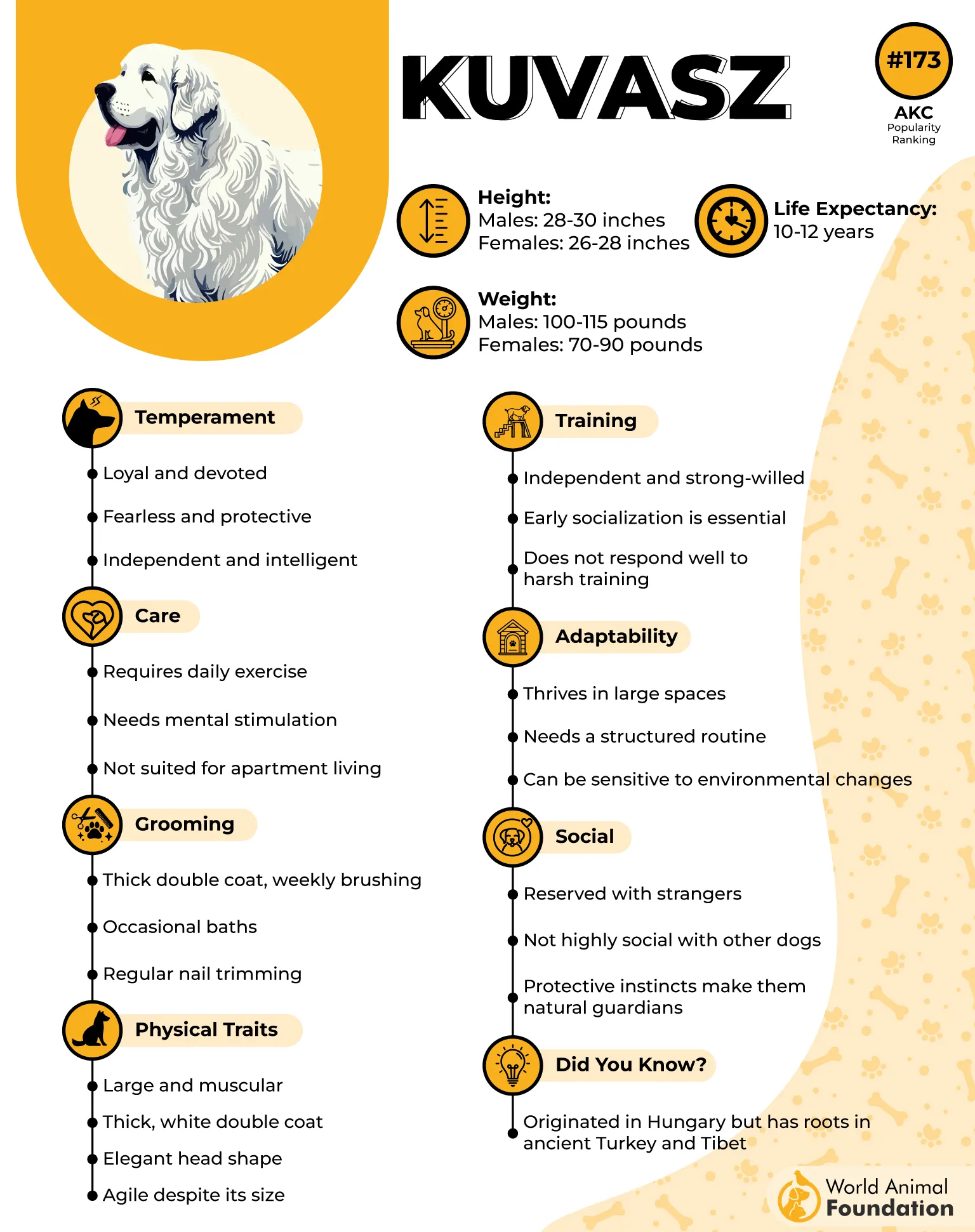
Their dense double coats need regular brushing, with extra attention during shedding seasons. Daily exercise and mental stimulation satisfy their working instincts, while warm climates require careful heat management.
Decades of working independently in the field mean the Kuvasz is accustomed to evaluating situations and making decisions without waiting for human instruction. That trademark self-reliance makes patient, reward-based training, early socialization, and high, sturdy yard fencing absolute necessities.
Your main objective as an owner is guiding their protective drives into polite household manners rather than letting them take control of security.
Home care tip
Choose the Kuvasz only if you have prior experience managing independent working breeds, ample time for grooming routines, and a commitment to structured daily socialization.
9. Great Pyrenees
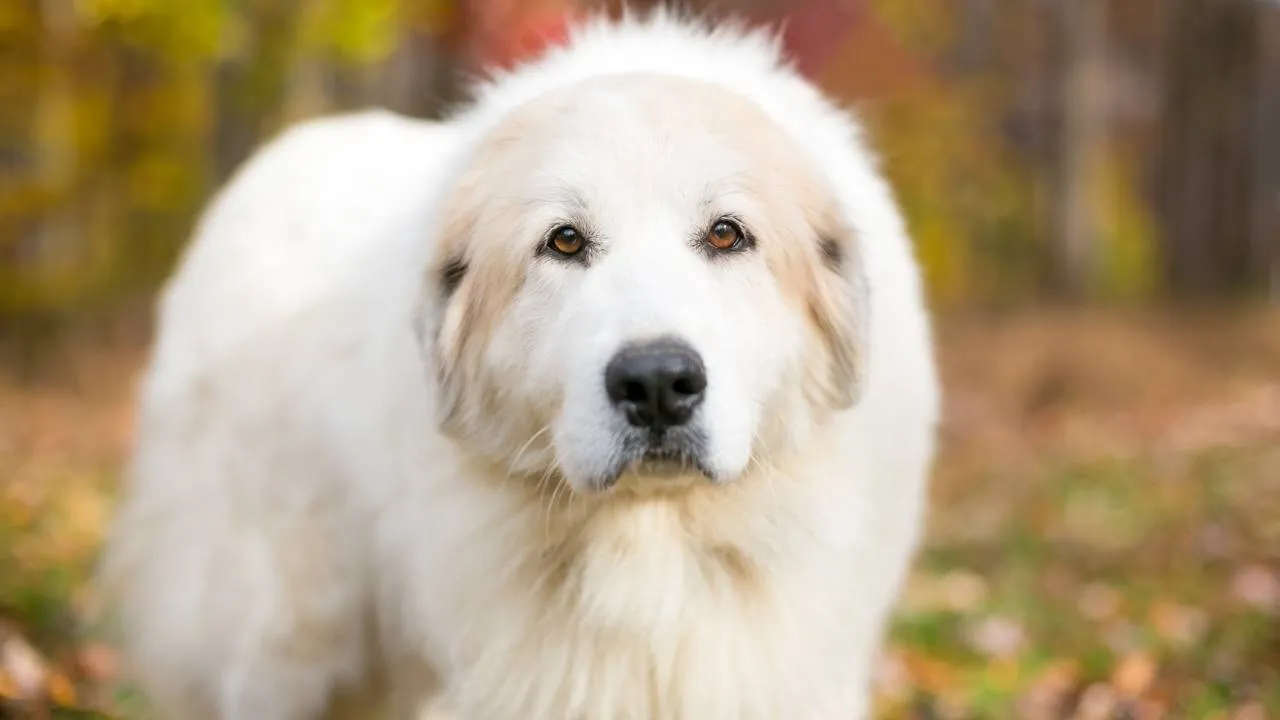
Looking like a calm mountain wrapped in soft white fur, the Great Pyrenees relies on patience, independent judgment, and loyalty to watch over its home.
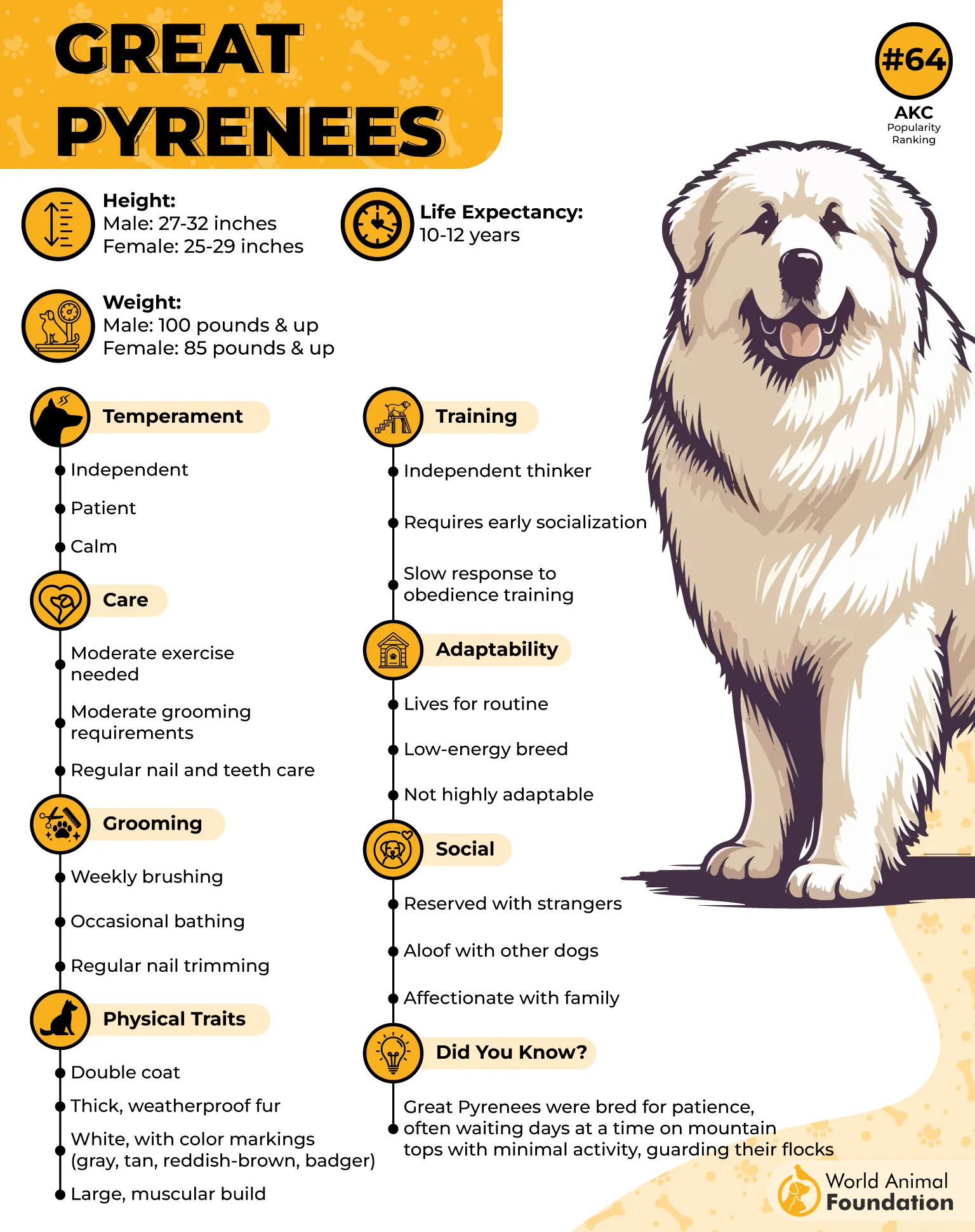
However, PetMD reminds owners that their instincts include nocturnal watchfulness, boundary patrols, and alarm barking at unusual sounds. Managing these deeply ingrained working habits requires secure fencing, positive guidance, and thoughtful training.
Seasonal coat changes bring heavy shedding periods, and hot summer days demand cool indoor retreats. Though they aren’t hyperactive, they still require steady daily walks and meaningful family interaction to remain content.
Home care tip
Prepare for frequent brushing, occasional loud barking, and a strong need for companionship. A securely fenced property with enough room suits this breed better than a cramped home.
Conclusion
The best choice depends on more than appearance. Consider your available space, daily schedule, budget, climate, and experience with large dogs. Bullmastiffs and Mastiffs offer relatively simple coat care, whereas Newfoundlands, Kuvasz, and Great Pyrenees need more brushing.
Remember that a calm dog still requires exercise, training, socialization, and regular veterinary attention. No breed guarantees perfect behavior around strangers, and a protective instinct doesn’t replace responsible supervision.
If you have kids, teach them to respect a dog’s resting space and never disturb a pet during meals. Introduce visitors thoughtfully, reward good behavior, and provide daily companionship.
