




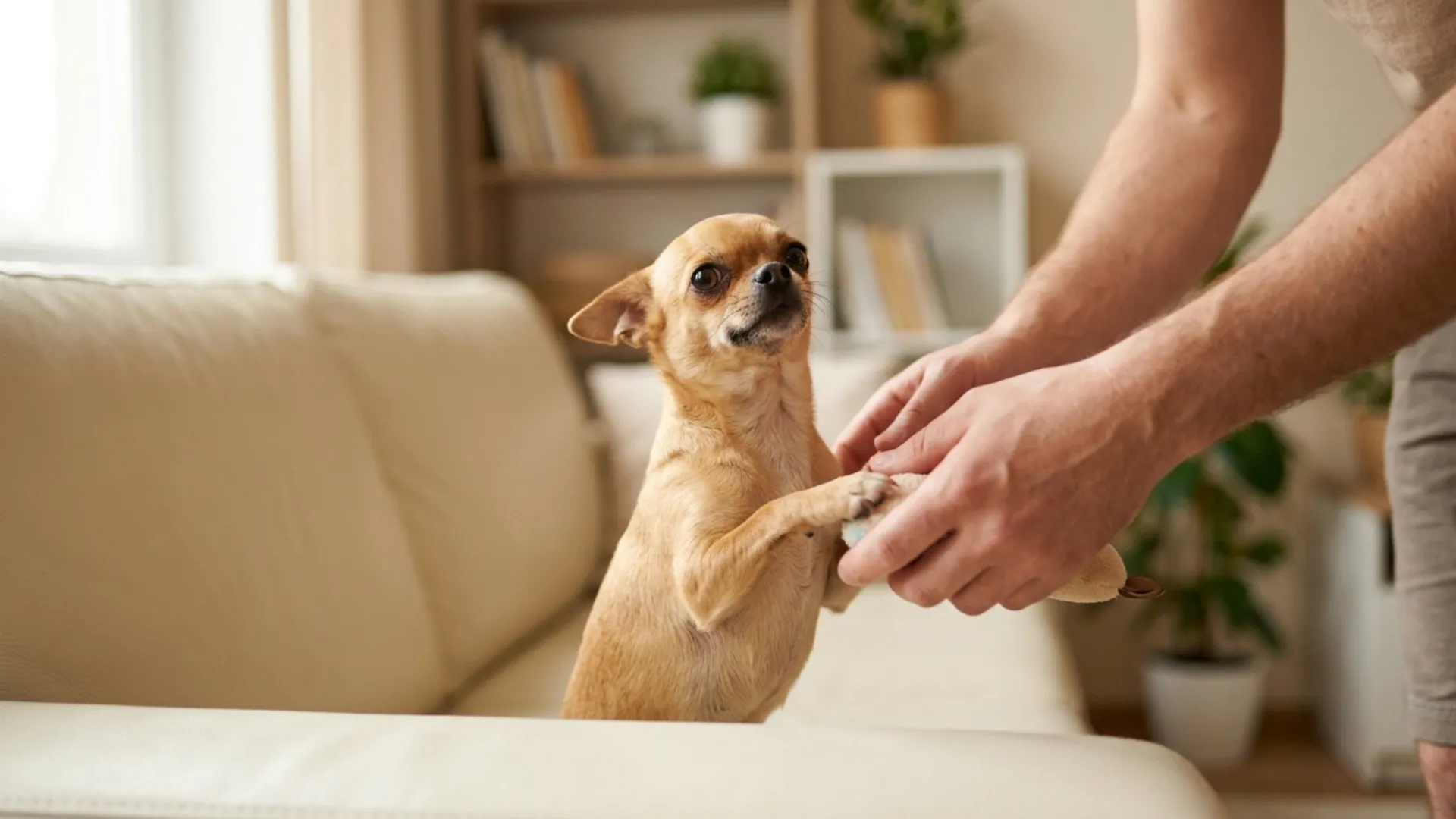
Choosing a first dog is about finding a companion whose needs fit naturally into your everyday life. Factors such as time, space, exercise, training, grooming, and temperament should be considered before bringing a puppy home. However, individual dogs can behave differently even within the same breed.
Miniature breeds may be small in stature, but they can still have substantial exercise, training, grooming, and companionship requirements.
The seven breeds below offer very different personalities in compact packages. Some are affectionate lap companions, while others retain the confidence and determination of their terrier or hunting ancestry.
For a first-time pet parent, understanding those differences can make it easier to choose a dog that matches their routine rather than simply selecting one because it looks adorable or happens to be fashionable.
Trendy Miniature Dog Breeds for First‑Time Pet Parents
1. Maltese
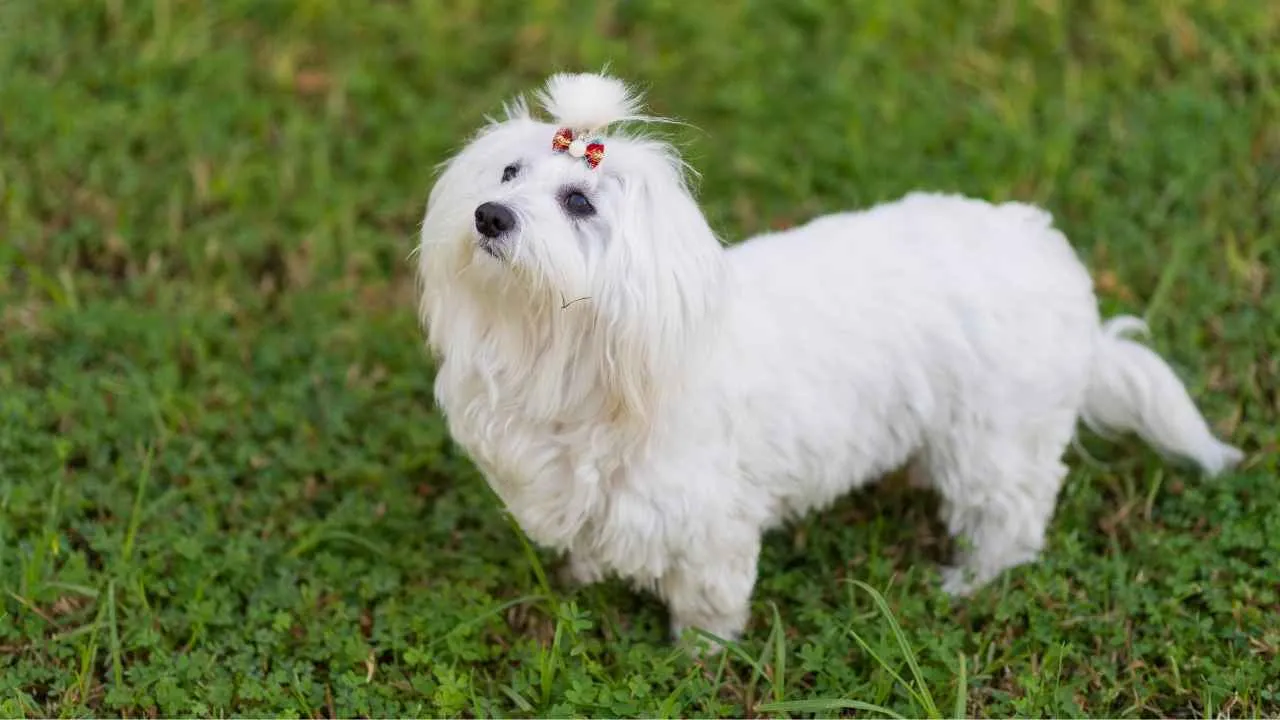
The Maltese is an ancient companion breed associated with the Mediterranean region and the island of Malta. For centuries, these small white dogs were prized primarily for companionship rather than demanding working duties.
Their long, silky coat and petite frame eventually helped establish them as one of the best-known toy breeds.
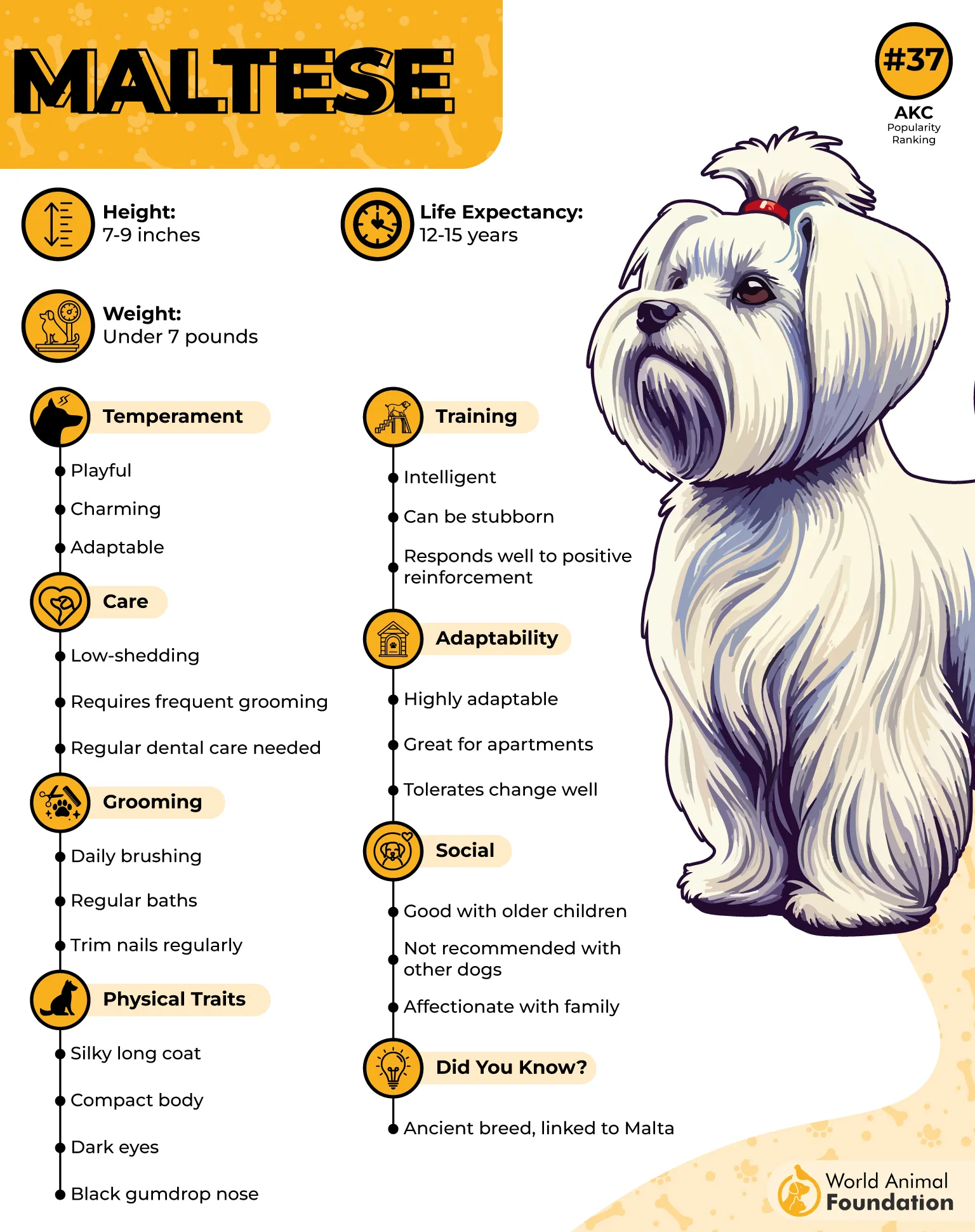
Small Body, Surprisingly Bright Mind
Maltese dogs still benefit from daily movement and mental stimulation despite their tiny stature. Short walks, indoor games, trick training, and interactive toys can provide useful outlets.
Early reward-based training can establish good household manners, particularly because a small dog should not be allowed to develop habits simply because its behavior is easy to physically manage.
A Devoted Companion for Beginners
Their affectionate nature can make Maltese appealing to first-time owners who want a dog that enjoys close family interaction.
They can adapt to smaller homes when their daily needs are properly met. Their coat, however, requires considerable maintenance, so prospective owners should be prepared for regular brushing and professional grooming when necessary.
2. Chihuahua
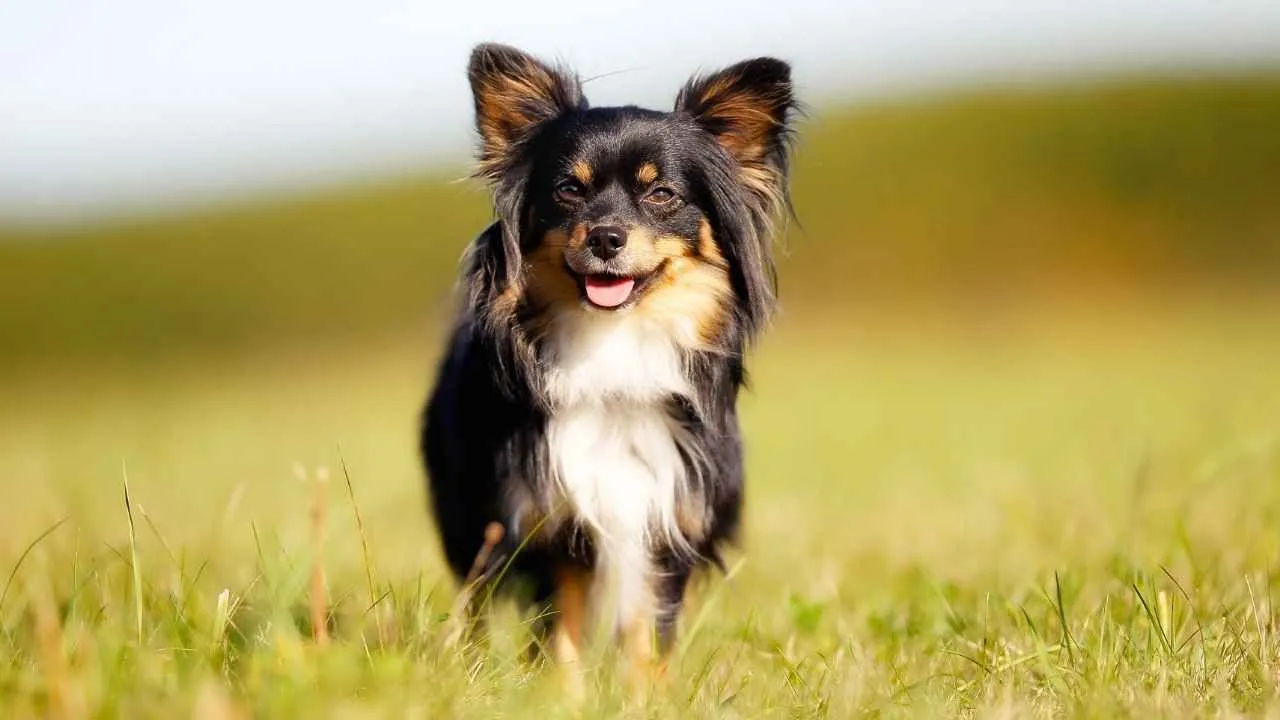
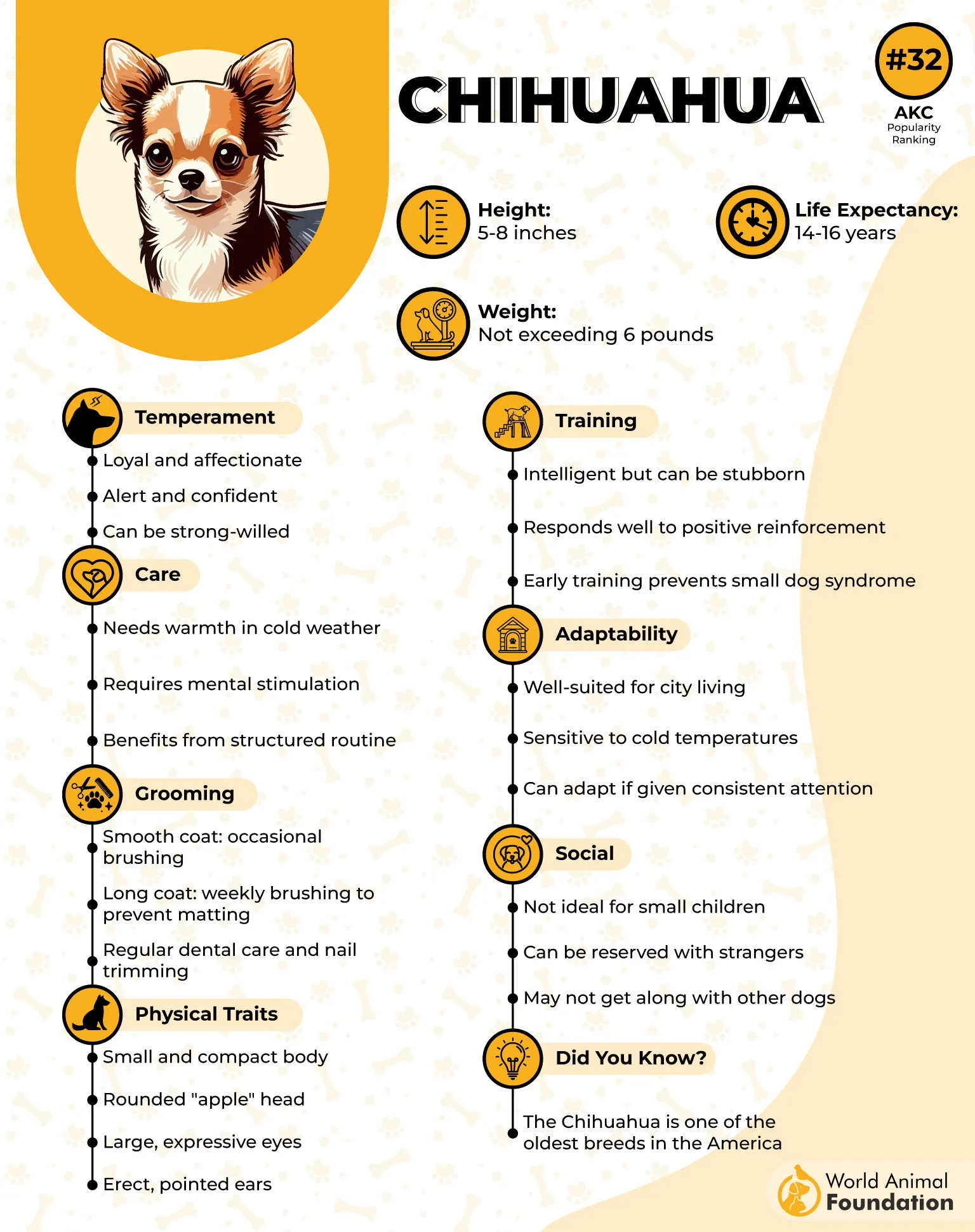
The Chihuahua takes its name from the Mexican state of Chihuahua and is one of the smallest recognized dog breeds. Its deeper history is connected with Mexico’s ancient Techichi-type dogs, which were associated with the Toltec and later Aztec civilizations, as per PDSA.
Modern Chihuahuas developed into compact companion dogs with remarkably confident personalities.
Make Training Gentle, Clear, and Consistent
Chihuahuas need regular mental engagement even though their exercise requirements are relatively modest. Short walks, indoor games, and brief obedience sessions can keep them active without demanding extensive outdoor exercise.
Positive training methods are particularly useful for teaching calm greetings, appropriate barking habits, and reliable responses.
A Tiny Companion With a Bold Outlook
Their diminutive size can make Chihuahuas practical for many living arrangements, but their personalities are rarely timid by default. They can be intensely devoted to their owners and highly alert to unfamiliar people or sounds.
Early socialization is therefore important for helping a Chihuahua become confident without turning ordinary situations into sources of anxiety.
3. Yorkshire Terrier
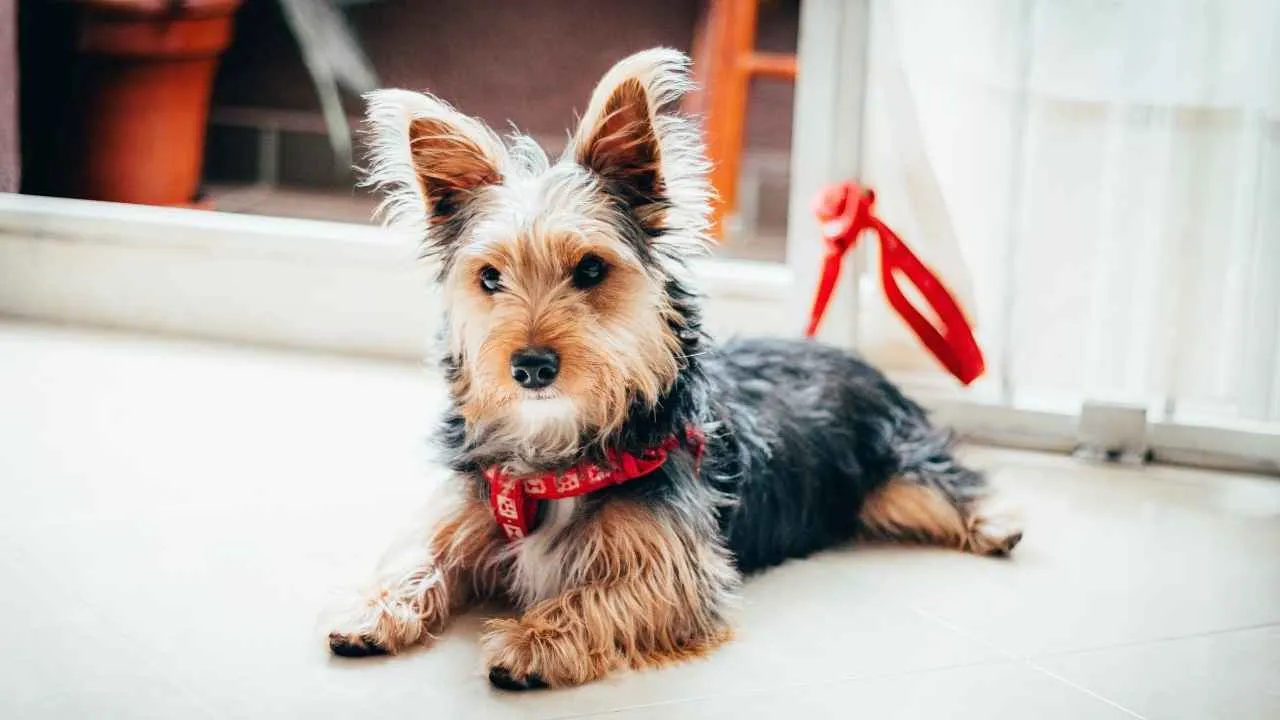
The Yorkshire Terrier originated in northern England during the nineteenth century, where small terriers were valued for controlling rats in mills and other working environments, as per Purina. Their ancestors included several terrier types brought into the region by Scottish workers.
Selective breeding eventually produced the distinctive long-coated companion now known as the Yorkie.
Give Their Terrier Energy a Job
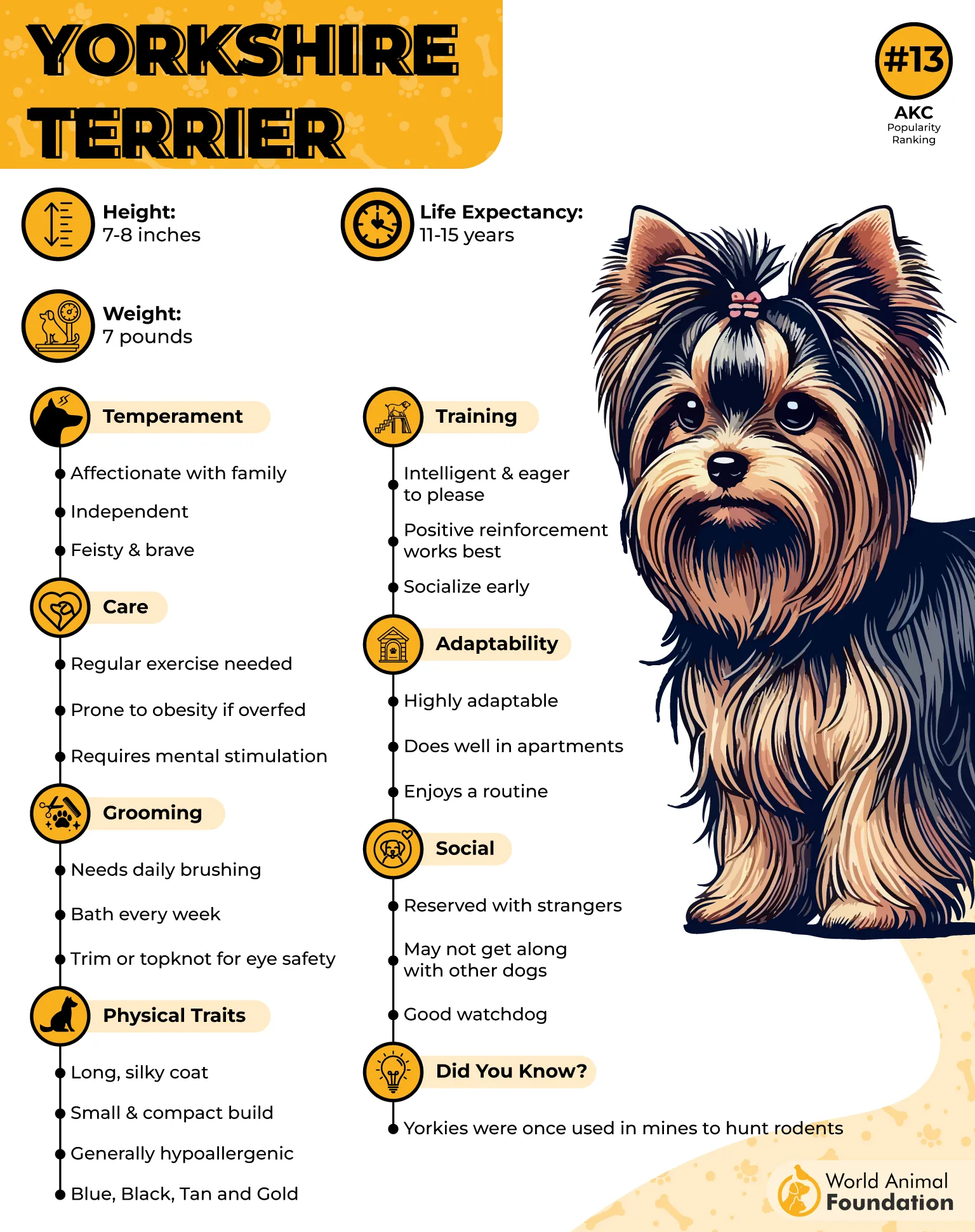
Yorkshire Terriers may be tiny, but their working ancestry remains visible in their alertness and enthusiasm.
Daily walks, interactive games, scent activities, and short training sessions can help satisfy their need for stimulation. Consistency is important because a clever terrier may quickly learn which behaviors earn attention.
A Miniature Dog With a Working-Dog Attitude
Yorkies can be affectionate and entertaining while retaining the confidence associated with their terrier heritage. Their small size allows them to accompany owners easily, but they should still be treated as active dogs rather than accessories.
Grooming is another major consideration because their fine, continuously growing coat requires regular care.
4. Shih Tzu
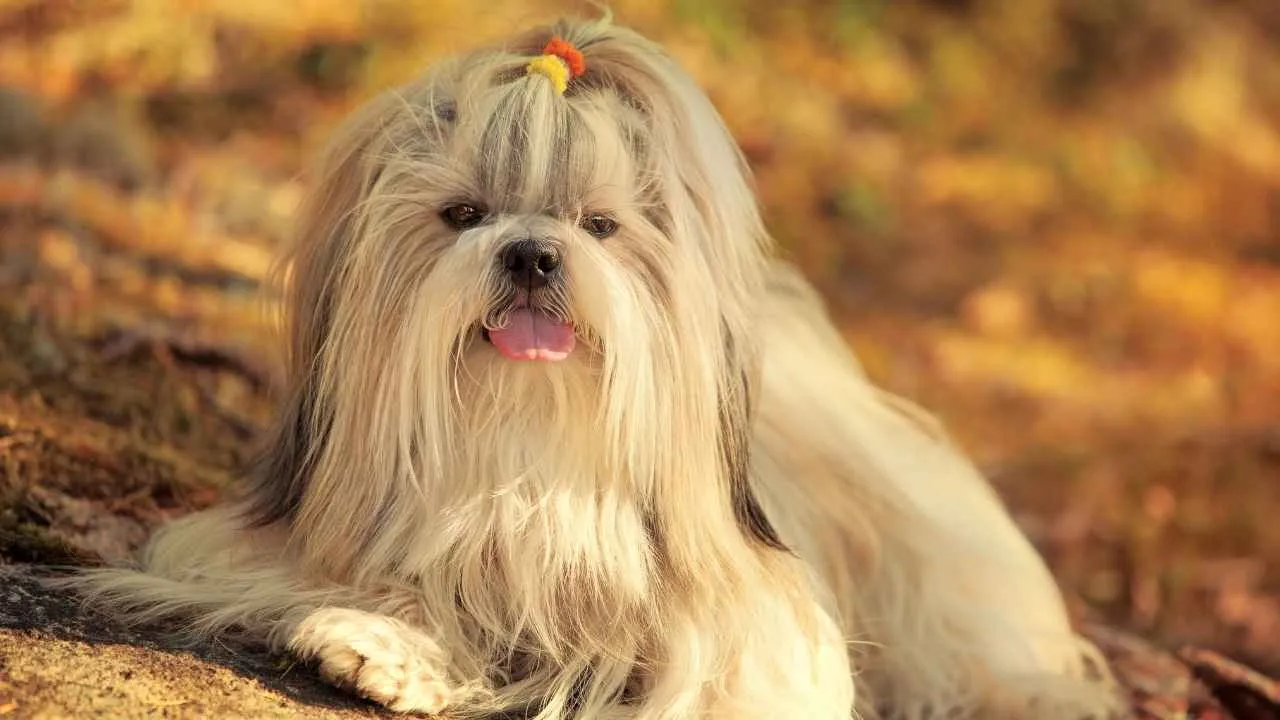
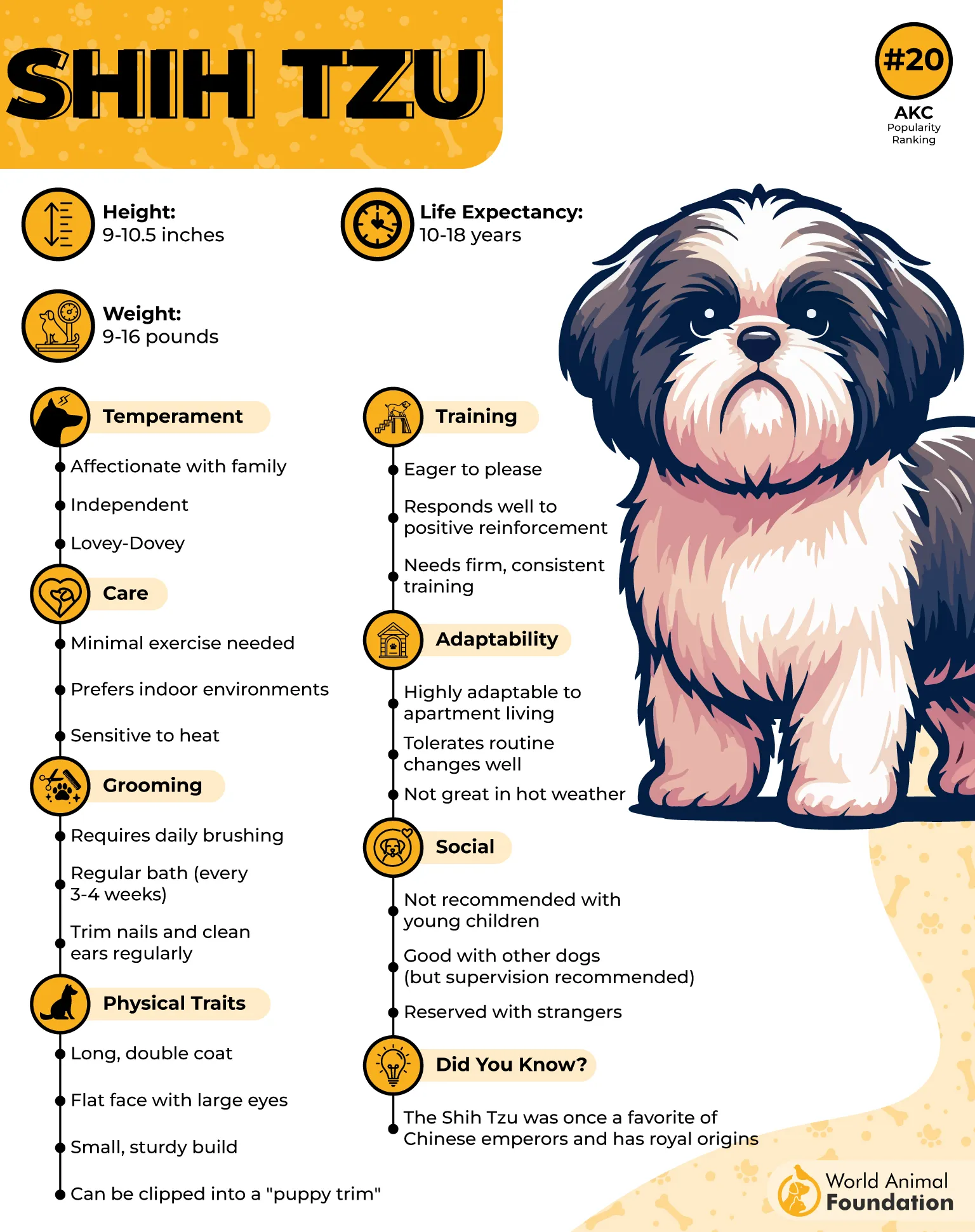
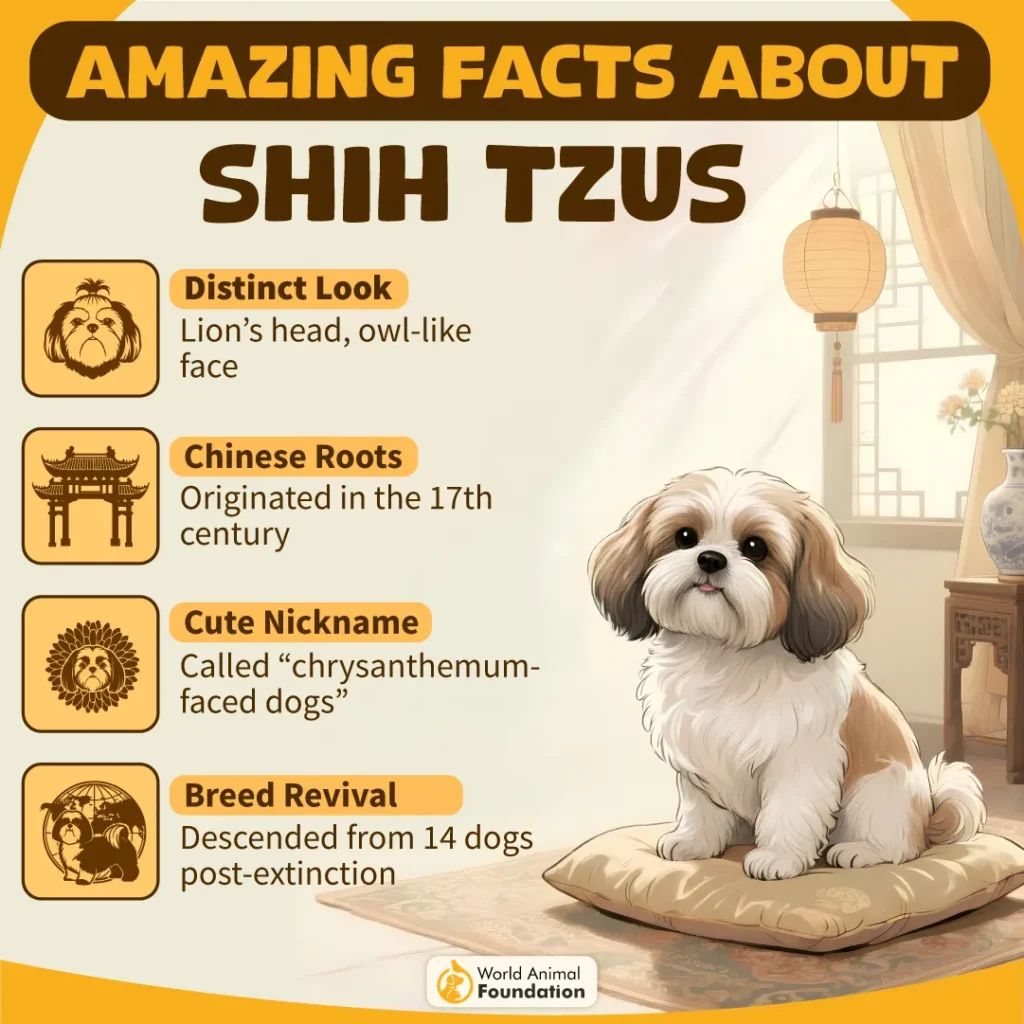
The Shih Tzu has a long history as a companion dog in China and is closely associated with imperial households. Its ancestry is believed to include small dogs from Tibet and China, with the breed eventually becoming especially valued as a palace companion.
Unlike dogs developed primarily for hunting or herding, the Shih Tzu’s historical purpose centered heavily on living alongside people.
Keep Their Routine Manageable but Structured
Shih Tzus generally do well with moderate daily activity, including short walks and indoor play. They can benefit from brief training sessions that reinforce house manners, leash behavior, and basic commands.
Their long coat also creates a substantial grooming responsibility unless owners choose to maintain a shorter trim.
A People-Oriented Companion for Smaller Homes
Their compact build and companion-focused background can make Shih Tzus appealing to first-time pet parents living in apartments or houses without large yards. They tend to enjoy spending time with their owners and can adapt to different household routines.
Consistent boundaries are still necessary because an indulgent owner can easily overlook unwanted behavior in such a charming little dog.
5. Poodle
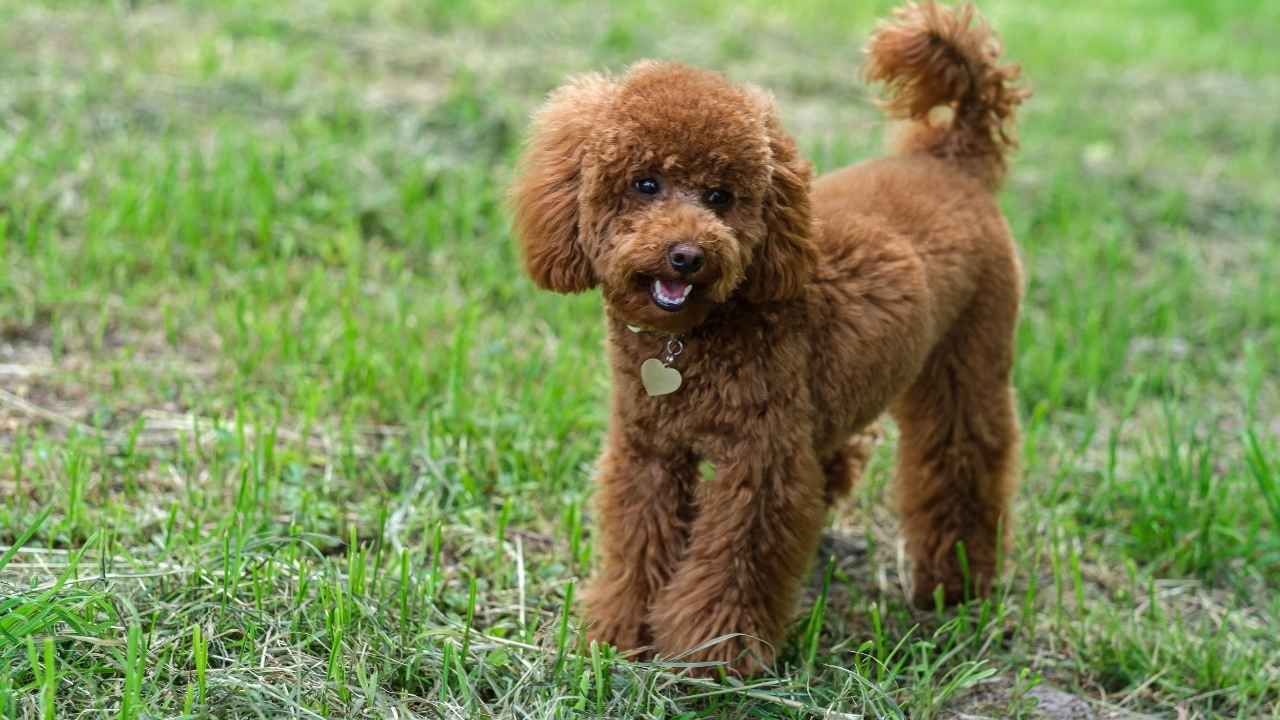
Poodles have a working history that is very different from their elegant appearance. The breed originated as a water-retrieving dog, with Germany generally associated with its early development, before becoming strongly linked with France.
Poodles eventually developed into Standard, Miniature, and Toy varieties, allowing the breed’s intelligence and athleticism to appear in several sizes.
Turn Their Intelligence Into an Advantage
Poodles are highly intelligent dogs and generally benefit from activities that challenge their minds as well as their bodies.
Obedience practice, trick training, puzzle toys, scent games, and interactive play can provide valuable stimulation. A first-time owner who enjoys teaching new behaviors may find this breed particularly rewarding.
A Clever Miniature for Engaged Owners
Miniature Poodles combine a relatively compact size with considerable intelligence and energy. They can adapt to different homes when their physical and mental needs are addressed, but they should not be viewed as passive lapdogs.
Their curly coat also requires regular grooming, making coat care an important part of ownership.
6. Papillon
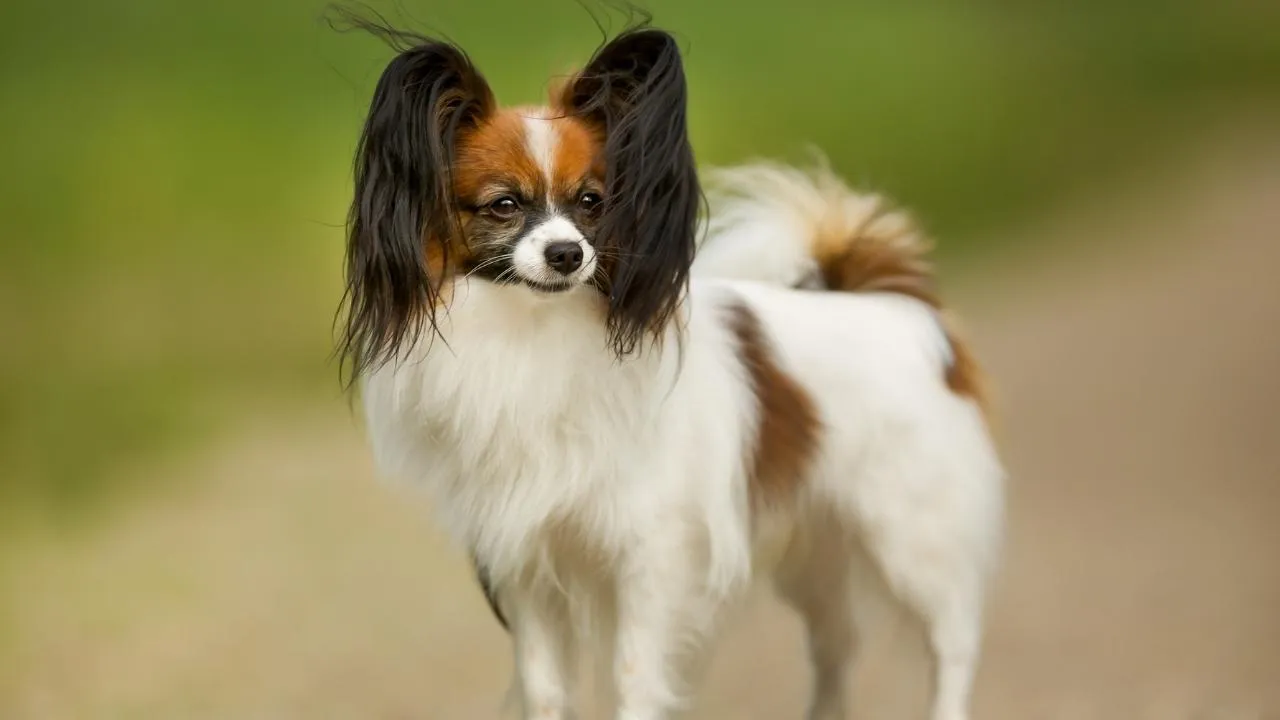
The Papillon is a small European companion breed famous for its large, butterfly-shaped ears, from which its name is derived from the French word for butterfly, as per Britannica. The breed developed from small continental spaniels that were favored as companions in European households.
Although tiny, Papillons have also gained recognition for their agility, intelligence, and willingness to learn.
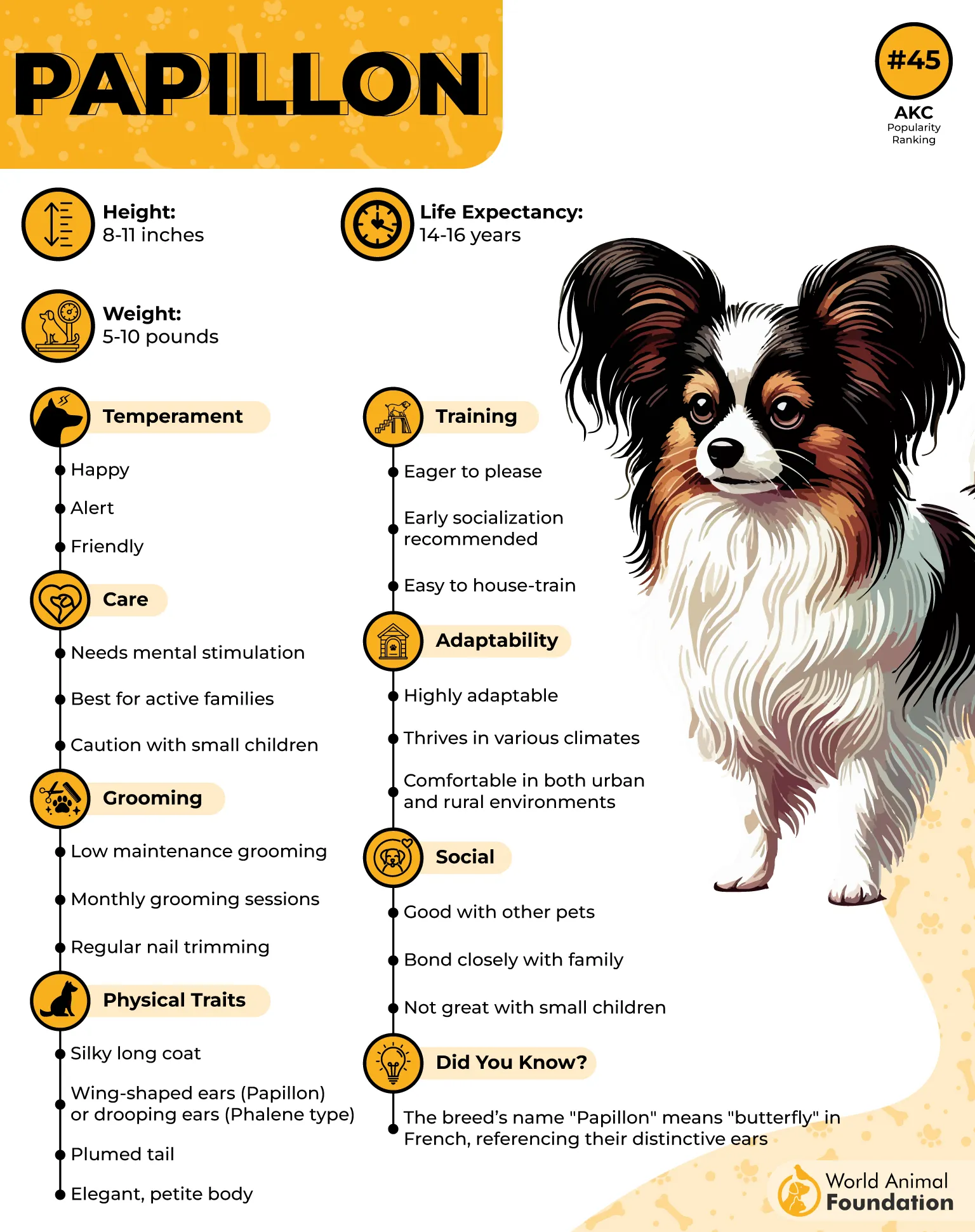
Challenge Their Quick Minds Every Day
Papillons can thrive on short training sessions, interactive games, trick work, and regular walks. Their small bodies make indoor activities useful, but they still need opportunities to explore and exercise.
Teaching basic obedience from an early age can turn their intelligence into a major advantage for a new owner.
A Tiny Athlete With a Sociable Side
Their cheerful and responsive personality can make Papillons engaging companions for people who want an active relationship with their dog. They can participate in training and games without requiring the physical space of a large breed.
Their alert nature also means that socialization should begin early so they learn to respond appropriately to unfamiliar people, animals, and surroundings.
7. Biewer Terrier
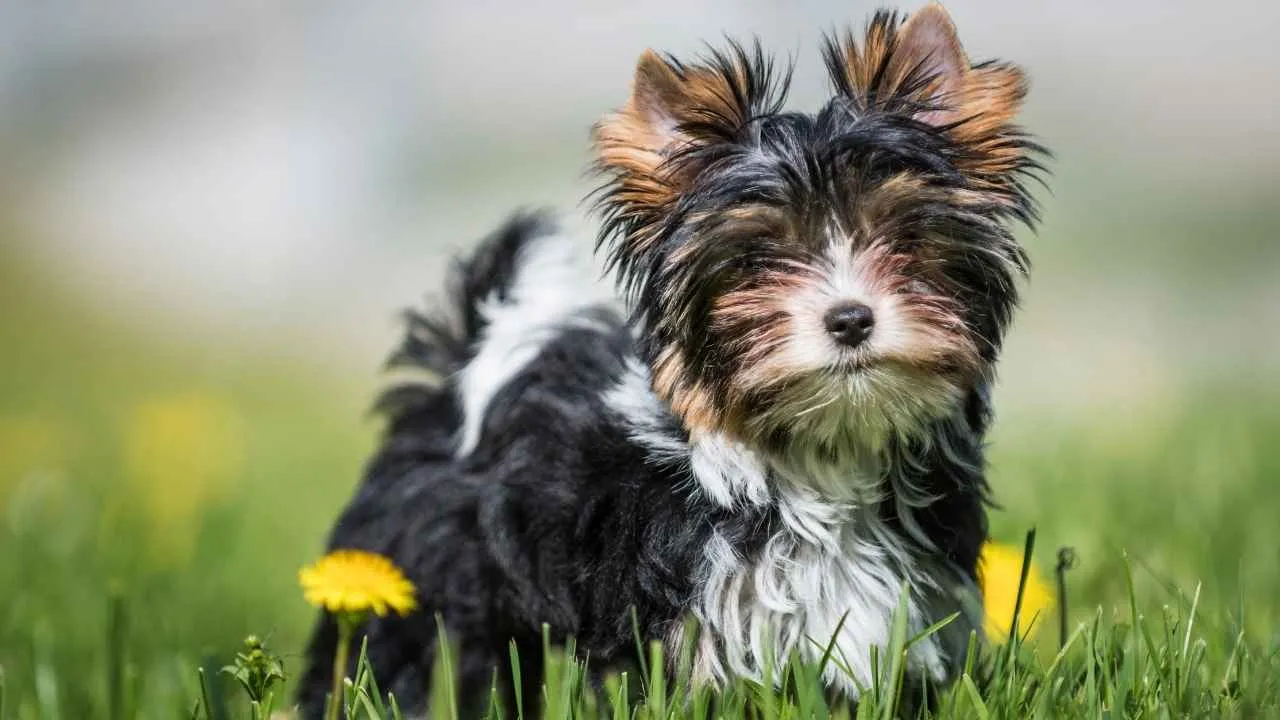
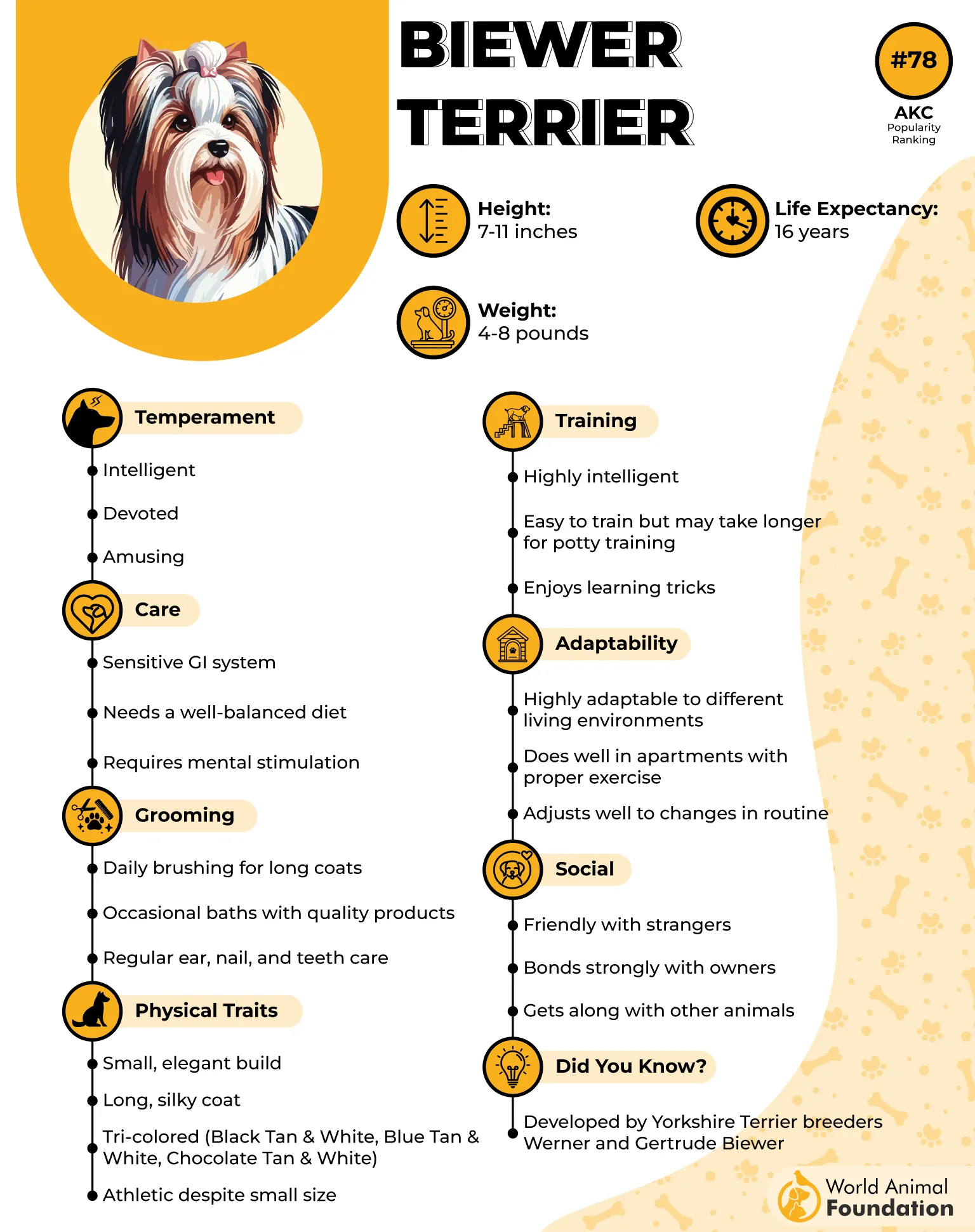
The Biewer Terrier is one of the newer breeds on this list, originating in Germany during the 1980s. It developed from Yorkshire Terriers after breeders Werner and Gertrud Biewer produced distinctive tricolored puppies carrying a recessive piebald gene.
Over time, these dogs were selectively bred into a consistent type and became recognized as a separate breed.
Blend Playtime With Positive Lessons
Biewer Terriers need regular opportunities for movement and mental engagement despite their small stature.
Walks, indoor games, interactive toys, and reward-based training can help keep them occupied. Establishing household rules early can also prevent their confident personalities from becoming difficult habits.
A Modern Miniature With a Cheerful Character
Biewer Terriers were developed primarily as companion dogs and can form close bonds with their owners. Their playful and affectionate qualities may appeal to people experiencing dog ownership for the first time.
Their long coat does require routine grooming, so new owners should include brushing and coat maintenance in their regular schedule.
Conclusion
Maltese and Shih Tzus can be appealing for first-time owners who want affectionate companion dogs, while Chihuahuas and Yorkshire Terriers bring confident personalities despite their tiny frames. Miniature Poodles and Papillons stand out for their intelligence and enthusiasm for learning, whereas the Biewer Terrier offers a newer option with a distinctive appearance and cheerful temperament.
Although these breeds are small, each comes with its own responsibilities. Exercise, training, grooming, socialization, mental stimulation, and companionship all remain important parts of responsible ownership. Their size may make some aspects of daily care more manageable, but it does not eliminate the need for time, patience, and commitment.
The best miniature breed for a first-time pet parent is ultimately the one whose personality, activity level, grooming demands, and companionship needs fit comfortably into the household.
Choosing with those factors in mind can help create a rewarding relationship and give the dog a stable, enjoyable life with its new family.
