




Ever notice how some dogs completely lose it over the smallest things—a doorbell, a thunderstorm, or a stranger walking by? And then… There are the calm ones. The steady ones. The dogs that seem to carry a sense of peace wherever they go.
Here’s the surprising truth: not every “friendly” dog is truly calm, and not every big dog is intimidating. Some of the most tranquil breeds in the world are often misunderstood. These are the dogs that stay composed in chaos, remain loyal in uncertainty, and show unbelievable gentleness even when the world gets loud.
Sounds rare, right? But these breeds exist. And once you meet one, you never forget it.
If you’ve ever wondered which dogs can stay cool under pressure, without drama, panic, or constant barking, you’re in the right place. Let’s dive into 9 calm and tranquil dog breeds that remain steady in any situation.
Tranquil Dog Breeds That Stay Steady in Any Situation
1. Newfoundland
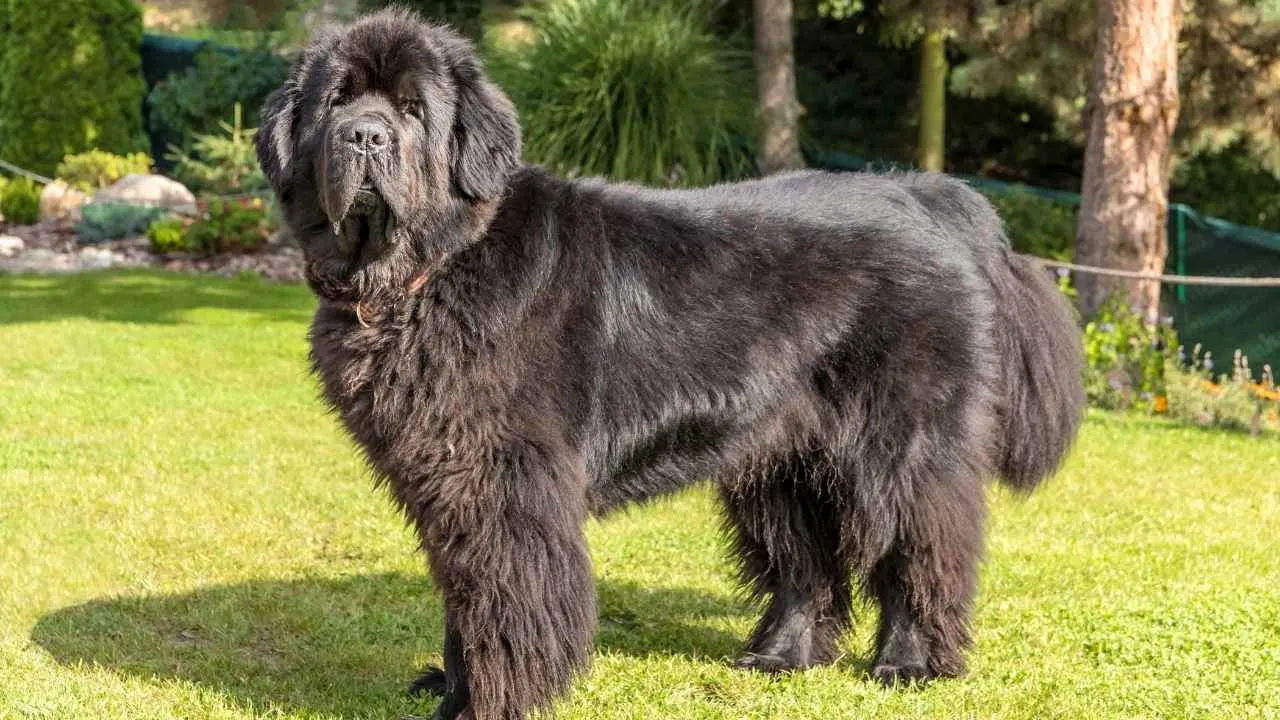
The Newfoundland is the kind of dog that brings a quiet sense of comfort into a home.
Despite their massive size, these gentle giants are known for staying calm during noisy family gatherings, busy afternoons with children, and even around smaller pets, as mentioned by PetMD.
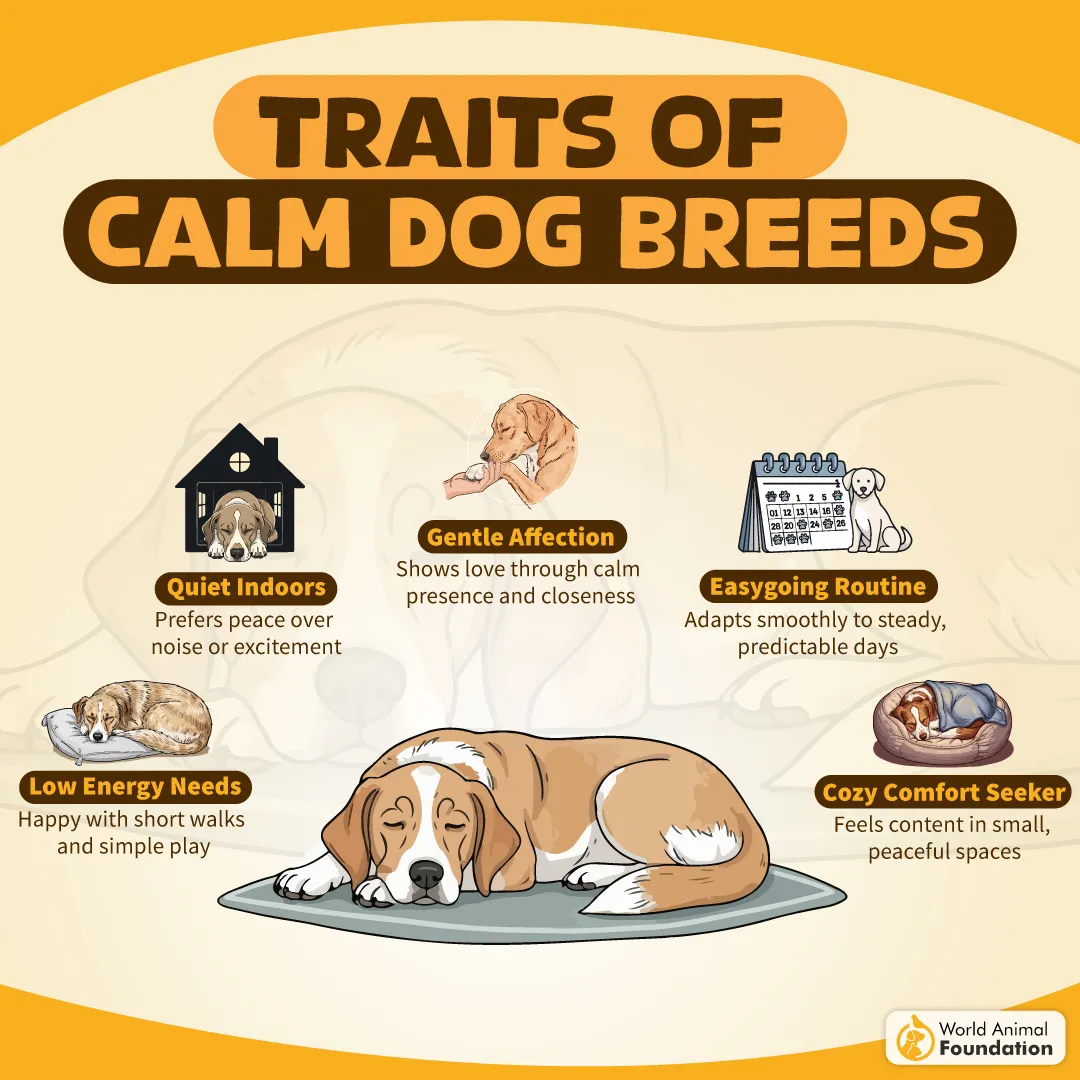
Many owners describe them as patient “nanny dogs” because of the careful way they move around kids. They rarely react aggressively or become overly excitable, which makes them one of the steadiest companions for families who want a peaceful dog.
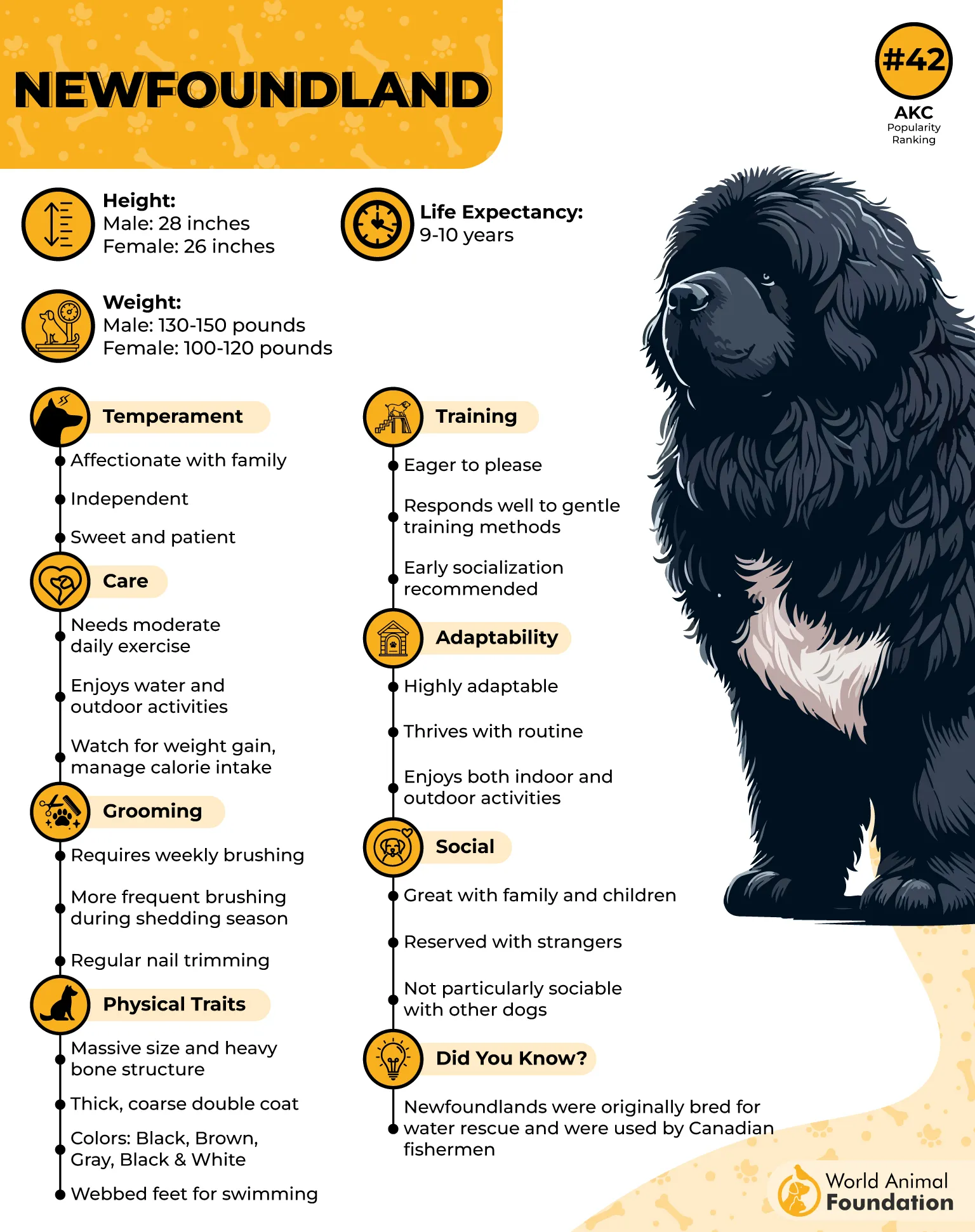
The Newfoundland breed is known for its sweet temperament and gentle demeanor around children, making them excellent family pet.
One thing that truly sets Newfoundland apart is its natural instinct for water rescue.
With webbed feet, incredible swimming strength, and a history of saving people from drowning, this breed was built to remain composed even in dangerous situations.
That calm temperament carries into daily life, too. Whether relaxing beside the couch, quietly watching over children, or walking through crowded parks, Newfoundlands tend to stay balanced and easygoing.
They do need regular walks and swimming sessions to stay healthy, but they’re far from hyperactive, making them ideal for calm, stable households.
2. Saint Bernard
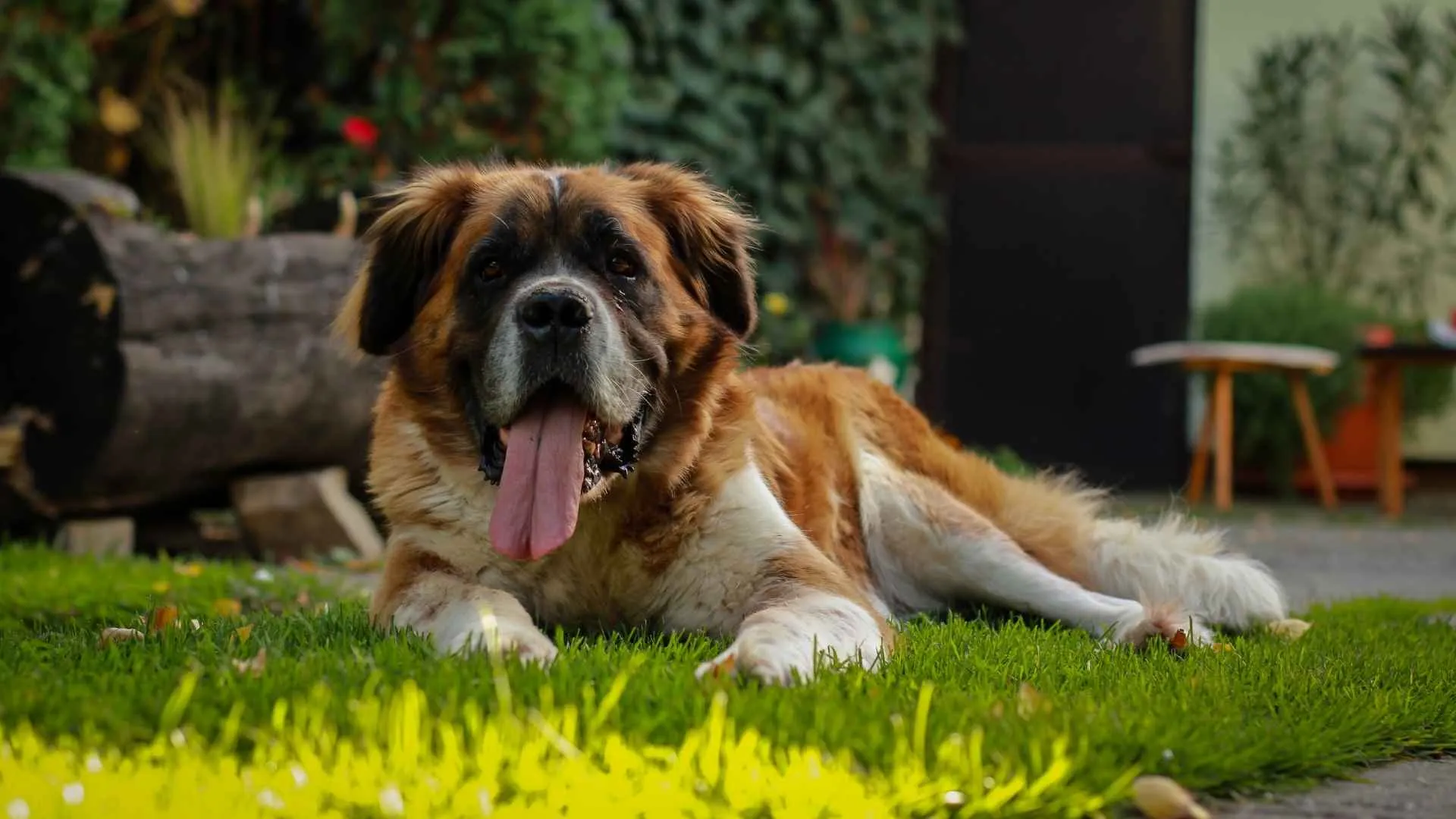
The Saint Bernard has earned its reputation as one of the most dependable large dog breeds ever raised around families.
Originally developed by monks in the snowy Swiss Alps, these massive dogs were trusted to locate travelers trapped in avalanches, a job that required patience, intelligence, and the ability to stay composed under extreme pressure.
That steady personality still shows today in everyday family life. Saint Bernards are usually relaxed indoors, tolerant of loud households, and surprisingly gentle around children despite their enormous size.
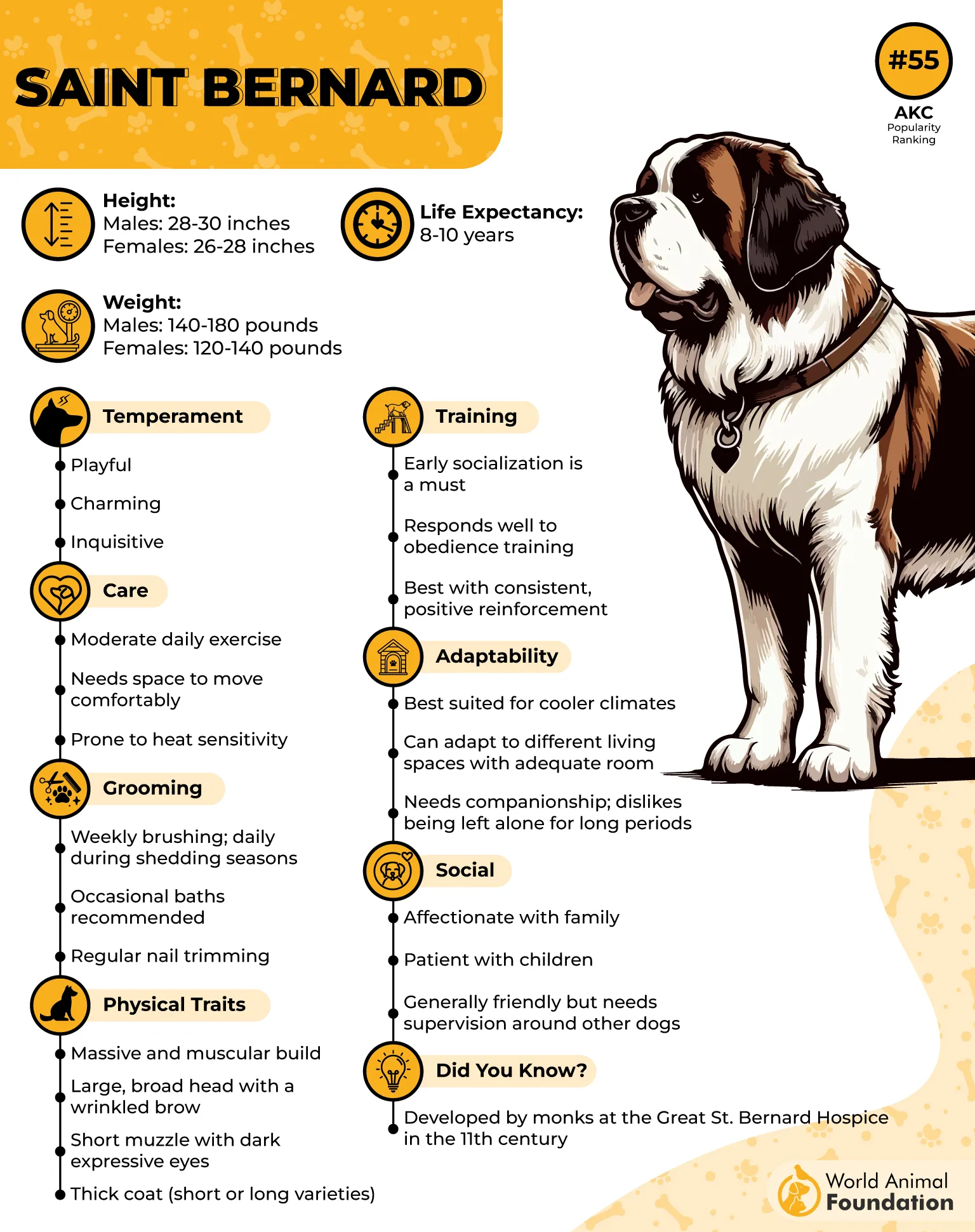
Unlike many giant breeds that can become overly protective or restless, Saint Bernards are known for their calm reactions in crowded homes, busy parks, and multi-pet households when properly socialized early.
They are not excessive barkers, which makes them easier to live with in quieter neighborhoods.
One behavior pet owners quickly notice is their habit of digging, a leftover instinct from their mountain rescue history, where they searched through deep snow for stranded people.
These dogs learn routines quickly and respond exceptionally well to positive reinforcement training.
With consistent guidance, a Saint Bernard grows into a patient, affectionate, and one of the calmest dogs that remains level-headed in situations that would overwhelm many other breeds.
3. Great Dane
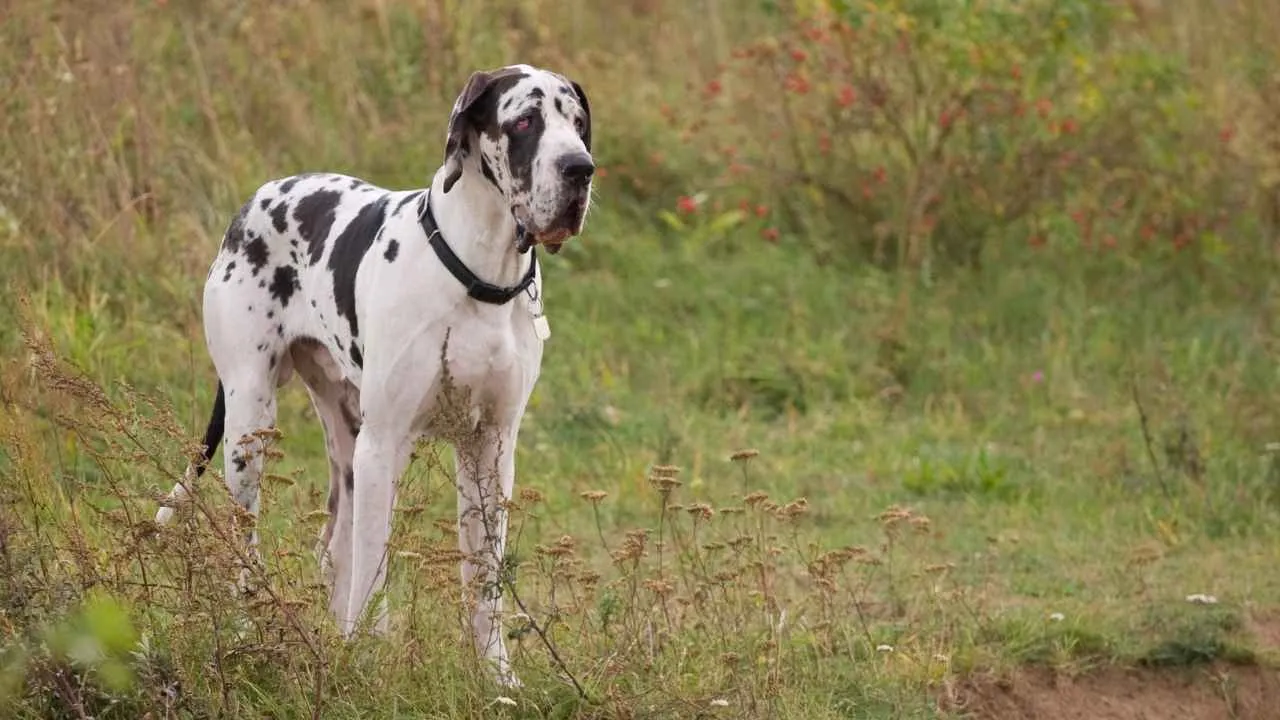
Great Danes, despite their large size, are often described as gentle giants with calm, patient dispositions, making them excellent family companions.
Known as the “Apollo of dogs” because of their tall, elegant build, Great Danes are often surprisingly quiet indoors and prefer relaxing near their people rather than constantly running around.
In busy homes, they usually remain patient with children, calm around visitors, and easygoing with other pets when raised with proper socialization.
Early training plays a major role in shaping their confidence. Without enough exposure to different sounds, people, and environments during puppyhood, a Great Dane can become nervous in unfamiliar situations.
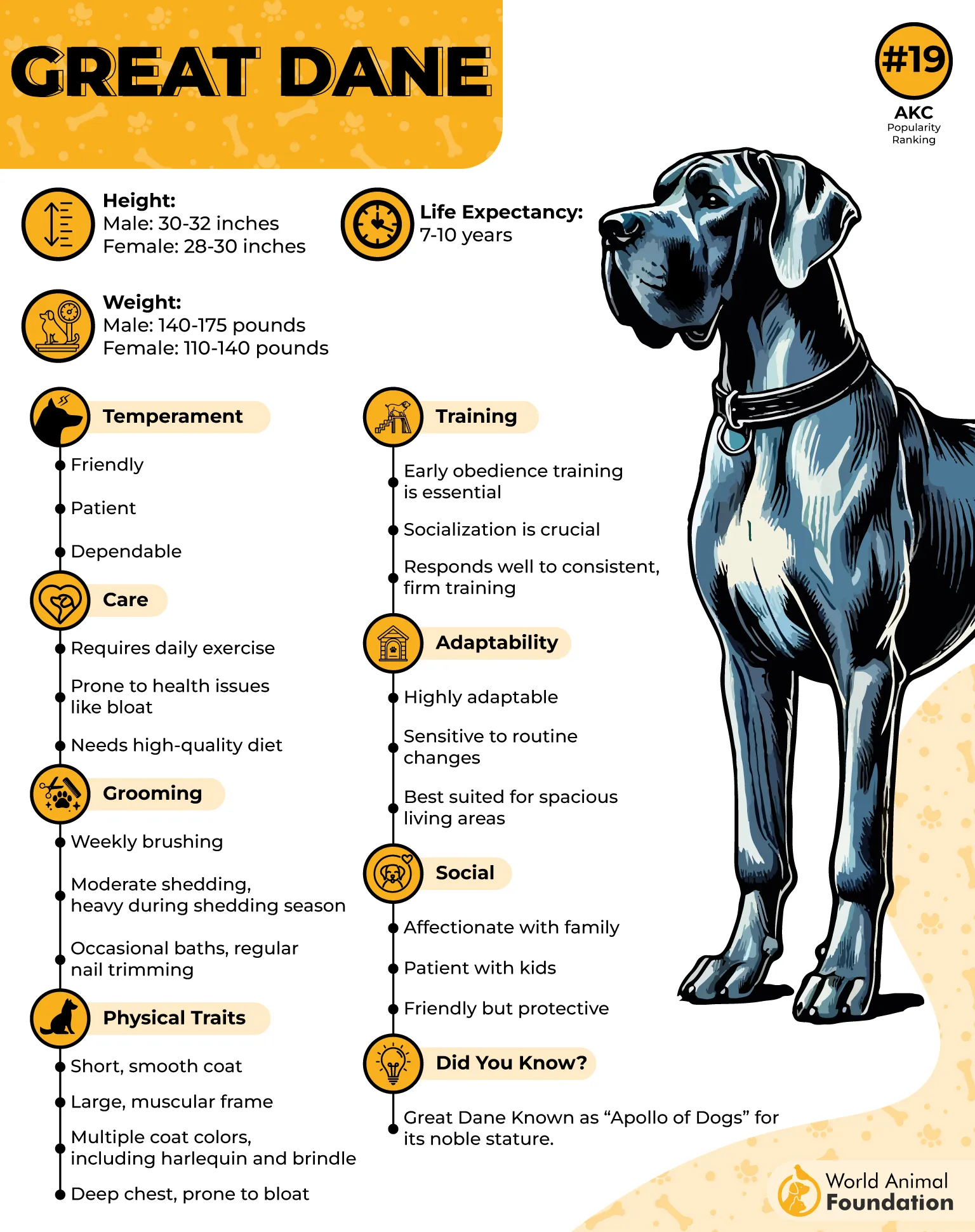
Owners who introduce them to puppy classes, neighborhood walks, and controlled social experiences often end up with a steady dog that handles crowded places and unexpected activity with impressive composure.
One thing few breeds can match is their incredible height while still behaving like oversized lap dogs. Many Great Danes try to lean against their owners for comfort and affection, a behavior that has become famous among breed lovers.
Although their lifespan is shorter than that of many breeds, their calm loyalty leaves a lasting impression on every household they join.
4. Cavalier King Charles Spaniel
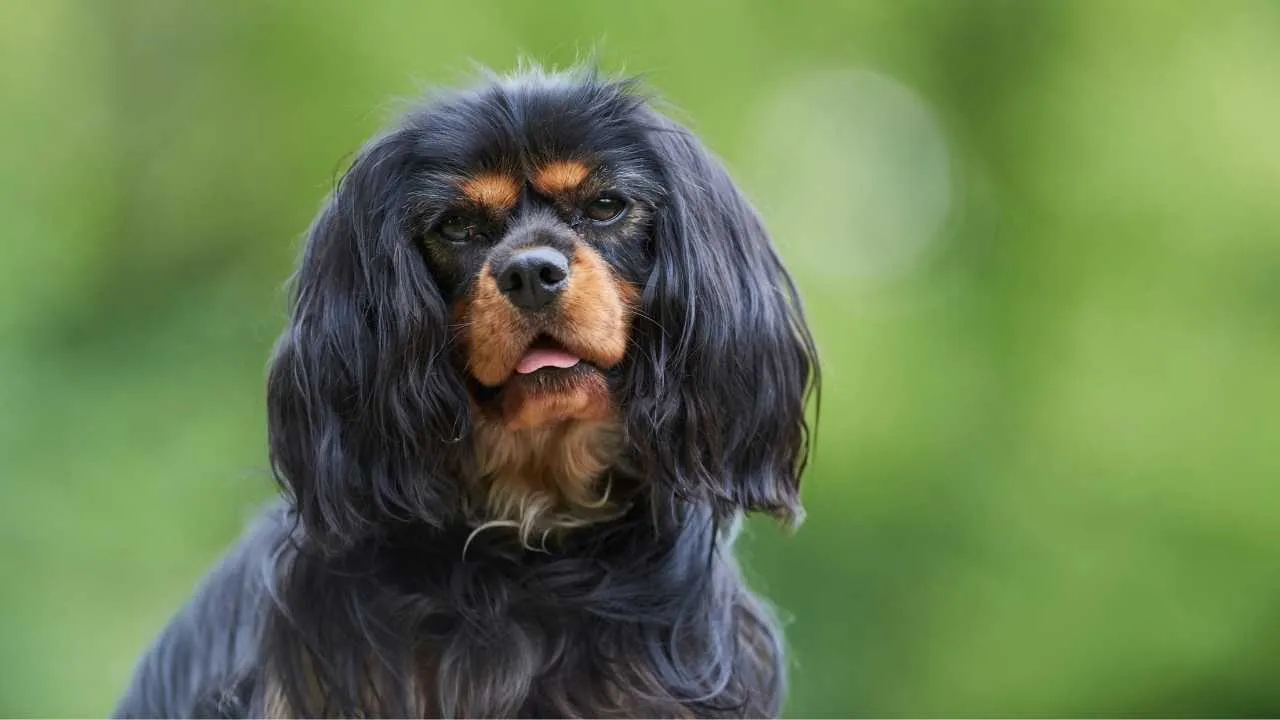
The Cavalier King Charles Spaniel is one of those small dogs that seems naturally built for peaceful companionship. Small in size but incredibly warm-hearted, this breed fits smoothly into family life without creating constant noise or chaos.
Cavaliers are known for staying relaxed during busy afternoons with children, calmly greeting visitors, and happily sharing space with other dogs.
Their gentle temperament makes them especially comforting for people who want a dog that stays emotionally balanced instead of overly demanding or reactive. One reason many owners adore Cavaliers is their ability to adapt almost anywhere.
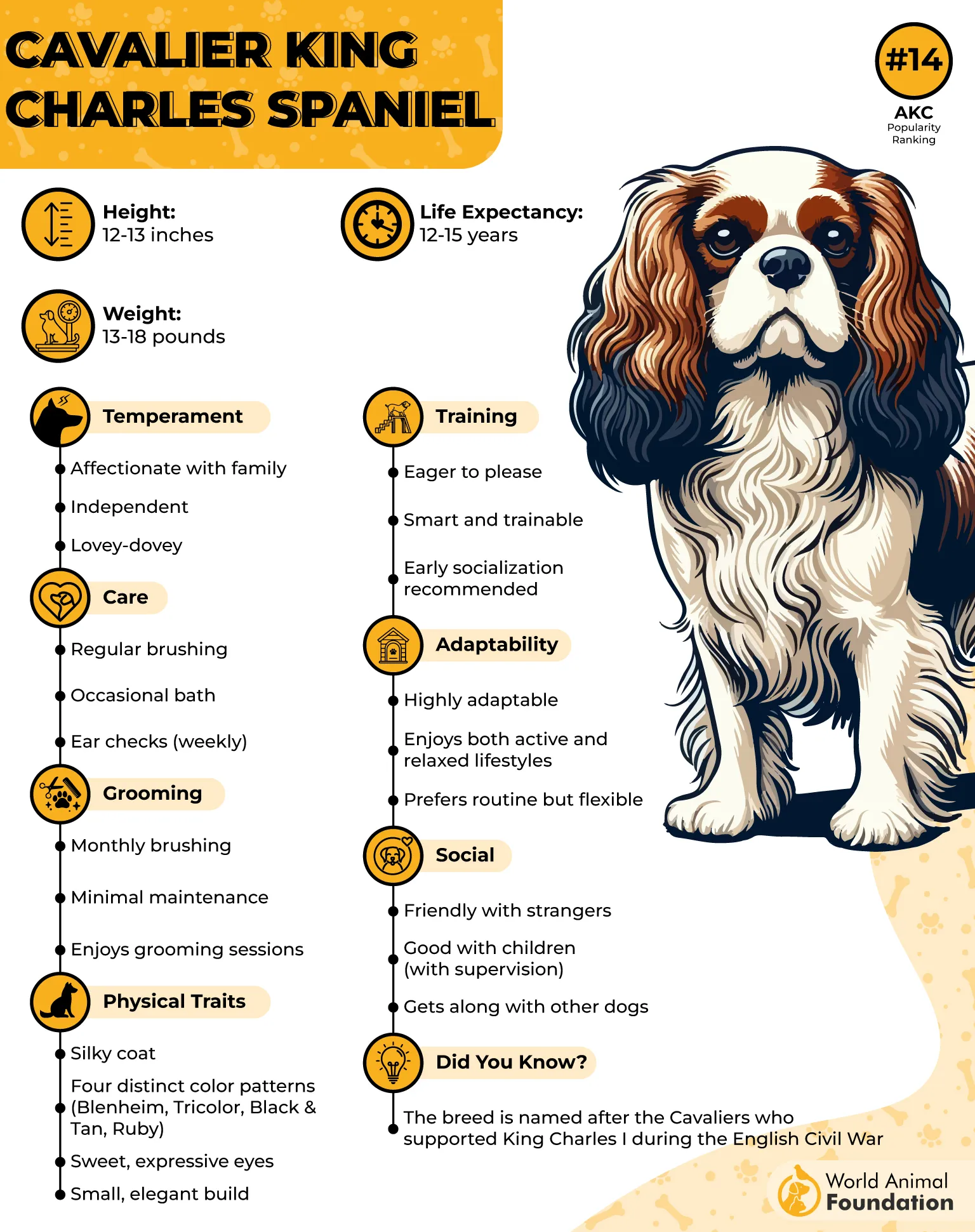
Whether resting quietly beside someone working from home, riding calmly in the car, or joining a family walk through a crowded neighborhood, they usually remain composed and affectionate.
Their soft expression and large, round eyes give them a permanently comforting appearance that draws people in instantly.
Cavalier King Charles Spaniels are easy to train due to their affectionate nature and strong desire to please their owners, making them suitable for families and individuals alike.
Unlike many toy breeds that become nervous around larger dogs, Cavaliers are surprisingly confident and social. They often approach bigger dogs with curiosity instead of fear.
While they still carry a spaniel’s instinct to chase moving objects like birds or balls, they are generally easy to manage with gentle training and close supervision around smaller pets.
5. Pug
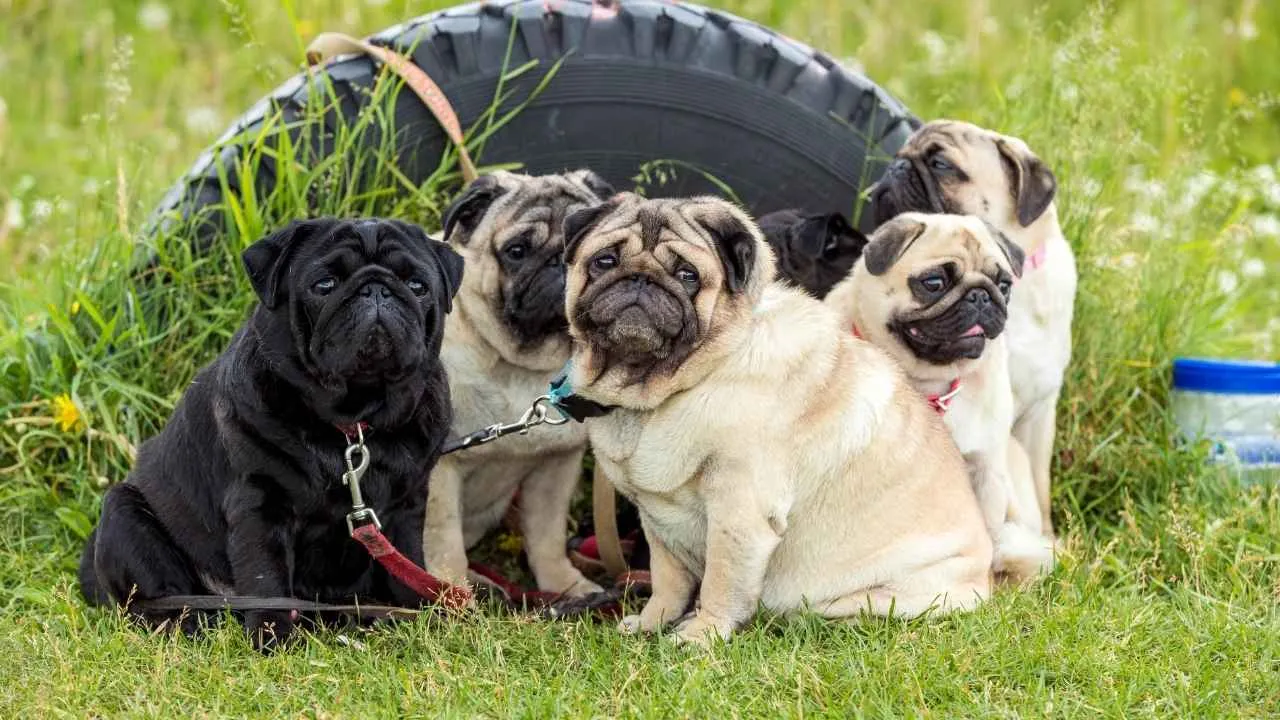
The Pug may be small, but few dogs bring the same level of calm companionship and cheerful stability into a home.
With their wrinkled faces, curled tails, and expressive eyes, Pugs have a way of making people laugh without needing constant excitement or chaos.
Bred specifically in ancient China to sit beside royalty, these dogs still prefer a comfortable lap, a cozy couch, and being close to their favorite humans over nonstop activity.
Pugs are naturally social and usually adjust well to apartment living, family homes, and households with frequent visitors. They often stay relaxed during gatherings and quickly turn strangers into friends once they sense everything is safe.
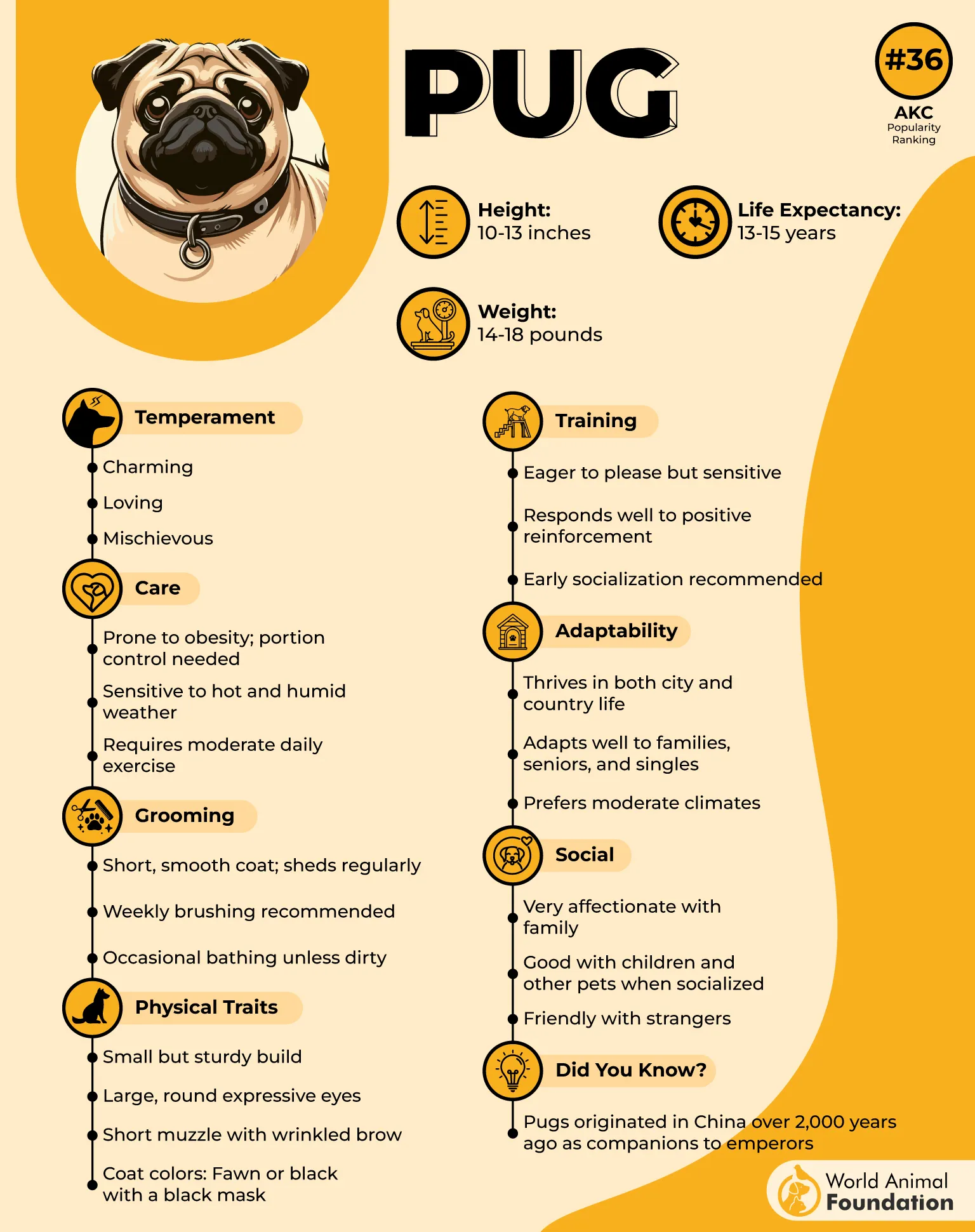
While they will bark to announce someone at the door, they rarely stay aggressive or overly protective afterward. Instead, they settle down quickly and happily join the social atmosphere.
One thing that makes the Pug unforgettable is its charming human-like expressions. Their wrinkled forehead and oversized eyes often make it seem like they are reacting emotionally to every conversation happening around them.
Though playful and occasionally mischievous, most Pugs are happiest, chill dogs when they can simply stay near their people, nap peacefully, and enjoy a predictable daily routine.
6. Pekingese
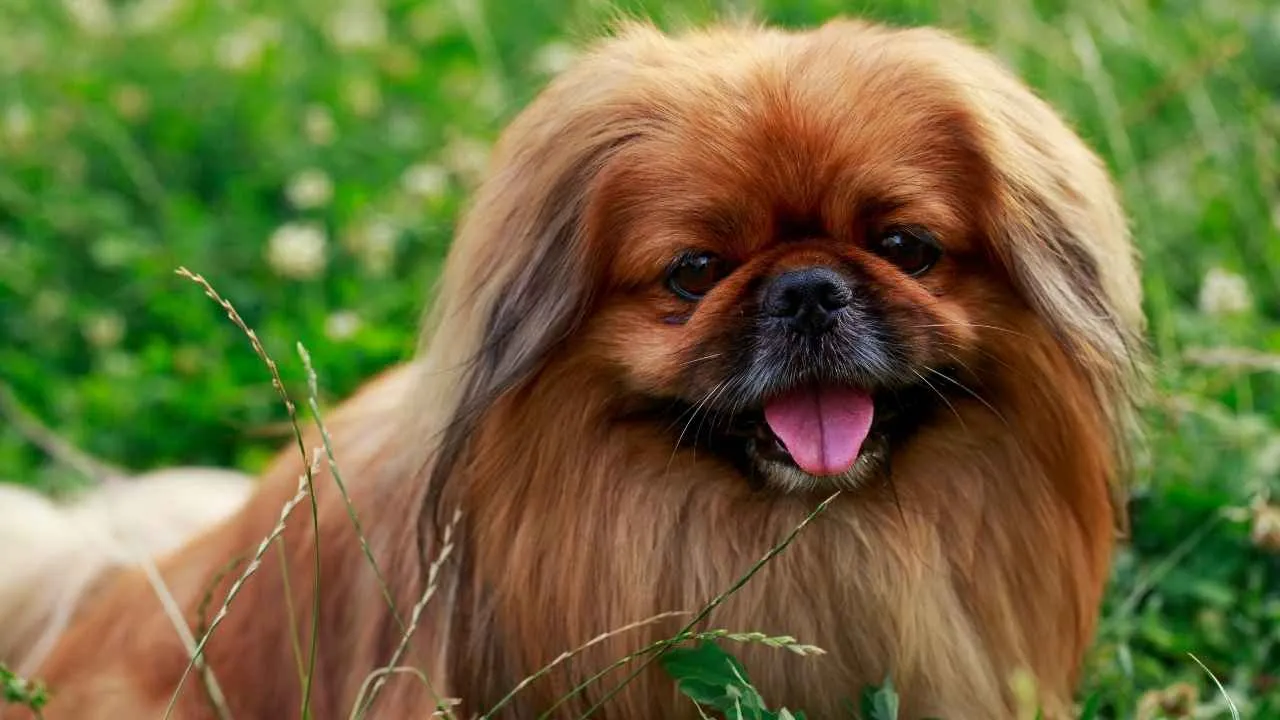
The Pekingese carries itself with a level of confidence and composure that feels far bigger than its small size.
Originally bred for Chinese royalty centuries ago, this companion dog was once considered so valuable that stealing one could lead to severe punishment.
That noble history still shows in the breed’s calm, self-assured personality today. Rather than constantly demanding attention or rushing around the house, Pekingese dogs often prefer to observe everything quietly from their favorite spot nearby, as noted by Purina.
Their thick mane around the neck gives them the famous “little lion” appearance, making them instantly recognizable among toy breeds. But behind that regal look is a surprisingly calm, affectionate dog that forms deep bonds with its family.
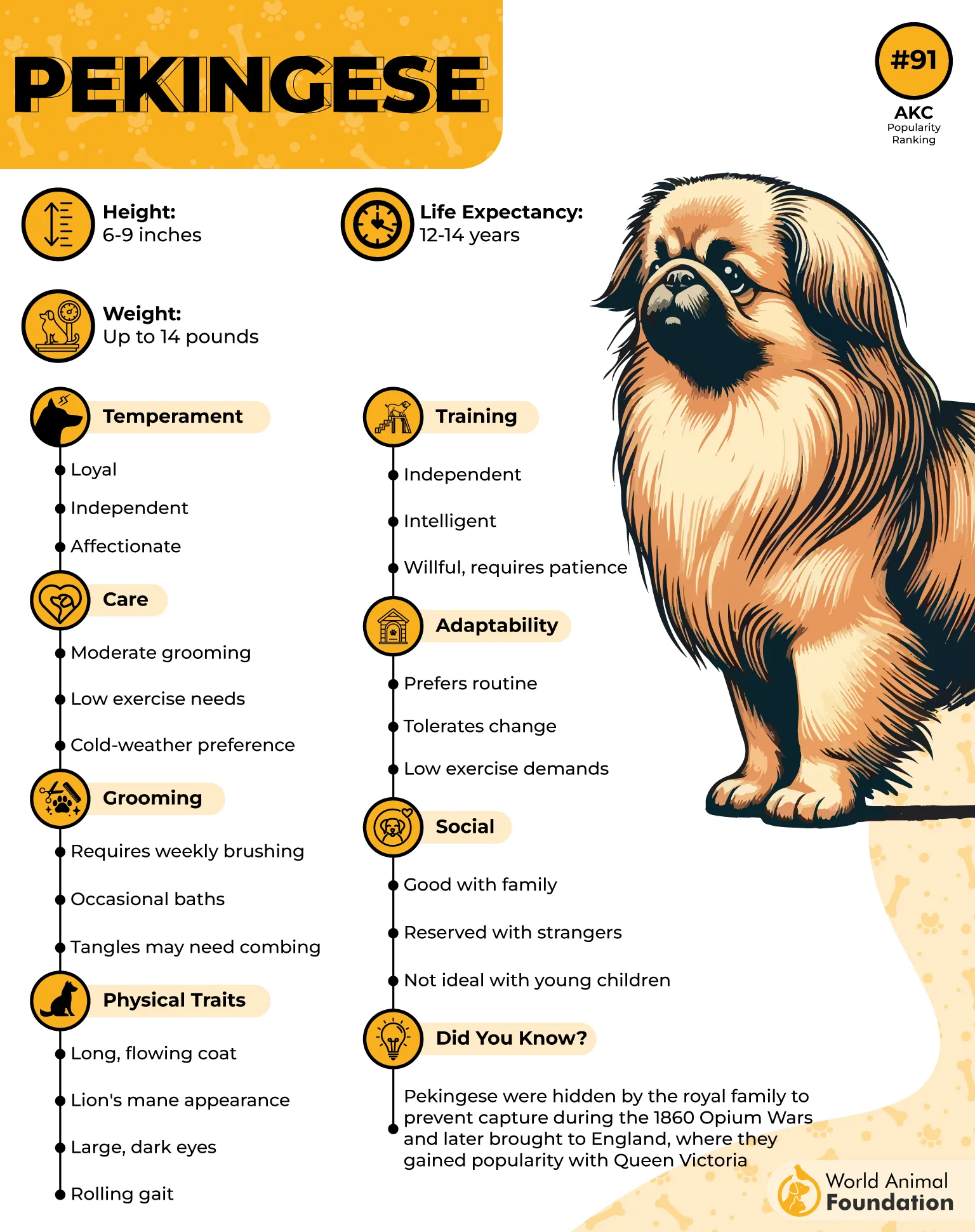
Pekingese usually handle quiet apartments and slower-paced, calm households very well because they are not overly energetic or easily rattled by daily activity.
Unlike many small dogs that bark excessively at every sound, the Pekingese tends to stay reserved and thoughtful before reacting. They can make excellent watchdogs because they remain alert without becoming frantic.
Their long coat does require regular brushing to prevent tangles, but many pet parents feel their peaceful temperament and loyal companionship easily make the grooming effort worthwhile.
7. Japanese Chin
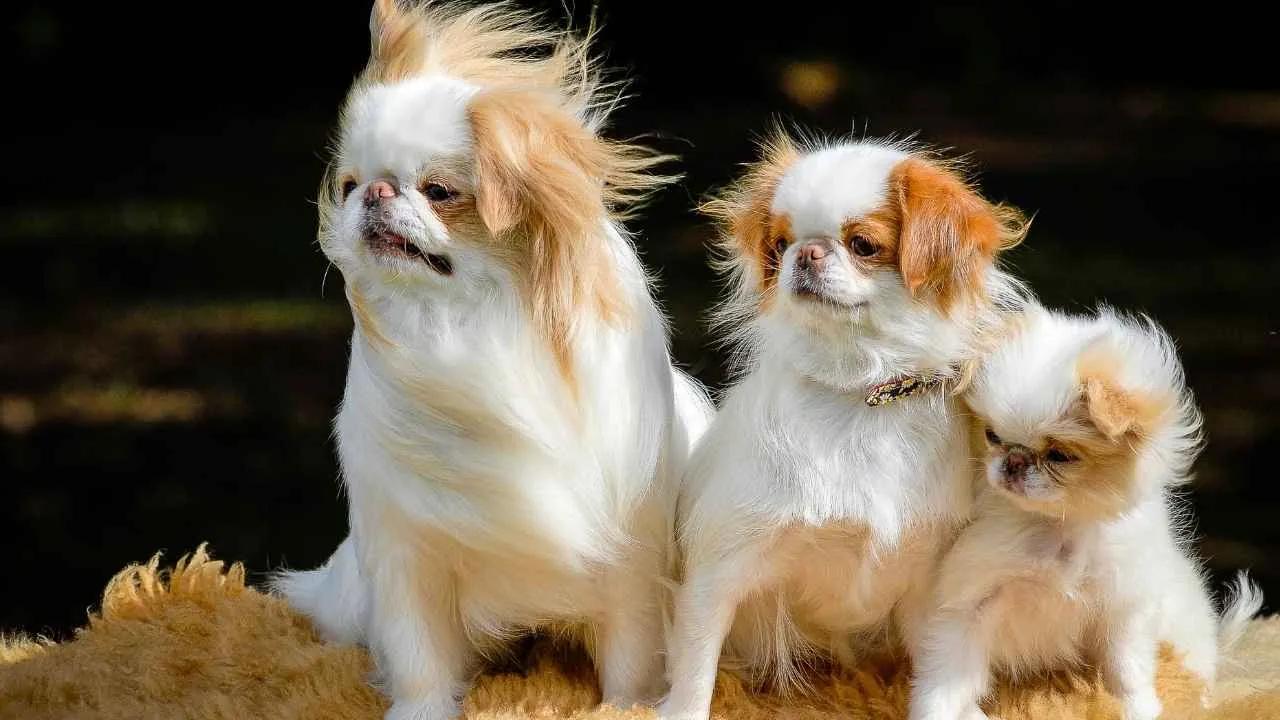
The Japanese Chin is a small companion dog with a surprisingly calm and graceful personality that makes everyday life feel peaceful.
Once treasured by Japanese nobility, this breed still carries an elegant presence, moving quietly through the home with gentle manners and very little fuss.
Japanese Chins are happiest staying close to their people, whether curled up beside someone during a quiet evening or calmly watching activity from the back of a couch or chair.
Unlike many toy breeds that become loud or overly energetic indoors, the Japanese Chin usually remains soft-natured and emotionally steady.
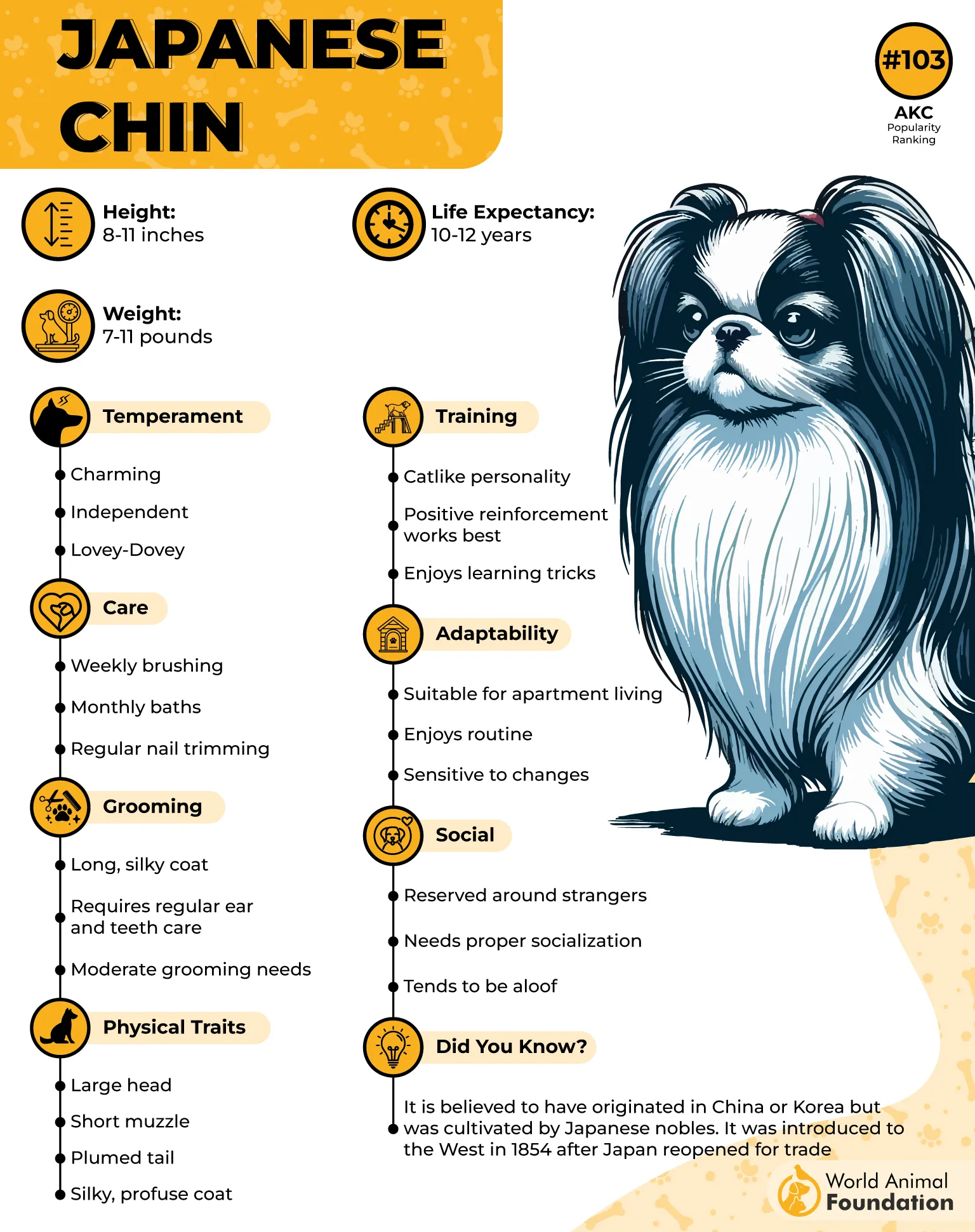
They tend to handle visitors, apartment living, and changing routines with remarkable ease, making them excellent companions for people who prefer a quieter atmosphere.
While they enjoy short bursts of playful energy, they are equally content relaxing for hours near their family.
One thing that makes the breed unforgettable is its cat-like behavior. Japanese Chins often groom themselves carefully, climb onto high furniture, and perch above the room as if observing everything from a royal throne.
Their clean habits and naturally quiet temperament make them especially easy to live with, even in smaller homes where constant barking or hyperactivity would quickly become overwhelming.
8. Tibetan Spaniel
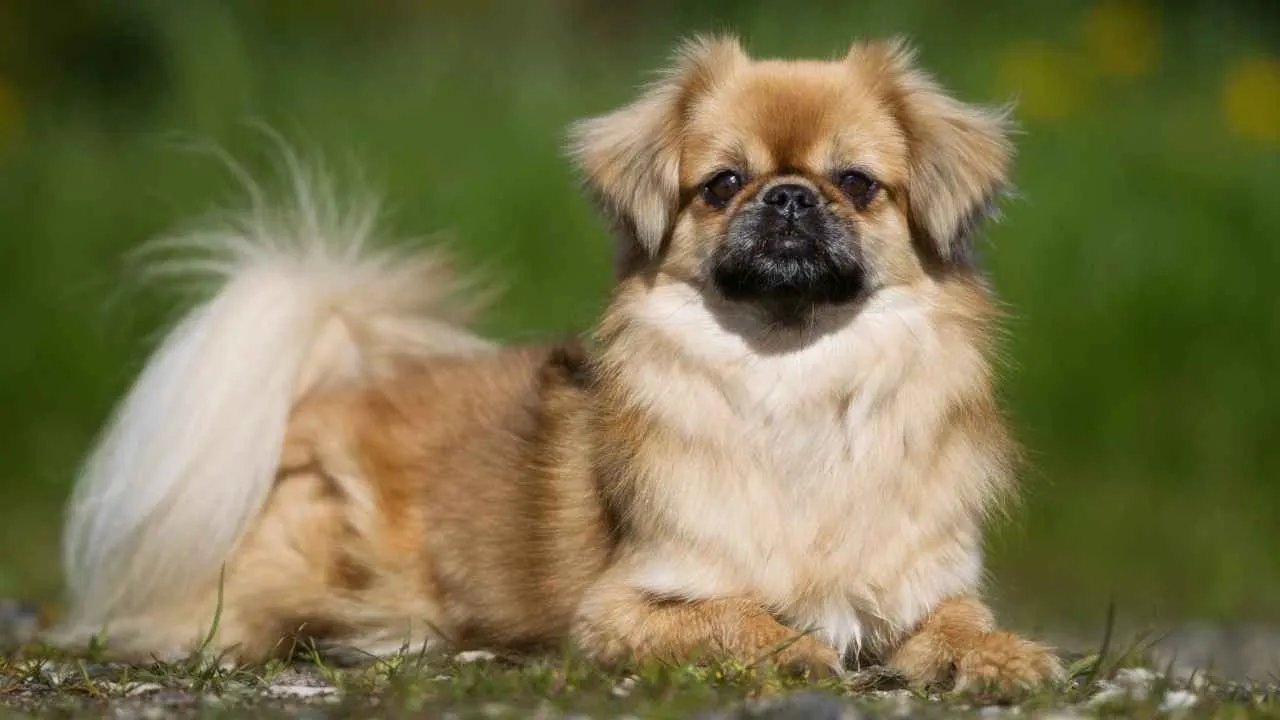
The Tibetan Spaniel is a small dog with a surprisingly balanced and thoughtful personality. Originally raised in Tibetan monasteries, these dogs were valued for their alert nature and calm companionship rather than nonstop activity.
Tibbies usually settle comfortably into quiet homes, enjoying peaceful routines and close time with their families, as noted by Orvis.
They are not clingy in an overwhelming way, but they strongly prefer staying near the people they trust instead of spending long hours alone.
One thing owners quickly notice is their cat-like agility. Tibetan Spaniels love climbing onto high furniture, windowsills, or the backs of couches where they can quietly observe everything happening around them.
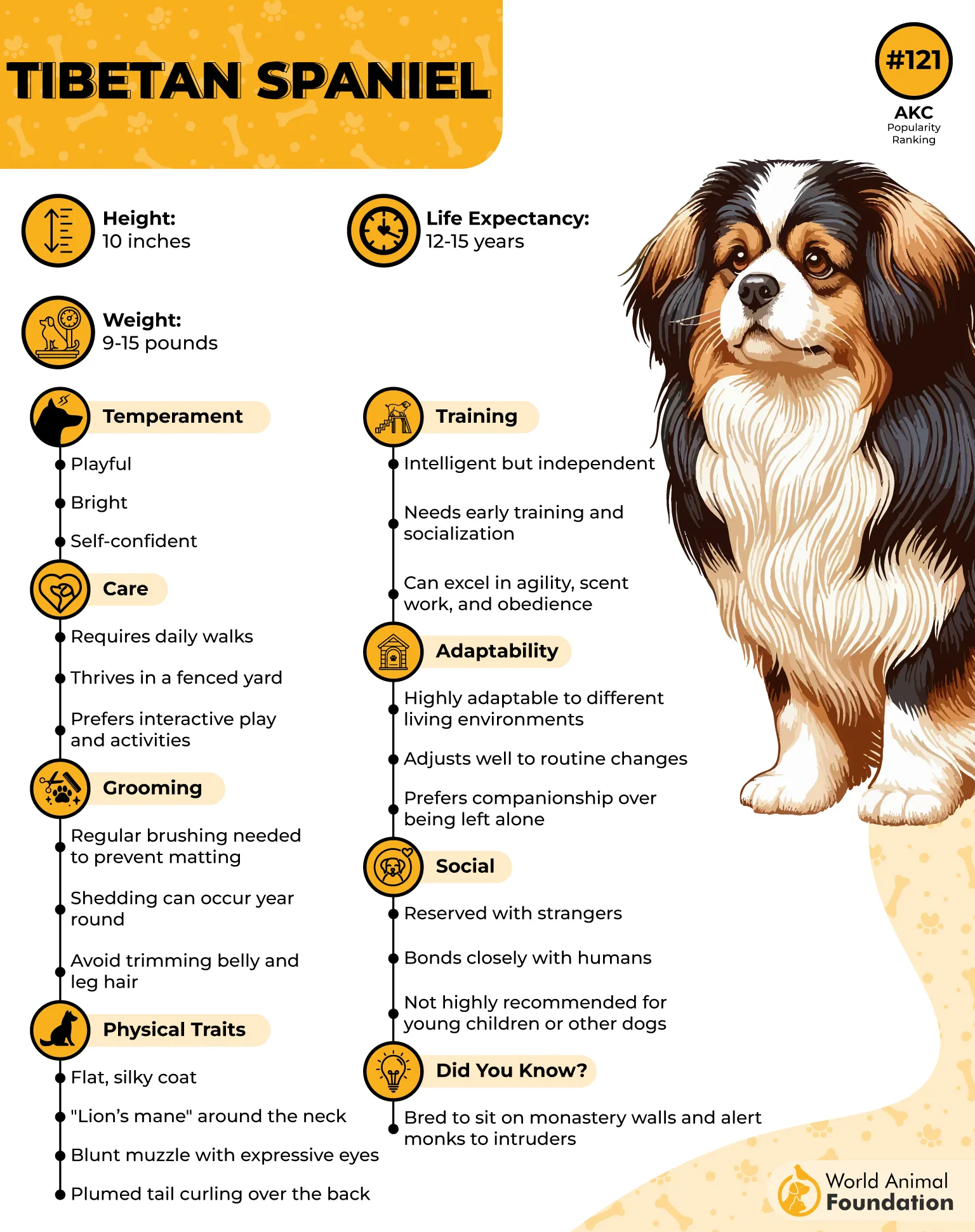
This watchful behavior comes from their history of acting as lookout dogs in monasteries, where they alerted monks to approaching visitors.
Unlike many small breeds that become overly noisy or hyperactive indoors, Tibbies tend to stay composed and emotionally steady. They usually greet unfamiliar people cautiously at first, then warm up once they feel comfortable.
Their moderate exercise needs also make them easier to manage for families wanting a relaxed companion. A few short walks, calm indoor play, and plenty of affection are often enough to keep this cheerful little dog content and well-balanced.
9. Clumber Spaniel
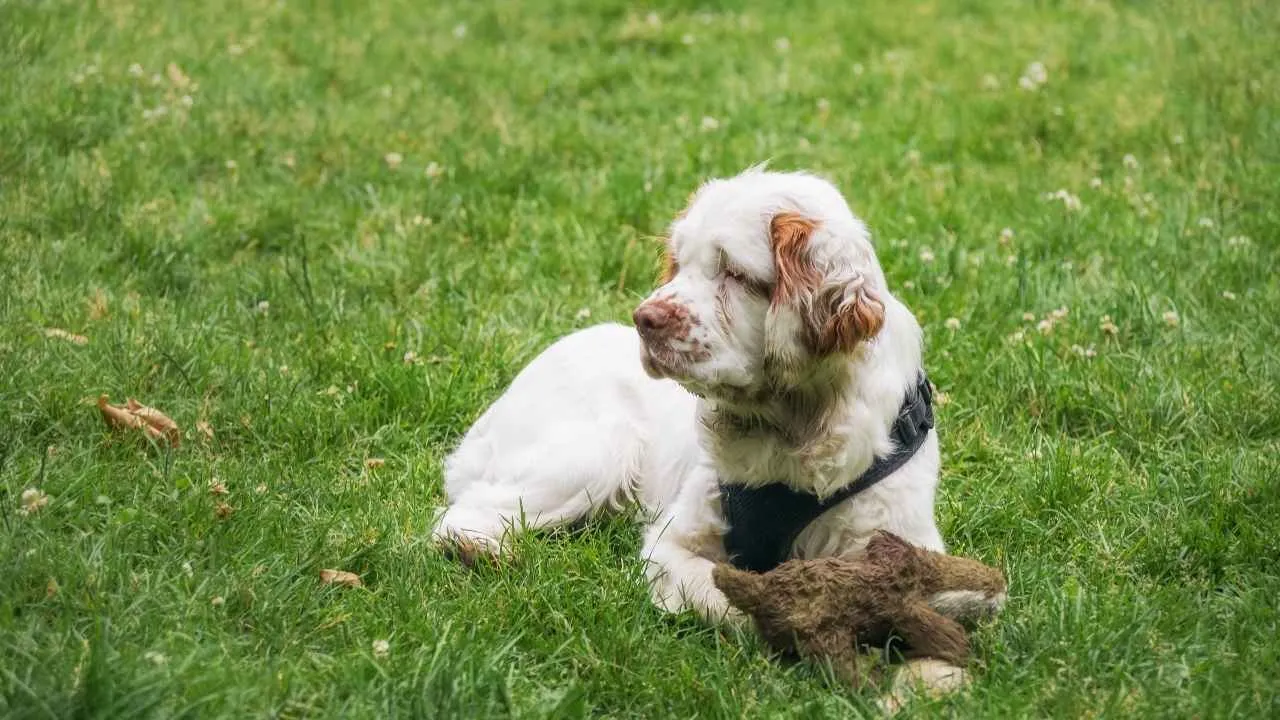
The Clumber Spaniel is one of those rare dogs that shifts completely depending on where it is—calm and unhurried at home, yet focused and determined when given a task outdoors.
This breed has English origins linked to Clumber Park, where it was developed as a steady working companion for retrieving game through thick, heavy cover.
Even with that working background, Clumbers are not restless or high-strung indoors. Instead, they move slowly, settle easily, and prefer a relaxed pace of family life.
In everyday living, Clumber Spaniels are known for their quiet presence. They do not demand constant attention, and they are generally comfortable lying close to their owners while the household stays active around them.
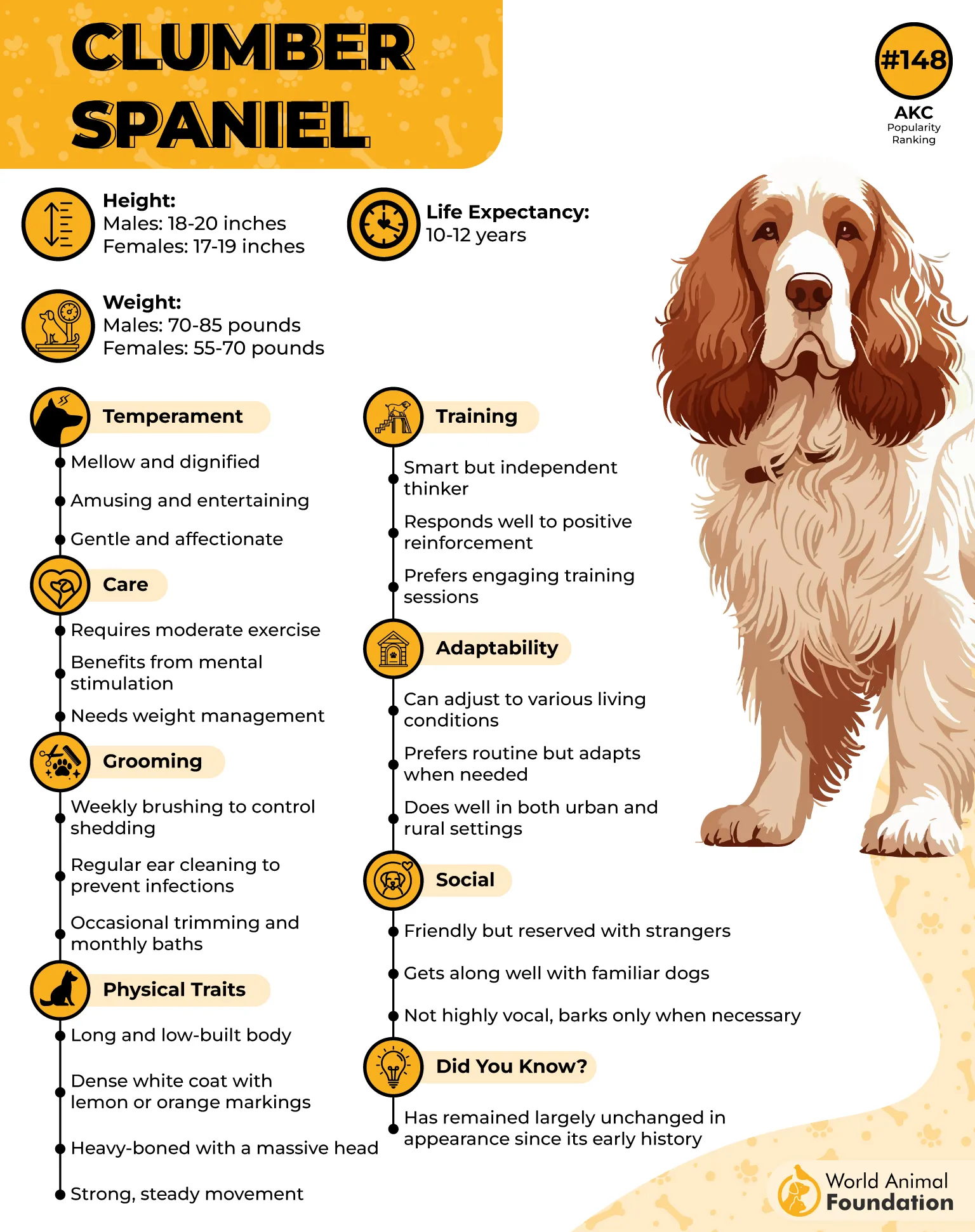
Their solid, low-built frame reflects their history of working through dense brush, where patience mattered more than speed. In water, they show surprising confidence and can retrieve calmly without becoming frantic or overexcited.
One behavior that stands out is their deliberate, almost thoughtful way of moving and working. They don’t rush into situations; instead, they assess and proceed steadily, whether in a field search or simply walking through a busy environment.
This measured approach is what makes them especially valued as a calm, reliable companion in homes that prefer stability over chaos.
Conclusion
Not every dog reacts the same way to noise, movement, or change. Some remain steady, even when life around them feels unpredictable.
These calmer companions tend to bring a quiet balance into homes, offering affection without overwhelming energy. They adapt well to families, children, visitors, and everyday routines while staying emotionally composed in most situations.
Whether in small apartments or larger households, their relaxed nature helps create a more peaceful environment.
For anyone seeking stability, gentle companionship, and a dog that doesn’t easily lose control, these steady-tempered dogs are a natural fit.
