




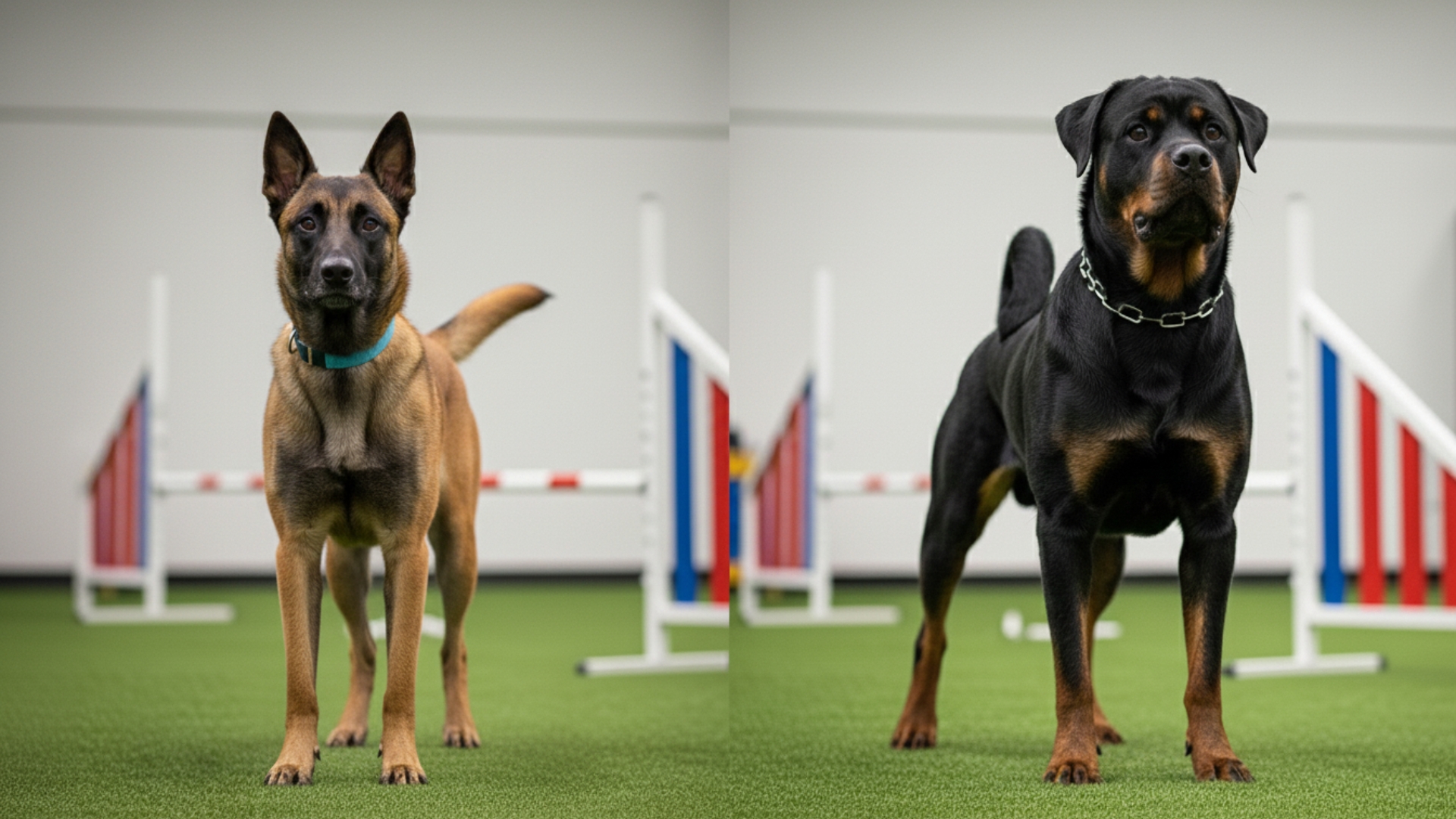
From the earliest days of human civilization, dogs have been companions, working partners, and protectors, but there are few breeds that carry as much historical purpose as the Belgian Malinois and Rottweiler.
The exact origins of Rottweilers are not clear, but it is believed that the ancestors of this breed had some link to the ancient Roman Empire. Later on, these dogs were refined in the town of Rottweil, Germany. They were used as herding dogs that not only protect the livestock but also the property of farms.
Fun Fact: In the US, Rottweilers gained their popularity in the 20th century as police dogs, and are ranked as the 8th most popular dog breed, as recorded by the American Kennel Club.
The lineage of Belgian Malinois dates back to the 1800s, and these dogs got their name from the area where they developed, known as Mechelen (Malines). They were primarily bred to protect and herd the cattle.
Though these dogs appeared on the canvas of the USA but soon diminished due to World War II. And after their return in the 21st century, Belgian Malinois were often seen assisting law enforcement agencies and search and rescue missions.
Surprising Traits that Separate Belgian Malinois from Rottweiler Dog Breeds
1. Size and Strength
Rottweilers and Belgian Malinois are both powerful working dog breeds. Both are elite guard dogs trusted by law enforcement agencies and experienced dog owners. However, both breeds do differ at some points, especially in size and strength.
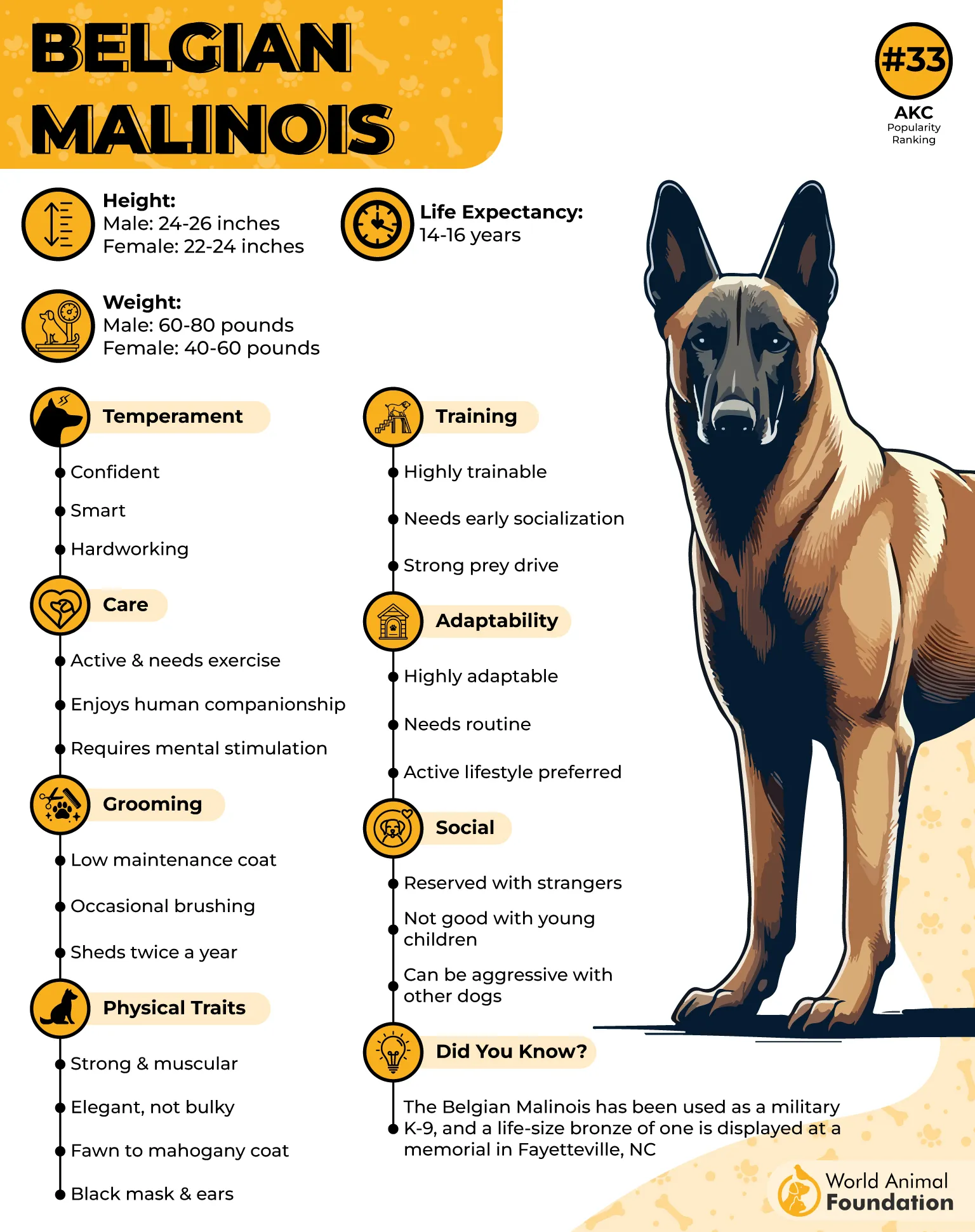
Rottweilers are a comparatively larger breed than Belgian Malinois. Rotties are heavily built with 80 to 135 pounds in weight, while Mals weigh between 40 and 80 pounds on average. The height of Malinois is about 26 inches, while Rottweilers are 25 inches tall.
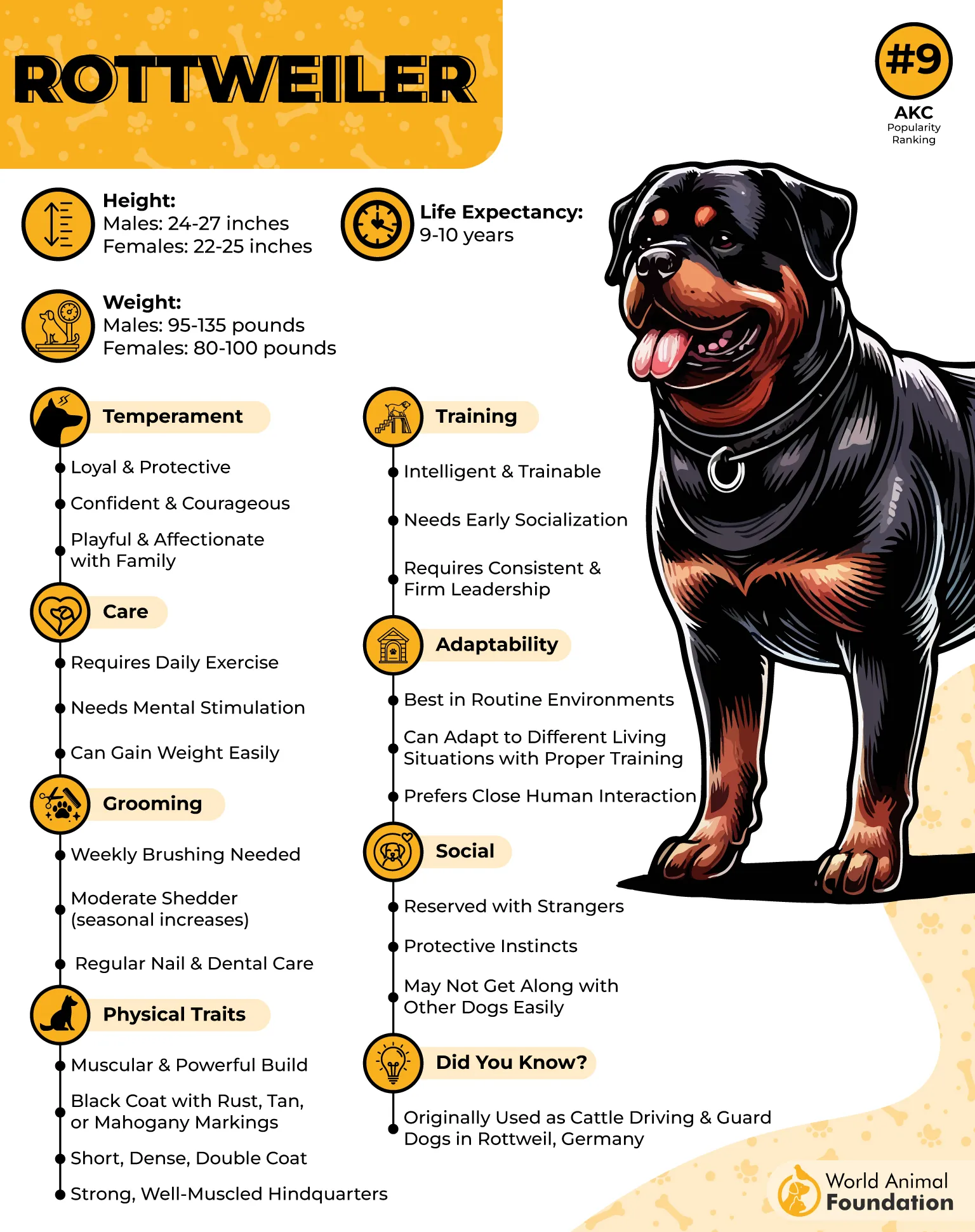
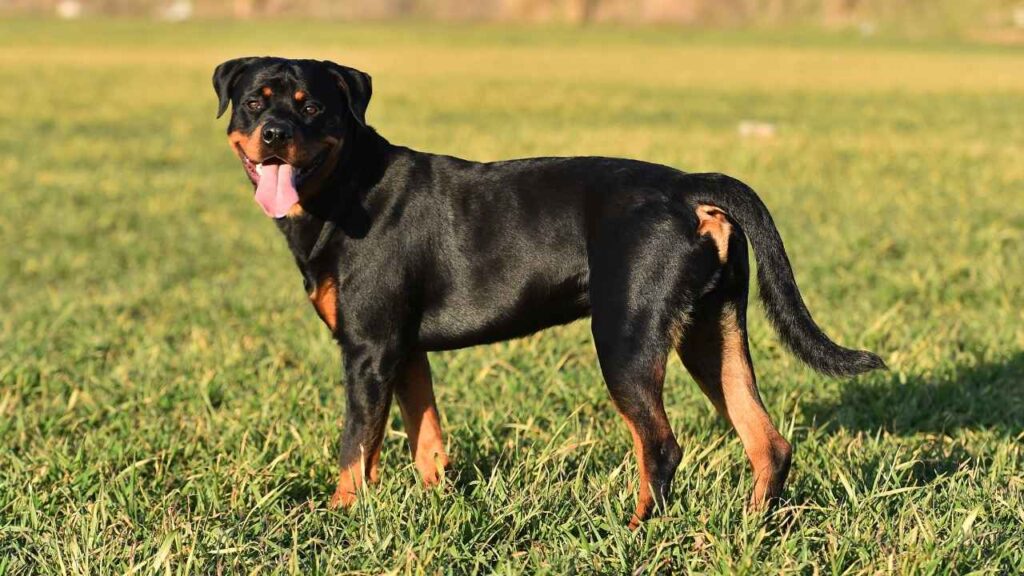
Rotties are more muscular dogs and also rank among the dogs having the strongest bite forces, that is, 328 pounds per square inch (PSI). In contrast, the Malinois has functional strength depicted by its athleticism, built for speed, endurance, and high-intensity work.
2. Temperament and Personality
Both of these breeds are incredibly loyal and affectionate dogs, yet their way of working and expressing their instincts differ from each other. Unfortunately, Rottweilers look intimidating, and several people have made their reputation as aggressive dogs due to their strength and presence.
In fact, Rotties are fiercely affectionate and gentle towards their people, including kids, while they remain reserved around strangers, but after taking their time, they become approachable. Moreover, these dogs can also make great family dogs if trained and properly socialized.
Belgian Malinois are extremely devoted dogs and always want constant interaction with their humans, says PetMD. Their aloofness towards the unknown cannot be melted down. Thus, they make excellent guard dogs for your families as well as properties.
3. Health and Lifespan
When it comes to living years and the health of a breed, especially when both are large-sized, it is really important to have some knowledge about the responsible breeders. Large dogs are more prone to health issues not only due to their genetic pool but also because of their size.
Rotties are blessed with 9 to 10 years of life expectancy, and some may reach up to 11 years if provided with enough care. They tend to have hip dysplasia, elbow dysplasia, bone cancer, and some heart conditions. If proper vaccination and sterility are done, their longevity might increase, says the AKC.

Compared to other breeds, Belgian Malinois do not have many health concerns (reputable breeder is the key). With a lifespan ranging between 10 and 14 years, Malinois can be predisposed to hip dysplasia, progressive retinal atrophy, epilepsy, and cataract (an Eye Condition).
4. Energy Levels and Exercise
Physical and mental stimulation of Belgian Malinois and Rottweilers differ greatly. Rottweilers are calm dogs who have high to moderate energy levels, while Belgian Malinois have comparatively high energy levels, where daily walks are not the only way to keep them relaxed.
Belgian Malinois demand at least one to two hours of exercise to burn off their energy levels. There are many dog sports where it can outsmart many breeds, such as agility, tracking, herding, and obedience. Therefore, these dogs are well-suited to experienced owners with an active lifestyle
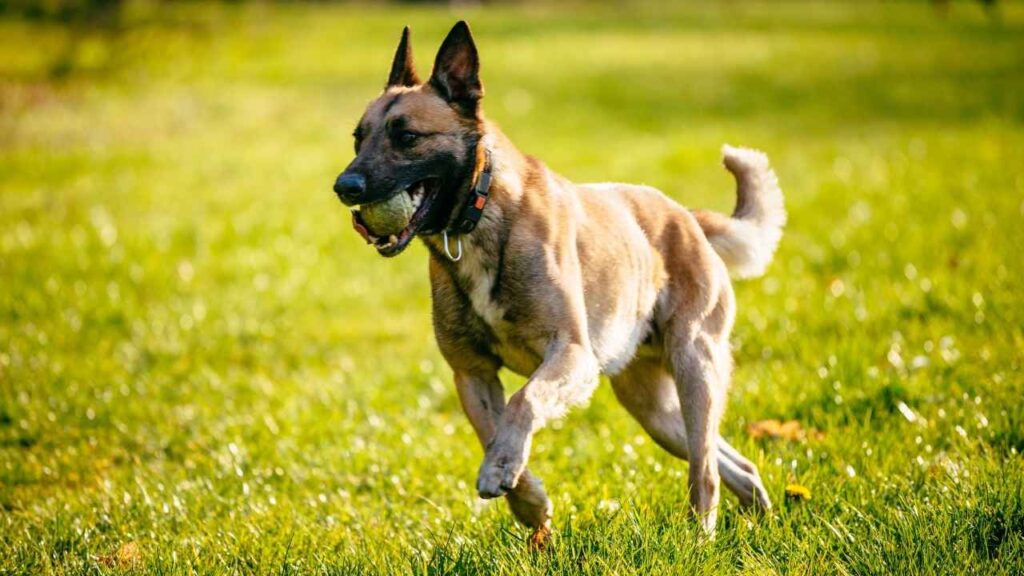
Rottweilers also thrive in motion and need activity of at least an hour per day, comprising walks, run and play time. Moreover, these dogs enjoy solving puzzles and obedience training. Rottweilers are prone to obesity, so ensuring regular exercise for them will help them to reduce weight.
5. Coat and Grooming Needs
Working breeds are bred for their skills and characteristics, not for their appearances. In Belgian Malinois, primarily the coat color is tan with black overlay, while the Rottweilers have primarily black color with tan markings in specific areas.
Both of these breeds are relatively low-maintenance dogs. These pups are endowed with waterproof, short, dense coats that shed regularly and heavily during shedding seasons (twice a year). A slicker brush will remove dander and prevent mats that mostly form in the fall and spring.
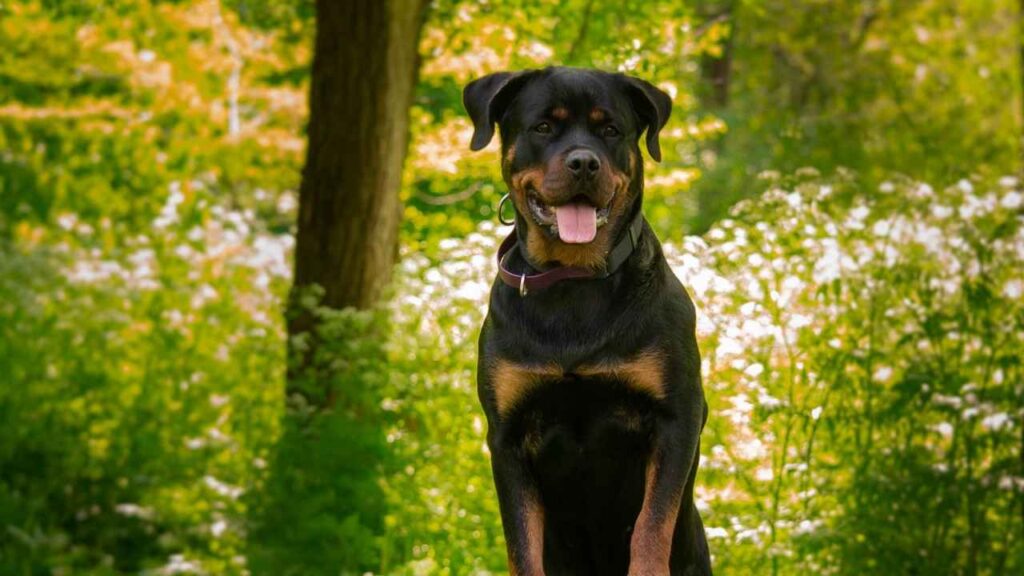
Other grooming needs are the same that include regular teeth brushing, avoiding increased buildup of tartar, and weekly nail trimming, preventing outgrowth and discomfort. Rotties have floppy ears, so there are risks of getting ear infections if they are not properly cleaned.
6. Training
Training of these active dogs requires commitment and structure, but due to different working backgrounds, the intensity and pace may differ. However, neither of them is a good choice for first-time pet parents.
Both breeds are highly intelligent, eager to please, and respond well to positive reinforcement methods. Rottweilers need proper socialization and consistent training to behave well as a good pet in the family. If started during their puppyhood, it ultimately reduces dominance issues.
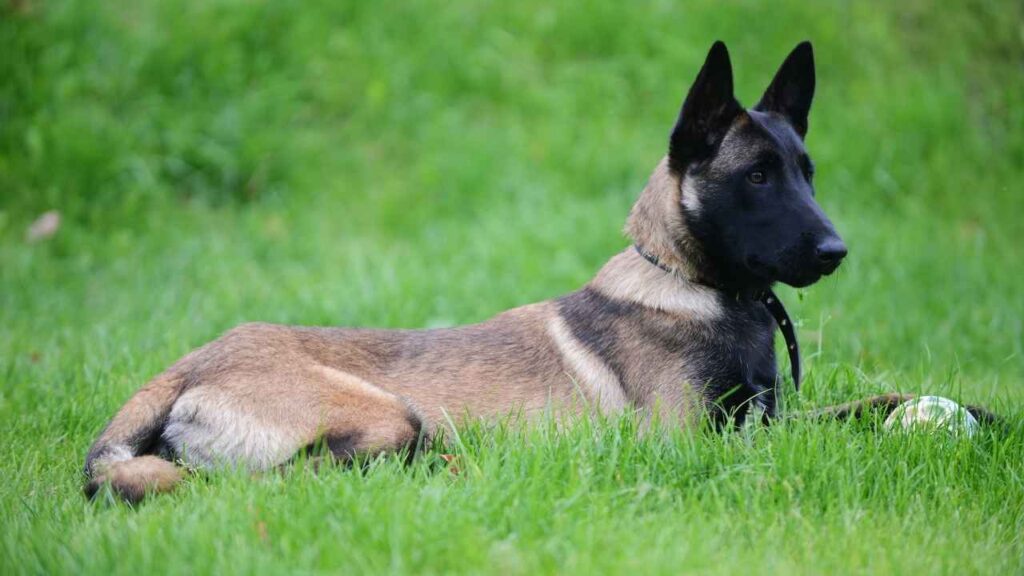
When Belgian Malinois is compared to Rottweilers, this breed is relatively quick in learning. However, due to strong prey drive, these dogs chase after cats, children, and vehicles, making their early training as pups important. Purina states that they are trained best by providing the chance to bite, chase, and tug.
7. Natural Guard Instincts / Protective Temperament
Belgian Malinois and Rottweilers both have strong work ethic along with strong protective instincts, which is why you often see these two breeds serving in police work and military work. Both of them share a strong desire to protect the territory and their beloved humans.
Rottweilers were developed as property and livestock guardians, which is why their protective instincts are deeply rooted. They are naturally calm and use their instincts and intelligence with precision and assessment. To deter intruders, Rottweilers act as a commanding visual deterrent.
With alertness and quick response, the Belgian Malinois also ranks high in the list of the best guard dogs. They transit from observation to action with exceptional speed. They rely on control and trained response patterns, making them remarkable in security and for drug detection at airports.
Conclusion
For families having confusion between a Rottweiler and a Belgian Malinois, think of it this way: Rottweiler is a powerful and loyal protector who balances its strength with calmness, perfect for homes wanting a confident guardian without constant activity.
Malinois is a high-energy and athletic dog that thrives when a job is assigned to it, and is best suited for outdoorsy individuals and families with experience. Remember, a thoughtful decision should be less dependent upon popularity and more on matching your future dog’s physical style and energy to your lifestyle.
