




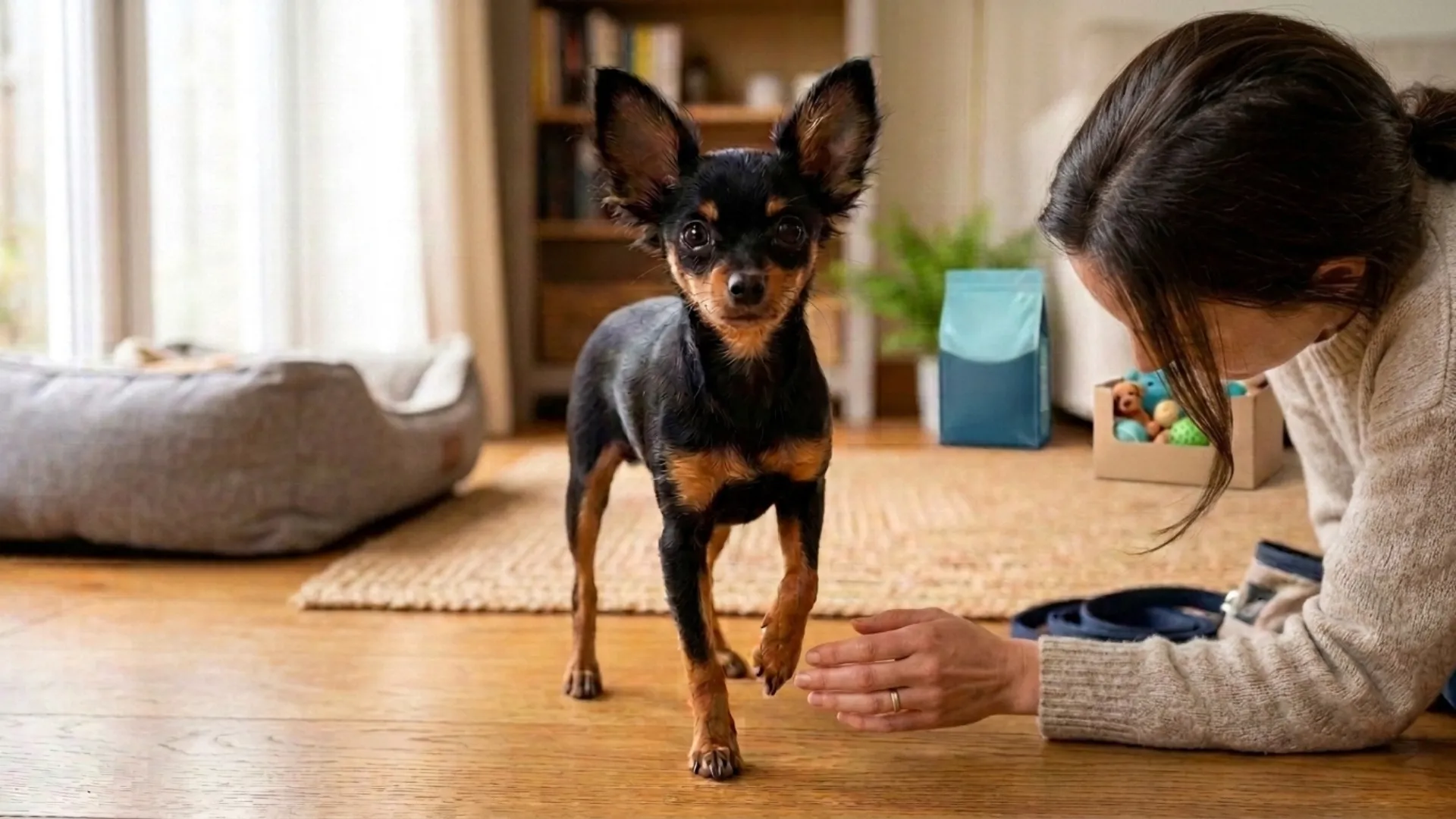
Bringing home your first dog is exciting… right up until you realize you’re expected to explain why the living room rug is apparently a chew toy. The good news? Your first dog does not have to make learning the ropes feel overwhelming.
Some breeds naturally enjoy working with people, stay focused during training, and genuinely seem thrilled when they figure out what you’re asking. That doesn’t mean they’ll arrive knowing every command, but they can make the learning journey feel a lot more rewarding for both of you.
Let’s meet the trainable dog breeds that can help first-time owners start on the right paw.
Did you know?
Dogs often learn faster when a reward arrives within a second or two of the behavior you wanted. Quick timing helps them connect the treat or toy with the correct action, making training clearer, smoother, and far less confusing.
Trainable Dog Breeds for First-Time Dog Owners to Consider
1. Löwchen
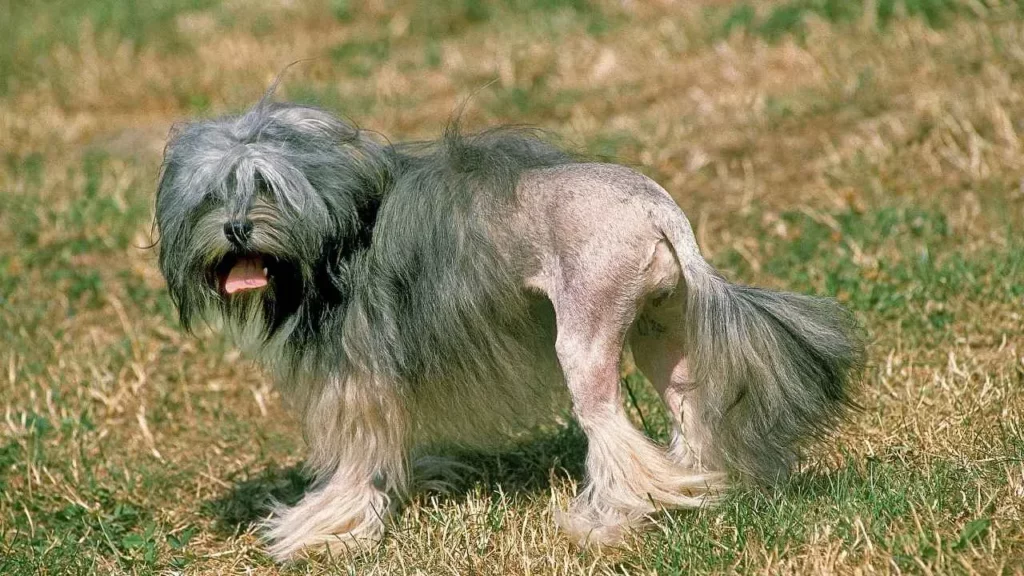
One look at the Löwchen and you might assume this little charmer is all about fancy looks. Then it happily proves you wrong. Affectionate, lively, and eager to be involved, this longtime companion has spent centuries winning hearts across Europe with its cheerful personality.
Royal company was once part of the Löwchen’s everyday life. Originally bred as a companion for European nobility, this alert little dog reacted quickly to unusual sounds or movement. That watchful nature still shines through, though positive guidance helps keep unnecessary barking under control.
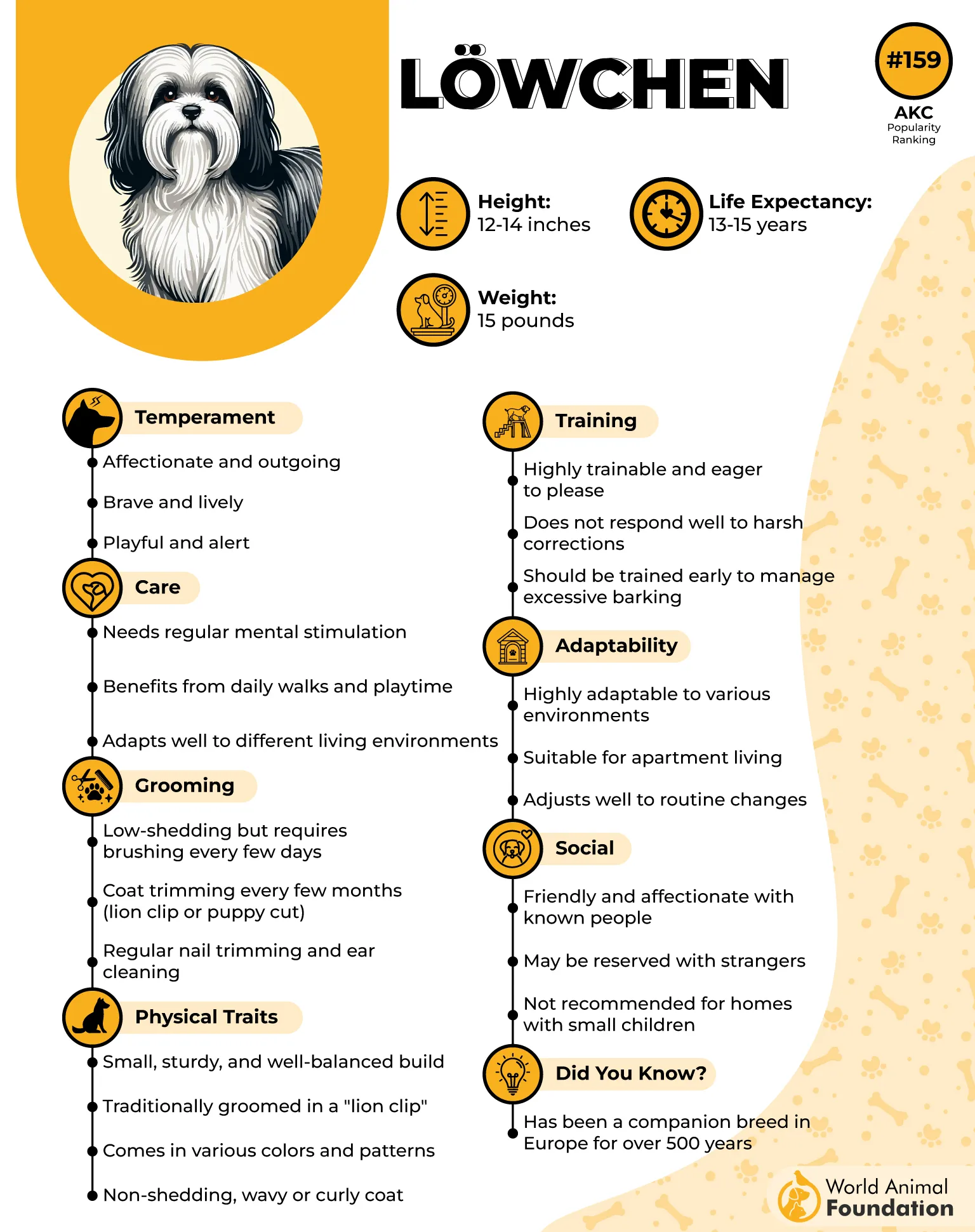
Pleasing its favorite person is high on the Löwchen’s priority list, which makes learning feel enjoyable for many first-time pet parents. Positive methods work best because harsh corrections are not appreciated. Add fun activities like obedience or agility, and this clever companion is usually happy to join in.
Training Tips For This Breed
Introduce quiet command training early so alert barking stays appropriate instead of becoming a habit.
Mix obedience lessons with new challenges such as agility activities to keep learning interesting.
2. Bolognese
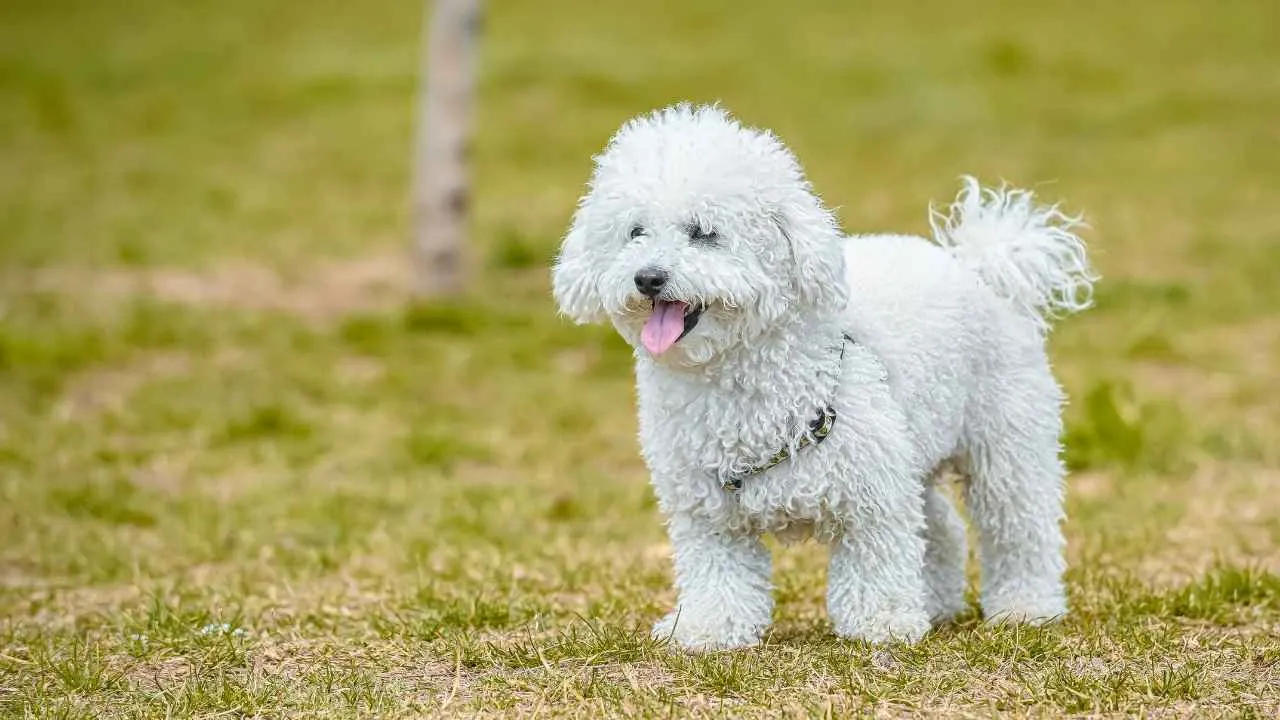
Some dogs bounce through life chasing excitement. The Bolognese seems perfectly happy chasing your company instead. Calm, faithful, and wonderfully easy-going, this charming Italian companion enjoys being close to its people, making every ordinary day feel just a little more special.
As noted by PetMD, the Bolognese has a calm, alert personality that stays nicely balanced. With early socialization and consistent training, it adapts well to children and seniors, enjoying short play sessions before happily settling in for plenty of close companionship.
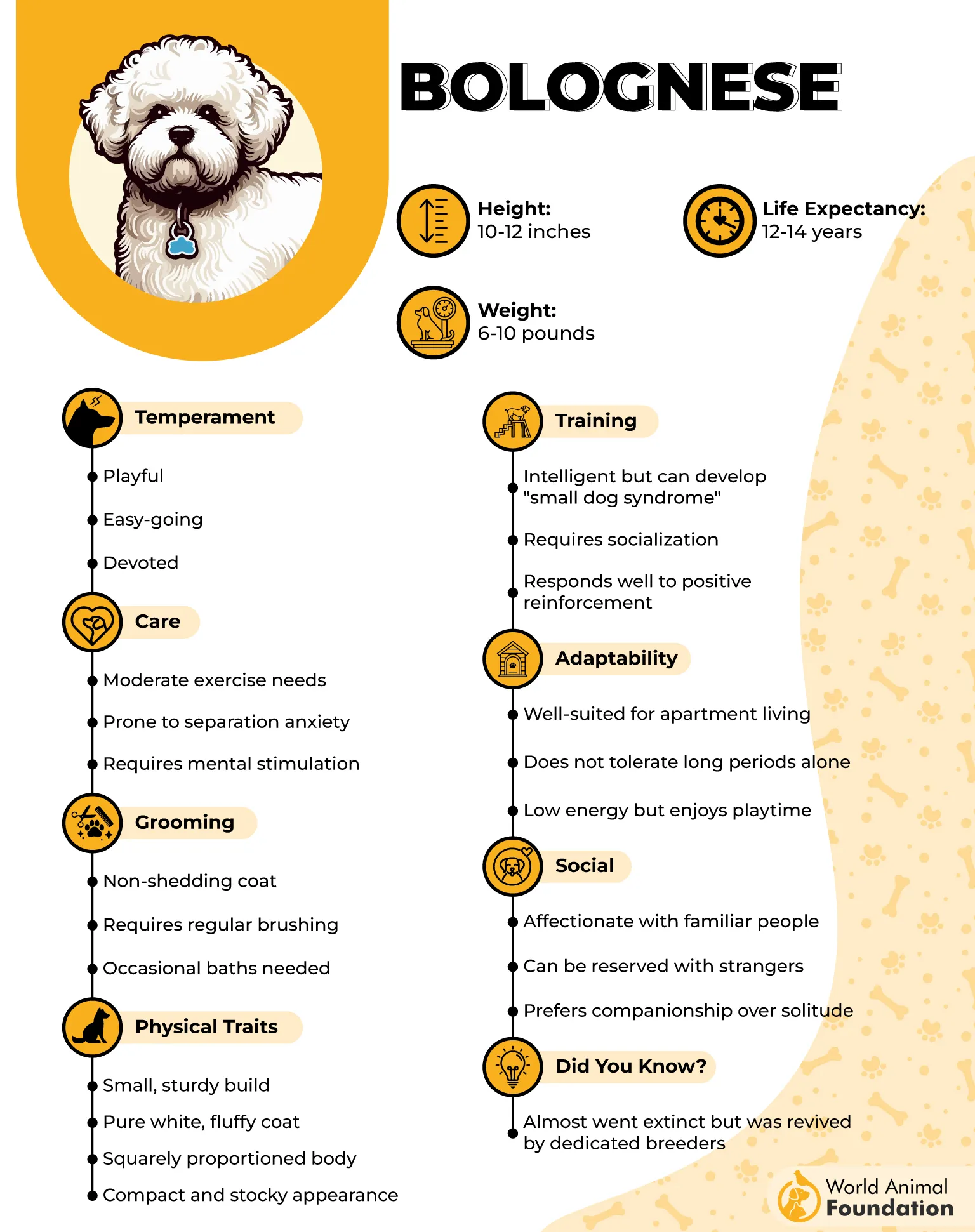
Bolognese benefits from a moderate exercise routine without needing nonstop activity. Backyard play, relaxed walks, hide-and-seek, chasing a rolling ball, or learning simple tricks all provide enjoyable ways to stay active while keeping both body and mind engaged.
Training Tips For This Breed
Build confidence early through regular socialization, so shyness around unfamiliar people fades more naturally.
Establish clear household boundaries from the beginning to discourage “small dog syndrome” behaviors.
3. Russian Toy
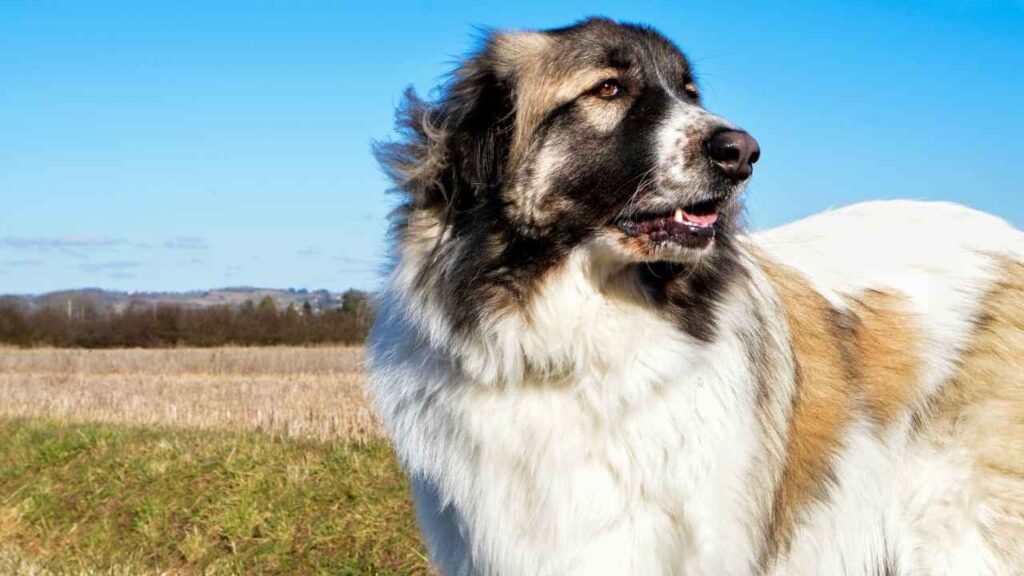
Tiny dogs have a funny way of acting like they own the whole room, and the Russian Toy certainly understands that assignment. Recognized by the AKC in 2022, this elegant little companion is lively, smart, eager to please, and happiest when staying close to its favorite people.
Watching a Russian Toy tackle an activity is surprisingly entertaining because these little dogs enjoy far more than lap time. Their outgoing personality and clown-like antics make them excellent candidates for agility and trick dog competitions. Early socialization and puppy obedience classes help channel that enthusiasm into good manners.
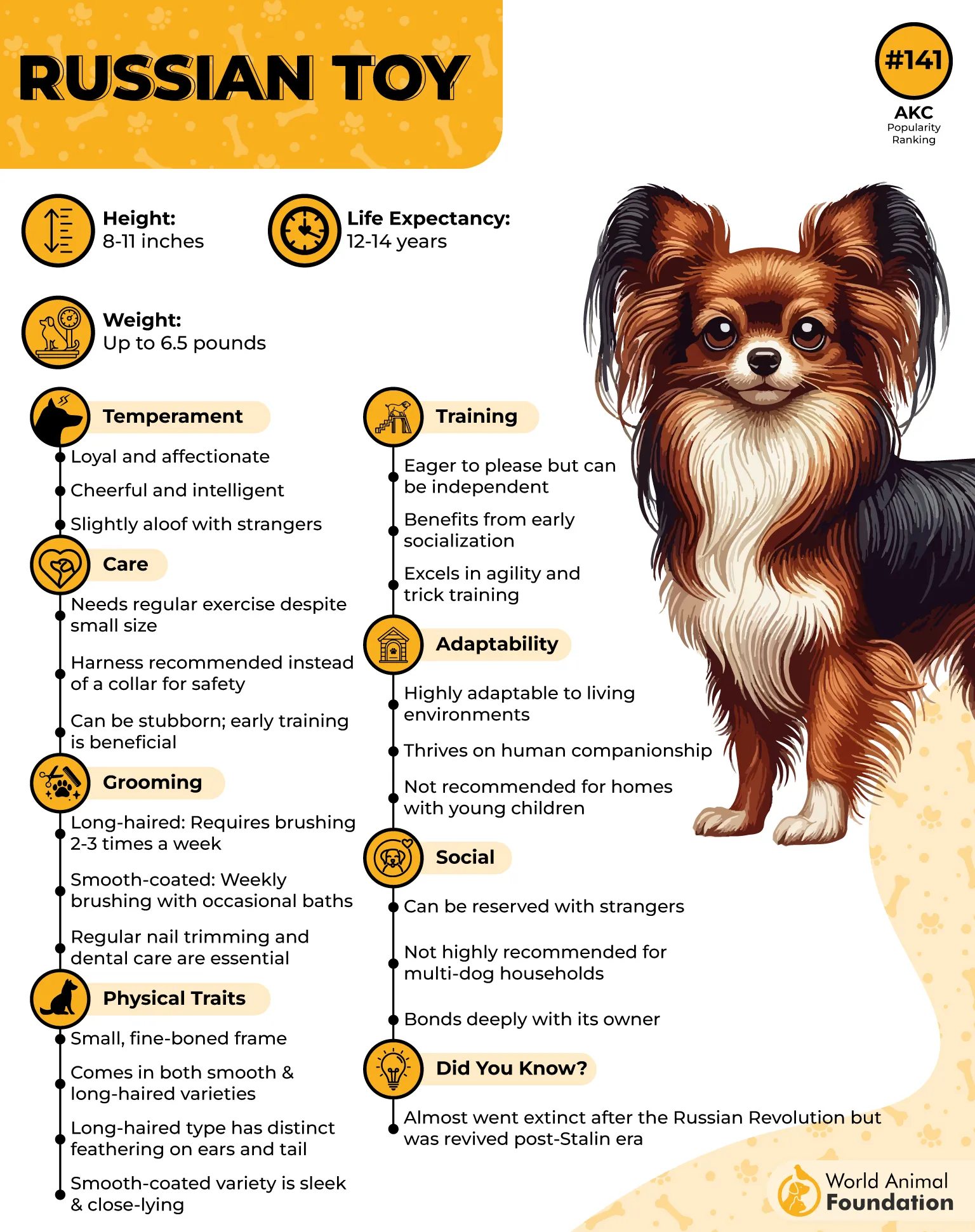
Home life suits the Russian Toy beautifully because it thrives on companionship and loves being involved in everyday moments. It usually gets along well with children, other pets, and friendly people when properly socialized. Whether playing outdoors or curling up beside you afterward, this breed enjoys sharing life with its family.
Training Tips For This Breed
Stay consistent with household rules because this clever breed may test boundaries from time to time.
Include trick training or agility-style games to give its active mind a rewarding challenge.
4. Russian Tsvetnaya Bolonka
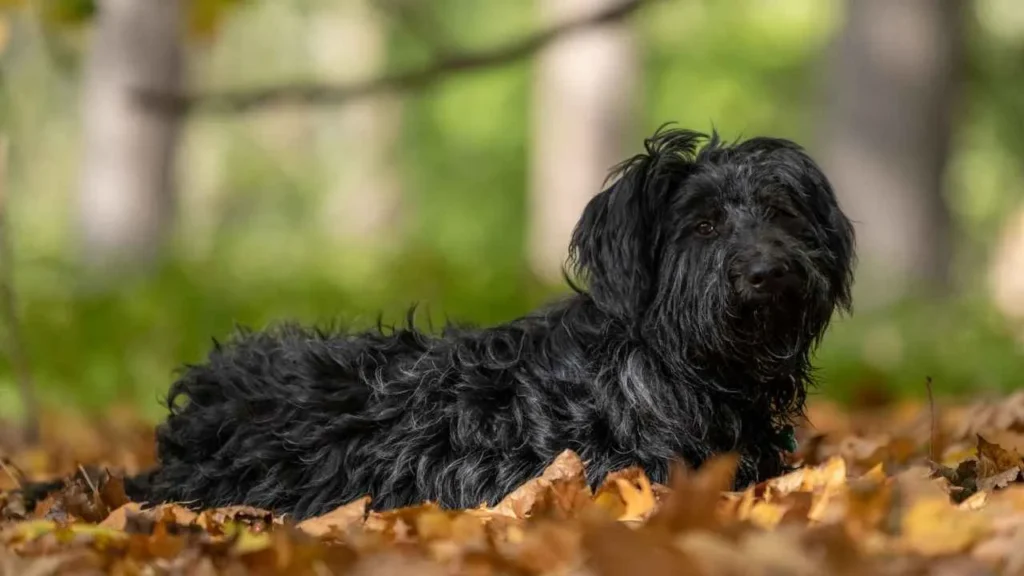
Apartment living can feel surprisingly cheerful with the right four-legged roommate, and the Russian Tsvetnaya Bolonka certainly fits the role. Originally developed as a house companion, this sweet, funny, and willing-to-please little dog enjoys making itself part of everyday family life.
Finding enough room for a Bolonka is rarely a challenge because this breed was originally bred for apartment living. Walks, playtime, and simple indoor games usually satisfy its activity needs. Even with an easy-going personality, a lively romp a couple of times each week keeps things interesting.
Good habits start early with the Bolonka, especially because it is clever and fairly independent for a toy breed. Basic obedience, early socialization, and gentle positive reinforcement help this intelligent companion learn appropriate behavior. Firm but kind guidance also supports success in activities like obedience, rally, tracking, and agility.
Training Tips For This Breed
Teach appropriate vocal cues early so alert barking stays under control as the dog matures.
Keep lessons gentle but consistent because this breed responds well to patient guidance.
5. Havanese
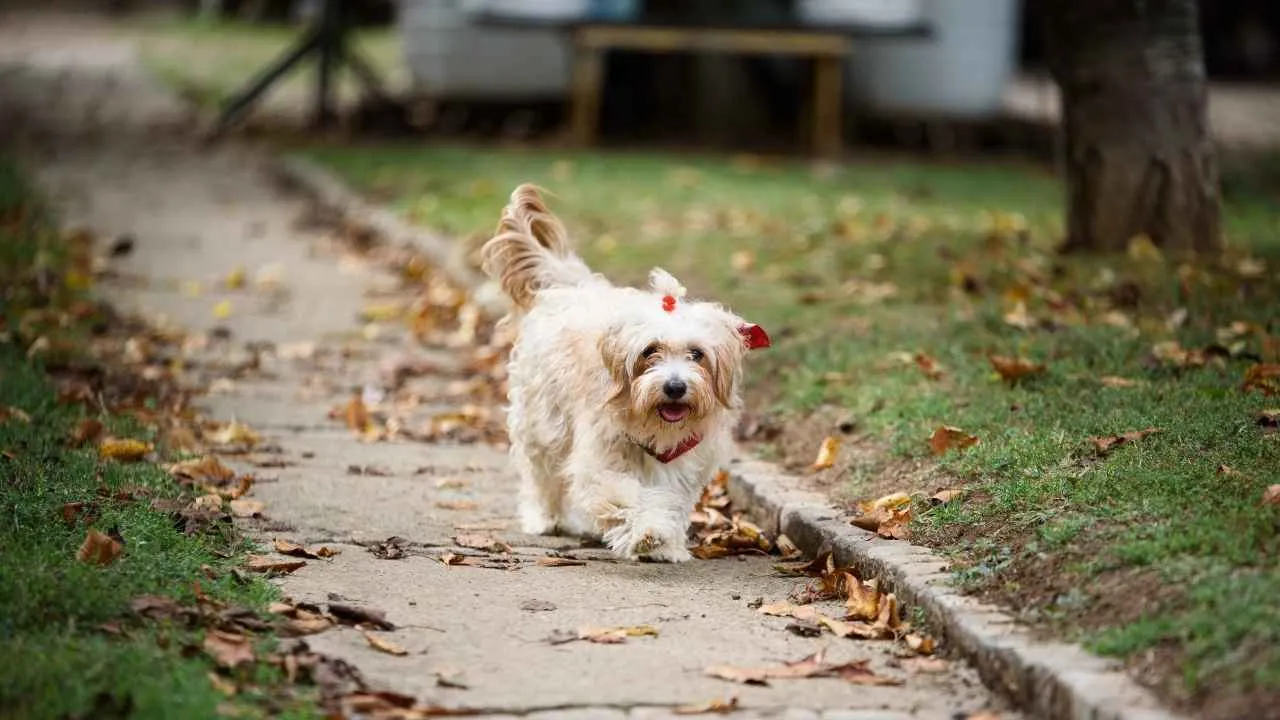
The Havanese walks into beginner dog life like a tiny entertainer who packed jokes, charm, and homework in one fluffy suitcase. Smart, outgoing, and funny, this cheerful companion enjoys attention and can make learning feel more like playtime.
The breed was originally treasured in Cuba, where it became the native lap dog of aristocrats and wealthy planters. Named for Havana, the Havanese dog spent centuries as a companion, not a working tough guy with muddy boots.
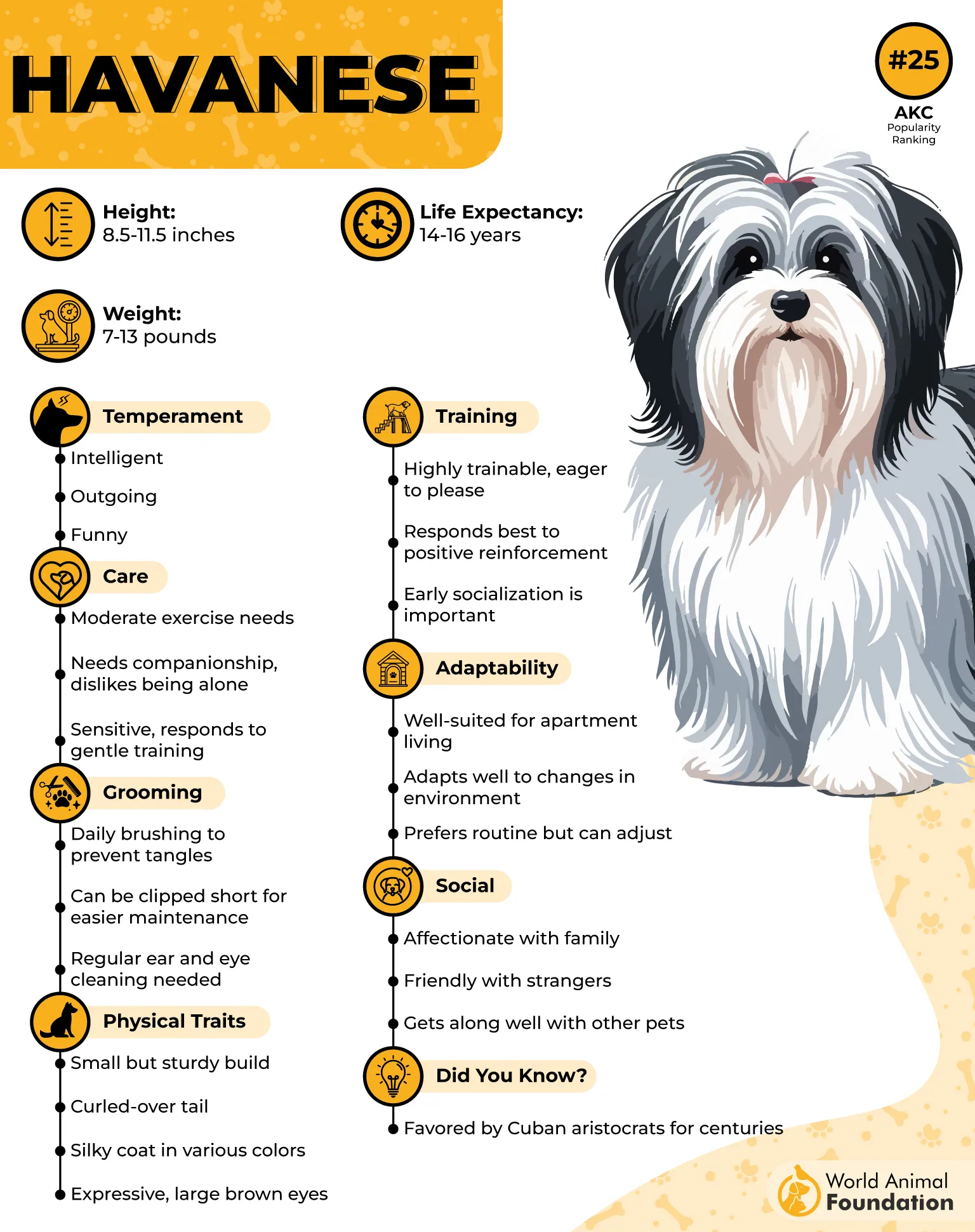
Other pets usually fit nicely into the Havanese social calendar when introductions are calm and early. They are affectionate with people and can get along with non-aggressive pets, which makes household harmony feel much less like a circus.
Training Tips For This Breed
Use only positive reinforcement techniques because this sensitive breed can shut down with harsh scolding.
Turn lessons into trick-style games since Havanese naturally enjoy showing off clever little skills.
6. Cavalier King Charles Spaniel
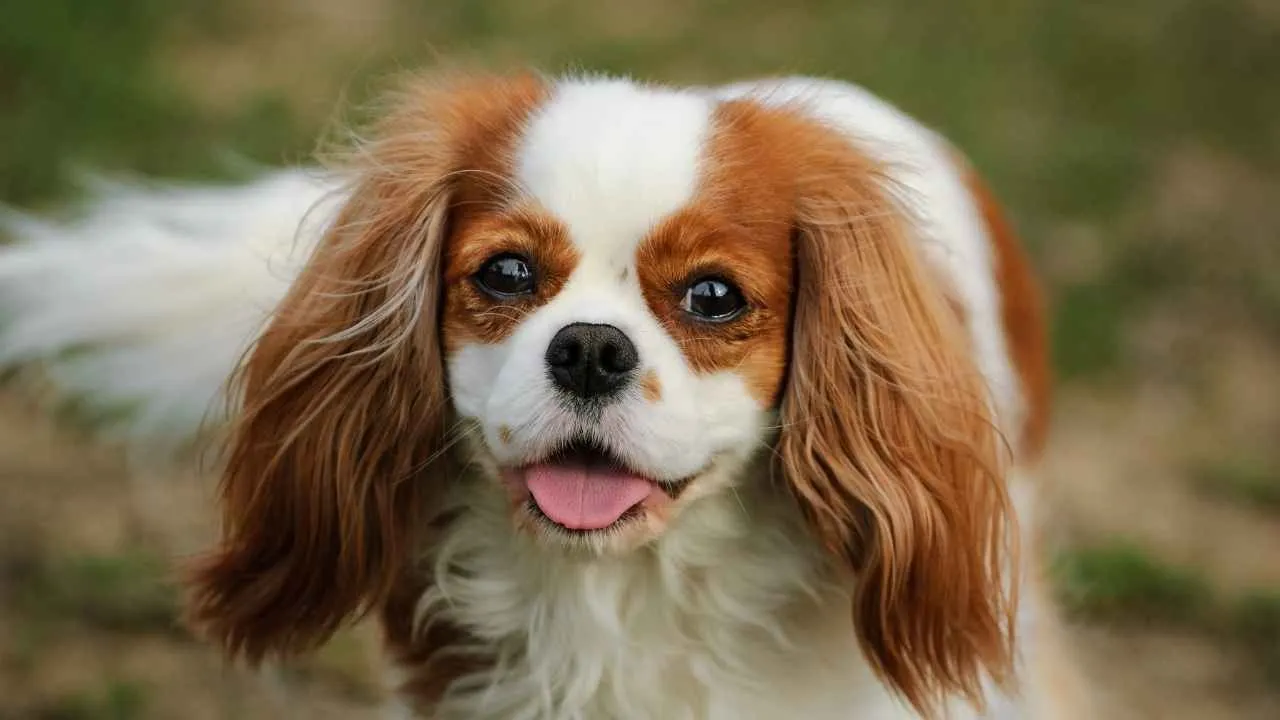
The Cavalier King Charles Spaniel has serious royal vibes, but thankfully not the “bring me my velvet throne” kind. Gentle, graceful, and affectionate, this sweet companion brings a soft personality that makes early dog ownership feel less intimidating.
These Cavaliers are friendly with families, strangers, children, and other animals, so dramatic guard-dog behavior is not their main hobby. Barking is usually not their biggest personality feature, though they do need companionship and should not be left alone too long.
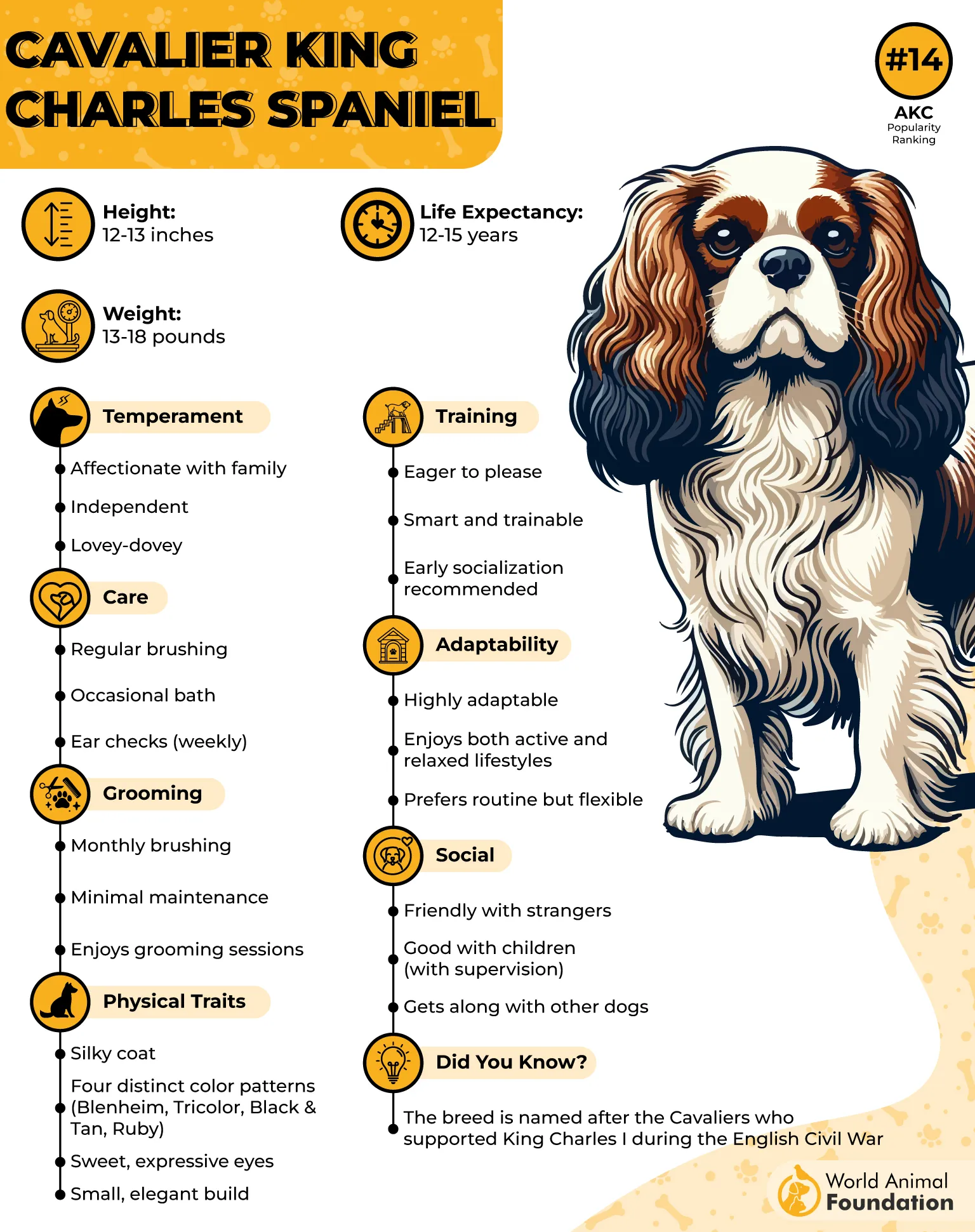
As mentioned by Petplan, Cavalier King Charles Spaniels are usually easy to train and pick up commands without much fuss because they are eager learners. Their Spaniel background also means recall deserves extra attention, since interesting scents or moving wildlife can easily capture their curiosity outdoors.
Training Tips For This Breed
Practice reliable recall carefully because scenting instincts may tempt them to follow interesting trails.
Use playful reward sessions to keep this gentle breed interested without pressure.
7. Australian Terrier
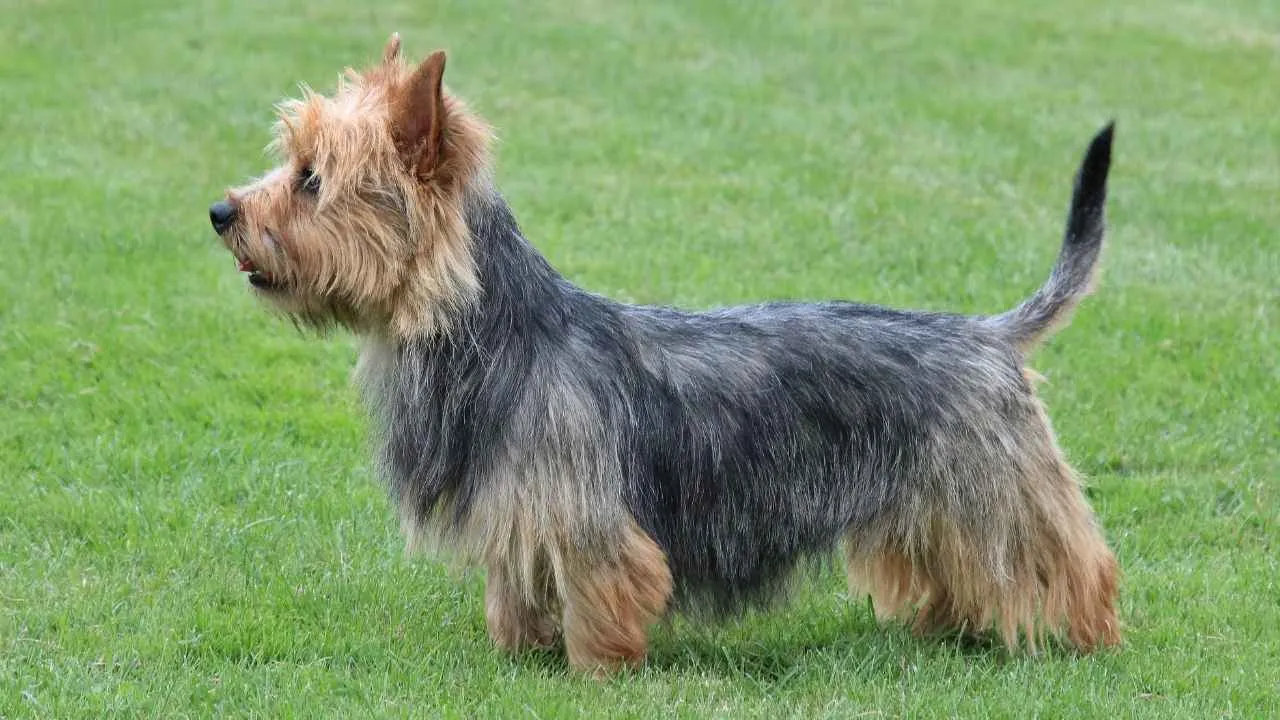
The Australian Terrier brings “small dog, big project manager energy” to the beginner-owner world. Plucky, lively, and self-assured, this little terrier is quick to study a situation, then act as if it has already chaired the meeting.
British settlers brought working terriers to Australia, where the Aussie was shaped into a fearless all-purpose exterminator. It worked around small mammals and snakes, then still managed to become a devoted companion when the day’s serious business ended.
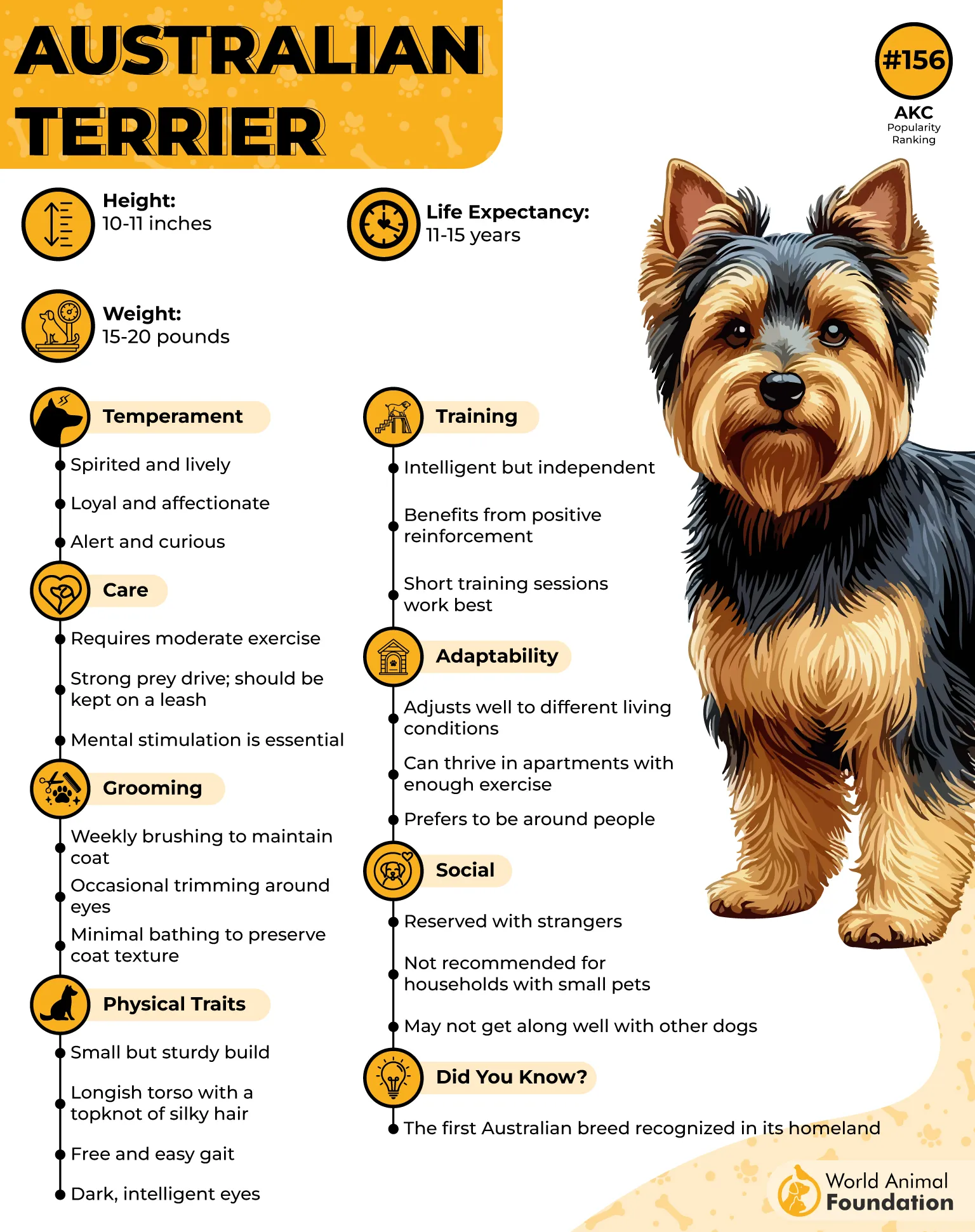
First-time pet owners who enjoy structure may appreciate this breed’s smart, alert nature. Aussies are quick studies, adaptable to most situations, and deeply loyal to their people. They do best with regular activity, clear expectations, and fun that prevents boredom.
Training Tips For This Breed
Keep sessions short because routine can bore this independent thinker fast.
Train leash manners early since chasing small critters can quickly steal attention.
Conclusion
Bringing home your first dog is a big moment, but it does not have to feel overwhelming. A breed that enjoys learning, responds well to guidance, and fits your lifestyle can make every training session more rewarding and every small success feel like a shared victory.
Take your time, trust the process, and choose the companion that feels right for your home and routine. The best partnership grows through patience, consistency, and plenty of happy moments together. Your future four-legged best friend is absolutely worth the effort.
If you are further interested in such wonderful dogs, some other breeds you can look up include Labrador Retriever, Golden Retriever, German Shepherd, Border Collie, Miniature Schnauzer, Cocker Spaniel, Australian Shepherd, Doberman Pinscher, Border Terrier, and Shetland Sheepdog.
