




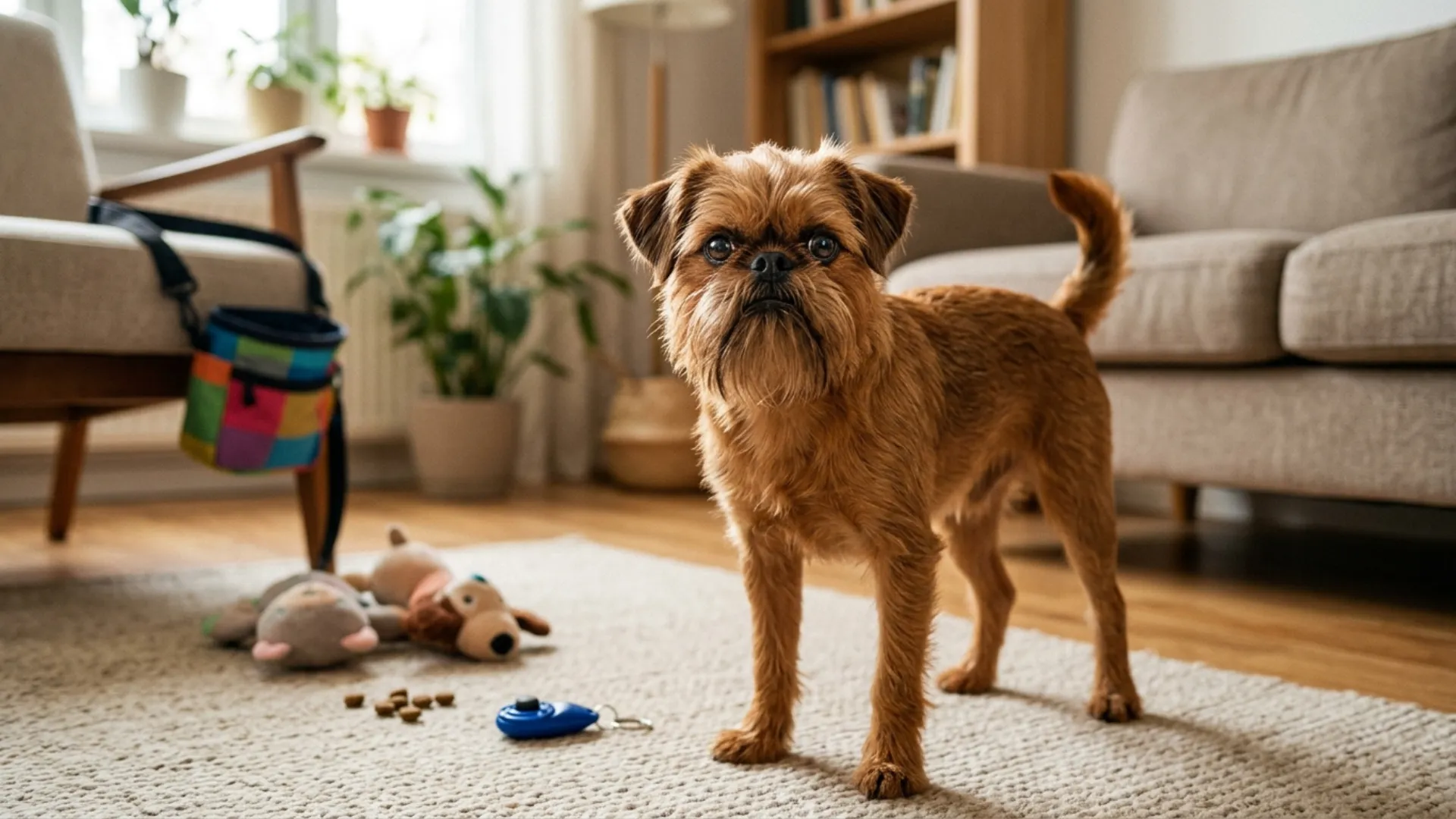
So, you’re dreaming about bringing home a dog… and then reality sneaks in with questions like, “What if I accidentally teach them to sit when I meant stay?” or “Do dogs come with instruction manuals?” Fair questions.
The good news? Some dogs are naturally more eager to learn, easier to guide, and far more forgiving when their humans are learning too. For first-time owners, choosing a trainable companion can make everything from house rules to everyday routines feel a lot less overwhelming and a lot more fun.
And trust us, a dog that enjoys learning can turn training time into one of the best parts of your day. Let’s meet some of the best candidates.
Did you know?
Not all dogs approach learning the same way. Some naturally adjust quickly when the rules change, while others prefer sticking with their original plan a little longer. What may seem stubborn or distracted is often just a dog’s unique learning style.
Trainable Dog Breeds: Best Choices for First-Time Owners
1. Cavalier King Charles Spaniel
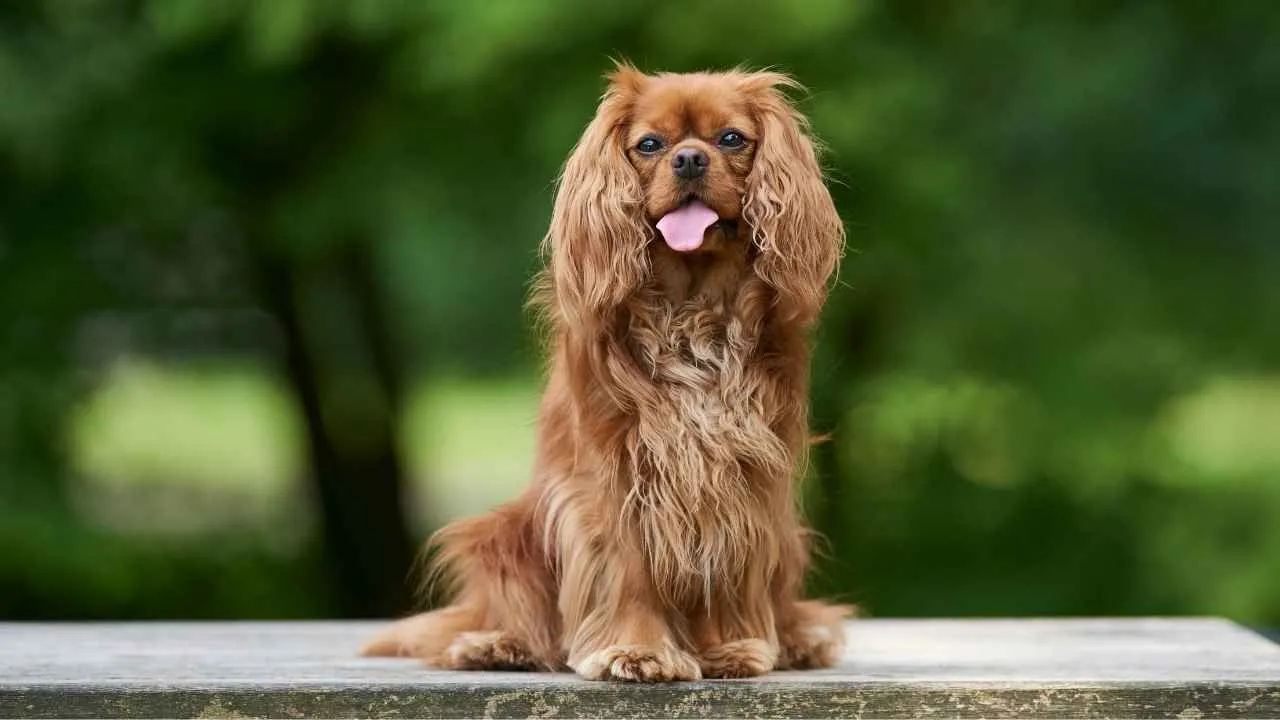
The Cavalier King Charles Spaniel has that “professional lap warmer with royal manners” energy. Sweet, playful, and clever, this little charmer loves being close to people and makes learning feel less like homework and more like a cozy group project.
For first-time dog owners, this breed brings a friendly, forgiving vibe to the table. Cavaliers are eager to please, easy to train, and usually happy around children, strangers, cats, and other dogs, which makes beginner life feel less chaotic.
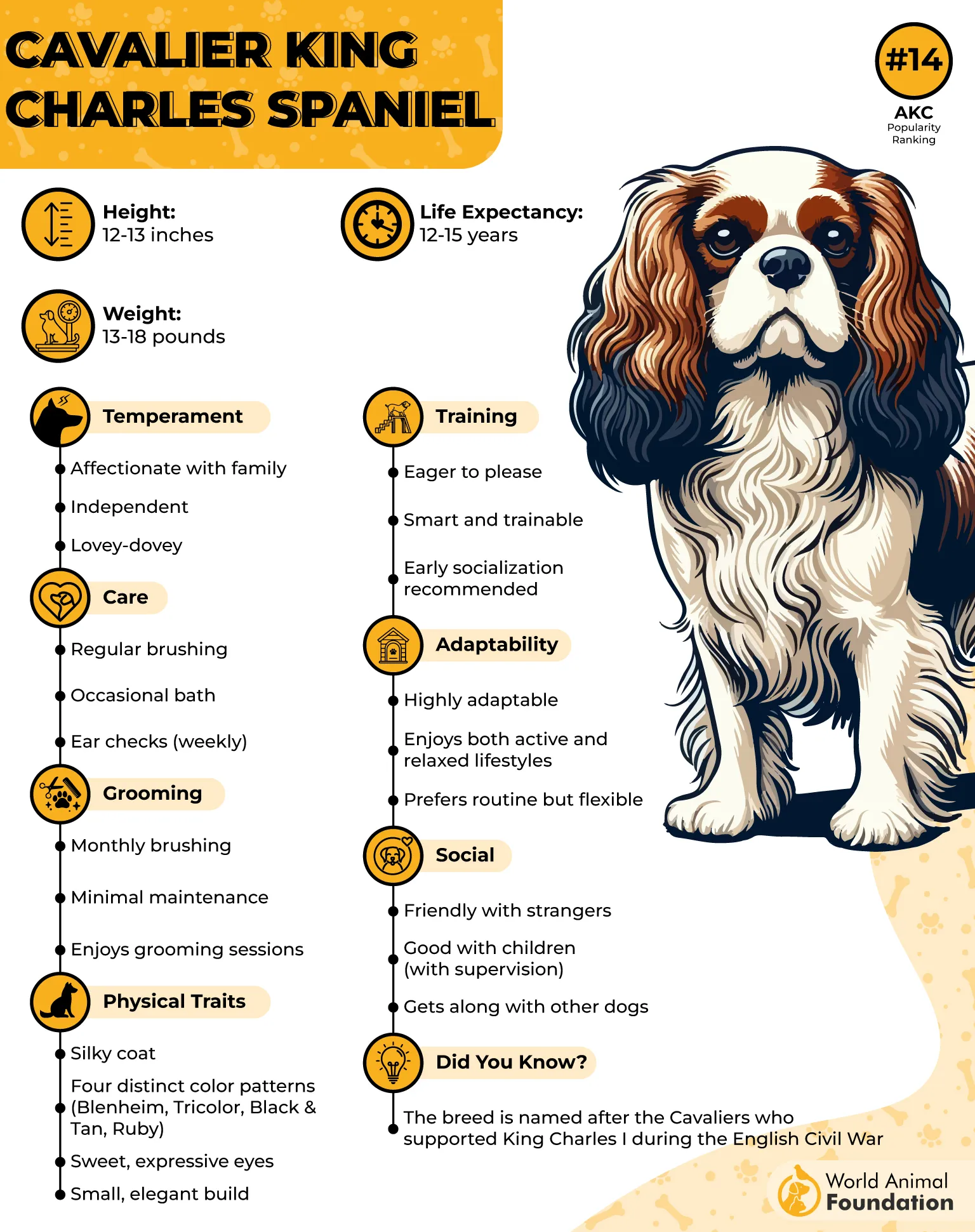
A Cavalier still needs regular walks, playtime, and brain games to stay content. Short, fun sessions with treats or favorite toys work beautifully, and once the wiggles are handled, couch-snuggling becomes a very serious appointment.
Training Tips For This Breed
Keep lessons short, cheerful, and reward-based so the Cavalier stays excited.
Start socialization early to build confidence in new places and situations.
2. Australian Terrier
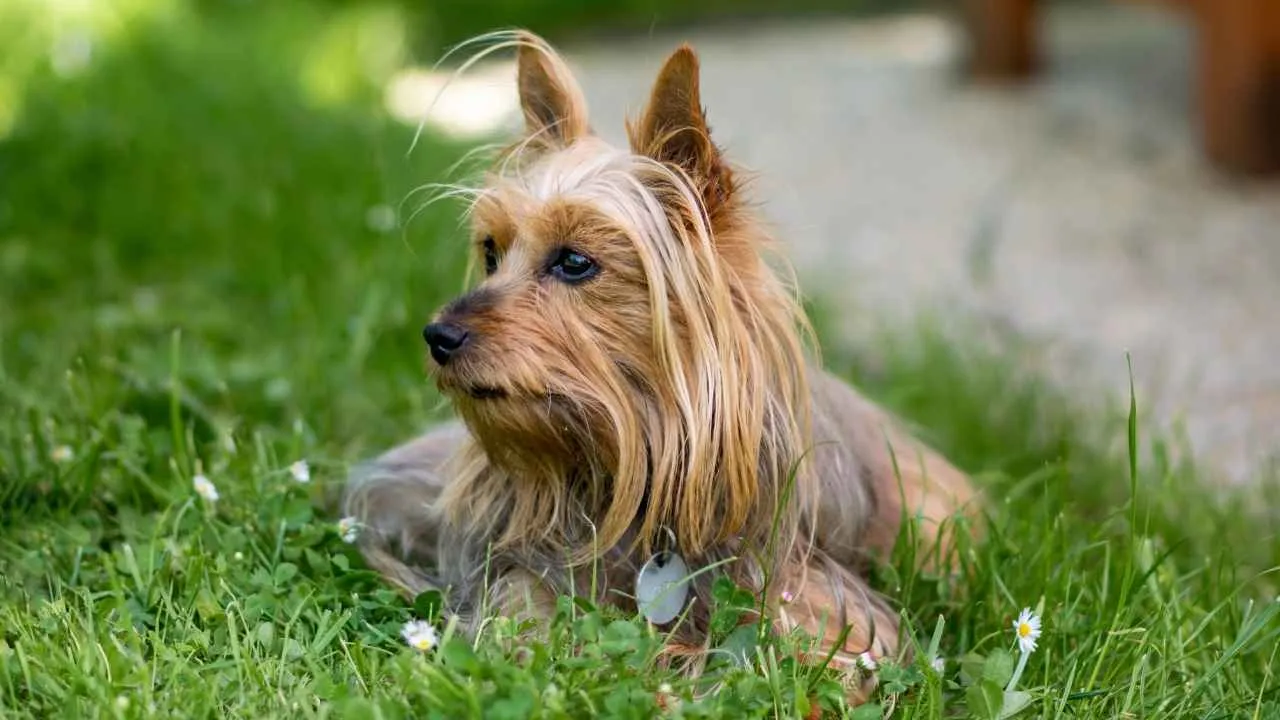
The Australian Terrier is basically a tiny manager with muddy paws and big opinions. Lively, confident, and full of spark, this breed suits owners who enjoy a dog with personality, brains, and just enough mischief to keep life interesting.
Originally bred in Australia to help ranchers and farmers deal with rodents and other small predators, this terrier still carries that busy little worker attitude. That means boredom is not their friend, and neither is an unattended garden.
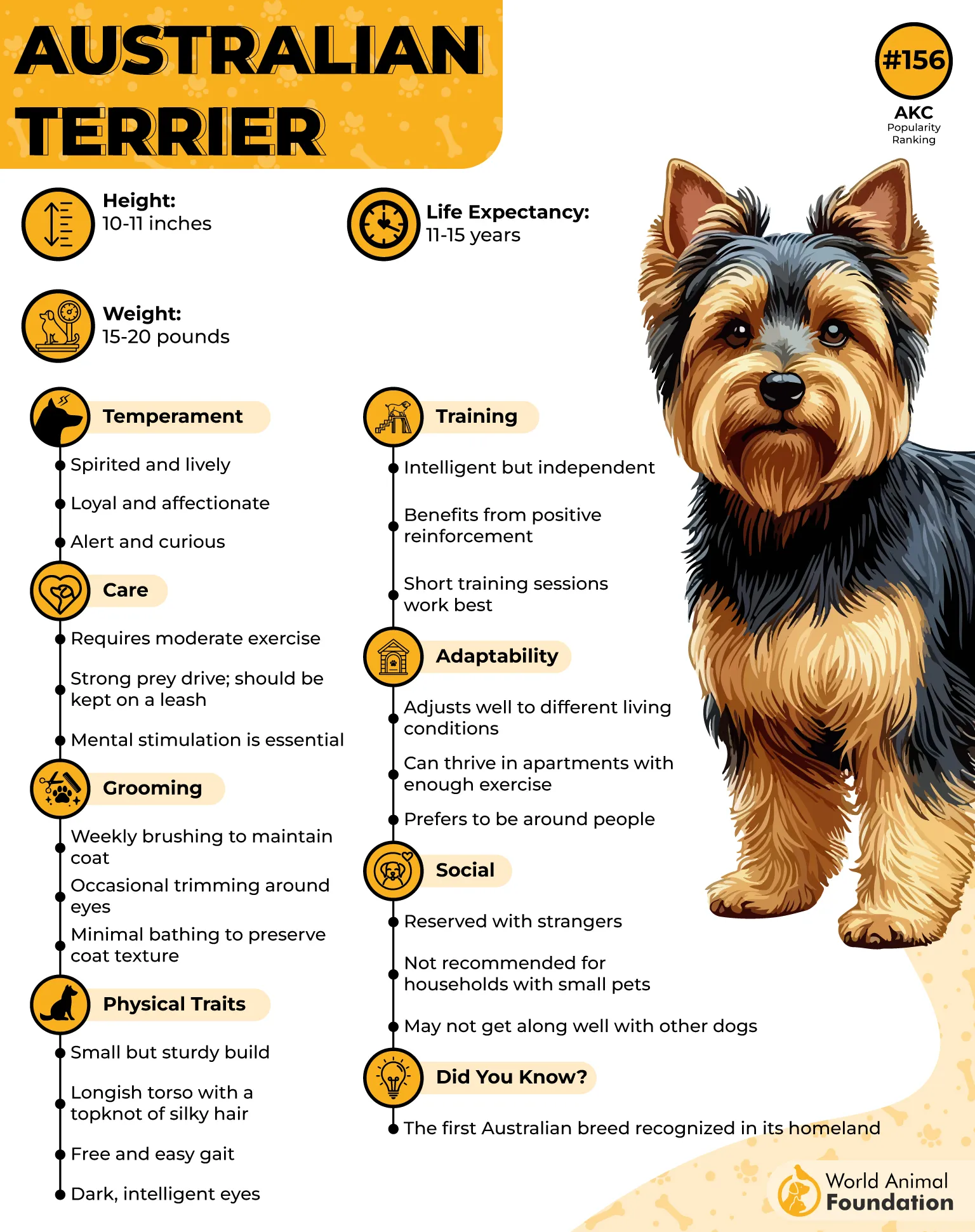
As noted by PetMD, Australian Terriers respond best to positive reinforcement, especially when training feels like a game. Their intelligence and energy make them keen pupils, while early socialization helps them handle new situations with more confidence.
Training Tips For This Breed
Turn lessons into games to hold their attention and reduce stubborn moments.
Practice leash skills carefully because their prey drive can kick in fast.
3. Brussels Griffon
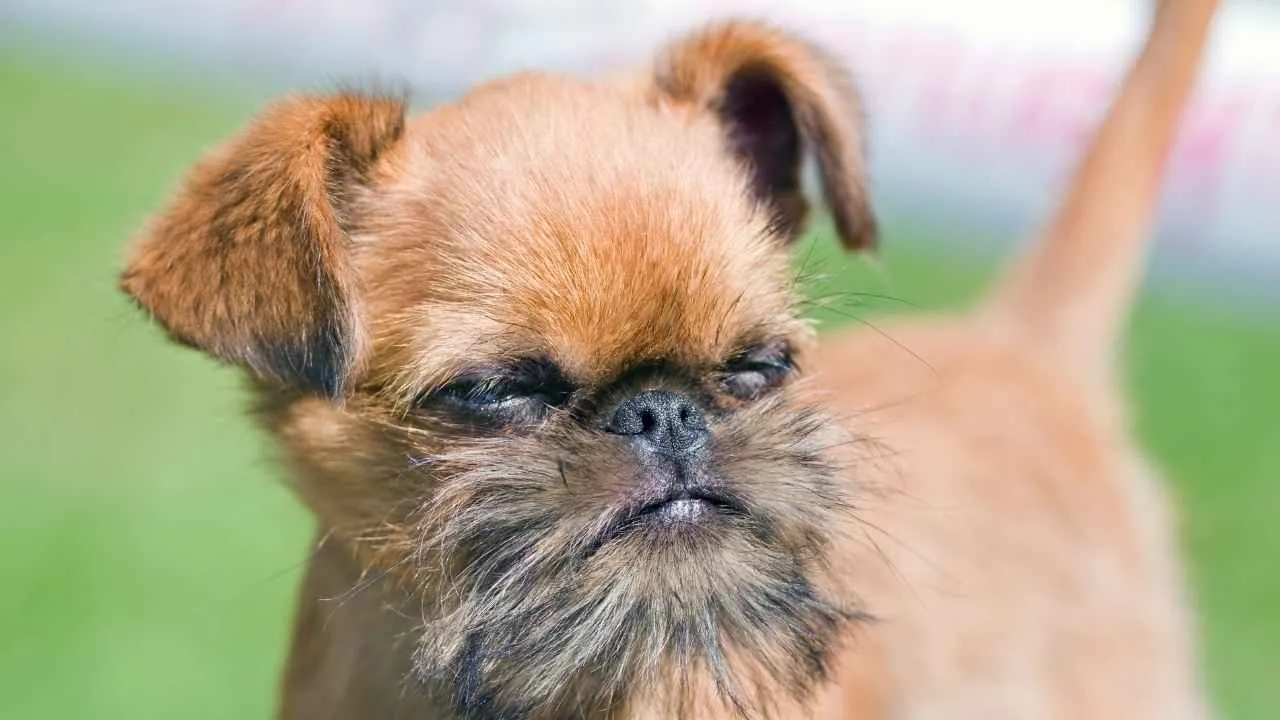
The Brussels Griffon looks like it knows your secrets and disapproves of your snack choices. Smart, social, and wonderfully silly, this expressive little dog brings huge character in a compact package that loves being included.
This breed is famous for Velcro-dog behavior, meaning personal space may become a forgotten concept. Brussels Griffons prefer staying close to their favorite people and can struggle when left alone for long stretches, so companionship really matters.
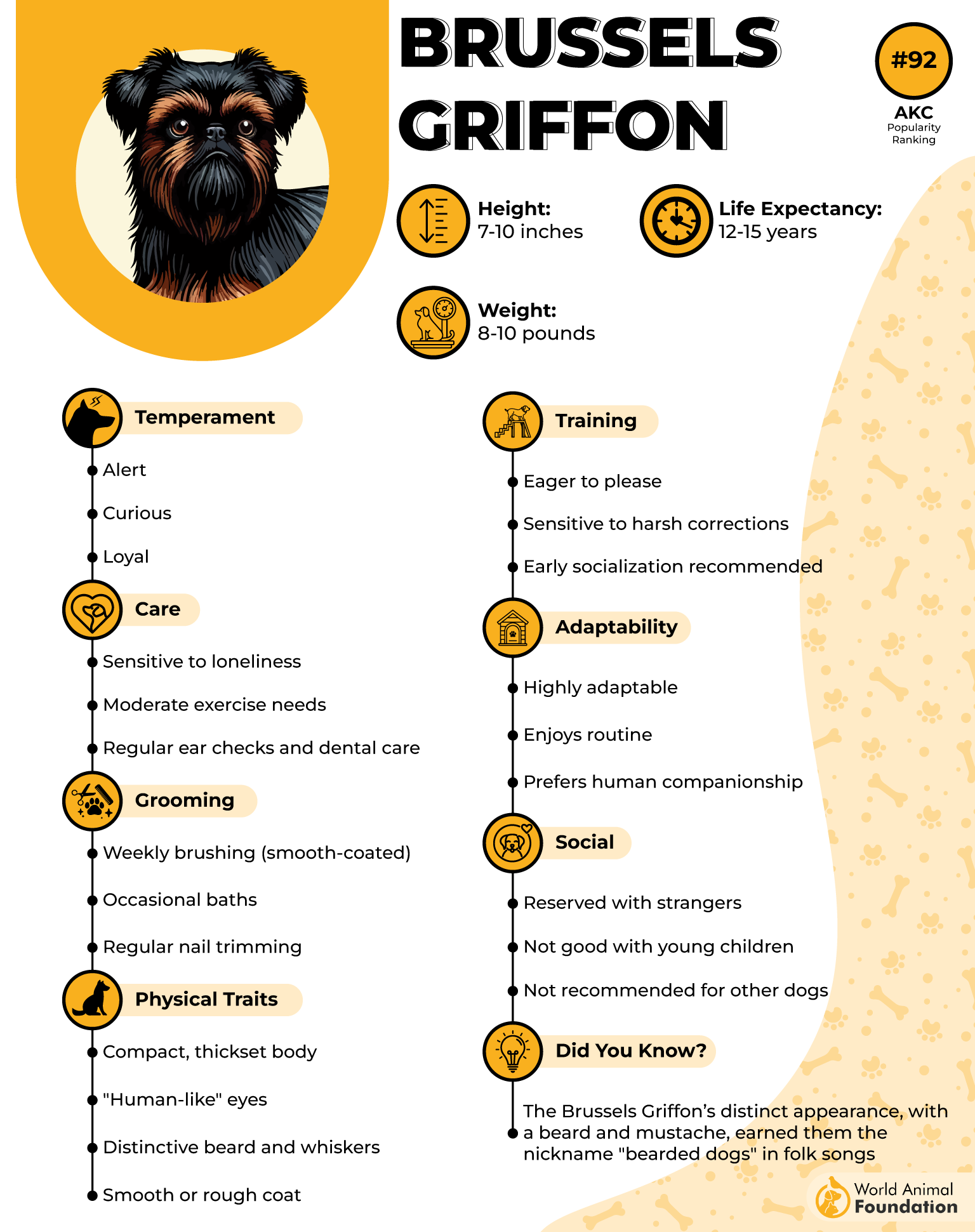
Family life can suit them well when children are gentle and interactions are supervised. They often do well with other pets, but their sensitive nature appreciates calm handling, early socialization, and a home where they feel secure.
Training Tips For This Breed
Use a gentle approach because harsh correction does not suit their sensitive side.
Teach fun tricks to use their clever mind and strengthen your bond.
4. Lowchen
The Lowchen arrives with “little lion” style and companion-dog confidence. Recognized by the AKC in 1999, this affectionate, lively breed has a bright personality that makes training feel more like teamwork than a bossy lecture.
Originally bred as a companion, the Lowchen has been popular among Continental Europeans for more than 500 years. Its old job was charmingly simple: stay close, alert the household, cuddle generously, and generally behave like castle staff with fur.
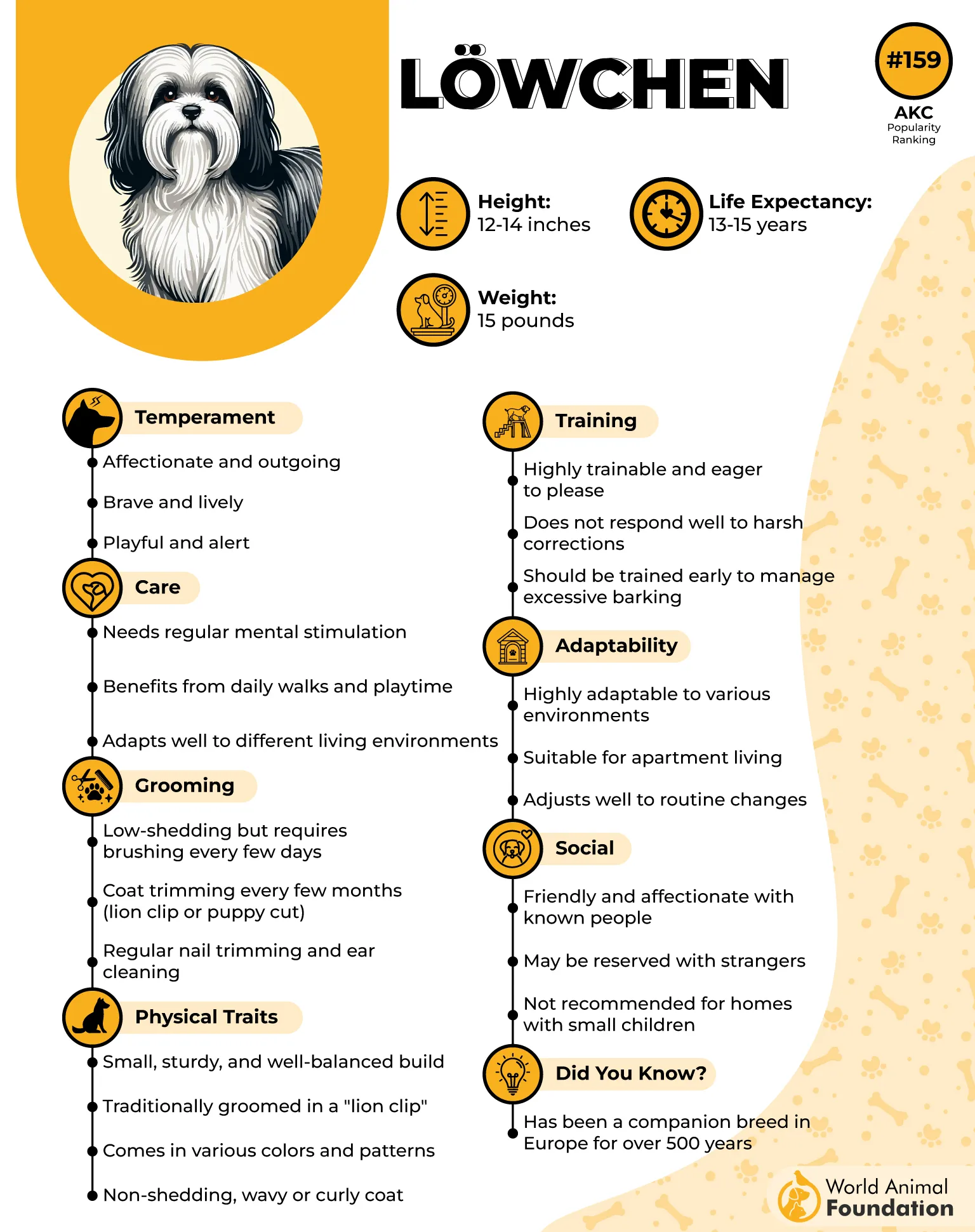
Grooming is part of the Lowchen experience, especially if that famous lion cut is kept. Regular brushing helps prevent matting, and many pet owners choose either the traditional trim or a shorter puppy cut for easier upkeep.
Training Tips For This Breed
Use praise and treats because this clever breed enjoys pleasing its person.
Keep dog training varied so their smart, slightly strong-willed side stays engaged.
5. Bolognese
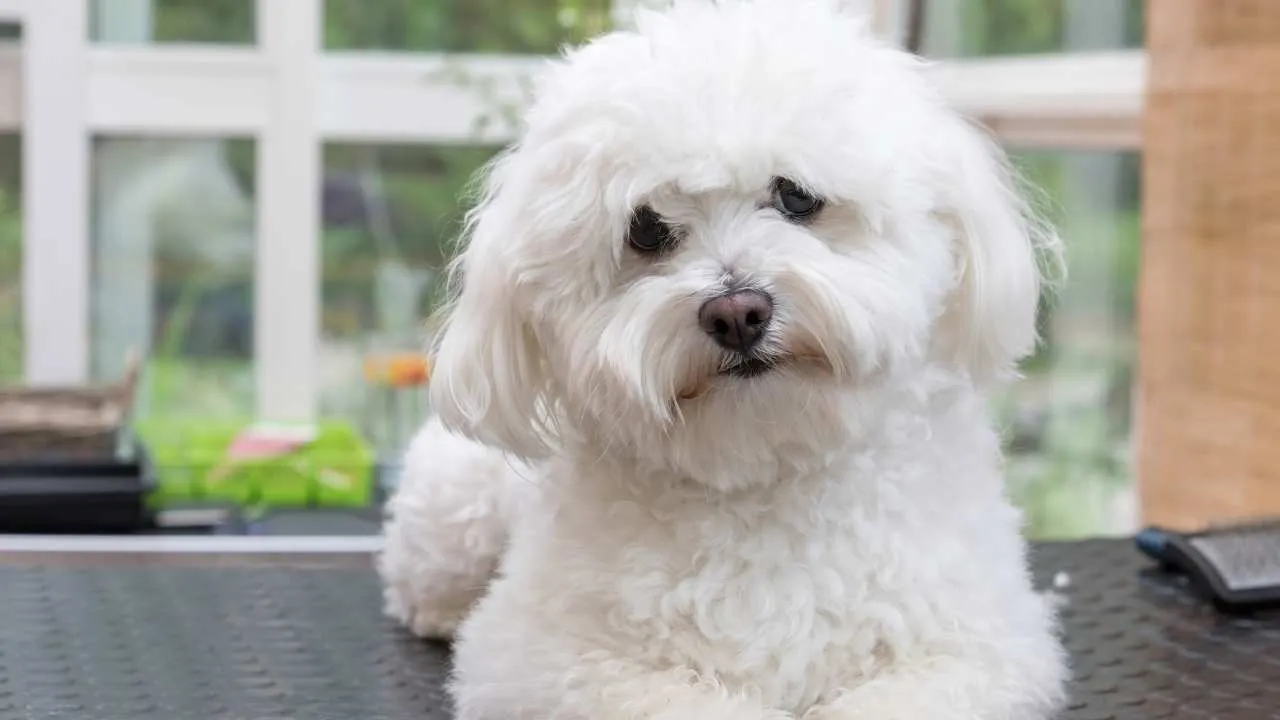
The Bolognese is a fluffy little comedian wrapped in a white cloud costume. Calm, loving, and playful, this companion dog enjoys learning when the mood stays cheerful, gentle, and very much “good job, tiny genius.”
Small homes and apartments suit this breed nicely, provided it receives plenty of attention and companionship. The Bolognese does not need a huge outdoor space to be happy, but it does enjoy regular walks and thrives when close to its people.
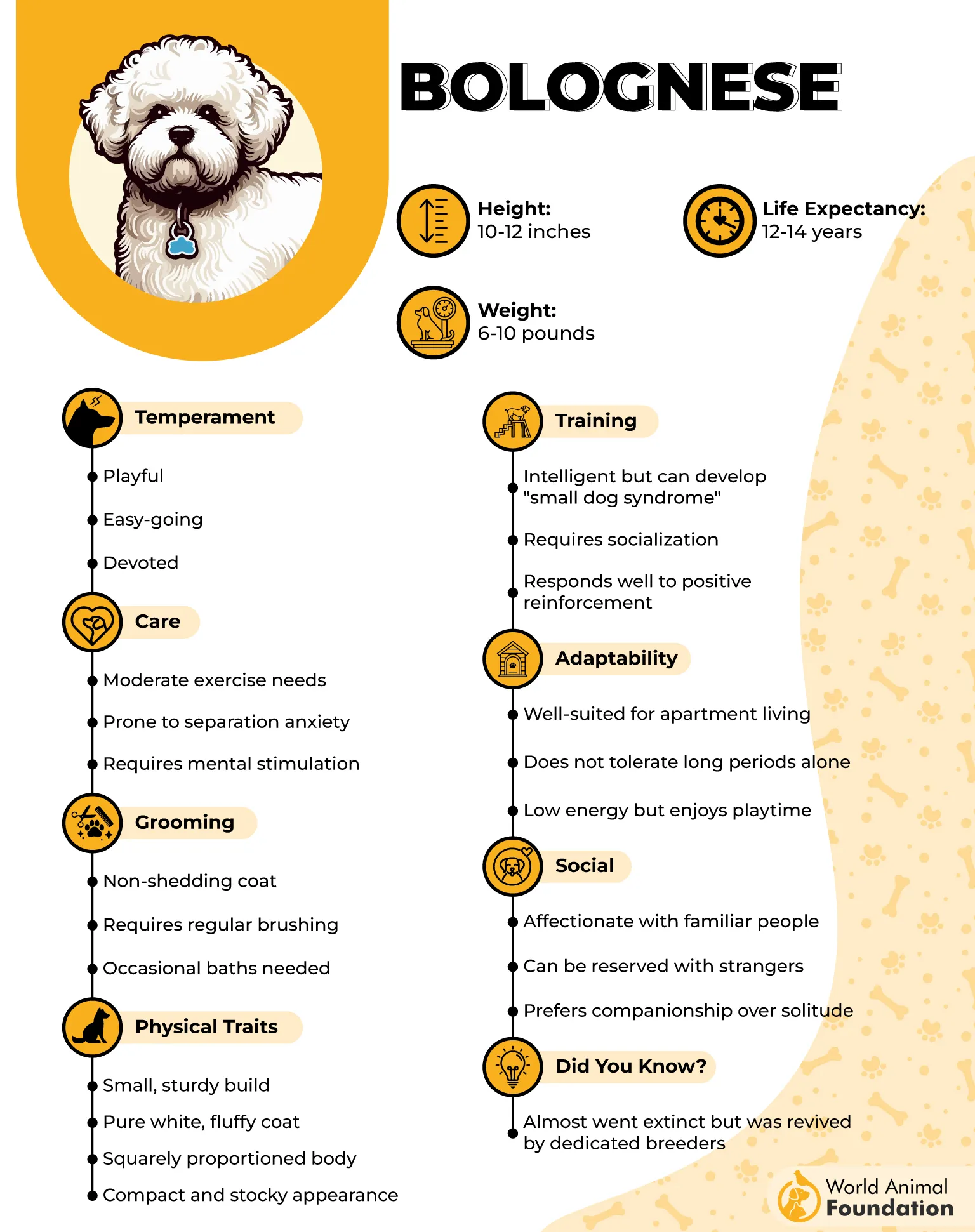
Basic obedience training clicks best with patience, consistency, and positive reinforcement. This smart breed wants to please, so praise, treats, and a warm bond can turn simple commands into a happy little routine.
Training Tips For This Breed
Build confidence around strangers through calm, positive socialization.
Use praise and rewards in consistent training sessions to encourage focus without pressure.
6. Russian Toy
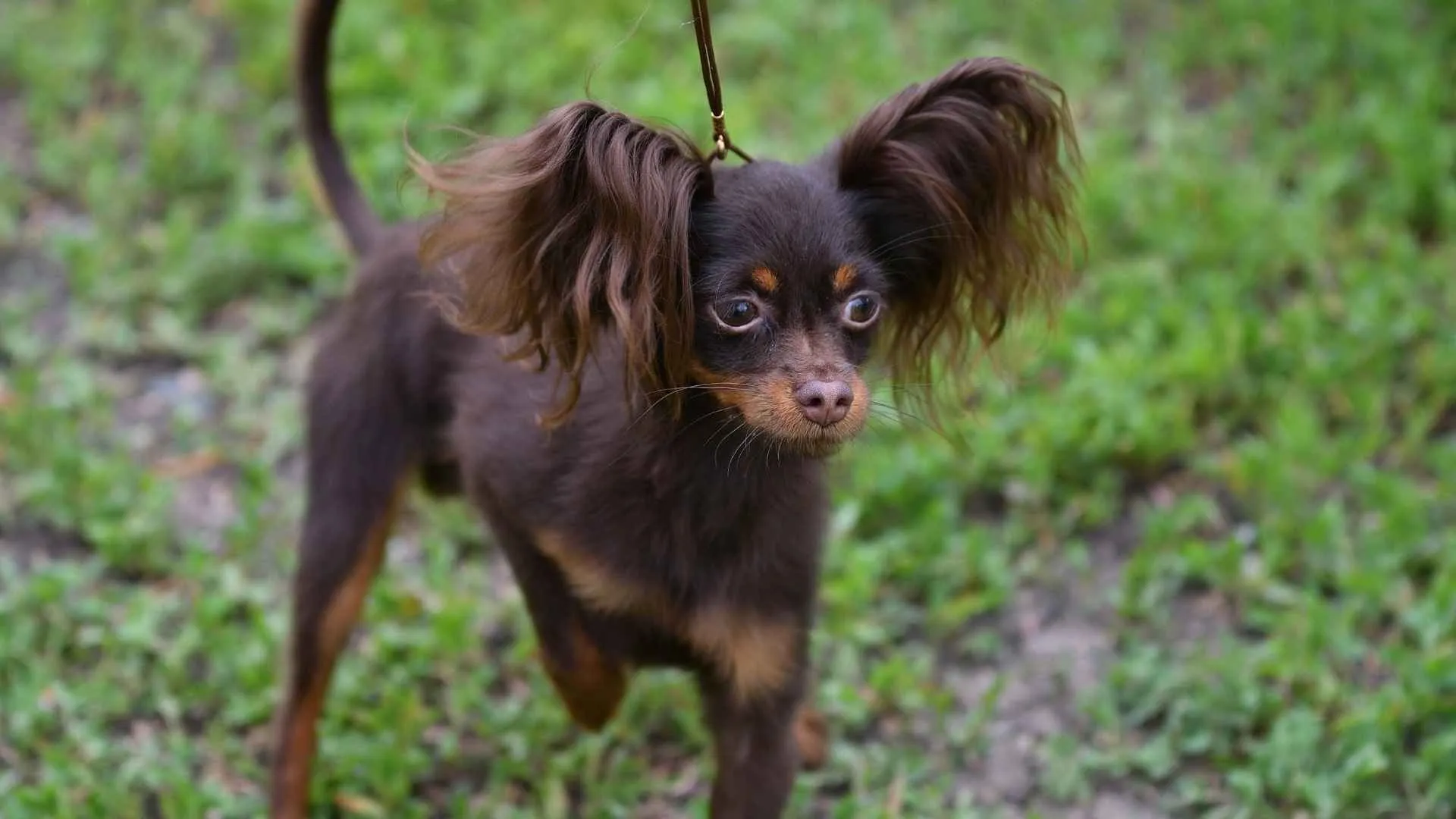
The Russian Toy may be tiny, but this dog walks through life with “main character in a velvet cape” energy. Bright, cheerful, and alert, this small dog breed enjoys learning, especially when training includes human attention.
Active families can be a great match for this highly trainable breed, especially when playtime, walks, and shared activities are part of daily life. Cheerful and intelligent, it enjoys staying involved with its people and thrives on regular interaction, companionship, and plenty of attention.
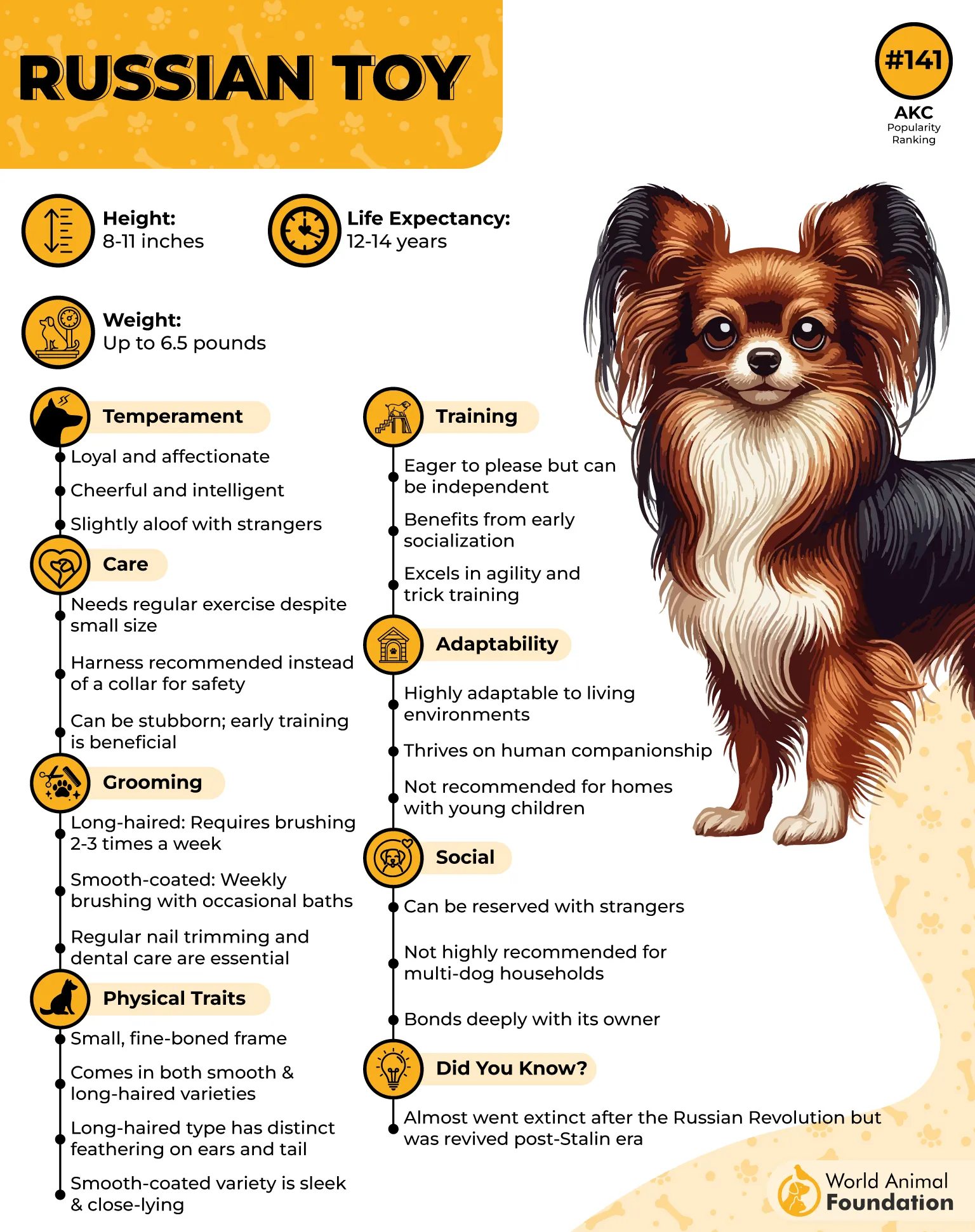
As mentioned by Purina, Russian Toys are surprisingly energetic little dogs who enjoy more than just short strolls. Daily walks, training activities, puzzle games, and other mentally engaging challenges help keep their curious minds busy and their cheerful personalities satisfied.
Training Tips For This Breed
Reward quiet behavior because this breed may be alert to unusual sights or sounds.
Add simple trick training to channel their intelligence into something adorable.
7. Russian Tsvetnaya Bolonka
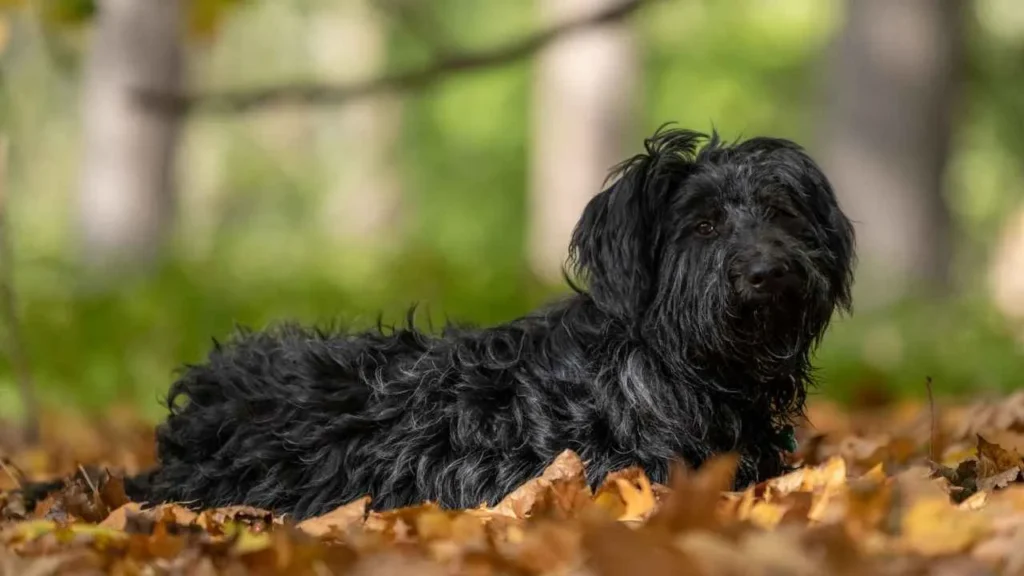
The Russian Tsvetnaya Bolonka is basically a curly-coated happiness button. Affectionate, cuddly, and eager to please, this little companion can pick up new cues quickly when the lesson feels friendly and fun.
First-time pet parents may find this breed wonderfully manageable because the Bolonka is affectionate, adaptable, and people-focused. The catch? That gorgeous coat wants regular care, so the brush becomes part of the friendship contract.
Apartment living fits the Bolonka beautifully because this breed was made for companionship, not backyard security patrol. Indoor games, short walks, and plenty of attention can keep this little social butterfly content.
Training Tips For This Breed
Introduce new people, pets, and places early in a pleasant way.
Practice bark control calmly since this breed may be alert to unusual sounds.
Conclusion
Bringing home a dog feels a lot less intimidating when you have a companion who genuinely enjoys learning alongside you. The breeds on this list offer a wonderful mix of intelligence, affection, and personality, making those early training days far more enjoyable.
Every dog is an individual, so take your time, learn what fits your lifestyle, and trust the process. A little patience, plenty of encouragement, and a strong bond can go a long way toward building a friendship that lasts for years.
If you are further interested in such wonderful breeds, some other dogs you can look up include Labrador Retriever, Golden Retriever, Border Collie, German Shepherd, Australian Shepherd, Cocker Spaniel, Shih Tzu, Border Terrier, Miniature Schnauzer, and French Bulldog.
