




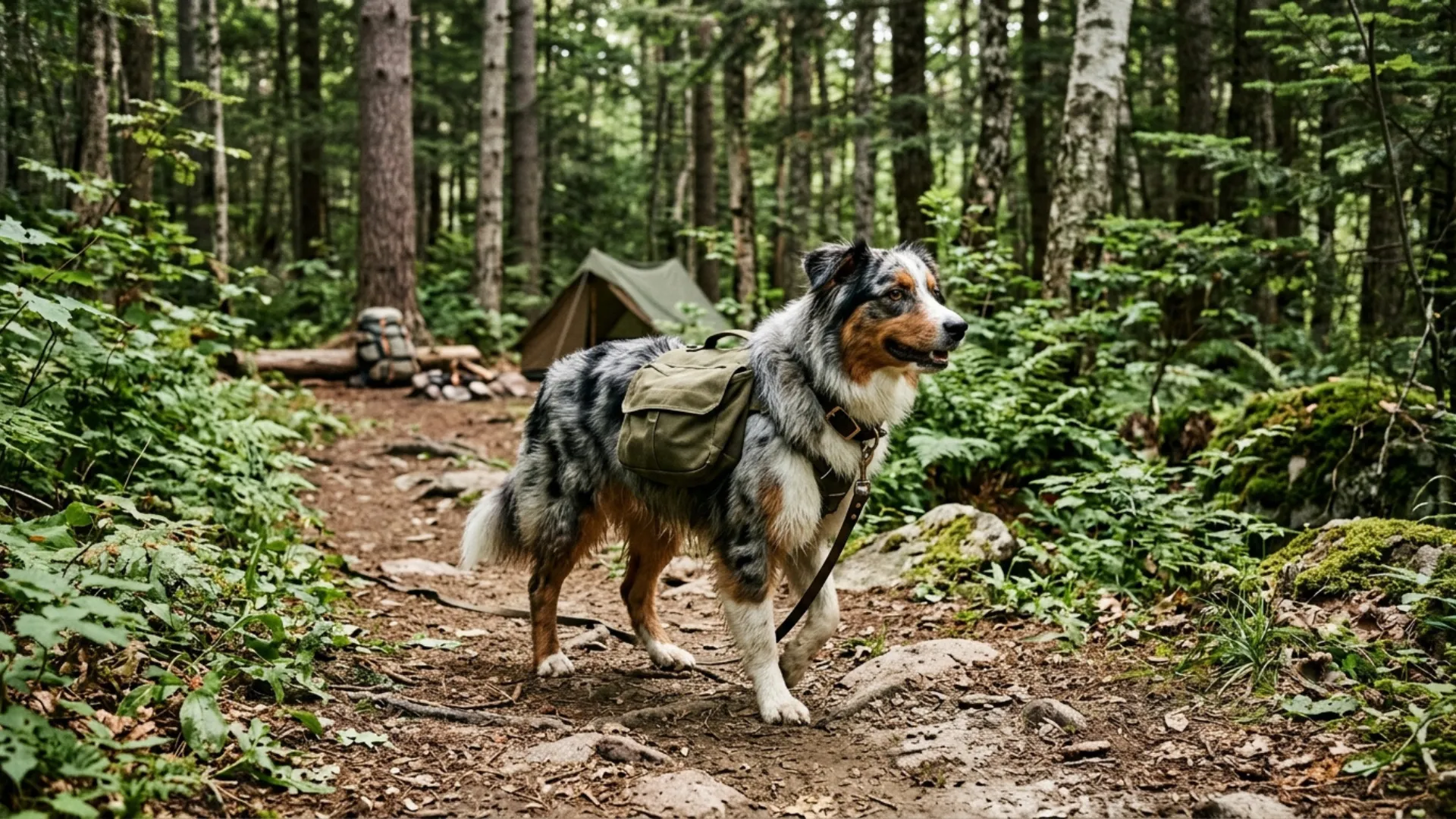
The morning started quietly. A backpack rested beside the tent, the forest air carried the scent of pine, and the trail ahead disappeared between rows of towering trees. Before the first step was taken, one eager companion was already ready to move.
Throughout the day, that dog navigated winding paths, investigated every new scent, and remained enthusiastic long after the miles began adding up. By evening, while the campfire crackled nearby, it settled comfortably beside the tent as though spending nights in the woods was second nature.
Experiences like this explain why some dogs stand out among outdoor enthusiasts. They bring more than companionship to a camping trip. They add confidence, energy, curiosity, and a sense of adventure that matches the environment around them. Not every dog is suited for long days on forest trails.
The breeds ahead have earned a reputation for embracing the wilderness and making every camping experience more rewarding.
Key Takeaways
Forest camping feels different when a dog is already waiting at the tent entrance before sunrise, eager for the first step onto the trail.
Siberian Huskies and Border Collies carry the kind of energy that keeps going long after the backpacks feel heavier and the firewood runs low.
Labrador Retrievers dive into muddy lakes without hesitation, while Vizslas stay so close during hikes that they earned the nickname “Velcro dog.”
Somewhere between the forest trails, chilly mornings, and restless paws, these breeds turn simple camping trips into stories people keep talking about later.
Trail-Blazing Dog Breeds That Love Forest Camping
1. Siberian Husky
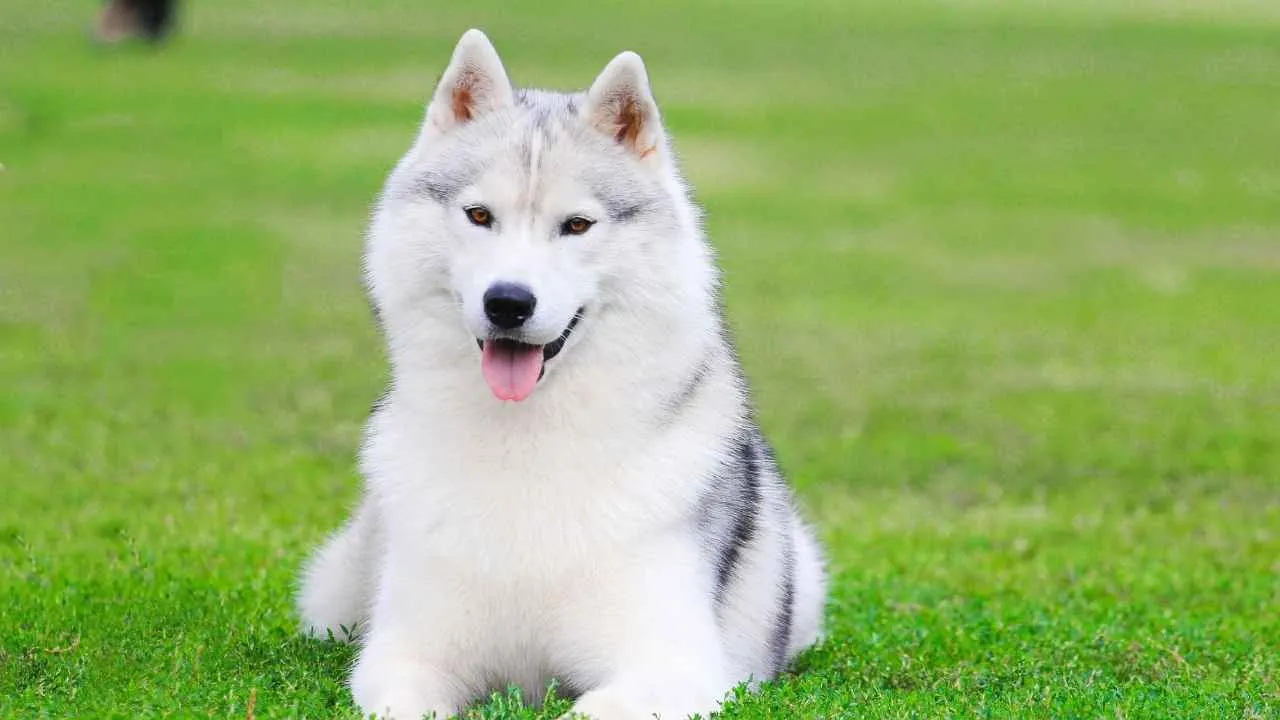
The Siberian Husky entered Alaska in 1908 with Russian fur trader William Goosak, where its endurance slowly earned respect in harsh northern conditions. Thick coats, restless energy, and a strong pull toward open ground shaped a breed built for distance.
Life Beyond The Trail
They rarely settle into quiet routines for long, especially when long walks, running space, or outdoor challenges disappear from daily life. Their curiosity quickly turns toward escape attempts, digging, or indoor destruction when boredom takes over.
A few traits shape that experience:
Strong desire to roam freely
Constant need for stimulation
High tolerance for cold weather
Built For Constant Activity
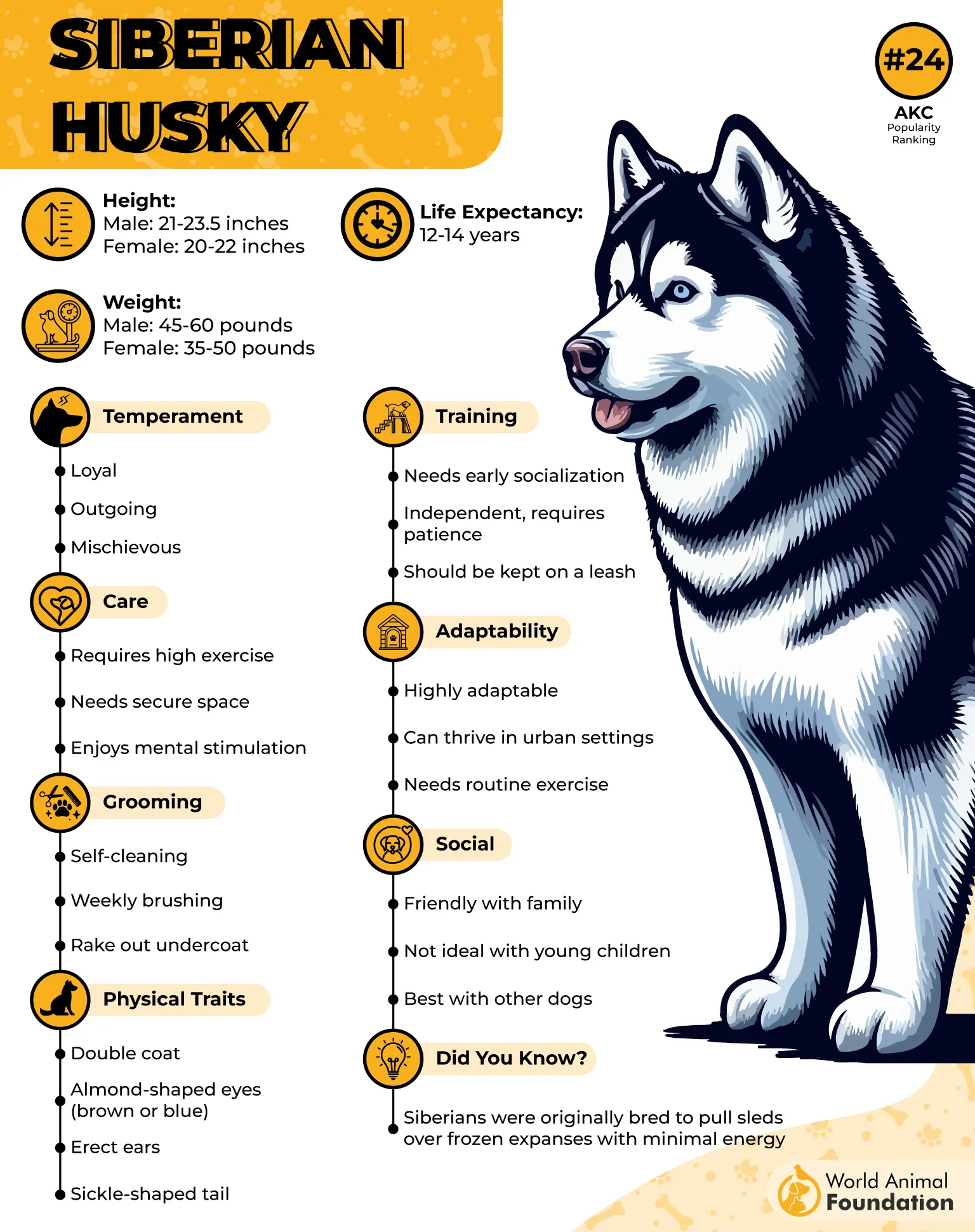
Siberian Huskies fit naturally into camping environments where movement, exploration, and outdoor interaction continue throughout the day. As per the AKC, activities like sledding, running, fetch, agility, and rally work channel both physical stamina and mental focus.
2. Labrador Retriever
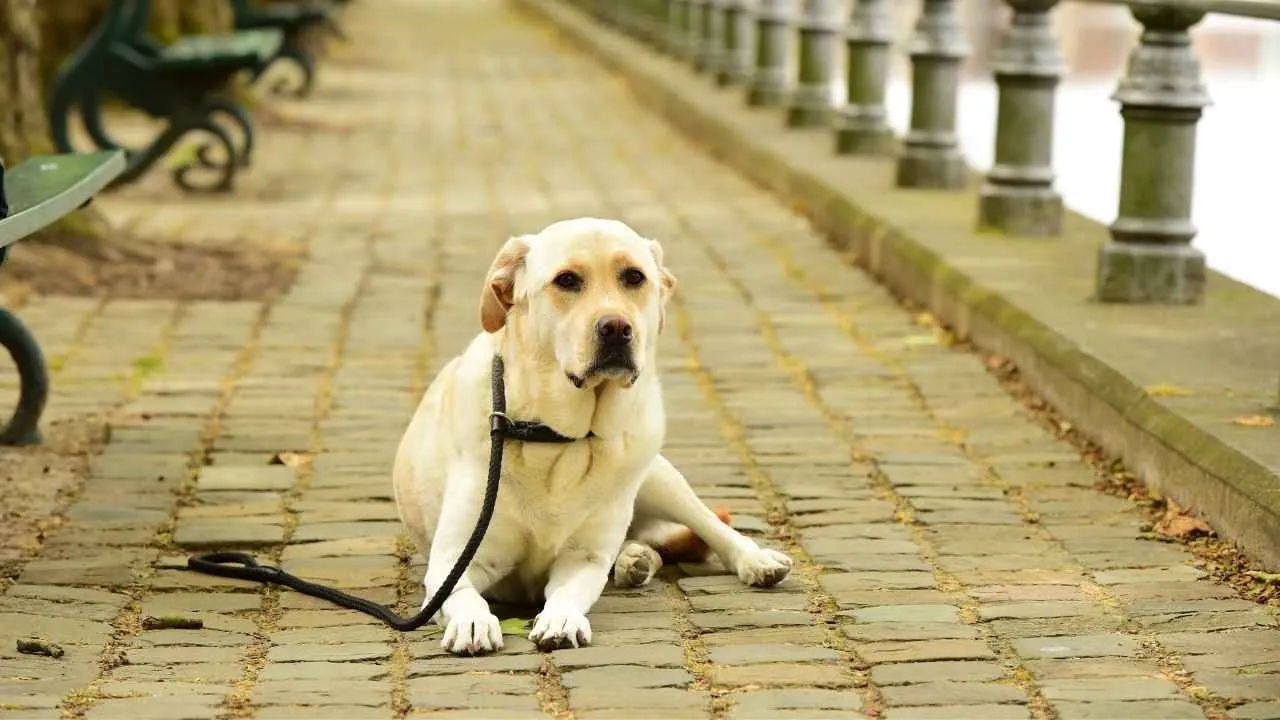
Labrador Retriever feels naturally connected to outdoor life, especially around lakes, muddy trails, and long woodland routes. Originally bred as a sporting companion, this athletic dog combines physical stamina with a social temperament that fits group camping environments.
Energy With Direction
Labrador puppies mature into highly active dogs that need structure early, especially before outdoor habits become difficult to control. Their enthusiasm can quickly turn rough indoors without guidance.
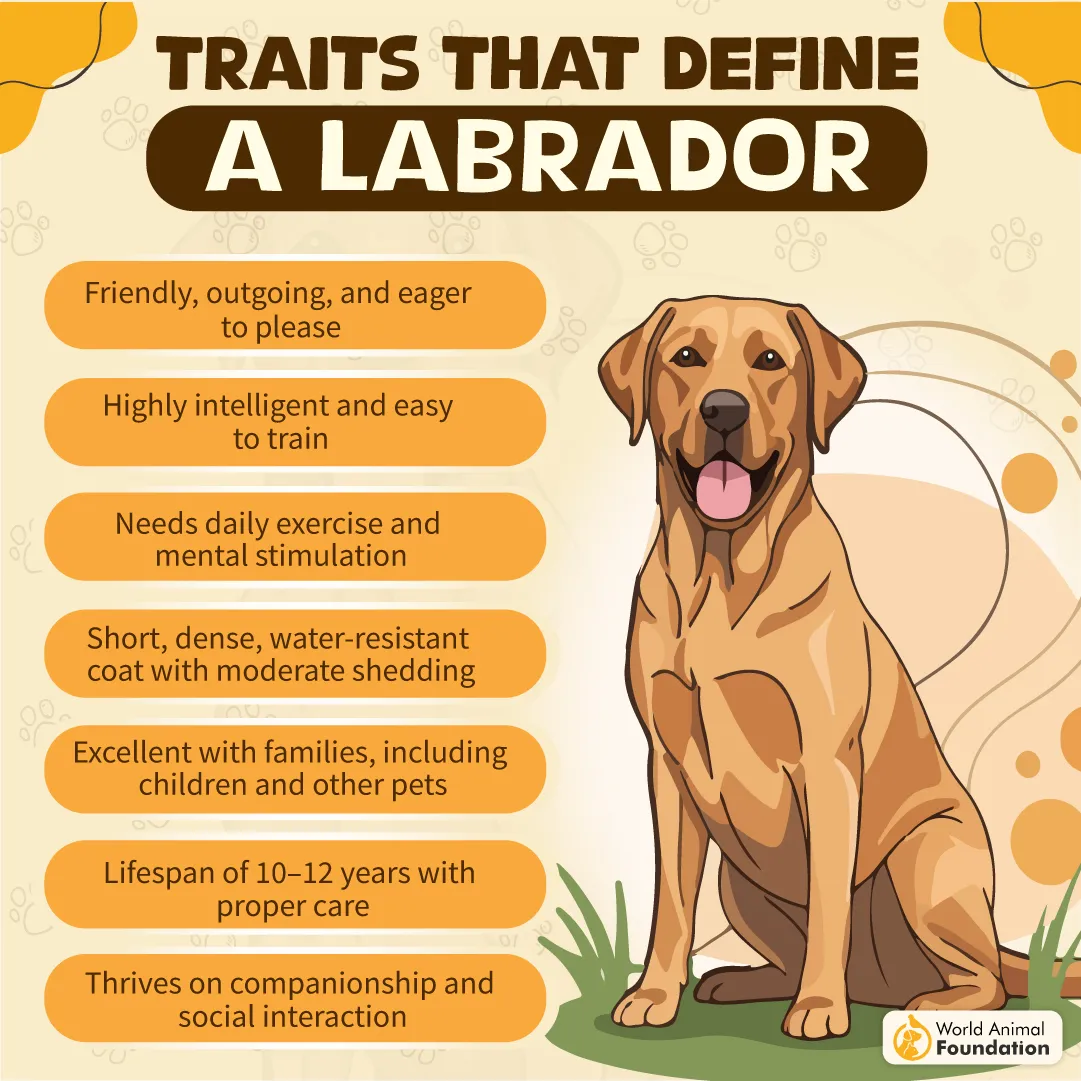
A few traits shape that experience:
Strong interest in scent-based activities
Excellent swimming ability in rough water
Quick response to obedience training
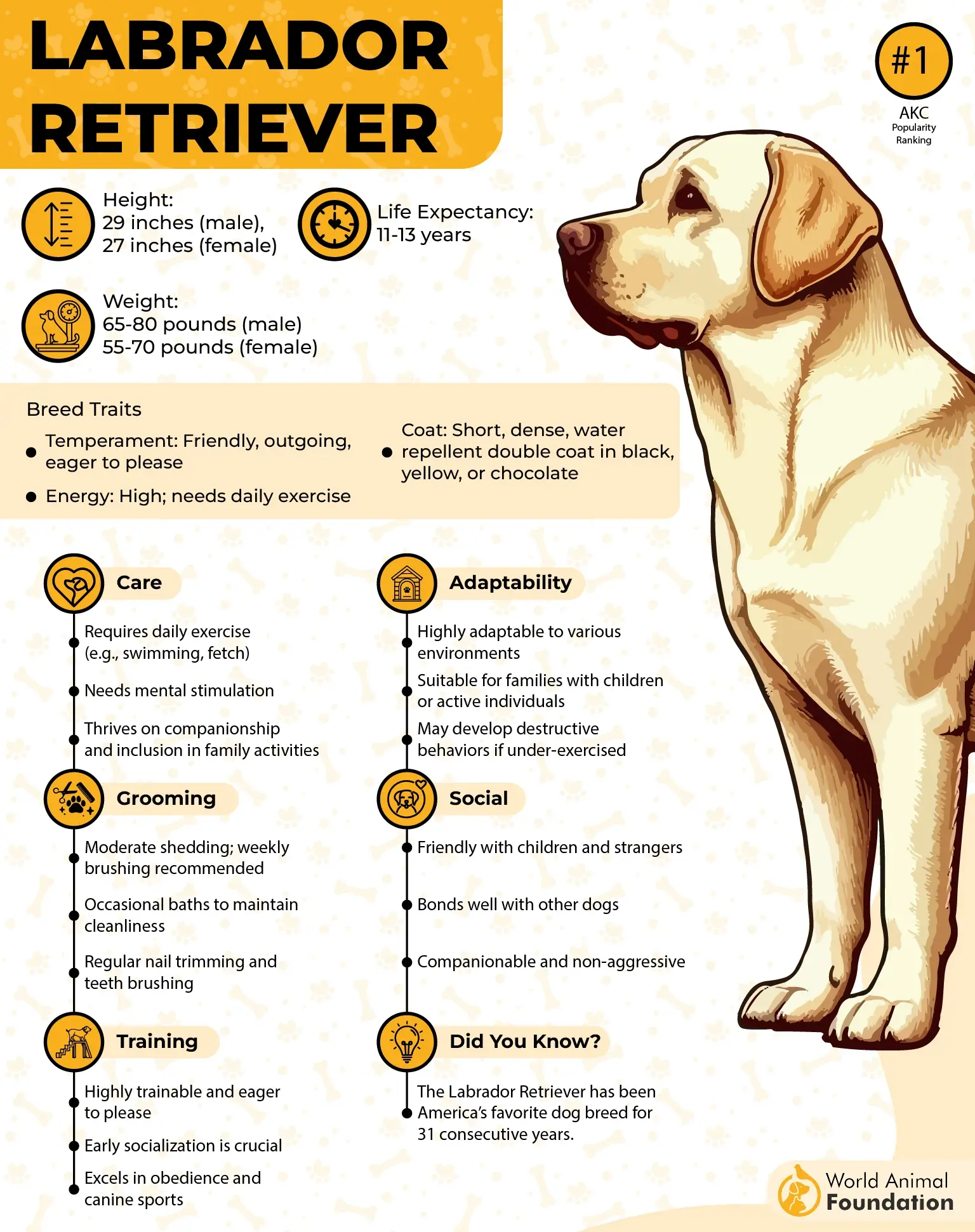
Built Around Participation
Labrador Retrievers prefer being included in everything happening around camp, from hiking paths to shoreline breaks and evening activity, as PetMD stated. Their eagerness to please explains why they are regularly chosen for service work, tracking roles, and search assignments.
3. Australian Shepherd
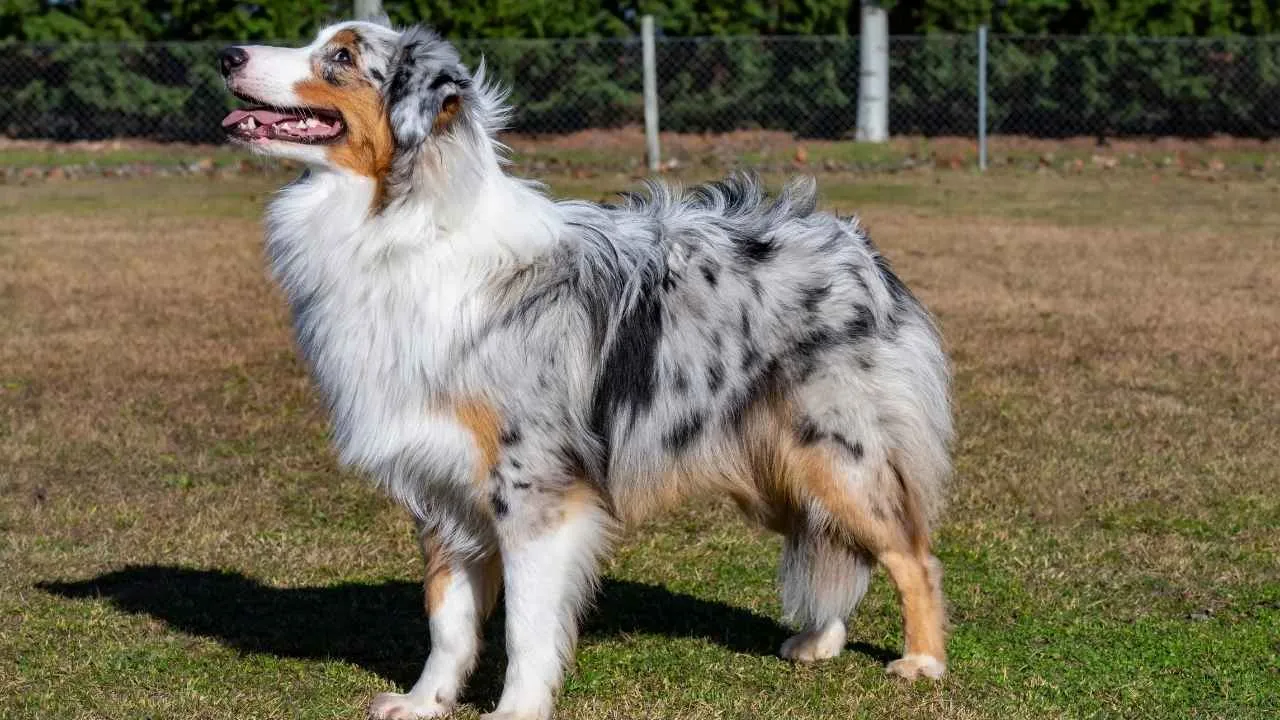
Australian Shepherd enters outdoor settings with the alert focus of a working herder, paired with a muscular and agile frame suited for rough ground.
Its intelligence appears through constant environmental awareness during long activity sessions. Forest trails, uneven paths, and open campsites fit naturally into its rhythm.
Instincts Shaped by Active Work
These hiking companions respond quickly to motion around it, a trait closely tied to generations of herding behavior. Fast-moving objects often capture their attention, especially during outdoor activity, where stimulation remains constant.
That instinct appears through recognizable patterns:
Locks onto motion from bikes or running animals
Engages intensely in fetch and retrieval games
Responds quickly during agility-based activities
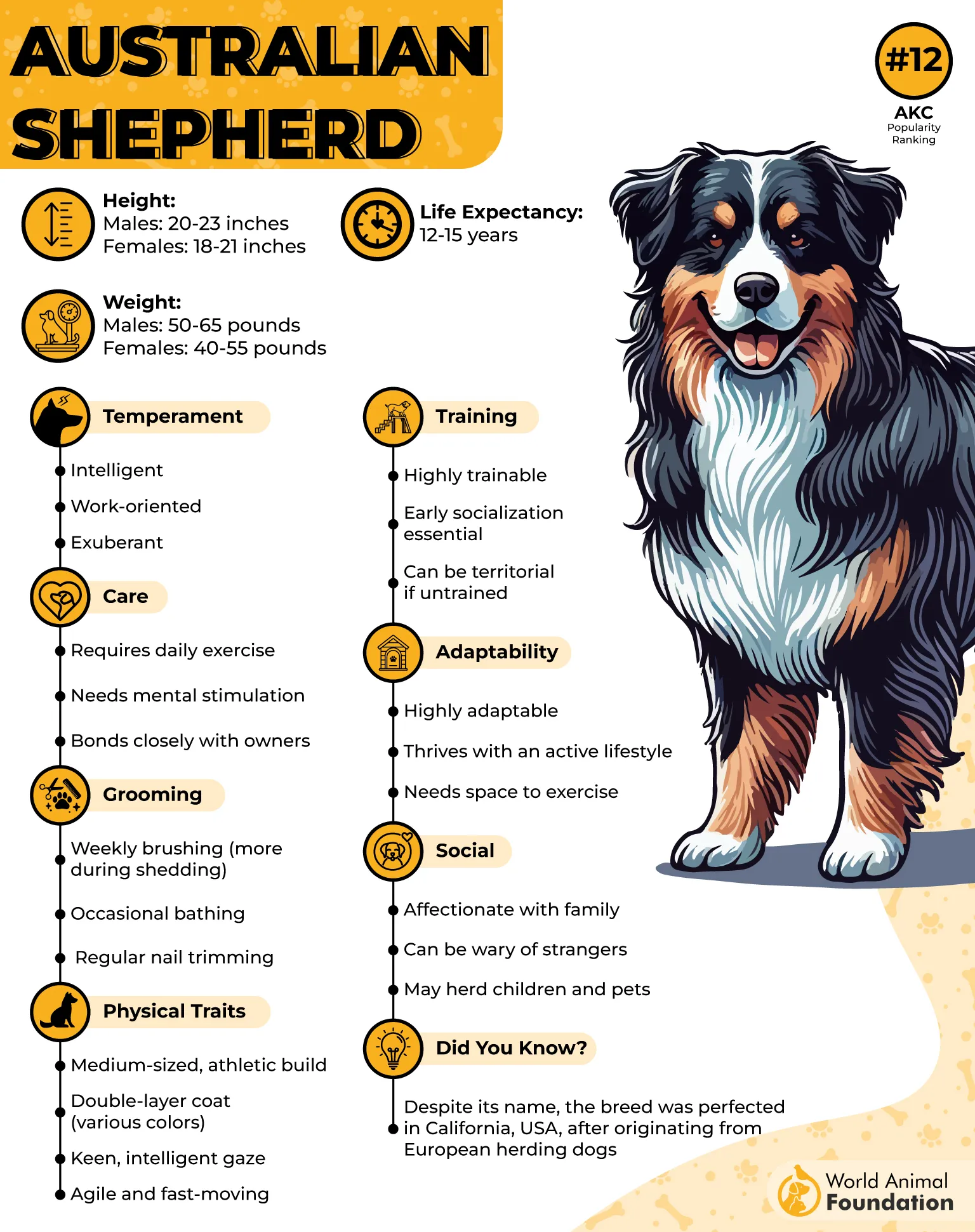
Energy tied to purpose
They approach physical activity with focus rather than randomness, often preferring structured tasks over idle wandering. Long hikes, field exercises, and advanced obedience work suit its mentally engaged nature. Extended outdoor trips feel more satisfying when the activity has direction.
4. Bernese Mountain Dog
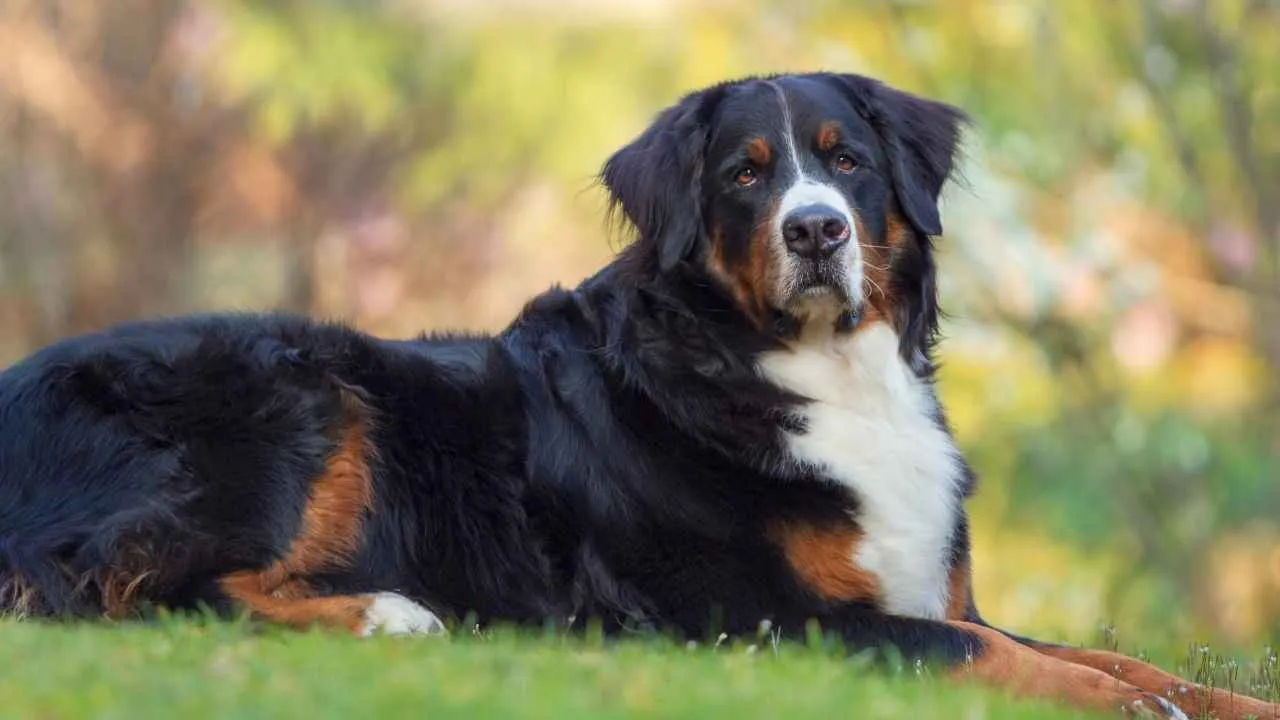
The Bernese Mountain Dog came from Swiss farm regions where strength and a steady temperament were valued for daily working life.
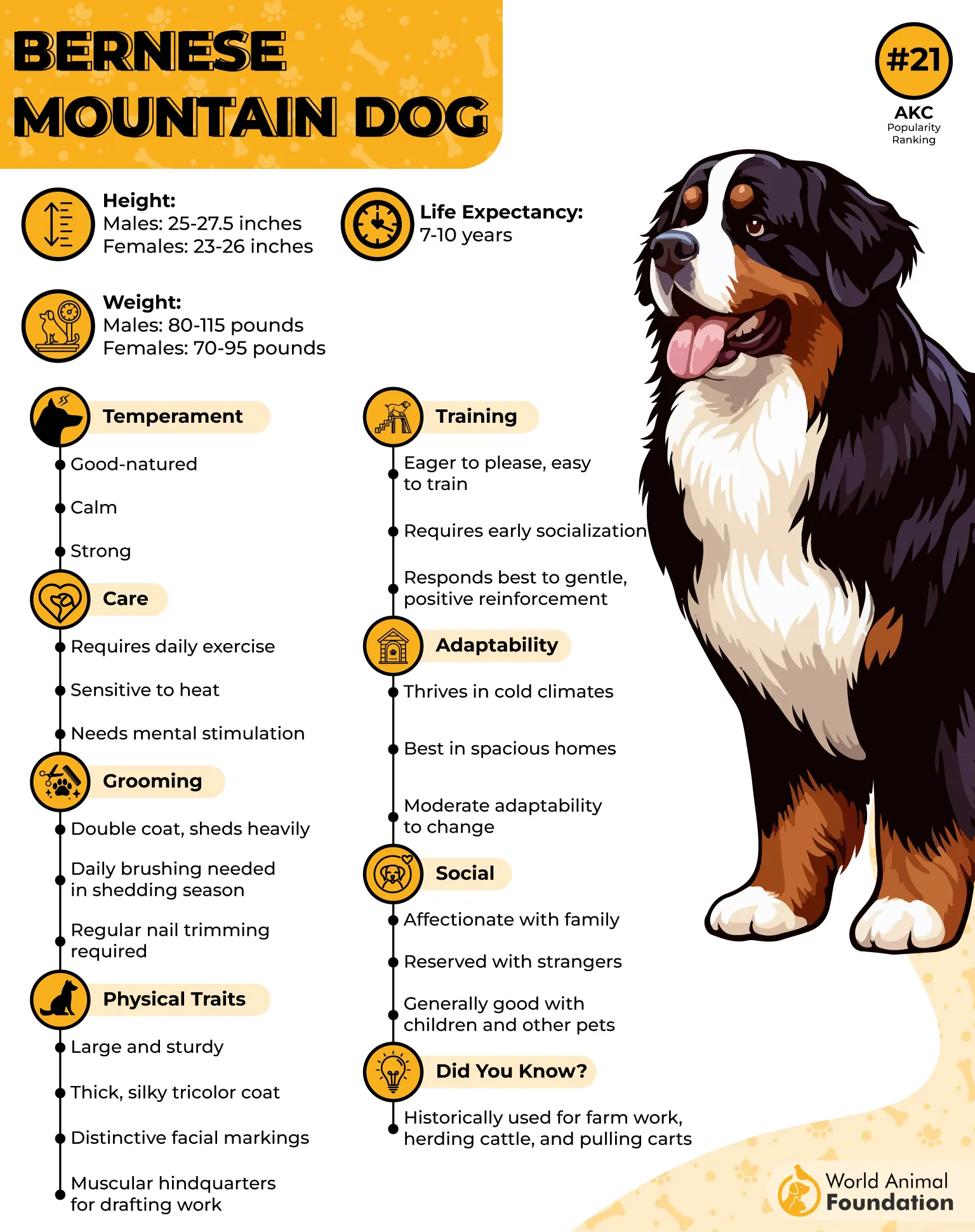
Its large frame, thick coat, and calm expression fit naturally into colder outdoor environments. The breed combines physical power with a softer, people-oriented nature in family settings.
Built for Outdoor Tasks
These mountain dogs handle long walks, hiking paths, and pulling work with a controlled working rhythm rather than restless energy. Its size and muscular structure suit physical tasks that require endurance and coordination.
That working ability connects closely with:
A cart pulling through uneven terrain
Nose work using scent-focused concentration
Obedience tasks requiring a steady response
Gentle Nature Around Camp Life
They bring a relaxed social temperament that fits slower evenings after active outdoor time. It interacts patiently with children and other pets while remaining slightly reserved around unfamiliar people, as Purina claims. That balance creates a calmer presence around shared camping spaces and group settings.
5. Vizsla
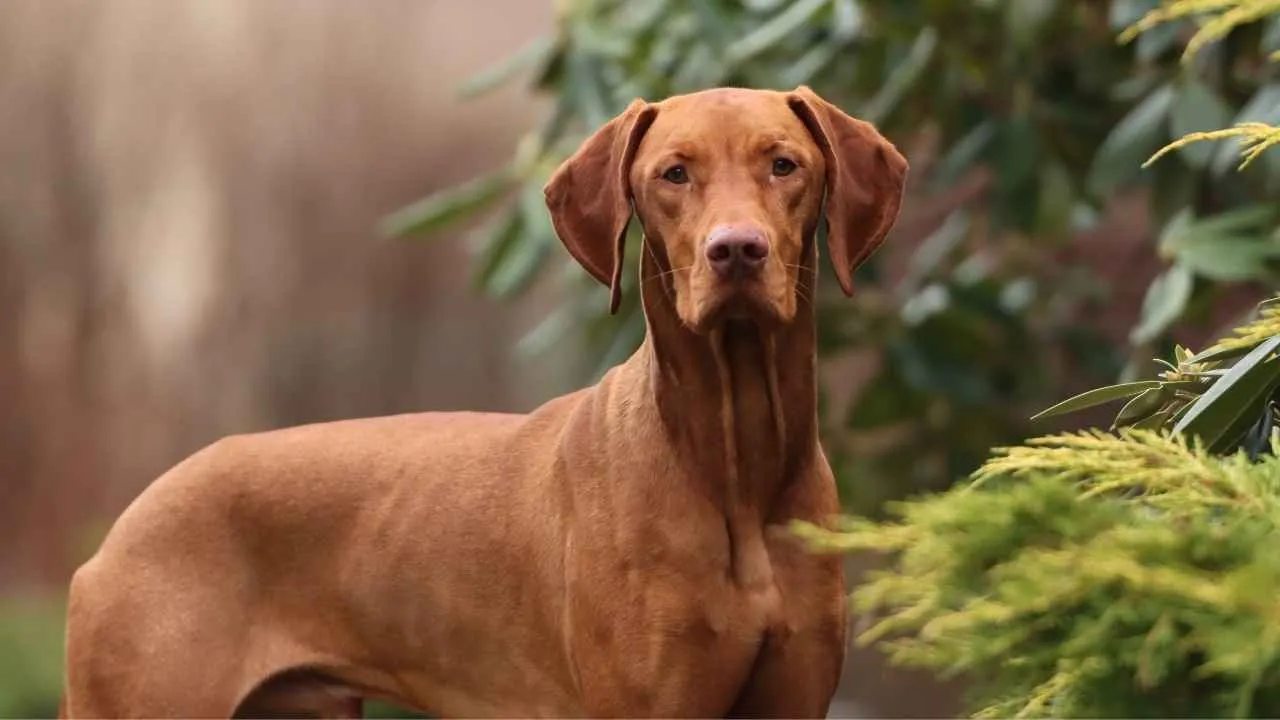
Vizsla earned recognition in Hungary as an athletic hunting companion built for long days across open land and wooded terrain.
Its lean frame, long ears, and responsive nature suit campers who spend more time outdoors than indoors. Constant closeness with people later earned the breed the nickname “Velcro dog.”
Always Ready
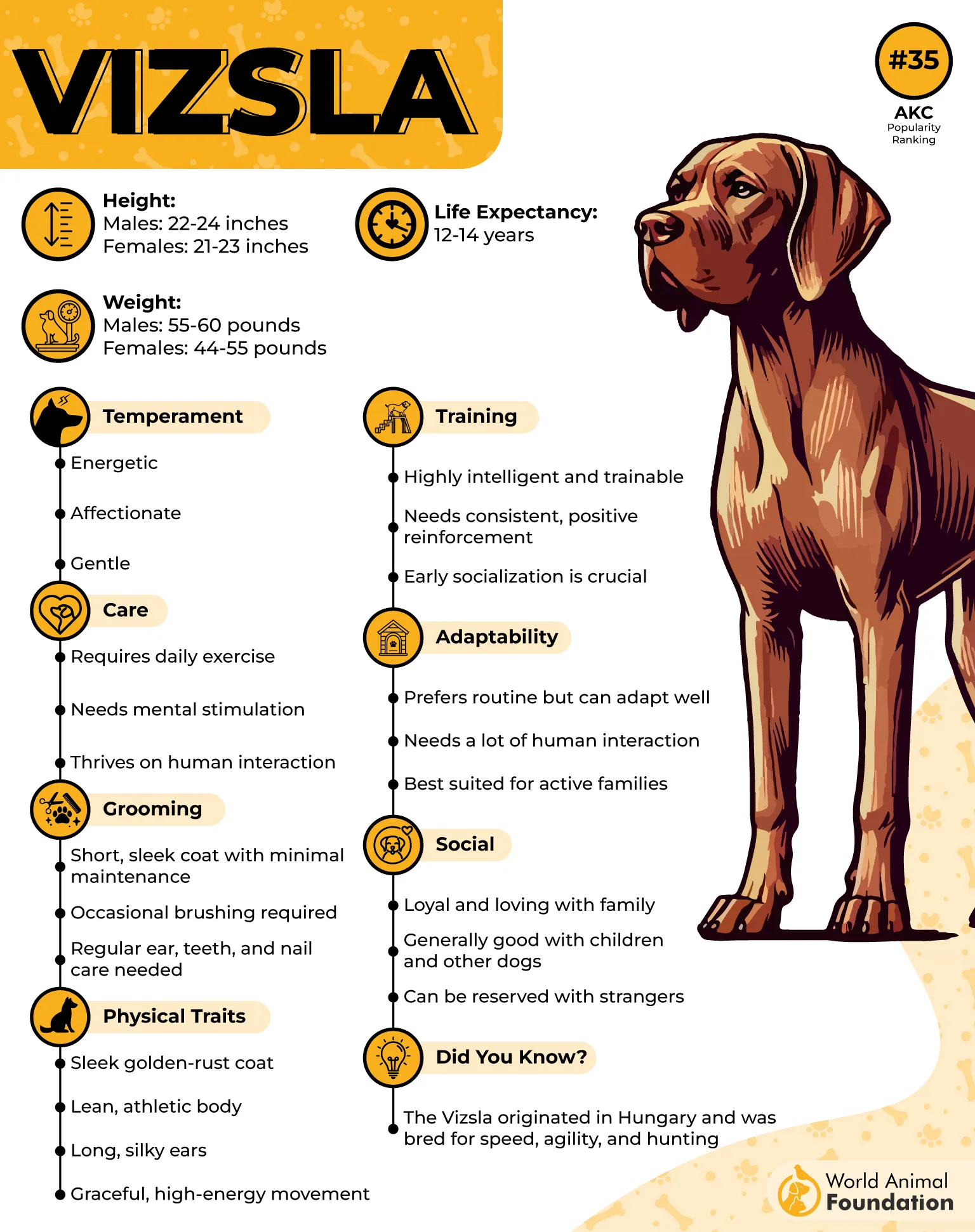
Vizslas settle best beside people who enjoy daily activity, especially routes that involve trails, water, or uneven ground. Their routine often revolves around motion and interaction.
A few natural outlets include:
Hiking through wooded paths
Swimming and dock diving
Frisbee and agility games
Pack-Oriented Companion
They usually blend well into active households where companionship is part of everyday life, including homes with children or other pets.
Early social exposure helps channel their affectionate nature into calm interactions during busy outings. Long walks, jogging routes, and outdoor weekends fit naturally into their rhythm.
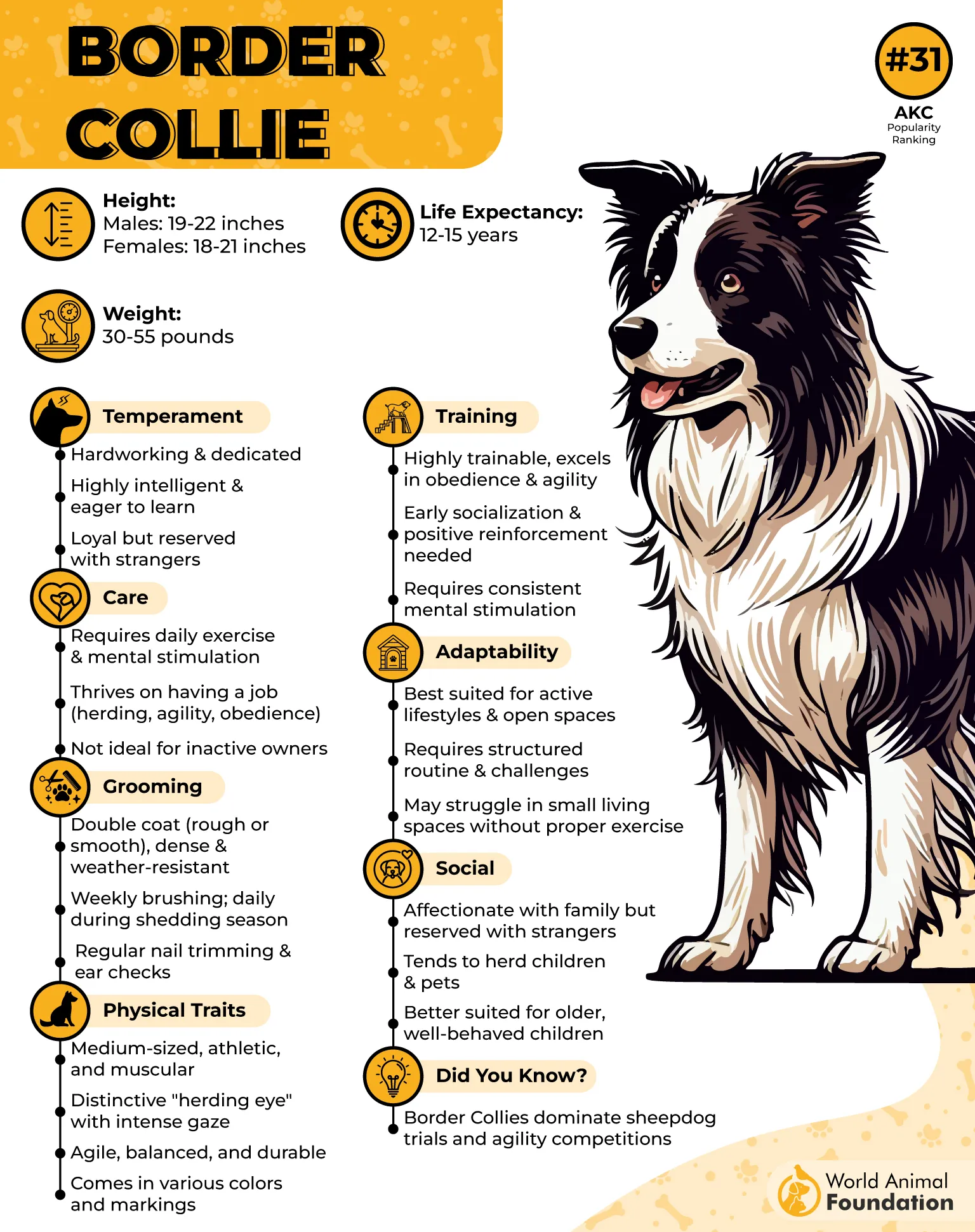
6. Border Collie
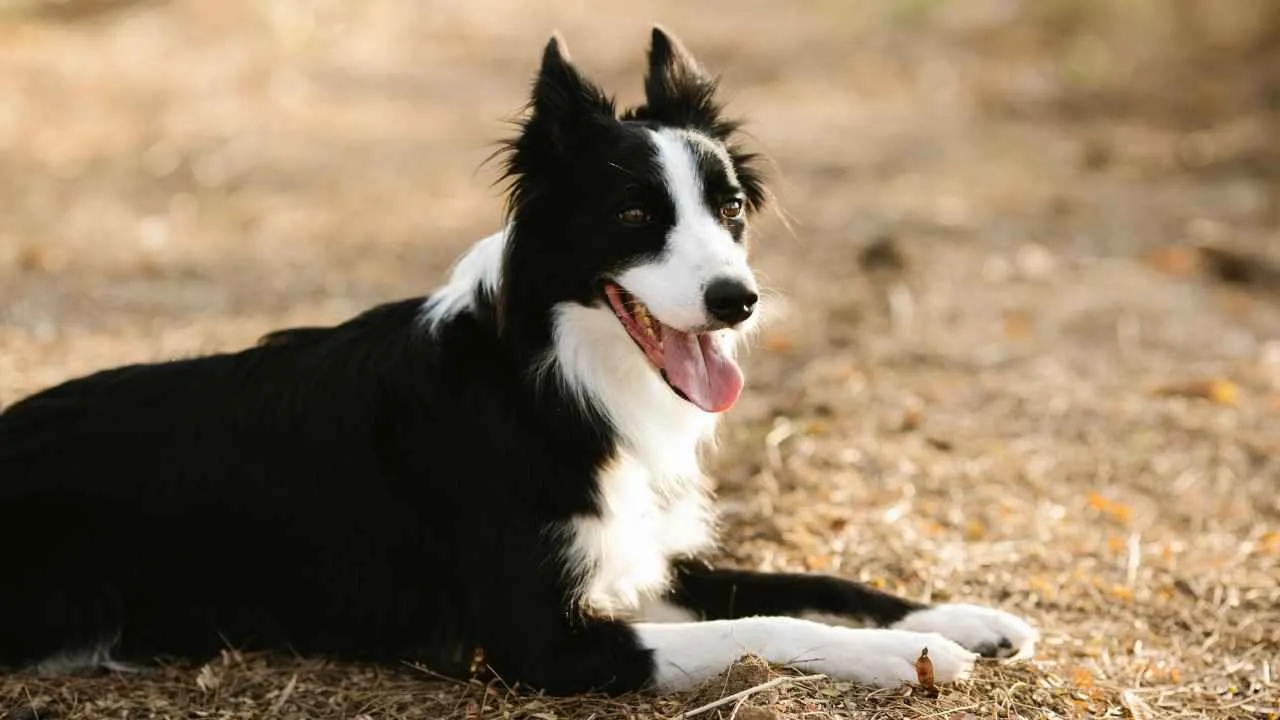
Border Collie reads movement with unusual precision, a trait shaped through generations of herding livestock across the farms of Great Britain.
Lean muscles, quick footwork, and intense focus make rough forest terrain feel like part of the routine. Long hikes rarely feel repetitive to a dog constantly scanning its surroundings.
Energy That Needs Direction
They are not suitable for a slow-paced lifestyle because constant activity keeps the breed mentally balanced and physically satisfied. Forest camping fits naturally into that rhythm, especially when daily exploration becomes part of the experience.
A few traits explain that balance well:
An agile body suited for sharp terrain
Strong problem-solving instincts
Excellent stamina for long outings
Always Looking for the Next Task
Border Collie approaches outdoor trips like work with purpose, quickly turning hiking trails, fetch sessions, and Frisbee games into structured challenges. Intelligence plays a huge role here because boredom often leads to chewing, digging, or restless behavior around camp.
7. German Shorthaired Pointer
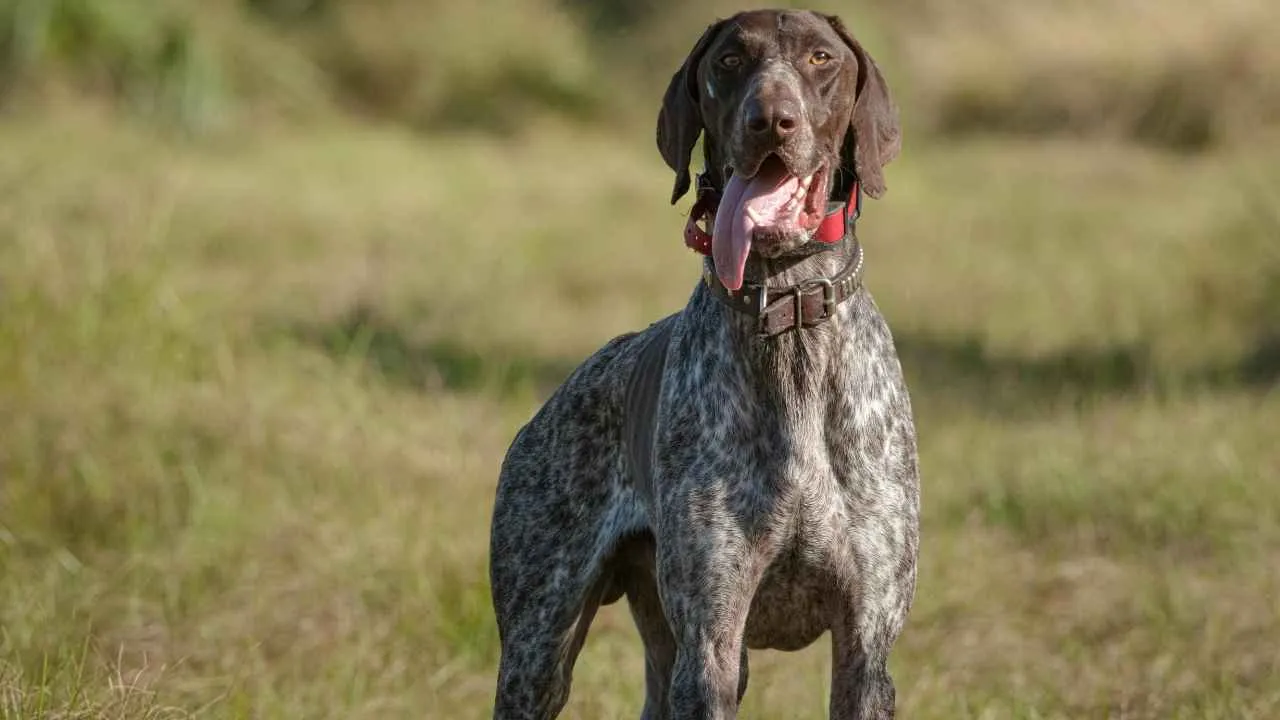
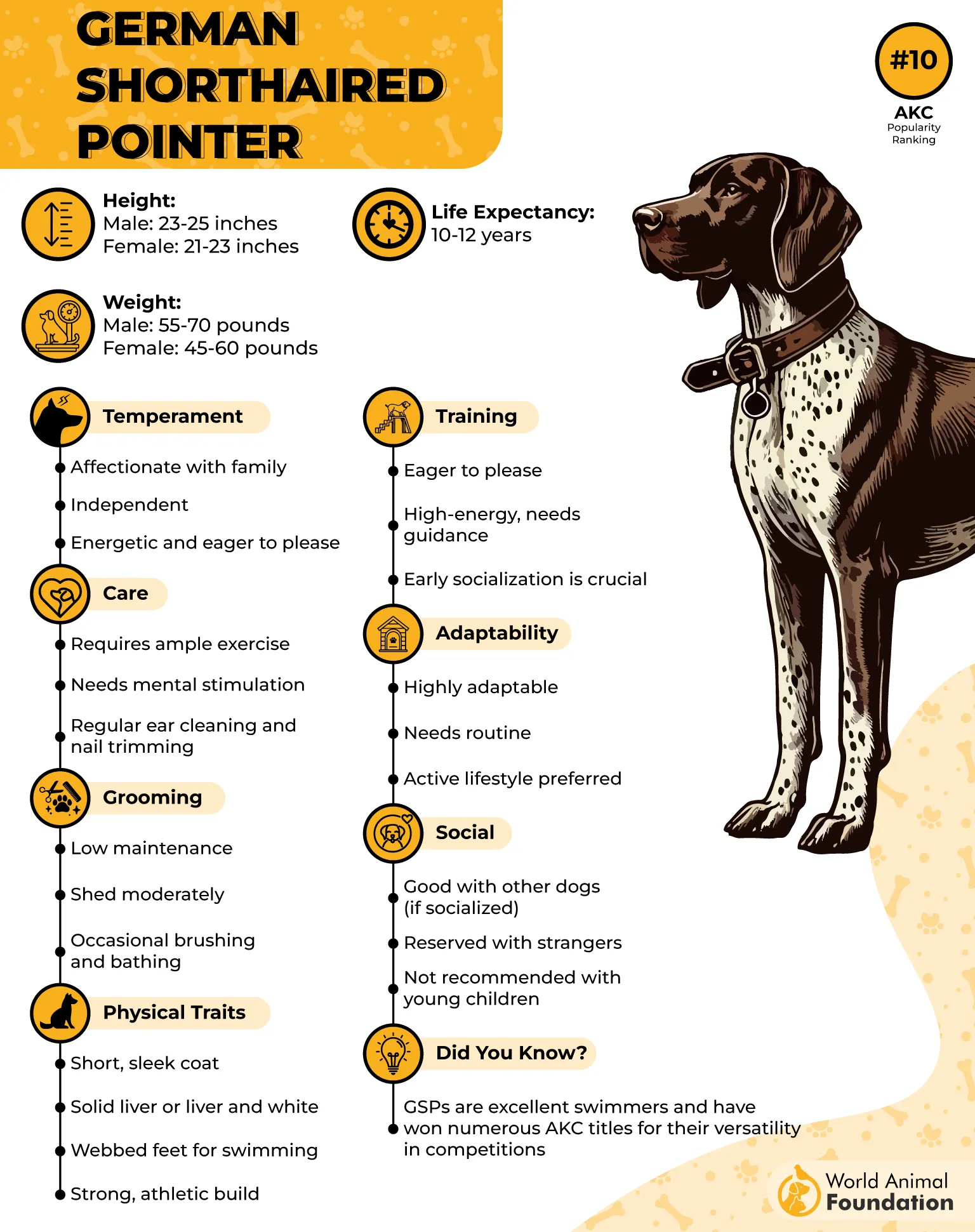
German Shorthaired Pointer combines an aristocratic outline with the athletic structure of a relentless field companion. Speed, agility, and endurance shape nearly every part of its behavior outdoors. Its focus sharpens further once scent enters the environment.
Hunting Rhythm in Open Terrain
GSP works through a distinctive pointing stance, freezing with its nose directed toward hidden game birds. This controlled signal creates coordination between the dog and hunter rather than chaotic pursuit.
That field style becomes easy to recognize:
Pauses sharply once the scent is identified
Directs attention through nose positioning
Waits for the handler instruction before flushing the game
Energy Shaped for Rugged Outings
They handle long hiking routes, repeated retrieval games, and water activities without losing enthusiasm. Forest trails suit its constant curiosity, especially when scents and changing terrain remain part of the route. Long periods of inactivity often lead to restless indoor behavior.
Conclusion
A backpack, a quiet trail, and a willing companion often create the kind of memories people talk about for years. The dogs highlighted here show why certain breeds continue earning respect among outdoor enthusiasts. Their willingness to explore, adapt, and remain engaged throughout the day makes them great trail partners for outdoor adventures.
Each brings a different approach to outdoor life, yet all share an enthusiasm for movement and discovery. Finding the right hiking dog means considering energy levels, temperament, and activity preferences rather than appearance alone. When matched to an active lifestyle with enough physical stimulation, every camping trip becomes more enjoyable from beginning to end.
