




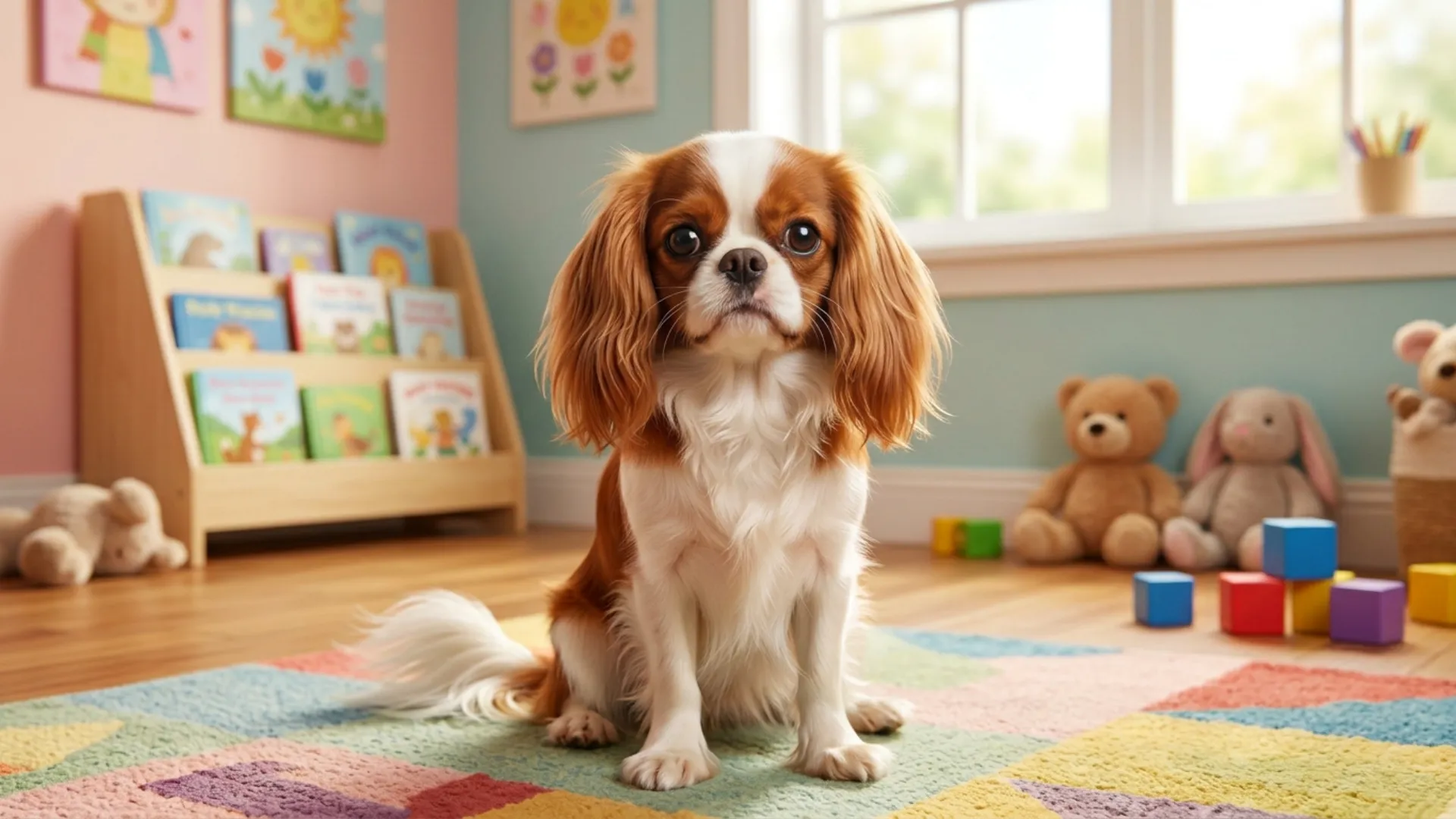
Toy dogs may be tiny, but their personalities are absolutely not on airplane mode.
These little companions can bring warmth, comedy, cuddles, and big “main character” energy into a family home. For families with young children, the right toy breed can become a gentle playmate, a loyal little shadow, and sometimes the unofficial supervisor of snack time.
This guide looks at the top toy dog breeds for families with young children. Each breed has its own charm, challenges, grooming needs, and kid-friendly strengths. So, let’s meet the tiny dogs with big hearts, big opinions, and enough cuteness to make the whole family obsessed.
Top Toy Dog Breeds for Families with Young Children
1. Shih Tzu
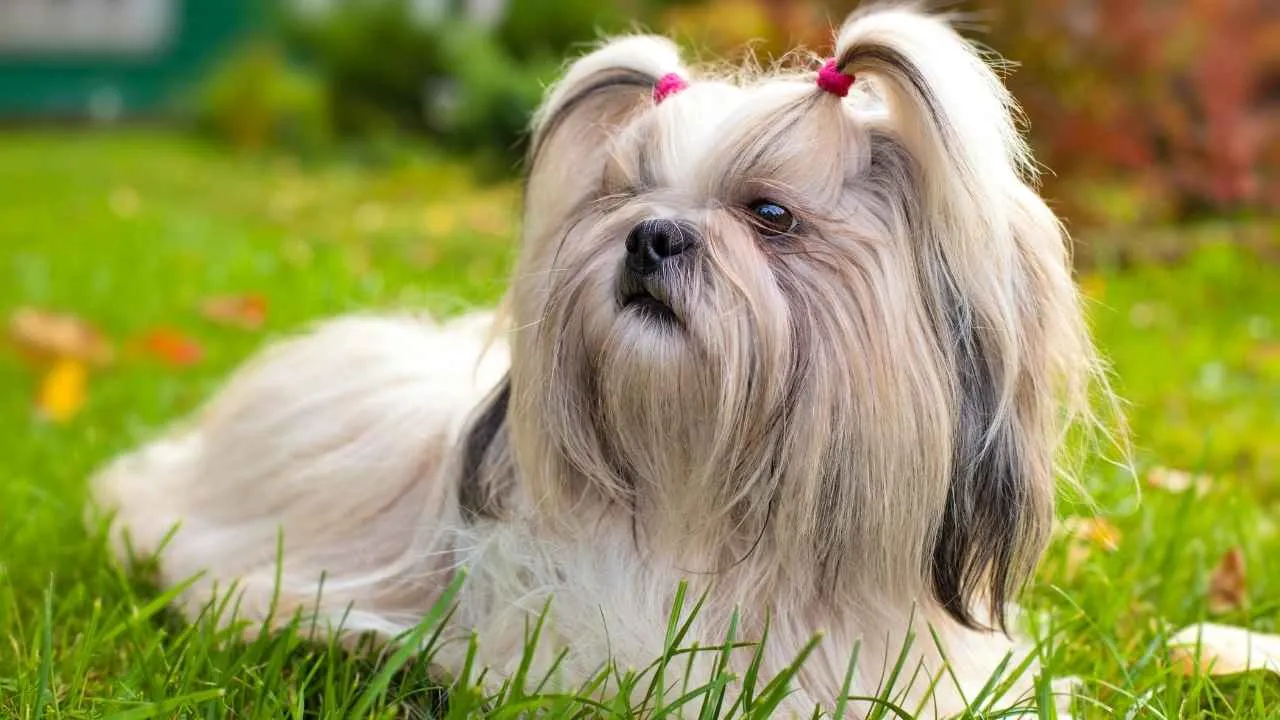
The Shih Tzu is basically a tiny royal roommate who believes every sofa is a throne and every family member exists for cuddles. This breed is one of the most popular companions owing to its people-loving nature and sweet indoor personality.
For families with young children, PetPlan says the Shih Tzu can be a warm, affectionate choice when kids are taught gentle manners.
What makes this one of the best dog breeds for families with kids is its calm but playful vibe. It usually doesn’t require intense exercise, so it fits well into homes where playtime happens in short bursts between school runs, cartoons, and snack breaks. A few walks, indoor games, and cuddle sessions can keep many Shih Tzus happy.
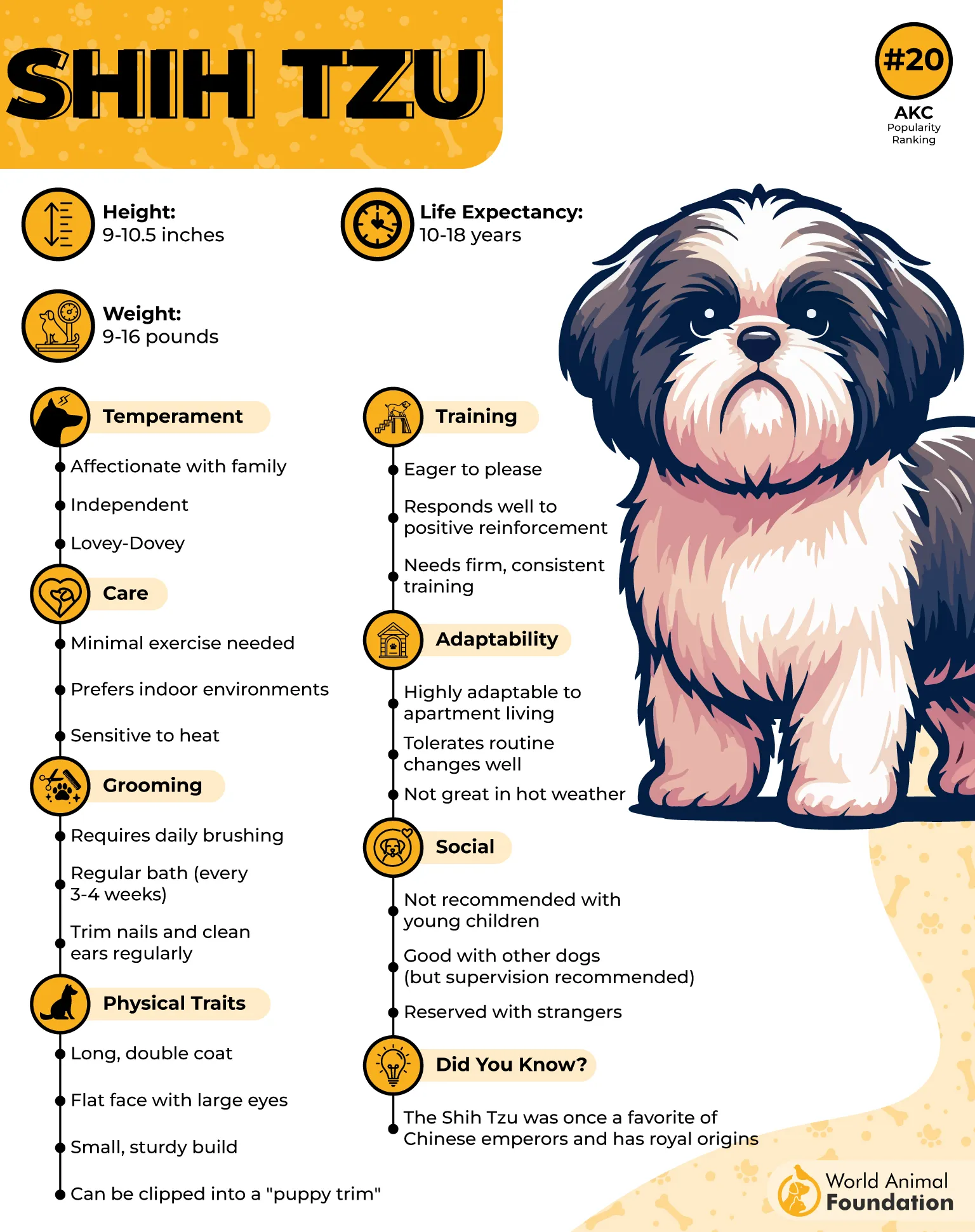
This breed with a calm demeanor often enjoys being close to people, which makes it feel like a soft little family shadow. Many owners describe Shih Tzus as loving, funny, and very attached to their humans. They may follow children from room to room, hoping someone drops a toy, a blanket, or maybe a tiny piece of toast.
These great family dogs need regular brushing, face cleaning, and professional grooming, or a practical puppy cut, to stay comfortable. Families should also watch the face and eyes carefully because the breed’s short muzzle and facial structure can need extra care.
2. Havanese
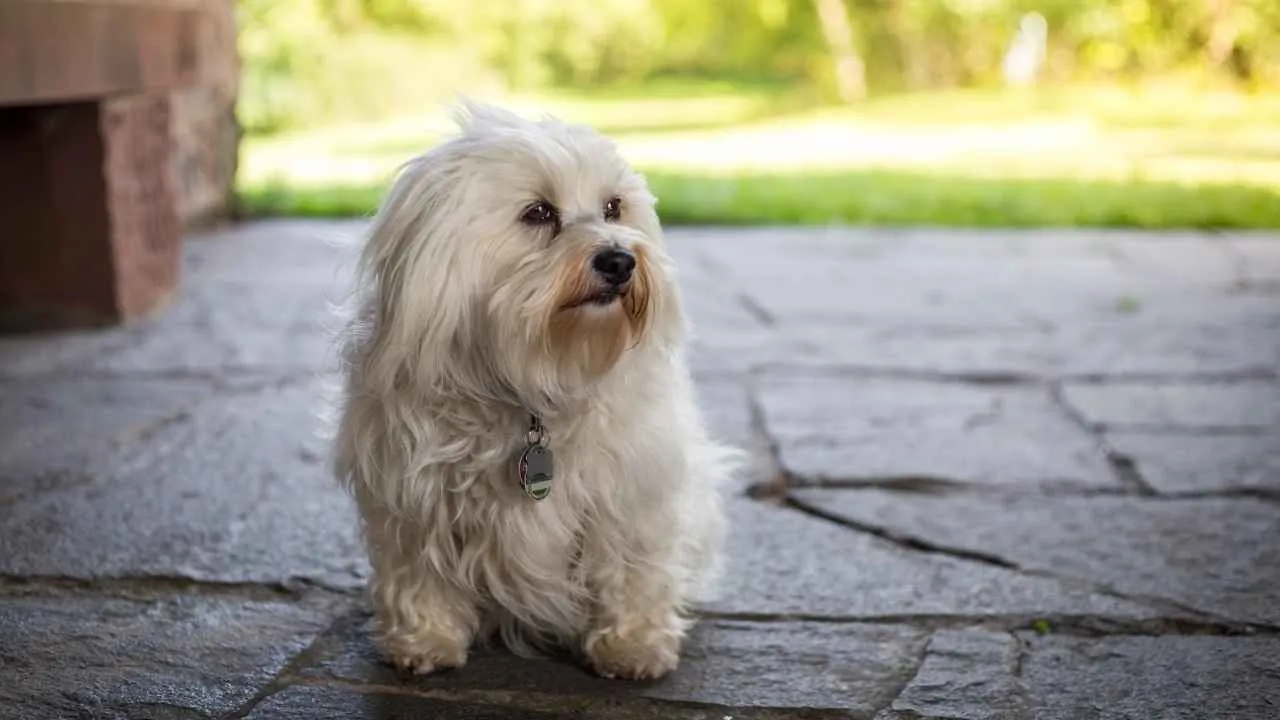
The Havanese is the cheerful little party guest who somehow becomes everyone’s favorite within five minutes. This national dog of Cuba is known for being friendly, playful, and deeply people-oriented. For families with young children, the Havanese can be a wonderful match because it often enjoys interaction without being too intense.
As Cuba’s native dog breed, the Havanese has a long history as a companion dog. That background shows up in its social personality and desire to be included in family life. It is the kind of dog that wants to know why everyone is laughing and whether it can please join the chaos.
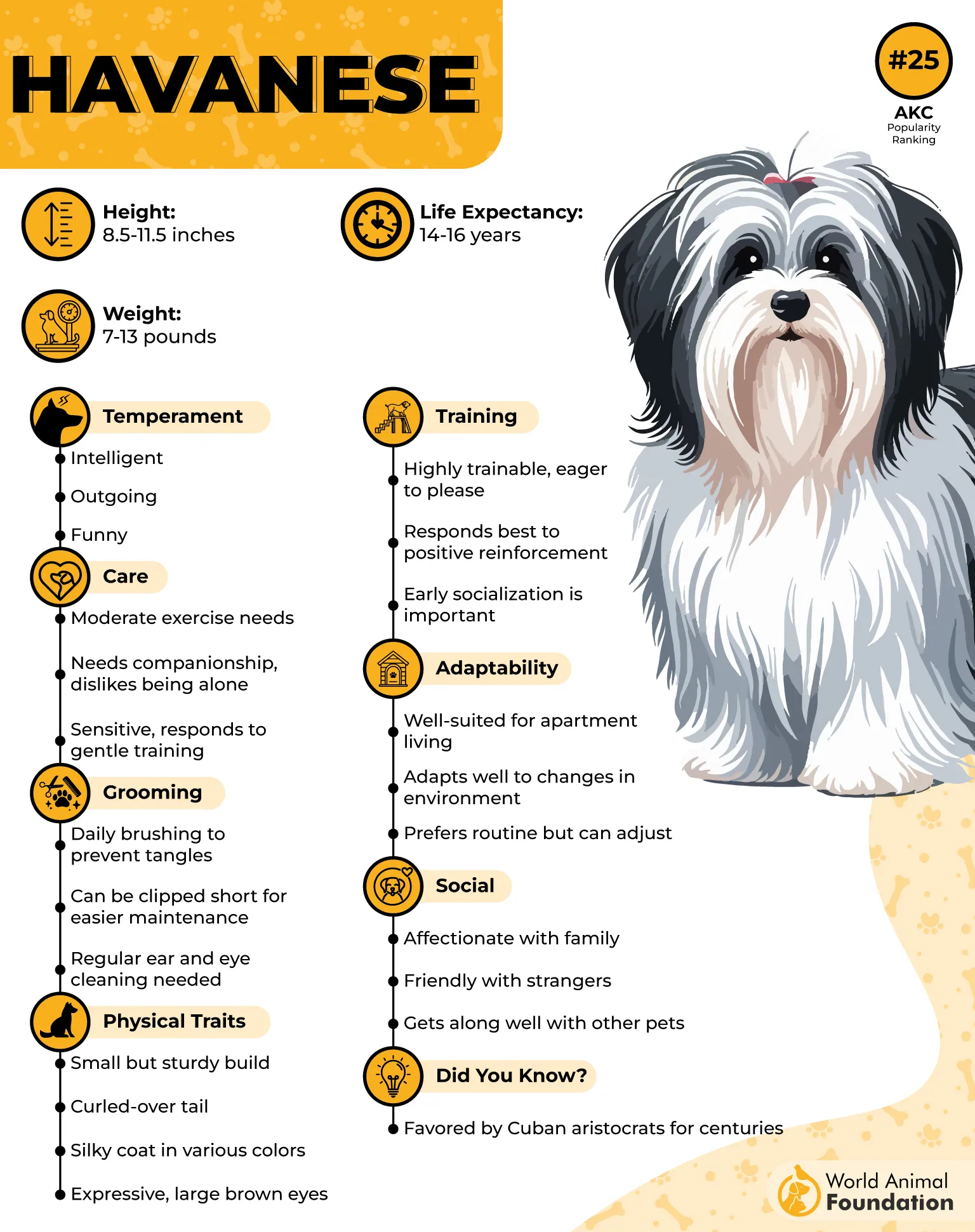
A good choice for active families, they are often smart and trainable, especially when learning feels like a game. Purina calls them fiercely loyal dogs that can enjoy tricks, basic obedience, small agility activities, and silly routines that children can help with under adult supervision.
They can become very attached to their families when compared to other pets. They may struggle if left alone for long hours, so they are best suited to homes where someone is often around or where routines are carefully built. Their silky coat also needs regular grooming, whether kept long and flowing or trimmed short for easier care.
This breed works best when children are taught calm handling, because even happy small dogs need personal space.
3. Yorkshire Terrier
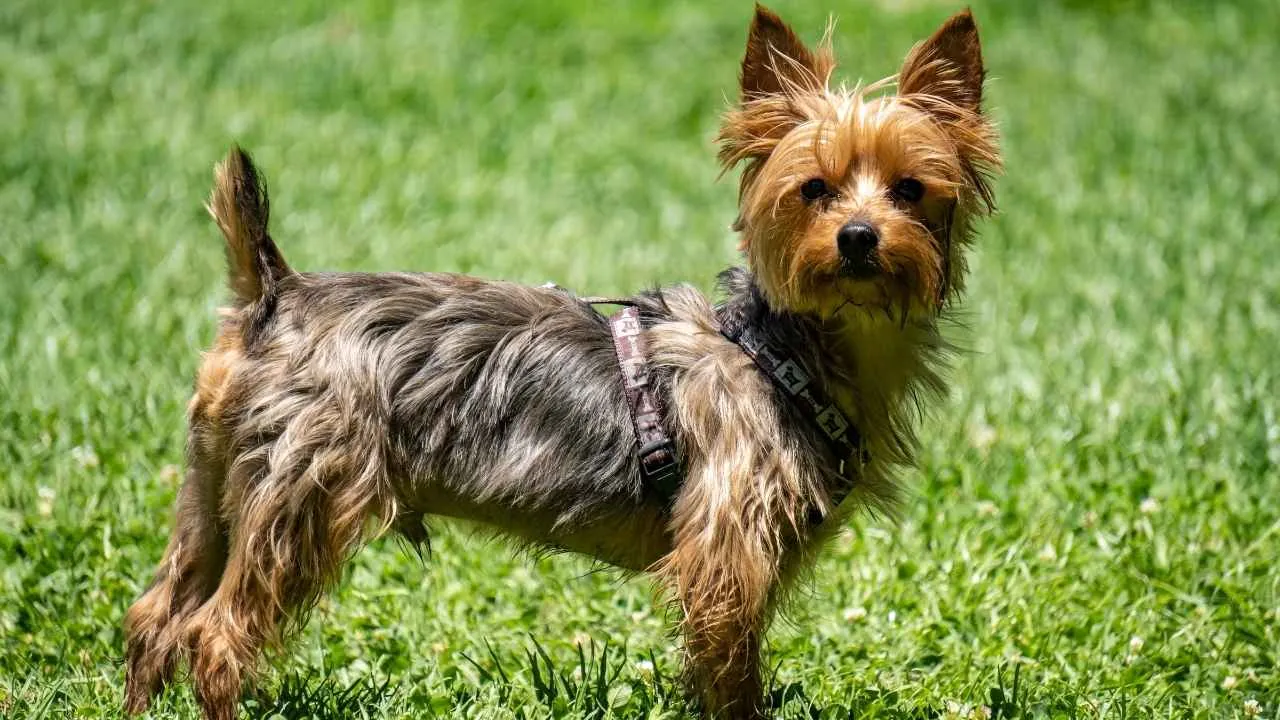
The Yorkshire Terrier, or Yorkie, is tiny, stylish, and fully convinced it owns the building. This breed has a bold terrier personality wrapped in a glamorous little coat. For families with young children, a Yorkie can work well when the kids are gentle and the adults set clear rules.
PetMD says they were originally developed as working terriers, so their confidence is not just for show. They can be curious, alert, brave, and surprisingly bossy for such a small dog. That personality can be fun in a family setting, but it also means they should not be treated like fragile decoration or allowed to rule the house.
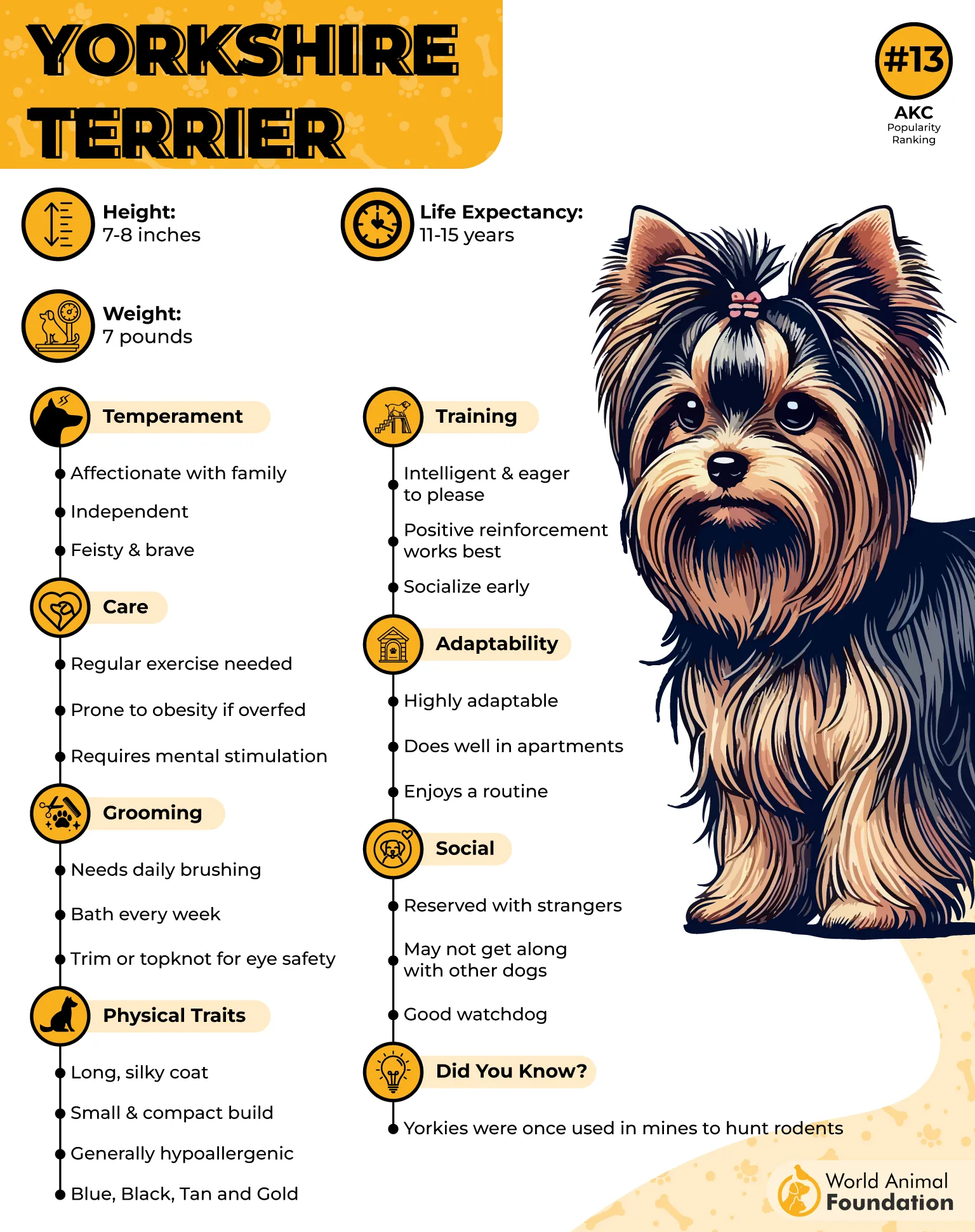
These adult dogs may enjoy interactive play, short walks, training games, and being part of family routines. Because they are small, they can fit well in apartments and smaller homes. Still, their brains need stimulation, or they may turn into tiny barking security systems with dramatic soundtracks.
The biggest concern with young children is size and sensitivity. Yorkies are small and can be injured by rough grabbing, falling, or accidental stepping. Families with toddlers need close supervision and should teach children to sit on the floor when petting or playing.
Grooming is also a major part of this popular dog breed’s life because their coat can grow long and silky. Many families choose a shorter trim to make daily care easier. With respectful handling, early socialization, and consistent training, the Yorkshire Terrier can be a loyal, lively, and entertaining family companion.
4. Toy Poodle

The Toy Poodle is smart, stylish, and honestly gives “tiny professor in a curly coat” energy. This breed is famous for intelligence, trainability, and a playful personality that can make family life more fun. For children, a Toy Poodle can be a charming companion when play stays gentle and supervised.
Poodles were originally water retrievers, and even the small varieties carry that clever, athletic spirit. Toy Poodles often learn quickly and enjoy games that challenge their mind. They can pick up tricks, routines, and household rules faster than many people expect.
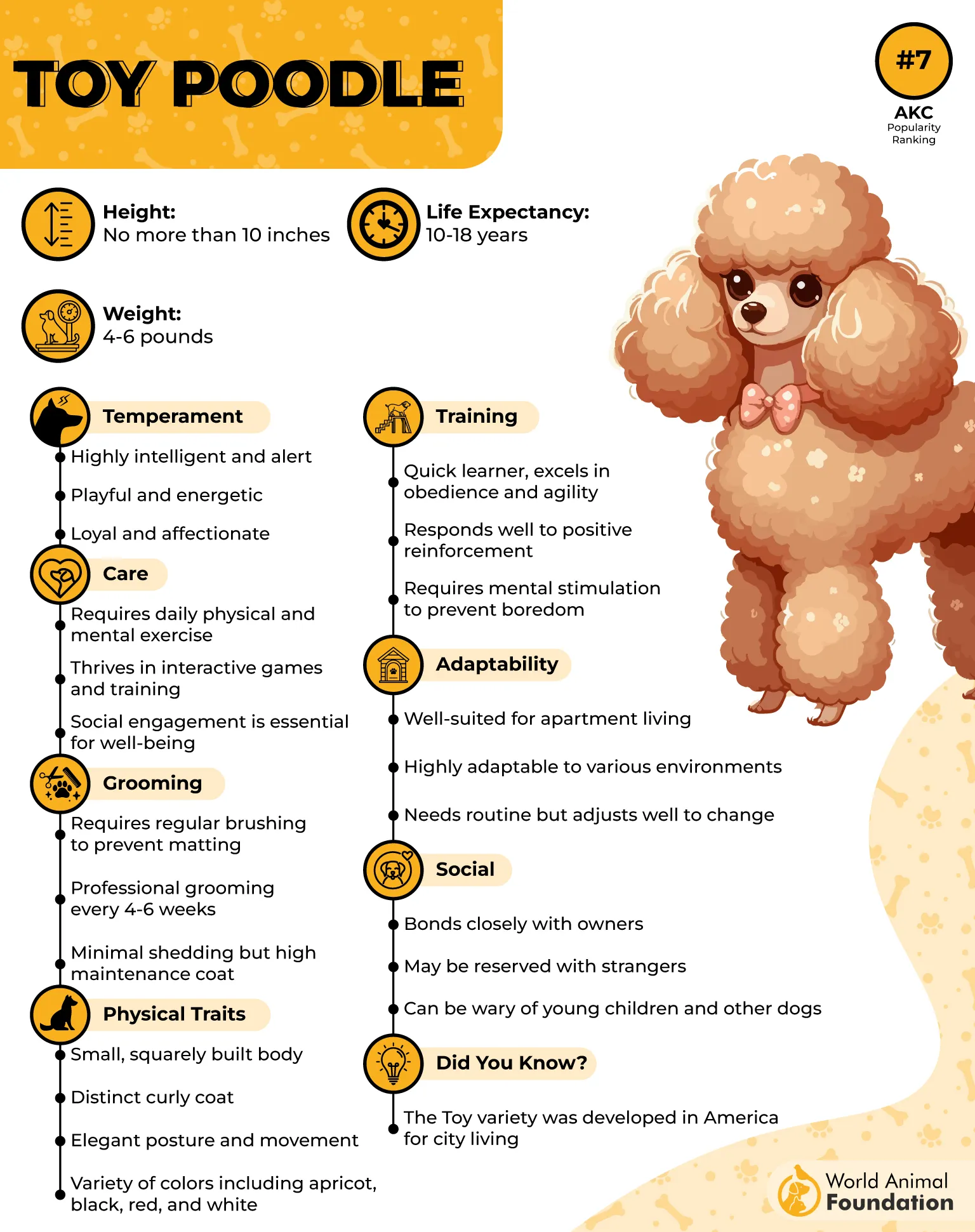
This breed can be excellent for families who want a small dog that is engaged and interactive. A Toy Poodle may enjoy puzzle toys, scent games, training sessions, and soft indoor play. Children can participate by giving simple cues such as “sit,” “touch,” or “spin,” as long as an adult guides the activity.
They are more delicate than larger family dogs. They can be sensitive to rough handling, loud chaos, or unpredictable grabbing. Because they are bright, they may also develop habits quickly, both good and not-so-good.
Grooming is another non-negotiable part of Poodle ownership. Their curly coat needs regular brushing and professional clipping to prevent mats. With thoughtful care, a Toy Poodle can become a clever, affectionate, low-shedding little family star who keeps everyone laughing.
5. English Toy Spaniel
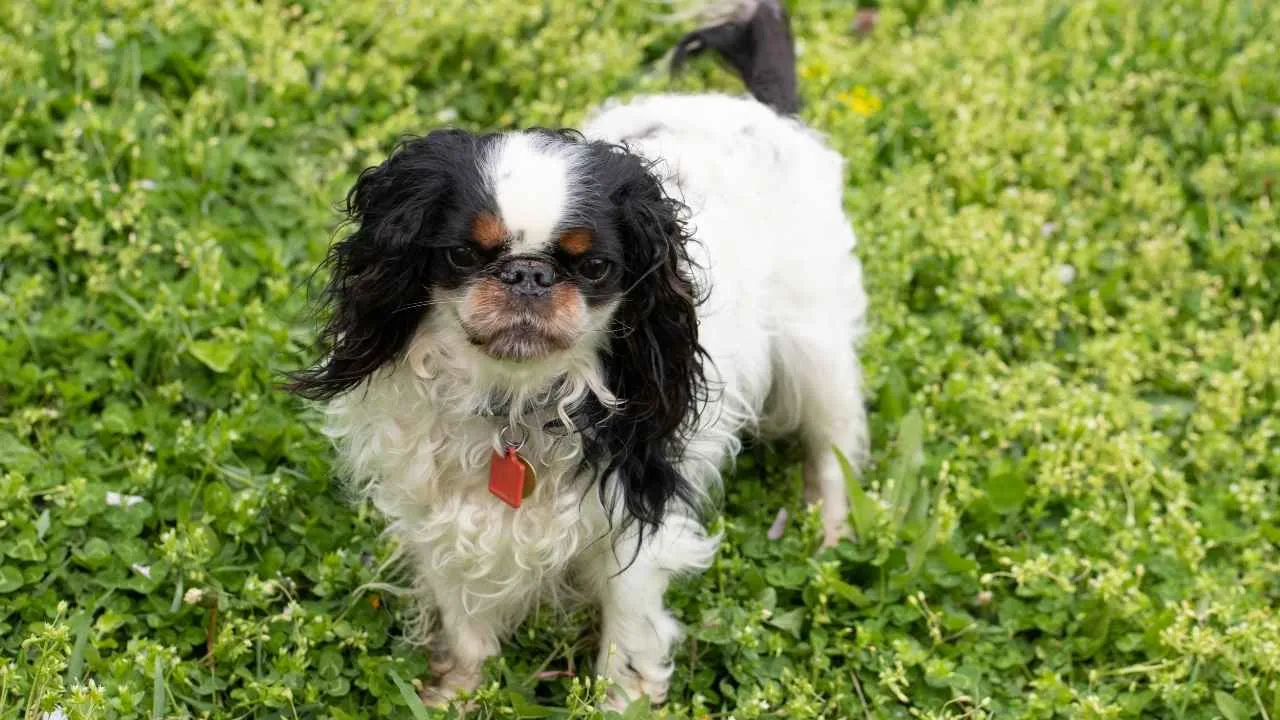
The English Toy Spaniel is a soft, sweet, old-soul kind of dog that seems made for cozy homes and gentle families. This breed is usually calmer than many high-energy toy dogs. For families with young children, it can be a lovely choice when the household is not too rough or loud.
This breed has a long history as a companion dog, especially associated with royal and aristocratic homes. That companion background shows in its affectionate, people-loving nature. An English Toy Spaniel often prefers being near its family rather than running around like a tiny athlete.
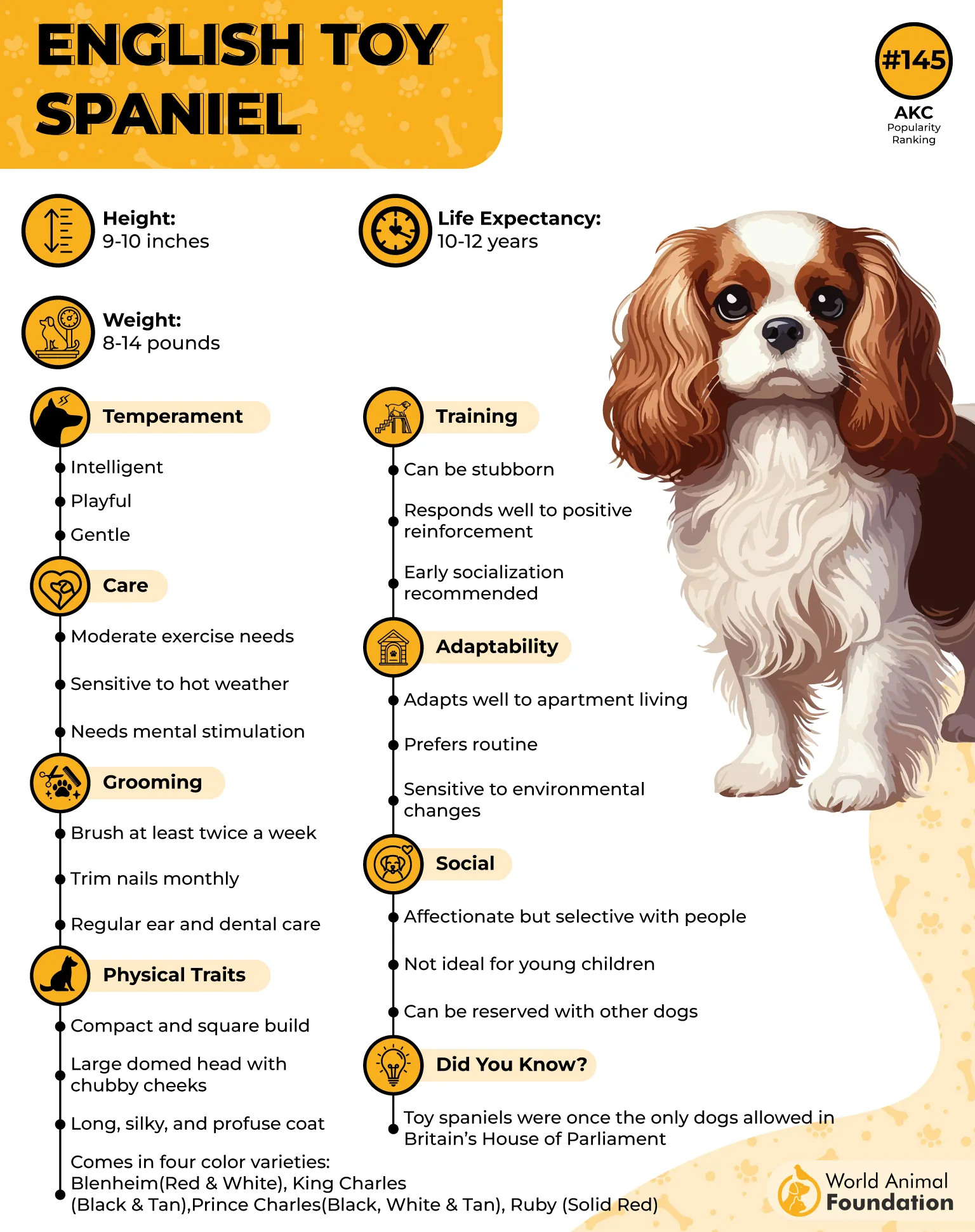
These small dogs usually enjoy soft affection, peaceful routines, and relaxed play. They may be a better fit for children who like reading next to a dog, having a dog gently brush them, or sharing quiet cuddle time. They are not usually the best choice for kids who want a rough-and-tumble playmate.
These dogs can be sensitive. Loud handling, sudden chasing, or careless picking up may make them nervous. Adults should teach children to approach slowly, pet softly, and let the dog move away when it wants space.
Their coat needs regular care, especially around the ears and feathering. They also need gentle training, as harsh correction can cause them to shut down emotionally. In the right home, the English Toy Spaniel becomes a tender little companion with a calm heart and a very lovable face.
6. Papillon
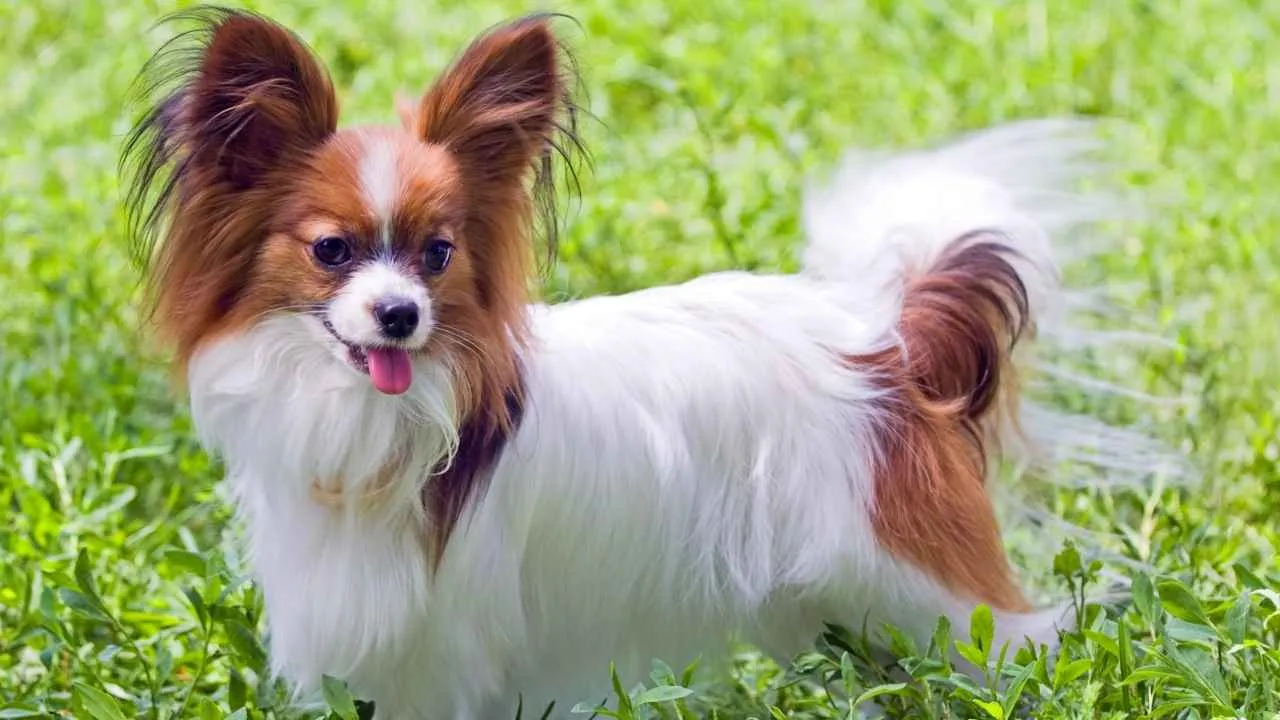
The Papillon is small, bright, and absolutely not here to be underestimated. With its butterfly-like ears and sparkling personality, this breed looks delicate but often acts like a confident little performer. For families with young children, the Papillon can be fantastic once the kids learn to handle small dogs carefully.
They are known for their intelligence and agility, which make them among the most trainable toy breeds. They often enjoy learning tricks, racing through small obstacle courses, and showing off for attention. This makes them especially fun for families who want a dog that can do more than sit on a lap.
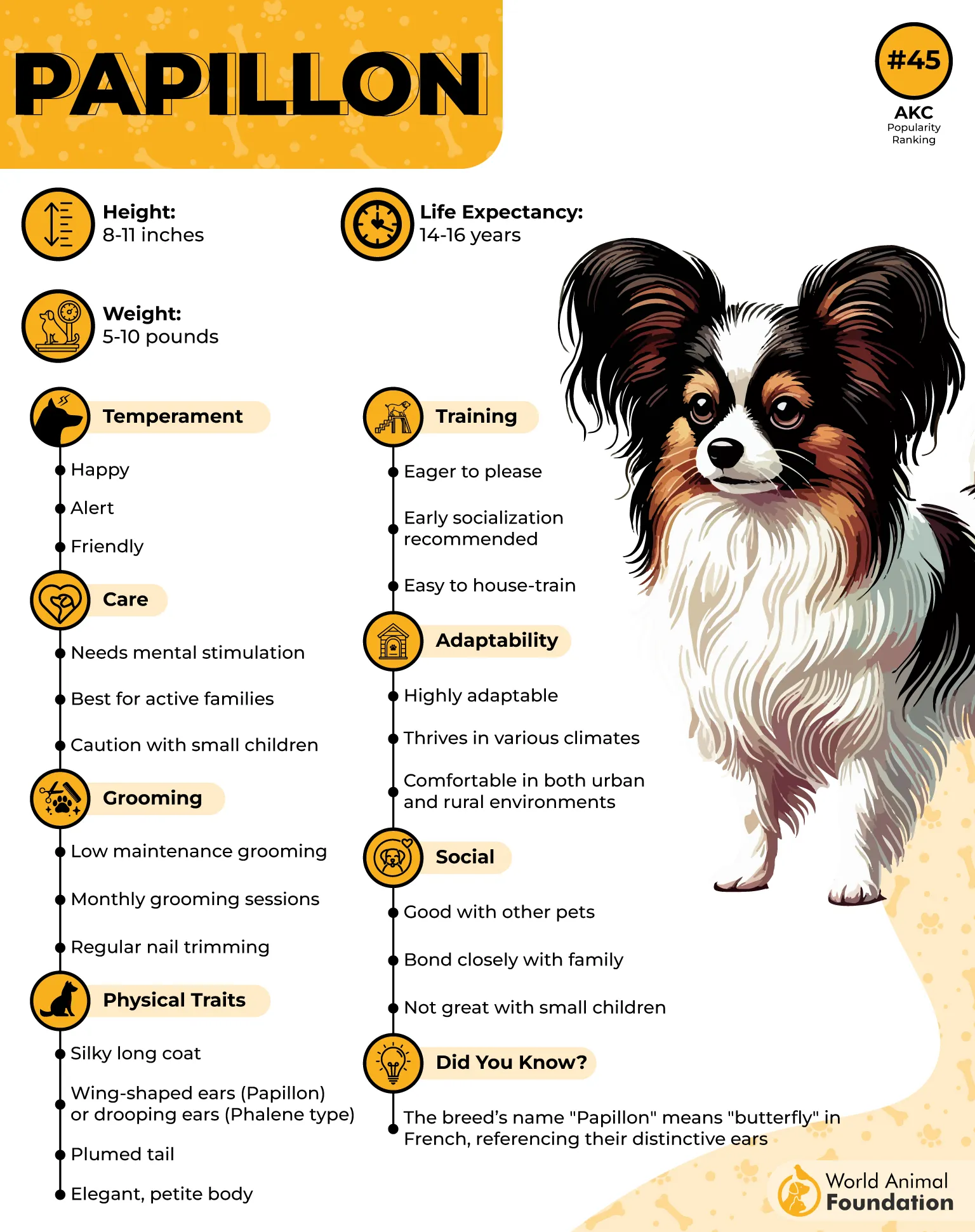
Unlike some calmer toy breeds, the Papillon can be energetic and curious. It may enjoy games, walks, training sessions, and exploring safe spaces around the home. Children who like teaching tricks may adore this breed’s quick-learning style.
Their physical fragility is a problem because they are small and fine-boned. Rough play, jumping from furniture, or being carried carelessly can be risky. Families should create safe play rules and teach children that even brave little dogs need gentle treatment.
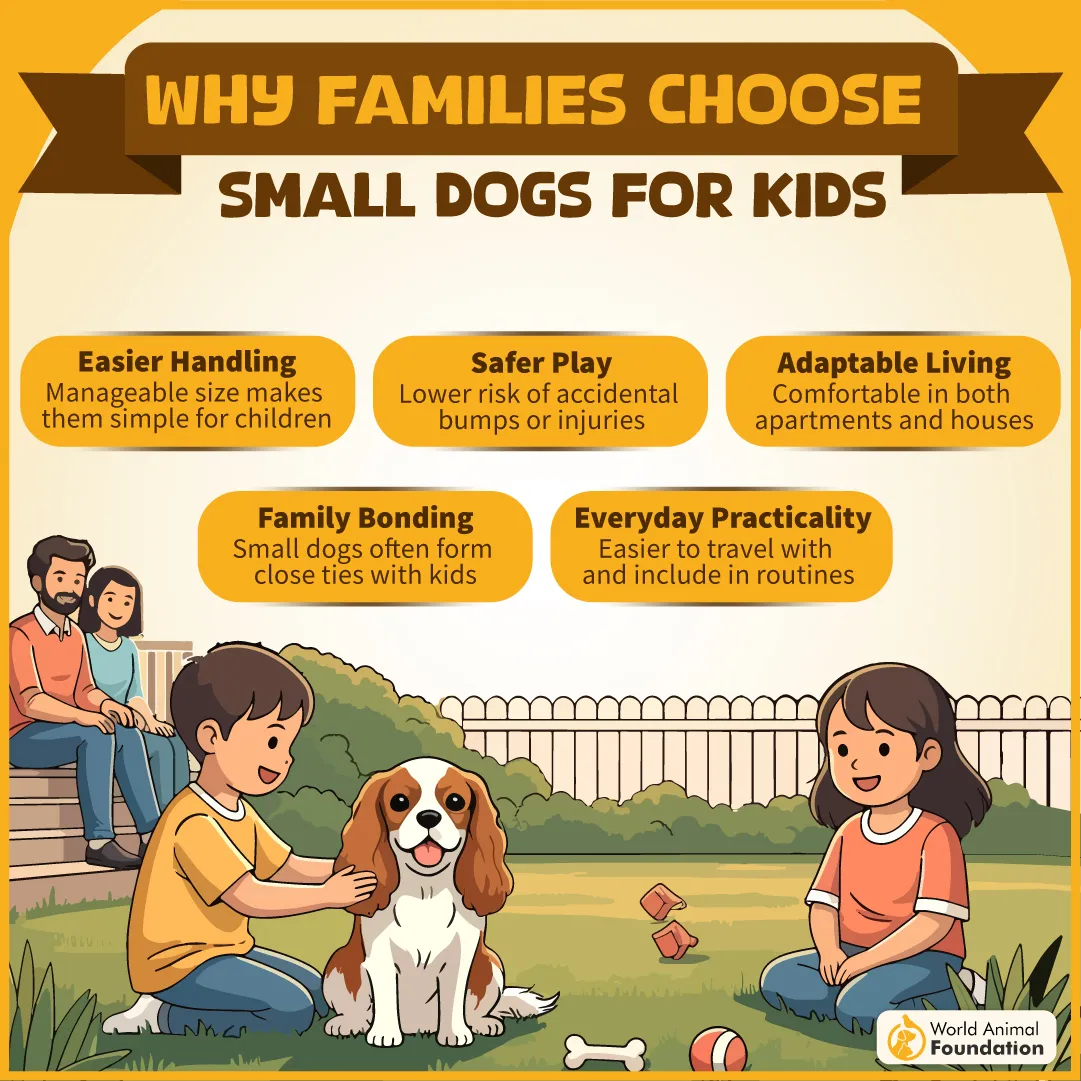
Papillons usually do best with positive training and socialization from an early age. They can become alert barkers if not guided, so quiet cues and calm routines are helpful. With the right family, the Papillon becomes a tiny genius with huge charm and a playful spirit.
7. Cavalier King Charles Spaniel
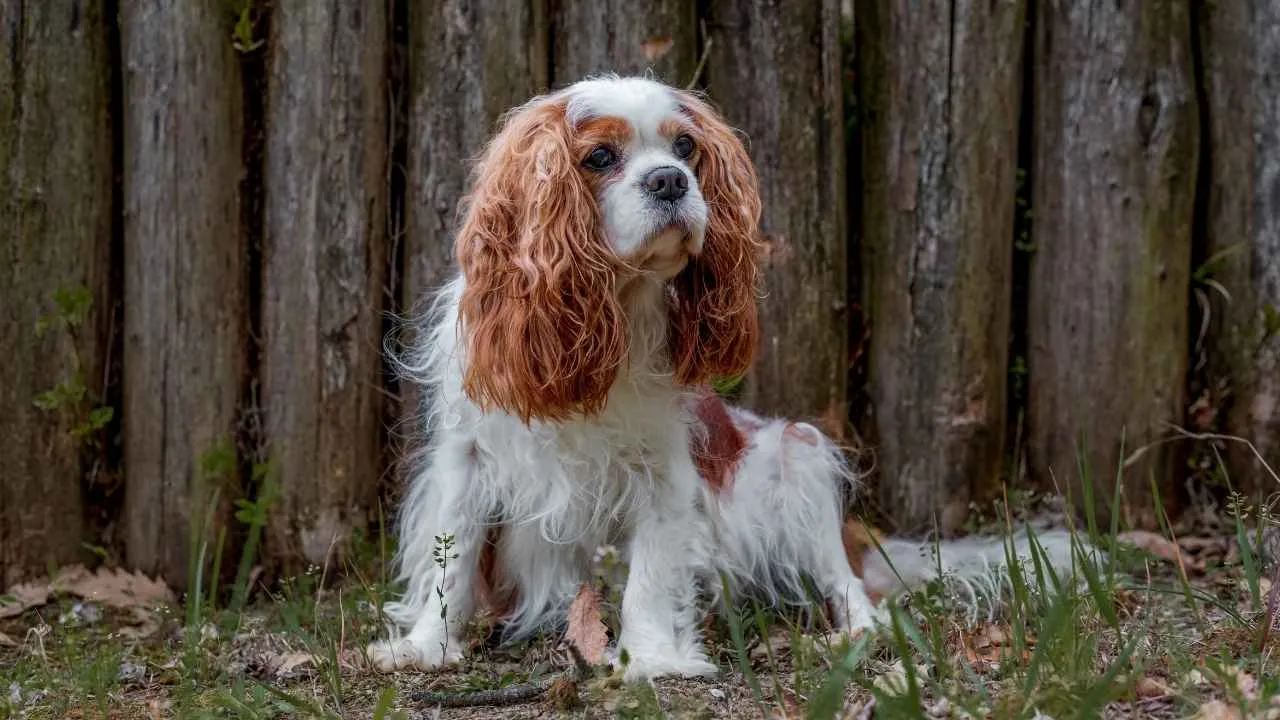
The Cavalier King Charles Spaniel is the soft-hearted family favorite who looks as if it were designed for cuddles and emotional support.
This breed is affectionate, gentle, and often very people-focused. For families with young children, the Cavalier can be one of the sweetest toy breed choices when care and supervision are consistent.
Cavaliers are known for their loving nature and adaptable personality. They can enjoy playtime, walks, sofa snuggles, and being included in daily family routines. They are often less intense than some toy breeds, making them easier to manage in a busy household.
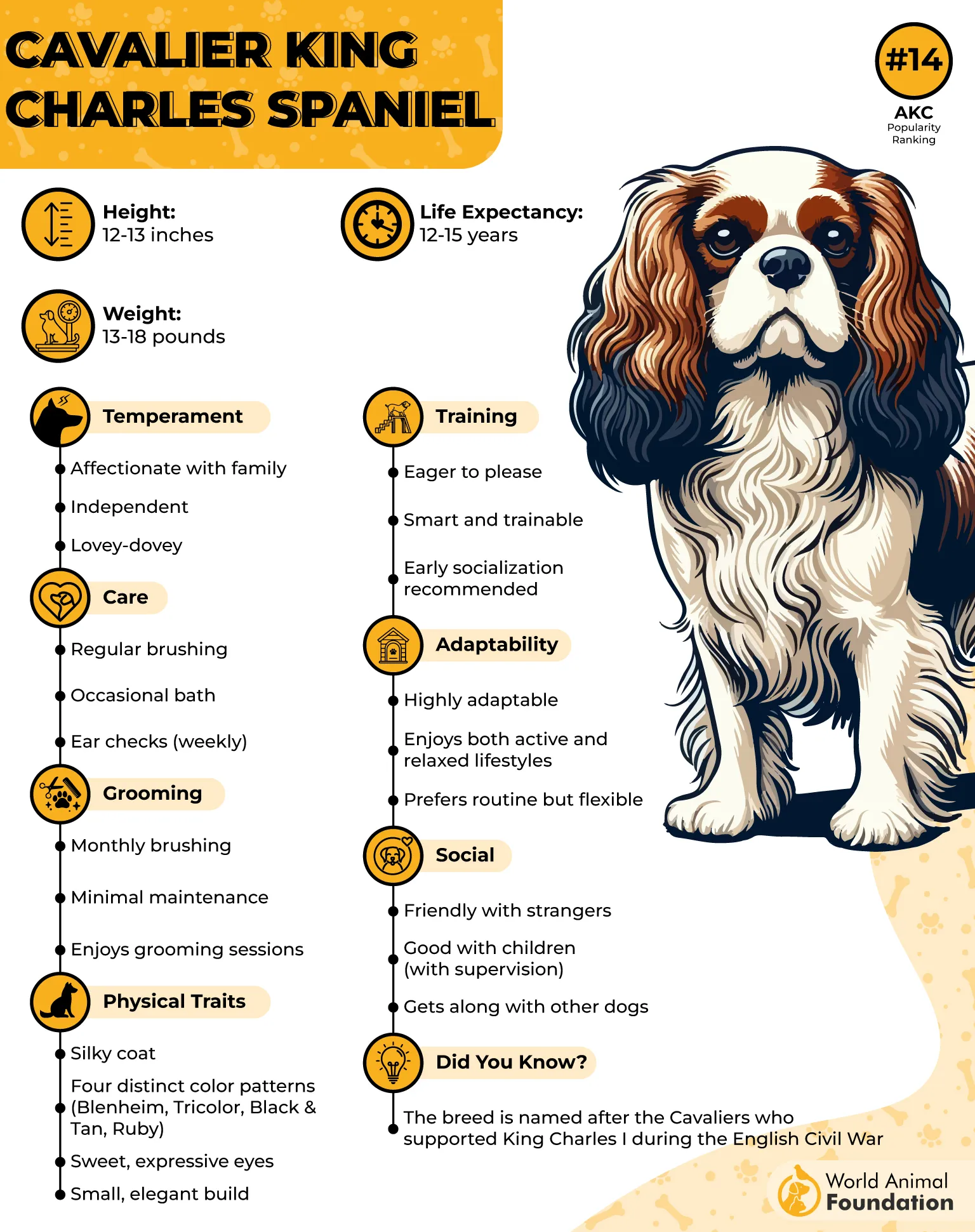
This breed usually bonds deeply with people and may be especially gentle with respectful children. A Cavalier often wants to be where the family is, whether that means movie night, homework time, or a backyard picnic. It is the kind of dog that brings soft emotional warmth into a home.
These pet dogs are sensitive and should not be left to handle rough play. They may tolerate a lot because they are sweet, but that does not mean children should climb on them or pull their ears. Adults should protect the dog’s comfort and teach children how to read body language.
Health awareness is also important with this Spaniel because responsible breeding and veterinary care matter. Families should choose reputable breeders or rescue organizations and stay consistent with checkups.
Conclusion
Toy dog breeds can be amazing for families with young children, but the best match depends on the child, the dog, and the home environment.
The most important rule is that small dogs still deserve big respect. Children should learn not to squeeze, chase, lift, tease, or disturb a dog while it eats or sleeps. Supervision matters because even the sweetest toy breed can become scared if handled roughly.
A good family toy dog is not just cute; it is raised with patience, training, grooming, mental stimulation, and kindness. When children learn empathy and dogs feel safe, the bond can become something genuinely beautiful. With the right breed and the right guidance, a tiny dog can fill a family home with huge love.
