




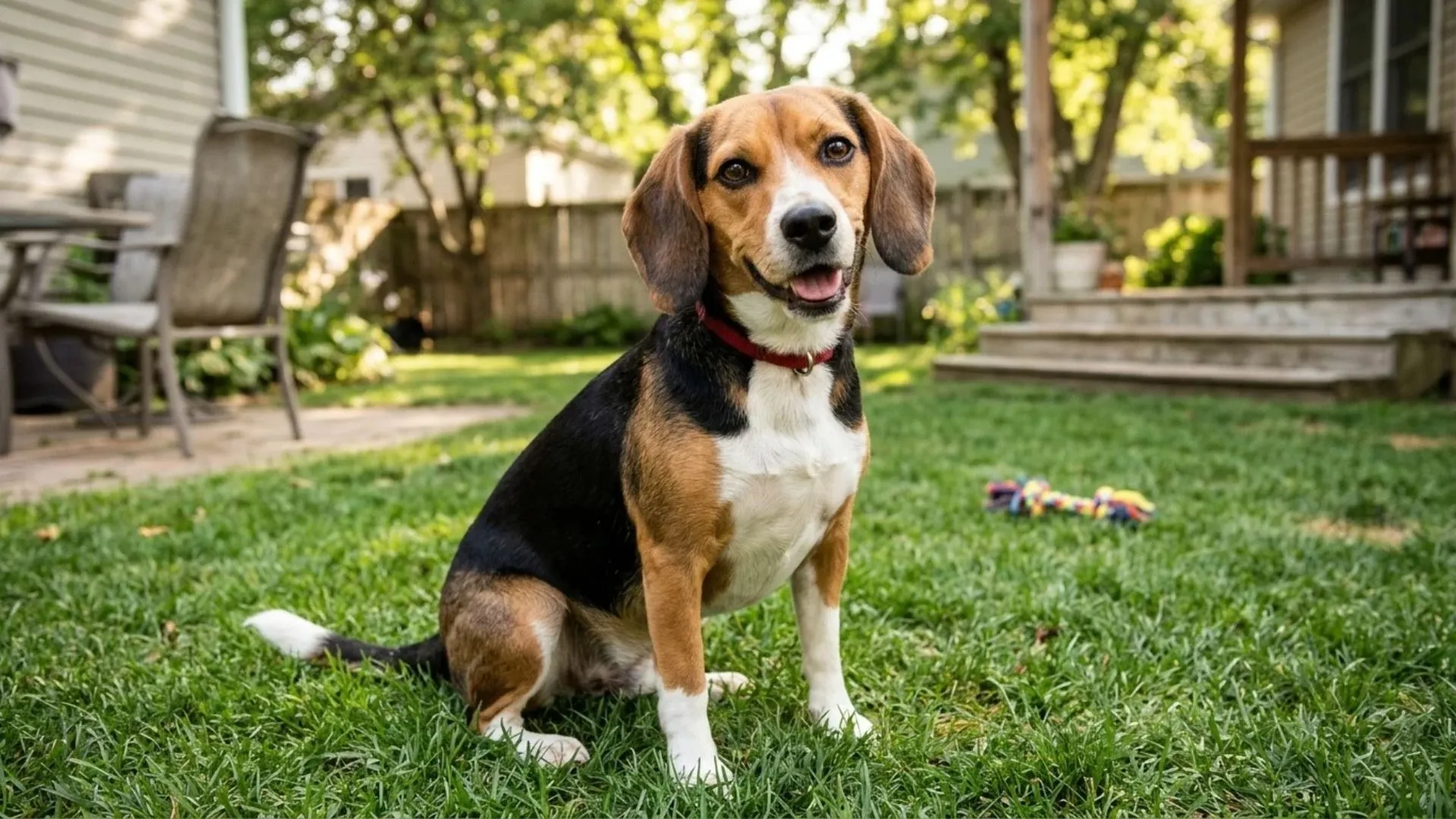
A dog may bring endless entertainment, but its bills are rarely this adorable. The average annual cost of owning a dog in the USA ranges from $1,500 to $2,900 per year, depending on size, location, grooming, and day care.
So an affordable breed is not simply the dog with the lowest adoption fee; everyday needs shape the real price. A simple coat, manageable appetite, and moderate activity can protect budgets.
The goal is not finding a cheap dog, but finding one whose needs fit your life without financial drama. Ready to meet the candidates that make that balance feel possible?
Surprisingly Affordable Dog Breeds You’ll Adore
1. Beagle

Beagles are cheerful pack dogs with a nose that can turn a quiet walk into a detective drama. PetMD notes that they thrive with active, involved families.
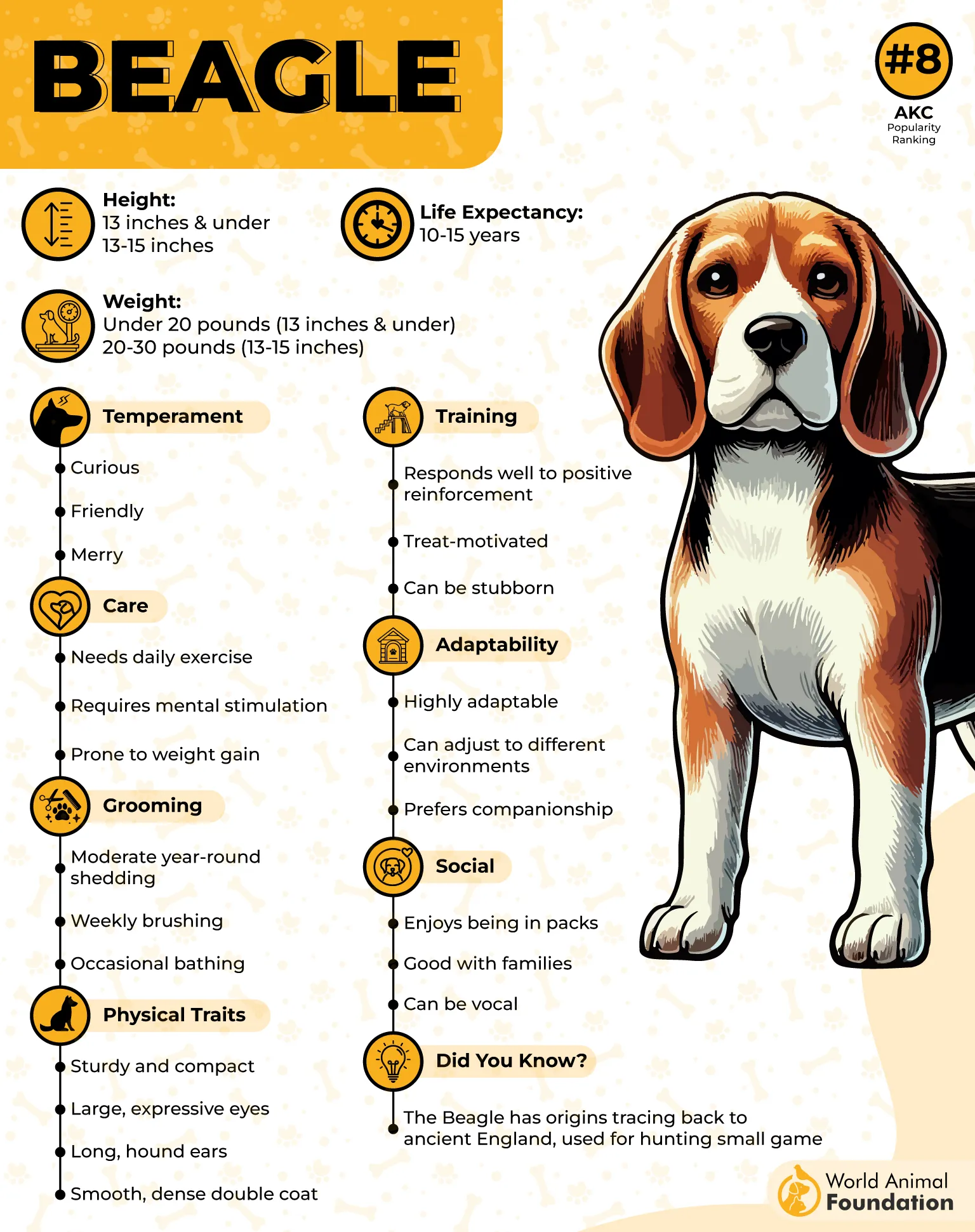
Food: Serve measured meals; snack security is non-negotiable.
Grooming: Brush weekly and check those floppy ears.
Exercise: Plan daily scent-filled walks and safe play.
Training: Use positive rewards before the nose changes the subject.
Save sensibly by handling routine coat care and ear checks at home; small habits can prevent repeat vet visits.
Costly care: Ear infections, obesity, hypothyroidism, epilepsy, and cherry eye may need treatment.
Estimated baseline annual care cost: about $1,150 to $2,500, depending on which size category applies locally; food portions and regular ear care are key.
Avoid free-feeding, unsecured snacks, and unfenced spaces—this adorable scavenger follows fragrance before instructions.
2. Chihuahua

A Chihuahua arrives with the confidence of a CEO and the footprint of a slipper. The AKC calls this Mexican national symbol alert and amusing, which is polite shorthand for “tiny boss.”
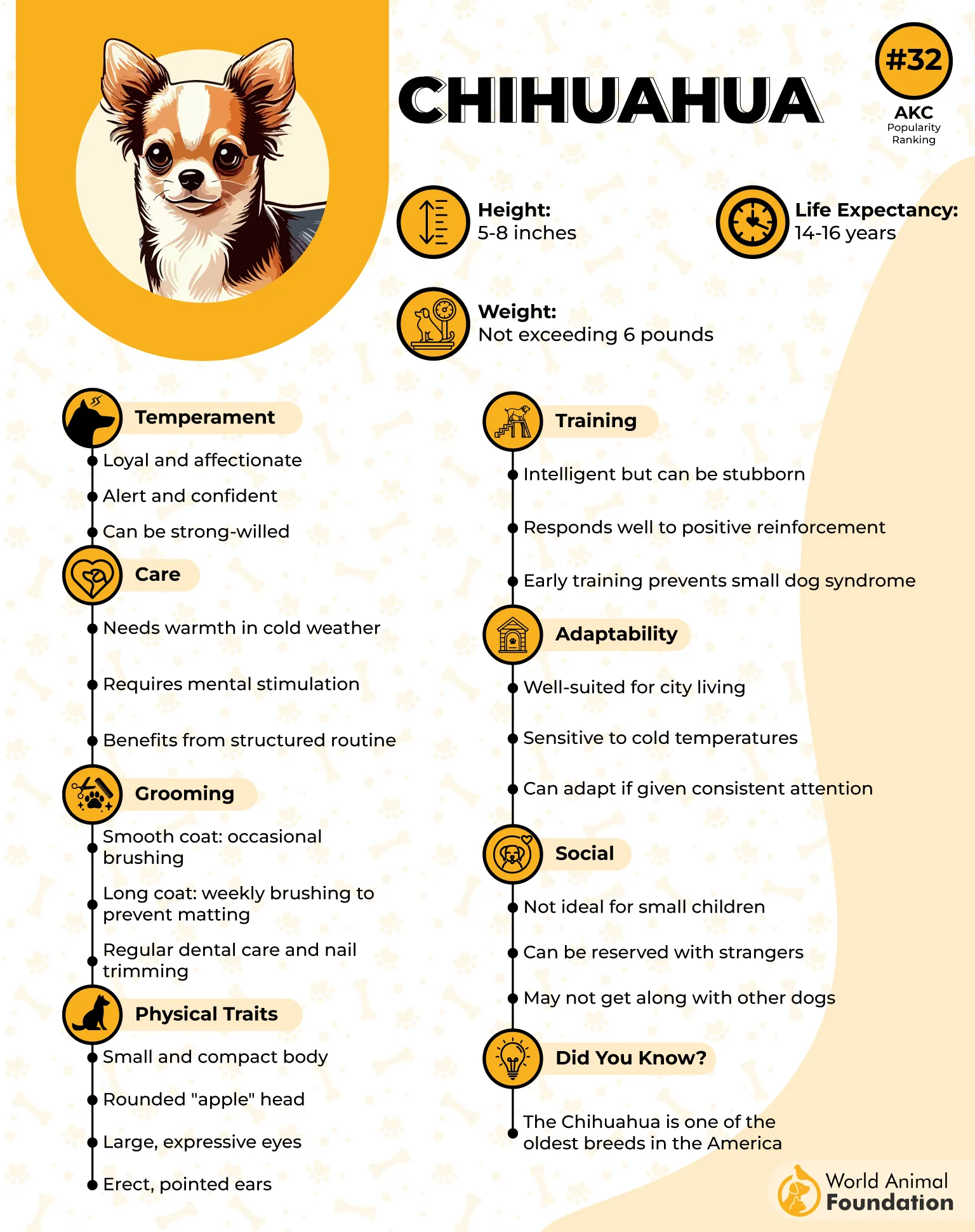
Food: Choose a balanced small-breed diet and measure every portion.
Grooming: Smooth coats need simple home brushing; long coats need more attention.
Exercise: Short daily walks and indoor games usually do the job.
Training: Start socialisation early and reward calm manners.
This small dog breed has a small appetite, compact gear, and home-friendly exercise needs, which can keep everyday spending sensible.
Costly care: Dental disease, patellar luxation, hypoglycemia, and tracheal collapse can require veterinary care.
Estimated baseline annual care cost: about $1,500 to $2,100; their tiny appetite helps, though dental care should stay in the budget.
Avoid “teacup” marketing and neck collars; use a harness and budget for regular dental care.
3. Dachshund

Dachshunds were developed to pursue badgers underground, so their bravery comes in a remarkably low-slung package. History has marked this small breed dog as fearless, relentless little hunters—hardly the household ornament they appear to be.
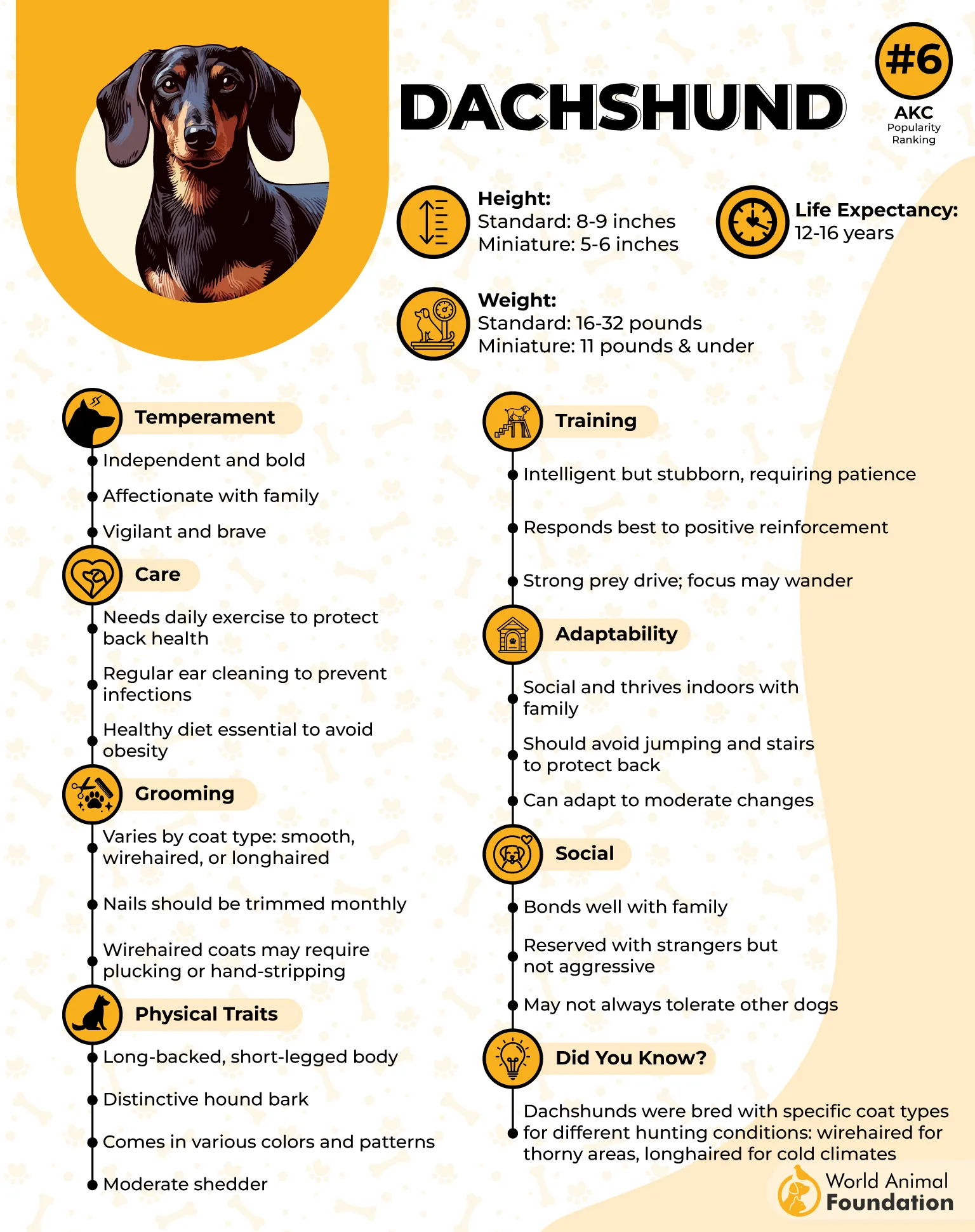
Food: Keep portions controlled to protect the spine from excess weight
Grooming: Smooth coats are easiest; long and wire coats need more upkeep.
Exercise: Choose steady walks and sniffing time over high-impact games.
Training: Use patient, positive sessions; independence is part of the deal.
A ramp for furniture and careful weight management are smart early investments that may reduce preventable strain.
Costly care: Intervertebral disc disease can lead to expensive diagnostics, medication, or spinal surgery.
Estimated baseline annual care cost: about $1,150 to $2,500; ramps, weight control, and back-safe routines are essential extras.
Avoid repeated jumping, steep stairs, and anyone calling back safety “overprotective”—their long backs are not built for superhero landings.
4. Rat Terrier

Rat Terriers are lively little problem-solvers who bring farm-dog grit to everyday family life. Dog owners note their athletic, playful nature, so expect a companion with opinions and excellent burglar-alarm ears.
Food: Feed a balanced diet in portions suited to their activity level.
Grooming: Their short coat needs minimal upkeep and occasional baths.
Exercise: Offer daily walks, games, and chances to use that quick brain.
Training: Keep lessons upbeat, varied, and reward-based.
Their simple coat and compact size help keep routine costs reasonable, while homemade puzzle games can stretch a toy budget nicely.
Costly care: Allergies, skin infections, and dental disease can add veterinary expenses.
Estimated baseline annual care cost: about $1,050 to $2,200; home grooming, dental care, and daily mental stimulation keep care straightforward.
Avoid leaving them alone for long stretches; a bored Rattie may redesign your home without consulting you.
5. Jack Russell Terrier

A Jack Russell Terrier is pure enthusiasm fitted into a small, determined body. Dog lovers call them confident, athletic spitzes, which sounds charming until yours discovers the sofa cushions have stuffing.
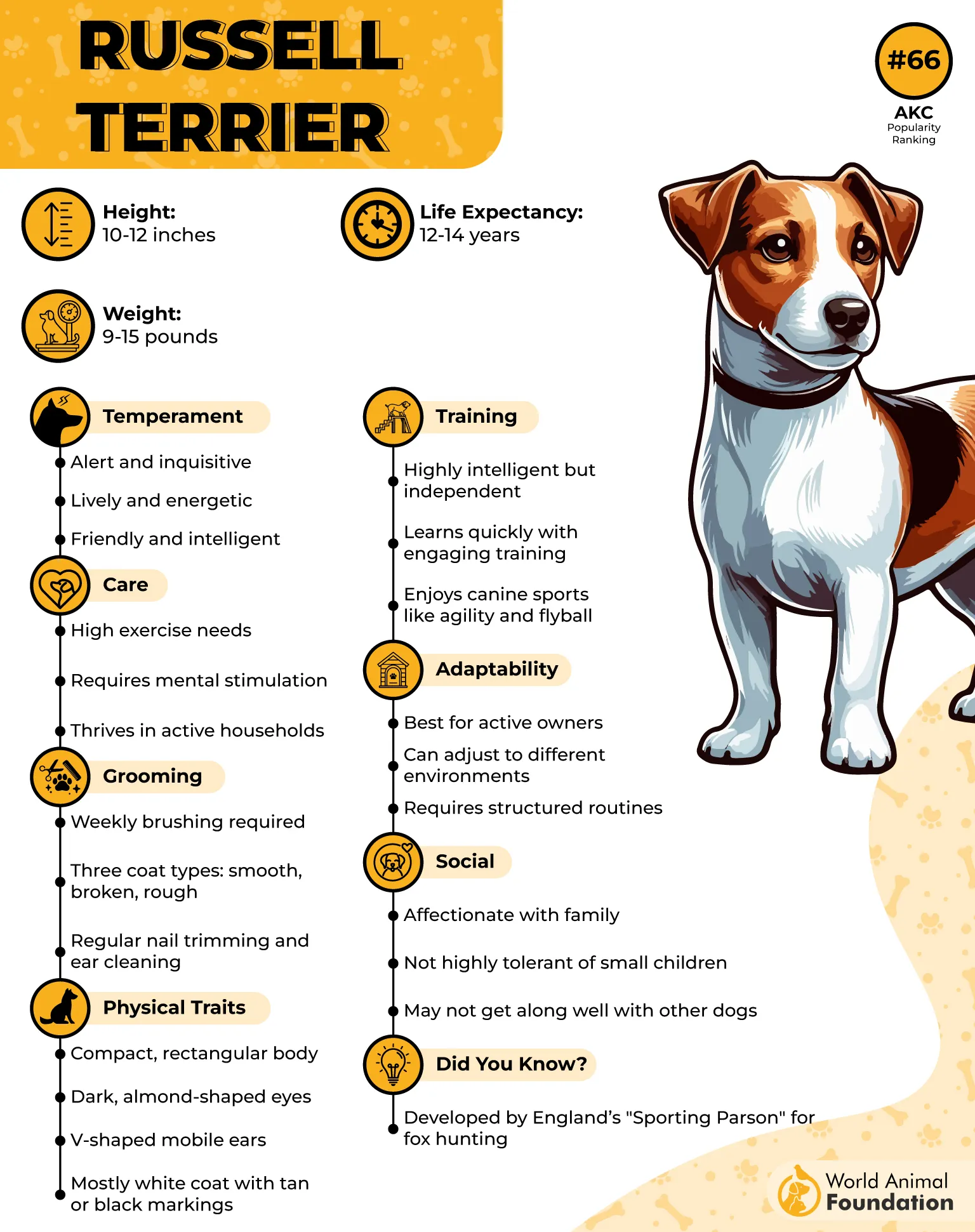
Food: Use a complete diet and limit high-calorie treats.
Grooming: Their weatherproof coat needs straightforward brushing, not salon drama.
Exercise: Build in frequent activity, regular exercise, and brain work every day.
Training: Establish rules early and reward cooperation consistently.
Spend first on secure fencing, durable chews, and training; replacing boredom-damaged belongings gets old surprisingly fast.
Costly care: Patellar luxation, eye conditions, hearing loss, and Legg-Calvé-Perthes disease may need treatment.
Estimated baseline annual care cost: about Jack Russell Terrier ranges from $900 to $1,700 per year; low grooming costs help, but daily exercise and training are non-negotiable.
Avoid treating this affectionate terrier like a lapdog with occasional walks—an underworked Jack Russell will invent a full-time job.
6. Miniature Pinscher

Miniature Pinschers carry themselves like they own the postcode, earning their “King of Toys” nickname honestly. Britannica notes their German roots in ratting and companionship, which explains the confidence packed into such a small frame.
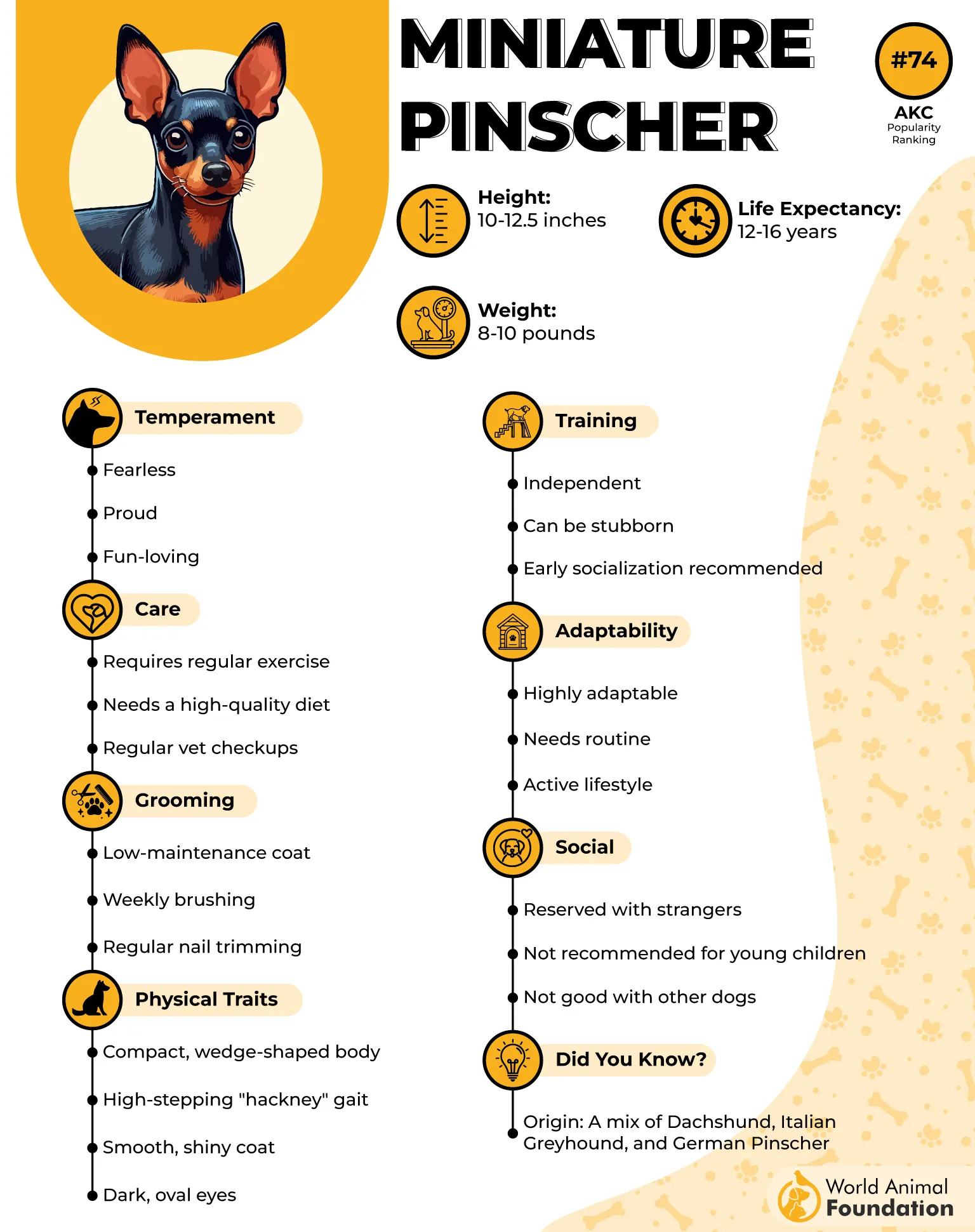
Food: Measure a complete small-breed diet to prevent weight gain.
Grooming: They need minimal grooming. Weekly brushing handles their short, hard coat.
Exercise: Add brisk walks and spirited indoor games daily.
Training: Keep sessions consistent; this clever dog tests vague rules.
Home grooming and a small appetite keep regular costs refreshingly modest, though a warm coat is sensible in cold weather.
Costly care: Patellar luxation, heart disease, eye problems, and dental disease may need veterinary attention.
Estimated baseline annual care cost: about $500 to $1,500; simple grooming and a small food bill are offset by dental and joint-care needs.
Avoid assuming a tiny dog needs tiny boundaries; poor recall and bold escapes can create expensive trouble fast.
7. American Foxhound

American Foxhounds are friendly, free-spirited athletes with a musical voice and serious stamina. They are sweet-tempered and easygoing, but their hunting instincts remain firmly switched on.
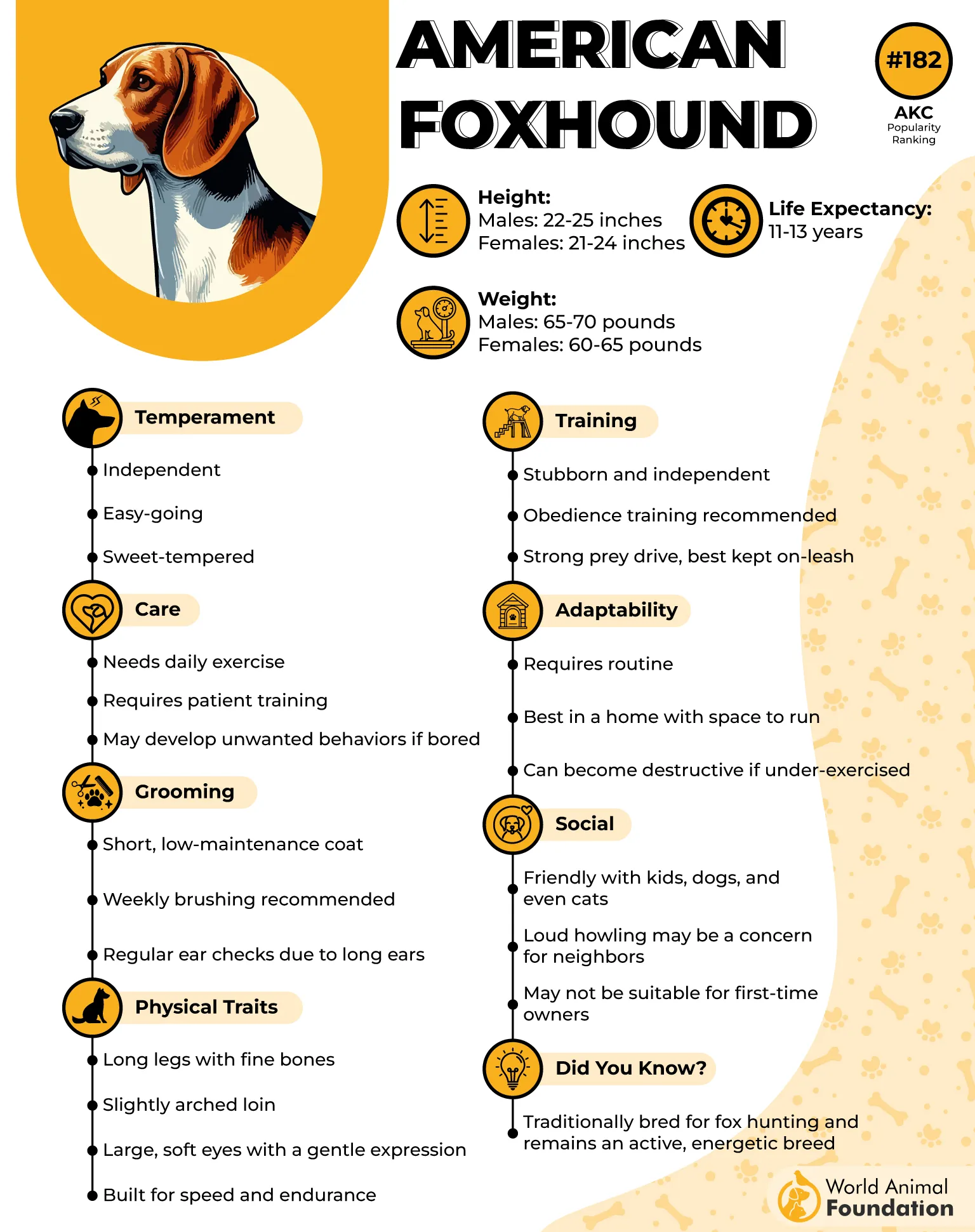
Food: Choose a complete diet and adjust portions for their activity.
Grooming: Their short coat needs simple weekly brushing.
Exercise: Provide long walks, runs, or secure space to roam.
Training: Start recall and leash work early, using patient repetition.
Their low-maintenance coat helps, and regular home nail care avoids needless grooming appointments; still, this is not a low-energy budget option.
Costly care: Breed-specific health concerns like hip dysplasia, ear infections, and thrombocytopathy can require testing or treatment.
Estimated baseline annual care cost: about $1,380 to $3,900 per year. The short coat is low-maintenance, but large-dog food, medication, and heavy exercise add up.
Avoid apartment life without a serious exercise plan—their baying voice and pent-up energy will make neighbours part of the conversation.
Conclusion
The affordable dog is not the one with the smallest price tag; it is the one whose food, grooming, exercise, training, and likely health care suit your real routine. Smart ownership is less about cutting corners and more about avoiding costly surprises before they start wagging their tail.
Combine adoption with preventive care, basic training, and sensible feeding to keep lifetime costs minimal while maintaining a happy, healthy pet.
Choose your two strongest matches, then call a local rescue or responsible breeder for their medical records and adult-dog history. Before committing, write down local food, vet, training, and insurance costs, then meet each dog in person and pick the one you can properly afford for life.
