




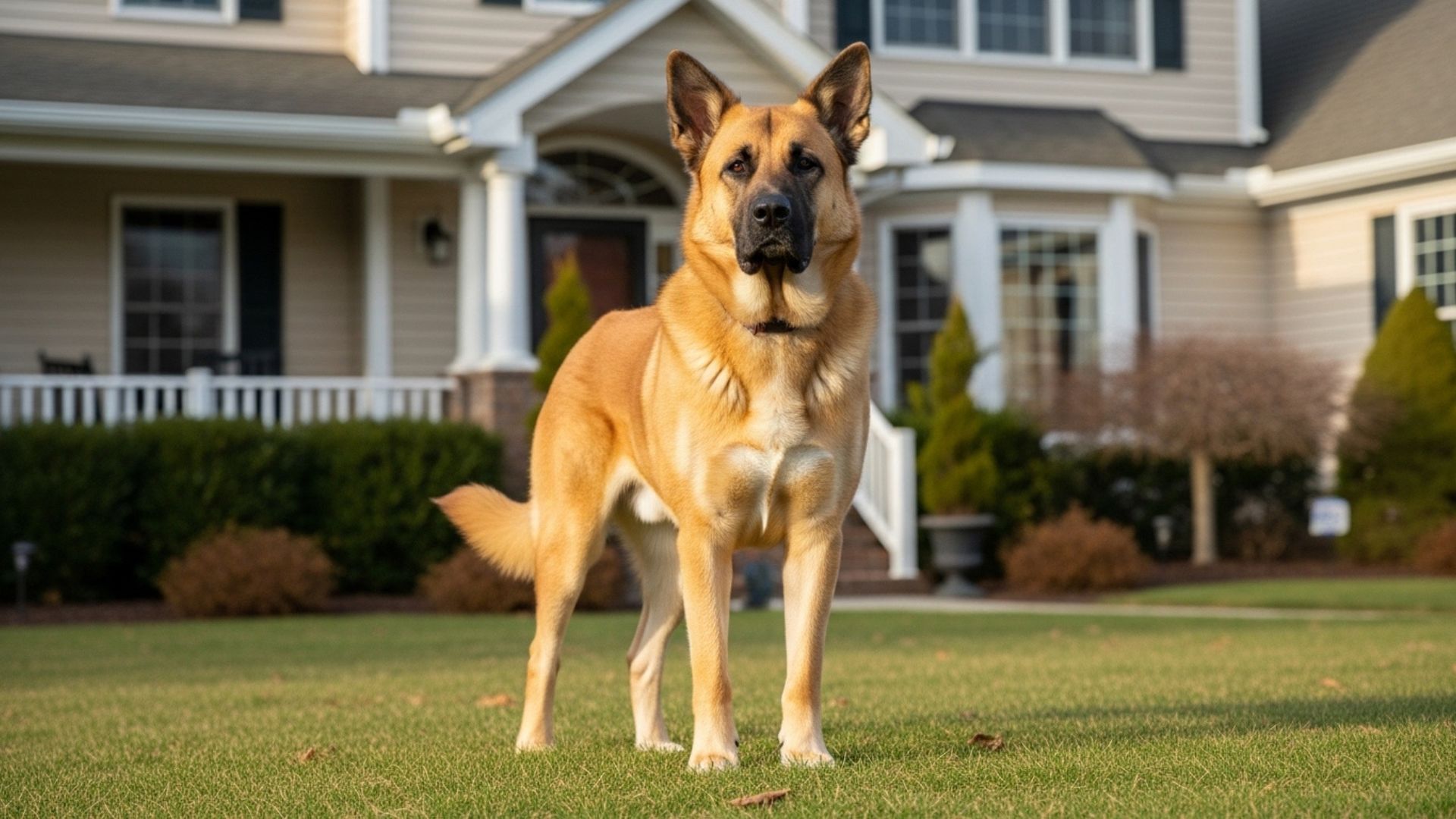
Protection begins with trust, not noise. Rare large dog breeds developed for guarding bring a quiet authority that changes how a space feels the moment they step into it. Their size signals strength, but their value lies in awareness and restraint.
These dogs watch more than they react, remaining steady while assessing what belongs and what does not. Their loyalty forms slowly and deeply, creating protectors who guard people, land, and routine with equal seriousness.
Unlike common guard dogs bred for popularity, rare protectors carry instincts shaped by real responsibility and isolation. They are selective, composed, and highly territorial without constant aggression. Living beside such a dog means sharing space with purpose rather than chaos.
By the end of this article, readers will explore how rare large guardian breeds differ from mainstream protectors and what defines their protective behavior.
Key Takeaways
Real guardianship begins the moment a dog understands what is normal and what is not.
Komondor and Tibetan Mastiff guard by watching first, relying on centuries of instinct shaped by isolation and responsibility.
Breeds like the Estrela Mountain Dog and Neapolitan Mastiff stay composed while quietly deciding what belongs within their space.
Reading through these guardians reveals how true protection often looks restrained, deliberate, and deeply rooted in trust.
Top Rare Large Dog Breeds Perfect for Protectors
1. Komondor
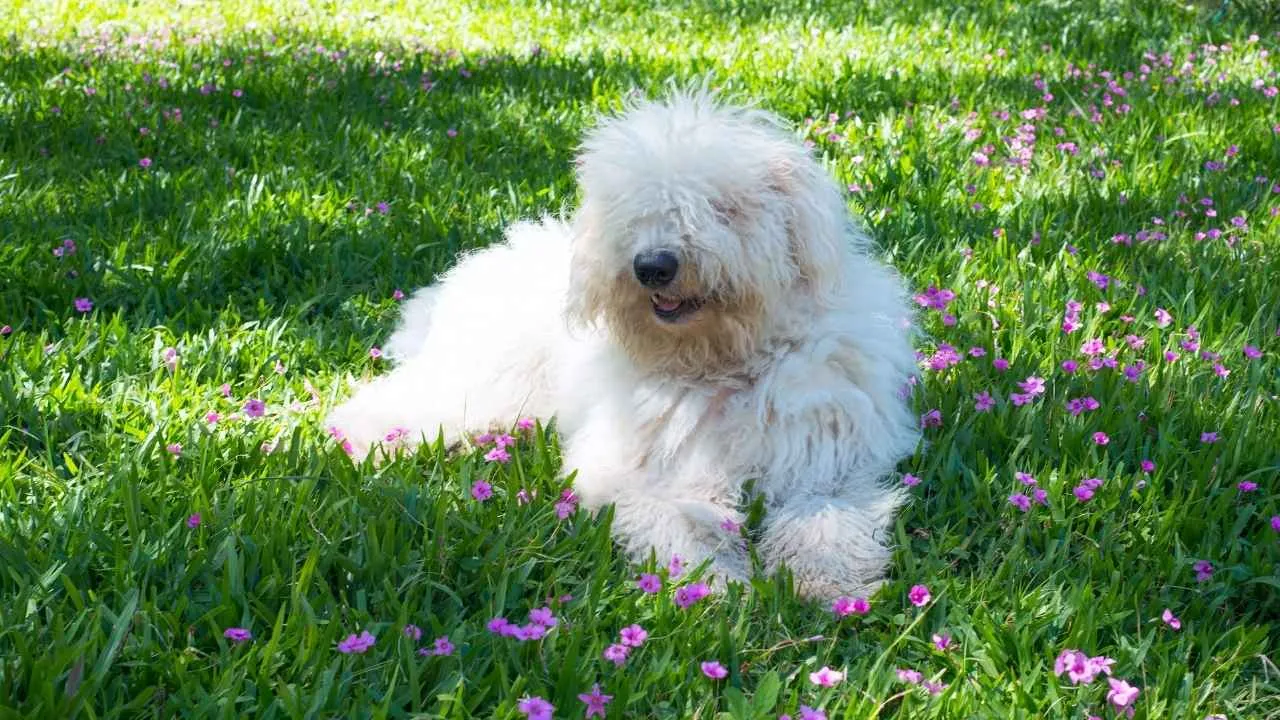
Komondor stands out immediately due to its dense white cords that cover the body from head to tail. This coat developed over centuries of guarding sheep and cattle across Hungary’s open plains. The breed belongs to a small group of working dogs native to the region for nearly a thousand years.
Rare Presence and Instinct
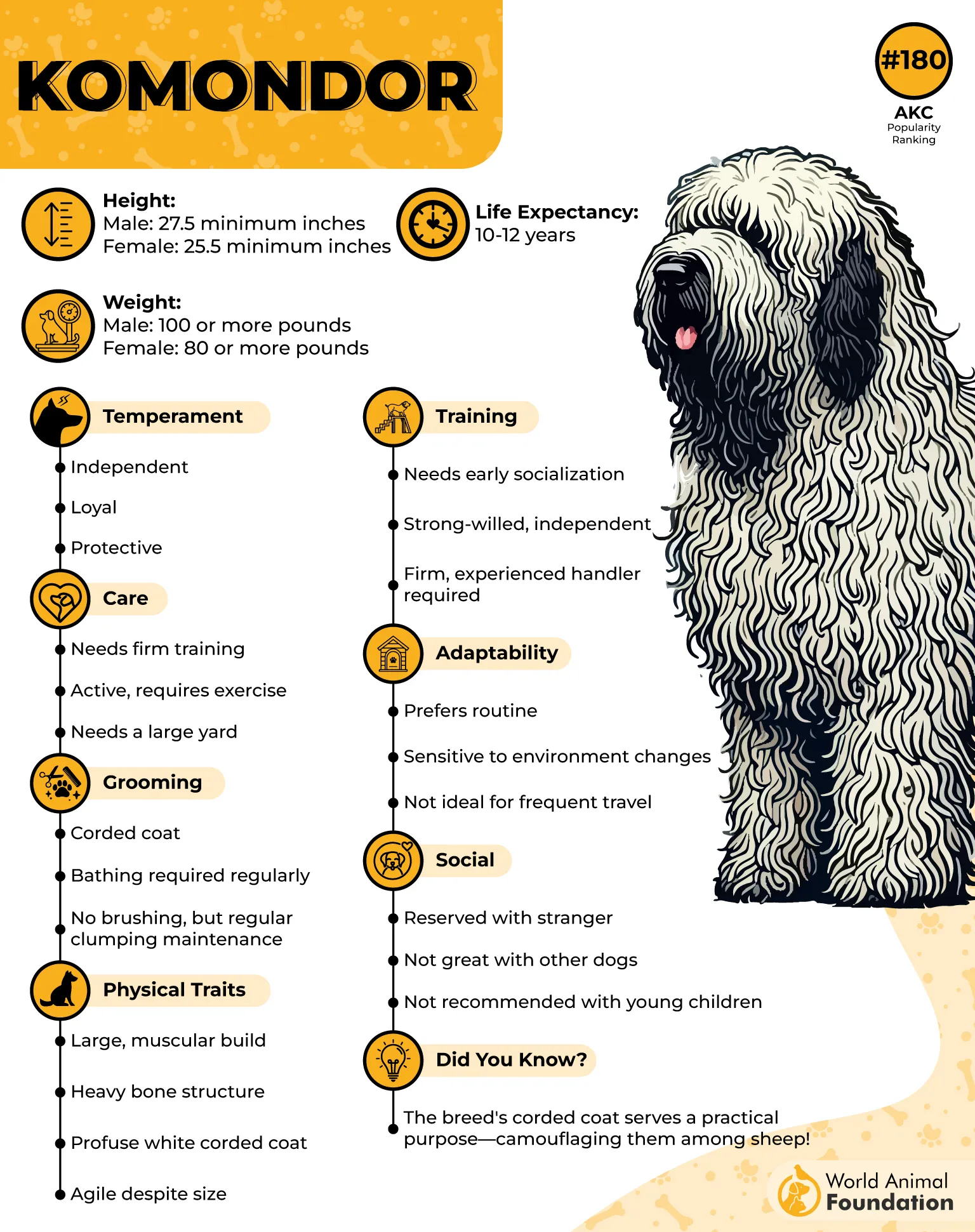
Komondor remains uncommon worldwide, with the total population estimated well under 10,000, as Hills Pet noted. That rarity reflects how specialized the breed is in role and temperament.
This focus shows through in everyday behavior:
Independent decision making
Strong boundary awareness
Immediate response to an unfamiliar presence
Control Through Experience
Komondor requires firm and knowledgeable handling, as independence is deeply rooted in the breed’s working past. Training relies on consistency and clarity rather than repetition or pressure. This approach aligns with how the breed historically operated at a distance from human supervision.
2. Plott Hound
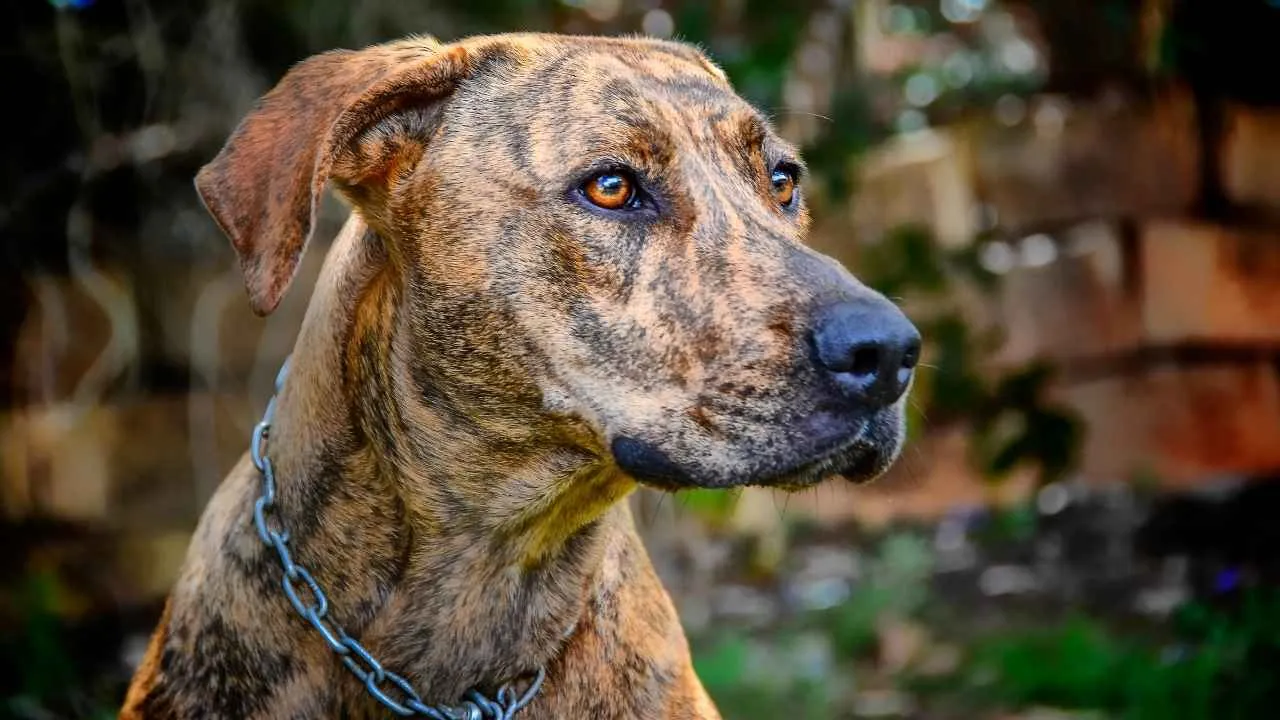
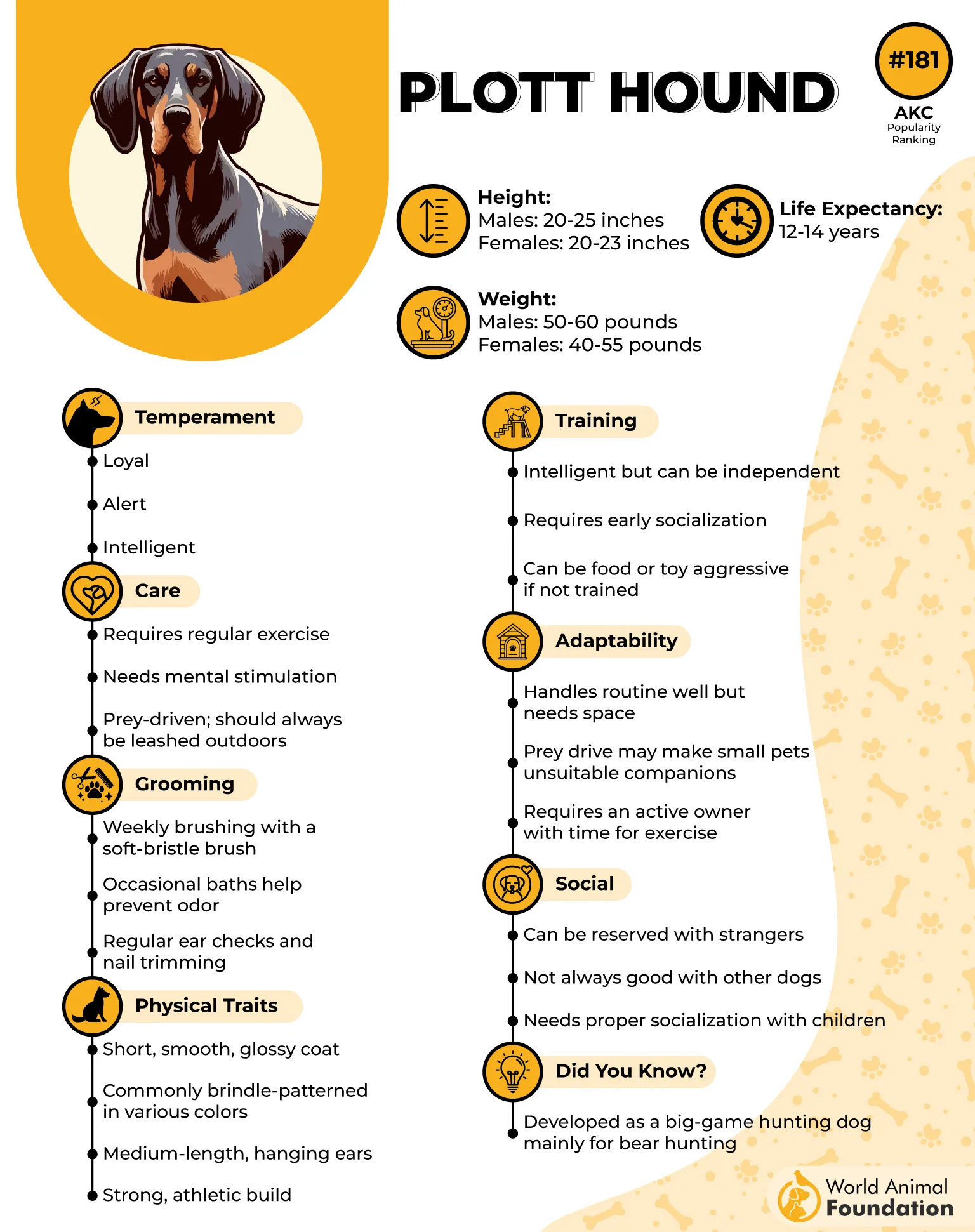
Plott Hound developed as a relentless hunting dog with a rare lineage that sets it apart from other American hounds. Recognized as North Carolina’s state dog, this breed remains uncommon even in its home region. That rarity reflects a dog shaped by function rather than popularity.
Controlled Boldness
This guard dog breed shows a distinct balance between fearless working drive and composed behavior in familiar spaces. The breed’s confidence comes from focus rather than display, which becomes noticeable around unfamiliar movement or sound.
That steadiness shows up through small but telling behaviors:
Sustained attention once alerted
Forward posture without agitation
Willingness to hold position
Awareness Through Instinct
This energetic dog was shaped to work independently while staying aware of its surroundings. That independence supports decision-making without constant direction. Inside a defined space, this instinct often translates into quiet observation rather than restless pacing.
3. Estrela Mountain Dog
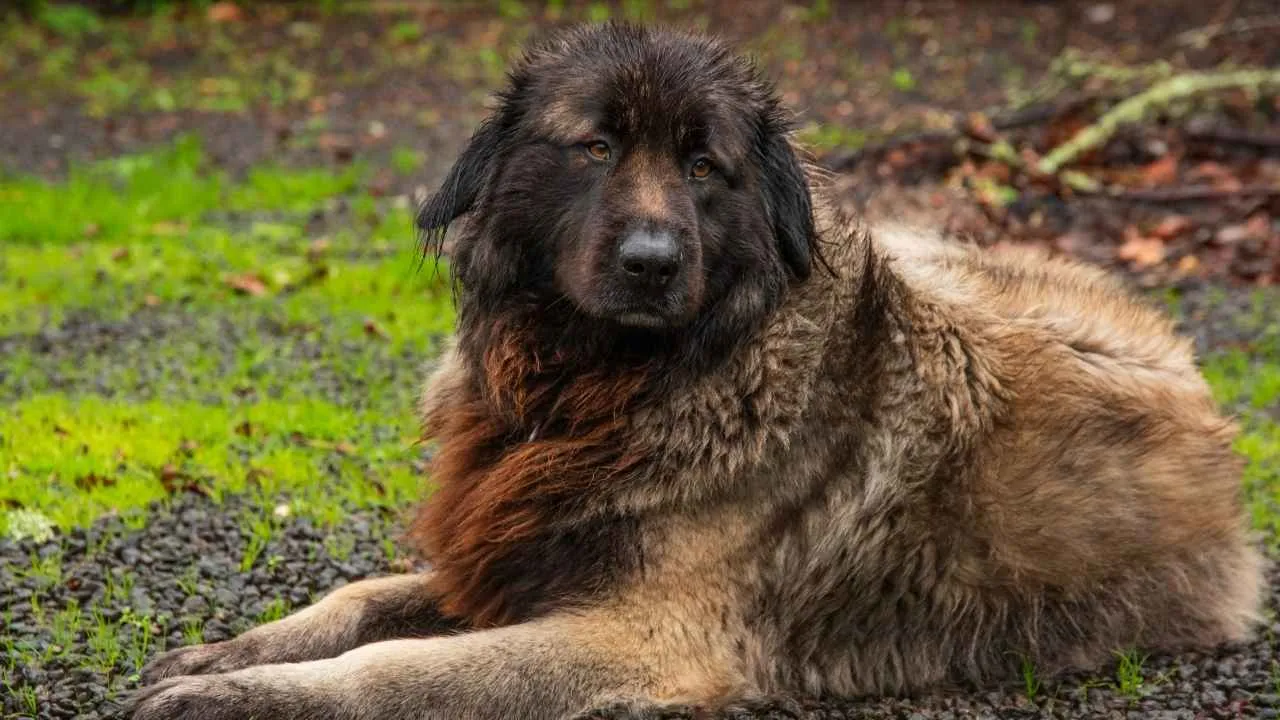
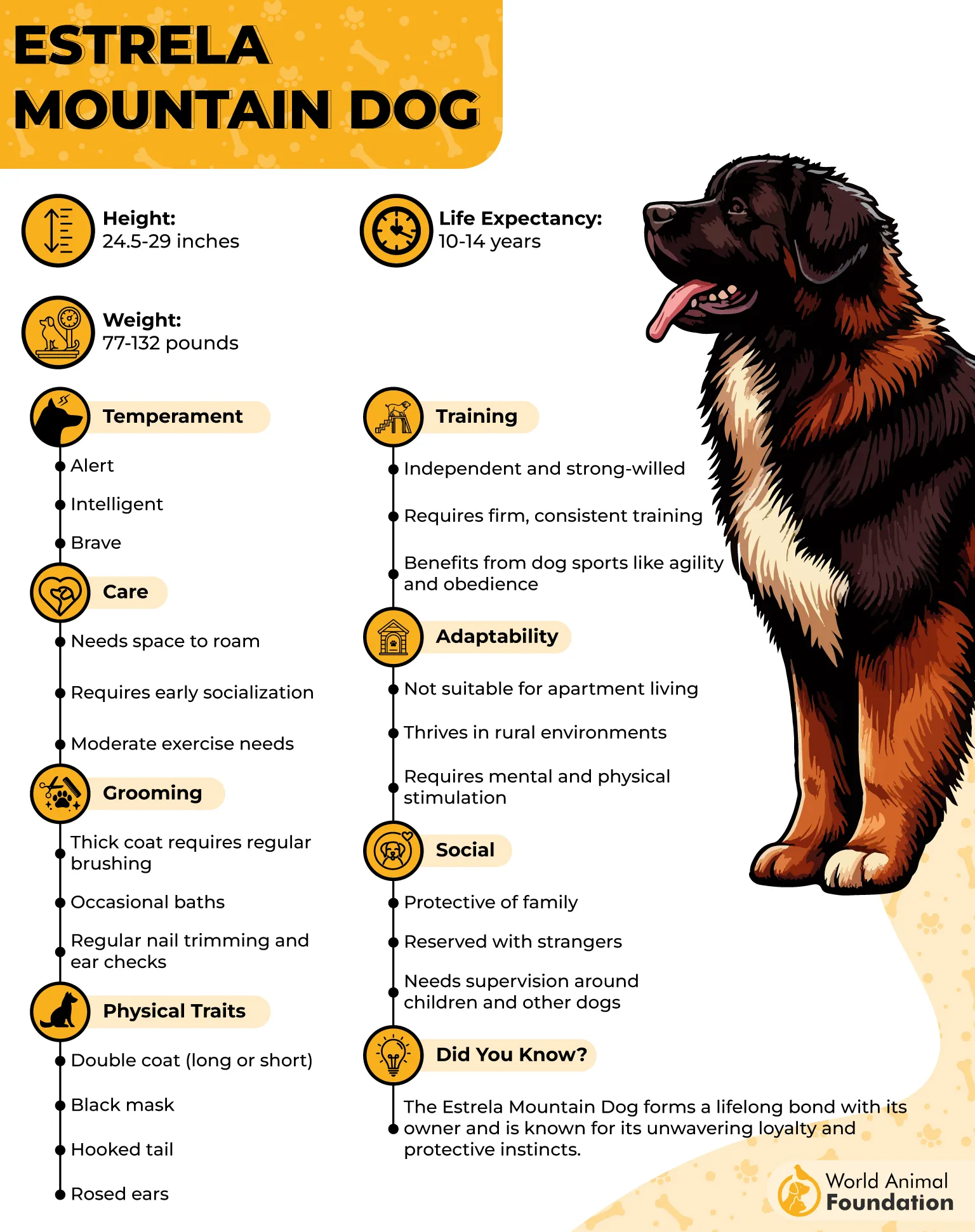
The Estrela Mountain Dog is named after Portugal’s Estrela Mountains and is considered one of the oldest native breeds. It has rose ears, a black mask, and a hooked tail, giving it a distinctive silhouette. Known for strong protective instincts, it closely guards flocks while remaining gentle with its family.
Loyal and Watchful
The breed combines bravery with a deep bond to a single person, staying alert without unnecessary aggression. Its temperament requires early socialization and guidance to balance natural dominance with calm restraint.
This guardian demonstrates remarkable abilities:
Vigilant observation of surroundings
Protective attention to key family members
Calm approach toward strangers while assessing risk
Family Bonds and Companionship
Estrela Mountain Dogs attach strongly to their household. That attachment supports careful awareness of visitors and unusual activity. Their presence alone reinforces a sense of security while offering loyal companionship throughout daily life.
4. Neapolitan Mastiff
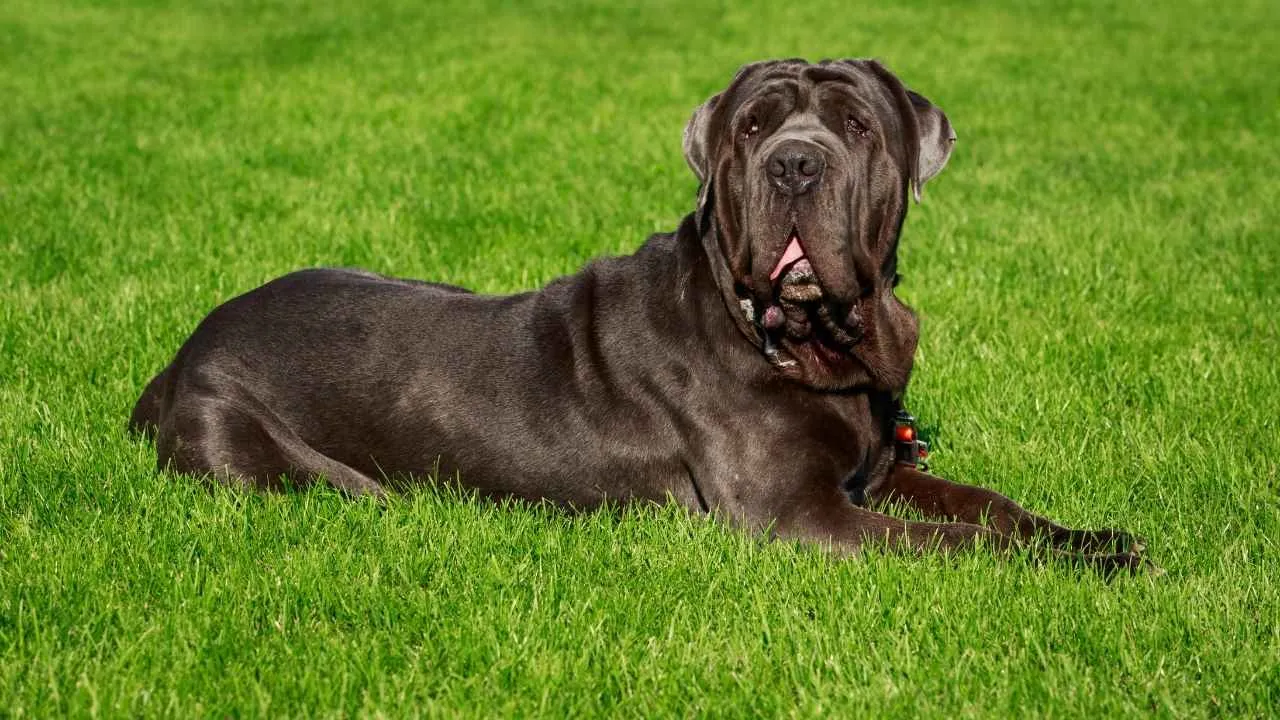
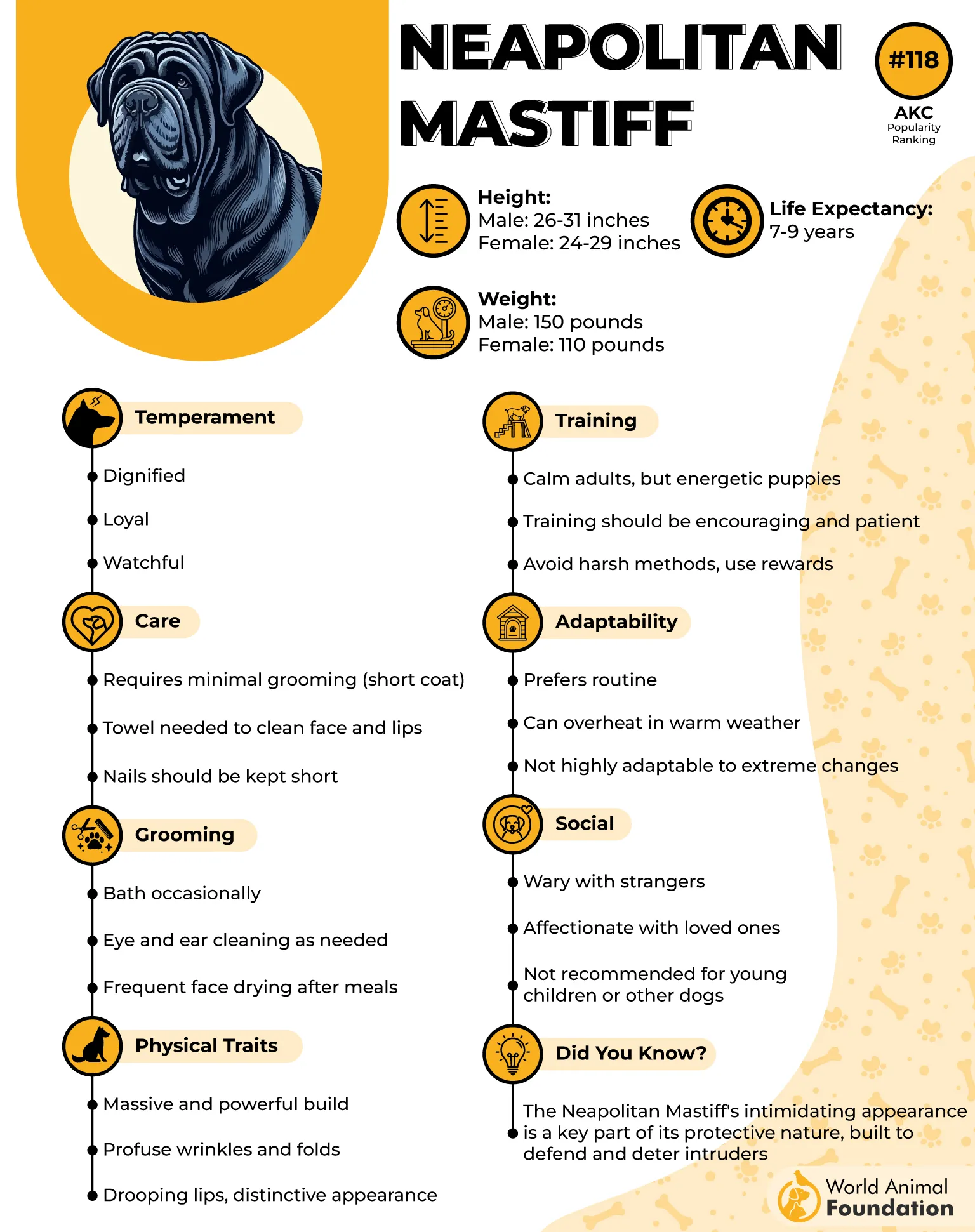
The Neapolitan Mastiff is a massive guardian with profuse facial wrinkles and pendulous lips that give it an instantly commanding look. Its sheer size and deliberate movements signal authority before it ever acts. Within the home, the Mastino is calm, steady, and observant of familiar people.
Rare Traits and Protective Instincts
This rare breed has long been prized for its guarding ability and may have a waiting list for prospective owners, as VCA Hospital writes. Its protective instincts are natural, alerting to strangers while remaining composed with family.
The Mastino’s defining characteristics include:
Heightened awareness of unusual activity
Controlled, deliberate approach to threats
Rare availability enhances exclusivity as a protector
Loyalty and Guarding Style
Neapolitan Mastiff forms strong bonds with owners, staying close and monitoring movement around the home. Its loyalty reinforces protective behavior, combining gentleness with formidable presence. The breed’s wariness of strangers makes it an effective sentinel for rare, discerning owners.
5. Boerboel
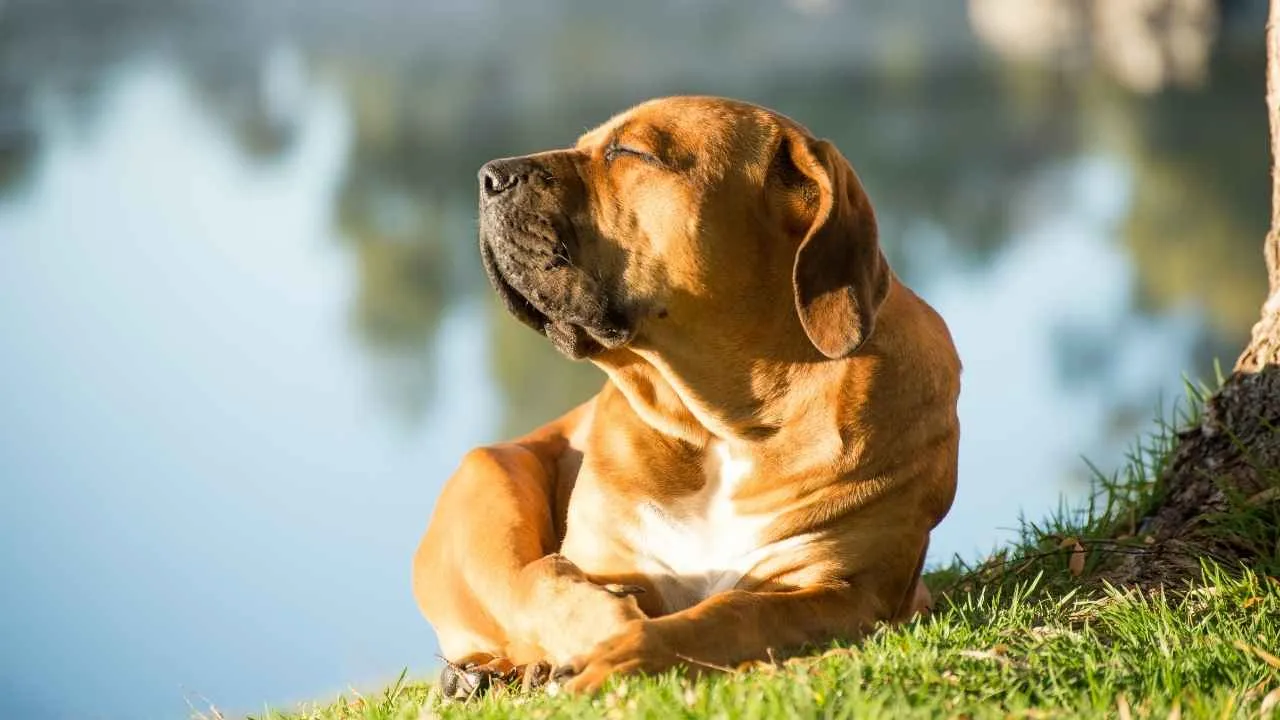
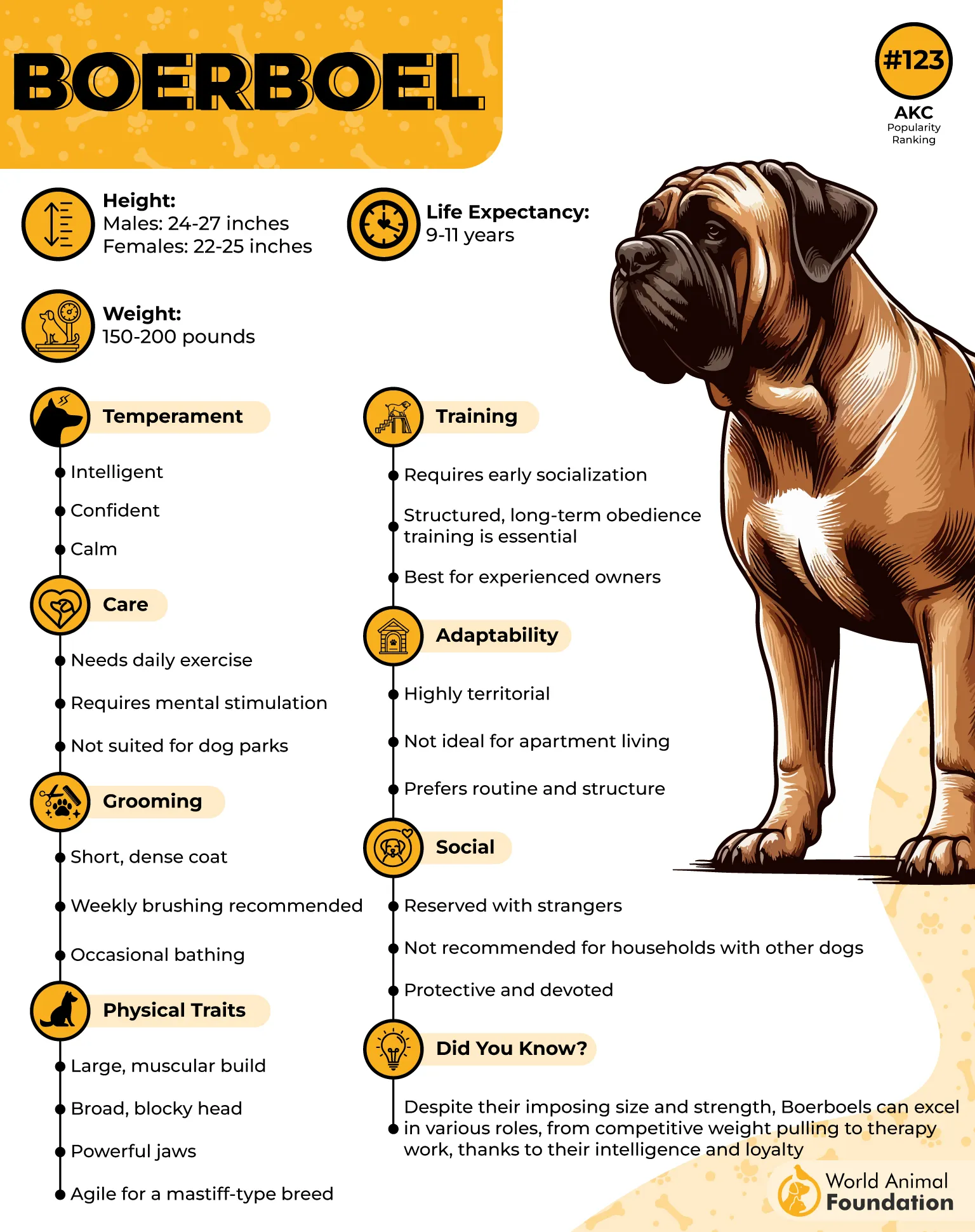
Boerboels are strong South African dogs bred to defend homesteads from predators with alertness and confidence. Their dominant personality makes them decisive in assessing potential threats around the property. This natural vigilance ensures they act effectively without unnecessary aggression.
Rare Protective Qualities
The breed’s intelligence and training responsiveness amplify its natural guarding abilities in domestic environments. Early socialization helps channel territorial instincts into controlled, reliable protection.
Key strengths include:
Sharp threat recognition
Calm, measured reactions
Focused territorial awareness
Distinctive Security Presence
Boerboels are uncommon outside their native South Africa, which makes them a unique choice for households seeking a powerful, dependable guardian. Their presence is enough to discourage intruders, while their alertness allows quick response when needed.
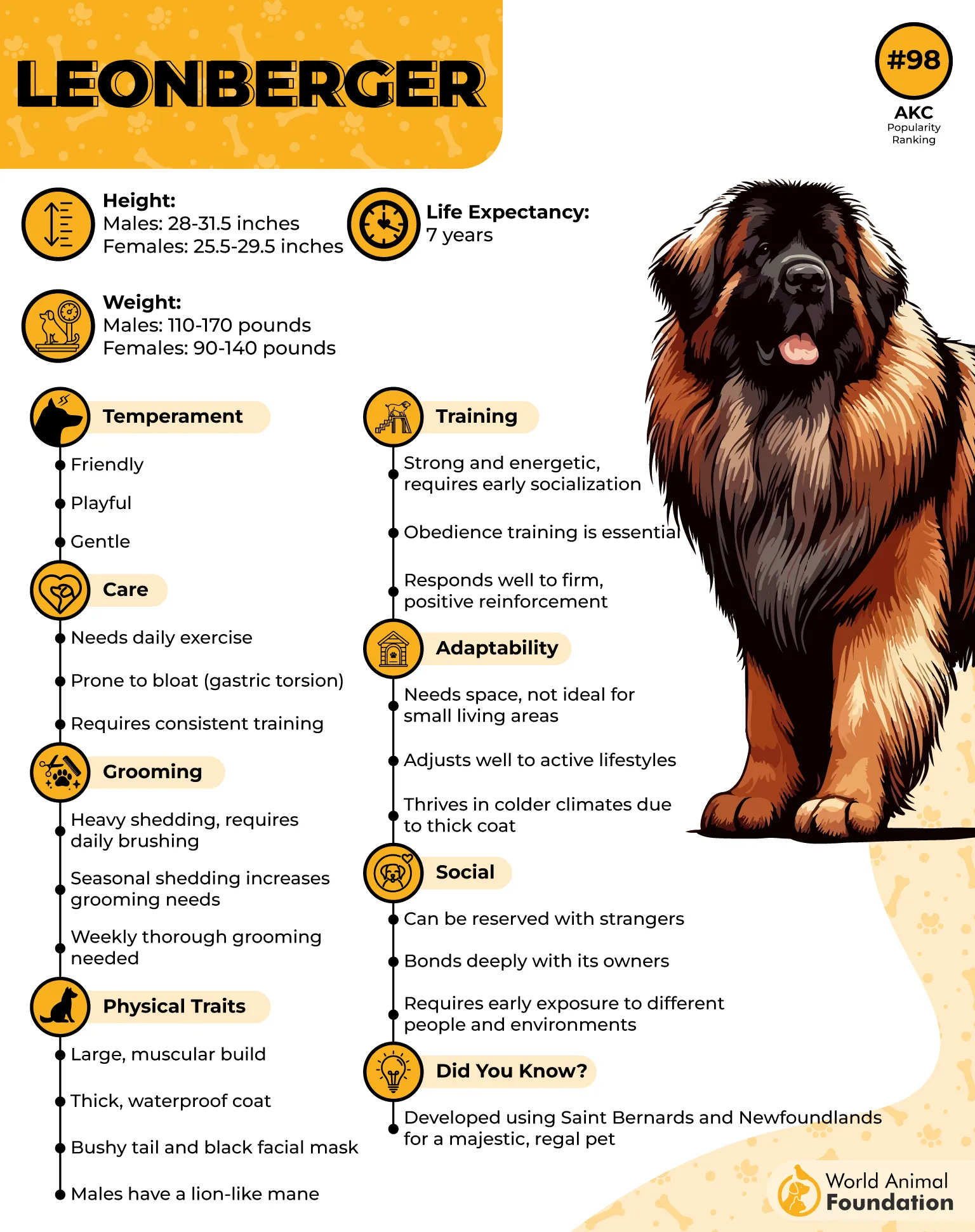
6. Leonberger
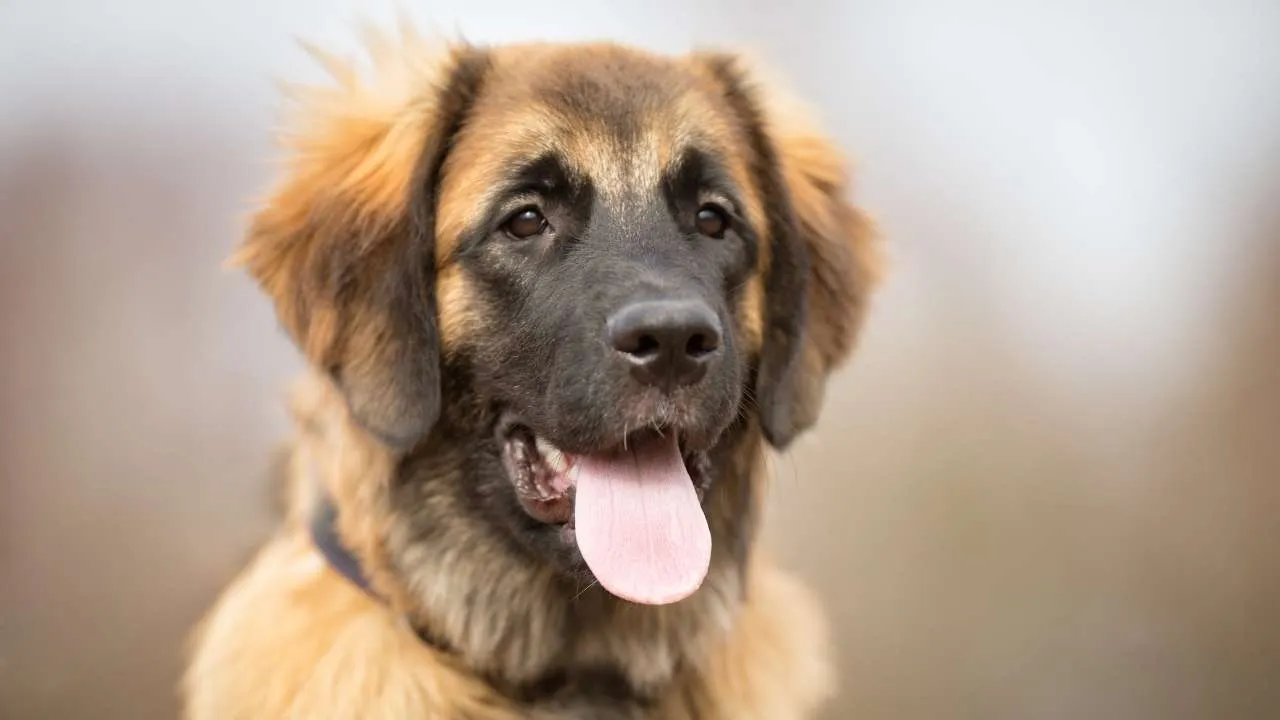
The Leonberger is a lush-coated giant of German origin, known for its lion-like mane and commanding presence. This breed moves with an elastic, confident gait, reflecting both grace and purpose. Its intelligence and composed demeanor allow it to assess situations carefully before reacting.
Rare and Alert
Relatively rare, Leonbergers nearly disappeared in the 20th century, which makes each dog a valuable representative of the breed, as PetMD mentioned. Their instinct and sound judgment make them attentive guardians of home and property.
These qualities stand out in protective situations:
Sharp observation of unusual movement
Controlled response to potential threats
Vigilant awareness around boundaries
Protective Composure
Leonbergers combine size and calm temperament to act as effective guard dogs without unnecessary aggression. Their presence alone can deter intruders while they remain composed and deliberate. This balance of strength and patience ensures their protection is both reliable and measured.
7. Tosa
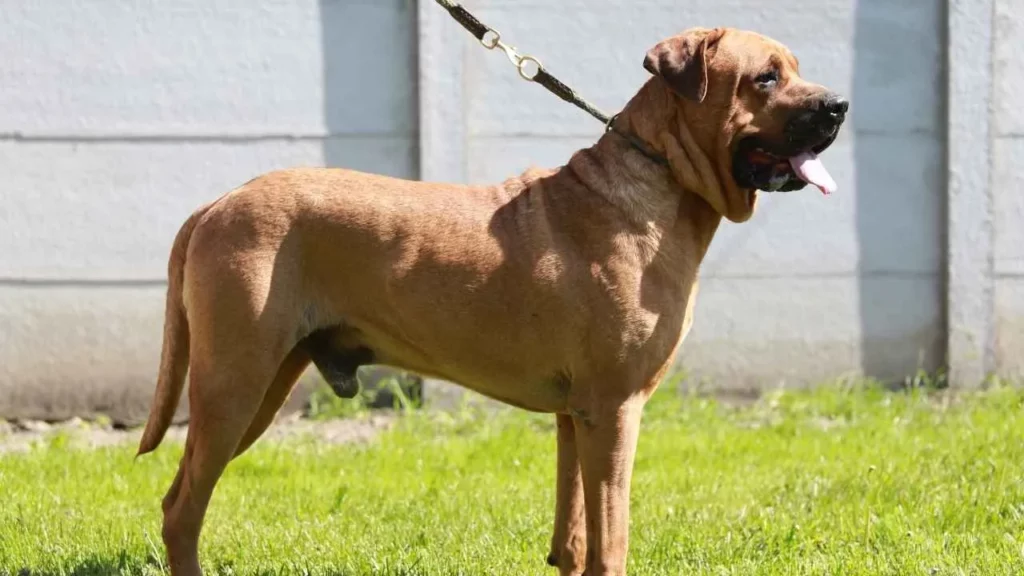
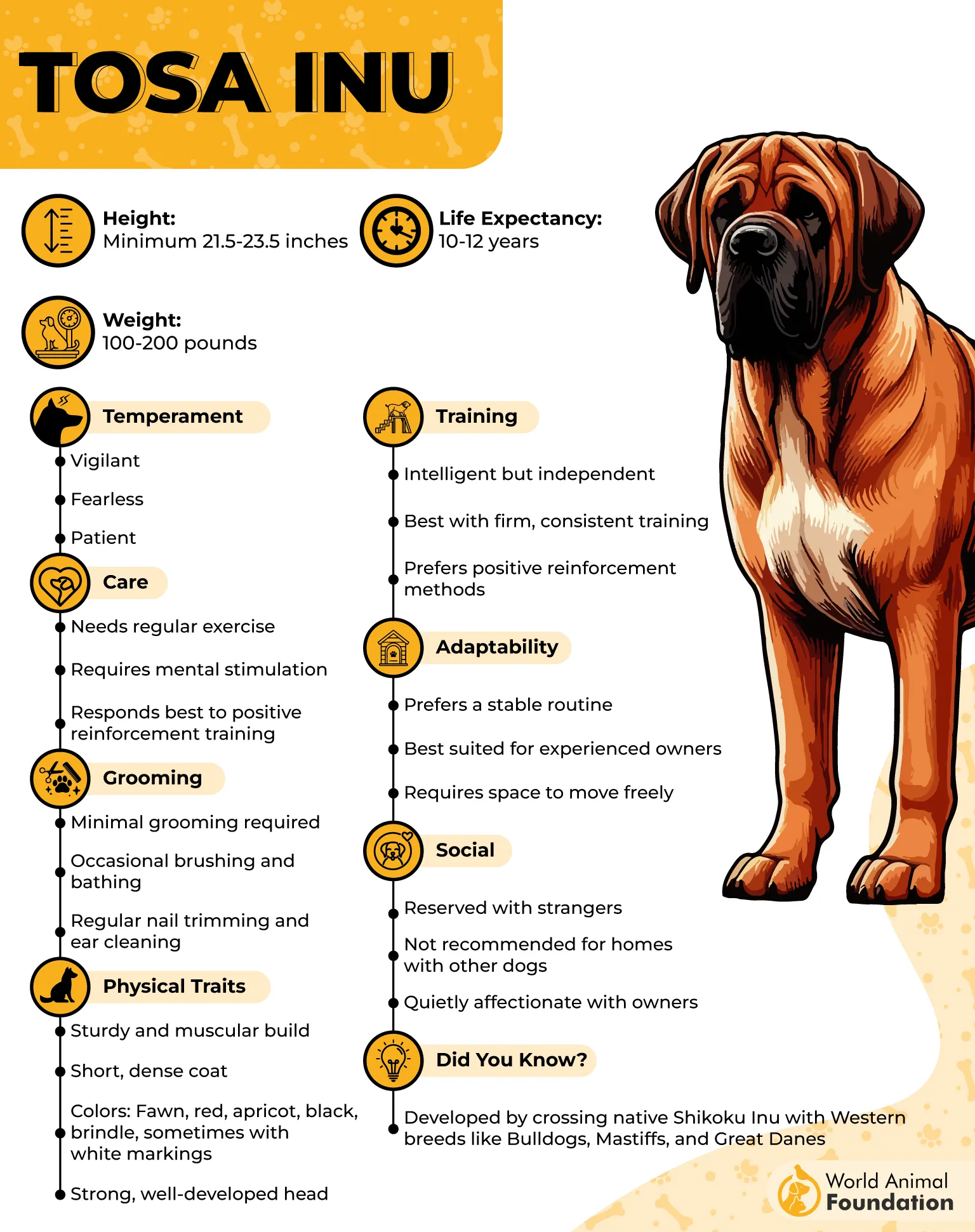
Tosa is recognized for its calm, confident, and bold presence that dominates any space quietly. Its tranquil and obedient demeanor is paired with constant vigilance, making it naturally alert. This composed temperament allows it to monitor its surroundings effectively without unnecessary agitation.
Rare Guarding Instincts
This breed’s protective nature is heightened by selective alertness toward strangers and intruding animals. Its rare lineage and near extinction during World War II contribute to its unique standing among large guard dogs.
Traits that reinforce its guarding ability include:
Steady and deliberate reactions to potential threats
Observant of unusual activity in the home
Controlled interaction with other animals
Robust Build and Focus
With a powerful frame and deliberate movement, the Tosa conveys authority through presence alone. Historically bred for controlled confrontation, it excels in protection when guided with proper training. Mental stimulation and structured engagement help refine its natural guarding instincts.
8. Chinook
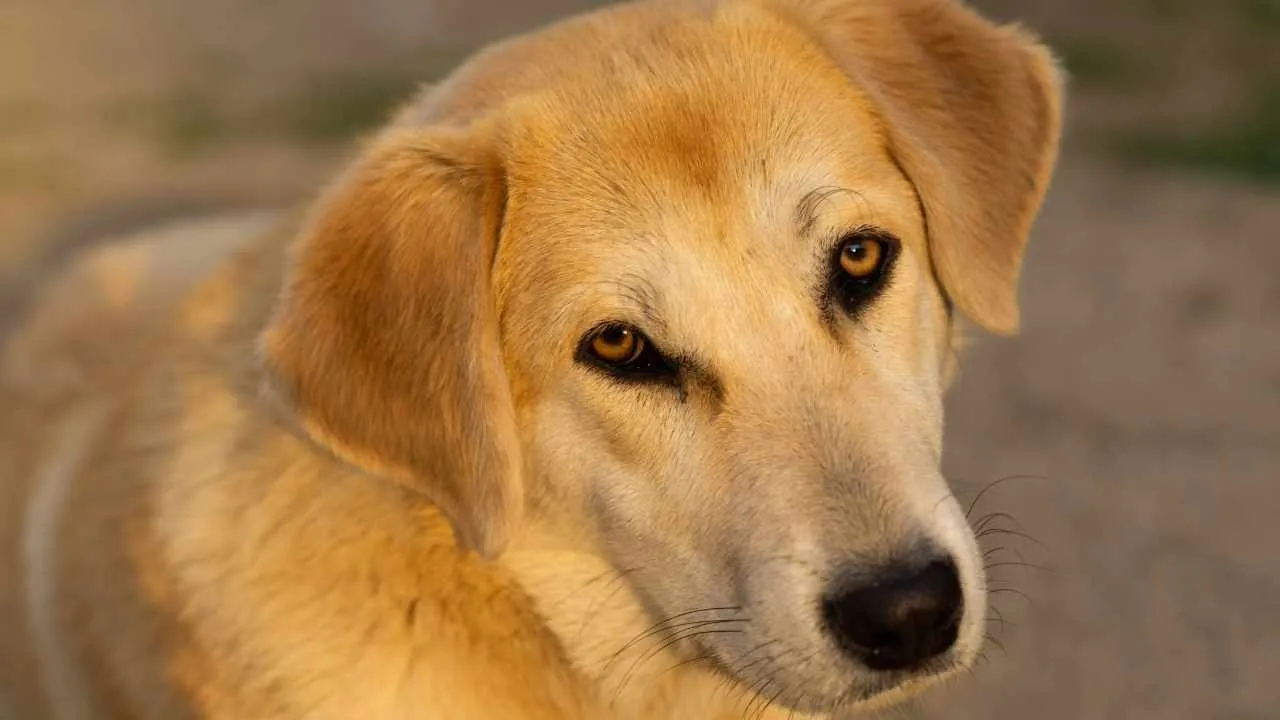
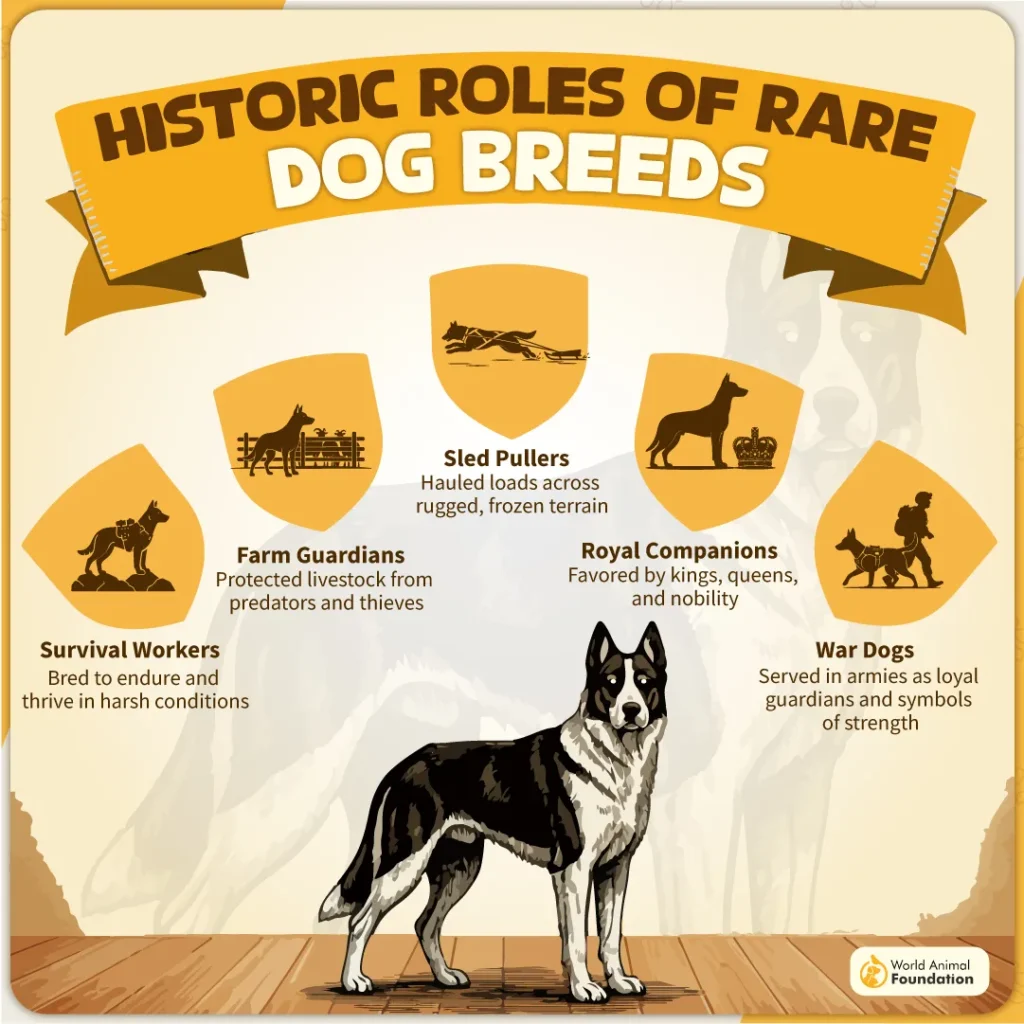
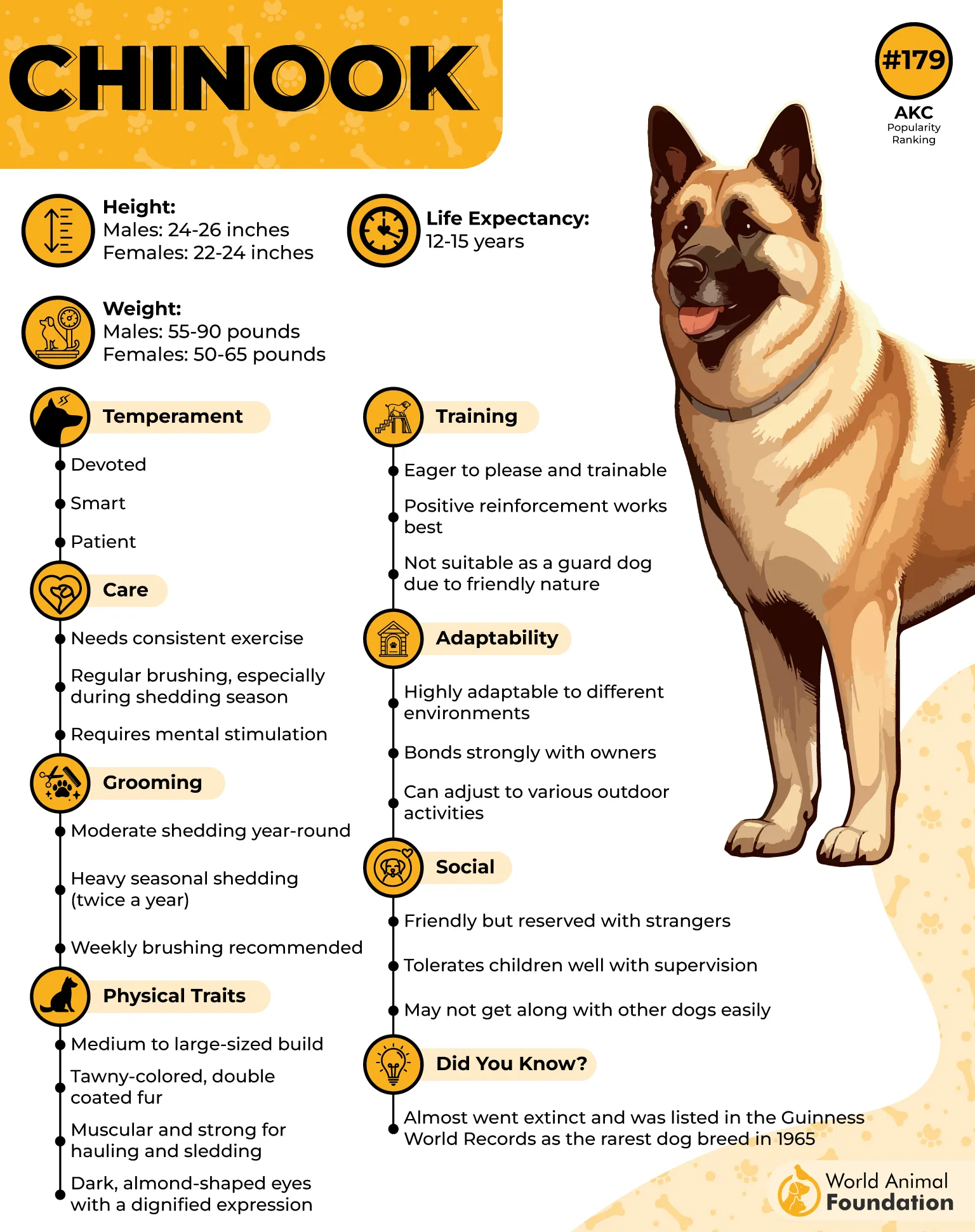
Chinook is a rugged, tawny-coated dog developed for sled racing and hauling, blending power with speed. Its muscular build allows controlled strength and stamina, reflecting a breed capable of decisive action when needed. These qualities provide a solid foundation for a rare guardian with natural focus.
Rare Strength and Protective Instincts
Chinooks are among the scarcest AKC breeds, with fewer than 150 puppies born annually, making them uniquely valuable and uncommon. Their intelligence and attentiveness translate into a calm yet alert presence.
These traits contribute to protective reliability:
Quick situational assessment
Controlled response to potential threats
Steady focus during household changes
Purpose-Driven Versatility
Beyond protective awareness, Chinooks excel in sledding, carting, obedience, and herding, demonstrating adaptability and consistent trainability. Structured activity channels energy into productive tasks, keeping this best guard dog balanced and ready.
9. Tibetan Mastiff
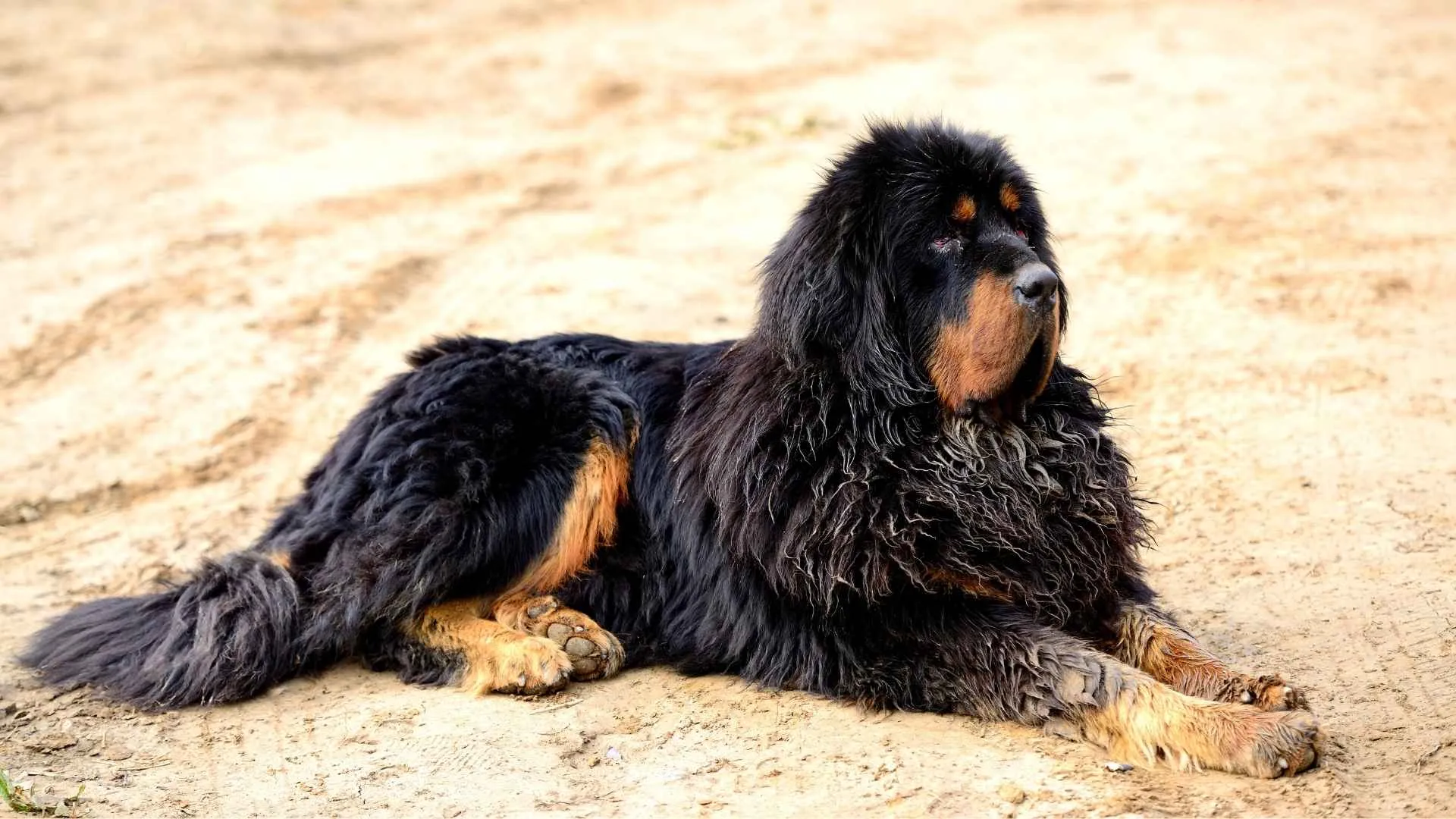
Tibetan Mastiff is an ancient guardian shaped by centuries of solitary watch over remote Himalayan settlements. Its imposing outline, dense coat, and broad head project authority before any movement is made. That visual dominance alone often discourages unwanted attention around large properties.
Territorial Awareness
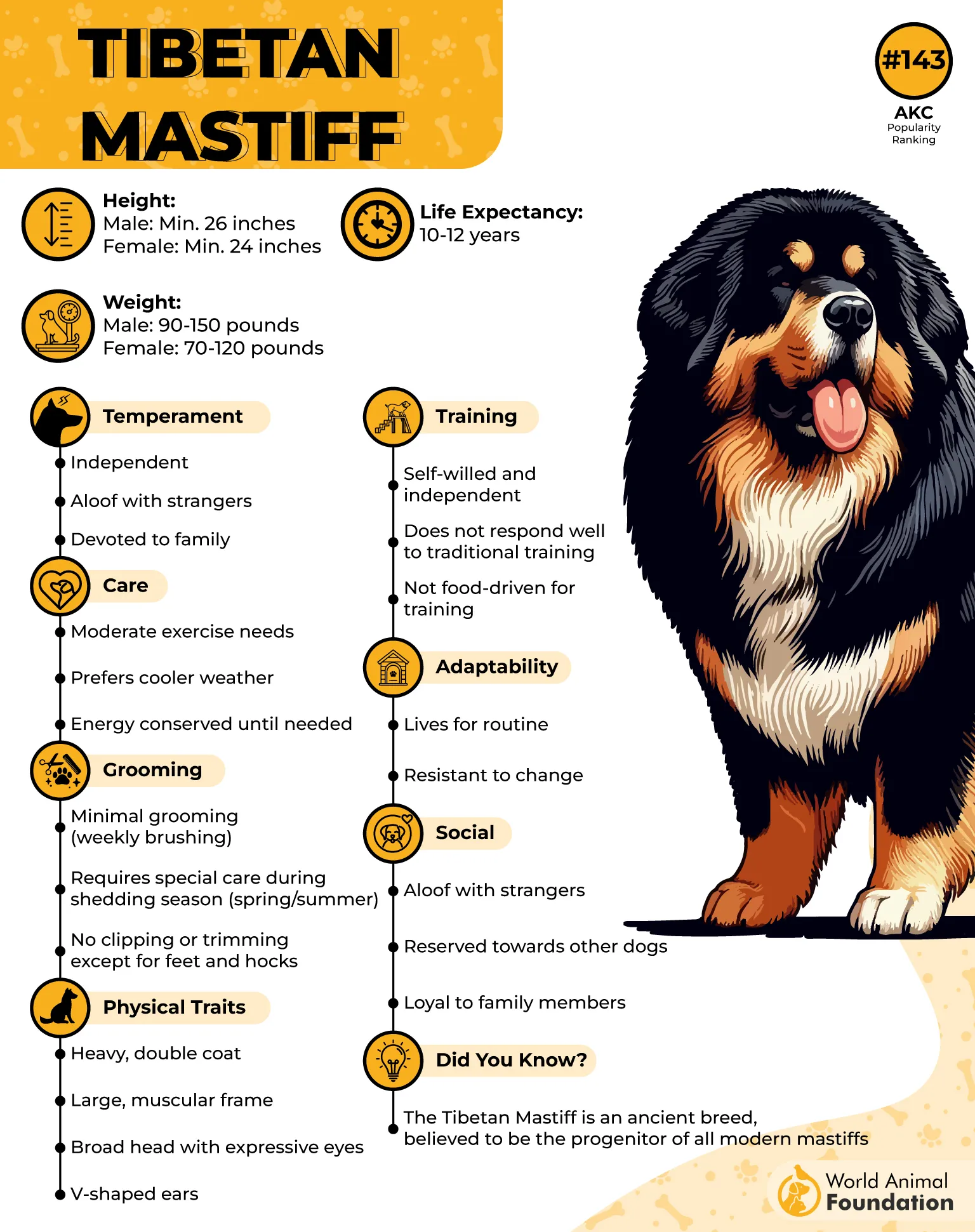
Naturally aloof and highly territorial, the Tibetan Mastiff approaches unfamiliar activity with deliberate caution rather than haste. Indoors, it remains calm and observant, conserving energy while staying alert to changes in its surroundings.
A few qualities reinforce this protective reliability.
Strong instinct to patrol familiar ground
Immediate recognition of an unfamiliar presence
Silent observation before engagement
Rare by Nature
After thousands of years, the Tibetan Mastiff remains a rare breed, valued more for purpose than popularity. Its independence means consistent training is essential for shaping cooperation within a modern home. The breed’s reserved devotion stays tightly focused on its household rather than seeking external approval.
10. Caucasian Shepherd
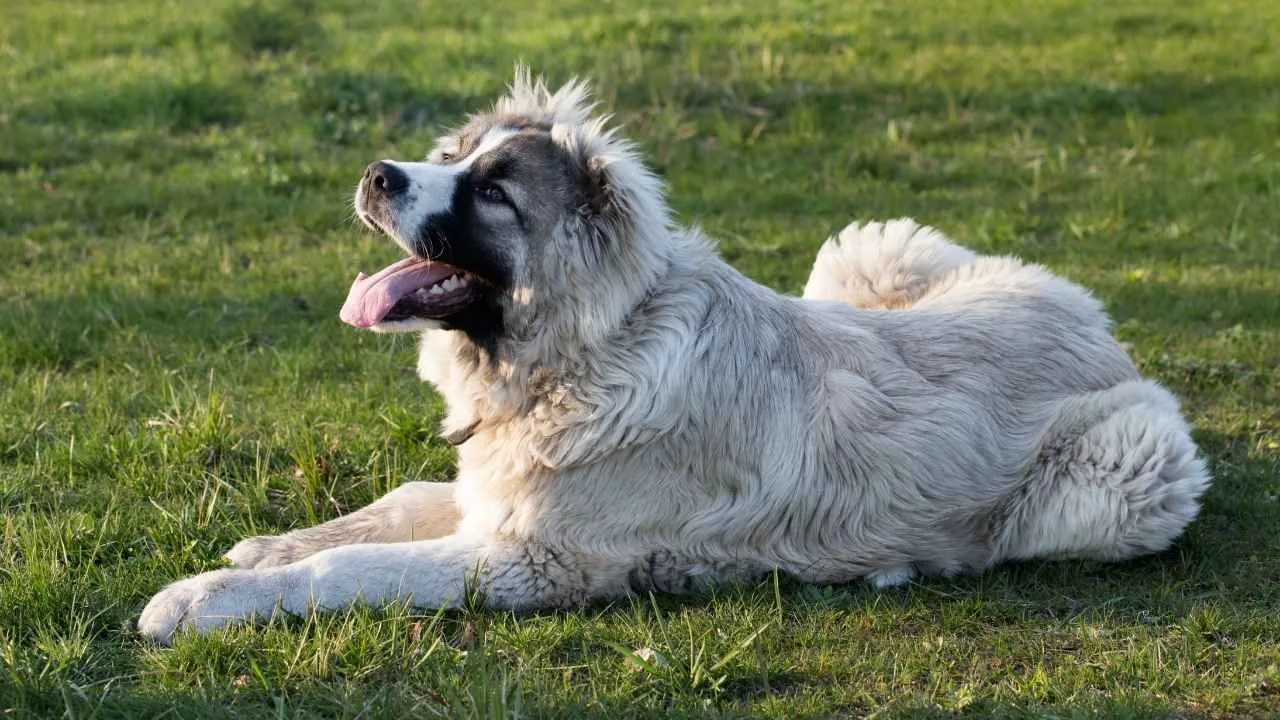
The Caucasian Shepherd developed as an excellent guard dog trusted to confront intruders and large predators without hesitation. The breed was shaped by centuries of property defense and livestock protection in remote regions.
Defensive Instincts in Practice
The Caucasian Shepherd is known for bold reactions when a threat crosses familiar ground. Its protective nature is deliberate rather than reactive, built on confidence and clear spatial awareness. This working mindset shows up through specific behaviors.
Immediate alertness near boundaries
Strong recognition of an unfamiliar presence
Calm control before physical response
Rarity and Regional Types
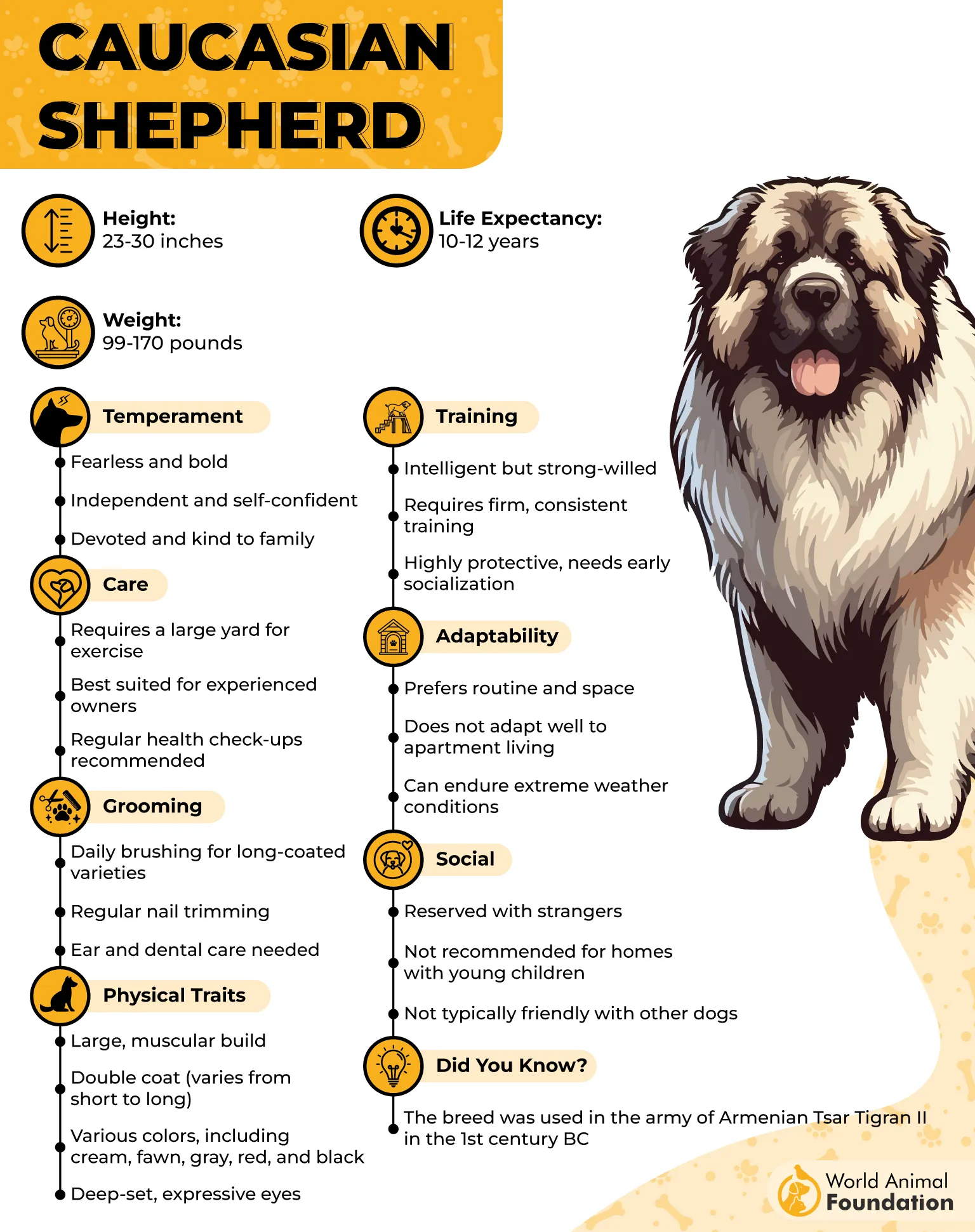
Caucasian Shepherd remains rare in North America, with availability far lower than most working breeds. Two established types exist, including the heavier Mountain dog and the lighter Steppe variation shaped by different regions. That diversity adds to the breed’s uncommon status among large protection-focused dogs.
Conclusion
Rare protectors earn trust through instinct, restraint, and presence rather than noise or display. Unlike popular guard dog breeds, these dogs were shaped for specific land, work, and responsibility. When raised with proper socialization, many settle into family life with calm confidence while remaining alert.
Their size alone does not define them. Some become a gentle giant indoors, patient with routines and space. They are extremely loyal to those they accept, watching boundaries quietly.
These are not casual choices for family pets, especially around other dogs, but for prepared homes, they offer protection rooted in purpose and lasting human trust.
