




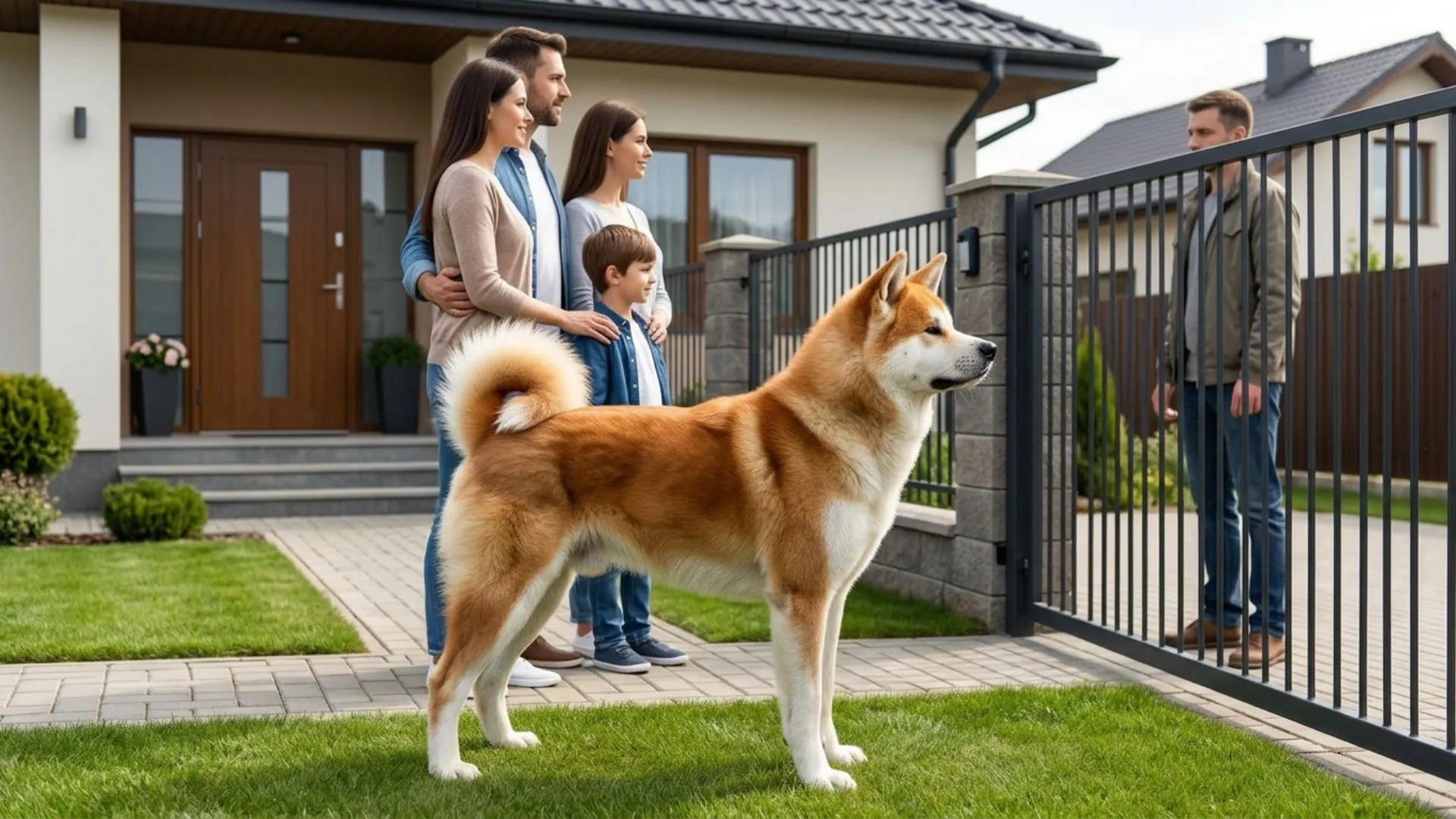
A loyal dog brings more than wagging tails and warm cuddles to your home. The protective dog breeds combine alertness, devotion, and a willingness to watch over their surroundings.
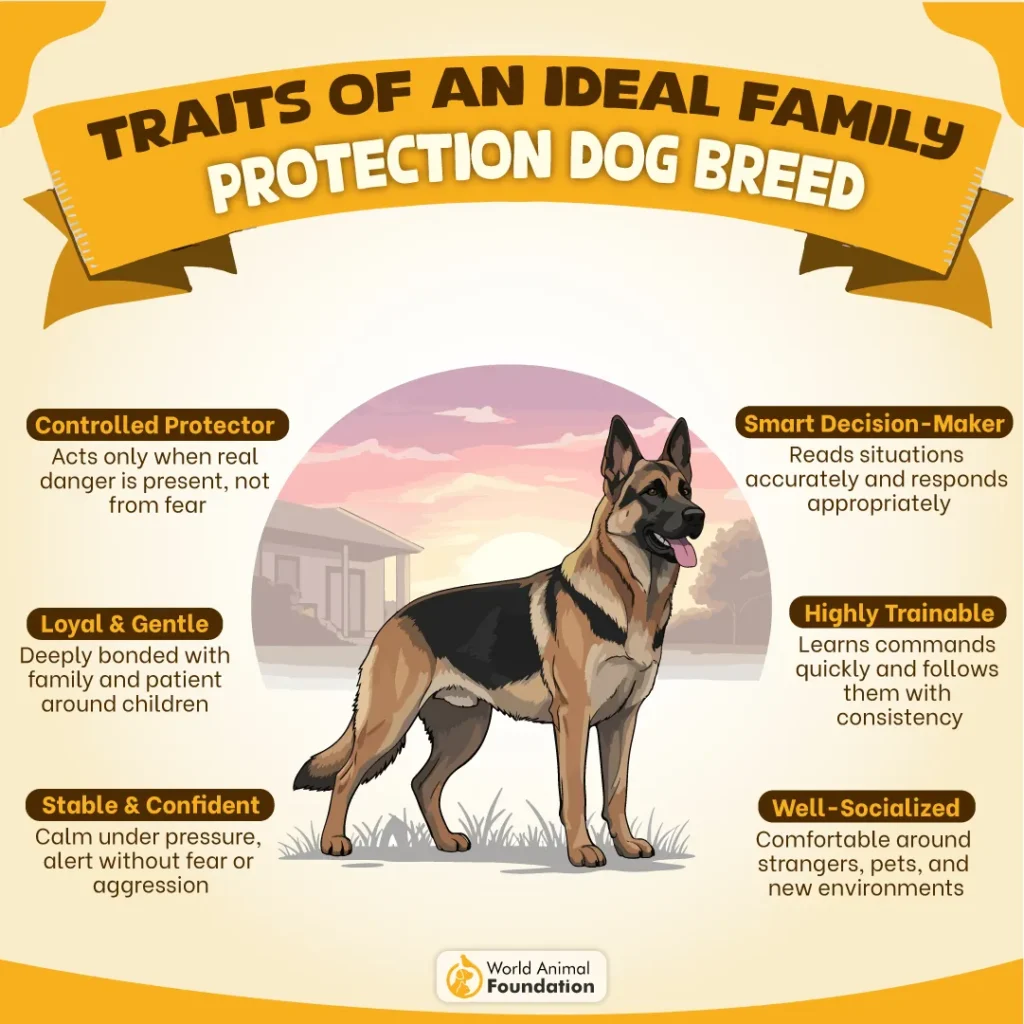
However, the best guard dogs are not simply those with an intimidating presence. A stable temperament, proper training, and proper socialization help dogs distinguish everyday visitors from unfamiliar situations. Some remain quietly observant, while others announce their concerns with a loud bark.
Before choosing among these guard dog breeds, consider your experience, available space, lifestyle, and the needs of everyone at home. The right companion should complement family life rather than make it more stressful.
Here are nine protective dog breeds worth exploring, each with its own personality, strengths, and approach to family protection.
Top Protective Dog Breeds That Keep Your Family Safe
1. German Shepherd
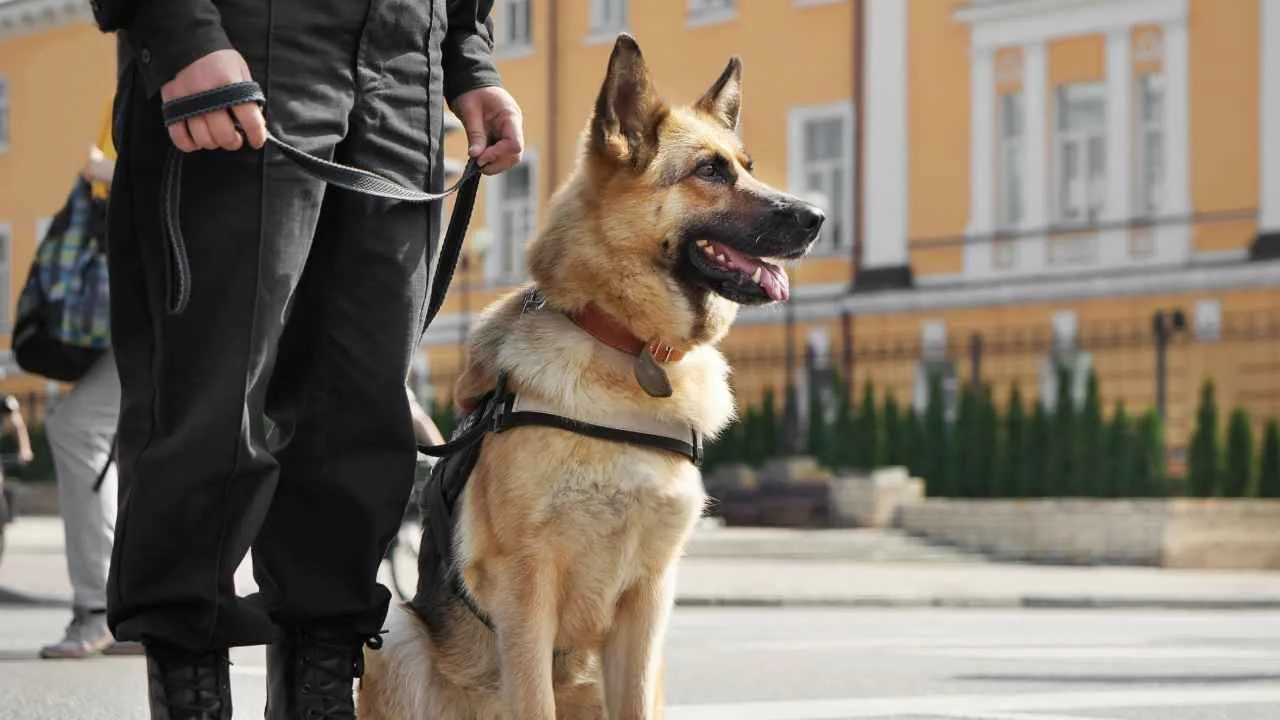
When discussing guard dogs for families, the German Shepherd quickly earns a place in the conversation. Its upright ears, athletic frame, and watchful expression give this intelligent companion an unmistakable presence.
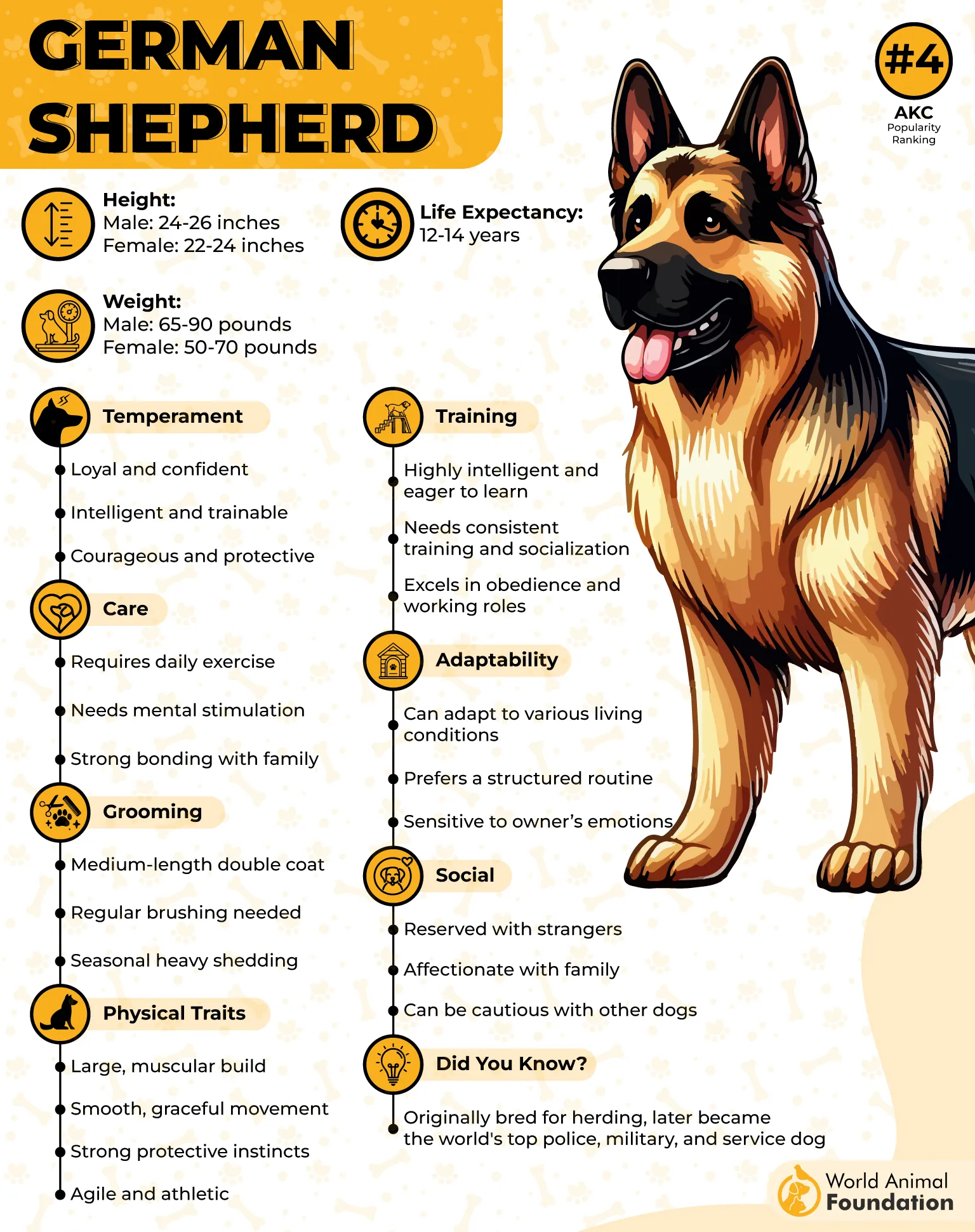
Originally bred for herding sheep, the German Shepherd developed into a versatile working dog valued for its intelligence, courage, and loyalty. These qualities have made the breed popular in police work, search and rescue, and protection work. With a strong bond to its immediate family, it stays attentive to unfamiliar activity without needing constant excitement.
German Shepherds are highly trainable and respond well to obedience training that rewards calm, appropriate behavior. They need regular exercise, challenging games, and mental stimulation to remain content. Their thick coat requires frequent brushing, especially during seasonal shedding.
Early socialization helps these dogs become comfortable around visitors, children, and other pets. Consistent training also teaches them to respond appropriately instead of reacting to every unfamiliar sound.
For active households seeking a devoted companion with versatile working abilities, the German Shepherd is among the best guard dog breeds to consider.
2. Doberman Pinscher
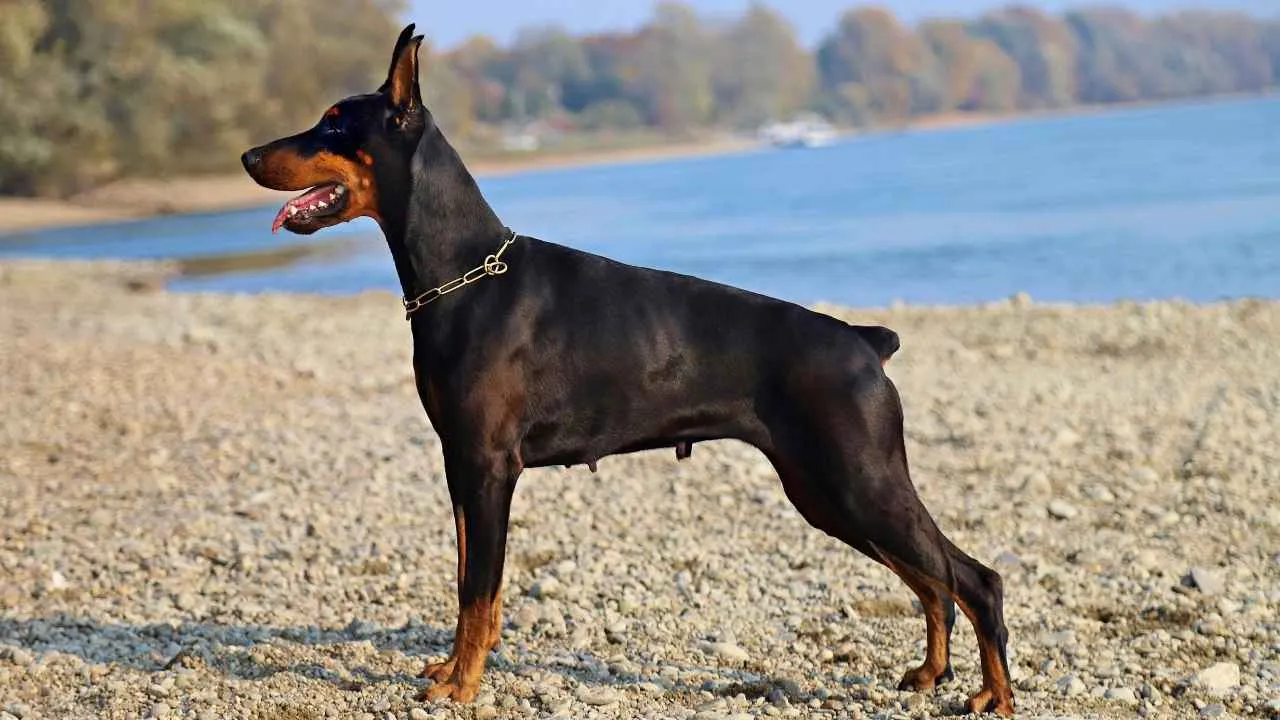
Some dogs command attention without making a sound, and the Doberman Pinscher has perfected that art. Its sleek body, confident posture, and alert eyes create an elegant yet formidable appearance.
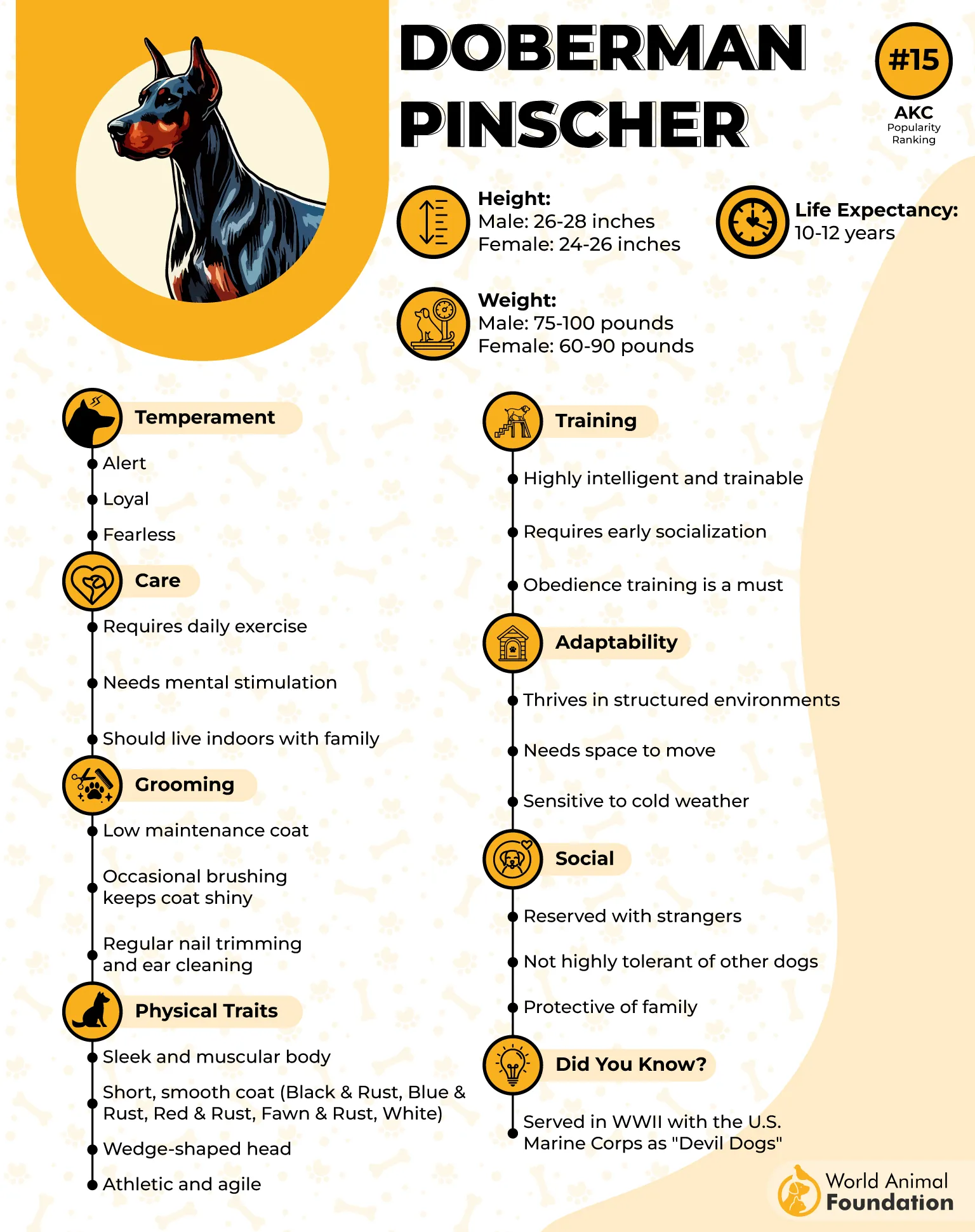
Developed as a personal protection companion, the Doberman combines intelligence, athleticism, and natural protective instincts. It forms strong bonds with its household and stays attentive to changes in its surroundings. These qualities have also made the breed valuable in various working roles.
Despite its serious reputation, a Doberman appreciates affection, companionship, and activities shared with its people. Properly trained dogs learn to follow household rules and remain composed in unfamiliar situations. Their short coats are relatively easy to maintain, although routine grooming and health care remain important.
Britannica mentions that daily physical exercise is essential, alongside activities that challenge the mind. Early socialization introduces the dog to different people, environments, and everyday experiences, supporting a stable temperament.
Dobermans suit active owners who have enough time for training and companionship. They are excellent guard dogs when their natural abilities are guided responsibly, rather than encouraged through unnecessary aggression.
3. Akita
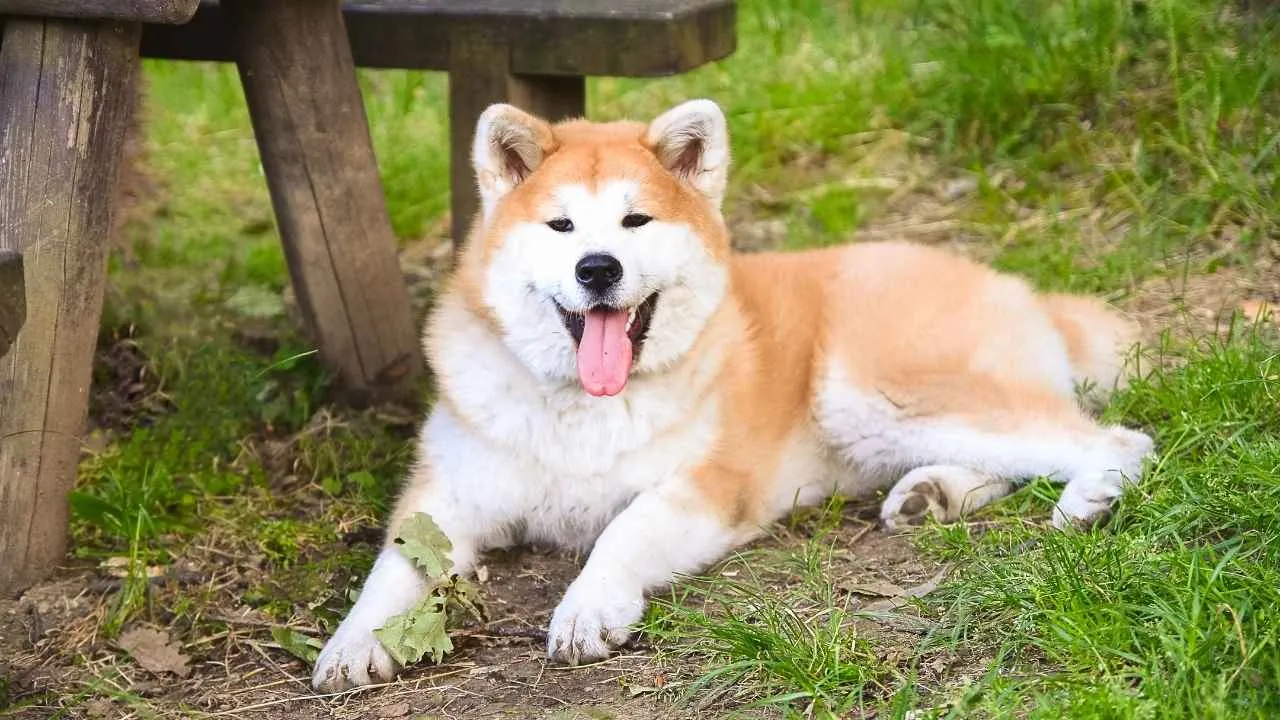
Not every family guardian needs to be constantly on the move. The Akita brings a quieter style of watchfulness, combining a powerful physique with a dignified expression and an independent personality.
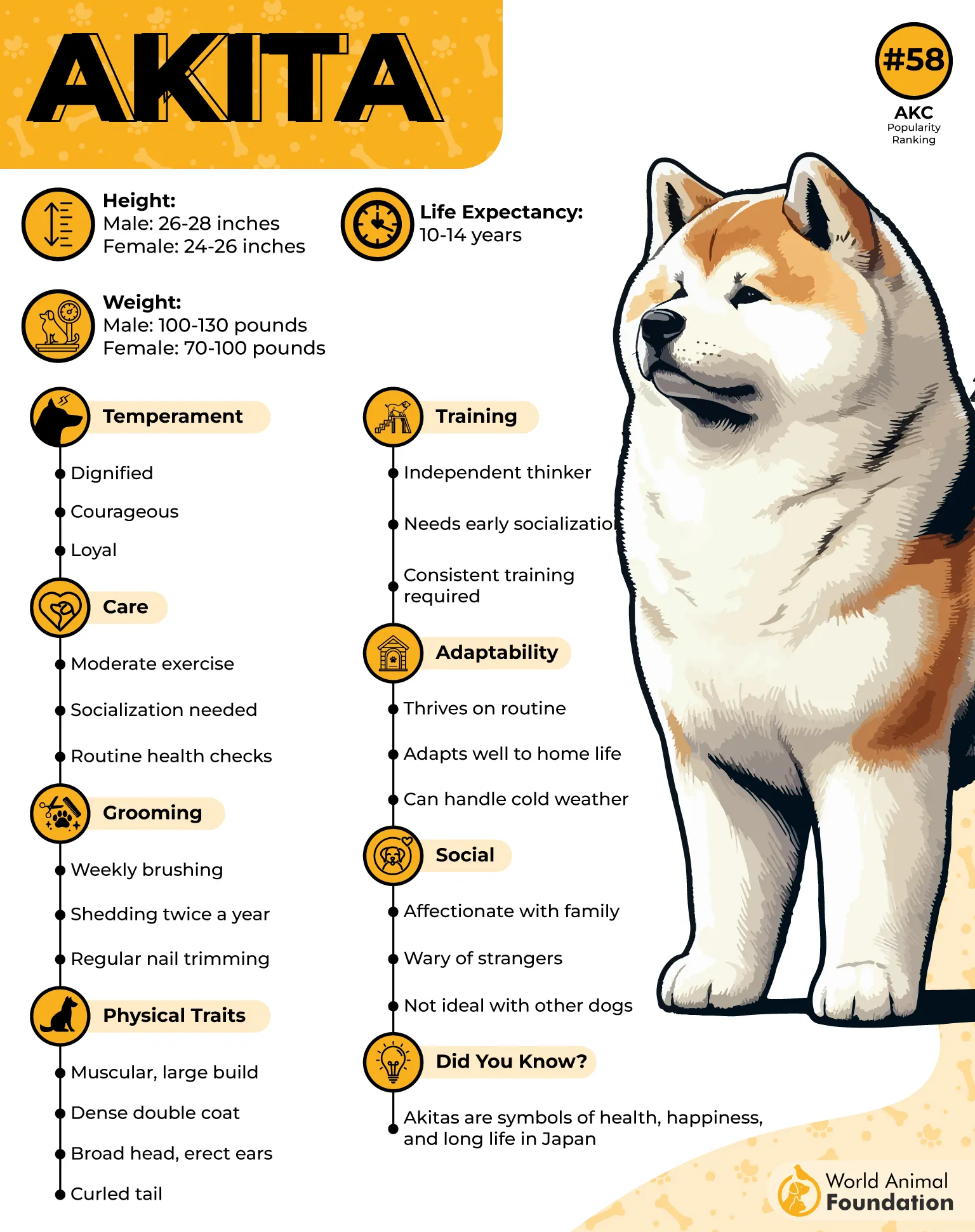
Originating in Japan, the Akita is known for courage, devotion, and a reserved attitude toward strangers. Its instinct is to stay attentive to its surroundings, and this makes it a noteworthy protective dog, although individual dogs differ in temperament and behavior.
Behind its plush appearance lies a companion that values familiar people and predictable routines. Akitas benefit from early training, patient handling, and consistent boundaries. The AKC recognizes their independence and suggests positive reinforcement, along with clear expectations, to work better than harsh discipline.
Regular exercise, walks, and interactive activities support their physical and emotional well-being. Their thick double coat needs routine brushing, particularly during seasonal shedding.
This breed requires careful introductions to other dogs because some Akitas can be selective about canine company. Families with small children should establish respectful interactions and maintain adult supervision.
For experienced owners who appreciate an independent yet deeply loyal companion, the Akita offers a distinctive combination of dignity, vigilance, and devotion.
4. Belgian Malinois
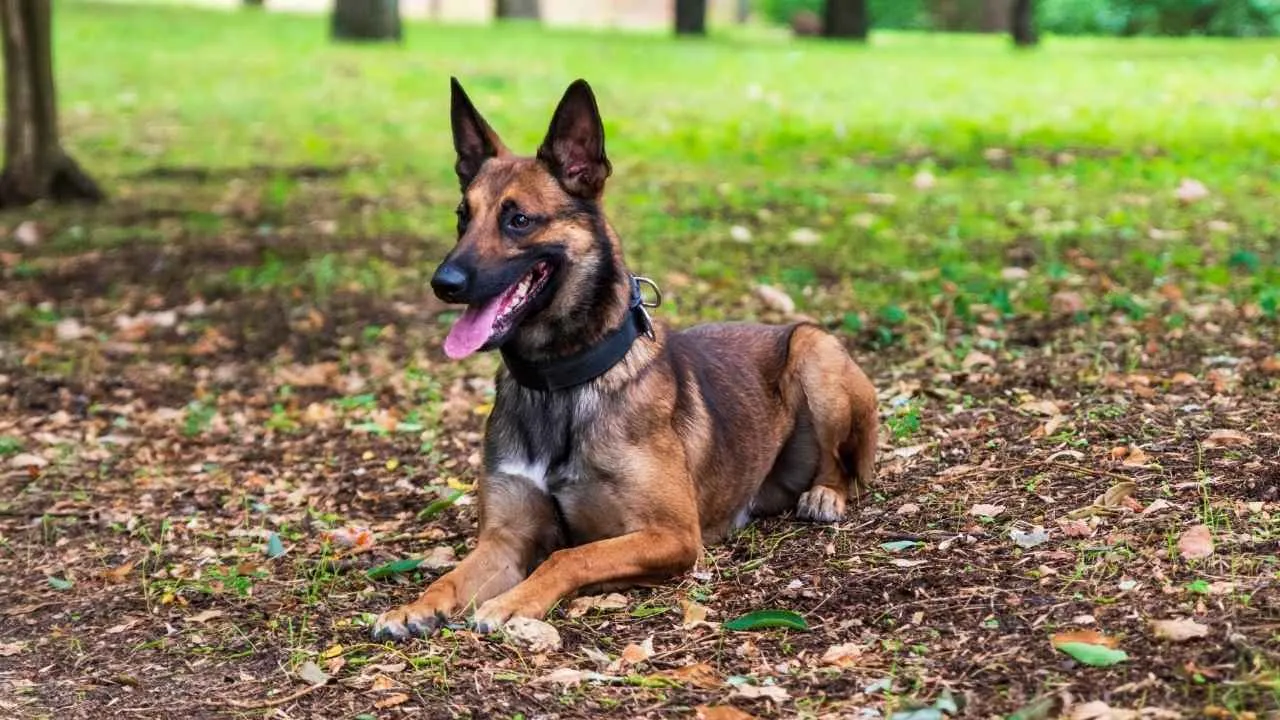
If your ideal guardian is energetic, quick-thinking, and always ready for another challenge, meet the Belgian Malinois. This athletic breed thrives on purposeful activity and has earned considerable recognition in demanding working environments.
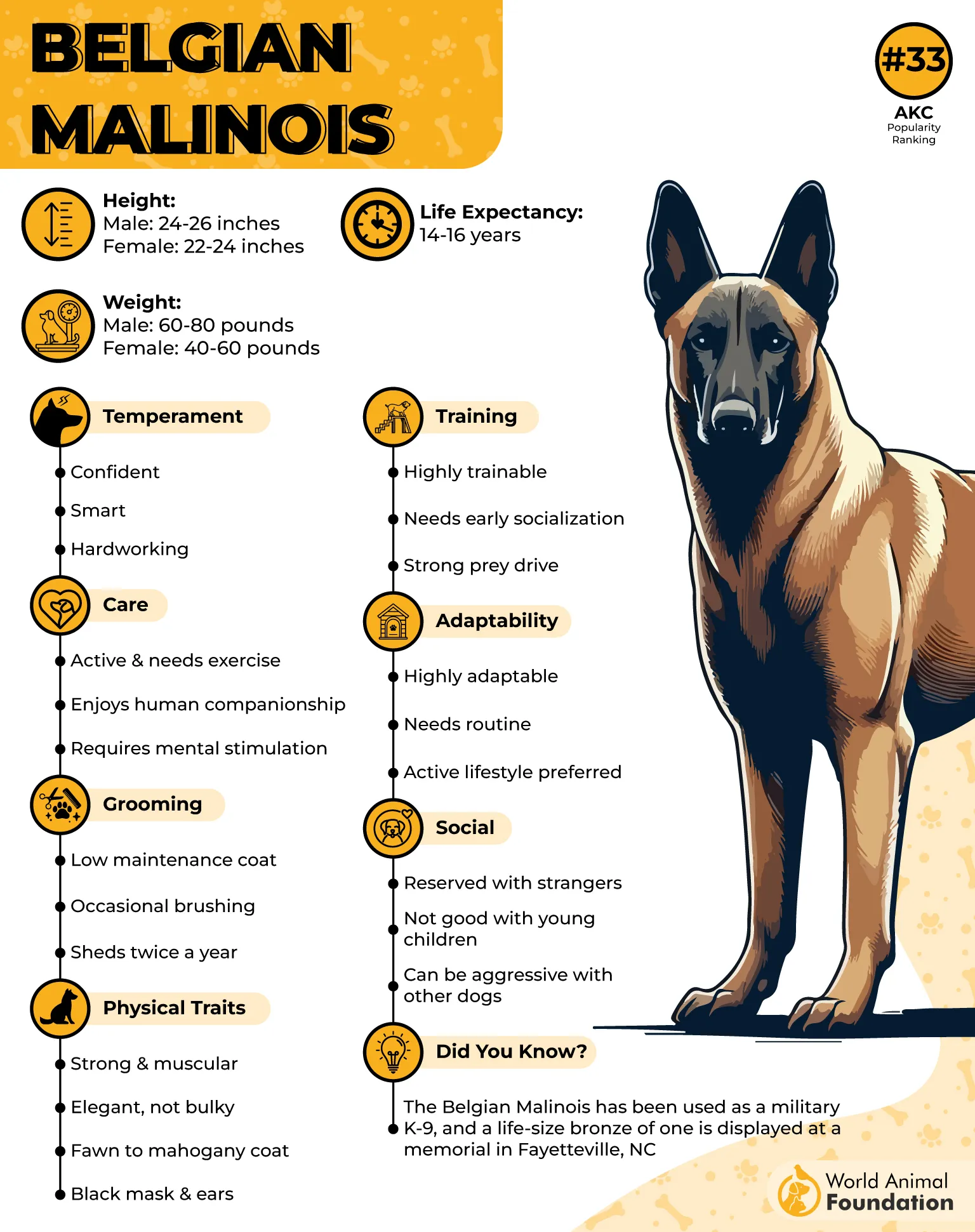
The Belgian Malinois is highly trainable, attentive, and naturally protective. Its intelligence and strong work ethic make it a familiar presence in police work, detection, and protection duties. However, these qualities also create significant responsibilities for its owner.
This breed needs substantial daily physical exercise, exercise and mental stimulation, and regular opportunities to practice learned skills. Without enough engagement, boredom can lead to destructive behavior or excessive reactivity.
A short coat makes grooming relatively straightforward, but its demanding energy levels require considerably more attention than its appearance suggests. Early socialization helps it become comfortable around unfamiliar people, household activity, and other animals.
The Belgian Malinois is generally better suited to experienced owners who understand working breeds. Families considering one should evaluate their schedules honestly before committing.
With appropriate guidance, this remarkable dog channels its energy into useful tasks and dependable companionship. It is not simply a pet that watches the house; it is a working partner that needs a meaningful role.
5. Cane Corso
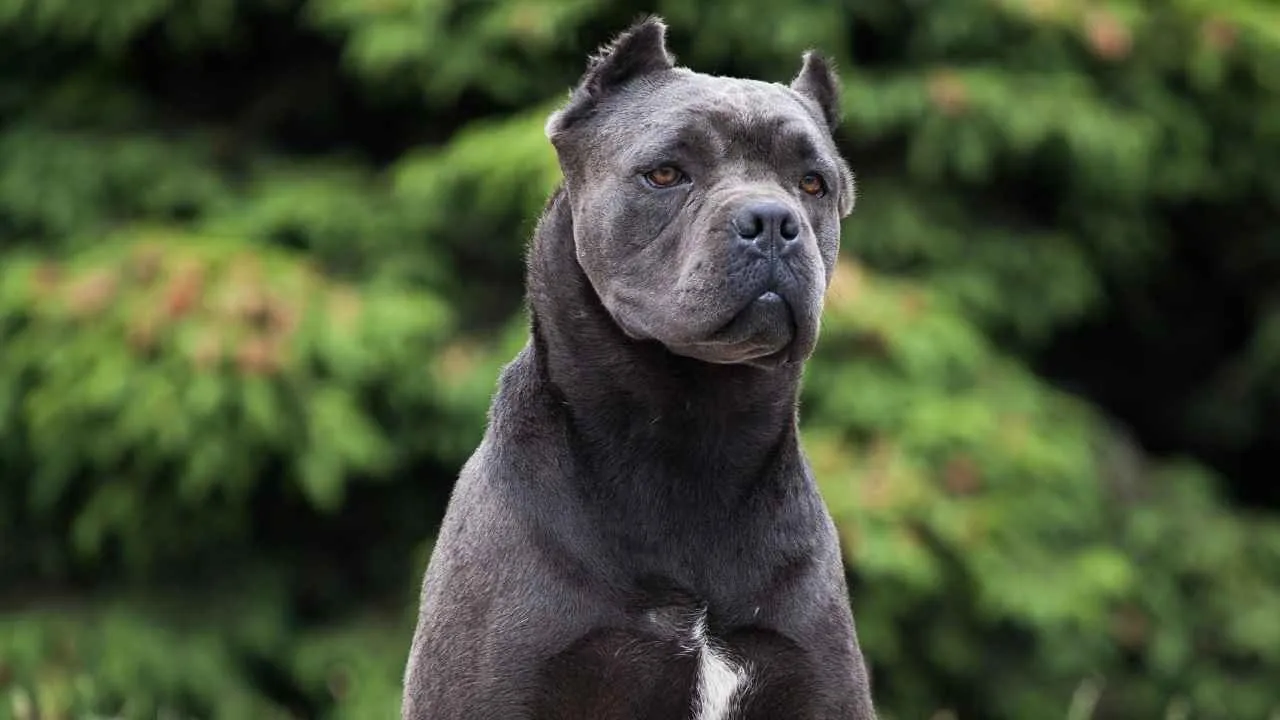
For households seeking a substantial guardian, the Cane Corso makes an unmistakable impression. This muscular Italian mastiff carries itself with confidence, and its imposing frame reflects a long history of guarding and working alongside people.
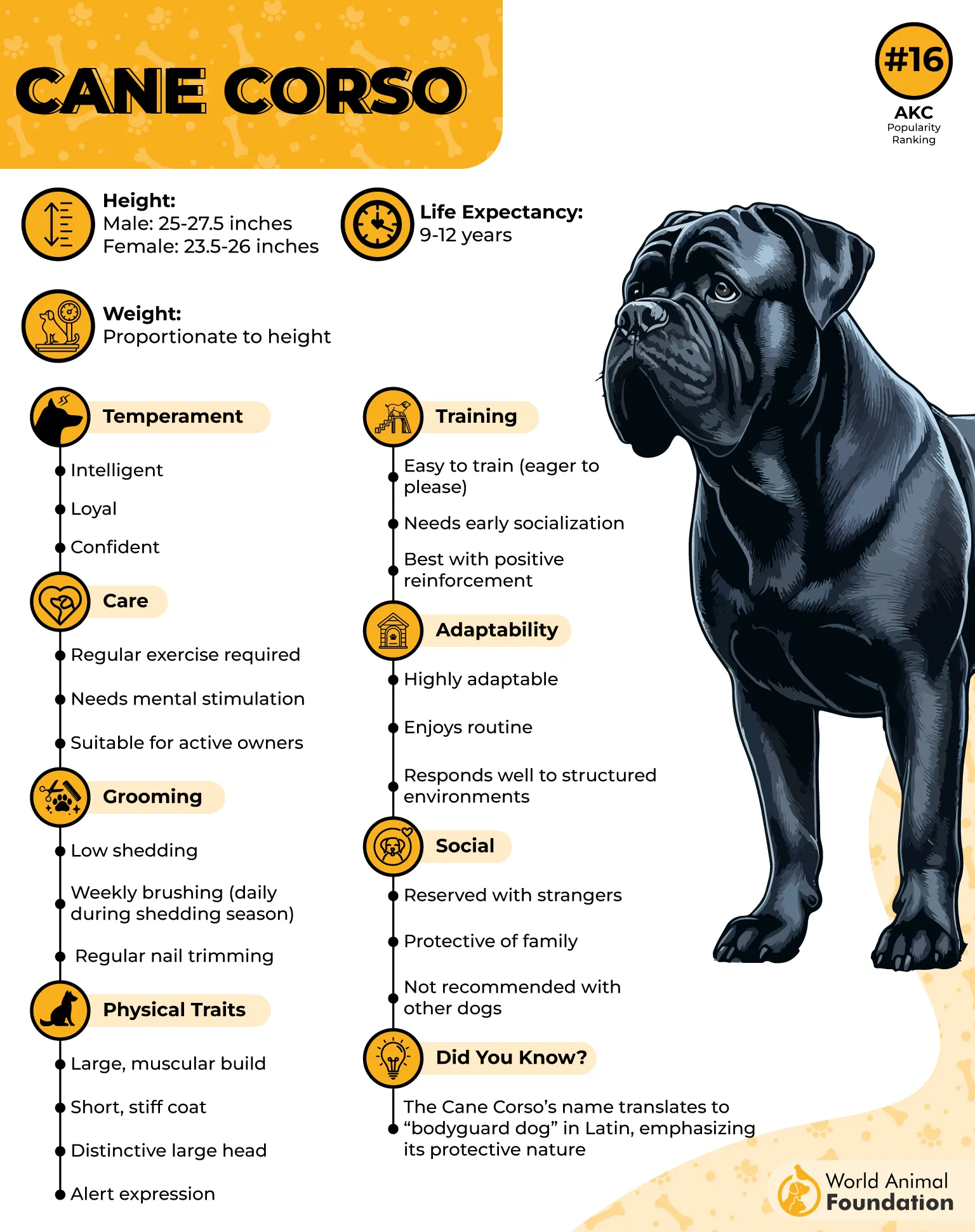
The Cane Corso possesses strong protective instincts and a strong territorial instinct. It tends to be attentive to unfamiliar activity and can form close relationships with its family. However, its size and strength make responsible ownership essential.
Properly trained dogs benefit from clear boundaries, positive reinforcement, and early exposure to everyday situations. Professional training is especially useful for owners who need help developing reliable obedience and managing challenging behaviors.
Despite its formidable appearance, Pawlicy Advisor notes that a Cane Corso needs companionship rather than isolation. Regular walks, structured play, and activities that engage its mind help maintain good behavior. Its short coat is relatively easy to groom.
This breed is not usually recommended for first-time dog owners because its physical power demands experience and consistent handling. Interactions with children and other pets should be managed thoughtfully.
For experienced households prepared to meet its needs, the Cane Corso offers a devoted presence and a naturally watchful personality. Its guarding abilities work best when paired with a calm, well-managed household.
6. Rottweiler
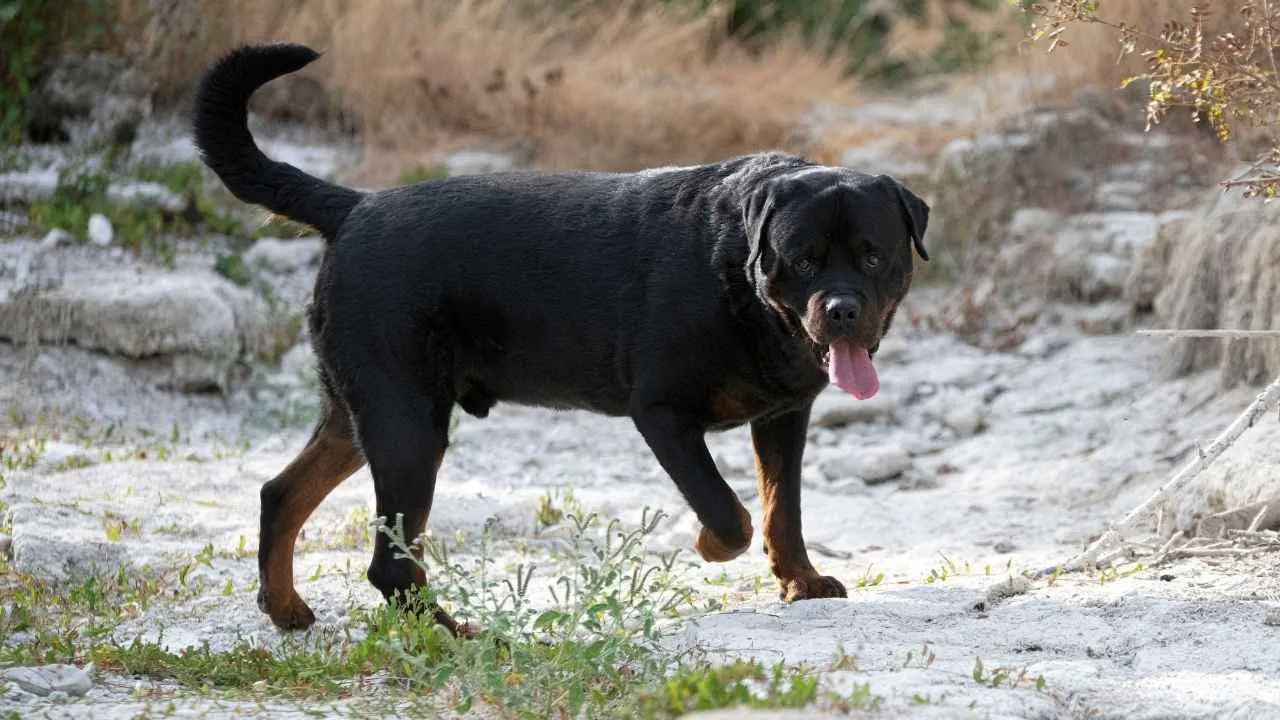
The Rottweiler combines a sturdy frame with a personality that can be surprisingly affectionate around familiar people. PetMD describes that its confident posture and watchful nature have made it one of the most recognizable family guard dogs.
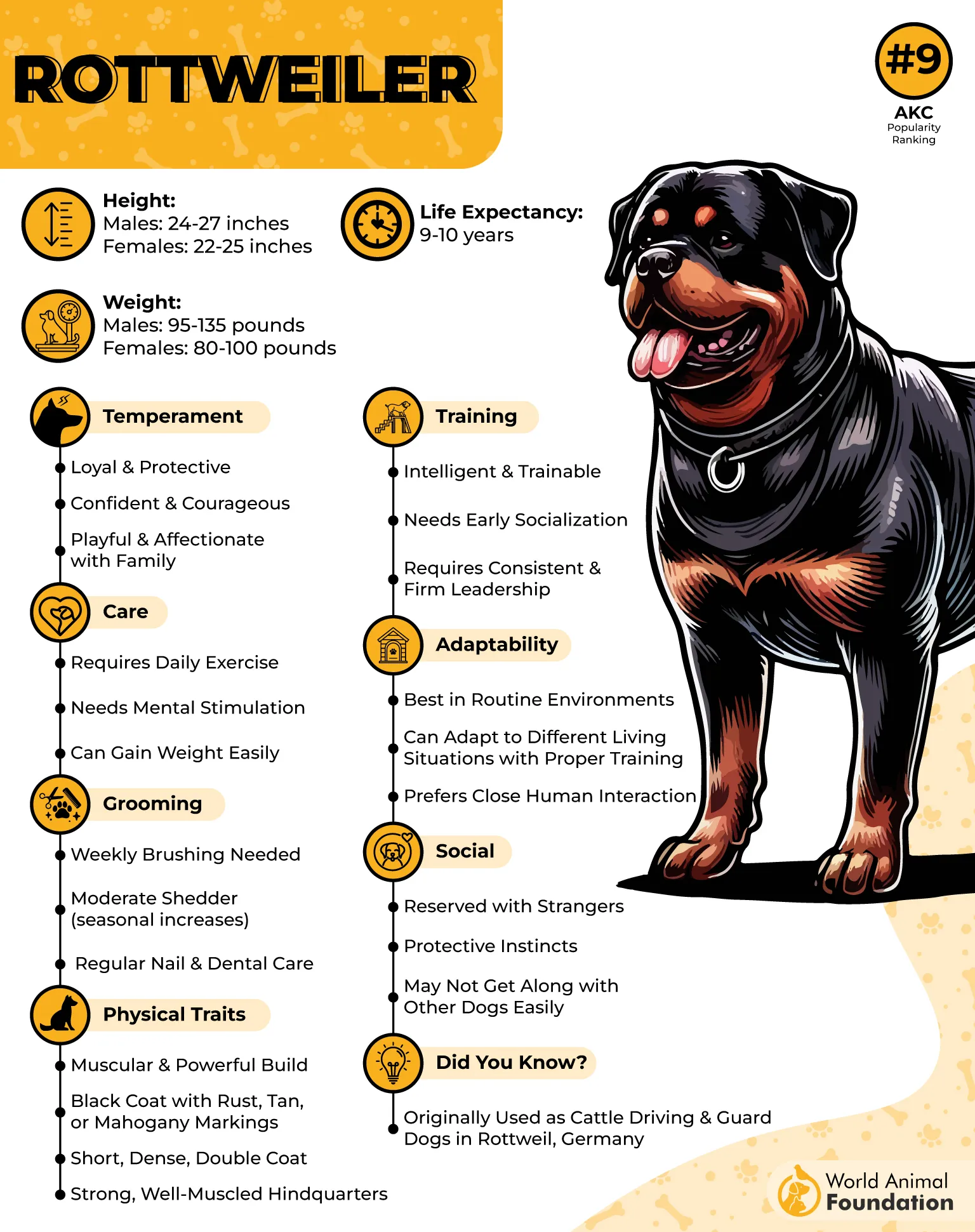
Originally bred for herding livestock and pulling carts, the Rottweiler developed into a versatile working companion. Today, its intelligence, strength, and natural protective instincts make it a popular choice among people researching protection dogs.
A well-raised Rottweiler enjoys spending time with its family and participating in activities. Consistent training helps it learn polite greetings, dependable recall, and appropriate responses to unfamiliar situations. These lessons matter because an adult Rottweiler has considerable physical strength.
Regular exercise, interactive games, and structured learning support its well-being. Its short double coat requires routine brushing and sheds seasonally.
Early socialization helps the dog become comfortable around visitors, children, and other animals. Adults should supervise interactions with small children, and owners should teach everyone at home to respect the dog’s space.
Rottweilers are not automatically aggressive, nor does breed alone guarantee reliable guarding behavior. Their suitability depends on temperament, responsible breeding, training, and the environment in which they are raised.
For prepared owners, this loyal companion brings both affection and attentiveness to everyday life.
7. American Staffordshire Terrier
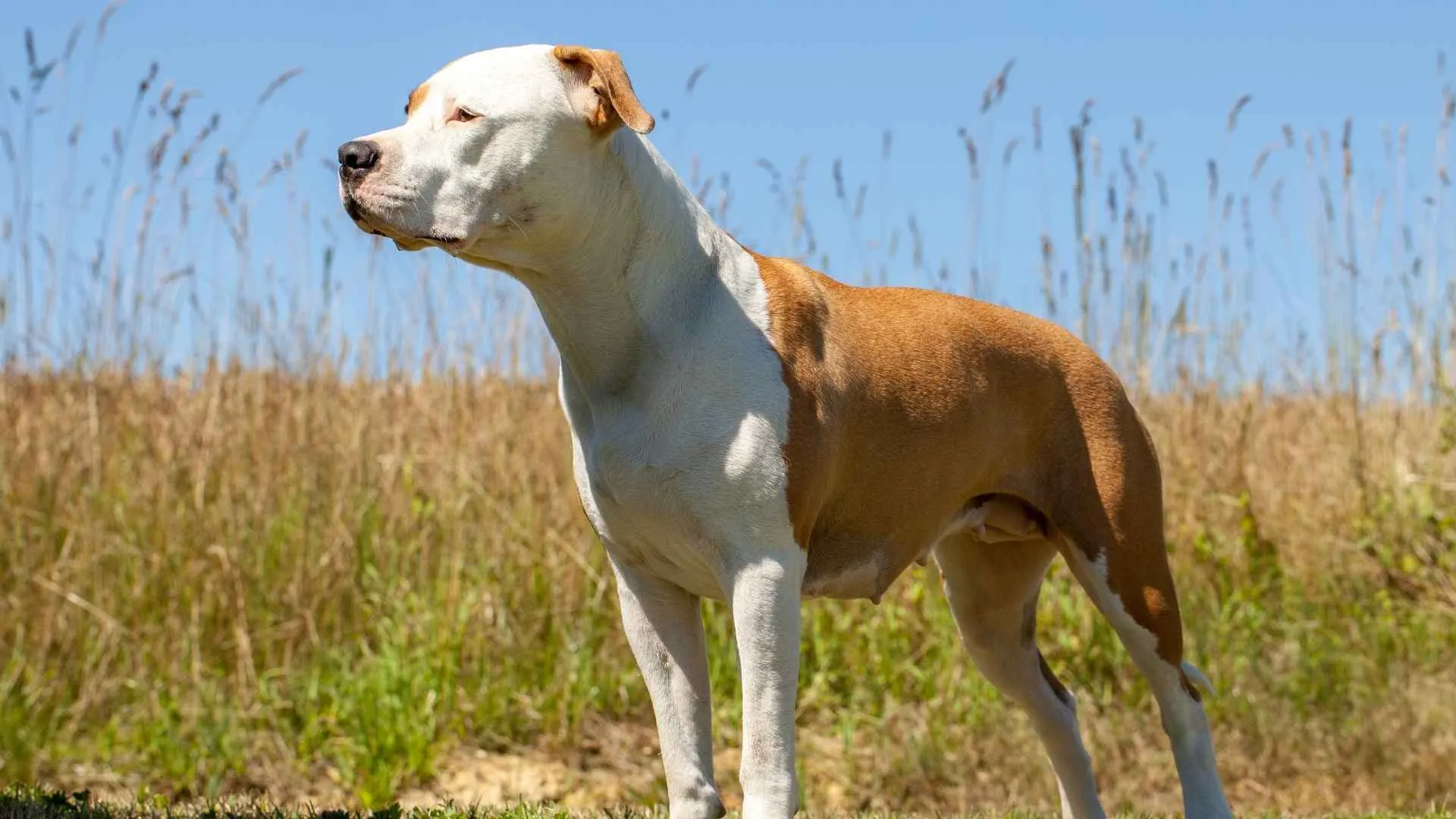
Protective qualities do not always require an enormous body or a stern expression. The American Staffordshire Terrier, often called the AmStaff, combines a muscular build with an energetic, people-oriented personality.
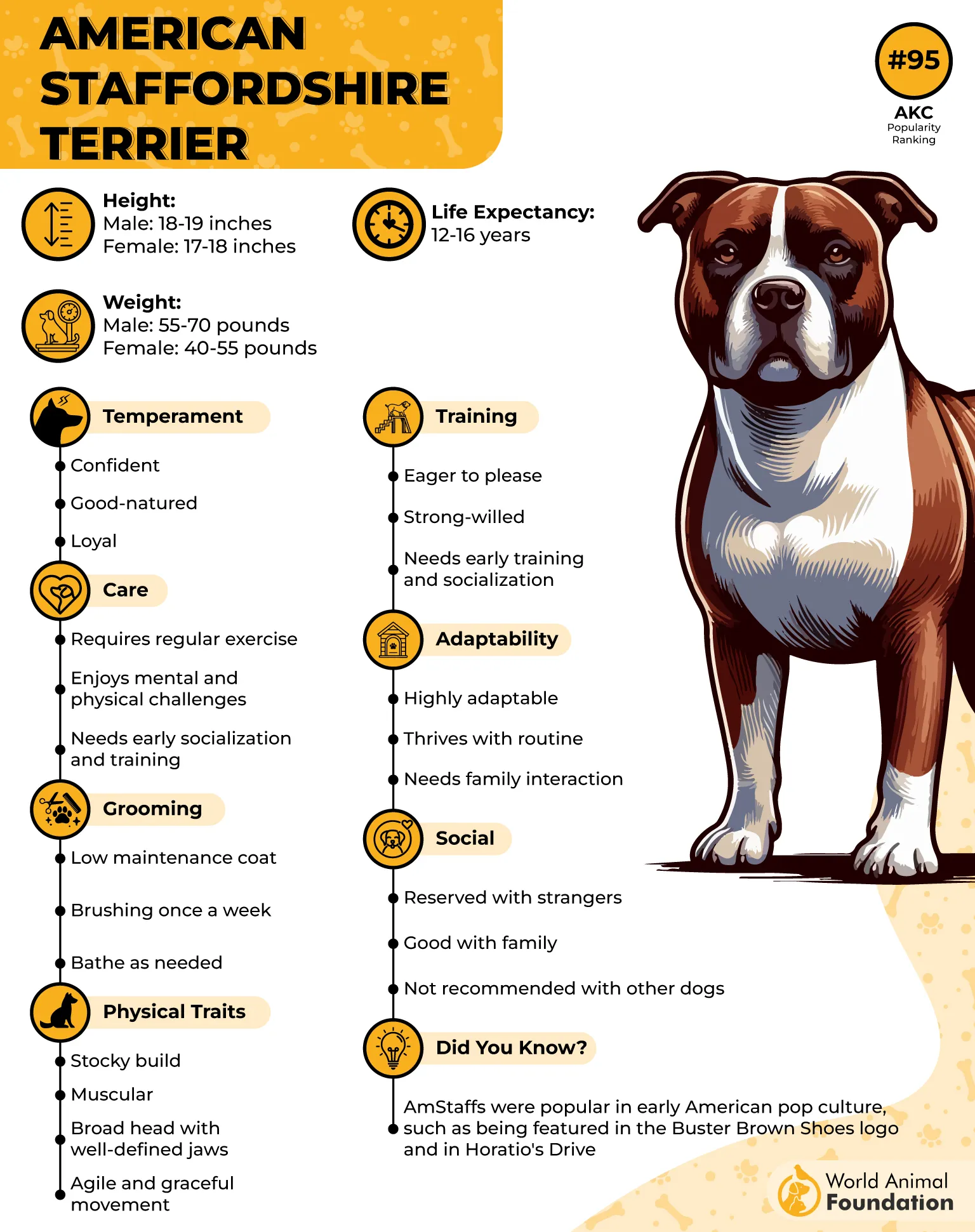
This breed is known for confidence, strength, and affection toward familiar people. However, individual dogs vary, and a dog’s behavior depends on its temperament, upbringing, experiences, and training rather than appearance alone.
AmStaffs generally enjoy interactive play, walks, and activities shared with their owners. Their short coat needs relatively little maintenance, although routine grooming and general health care remain necessary.
Proper socialization helps them navigate unfamiliar situations, while obedience training establishes dependable manners. Some individuals are selective around other dogs, so introductions and interactions should be managed carefully.
An important distinction is that the American Staffordshire Terrier is not the same breed as the Staffordshire Bull Terrier, despite their similar names.
Families considering an AmStaff should look beyond stereotypes and assess the needs of the individual dog. Responsible handling, sufficient exercise, and respectful interactions with children all contribute to a positive family setting.
This breed brings enthusiasm and companionship to households prepared to provide structure, attention, and thoughtful supervision.
8. Broholmer
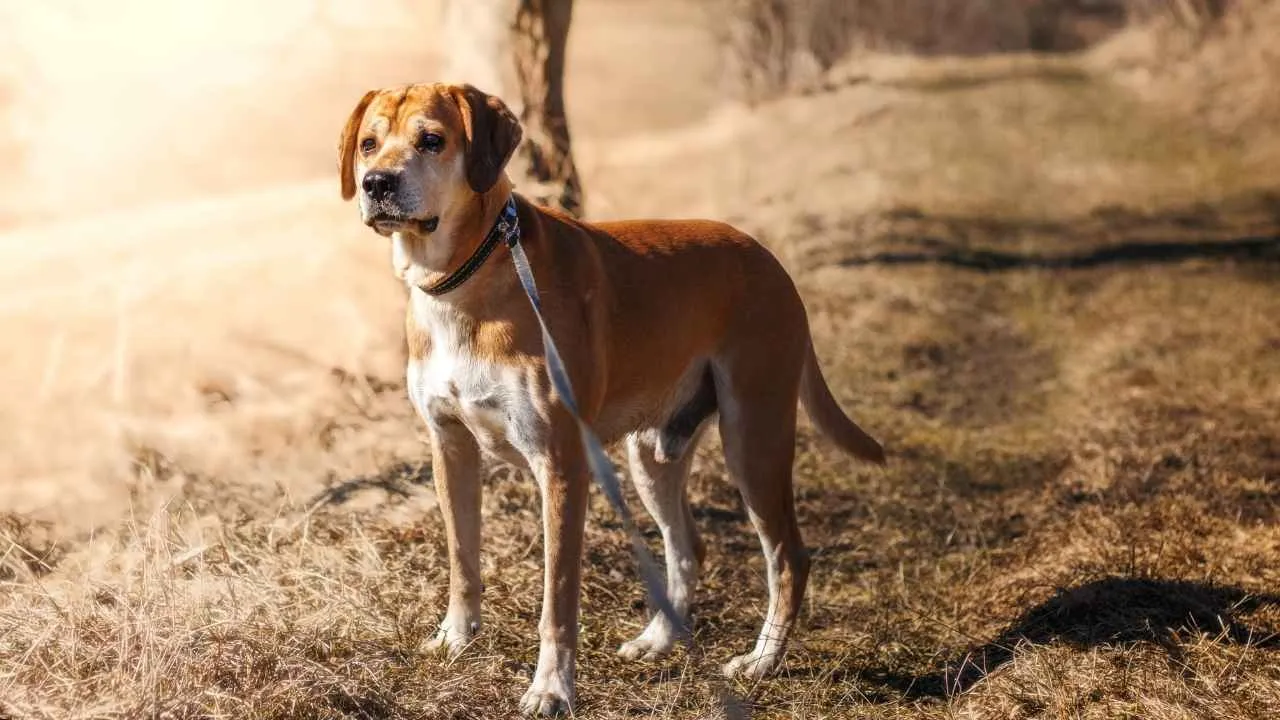
For families who prefer a large guardian with a calmer presence, the Broholmer deserves attention. This Danish mastiff has a broad head, sturdy build, and composed expression that make it instantly recognizable.
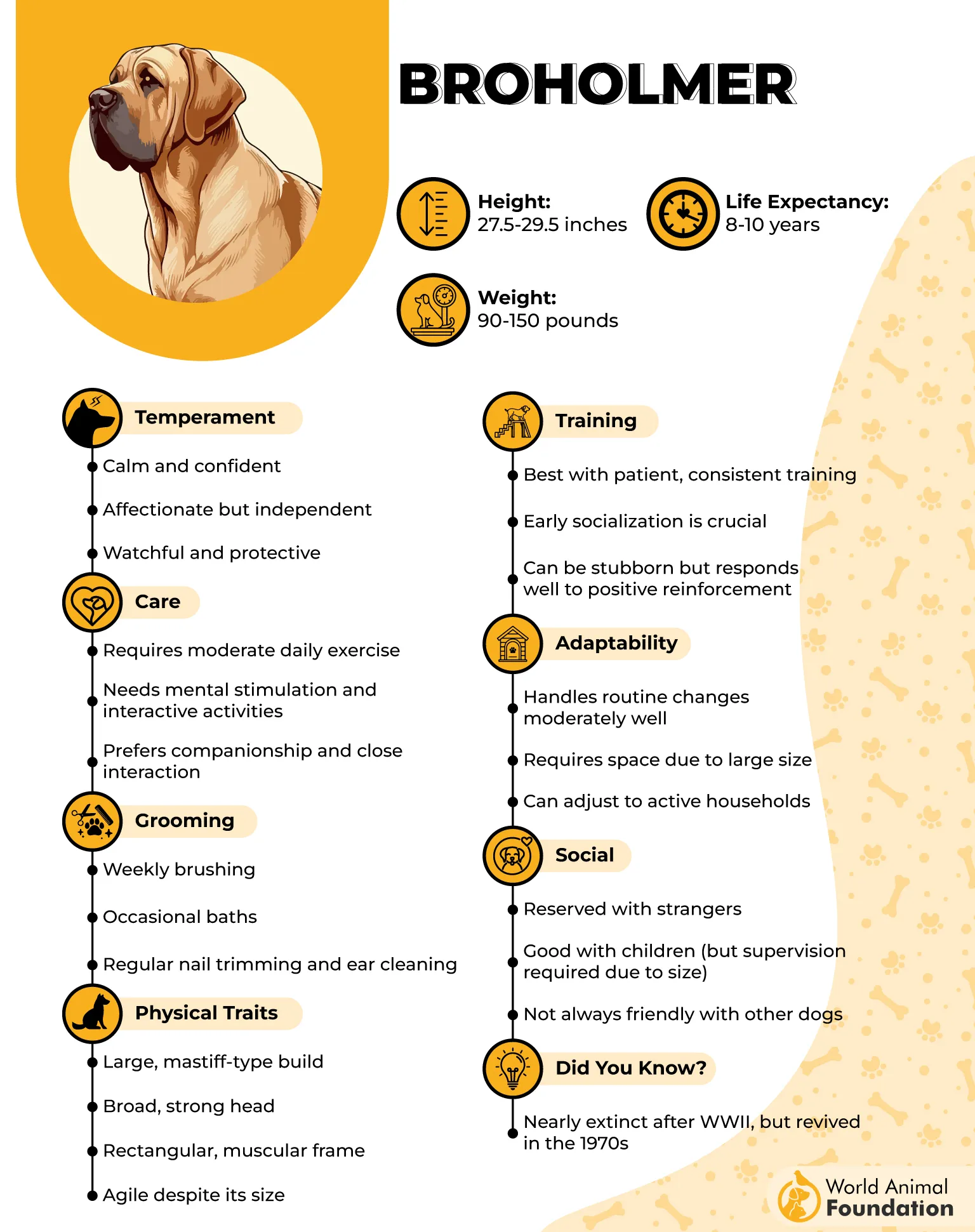
Historically used as a watchdog and estate guardian, the Broholmer is known for its watchfulness and affectionate nature. Its considerable size can deter intruders, but good guarding behavior also depends on temperament, training, and appropriate management.
Although imposing in stature, the Broholmer can enjoy relaxed family time when its needs are met. Daily walks, positive training, and opportunities to interact with its people help maintain a balanced routine.
Its short coat is relatively easy to maintain with regular brushing. Because of its size, early training is particularly valuable for teaching leash manners and preventing accidental knocks during greetings.
Broholmers are less common than several other breeds on this list. Prospective owners should research reputable breeders, breed-specific health considerations, and the practical responsibilities of living with a giant dog.
The breed can suit experienced households looking for a watchful companion without the intense activity demands of some working dogs. As with any guardian, responsible ownership and early socialization remain essential.
9. Boerboel
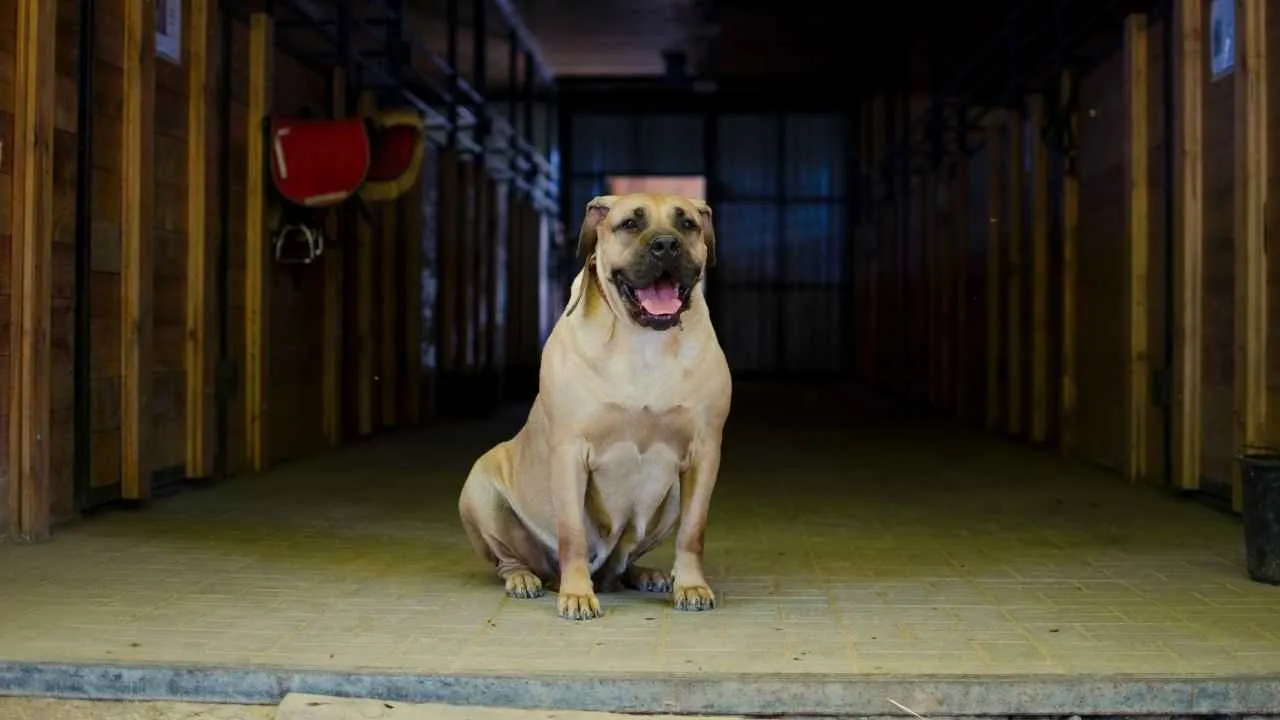
Developed in South Africa to protect farms and property, the Boerboel is a powerful mastiff with a confident personality and pronounced guarding instincts. Its broad build and intimidating presence naturally attract attention.
This breed is intelligent, attentive, and deeply attached to its household. Historically, it was used as a farm guardian, so territorial awareness is part of its working background. These qualities require careful management in modern homes.
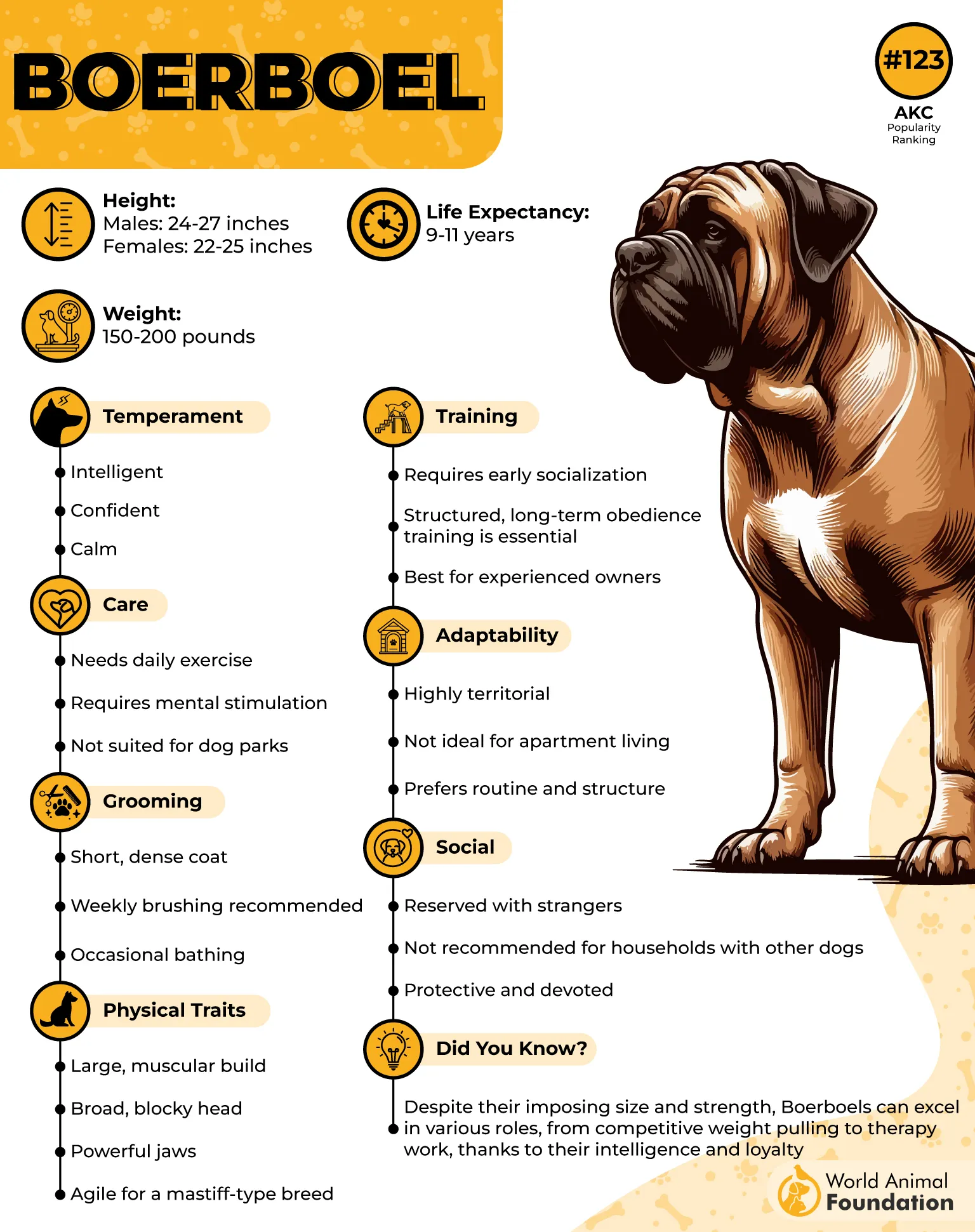
Boerboels benefit from early training, reliable obedience, and structured experiences around unfamiliar people and environments. Their physical strength makes polite leash behavior particularly important, and experienced owners should seek professional guidance whenever necessary.
Despite its muscular appearance, the Boerboel needs more than a secure yard. Regular exercise, interaction with family members, and engaging activities support good behavior. Its short coat requires routine brushing and basic grooming.
This is not a casual choice for inexperienced owners. Careful introductions to visitors, children, and other dogs help reduce the risk of preventable problems. Responsible breeders should prioritize sound temperament and health.
For experienced households with suitable space and time, the Boerboel offers a devoted companion with a pronounced guardian heritage. Its capabilities are best supported by calm leadership and responsible handling.
Conclusion
Selecting a reliable protector comes down to match over muscle. It means welcoming a lifelong partner whose energy and care requirements align with your daily life.
Whether you lean toward the versatile German Shepherd or the gentle Broholmer, creating a safe, loving home starts with your active commitment. Focus on ethical breeders, jump into early socialization, and foster a connection built on mutual respect.
Evaluate your household setup, daily routines, and fitness goals right now. Once you know what environment you can provide, connect with responsible rescues or local breed clubs to meet these remarkable dogs in person, and take that exciting first step toward welcoming your loyal guardian.
