




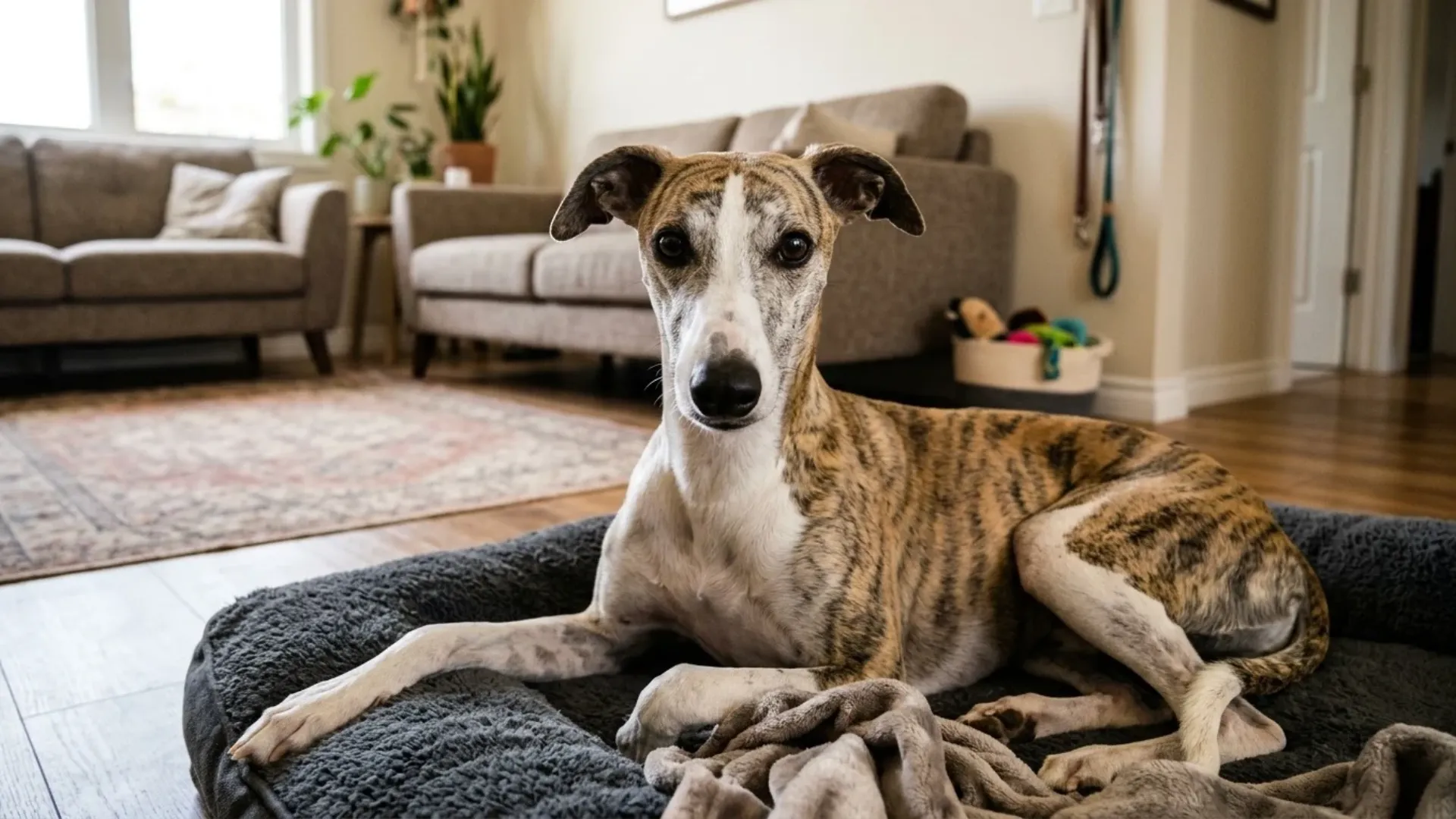
Picture this: a calm dog gets labeled low maintenance, and the new owner relaxes, assuming that means the hard part is over. Then the vet bills start.
A breakdown of the Dogs Trust National Dog Survey found that the cost of vet visits came in higher than expected for 52 percent of UK owners, right alongside the patience needed to manage everyday behavior.
Grooming schedules and exercise minutes only tell half the story, since the other half hides in quiet, breed-specific habits that most guides skip entirely.
That gap between looking easy and actually being easy is what separates the right low-maintenance dog from a furry friend full of surprises. Keep reading to see exactly how that gap plays out, one breed at a time.
Low-Maintenance Dog Breeds and Their Care Needs
1. Whippet
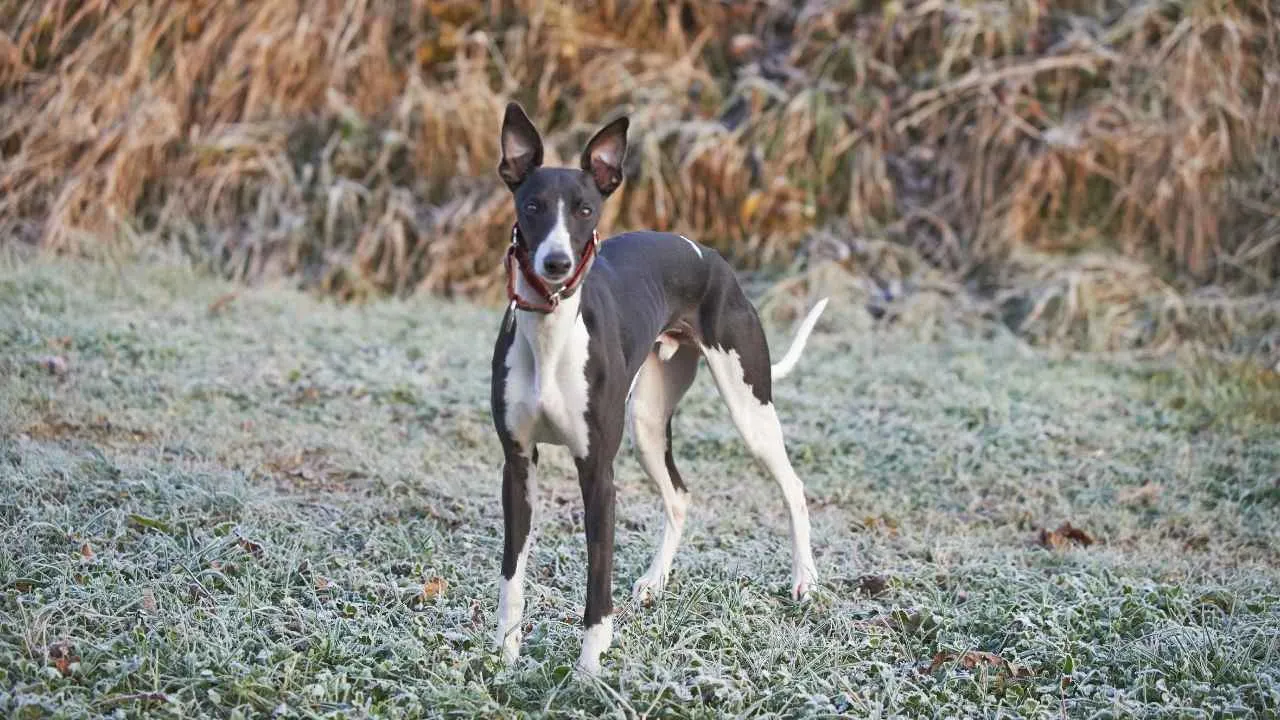
A Whippet spends most of the day curled up like a cinnamon roll, then turns into lightning for ten minutes outside. This breed suits busy pet parents who want a calm, low-energy dog that still enjoys real daily walks.
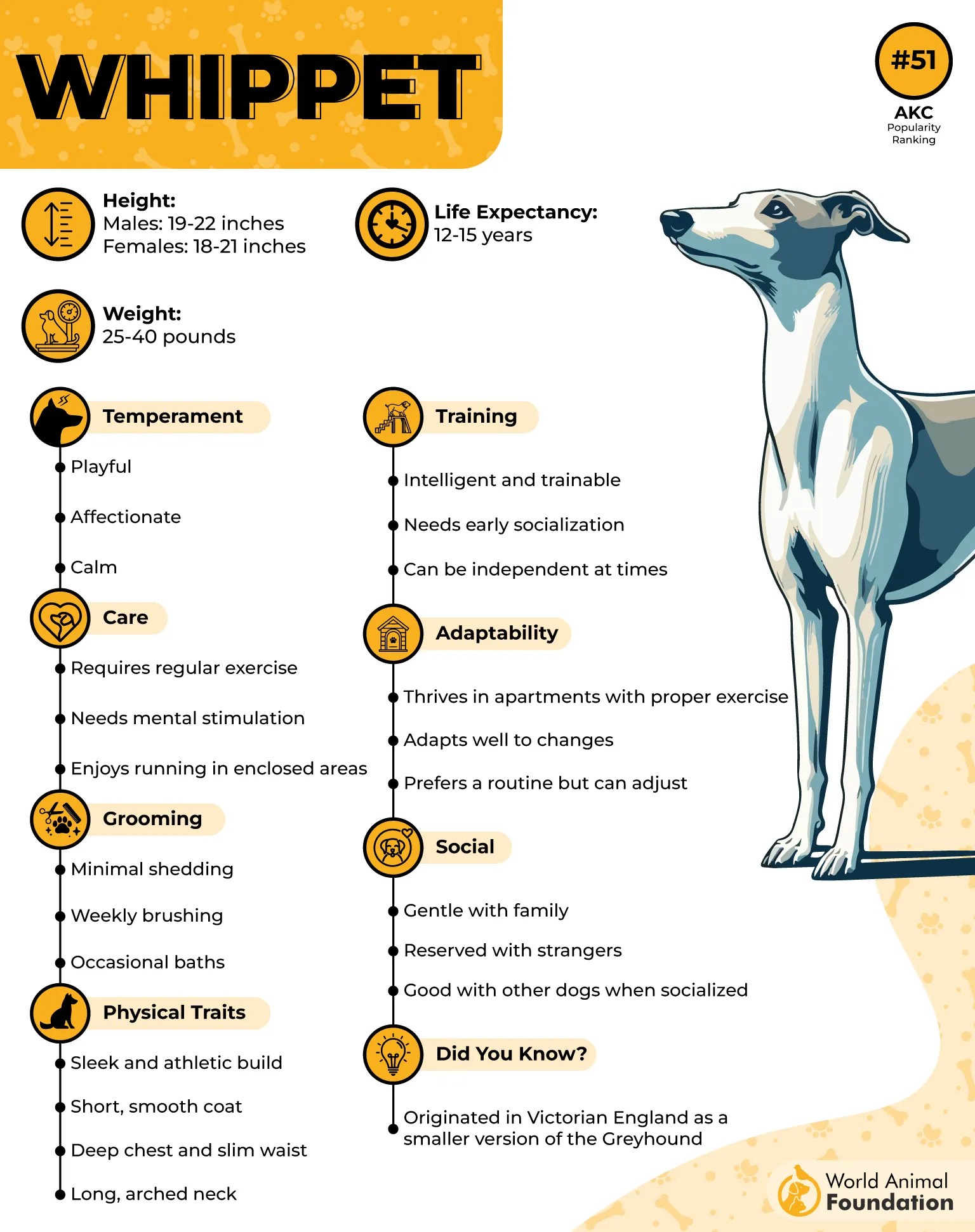
Training comes quickly since Whippets are gentle and eager to please. Their sensitive side means a sharp tone shuts them down fast, so patience pays off and rewards an adaptable temperament most owners did not expect.
Hidden care need: Thin skin and almost no body fat make cuts and cold weather a real concern.
Weekly time cost: One brushing a week plus about 30 minutes of daily exercise covers it.
Cold climates change the math fast, since this short coat gives zero insulation once temperatures drop. A coat and shorter outdoor time become mandatory for several months of the year.
2. French Bulldog
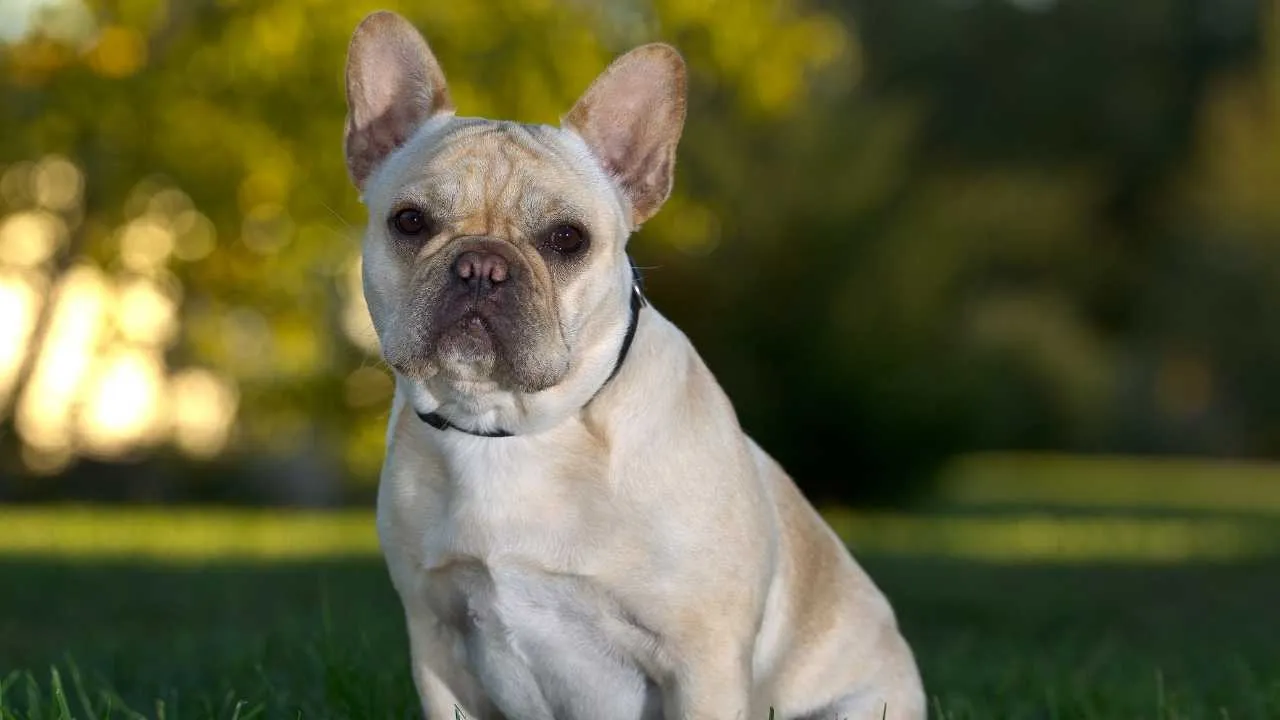
The French Bulldog snores like a tiny freight train and still steals the room. This breed suits apartment dwellers and first-time dog owners who want minimal grooming and a relaxed, sociable companion.
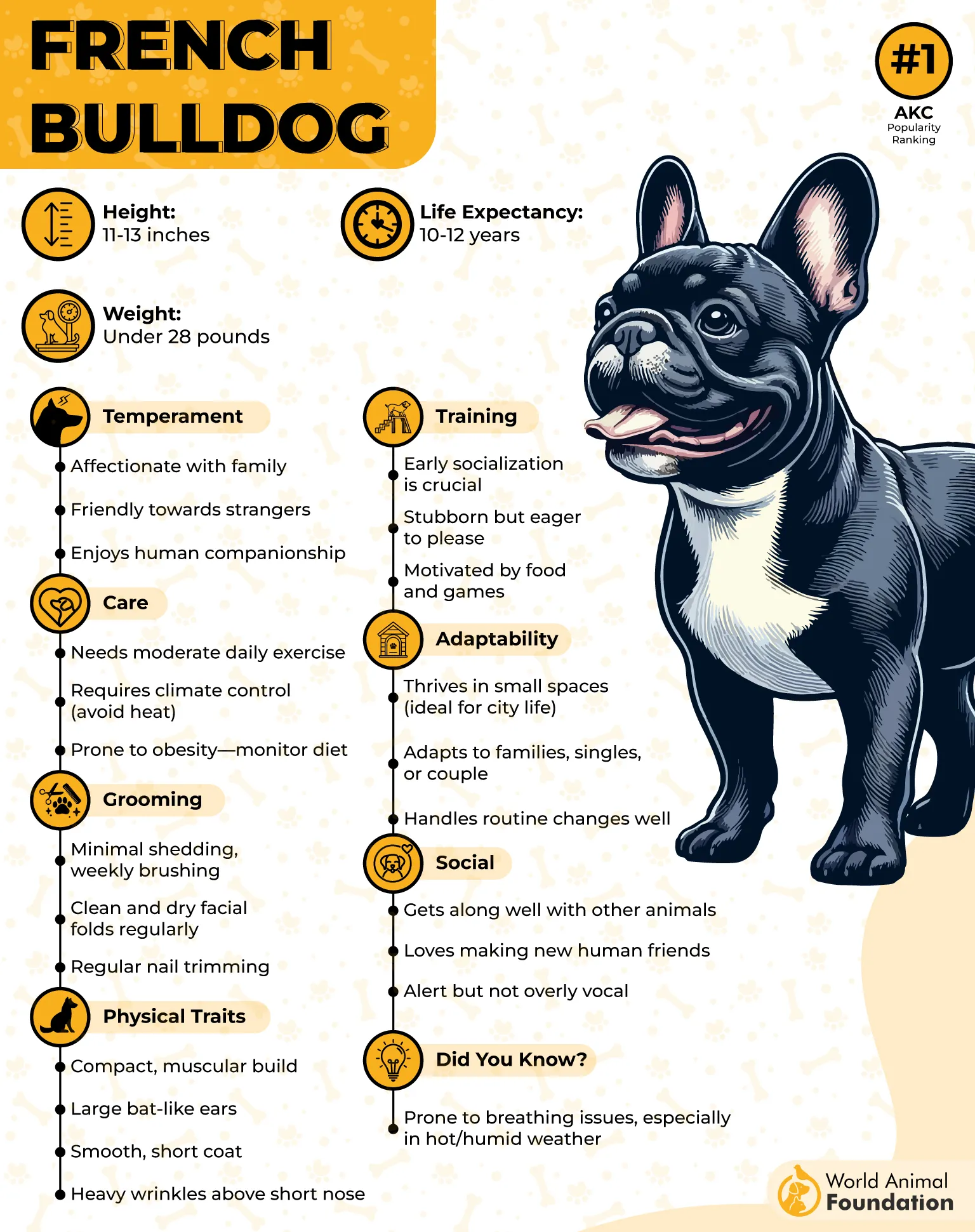
French Bulldogs are smart and food-motivated, so basic training rarely takes long. The bigger ask is company, since this breed is prone to separation anxiety and wants a pet parent nearby most of the day.
Hidden care need: The flat face and narrow airway make heat and heavy breathing a real year-round risk.
Weekly time cost: A weekly face fold wipe plus about 20 minutes of daily exercise is the whole routine.
Hot or humid cities change this breed’s math fast, since even a short summer walk can turn into an emergency. Frenchies also run more sensitive to anesthesia, as per Purina, worth remembering before any routine vet procedure.
3. Pug
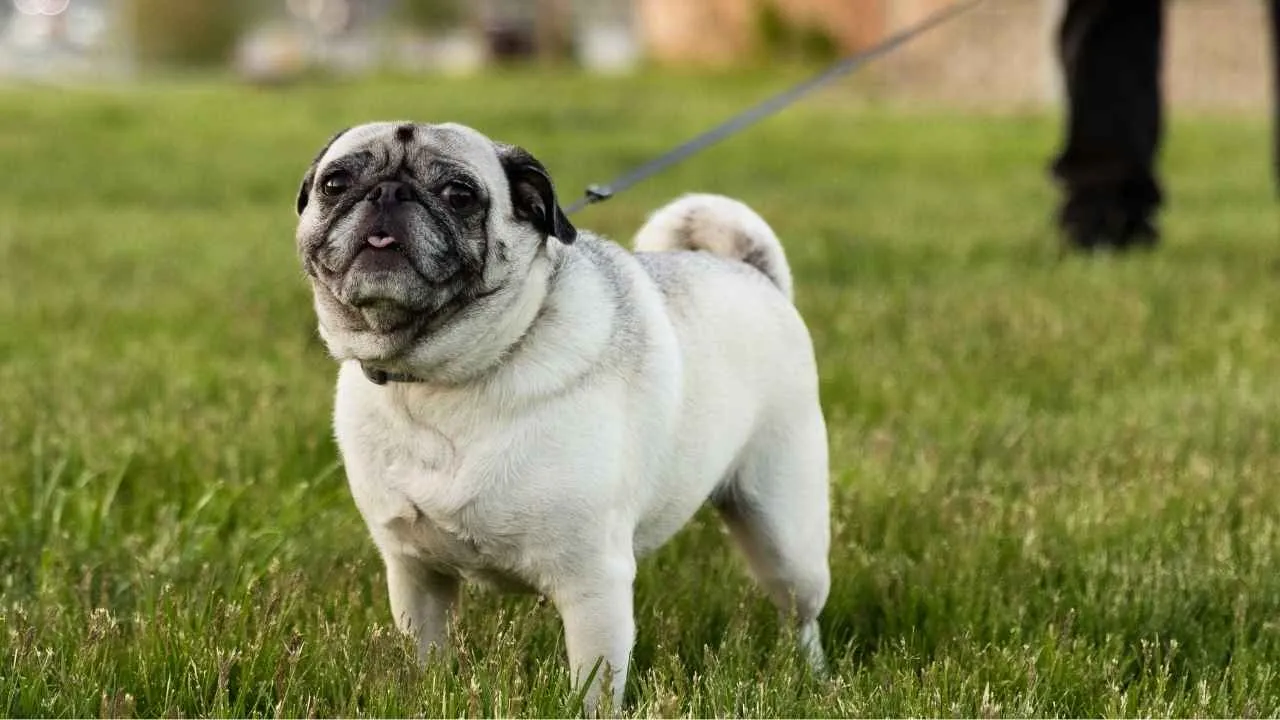
The Pug looks like a wrinkly ornament but moves like a motivated athlete once snacks appear. This breed suits first-time dog owners who want a sociable energy level indoors without constant exercise demands.
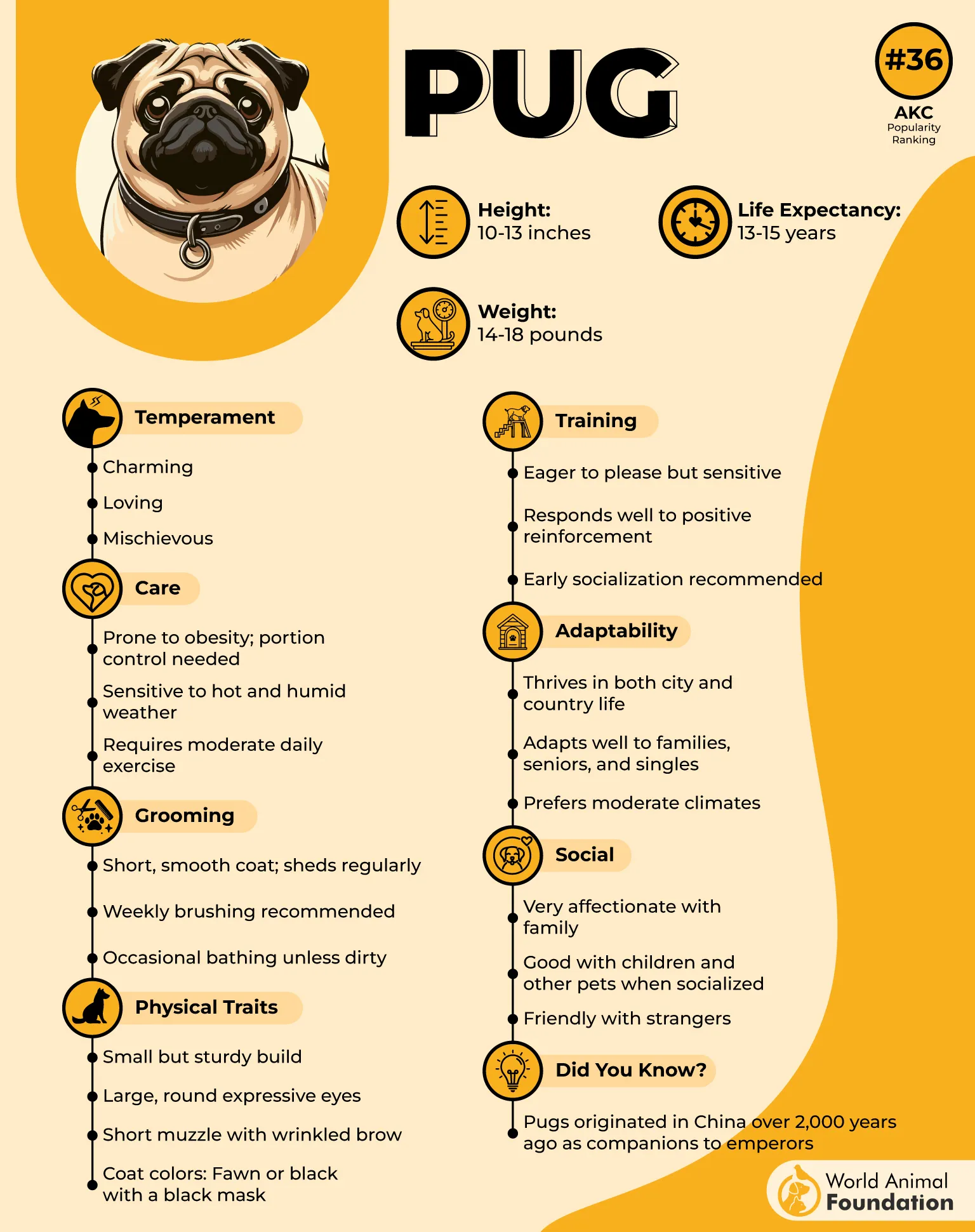
Training a Pug takes patience, since this breed gets distracted fast and negotiates hard for treats. Positive reinforcement keeps a Pug engaged far longer than any firm tone ever will.
Hidden care need: Those signature bulging eyes scratch and injure easily, so rough play and tall grass need watching.
Weekly time cost: Two short grooming sessions a week plus about 20 minutes of daily exercise keeps a Pug comfortable.
Warm climates and extra treats work against this breed fast, since added weight worsens an already shallow breathing pattern. A Pug living somewhere hot needs a stricter routine than most of the easiest dogs on this list.
4. Boston Terrier
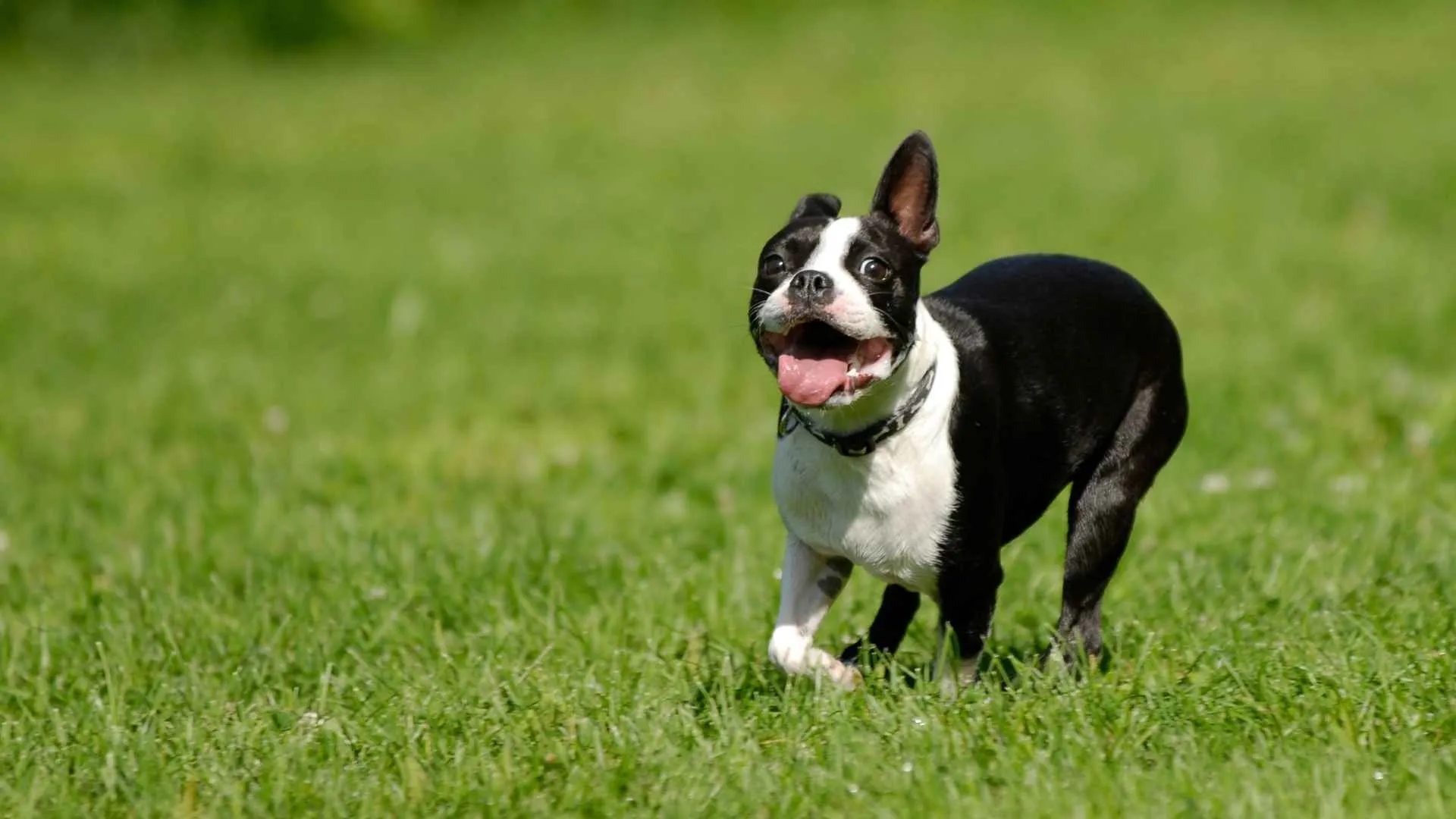
The Boston Terrier wears its tuxedo markings like the best-dressed dog at the party. This breed suits apartment dwellers and busy households who want a little dog with a calm nature and real love for other pets.
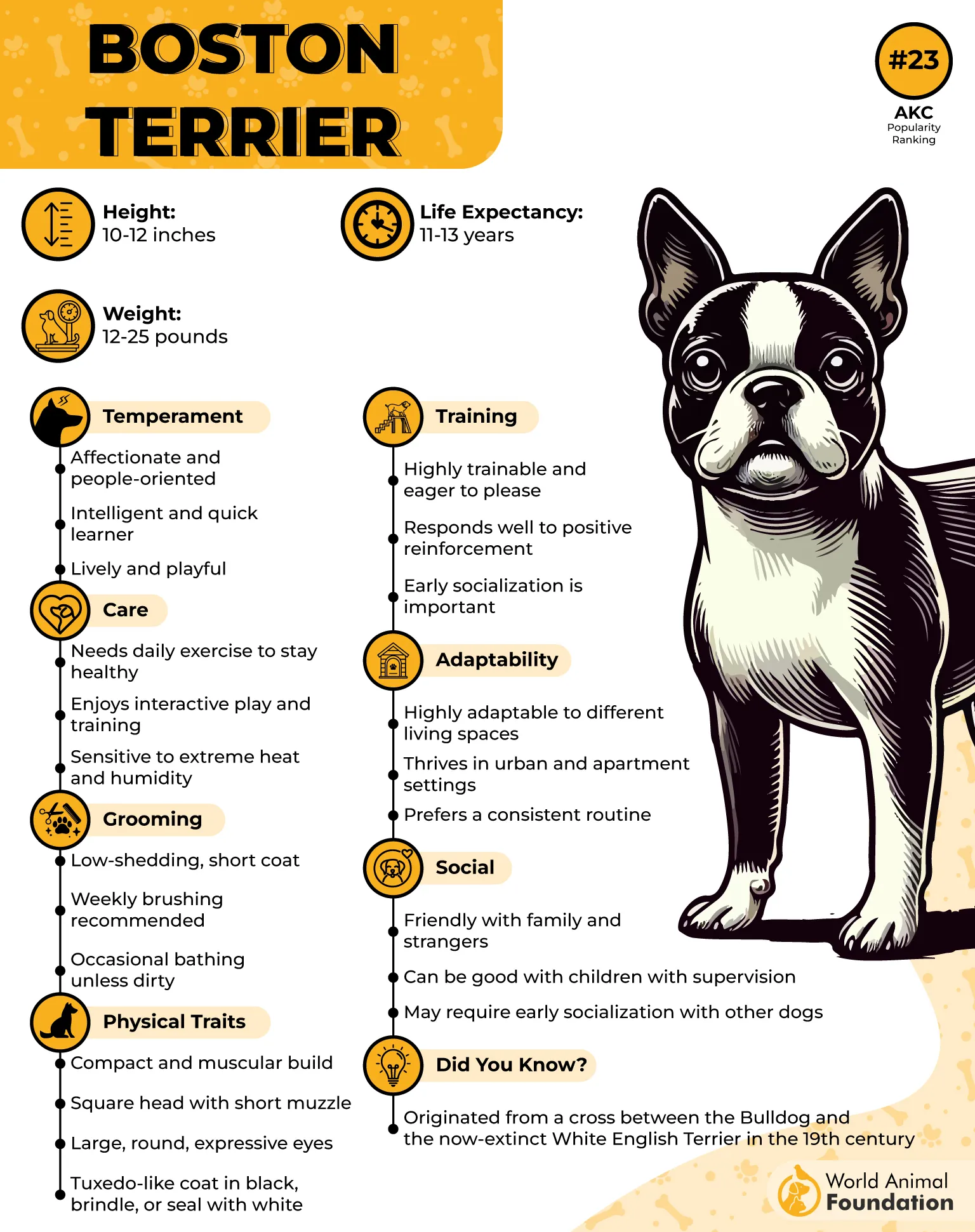
Basic training tends to go smoothly, since Boston Terriers are smart and genuinely want to please. A touch of stubbornness shows up occasionally, but daily mental stimulation keeps that in check.
Hidden care need: The protruding eyes and shortened muzzle raise the risk of eye injuries and breathing strain in hot weather.
Weekly time cost: Regular brushing once a week plus about 30 minutes of daily exercise covers this breed’s needs.
Humid summers are this breed’s weak spot, since heavy breathing worsens fast once the temperature climbs. Boston Terriers also dislike long stretches of alone time, so owners away all day should plan for a sitter.
5. Chihuahua
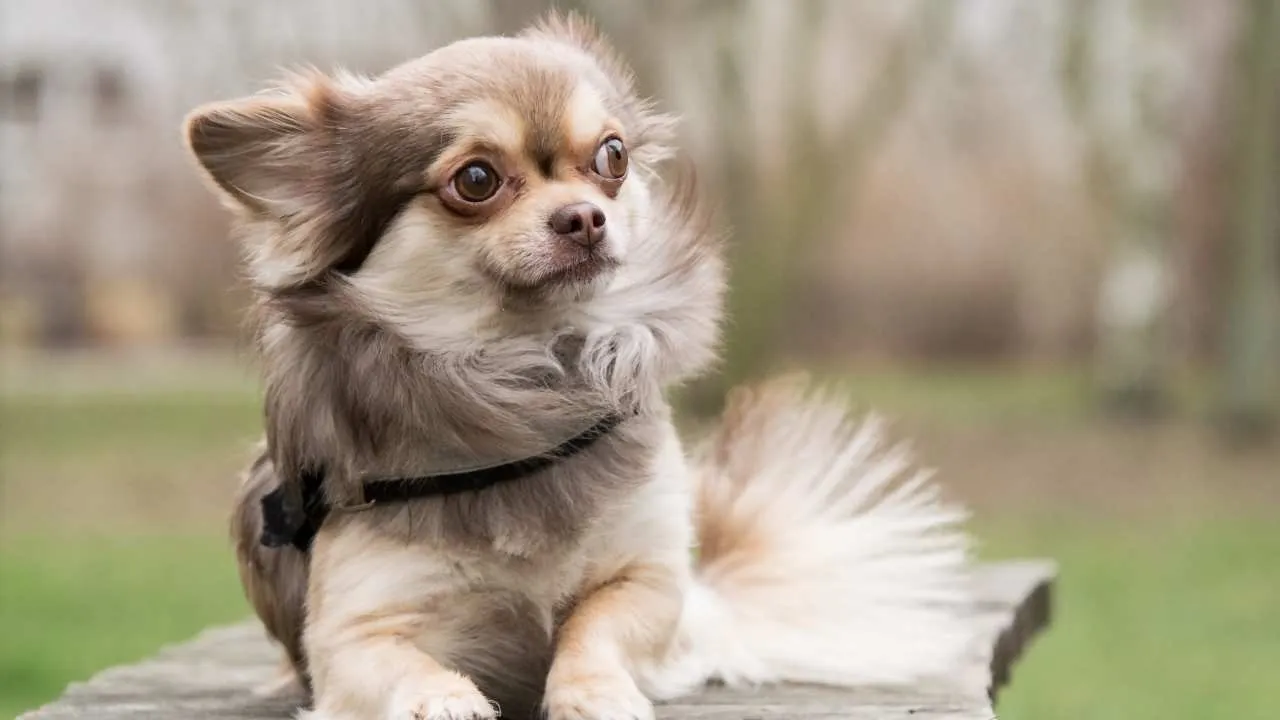
A Chihuahua proves a tiny dog can carry a huge personality without much effort. This breed suits busy owners and apartment dwellers who want a low-grooming, low-exercise companion with plenty of alertness.
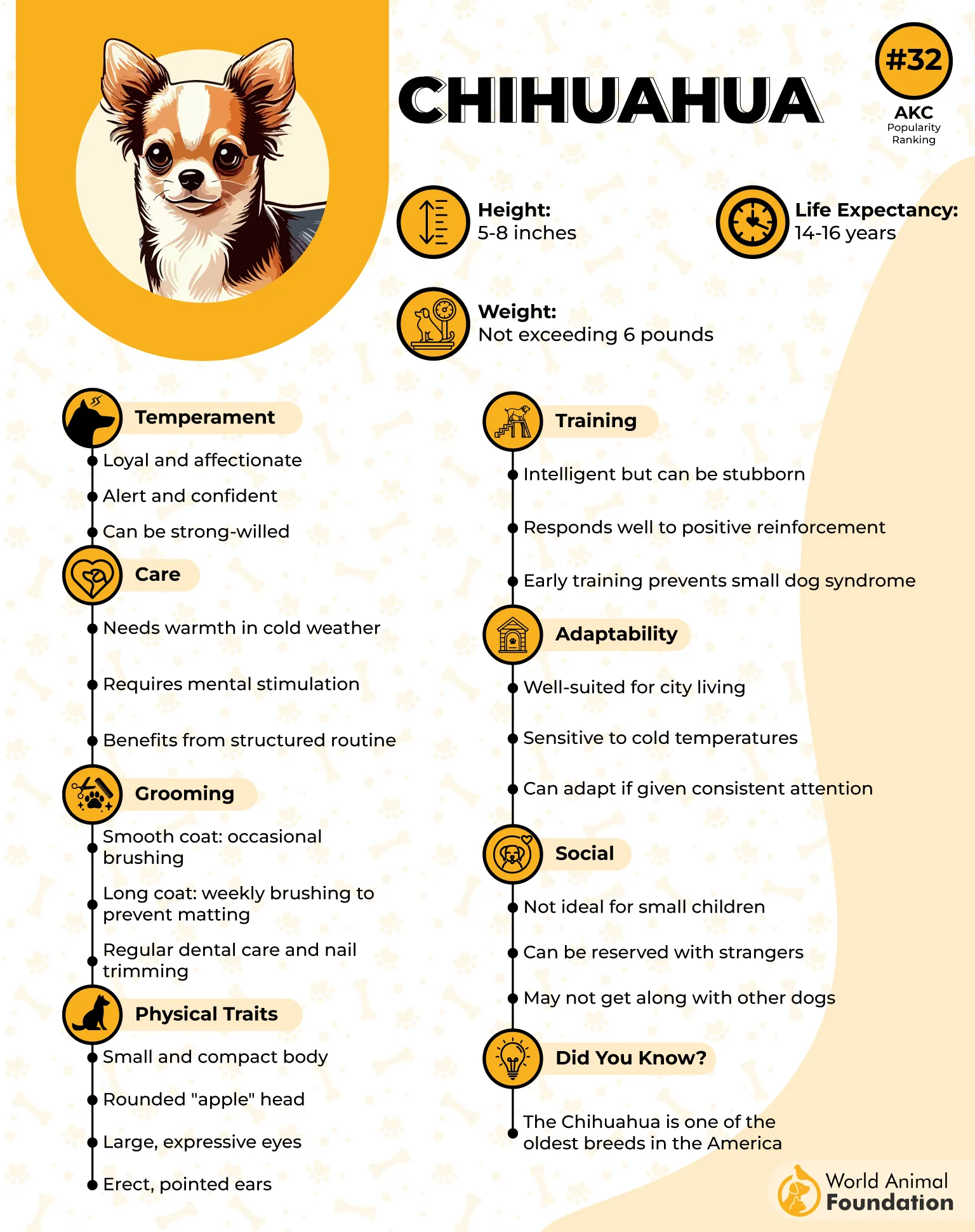
Training a Chihuahua is less about drills and more about consistency, since this breed stays independent even at a tiny size. According to Royal Canin, mental stimulation matters as much as exercise for keeping one content.
Hidden care need: A small jaw crowds the teeth, so dental disease shows up early and needs regular at-home brushing.
Weekly time cost: Weekly brushing and about 20 minutes of daily exercise is genuinely enough for this tiny dog.
Cold weather is this breed’s weak point, since a Chihuahua chills fast and may need a sweater indoors. Households with toddlers or large dogs need extra supervision too, since this tiny dog gets hurt easily in rough play.
6. Greyhound
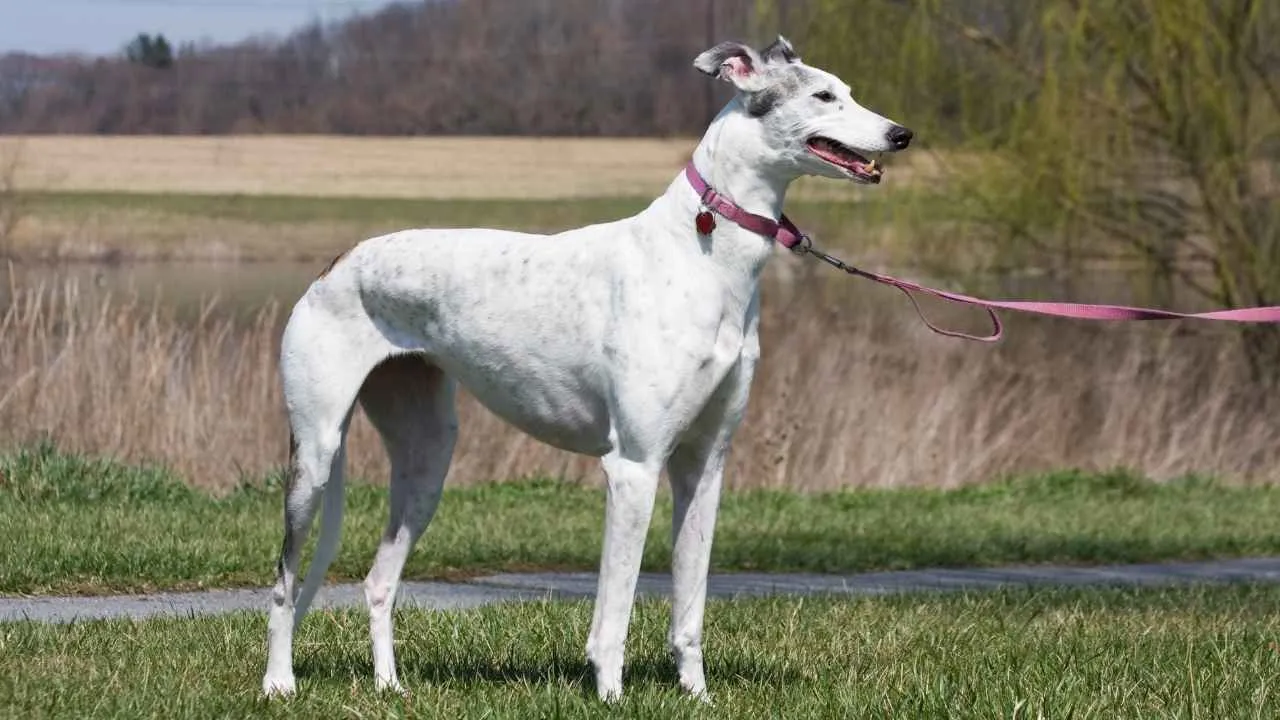
A Greyhound hits real speed on a sprint, then spends the other twenty-three hours as the ultimate couch potato. This breed suits dog lovers who want one of the larger dogs in the house without nonstop energy demands.
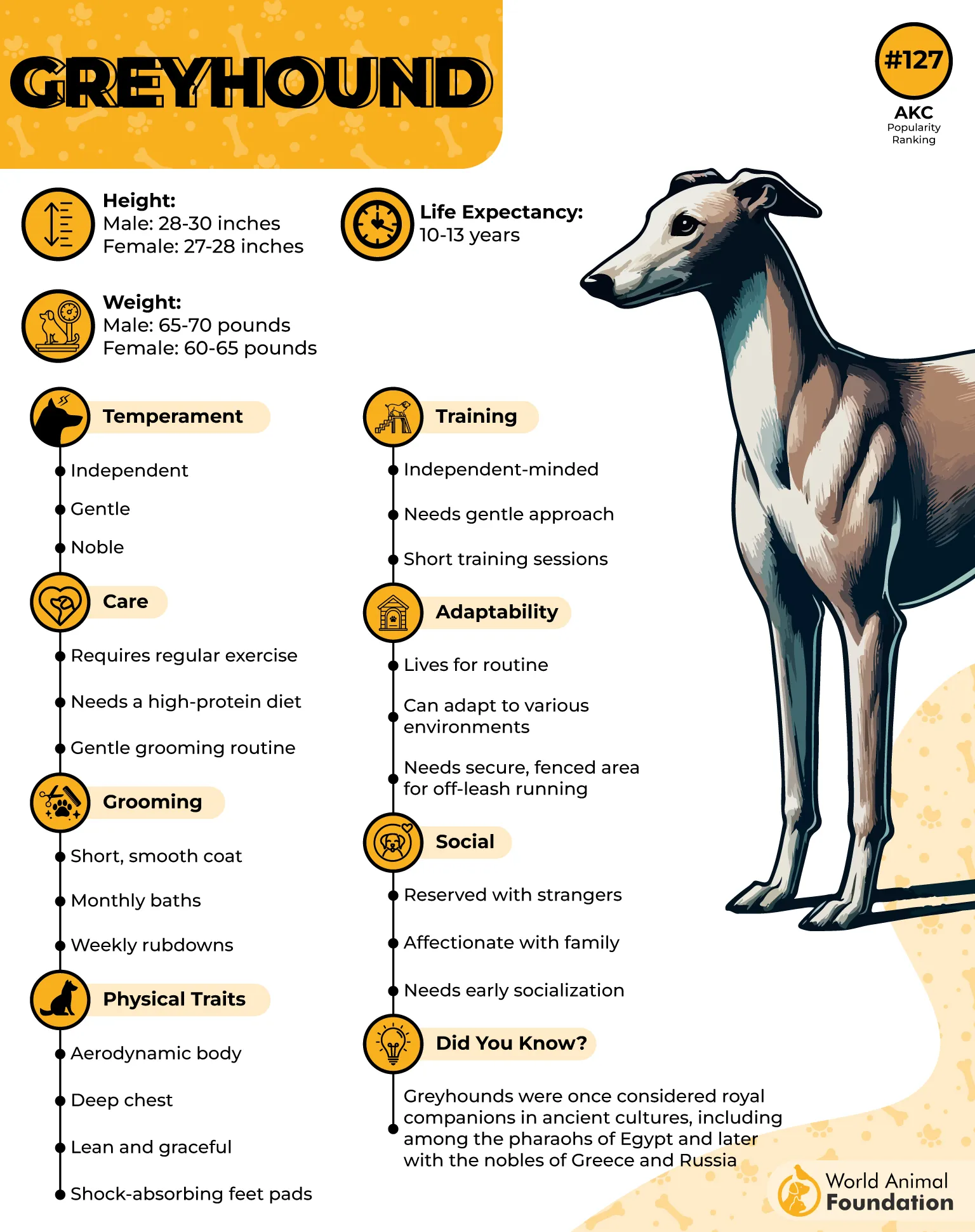
Basic training goes smoothly, since Greyhounds are gentle and eager to please. Off-leash recall is the exception, since prey drive can override good manners instantly.
Hidden care need: Paper-thin skin and low body fat make this breed prone to cuts and sensitive to certain medications.
Weekly time cost: Weekly brushing and about 30 minutes of daily exercise, including one real sprint, keep a Greyhound satisfied.

Cold climates are hard on this breed, since low body fat gives almost no natural insulation. Homes with cats or small pets need careful introductions, and as per PetMD, getting feeding amounts right matters more here than for most dogs.
7. Dachshund

The Dachshund, also called the sausage dog, was bred to chase badgers into tunnels, which explains its fearless attitude. This breed suits city-dwelling owners who want a companionable energy level and an easy, short coat.
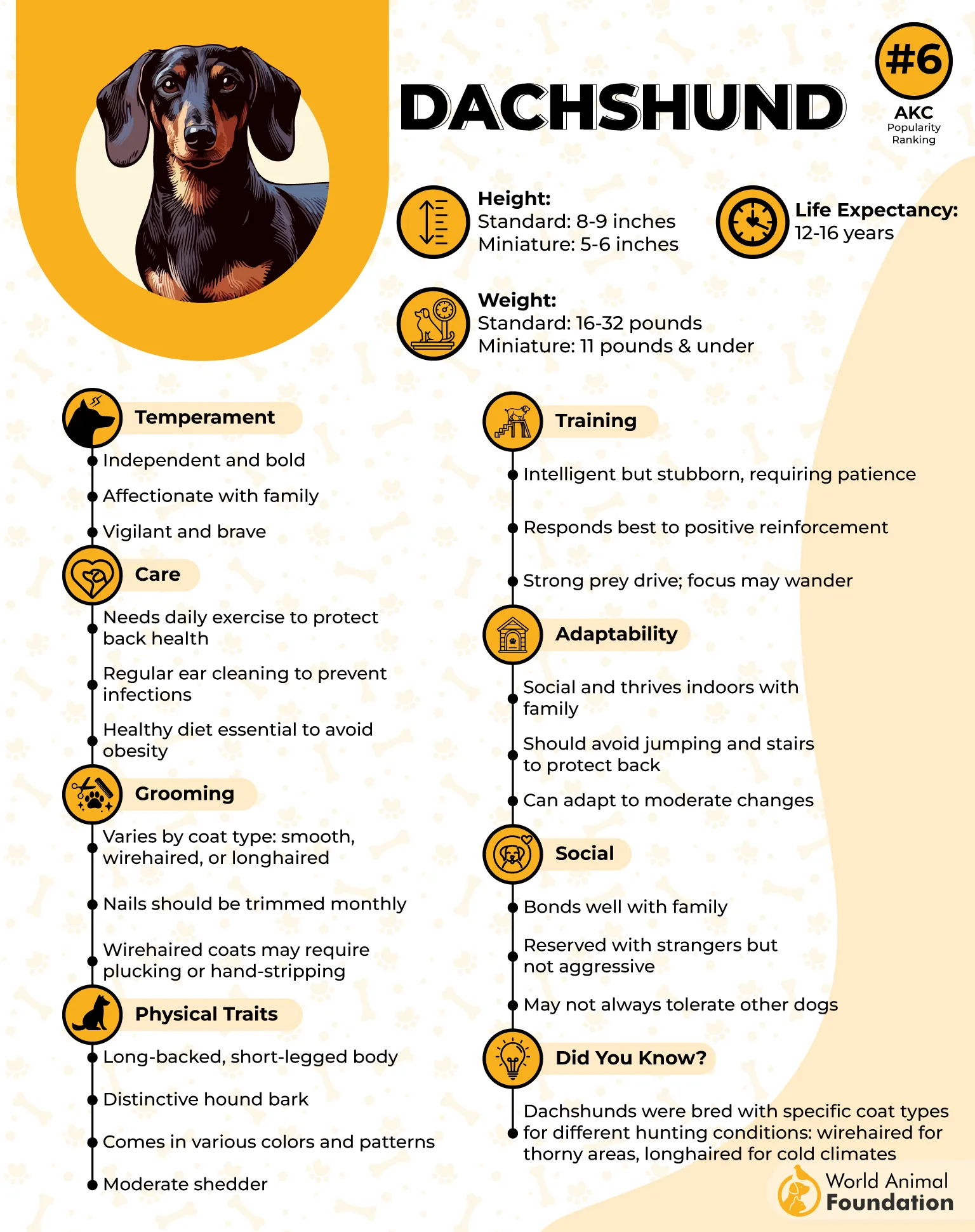
Basic training needs patience, since Dachshunds are independent dogs with a stubborn hunting streak. Mental stimulation matters as much as a daily walk, since bored dogs of this breed tend to dig or chew.
Hidden care need: That long spine is prone to disc injury, so jumping off furniture can cause real back damage.
Weekly time cost: Weekly brushing and about 30 minutes of daily exercise is enough, as long as it stays low impact.
Homes full of stairs and tall furniture work against this breed fast, since every leap raises the odds of spinal injury. According to Britannica, even temperament varies by size, with miniatures tending to run a bit more timid.
Conclusion
Low maintenance was never one score to begin with. It is grooming time and health vigilance running on separate tracks, and the breeds above prove some dogs nail both while others only ever clear one, no matter how short their coat looks.
Pick based on your actual spare time and your patience for ongoing care, not just the promise of a low-maintenance breed with minimal grooming needs. Tell us which of these furry friends, from the easiest dogs to the ones demanding real vigilance, earned a spot on your shortlist.
