




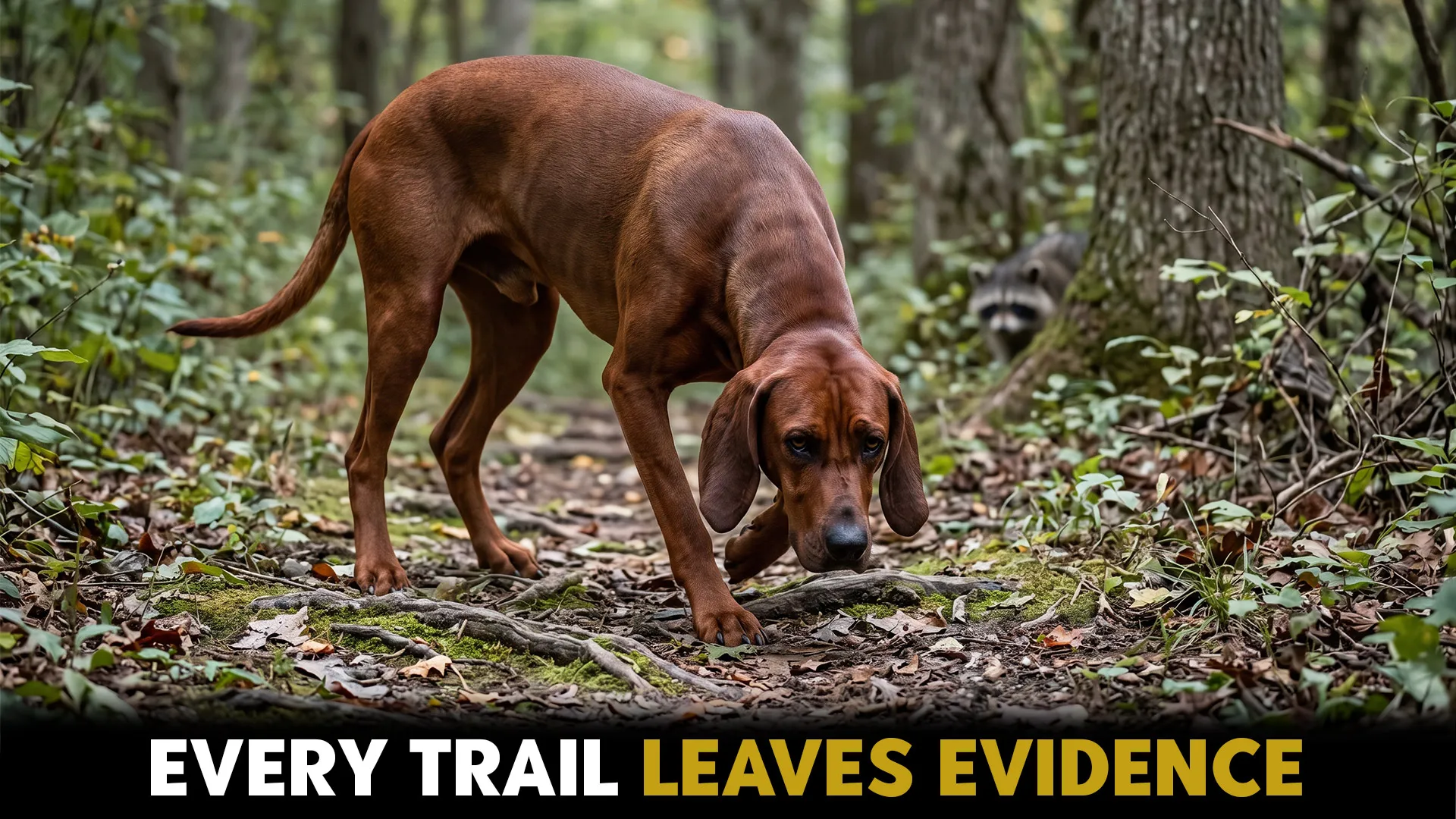
Picture an early morning trail, cool air moving through the woods, and your dog suddenly catching a scent you can’t detect. With its nose to the ground, it follows the trail through dense terrain, turning an ordinary outing into an exciting observing adventure.
Hunting breeds have been selectively developed for specialized abilities, from scent hounds that follow trails for miles to pointers and setters that locate and signal game. Their sharp senses, stamina, focus, and trainability make them valuable partners when matched to the right type of hunt in harsh conditions.
These dog breeds help while you’re tracking, trailing, or searching across rugged ground; understanding each breed’s natural abilities can help you find an excellent companion with high agility suited to your hunting style.
FACT: Scent hounds are specifically bred to follow odors, while bird dogs such as pointers and setters locate game and signal its position.
Top Hunting Dog Breeds With Exceptional Tracking
1. Weimaraner
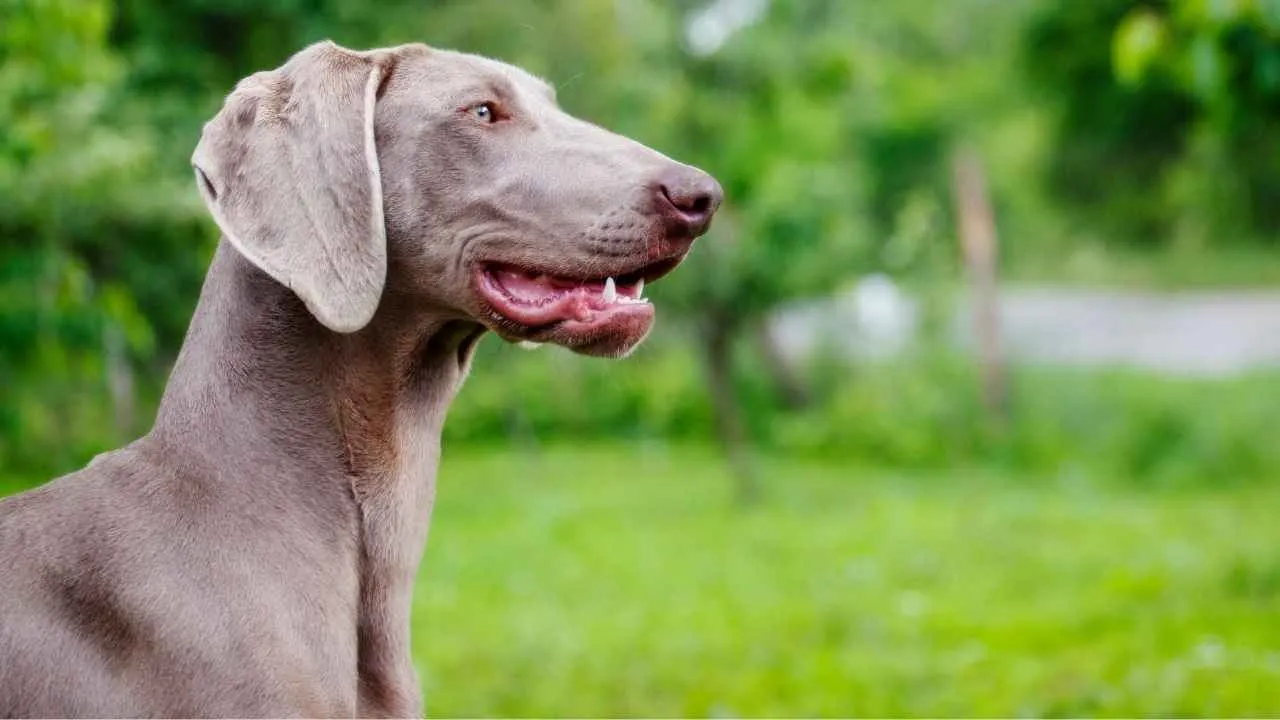
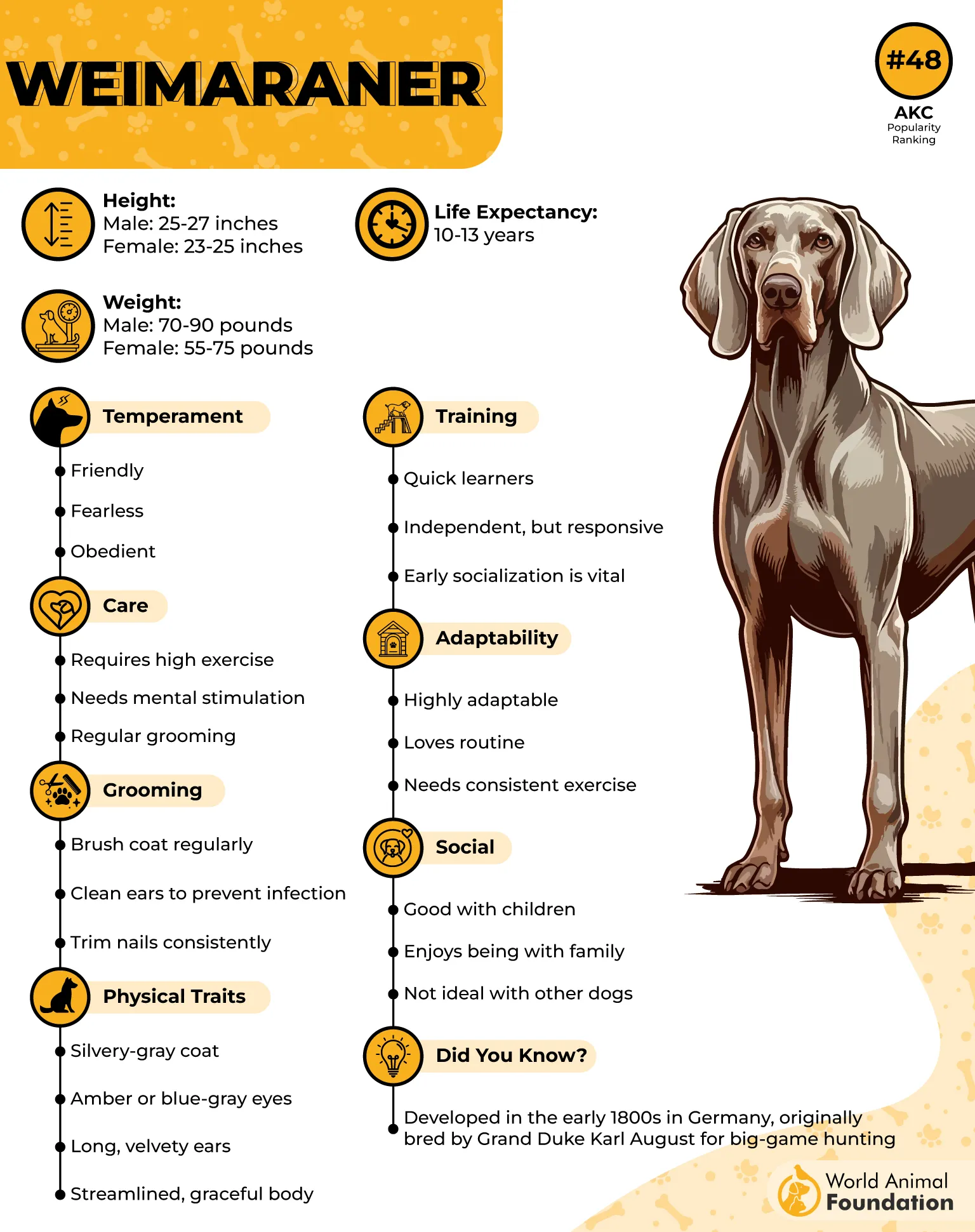
The Weimaraner brings a polished, athletic presence to the hunting field, pairing a sleek gray coat with impressive intelligence. Bred in Germany, this breed was developed for the speed to cover ground efficiently.
Its hunting background once included formidable quarry such as wolves, deer, and bears, reflecting the breed’s courage and versatility. Today, Weimaraners are more commonly used for pursuing pheasants, quail, and other game birds.
When tracing and flushing game, their composed nature can be especially useful. Rather than becoming overwhelmed by the excitement around them, they can maintain focus as they track and mark through challenging hunting conditions.
Their combination of trainability, athleticism, and strong hunting instincts makes them adaptable canine companions. The Weimaraner’s streamlined build further complements its ability to move swiftly while searching for game.
2. Bluetick Coonhound
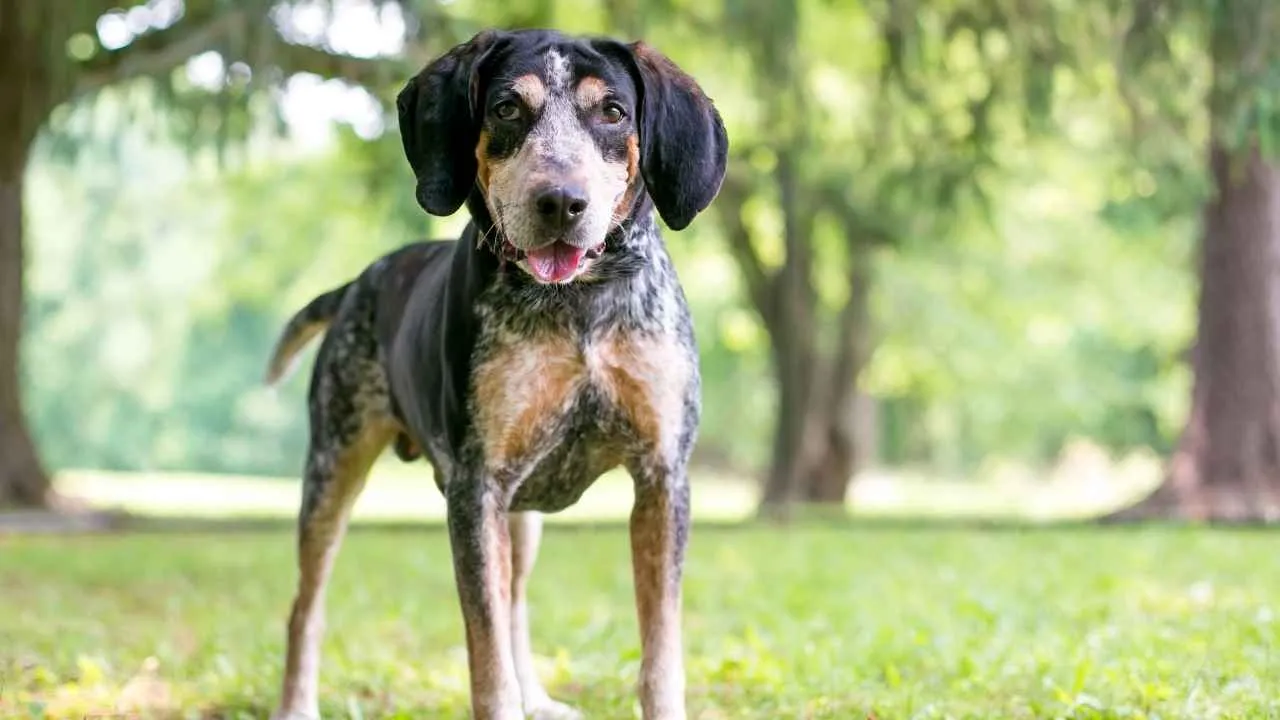
With a nose built for difficult trails, the Bluetick Coonhound can follow a scent long after the quarry has passed. Its rugged observing ability makes it especially suited to pursuing raccoons and other treeing game.
When darkness settles over the woods, this determined hound can keep working by scent rather than sight. Its steady pace and persistence allow it to remain focused even when a trail is hours old.
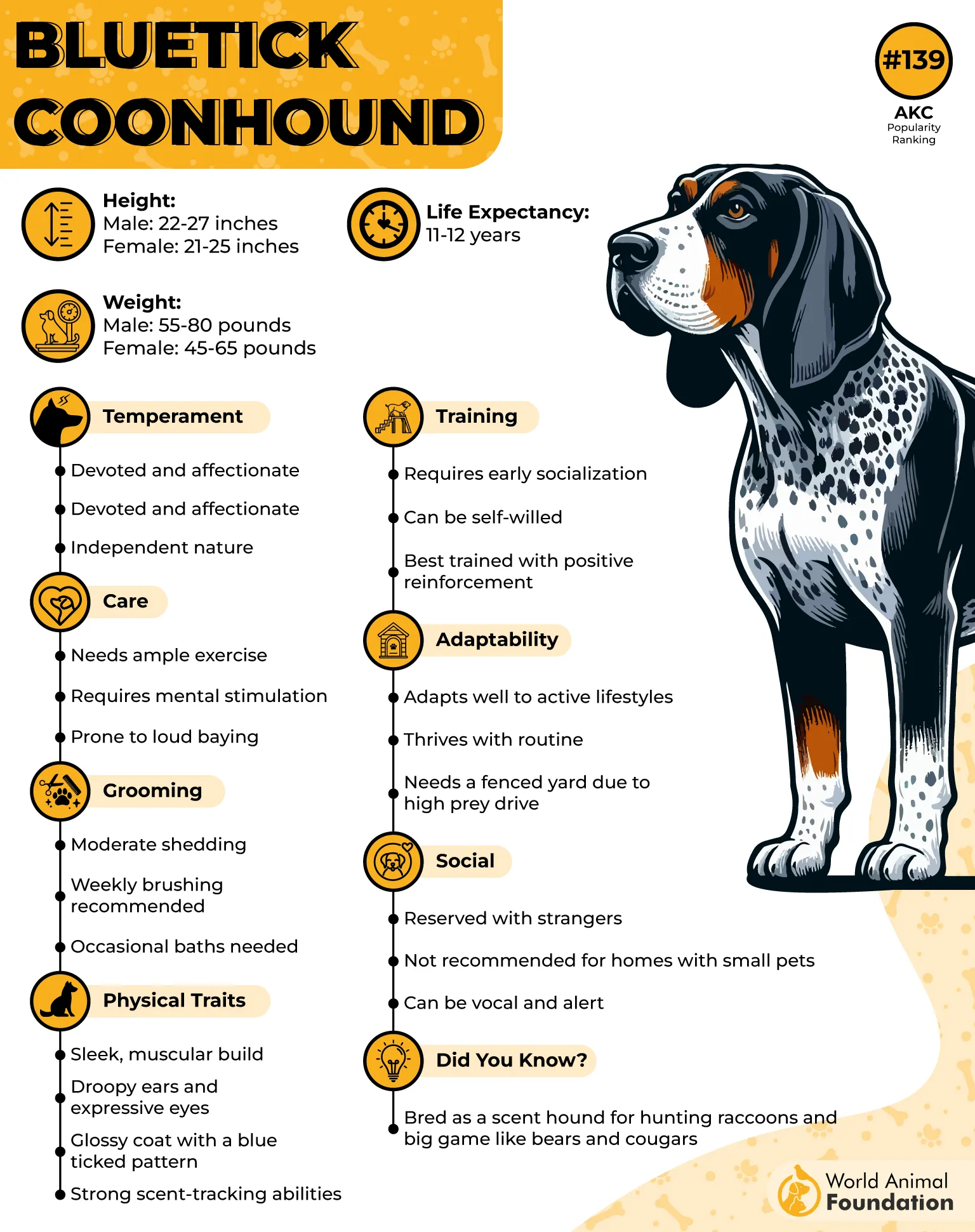
The breed’s distinctive bay adds another layer to the hunt. Its deep, carrying voice helps pursuers locate the dog once it has cornered game, creating an unmistakable soundtrack in the night.
At home, the Bluetick is affectionate but remains an energetic, prey-driven hound. Regular exercise, early training, and scent-based activities help channel its powerful instincts and keep its keen mind occupied.
3. Treeing Walker Coonhound
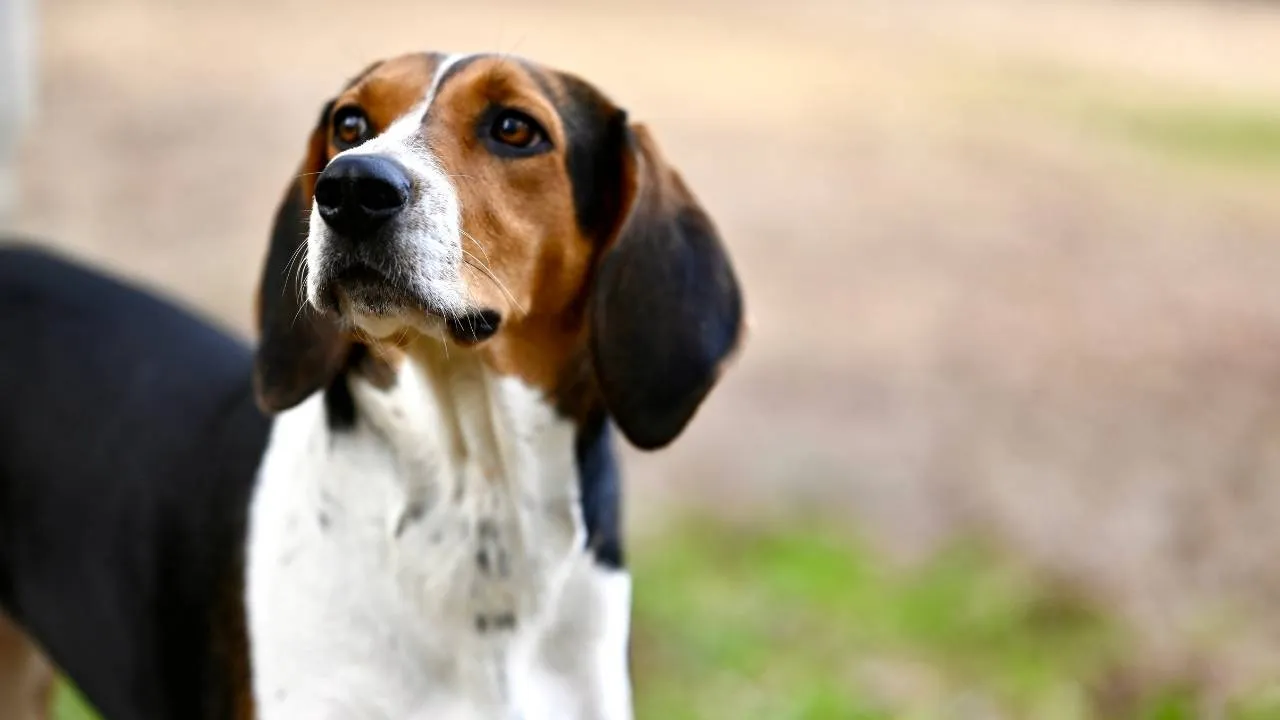
The Treeing Walker Coonhound is built for the chase, combining a powerful nose with remarkable speed. Its keen scenting ability allows it to pick up a raccoon’s trail and follow it with impressive determination.
Once the scent is locked in, this energetic hound can cover ground rapidly. Its long, muscular legs and streamlined build help it maintain a swift pace while pursuing quarry across challenging terrain.
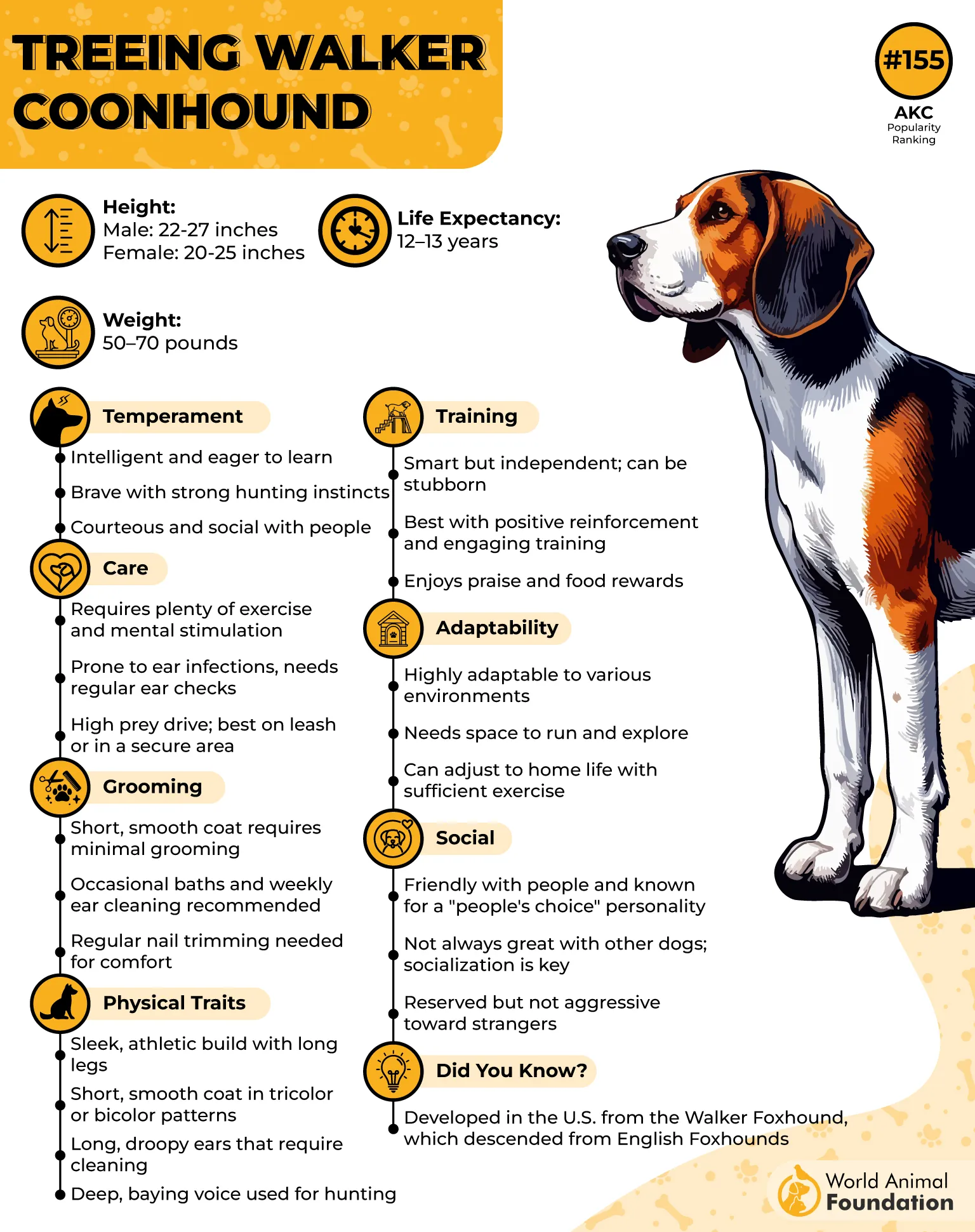
The breed’s following style is especially distinctive because it doesn’t simply follow a scent; it drives the pursuit forward. After locating its quarry, the Walker uses its distinctive voice to alert the hunter and keep the animal treed.
Smart, courageous, and determined, the Treeing Walker thrives when it has a task to pursue. Its combination of scenting skill, stamina, and fast movement makes every trail an active, high-speed hunt.
4. Redbone Coonhound
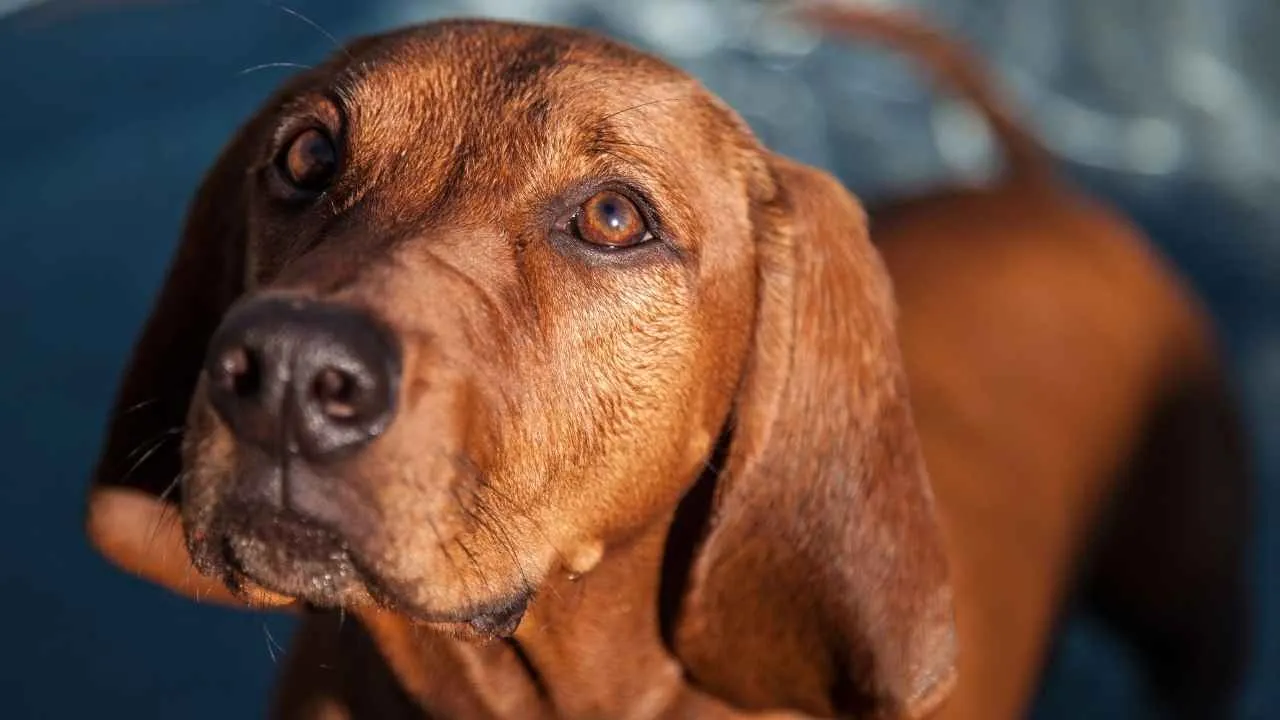
The Redbone Coonhound is a determined scent hound built for following trails over long distances. Its endurance and steady nature make it a reliable choice for chasers who need consistent monitoring in the field.
With its keen nose and distinctive voice, this breed can remain focused when pursuing a scent. Once a trail catches its attention, the Redbone’s natural hunting instincts drive it to investigate with purpose and persistence.
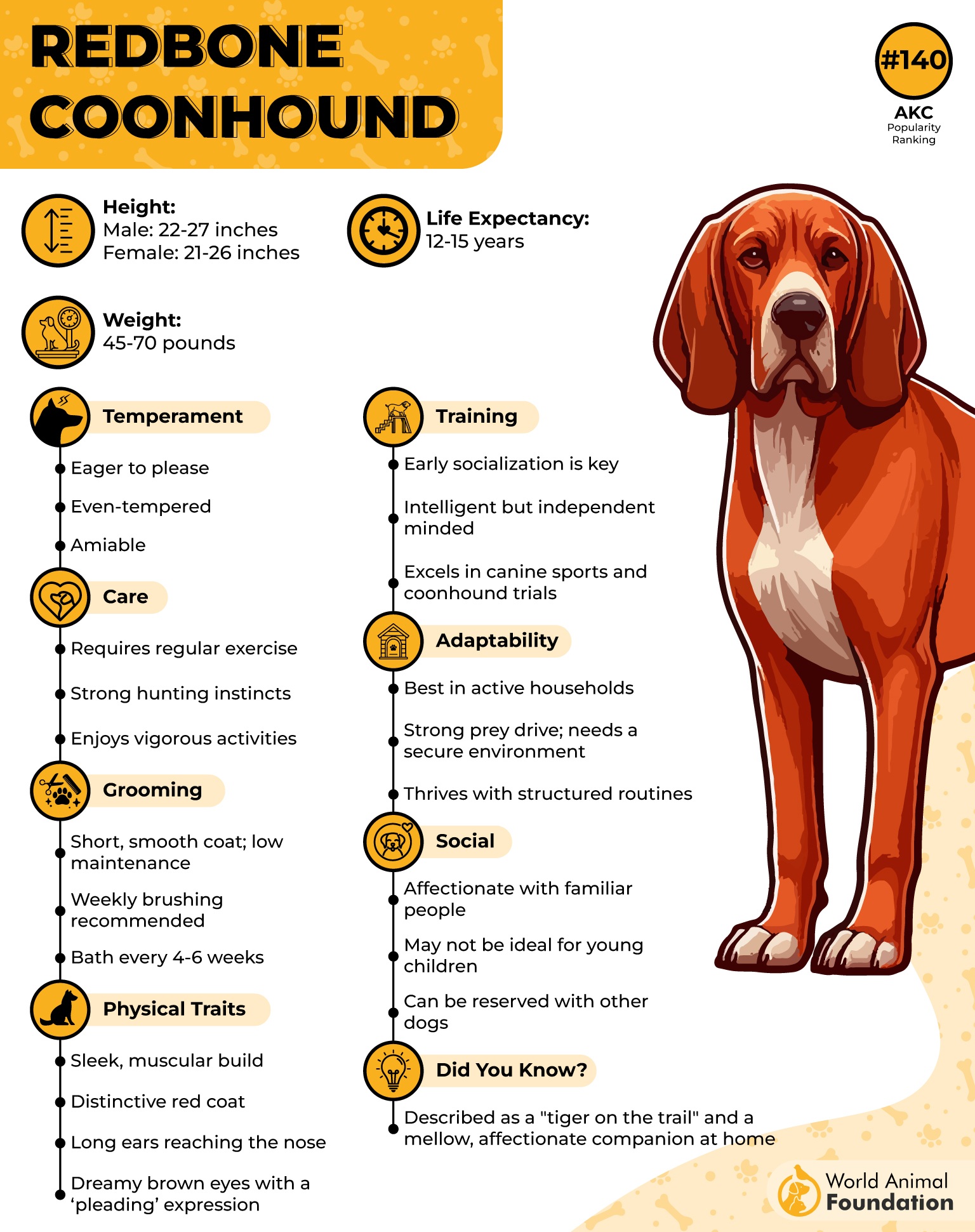
Away from work, their personality becomes notably affectionate and easygoing. Redbones are friendly with families, generally good with children and other dogs, and enjoy settling down with their people after an active day outdoors.
Early socialization and positive training help channel their intelligence and occasional stubborn streak. Short, consistent sessions work well, while plenty of physical and mental activity keeps this energetic hound engaged and ready to explore.
5. American Foxhound
Rooted in America’s traditional fox-hunting heritage, the hardy hunting companion was developed for seeking and remains a classic scent hound. Its refined build and agility also allow it to pursue larger game, including deer.
What truly distinguishes it on the trail is its remarkable endurance. A medium-sized dog can cover broad stretches of rough terrain while following a scent, making it particularly suited to hunts that demand stamina rather than short bursts of speed.
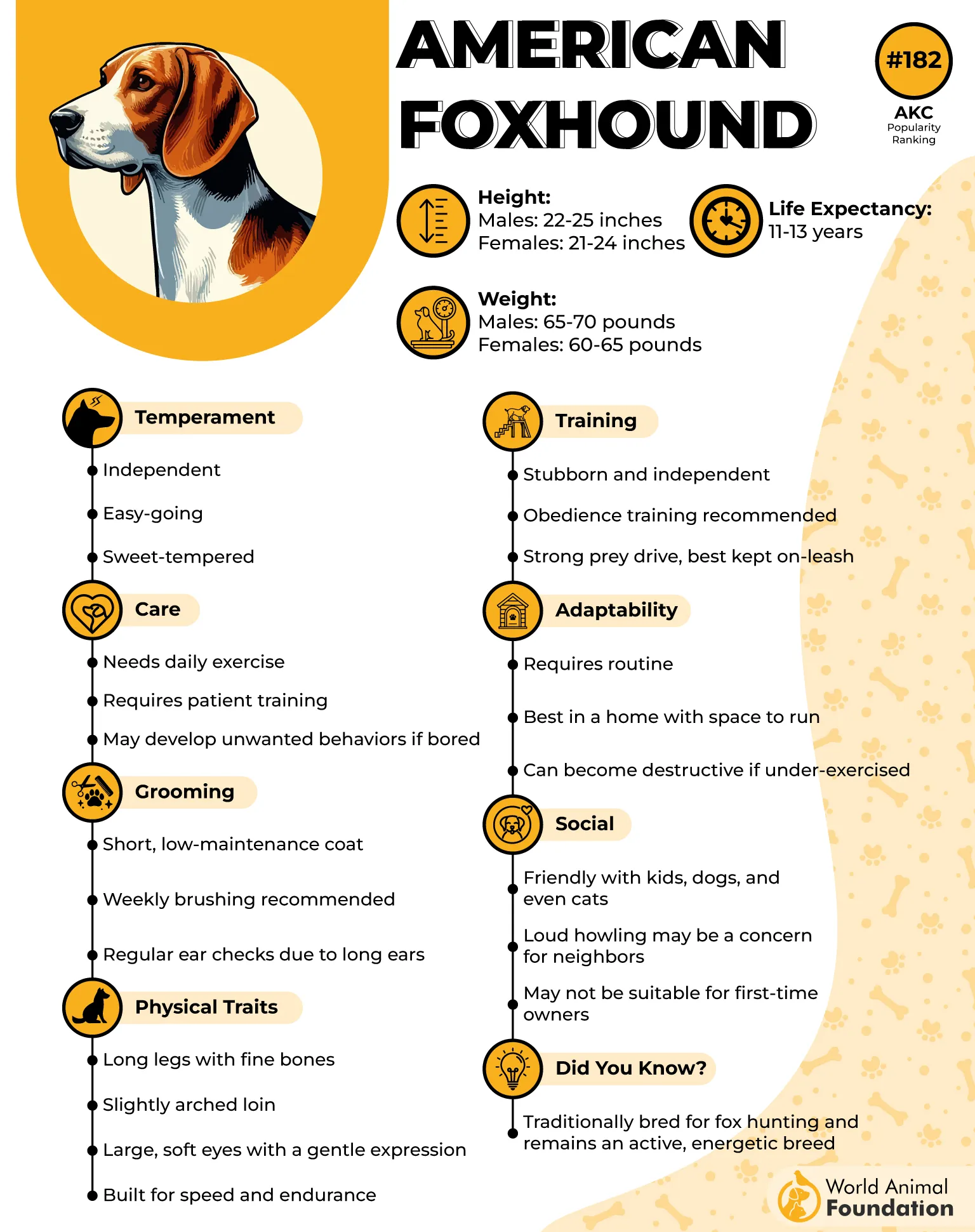
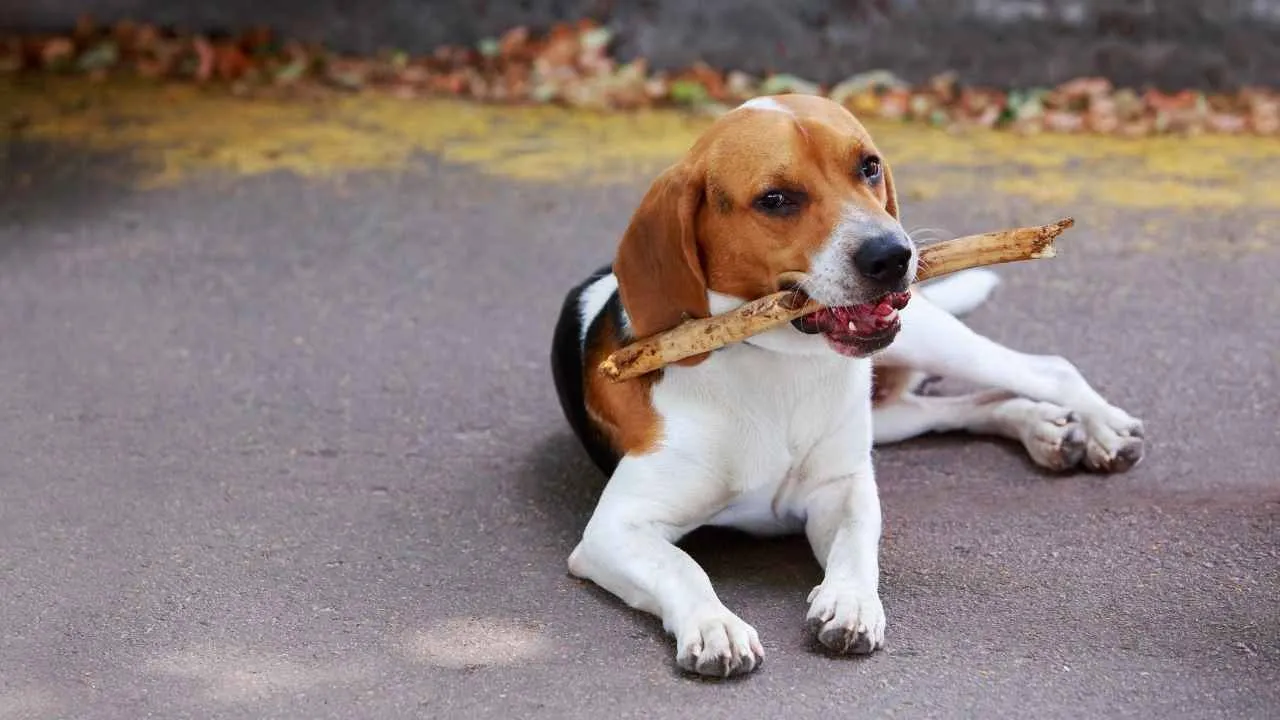
With a powerful nose and an independent nature, this hound can stay focused on a scent without constant direction from its handler. Its determination helps it follow trails across expansive outdoor areas. According to the AKC, American Foxhounds are easygoing and friendly.
The breed also has a distinctive bay and howl that can carry remarkably far. Its combination of stamina, scenting ability, and traditional hunting instincts makes it well adapted to lengthy tasks.
6. German Shorthaired Pointer
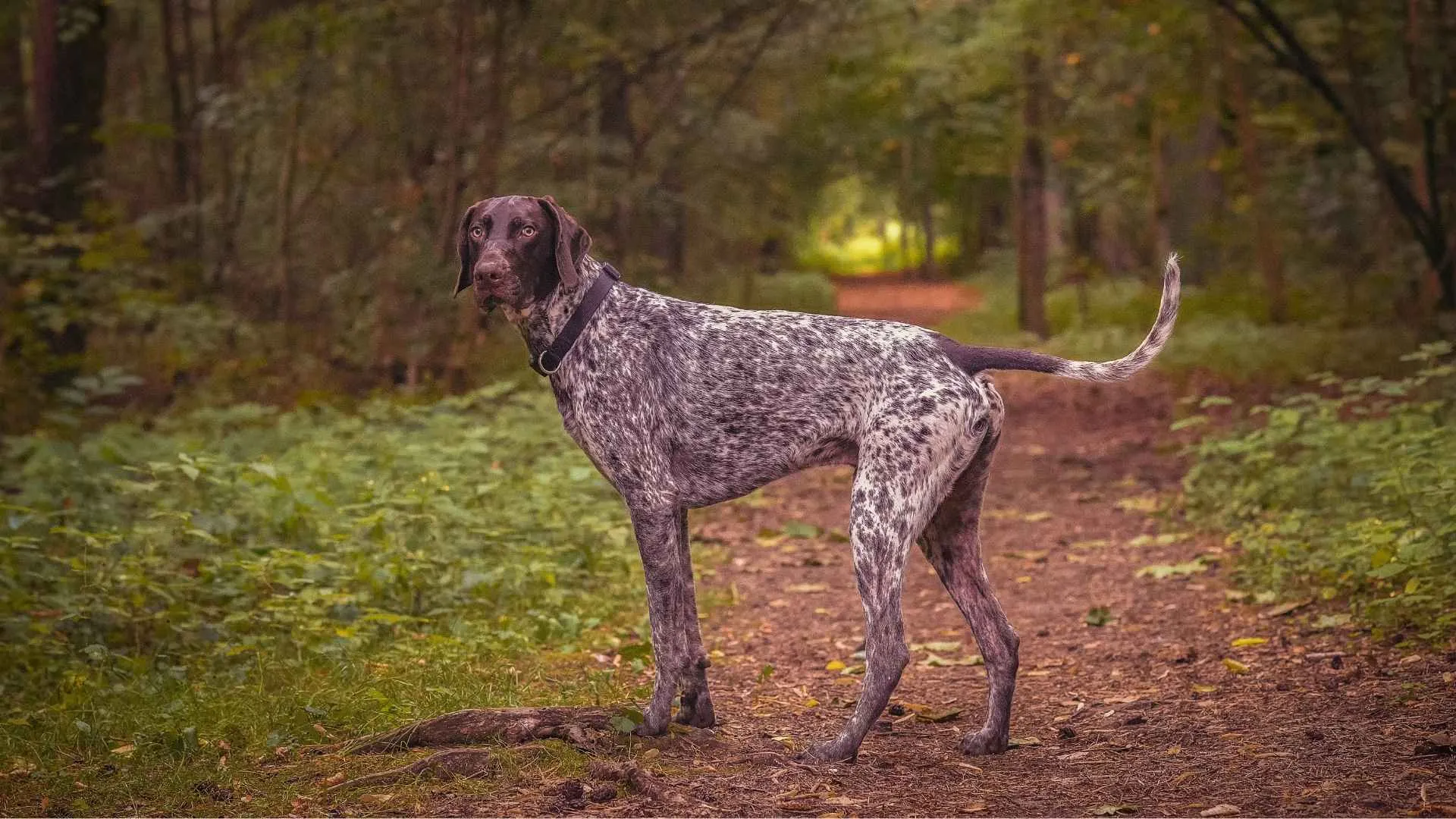
German Shorthaired Pointers are versatile, skilled companions built for demanding outdoor work. These pointing dogs help chasers to locate game birds, while their intelligence makes them responsive to training.
What sets the GSP apart is its ability to work across varied terrain. These canine athletes’ build and agility allow them to move efficiently through dense brush, open fields, and other challenging landscapes without losing momentum.
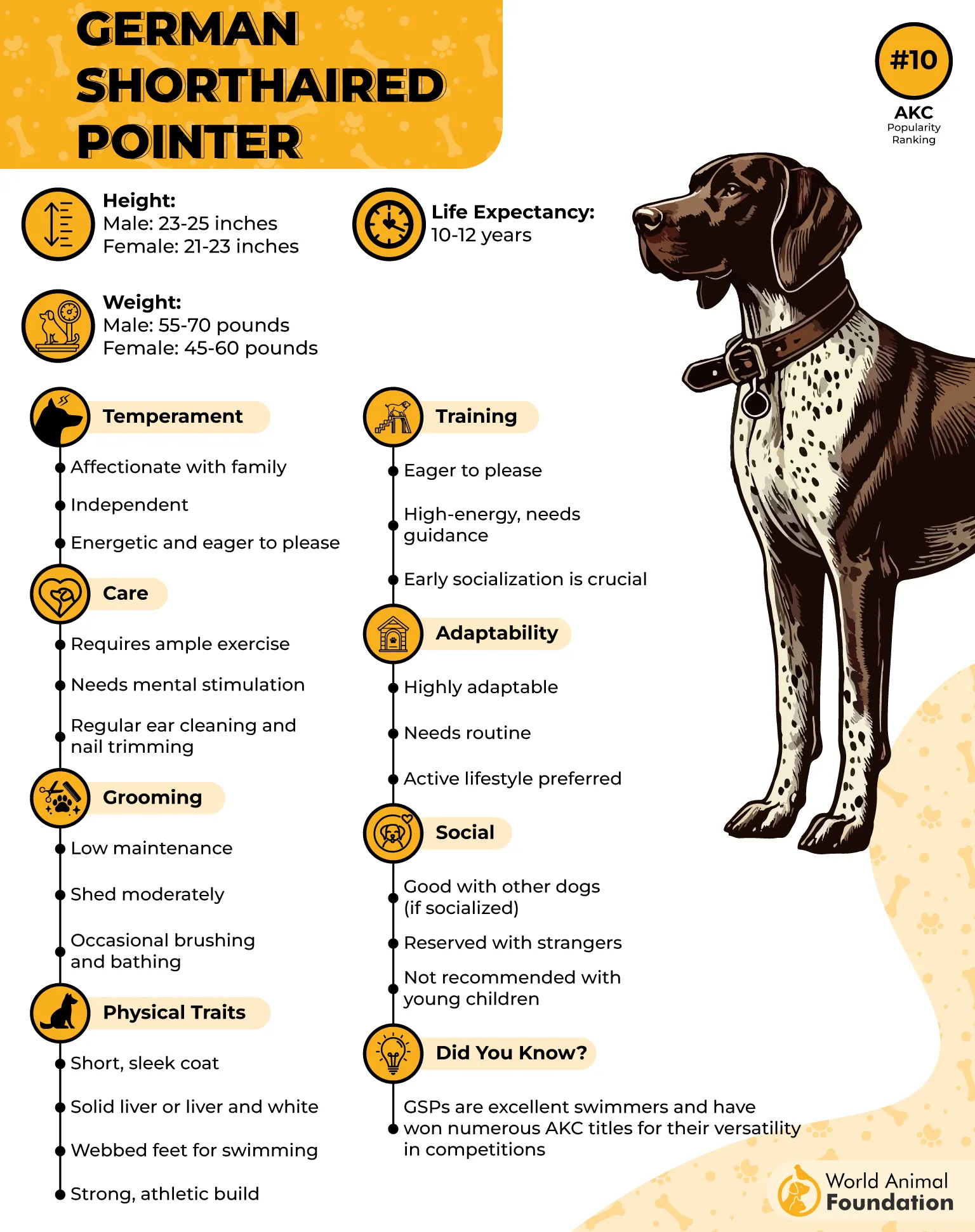
Beyond pointing, this dog type can track and retrieve, giving predators one practical partner for several stages of a hunt. Its endurance also allows it to remain active while covering large areas in search of game. According to Orvis, the GSP is also used in search-and-rescue operations.
Their energetic nature suits experienced owners who enjoy active interests. GSPs thrive with regular exercise, purposeful training, and plenty of engagement, making them particularly well matched to fearless hunters who spend long hours outdoors.
7. Vizsla
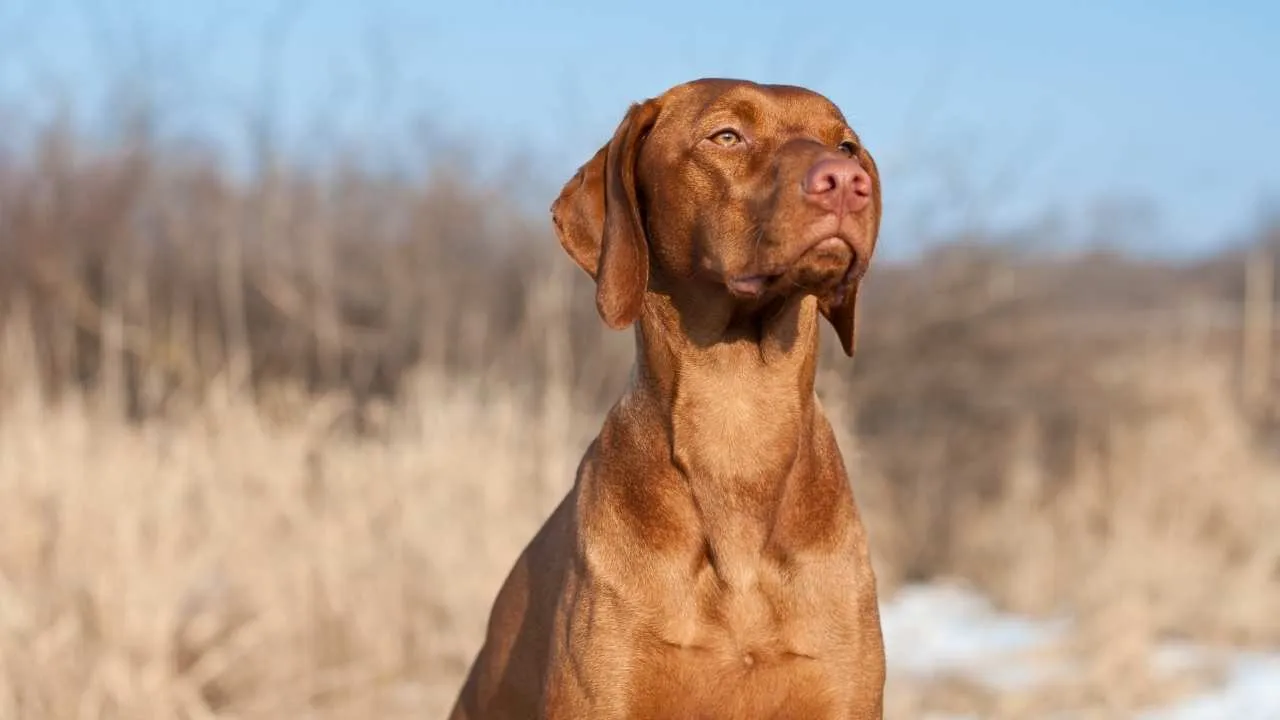
The Vizsla is a hardy hunting companion bred to point and fetch, with a natural ability to stay focused while working alongside its handler. Its close connection with people makes it especially responsive in the field.

This sleek-coated breed can move swiftly through open terrain. Its speed and agility also suit focused bird dogs such as quail, pheasant, and grouse. According to Omlet, it loves the water and happily swims to retrieve game.
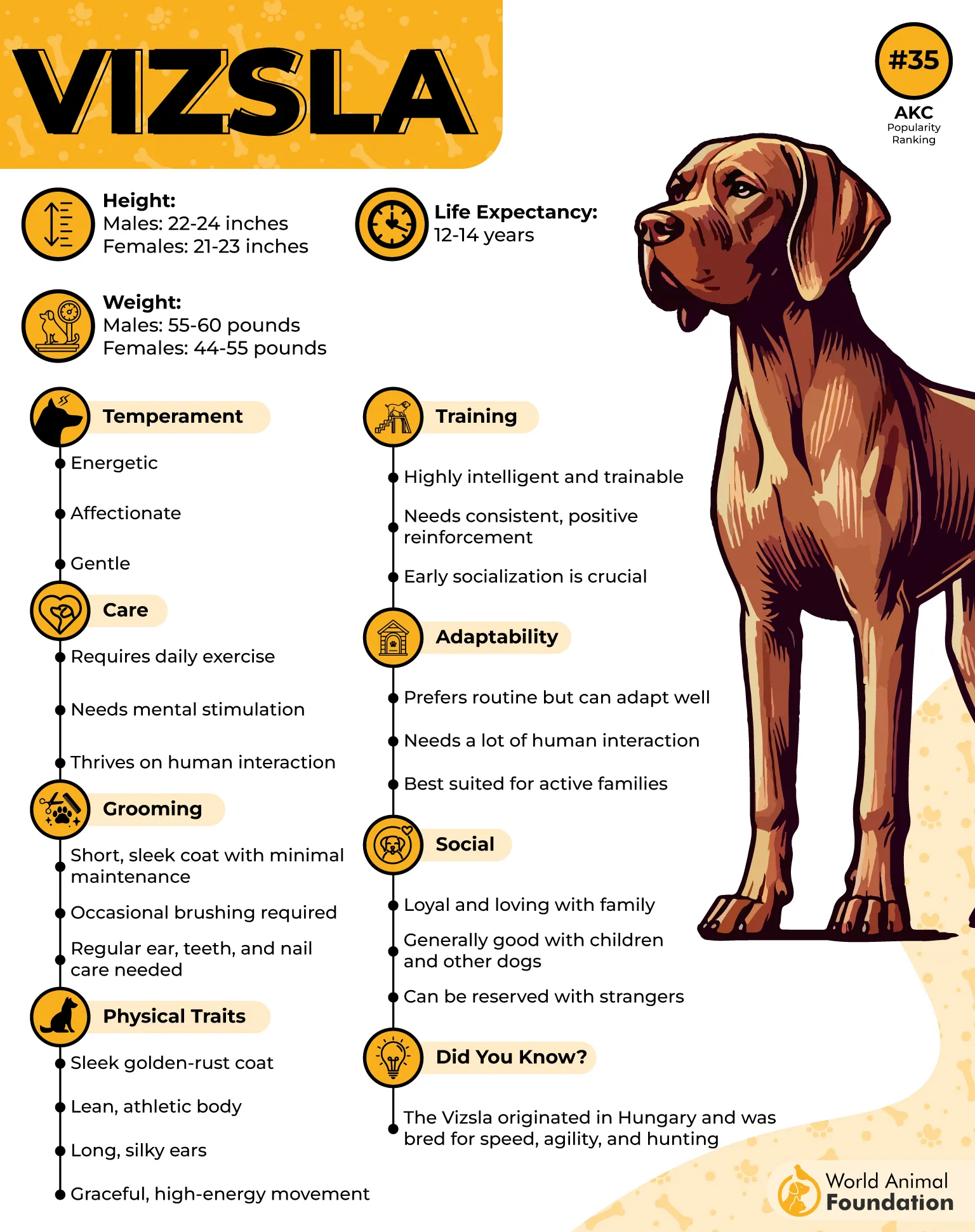
Rather than working at a distance, the Vizsla tends to remain closely engaged with its person. This social nature allows handlers to maintain communication and direction while the dog searches, tracks, and responds to cues.
Outside the field, Vizslas thrive on shared activities and plenty of mental stimulation. Monitoring exercises, scent work, agility, and other interactive activities can channel their energy while reinforcing the strong bond they naturally seek with their handler.
Conclusion
Choosing a hunting top breed with strong checking abilities can make time in the field more productive and rewarding. These dogs bring their own combination of scenting ability, focus, speed, and hunting instincts.
Excellent companions excel at staying close to their handlers, while others are naturally suited to covering challenging terrain or working across land and water. Their versatility can make them valuable companions for different hunting situations.
Beyond their working abilities, these breeds can form strong bonds with the people they accompany. Proper training, exercise, socialization, and mental enrichment help them stay focused while strengthening their connection with their handlers.
The right fearless hunter ultimately depends on your hunting dog style, various environments, challenging hunting conditions, and training goals. Understanding each breed’s natural strengths can help you choose a dog that fits both your outdoor activities and everyday lifestyle.
