




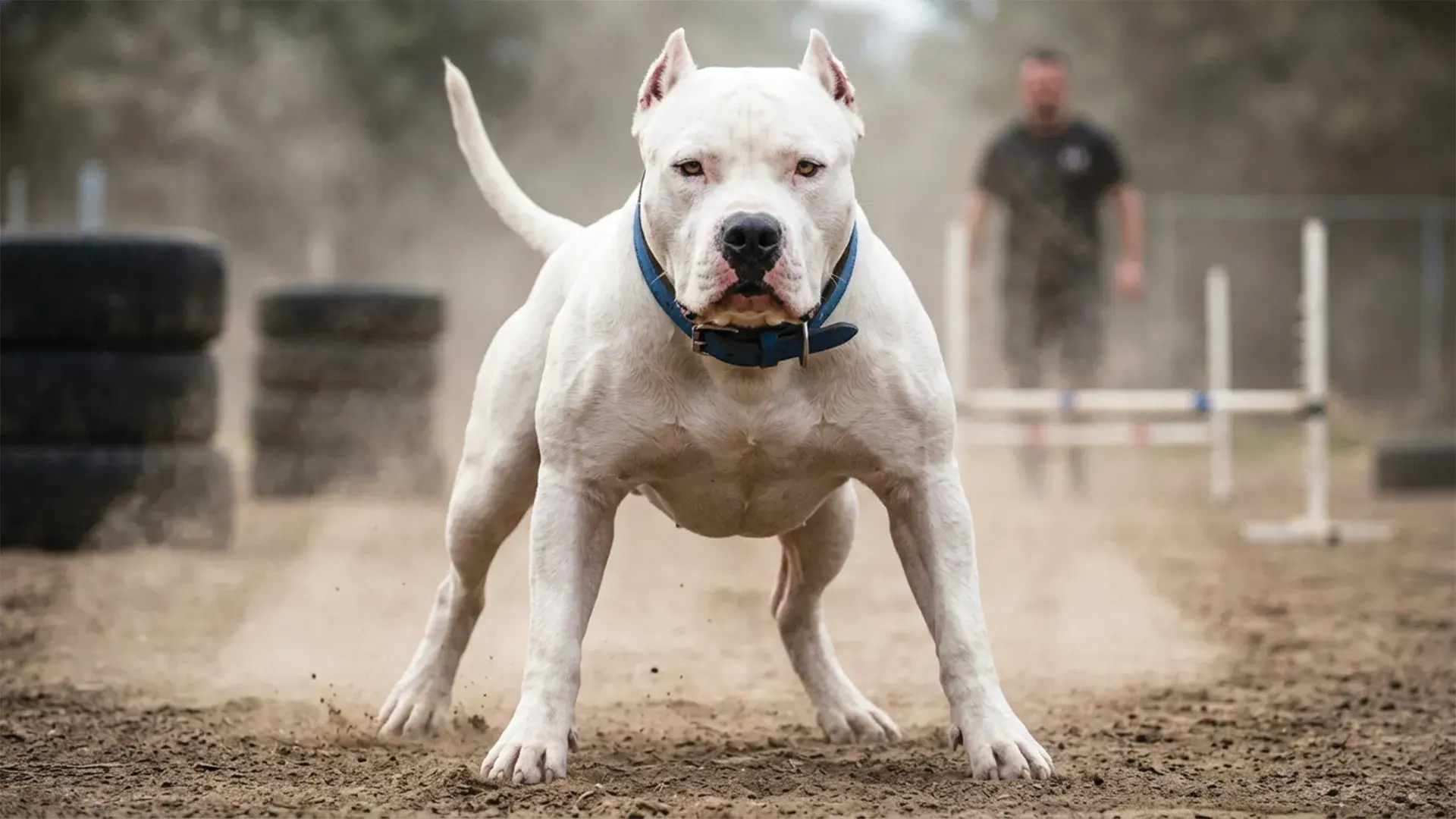
Some dogs have a physical presence that immediately captures attention, yet the reason behind that powerful build is often misunderstood.
It is easy to assume that large muscles automatically mean endless energy, natural aggression, or unmatched guarding ability, but those assumptions rarely tell the complete story. Every strongly built breed has its own purpose, temperament, and history that shaped its impressive appearance over generations.
Looking only at size leaves out the characteristics that truly define these remarkable companions. Their balance, confidence, endurance, and working ability often matter just as much as raw strength. Once you understand what contributes to their solid structure, these breeds become far more interesting than their appearance alone suggests.
This article explores the strongest dog breeds, learns what gives them their commanding build, and discovers what makes each one unique.
Key Takeaways
A powerful build can tell you a lot about a dog’s past. In many of these breeds, every broad chest, heavy bone, and muscular limb has a reason behind it.
The Anatolian Shepherd Dog has spent thousands of years guarding livestock, while the DogoArgentino was carefully developed for big-game hunting.
Then there are breeds like the Bergamasco Sheepdog, whose heavy bones and powerful hindquarters helped it handle steep mountain terrain and long working days.
From pulling carts to facing predators, these dogs have fascinating stories behind their strength, and the rest of the list gets even more impressive.
Top Dog Breeds Known for Their Powerful Build
1. Anatolian Shepherd Dog
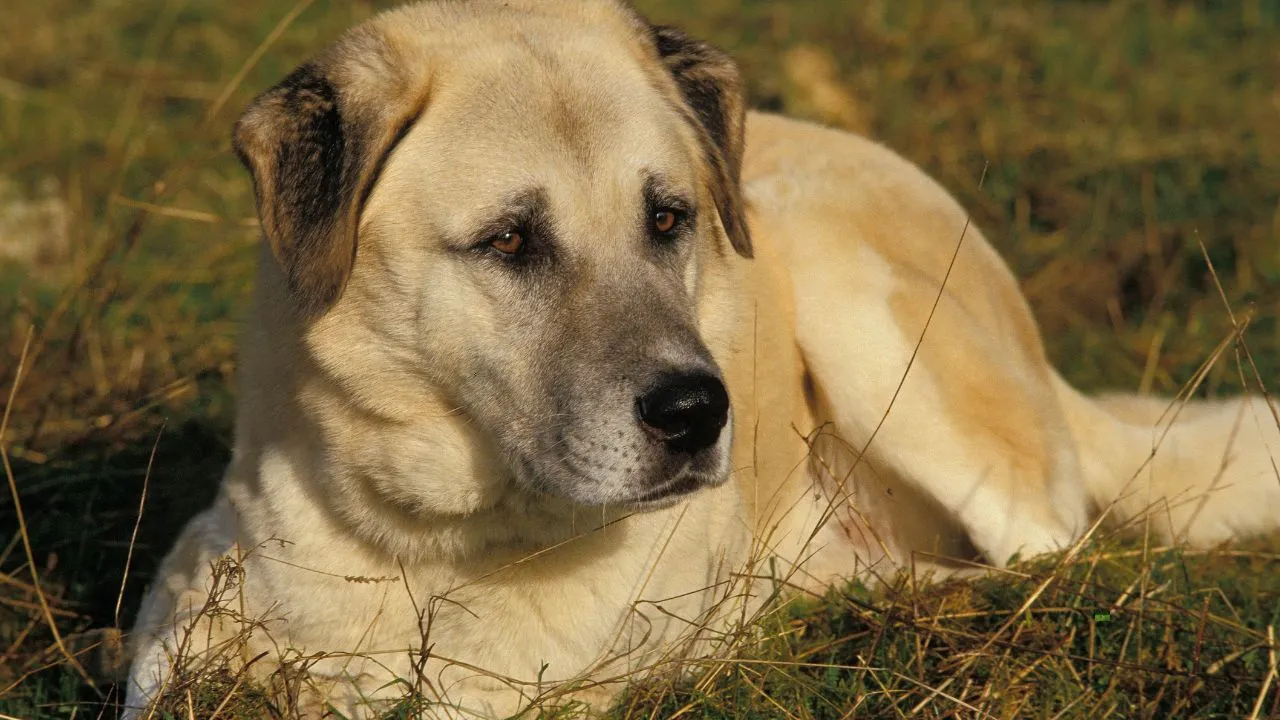
Anatolian Shepherd Dog spent thousands of years protecting livestock across Turkey, where quick judgment and self-reliance were essential for guarding animals without constant human direction. That deep-rooted purpose still shapes the breed’s confident and protective temperament today.
Built for Serious Work
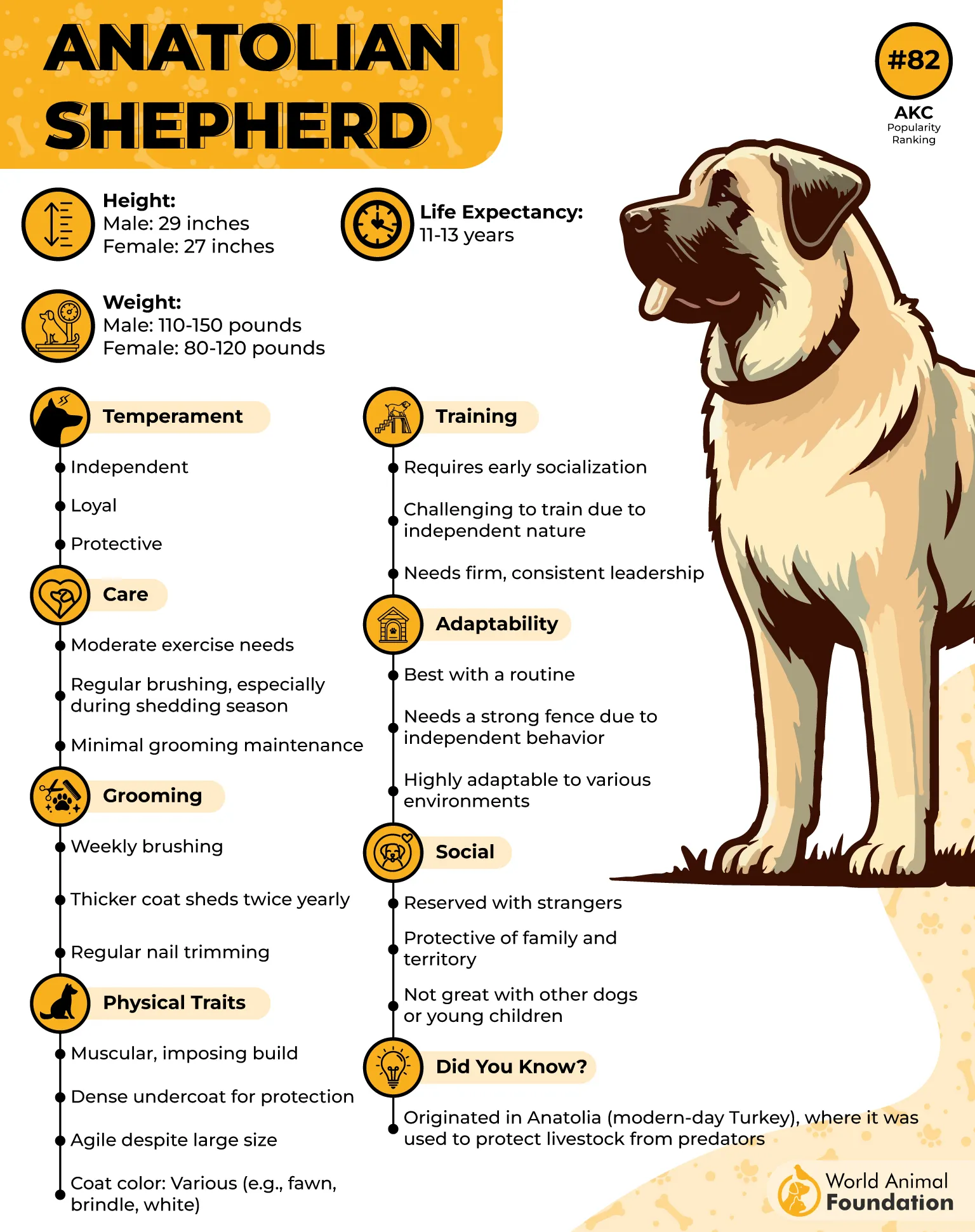
A large, muscular frame gives this breed the physical strength needed for demanding guardian duties rather than speed alone. Estimates place its bite force at around 743 PSI, reflecting a body shaped for confronting predators and surviving difficult encounters.
Daily life of this breed has its own considerations:
They don’t demand constant exercise
Need a secure fenced yard for daily activity
Older children are generally more suitable for this breed
Calm Until Needed
They usually remain composed while observing their surroundings, yet react immediately when they sense danger toward their family members or the animals under their protection. That independent decision-making also explains why experienced pet parents and early socialization are especially valuable, as Purina suggested
2. Bouvier Des Flandres
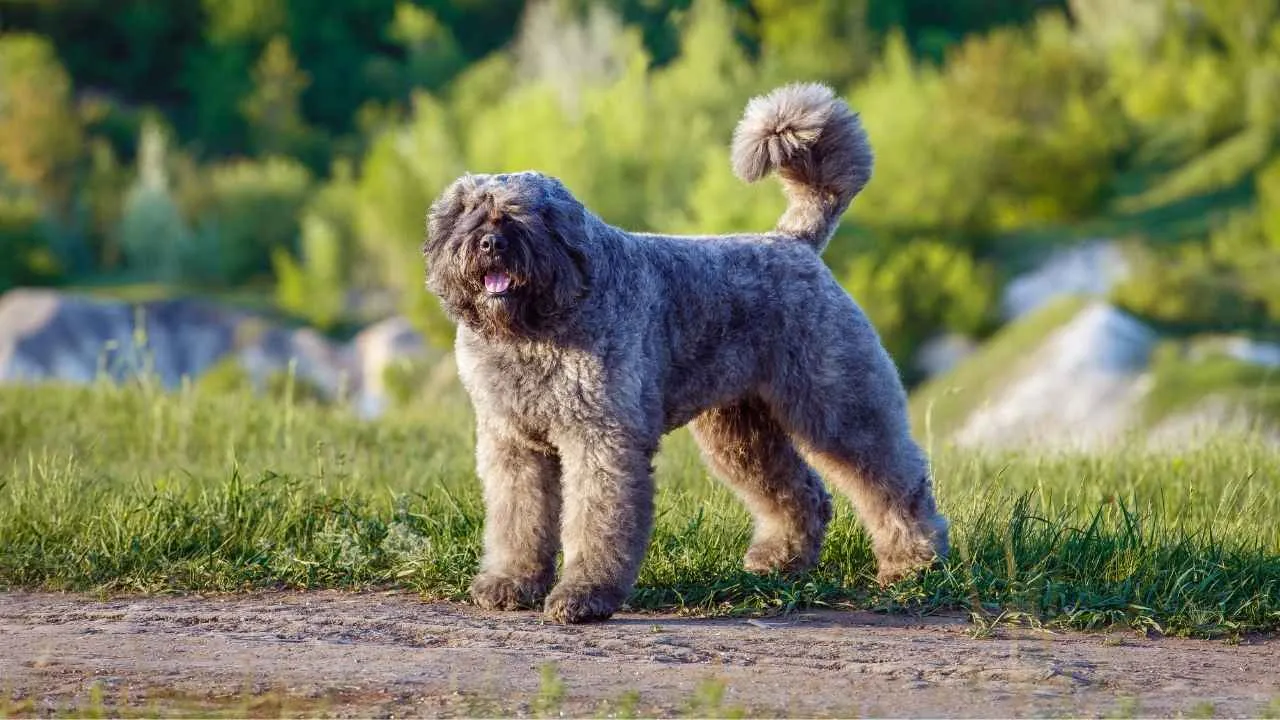
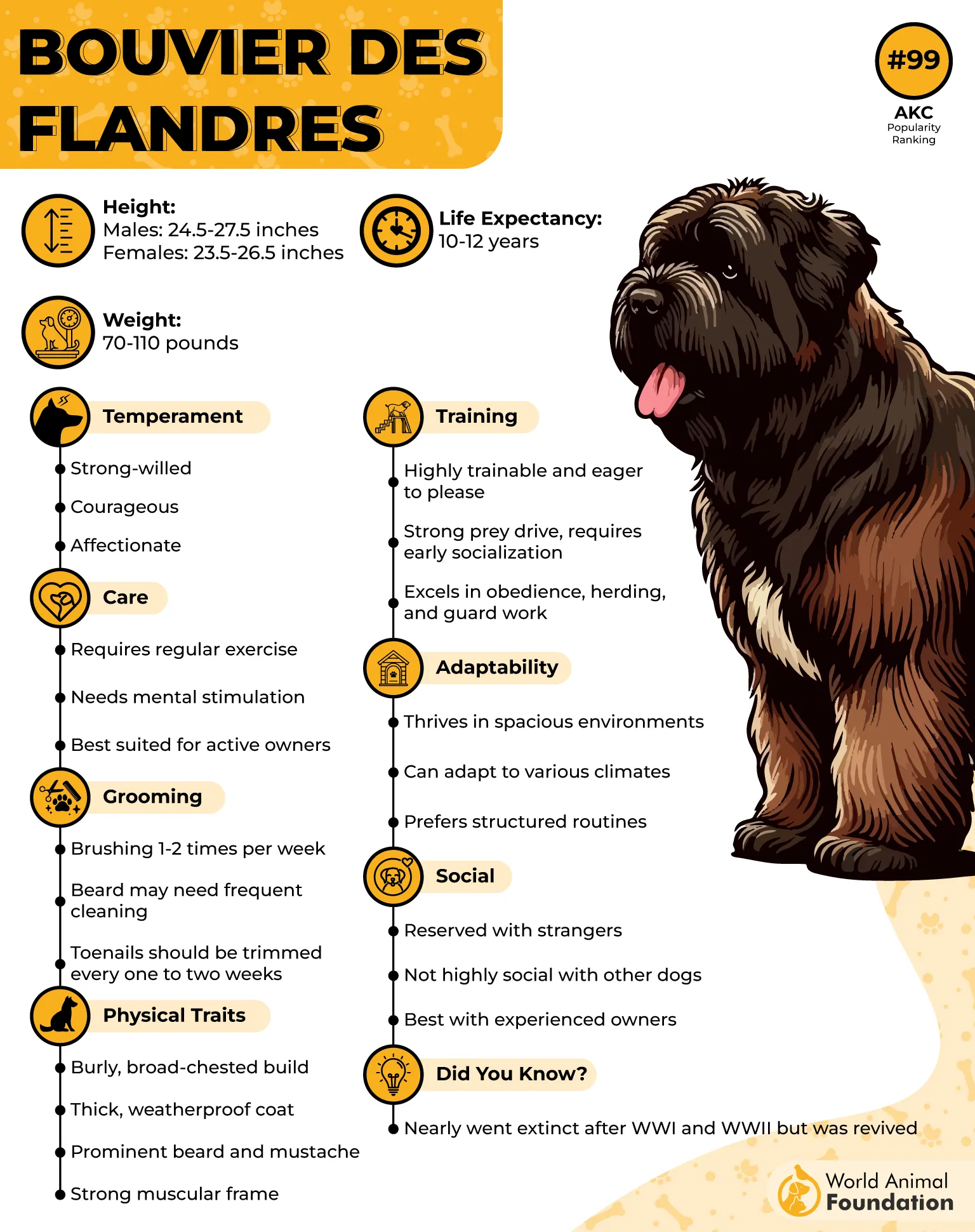
Bouvier des Flandres was originally bred in the Flanders region of Belgium, where monks relied on capable farm dogs to help with cattle work. While its exact ancestry remains uncertain, Irish Wolfhound, Scottish Deerhound, and local farm dogs are widely believed to have contributed to the breed.
Built for Demanding Work
This powerful dog has heavy bone, dense muscle, and a weather-resistant double coat in a body. Its broad chest supports lasting endurance, while the square frame creates solid balance during challenging tasks such as herding cattle and pulling milk carts.
Here’s how their structure comes together:
Highly agile and unhindered in their movement
Powerful jaws for livestock control
They possess a scissors bite
Work Keeps Them Focused
Bouvier des Flandres channels its energy best through purposeful activities including tracking, herding trials, obedience, hiking, running, and long neighborhood walks.
According to PetMD, without at least two hours of daily physical and mental engagement, this capable working dog may begin creating its own entertainment.
3. Bergamasco Sheepdog
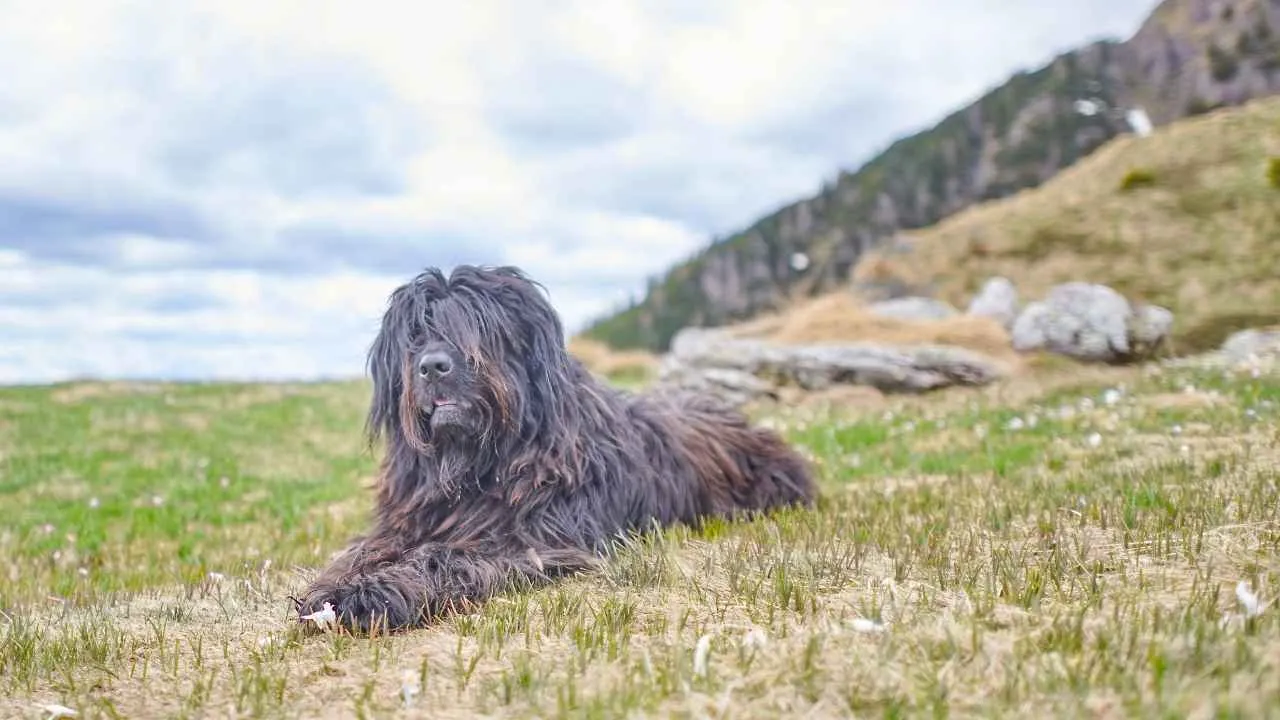
Bergamasco Sheepdog arrived in Europe thousands of years ago with nomadic shepherds traveling from the Orient toward the western regions. Its abilities became closely linked with livestock work in the mountain landscapes of Switzerland and Italy, where the breed still serves practical working roles today.
Built for Demanding Terrain
A square body, deep chest, and substantial bone structure give this powerful dog breed the balance and physical strength needed for challenging mountain routes. Powerful hindquarters also provide the driving force needed for climbing steep ground and covering long distances.
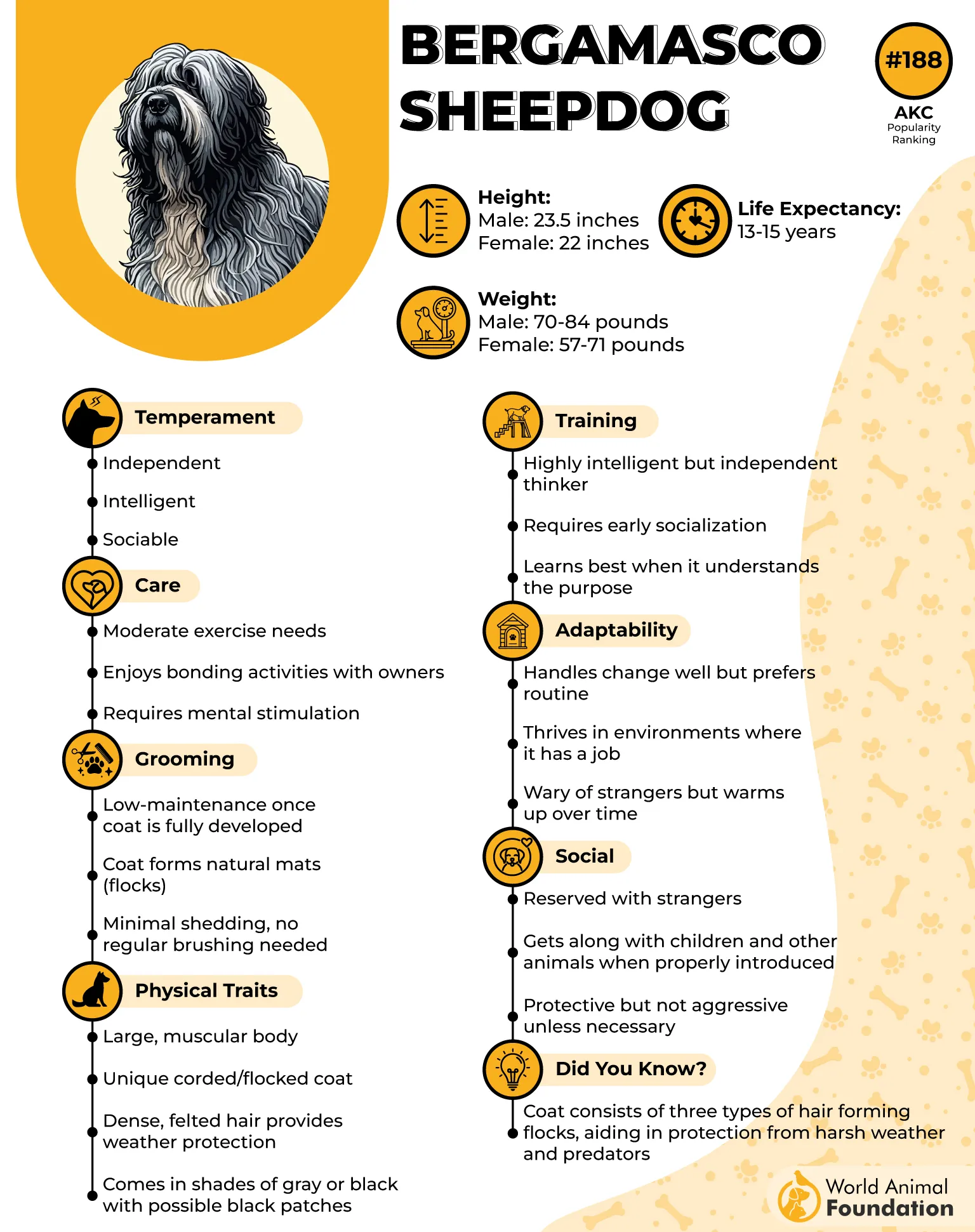
The highlights continue here:
Body length matches height at the withers
Rib cage extends down to the elbows
Heavy bone structure discourages predators
Independent Worker
Bergamasco Sheepdog can gather sheep without constant direction, often completing herding tasks after being released into the field. As per the AKC, its patient nature, sharp awareness, and dedication to work have long made this breed a dependable partner for livestock management.
Calm but Watchful
Bergamasco Sheepdog keeps a close eye on its surroundings while remaining patient with children and familiar animals in the household. New faces usually receive quiet observation first, while its natural watchdog instincts help it judge situations before reacting.
4. Dogo Argentino
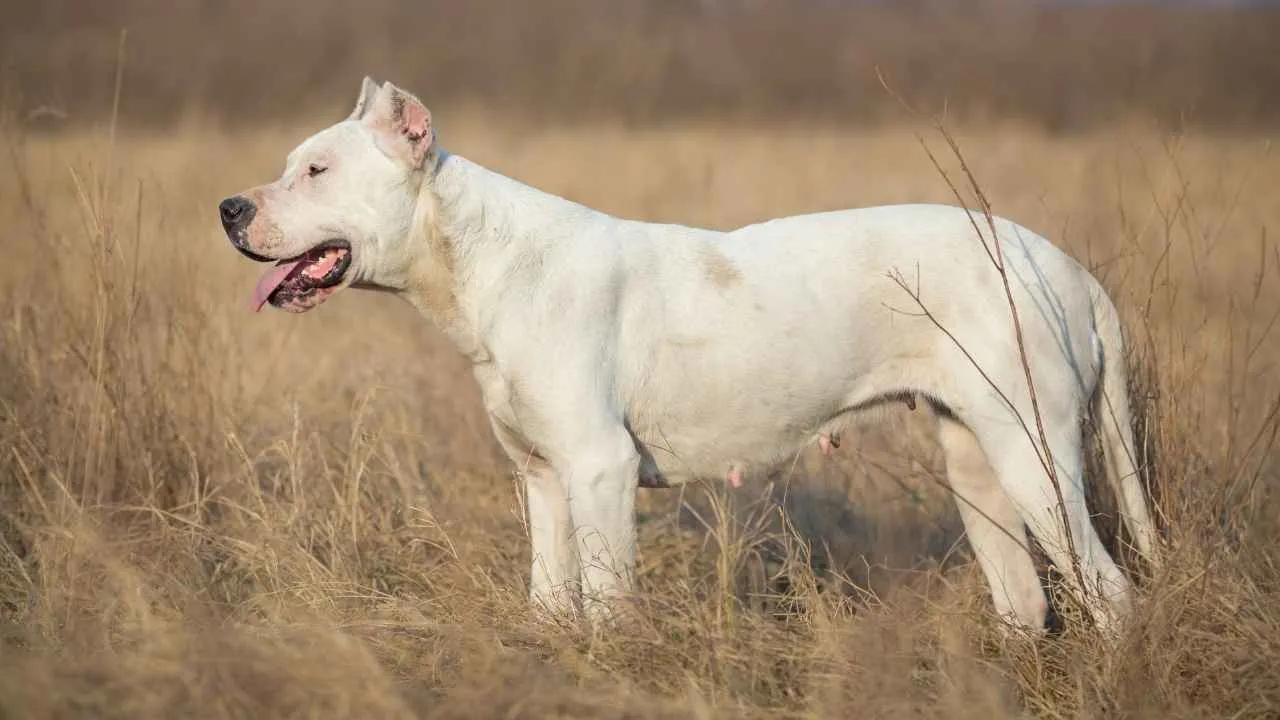
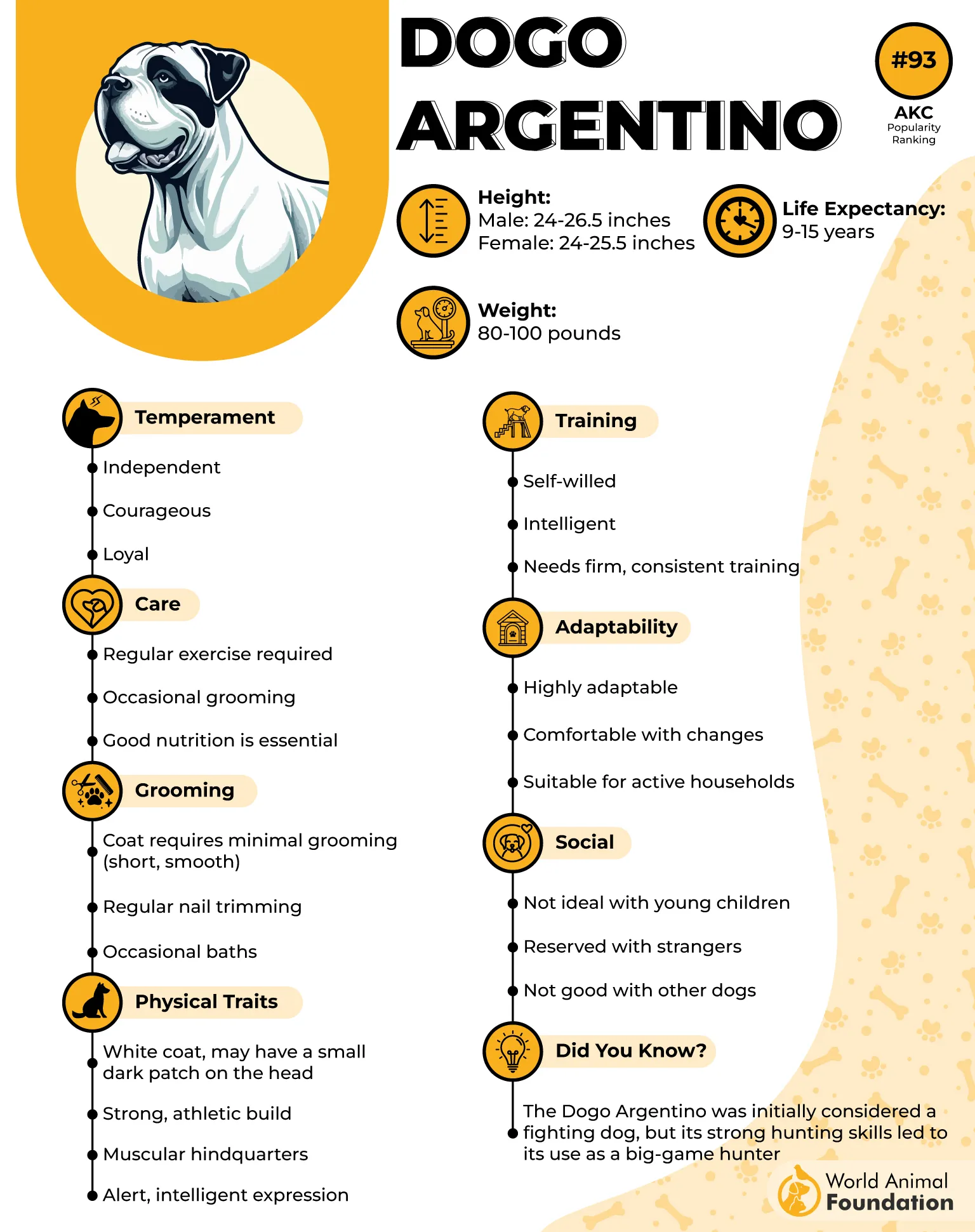
Dogo Argentino first took shape in Argentina through the work of Dr. Antonio Nores Martinez, who combined several large working dogs to create a dependable partner for big-game hunting. That clear objective shaped every part of the breed, from its physical structure to its determined working attitude.
Power in Every Detail
A broad skull, powerful muzzle, arched neck, deep chest, and compact frame all contribute to the solid appearance this breed is recognized for. The short white coat sits close to the body, making its muscular definition especially noticeable from shoulder to hindquarters.
A closer inspection reveals several defining features:
Estimated bite force of 500 PSI
Thick skin offering added protection
Has greater lung capacity
Energy with Direction
Dogo Argentino performs best with a structured daily routine that includes running, long walks, or games such as fetch to channel its energy. Without enough physical and mental activity, this breed may begin chewing unsuitable objects or looking for its own entertainment.
5. Bernese Mountain Dog
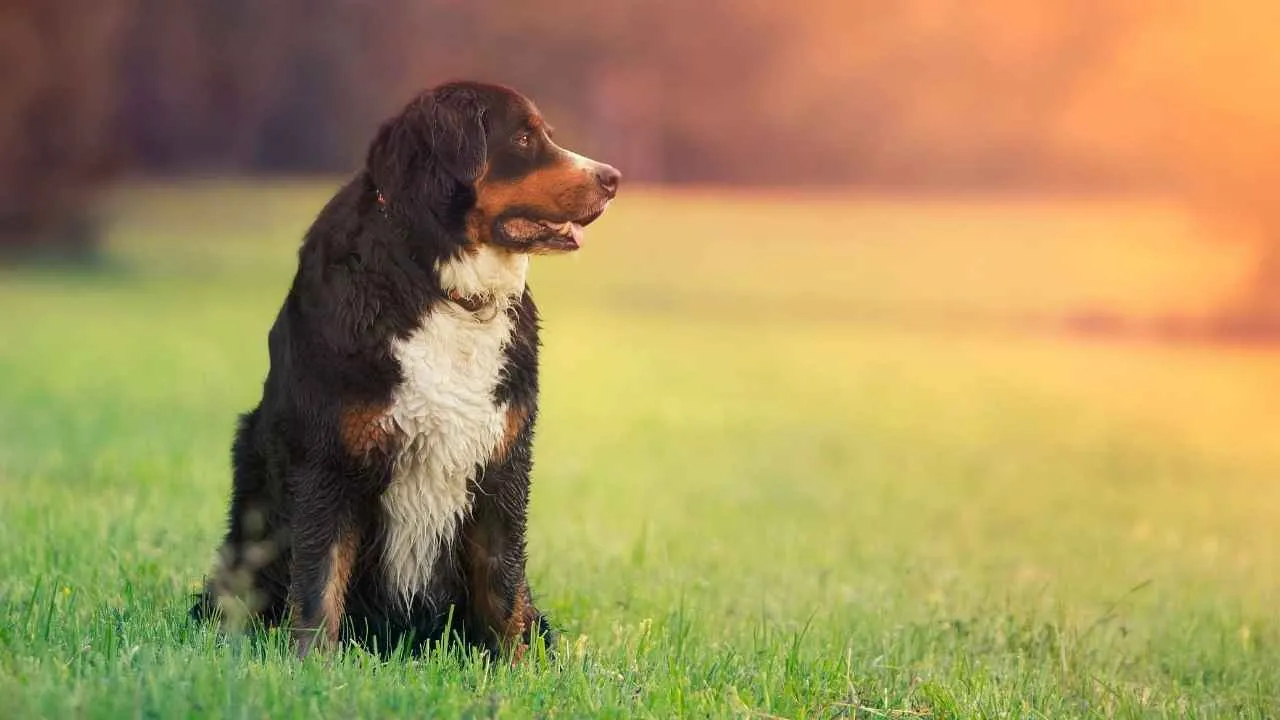
Bernese Mountain Dogs spent centuries working across the Swiss Alps, where dependable farm dogs played an important role in everyday rural life. By the late 1800s, dedicated breeding efforts helped preserve the breed after its numbers had fallen to a worrying level.
Strength in Structure
They combine a deep chest, heavily muscled shoulders, and broad hindquarters that work together to generate impressive pulling force. That balanced frame also supports steady power across demanding tasks instead of relying on size alone.
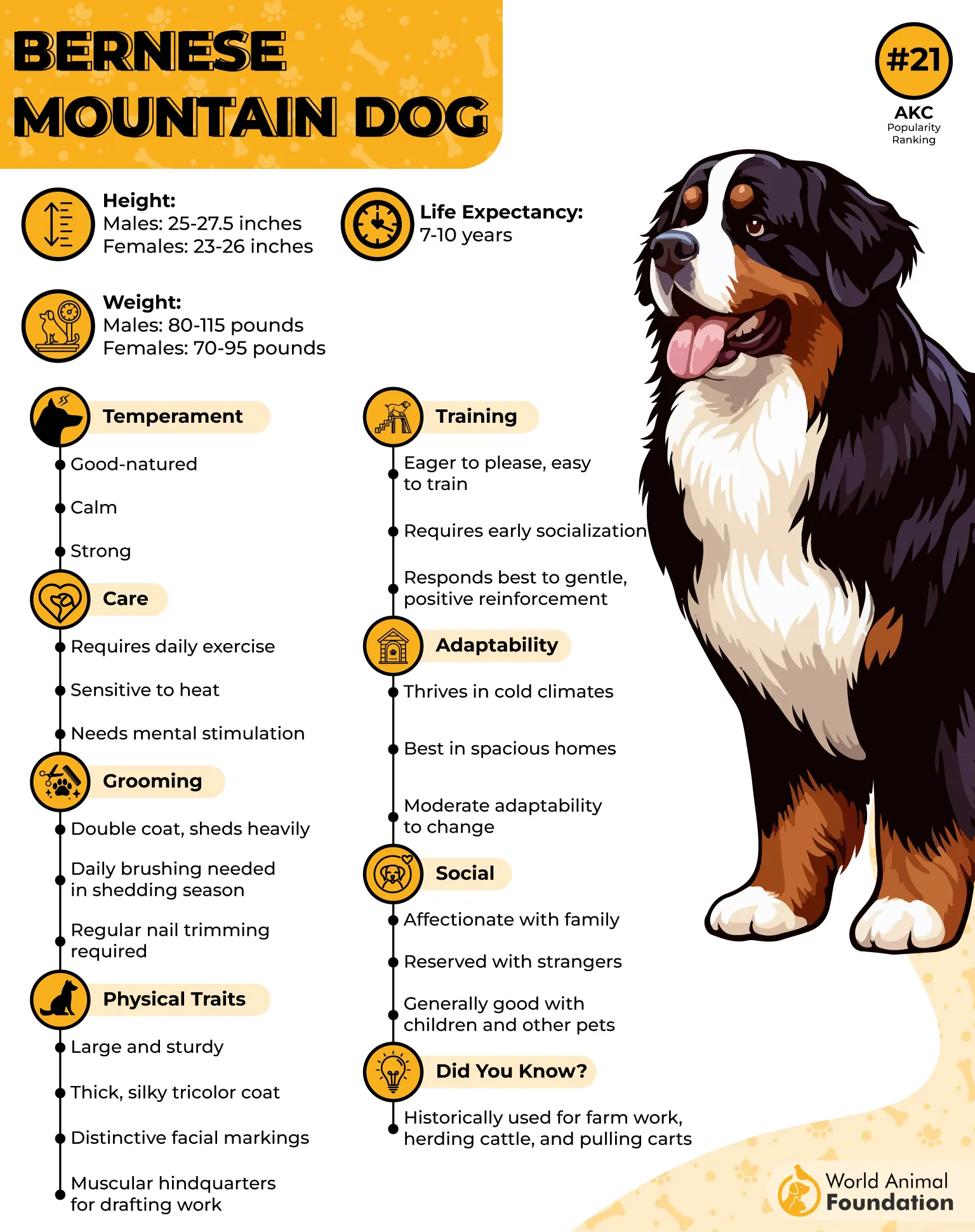
Several physical features of this giant dog explain that capability:
Larger lung capacity
Flat, sloping shoulders with strong leverage
Thick rear thighs for greater driving force
Calm Under Pressure
This loving companion approaches training with a cooperative attitude, making obedience work and scent-based activities rewarding for both dog and handler. Early socialization also helps this breed respond with greater confidence around unfamiliar dogs and people, and changing surroundings.
6. Dogue De Bordeaux
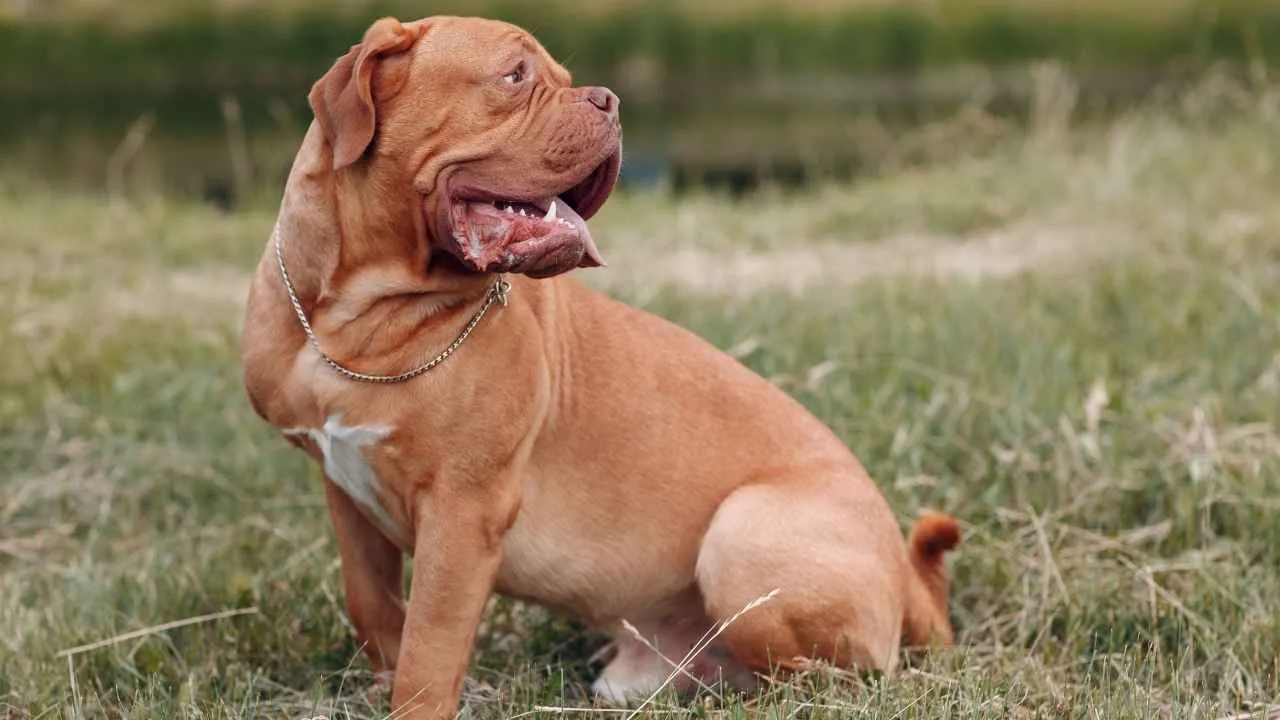
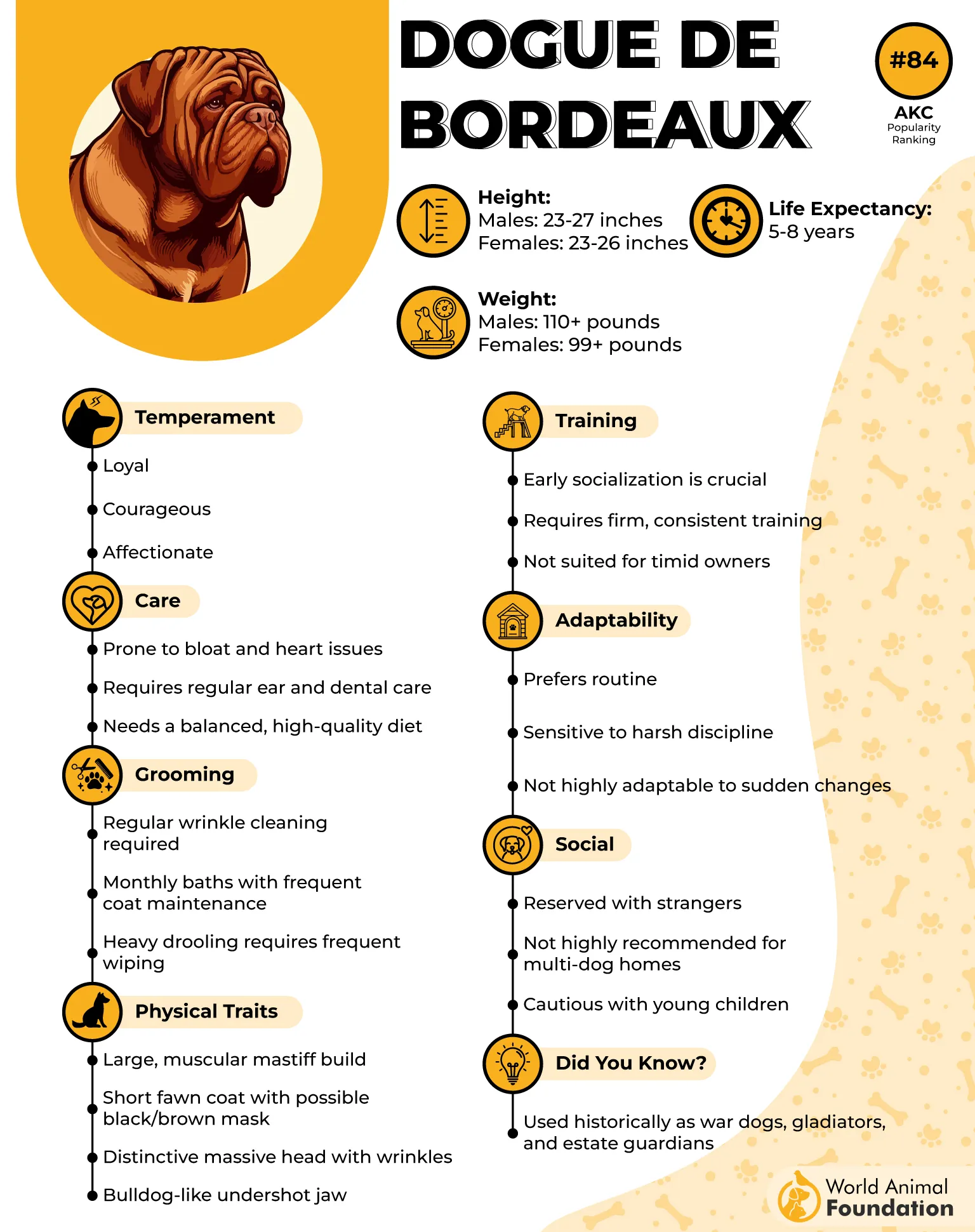
Dogue de Bordeaux has been associated with France since the 14th century, where it became closely linked with the Bordeaux region. Over the centuries, this imposing breed took on demanding jobs that included guarding estates, protecting livestock, and assisting with large-game hunts.
Built for Strength
A broad chest, heavy-boned limbs, and an exceptionally muscular neck give this excellent guard dog the solid frame expected from a powerful working dog. The massive head and jaw structure further reinforce that imposing appearance, with an estimated bite force of around 556 PSI.
The breed’s impressive build goes even further:
Deep, heavily furrowed facial wrinkles
Broad trapezoidal skull with an undershot jaw
Brisket extending below the elbows
Everyday Care
Dogue de Bordeaux has a short, dense coat that benefits from weekly brushing to keep loose hair under control. Proper training and interactive activities such as scent games, puzzle toys, fetch, swimming, and short hikes provide useful mental engagement alongside regular walks.
7. Leonberger
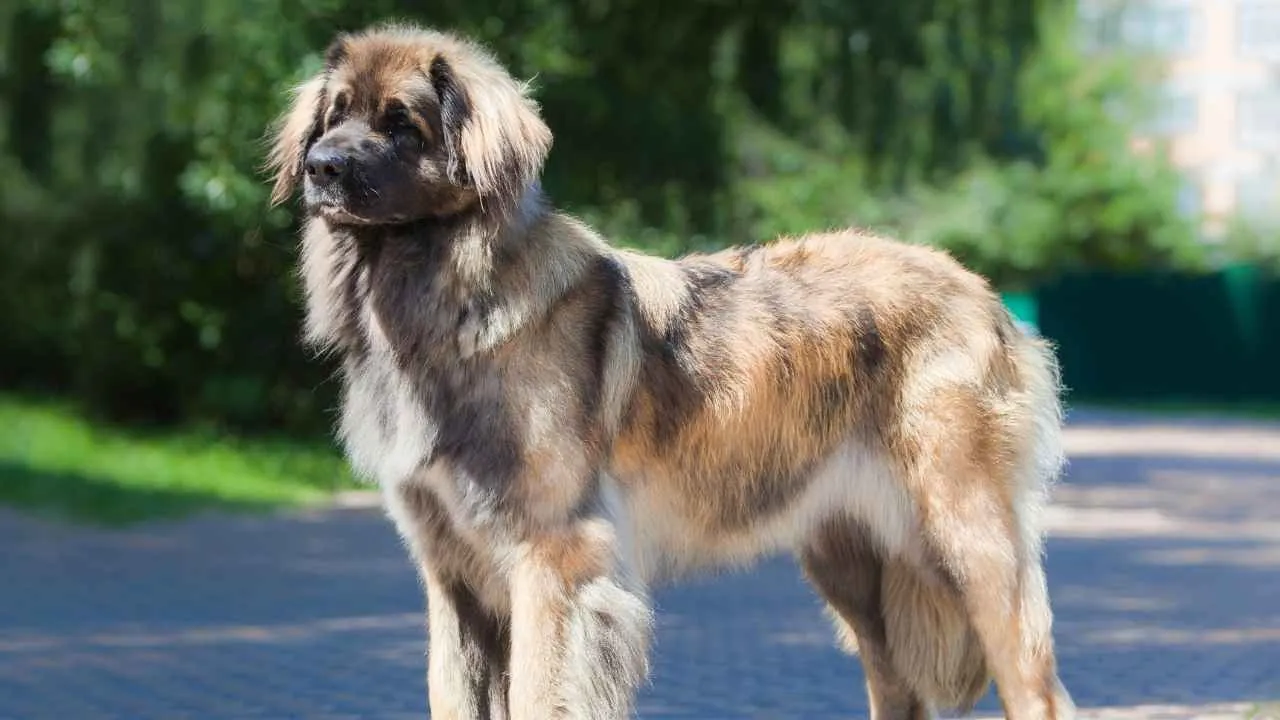
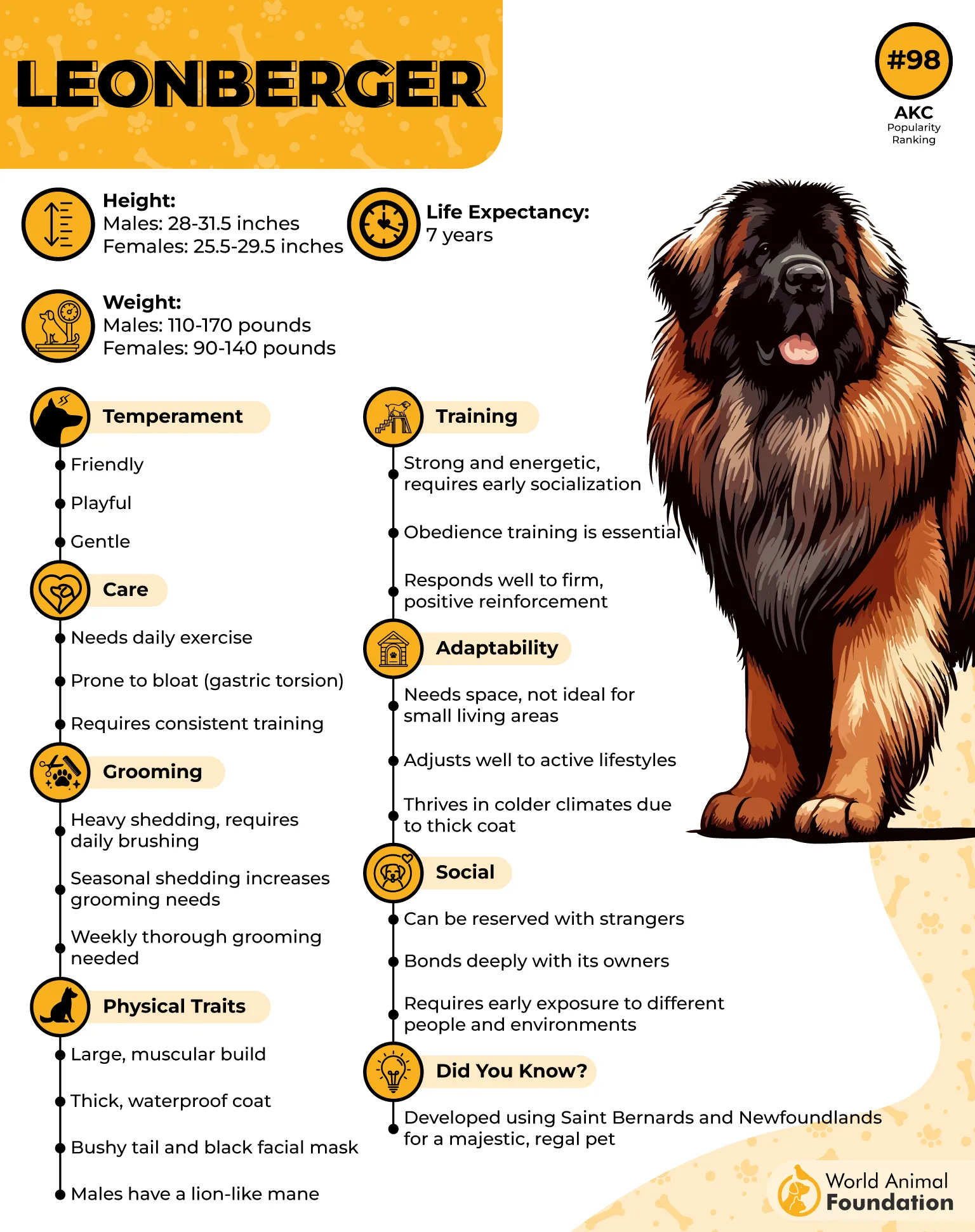
Leonberger was developed in the German town of Leonberg, where accounts describe a reddish-gold dog created to resemble the lion featured on the town’s coat of arms.
Early breeding combined the Newfoundland, Saint Bernard, and Great Pyrenees, and the breed later found favor among European royalty while also working on farms.
Built for Demanding Tasks
This search and rescue dog has a muscular body with substantial bone density, a deep chest, and powerful hindquarters that generate impressive strength and endurance. This structure makes them well-suited for heavy-duty work while still allowing smooth, balanced movement.
Some more traits that add to their powerful look include:
Thick mane around the neck and chest in adult males
Deeply webbed paws built for strong swimming ability
Broad frame supported by dense bone structure
Calm Strength
Leonberger pairs physical power with a patient, confident nature that responds well to training and enjoys having purposeful activities.
Hiking, swimming, cart pulling, and agility all provide productive ways to channel its energy, while protective instincts and an affectionate temperament also make them great family pets.
8. Great Pyrenees
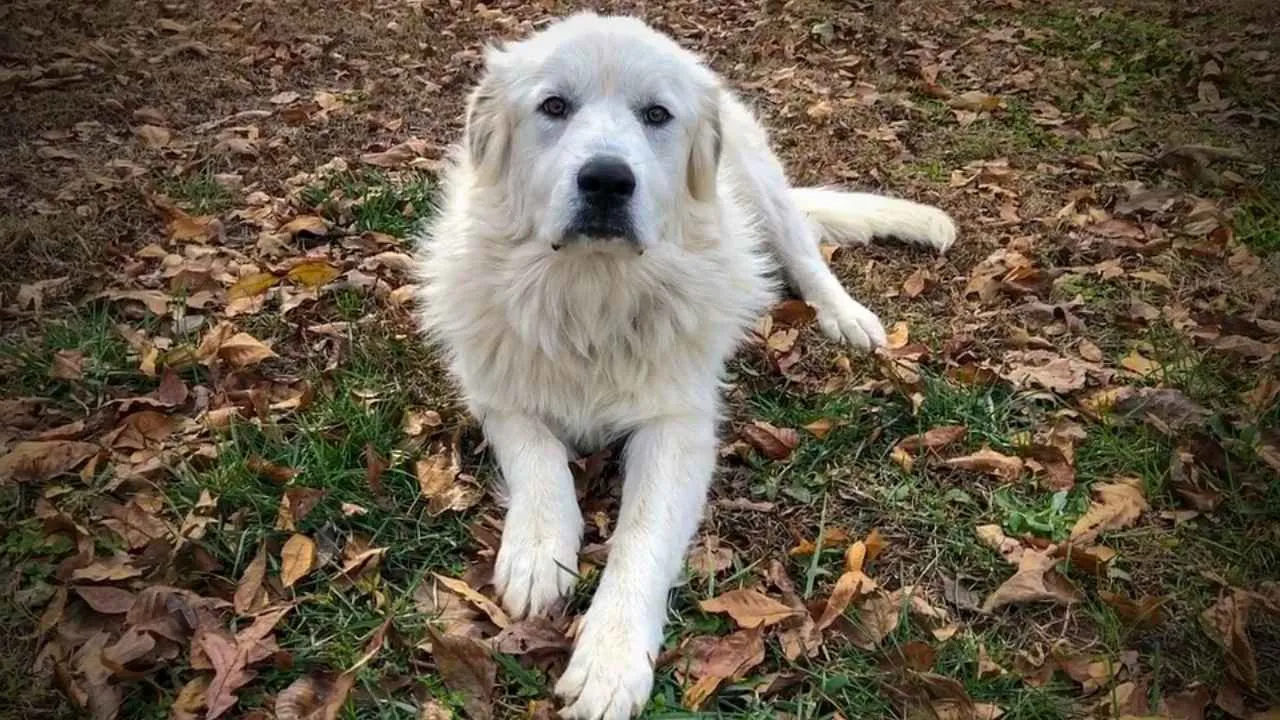
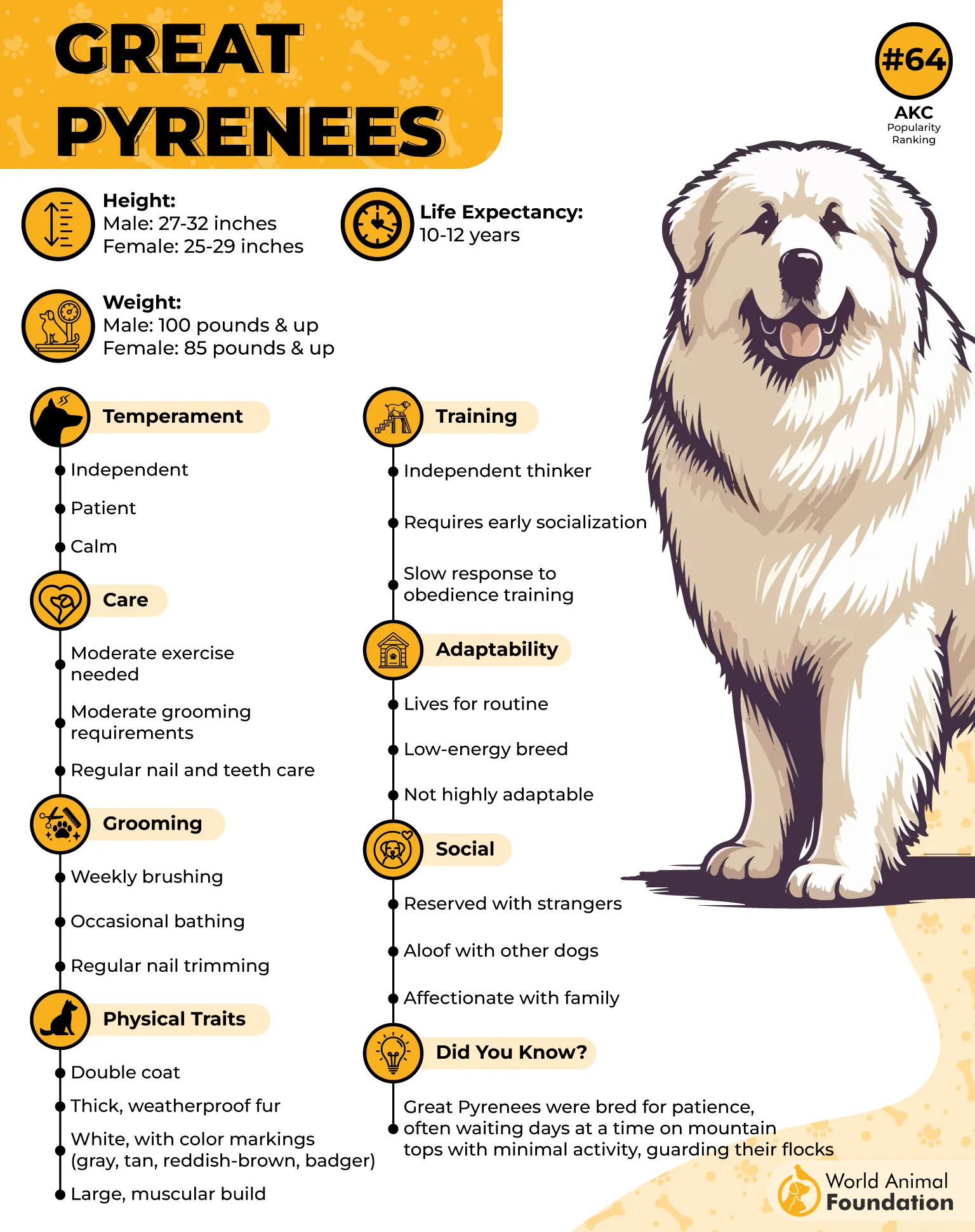
Great Pyrenees first served as a livestock guardian in the Pyrenees Mountains that stretch between France and Spain. Its thick white coat blended naturally with snowy surroundings, allowing the breed to watch over sheep while facing predators such as bears and wolves across rugged mountain landscapes.
Built for Demanding Terrain
These powerful pups have immense physical strength and a body shaped for difficult mountain conditions rather than constant activity. A deep chest supports greater lung capacity at high elevations, while large splayed paws provide extra grip across snow and uneven ground.
Some more remarkable features of this large-sized breed are:
Double rear dewclaws for added stability
Short, powerfully built neck
Heavy bone hidden beneath dense fur
Quiet Confidence
Great Pyrenees prefers making its own decisions, a quality that comes from spending long periods guarding flocks without constant human direction.
Around the home, this independent nature can require extra patience during training, while a secure fenced area helps satisfy its interest in exploring open spaces.
9. Greater Swiss Mountain Dog
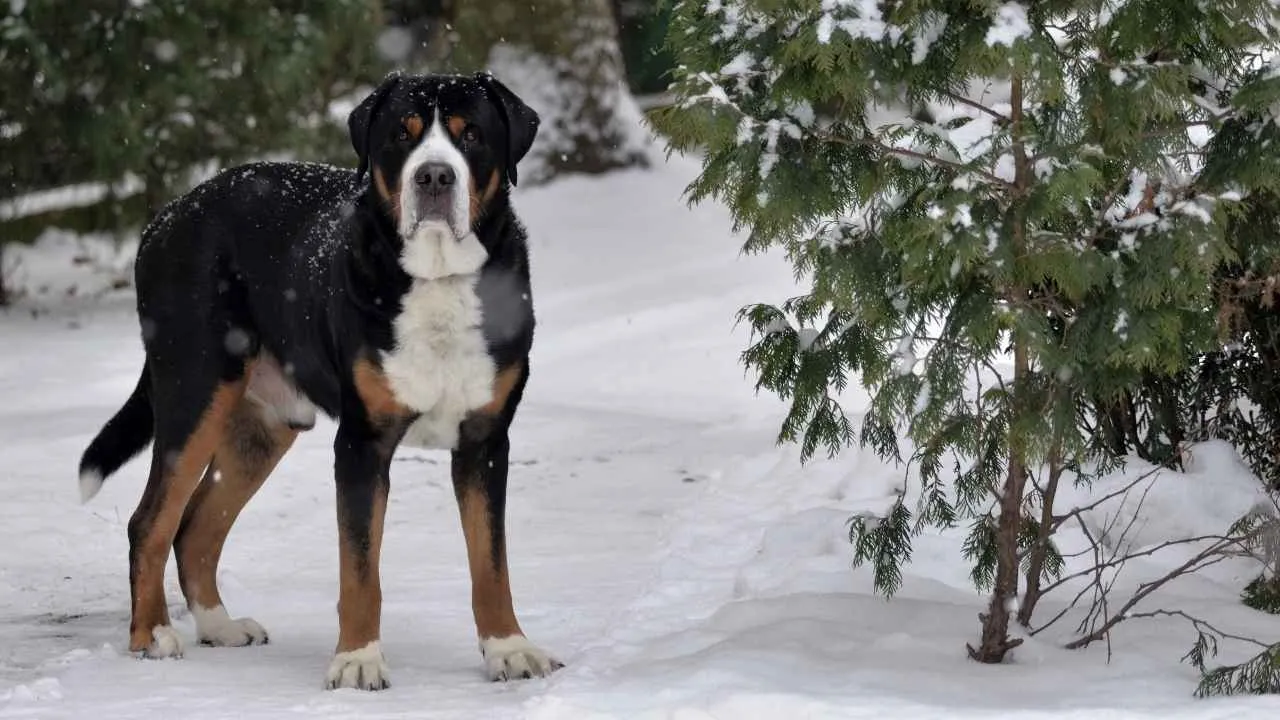
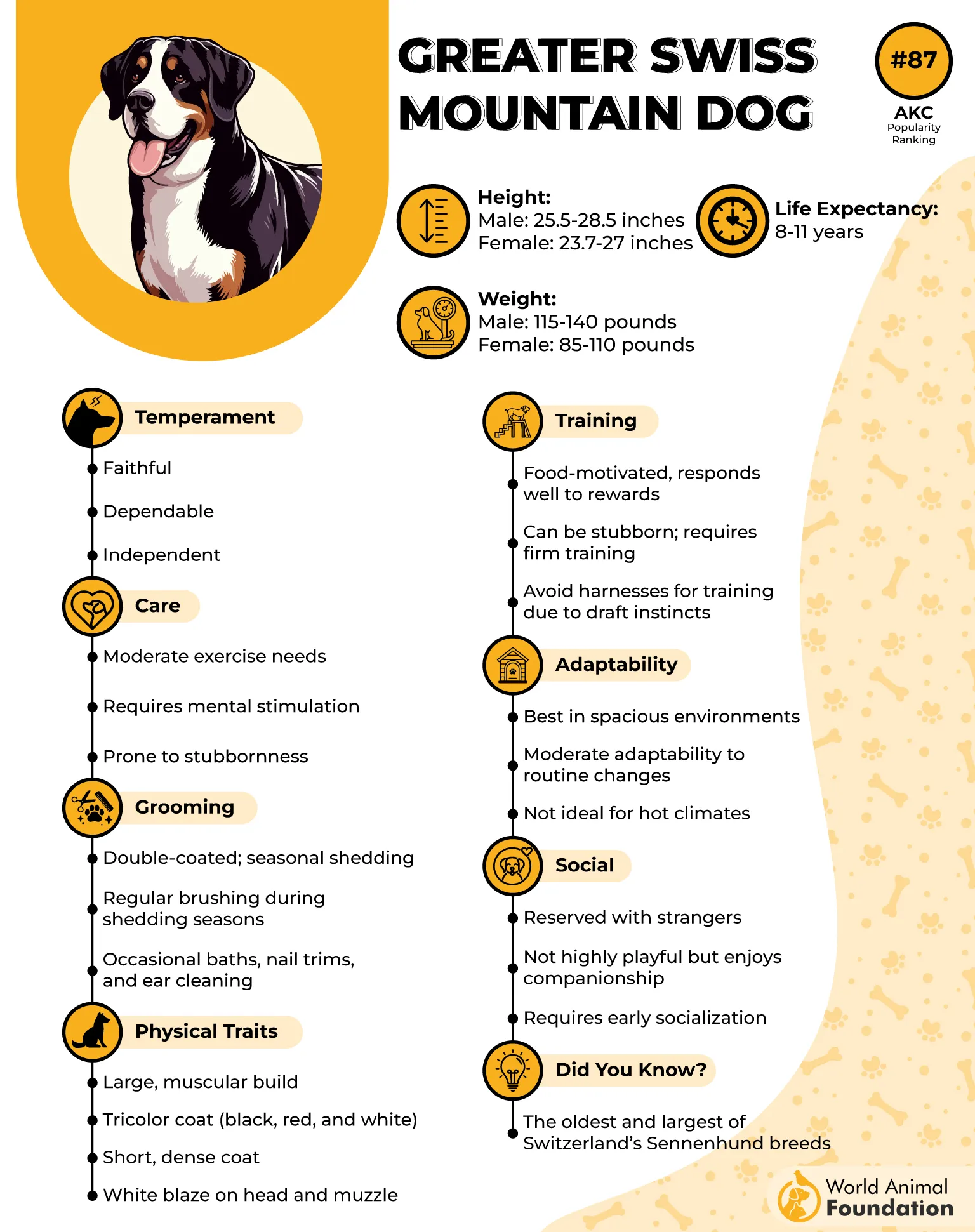
Greater Swiss Mountain Dog served their purpose among European farmers and herders during the nineteenth century, where physical power made demanding daily work possible.
Although its numbers declined over time, this impressive working breed continues to attract families looking for a dependable companion.
Strength in Every Frame
They are known for a broad chest, a solid back, thick bone, and heavily muscled hindquarters in a body built for demanding tasks. Powerful jaws, a muscular neck, and strong rear drive explain why this breed handled wagon pulling and other physically challenging jobs so effectively.
Their strong working profile is further leveled up by these traits:
Broad forechest reaching the elbows
Wide, muscular upper thighs
Large square skull with blunt jaws
Everyday Interests
Greater Swiss Mountain Dog enjoys being included wherever the family spends time, whether that involves rucking, obedience training, or outdoor adventures. Its activity level often comes in energetic bursts, followed by long, restful naps once the day’s routine is complete.
Conclusion
Strong dogs are often admired for their impressive appearance, yet their greatest qualities reach far beyond a muscular build. Each one was shaped for a specific purpose, whether protecting livestock, handling demanding work, or standing beside people in difficult conditions. Those responsibilities helped create dependable companions with confidence, endurance, and determination.
Finding the right match means looking beyond appearance and considering temperament, exercise needs, and everyday compatibility. With regular mental stimulation, thoughtful guidance, and consistent training, these incredibly loyal dogs become loving family pets, rewarding their families with lasting companionship and a partnership built on trust instead of strength alone.
