




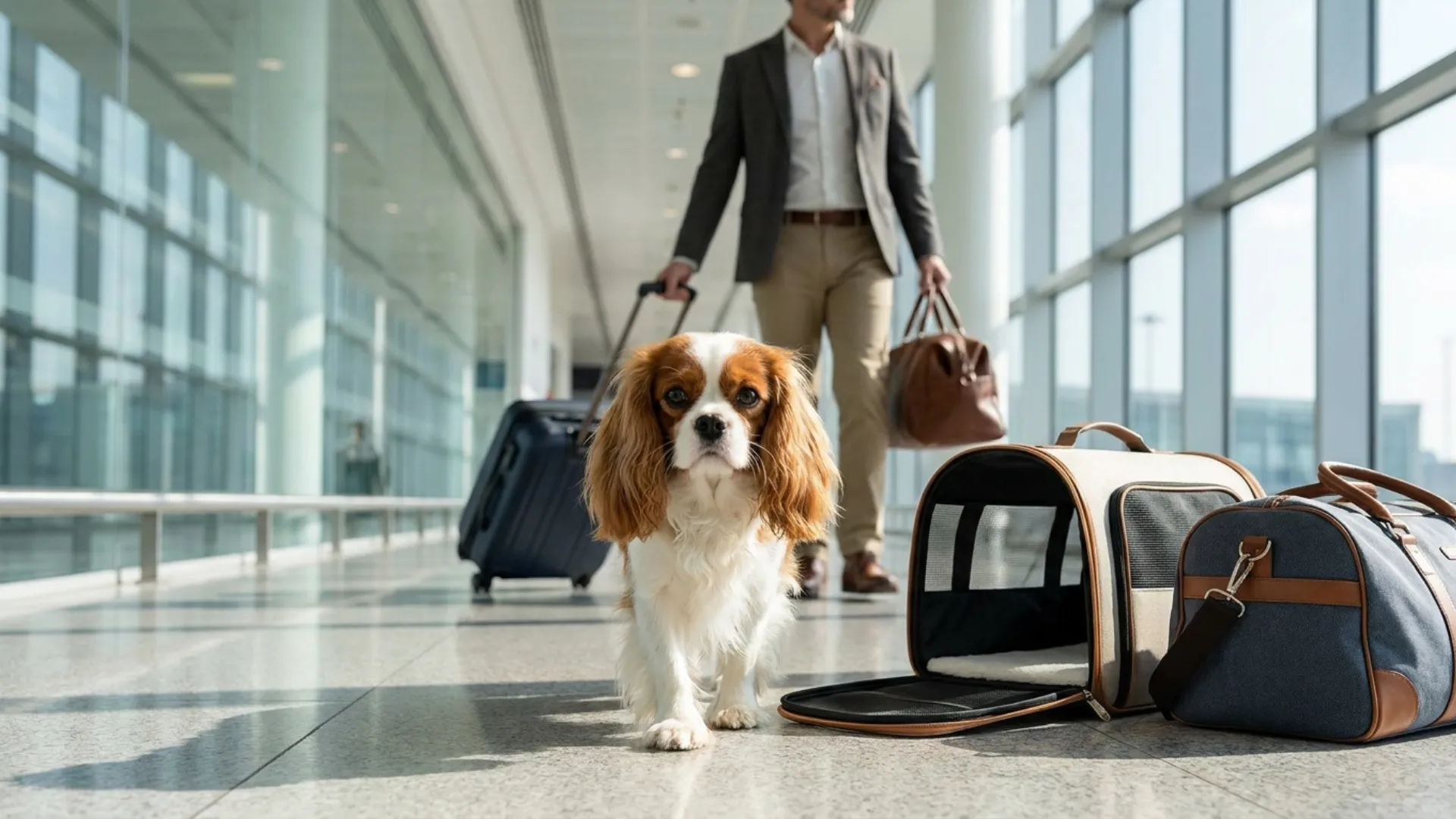
Being a frequent traveler and a dog parent can sound like trying to combine two completely different lifestyles, but the right little canine sidekick can make the combo surprisingly manageable. Compact companion breeds are easy to move through hotel rooms, elevators, rental homes, trains, and many forms of public transportation.
The biggest travel hack is choosing a dog that handles changing surroundings well and then teaching it to travel before expecting it to become a tiny globetrotter. Carrier training, positive experiences in unfamiliar environments, toilet planning, identification, and familiar bedding can matter more than whether your dog weighs seven pounds or seventeen.
Let’s meet top dog breeds ideal for frequent traveler lifestyles.
Top Dog Breeds Ideal for Frequent Traveler Lifestyles
1. Papillon
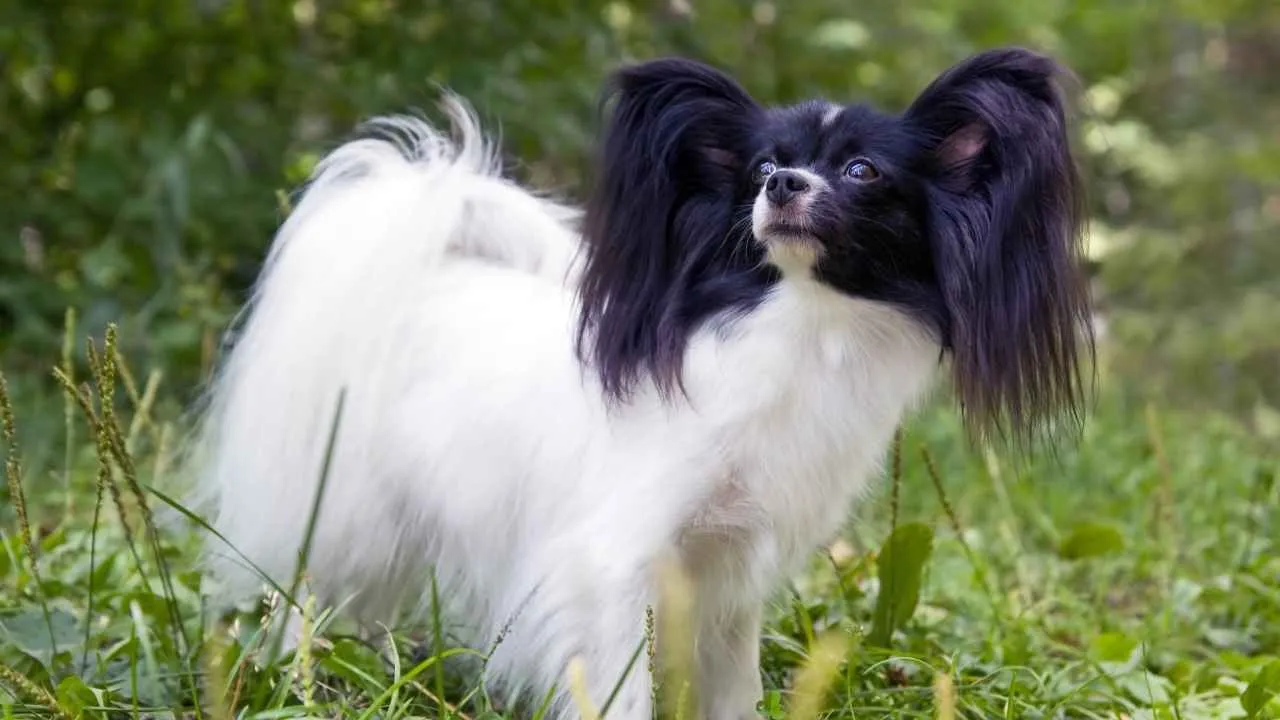
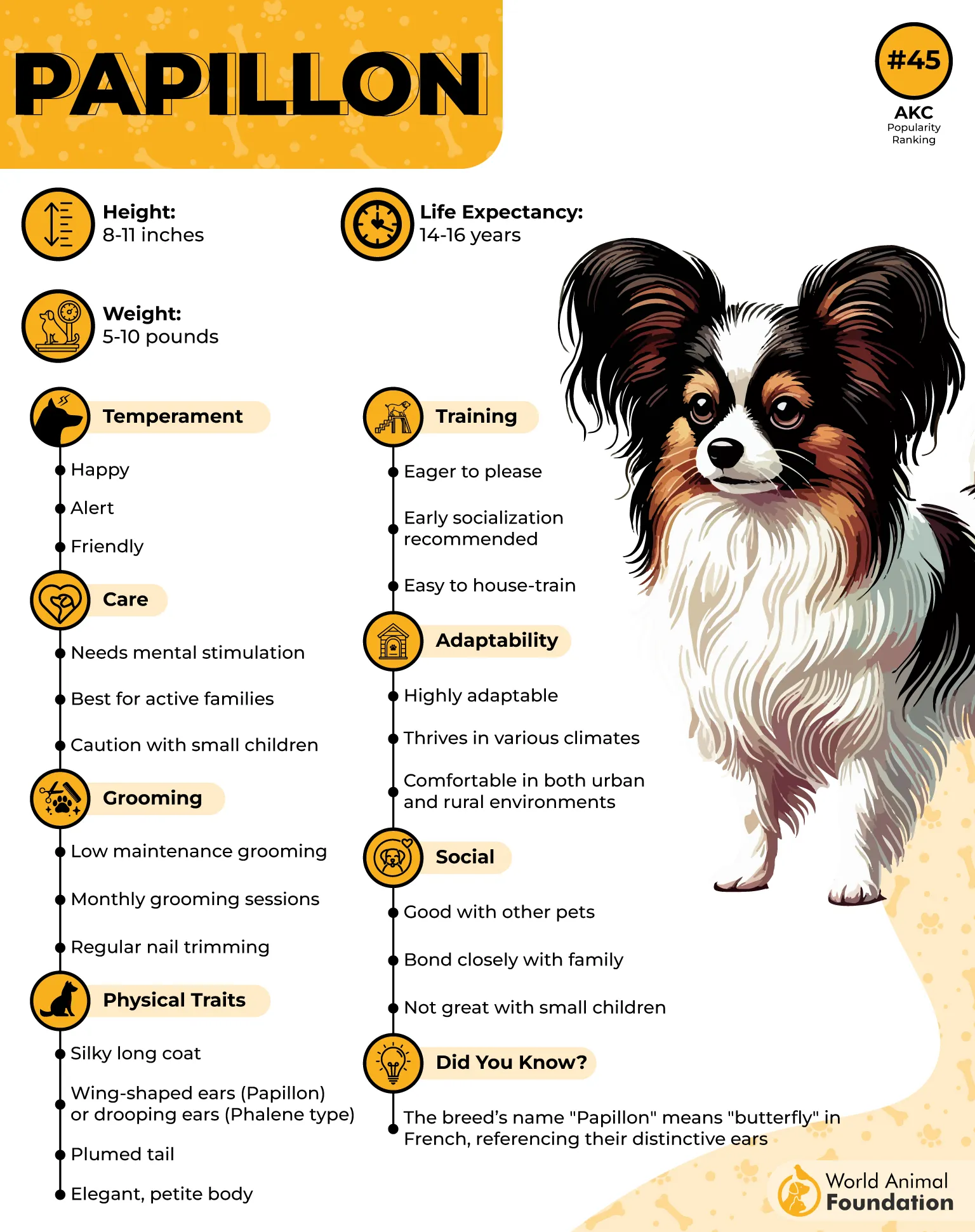
The Papillon may look like a delicate decorative dog, but underneath those iconic butterfly ears lives an unexpectedly tough little traveler. They are hardy, friendly, alert, and capable of thriving in warm or cool climates and in both urban and rural environments.
They are also remarkably athletic, which comes in handy when your itinerary involves walking through old cities rather than permanently chilling in a handbag. The AKC mentions that they excel in agility and enjoy learning tricks, so they usually appreciate mental activity alongside sightseeing breaks.
Their intelligence can make travel routines easier to teach because repeated patterns quickly become recognizable: carrier means transport, hotel mat means settle, and elevator means please stop investigating everybody’s shoes.
There is one sneaky Papillon travel issue that weight alone does not reveal: they can be relatively tall and leggy for such lightweight dogs. Tall Papillons don’t fit comfortably in many bags despite being a small breed, which is exactly why buying a carrier based solely on a manufacturer’s weight label can backfire.
What To Pack In Your Bag For The Dog.
Carrier-training MVP: Bring the familiar soft-sided carrier your Pap already associates with naps rather than introducing a mysterious new bag at the airport.
Butterfly-ear rescue kit: A compact comb is handy after windy walks, woodland stops, or encounters with burrs and debris.
2. Cavalier King Charles Spaniel
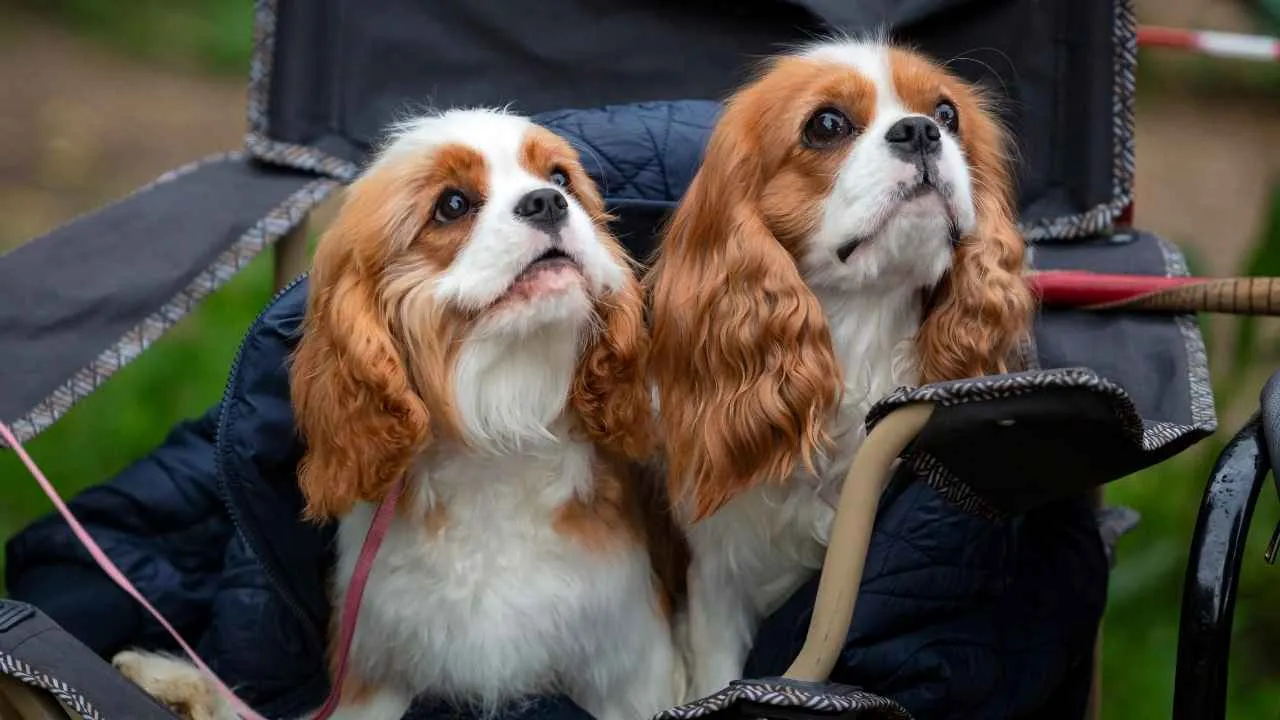
Cavalier King Charles Spaniels bring one huge advantage to frequent travel: they tend to be deeply people-oriented and adaptable rather than obsessed with defending one particular home base.
They are small and compact, although many adults sit closer to the upper end of what may be comfortable in an under-seat airline carrier. This means they are fabulous road-trip and hotel-sized companions, but they require individual measurement before anyone assumes cabin flying will work.
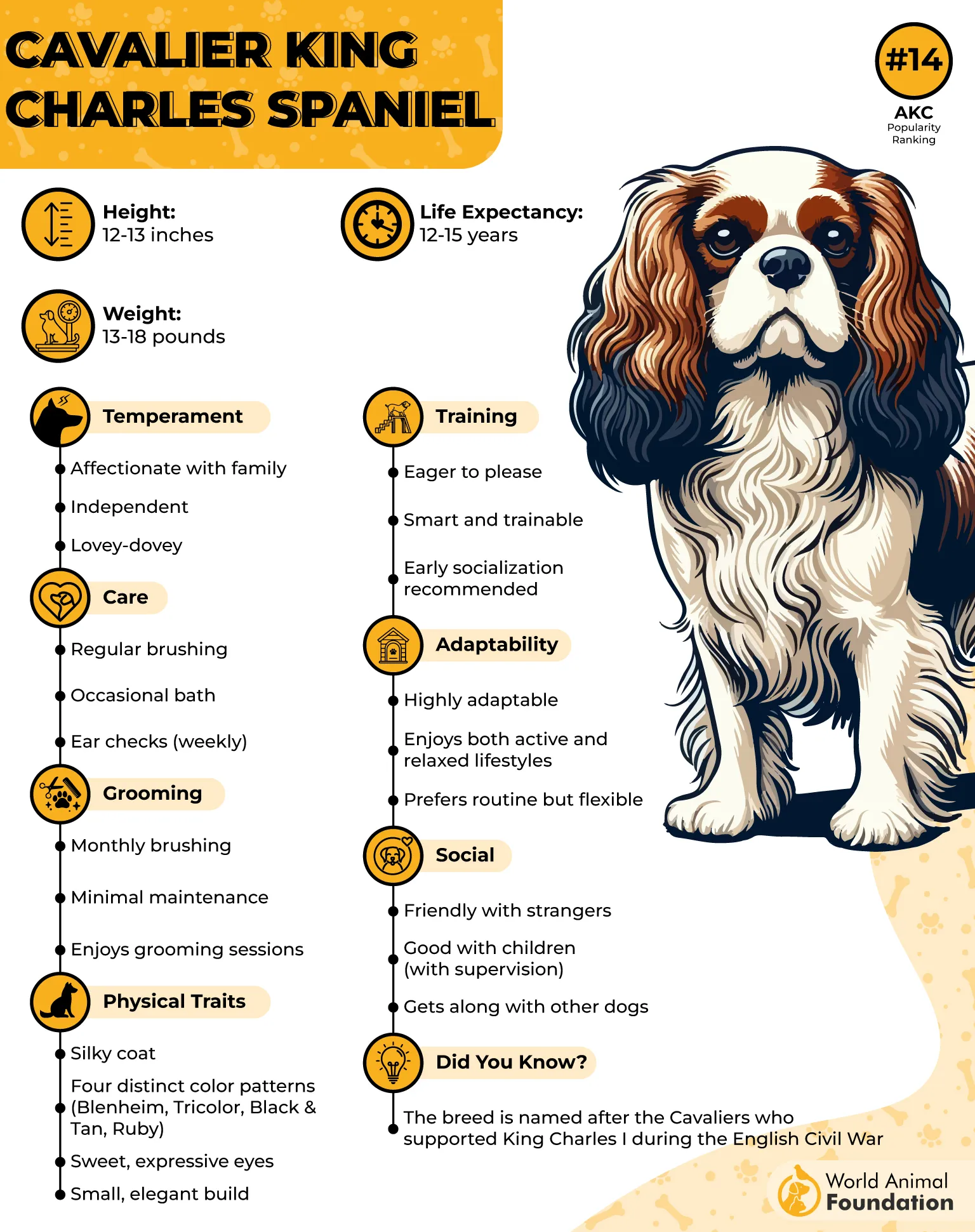
Airline pet acceptance and carrier requirements vary, so the reservation should be confirmed before you book a non-refundable human ticket and start emotionally choosing the dog’s vacation outfits.
Their soft personality does not mean you can skip preparation, especially since unfamiliar airports, hotel corridors, children, luggage carts, and strange dogs can be highly stimulating. Early socialization and positive exposure to different environments help Cavaliers learn that elevators, lobby doors, and rolling suitcases are not scary.
What To Pack In Your Bag For The Dog.
Comfort-zone essential: Slip a familiar blanket or mat into the luggage so unfamiliar hotel rooms immediately contain one recognizable resting place.
Spaniel maintenance mini-kit: Include a small brush for silky ears and feathering, especially after rainy walks or outdoor sightseeing.
3. Pug
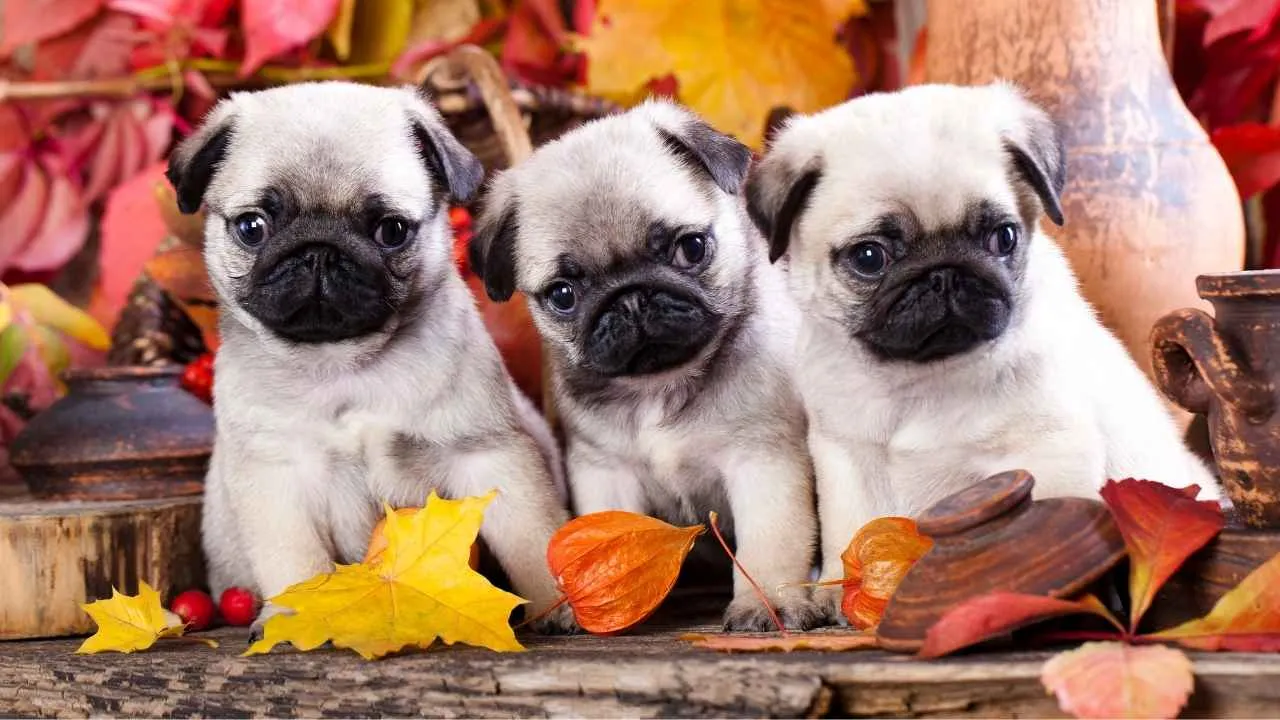
Pugs score extremely well on portability and companionship. They adapt well to smaller living spaces, do not require hours of endurance exercise, and have spent centuries serving as professional human companions.
They are brachycephalic, or short-faced, and require special consideration around summer travel because breathing harder, overheating, excitement, and exertion can place additional stress on compromised airways.
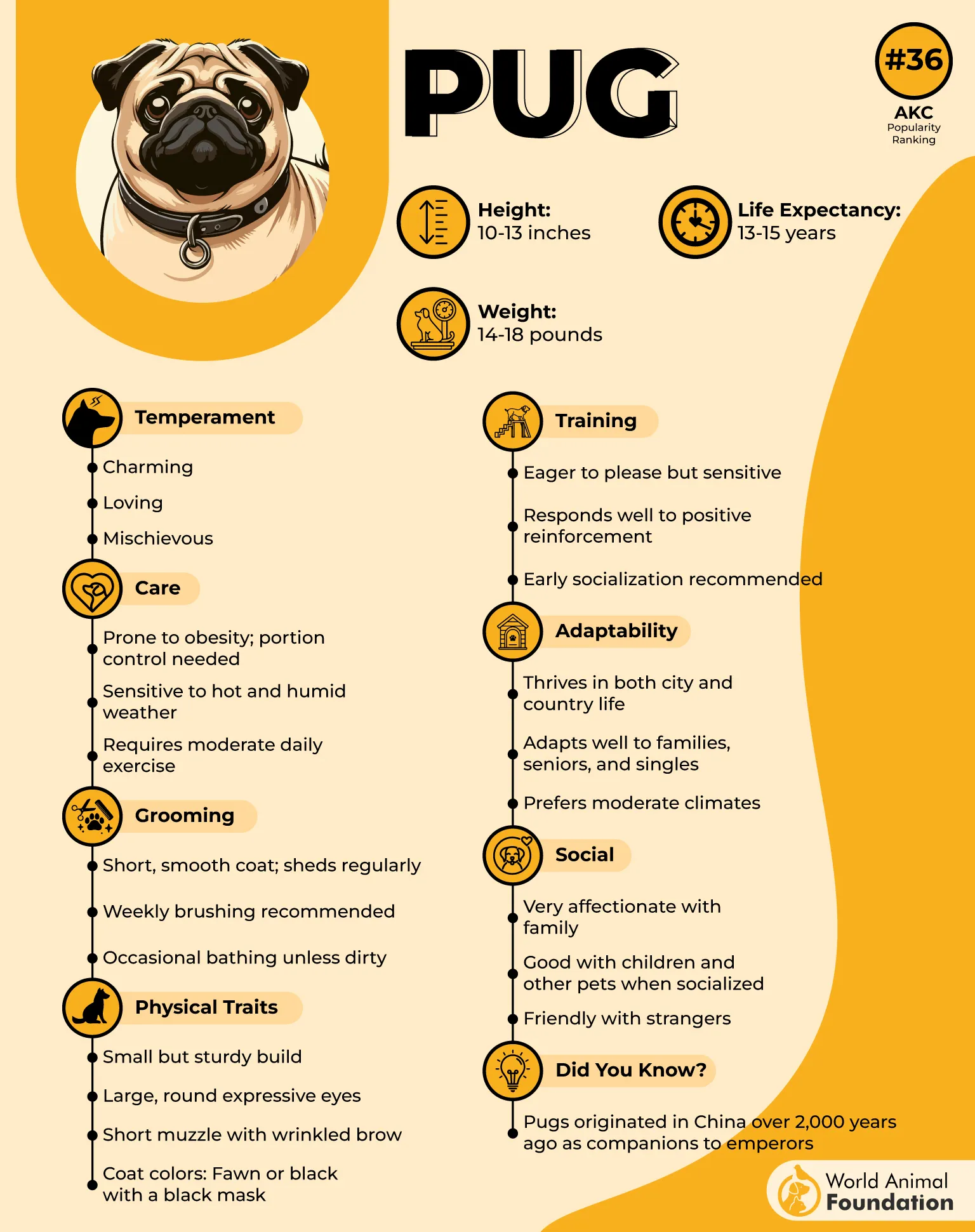
Before booking air travel, discuss the individual Pug’s fitness with a veterinarian and check the carrier’s current policies rather than relying on an old blog post claiming “small dogs can fly.”
For road travel, though, the Pug’s personality can be a vibe. They usually do not require enormous exercise sessions at every rest stop, and their short coat keeps grooming supplies reasonably compact even though those little dogs can shed like they are trying to leave souvenirs in every state.
What To Pack In Your Bag For The Dog.
Cooling strategy first: Carry water, a collapsible bowl, and whatever veterinarian-approved cooling setup suits your dog when traveling through warm climates.
Face-care supplies: Soft wipes or cloths help keep facial folds clean during messy meals and long travel days.
4. Shih Tzu
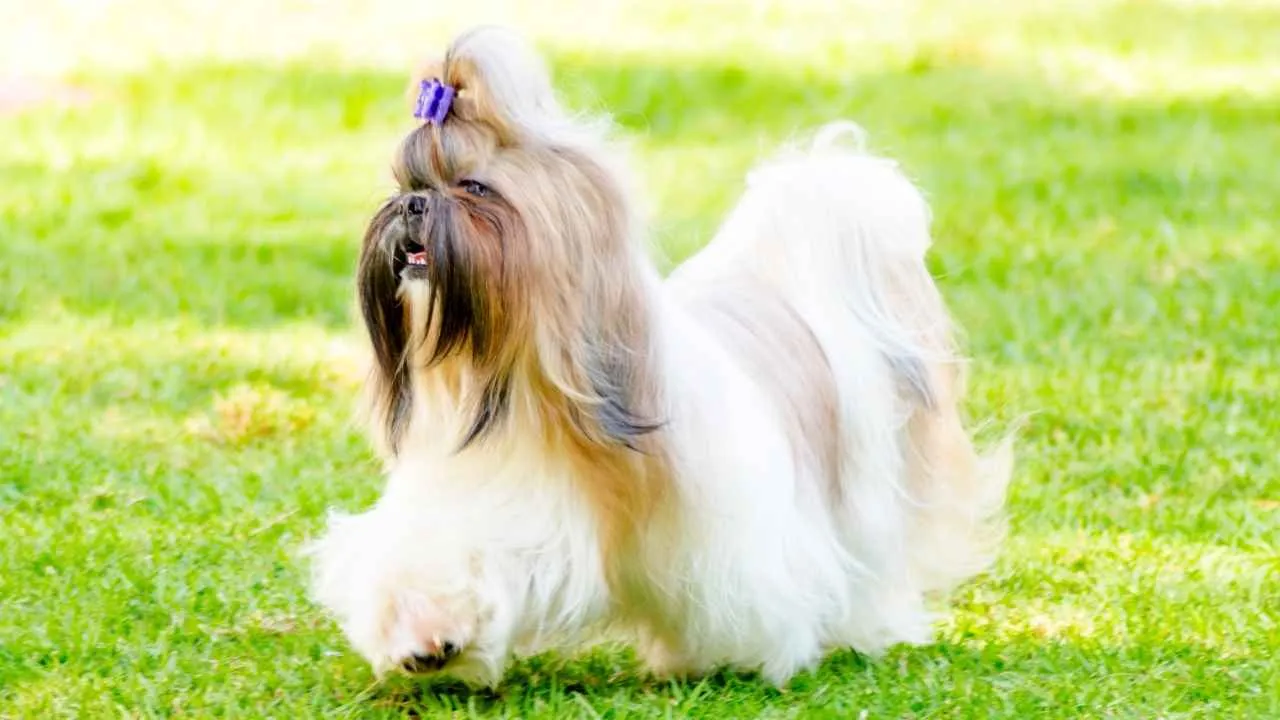
Shih Tzus were developed for the exact skill frequent travelers appreciate most: hanging out with their humans without needing a ranch, a marathon schedule, or a flock of sheep to feel professionally fulfilled.
Their exercise needs are also relatively manageable compared with high-drive working breeds, meaning a long travel day does not automatically require finding a giant exercise field at midnight. For slow city exploration, café trips, and short walks between rest periods, their lifestyle pairs beautifully with human sightseeing.
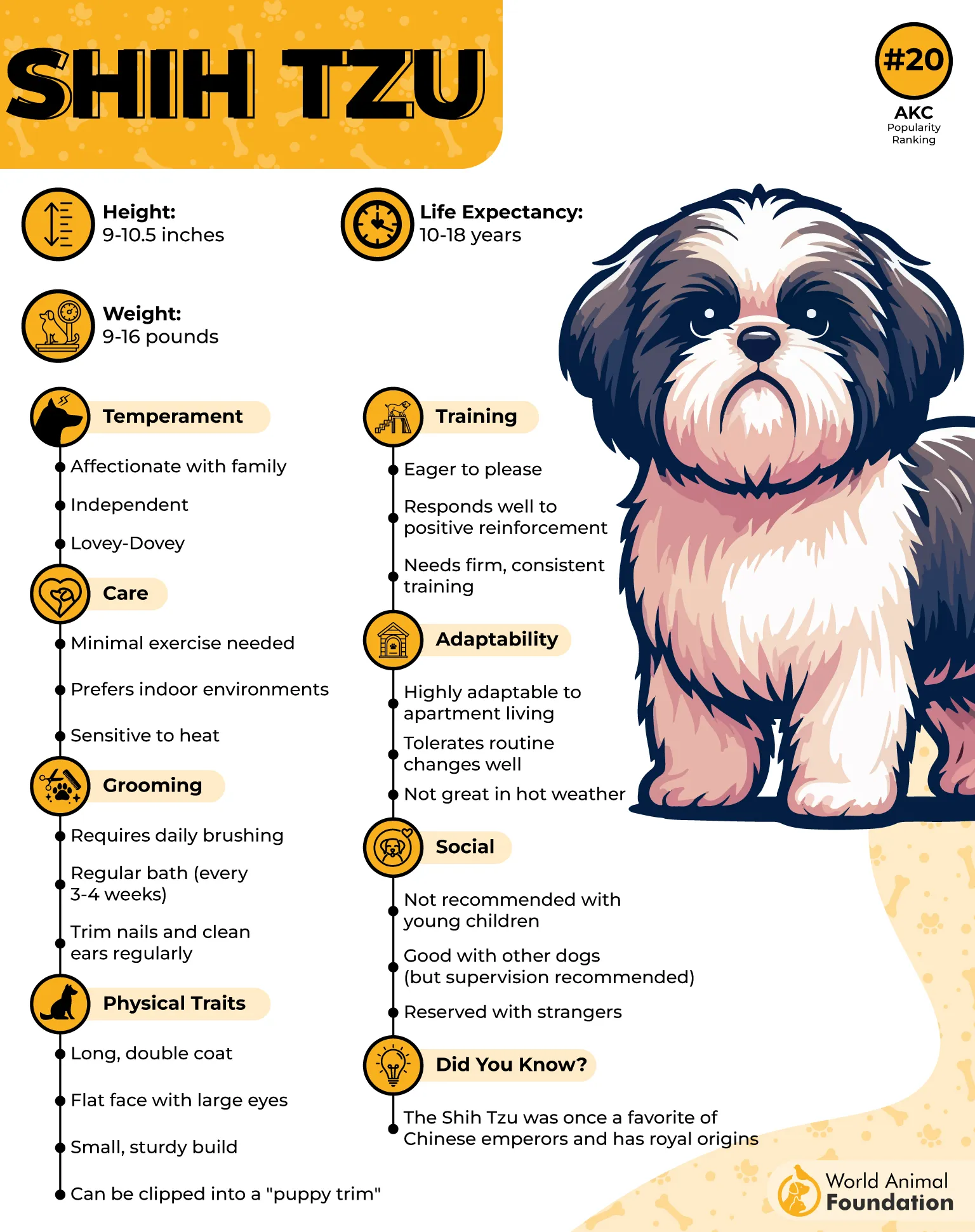
Grooming, however, deserves a strategic travel plan because a full Shih Tzu coat needs daily brushing and can collect road-trip chaos faster than your suitcase collects dirty laundry.
These small pups do not tolerate heat well, so hot-weather transit, long outdoor waiting periods, and poorly ventilated environments require extra planning. Air travel should be evaluated on an individual basis with veterinary guidance and current airline rules, rather than treating the breed’s convenient weight as the only factor.
What To Pack In Your Bag For The Dog.
Hot-day protection matters: Schedule water access and cool rest periods carefully because this short-faced breed handles heat poorly.
Hotel settle-down shortcut: A familiar washable mat gives your Shih Tzu a consistent “this is your spot” cue even when the room number changes every few nights.
5. Maltese
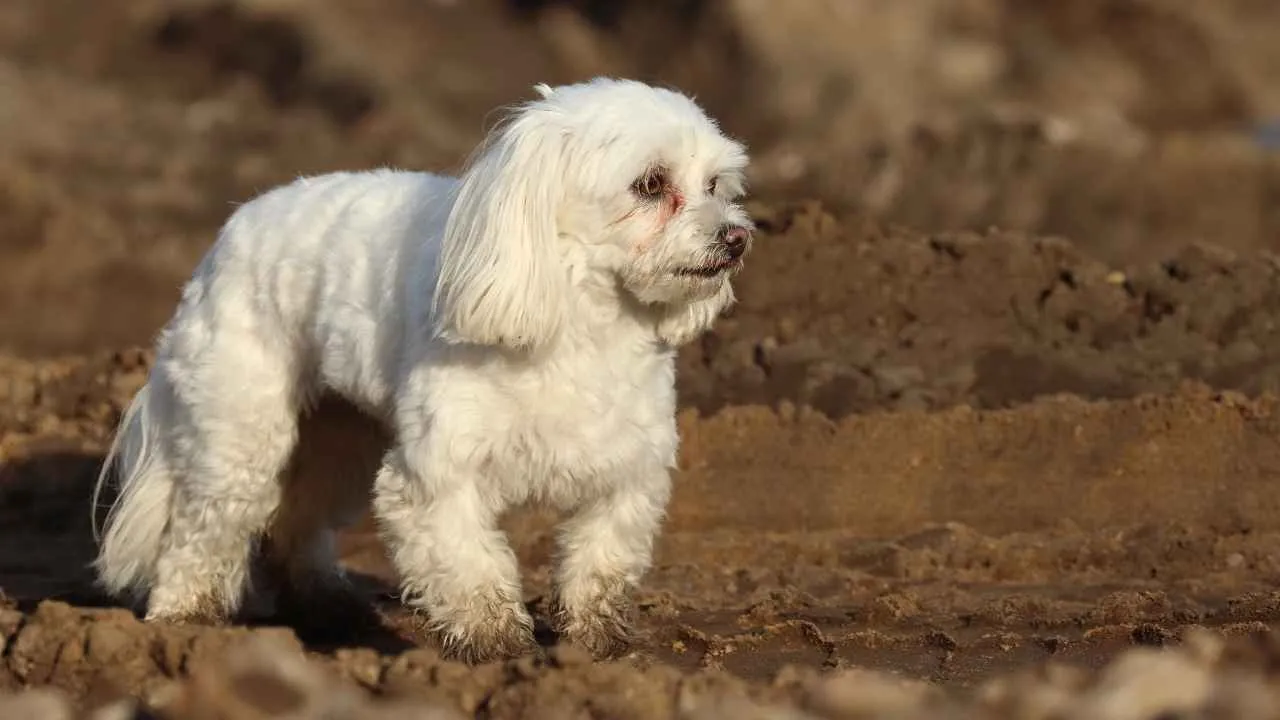
Maltese are hardy, adaptable, affectionate toy companions despite their very polished appearance, so they bring more substance to travel life than the glamorous white coat initially suggests.
Royal Kennel Club says it is generally happy to meet new people. That can be useful when the average travel day involves hotel employees, security staff, family members, café servers, elevators full of strangers, and somebody at reception announcing that your reservation cannot be found.
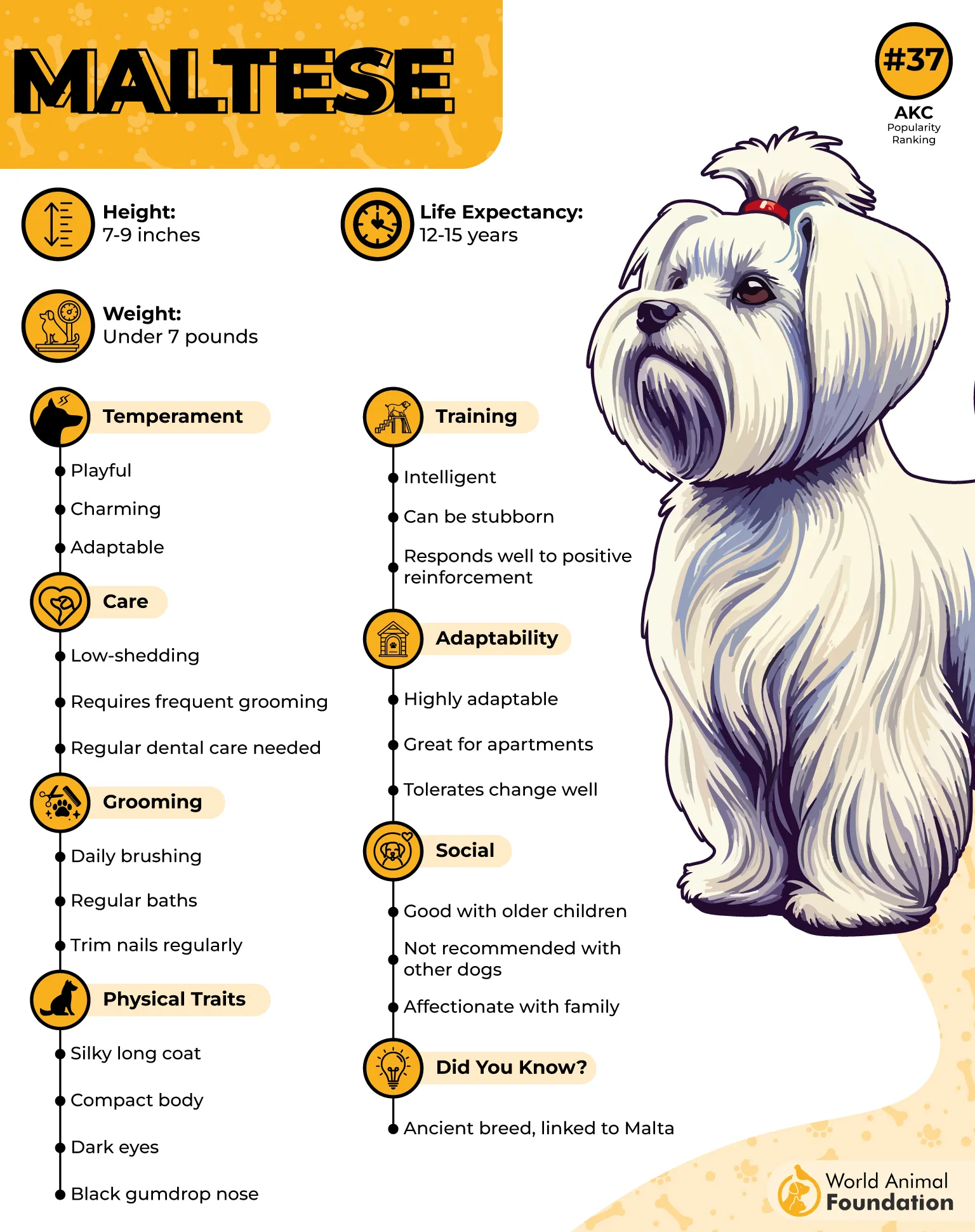
That fabulous white coat is where your packing choices decide whether the trip feels cute or cursed. Show coats can reach floor length, but companion Maltese are often kept in manageable shorter trims that reduce tangling and the amount of grooming necessary after muddy walks or rainy station platforms.
Another reason Maltese can work for frequent travelers is that their exercise can generally be delivered in compact doses rather than requiring a two-hour wilderness expedition every morning. They still need walks, play, training, and mental stimulation.
What To Pack In Your Bag For The Dog.
White-coat emergency department: A travel comb and dog-safe cleaning cloth can save the aesthetic after one questionable puddle.
Meal-size organization: Pre-portion the Maltese’s food so you are not hauling an absurdly large bag for an under-seven-pound passenger.
6. Havanese
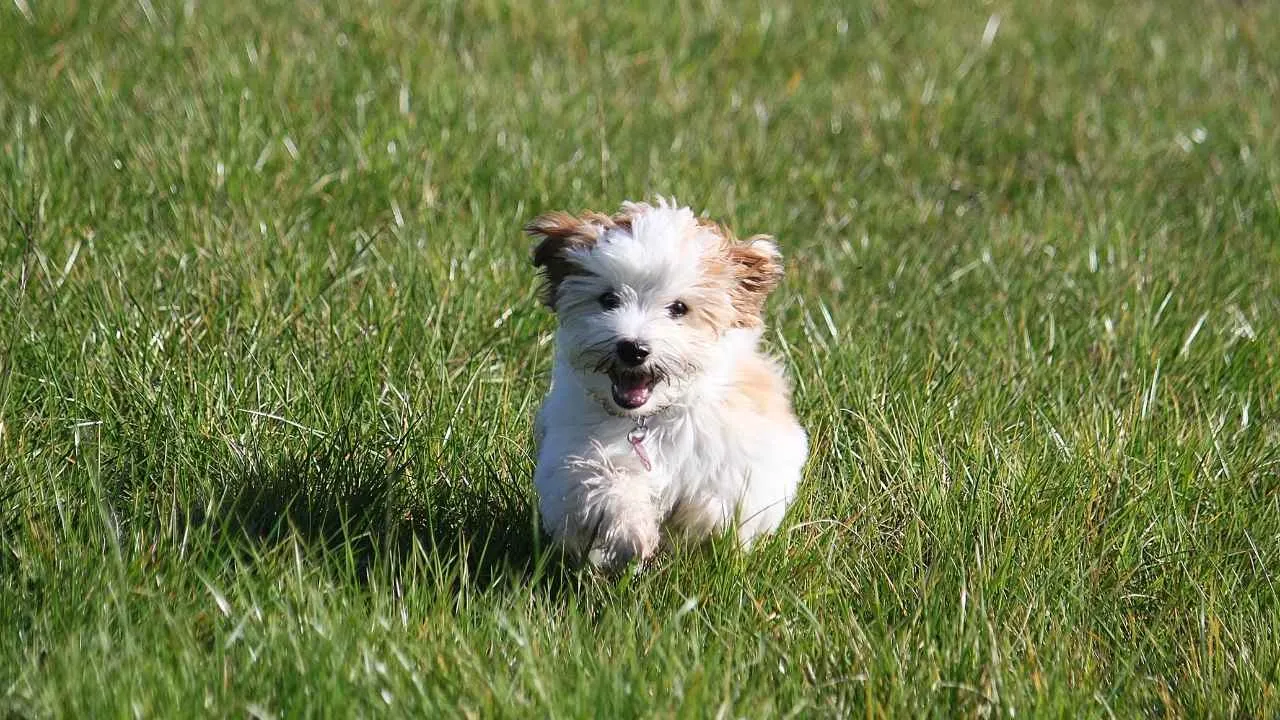
The Havanese practically comes with “travel companion” written into its history, as this cheerful little Cuban breed was developed around close human companionship, according to Omlet.
Travelers also benefit from the Havanese tendency to enjoy participation instead of isolation. If your itinerary allows dogs, these companions often prefer joining walks, visits, and relaxed outings over spending long stretches alone in unfamiliar accommodation.
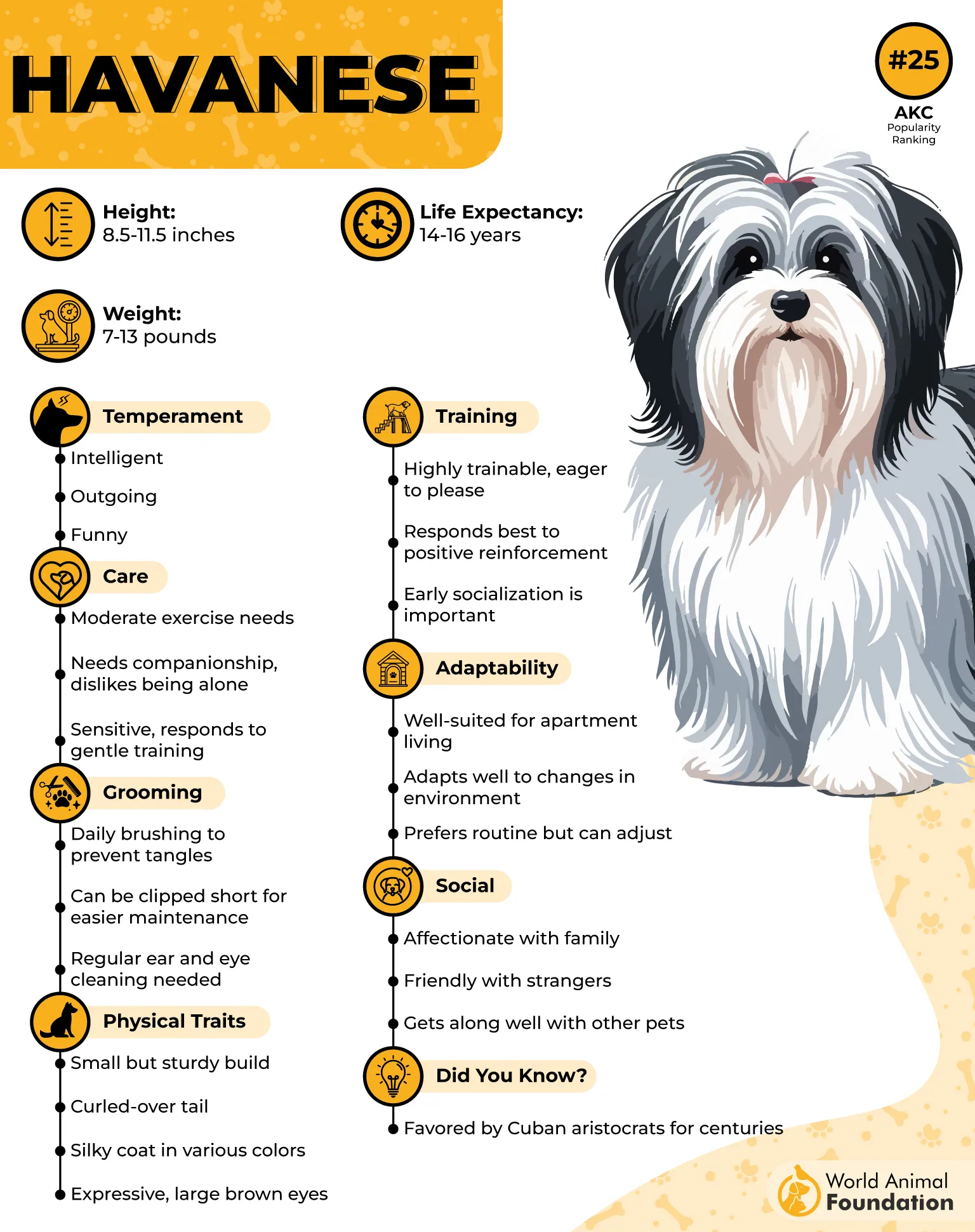
Some owners mention the importance of practicing naps and quiet time inside the carrier before the first trip. Breed alone cannot guarantee easy travel, because the puppy initially tolerated the closed carrier for only short periods, despite the carrier being an otherwise convenient size.
Grooming is the category where Havanese travelers need a little discipline, as the breed carries a long, soft coat that can tangle without regular care. The upside is that the coat is surprisingly light despite its volume, and many pet owners maintain practical trims when they are not showing their dogs.
What To Pack In Your Bag For The Dog
Bring a smell from home: An old T-shirt or familiar fabric can make an unfamiliar carrier or hotel setup feel less alien, as Havanese owners have reported.
Silky-coat defense: Add a lightweight comb and brush before a few neglected tangles evolve into a post-vacation grooming project.
7. Yorkshire Terrier
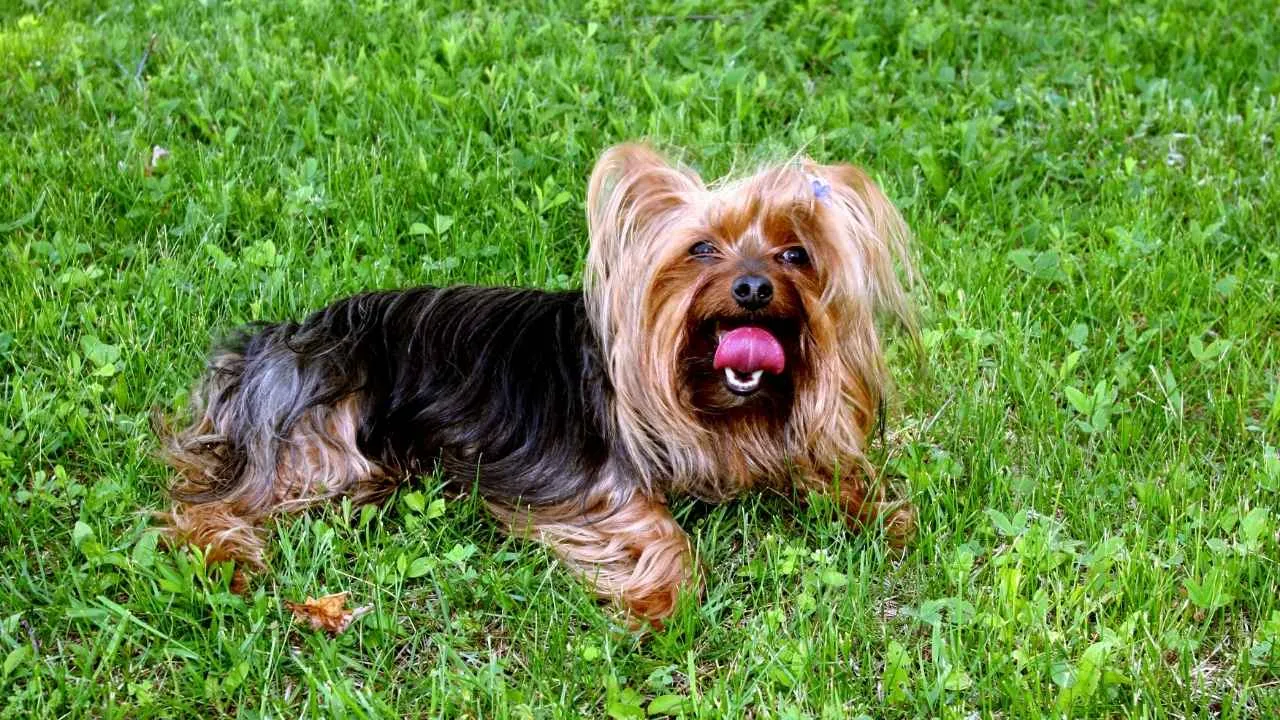
The Yorkshire Terrier might be the most aggressively portable dog on this list. Their tiny frame is a huge advantage for frequent travelers navigating compact accommodation and potential cabin-carrier dimensions. However, airline approval still depends on the individual dog, the carrier, and the carrier’s policy.
Do not mistake portability for passivity, because beneath the silk coat is an actual terrier descended from working ratting dogs. They are energetic, mentally active little dogs whose history included chasing vermin in mines and mills.
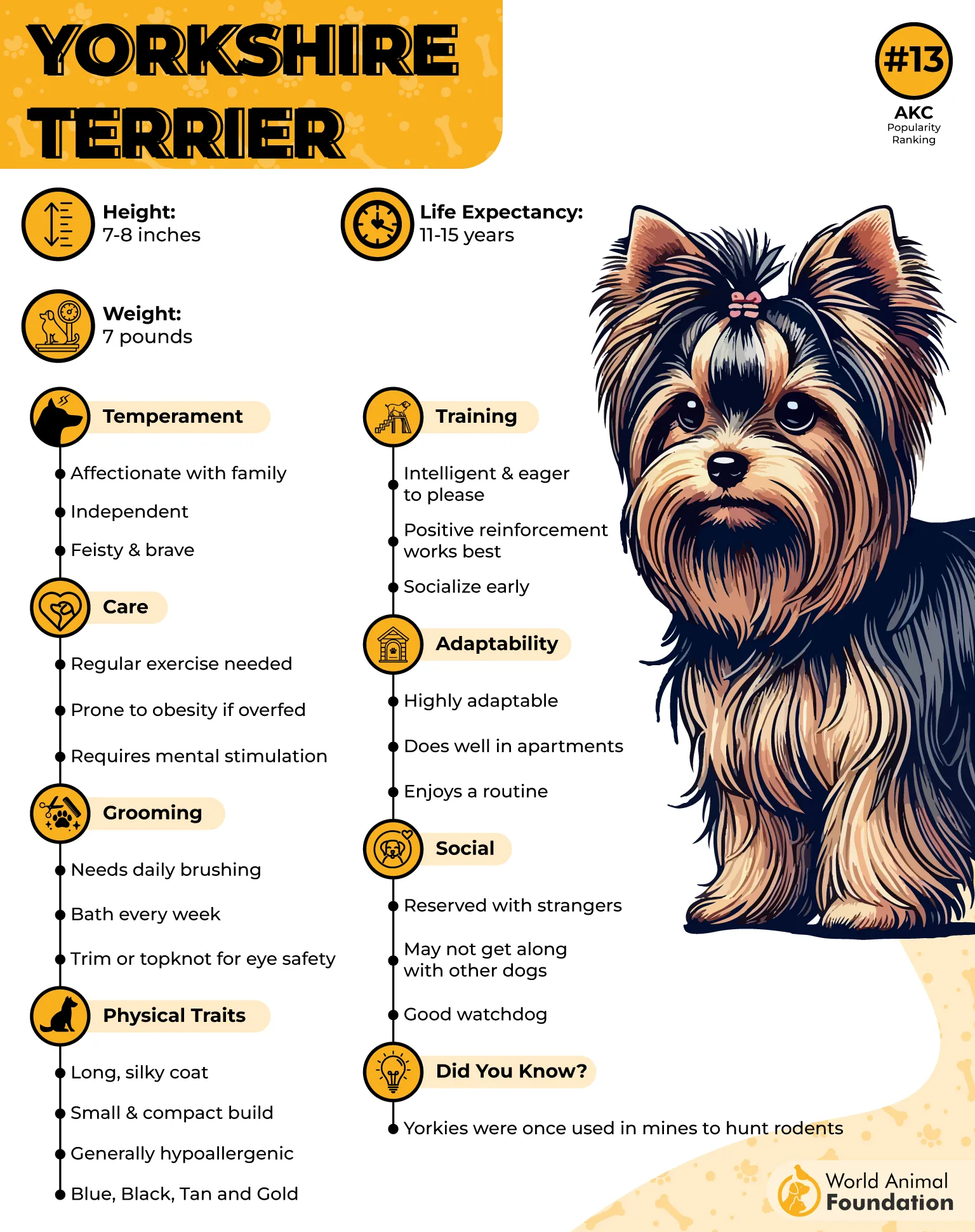
Yorkie hair makes its own packing decisions because, like human hair, it continues to grow and requires ongoing trimming and maintenance. Full coats require substantial care, while a practical pet trim reduces the amount of brushing, cleaning, and detangling needed in everyday life.
Their confidence can actually be useful on the road because a properly socialized Yorkie often carries itself as though it is substantially larger than seven pounds. That courage needs boundaries around unfamiliar big dogs, busy streets, and open doors, because confidence does not magically change physics.
What To Pack In Your Bag For The Dog.
Terrier boredom insurance: Bring one tiny enrichment toy or chew so downtime does not turn into a Yorkie-led hotel renovation.
Hair management, scaled down: A miniature comb and grooming cloth handle most everyday travel cleanup for a practical pet coat.
8. Bichon Frise
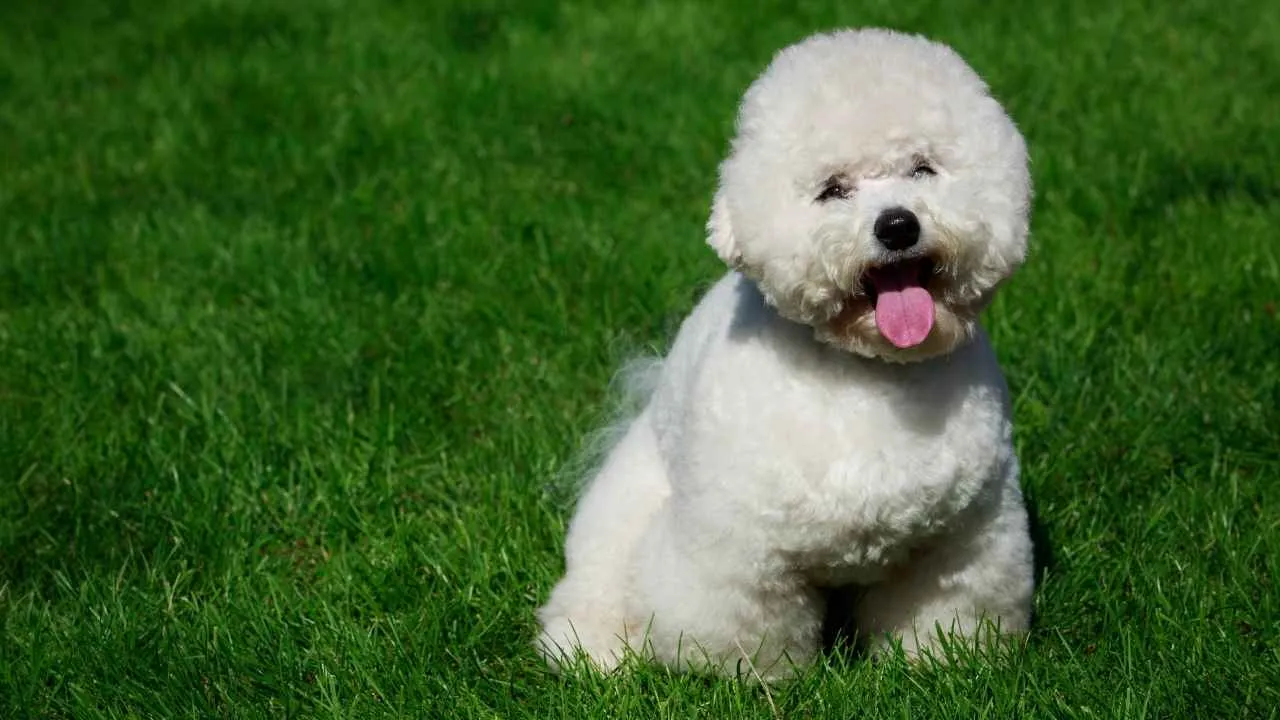
Bichons are compact, sociable “personality dogs,” and they adapt well to apartment living and can stay satisfied with indoor games plus manageable daily walks.
The breed was historically bred for companionship and entertainment rather than for jobs that require a large amount of space. Their sharp little brain is extremely useful when teaching cues like “settle,” “carrier,” and “wait,”.
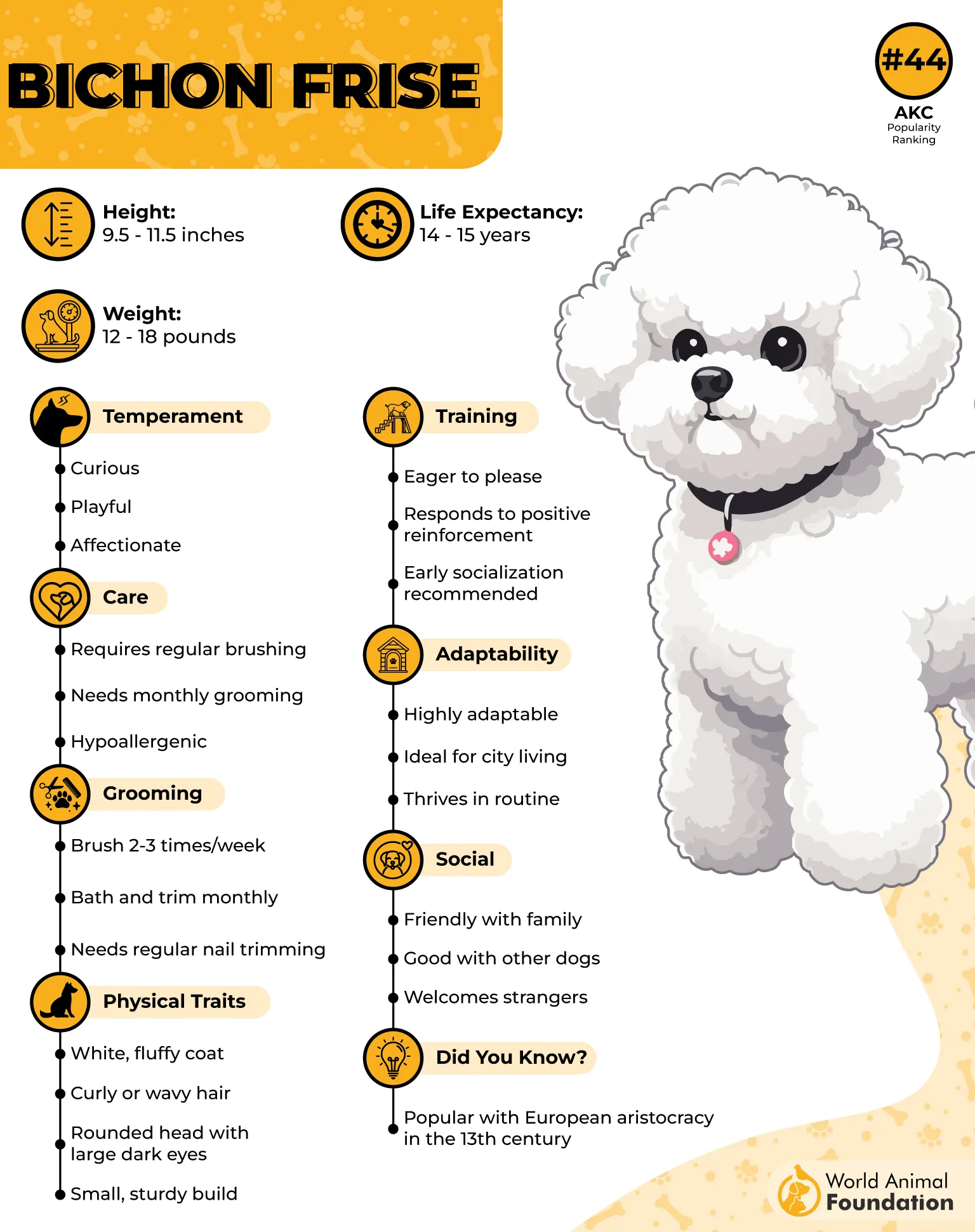
Bichons can fly several round trips per year and will generally spend time curled up to sleep during flights. Individual experiences vary enormously, but they show that suitably trained Bichons can become seasoned travelers rather than automatically finding transport overwhelming.
Frequent travelers should schedule grooming strategically around longer trips. Daily or near-daily combing prevents tangles, while a shorter practical trim can make road dust, wet pavements, and muddy rest stops far easier to manage.
What To Pack In Your Bag For The Dog.
Fluff maintenance headquarters: A sturdy comb is non-negotiable unless your holiday plans include returning home with one large spherical mat.
Potty-plan backup: Owners discussing long flights have specifically mentioned training-pad habits as useful when normal outdoor routines become complicated.
9. Toy Poodle
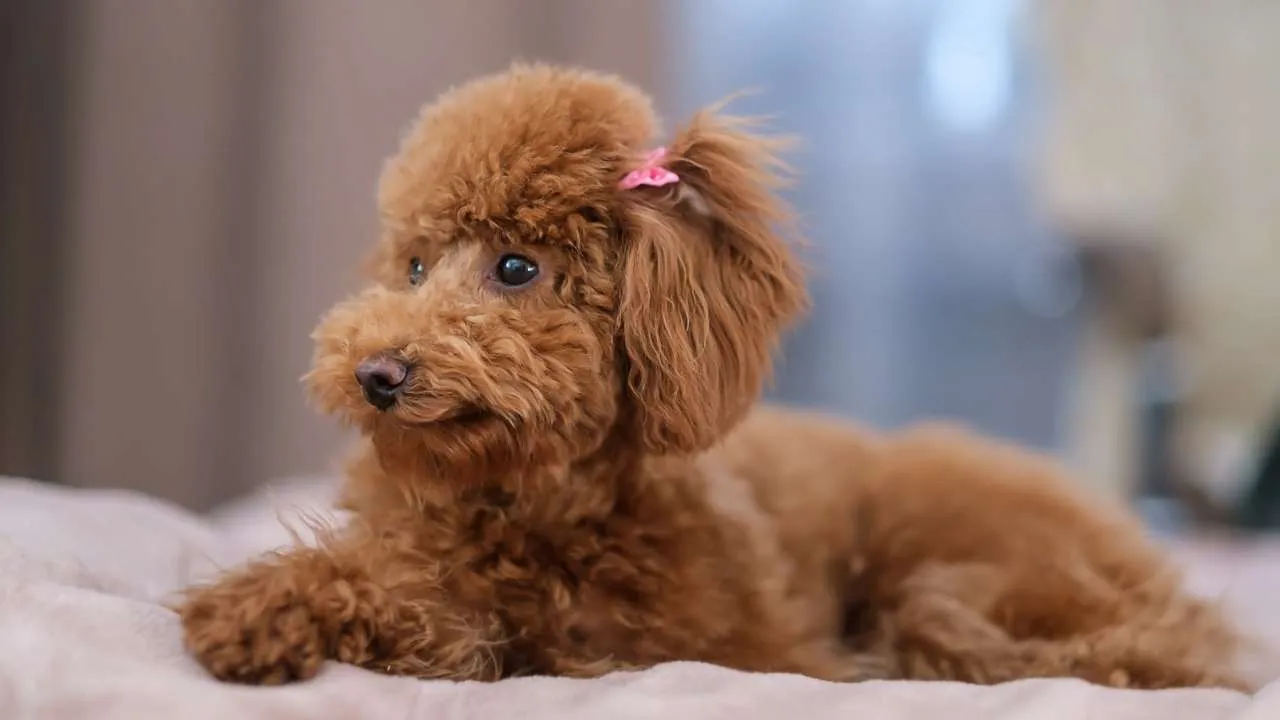
Toy Poodles bring one of the best frequent-traveler combinations in dogdom: tiny size plus an enormous brain. It is a diminutive version of the highly intelligent, athletic Poodle rather than a completely separate personality stuffed into a miniature frame.
Training ability matters enormously on the road because frequent travelers repeatedly need dogs to understand new versions of the same rules. This gets easier when the dogs enjoy learning patterns and working with their person.
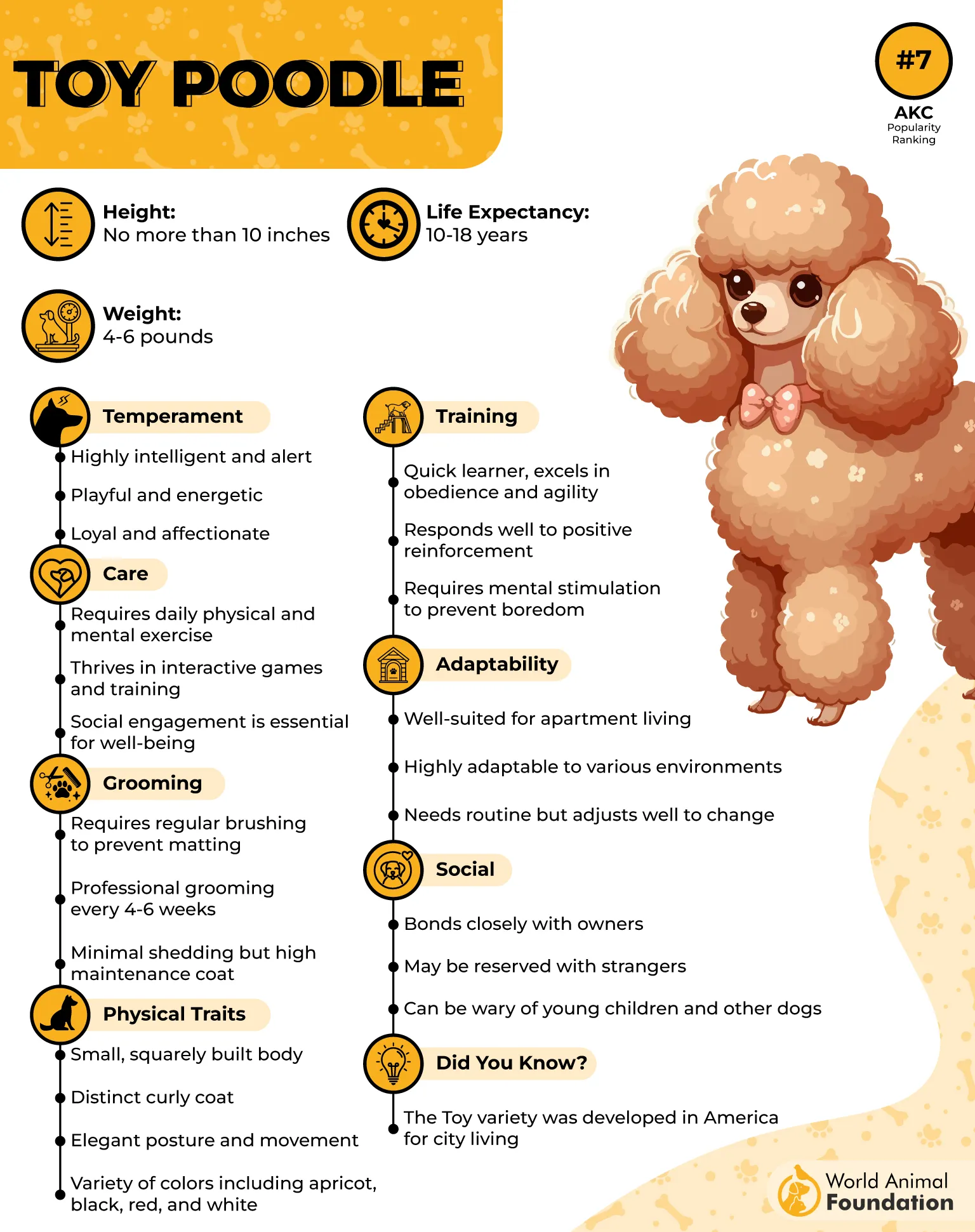
Toy Poodles are energetic, so they suit travelers who actually enjoy exploring once they reach the destination. They can enjoy running and long walks, although exercise should always be appropriate for the Toy variety’s much smaller body.
The smartest travel advantage may be how quickly a well-trained Toy Poodle can generalize routines between locations. Rather than requiring an identical physical environment, the dog can learn portable cues.
What To Pack In Your Bag For The Dog.
Portable classroom: A few high-value treats let you reinforce calm behavior and rehearse familiar cues anywhere from a hotel lobby to a railway platform.
Curl-control basics: Pack the brush your dog already tolerates and travel with a practical short clip whenever possible.
Conclusion
The best dog for a frequent traveler is not simply the smallest animal that technically fits inside a bag.
Labrador Retrievers, Portuguese Water Dogs, Boston Terriers, Pembroke Welsh Corgis and French Bulldogs are also popular dog breeds amongst travelers.
The true travel-friendly dog is healthy, socialized, identified, carrier-trained, comfortable with change, able to settle quietly, and genuinely happier coming along than staying somewhere familiar with a trusted caregiver.
