




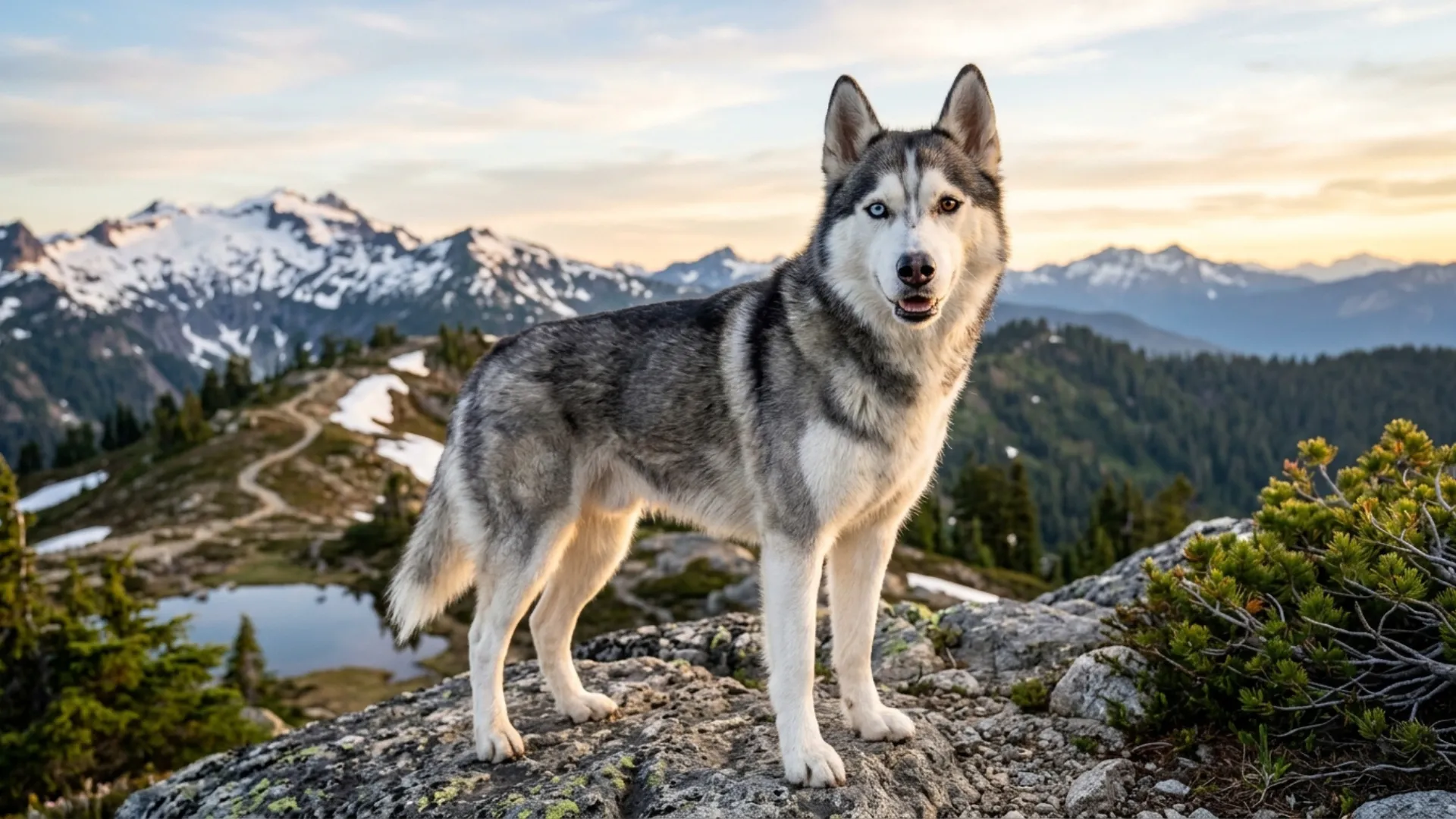
Imagine hiking a quiet forest trail with your dog beside you. Pretty exciting, right? But not every active dog can handle long wilderness trips.
The best companions need stamina, strength, adaptability, and good judgment outdoors. High stamina helps dogs cover long distances without tiring quickly. They also need daily activity and mental stimulation to truly thrive.
Age, health, temperament, and fitness can all affect hiking ability. Weather matters, too. Weather-resistant coats can protect dogs in harsh conditions, while short-haired breeds may handle heat better. Before tackling tough trails, proper conditioning and fitness preparation are important.
Training matters just as much. Dogs should learn recall, leash skills, “leave it,” and “stay.” Socialization also helps prevent nervousness outdoors. In this guide, we’ll explore seven athletic breeds suited to wilderness adventures.
Top Dog Breeds for Wilderness Exploration
1. Siberian Husky
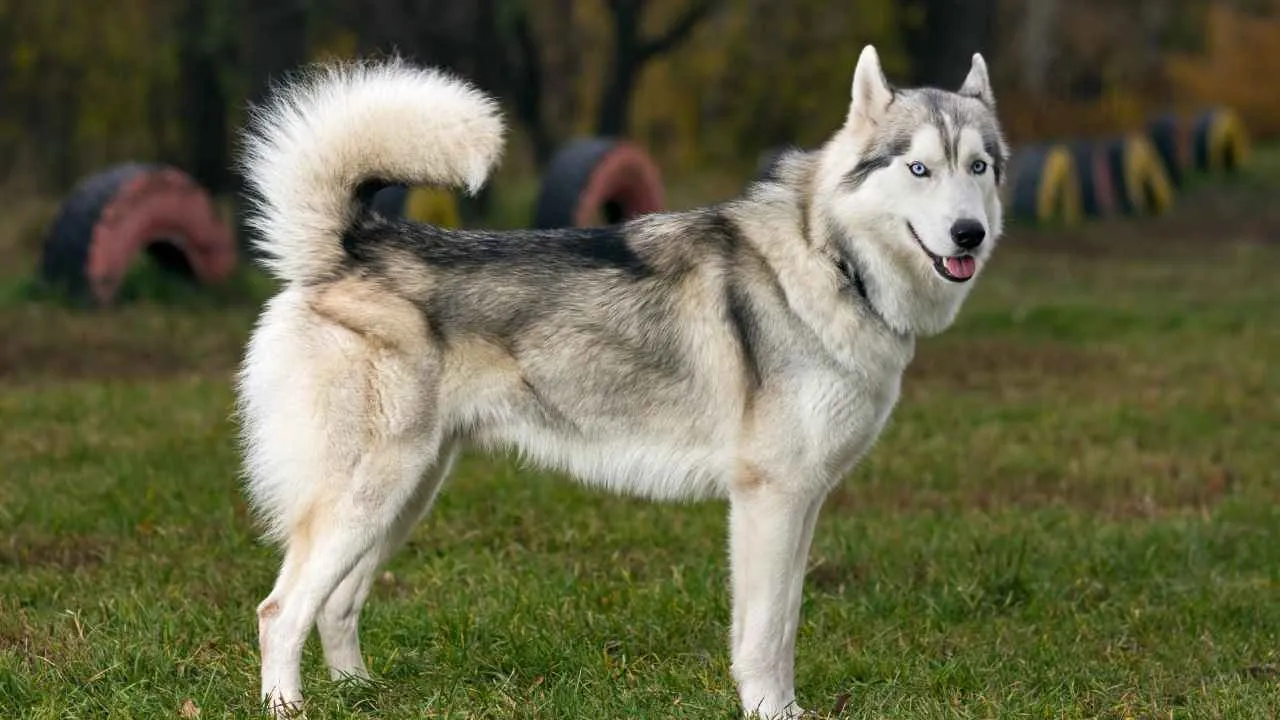
According to Britannica, the Siberian Husky was developed in Siberia by the Chukchi people to pull sleds across frozen landscapes. Its history explains why this athletic breed makes a strong hiking companion for long wilderness trips.
A Siberian Husky can keep a steady pace across distance without tiring quickly. Its thick coat also provides excellent protection in cold weather. With one to two hours of daily exercise, this breed enjoys staying active and exploring.
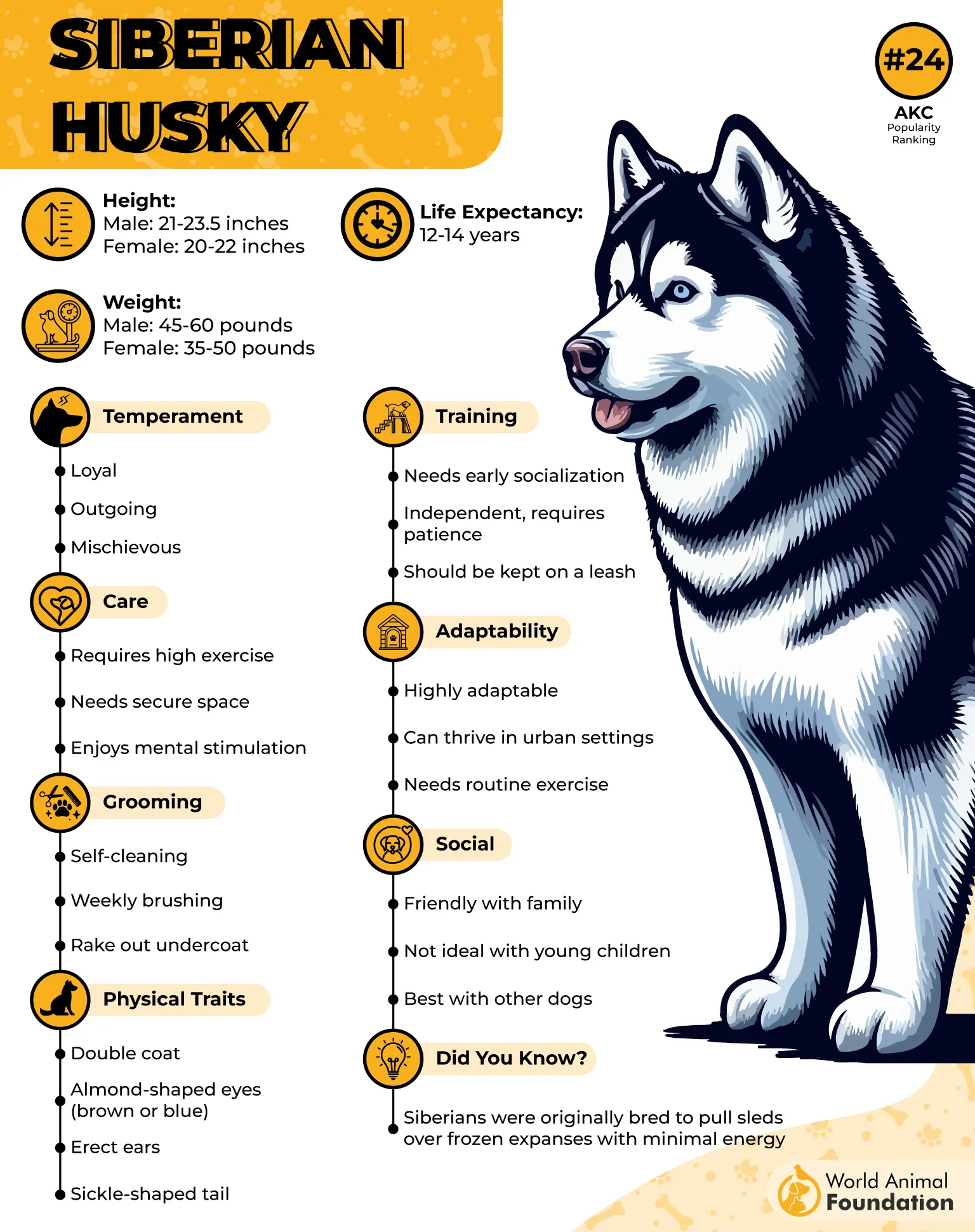
Its nimble feet can help it handle rough terrain, from forest paths to snowy trails. For winter adventures, it may be the best dog breed for hiking. However, its love of chasing small animals makes off-leash hiking risky without a reliable recall.
Owners should build fitness slowly, carry enough water, and plan regular rest stops. In warmer weather, extra care is essential because its heavy coat can increase overheating risk.
2. Alaskan Malamute
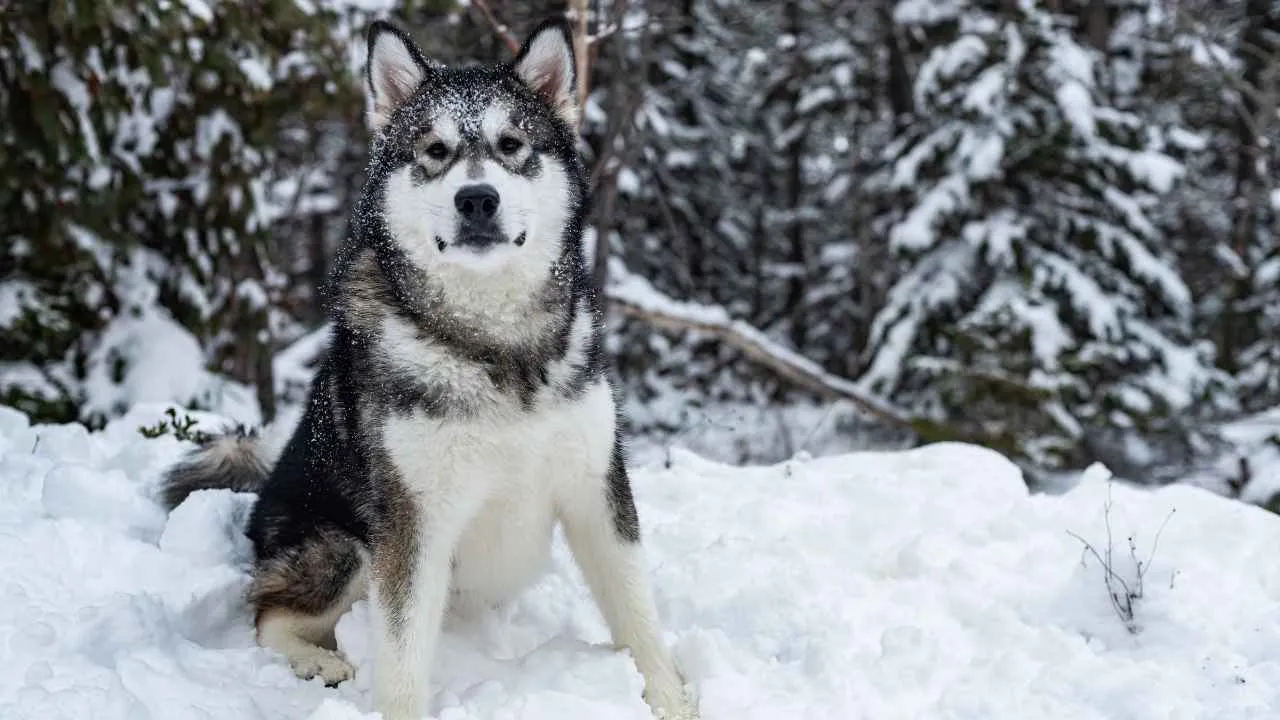
Powerful and steady, the Alaskan Malamute is an adventurous dog breed made for demanding outdoor adventures. Developed by the Malemiut people of Alaska, this working dog hauled heavy loads across icy landscapes.
Its broad chest, strong shoulders, heavy bone, and athletic build give it impressive endurance on challenging routes. That strength becomes especially useful when crossing rugged terrain, steep paths, and uneven ground.
The breed also has natural agility, helping it move with purpose despite its large size. According to the American Kennel Club, early, firm, and loving guidance helps owners manage this intelligent breed.
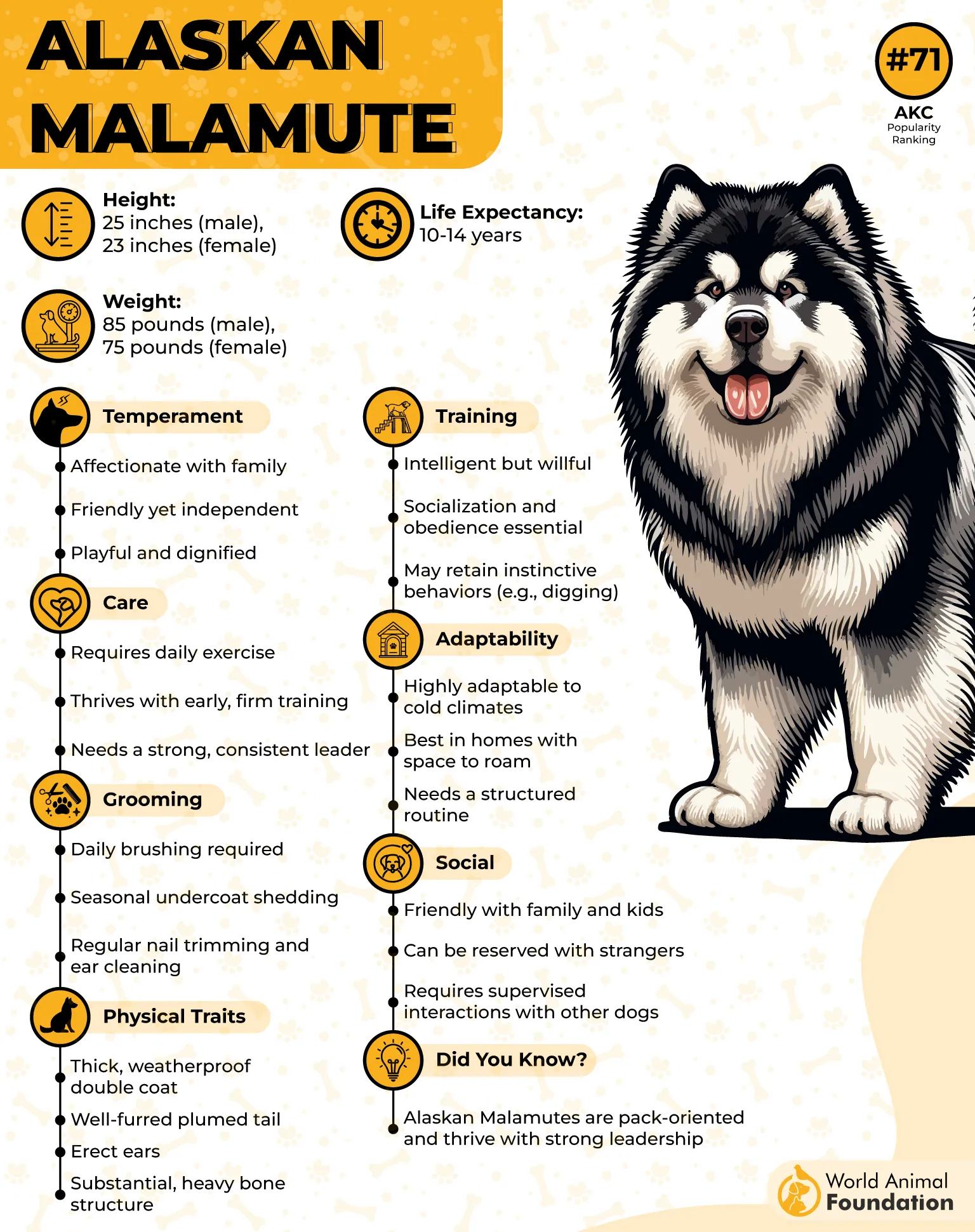
Consistent activity can keep a Malamute fit and content, making it a great match for active owners who enjoy long hikes. However, its dense, weatherproof coat can make warm climates difficult.
It can also enjoy living with other dogs, especially when properly socialized. Regular walking and gradual conditioning help build safe trail fitness.
3. Australian Shepherd
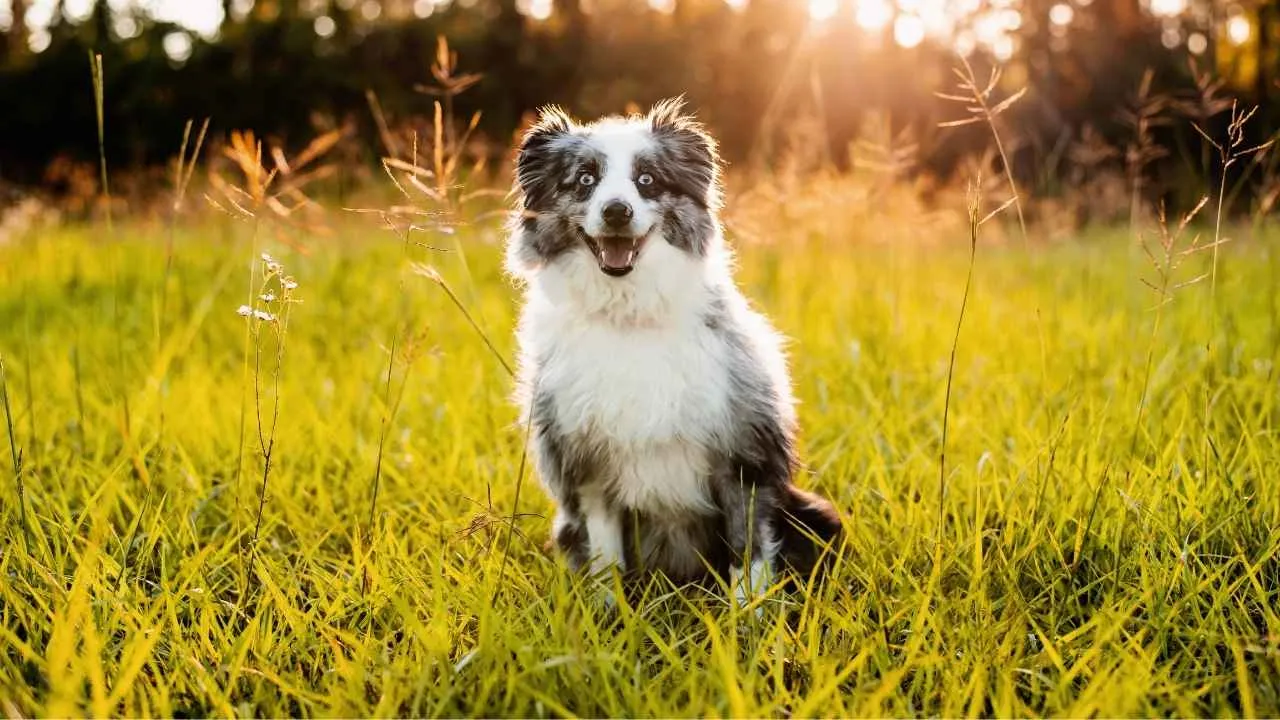
An adventurous dog breed, the Australian Shepherd is a smart choice for active trails. This energetic dog was originally bred to work alongside ranchers and help herd livestock. Its strong instincts still give it a clear purpose outdoors.
According to PetMD, Aussies have highly intelligent minds and muscular, agile bodies. They need both mental and physical stimulation to stay content. That makes hiking games, trail tasks, and problem-solving activities especially rewarding.
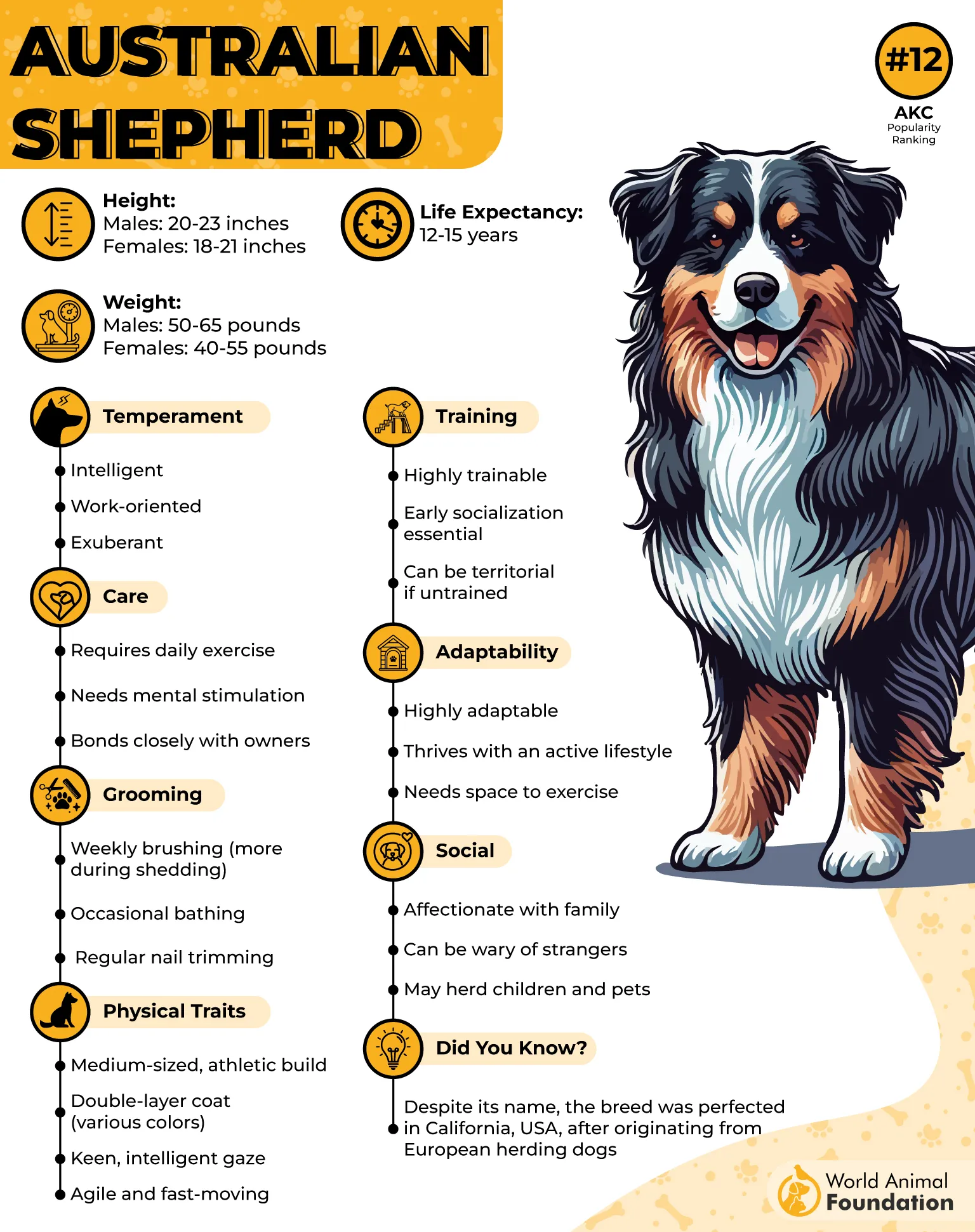
Their vigorous exercise needs also make them better suited to active households. On a challenging trail, their nimble movement can help them handle rocky terrain with confidence. An Aussie can become the perfect companion for people who enjoy great outdoor adventures and active pursuits.
Despite their intense work drive, these dogs can be affectionate and loyal with their families. Keeping them busy gives their sharp minds a healthy outlet.
4. Border Collie
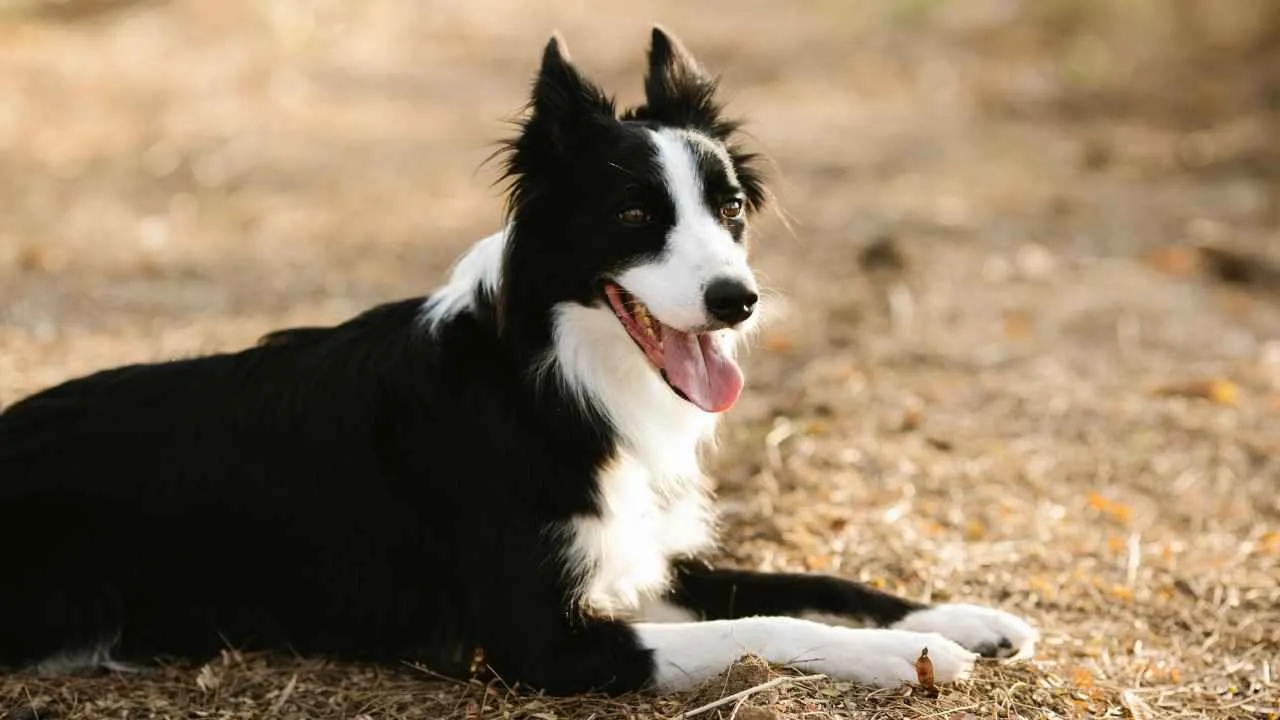
A Border Collie can make hiking trips exciting and rewarding. This brilliant member of the herding dogs group needs plenty of purpose each day. According to Purina, the breed is valued for its intelligence, herding instinct, and working ability.
Its boundless energy makes it a natural fit for an active lifestyle. Border Collies also enjoy great outdoor adventures where they can move, explore, and think. Their agility helps them navigate unfamiliar terrain, including steep paths and uneven ground.
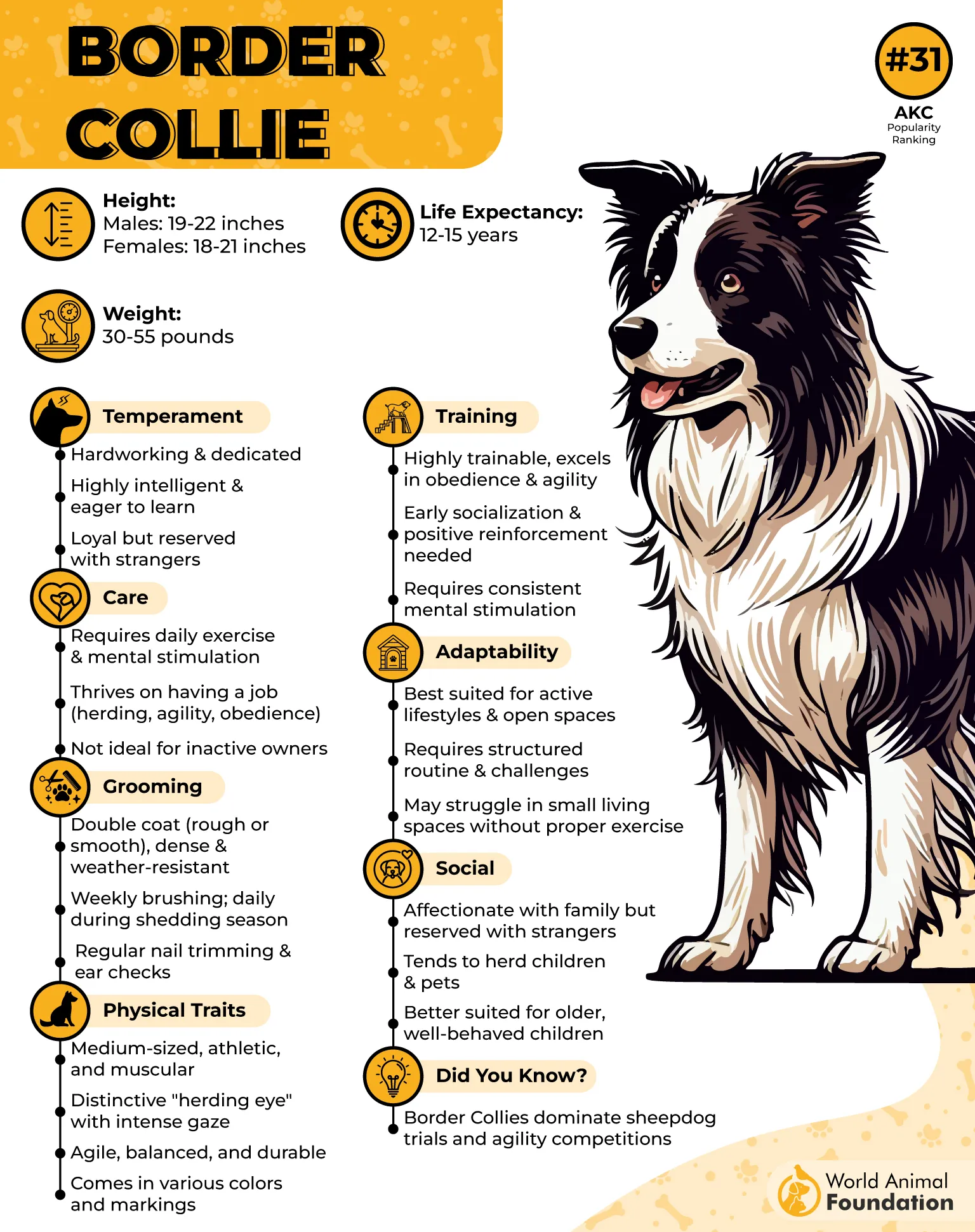
They also excel at canine sports, from agility to obedience and tracking. For off-leash hiking, owners should first build a dependable recall and strong trail manners. These dogs bond closely with their families and can enjoy herding trials as a purposeful activity.
A Border Collie loves running, making it an ideal companion for energetic hikers. Regular physical and mental stimulation keeps this hardworking breed focused and content. Owners should also discuss hip dysplasia screening with their veterinarian.
5. German Shorthaired Pointer
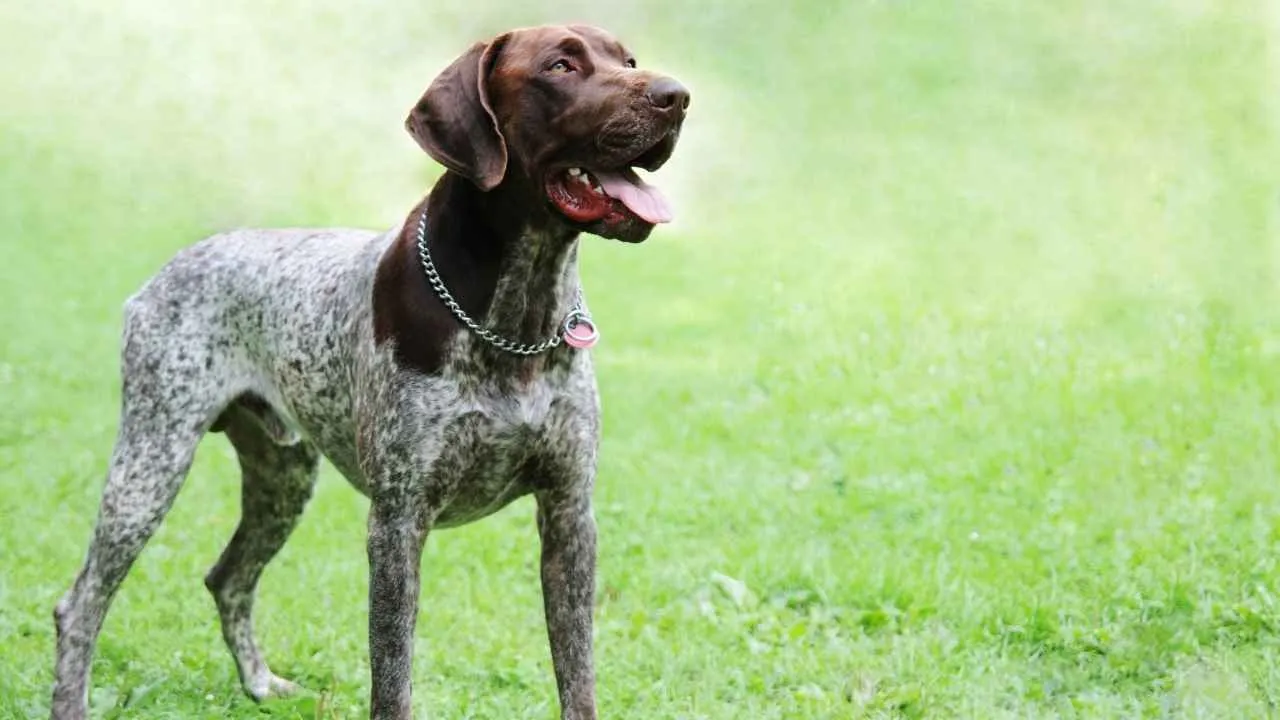
The German Shorthaired Pointer is an adventurous dog breed built for active days. According to Wikipedia, this German breed originated in the 19th century as an all-purpose hunting dog capable of working on both land and water.
Its athletic body provides impressive speed, agility, and endurance for demanding adventures. That makes it a reliable hiking partner for owners who enjoy challenging routes. This breed can confidently explore rocky paths and dense woodland while staying active.
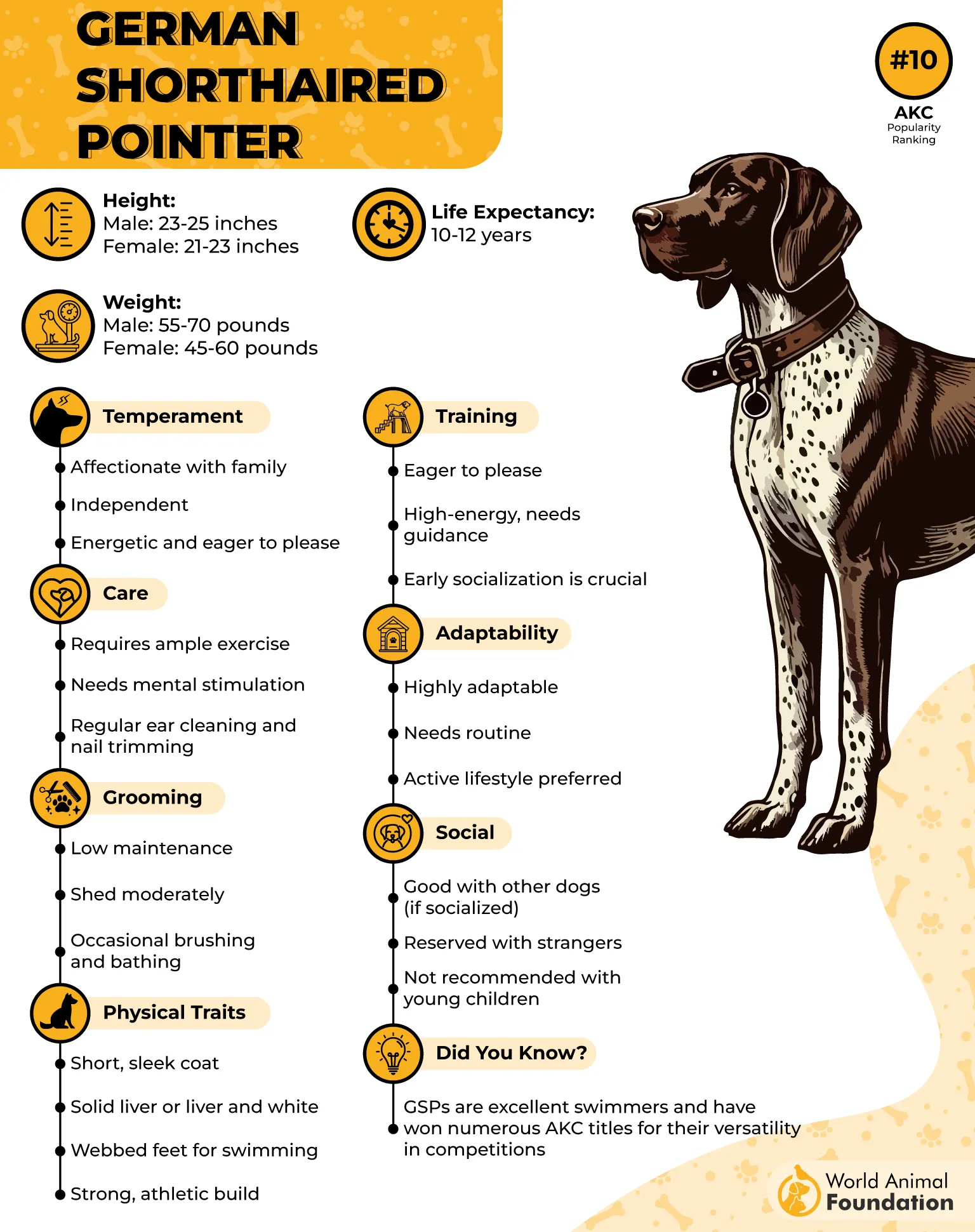
Its short coat may also suit hot weather better than heavily coated breeds, though shade and water remain important. With high energy, it needs plenty of vigorous activity each day. Its keen sense and strong prey drive can make wildlife encounters difficult.
Therefore, consistent training and dependable recall are essential outdoors. Its independent nature also requires patient guidance. For active owners, the GSP can become a great outdoor companion.
6. Labrador Retriever
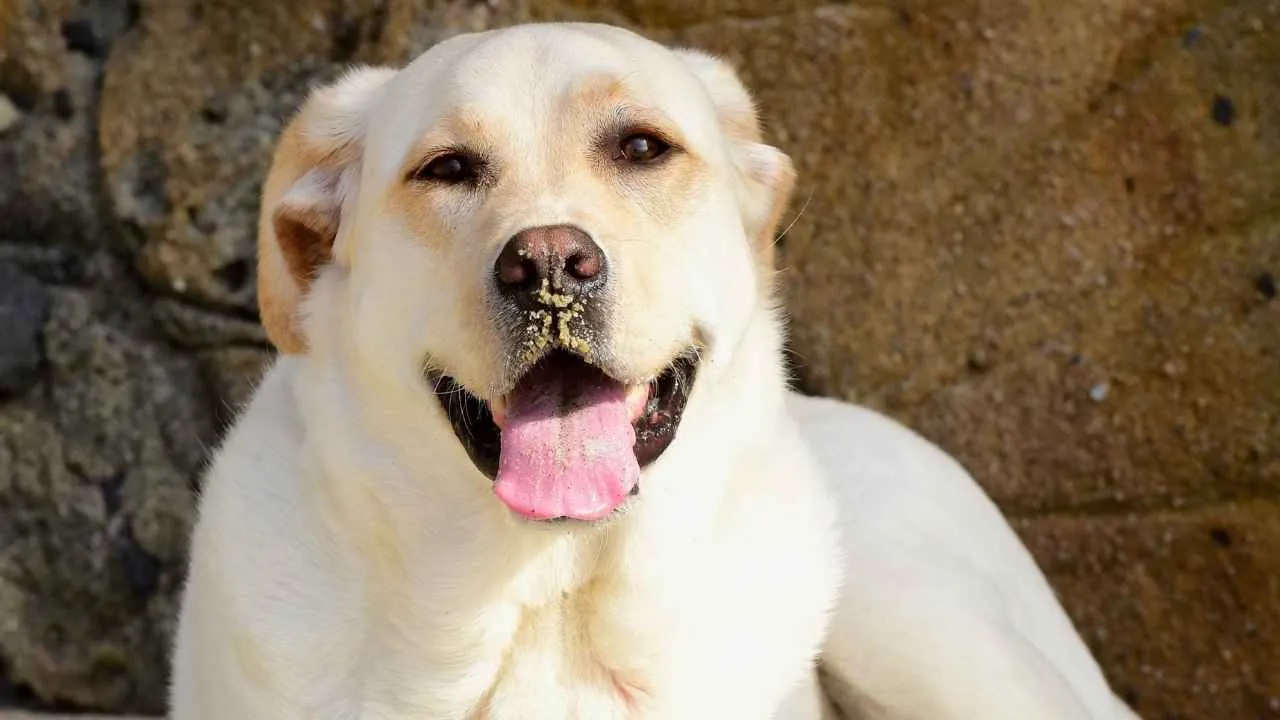
The Labrador Retriever brings a friendly spirit to every trail. This adventurous dog breed was developed as a sporting and hunting dog before becoming a popular breed and beloved family pet.
According to Hill’s Pet, Labs can get along well with children, pets, and other dogs when their natural excitement is properly managed. They are also intelligent, quick learners that respond well to early obedience work.
With at least an hour of daily exercise, a Lab can enjoy walking, swimming, and lengthy hikes with an active family. Their eagerness to investigate new places makes them fun hiking companions during great outdoor adventures.
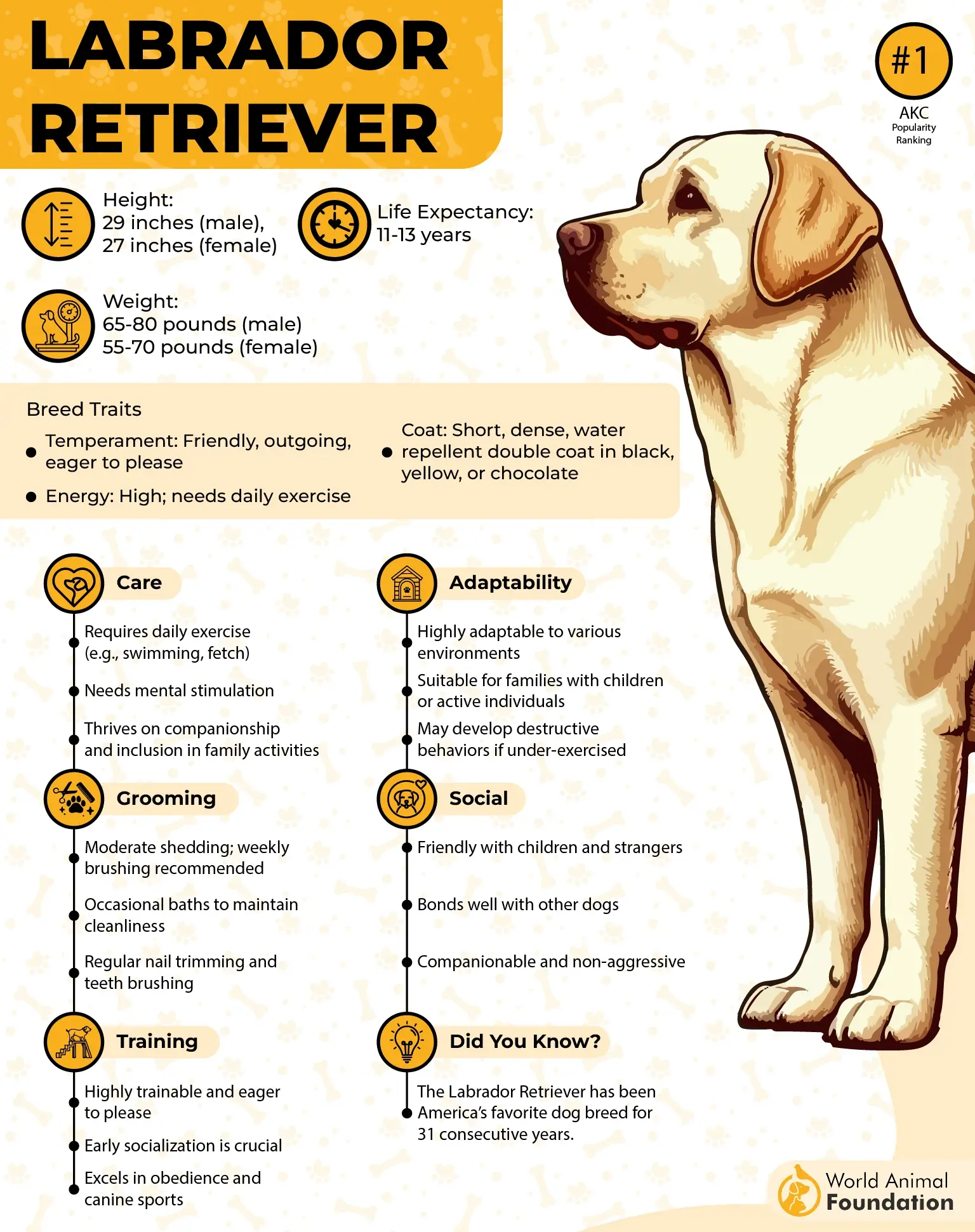
Even when scaling mountain trails, they often stick close to their people with proper guidance. Without enough activity, boredom may lead to destructive behavior. Regular exercise helps channel their energy in healthy ways.
Their warm, affectionate nature also makes them a loyal companion after the adventure ends. For families who love to explore, a Labrador can be an excellent trail partner.
7. Vizsla
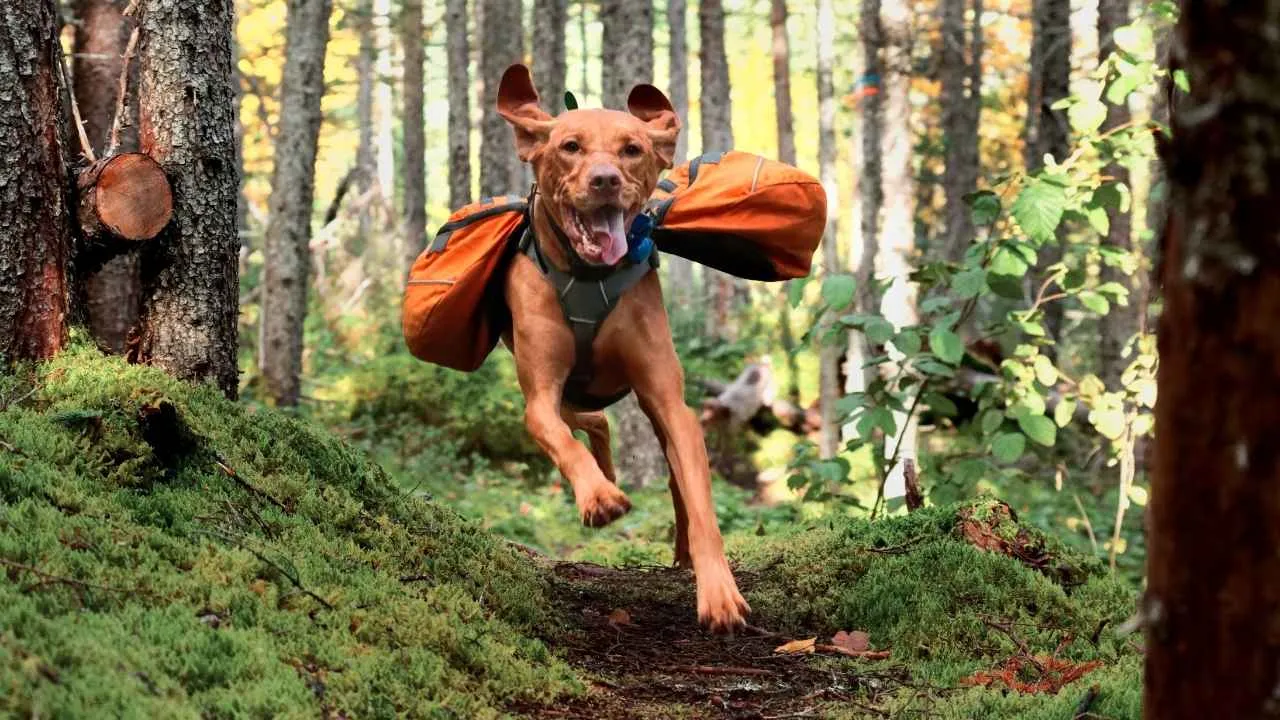
The Vizsla is an adventurous dog breed that thrives beside its favorite people. According to PDSA, Hungarian Vizslas are lively, athletic dogs that need active owners who enjoy getting out and about. Their history as hunting and retrieving dogs helped create strong bonds with humans.
This makes the breed extremely loyal and eager to stay involved in family activities. A Vizsla can enjoy the great outdoors, whether you’re camping, hiking, or exploring a dense forest. Its stamina also suits strenuous activity across challenging terrain.
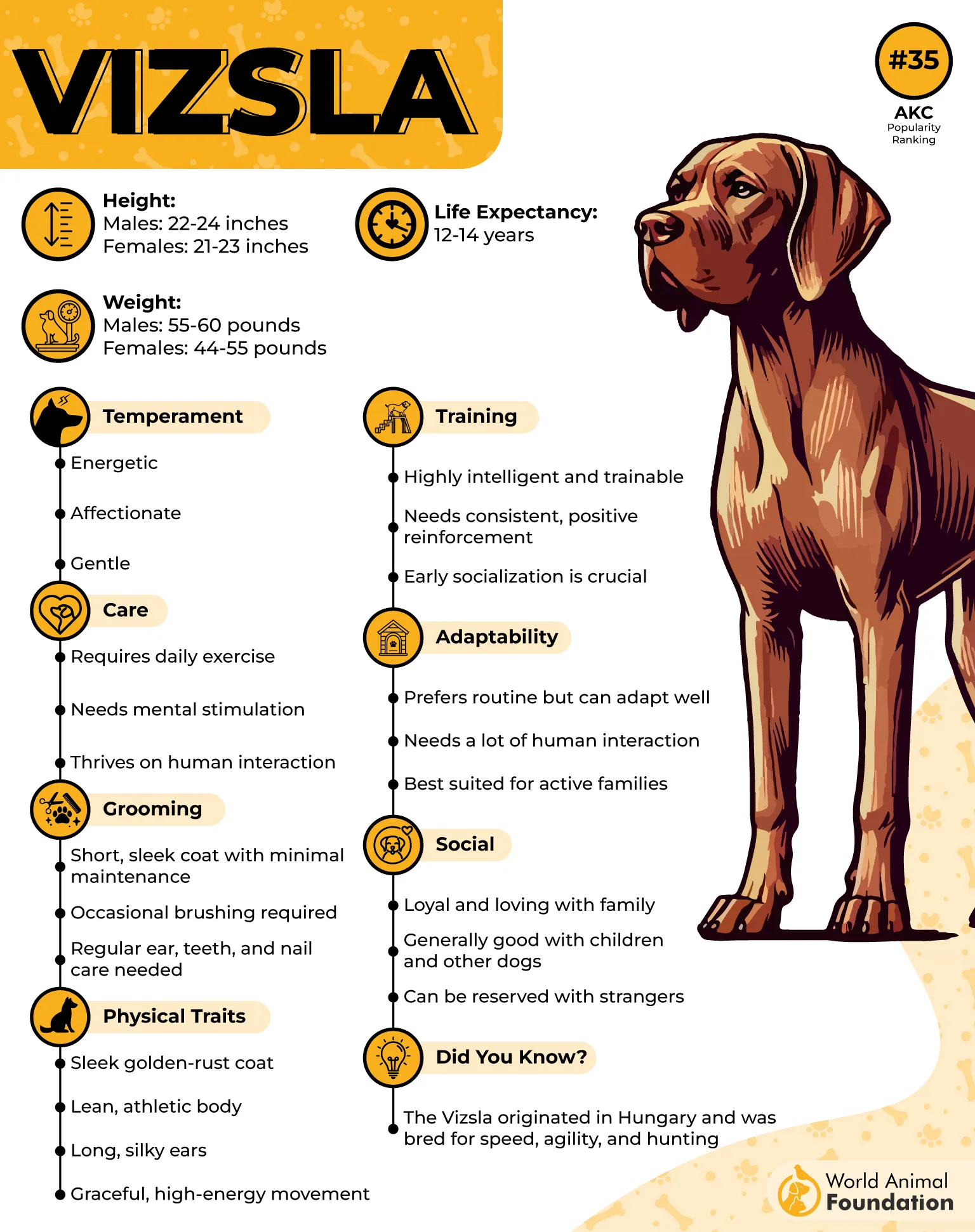
These dogs are eager to explore, but their energy needs thoughtful direction. Fetch, trail games, and other mental challenges can keep their clever minds engaged. Consistent guidance helps shape a well-behaved adventure partner.
Owners should also discuss joint health with their veterinarian, including the possibility of elbow dysplasia. With enough activity and companionship, this affectionate breed can make outdoor adventures even more rewarding.
Conclusion
Choosing an adventurous dog breed for wilderness trips takes more than looking at athleticism. The right furry companion should match your fitness level, favorite trails, and outdoor lifestyle. Healthy dogs with strong athleticism may handle demanding routes well, but every dog has different limits.
Age, climate, distance, and terrain can affect hiking ability. Proper conditioning also helps a new dog build fitness safely. Proper training can turn an energetic pet into an obedient trail partner. Socialization matters, too, especially around unfamiliar places and people.
Some dogs may be susceptible to joint or heat-related problems, so regular veterinary care is important. A dog’s protective nature can also be useful, but good manners remain essential.
With thoughtful preparation, the right breed can become a happy and capable partner for countless wilderness adventures.
