




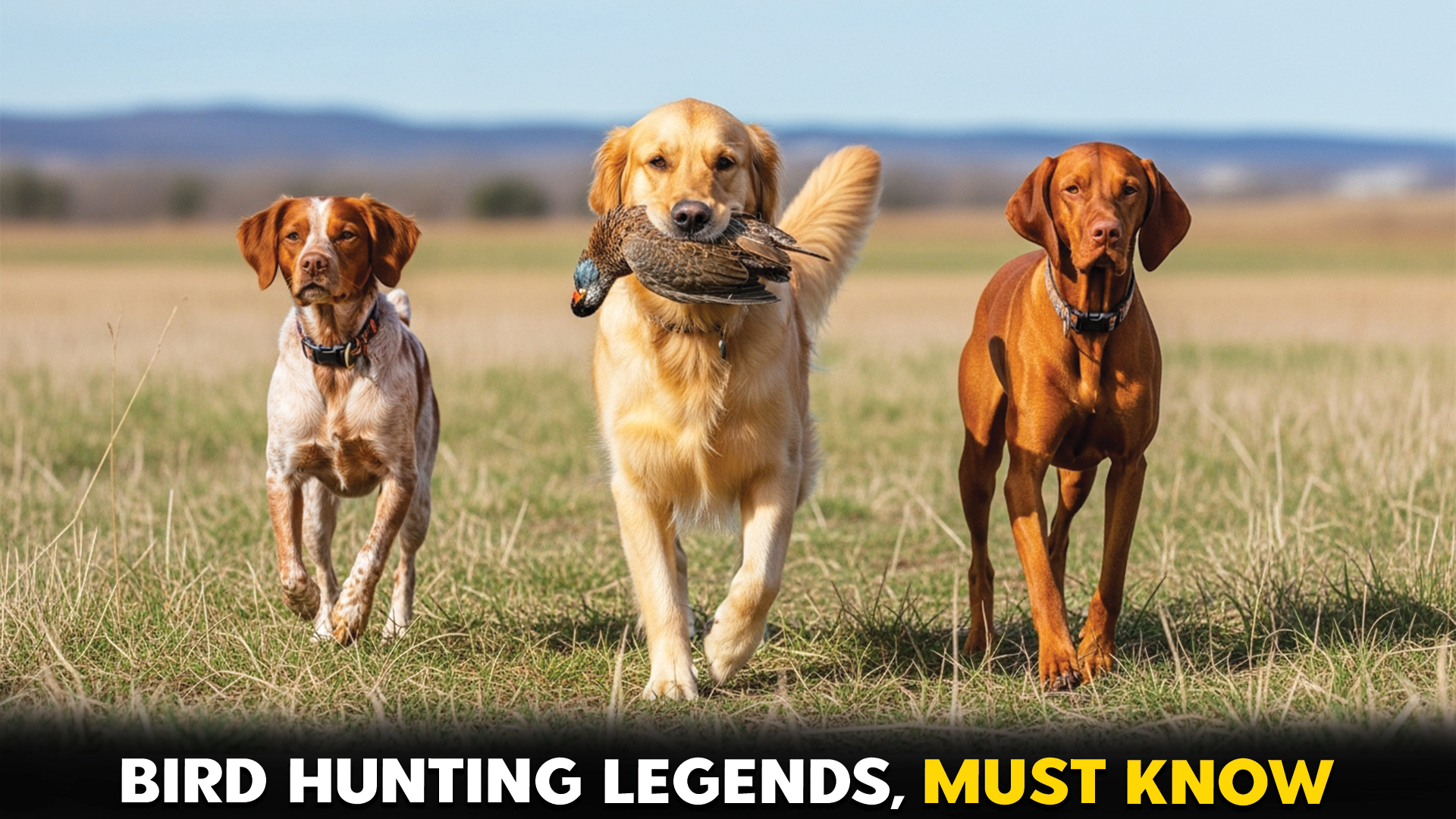
Crunchy leaves, cold air, and a happy tail cutting through thick cover.
Upland bird hunting is about more than boots on the ground and birds in the air. It is about trust, timing, and the quiet bond shared with a good dog. Those early mornings feel different when a dog moves ahead with purpose, nose low, tail working, and heart fully in the hunt.
Every step carries a mix of hope and focus, whether the cover is light grass or thick woods. A solid bird dog turns long walks into moments worth remembering. Some dogs work close, some range wider, and some seem to read the land like a map.
The right match can change the entire day, from the first scent to the final retrieve.
This blog will explore dog breeds known for upland bird hunting, focusing on real traits, field behavior, and what makes each one special, where it matters most.
Top Dog Breeds for Upland Bird Hunting
1. Brittany
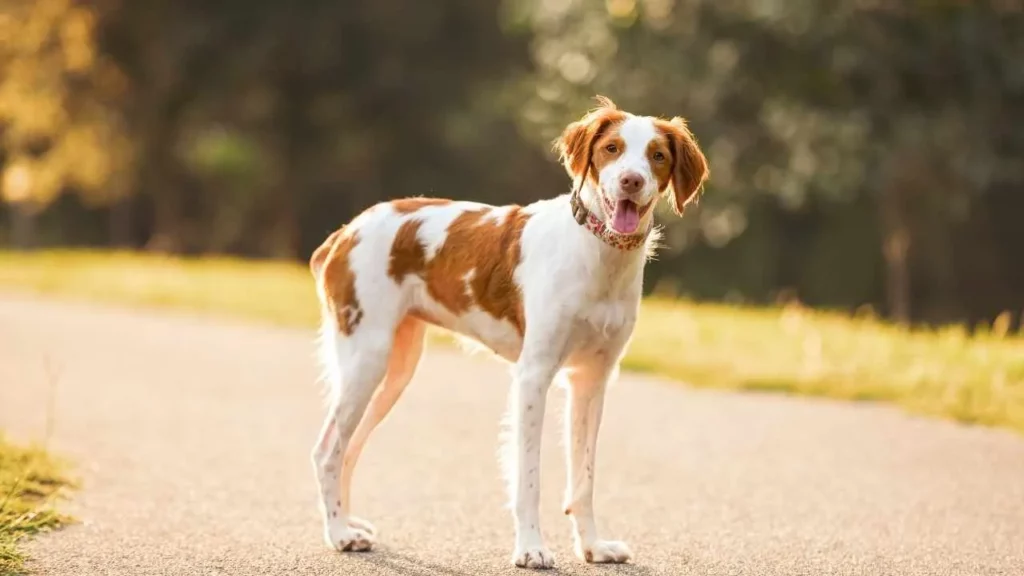
The Brittany is a lively breed with quick feet and a bright brain. Many upland hunters pick this smaller dog because it slips through thick brush and tight trails without slowing down.
These dogs work at a comfortable distance, so you are not sprinting after them all day. That close teamwork helps in dense woods where birds pop up fast.
Here’s the good part. The Brittany spaniel can lock onto bird scent and pause with focus. With steady practice, it can hold birds long enough for you to get set and breathe.
It is also one of the bird dog breeds that reads your body language well. When you stay calm, the dog stays calm, and the whole hunt feels smoother.
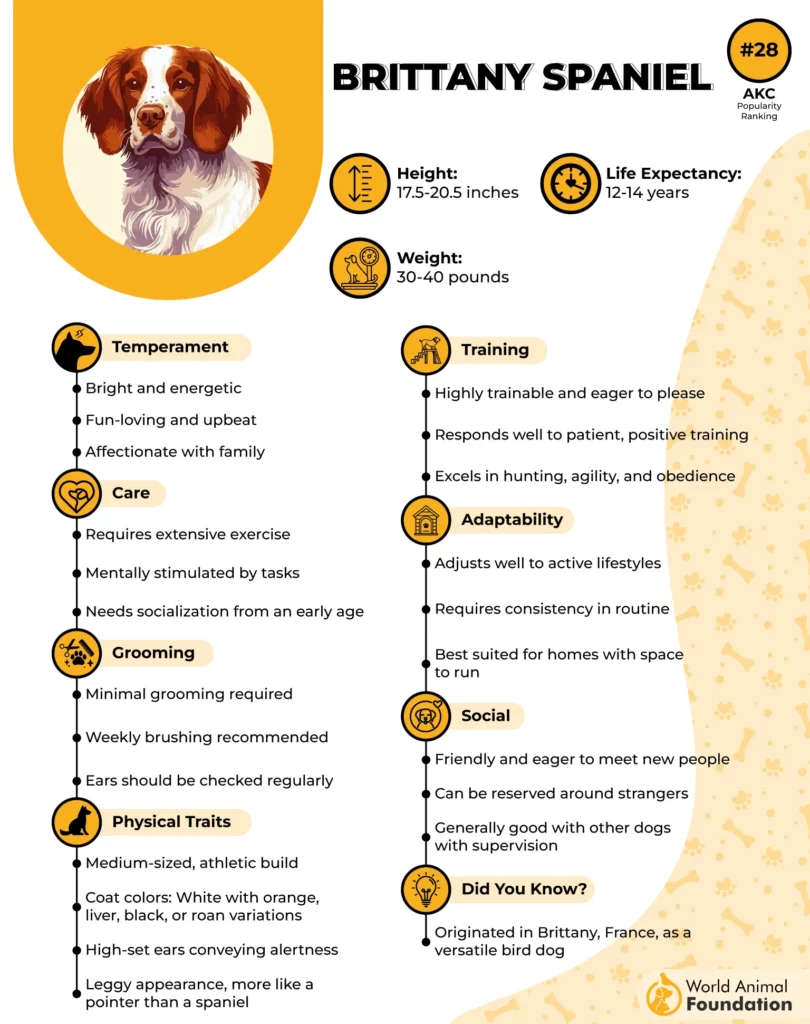
These dogs show natural instincts early. For grouse hunting, that quick pause helps with upland game birds.
Quick field note: Keep drills short, then quit while the dog still wants more.
Light build for long walks
Quick check-ins from these dogs
Fast bounce-back after a miss
Can flush upland birds on cue
2. Golden Retriever
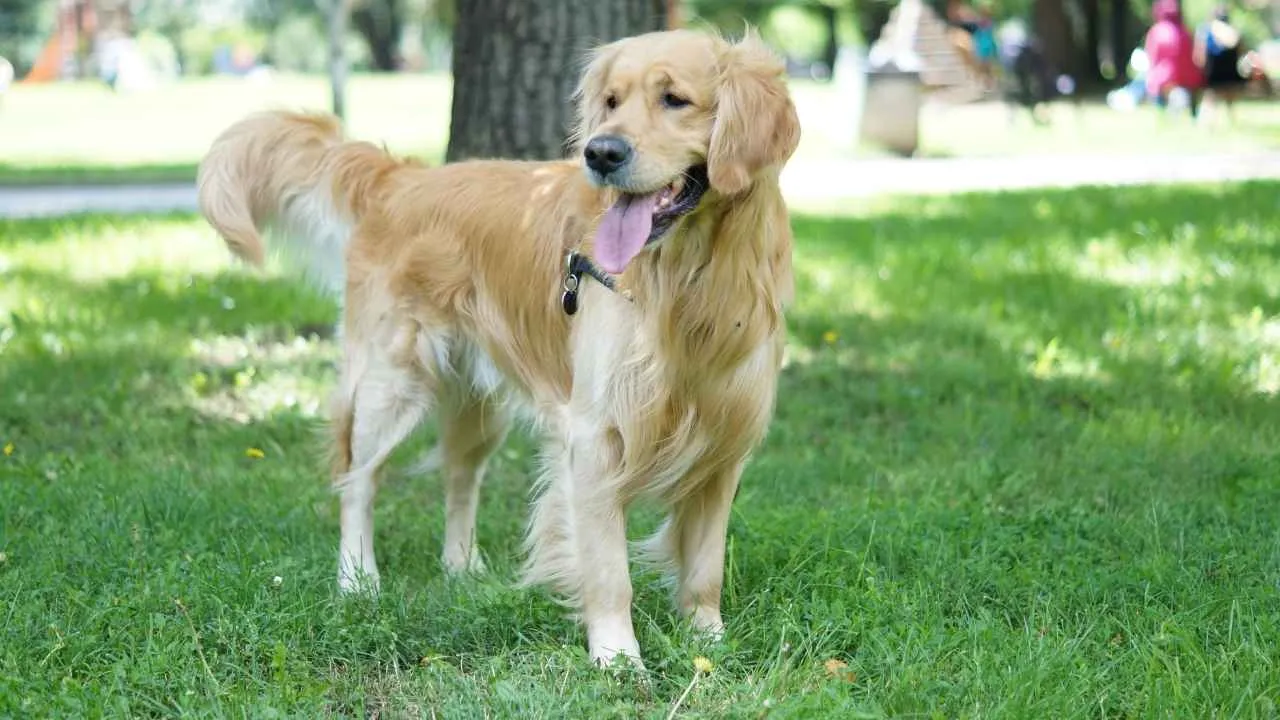
Golden Retrievers bring warmth and steady effort to the field. Their keen sense helps them follow scent lines in grass, and their mouth is often gentle. That matters when retrieving birds you want to keep clean.
But why bother with that? Because upland days are not always neat. You may push through heavy cover, then step into a muddy ditch, then climb out again.
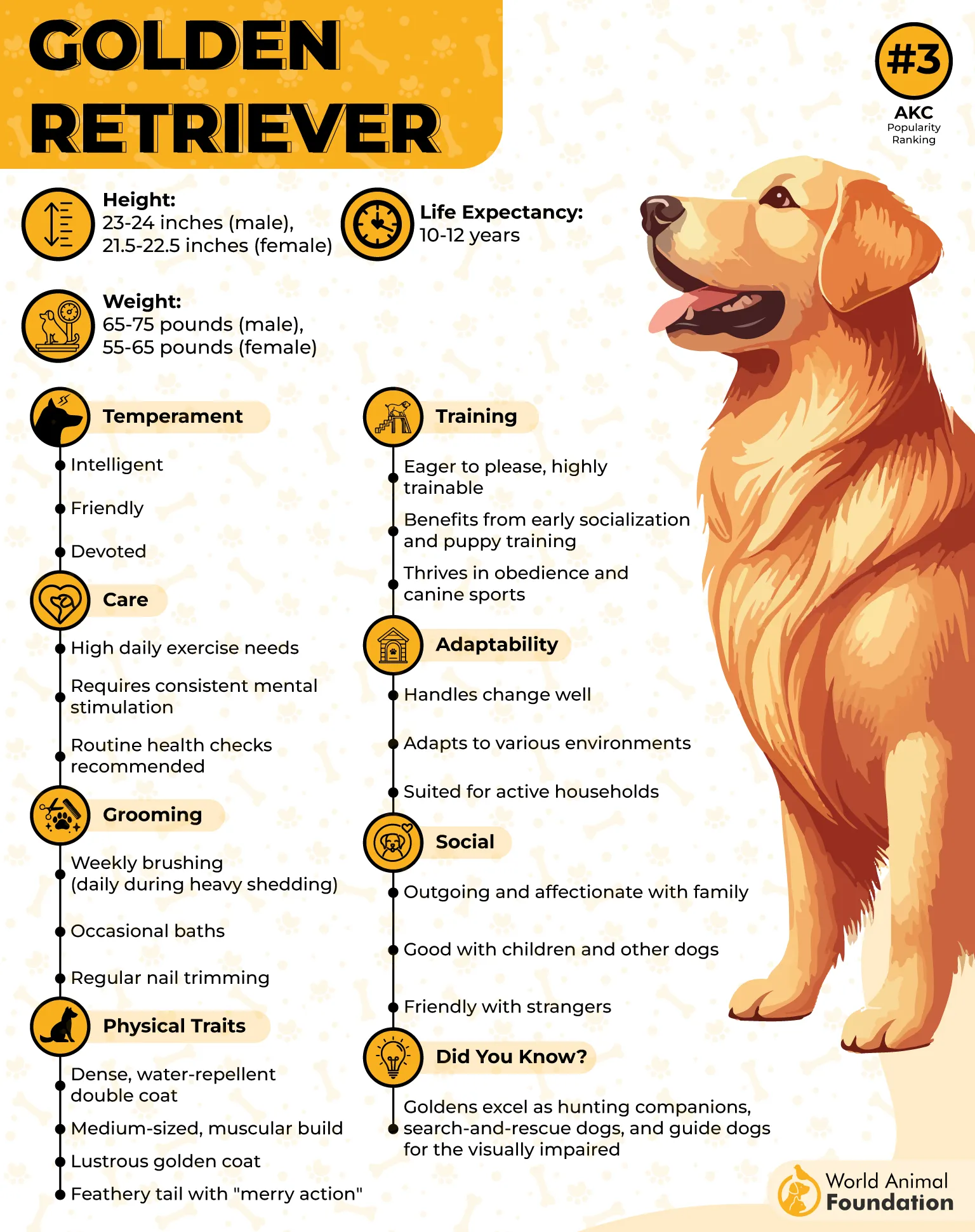
These dogs tend to stay willing and upbeat, even when you are tired. Many Golden Retrievers also settle well at home after a long day, which is a gift. Their affectionate nature helps at home.
During hunting season, these dogs stay level. Match training to the bird species you chase.
Quick field note: Build confidence with easy finds before deep cover work.
Calm house manners for many dogs
Strong carry for downed birds
Happy in cool weather walks
Friendly dogs vibe with guests
3. Vizsla
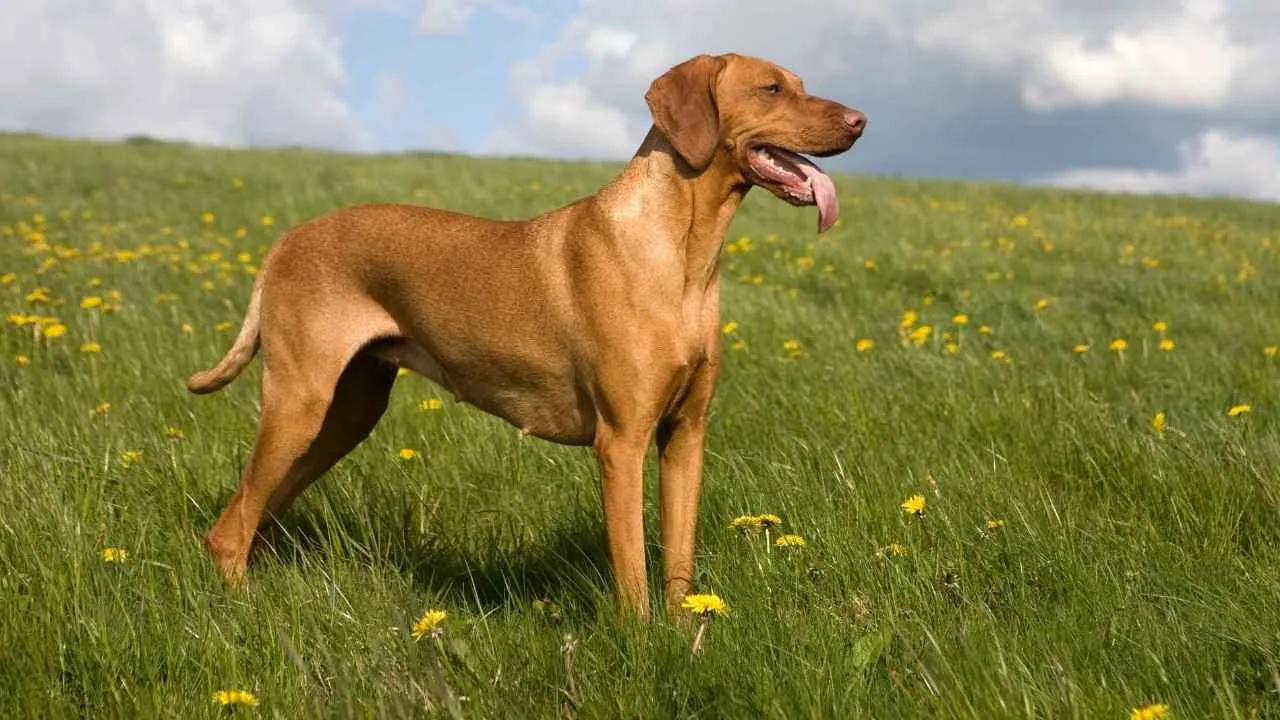
The Vizsla is a close working breed with a big need for connection. Many hunters love that these dogs check in often, which helps when your gun range is short and the cover is tight. It is also a true pointing dog, and that frozen stance can make your heart jump.
Sounds crazy, right? A dog can be soft at home and still tough in the field. The Vizsla learns fast, but it needs daily exercise, or it gets even worse, though, because boredom turns into trouble.
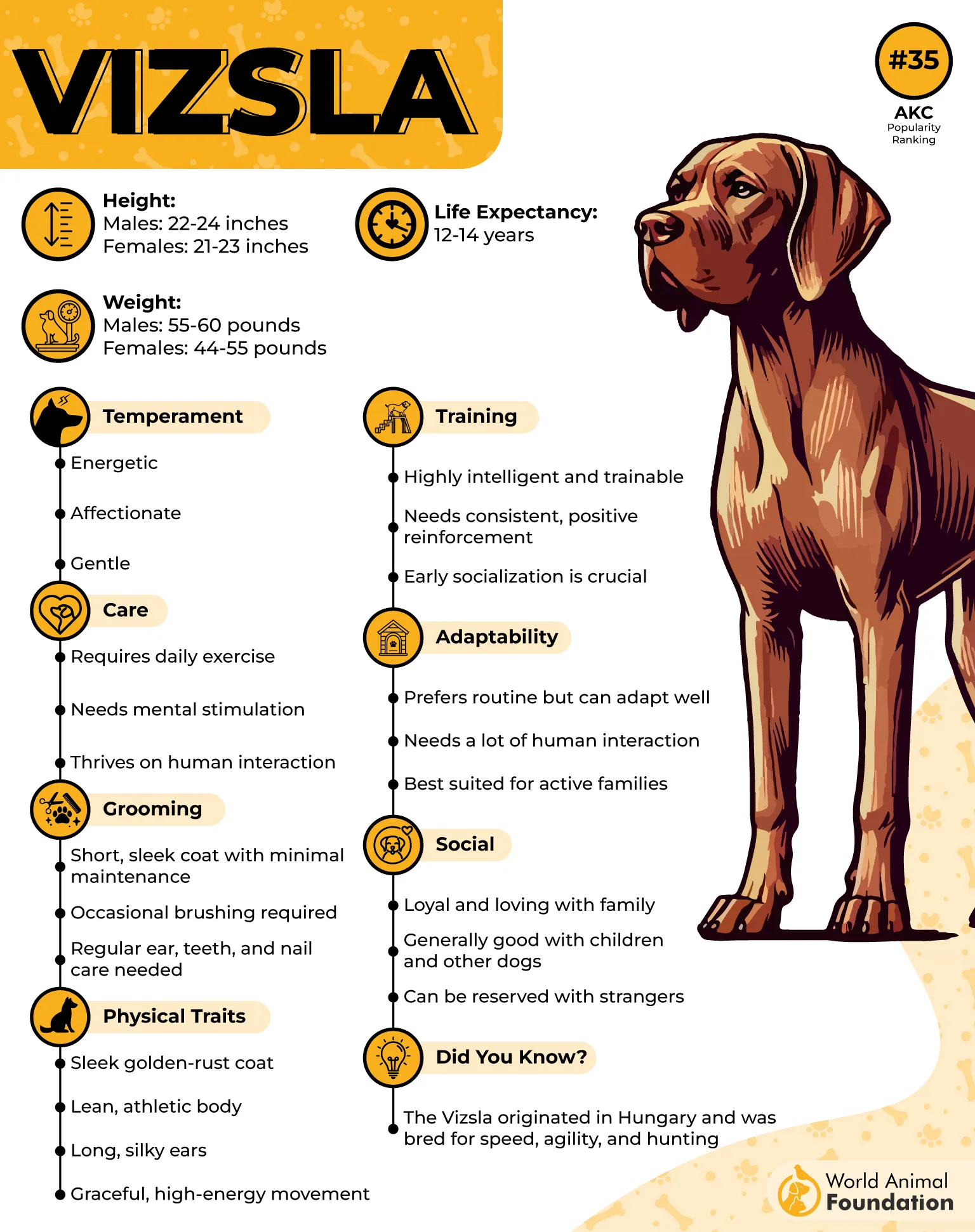
Give it work and clear rules, and you get a partner with sharp turns, steady pace, and clean focus on the bird.
For upland hunting, keepthe routine simple. These dogs become a bird dog you trust and a hunting companion that stays close.
Quick field note: Use a gentle voice and clear hand signals.
Quick learner among dog breeds
Strong bond with its person
Smooth stride in open lanes
Great at reading fresh scent
4. English Setter
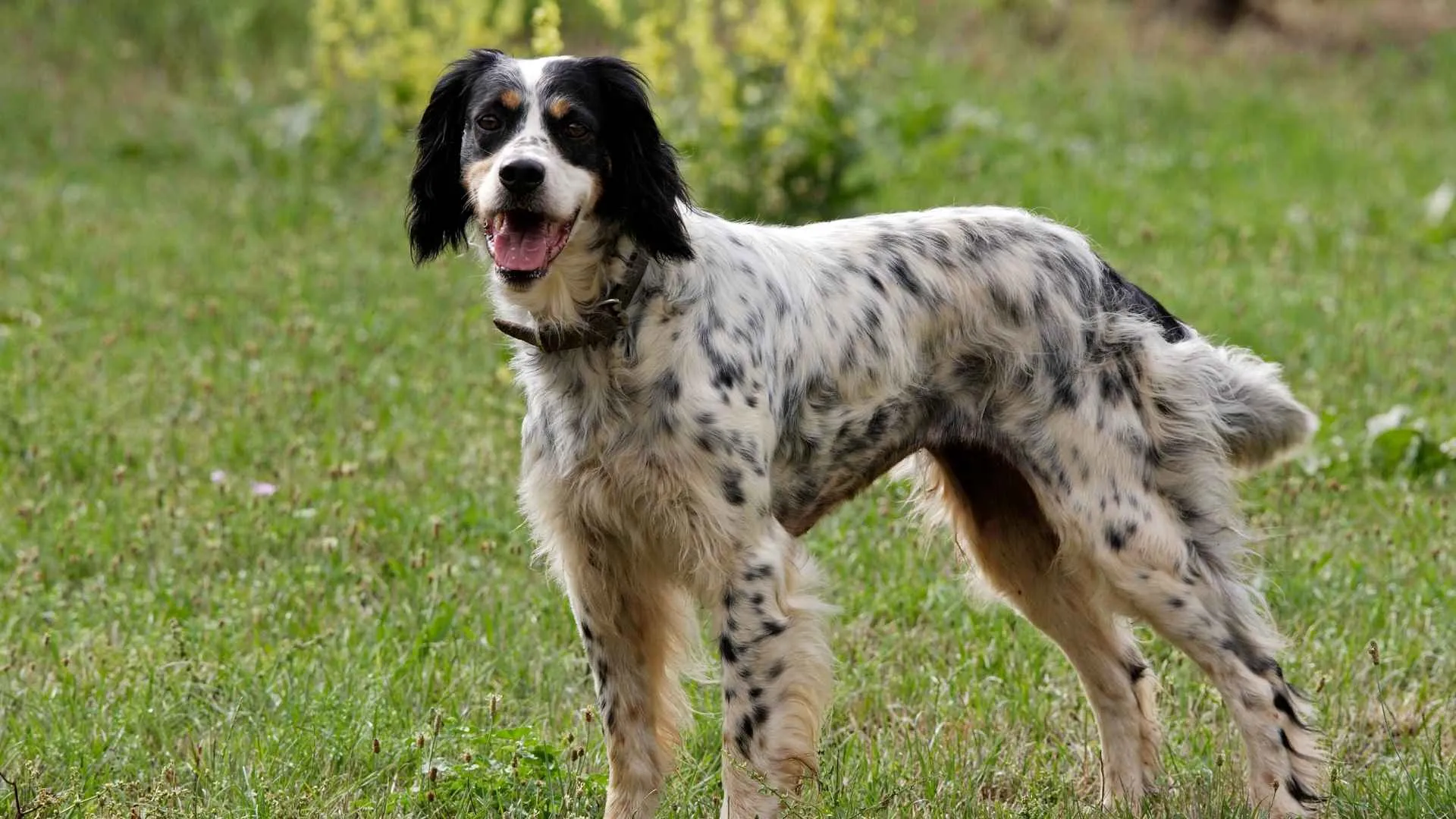
The English Setter has a rich history, and it shows in the way the breed moves. These dogs glide over the ground, then stop like the wind hit a wall.
In grouse woods, that smooth motion matters. Quiet movement helps keep birds calm, and calm birds make better shots.
This setter is one of the classic pointing breeds. It often hunts with a wide, flowing pattern, using wind and cover edges to sort scent.
When the air turns damp, these dogs can still work the trail and settle into a firm stand. That steady point helps you time your steps and stay ready.
In the hunting dog world, the English Setter is a pointing dog with real patience. Watching these dogs lock up gives me chills.
Quick field note: Teach a calm pause before you add any excitement.
Strong nose in dense woods
Gentle at home, not a couch potato
Good stamina for long miles
Great companions on slow walks
5. Boykin Spaniel
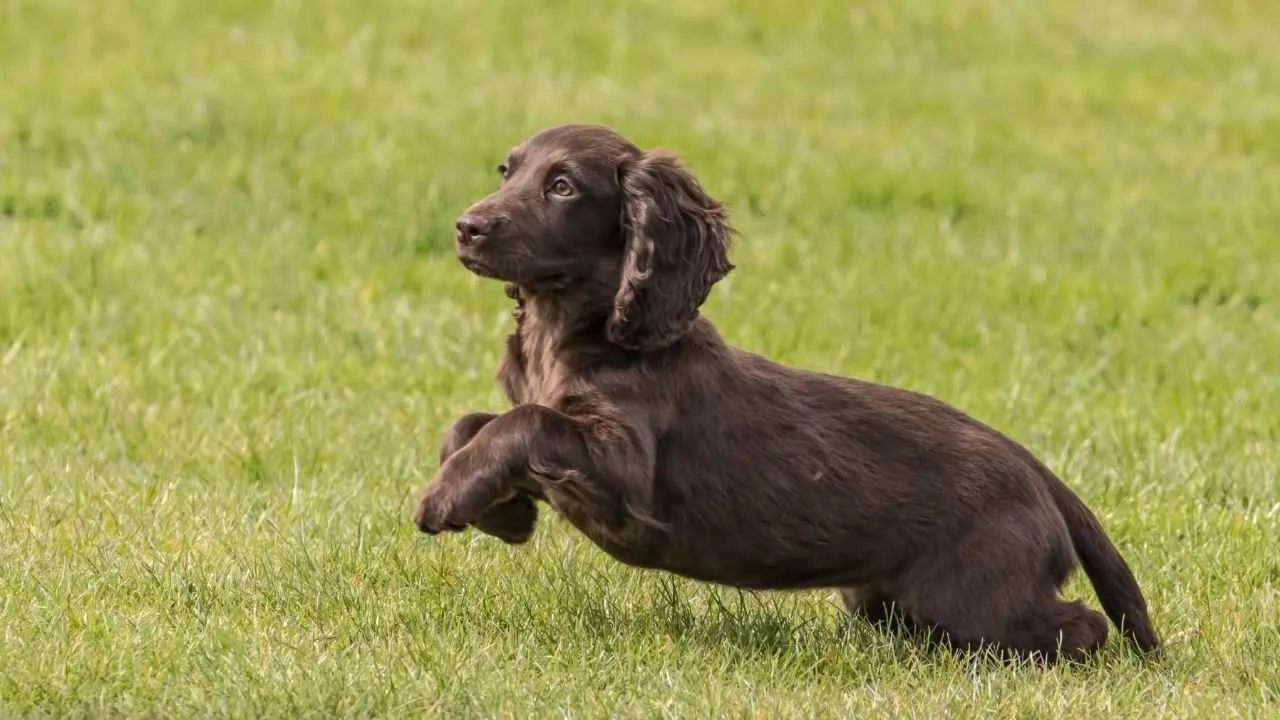
The Boykin Spaniel is a compact breed with serious courage. It is known for flushing dogs’ work, pushing birds out of cover with no drama. If you like close shots and fast action, these dogs keep the hunt right in front of you.
According to AKC, this breed has deep ties to South Carolina, and stories still swirl around the Wateree River swamp. That background shows in its love of water and its drive to keep going.
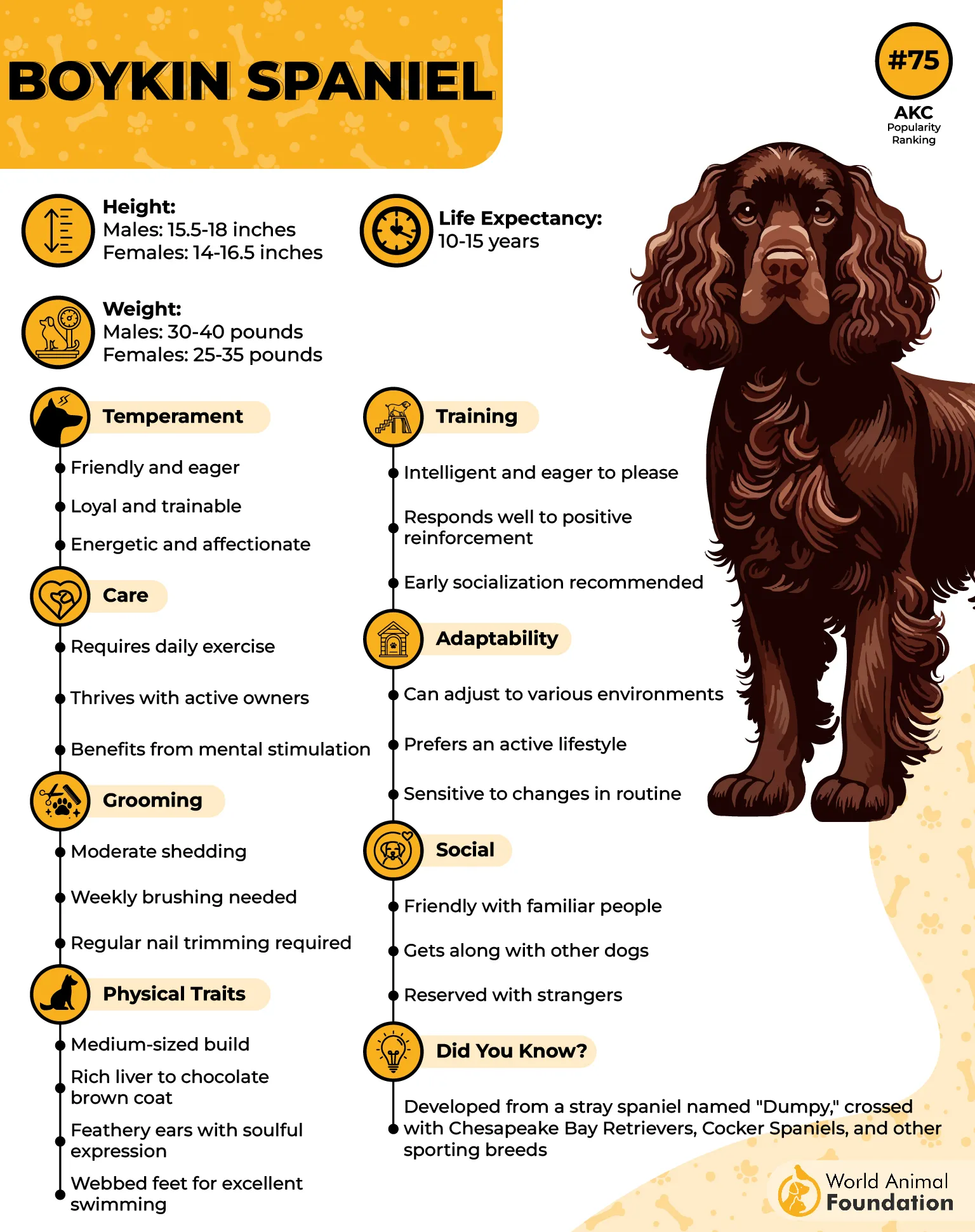
On mixed days, these dogs can hunt field edges, then splash a ditch, then jump back to work as if nothing happened. For folks hunting small covers, this upland bird dog stays close, then bursts forward on cue.
Quick field note: Teach an off switch at home so field energy stays fun.
Tight, efficient quartering
Eager to flush birds on command
Coat handles wet grass well
Loyal and people-focused
6. Irish Setter
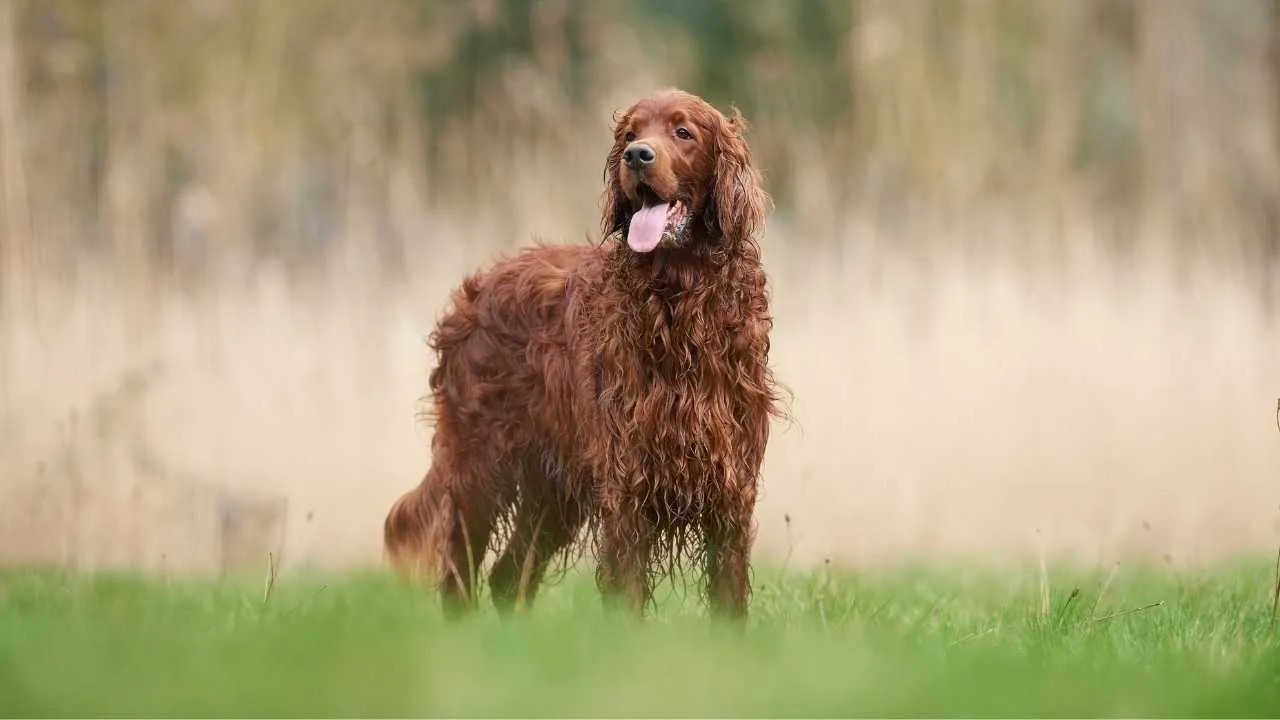
The Irish Setter is a flashy breed, but it is not just a pretty coat. In upland hunting, these dogs use speed to cover open ground, then slow down when the scent gets stronger. That change of pace can help when hunting pheasants on big edges where birds like to run.
This breed can be social and sensitive, so early structure matters. Keep training playful and clear, and the dog’s hunting skills grow.
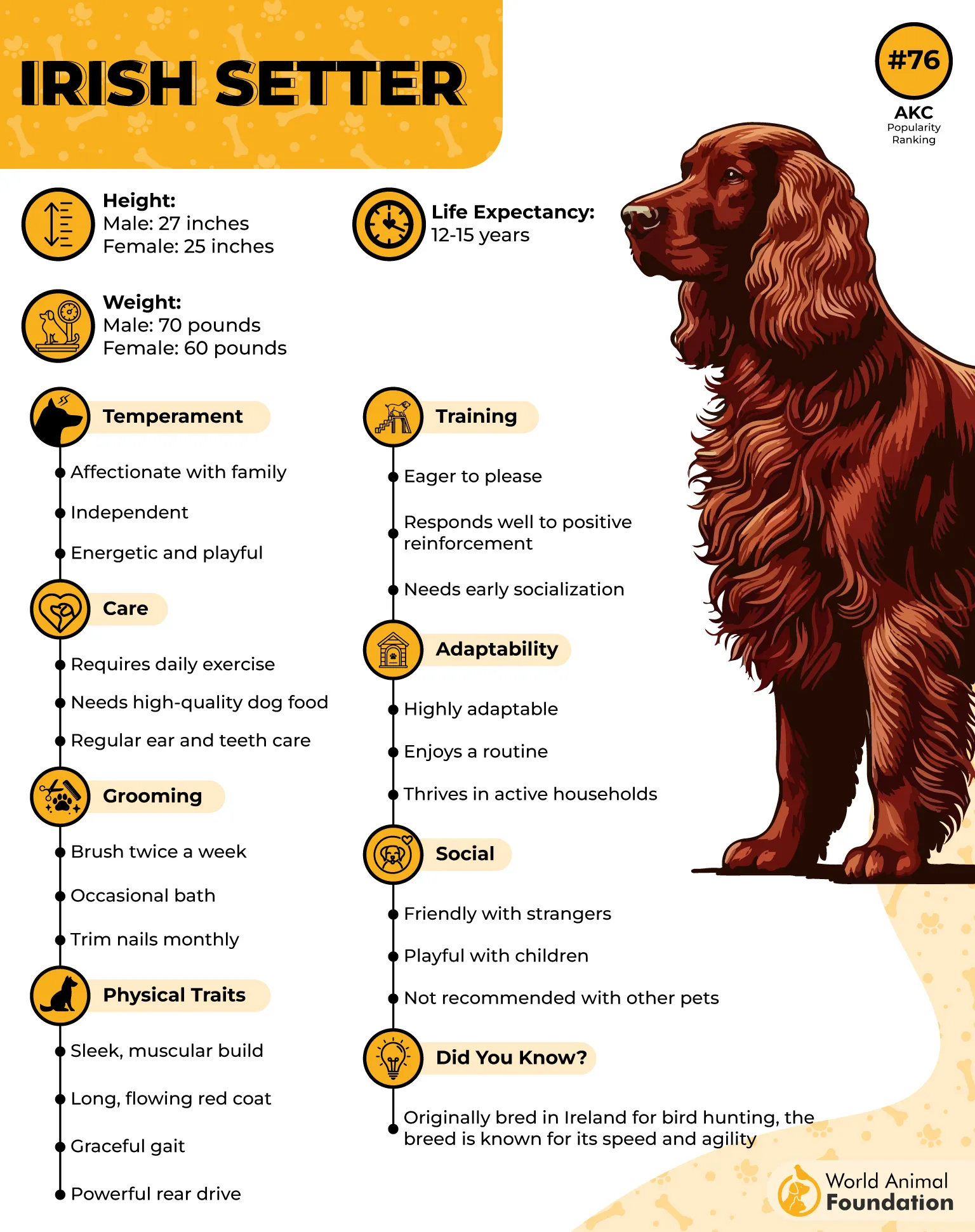
Many dogs from this breed love praise, so a quick “good job” goes a long way. Give it daily work, and it can be steady in the field and calm at camp.
On wide grass, the breed can handle sharp-tailed grouse that like to run. Clear start and stop cues help these dogs stay steady.
Quick field note: Reward focus, not wild racing.
Big stride for open fields
Strong drive in cool weather
Friendly pup energy with people
Needs exercise to avoid couch potato habits
7. Labrador Retriever
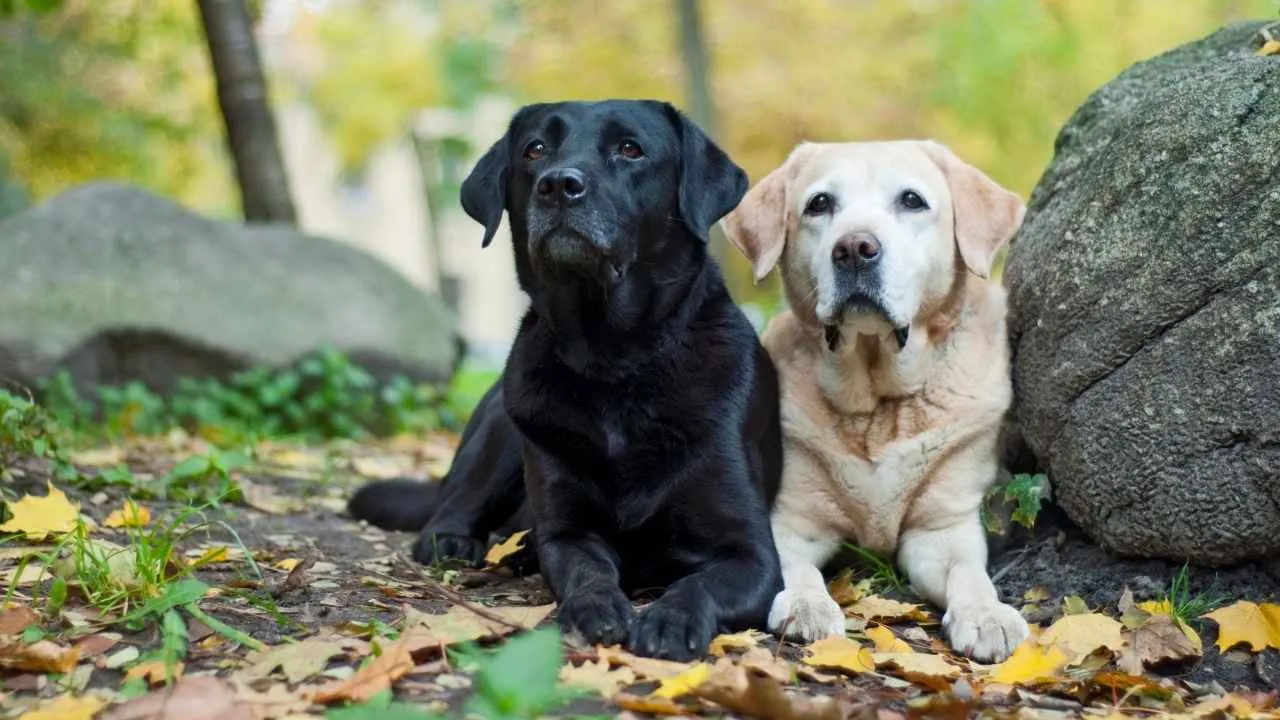
PetMD notes that the Labrador Retriever is one of the most popular dog breeds because it is steady and eager. This breed usually loves water, and that helps when a bird falls near a creek or ditch.
It also fits waterfowl hunting, so these dogs can handle both waterfowl and field days with the right training.
Here’s the good part. Many dogs in this breed are natural retrievers, and that shows fast in training. In thick cover, start close, then stretch out.
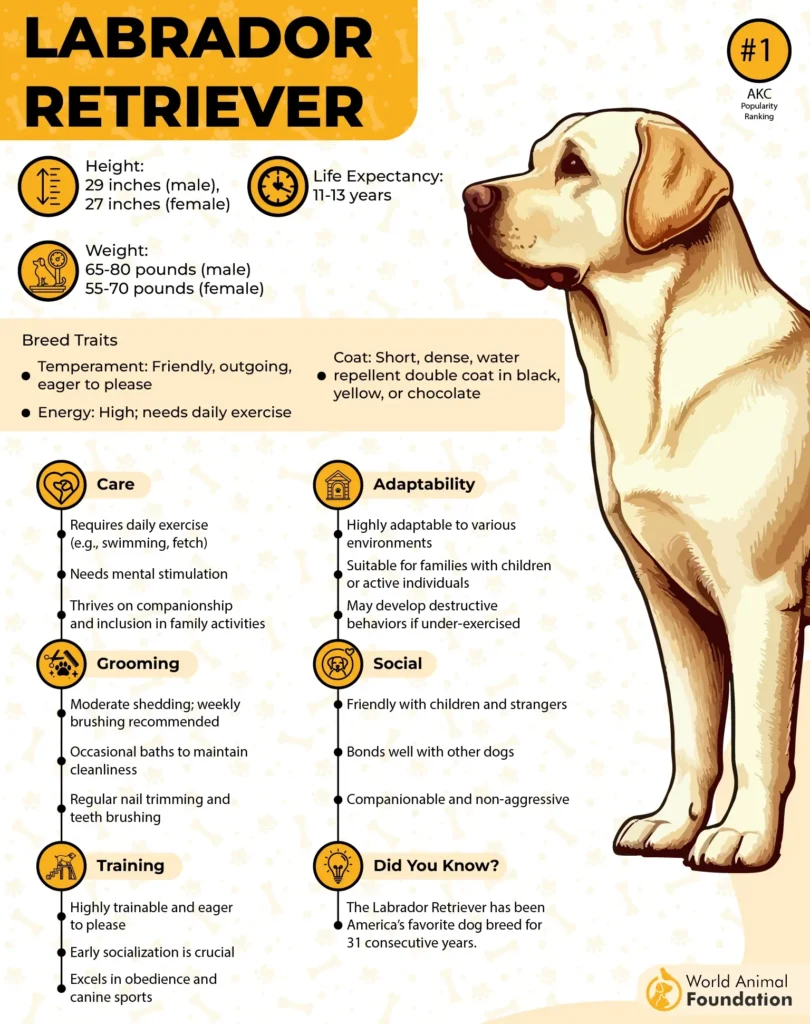
With calm reps, you can build clean delivery and straight returns. That natural retrieving ability matters when the grass is tall, and you want the bird back fast. The Labrador Retriever can also switch off at home and relax, which is nice after long walks.
Quick field note: Keep these dogs lean to protect joints over miles.
Tough feet for rough ground
Confident carrying birds
Steady manners with practice
Easygoing with other dogs
8. German Shorthaired Pointer
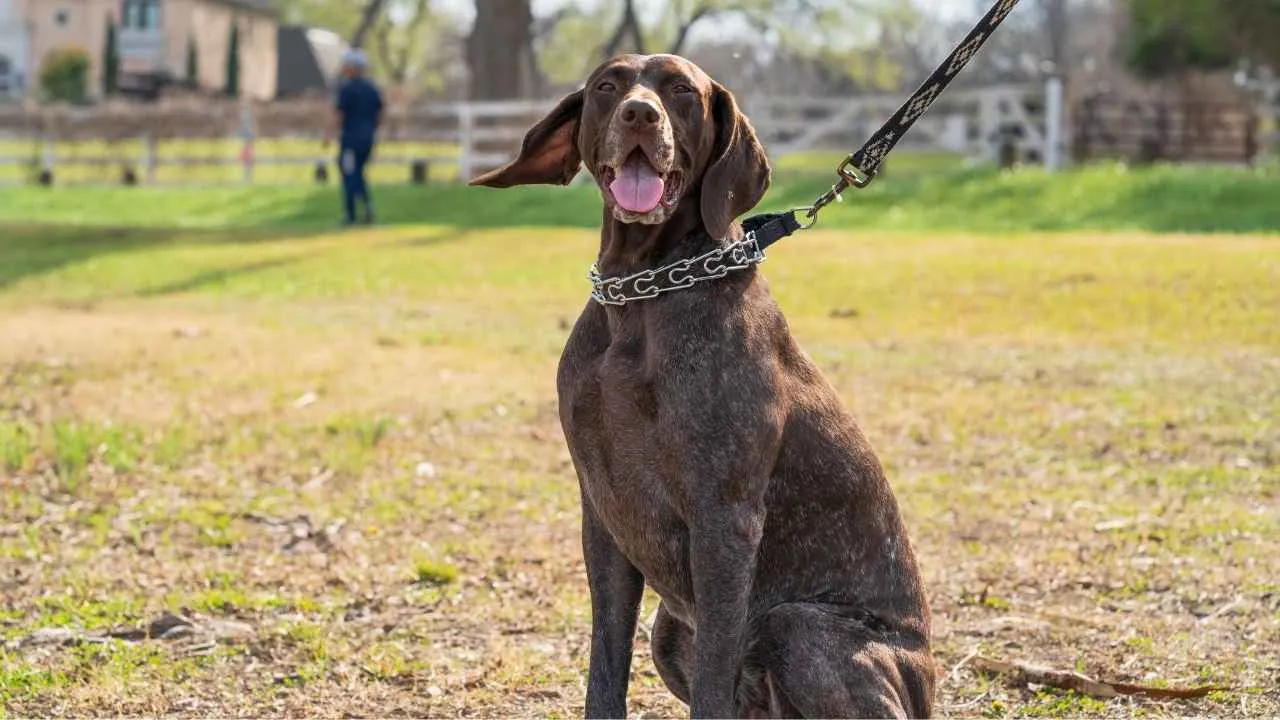
As per WebMD, the German Shorthaired Pointer is a high-power breed that many hunters call a Swiss Army Knife. These dogs run hard, learn fast, and keep going when you are ready to stop.
The German Shorthaired Pointer often shows a clean point, then stays locked in when the scent is right. That moment can feel like the first bird moment you ever watched on a screen.
It is also a hunting dog that can take on many tasks in the home. Some people even use these dogs for hunting big game tracking, thanks to their keen sense.
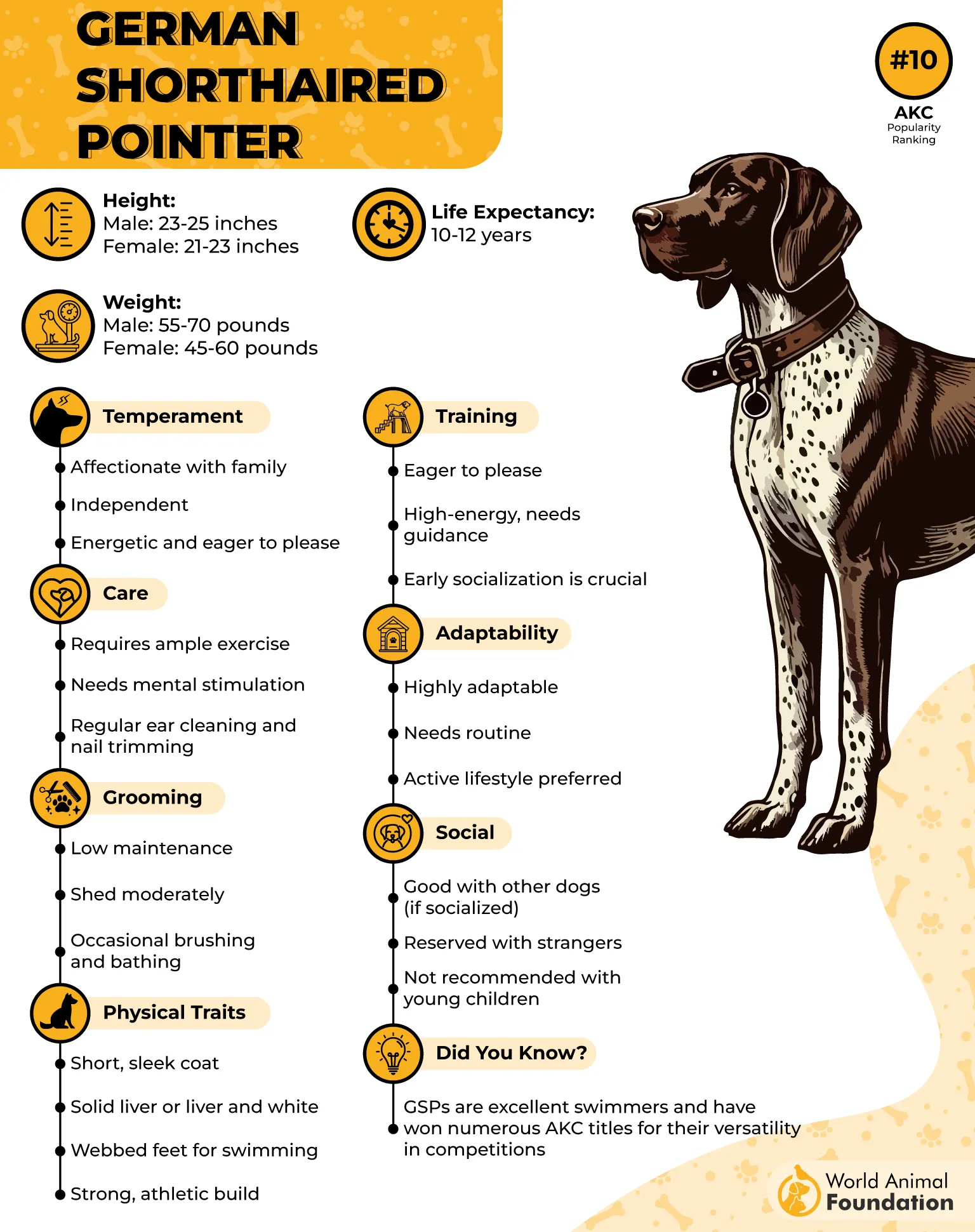
In upland fields, keep the rules clear and the goal simple. When the dog understands the job, the hunting style turns smooth instead of wild.
The first bird dog I met was a German Shorthaired Pointer. This hunting dog can be one of the best bird dog breeds with fair, short drills.
Quick field note: Teach steadiness early, before you add distance.
High stamina for long hunts
Strong drive from this hunting dog
Handles rough brush without quitting
Sharp focus on bird scent
9. Bracco Italiano
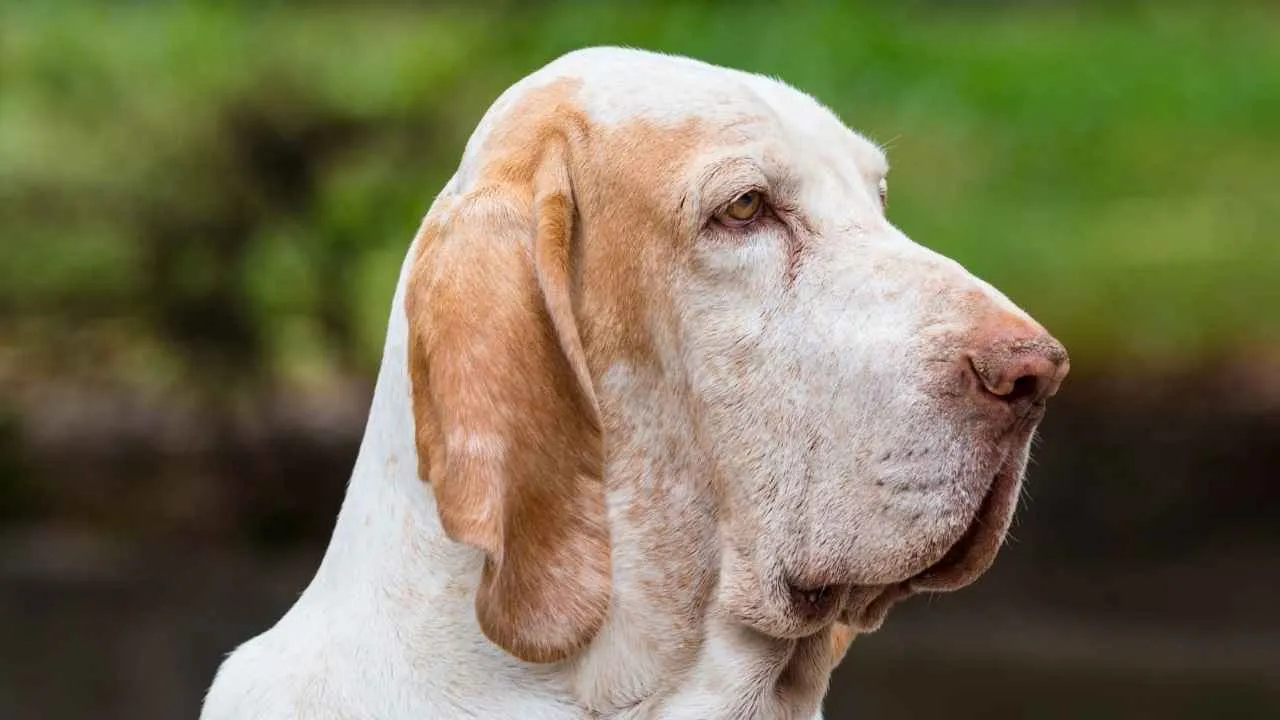
The Bracco Italiano is a calm, thoughtful breed with old-world charm. It is one of the bird dog breeds that many people forget about, but it can fit careful upland hunters. These dogs often work at a steady pace, using nose and brain more than wild bursts.
This breed can also be a relaxed family pet when daily walks happen. In the field, it may point with a firm, patient stance, giving you time to step in.
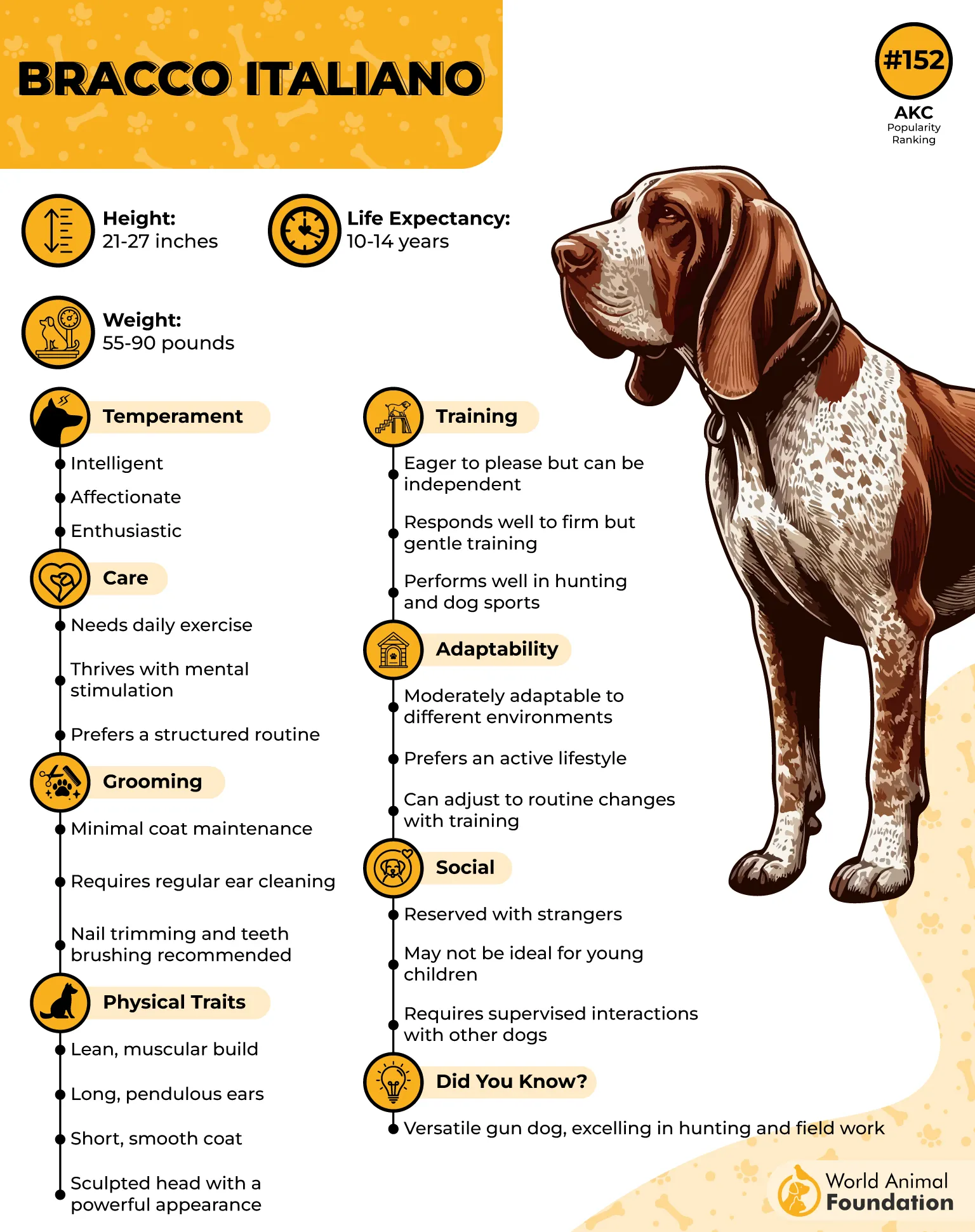
That is handy for hunting ruffed grouse in tight lanes where a rushed move can blow the chance. These dogs respond well to praise and simple routines.
This breed was originally bred for steady teamwork. In the dog world, these dogs feel like quiet partners with clear cues.
Quick field note: Praise calm searching and neat turns.
Durable build for uneven ground
Patient field manners
Easy handling with clear cues
Not the same breed as a modern pointer type
10. Chesapeake Bay Retriever
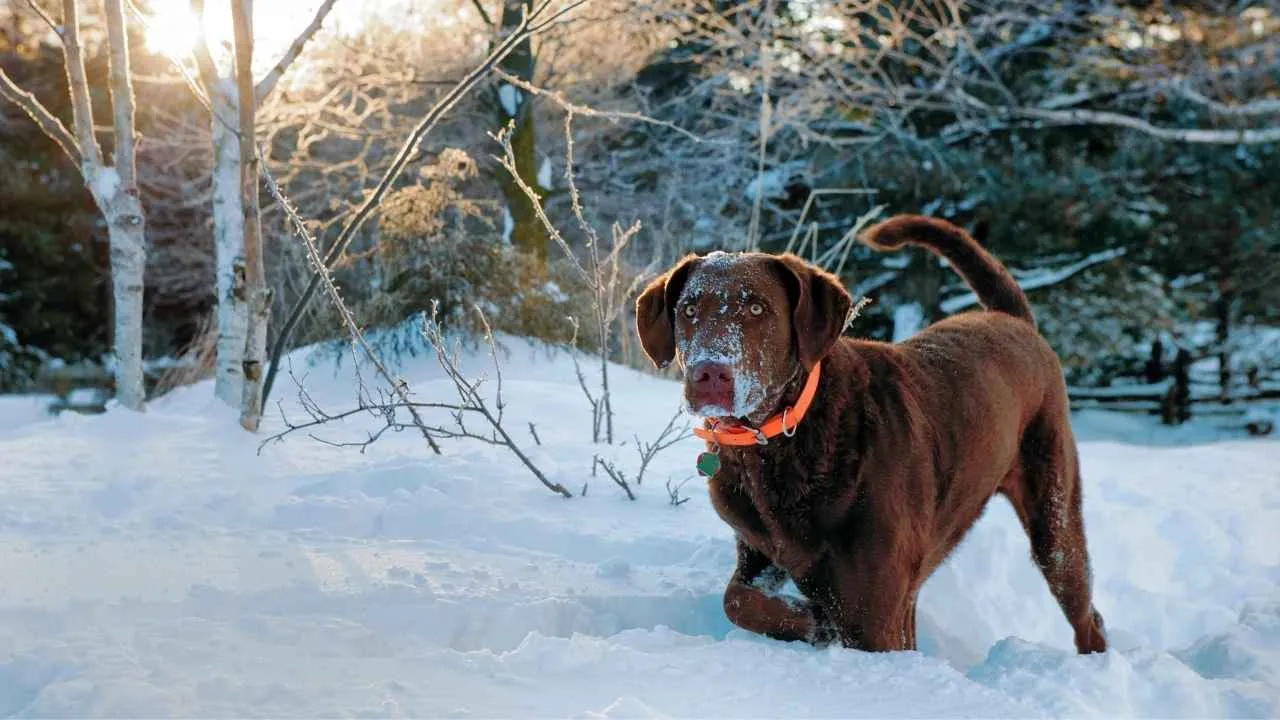
The Chesapeake Bay Retriever is a tough breed built for cold work. Many people know it from waterfowl hunting, yet these dogs can also do upland work with steady training. The bond matters here. Stay fair and consistent, and the dog will work like it has a mission.
This breed has a dense coat that sheds water and blocks wind. It also has a strong desire to pick up birds, even in nasty weather.
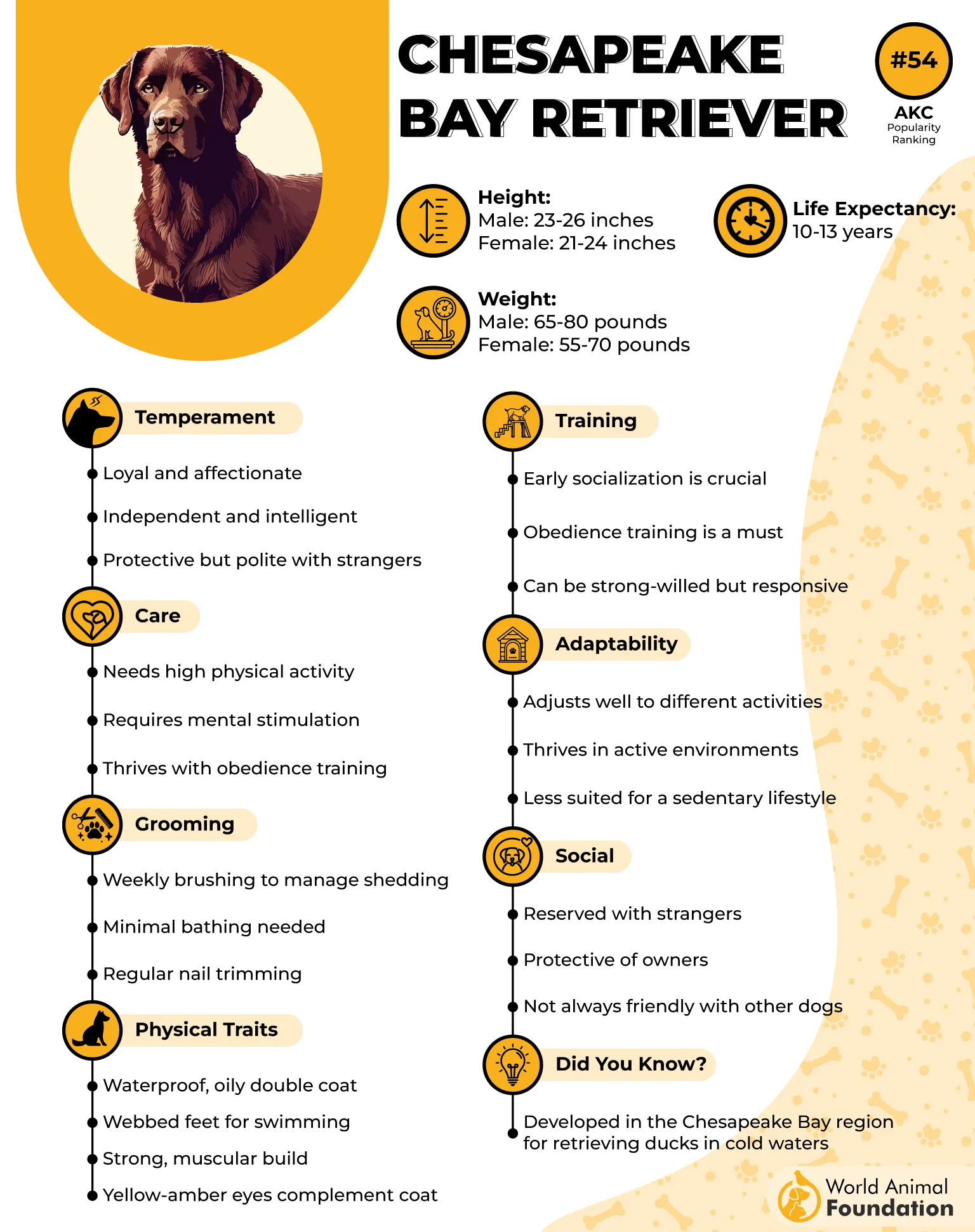
Teach control and quartering, and it can do flushing dog drills in the field edges. When a bird drops in wet grass, these dogs push in and come back proud.
If you want versatile dogs, this breed can work edges, then switch to waterfowl hunting. Steady control keeps these dogs focused.
Quick field note: Keep sessions short, clear, and a little playful.
Tough in cold rain and wind
Reliable for retrieving birds near water
Strong at finding fallen birds
Can be friendly dogs with early social time
Conclusion
Picking from the best bird dog breeds is easier when you start with your real life. Think about your land, your pace, and how much time you can give. If you want tight action, choose flushing dogs that stay close. If you love that frozen moment, look for pointing breeds with a steady mind.
If you want simple returns, pick dogs with a good nose and solid retrieve habits. Train in small steps and keep it fun. With time, these dogs become excellent hunting dogs.
And here’s the best part! When your dogs learn the job, you stop chasing luck and start building memories you can repeat. These are great dogs.
