




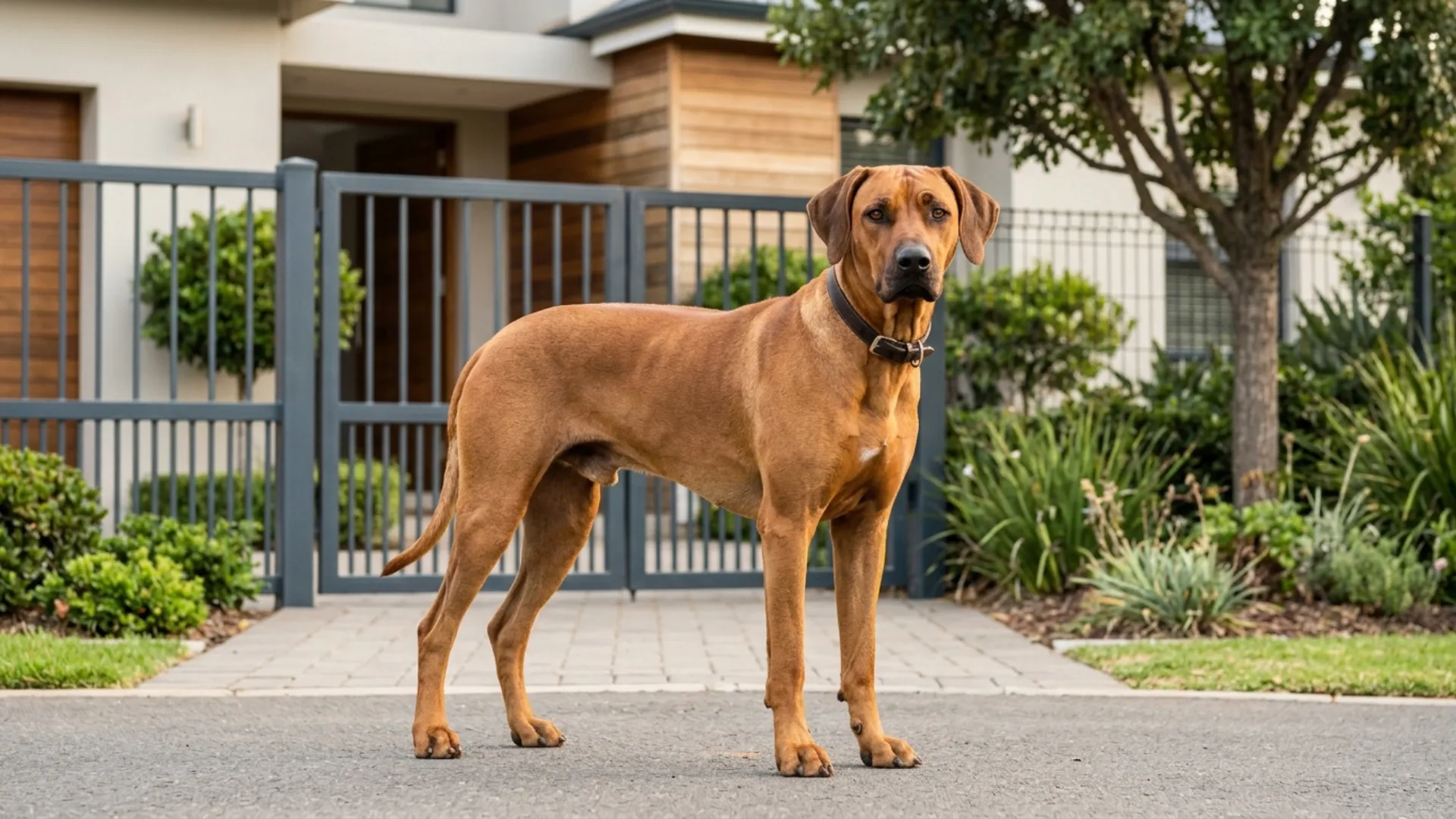
A common concern when choosing a guard dog is the assumption that protective breeds must come with demanding grooming routines, intense exercise requirements, and complex training needs. What might surprise you is that plenty of breeds offer a strong guarding instinct while remaining genuinely manageable day to day.
That easier upkeep also makes some of them a reasonable option for newer pet owners, though consistent training and early socialisation are still important, and professional guidance can make a real difference at that stage.
Security and simplicity in one package? It’s more achievable than most people think. The breeds we’re about to cover were developed to guard property, protect livestock, and work closely alongside humans, all while being loyal companions at home.
What low-maintenance really means here is that these dogs deliver reliable protection without demanding an extensive exercise schedule or a complicated grooming routine. That combination of loyalty, protective instinct, and straightforward care is exactly what makes them such a practical fit for home defense.
Top Dog Breeds for Low‑Maintenance Home Defense
1. American Staffordshire Terrier
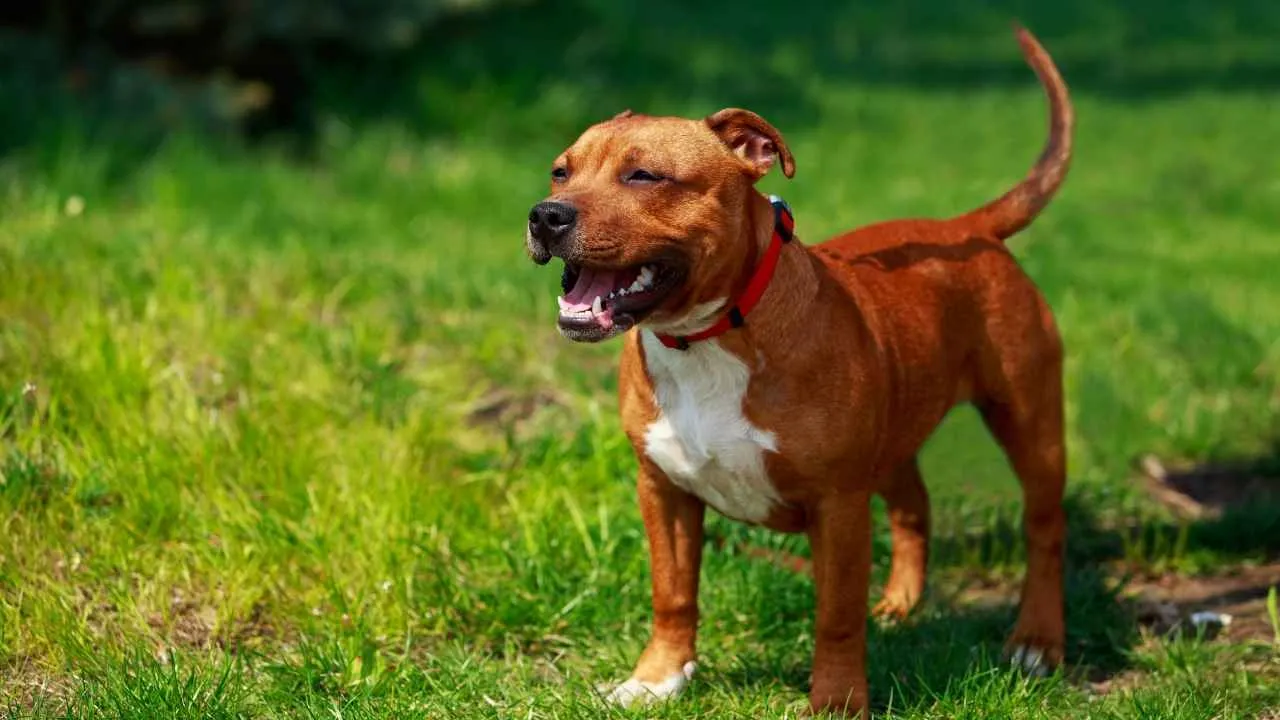
The American Staffordshire Terrier, or AmStaff, is known for its strength, courage, and determination. This compact, muscular breed originated in the USA and was historically used in bull-baiting, a practice now widely condemned. That background shaped a dog with a powerful jaw, athletic build, and a confident, assertive presence.
Despite that history, AmStaffs are genuinely affectionate and deeply loyal to their families. Those strong bonds are part of what makes early socialisation so important; a well-socialised AmStaff is protective without being unpredictable.
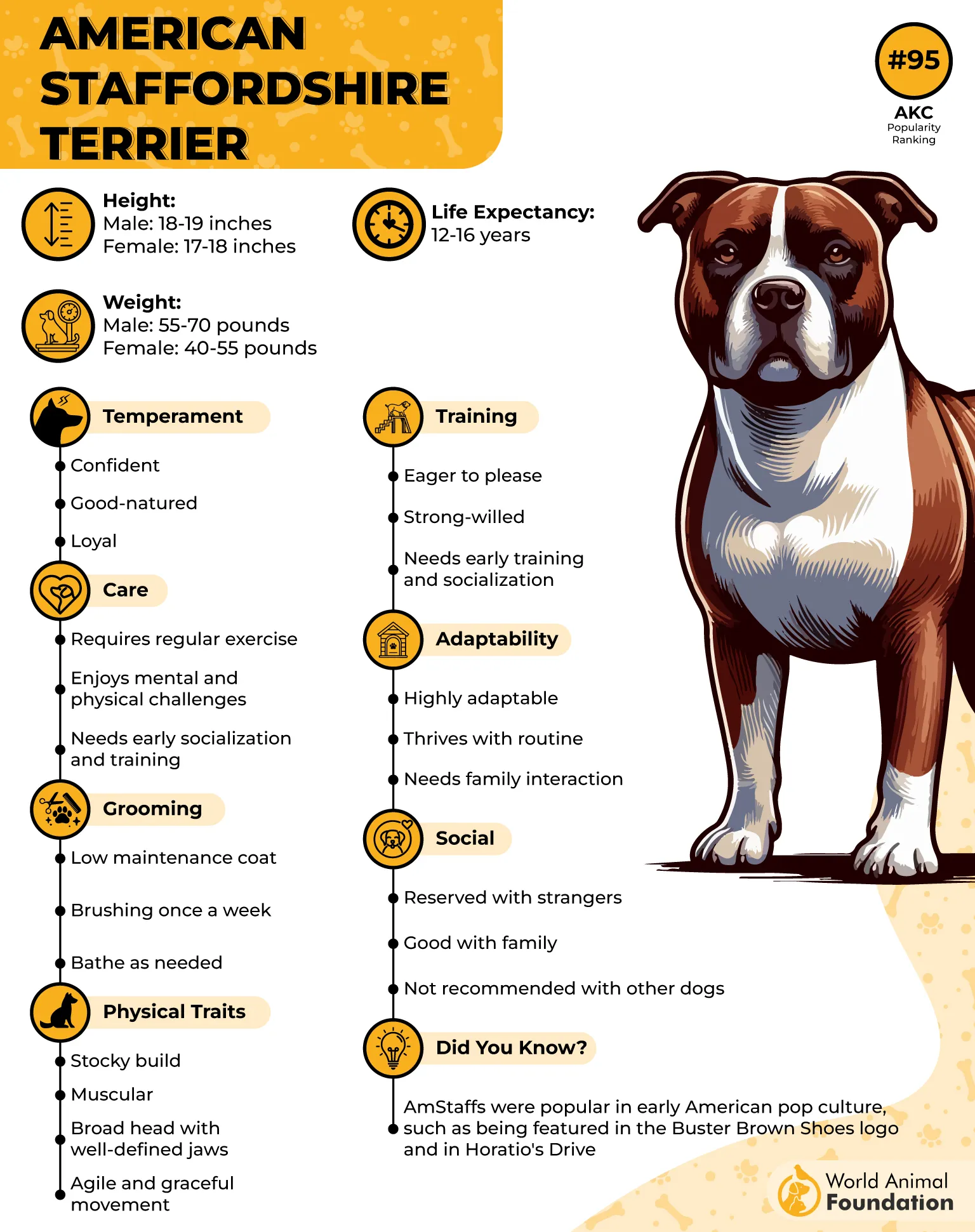
The short, single-layer coat is low-maintenance by nature, needing a brush every few weeks and a bath every four to six weeks. Around an hour of daily exercise keeps one in good shape, ideally split between long walks, running, and games like tug of war.
As a home guardian, the AmStaff’s muscular build, unwavering loyalty, and loud bark are usually more than enough to give intruders second thoughts.
2. Bullmastiff
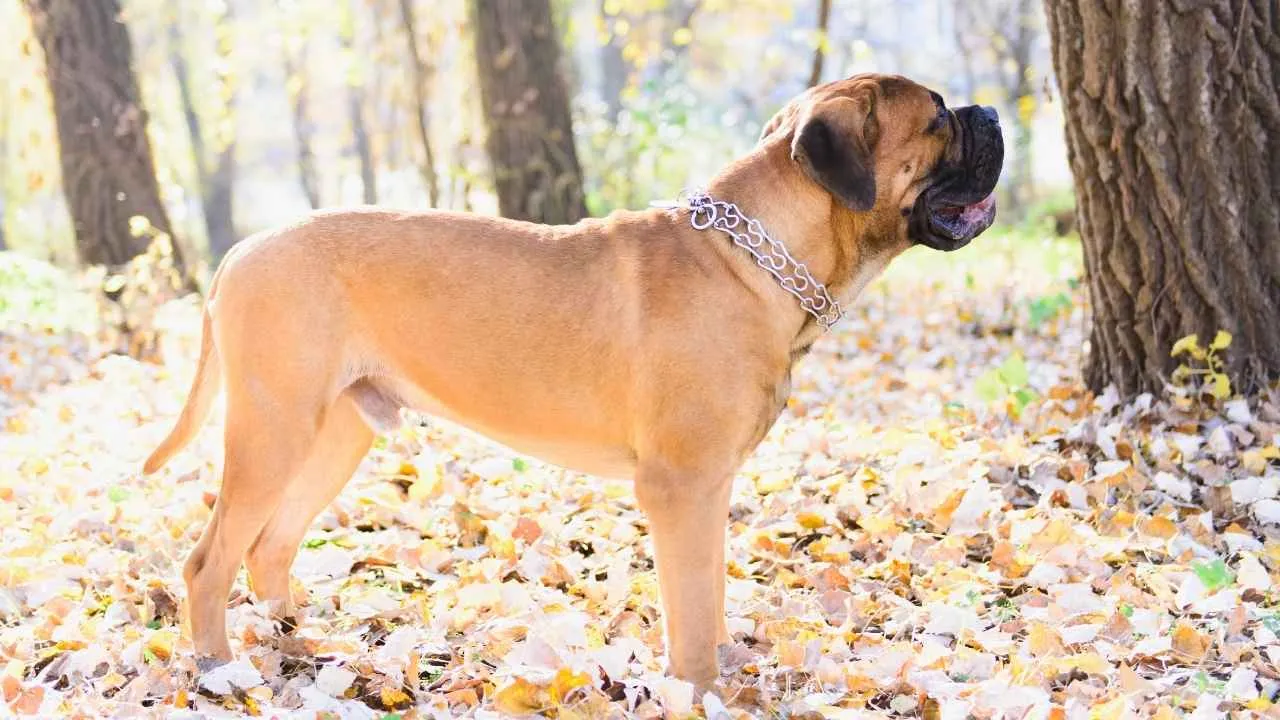
Sometimes called the Gamekeeper’s Night Dog, the Bullmastiff was bred by British gamekeepers who needed a powerful dog capable of tracking and stopping poachers on large country estates. It was trained to confront and hold intruders until the owner arrived; a job that shaped a breed that is loyal, brave, and quietly independent.
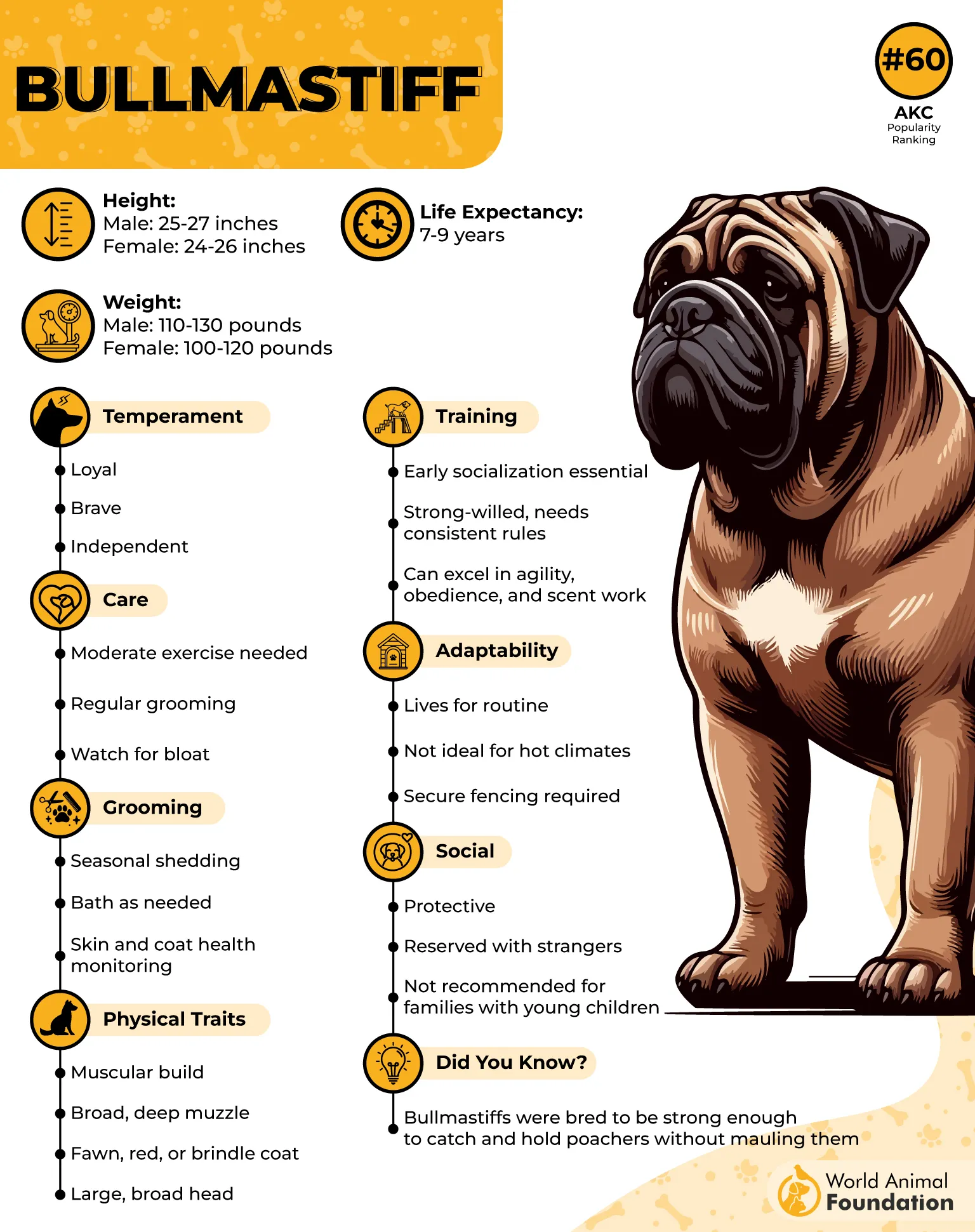
Despite their considerable size, Bullmastiffs have a short, dense coat that needs very little grooming and surprisingly modest exercise requirements compared to other working breeds. Around half an hour of daily exercise, combined with leisurely walks and some playtime in a fenced area, is generally enough to keep one mentally and physically satisfied, as PetMD notes.
That combination of physical strength and a naturally calm demeanour is what makes the Bullmastiff such an effective protector, a dog that can read a situation and respond without needing to be provoked into action. Their imposing size, natural protective instincts, and deep bark are usually all it takes to deter anyone with bad intentions.
3. Rhodesian Ridgeback
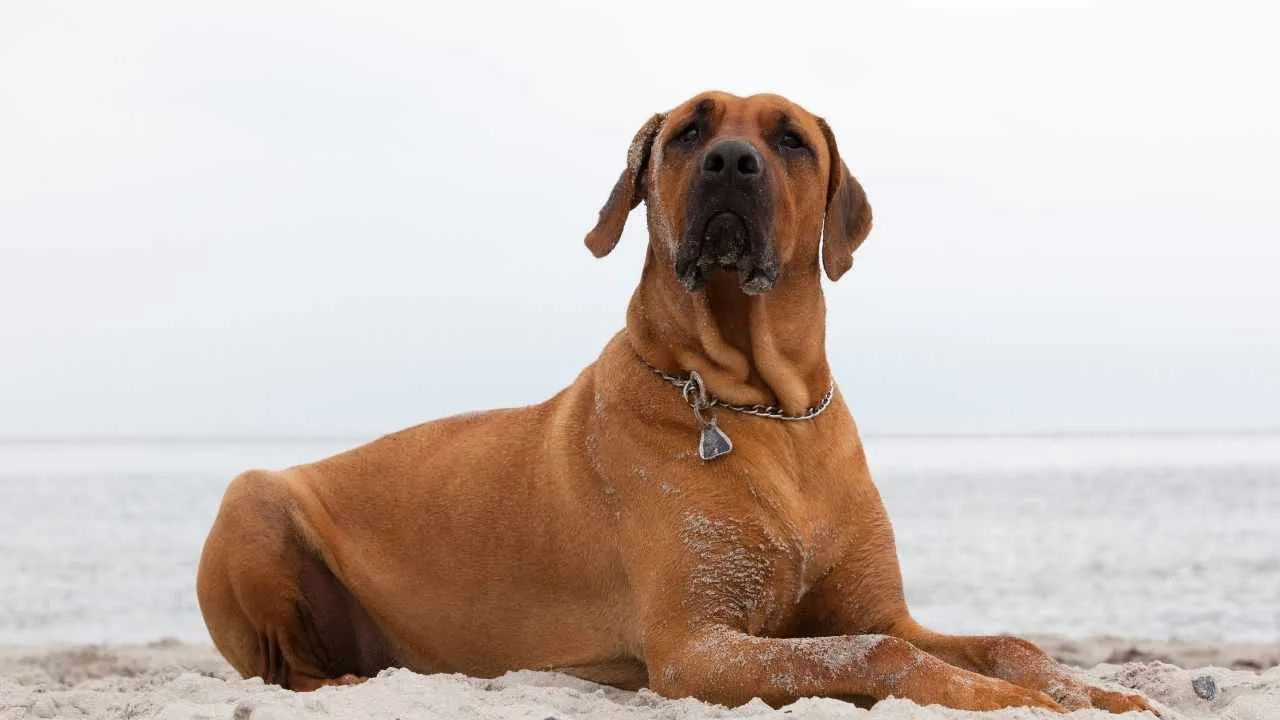
The Rhodesian Ridgeback is a strong, independent, and fearless breed originally developed in South Africa as both a hunting and guard dog. Built for endurance and courage, it was used to track and flush out large predators, lions included, making it one of the more formidable working breeds in history. That same intelligence and tenacity translate well into a home protection role today.

The breed takes its name from the distinctive ridge of hair that runs down the centre of the back, growing in the opposite direction to the rest of the coat. That sleek, short coat sheds minimally and needs very little upkeep.
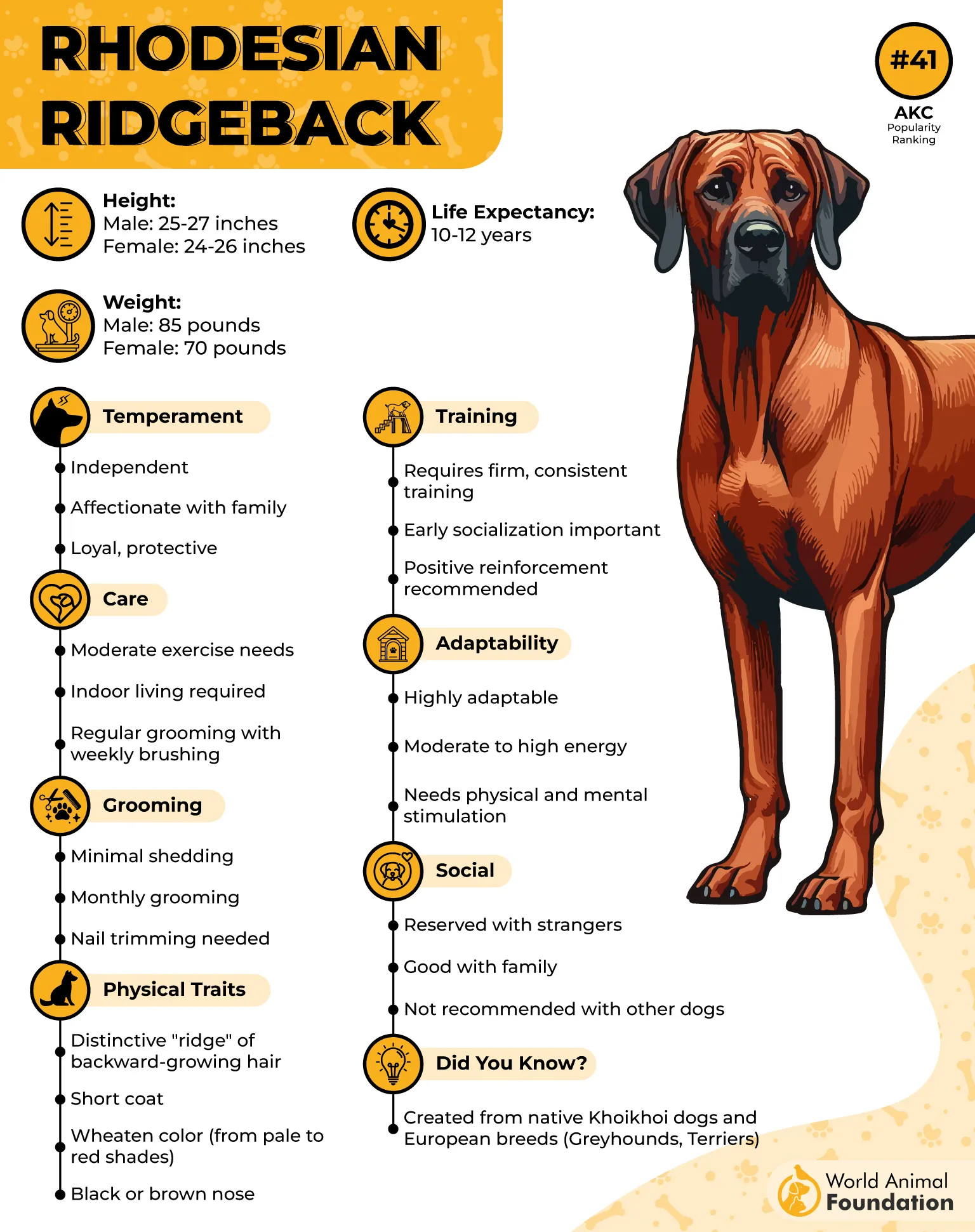
Exercise needs are more demanding than some other breeds on this list; around one to two hours daily, ideally through jogging, hiking, or brisk walking suits this athletic build well.
As a home guardian, the Ridgeback’s greatest strength is its vigilance. It tends to be reserved around strangers, quietly observing its environment rather than reacting impulsively; the kind of calm, watchful presence that makes it a reliable and measured protector.
4. Rottweiler
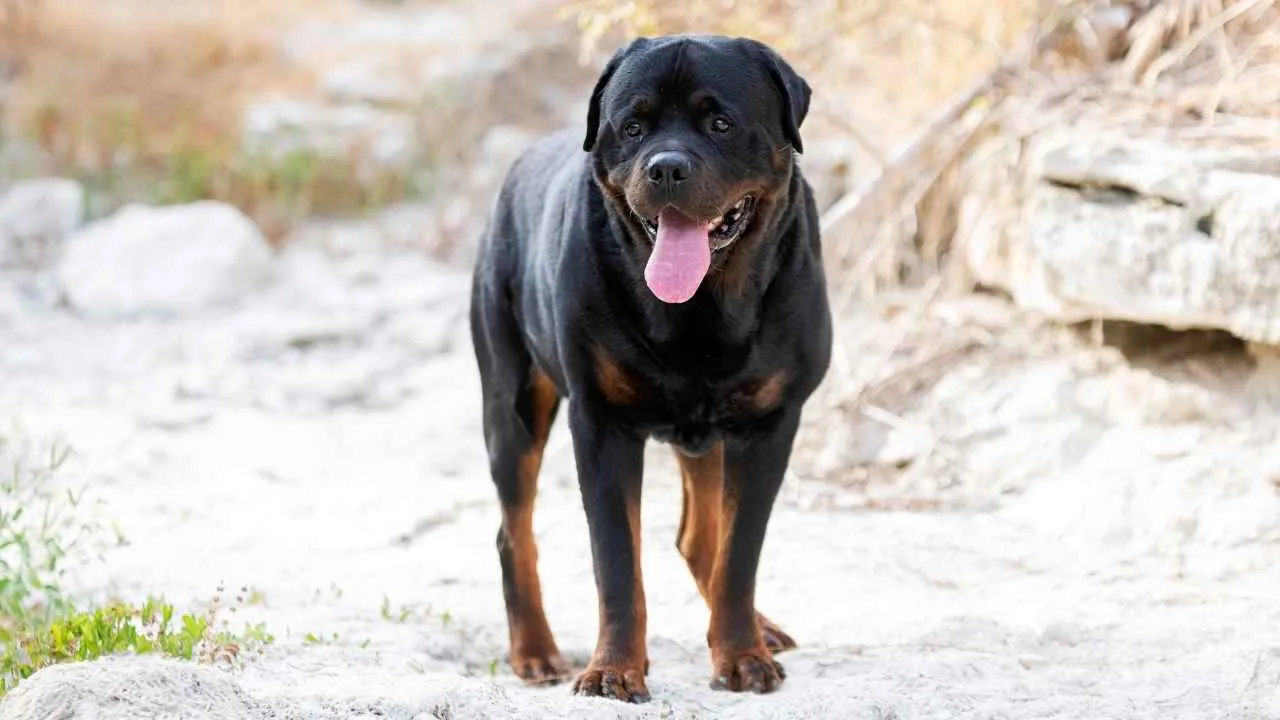
When it comes to confidence and loyalty, the Rottweiler is hard to overlook. With a bite force ranging from 328 to 400 PSI, a powerful build, a deep bark, and a naturally protective temperament, it’s long been considered one of the most capable home defense breeds around.
Historically, Rottweilers were bred to guard and used as droving dogs, moving livestock from place to place; work that demanded both strength and steady nerves.

That size and strength do mean proper socialisation and consistent training are non-negotiable from an early age. The short black and tan coat sheds heavily year-round, so weekly brushing is necessary to keep things manageable. Around an hour of daily exercise keeps a Rottweiler physically healthy and mentally balanced.
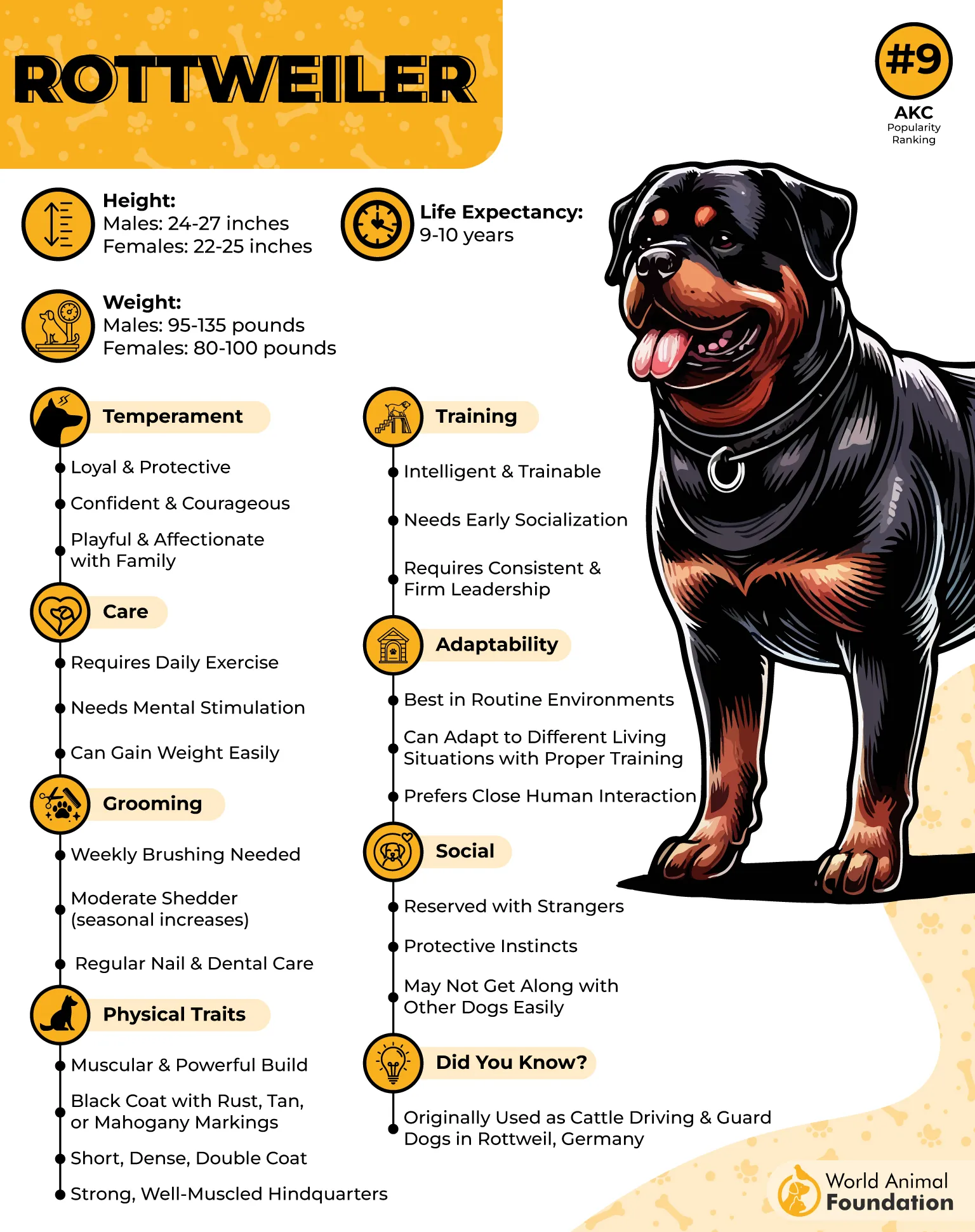
As a guardian, the Rottweiler is alert, decisive, and not easily rattled. They’re loud barkers that are quick to assess a situation and confident enough to act on it when needed.
5. Cane Corso
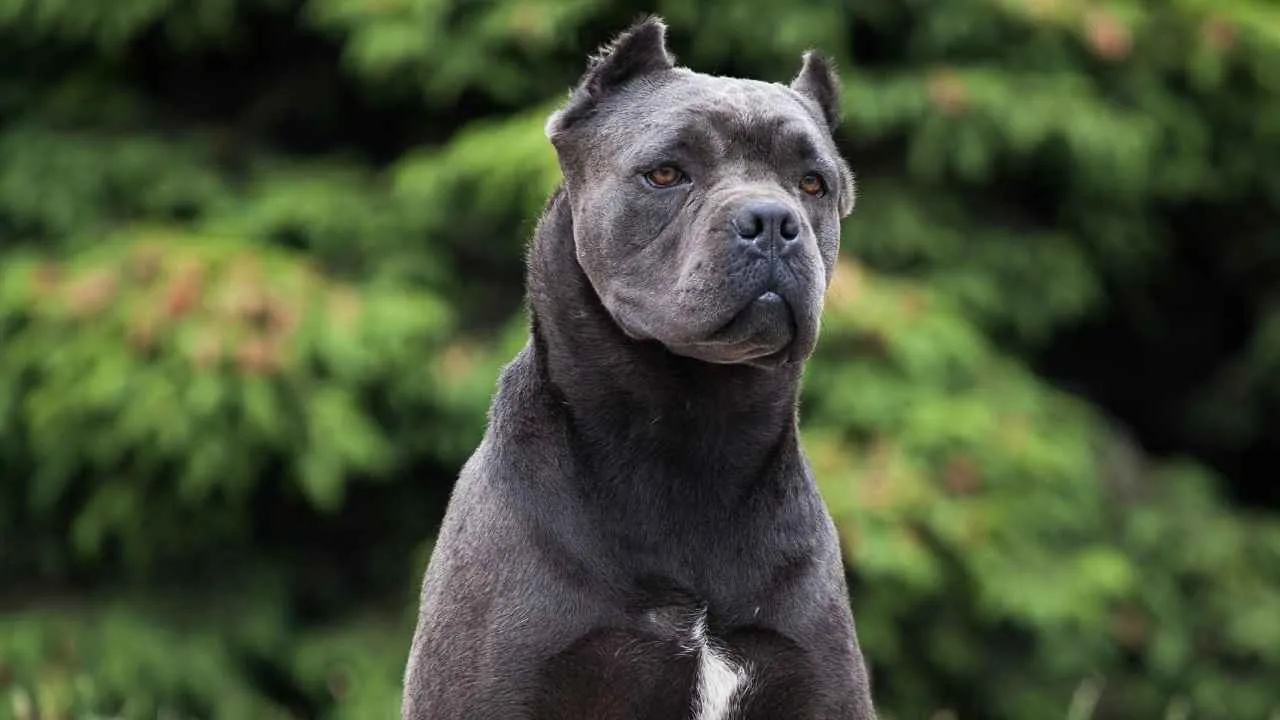
The Cane Corso is widely recognised for its powerful build and an impressive bite force of around 700 PSI. Behind that imposing exterior is a smart, affectionate, and deeply loyal breed that was originally developed to protect property and family; a purpose it still takes seriously today.
It’s one of those rare breeds that functions equally well as a devoted family companion and a serious working guard dog.
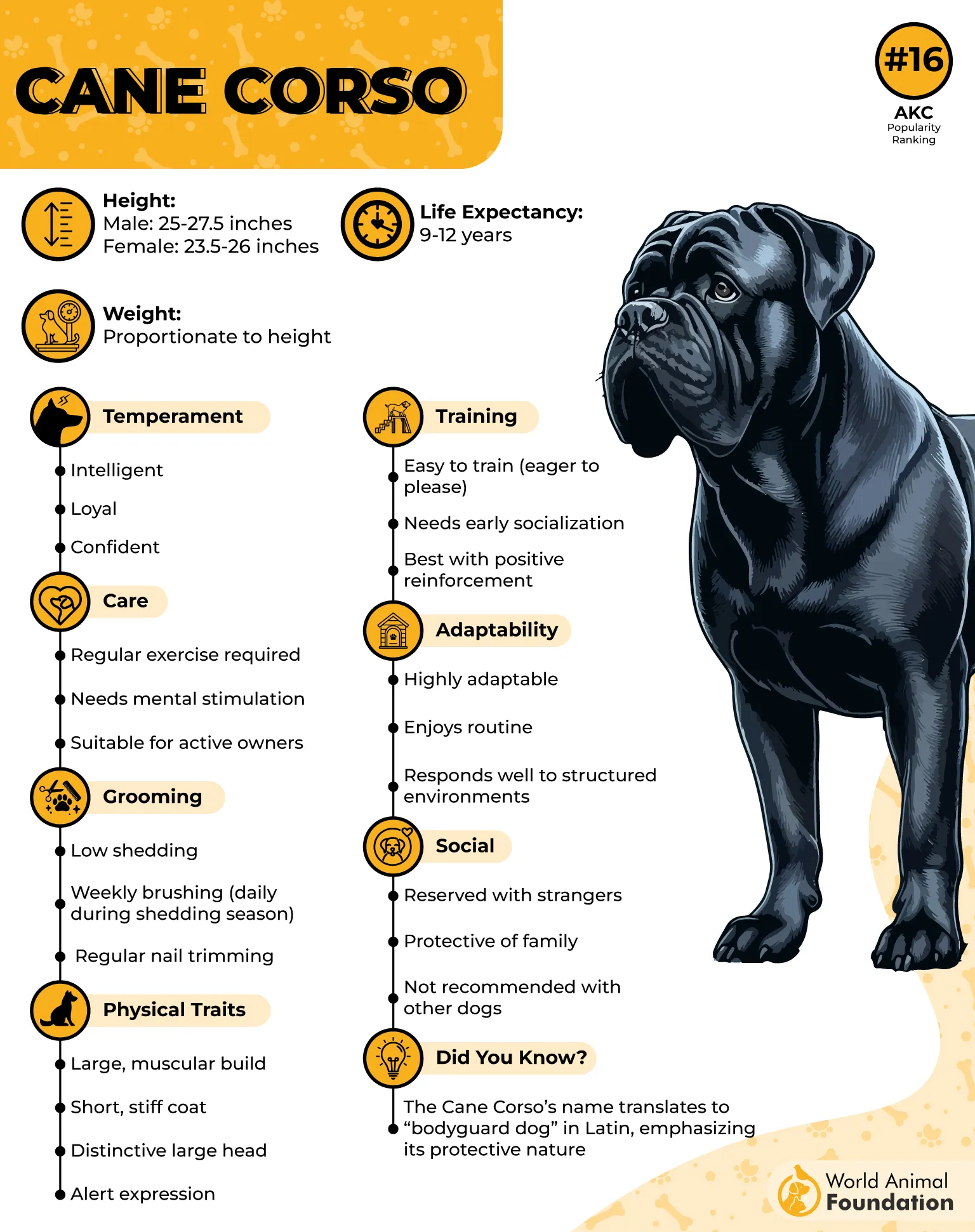
As an intelligent Italian Mastiff, the Cane Corso forms strong bonds with its people, but it’s generally better suited to experienced dog owners. Consistent training, early socialisation, and regular exercise are all important: both to prevent destructive behaviour and to keep that muscular frame in good condition.
On the grooming side, the short, dense, and shiny coat is relatively low maintenance, though the undercoat thickens in winter and benefits from regular brushing to remove dead hair.
When it comes to home defense, the Cane Corso’s natural protective instincts combined with that formidable bite force make it a genuinely powerful deterrent.
6. Doberman Pinscher
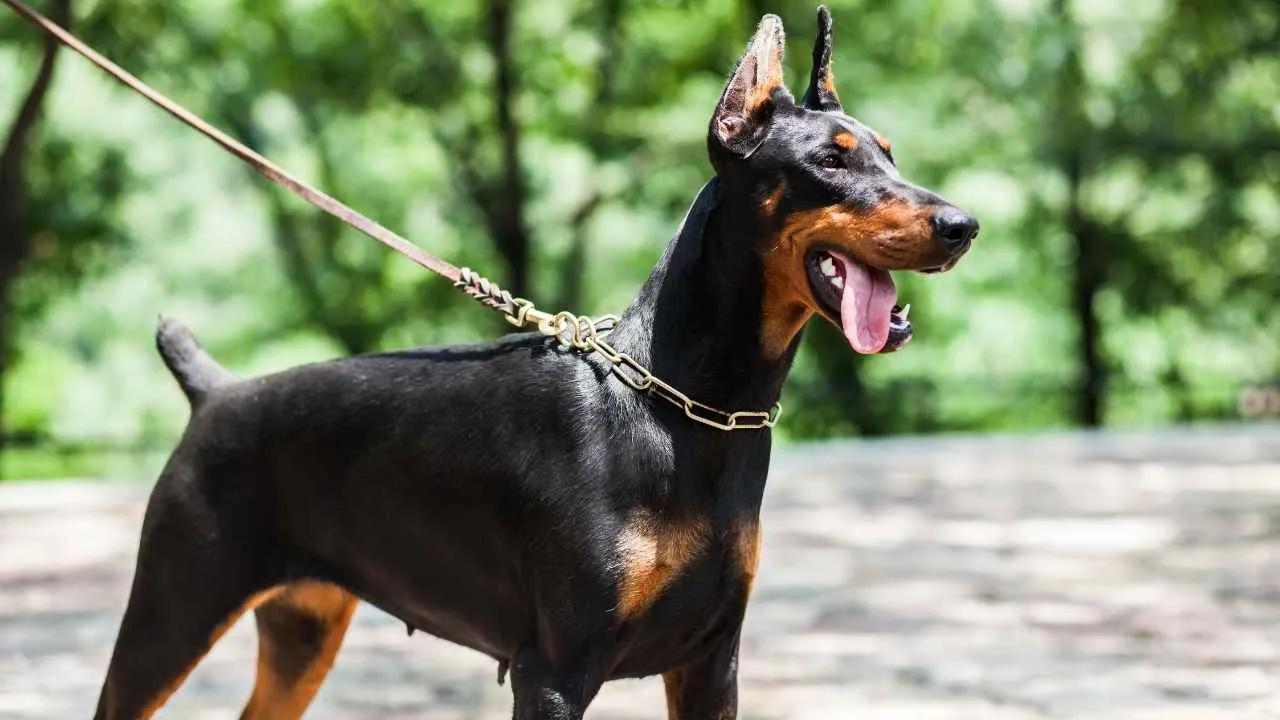
Doberman Pinschers are large, athletic dogs with a surprisingly gentle side, and they’re widely regarded as one of the best breeds for home defense. Agile, fast, intelligent, and constantly alert, they have a long history of working roles.
Bred in Germany in the late 1800s, they were originally used for tax collection before going on to serve in security, police, and search and rescue work.
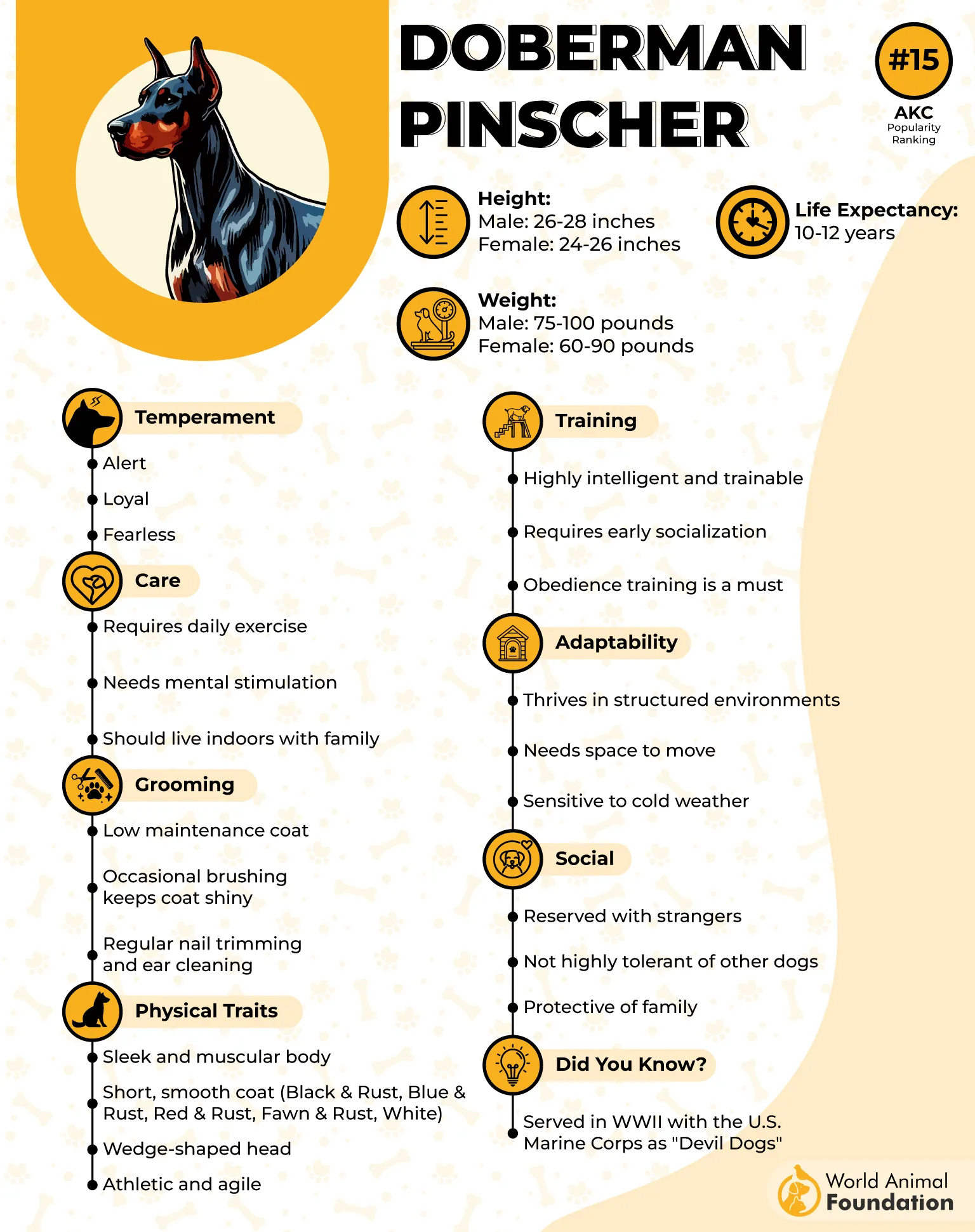
Despite that serious resume, the Doberman is relatively low maintenance on the grooming front. That short, smooth coat needs little more than a weekly brush to stay in good condition.
As PetPlan notes, their powerful appearance can be backed up by genuine assertiveness, which is why basic obedience training and early socialisation are not optional with this breed. Dobermans form deep bonds with their owners and don’t do well when left alone for extended periods. Daily exercise is also important for keeping their temperament balanced and their energy well directed.
As a guardian, what truly sets the Doberman apart is its alertness. This is a dog that stays switched on around the clock and can sense a threat before its owner even notices something is off.
7. Great Dane
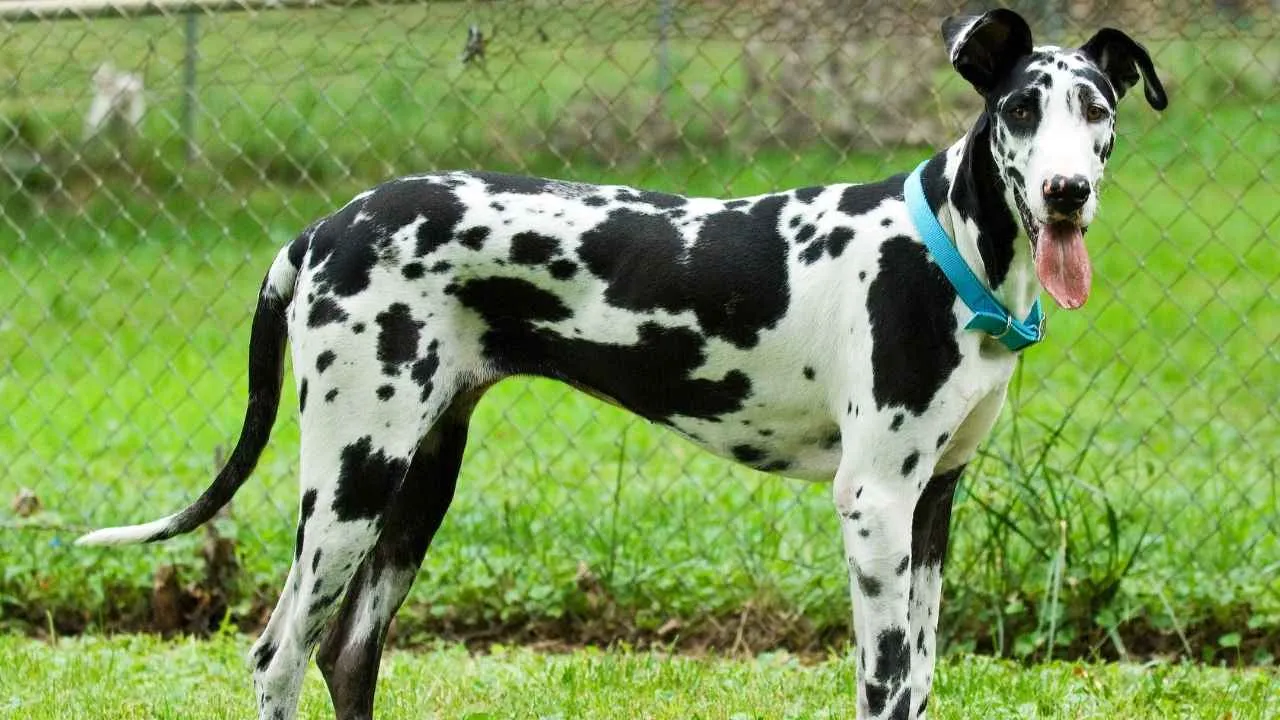
The Great Dane is a friendly, deeply loyal, and affectionate breed that also happens to make an excellent guard dog. Originating from Germany, it stands between 28 and 32 inches tall, making it one of the largest dog breeds in the world. Originally bred for hunting wild boar and guarding estates, it has since become both a gentle family companion and a capable personal protection dog.
Grooming is straightforward; that short, sleek, dense coat only needs attention every ten days or so. Training is important given the breed’s size, but the good news is that Great Danes are intelligent and respond well to positive reinforcement, picking things up fairly quickly.
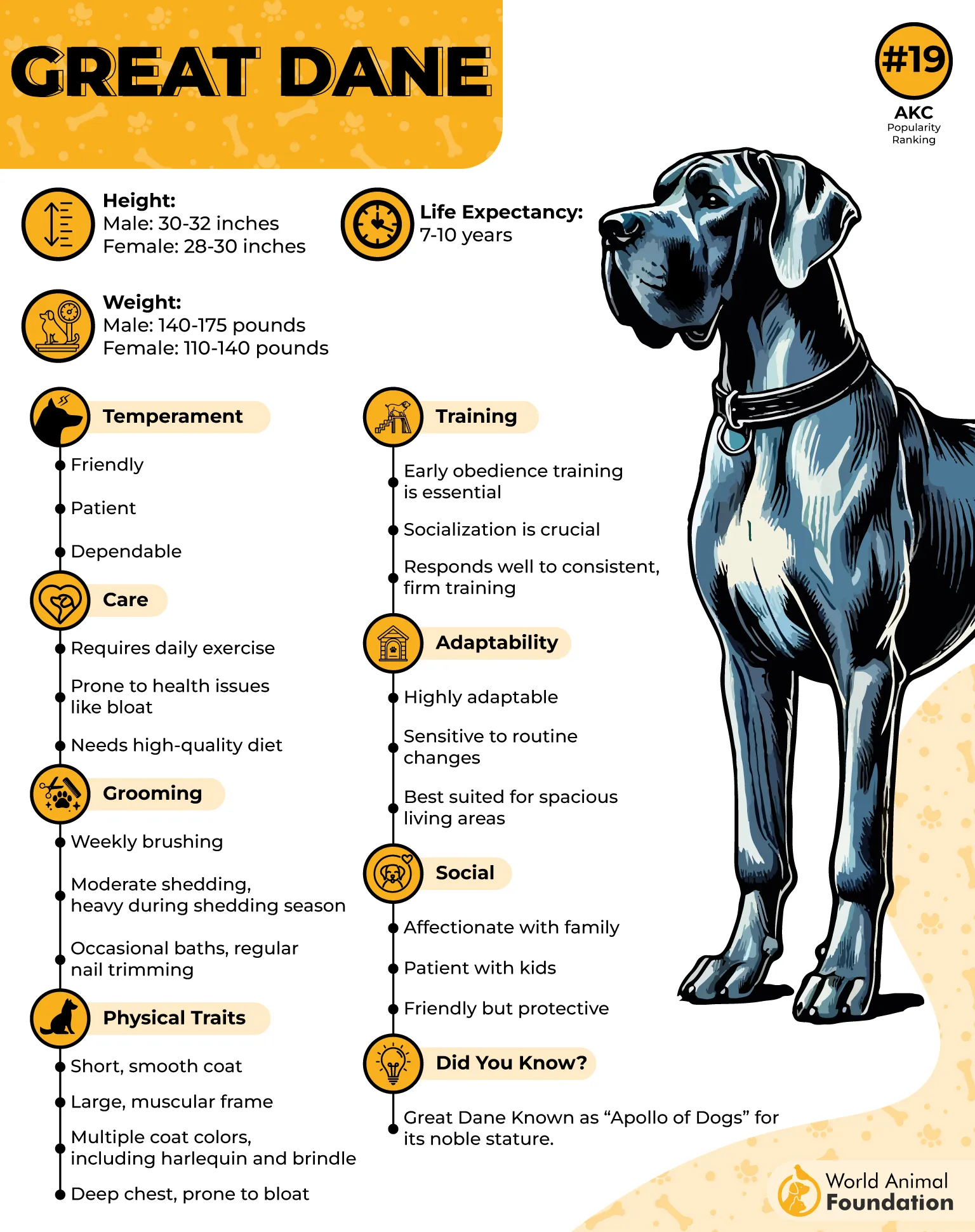
On the exercise front, Purina describes it as a high-energy breed that benefits from a couple of hours of activity daily, including two long walks, to stay healthy and well-balanced.
As a guardian, the Great Dane rarely needs to do much at all. That deep bark and sheer physical presence are usually enough to make any intruder think twice before getting any closer.
Conclusion
No dog is purpose-built for home defense, but that’s actually what makes these breeds so compelling. The same dogs that were historically used to protect livestock and guard estates are, today, some of the most loving and devoted companions you can bring home.
Their protective instincts aren’t separate from their affectionate nature; the two go hand in hand, and that bond is precisely what drives them to look out for the people they love.
Being protective also doesn’t mean being difficult to manage. These breeds thrive with proper socialisation and consistent training, and when that foundation is in place, owners get the best of both worlds: genuine peace of mind and the deeply loyal companionship these dogs are known for.
