





Intelligence in dogs isn’t simply about performing a trick on demand; it involves how well a dog understands what’s happening around it. It also depends on how they can follow directions, how they adapt to changing circumstances, and how well they communicate with humans.
Some exceptionally intelligent breeds have shown superior analytical abilities, while there are other breeds that have demonstrated superior emotional understanding and cooperative abilities. Trainability is somewhat different from intelligence and refers to the ease of learning or the rate of learning.
Highly trainable dogs can learn much faster, apply those things they’ve learned in many different ways, and be able to recall those skills over time.
A dog’s intelligence and its ability to follow directions often determine their potential for success in obedience, working roles, and general companionship. By selecting a dog breed based on your learning style preferences, you will find less frustration and develop a stronger relationship with your dog.
Let’s get started to know 9 breeds of dogs that are considered to be very intelligent and highly trainable.
Ranking the 9 Top Dog Breeds for Intelligence and Trainability
1. Border Collie
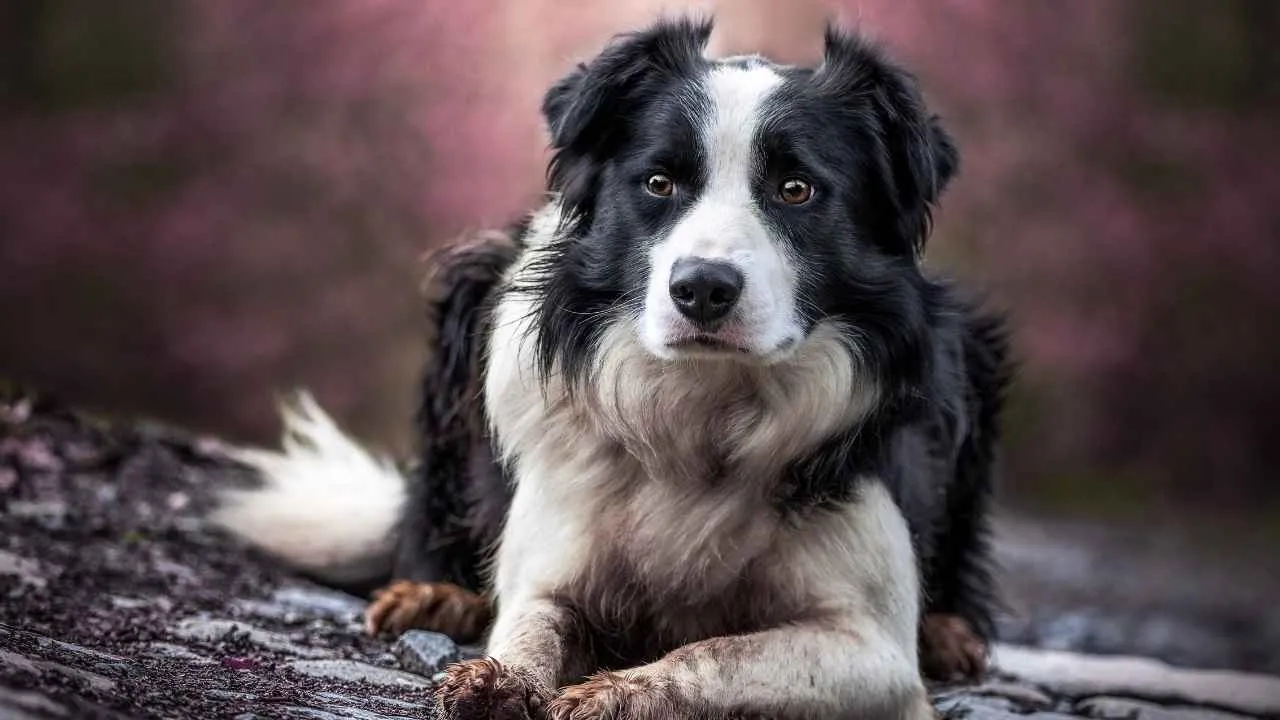
Border Collies are the smartest dog breeds, operating on a whole different level. Their intelligence is primarily displayed through strategic decision-making. They process commands rapidly and can even pick up on unintentional cues from their owners because their noiticing everything.
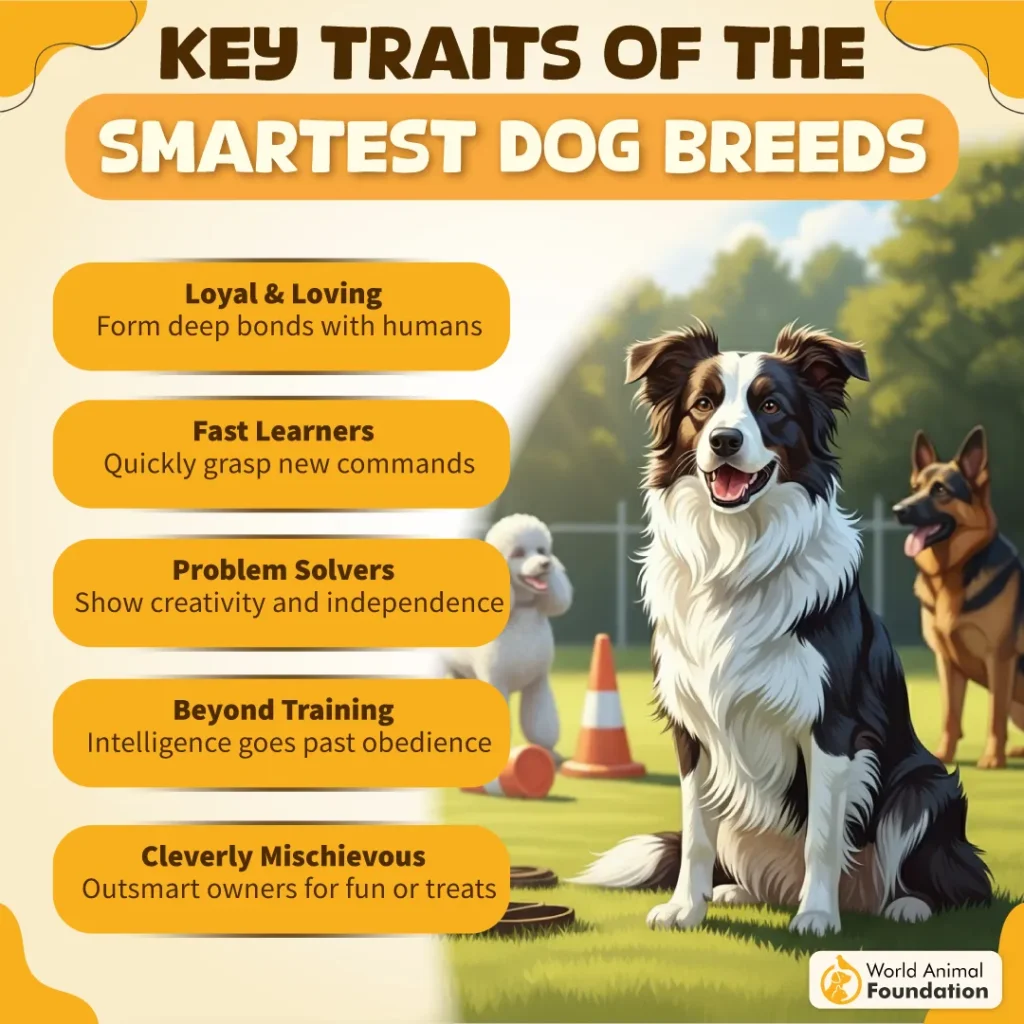
Originally bred for herding, they work independently and yet still respond to human directions, as stated by Britannica. The balance between working by themselves and also listening to various commands allows the Border Collie to learn much more than other dog breeds.
As they are highly intelligent, the Border Collie needs a minimum of 2 hours of exercise and mental stimulation daily so they do not become restless.
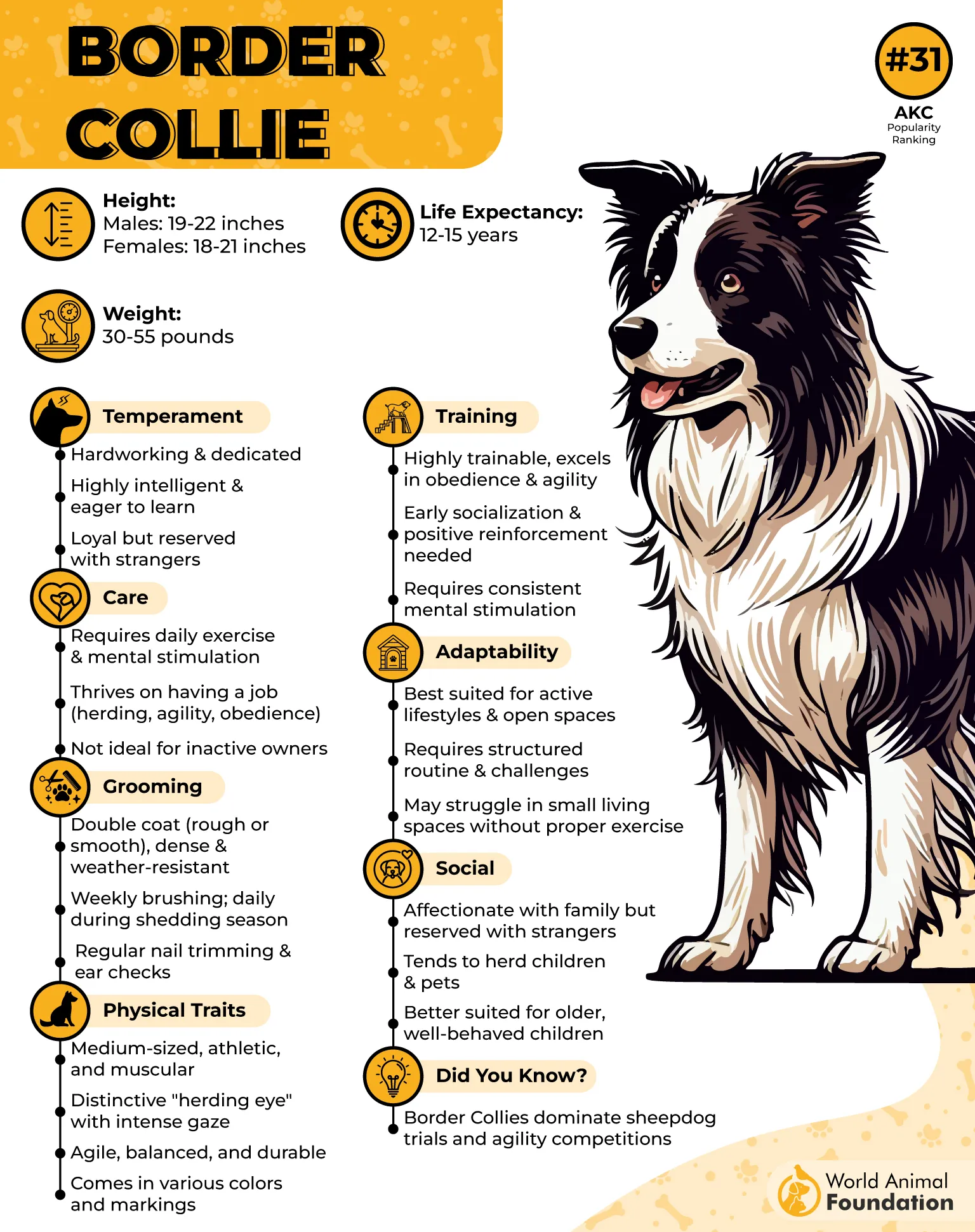
Why do they learn differently
Do not confuse basic commands
Continues to perform tasks accurately even under stressful environmental conditions
Problem-solving without the aid of external stimulation
2. Poodle
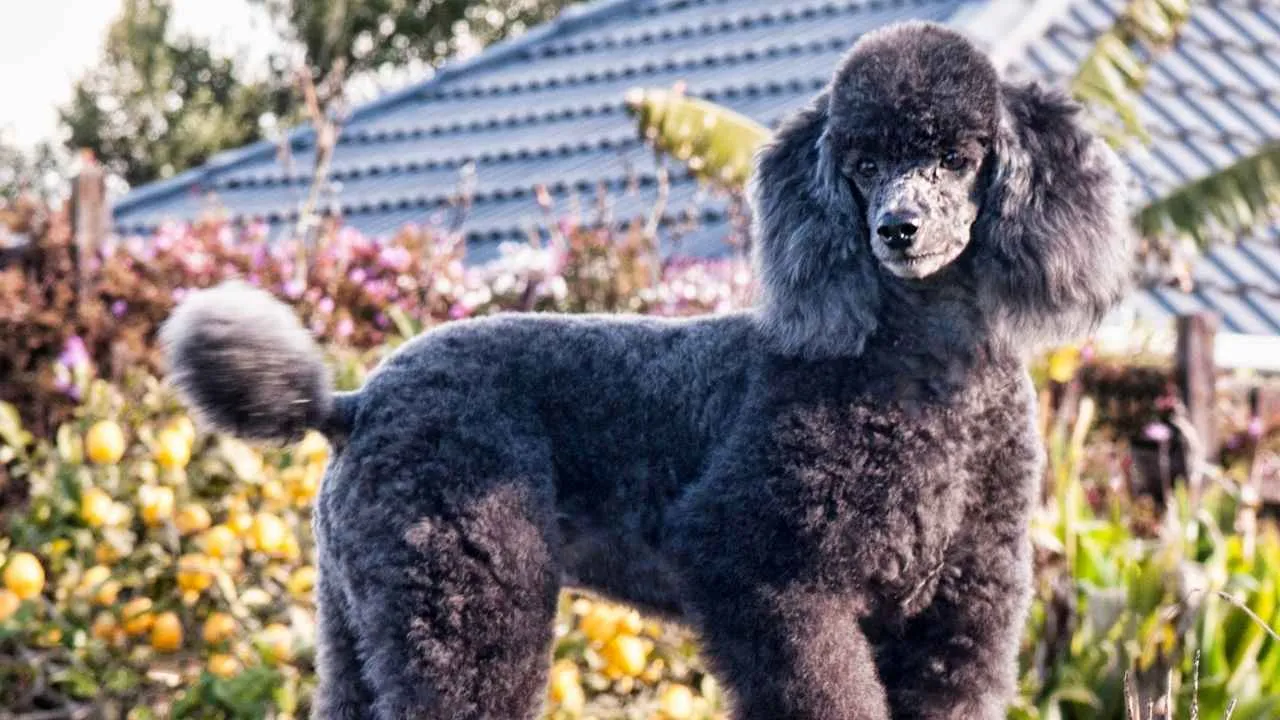
Poodles are both mentally sharp and emotionally stable, providing the ability to adapt to new routines, environments, and commands.
Having been originally bred as retrieving dogs, Poodles utilize memory, coordination, and responsiveness to accomplish the job they were designed for, and these characteristics are still prevalent today.
According to Purina, Poodles are among the top cognitively flexible breeds of dogs today.
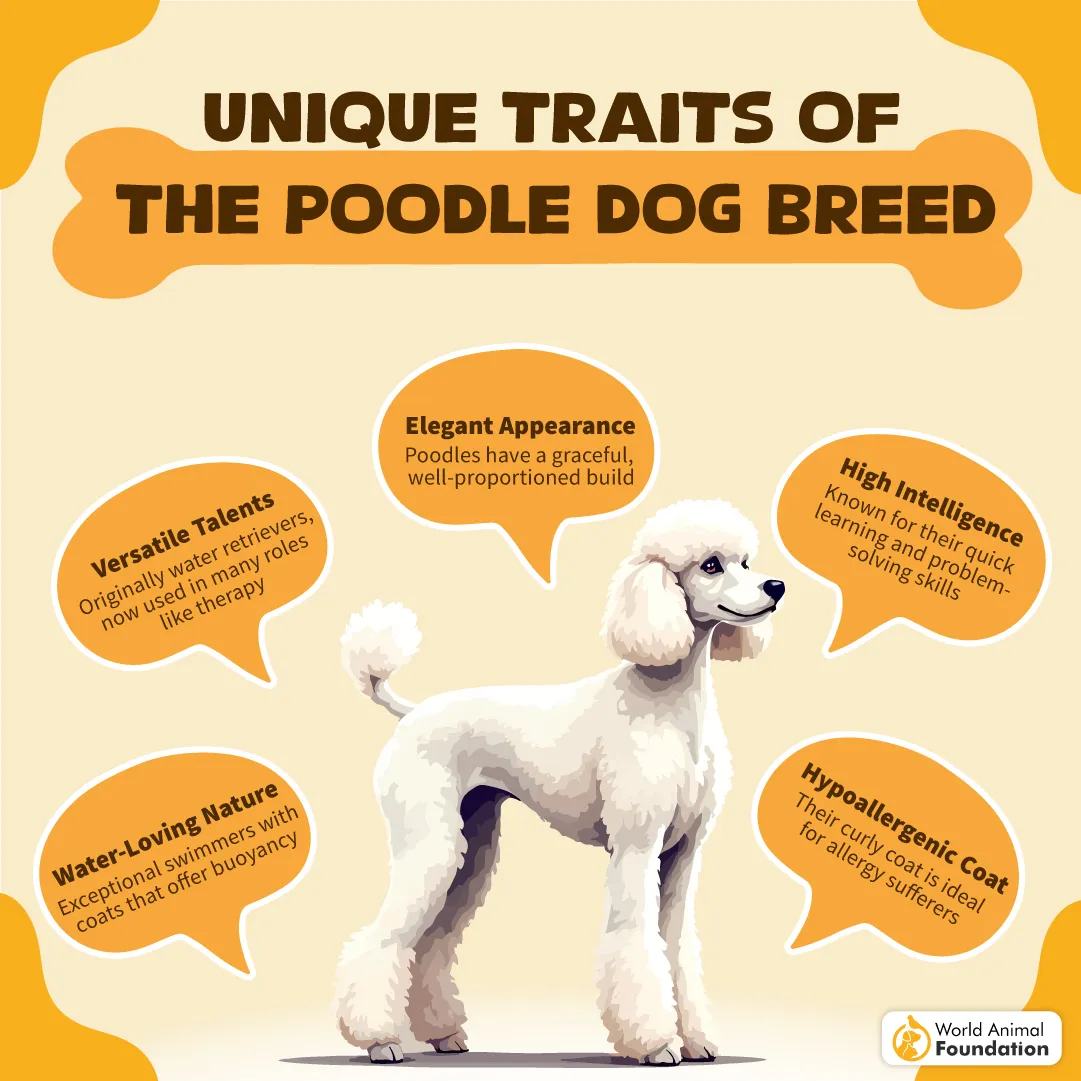
What makes these furry faces so well-trained
Remembers commands long after initial training
Well-suited to changes in schedule
Provide accurate responses to subtle cues
3. German Shepherd
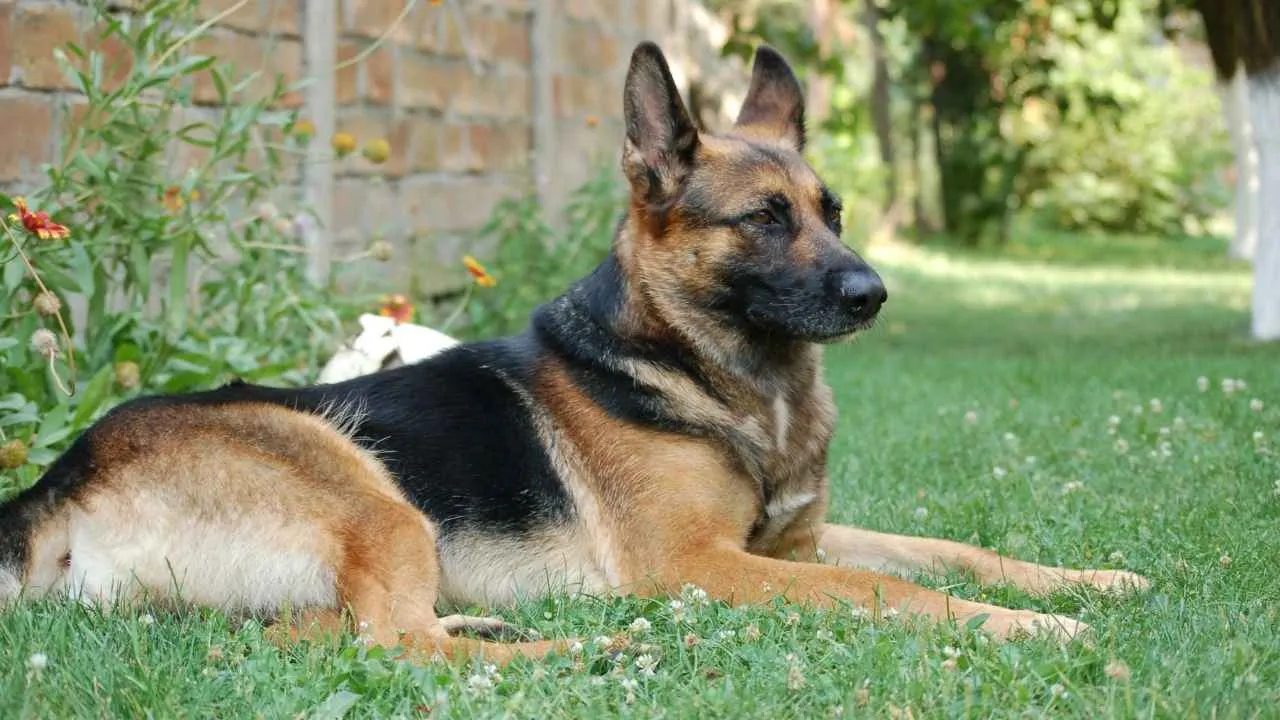
German Shepherds are one of the most popular breeds in the world. Their athletic build and huge size are a bonus on top of their sharp minds.
German Shepherds are primarily service dogs, but can be household pets as well. They require a lot of mental stimulation and exercise to keep them active. They have been used in police work, search and rescue missions, and even in entertainment work.
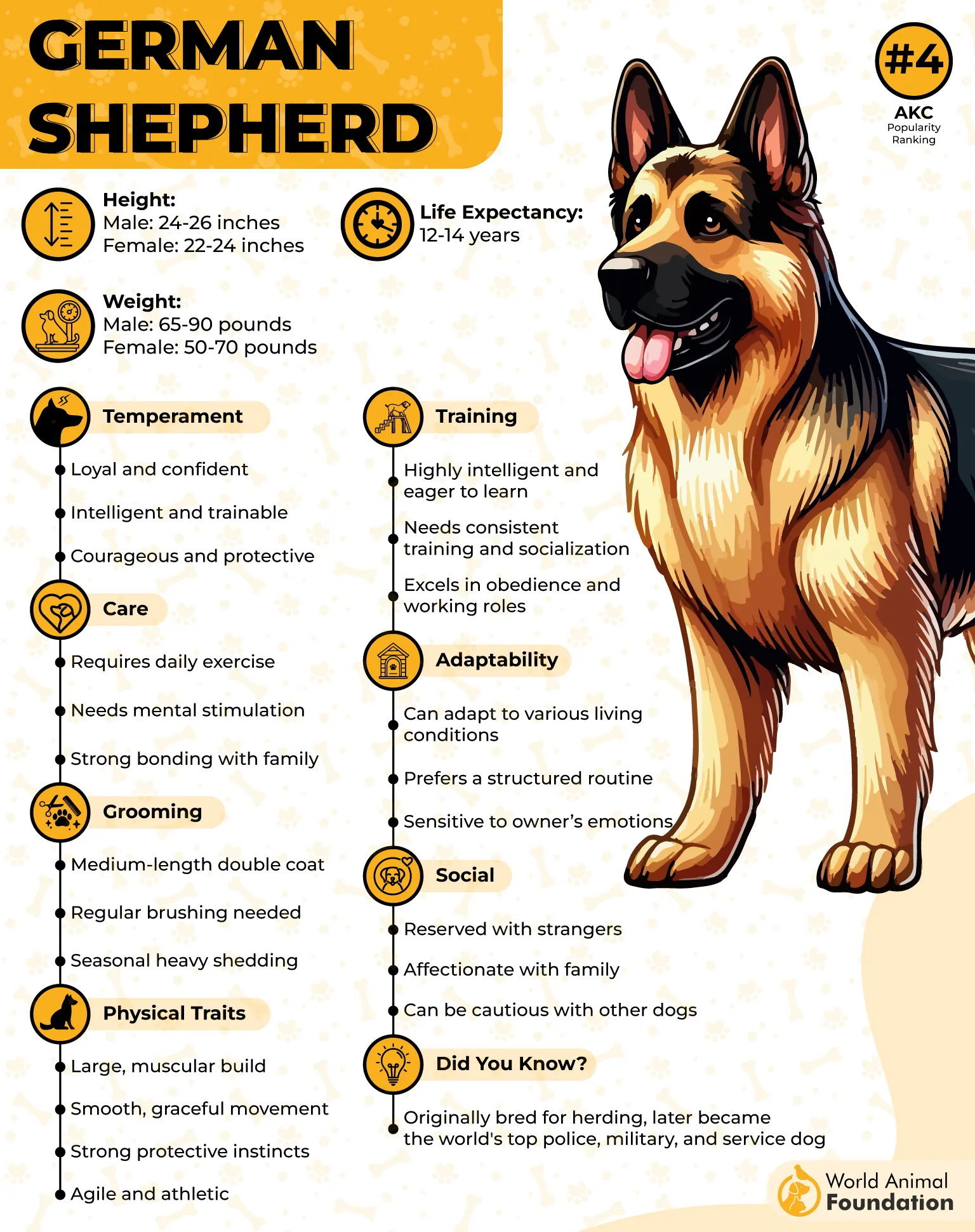
Strength of German Shepherds’ cognitive abilities
Perceive the relevance of the situation regularly
Stay focused on their given task, even in distracting environments
Applies previously learned behaviour to various situations
4. Golden Retriever
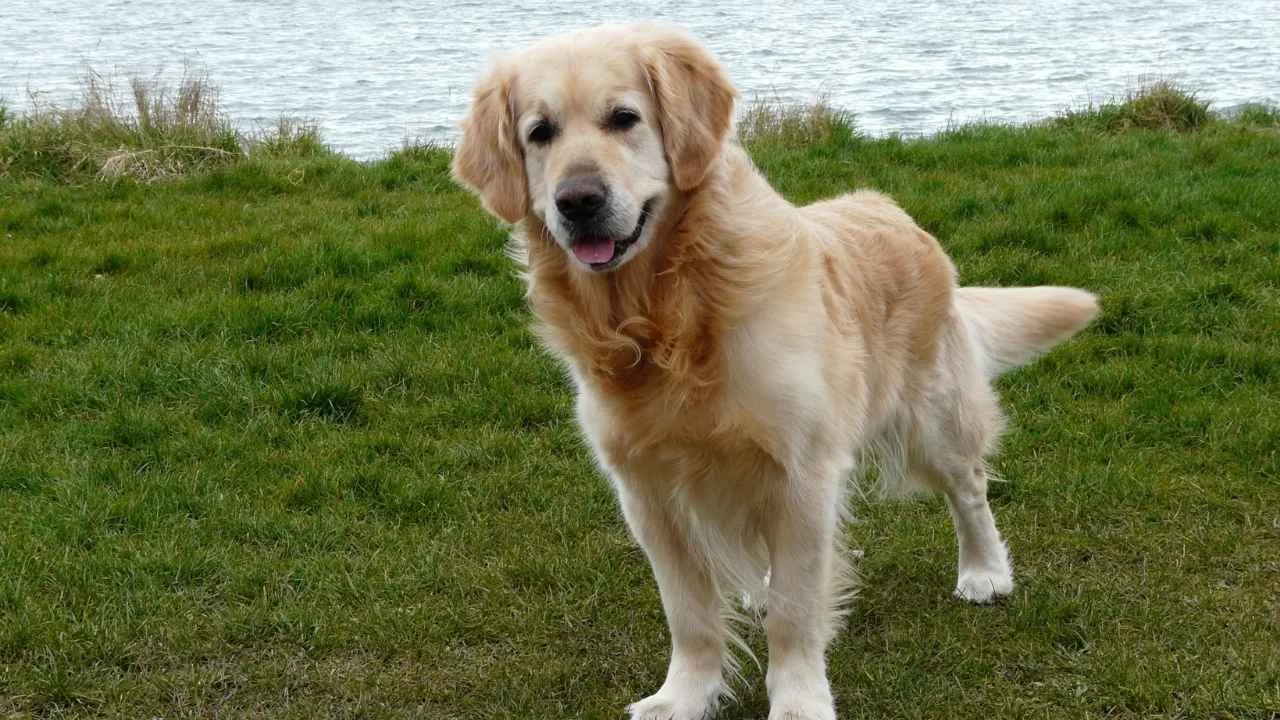
Golden Retrievers have been one of the most popular dog breeds for years. They are extremely friendly and versatile, hence ideal as family pets for small families and first time owners of pets.
Due to their friendliness, Golden Retrievers are also used as therapy dogs and guide dogs for people with disabilities. Bred to retrieve game, Golden Retrievers are able to participate in search and rescue missions and are also used at airports to sniff for dangerous weapons and substances.
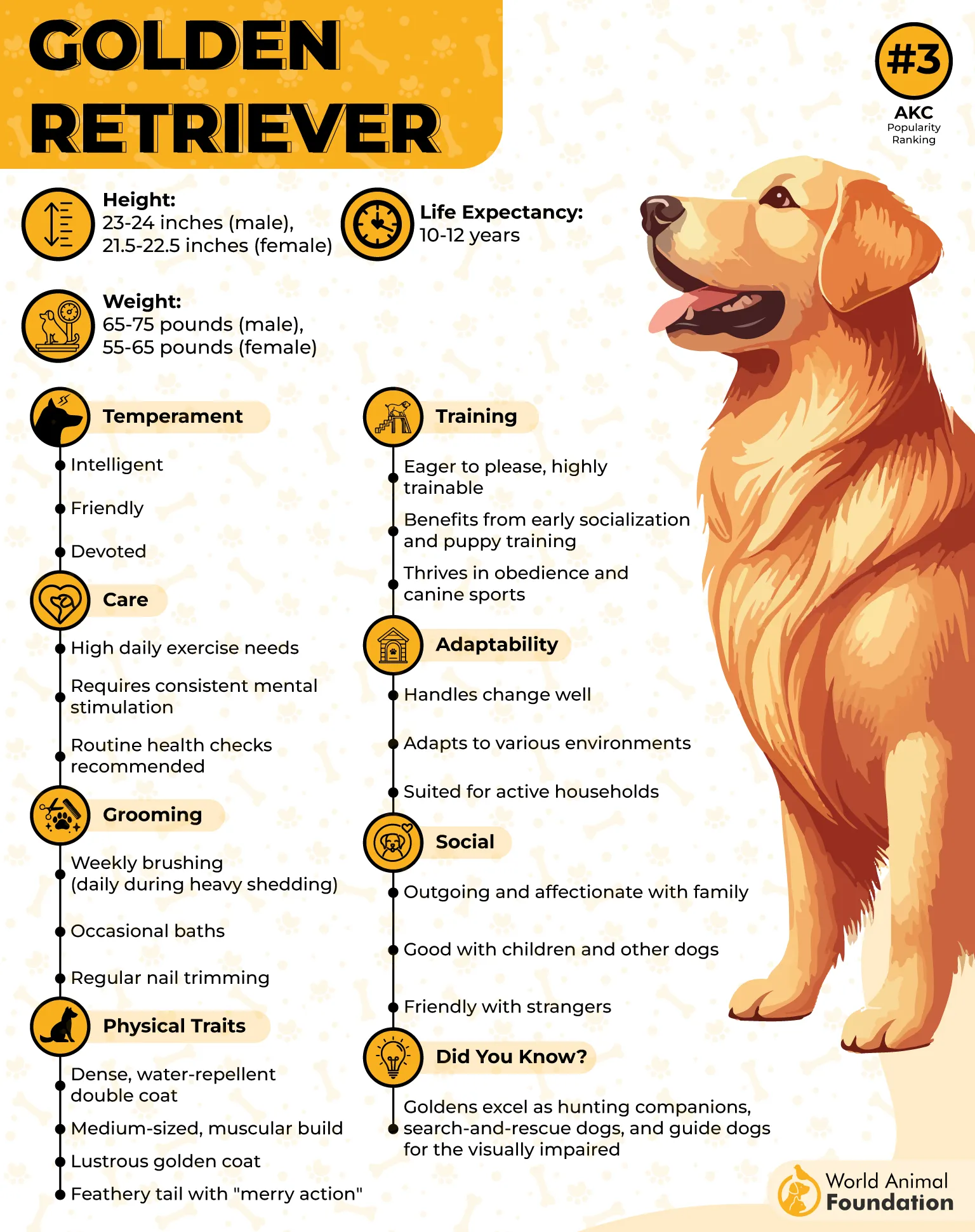
Why Golden Retrievers are so popular for training
Learns through positive reinforcement
Maintain focus during prolonged training sessions
Does not exhibit resistance to correction
Great problem-solving skills
5. Labrador Retriever

Labrador Retrievers have been another popular breed for many years. Their excitable nature and willingness to bond with humans make them a treat to work and train with.
Due to their high intelligence, they are easy to train, even if pet parents haven’t trained lots of dogs before. Their eagerness to impress their owners helps in this, and their love of food also helps in positive reinforcement.
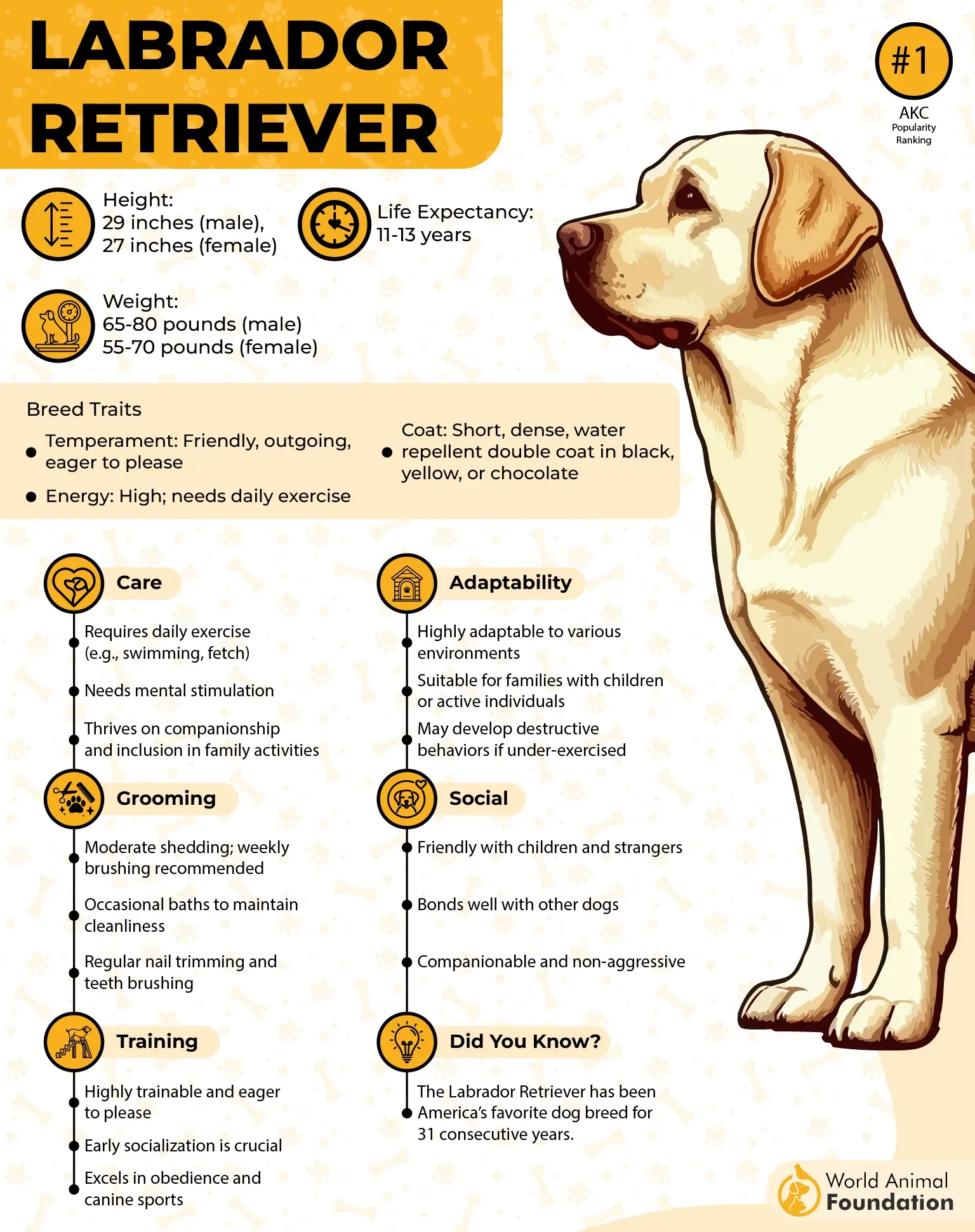
What makes Labradors different from other pets
Excellent completion of tasks
Consistency in behaviours
Quickly adapts to new commands
Have boundless energy
6. Doberman Pinscher

Doberman Pinschers are powerful dogs that have been classed as working dogs. They are curious and intelligent, hence they need regular exercise to avoid mischievous behavior.
Dobermans’ big stature and high intelligence mean that this dog is used not only as a family pet, but also as a service dog in various roles such as police work, guide dogs, etc.
Highly responsive to commands, Dobermans excel in obedience, protection work, and advanced training when given clear structure and positive reinforcement. Their natural alertness and problem-solving skills allow them to understand new tasks faster than many breeds.
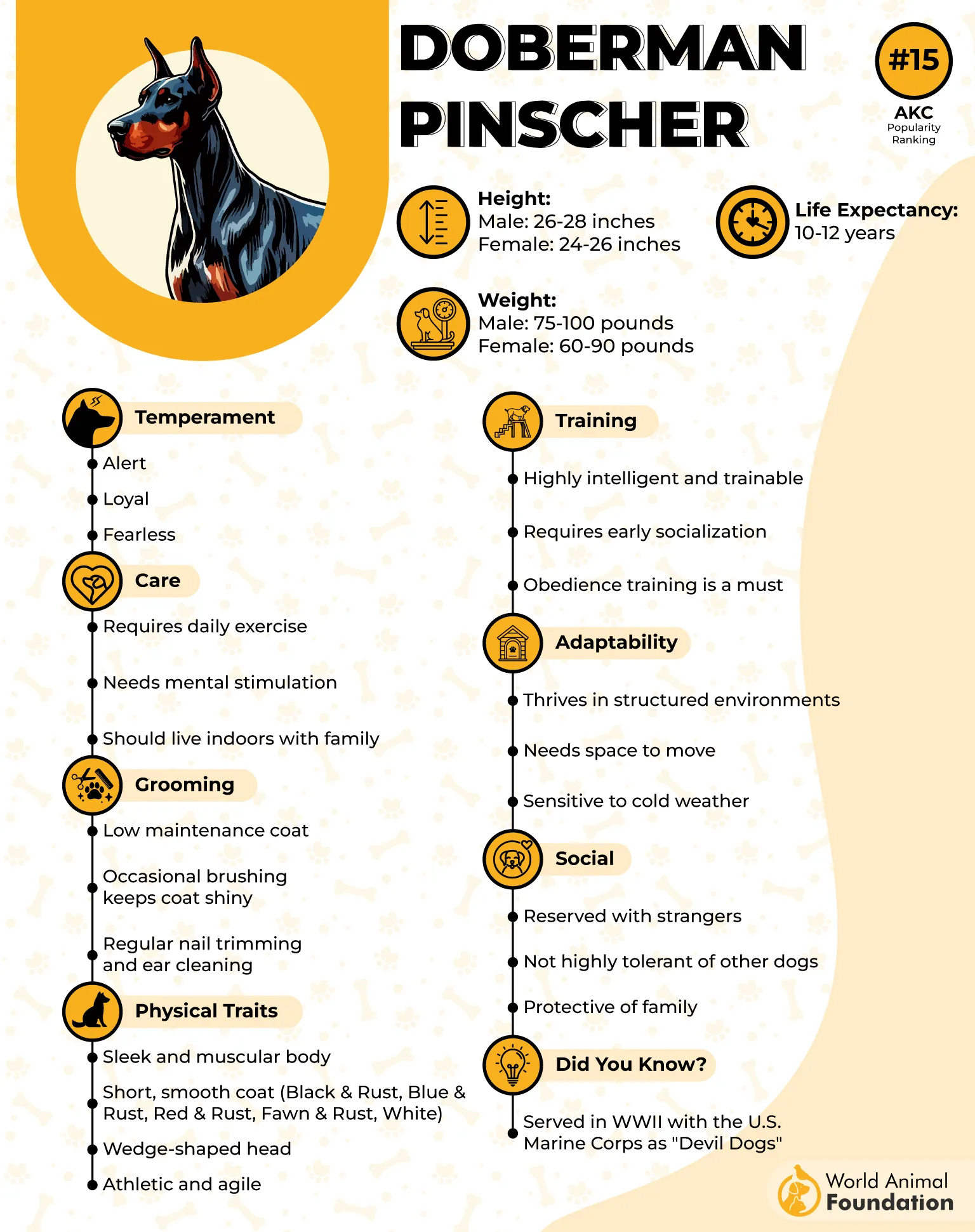
Doberman training strengths
Speed of response time
Accuracy of command execution
Strong situational awareness
7. Shetland Sheepdog
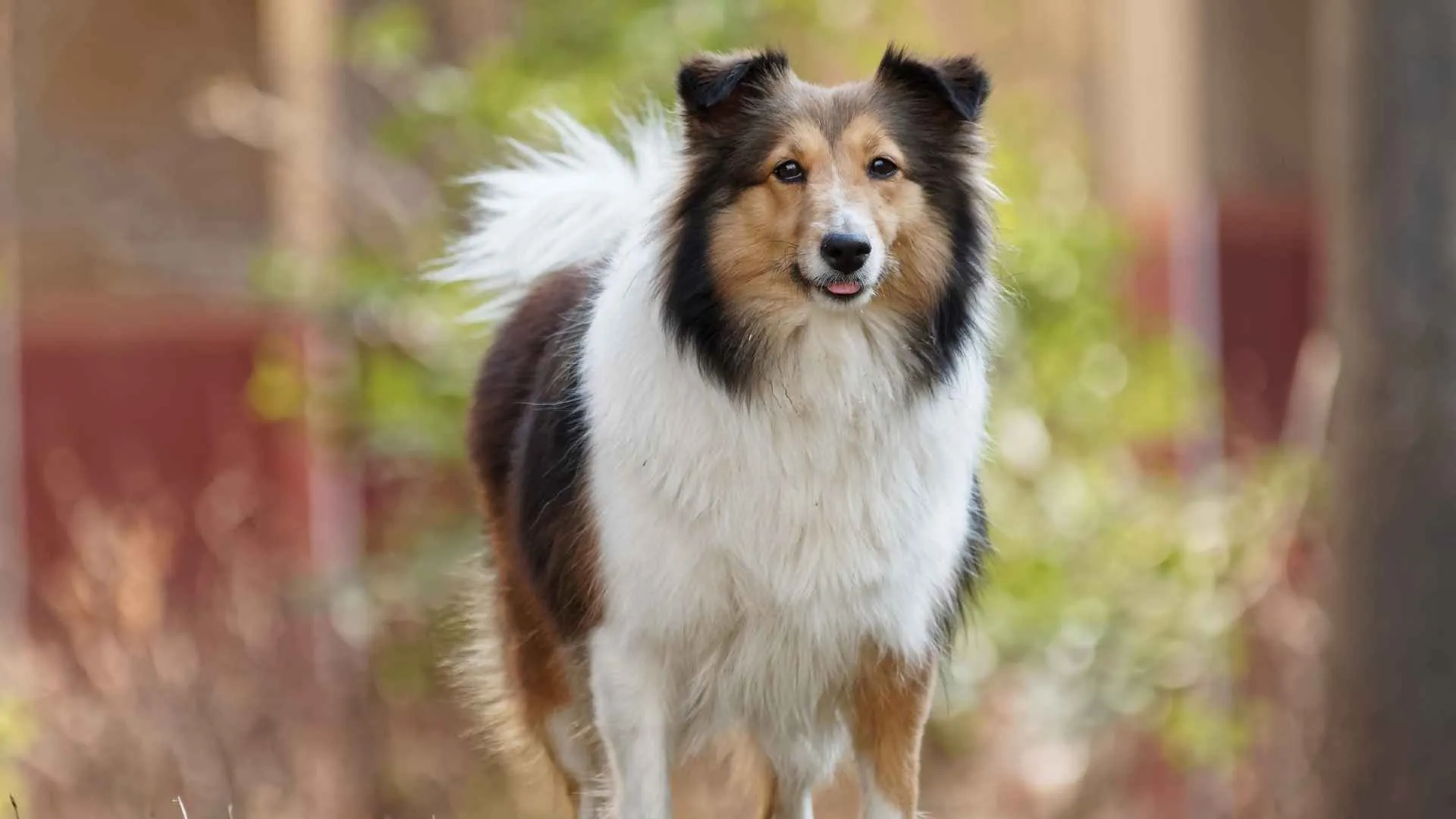
Shetland Sheepdogs are excellent herding dogs. They are quick learners and highly perceptive to changes in their surroundings. They have developed these abilities after centuries of herding work.
According to the American Kennel Club, they are sensitive and affectionate family pets, highly aware of the mood of their owners. These dogs like to bark and are wary of strangers, excellent qualities found in watchdogs.
Quick to learn new commands, Shelties excel in obedience training, agility, and herding-based activities. Their sharp awareness and strong problem-solving abilities allow them to pick up cues with minimal repetition.
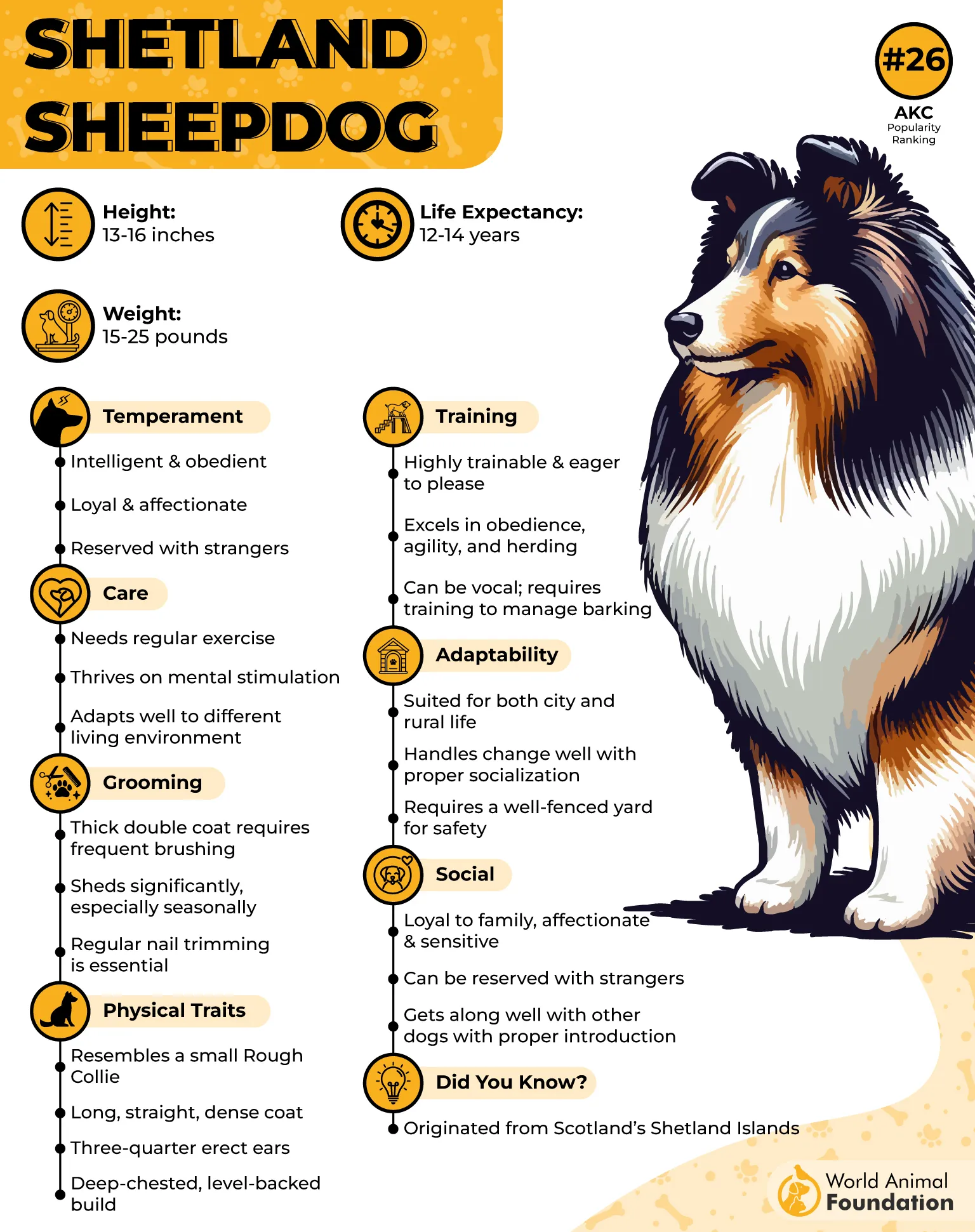
Why are Shetland Sheepdogs easy to train
Very active and loves to be given tasks
Most intelligent dog breeds are fiercely loyal to their families
Aware of their surroundings and know how to act in different situations
8. Belgian Malinois

Processing information is no big deal for Belgian Malinois. The brilliance in these intelligent dog breeds is the result of concentration and commitment.
They are always obedient and very precise in advanced training. Therapy work and obedience competitions are the two main things that make them happy. They are energetic dogs who are also great companions.
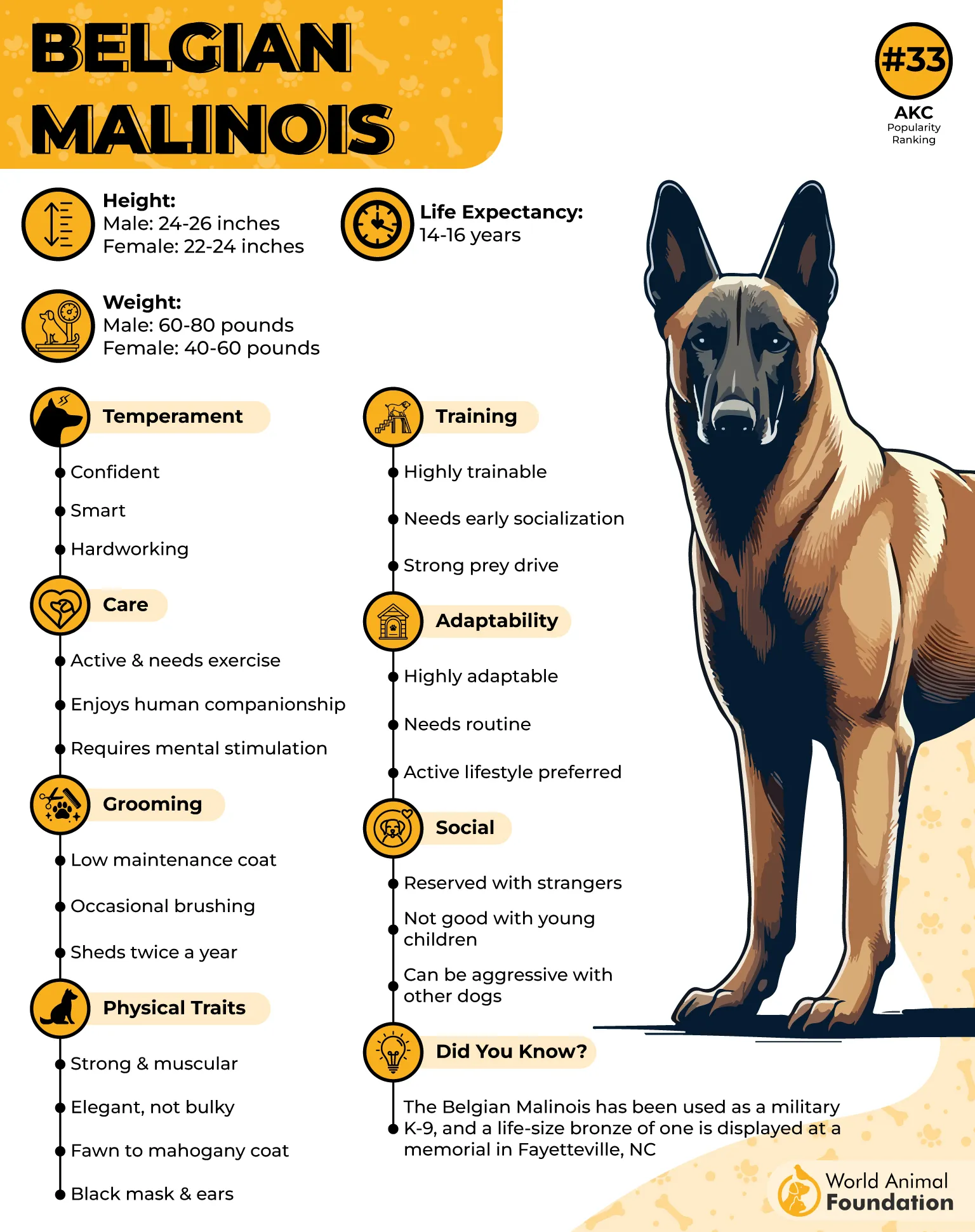
Belgian Malinois Training Traits
Mental endurance to the fullest
Strong response to pressure
Very motivated to complete tasks
This breed is only for experienced handlers who can satisfy their intellectual demands.
9. Papillon
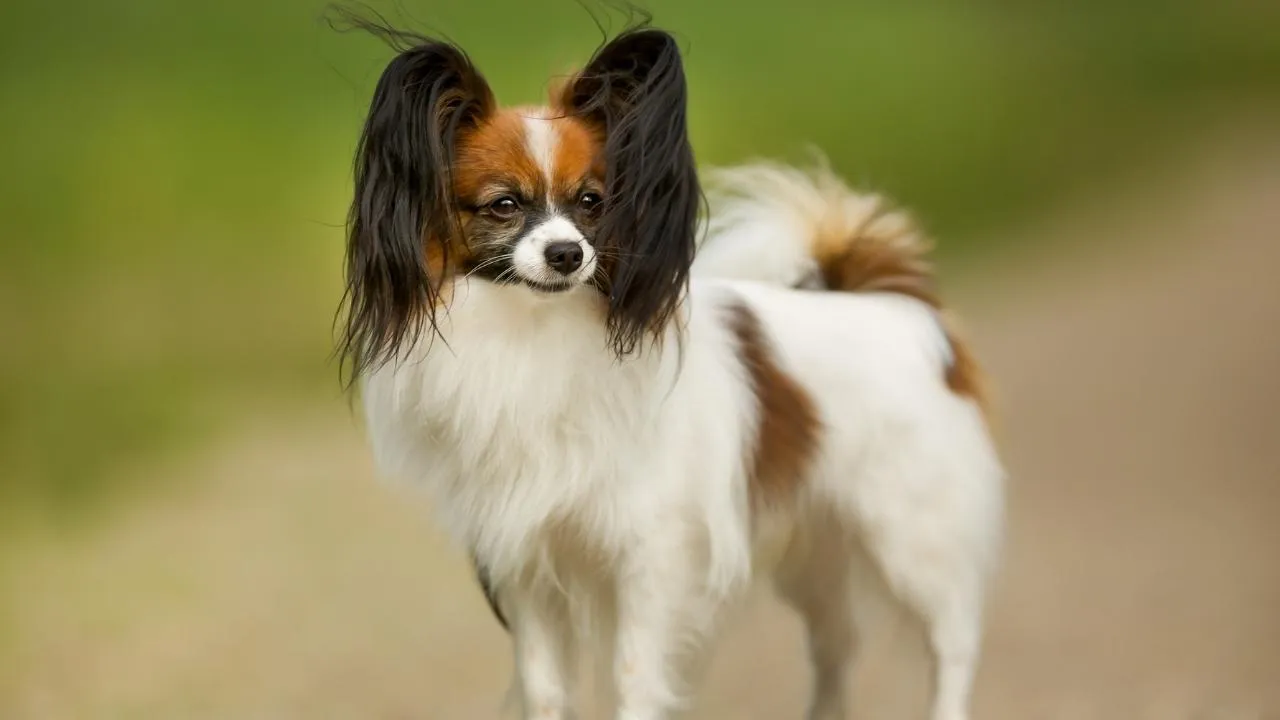
Papillons are defiers of the general notion of the relationship between size and intelligence. They are surprisingly very fast in obedience trials and trick training.
They perform much better than some of the most intelligent dog breeds. Known for its quick thinking and lively curiosity, this breed learns commands rapidly and excels in obedience, agility, and trick training.
Papillons are highly attentive to their owners and respond best to positive, reward-based methods.
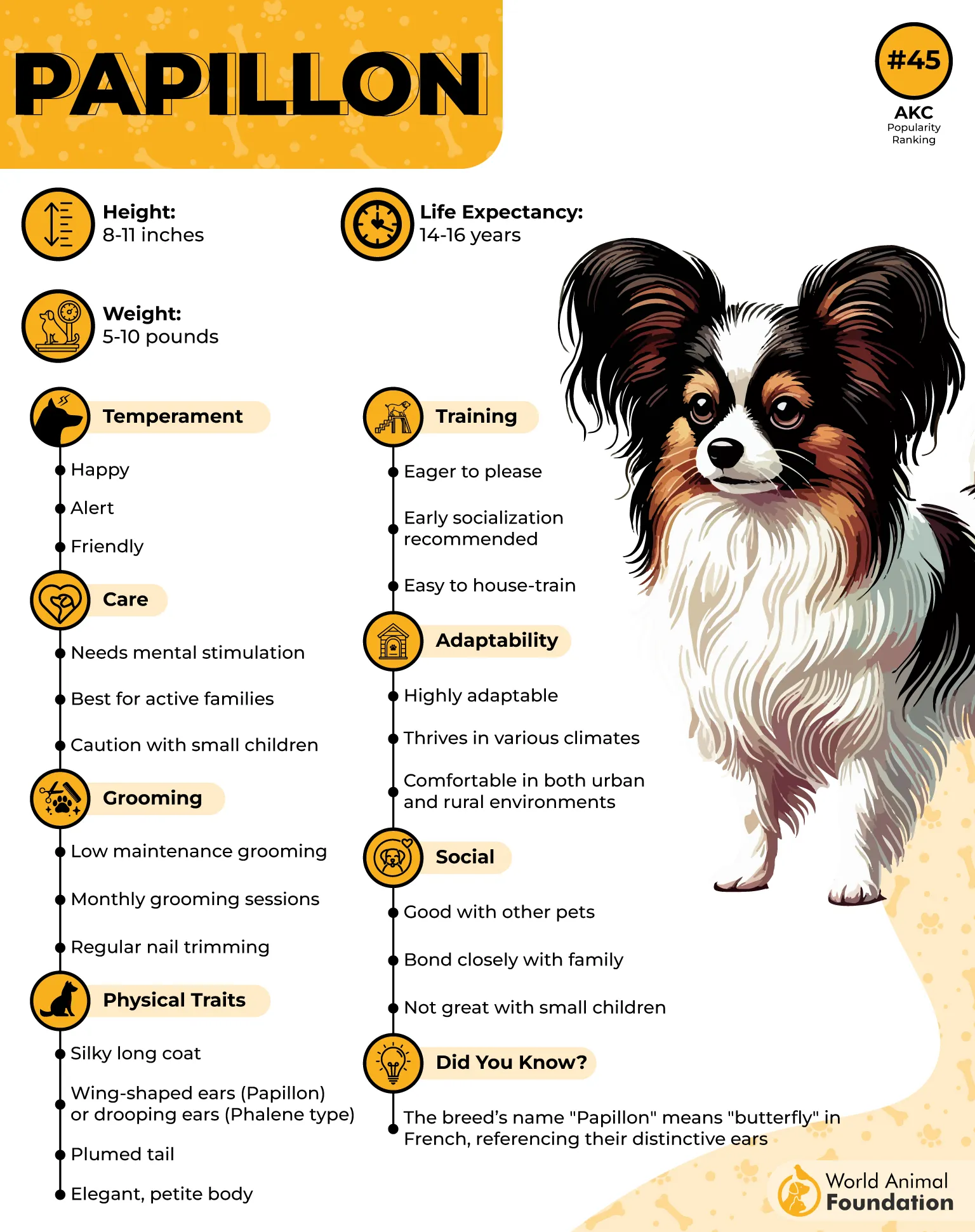
Highlights of their Intelligence
Instinct of understanding commands
Excellent control over attention
Great sense during training sessions
Very good at recalling things
This breed is an engaging, but very easy-to-handle companion. You will definitely not be disappointed if you choose this one as your pet!
Conclusion
The selection of a proper breed should be based not only on the dog’s ability to learn fast but also on the owner’s understanding of how dogs undergo the learning process. When the canine intelligence corresponds with the owner’s lifestyle and his expectations, it can become an experience of sharing rather than of struggle.
So, go ahead and choose your furry companion wisely!
