




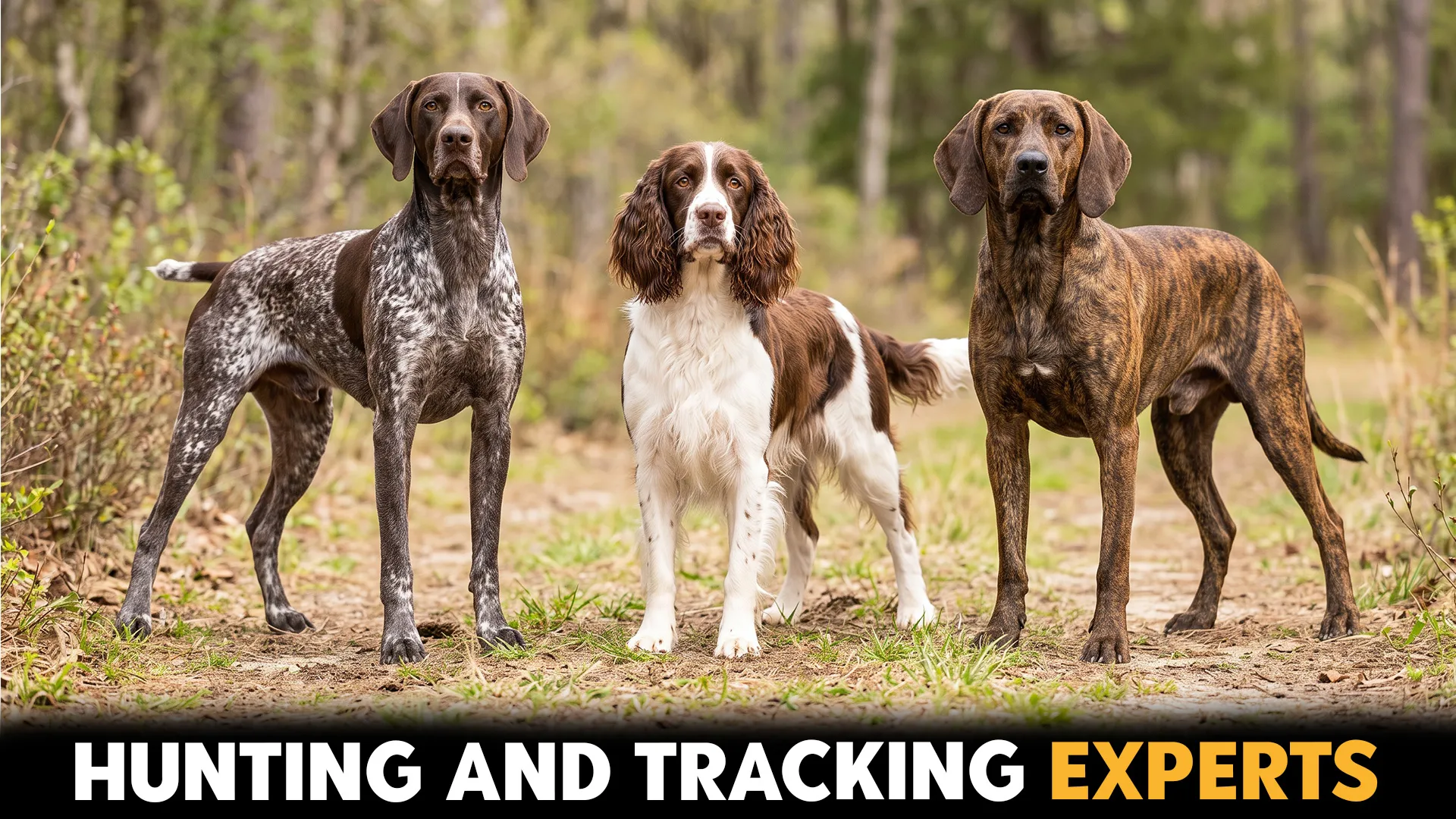
A hunt becomes a different experience when a skilled canine partner moves ahead, nose to the ground and senses tuned to every trace. A specific breed may perform well in one setting but be less enthusiastic in another. From dense forests to open fields, different breeds bring specialized abilities that help predators locate, flush, pursue, or retrieve game.
Choosing the good hunting dog breeds depends on the type of game and terrain. Scent hounds excel at following trails, while pointers, flushers, and retrievers bring distinct skills to bird hunting.
Across these groups, strong drive, stamina, intelligence, and responsiveness to training remain valuable traits, qualities that make a gun dog an ideal companion both outdoors and at home as a family pet.
Whether you’re following a scent through rugged terrain or searching fields for birds, these seven popular breeds showcase the remarkable diversity of dogs developed for hunting and tracking.
Best Dog Breeds Choices for Hunting and Tracking
1. German Shorthaired Pointer
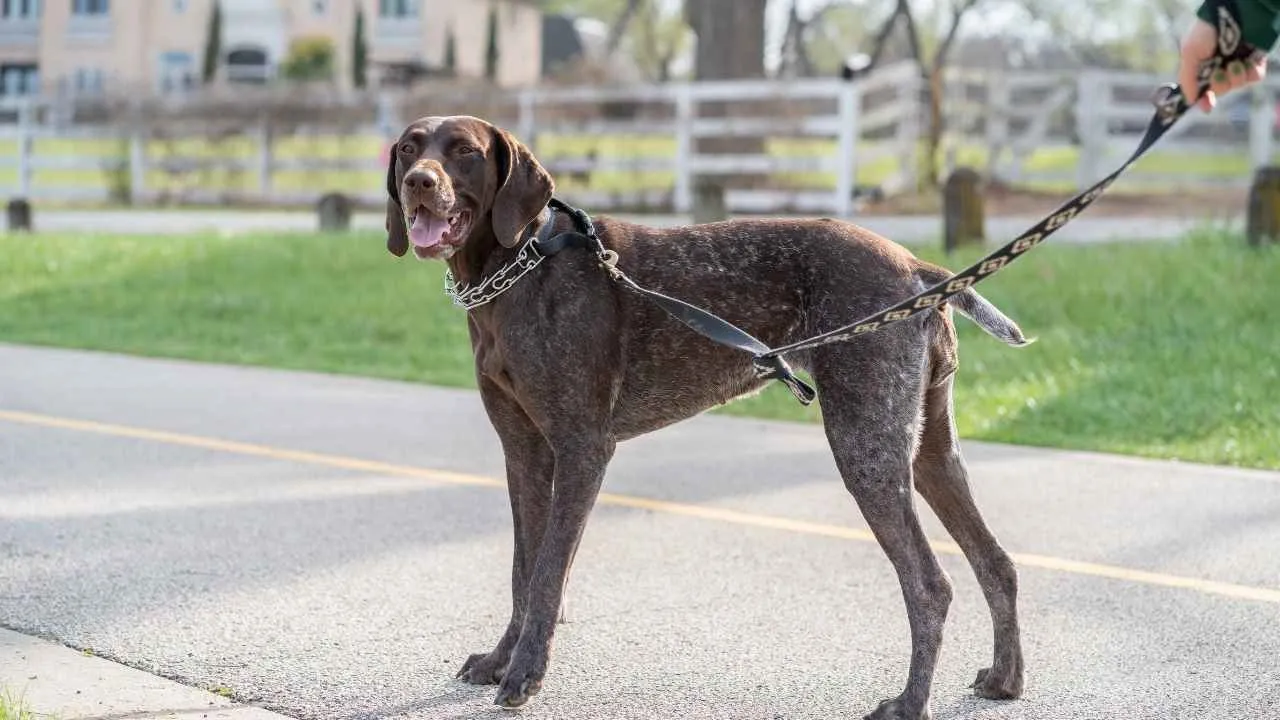
Built for action, the German Shorthaired Pointer is an all-around field athlete with the speed, agility, and endurance needed for demanding hunts. Its natural pointing ability helps predators locate game birds across open terrain, making it a true pointing breed.
This breed thrives when the day involves movement and exploration. Long hikes, runs, and outdoor activities suit its energetic nature, while its intelligence and eagerness to please make training for different hunting tasks more manageable.
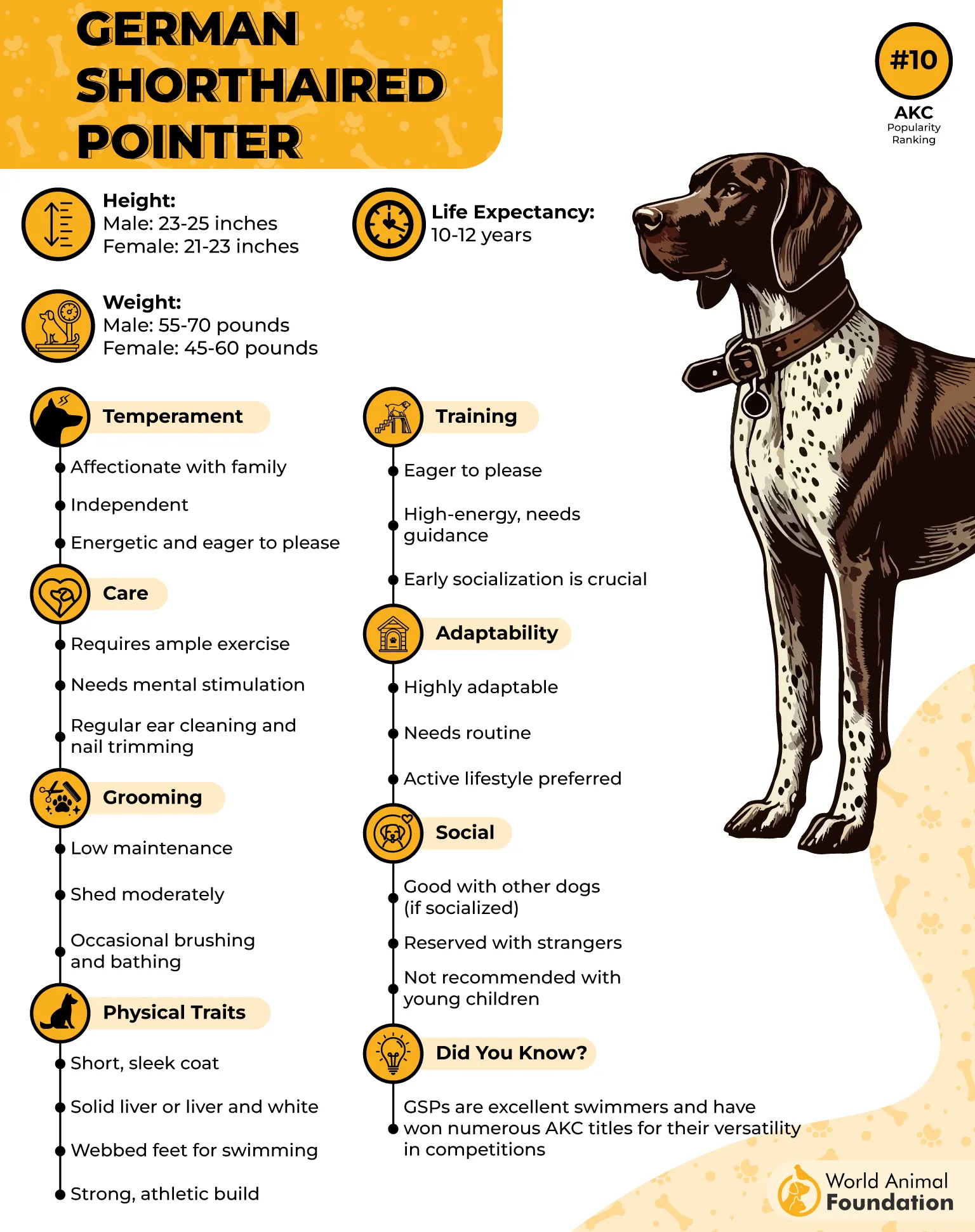
On the hunt, its versatile hunting abilities truly stand out. These alert pointers can track, point, and retrieve, working on both land and water in pursuit of waterfowl. Their webbed feet also make them capable swimmers when retrieving quarry from water.
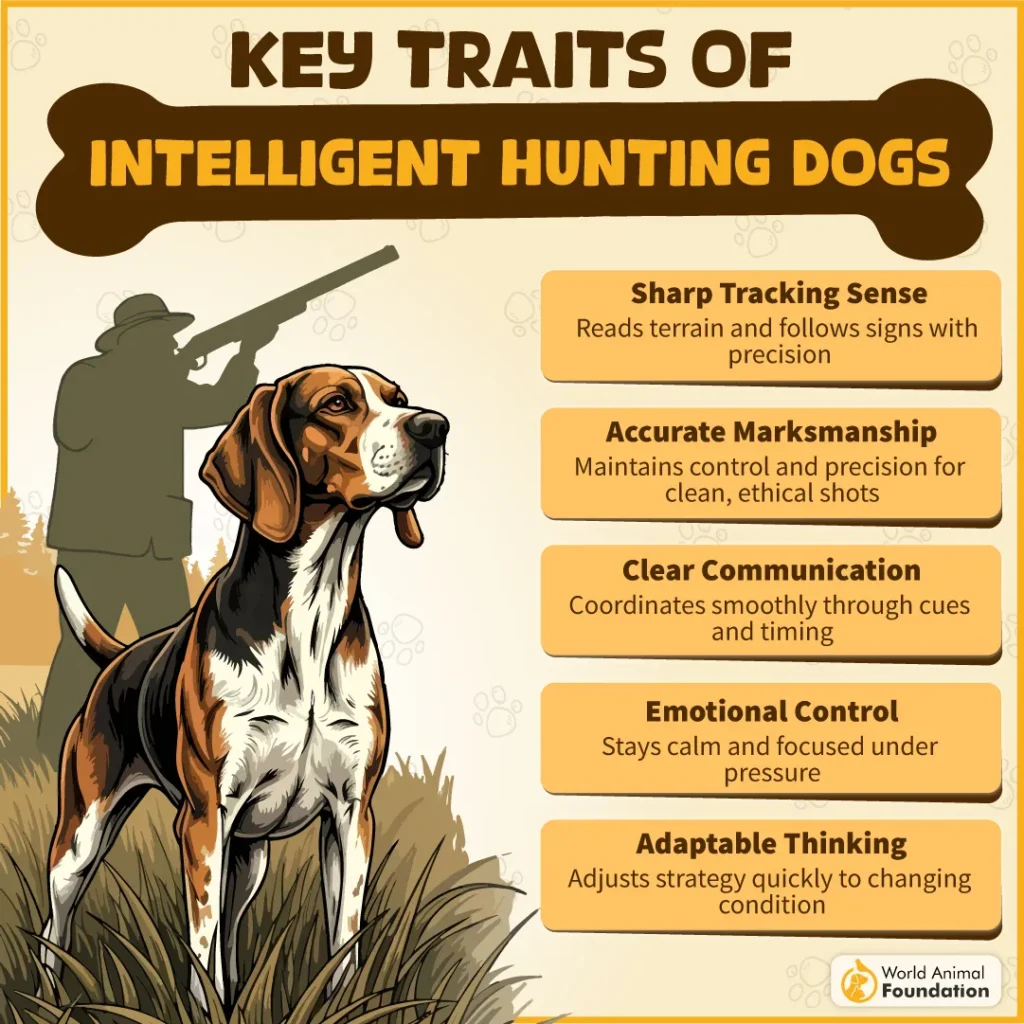
Their incredible endurance allows them to cover extensive ground, while their athletic build helps them move through dense brush, open fields, and other challenging hunting conditions. A strong prey drive further fuels their enthusiasm for pursuing game.
2. English Springer Spaniel
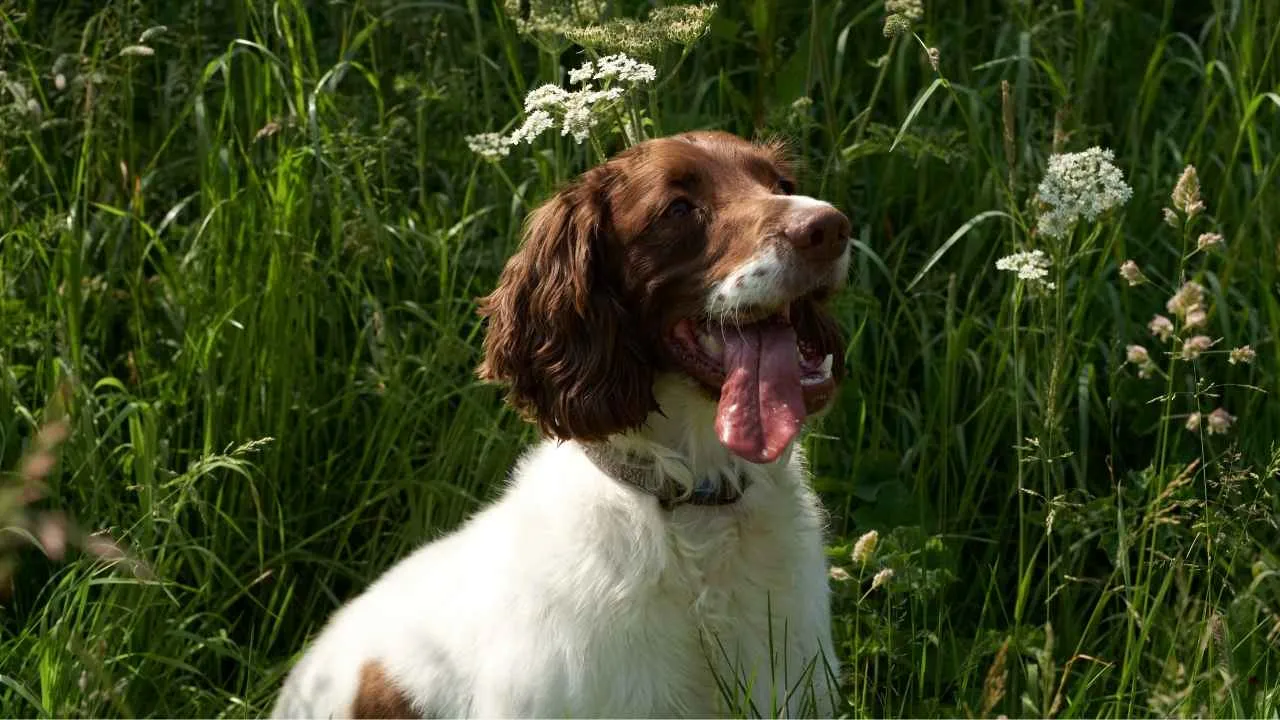
The English Springer Spaniel brings lively energy and genuine enthusiasm to the hunt. Bred to flush and retrieve game, this cheerful gundog thrives on activity and enjoys working alongside its handler. Sporting enthusiasts may enjoy this breed for sacred hunting traditions and field activities.
Its name comes from its talent for “springing” birds from cover. With sharp sniffing abilities and strong stamina, the breed can search/rescue broad areas, pick up hidden scents, and flush pheasants and grouse from dense woodland. Such behavior reflects the natural instincts found in many particular breeds.
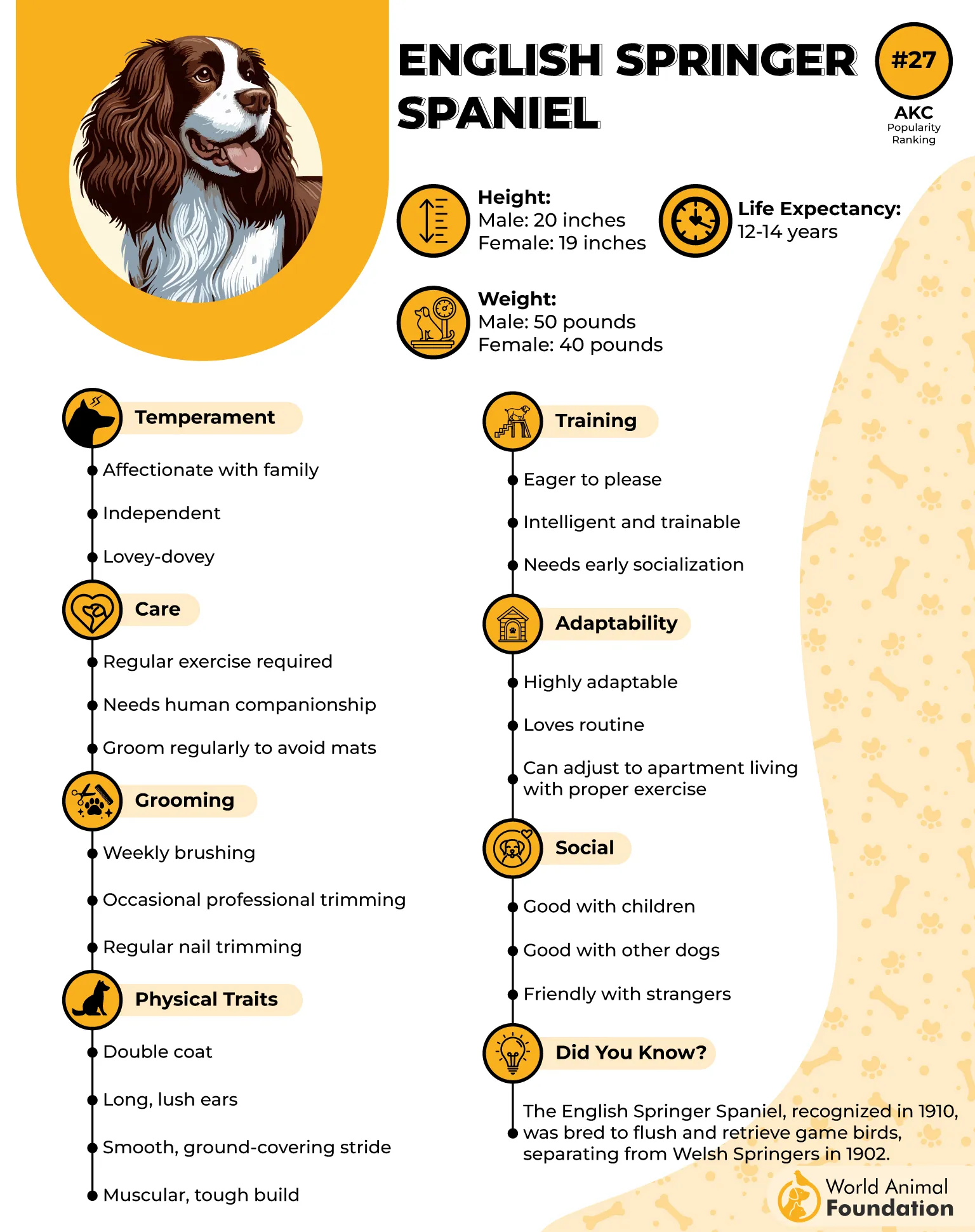
Compact yet athletic, the Springer can maneuver through tighter hunting spaces while maintaining the endurance needed for demanding outings. Its ability to retrieve also makes it a versatile hunting companion after birds are flushed.
Beyond the field, its affectionate and social nature makes it a heartwarming companion. Springer Spaniels are eager to please, so positive reinforcement can make obedience training rewarding, while their people-oriented personality means they prefer not to be left alone for long.
3. Plott Hound
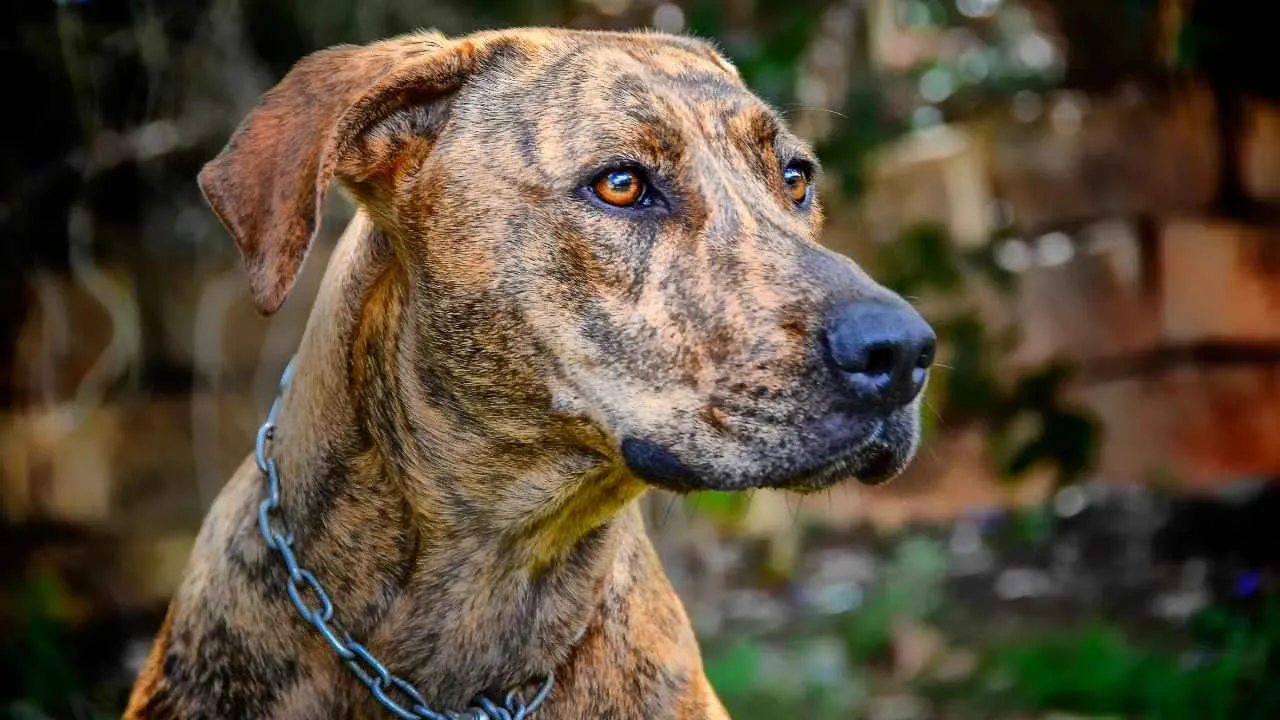
The Plott Hound seems built for the moment a difficult trail begins. Developed in North Carolina for big-game hunting, this fearless scent hound can follow challenging tracks associated with bears and wild hogs. According to the AKC, this striking scent hound is North Carolina’s state dog.
Strong, agile, and remarkably persistent, the Plott Hound can maintain its drive across rugged terrain. Its determination and endurance make long outdoorsy pursuits feel like part of its natural routine rather than a chore.
Despite its reputation for tackling formidable game, the breed’s features, coat, and long tail add to its distinctive appearance, while its confident nature keeps it focused when following a scent.
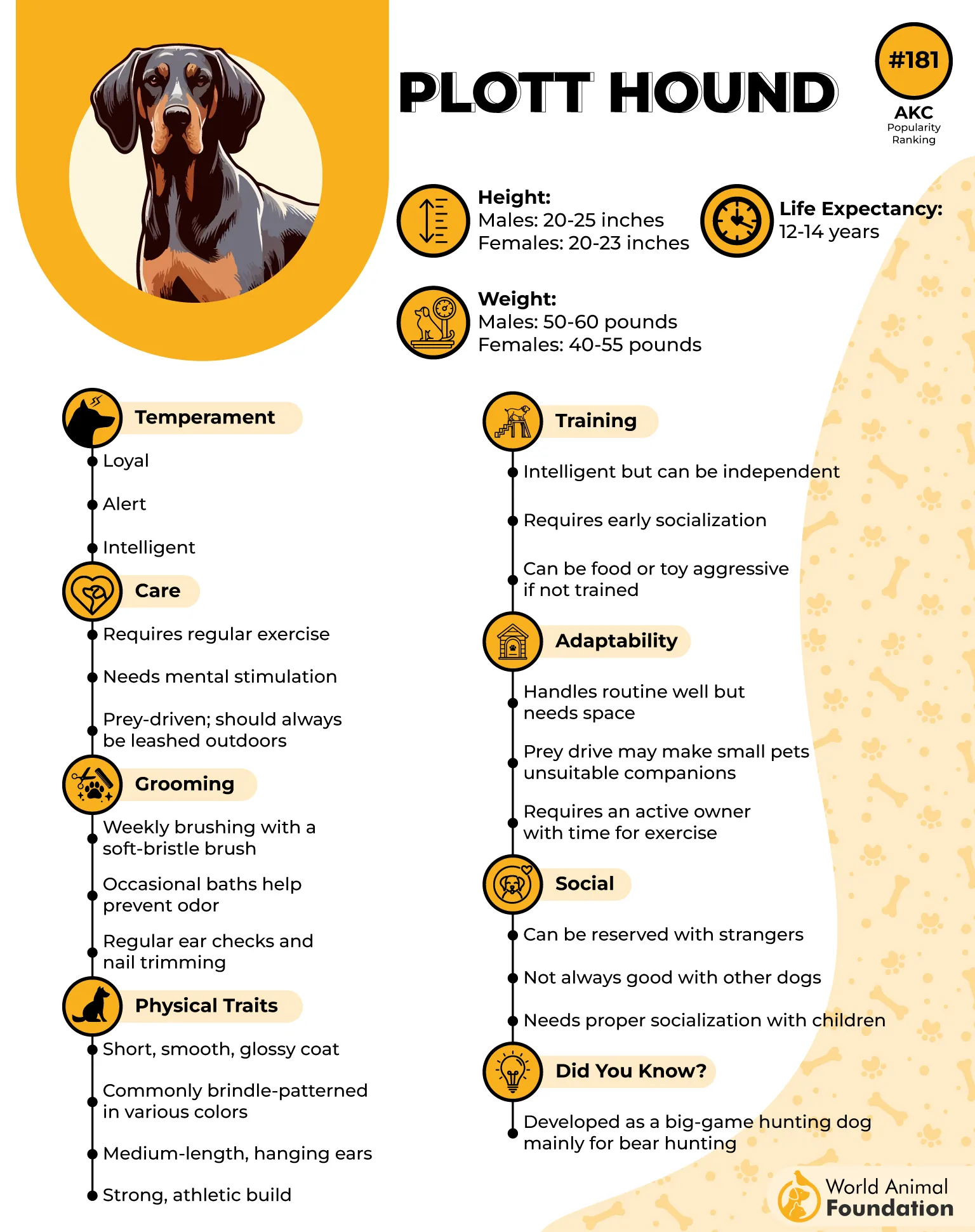
Away from the hunt, Plotts are loyal, eager to please, and affectionate with their families. They thrive on activities such as hiking, swimming, and long walks, although their prey drive can make smaller pets a challenging match.
4. Mountain Cur
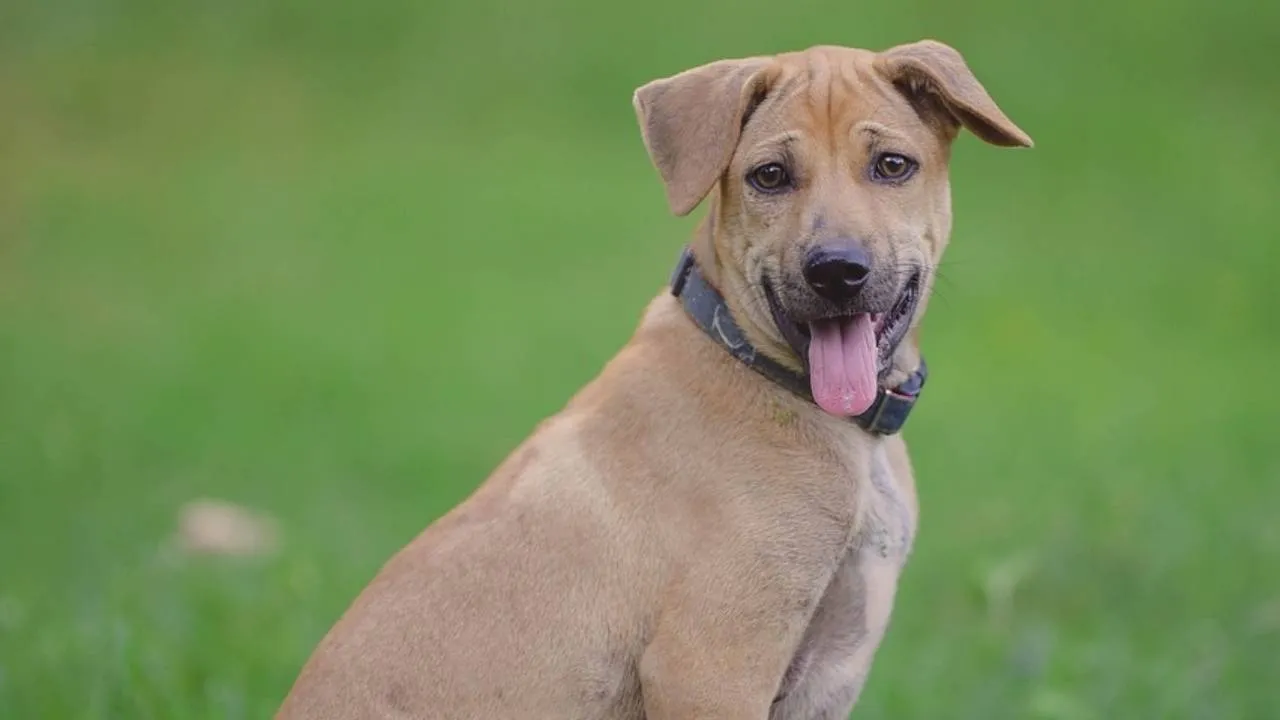
The Mountain Cur is a rugged, powerful working dog shaped by the demanding terrain of the American frontier. Energetic and courageous, this rare breed thrives in outdoor activities and brings a determined presence to hunting excursions.
Built for trailing and treeing game, Mountain Curs can cover considerable ground while following a scent. Their natural hunting instincts make them particularly suited to pursuing squirrels, raccoons, and other challenging quarry across rough landscapes.
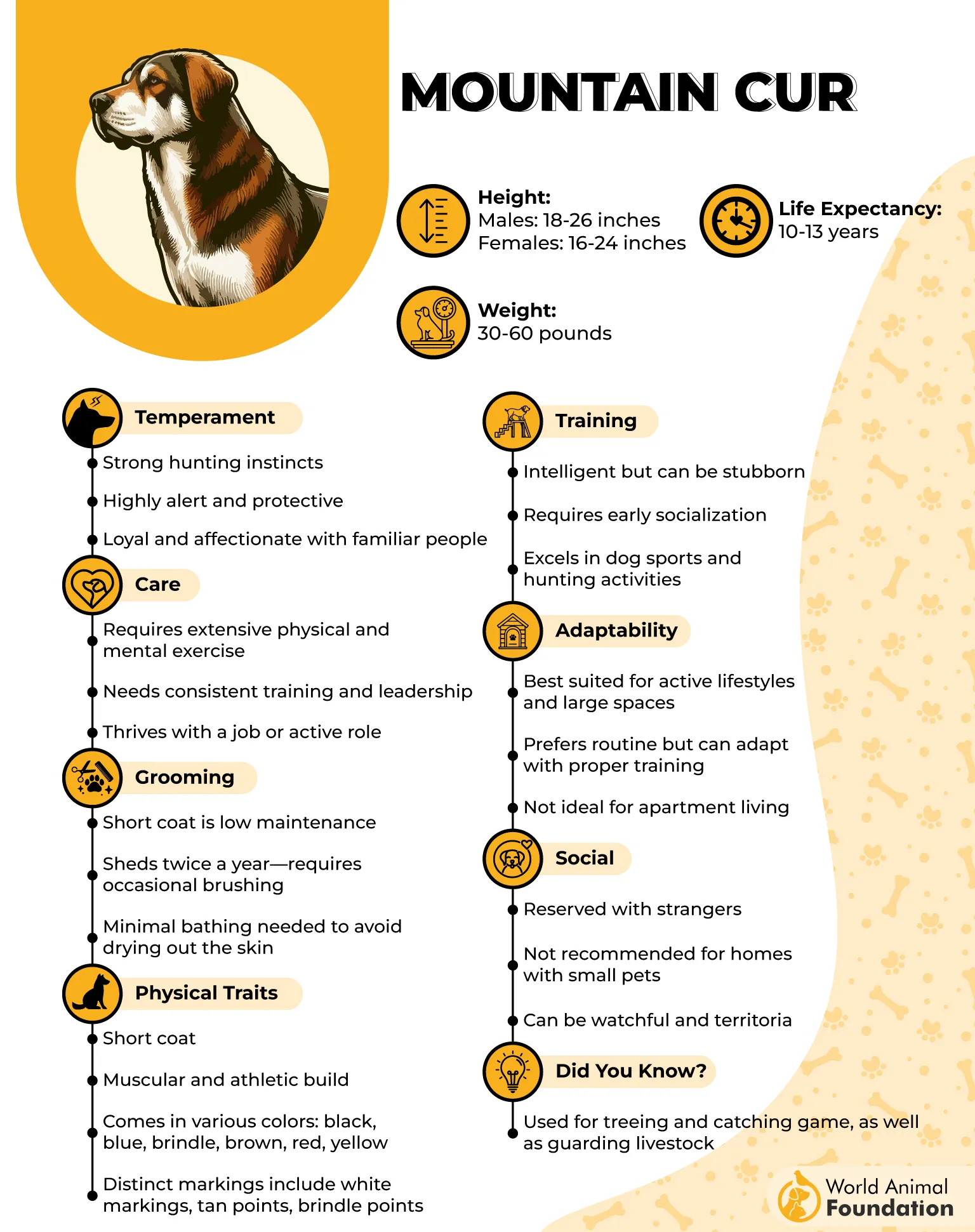
These dogs are intelligent, brainy, driven, and eager to have a purpose. Their versatility allows them to take on different working tasks, while their stamina helps them remain active during extended outside activities. Their highly responsive nature can make training easier for experienced handlers.
Strong-willed yet deeply devoted, the Mountain Cur stays closely connected to its handler. Its protective nature, bold character, and ability to work across demanding terrain make it a formidable all-terrain hunting companion.
5. American Foxhound
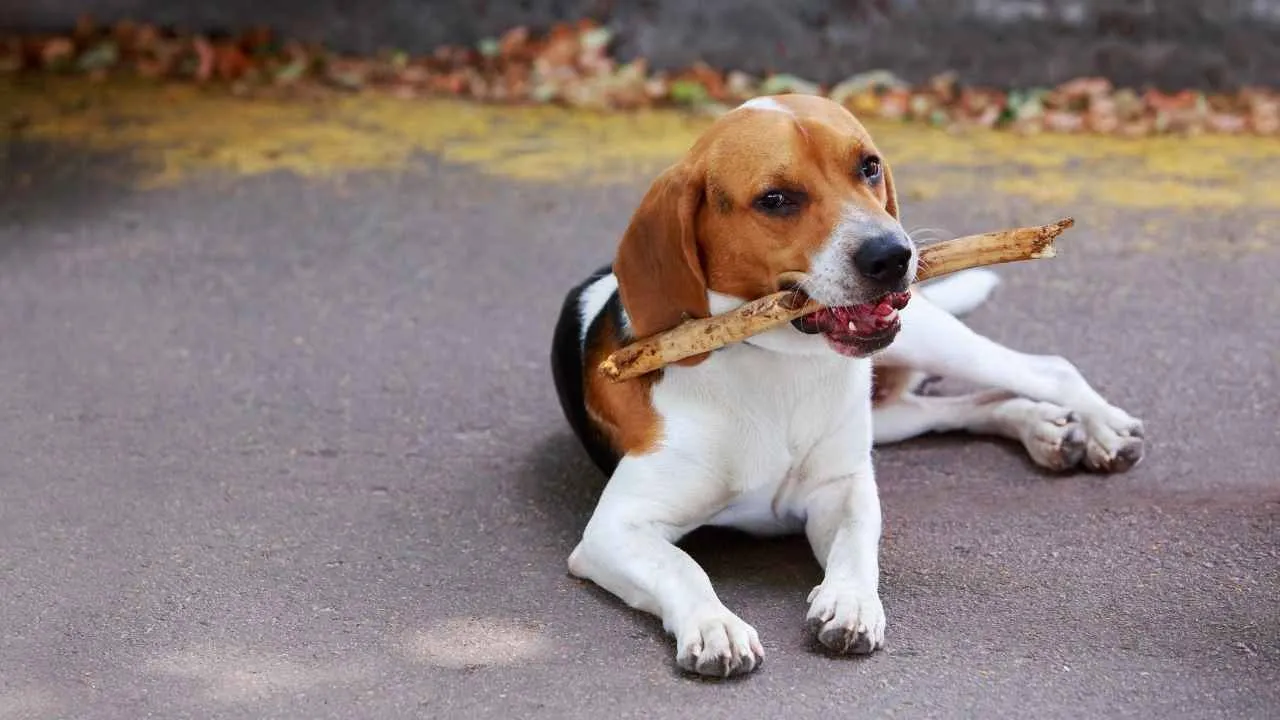
Tending to chase, the American Foxhound combines speed, stamina, and an exceptional nose. According to WebMD, American Foxhounds were specifically bred for fox hunting.
Its pack hunting scenarios make it particularly suited to hunters who enjoy extended exterior pursuits. The breed’s endurance and athleticism also make it a natural active dog for owners who can provide plenty of space and daily exercise.
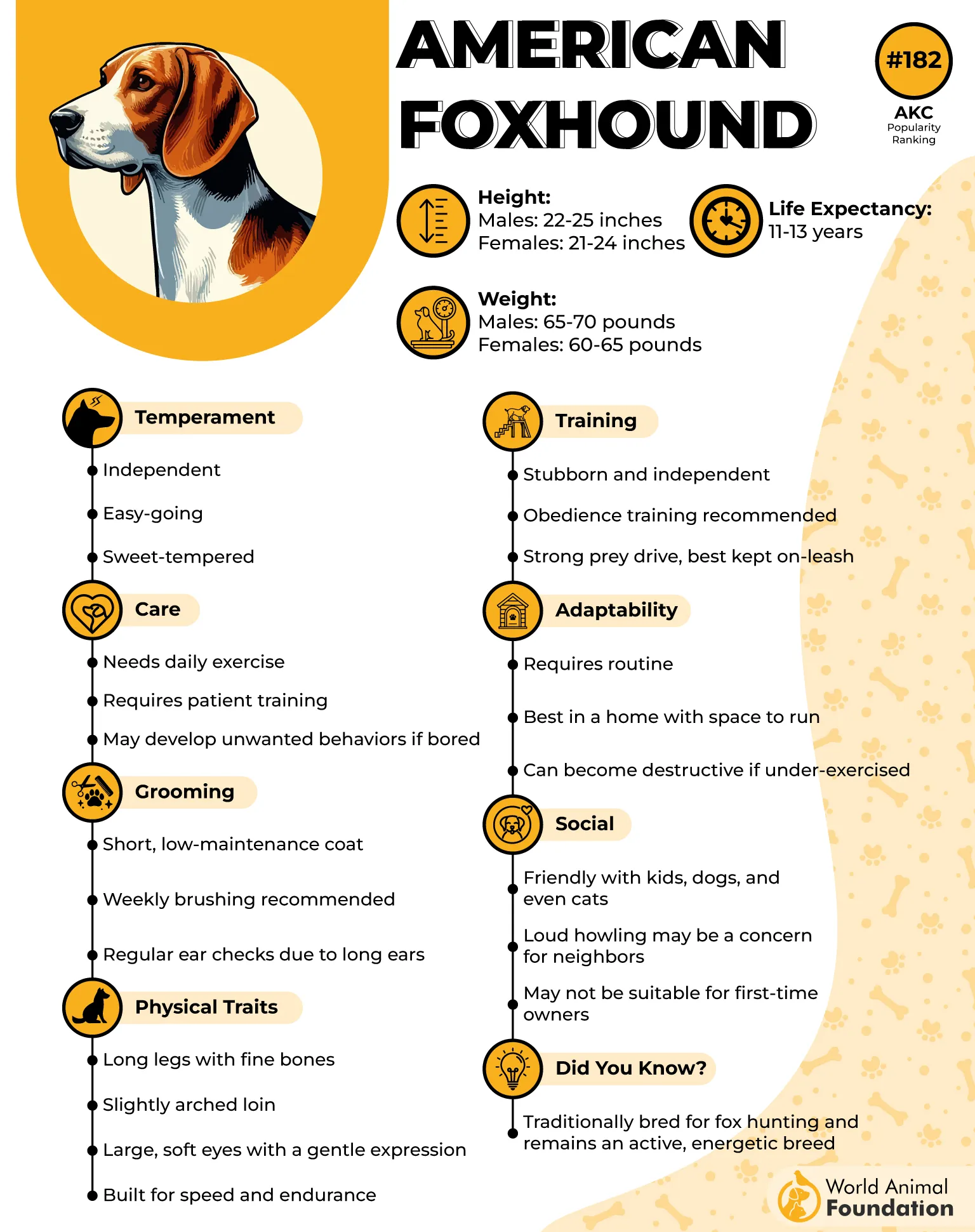
At home, American Foxhounds are generally sweet-natured, easygoing, and affectionate with children. However, their strong prey drive and independent streak can make obedience challenging without consistent, experienced training.
This breed is happiest when its lifestyle includes plenty of movement and purpose. Rural homes and active households suit its needs far better than apartments, while secure leashes or fencing are important when its powerful nose picks up an interesting trail.
6. Black and Tan Coonhound
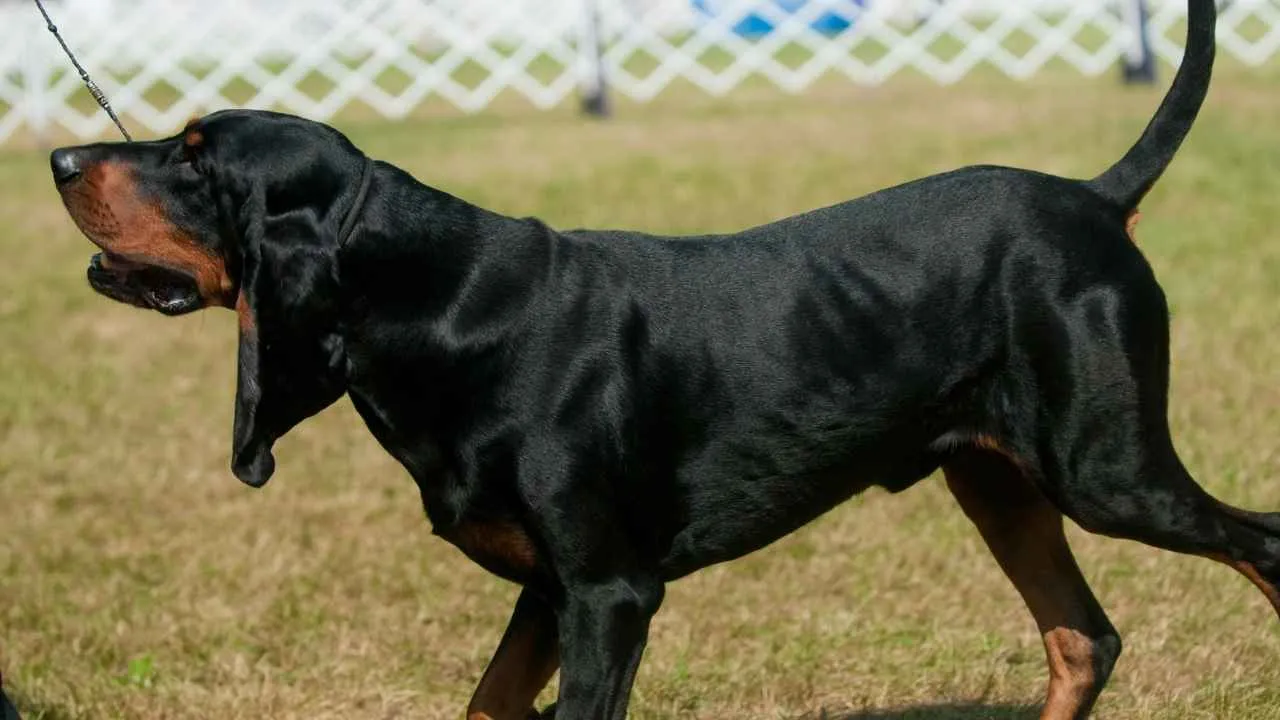
Originally developed from Black and Tan Virginia Foxhounds, the Black and Tan Coonhound was bred for scent-driven hunting activities. Its powerful nose makes it especially effective at following trails, including those left by raccoons and other game.
This breed’s tracking ability becomes particularly impressive after dark. Once an interesting scent reaches its nose, the Coonhound can become intensely focused, carefully working through a trail rather than easily abandoning the pursuit. Such focus is valuable over long distances.
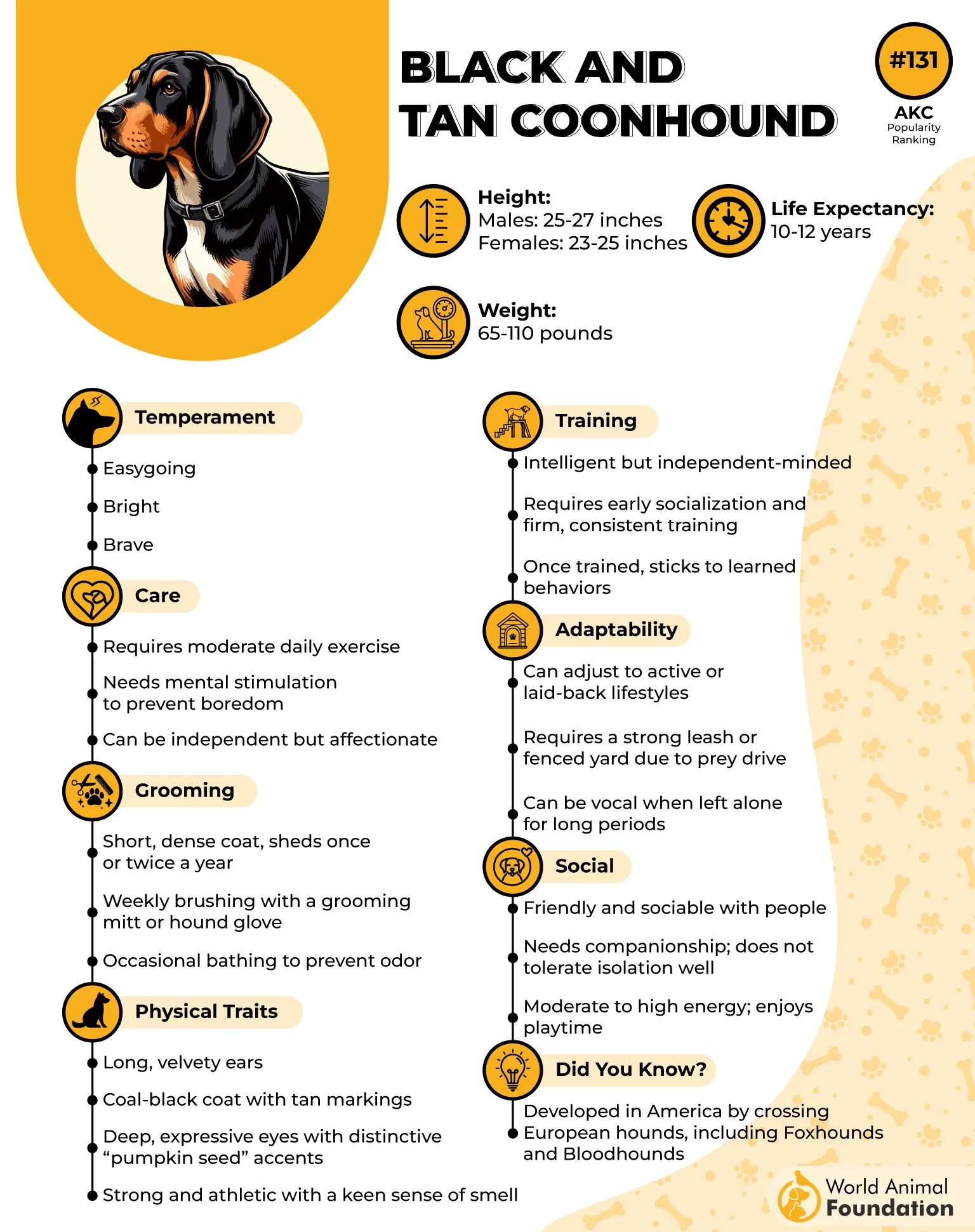
This hound is generally calm and affectionate at home. Daily exercise helps satisfy its instincts, while secure fencing is important because a compelling scent can encourage the dog to follow its nose.
Social by nature, the Black and Tan Coonhound thrives on companionship and may struggle when left alone for extended periods. Its combination of endurance, scenting ability, and nighttime tracking instincts makes it a practical choice for exceptional hunters who rely heavily on a dog’s nose.
7. Bloodhound
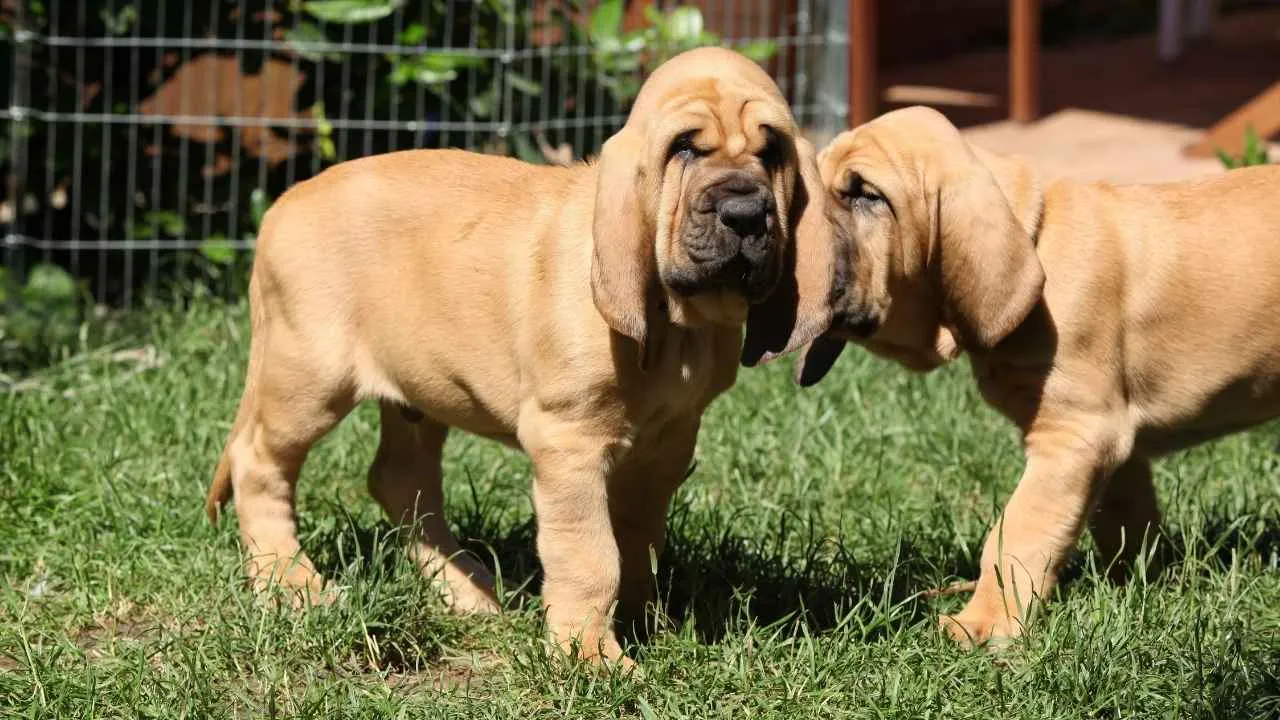
This breed is renowned for its extraordinary nose, making it one of the most specialized tracking dogs. Its exceptional scent tracking abilities allow it to follow trails that are days old, even when the trail crosses difficult terrain or other distracting scents.
What truly sets this breed apart is its determination once it catches a scent. They can remain intensely focused for long periods, methodically following a trail with remarkable persistence rather than easily abandoning the pursuit.
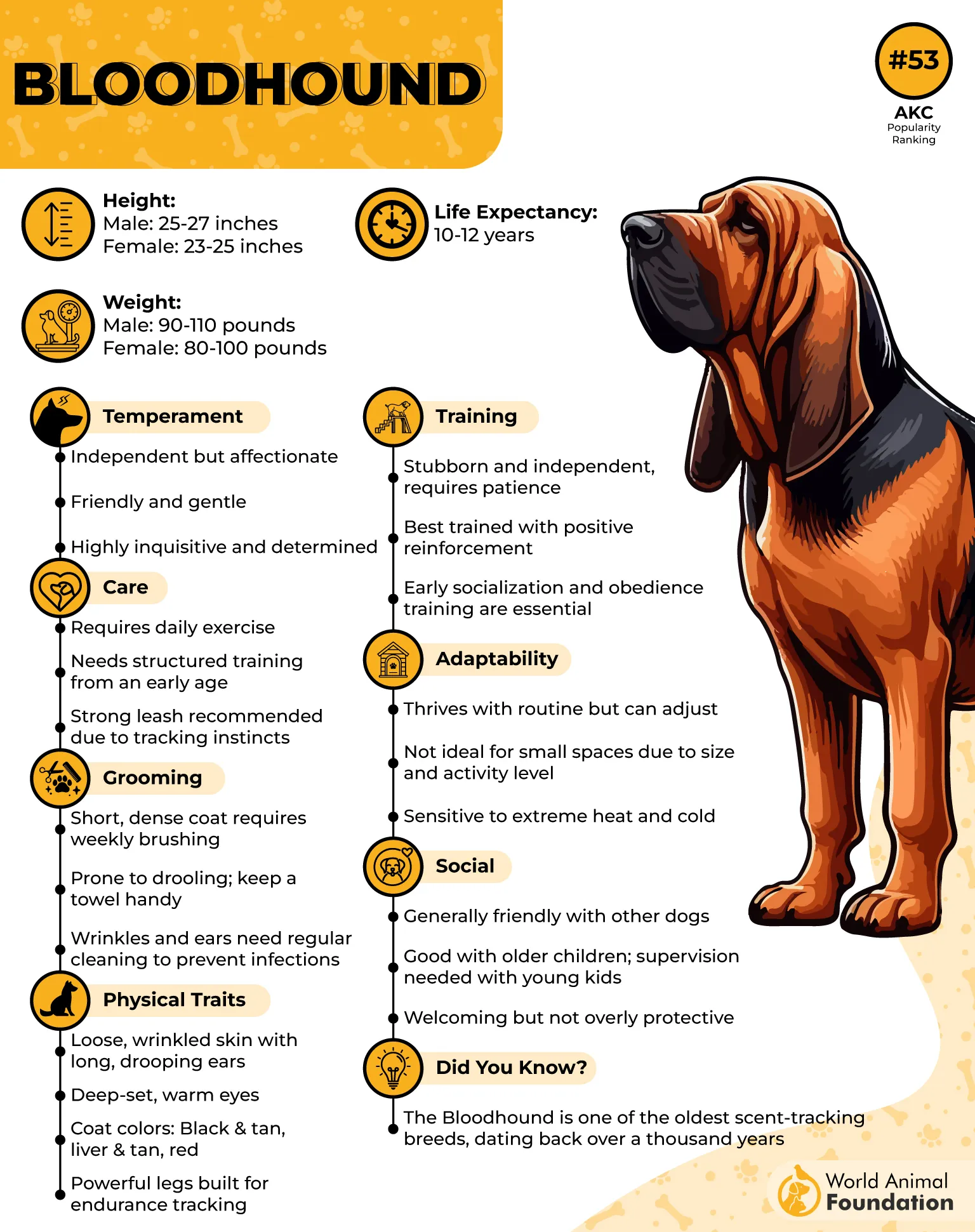
Despite this serious working breed, they have a gentle, patient temperament. Their calm nature complements their intelligence, helping them work steadily while remaining friendly and composed around people and other dogs; traits that also make them a good match at home once the workday is done.
Originally developed to follow game such as deer and wild boar, their legendary noses also made them valuable for locating wounded game. Their combination of scent sensitivity, concentration, and endurance makes them particularly suited to demanding tracking work. According to Orvis, these active dogs respond well to advanced training.
Conclusion
Choosing the right dog for hunting and tracking depends on the type of game, terrain, and chasing work you expect the dog to handle. Different breeds with exceptional scenting ability, endurance, and focus can make challenging pursuits more manageable, and with the right guidance, a puppy’s instincts can be matched to the fieldwork you have in mind.
Some breeds stand out for following scent trails, while others combine tracking skills with speed, agility, or strong hunting instincts. Their different abilities allow hunters to select a companion suited to their specific needs.
Training and socialization are equally important. Even naturally talented hunting dog breeds need consistent guidance, exercise, and chances to use their intelligence productively.
Whether you need a skilled tracker, a persistent hunting companion, or a versatile working dog, choosing a breed that matches your requirements can create a dependable partnership in the field and, for many families, an equally loyal companion back home.
