




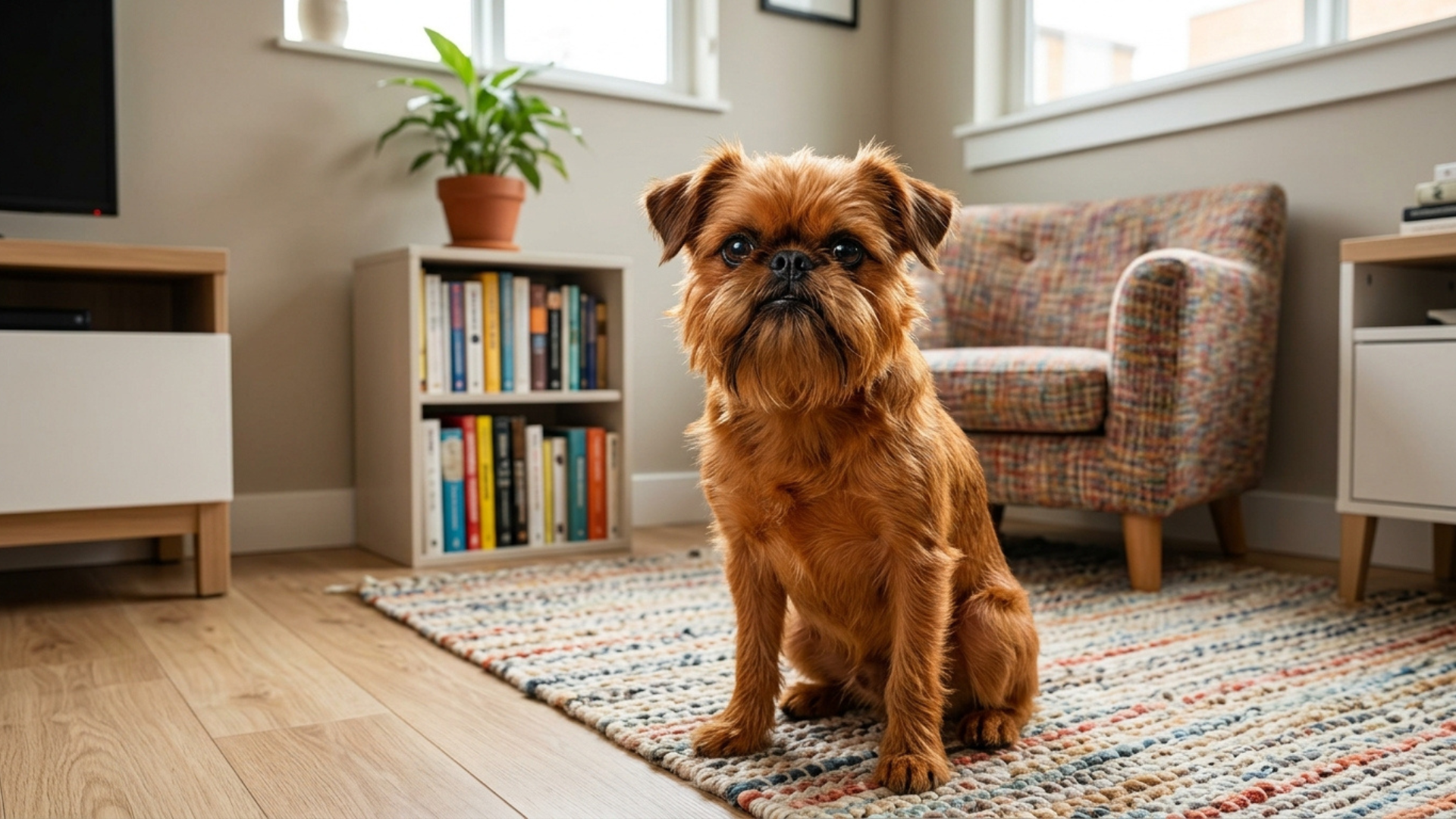
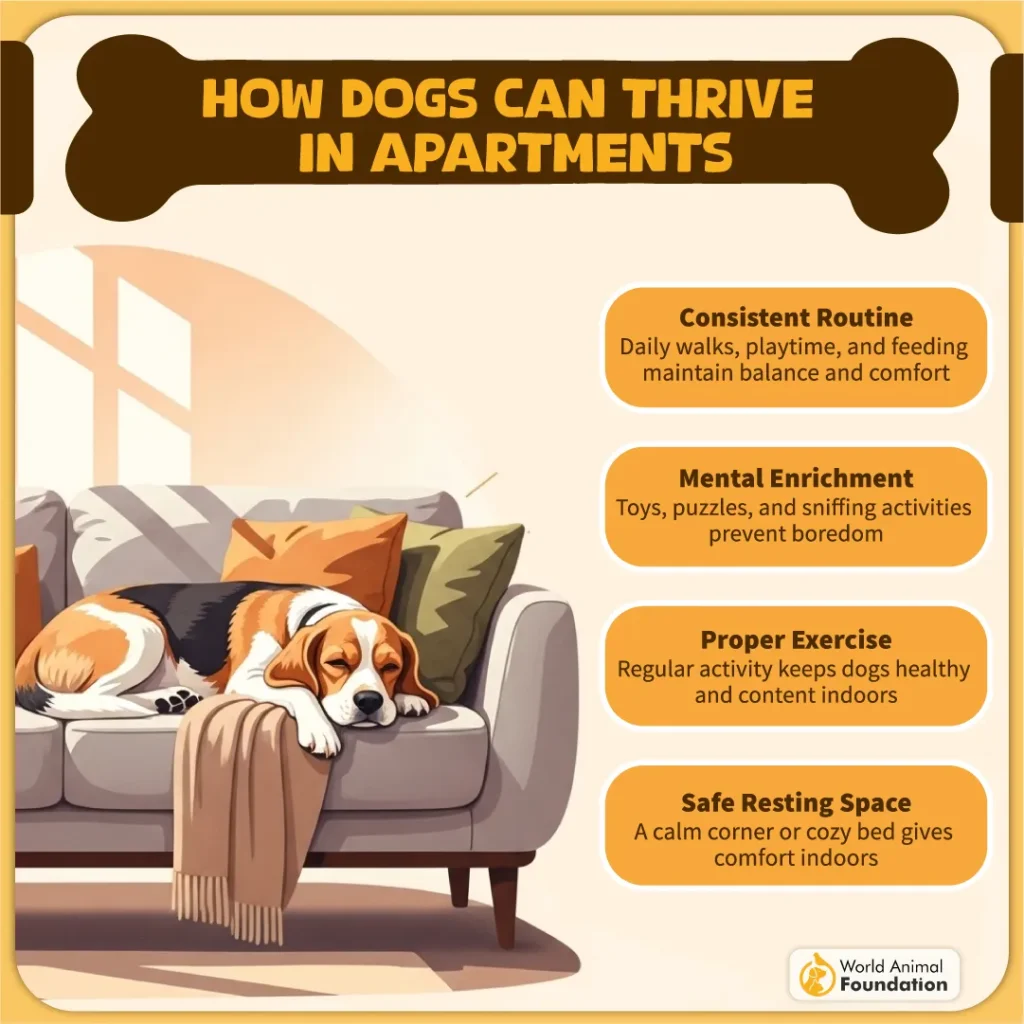
Living in an apartment or a small house does not mean you cannot have a dog. A more important question is whether a breed can stay comfortable, active, and happy without having access to a large yard.
Living in a small space can come with challenges. A dog may not have as much room to run around, but that does not mean it needs less mental stimulation. Regular walks, training, and play sessions are still important. Barking is another factor to consider, especially when neighbors live close by.
The best small dog breeds featured in this article are generally well suited to compact homes when their exercise and attention needs are met. They may have different personalities and temperaments, but many can adapt well to apartment living.
Because of their smaller size, these dogs are often easier to handle than larger breeds, but each one has its own needs and personality. It is important to understand those requirements before bringing one home. Let’s take a look at these small dog breeds.
Delightful Dog Breeds for Small Space Living
1. Toy Poodle
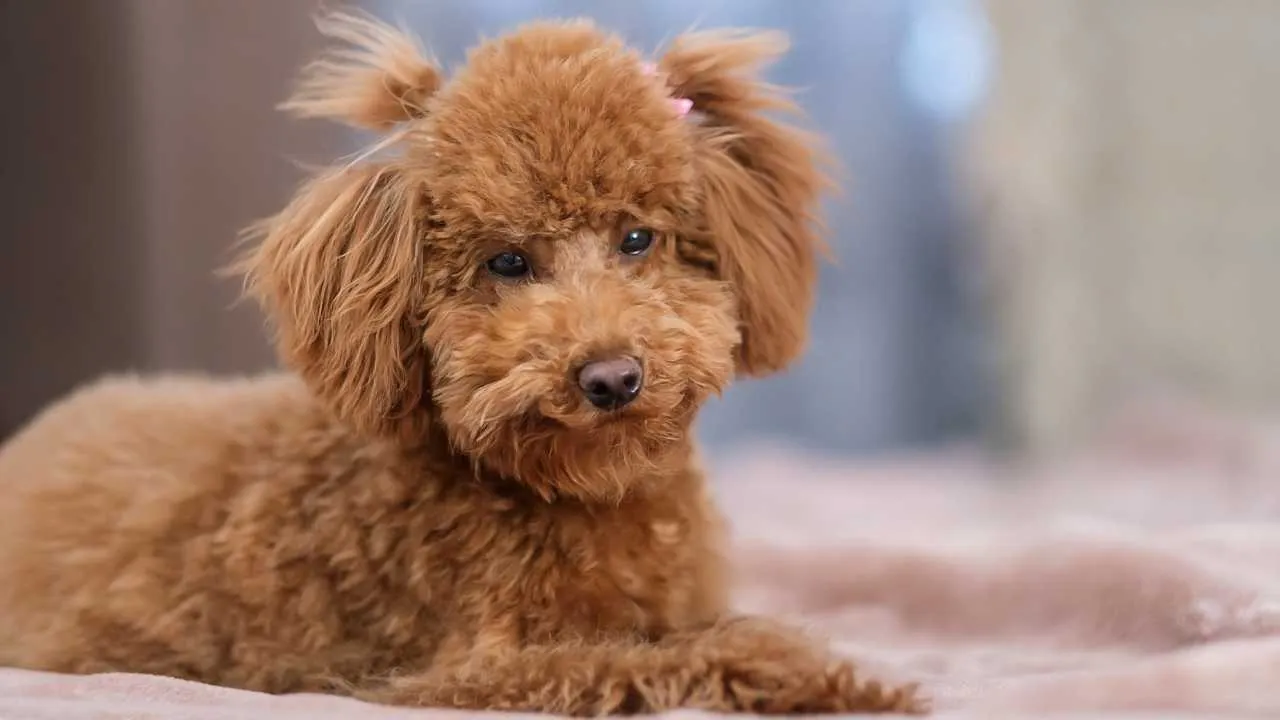
Toy Poodles may be small, but they are far from passive lap dogs. They are highly intelligent and enjoy learning new commands, following cues, and playing engaging games.
This makes them a great fit for small homes, as they can stay active without needing a large backyard. Even a short indoor training session can turn an ordinary day into something productive and fun. Their adaptable nature can make them one of the best dog breeds for apartments and smaller living spaces.
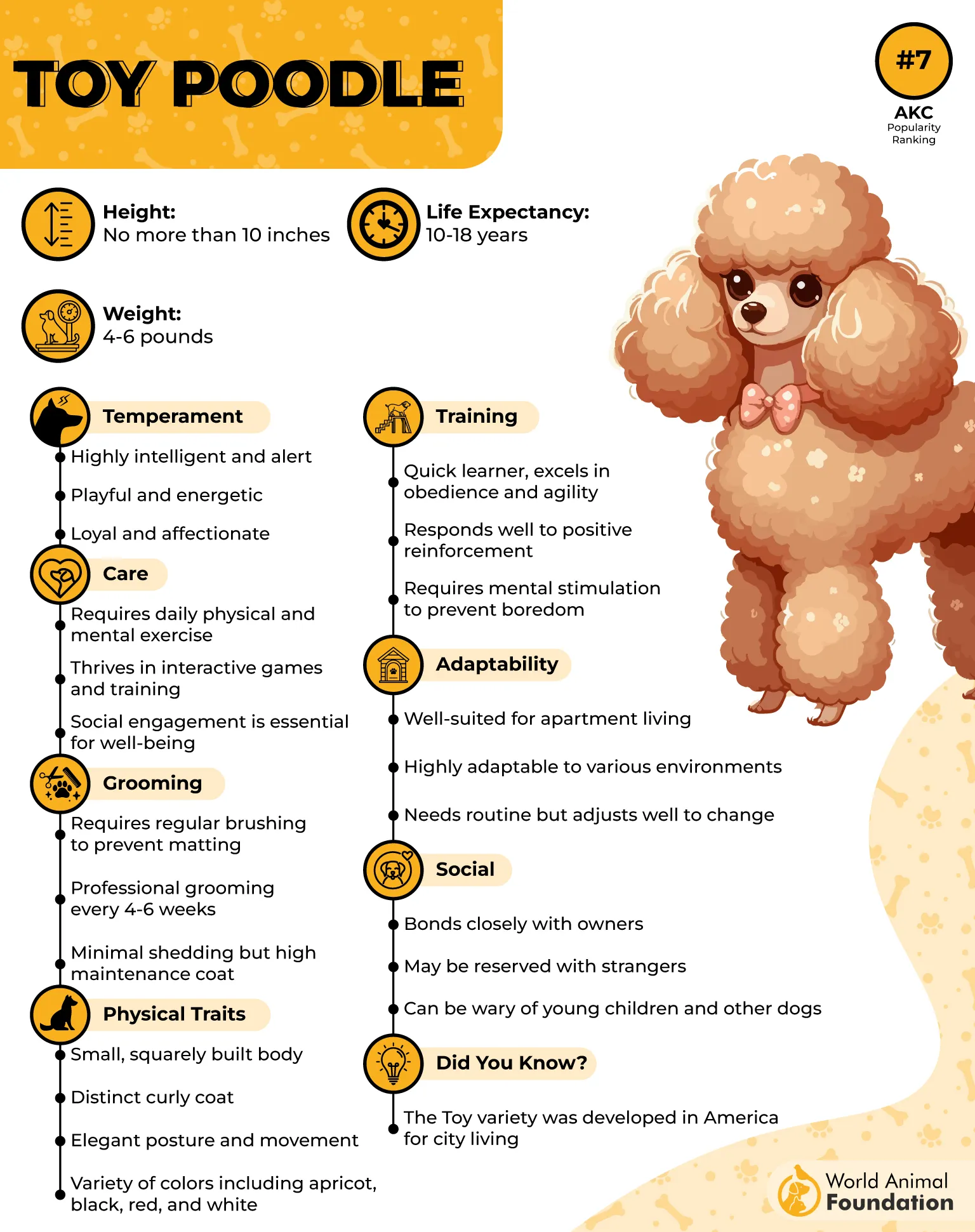
Their curly coat sheds very little, which can be appealing to owners who prefer less loose hair around the home. However, the coat continues to grow and needs regular brushing and grooming to stay neat and healthy, according to the American Kennel Club.
They are well suited to owners looking for a small, affectionate companion that is intelligent, responsive, and easy to train.
2. Brussels Griffon
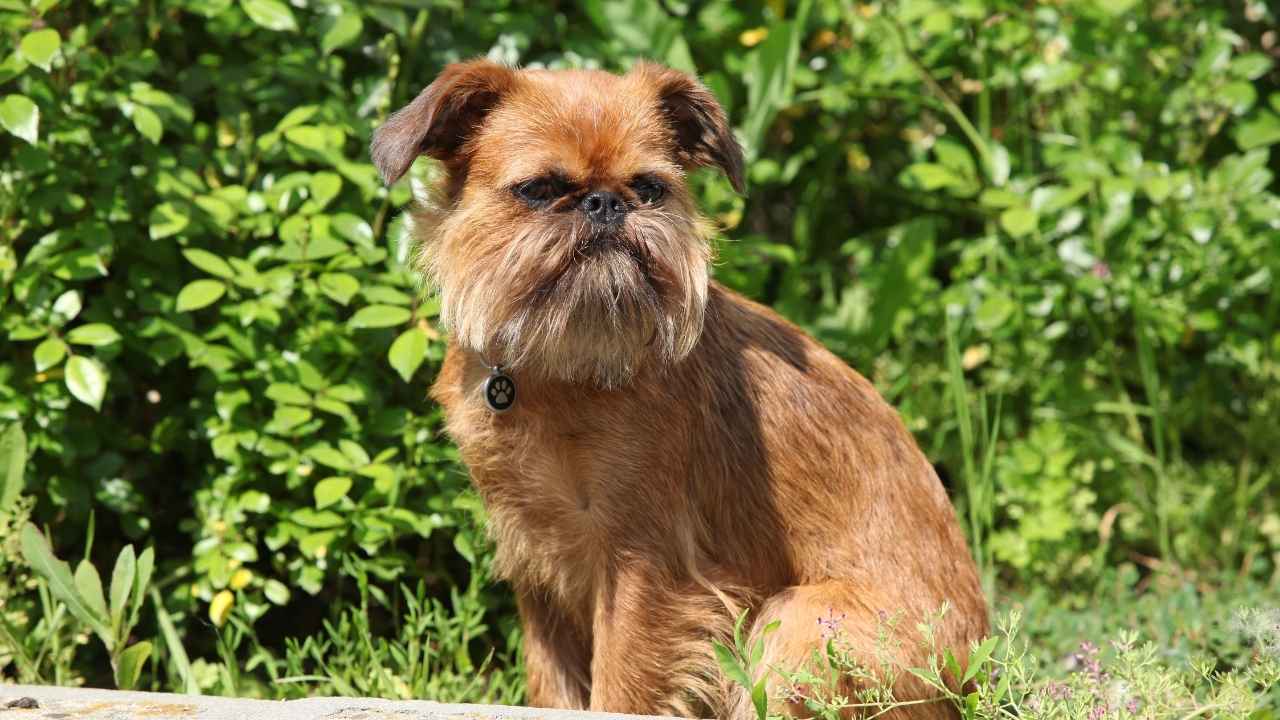
The Brussels Griffon is a small dog with a remarkably expressive personality. This breed often forms a close bond with its owner and usually enjoys being involved in everyday activities around the home.
It does not need a large living space to stay comfortable. Indoor games and short daily walks can provide useful exercise and stimulation. Brussels Griffons can adapt well to apartment living, especially when they receive plenty of attention and companionship from their owners.
Their strong attachment to people can be both a benefit and a challenge. Some Brussels Griffons may struggle when left alone for long periods. Patient, consistent training from an early age can help prevent unwanted habits. This curious breed can also enjoy puzzle toys and simple scent games that make indoor life more engaging.
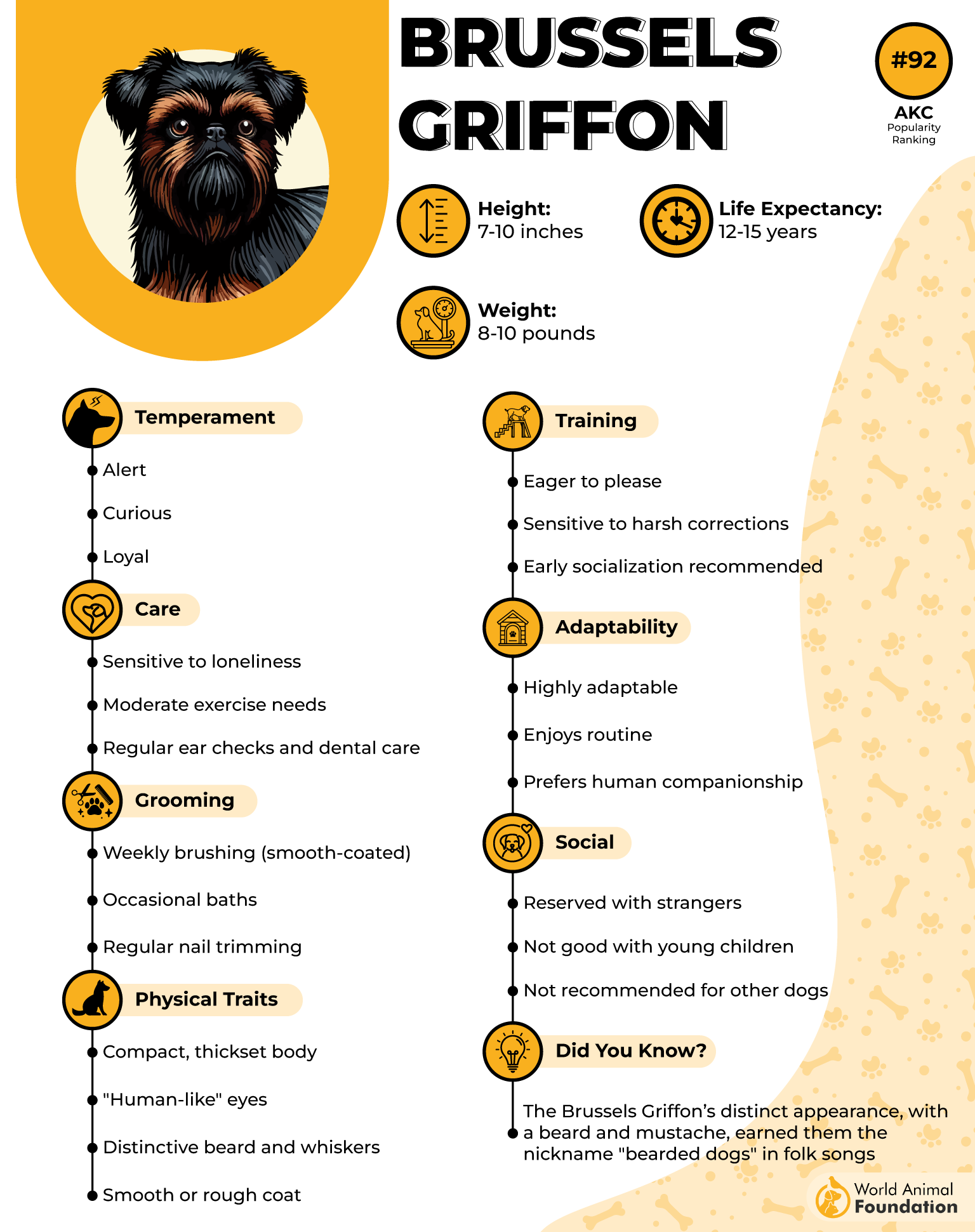
During hot weather, owners should take extra care because Brussels Griffons have short, flat faces, which can make it harder for them to tolerate heat and regulate their body temperature.
3. Shih Tzu
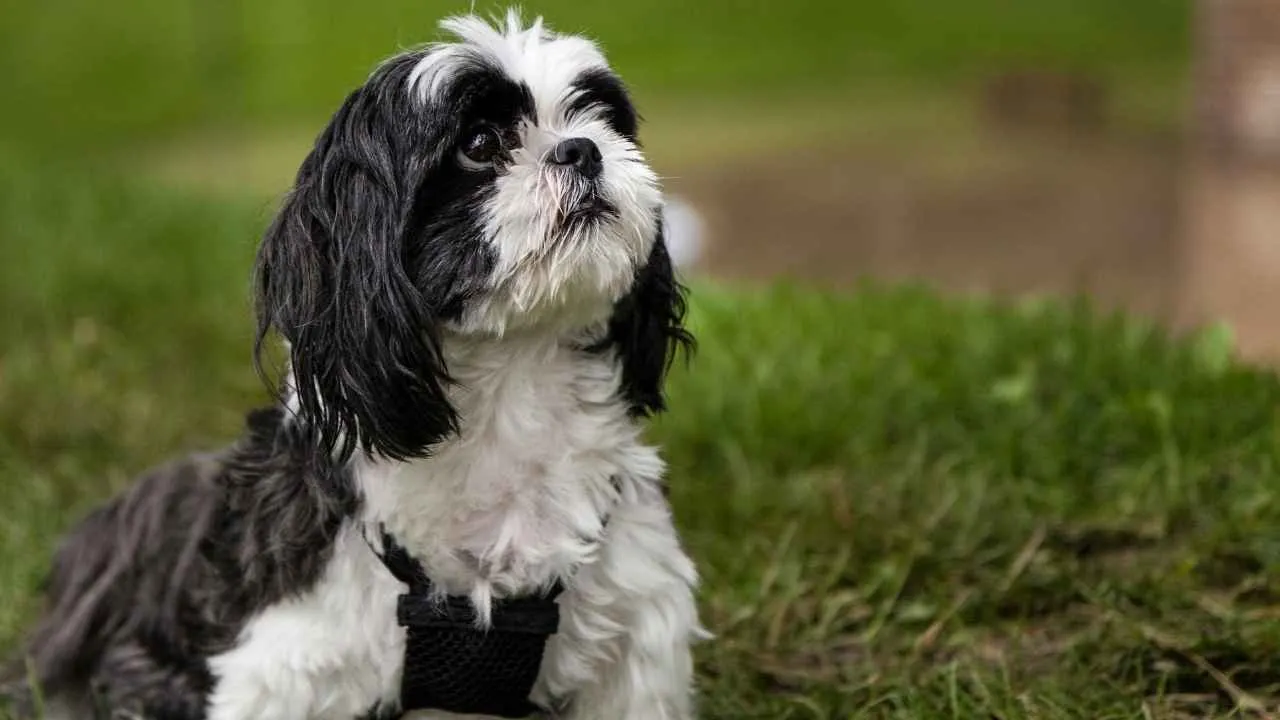
The Shih Tzu was originally bred for companionship, so it does not need a large amount of space to feel at home. This makes it one of the best apartment dogs for people living in smaller spaces.
It usually enjoys short walks, indoor play, and spending plenty of time with its family. This makes the breed a good choice for people who want a companion nearby throughout the day. A cozy indoor environment often suits a Shih Tzu well.
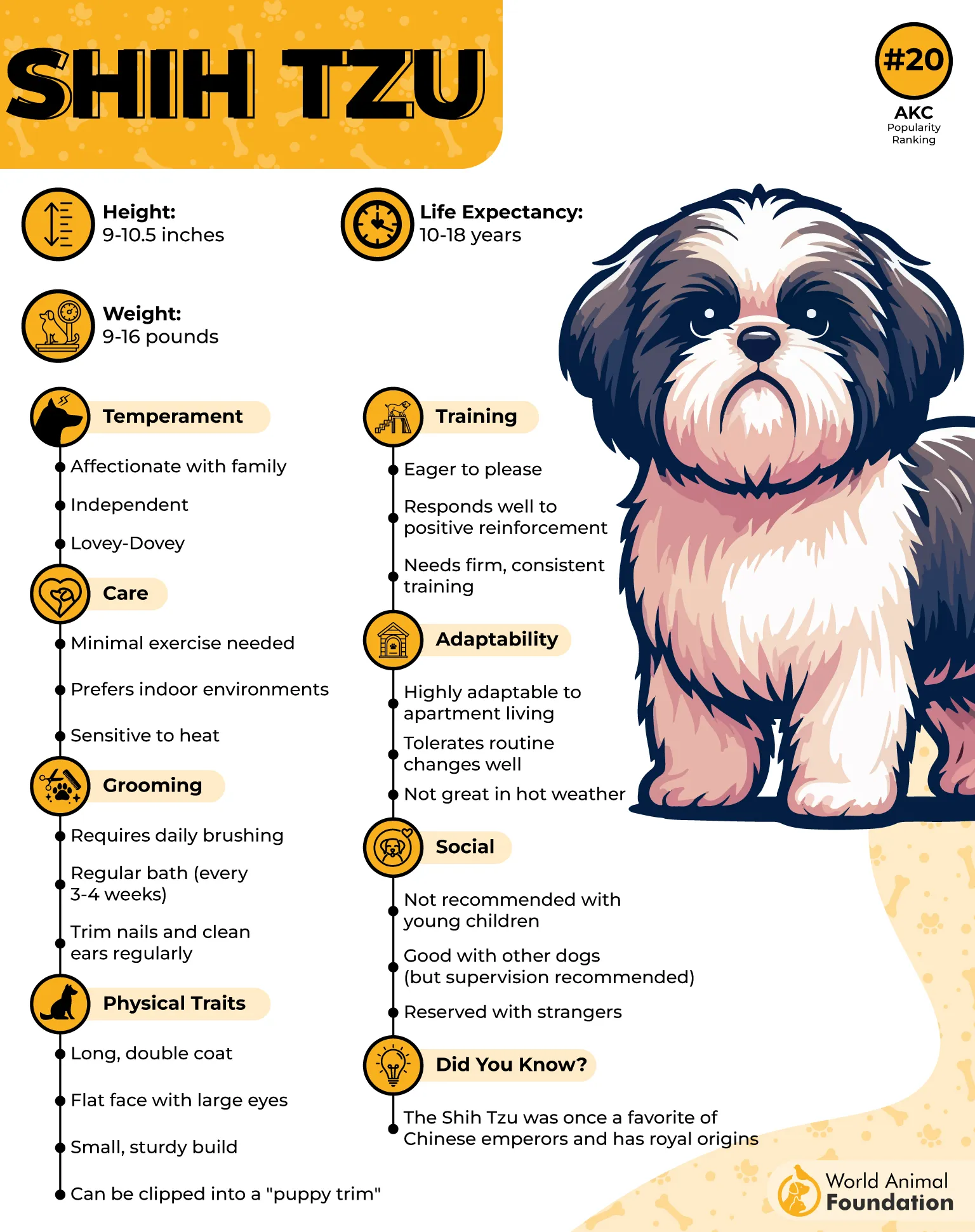
One of the main care requirements of this breed is its coat. The long, flowing hair needs regular brushing to help prevent tangles and mats. Many owners choose a shorter haircut to make grooming easier and more manageable.
Shih Tzus can also learn new commands with patient and consistent training. Short, positive training sessions are often more effective than long ones. Because of their short muzzles, owners should also be careful with heat and strenuous exercise, according to PetMD.
4. Pekingese
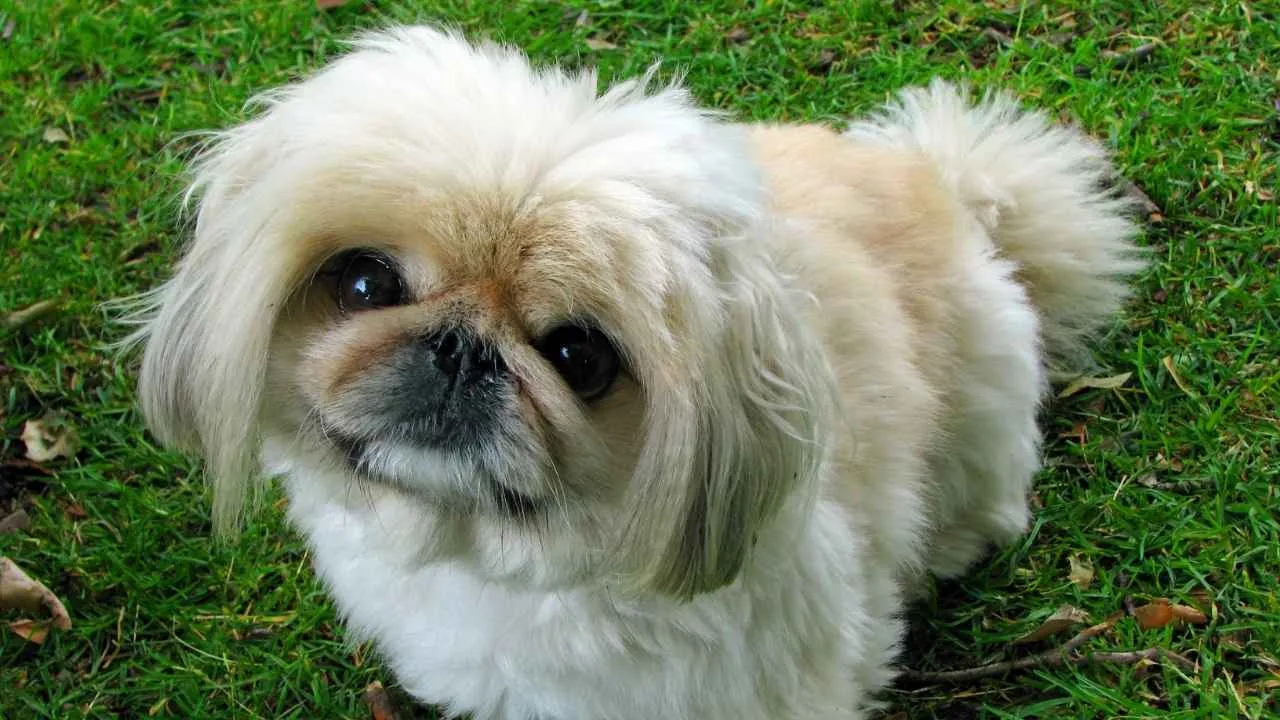
The Pekingese is a fairly independent dog compared with many companion breeds. It does not need constant entertainment and may prefer to choose when it wants to play or spend time with its owner.
This breed has relatively low exercise needs. Short walks can provide outdoor stimulation, while gentle indoor play can help keep it moving at home. Its long coat does require regular care, especially in areas where tangles and mats are more likely to form, according to Hill’s Pet.
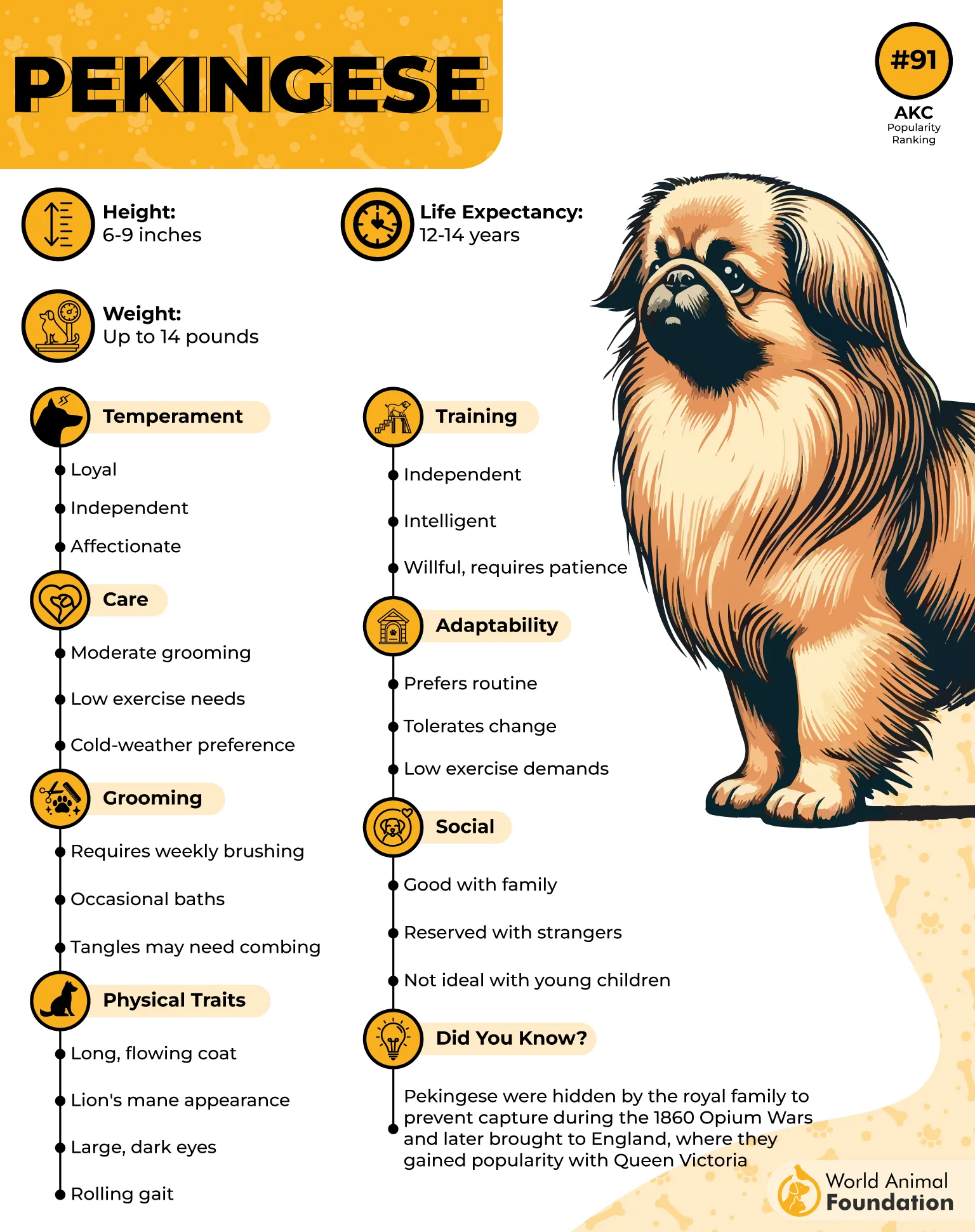
Hot weather can also be a concern because the Pekingese has a short, flat face. Strenuous activity should be limited, especially during warm parts of the day.
Pekingese dogs can be reserved around strangers and may alert their owners when something catches their attention. Early socialization can help them feel more comfortable around visitors and in unfamiliar situations.
Their small size and relaxed routine can make them a good match for owners with limited indoor space and a less active lifestyle.
5. Pugs
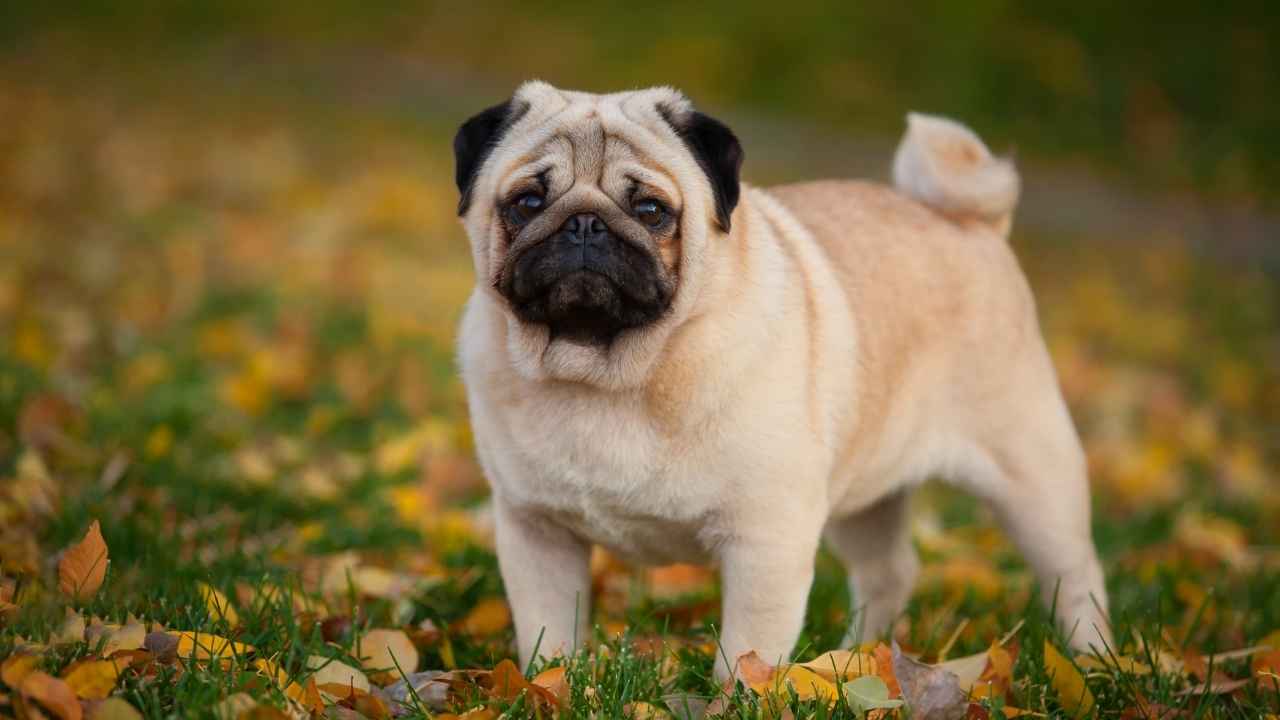
Pugs can adapt well to apartment living because they enjoy staying close to their families and do not need a large space to feel comfortable.
However, they are not suited to strenuous exercise. Their flat faces and short muzzles can make breathing and cooling down more difficult, especially in warm weather. Short walks are usually a better choice than intense activity, while gentle indoor play can provide extra exercise when it is too hot outside.
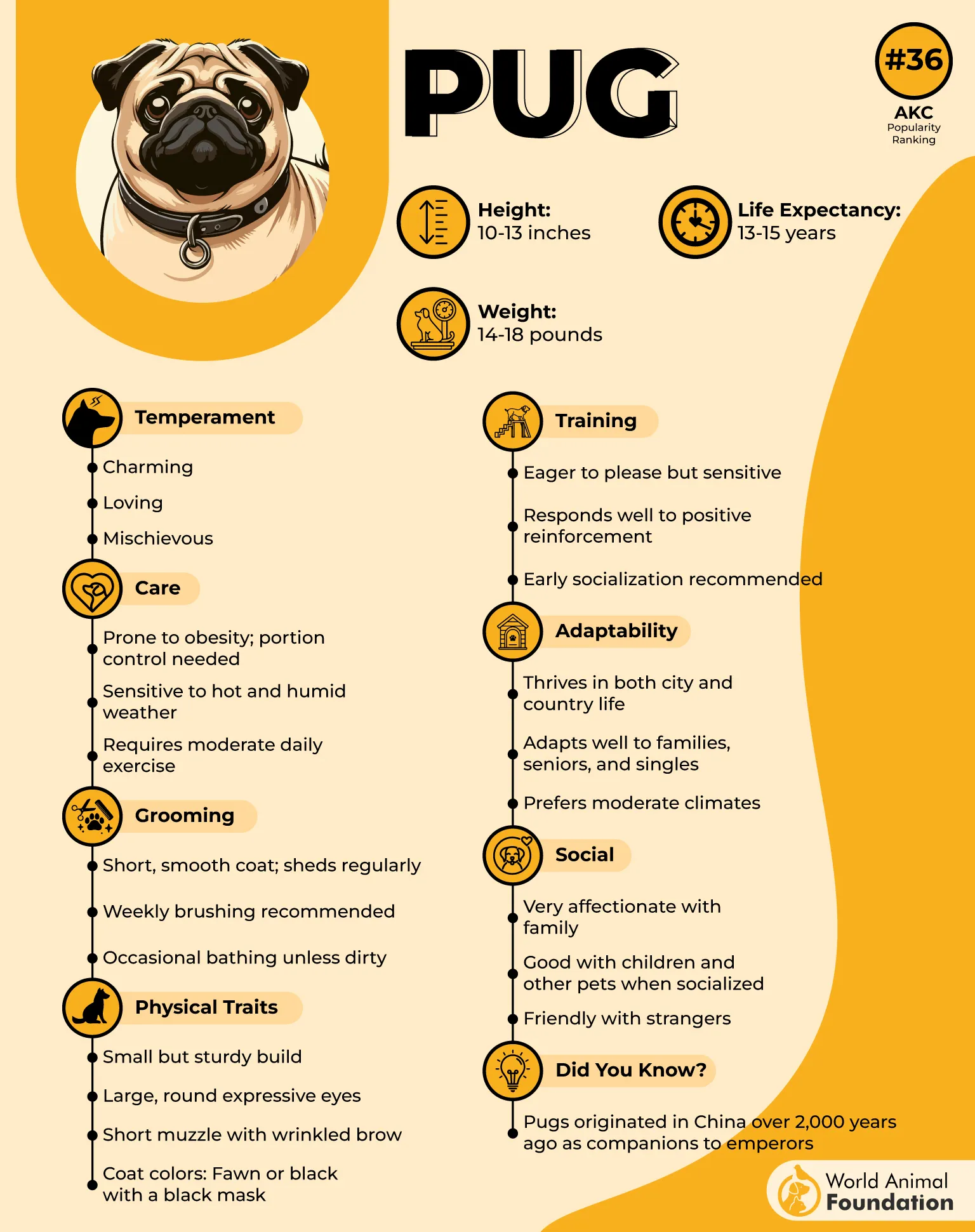
Weight management is especially important for Pugs. Extra weight can place more strain on their breathing, joints, and overall movement. Since apartment dogs may be less active, proper portion control and regular exercise can help reduce the risk of obesity.
Pugs also shed more than their short coats might suggest. Regular brushing can help remove loose hair and keep the coat in good condition. These social apartment dogs can be wonderful companions for people who spend plenty of time at home, as they usually prefer being involved in family life rather than being left alone for long periods.
6. Havanese
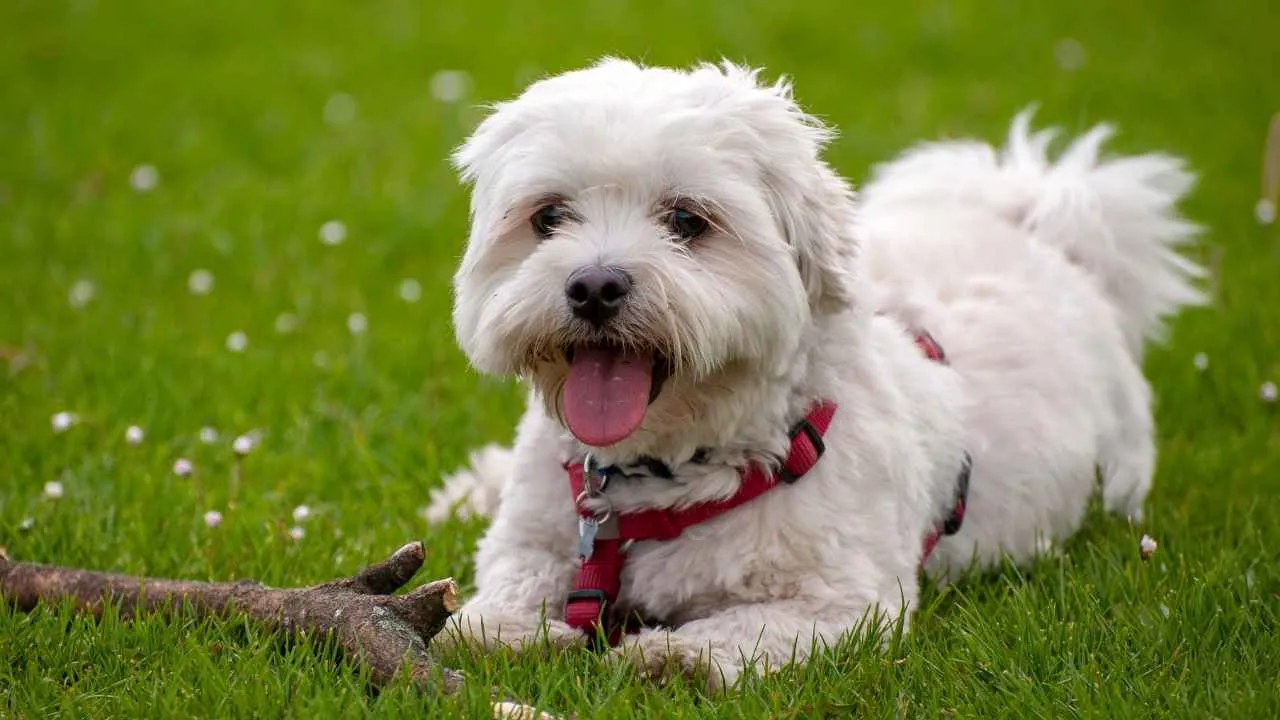
Havanese dogs are adaptable, social, and affectionate companions. Bred for companionship over many generations, they can make excellent apartment dogs and are usually happy to join their owners on daily walks.
They enjoy indoor play sessions and other activities that keep them engaged in smaller spaces. A Havanese may enjoy learning tricks, playing with toys, exploring the home, or simply spending time with family members.
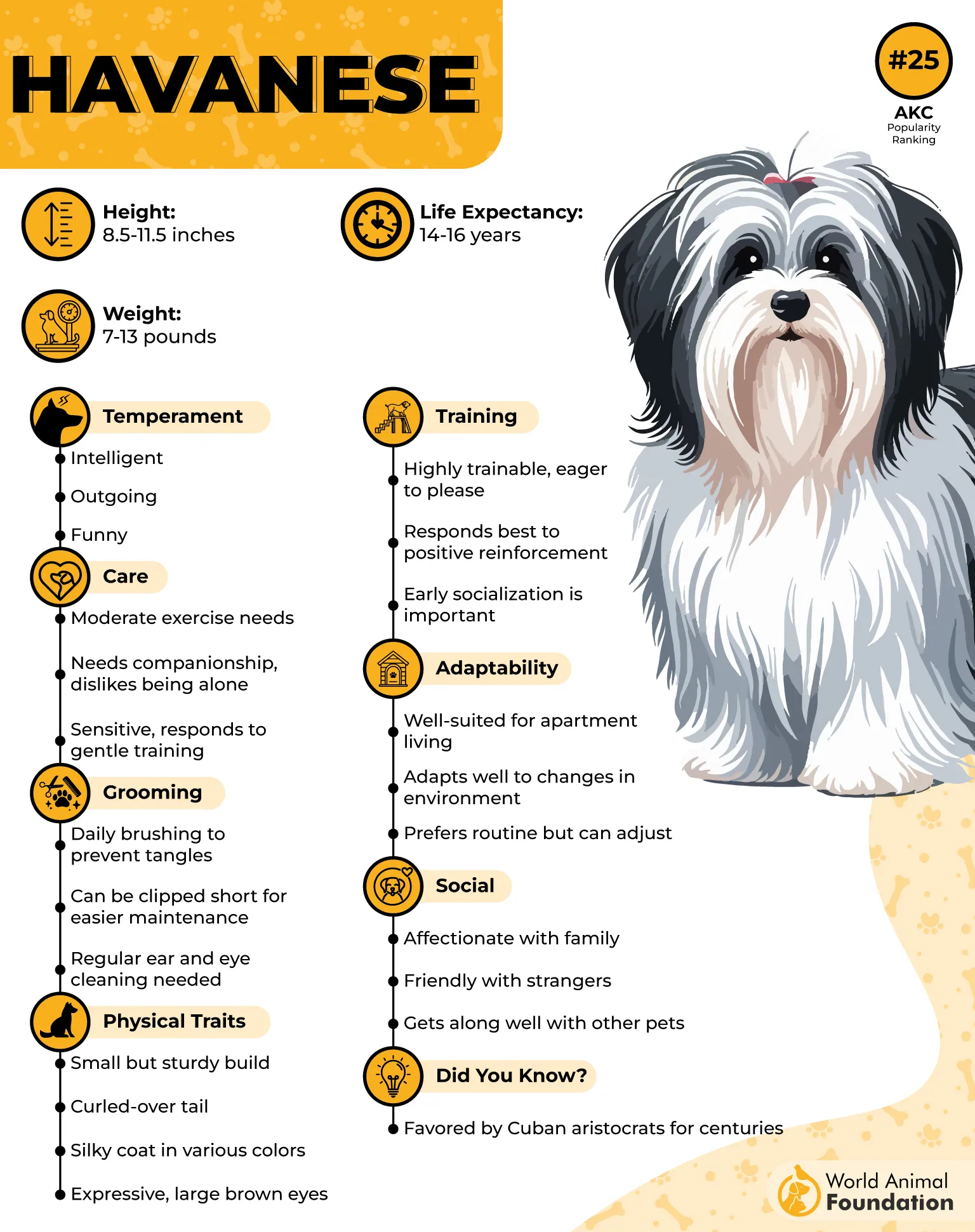
Their coat needs regular brushing to help prevent tangles and mats from forming. These friendly dogs also tend to enjoy meeting people, so early training can help them behave calmly and politely in shared spaces such as hallways and elevators.
Highly adaptable and people-oriented, the Havanese can be a good match for someone looking for a cheerful, interactive companion at home. They usually respond well to positive reinforcement and can adjust comfortably to apartment living.
7. Yorkshire Terrier
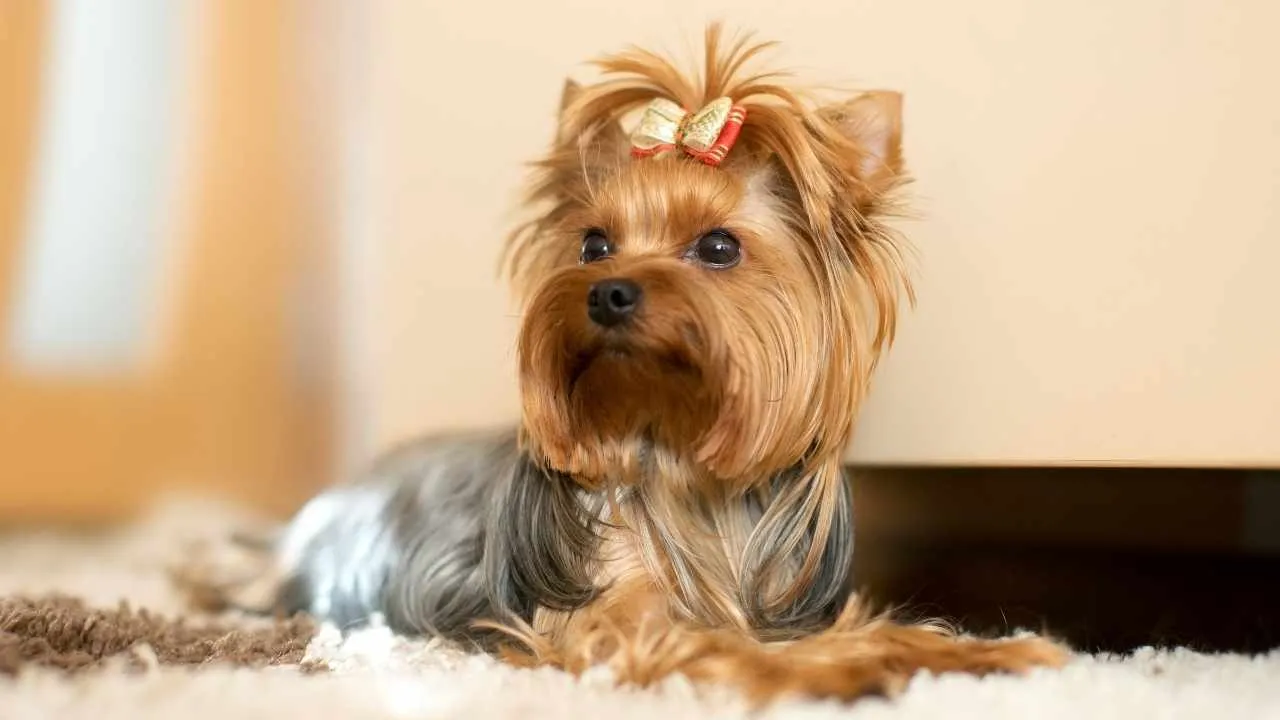
Yorkshire Terriers, or Yorkies, are among the smallest dogs on this list, but their Terrier background gives them a bold personality that often feels much bigger than their size.
These small dogs are vigilant, inquisitive, and quick to react to unfamiliar sounds. This alert nature can also make them effective little watchdogs. They enjoy short outdoor adventures, interactive games, and activities such as chasing a ball.
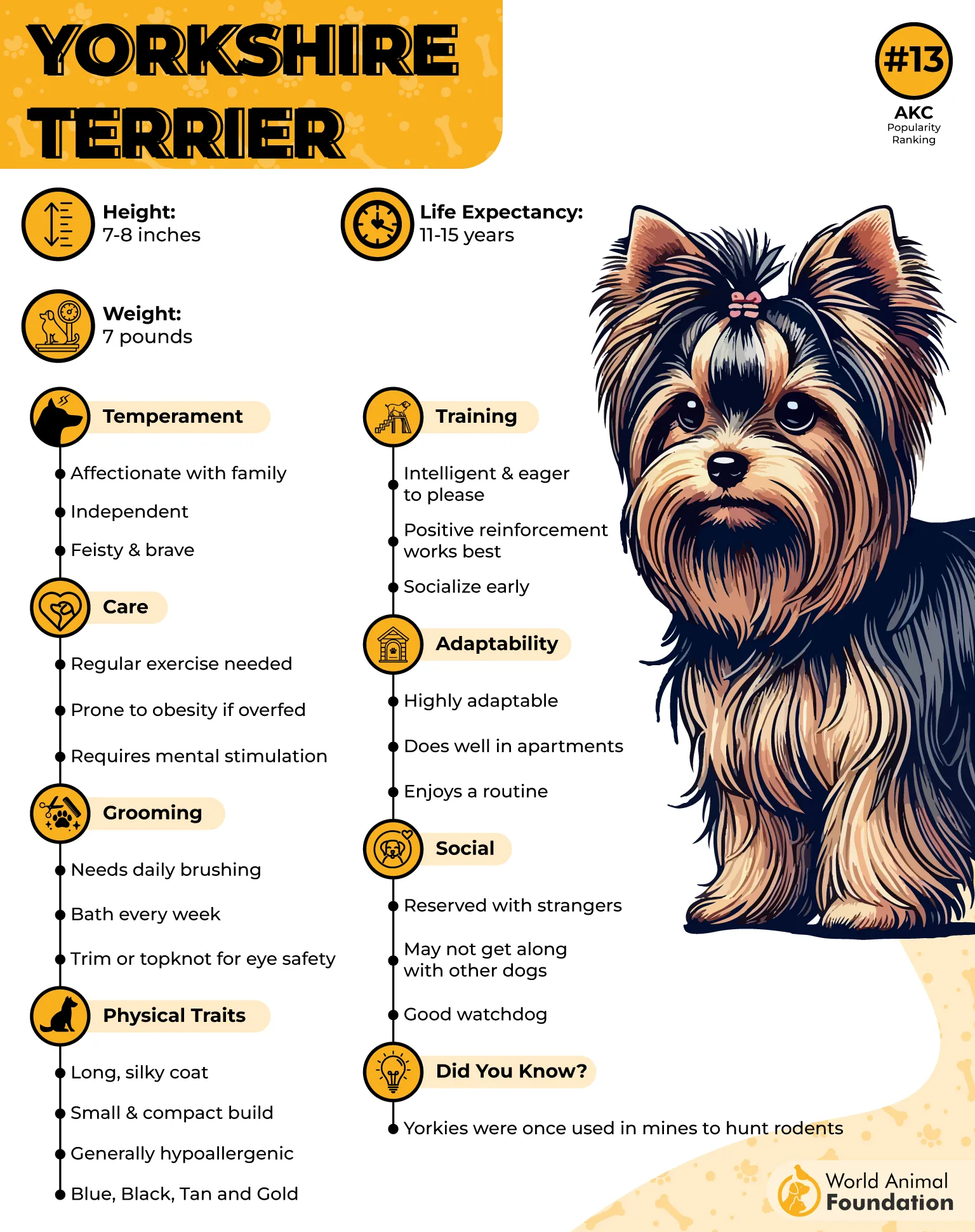
Without enough daily activity and regular walks, Yorkies may become restless or develop unwanted behaviors. They can also be prone to excessive barking and may react to sounds such as people passing through hallways or ringing doorbells. Although they are adaptable and thrive on human interaction, they still need regular exercise and mental stimulation when living in an apartment.
Yorkies are known for their distinctive long, silky coats. Regular brushing is important to prevent tangles and keep the coat looking neat. Grooming can require some extra effort, especially with a longer coat, which is why many owners also choose professional grooming.
Conclusion
Living in a small space can work wonderfully with the right canine companion. The small dog breeds on this list can adapt well to apartment life and often have friendly, affectionate personalities when given proper care, attention, and training.
Many dog breeds can stay calm and comfortable indoors, making them suitable for apartment dwellers or smaller home lifestyles. However, this does not mean they require less care. Regular veterinary checkups, daily exercise, mental stimulation, and good-quality food are still essential for their health and well-being.
We have highlighted some of the best apartment dog breeds to consider when choosing a pet for a compact home. With proper training, exercise, and socialization, these dogs can become well-mannered indoor companions and adjust comfortably to living close to neighbors.
