




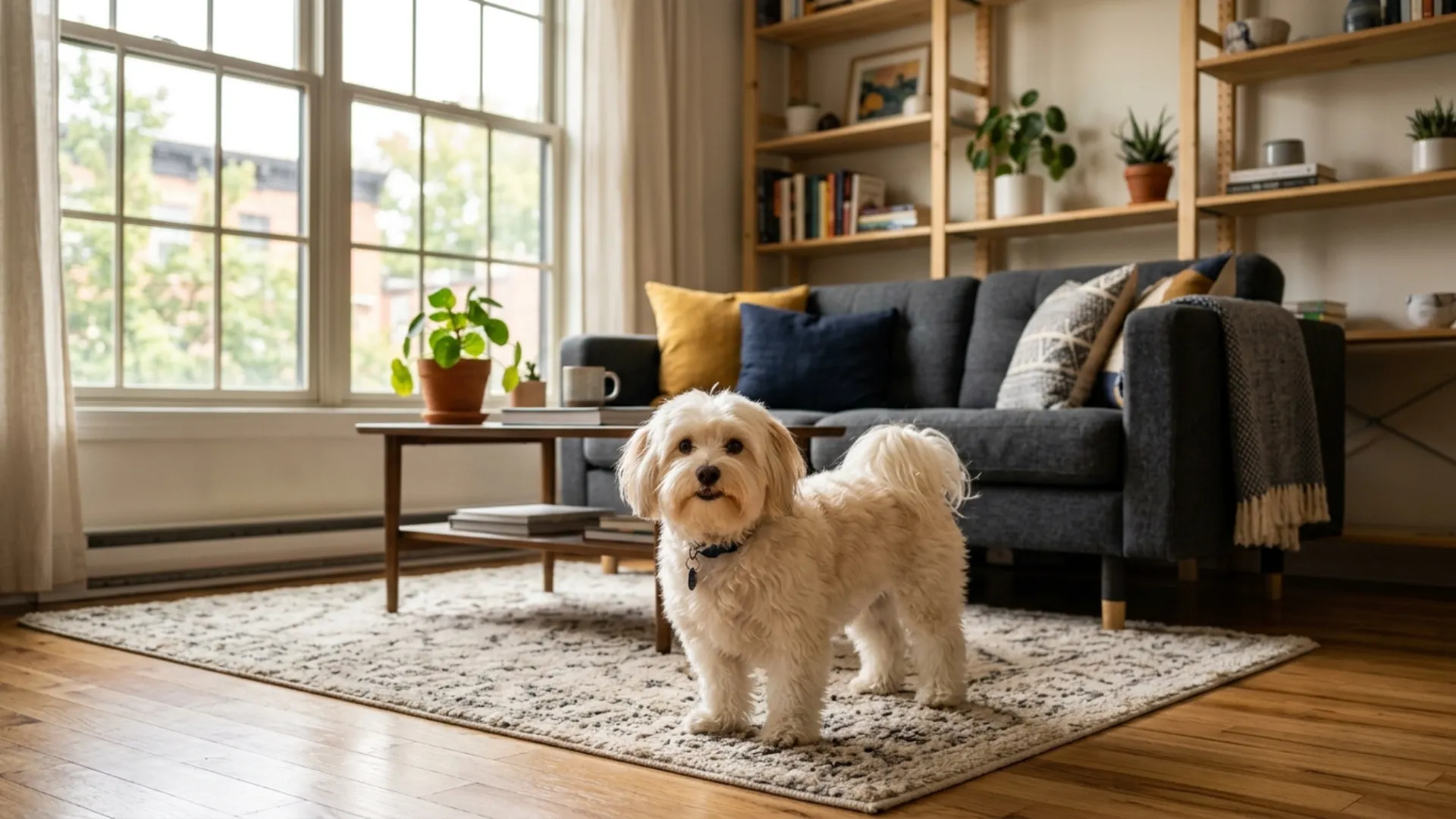
Living in a tiny apartment does not mean your dream of having a dog needs to stay permanently parked in the “maybe someday” folder. The right small companion can turn even a modest studio into a cozy home filled with personality, affection, and the occasional dramatic demand for snacks.
Small breeds are often easier to accommodate because their beds, crates, toys, and food stations take up less space. However, a compact body does not automatically equal low energy, flawless manners, or zero maintenance, since many little dogs are clever, athletic, vocal, and surprisingly determined.
The Toy Group breeds are generally sociable and adaptable, yet many remain energetic, intelligent, and protective despite their miniature dimensions.
Let us meet the charming little residents who can make tiny living quarters feel like the most exciting address in town.
Charming Dog Breeds for Tiny Living Quarters
1. Yorkshire Terrier
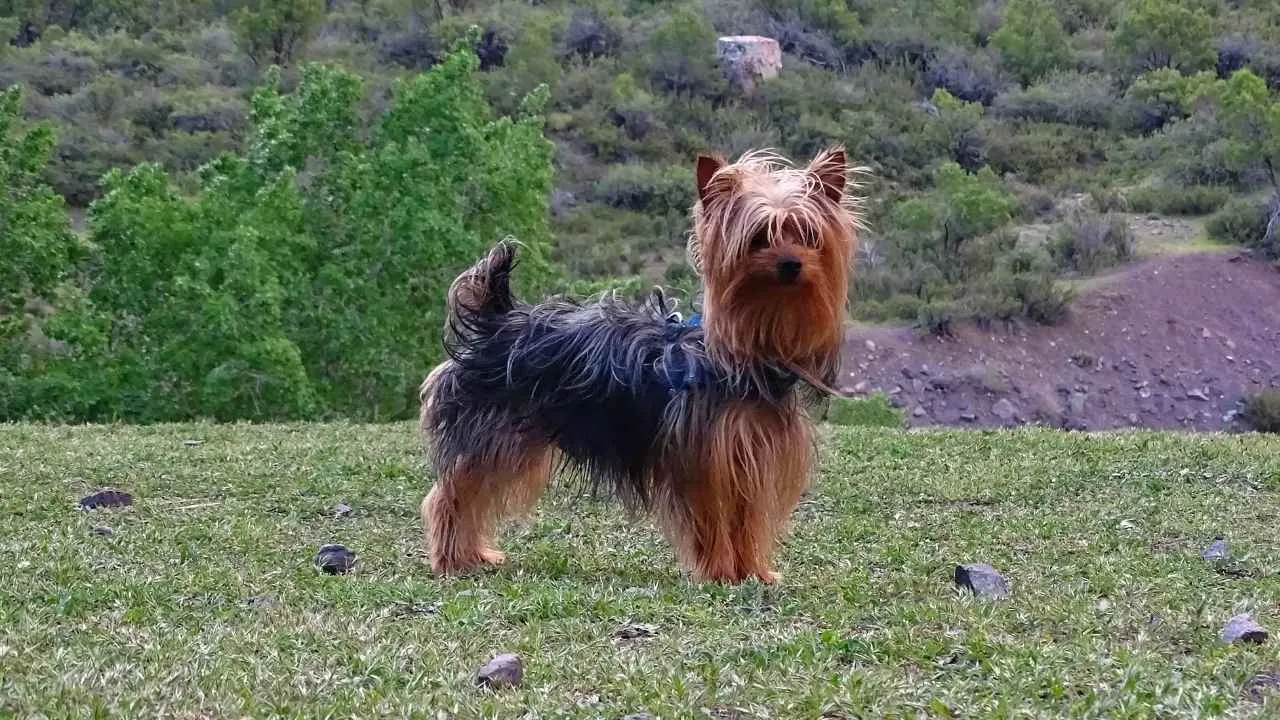
The Yorkshire Terrier may look like a delicate handbag celebrity, but beneath that silky coat lives a confident terrier with opinions, courage, and main-character energy. Adult Yorkies’ physical footprint is convenient for studios, flats, and compact city homes.
PetMD describes them as tiny dogs with unusually bold personalities, a combination that has earned the breed its memorable “tomboy toy” reputation.
They may follow an owner from the desk to the kitchen to the sofa, as though supervising a highly important corporate operation. This closeness can make them wonderful companions for remote workers, retirees, or residents who spend substantial time at home, although gradual independence training remains important.
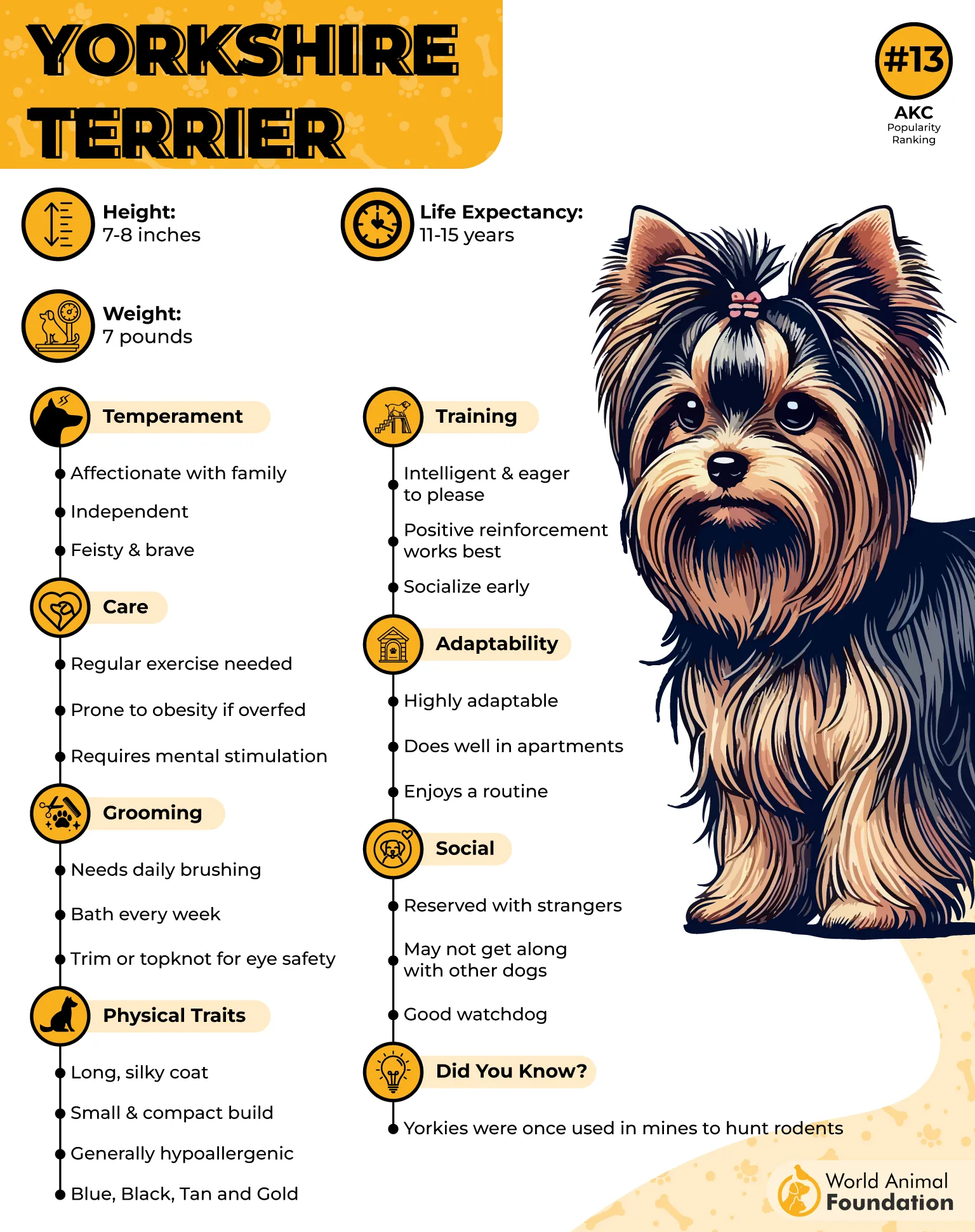
Their intelligence makes them capable learners, but their terrier heritage can add a spicy little streak of stubbornness. Reward-based training, short sessions, and consistent household rules usually work better than harsh corrections or repetitive drilling.
Early socialization can help a Yorkie respond more calmly to elevators, hallway sounds, delivery workers, visitors, and other dogs encountered in shared residential spaces.
Yorkies need daily activity despite their portable proportions, and they often enjoy brisk walks, training games, and indoor play. Their alert nature may lead to frequent barking when they hear doors closing or footsteps outside, so teaching a quiet cue is extremely useful in buildings with close neighbors.
With sufficient enrichment and polite-noise training, this miniature terrier can become a lively, affectionate roommate rather than the unofficial alarm system for the entire floor.
2. Havanese
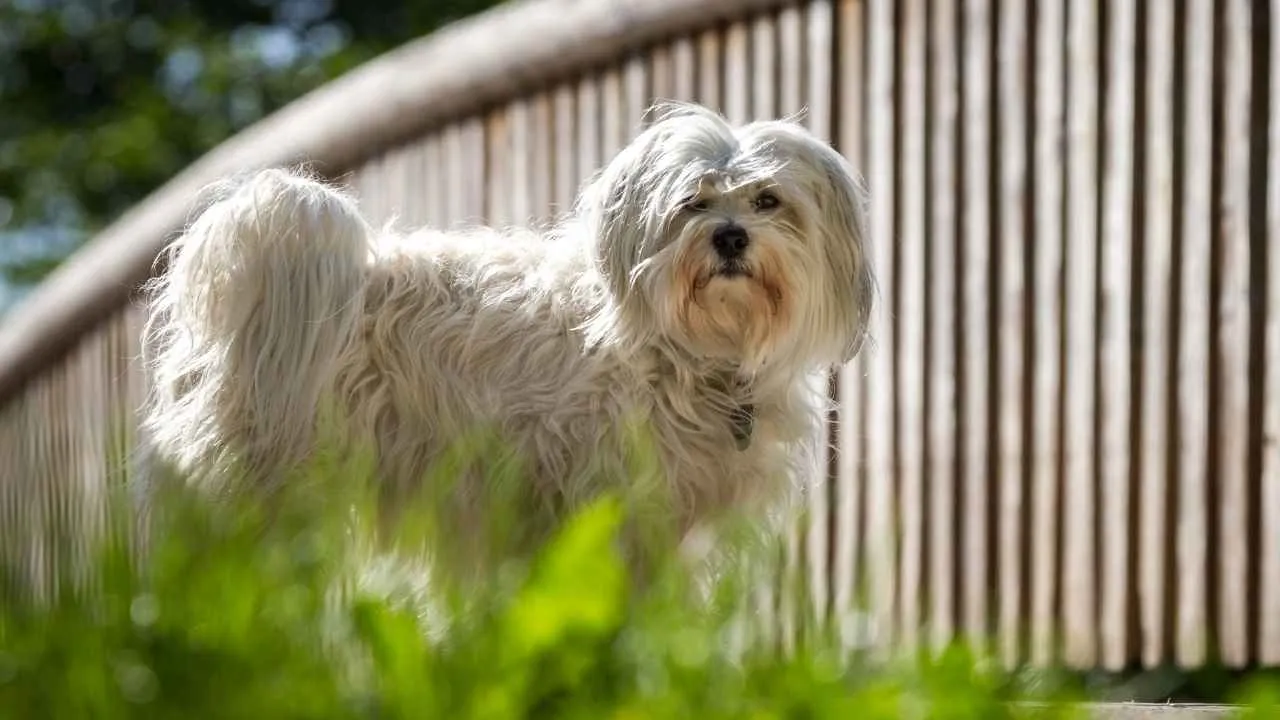
The Havanese is a cheerful companion dog known for combining a portable frame with a highly social personality. Developed in Cuba, the breed belongs to the ancient Bichon family and shares probable ancestry with dogs such as the Maltese and Bichon Frise.
Their friendly nature and manageable size can make them a strong match for residents who want an affectionate dog without needing a suburban-sized floor plan.
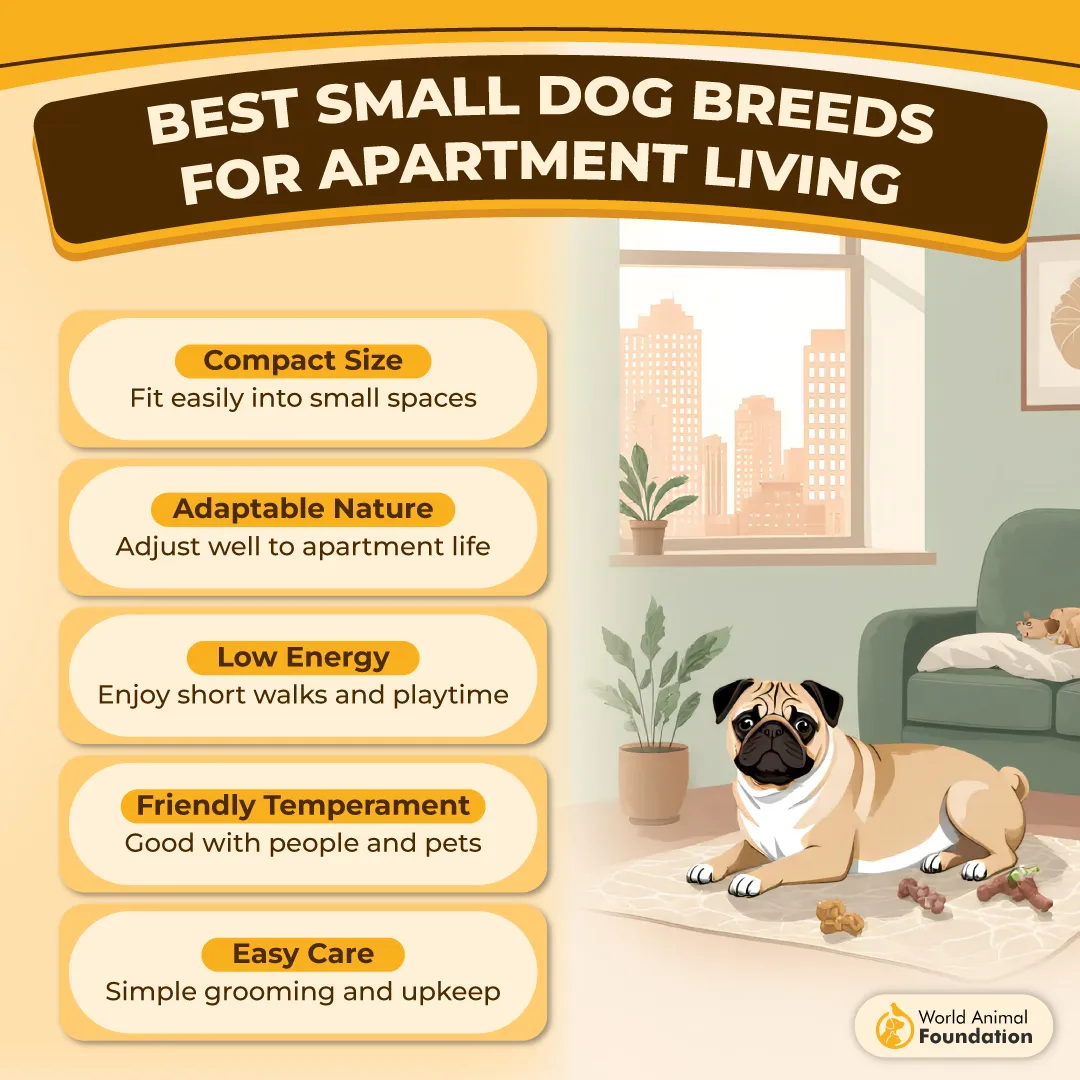
These dogs generally enjoy being near their families and can become deeply invested in household activities. Because they thrive on companionship, owners should help them learn to remain relaxed during short periods alone rather than allowing constant closeness to become separation distress.
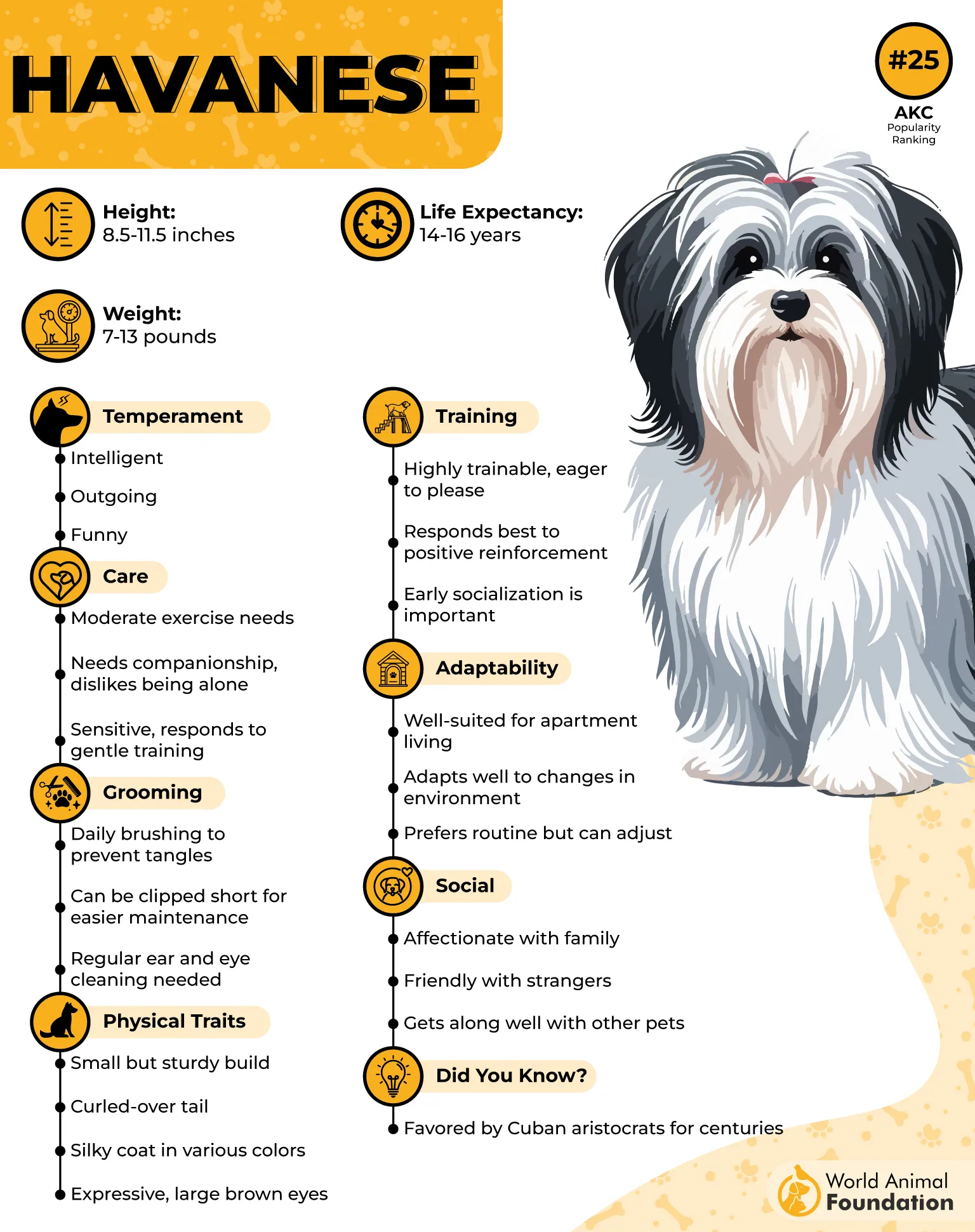
Havanese dogs are typically bright, responsive, and enthusiastic about training when treats and praise are involved. Their playful personality suits trick training, beginner obedience, puzzle games, and gentle indoor agility using cushions, tunnels, or low obstacles.
Consistent toilet training is essential in apartments, especially because small dogs have smaller bladders and may need more frequent outdoor opportunities.
A Havanese usually benefits from daily walks, play sessions, and varied mental activities rather than extreme physical exercise. They can enjoy city life when carefully introduced to traffic, strangers, public spaces, and varied surfaces during socialization.
3. Pug
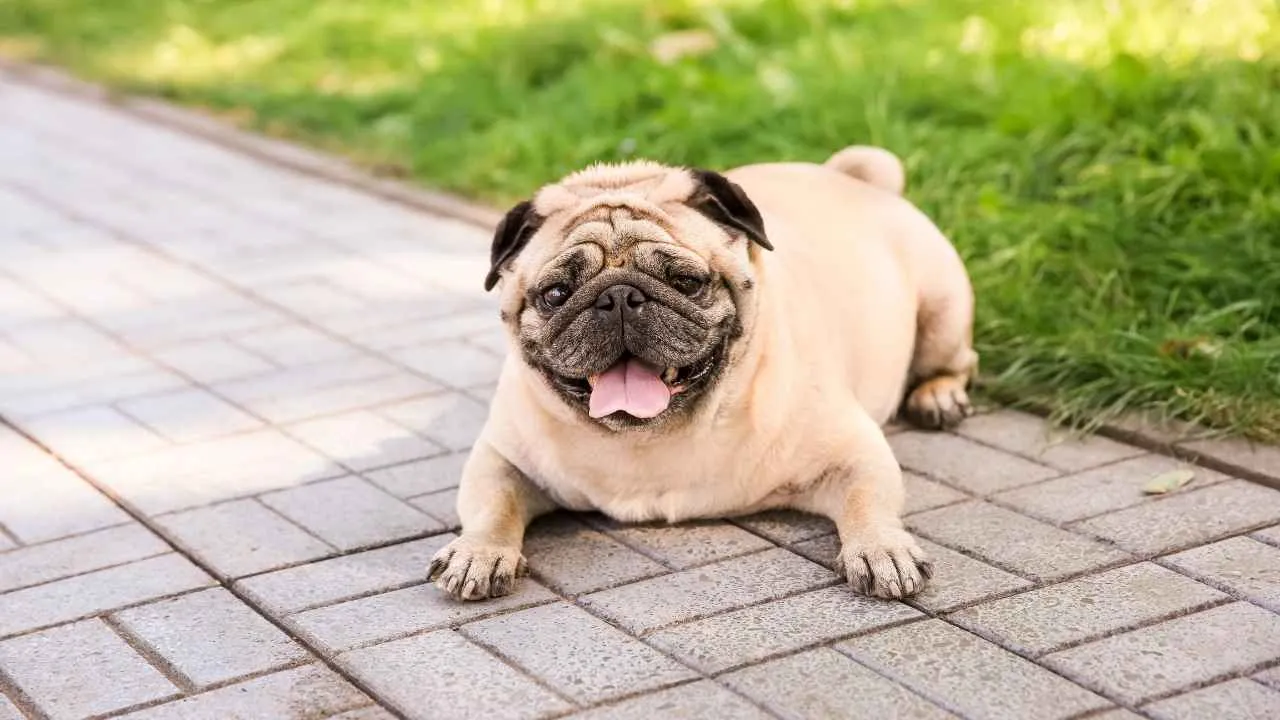
The Pug is essentially a compact comedian wrapped in wrinkles, complete with expressive eyes and a talent for appearing personally betrayed when dinner is three minutes late. These small dogs are affectionate, sociable, and often happiest when stationed near their favorite humans.
They generally do not require marathon-level exercise, but they still need regular walks and play to support healthy weight and mobility. Because they are often highly food-motivated, portion control matters as much as activity does, especially when several household members believe they are the only ones distributing treats.
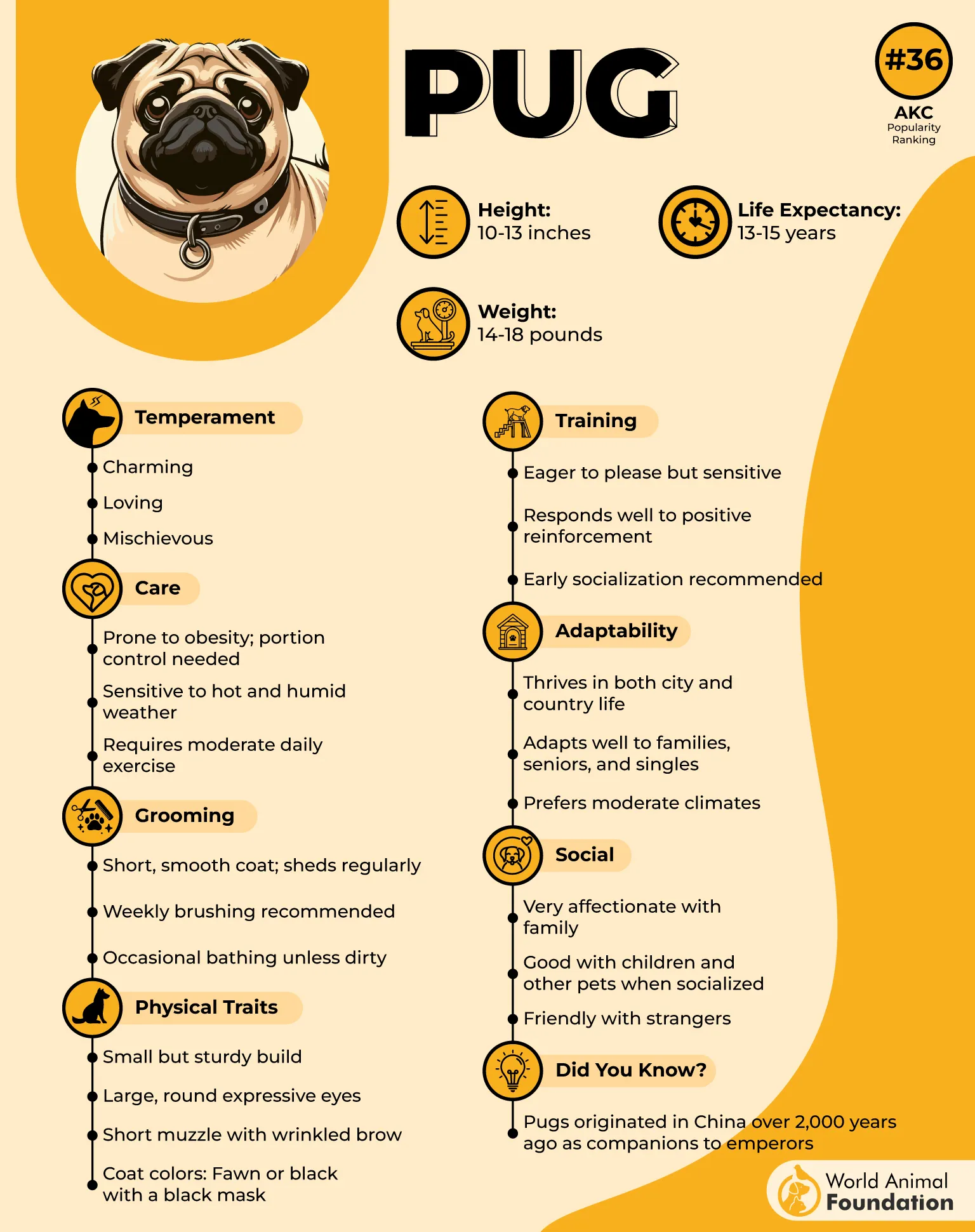
Their short coat is easier to maintain than a flowing companion-dog coat, although Pugs can shed more than new owners expect. Weekly brushing helps collect loose hair before it becomes a permanent design feature on the sofa.
The breed’s flat-faced anatomy makes heat and strenuous exercise particularly concerning. Warm rooms, midday summer walks, intense running, and poorly ventilated spaces may increase the risk of overheating, so owners must plan activities carefully and watch for signs of breathing difficulty.
Omlet UK advises extra caution with exercise during hot weather because excessive activity can dramatically increase the danger of heatstroke.
Pugs are usually entertaining housemates because they combine bursts of silliness with an impressive commitment to napping. They may snore, snuffle, follow people everywhere, and produce facial expressions worthy of an entire reaction-meme library.
4. Shih Tzu
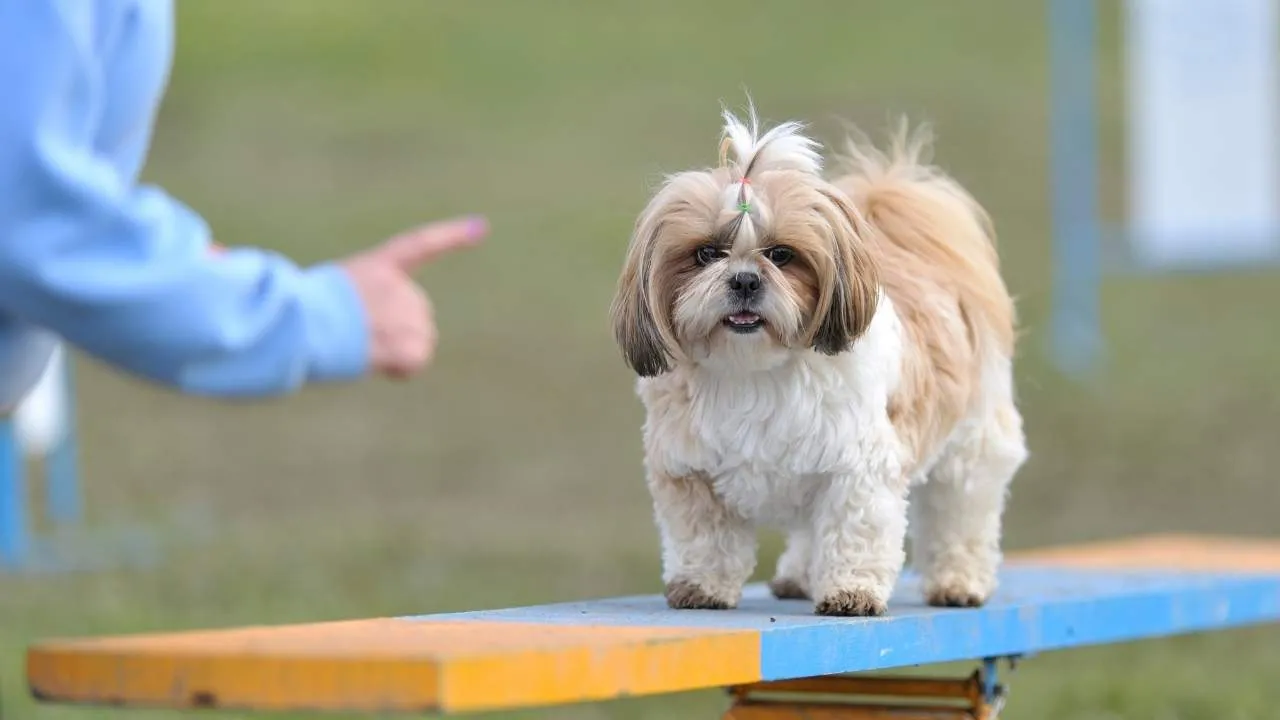
The Shih Tzu has centuries of companion-dog experience and carries itself like a tiny royal guest who has graciously agreed to share your apartment. Originally bred primarily for companionship, these dogs often value closeness, comfort, and attention more than access to a huge garden.
Their affectionate temperament can work beautifully in homes where someone wants a relaxed but engaging companion. Individual personalities differ; however, some are outgoing social butterflies, while others need a slower introduction to unfamiliar people or environments.
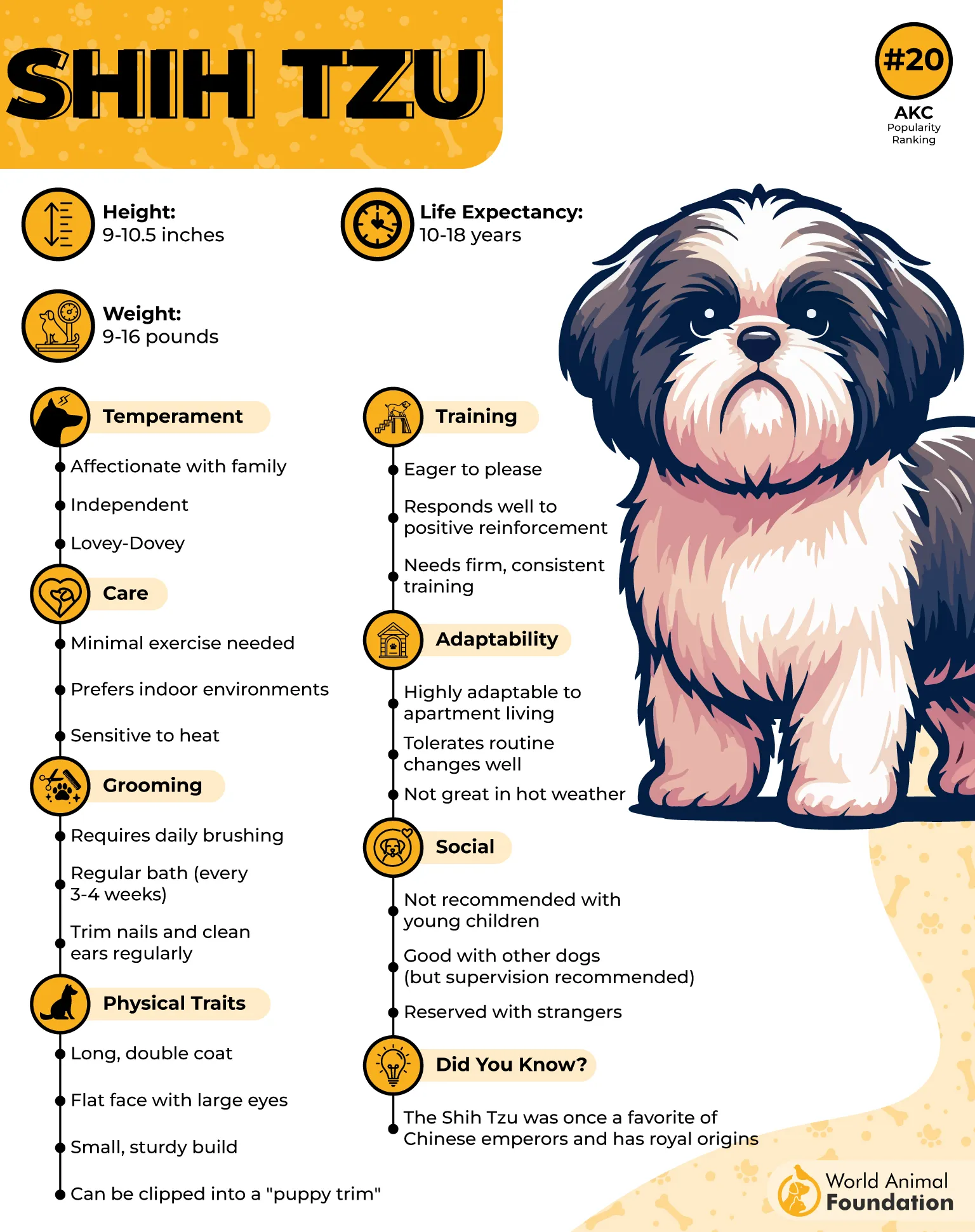
Training a Shih Tzu requires patience, consistency, and enough creativity to convince the dog that your suggestion was secretly its idea. Short reward-based sessions are usually more successful than lengthy repetition, particularly for toilet training and polite leash behavior.
Owners in high-rise buildings should establish a dependable bathroom routine because elevator delays and bad weather can complicate urgent outdoor trips.
The signature long coat needs frequent brushing to prevent knots and matting, especially around the face, ears, legs, and tail. Many pet owners select a shorter trim that preserves the breed’s adorable expression while making everyday maintenance more realistic.
Walks are best adapted to the individual dog’s breathing, age, health, and the local temperature rather than a rigid daily target. With careful health management, sensible grooming, and regular companionship, this elegant little dog can settle comfortably into a modest home without acting remotely modest about it.
5. Maltese
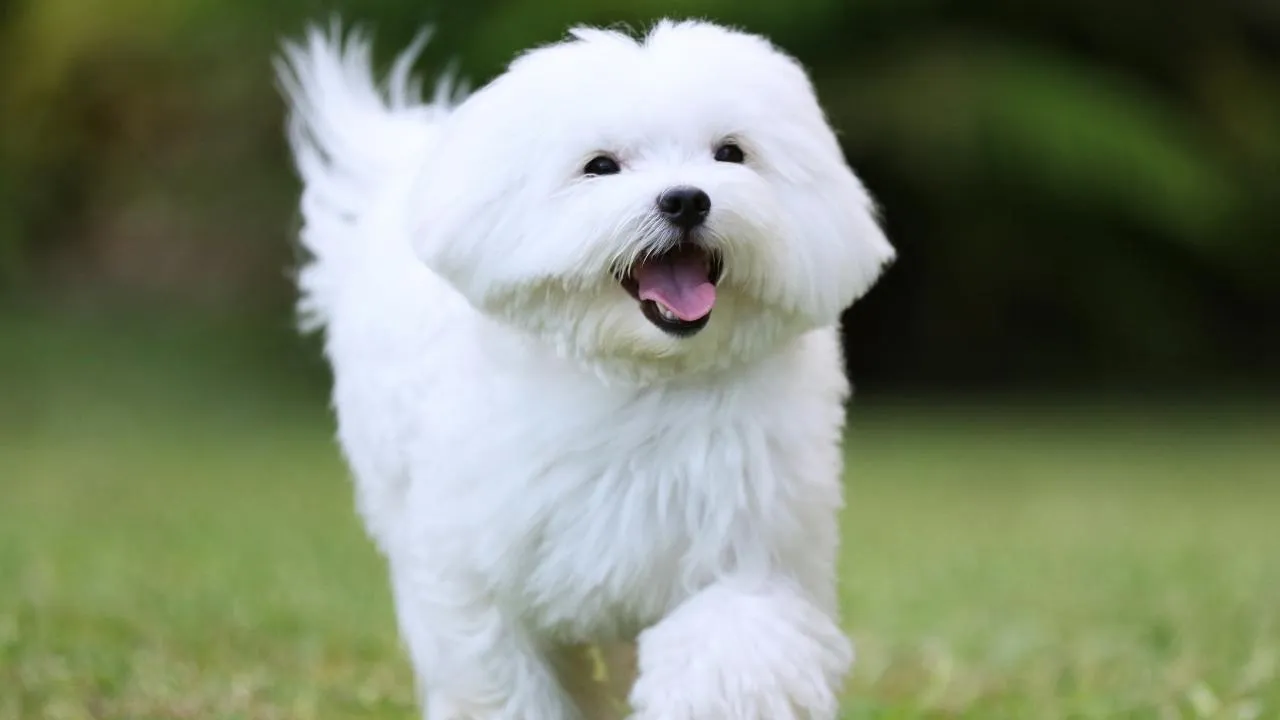
The Maltese resembles a tiny cloud that has achieved consciousness and immediately decided to sit on your lap. Beneath the white coat is a bright, lively companion that can be affectionate with family while remaining somewhat reserved around unfamiliar people.
PDSA characterizes Maltese dogs as friendly, intelligent, sweet-natured members of the Toy group that generally do not require extensive exercise.
Their extremely small size makes beds, feeding stations, and play areas easy to fit into limited rooms. However, Maltese dogs are not fragile ornaments and usually enjoy walks, games, training, and participation in daily life.
Owners should supervise interactions with larger dogs and young children because accidental rough handling can injure such a petite animal.
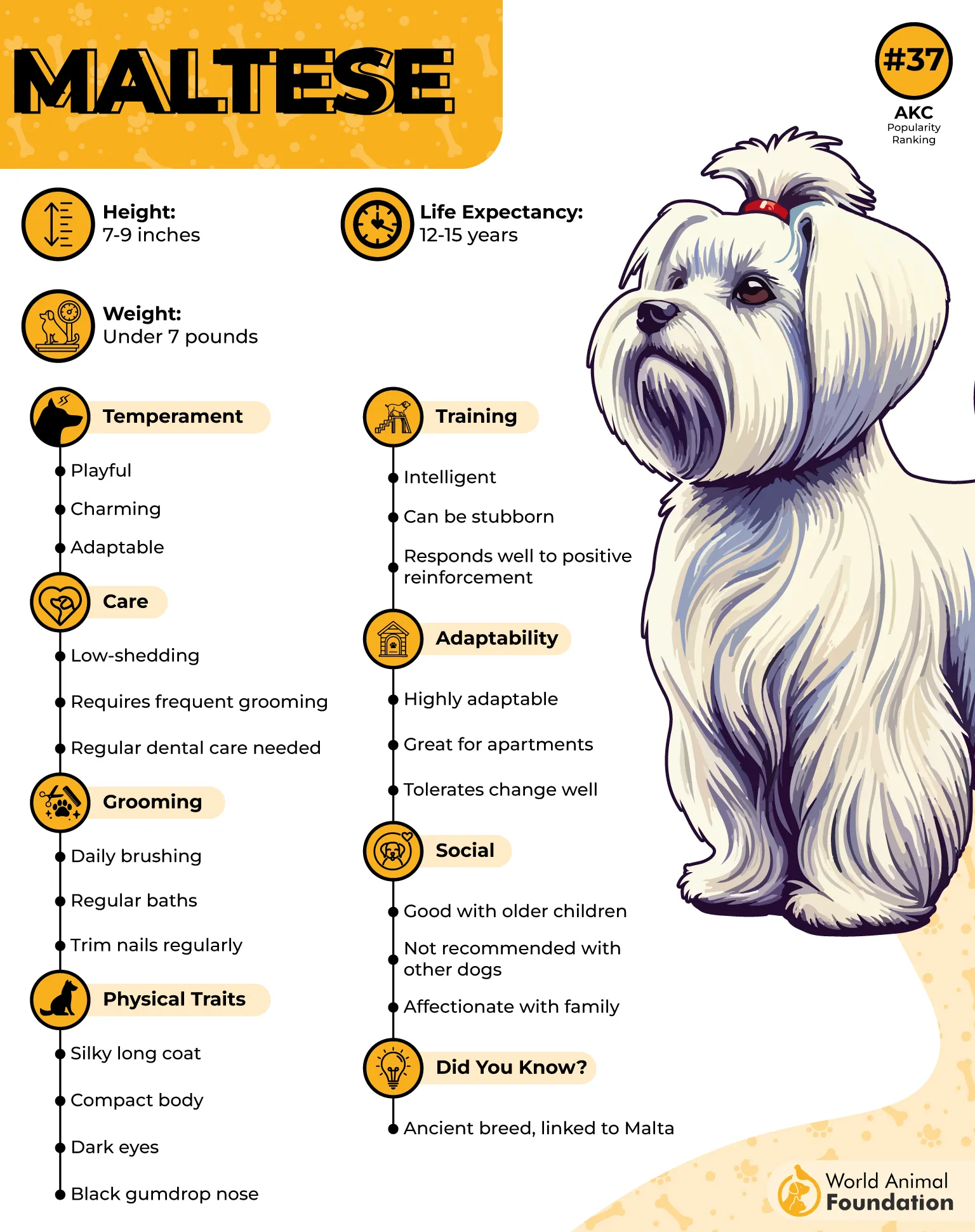
These dogs are clever enough to learn obedience cues, household routines, and entertaining tricks, especially when training remains upbeat. They may also learn less desirable patterns, such as barking to summon attention, when humans respond every single time.
Positive reinforcement, rewarding quiet behavior and teaching a predictable settling routine, can prevent apartment noises from becoming a nightly neighborhood podcast.
The traditional floor-length coat demands regular brushing, careful bathing, and protection from matting. A shorter cut is a popular, practical choice, though fine hair still requires consistent combing and professional maintenance.
Maltese dogs often enjoy close companionship and may happily curl up beside someone after a short play session. They can adapt to urban life with enough socialization, exercise, toilet breaks, and gradual practice of being alone.
6. Bichon Frise
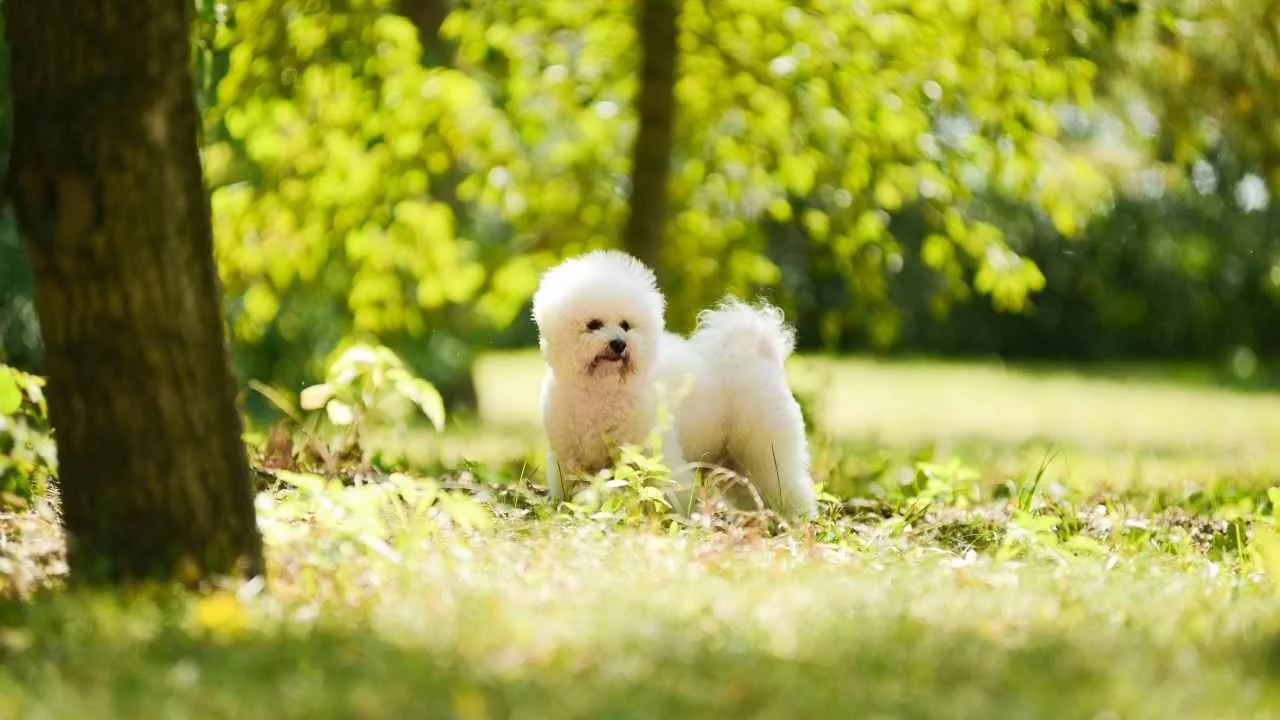
The Bichon Frise brings the visual energy of a plush toy and the social confidence of someone who already knows every guest came specifically to see them. These cheerful dogs are typically affectionate, playful, and eager to participate in family life.
A Bichon’s manageable size suits apartments, but its personality still requires daily engagement. These dogs often enjoy meeting people, learning tricks, exploring on walks, and following their humans through every room like a fluffy personal assistant.
Their sociability can become challenging when they are left alone for long periods, making gradual alone-time training an important life skill.
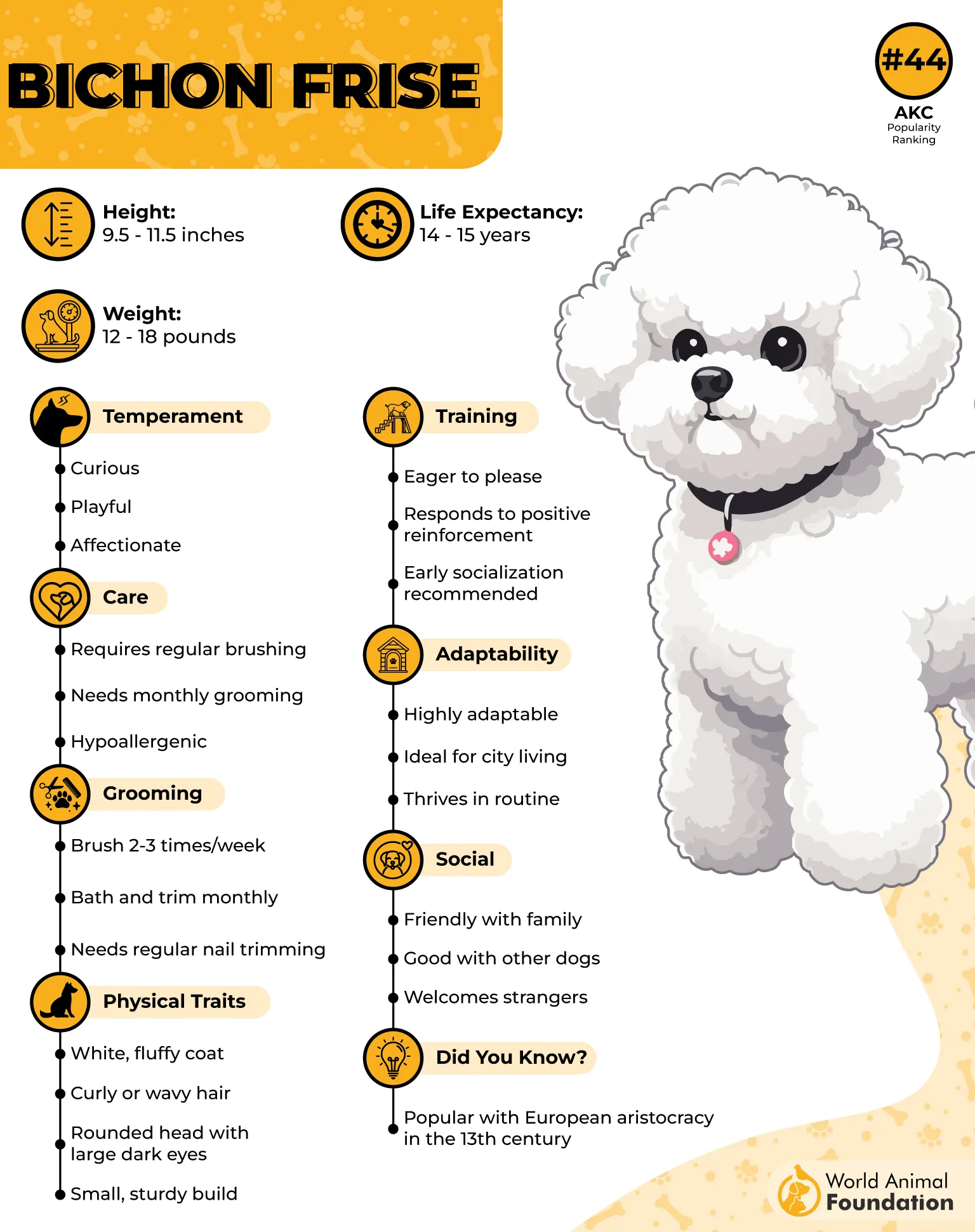
Bichons are intelligent and frequently respond well to positive reinforcement, particularly when lessons feel like games. They can learn polite greetings, mat settling, recall, and household manners, although toilet training may require patience and a structured schedule.
The curly white coat sheds relatively little compared with many breeds, but it is definitely not maintenance-free. Loose hair can become trapped within the coat and contribute to tangles, so thorough brushing and regular professional grooming are essential.
Daily walks combined with indoor play usually suit this adaptable companion better than endless hours of high-impact exercise. Bichons often bring upbeat energy to small homes without requiring a private estate to express it.
Give them attention, training, grooming, and enough novelty, and they can make apartment life feel like a permanent but surprisingly organized party.
7. Toy Poodle
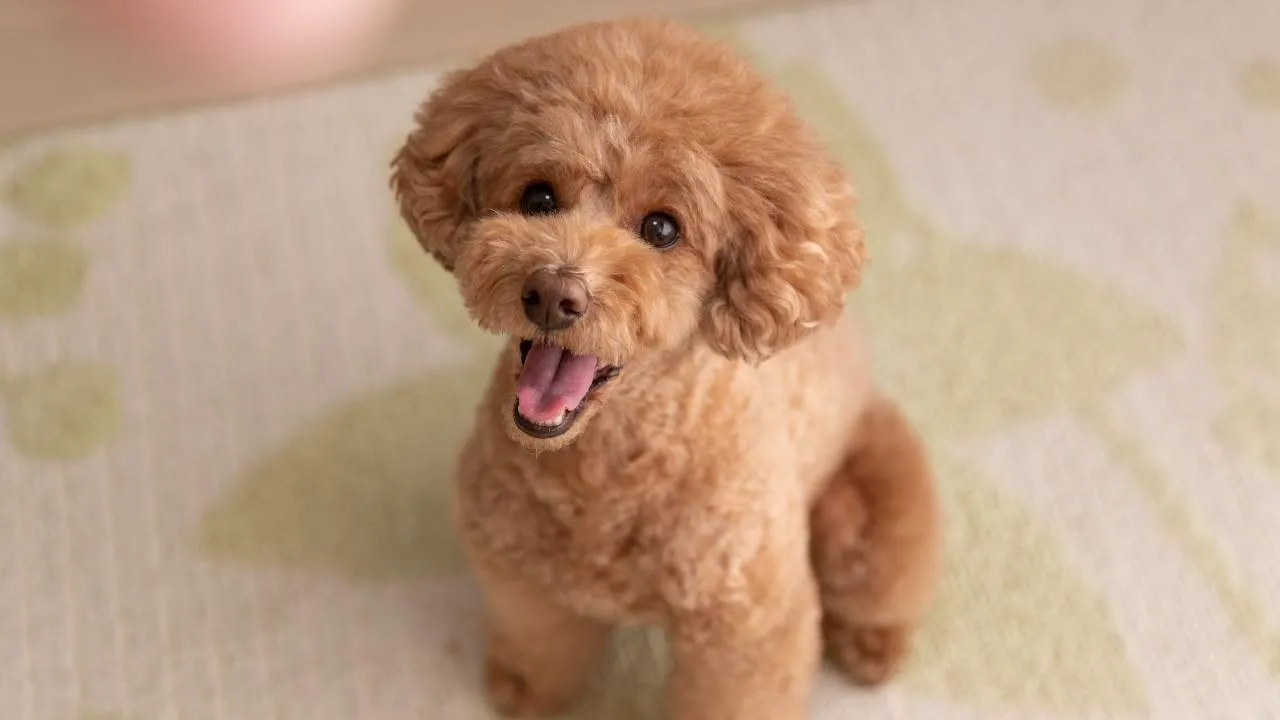
These dogs combine a compact build with athletic ability, close bonds with humans, and an eagerness to solve problems.
Although they are often associated with elaborate grooming, their intelligence and responsiveness are among the strongest reasons they succeed as engaged urban companions.
They commonly learn routines extremely quickly, including both the ones you teach intentionally and the ones you accidentally demonstrate twice. They often excel at obedience, trick work, scent games, and interactive puzzles because mental challenge is genuinely rewarding for them.
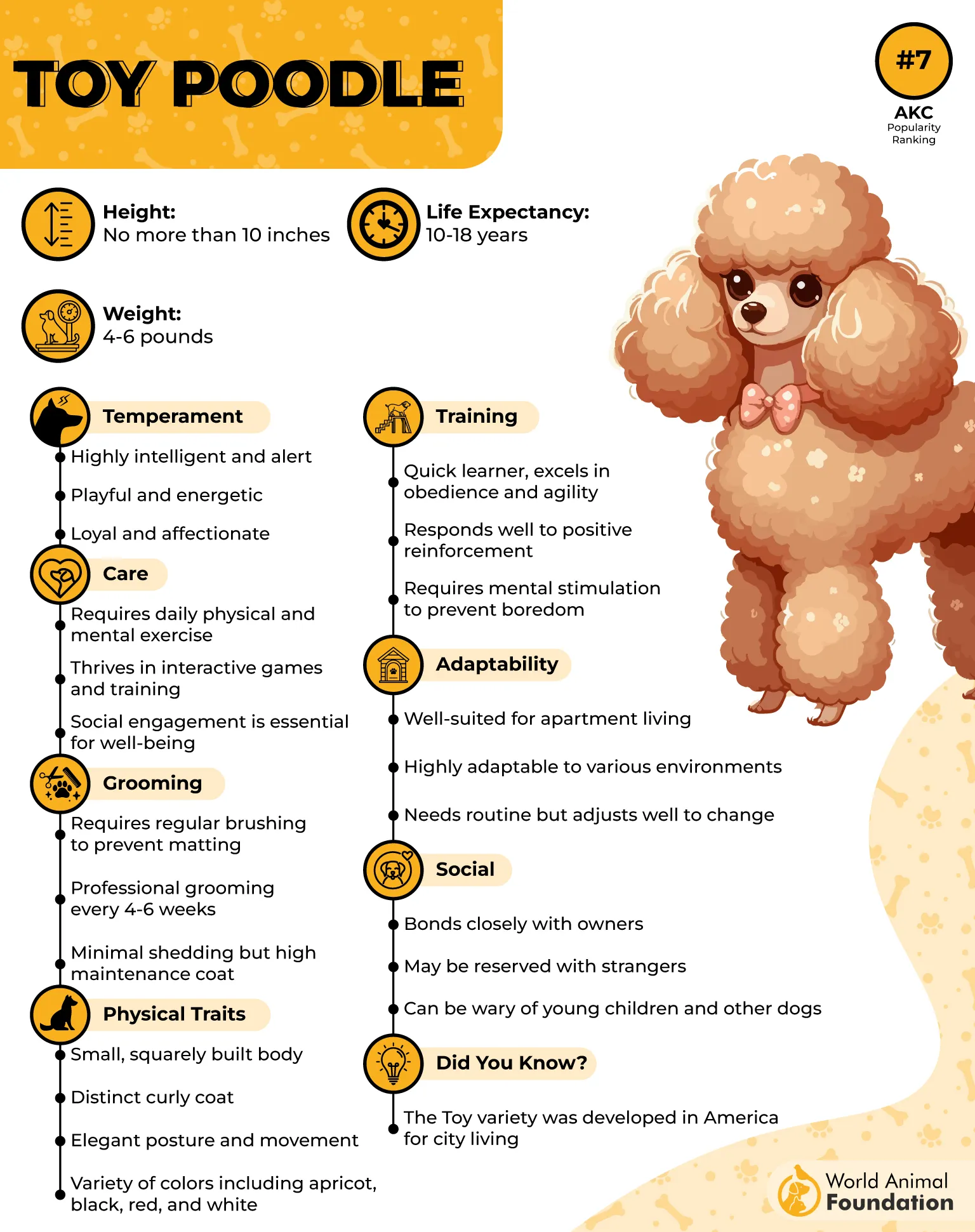
Their exercise needs should not be dismissed merely because they are tiny. Daily walks, controlled play, and training-based movement help support physical fitness and emotional balance. The exact amount should be adjusted based on age, health, and personality, in line with the broader veterinary principle that every dog’s exercise plan must be individualized.
The curly coat requires frequent brushing and professional clipping because it continues to grow and can mat when neglected. Low shedding may make household cleanup easier, but no dog is guaranteed to be completely hypoallergenic, and individual human reactions vary.
Toy Poodles can adapt brilliantly to apartment living when their minds, bodies, and social needs receive consistent attention. They are usually best suited to owners who enjoy teaching, exploring, and changing up activities before boredom sets in.
Conclusion
Tiny living quarters can absolutely accommodate a happy dog, provided the breed’s needs align with the owner’s daily reality.
Before bringing one home, meet adult dogs where possible, speak with reputable rescue organizations, and carefully research responsible breeders who perform appropriate health testing. Consider your working hours, access to outdoor toilet areas, building rules, noise tolerance, grooming budget, and ability to manage lifelong veterinary expenses
