




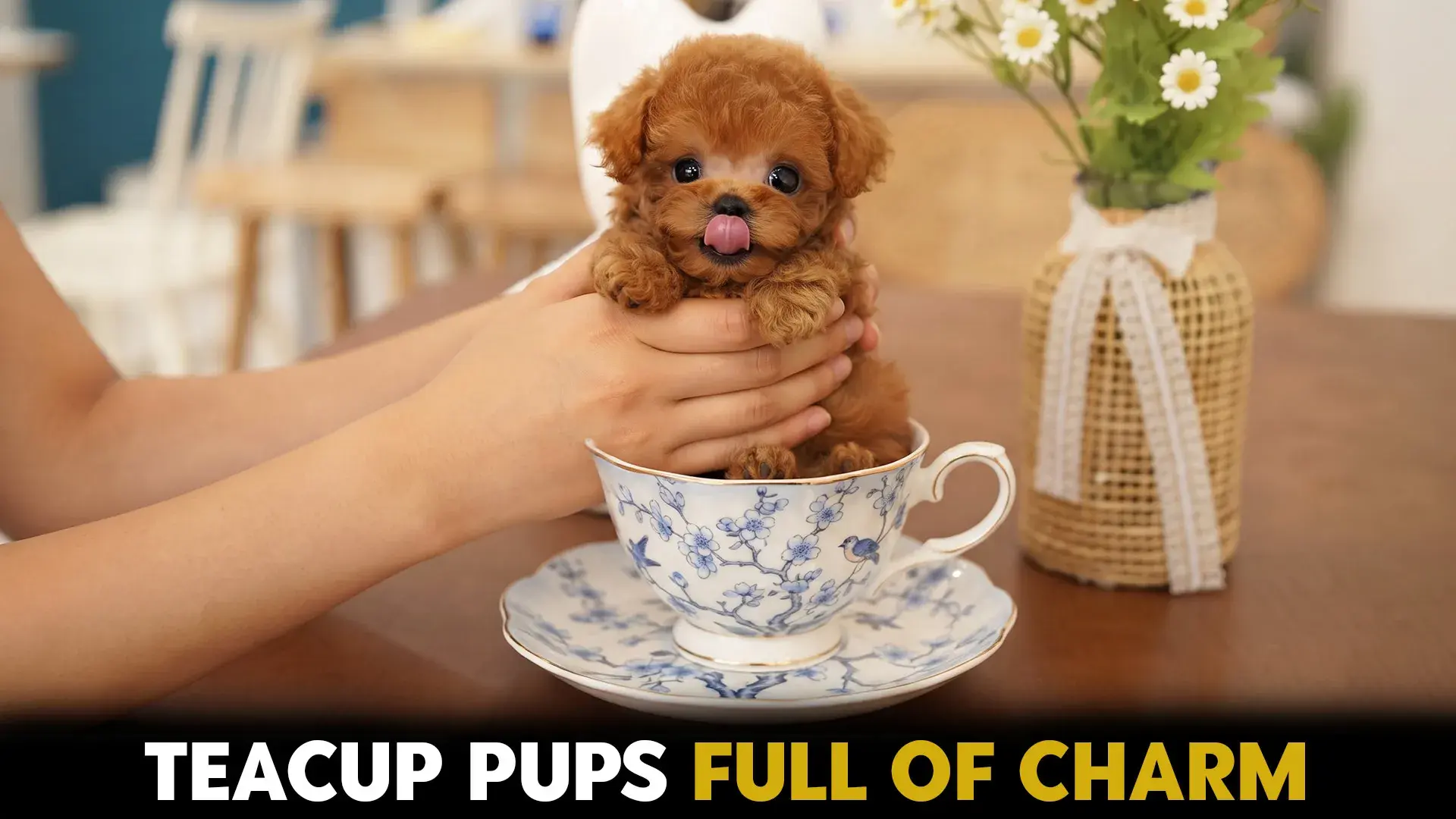
Ever wished your dog could stay puppy-sized forever? That’s part of the charm behind teacup dogs. These ultra-tiny pups have captured plenty of attention with their petite bodies, adorable looks, and big personalities packed into just a few pounds.
They can be appealing for apartment living, travel, or anyone looking for a small companion that doesn’t need hours of daily exercise.
But there’s more to these tiny dogs than their cute appearance. “Teacup” isn’t an official breed category or a size classification recognized by major kennel organizations. Instead, the term is commonly used for dogs bred to be significantly smaller than the usual standard for their breed.
Their tiny size can also come with special care needs, including greater sensitivity to cold, delicate bones, low blood sugar, dental problems, and other health concerns.
In this article, we’ll take a closer look at some of the tiniest dog breeds, what makes their personalities so big, and what potential owners should know before falling for those irresistible little faces.
Tiny Teacup Dog Breeds: Size Doesn’t Equal Less Personality
1. Chihuahua
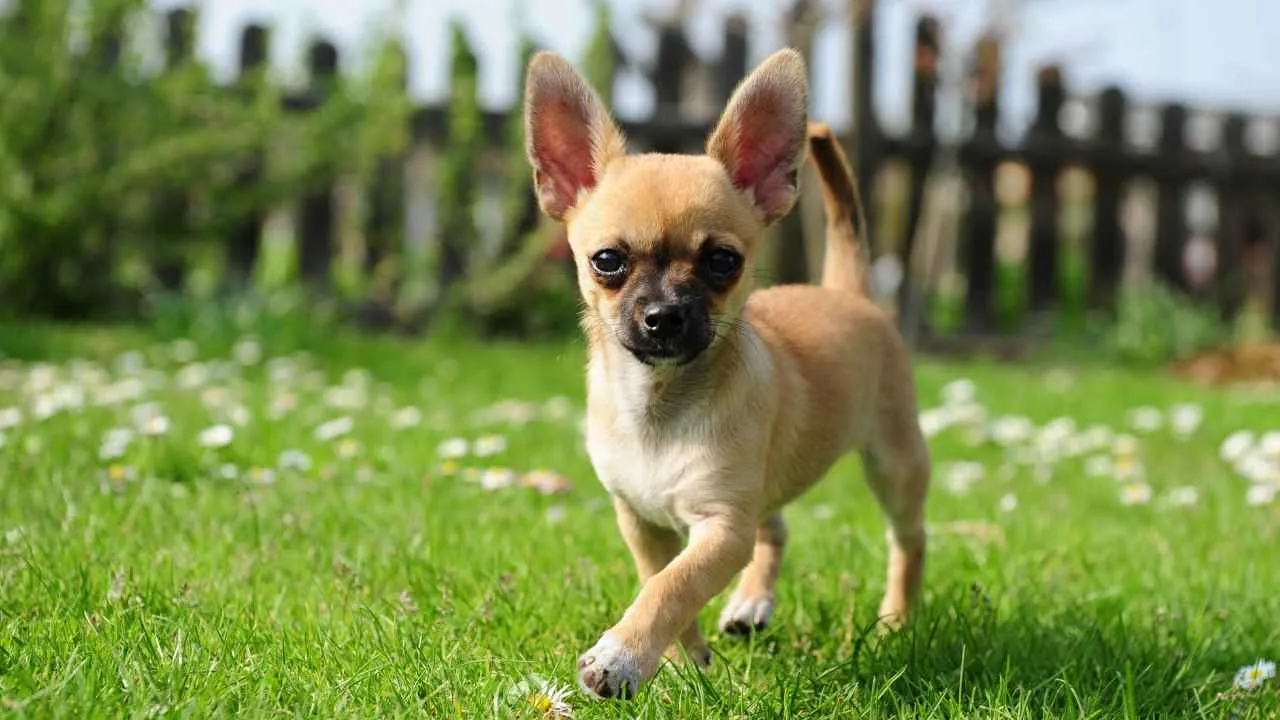
Chihuahuas may be tiny, but their personalities are anything but. Often called “Chis,” they are loving, loyal, and closely attached to their families. These little dogs are bold, alert, and confident, with a playful and sometimes sassy attitude.
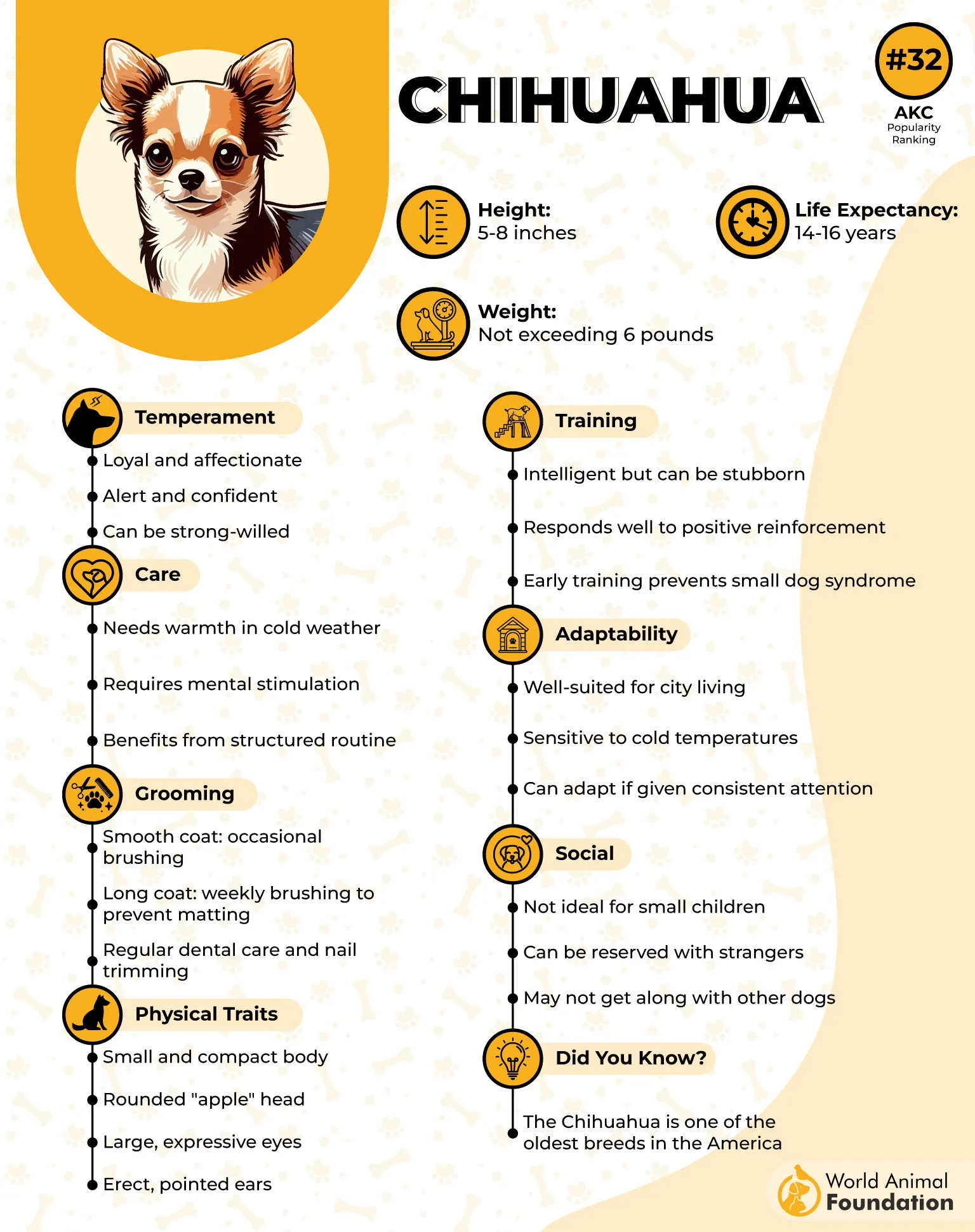
Their history traces back to Mexico, where small dogs were documented as early as the 16th century. According to PetMD, they became popular household companions in the early 20th century and were officially recognized by the American Kennel Club in 1904.
Energetic, Alert, and Full of Confidence
Chihuahuas are far more active than their lapdog reputation suggests. They enjoy daily walks, indoor play, and mental stimulation. Their alert nature also makes them quick to bark at strangers and unfamiliar dogs.
Some can even challenge much larger dogs or become protective of their favorite person. Early socialization and patient training help manage these behaviors.
Simple Care With Plenty of Companionship
Chihuahuas adapt well to city living and are easy to take on trips and errands. However, their delicate size means they may not be the best choice for very young children who could accidentally hurt them.
They can be great companions for seniors when their exercise needs are met. Grooming is fairly simple, with care depending on whether they have a short or long coat.
2. Pomeranian
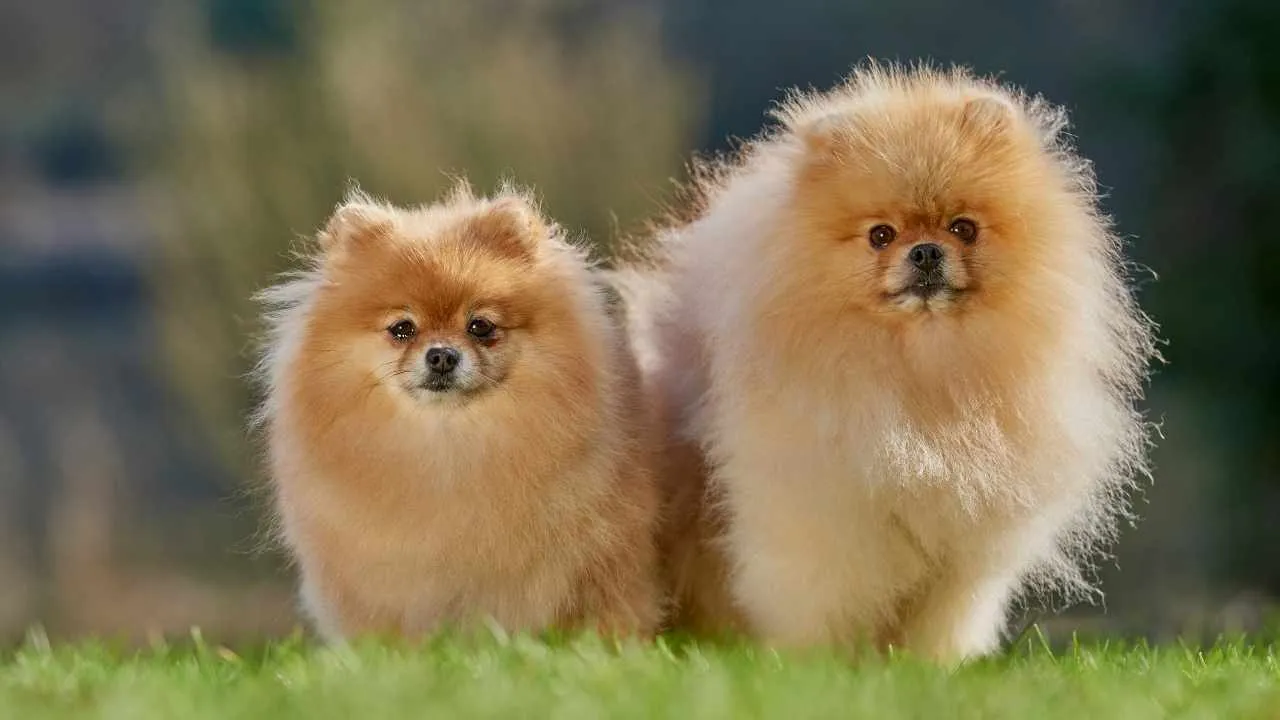
Pomeranians may be tiny, but they carry themselves like much bigger dogs. They are cheerful, confident, intelligent, and full of energy. Originally descended from larger Spitz-type sled and working dogs, early Pomeranians were much bigger and were used for herding.
Over time, they were bred down in size to become the fluffy companions we know today. Their foxlike faces, fluffy double coats, and thick neck ruffs give them a distinctive look, with many colors and patterns to choose from.
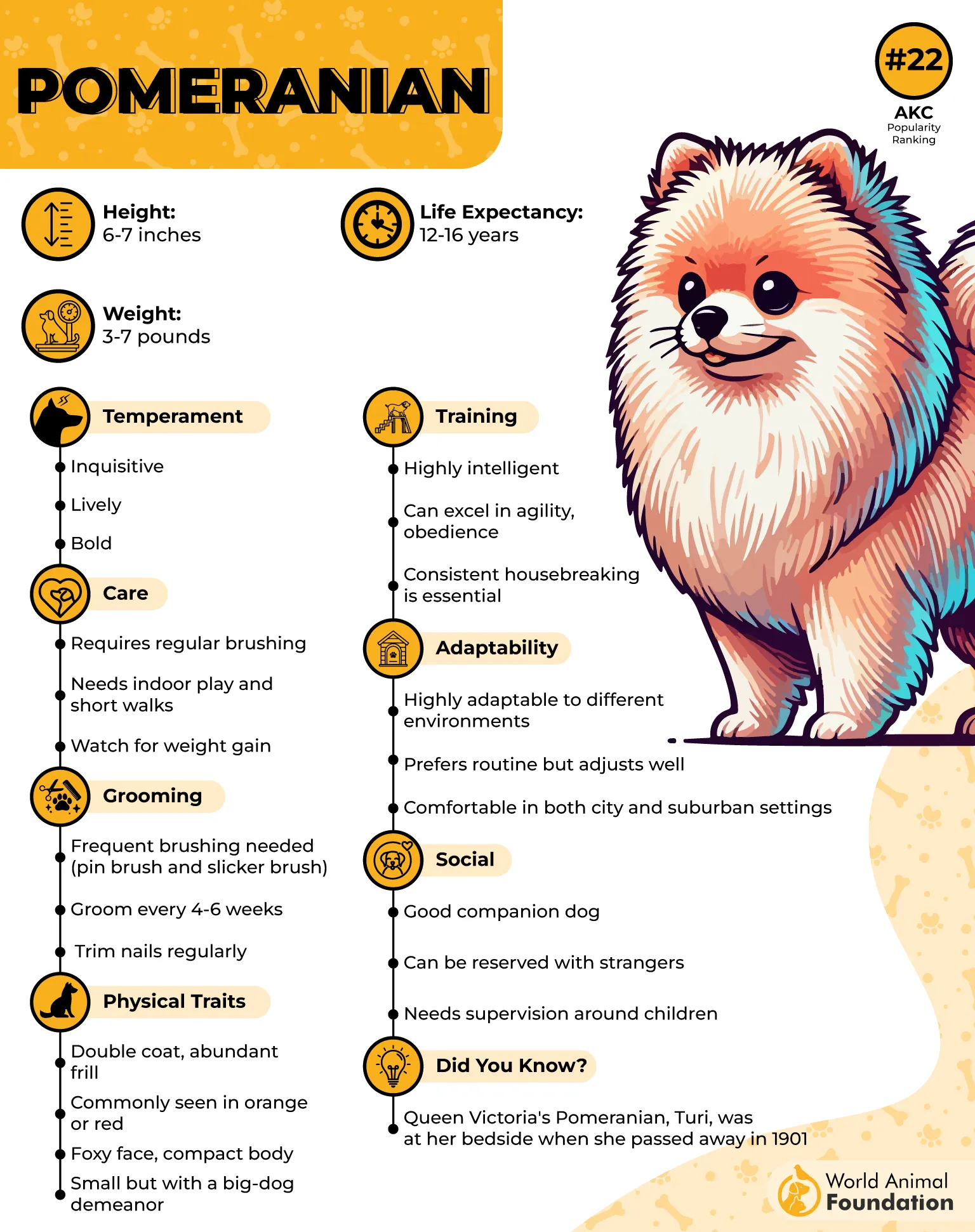
Playful, Clever, and Always Alert
Pomeranians are playful dogs that enjoy games, adventures, and plenty of attention. They can be a little stubborn, but their intelligence makes them fairly easy to train. Many do well in obedience, agility, and rally, and some even work as therapy dogs.
They make excellent watchdogs because they are alert and quick to bark, although excessive barking can sometimes be an issue. Poms may also try to confront larger dogs or escape through small gaps and short fences, so supervision is important.
Caring for Pomeranians
Pomeranians can fit well into city or suburban homes. Daily exercise is still important, but short walks and indoor play are often enough.
They can live happily with families, singles, older adults, and other pets, although young children need to learn how to handle such a fragile dog. Some Poms can be picky eaters, but they are generally active and not prone to obesity.
3. Teacup Poodle
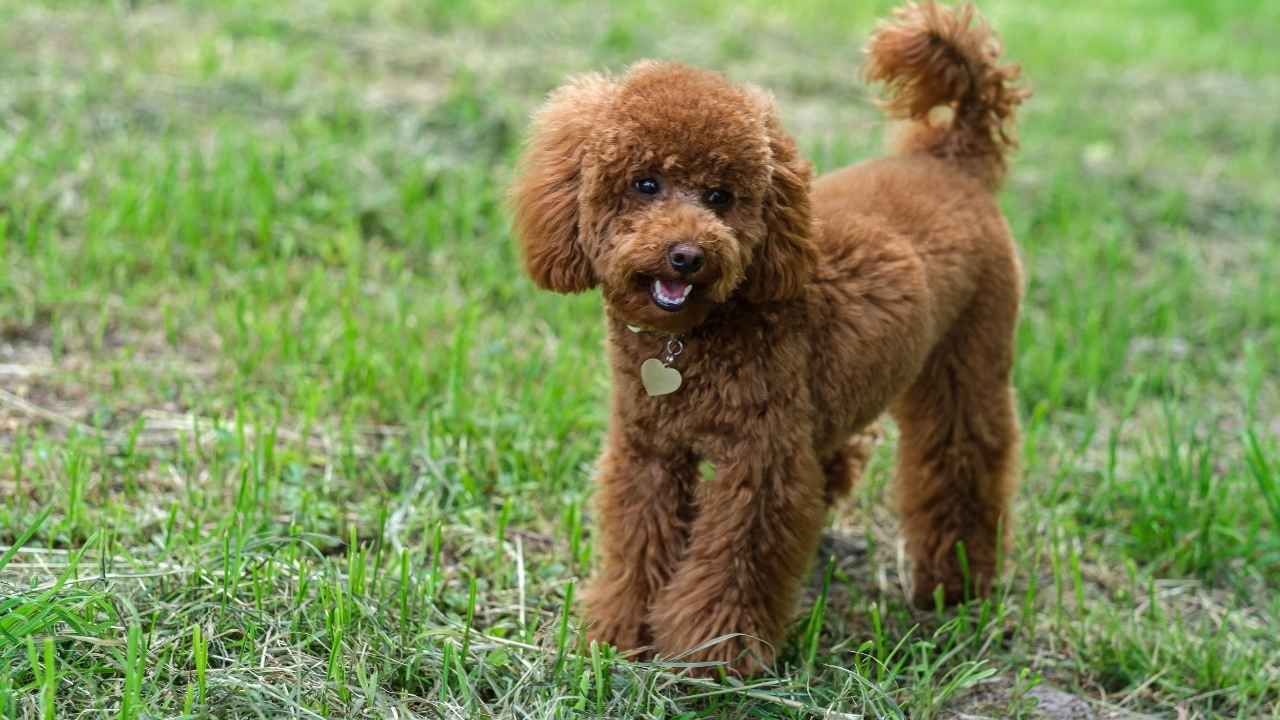
Teacup Poodles may be tiny, but they have plenty of the intelligence, loyalty, and alertness associated with Poodles. They are affectionate, eager to please, and highly focused on their people.
Many become “Velcro dogs” that follow their favorite person from room to room and happily curl up beside them.
Clever Companions With Plenty to Say
These little dogs learn quickly and often enjoy picking up new tricks and commands. They respond especially well to positive reinforcement because they naturally watch human faces, gestures, and reactions.
Their intelligence can also lead to attention-seeking behaviors when they are bored. Teacup Poodles may not have a strong prey drive, but they can be quite vocal when they hear unfamiliar sounds or notice something unusual.

Special Care for Tiny Bodies
Teacup Poodles need plenty of companionship and should not be left alone for long periods. Their strong attachment can make them prone to nervousness or separation anxiety.
Because they have limited body reserves, extra-small dogs can be less tolerant of fasting, dehydration, and injuries. Gentle handling is essential, especially because some may startle easily.
4. Yorkshire Terrier
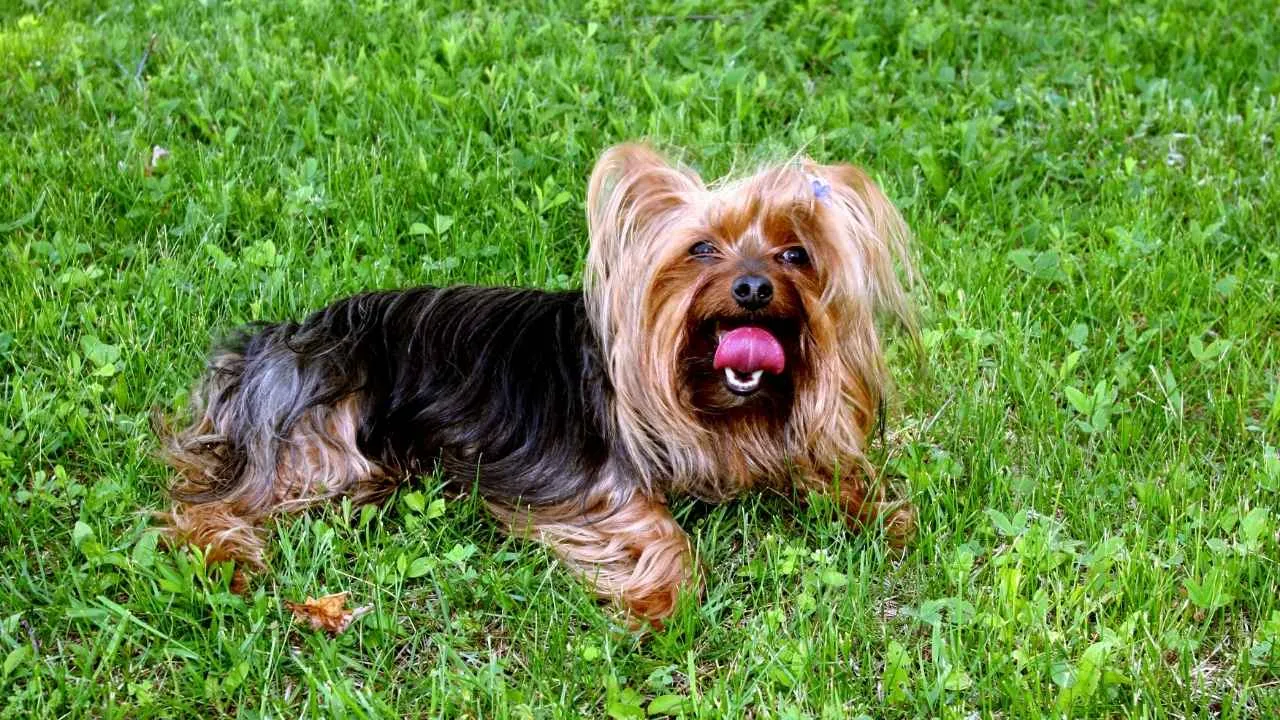
Yorkshire Terriers, often called Yorkies, are small dogs with a bold and lively personality. Originally, they were bred to chase rats and mice in textile mills after Scottish weavers brought them to England in the mid-1800s, according to Britannica.
Today, they are better known as affectionate companions, but their terrier instincts are still strong. Yorkies are playful, curious, energetic, and sometimes bossy.
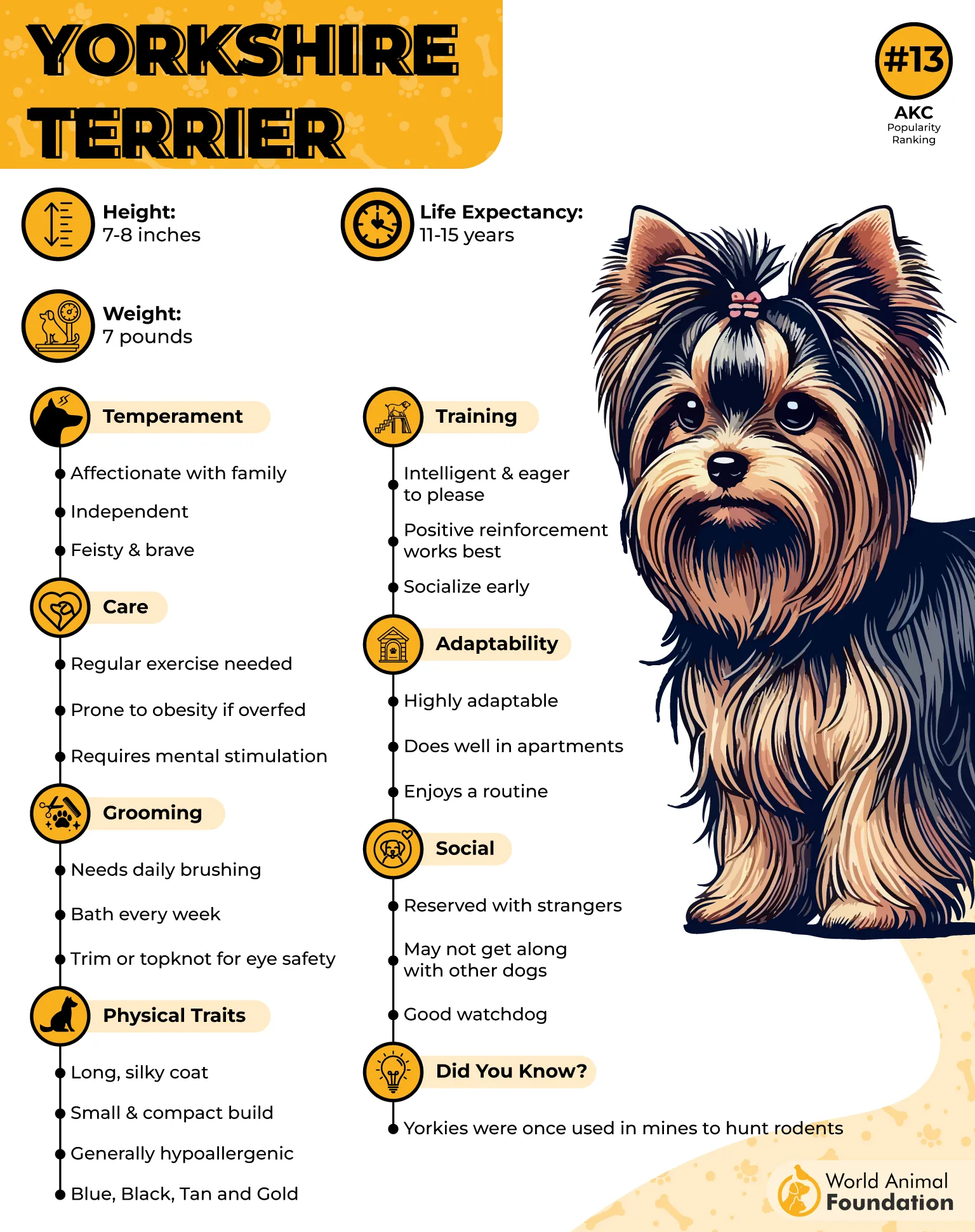
Playful, Brave, and Always Busy
Yorkies are affectionate with their families and can become closely attached to their owners. They are also alert watchdogs and will usually announce unfamiliar sounds or visitors with plenty of barking.
Their intelligence makes them quick learners, while training and socialization help prevent overprotective or destructive behaviors. They need daily activity and mental stimulation, but short walks and indoor games such as fetch can keep them happy.
Caring for Yorkshire Terriers
Yorkies can adapt well to apartments or larger homes, but they do not enjoy being left alone for long periods. Their long, hair-like coats require regular grooming, and they can struggle in cold weather, so extra warmth may be needed.
They can be good family companions with proper socialization, but young children should always be supervised because these little dogs can be easily injured during rough play.
5. Papillon
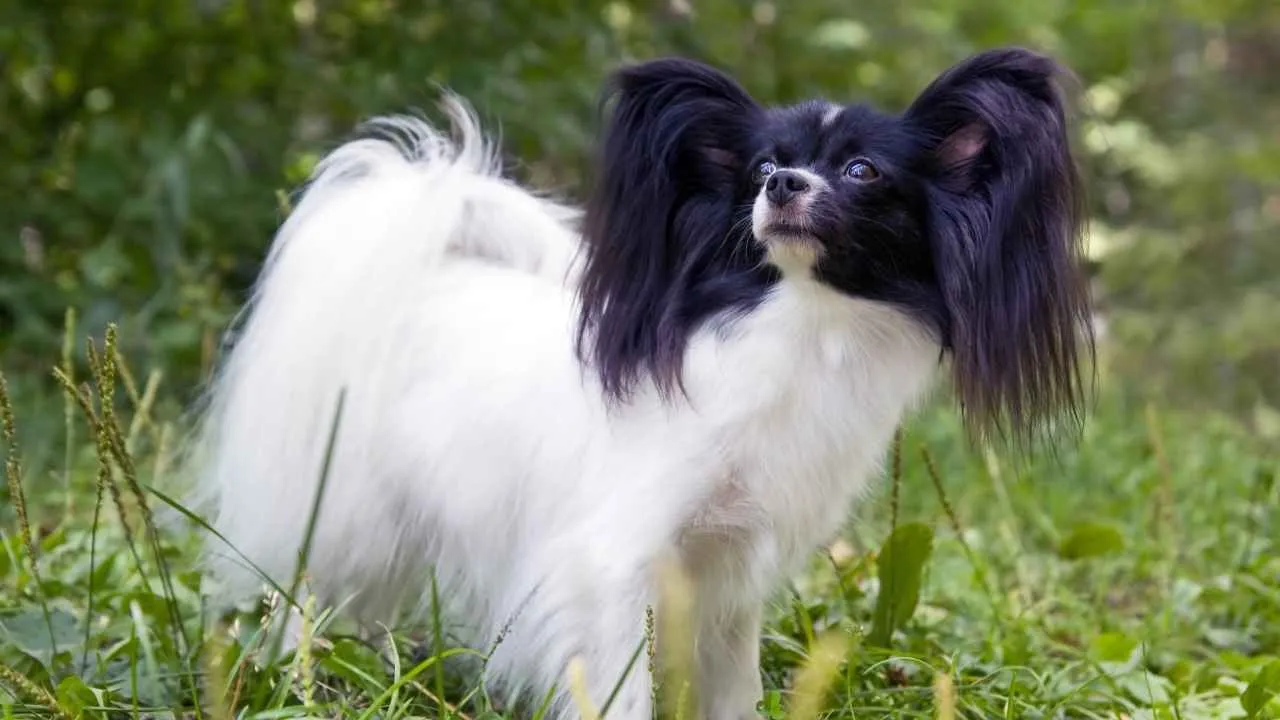
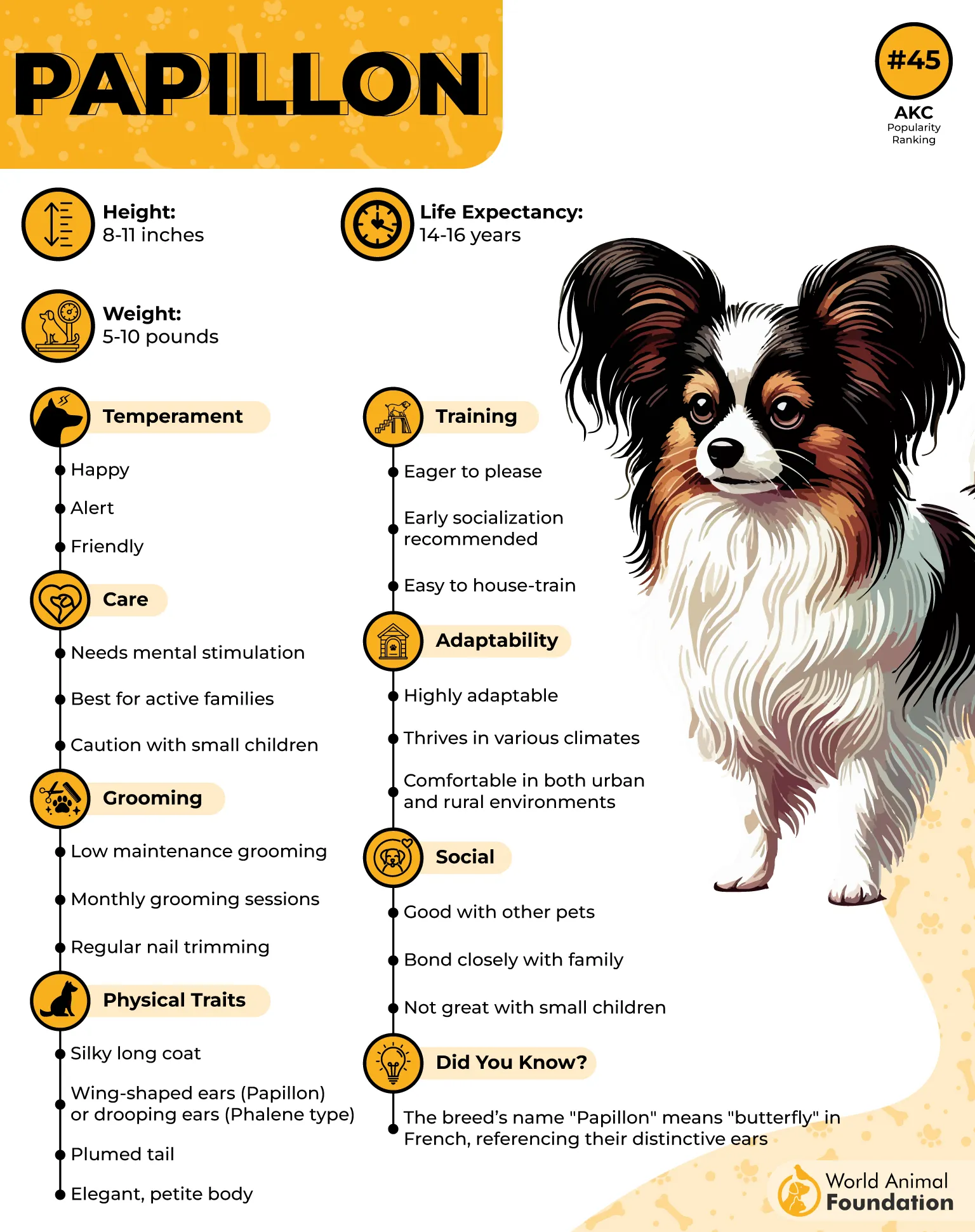
Papillons may look delicate, but they are lively, outgoing dogs with plenty of personality. Their name means “butterfly” in French, inspired by their large, feathered ears.
The breed has appeared in Western European artwork since the 16th century and was long valued as a companion dog. Today, Papillons are friendly, adaptable, and happiest when they can spend time with their people.
Smart, Social, and Surprisingly Athletic
Papillons are among the smartest and most trainable toy breeds. Their intelligence, energy, and desire to please make them excellent at obedience, agility, tracking, and retrieving. Some also work as therapy or service dogs.
They usually get along well with people, cats, and other dogs and often enjoy playing with larger animals. However, supervision is important because a larger animal could accidentally injure them. Their social nature also makes early training and positive reinforcement especially useful.
Caring for Papillons
Papillons can adapt well to apartments, but they need more exercise than many other toy breeds. Daily walks, indoor games, and safe areas to run can help burn their energy.
They generally do not have a reputation for being nervous or excessively vocal, although some may bark when excited. They can be good companions for families and older adults, but young children should be taught to handle them gently.
6. Maltese
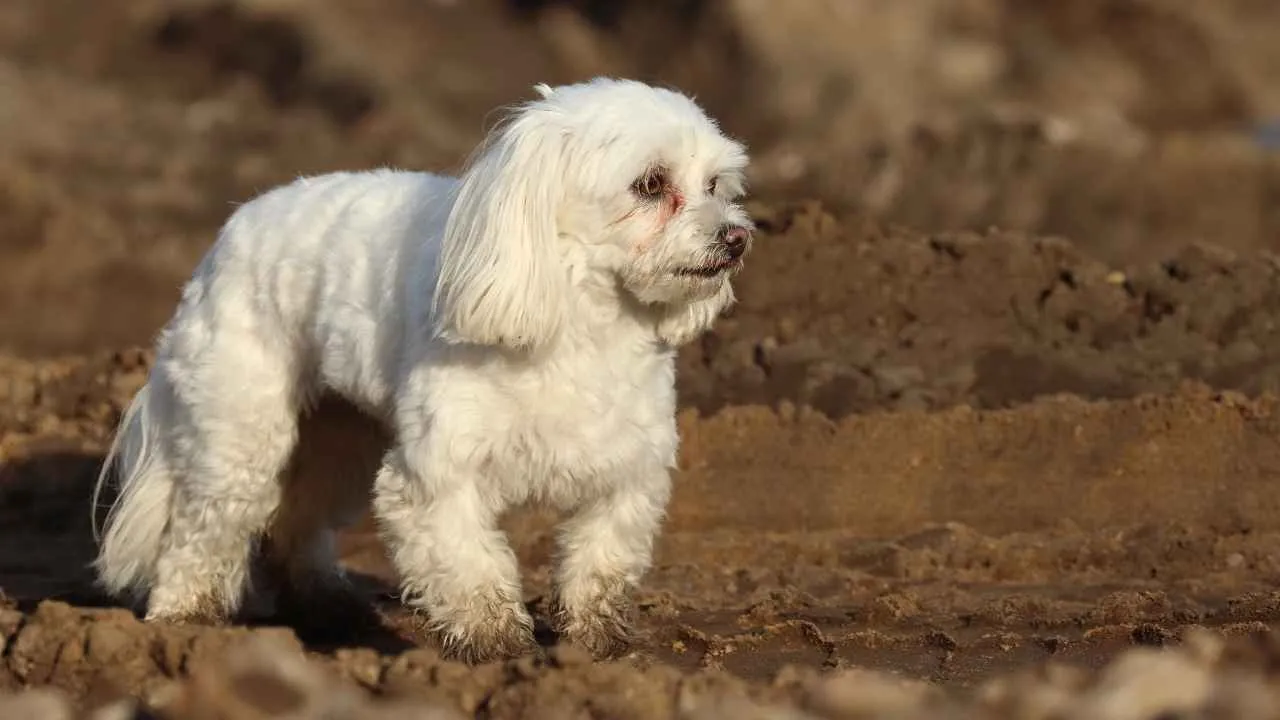
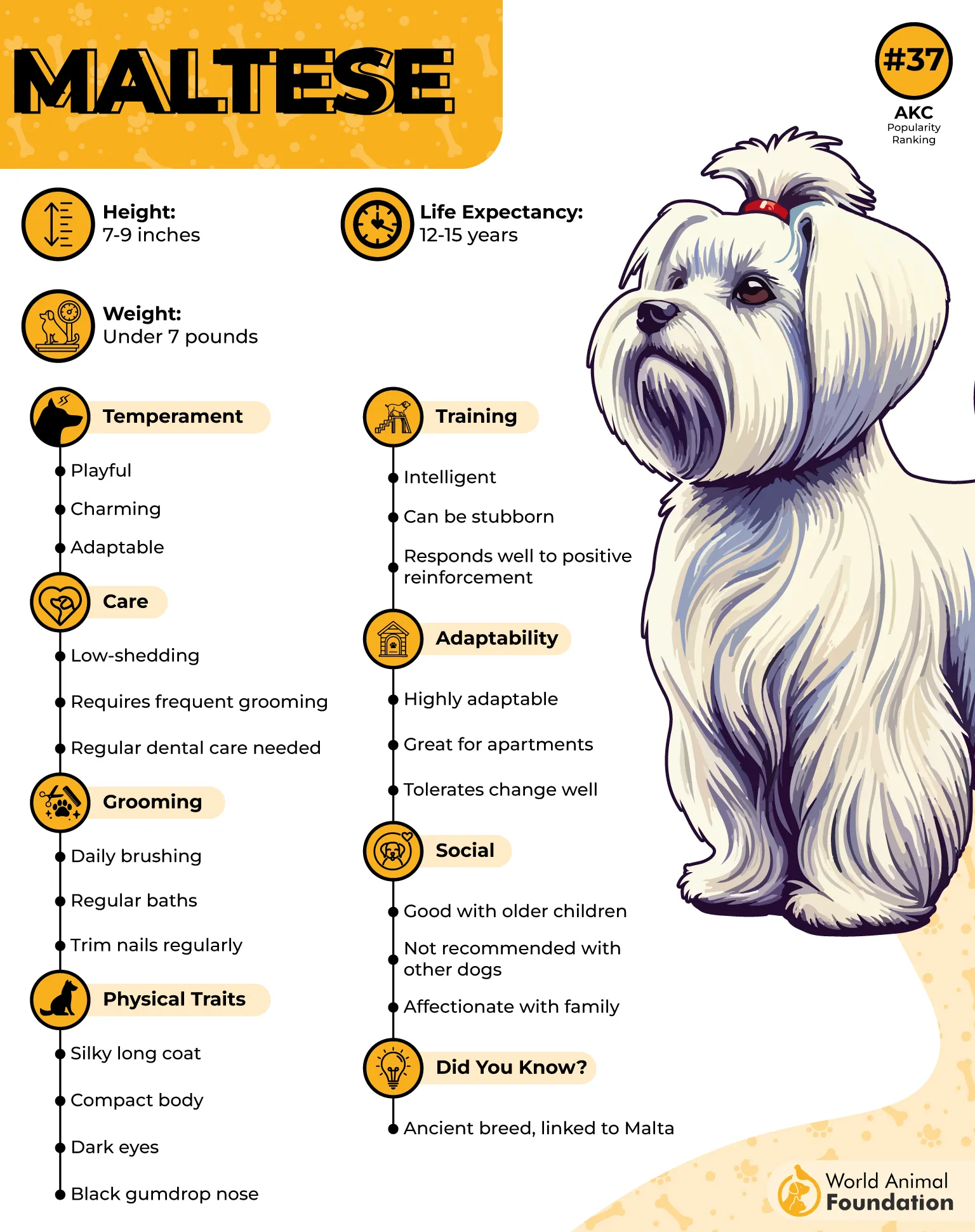
Teacup Maltese dogs may be known for their elegant white coats, but there is much more to them than their looks. They originated on the Mediterranean island of Malta, with references to them appearing in Ancient Greek and Roman literature.
Bred as companion dogs, they love human attention and are happiest when they can stay close to their families.
Playful, Bold, and Devoted
Maltese are friendly dogs that enjoy cuddles, games, and plenty of time with their people. They can be surprisingly bold with larger dogs and may be reserved around strangers. They are also alert watchdogs and often bark when someone approaches the door.
Despite their energy, short walks and indoor or garden play are usually enough to keep them happy. They are fairly easy to train and respond well to positive reinforcement.
Early socialization is important, especially around young children, while training can also help with barking and separation anxiety.
Caring for Maltese
Their long, silky white coat is beautiful but needs plenty of attention. Daily brushing and frequent bathing help prevent tangles and mats. Maltese are sometimes described as hypoallergenic, but no dog is completely allergen-free.
They can be good companions for families, older gentle children, and seniors, although their small size requires careful handling. Omlet says they generally get along well with other dogs and pets.
7. Shih Tzu
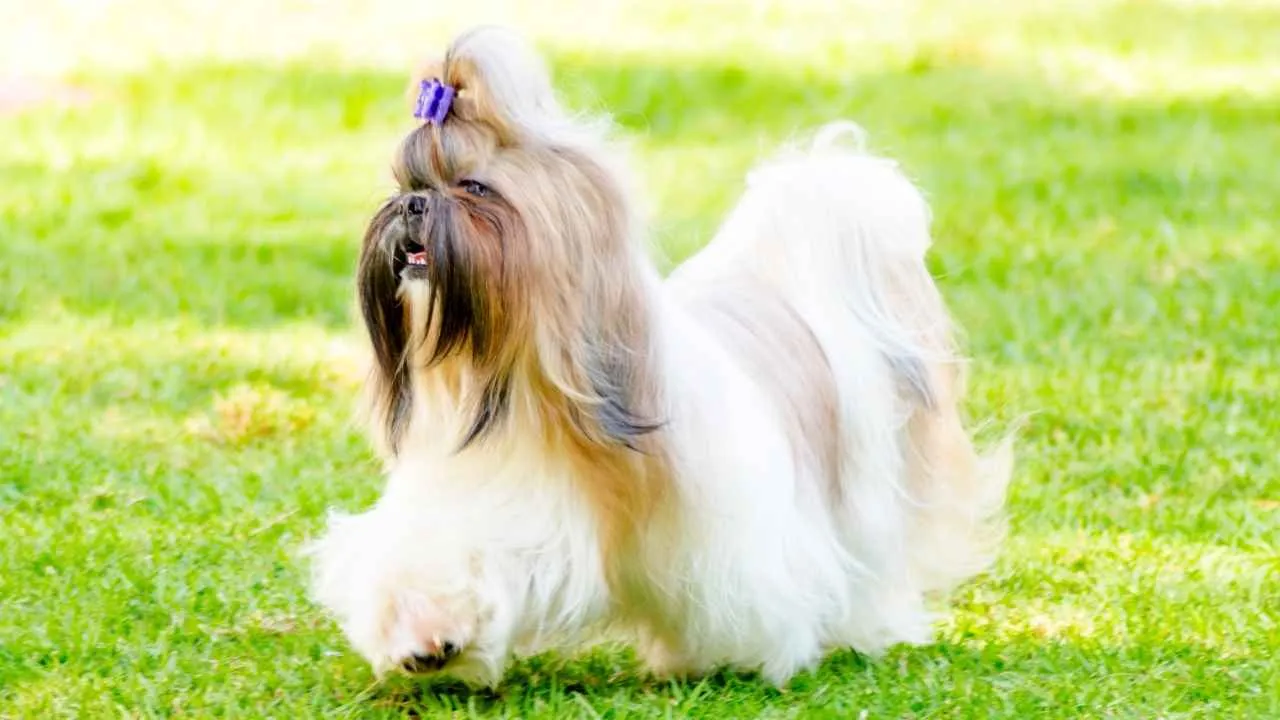
Shih Tzus were bred to be companions, and they take that role seriously. Their name means “lion dog,” and the breed has deep roots in Tibetan and Chinese history, where they were associated with Buddhism and imperial households.
Today, Shih Tzus are friendly, playful, and outgoing. They enjoy meeting people, spending time with other animals, and staying close to their families.
Playful, Proud, and People-Oriented
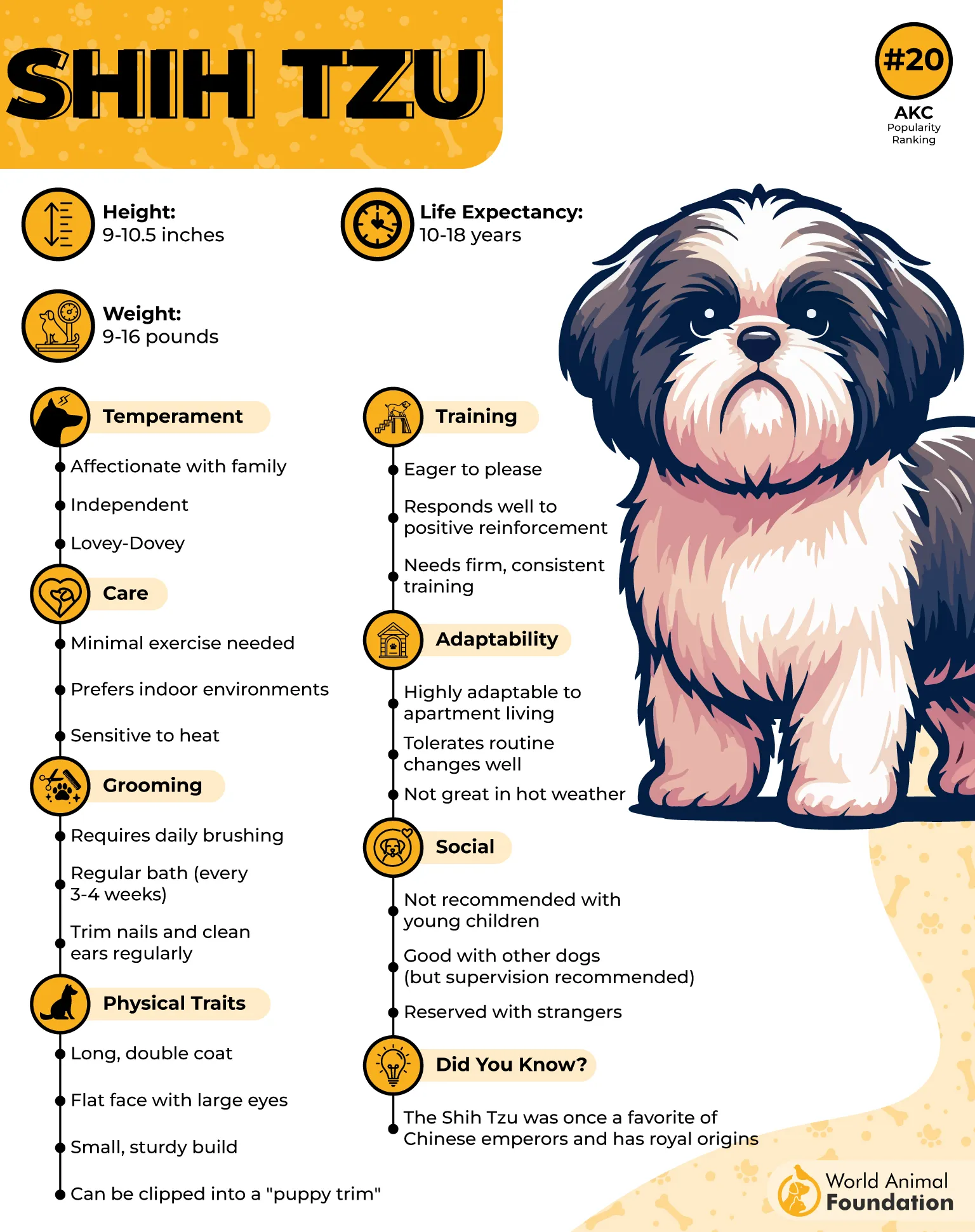
Shih Tzus have plenty of personality packed into their tiny body frames. They can quickly switch from energetic playmate to relaxed sofa companion. They are generally good with children and other pets when properly socialized, but young children should be taught to handle them gently.
They enjoy walks and playtime, with around 30 minutes of exercise plus indoor activity often being enough. Their alert nature also makes them useful watchdogs, although they are not suited to protection work.
Caring for Shih Tzus
Their long, continuously growing double coat needs regular attention. It sheds little but can tangle and mat easily, so longer coats need frequent brushing and bathing. Many owners choose a shorter “puppy cut” to make grooming easier.
Because of their facial structure, a harness is preferable to attaching a leash to the collar. Shih Tzus thrive on companionship and do not enjoy being left alone for long periods.
Conclusion
Teacup dogs may come in incredibly small packages, but as these breeds show, their personalities can be anything but small.
If you’re considering one of these small breed dogs, look beyond the adorable teacup size and think about the dog’s individual needs, temperament, and health.
Most importantly, choose responsible breeding or consider adoption rather than supporting practices that prioritize extreme size over well-being. After all, the best companion isn’t the smallest dog you can find. It’s the one that can thrive by your side.
