




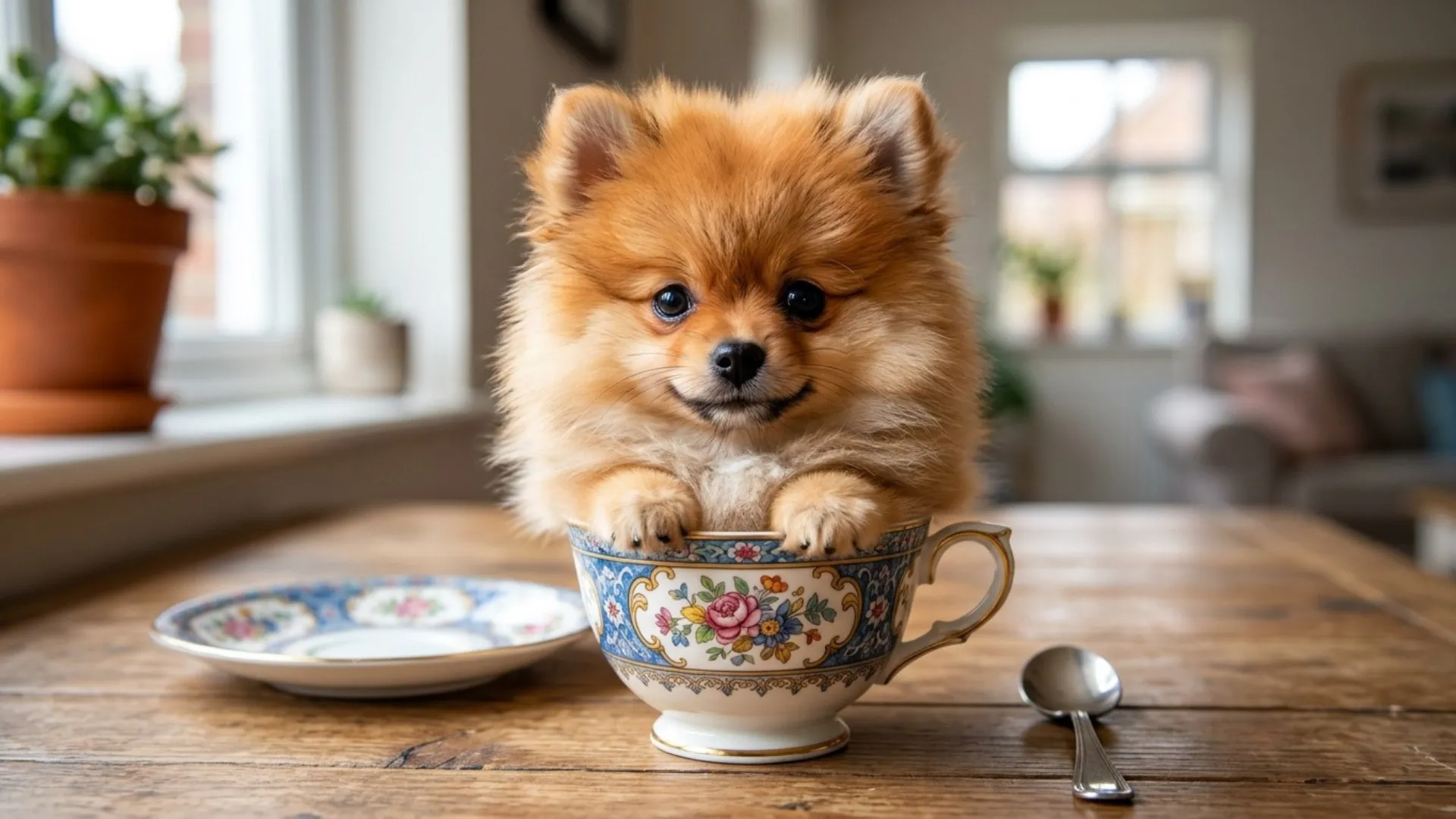
Who can resist a tiny pup with a heart full of love?
These little dogs may fit in your lap, but they can bring big joy to any home. Their cute faces and small size make many pet lovers fall in love. Some teacup dogs weigh just a few pounds as adults.
But are these tiny pups right for every home?
There is more to them than their sweet looks. The term “teacup” is not officially recognized as a breed type by major kennel clubs. Teacup dogs live with special needs that owners should understand before bringing one home.
Their tiny bodies may face serious health risks. They may also need frequent meals, extra care, and regular vet checks. This guide explores their traits, care needs, costs, and health concerns.
You will learn how to choose a tiny friend while putting health and safety first.
Tiny Teacup Dog Breeds: Big Hearts, Small Packages
1. Shih Tzu
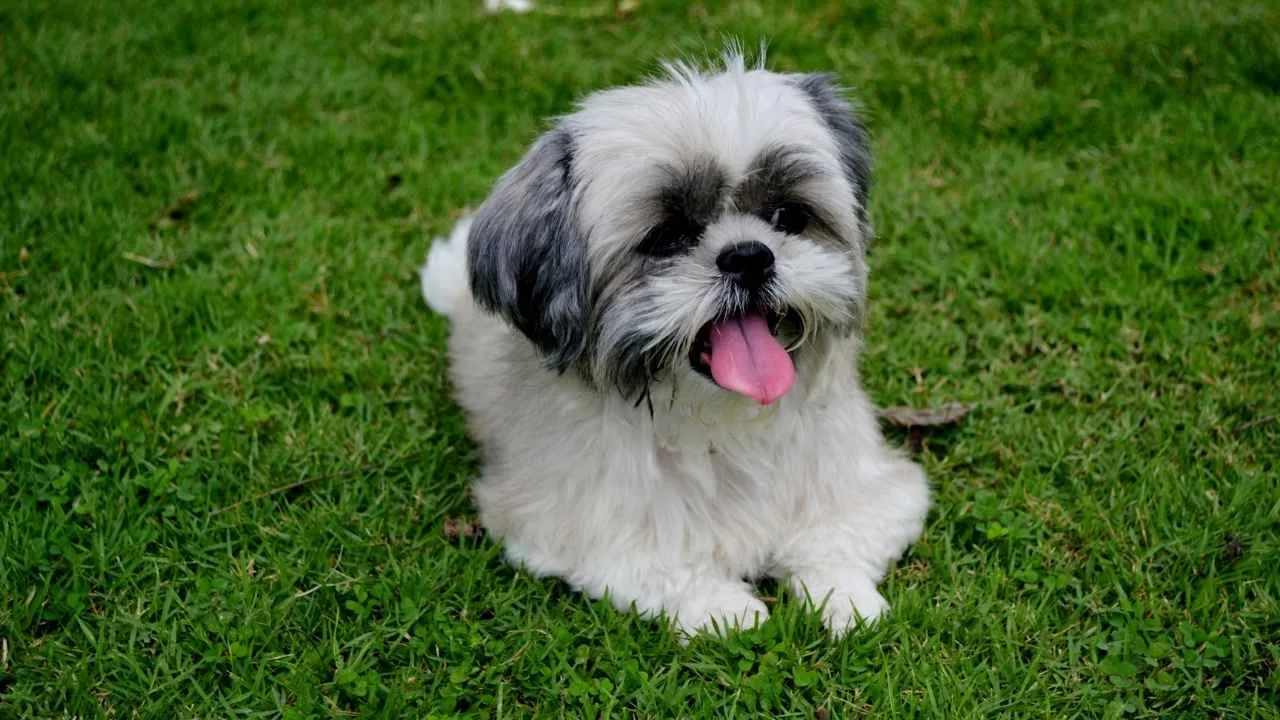
The Shih Tzu has a long history as a beloved companion. According to PDSA, these dogs were bred in Tibet to keep people company. They also served as watchdogs, alerting families when visitors arrived. Today, their friendly nature makes them charming pets for many homes.
A teacup Shih Tzu may look even smaller, but its needs remain just as important. However, extreme breeding for size can raise health concerns.
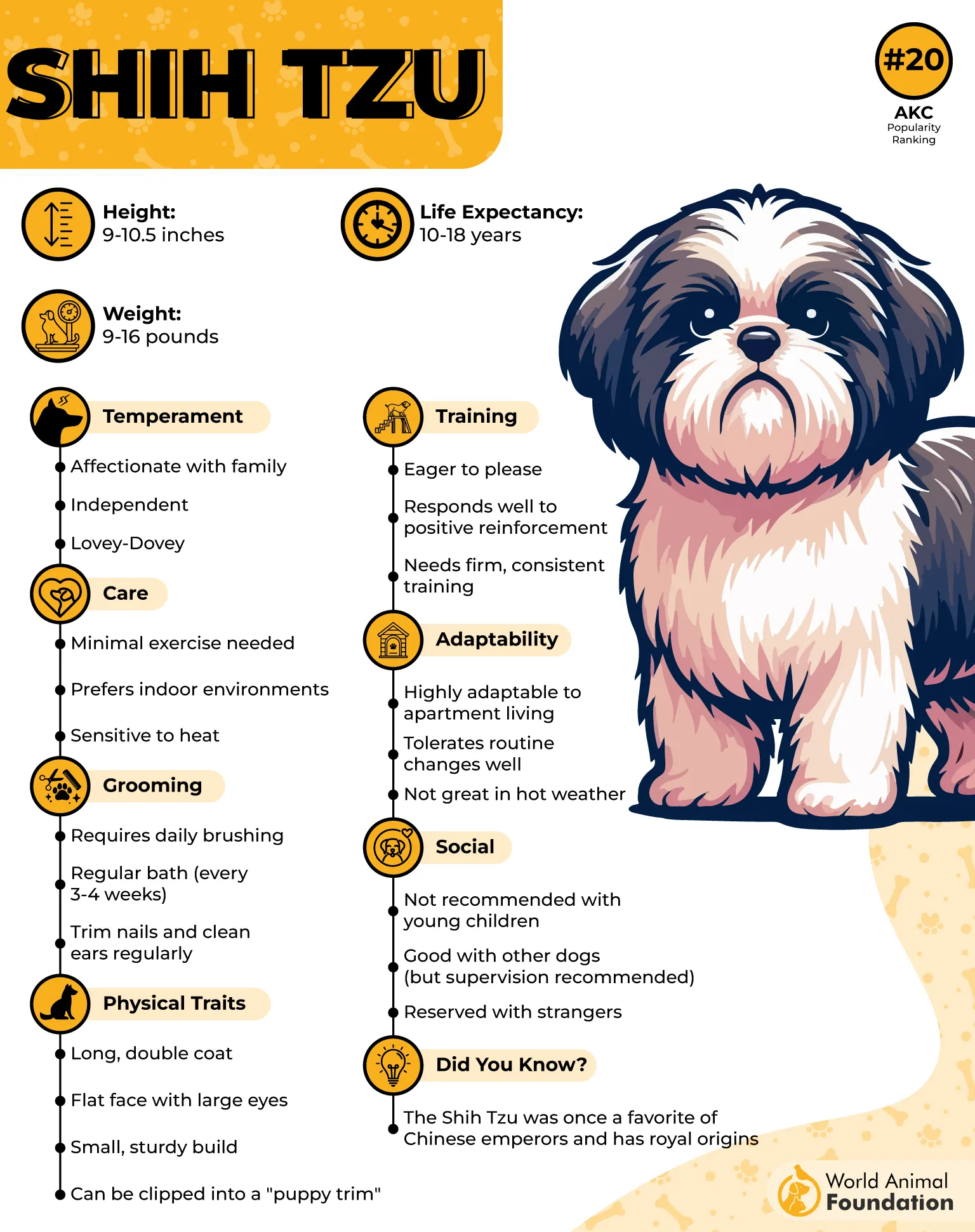
Shih Tzus are also a brachycephalic dog breed, meaning they have short, flat faces. This shape can make breathing harder, especially in hot weather. So, focus on health and comfort rather than choosing the tiniest puppy.
What to Know Before Choosing a Shih Tzu
Keep their face folds clean and dry to help prevent irritation.
Watch for noisy breathing or signs of heat stress.
Arrange regular eye checks, as their eyes can be prone to problems.
Use a harness to reduce pressure on the neck during walks.
Choose a vet who understands the needs of very small dogs.
2. Pomeranian
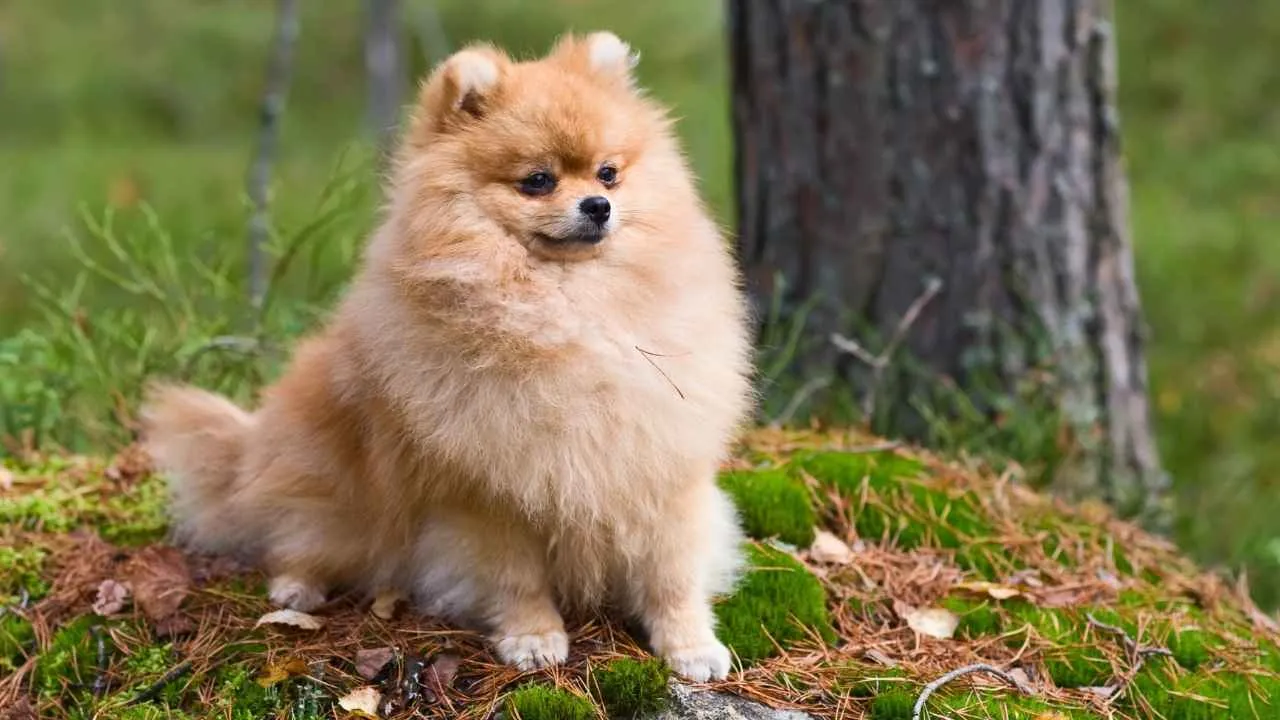
According to Purina, the Pomeranian is a lively Nordic dog with great intelligence. Its foxy face and bold spirit have won hearts worldwide. This small dog can bring plenty of fun to a home.
It can also make an excellent lap dog for people who enjoy close company. A teacup Pomeranian may look extra cute, but extreme smallness can raise health risks.
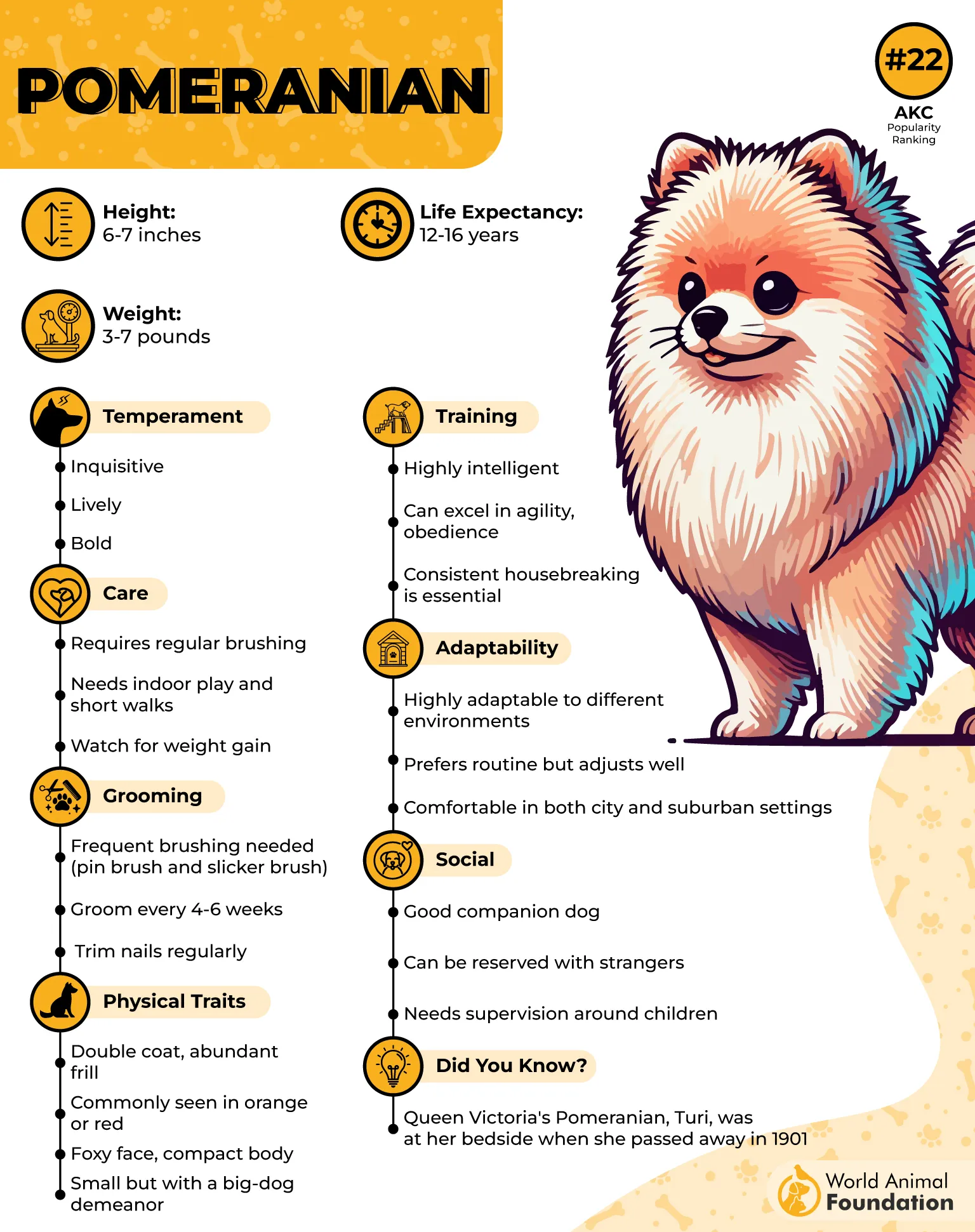
This teacup breed may face low blood sugar, a serious health problem that needs prompt care. So, pet owners should ask about health tests and family history before choosing a puppy. A thick coat also needs regular brushing to prevent knots and keep it neat.

Caring for a Tiny Pomeranian
Use careful handling to help prevent falls and bone injuries.
Keep small objects out of reach to avoid choking risks.
Ask your vet how often your dog should eat.
Watch for weakness, shaking, or unusual tiredness.
Avoid breeders who put tiny size above good health.
3. Maltese
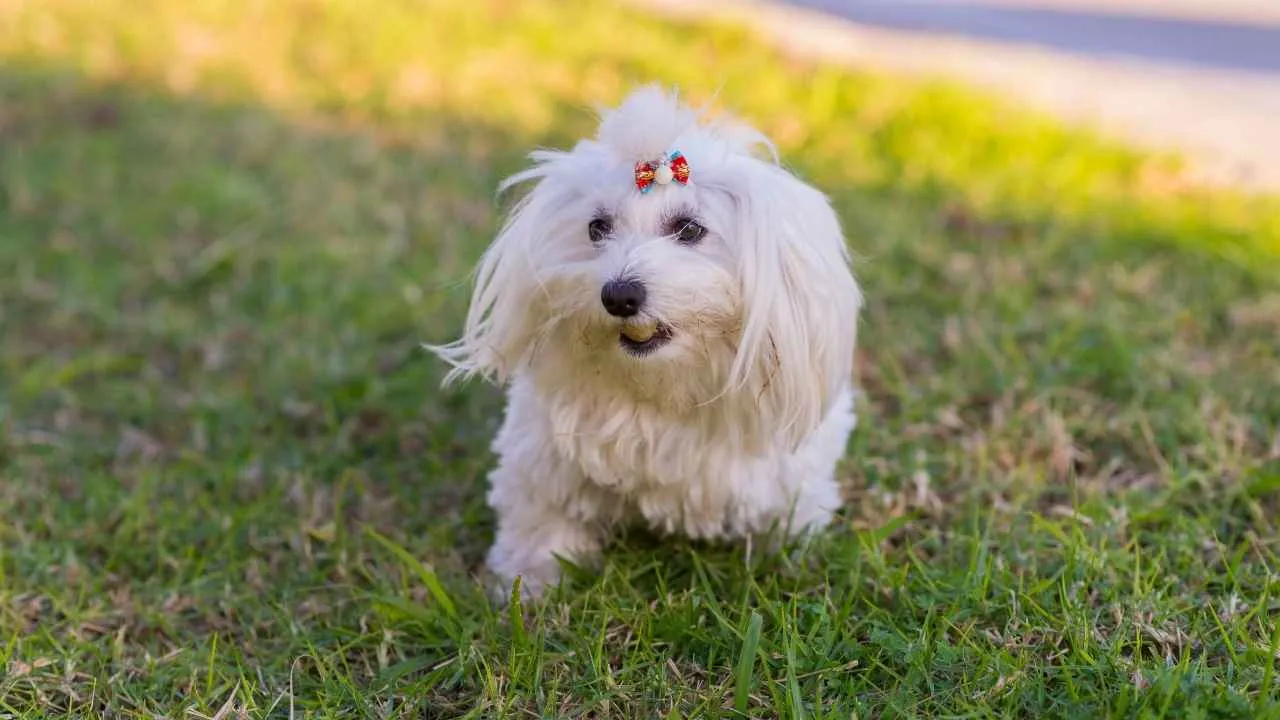
The Maltese is an old companion breed with a gentle, loving nature. According to Hill’s Pet, this dog is smart, playful, and eager to learn tricks. Despite its tiny size, it can be bold and alert. Its long, silky white coat gives it a graceful look. However, keeping that coat clean takes time and care.
A teacup Maltese may look like a mini version of this popular breed, but extra smallness can bring health issues. Fragile bones and crowded teeth may cause problems in very small dogs.
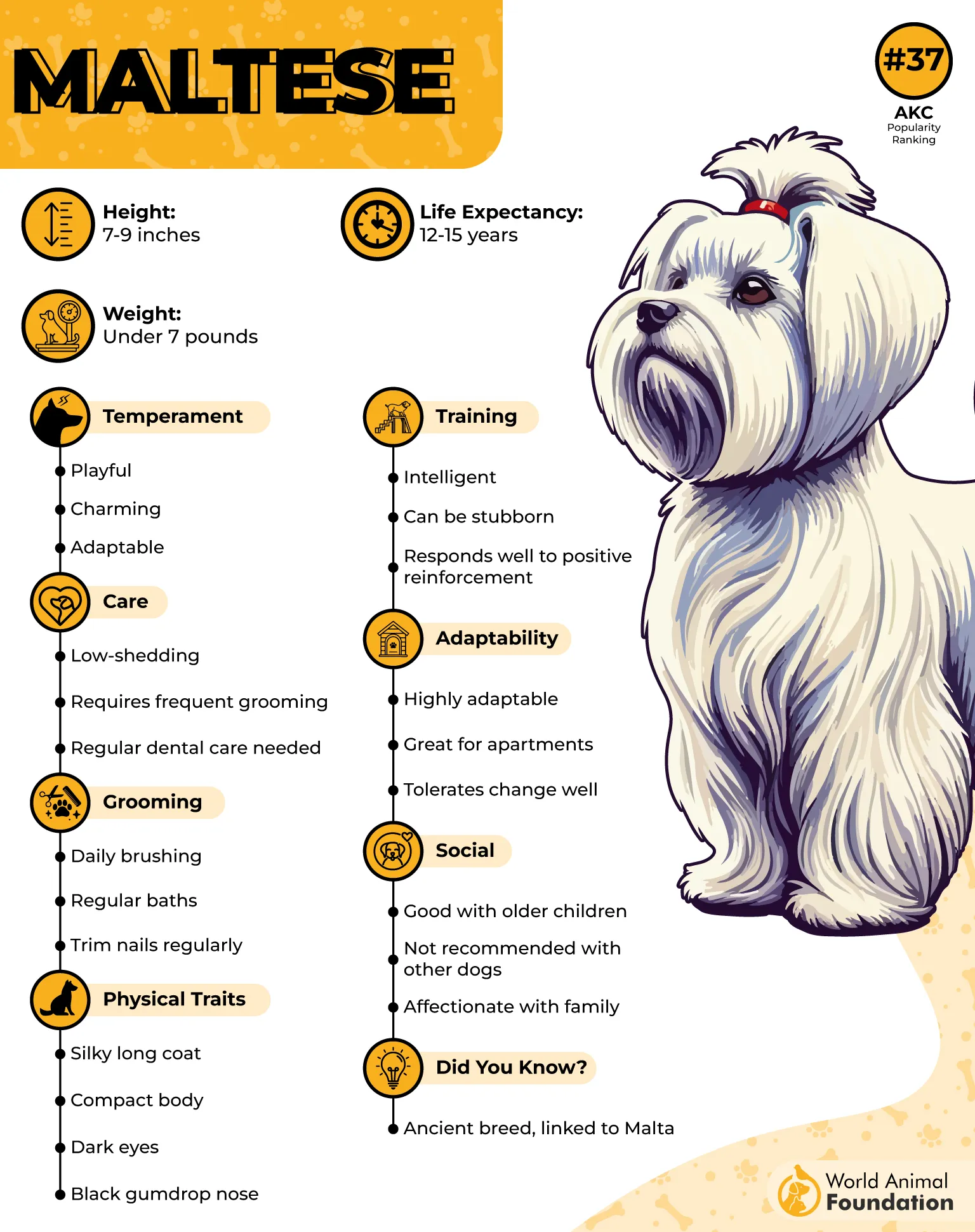
Also, a teacup dog may need more careful handling around children and other pets. Some sellers charge thousands for teacup Maltese puppies. Still, a higher price does not mean better health.
Caring for a Maltese
Brush the coat often to prevent painful mats and tangles.
Clean around the eyes gently to reduce tear stains.
Introduce children to safe, calm ways to handle small dogs.
Ask a vet about dental care and regular teeth checks.
Choose a responsible breeder who puts health before size.
4. Papillon

The Papillon has charmed dog lovers for centuries. According to Britannica, this toy dog dates back to the 16th century. It was once called a dwarf spaniel and appeared in paintings by famous artists. Its name means “butterfly” in French, thanks to its large, upright ears.
Some puppies have drooping ears and are known as Phalenes. This teacup breed may appeal to people seeking a tiny companion for apartment living. However, a teacup dog still needs daily learning and play.
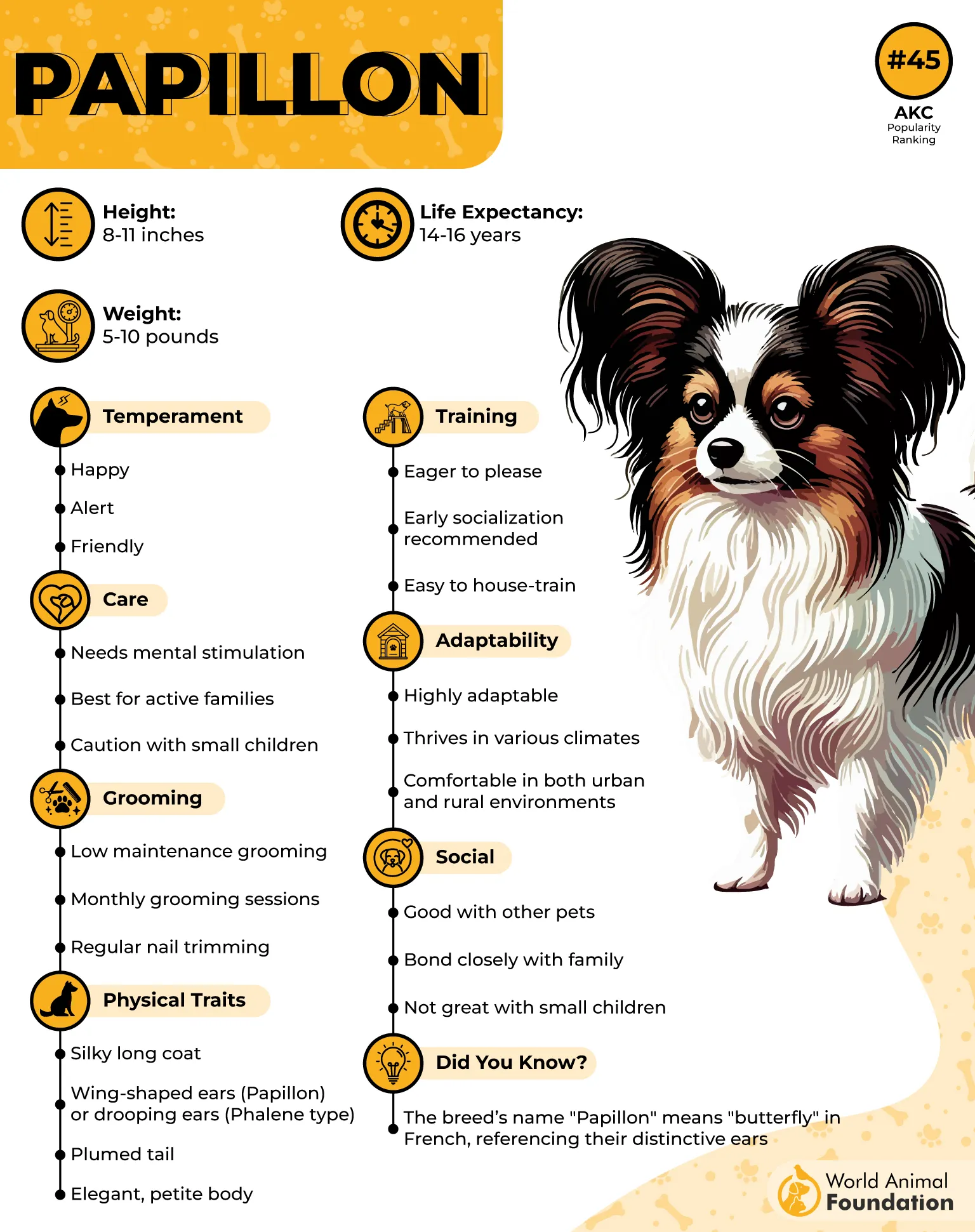
Its lively personality shines during short training games. Before choosing one, ask about the pup’s parents and health history. Good veterinary care helps spot health issues early and supports long-term well-being.
Helping a Papillon Thrive
Teach simple tricks to keep its sharp mind busy.
Use puzzle toys to make indoor play more fun.
Keep training sessions short, upbeat, and rewarding.
Set clear house rules from the first day.
Plan routine health checks, even when your dog seems well.
5. Poodle
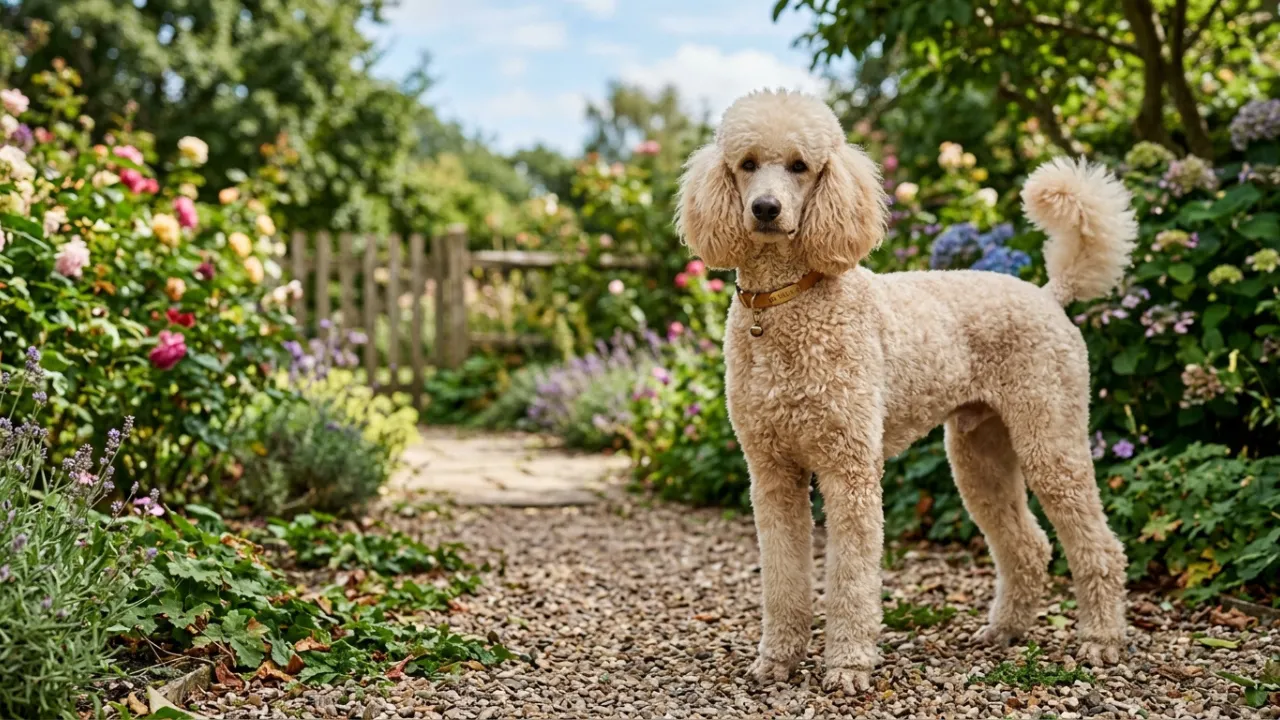
Poodles come in three sizes: Standard, Miniature, and Toy. All share the same build and proportions, according to the American Kennel Club. These smart, athletic dogs can learn many skills with the right training.
Toy Poodles stand no more than 10 inches tall at the shoulder. However, a teacup Poodle is not an official size variety. Some may weigh around four pounds, but such small size can bring risks. A teacup puppy may have adorable features, yet pet parents should look beyond looks.
These affectionate dogs have curly coats that need regular care. Extreme smallness can also raise concerns about bone fragility, liver shunts, and other health complications. Choose a responsible breeder who tests for inherited conditions and puts health first.
Caring for a Tiny Poodle
Brush the coat often to limit knots and mats.
Ask a groomer which trim best suits your dog’s needs.
Provide gentle play that supports fitness without risky jumps.
Keep up with vet visits to track growth and health.
Avoid sellers who promise a specific adult weight or tiny size.
6. Chihuahua
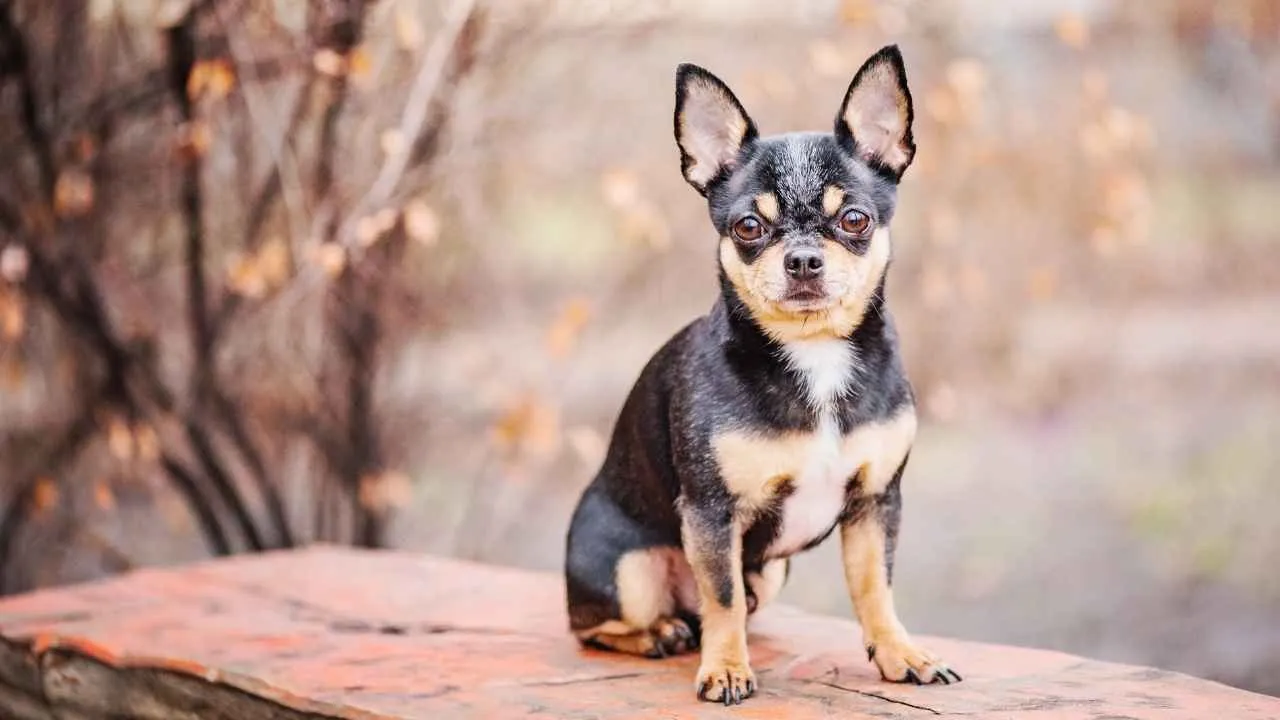
Chihuahuas may be tiny, but their love for people is huge. They often form close bonds with their families. PetMD notes that these loyal dogs enjoy staying by their owners’ sides. Their small size also makes trips and errands easier. Some Chihuahuas weigh less than six pounds, adding to their appeal.
However, a teacup Chihuahua is not an official breed type. This teacup dog may face health conditions linked to extreme smallness. Some sellers promise tiny adult sizes, but health should always come first.
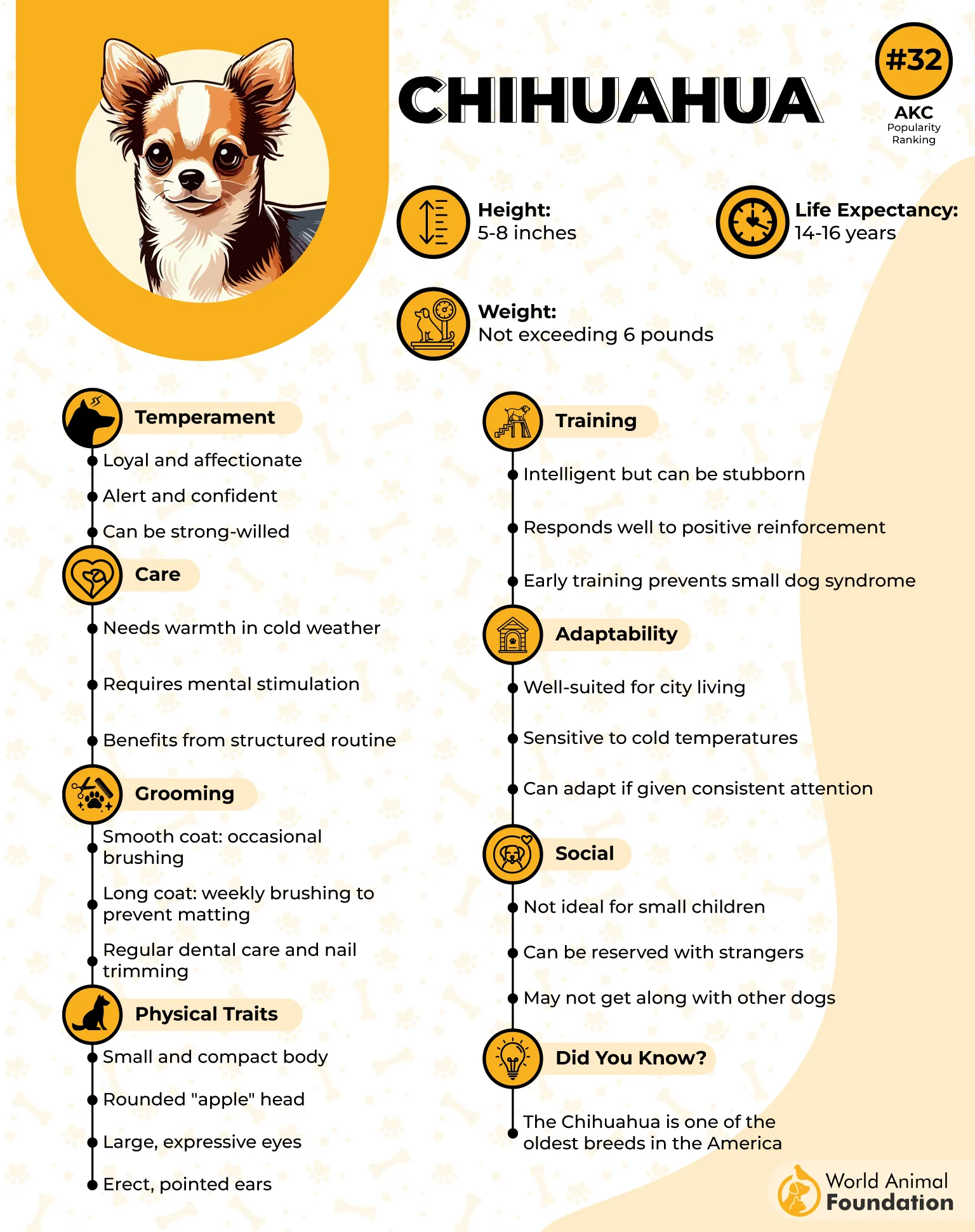
These small pups can make a great companion for the right family. They need little exercise compared with many big dogs, yet daily play still matters. Some may also face respiratory problems or other issues that affect their well-being. Safe handling helps protect these fragile little dogs.
Keeping a Chihuahua Safe
Block access to high furniture to prevent risky jumps.
Teach children to hold and pet the dog gently.
Provide a warm bed away from cold drafts.
Supervise play with larger pets to prevent accidental injuries.
Choose a vet who can guide you on your dog’s specific needs.
7. Yorkshire Terrier
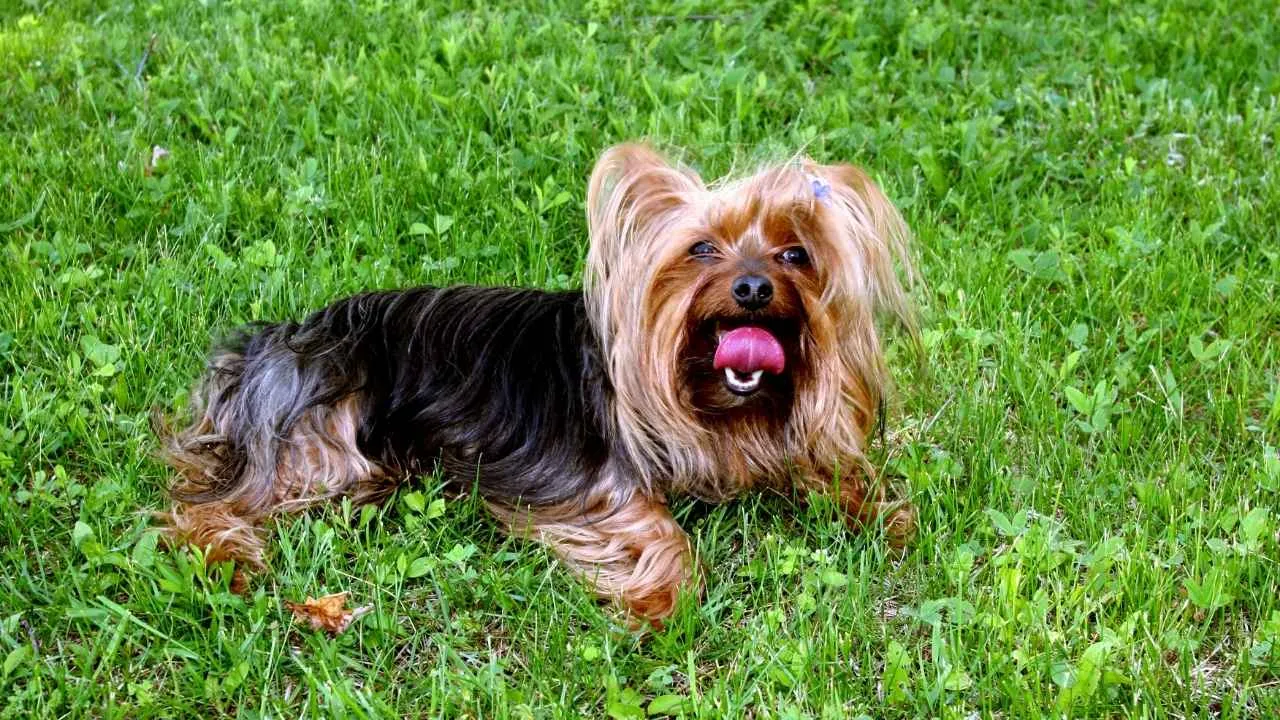
Yorkshire Terriers may be small, but they bring plenty of spirit to a home. They are playful, energetic dogs that often enjoy being close to their people. Wikipedia describes them as companion dogs and notes their role in developing other breeds, including the Silky Terrier and Yorkipoo.
A teacup Yorkie is an extra-small version marketed for its tiny size. However, no official teacup breed exists. Teacup Yorkies may face health problems due to their fragile bodies. They also need a proper diet to stay healthy.
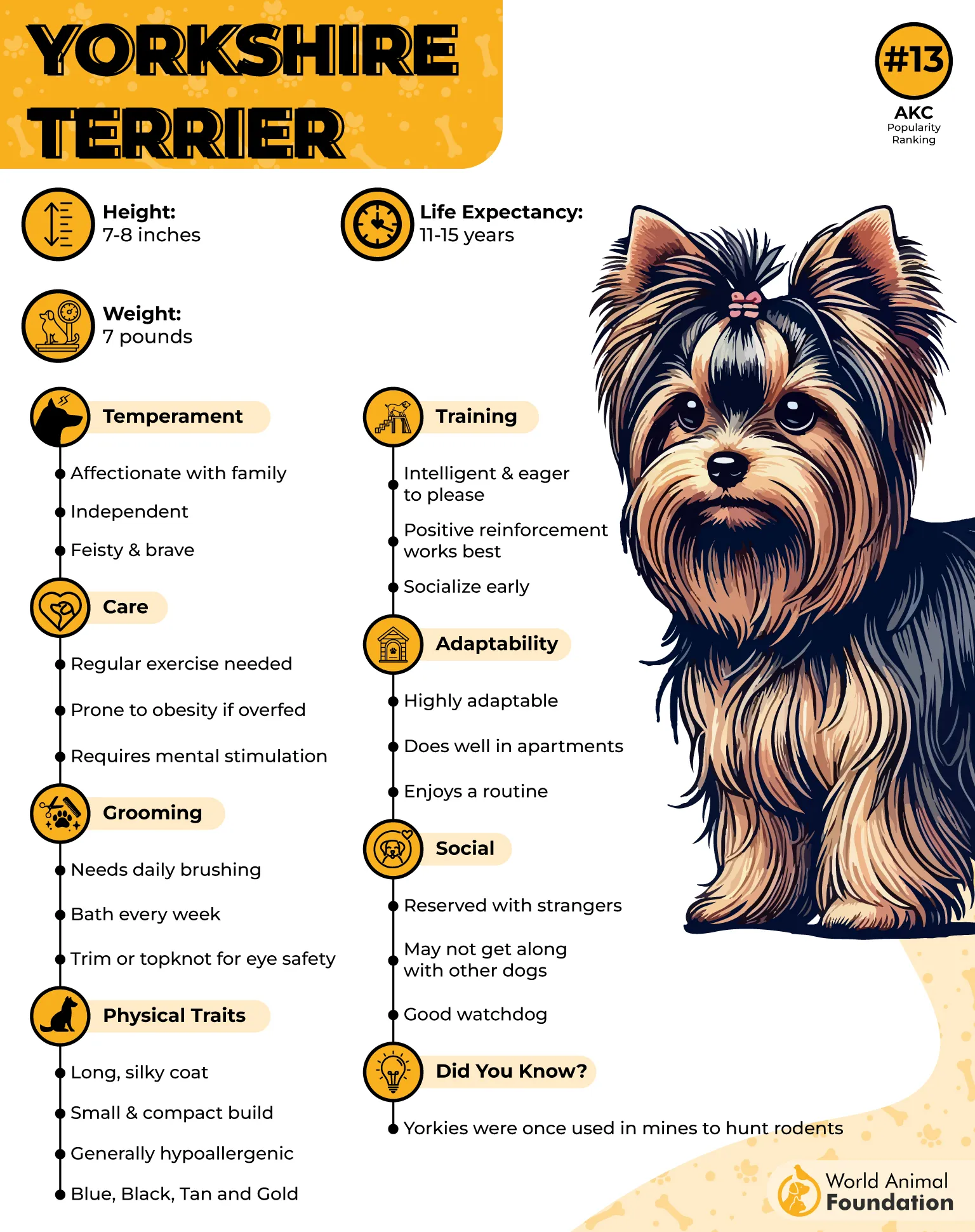
A veterinarian can help plan small meals when needed, especially for puppies prone to low blood sugar. The Yorkie dogs often bond strongly with their owners and love cuddling. Still, their well-being should matter more than their size.
Caring for a Teacup Yorkie
Ask your veterinarian how often your dog should eat.
Keep floors clear of objects that could cause trips or falls.
Use gentle play to avoid strain on tiny limbs.
Brush the coat often to prevent knots.
Arrange regular vet visits to check growth and overall health.
Conclusion
Tiny dogs may bring big joy, love, and fun. However, each teacup dog breed has its own care needs. Remember, “teacup” is a sales label, not an official breed type. Many teacup dogs face health risks linked to their small size. A teacup version may look cute, but looks should never come first.
Some sellers use unethical breeding practices to produce smaller dogs. This can lead to poor health across multiple generations. Instead, choose responsible breeding that puts dogs’ health first. Ask about health tests, family history, and vet bills before making a choice.
You can also check local rescues for a healthy, loving friend. No official teacup variety guarantees good health or a certain adult weight. Plan for food, grooming, vet care, and a safe home. With the right care, your tiny friend can enjoy a happier life by your side.
