





There’s something utterly captivating about tiny dogs that can fit in the palm of your hand or curl up in a handbag. These pint-sized pups pack enormous personality into impossibly small packages, bringing joy, companionship, and yes, lots of attention wherever they go.
But before we dive into the adorable details, let’s have a meaningful conversation about what “teacup” actually means. Here’s the truth: teacup isn’t an official designation recognized by organizations like the American Kennel Club.
Instead, it’s a term breeders and dog lovers use to describe the smallest versions of already small dog breeds. We’re talking about dogs that typically weigh less than five pounds when fully grown and stand just a few inches tall at the shoulder.
This tiny size comes with both incredible charm and serious responsibilities. These teacup dogs aren’t just miniature versions of their standard breed counterparts—they often have specific care needs, potential health concerns, and require extra vigilance from their pet parents.
Today, we’re exploring some of the most popular teacup dog breeds and their teacup versions. We’ll look at what makes each special, what you need to know about caring for them, and how to ensure you’re supporting responsible breeding practices.
Tiny Teacup Dog Breeds: Big Charm, Small Size
1. Shih Tzu
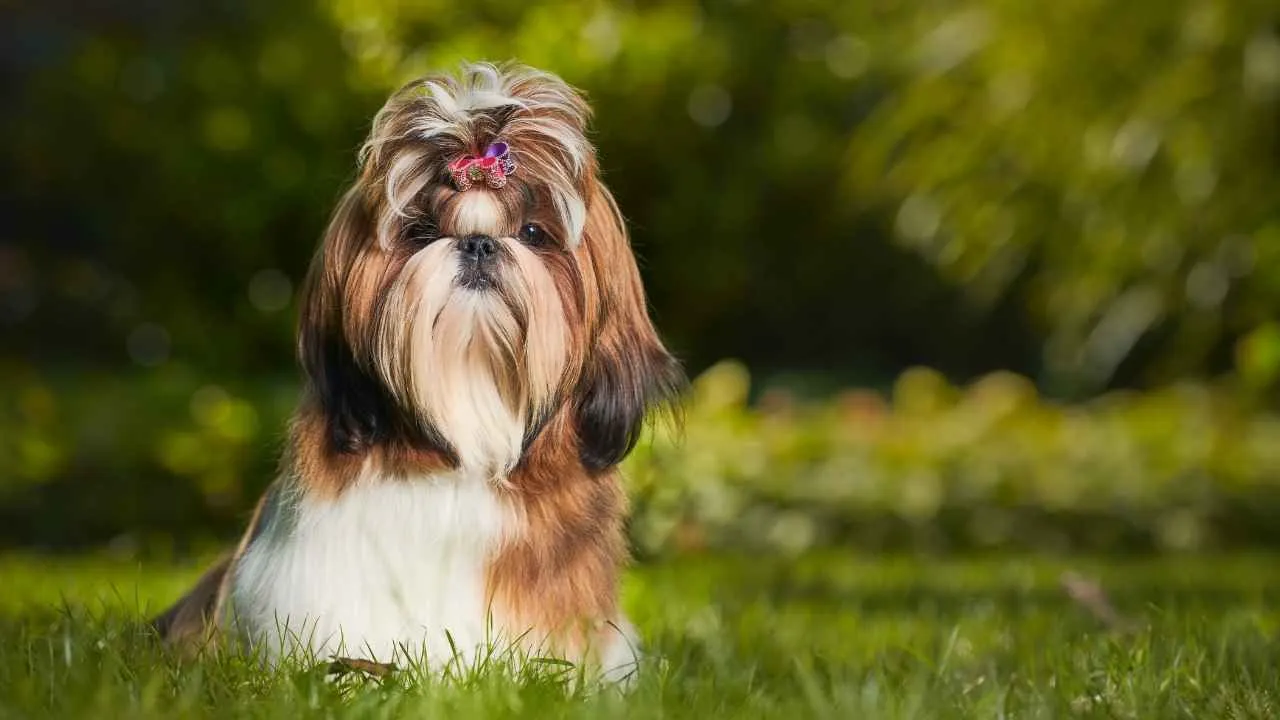
Let’s start with a breed beloved for centuries—the Shih Tzu. These dogs were initially bred to be companions for Chinese royalty, and even in their standard size, they’re relatively minor. But the teacup version takes that compact size to another level, creating truly pocket-sized pups that maintain all the charm of their standard-sized cousins.
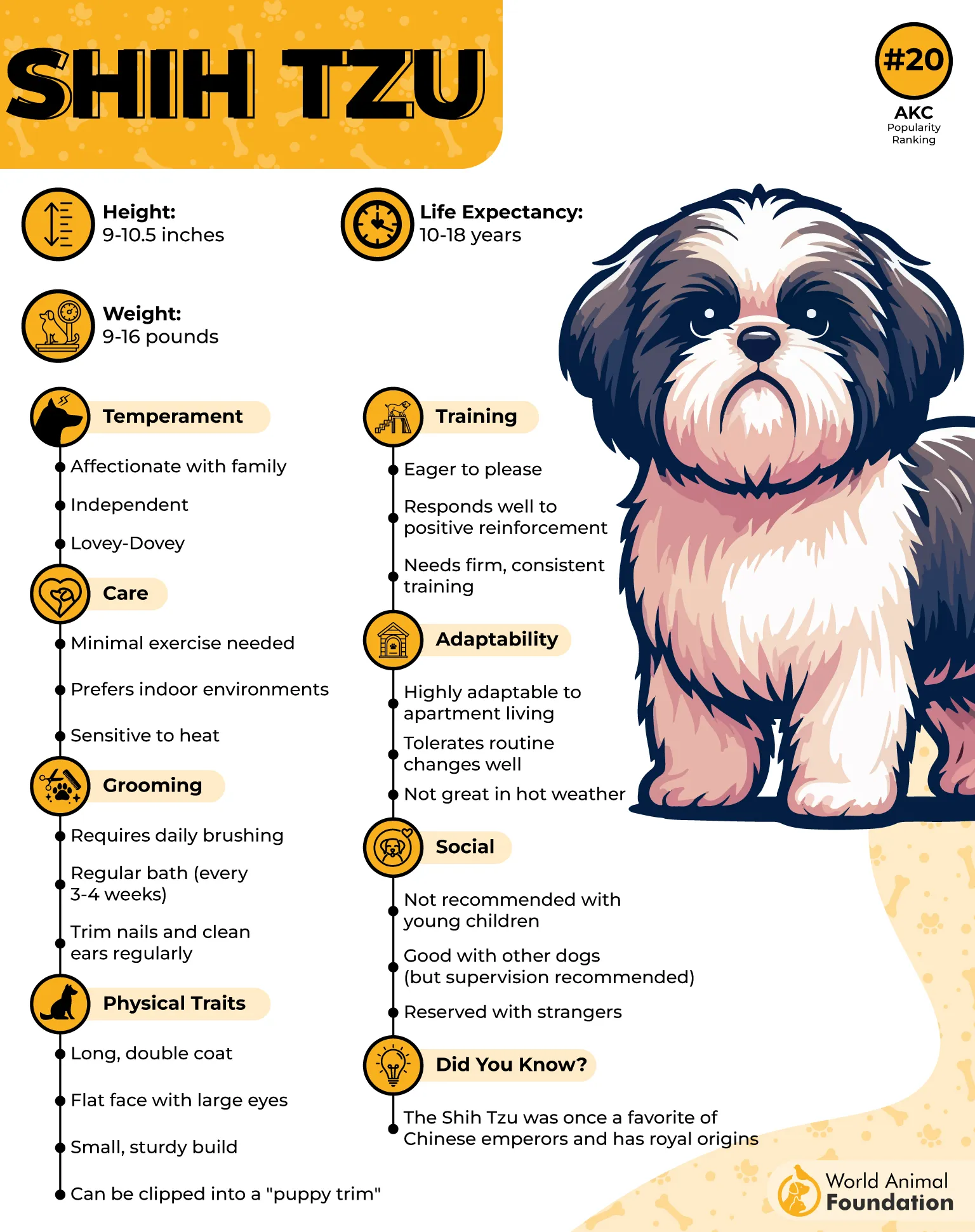
Standard Shih Tzus typically weigh 9 to 16 pounds and stand 9 to 10 inches tall. A teacup version might weigh just 4 to 7 pounds and stand only 6 to 8 inches tall. That’s genuinely tiny, though still substantial enough to be somewhat sturdier than the absolute most miniature teacup breeds.
What makes them wonderful is their temperament. These are devoted dogs who were literally bred to be companions. They’re friendly, outgoing, and generally excellent with everyone—children (though supervision is essential with such small dogs), other pets, and strangers. They’re the social butterflies of the dog world, happy to make friends wherever they go.
They have a flowing coat that’s absolutely gorgeous when properly maintained. However, this beauty comes with grooming requirements. Even teacup versions need regular grooming—daily brushing if kept in a long coat, or regular trips to a professional groomer if kept in a shorter “puppy cut.” Many owners of teacup Shih Tzus opt for shorter coats because they are easier to manage on such tiny dogs.
2. Pomeranian
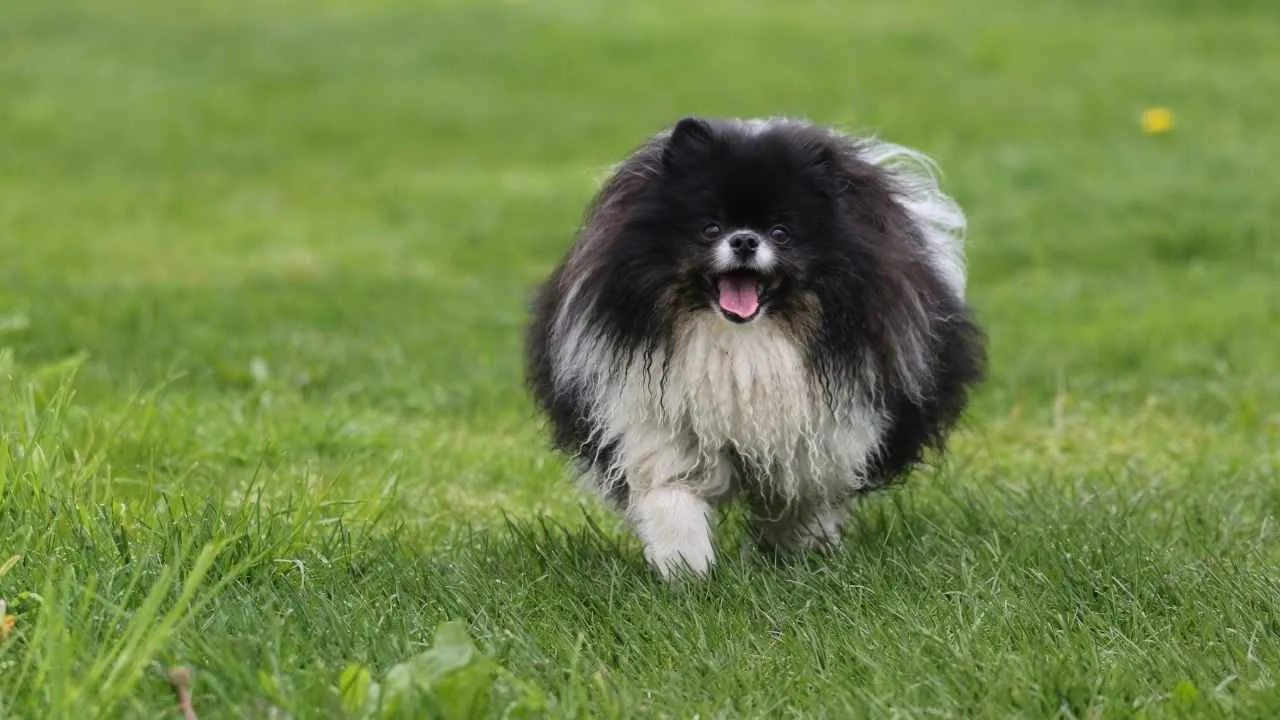
Pomeranians are already small dogs—standard Poms weigh just three to seven pounds—so when we talk about teacup Pomeranians, we’re discussing truly minuscule dogs.
A teacup Pomeranian might weigh just two to four pounds, making it one of the smallest dogs you’ll encounter. But don’t let that tiny size fool you—these are dogs with the heart of a lion. Pomeranians are famously bold, confident, and sometimes think they’re much larger than they actually are. This “big dog in a small body” attitude is part of their charm.
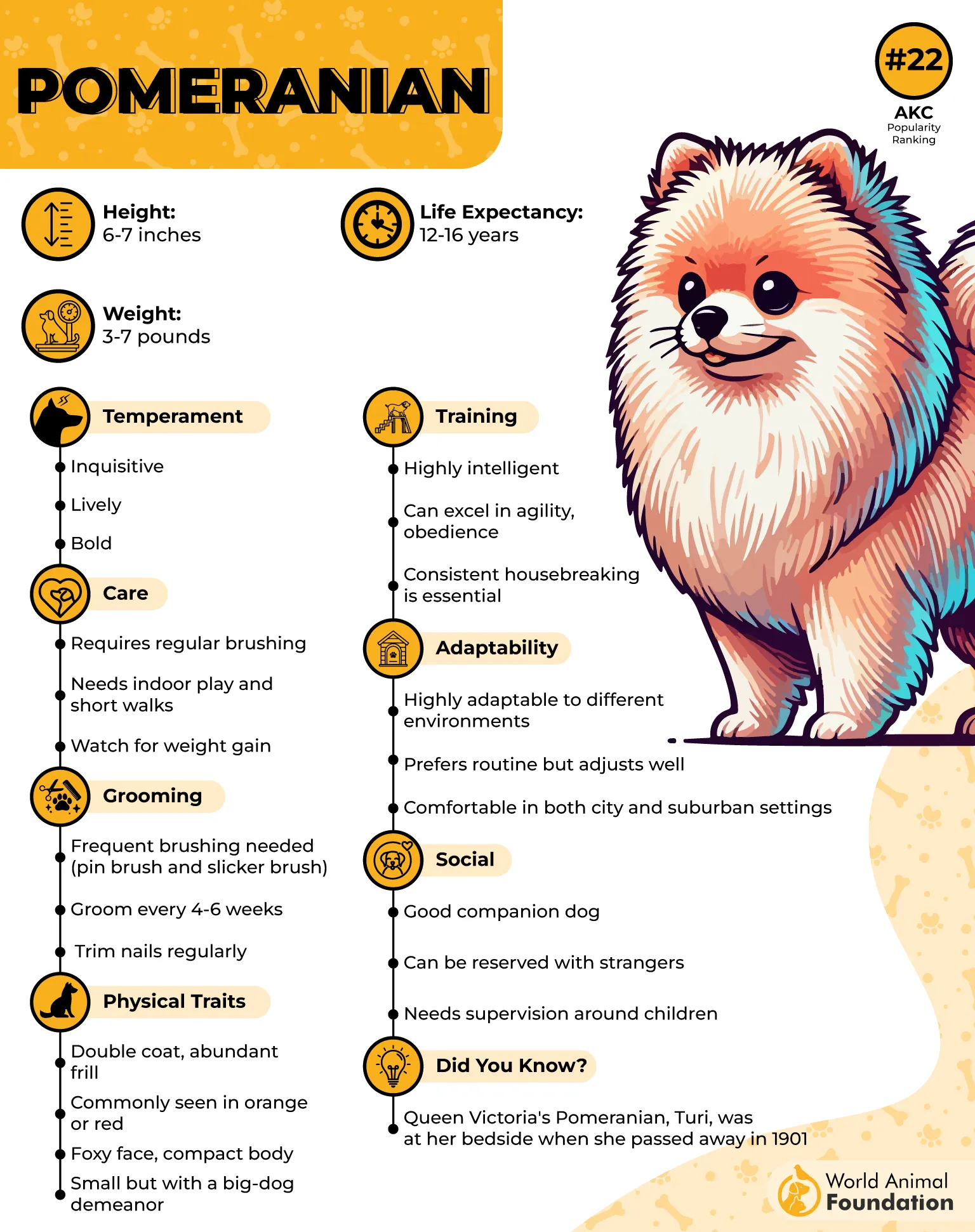
What makes Pomeranians so popular is their personality and appearance. They’re alert, curious, and energetic little dogs who are always ready for adventure (appropriately sized for their small stature, of course). They’re playful pups who enjoy games and activities, though obviously, everything needs to be scaled to their tiny size.
They can make great family dogs, though their tiny size means they’re better suited to families with older, respectful children. They can be nippy if frightened or handled roughly, and their fragile bones mean rough play is dangerous. They can coexist with other pets, but supervision is essential—even a friendly larger dog could accidentally injure a teacup Pomeranian during play.
One thing to know about Pomeranians: they’re vocal. These little dogs like to bark, and they have surprisingly loud voices for their size. This makes them excellent watchdogs—they’ll definitely alert you to anything unusual—but it also means they’re not ideal for situations where quiet is essential.
For someone who wants a tiny, fluffy, confident companion with loads of personality, a responsibly bred Pomeranian could be wonderful. Just be prepared for grooming needs, their vocal nature, and the extra care their tiny size requires.
3. Maltese
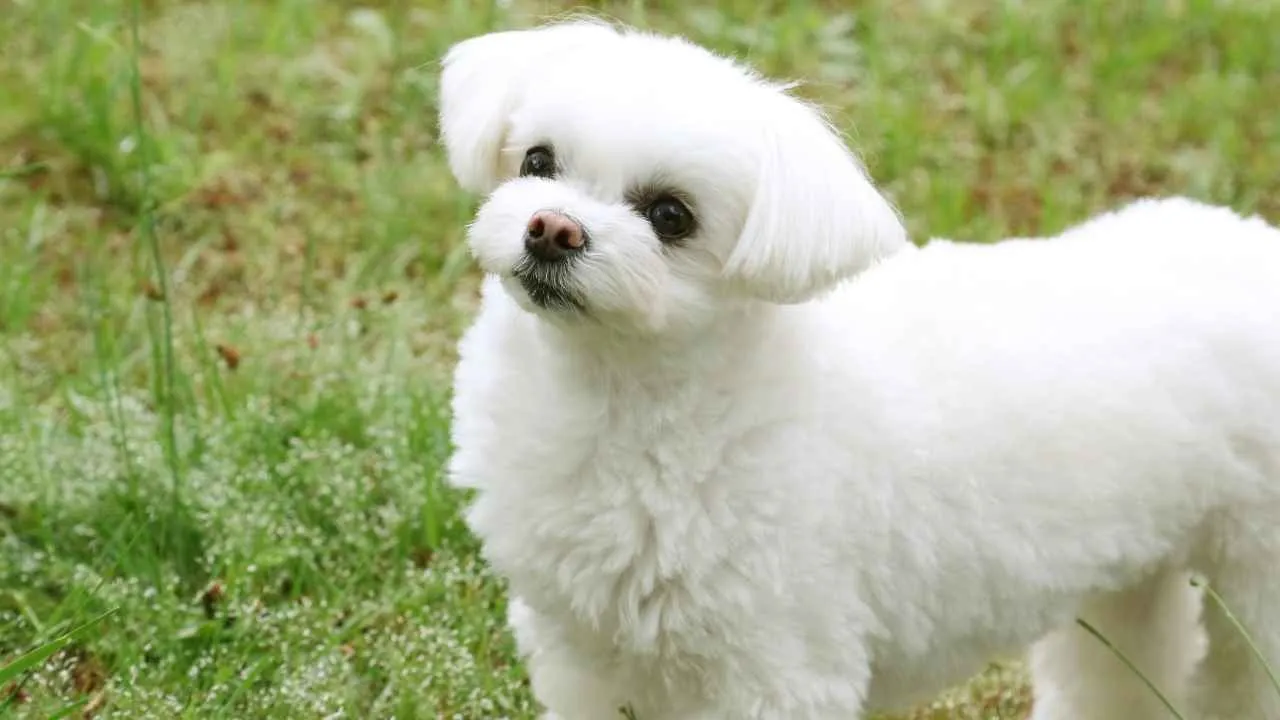
The Maltese is one of the oldest toy breeds, with a history stretching back thousands of years. These gorgeous dogs have long been treasured as companions, and it’s easy to see why—their pure white flowing coat and sweet temperament make them utterly charming. A teacup Maltese takes this already small breed and makes it even tinier.
Standard Maltese dogs weigh around four to seven pounds and stand seven to nine inches tall. A teacup Maltese might weigh just 2 to 4 pounds and stand only 5 to 7 inches tall. We’re talking about dogs small enough to literally fit in a large teacup (though please don’t actually put them in teacups). They can easily manage to survive in small living spaces.
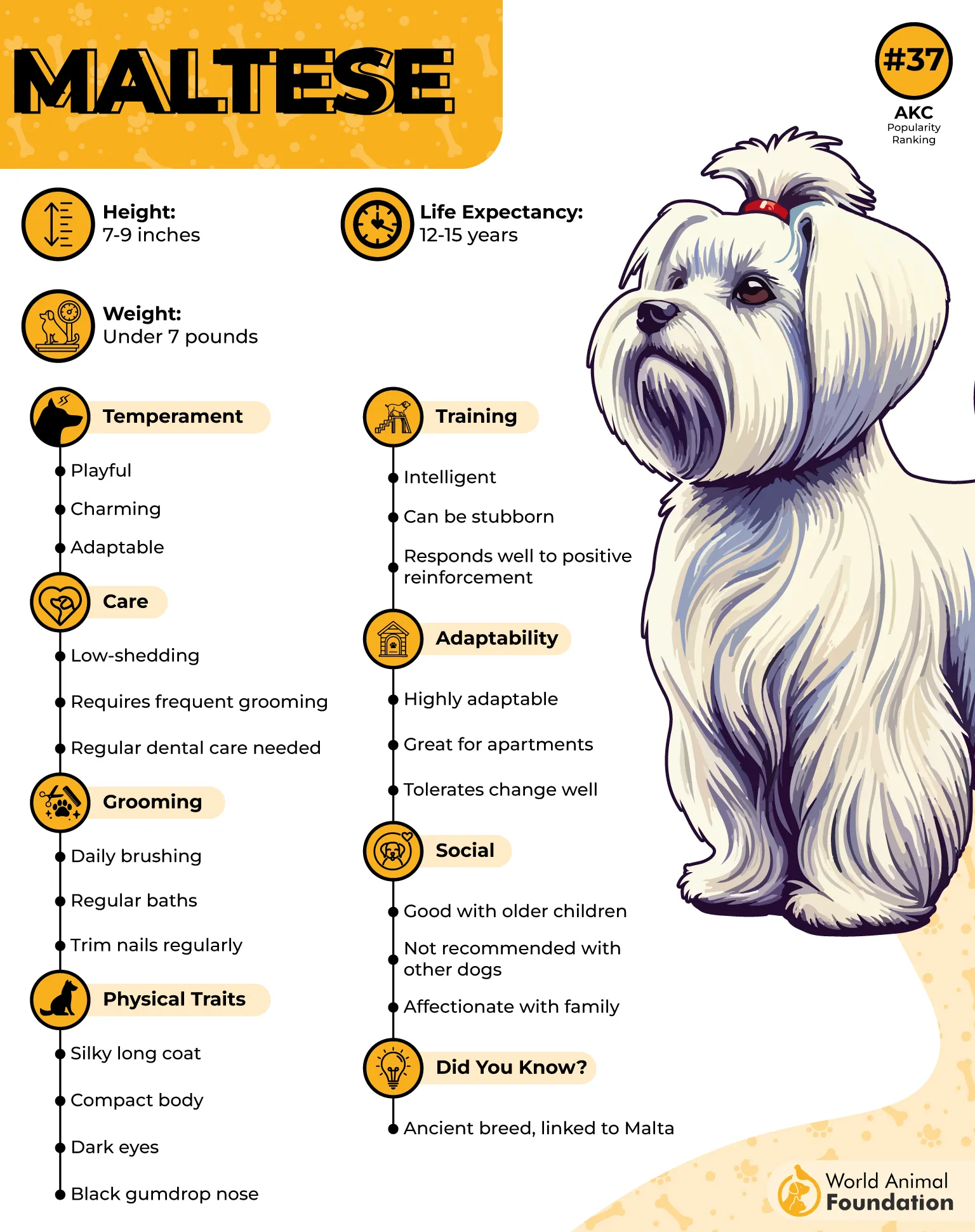
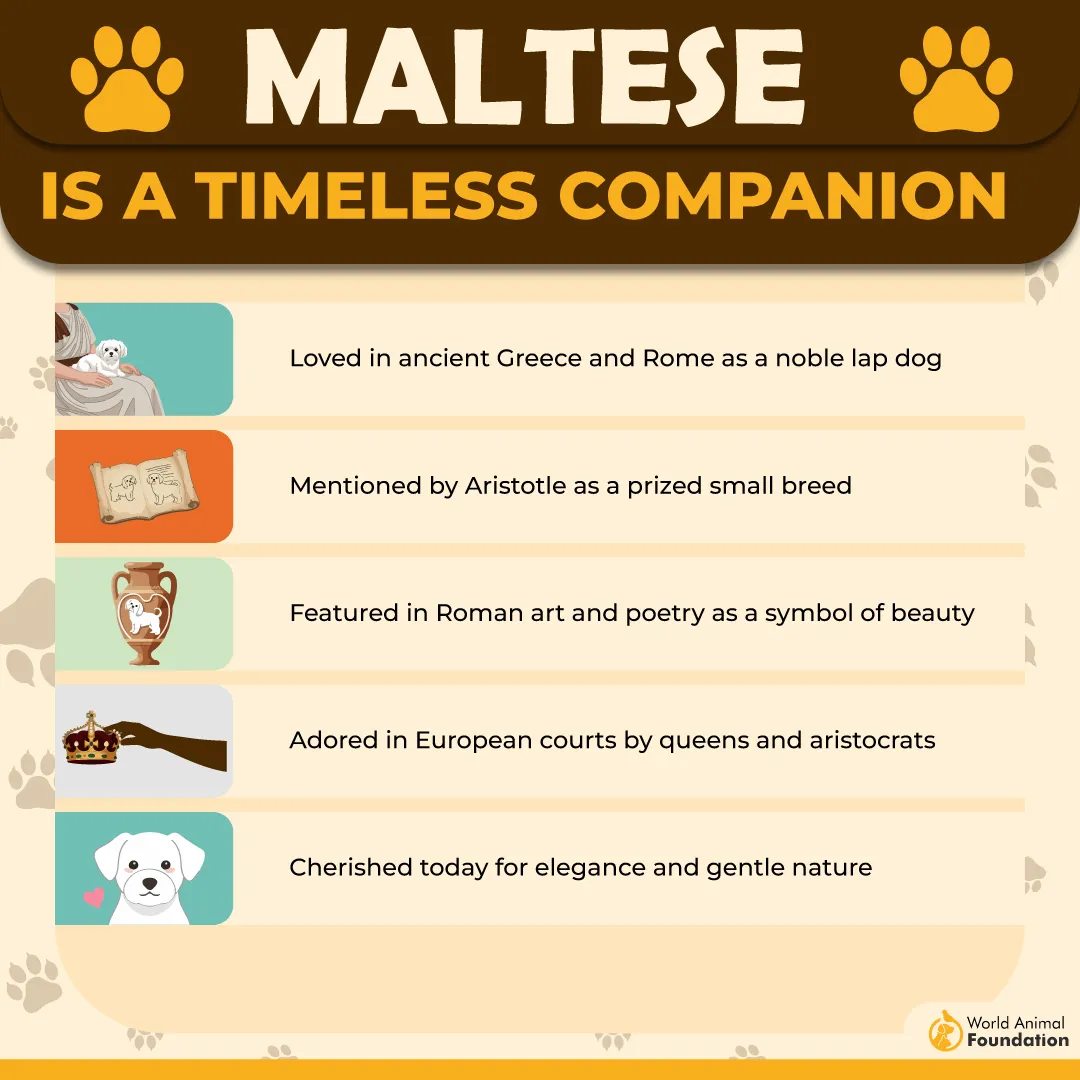
What makes Maltese dogs special is their gentle nature combined with playfulness. These are loving dogs who bond closely with their families. They’re typically gentle and sweet, though they can be playful and surprisingly spirited during playtime, as noted by WebMD. They’re often described as having a lovely temperament.
The Maltese coat is stunning—long, silky, and pure white. It’s more like human hair in texture than typical dog fur, which means it sheds less, making them interesting for allergy sufferers (though no dog is entirely hypoallergenic). However, this beautiful coat requires significant grooming. Daily brushing is necessary if kept long, and many Maltese owners opt for a shorter “puppy cut” for easier maintenance.
Just like many other teacup puppies, they have a delicate build. Their bones are fragile, and their petite frames make them vulnerable to injuries. They also share dental crowding common in small dogs and can experience hypoglycemia, a common issue in teacup breeds.
4. Papillon
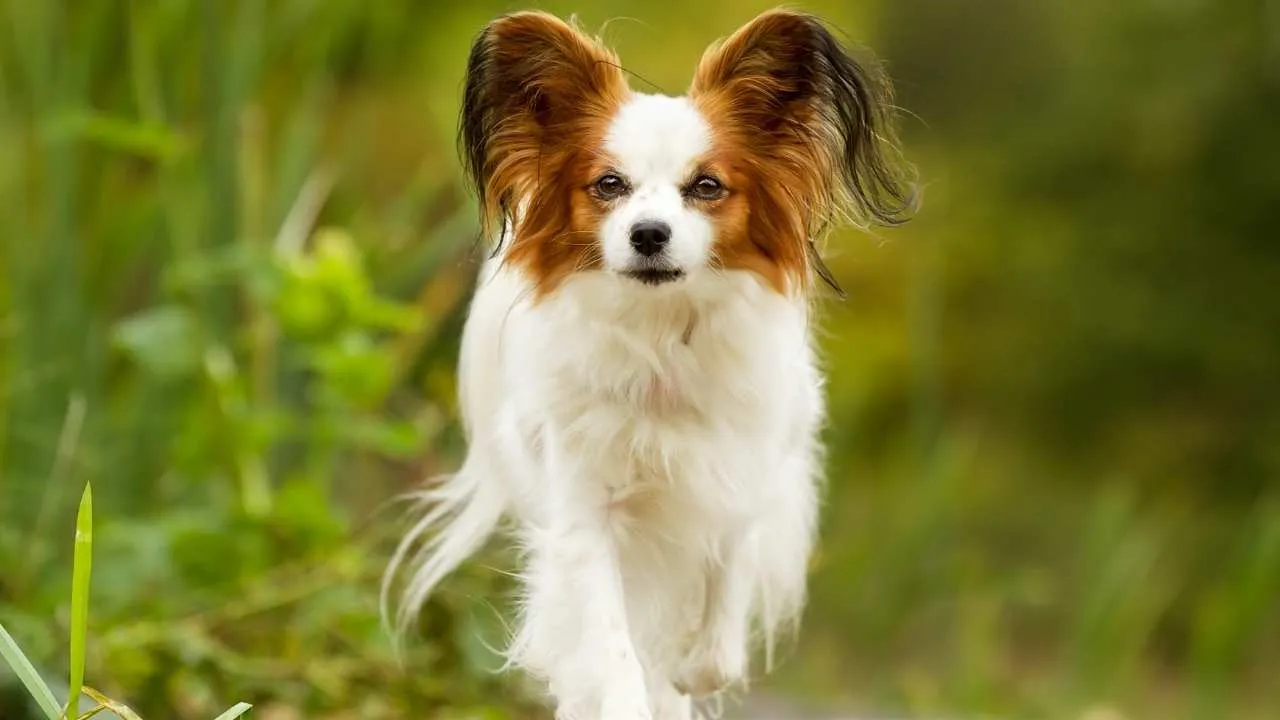
The Papillon is named for its distinctive butterfly-like ears, which stand erect and are beautifully fringed with long hair. These are already small dogs—standard Papillons weigh five to ten pounds—but teacup varieties push that size even smaller, creating truly tiny dogs with enormous ears (proportionally speaking).
A teacup Papillon might weigh just 3 to 5 pounds and stand 6 to 8 inches tall. Those magnificent ears might seem almost too large for their tiny body, but that’s part of their unique charm. These are genuinely eye-catching little dogs that turn heads wherever they go.
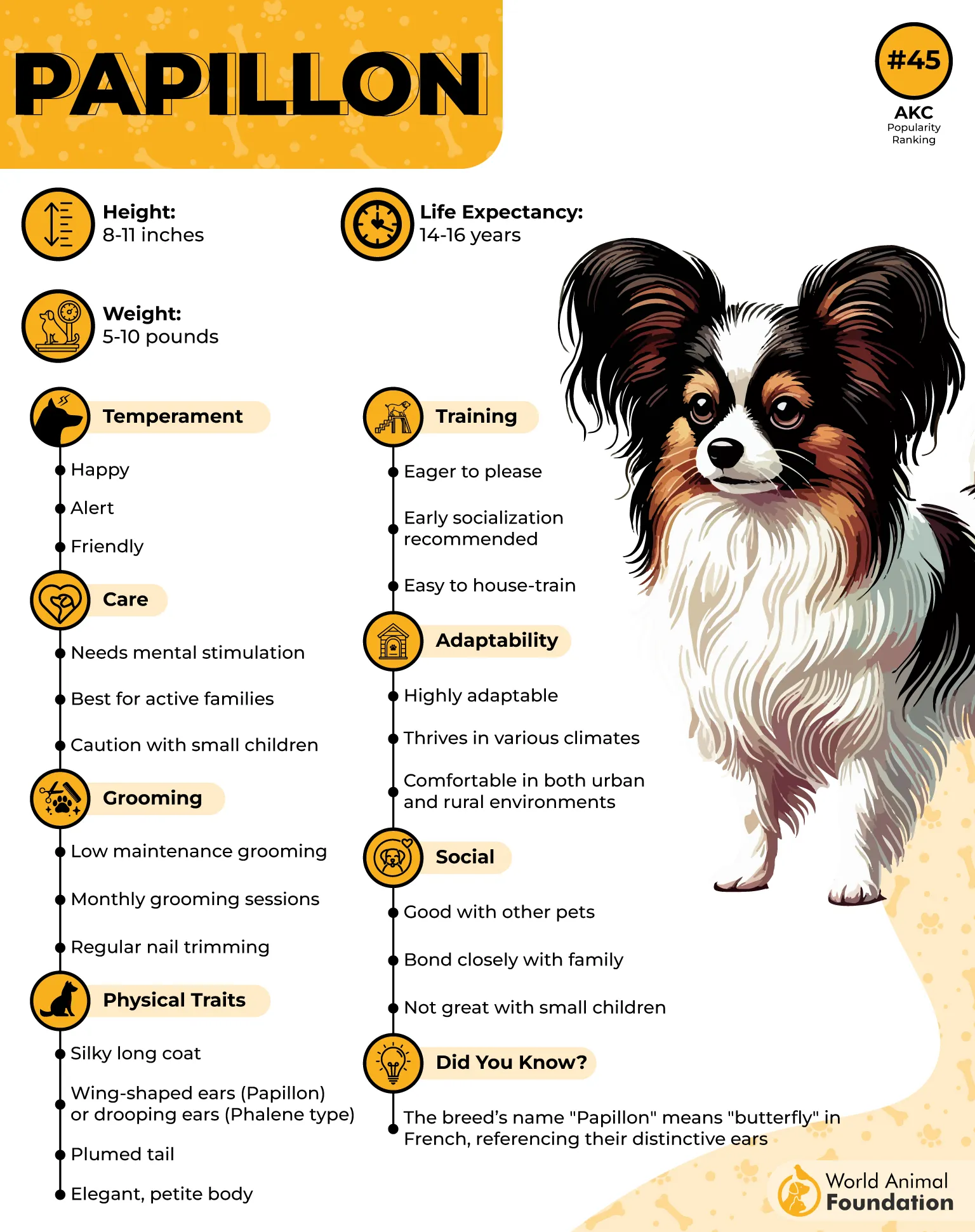
What surprises people about Papillons is their intelligence. PetMD mentions that these are genuinely smart dogs who rank among the most intelligent toy breeds. They’re highly trainable and excel at learning tricks and commands.
They’re also energetic little dogs who enjoy activities and adventures scaled to their size. Don’t expect a lazy lap dog—Papillons want to do things.
Papillons are typically friendly and outgoing with a playful nature that makes them fun companions. They’re social dogs who generally do well with other pets and can be good with children who understand how to handle small dogs gently. However, their tiny size means supervision is always necessary.
They are more active than many other tiny dogs. They need regular exercise and mental stimulation. They enjoy short walks, play sessions, and training activities that challenge their intelligent minds. A bored Papillon can become destructive or develop nuisance barking.
5. Poodle
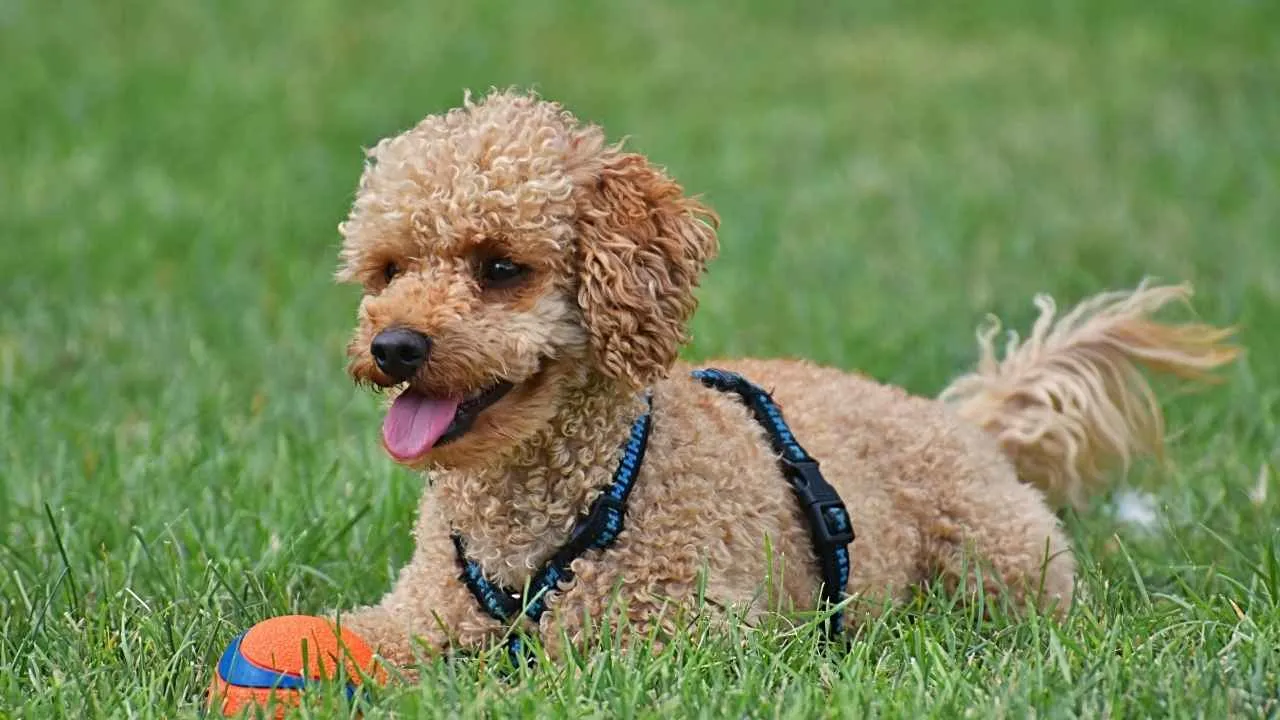
When people think about Poodles, they often picture the standard or miniature sizes. Still, Toy Poodles are already relatively small—typically four to six pounds and standing about ten inches tall. Teacup Poodles push this even smaller, creating truly tiny versions of this elegant, intelligent breed.
A teacup Poodle might weigh just two to four pounds. These are genuinely little dogs, but they maintain all the intelligence and personality that make Poodles so beloved. In fact, Poodles of all sizes rank among the most intelligent dog breeds, and Poodles are no exception.
What makes them wonderful is their combination of smarts, trainability, and personality. These are clever dogs who learn quickly and excel at training. They’re also playful companions with a sense of humor and mischief that keeps life interesting. They bond closely with their families and are typically friendly with everyone when properly socialized.
The Poodle coat is distinctive—curly, dense, and continuing to grow rather than shedding seasonally. This makes them popular dogs for allergy sufferers, as they shed minimally. However, this coat requires regular grooming. Professional grooming every 6 to 8 weeks is typical, along with brushing at home to prevent matting.
Teacup Poodles come in various colors, including white, black, apricot, brown, and more. They can be kept in elaborate show clips or simpler pet trims. Most pet parents opt for practical cuts that are cute but easy to maintain.
Despite their tiny size, these popular small dog breeds are surprisingly athletic and enjoy a variety of activities. They need daily exercise and mental stimulation to stay happy.
6. Bichon Frise
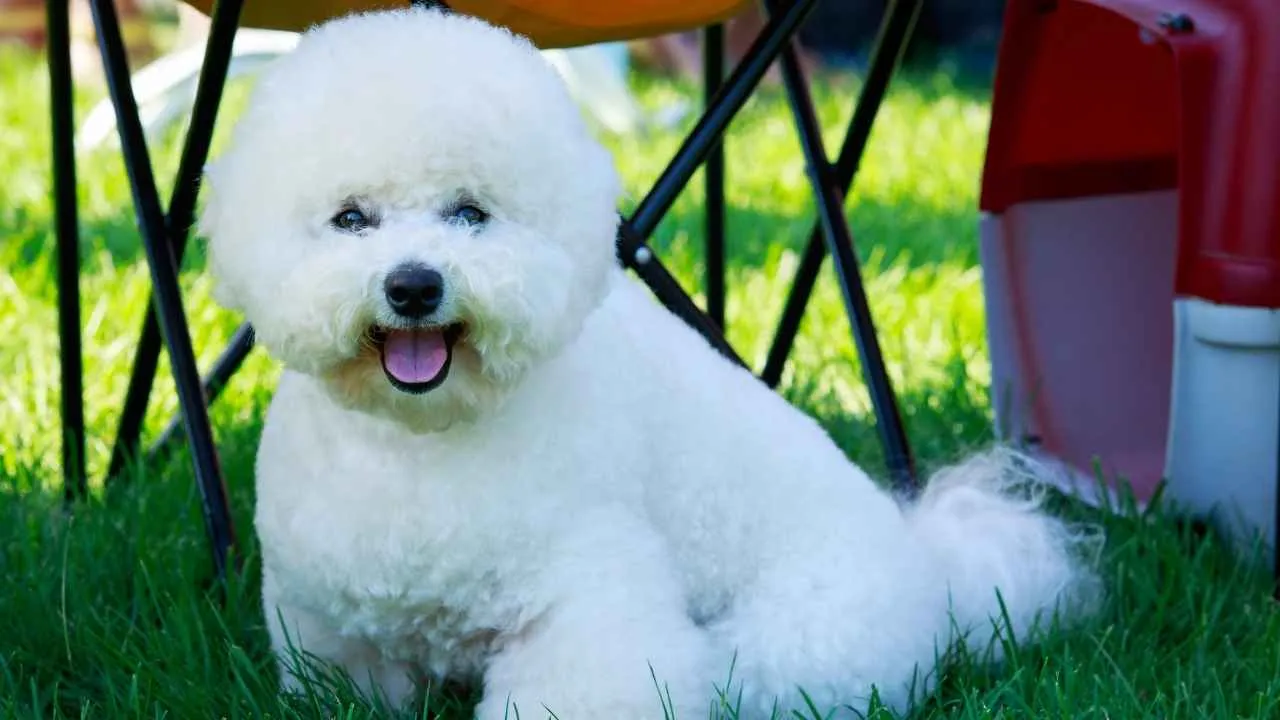
The Bichon Frise is a cheerful, fluffy breed that’s already relatively small in standard form—typically weighing 12 to 18 pounds. A teacup Bichon Frise takes this adorable breed and makes it even tinier, creating little white powder puffs that seem almost too cute to be real.
A teacup Bichon Frise might weigh just 4 to 8 pounds and stand 7 to 10 inches tall. These are genuinely small dogs with fluffy white coats that make them look like little clouds with legs. Their rounded appearance and cheerful expression make them irresistibly charming.
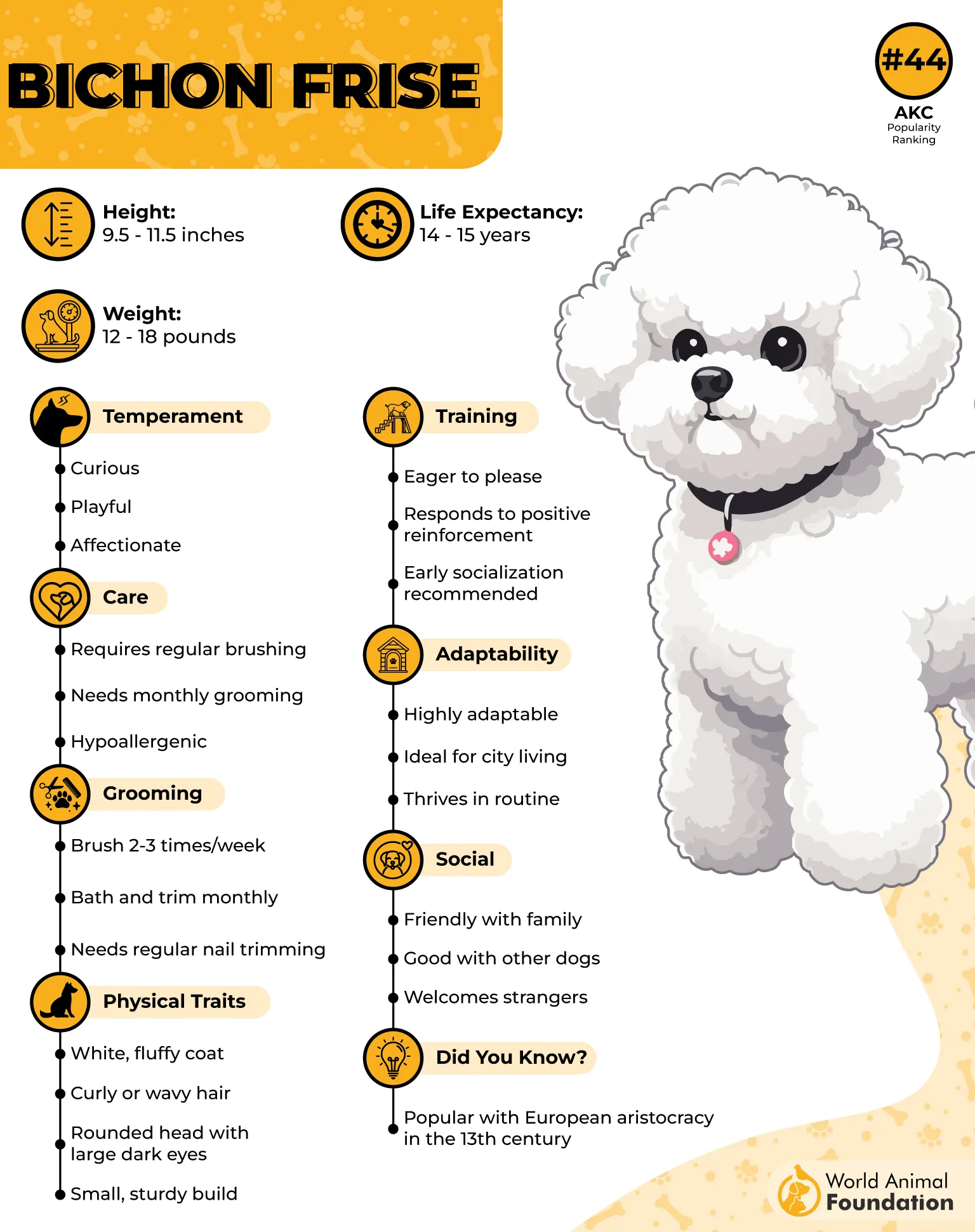
AKC claims that what makes them wonderful is their personality. These are happy, playful dogs with a gentle nature, making them excellent companions. They’re affectionate without being overly needy, playful without being hyperactive, and friendly with everyone when properly socialized.
They’re often described as having a cheerful disposition that’s simply delightful.
Their coat is one of its defining features—soft, fluffy, and white. Like Poodles, they have a coat that continues growing and doesn’t shed in the traditional sense, making them interesting for allergy sufferers. However, this coat requires significant grooming.
Professional grooming every 4 to 6 weeks is typical, along with regular brushing at home to prevent matting.
One challenge with these teacup puppies is their potential for separation anxiety. They bond closely with their families and don’t like being left alone for extended periods. They’re best suited to homes where someone is around most of the time.
7. Chihuahua
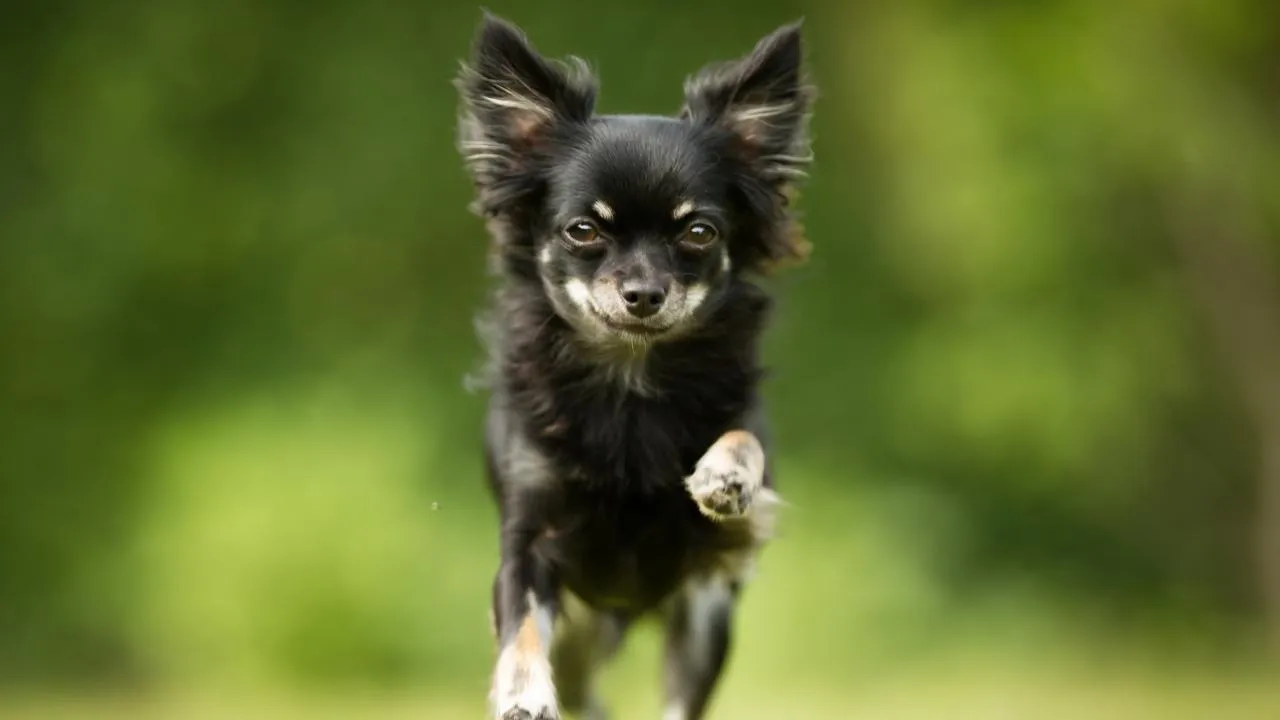
Finally, we come to the Chihuahua—already the smallest dog breed recognized by the American Kennel Club. Standard Chihuahuas weigh just two to six pounds, so when we talk about a teacup Chihuahua, we’re discussing dogs that are almost unbelievably tiny—sometimes weighing less than two pounds when fully grown.
At this size, we need to have a serious conversation about ethics and health. Chihuahuas weighing less than 2 pounds face significant health challenges. Many responsible breeders refuse to breed for such an extreme tiny size because the health risks are so severe.
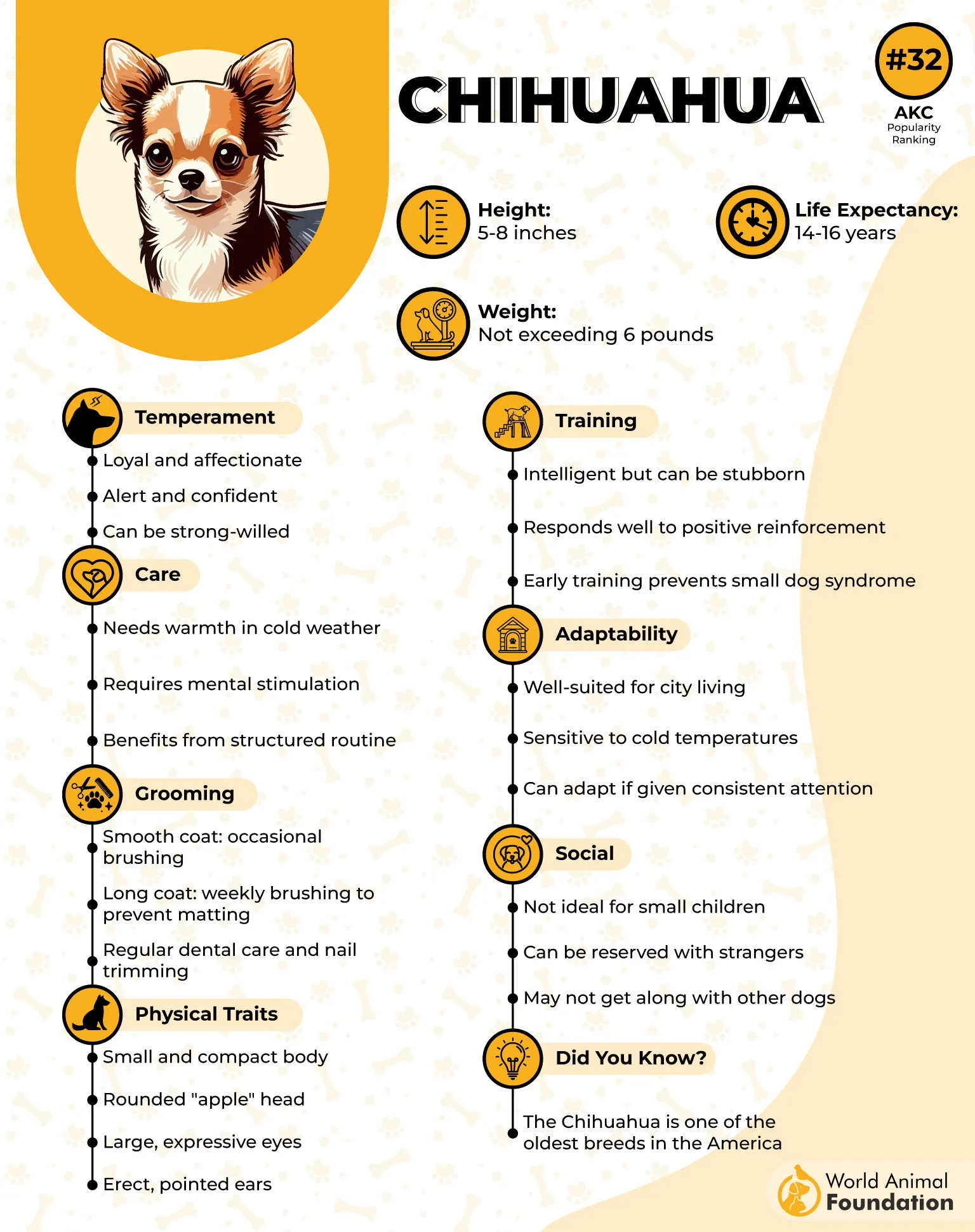
That said, small dogs from responsible breeders can be wonderful companions. These are dogs with enormous personalities in tiny packages. They are famous for their confidence, sass, and fearless attitudes.
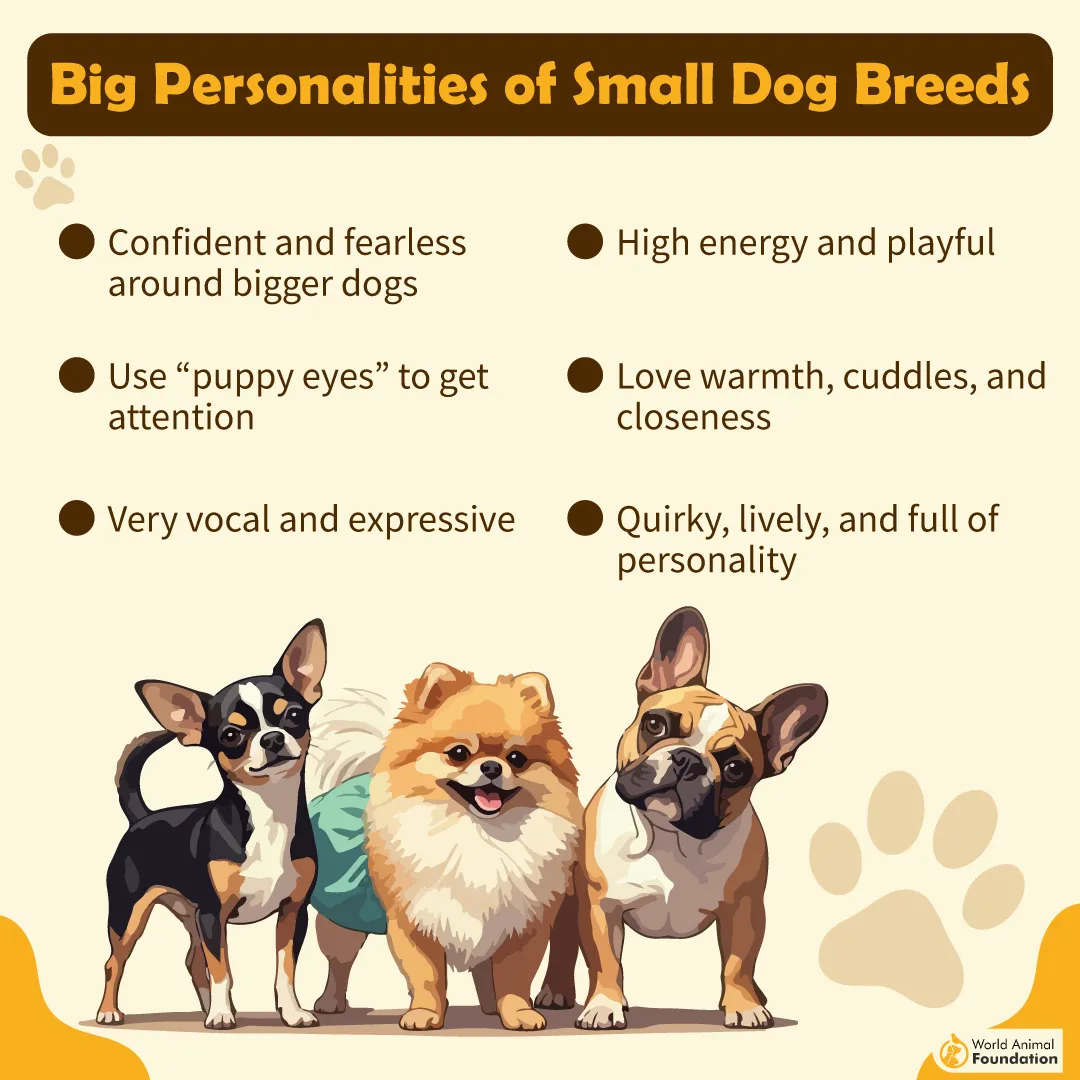
They’re often described as thinking they’re much larger than they are, which can be both charming and something to manage (tiny dogs trying to challenge big dogs is dangerous).
What makes them special is their devotion to their owners, which makes them amazing family dogs. These dogs bond incredibly closely with one or two people and are fiercely loyal. They’re often described as “velcro dogs” who want to be with their person constantly.
This intense bonding is terrific if you wish to have a devoted companion, but it can lead to separation anxiety and overprotectiveness if not properly managed.
They are intelligent and trainable, though they have a stubborn streak. Positive, consistent training from a young age produces the best results. Socialization is crucial to prevent them from becoming overly fearful or aggressive with strangers and other dogs.
Conclusion
Here’s the truth about tiny teacup dogs with big charm and small size: they’re incredible companions who bring immense joy, but they also come with significant responsibilities. These aren’t accessories or fashion statements—they’re living beings who depend completely on their pet parents for everything.
They’re playful companions who make you laugh with their antics. They’re affectionate dogs who comfort you when you’re sad.
They’re loyal friends who greet you with unbridled joy every time you come home. Brussels Griffon, teacup Yorkies, and Cavalier King Charles Spaniel also make wonderful lap dogs owing to their small size.
But they need you to be their advocate and protector. Their tiny size makes them vulnerable in ways larger dogs aren’t. They need you to make smart decisions about their care, to recognize when they need veterinary attention, and to protect them from situations that could harm them.
