




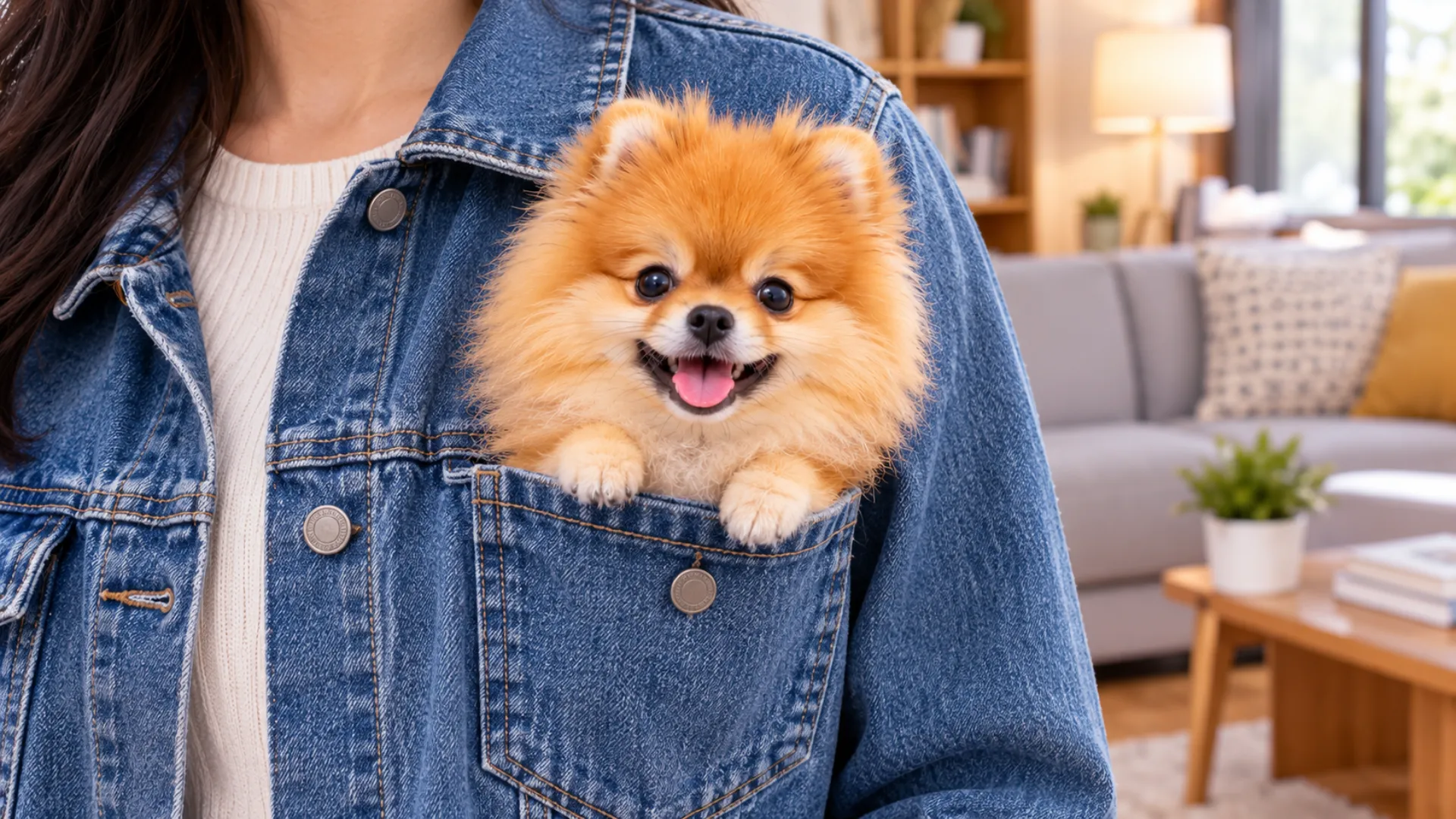
Tiny dogs may be small enough to fit in your lap, but don’t let their size fool you. They can pack a whole lot of personality into those little bodies. From fearless and adventurous to affectionate, playful, and surprisingly bossy, these pint-sized companions often have personalities much bigger than their paws.
But choosing a tiny dog isn’t just about falling for an adorable face. These little pups can have very different energy levels, temperaments, and care needs. Some are happy to curl up beside you, while others want to follow you everywhere, investigate everything, and keep the whole household entertained.
If you’re drawn to dogs that prove great things can come in small packages, you’re in for a treat. The tiny companions on this list may be petite, but they bring plenty of charm, confidence, loyalty, and character to the table.
Let’s take a look at some of the best small dog breeds that can fill your home and your heart with a surprisingly big presence.
Tiny Pocket Dog Breeds with Huge Personalities
1. Chihuahua
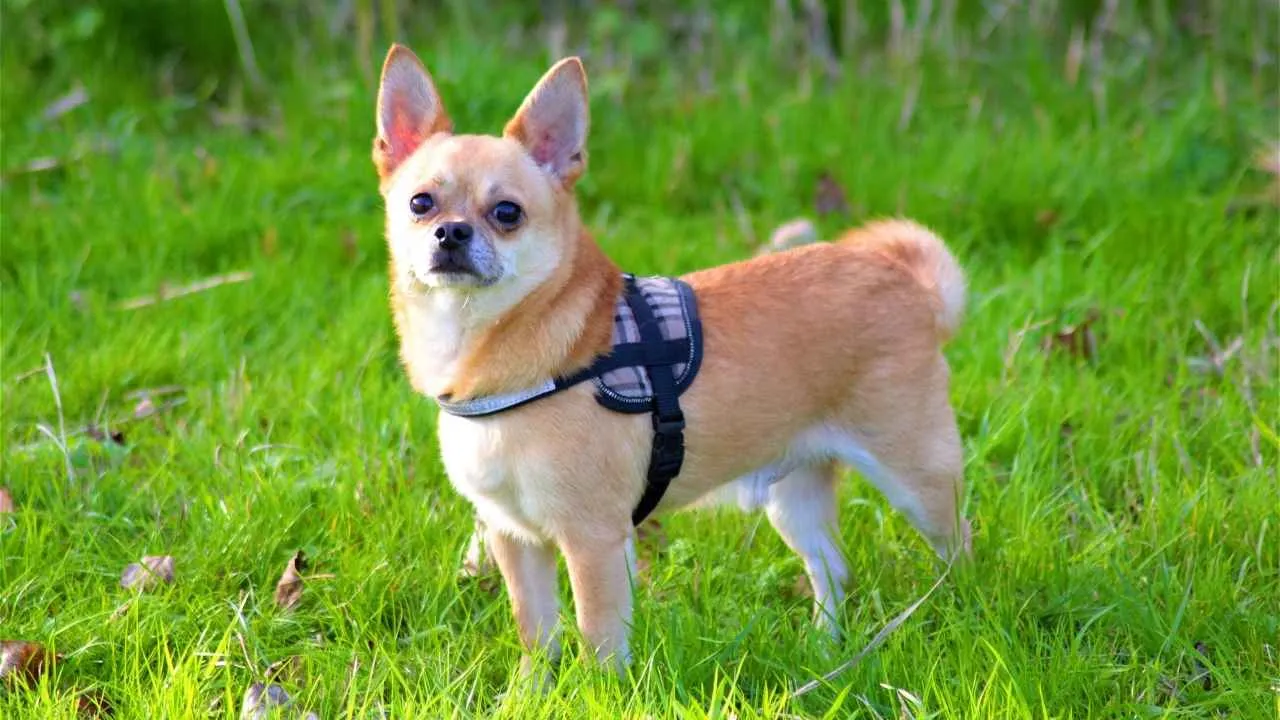
Chihuahuas trace their roots to Mexico, where documents from the 16th century mention small dogs in the region now known as Chihuahua. They became better known as household companions in the early 20th century.
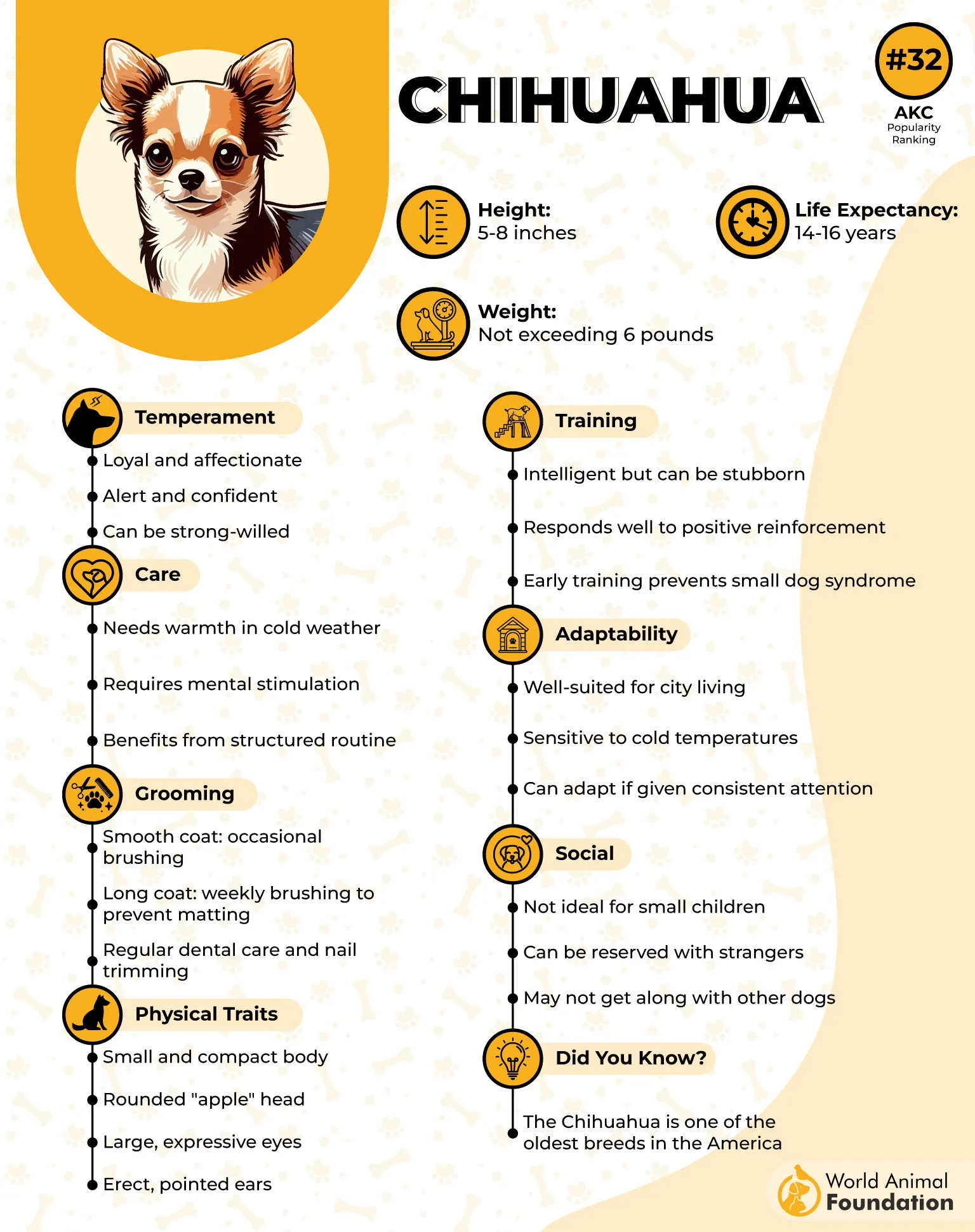
The American Kennel Club officially recognized the breed in 1904. According to PetMD, Chihuahuas come in both short- and long-haired varieties and can have either an “apple head” or “deer head” shape.
Big Personalities in Small Packages
There is nothing small about a Chihuahua’s personality. These dogs are loving, playful, alert, and full of confidence. Often called “Chis,” they tend to form strong bonds with their families and may become especially attached to one person.
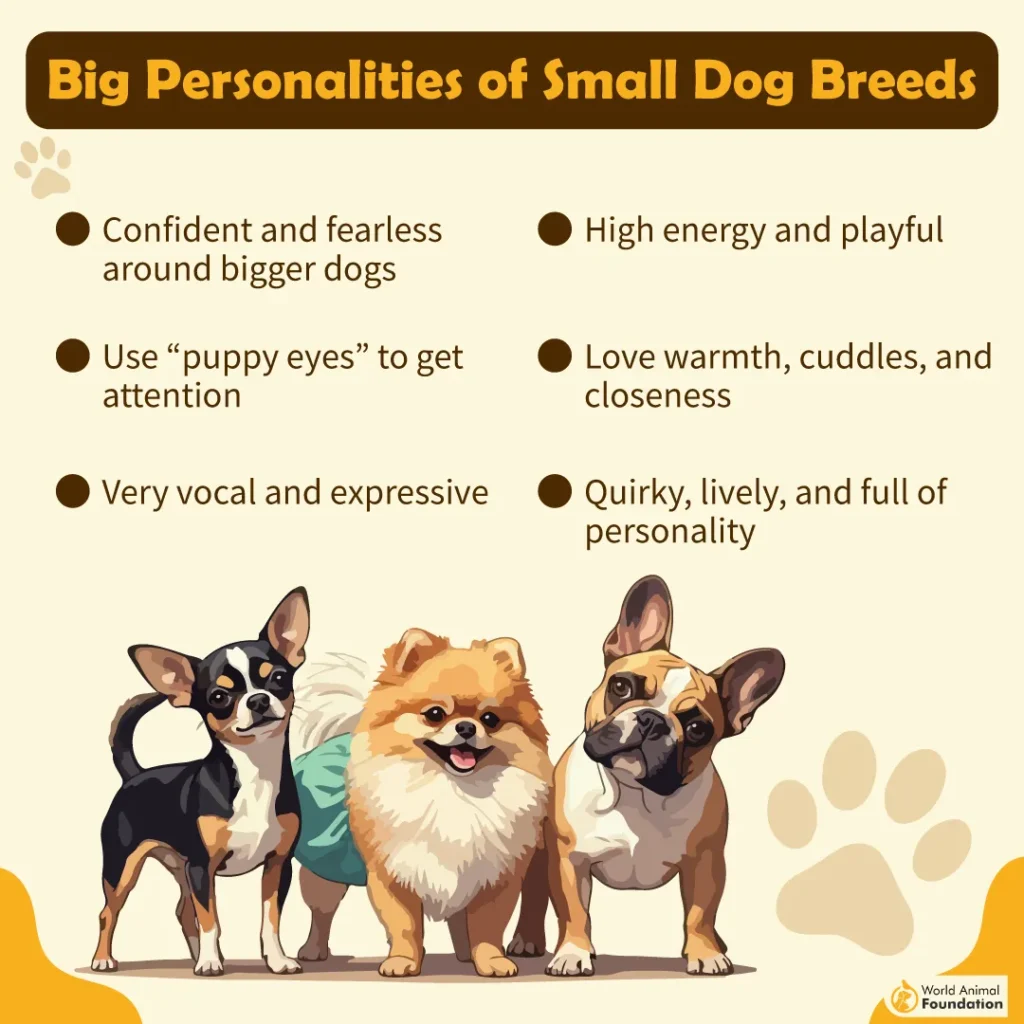
Their bold, terrier-like attitude can even lead them to challenge much larger dogs. Some are outgoing and fearless, while others can be nervous around unfamiliar people.
Caring for These Tiny Companions
Despite their lap-dog reputation, Chihuahuas can be quite energetic. Daily walks, indoor play, and mental activities help keep them happy and healthy. They can also be vocal, especially when they feel nervous or encounter unfamiliar people or dogs.
Patient training and socialization can help manage this behavior. Their small size also means they may not be suitable for very young children who could accidentally hurt them.
2. Pomeranian
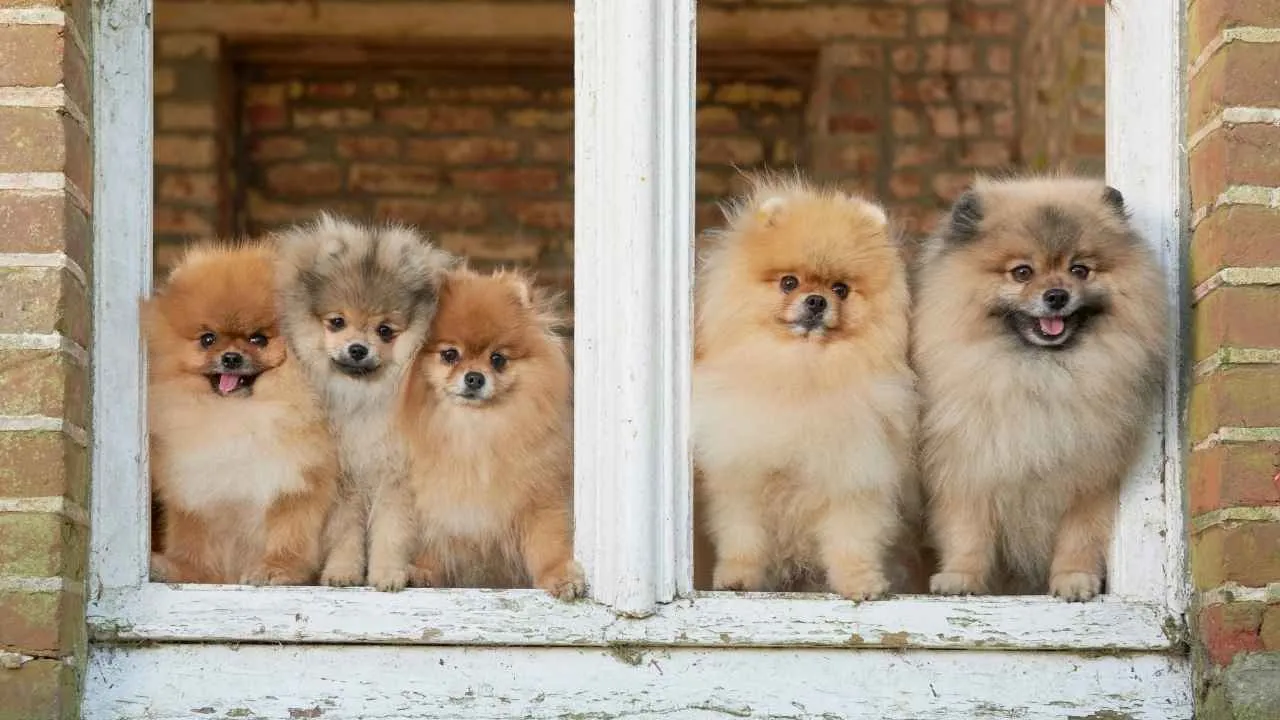
Pomeranians are descended from larger Spitz-type sled and working dogs. Their ancestors were much bigger and were used for herding. Over time, selective breeding reduced their size and created the tiny companion we know today.
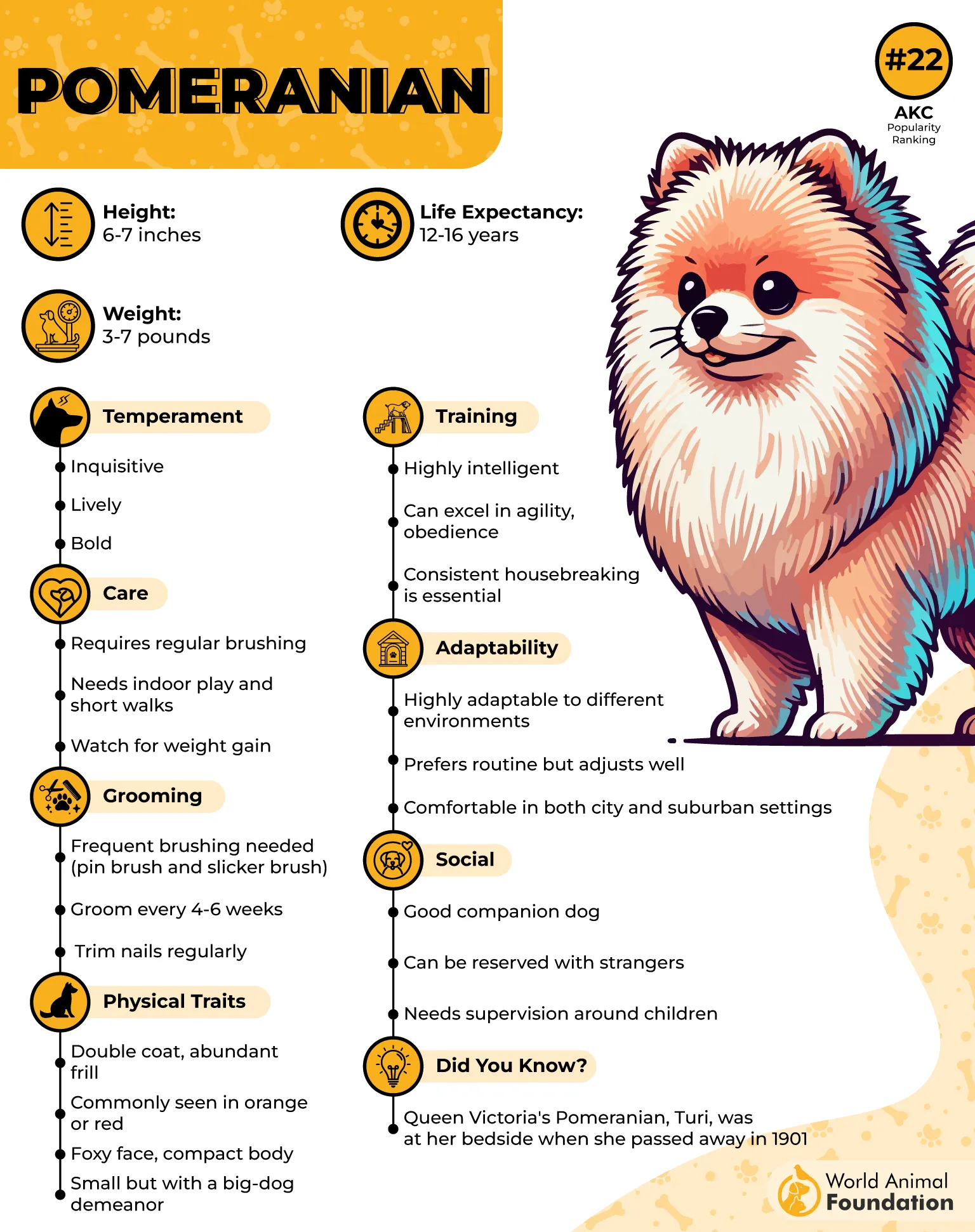
Pomeranians are known for their fox-like faces, fluffy double coats, and thick neck ruffs. Their coats also come in a wide range of colors and patterns.
Cheerful, Clever, and Confident
Pomeranians have huge personalities packed into tiny bodies. They are cheerful, playful, alert, and curious. Their confidence can sometimes get them into trouble, especially around much larger dogs. They are intelligent and generally easy to train, although they can have an independent streak.
Poms enjoy games, walks, adventures, and even activities such as agility. They often adapt well to different lifestyles and can be entertaining companions for families, singles, and older adults.
Caring for These Fluffy Companions
Pomeranians need daily exercise, but their compact size means they do not require extensive outdoor activity. A walk around the block and some playtime can help keep them active. Their thick, fluffy coats need regular grooming and daily brushing to prevent tangles and keep the coat healthy.
Poms can also be enthusiastic watchdogs and may bark more than expected. They generally do well with other pets, but their small and delicate bodies mean young children should be taught how to handle them gently.
3. Yorkshire Terrier
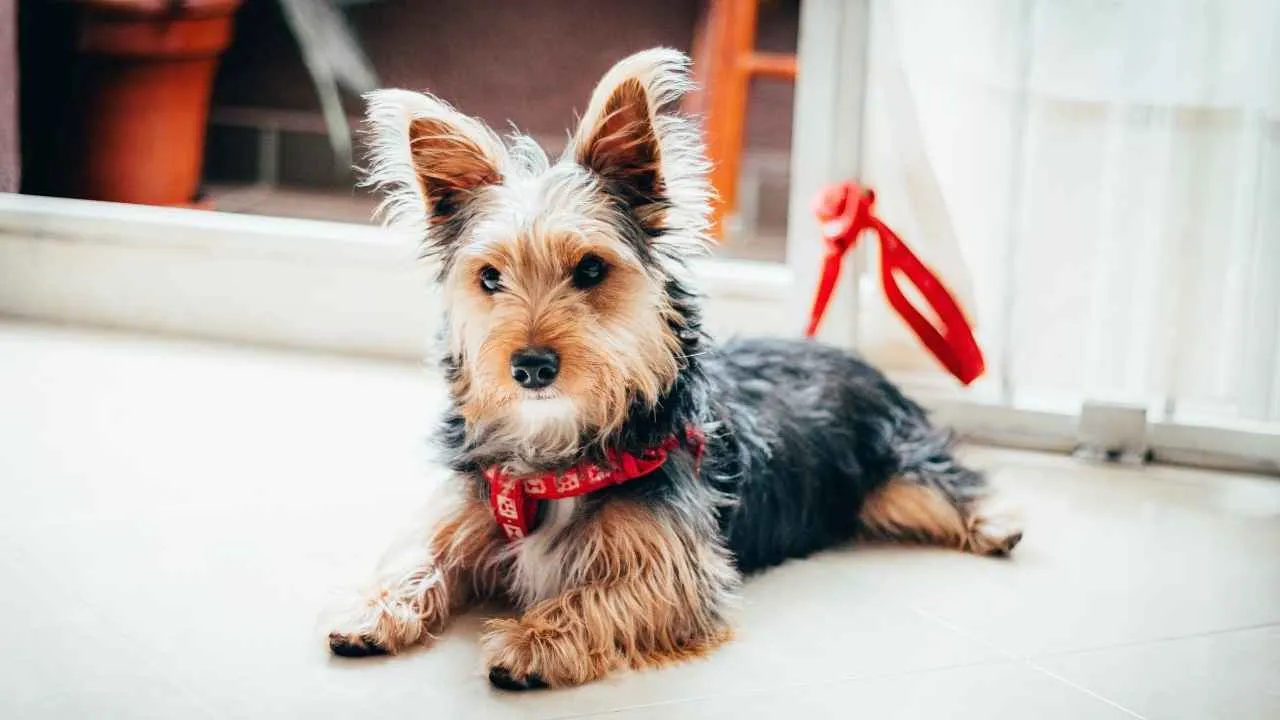
Yorkshire Terriers, often called Yorkies, have strong terrier roots. Scottish weavers who moved to England in the mid-1800s are believed to have brought small dogs that helped chase rodents in textile mills.
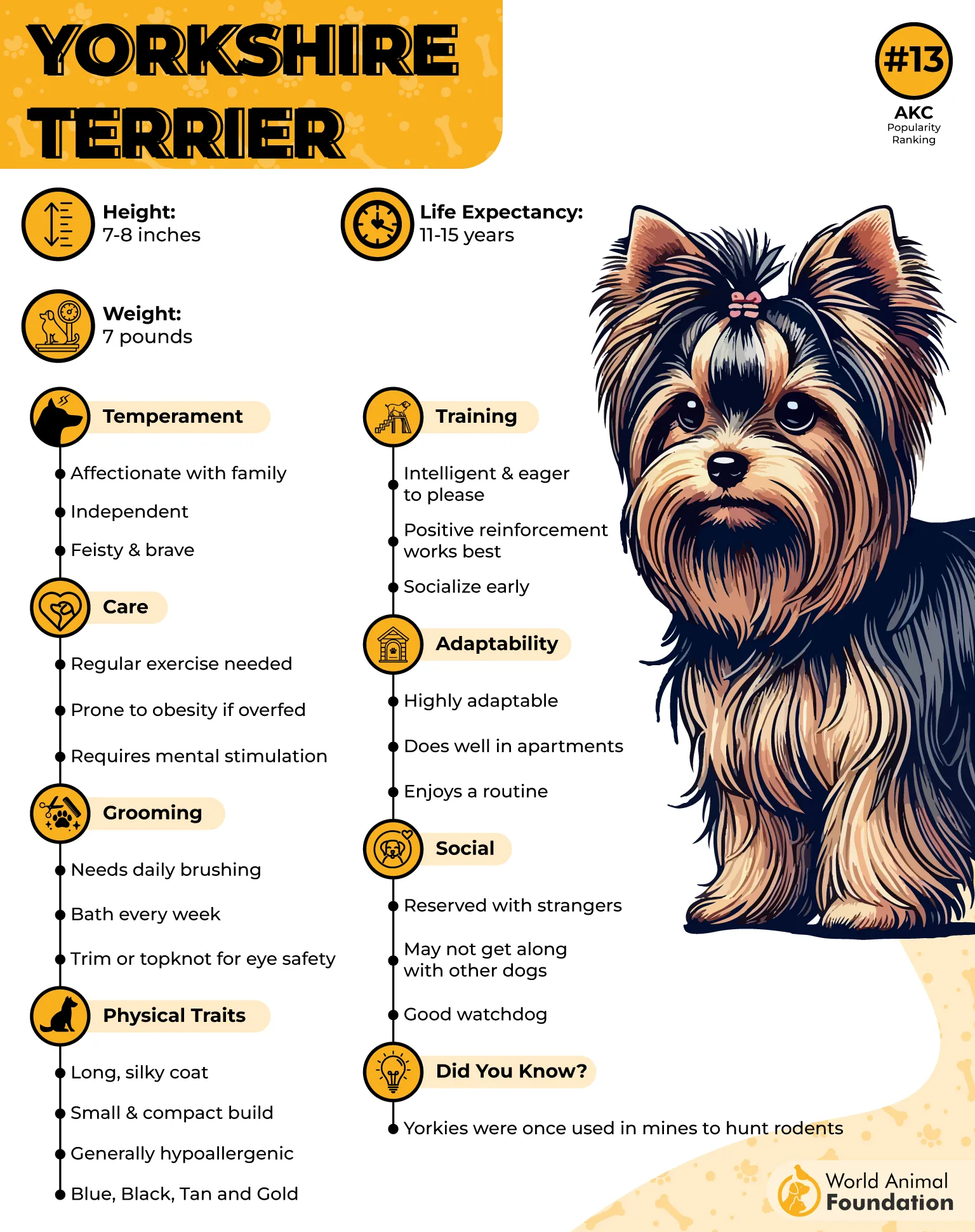
Over time, these working dogs became popular companions. Today, Yorkies are known for their long, straight blue-and-tan coats and their unmistakable, lively presence.
Bold, Busy, and Full of Character
Yorkies may be tiny, but they have plenty of confidence. They are fun-loving, curious, playful, and sometimes bossy. Their terrier instincts can make them fearless around larger dogs. They are also good watchdogs and may bark whenever something catches their attention.
Yorkies enjoy being involved in everything their families do. They can happily cuddle after playtime, but they are not content to spend the entire day on a lap.
Keeping These Little Terriers Happy
Yorkies have moderate exercise needs and enjoy short walks, indoor games, and activities that keep their minds busy. Their long, hair-like coats need regular grooming and brushing. Early socialization is also important, especially around strangers, children, and other animals.
They can be stubborn despite being intelligent, so short and positive training sessions work best. Their strong prey drive also means they may not be suitable around small pets such as hamsters or gerbils, as mentioned by Omlet.
4. Papillon
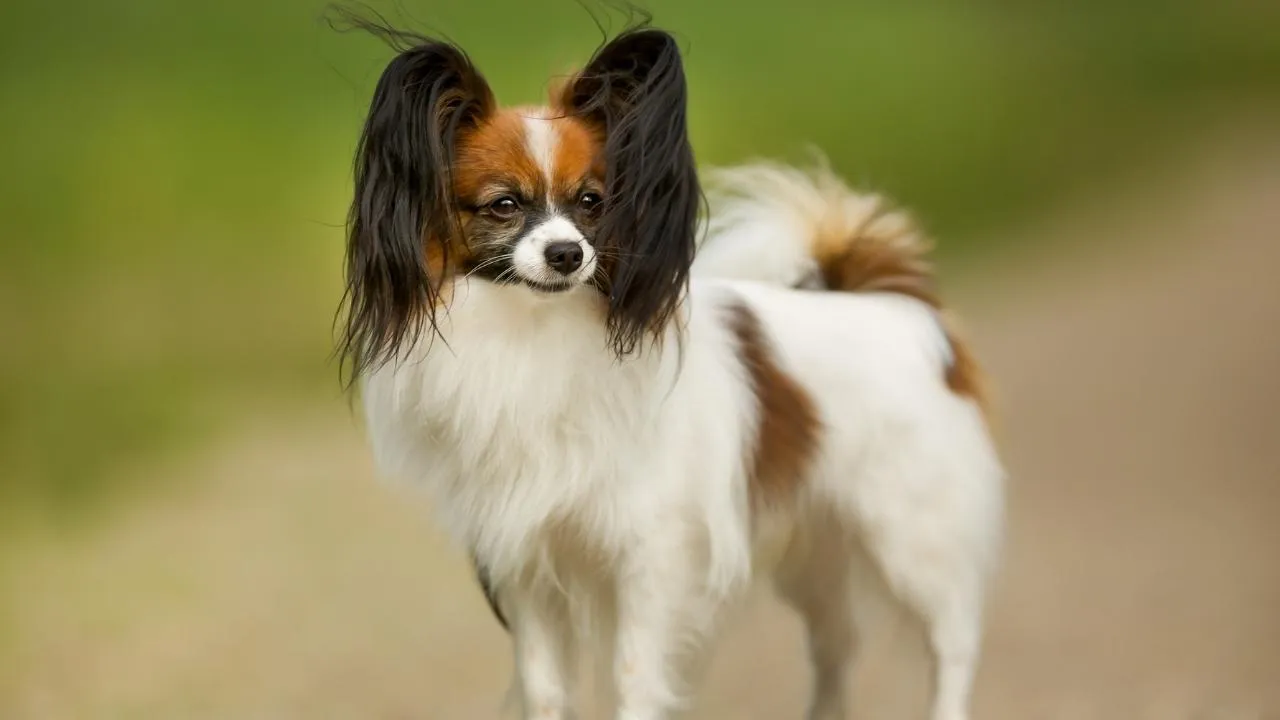
Papillons have been around for centuries. Artwork from Western Europe shows these dogs as far back as the 16th century. Their name comes from the French word for “butterfly,” inspired by their large, fringed ears.
They were cherished as popular companion dogs and were often seen alongside royalty. Today, these popular dog breeds make great family dogs.
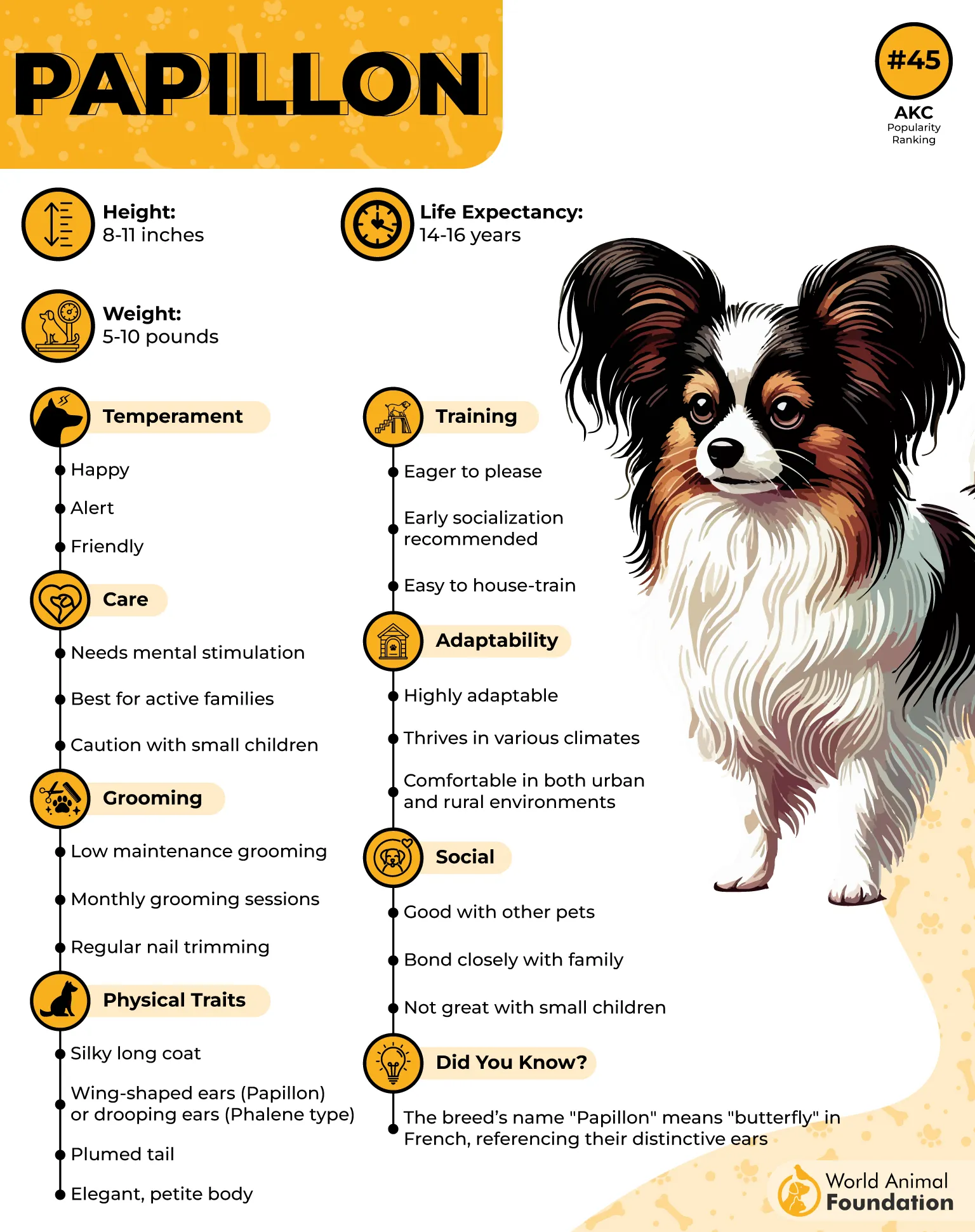
Smart, Energetic, and Eager to Learn
Papillons are among the most intelligent and trainable toy dogs. They are alert, athletic, and eager to please. These qualities make them excellent at obedience and agility.
These smart dogs also enjoy games such as fetch and retrieving. Despite their delicate appearance, they are active and adventurous dogs. They usually get along well with people, other dogs, and other pets when properly socialized.
Keeping These Little Athletes Happy
Papillons need more exercise and mental stimulation than their size might suggest. Walks, indoor games, training sessions, and safe areas for running can help keep them satisfied. Their long, feathered coats need brushing several times a week to prevent tangles.
Consistent positive training is also important for this clever breed. They can adapt well to small apartments, but their energy and occasional excited barking should not be overlooked.
5. Maltese
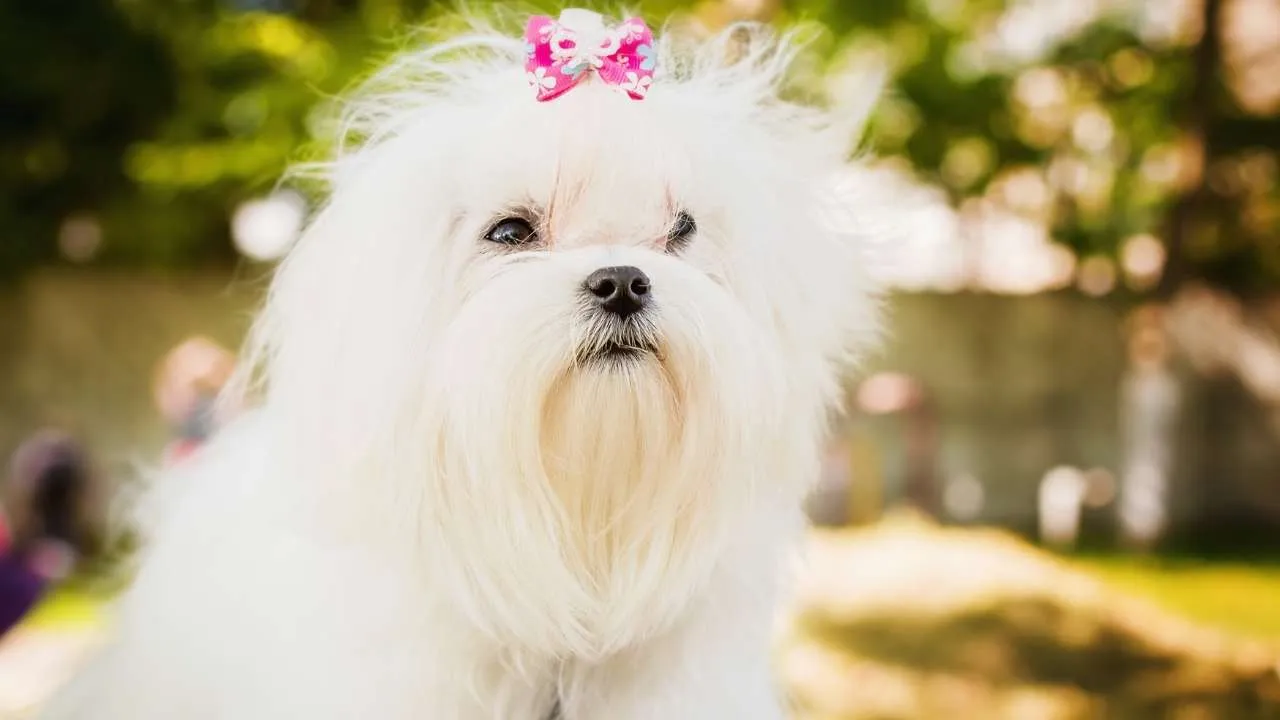
The Maltese has a long history as a beloved companion. The breed originated on the Mediterranean island of Malta. References to these dogs can be found in Ancient Greek and Roman literature.
For centuries, these affectionate dogs have been valued for their companionship. Their luxurious white coat remains one of their most recognizable features.
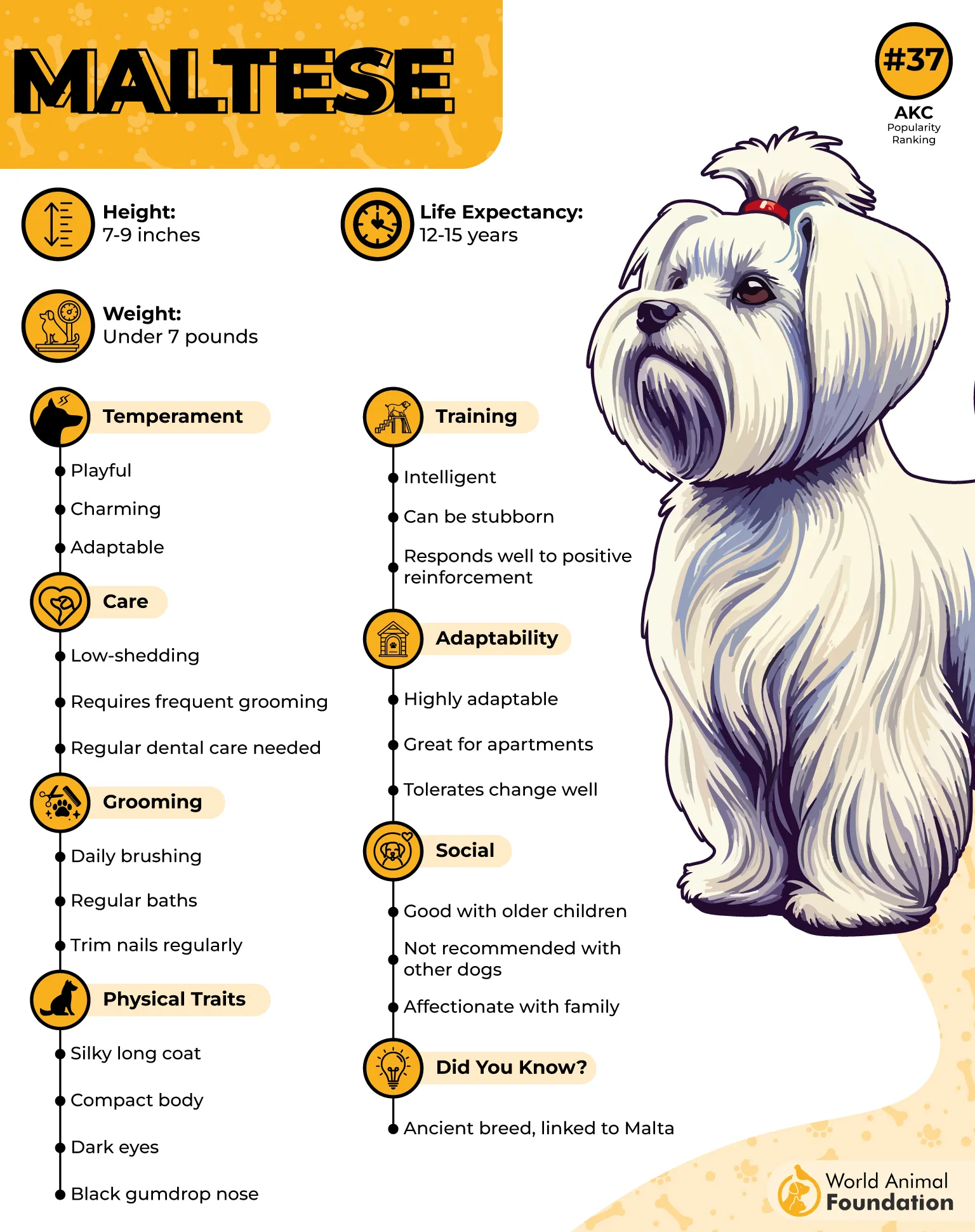
Gentle Looks, Fearless Spirits
Maltese dogs are gentle, affectionate, playful, and smart. However, their tiny bodies do not stop them from being bold. Some may even act fearlessly around much larger dogs.
They enjoy learning tricks and respond well to rewards and positive training. They are also alert and make great watchdogs. With early socialization, they can get along well with children, cats, and other dogs.
Simple Exercise, Serious Grooming
Maltese dogs can adapt easily to apartment living. They enjoy walks and play but do not need extensive exercise. More than anything, they like staying close to their favorite people.
Their long, silky white coats need frequent grooming and near-daily care to prevent them from becoming tangled. Daily mental stimulation, exercise, and positive reinforcement also help keep these lively little companions content.
6. Havanese
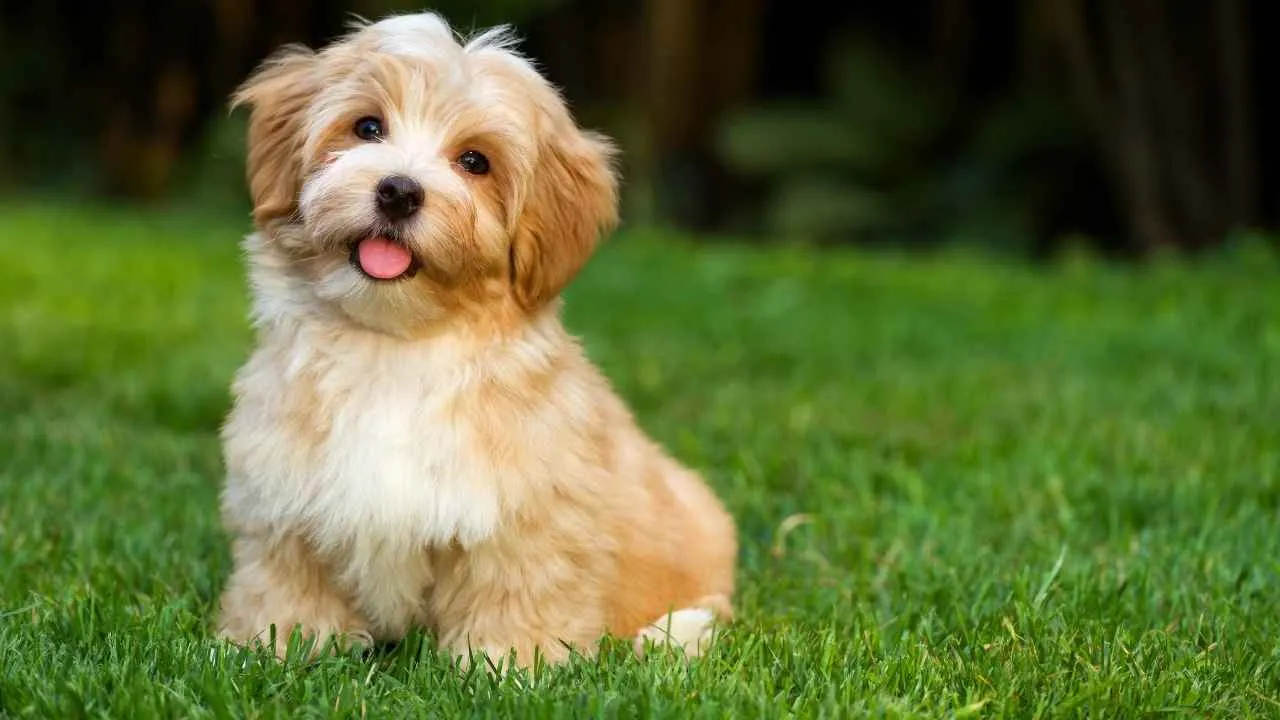
The Havanese is the only dog breed native to Cuba. Its ancestors were brought from Spain to Cuba during the 1600s. The breed was once known as the Havana Silk Dog or Spanish Silk Poodle.
During the Cuban Revolution in the 1950s, some families fleeing Cuba brought their Havanese with them to the United States. The breed later made a strong comeback after nearly disappearing.
Social, Spirited, and Always Curious
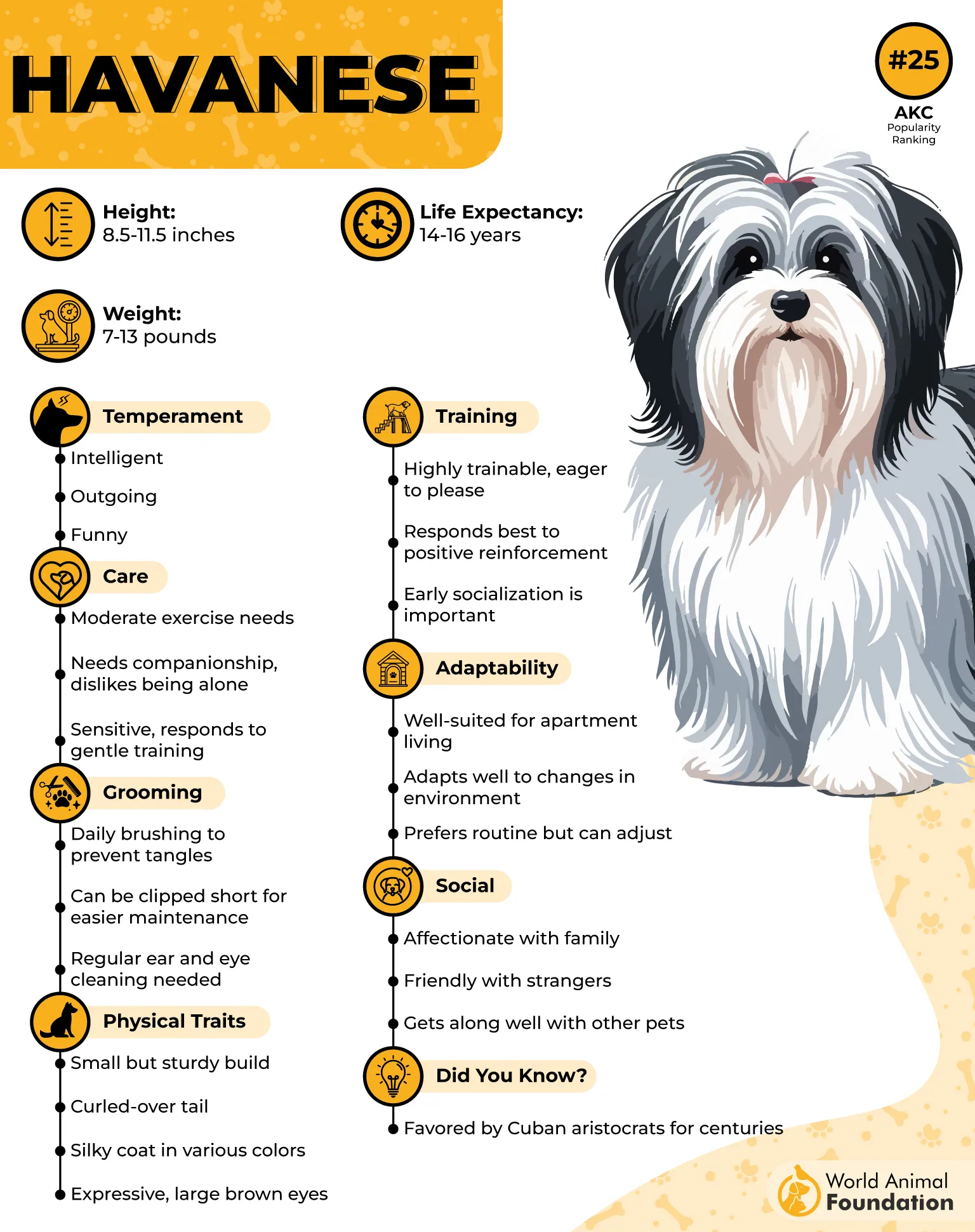
Havanese dogs are outgoing, intelligent, and eager to please. Orvis mentions they love being around people and are often called “velcro dogs” because they stick close to their families.
These little performers enjoy learning tricks and can excel in activities such as agility and other dog sports. They usually get along well with children, dogs, cats, and strangers. However, they crave attention and may bark to get it when they feel ignored.
Keeping These Little Social Butterflies Happy
Havanese dogs need daily walks and regular play to stay active. Short walks and indoor games can help, though many enjoy more activity than their size might suggest. Their long, straight or wavy coats need frequent brushing to prevent tangles.
Consistent training from an early age can help with barking and prevent them from becoming overly demanding. They also tend to enjoy staying close to their owners, so they are best suited to homes where they can get plenty of companionship and attention.
7. Shih Tzu
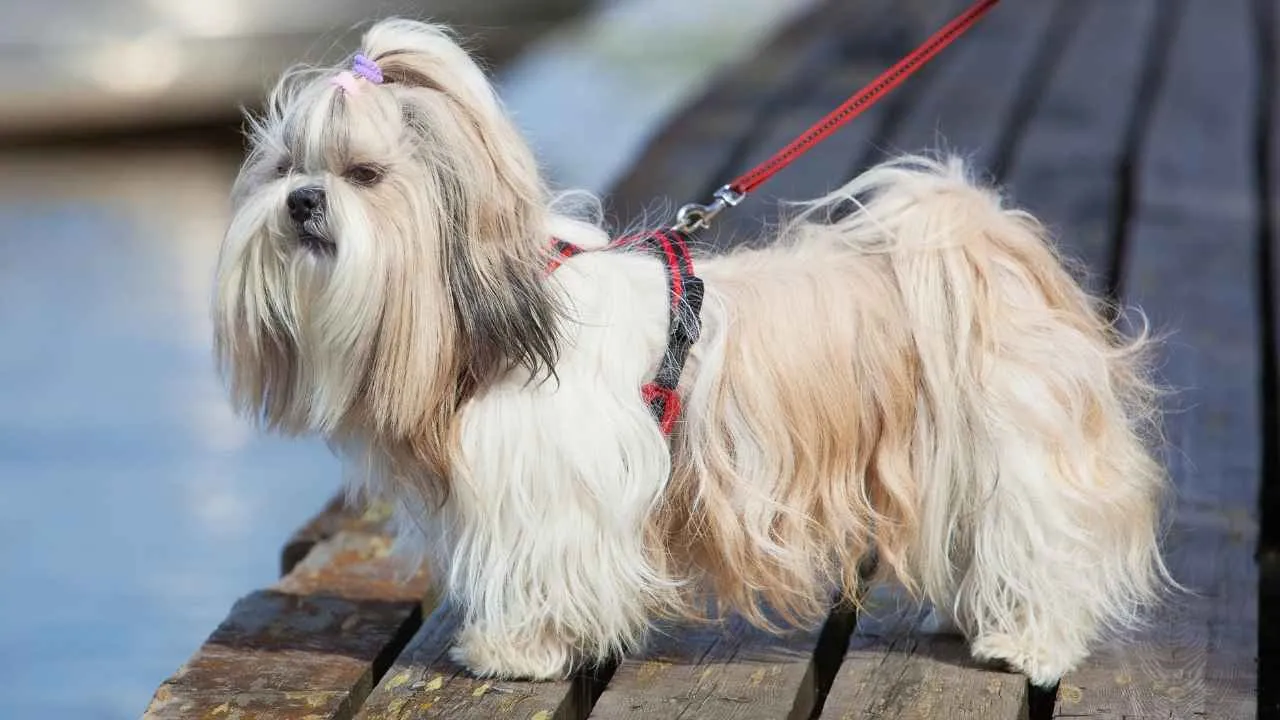
Shih Tzus have a long history as treasured companion dogs. Their name means “lion dog,” and they were originally bred to have a lion-like appearance. They were associated with Buddhism and were favored by imperial rulers in China.
Their role eventually shifted from alerting households to simply being devoted companions. The breed was officially recognized by the American Kennel Club in 1969.
Playful, Proud, and People-Focused
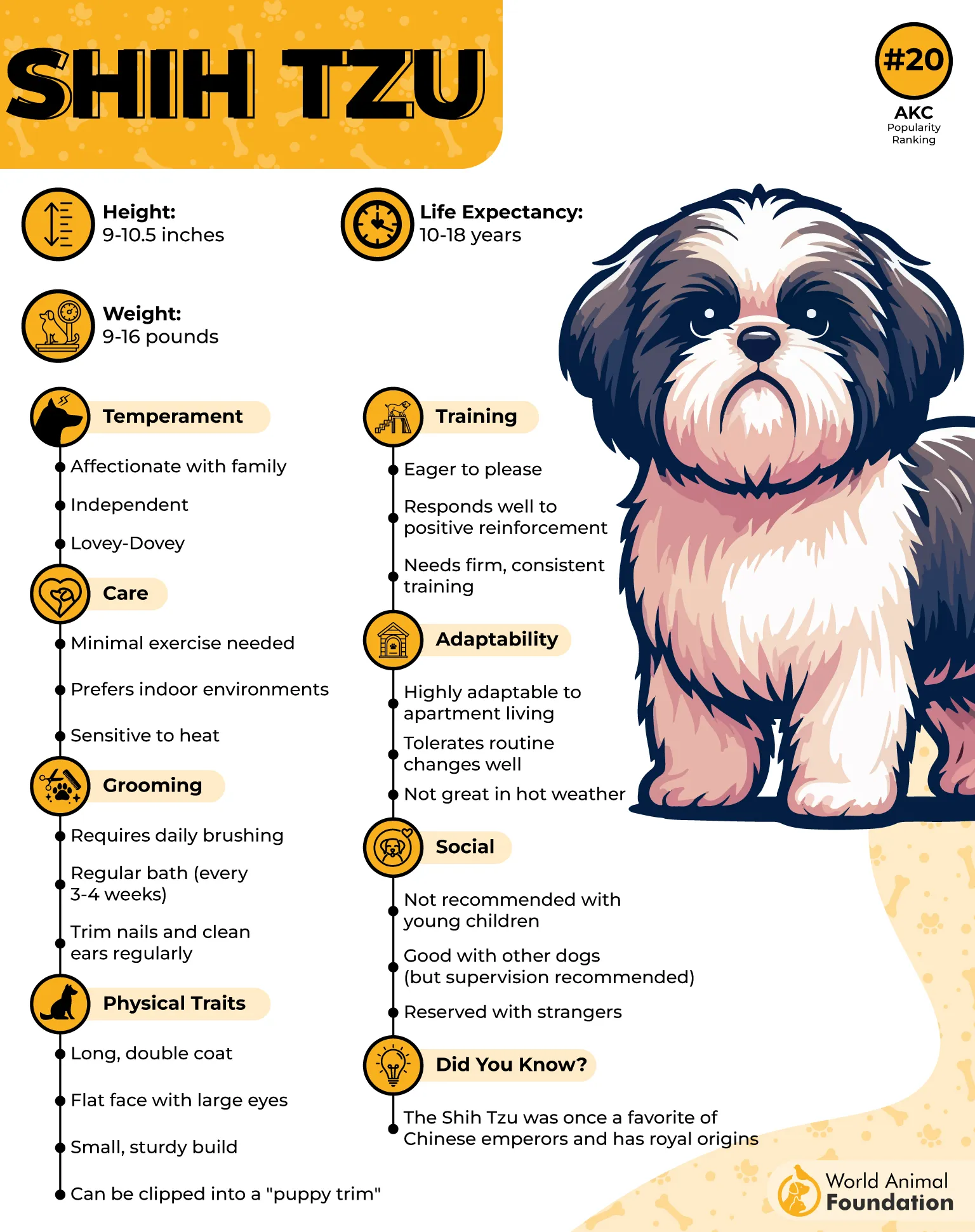
Shih Tzus have sweet personalities with a confident side. They are friendly, playful, and affectionate with their families. Many enjoy meeting new people and get along well with other dogs and pets.
They also love attention and prefer being close to their people rather than spending long periods alone. Their adaptable nature lets them switch easily between lively play and relaxing on the sofa.
Caring for These Little Companions
Shih Tzus do not need intense exercise. A daily walk of around 30 minutes and some indoor play can usually keep them happy. Their long double coats grow continuously and can easily tangle or mat, so regular brushing and bathing are important.
Many owners choose a shorter “puppy cut” to make grooming easier. They are intelligent and respond well to treats, praise, and positive reinforcement, although they can sometimes be slow to cooperate. Early socialization also helps prevent unwanted behaviors such as excessive barking.
Conclusion
Tiny dogs may be small in size, but they can bring enormous personalities, endless entertainment, and plenty of affection into a home. From confident little watchdogs to playful, clever companions, these breeds each have something special to offer.
Their exercise, grooming, training, and social needs may differ, so finding the right match is just as important as falling for those adorable faces.
If you’re considering one of these pint-sized pooches, take time to think about your lifestyle, home, and how much attention you can give. The best small breed for you is one whose personality fits your everyday life. After all, sometimes the smallest paws can leave the biggest paw prints on your heart.
