




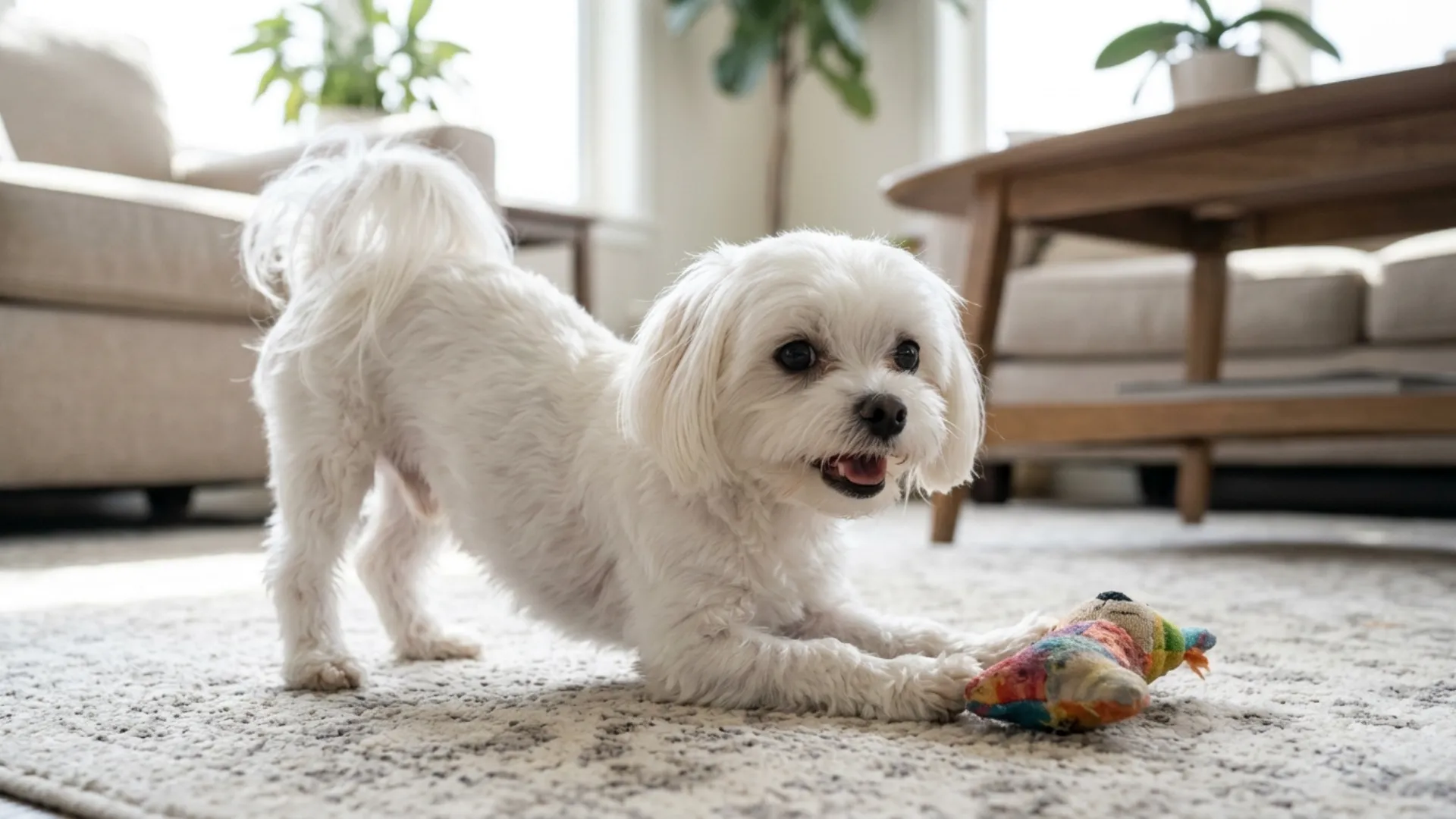
Small dogs may be tiny in size, but they have a big way of making every day brighter! From playful antics that make you laugh to sweet cuddles that turn an ordinary evening into something special, these little companions bring plenty of personality into your home.
And the best part? They can fit comfortably into many different lifestyles, including apartment living and homes with limited space.
But don’t let their small size fool you. Some tiny dogs are energetic little explorers who love games, walks, and learning new tricks, while others are happiest curled up beside their favorite people.
Ready to meet some little dogs with big personalities? These seven tiny dog breeds bring a special mix of joy, playfulness, and laughter to everyday life.
Tiny Dog Breeds Who Bring Joy, Playfulness, and Laughter Every Day
1. Chihuahua
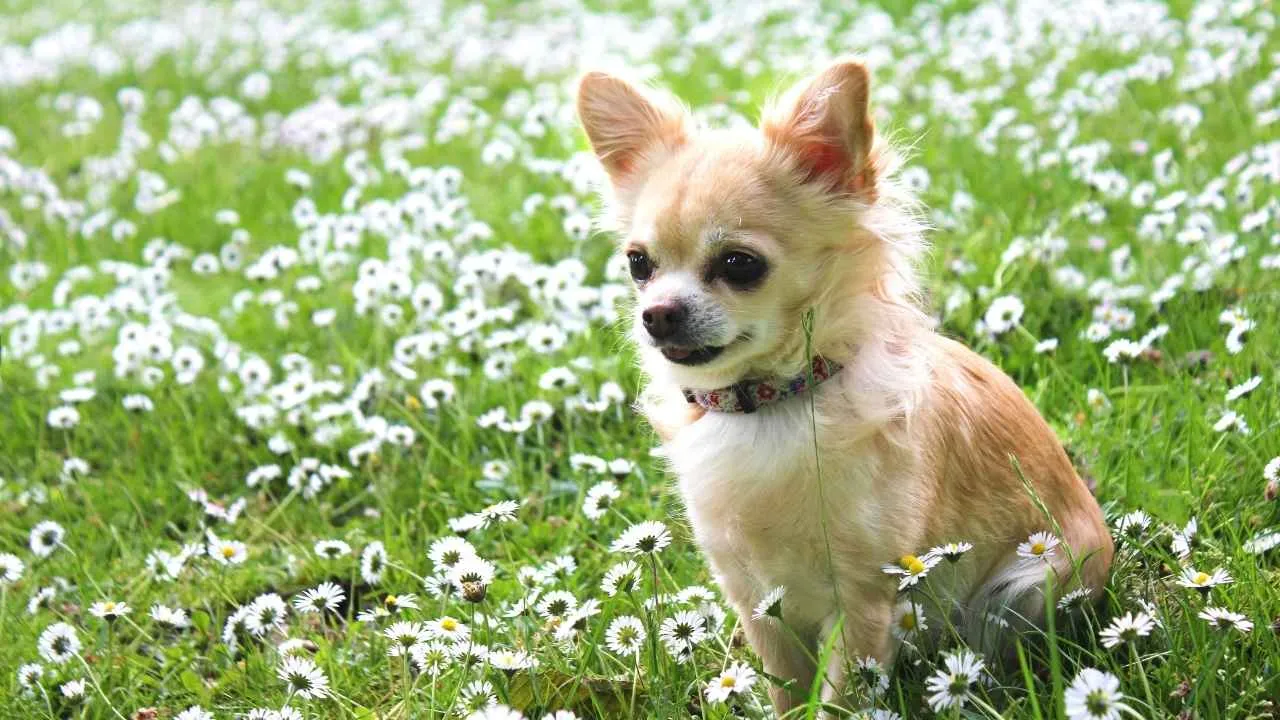
Chihuahuas may be small, but they have bold and playful personalities. These affectionate dogs form close bonds with their families and love playing games or cuddling on a lap. Their cheeky behavior and fearless attitude can bring plenty of laughter to everyday life.
History and Appearance
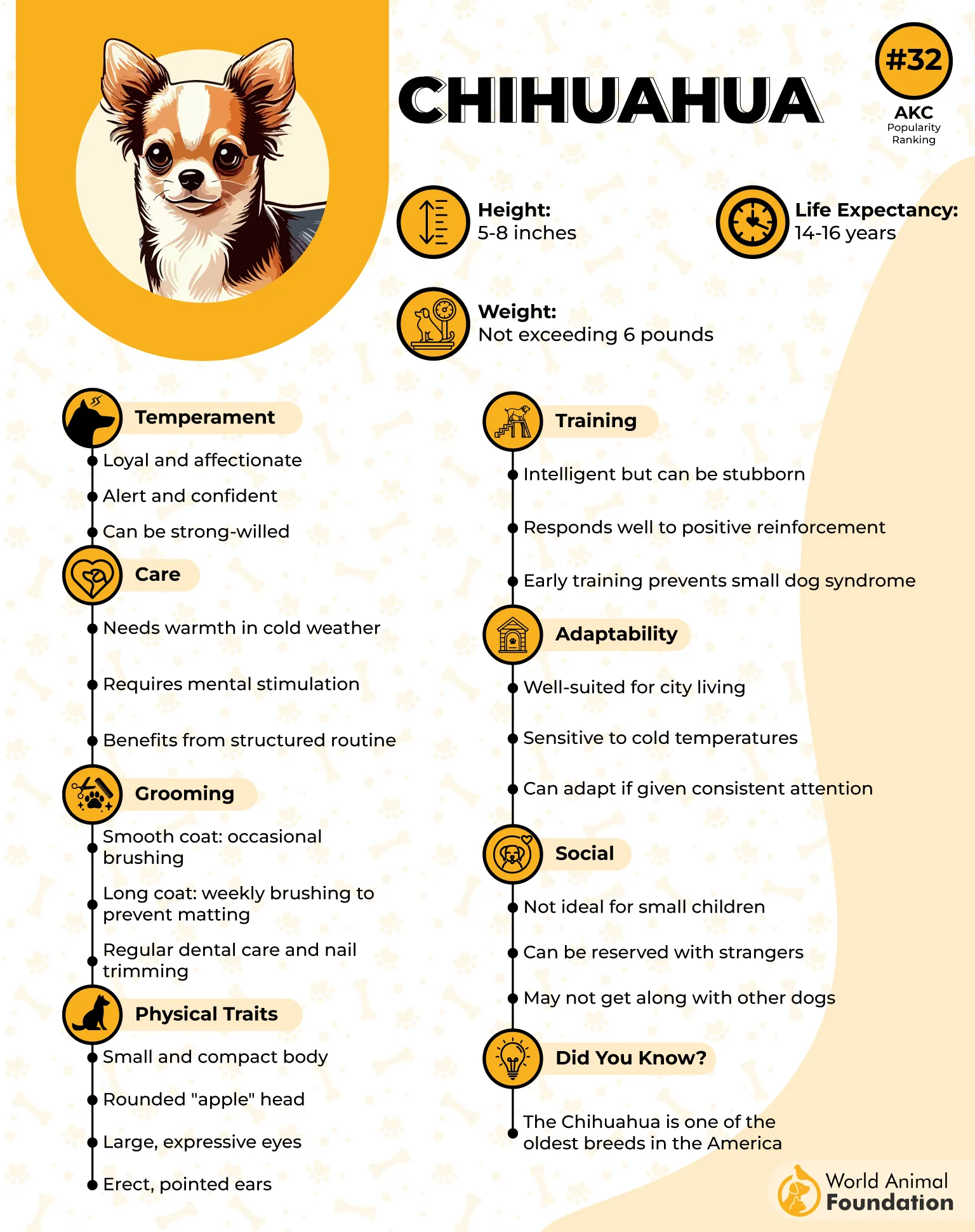
Chihuahuas are among the oldest dog breeds in the Americas and are a national symbol of Mexico. Spanish conquistadors reportedly found small dogs in the region during the 16th century.
The American Kennel Club recognized the breed in 1904. According to PetMD, Chihuahuas have short or long coats and come with apple-shaped or deer-shaped heads in many colors and patterns.
Exercise and Care
Despite their tiny size, Chihuahuas are energetic and enjoy walks, games, and outdoor exploration. They can bark at strangers and challenge larger dogs, so early training and socialization are important.
Their coats need relatively little grooming, but daily toothbrushing helps prevent dental disease. They also need protection from cold weather and gentle handling around young children, as rough play can cause injuries.
2. Pomeranian
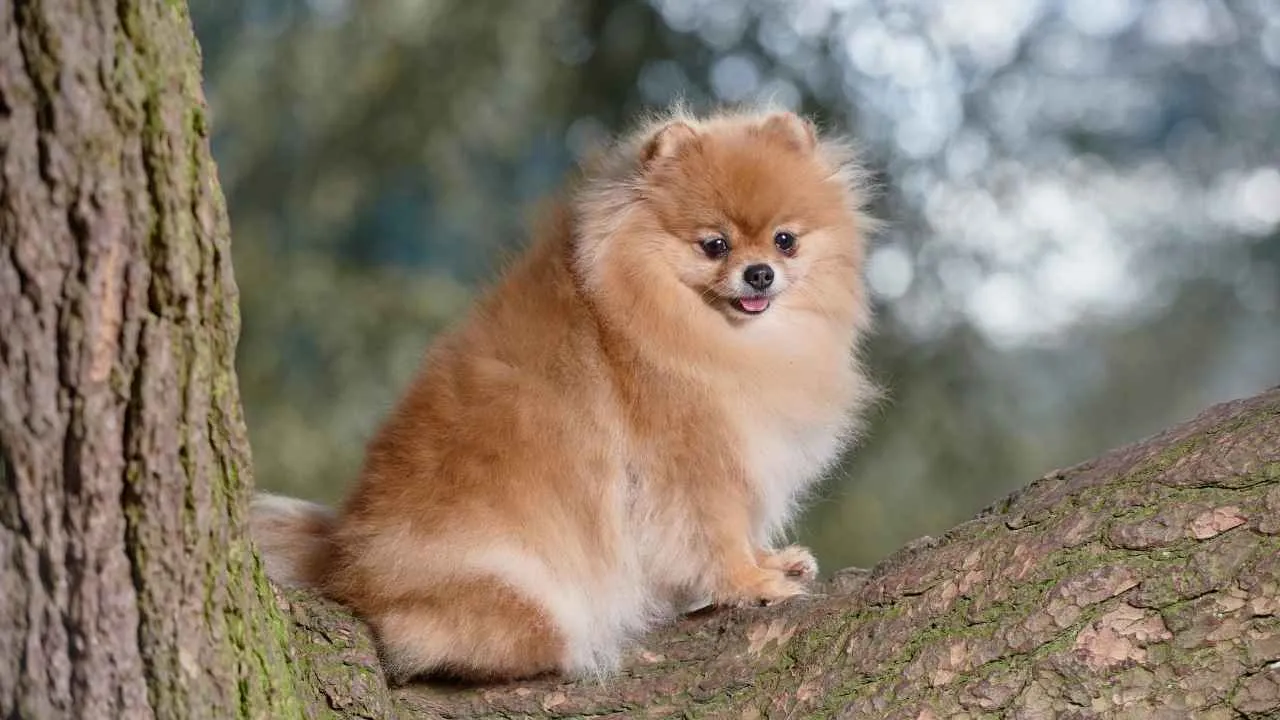
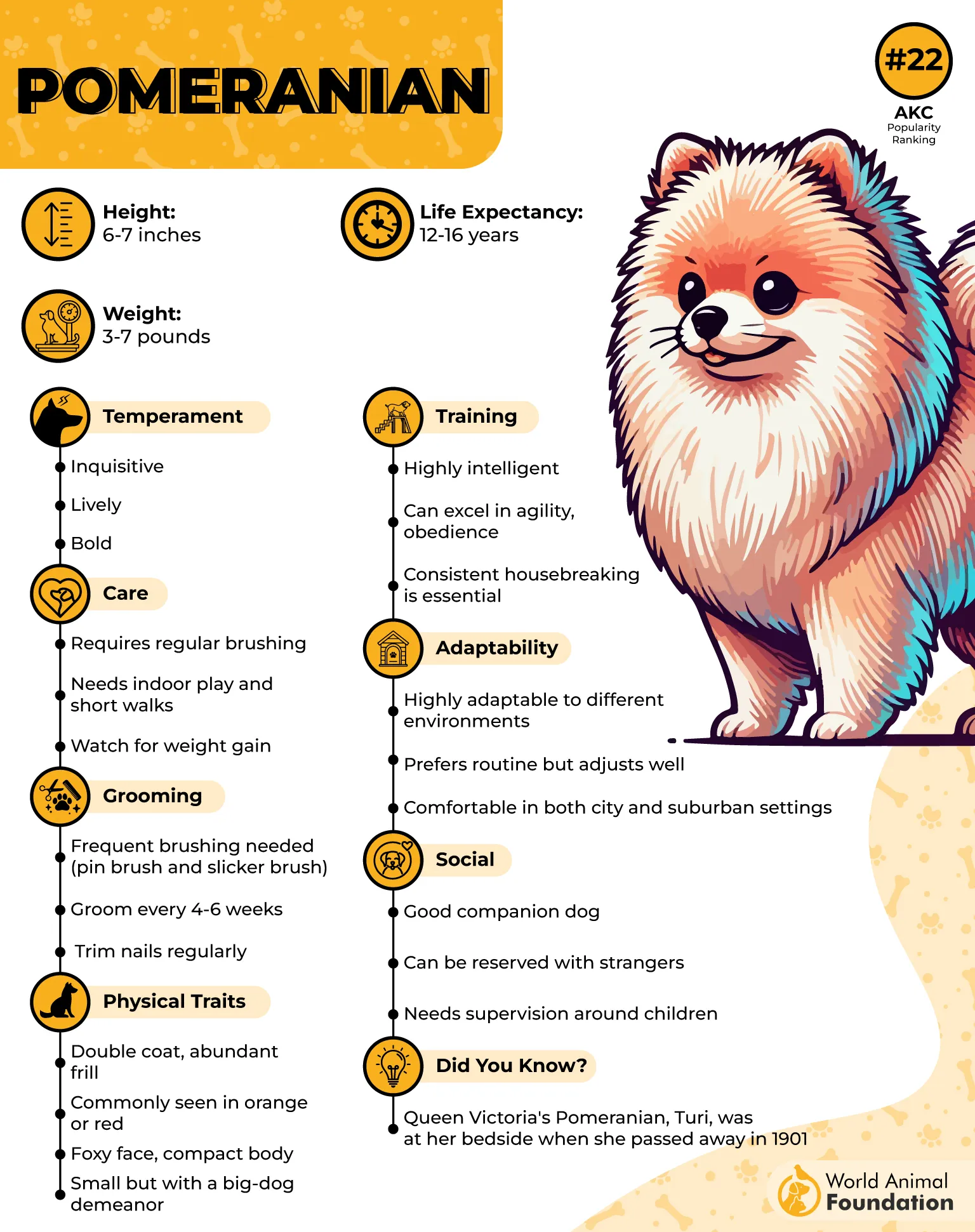
Pomeranians may be tiny, but they have big personalities! These lively, cheerful dogs love attention and enjoy making their families laugh. They are social, curious, and often act much bigger than they are. Their foxlike faces and fluffy coats make them hard to resist.
History and Appearance
Pomeranians descend from larger Spitz dogs that were originally used for herding. Over time, they were bred to become smaller companion dogs. They have thick double coats, fluffy neck ruffs, and fox-like faces. Their coats come in many colors and patterns, including white, black, sable, and orange.
Exercise and Care
Pomeranians are intelligent and can learn tricks and obedience commands quickly. They enjoy indoor games and short walks, so they can adapt well to city living. Their thick coats need regular brushing several times a week, with extra care during shedding.
These little dogs often get along with other pets, but their small size makes them fragile around young children. Early training can also help manage their tendency to bark.
3. Bichon Frise
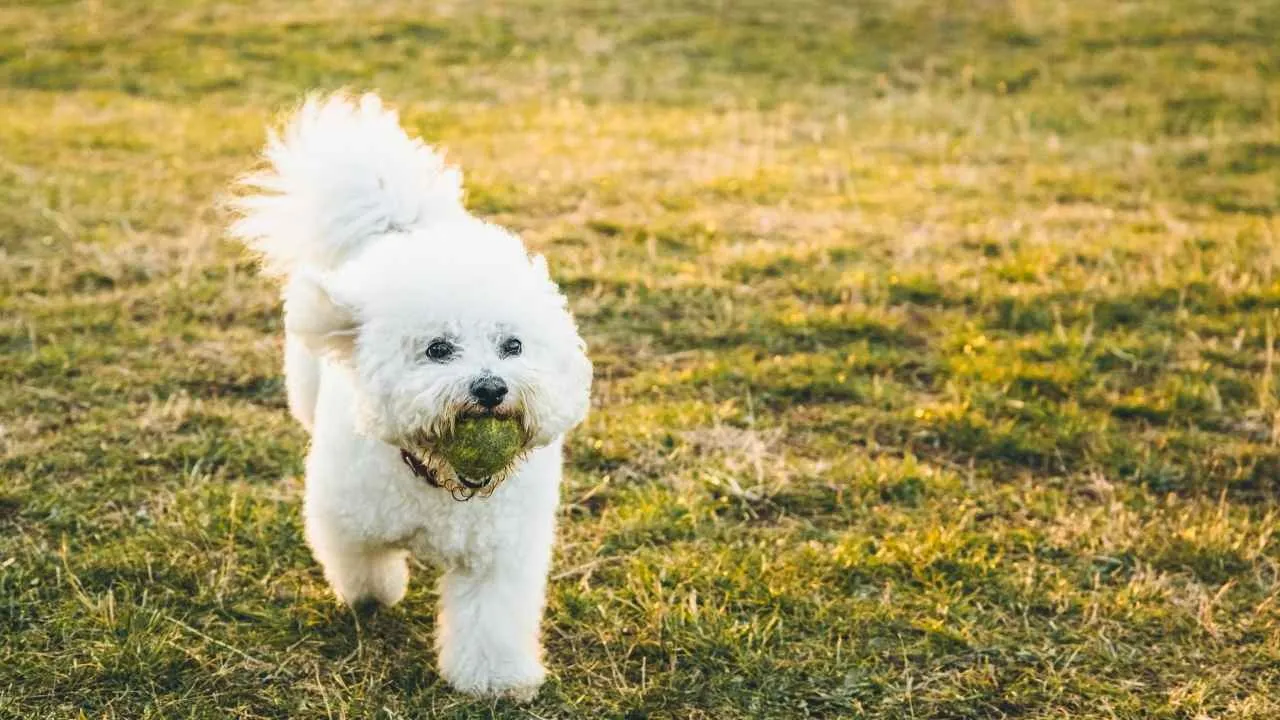
Bichon Frises are playful, affectionate dogs that bring happiness wherever they go. They love meeting new people, playing with toys, and learning tricks.
Their friendly nature makes them wonderful companions for families, children, and first-time dog owners. After playtime, they are just as happy cuddling up with their favorite people.
History and Appearance
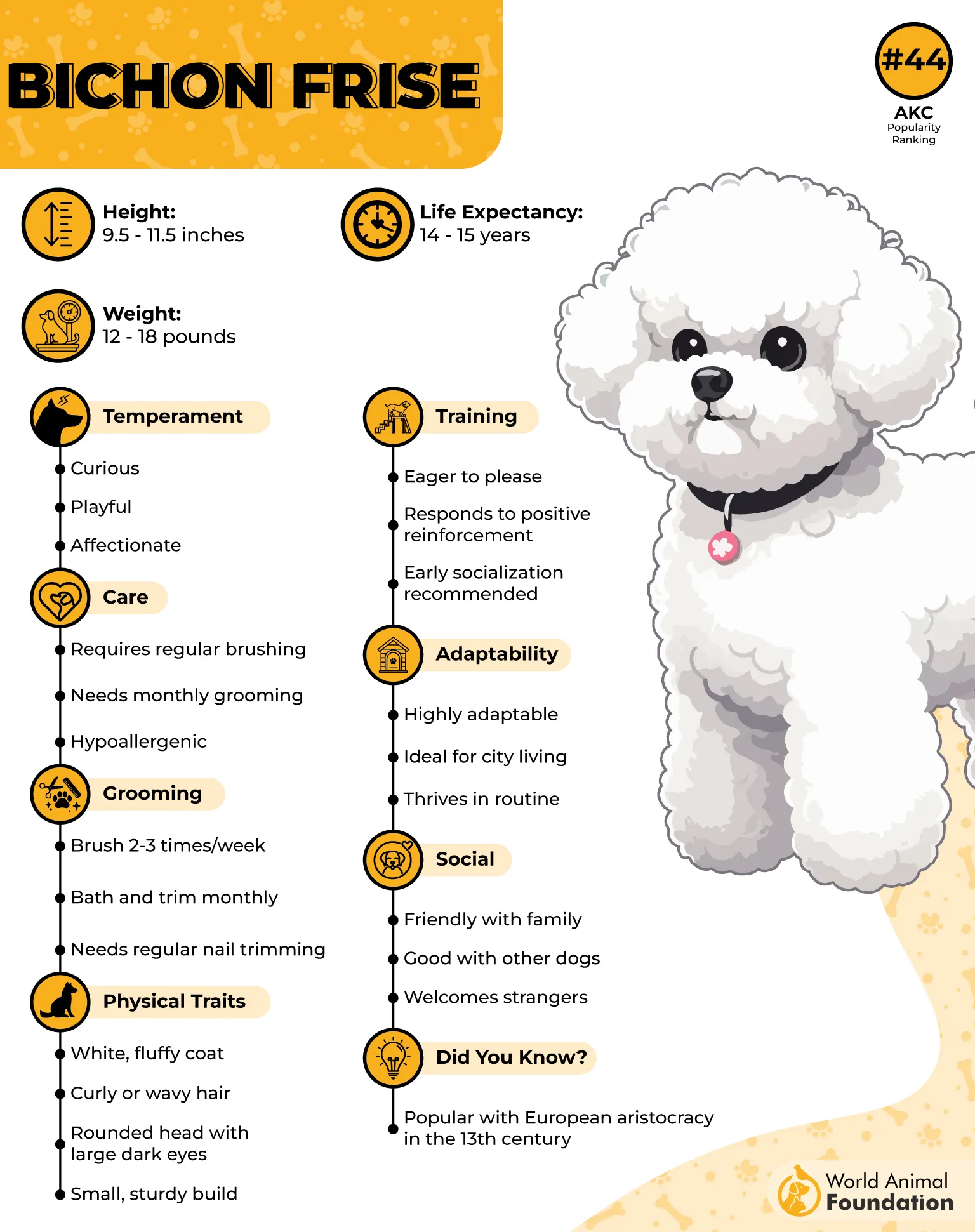
Bichon Frises belong to the Barbichon family of dogs, which also includes several other small companion breeds. They are known for their soft, white, fluffy coats, dark eyes, and cheerful expressions. Their low-shedding coats may suit some people with allergies, but no dog is completely hypoallergenic.
Exercise, Training, and Care
Bichon Frises enjoy short walks, indoor games, and learning new tricks. They are intelligent and eager to please, so early training helps manage their tendency to bark at unfamiliar sounds. Their coats need regular brushing and grooming to stay healthy.
Omlet says these social dogs dislike being alone for long periods and may become destructive when bored. They thrive in homes where they receive plenty of attention and companionship.
4. Papillon
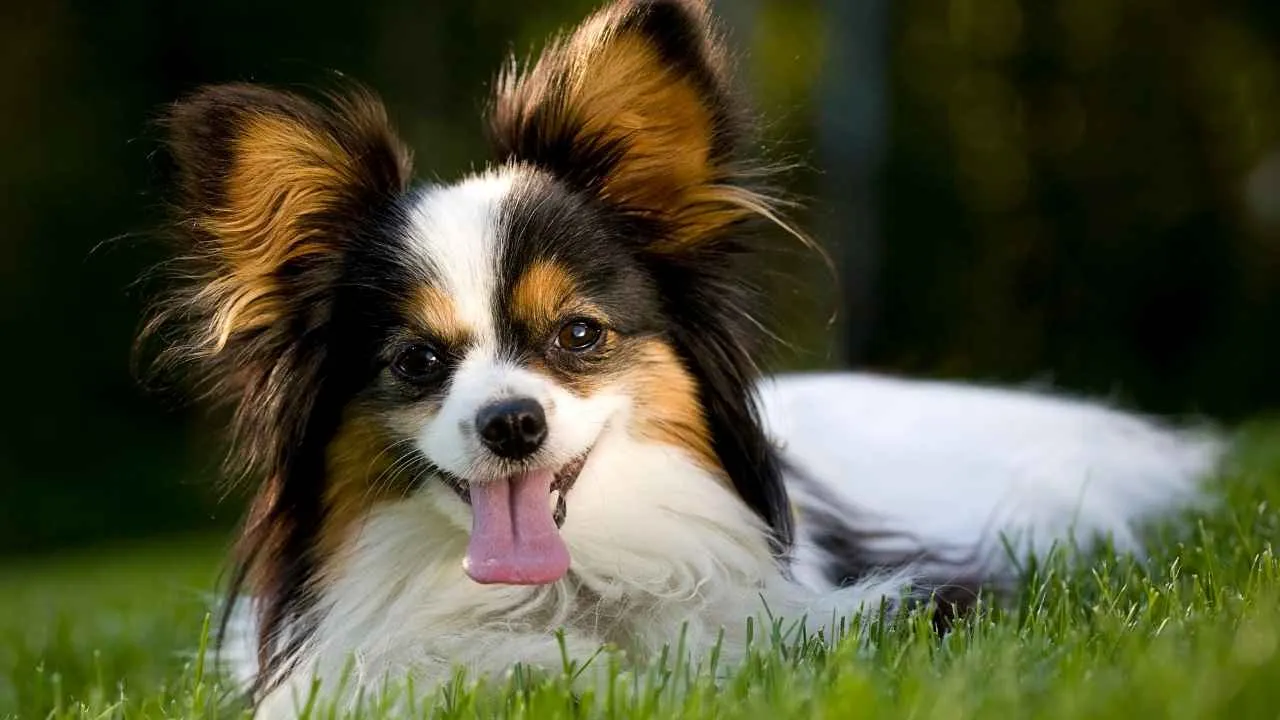
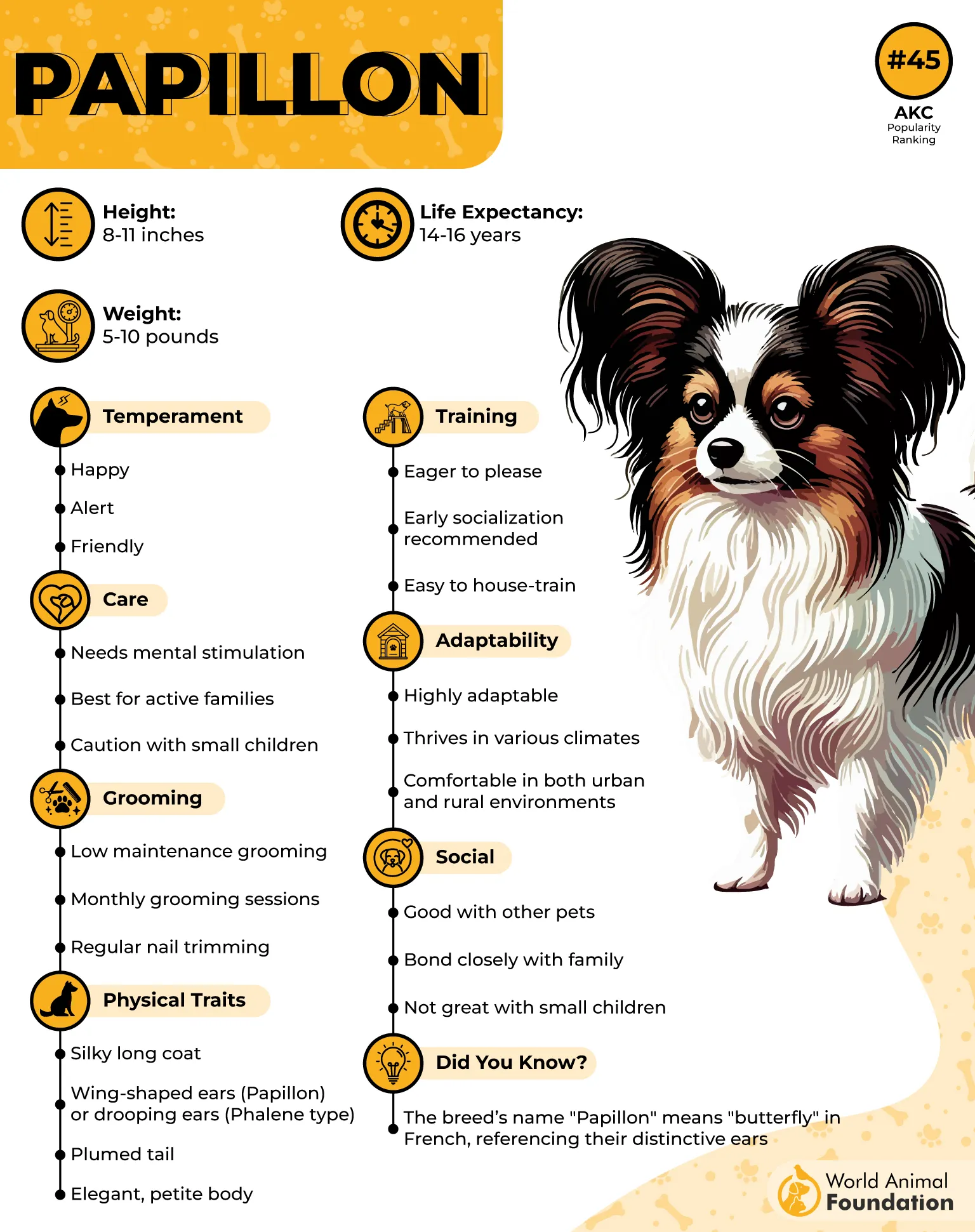
Papillons are cheerful, energetic dogs that love to stay busy. Their playful nature and butterfly-like ears make them stand out, while their love for people brings plenty of fun to family life.
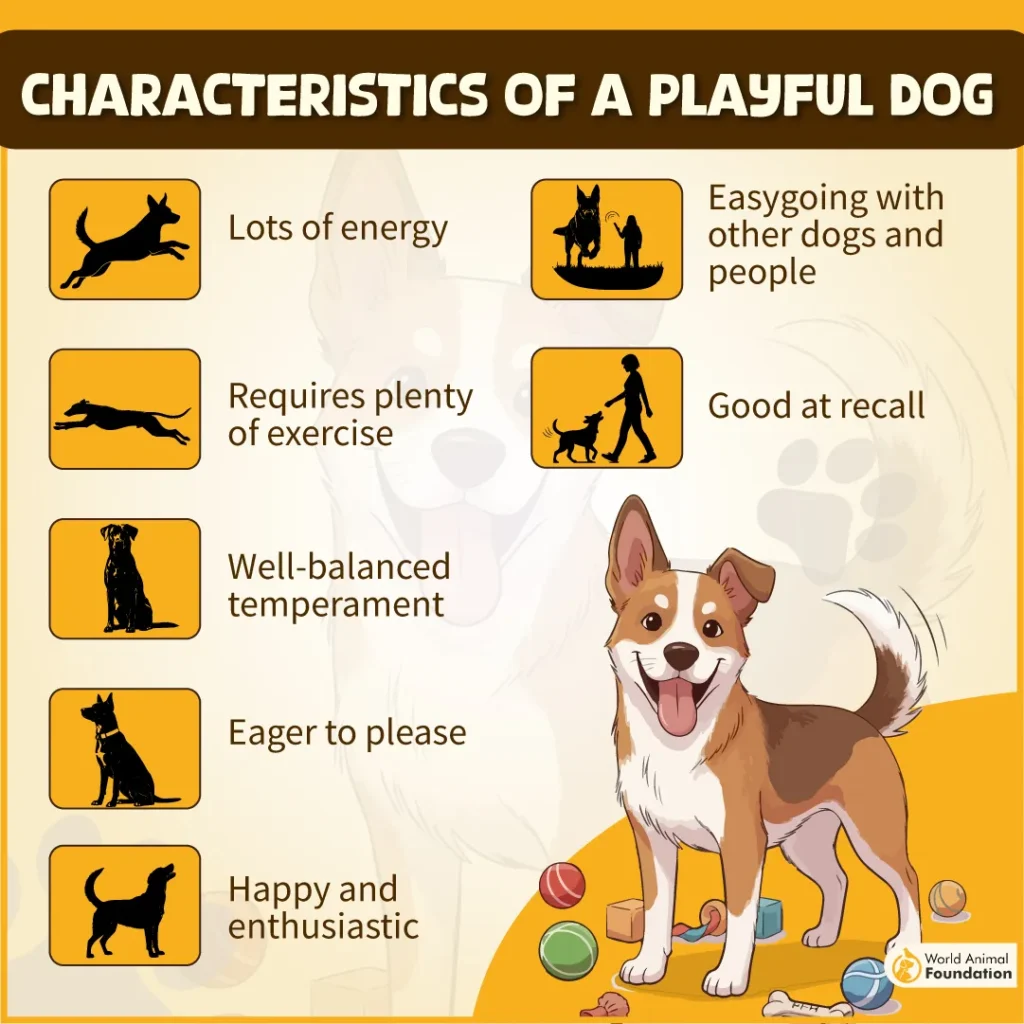
They enjoy playing fetch, learning tricks, and joining in everyday activities. After burning off their energy, they may happily settle beside you for a cuddle.
History and Appearance
The name Papillon means “butterfly” in French, inspired by the breed’s large, feathered ears. These dogs have appeared in Western European artwork since the 16th century.
Their elegant coats and lively expressions add to their charm. Despite their delicate appearance, Papillons are athletic and adaptable companions.
Exercise, Training, and Care
Papillons are among the smartest and most trainable toy breeds. They learn commands and tricks quickly and can excel in agility and obedience competitions. They need daily exercise, indoor games, and mental stimulation to stay happy.
Their long, feathered coats require brushing several times a week to prevent tangles. Papillons usually get along well with children and other pets when properly socialized, but their small size calls for gentle handling.
5. Maltese
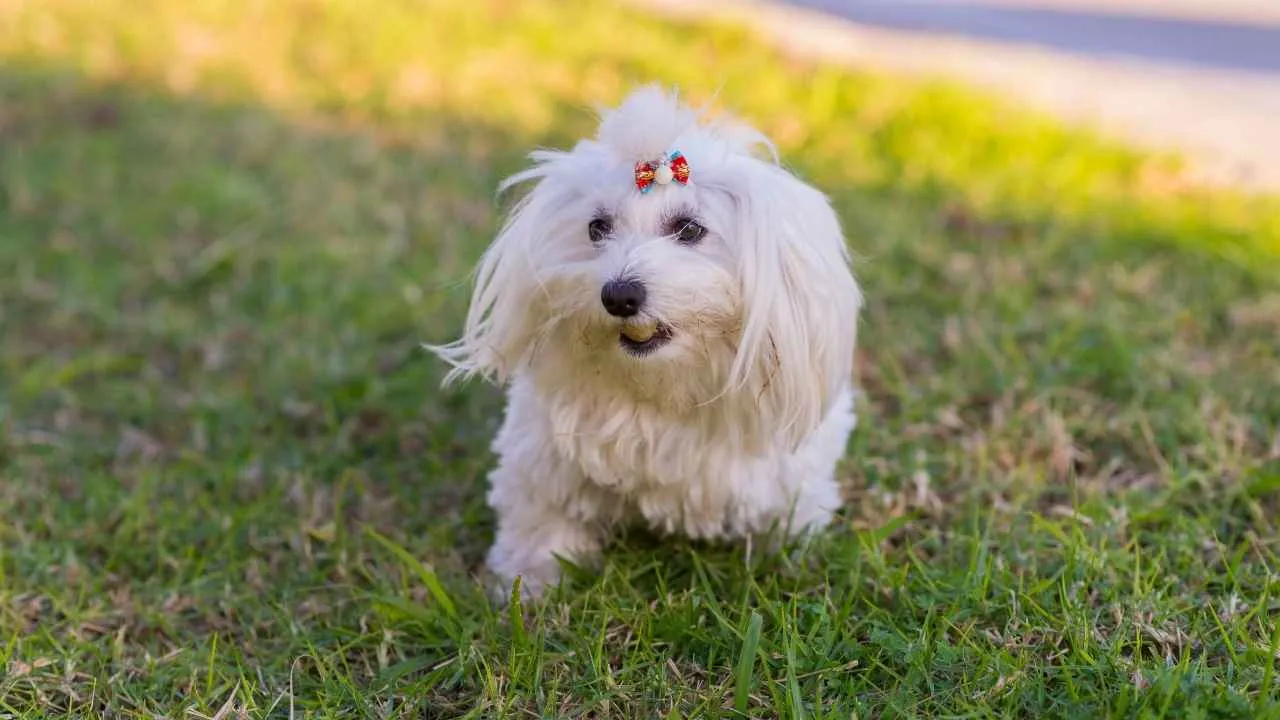
Maltese dogs are affectionate, playful companions who love staying close to their families. They enjoy cuddling on laps, learning tricks, and meeting new friends.
Despite their gentle appearance, these little dogs can be bold and alert, making them charming watchdogs. Their loving nature and cheerful personalities bring warmth to everyday life.
History and Appearance
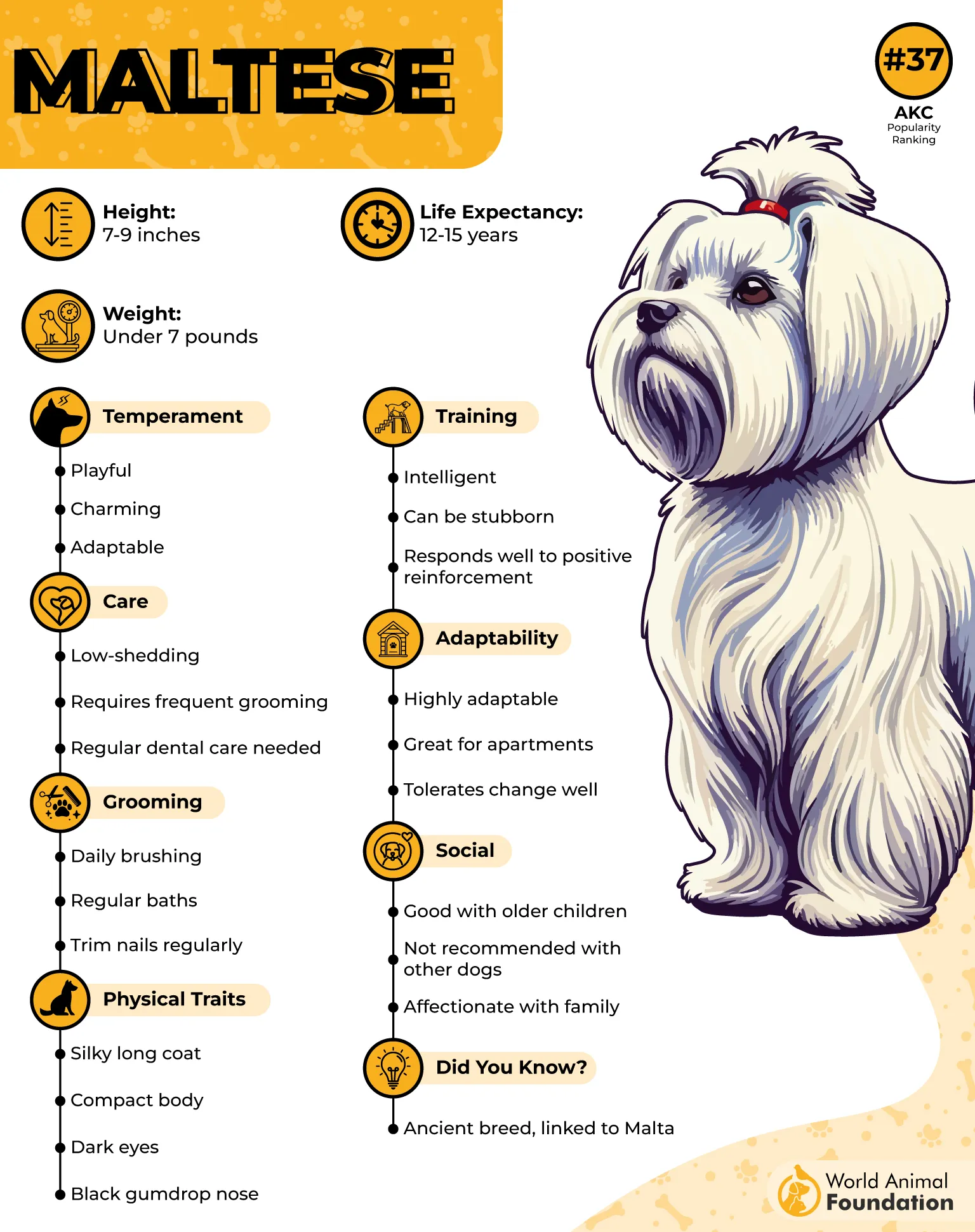
The Maltese originated on the Mediterranean island of Malta and has been a beloved companion for centuries. The breed is even mentioned in ancient Greek and Roman literature.
Maltese dogs are famous for their long, straight, silky white coats, dark eyes, and black noses. Their elegant appearance is matched by their adaptable nature.
Exercise, Training, and Care
Maltese dogs enjoy daily play, exercise, and mental stimulation. They are intelligent and can learn tricks with reward-based training, though they may sometimes be stubborn.
Their long coats need daily brushing and regular baths to prevent tangles and matting. Although they are generally friendly with other pets, early socialization helps them feel comfortable around animals and new people.
6. Toy Poodle
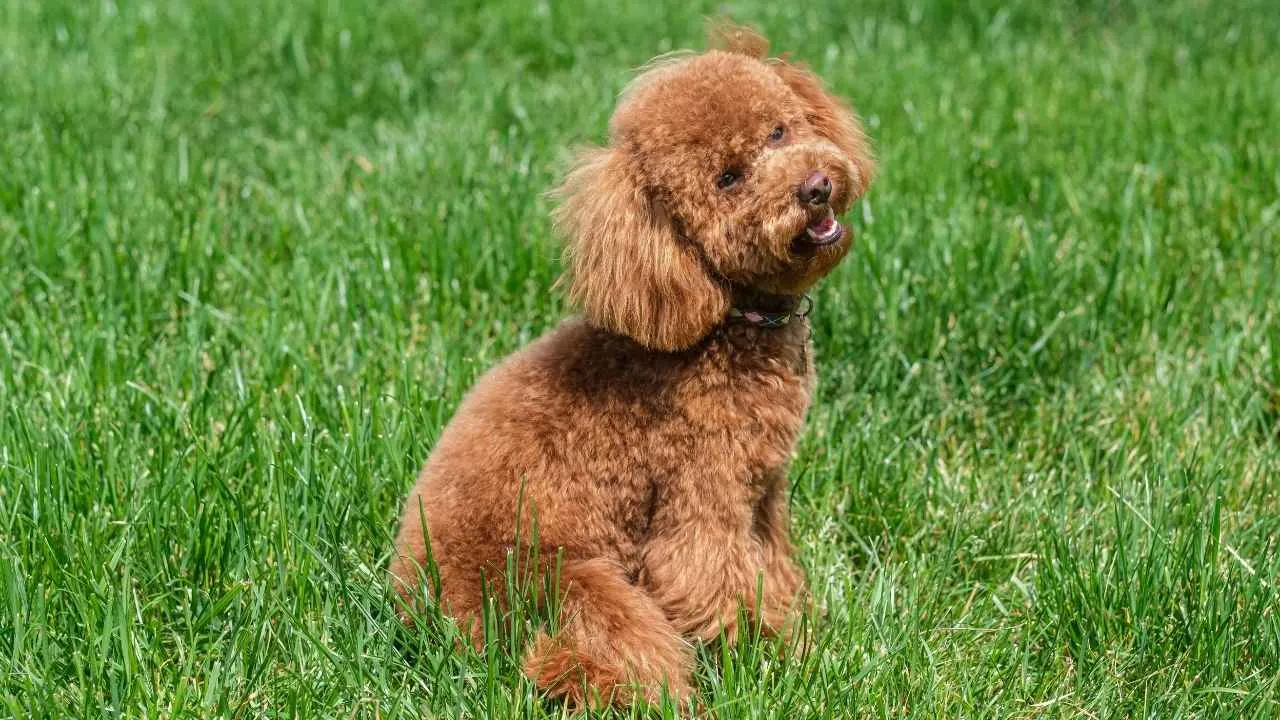
Toy Poodles may be tiny, but they have plenty of energy and charm. These affectionate dogs love being part of family activities and enjoy showing off their tricks.
They form close bonds with their owners and often announce visitors with a bark. Their clever minds and amusing behavior make them entertaining companions.
History and Appearance
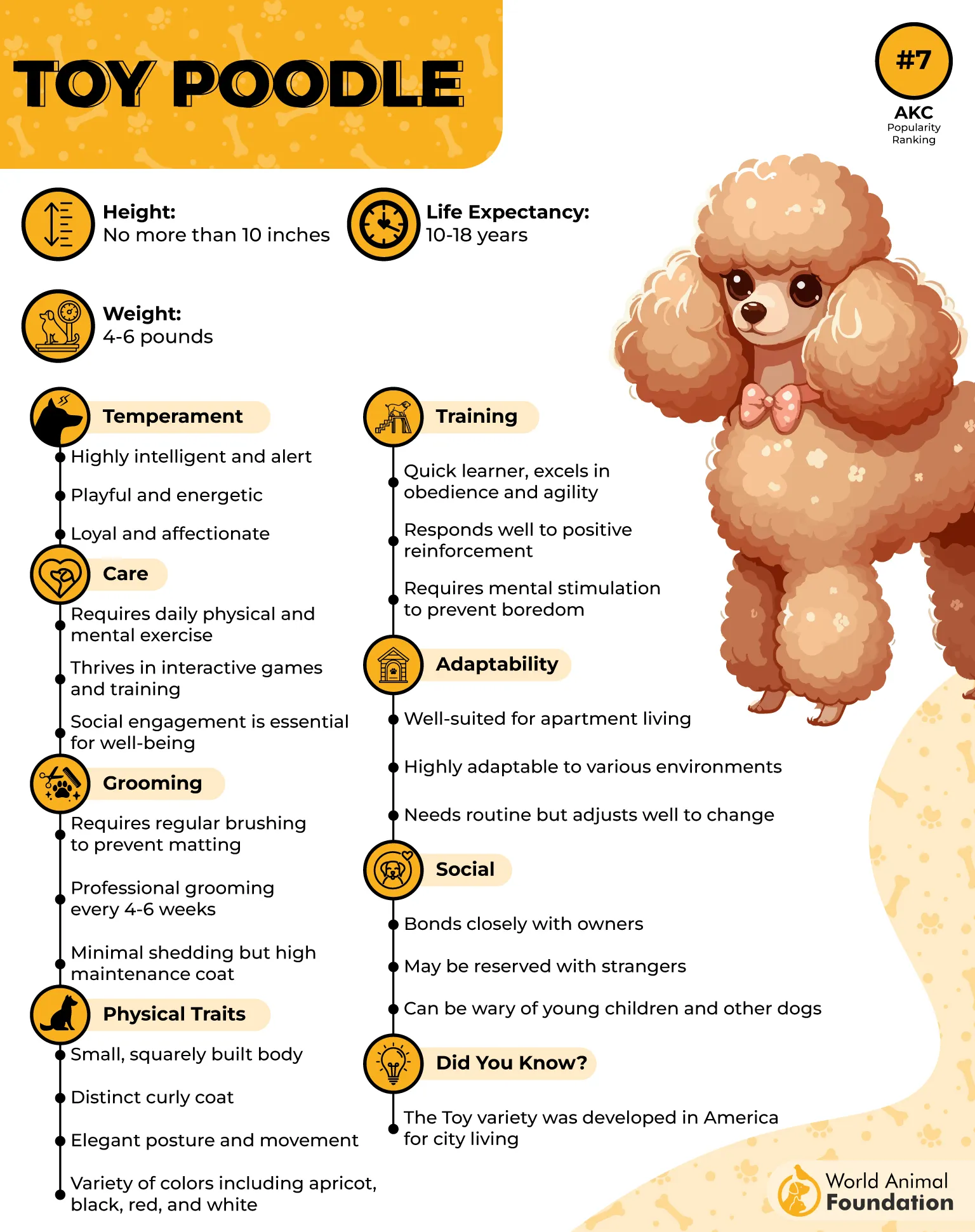
Poodles were first developed in Germany as duck-hunting dogs. Toy Poodles were later bred down from the larger varieties. They have curly coats that shed very little, making them a possible option for some people with allergies. However, no dog is completely hypoallergenic.
Exercise, Training, and Care
Toy Poodles are highly intelligent and learn commands and tricks quickly. They enjoy short walks, indoor games, and activities such as agility and obedience. Regular mental stimulation helps prevent boredom and unwanted behavior.
Their curly coats need frequent grooming and trimming every four to six weeks. These social dogs dislike being left alone for long periods and need plenty of companionship.
7. Yorkshire Terrier
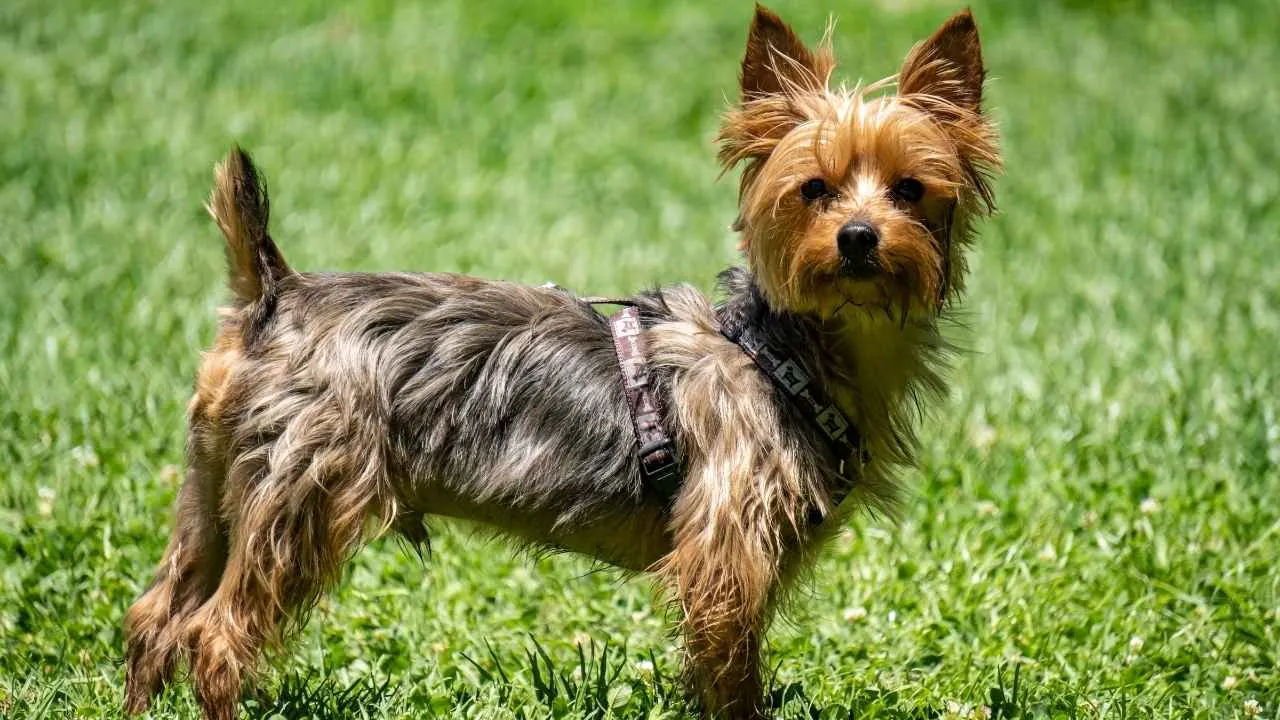
Yorkshire Terriers, often called Yorkies, are playful, affectionate, and full of mischief. These curious little dogs love exploring, playing fetch, and staying close to their families.
They may enjoy cuddles after playtime, but their bold personalities mean they are rarely content doing nothing. Their alert nature also makes them excellent little watchdogs.
History and Appearance
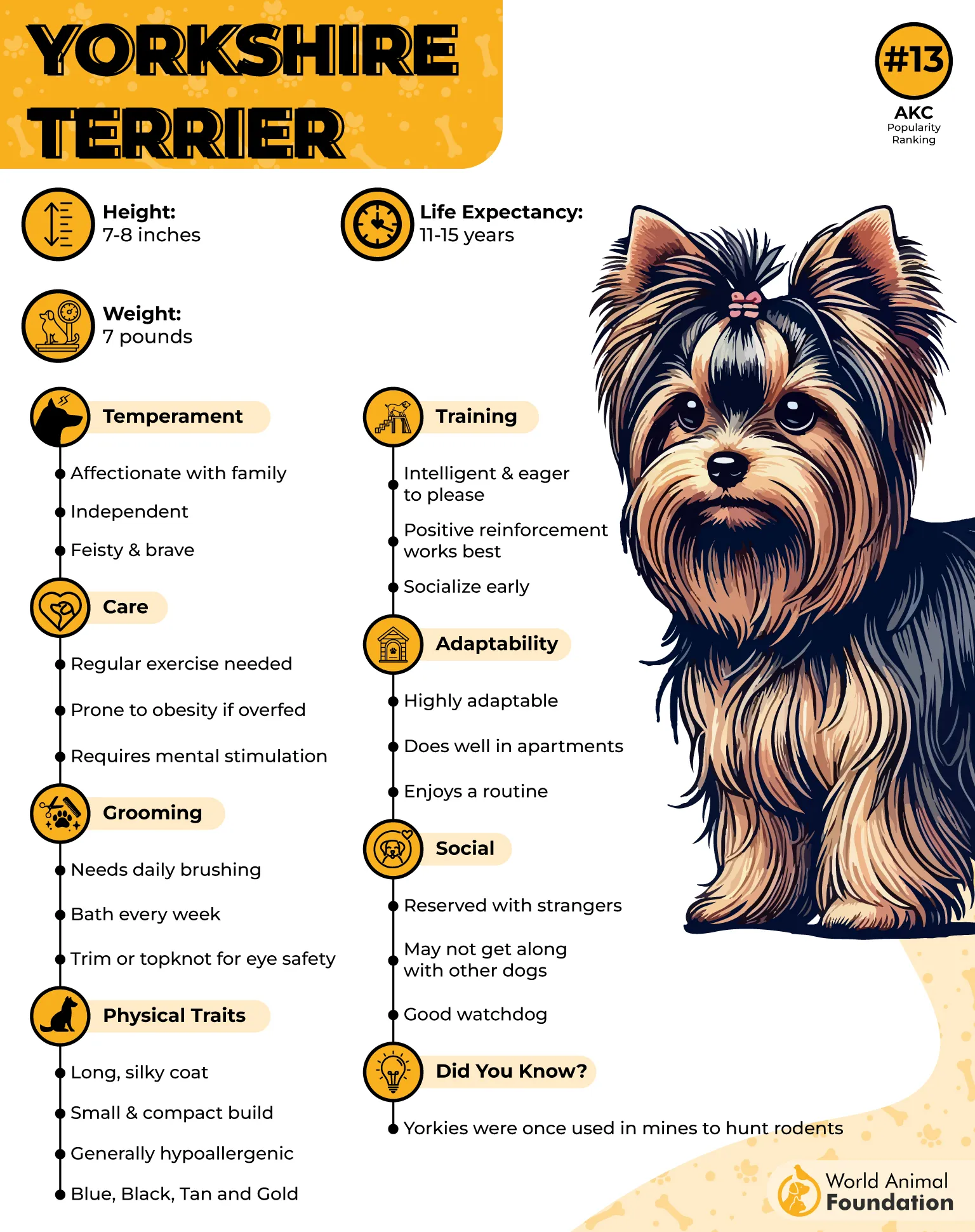
Yorkies were originally bred to hunt rats in mills and mines before becoming popular companion dogs. They have long, silky coats that are usually steel blue and golden tan.
Their elegant appearance contrasts with their fearless terrier nature. Many owners choose a shorter puppy cut to make coat care easier.
Exercise, Training, and Care
Yorkies need daily walks, playtime, and mental stimulation to stay happy. They learn quickly but can be stubborn and may bark frequently, so early training and socialization are important. Their long coats need daily brushing, while shorter haircuts can simplify grooming.
Yorkies can make loving family pets, but children should handle them gently. Their strong hunting instincts also mean they may chase small rodent pets, as noted by Britannica.
Conclusion
Tiny dog breeds bring plenty of fun and affection into everyday life. Each has a unique personality, from fearless and curious to cheerful and cuddly. Although they may be small, these dogs have big hearts and enjoy being part of family activities.
Before bringing one home, consider its energy level, grooming needs, and personality to find a good fit for your lifestyle. With the right care, attention, and companionship, a tiny dog can turn ordinary moments into happy memories and fill your home with laughter.
