




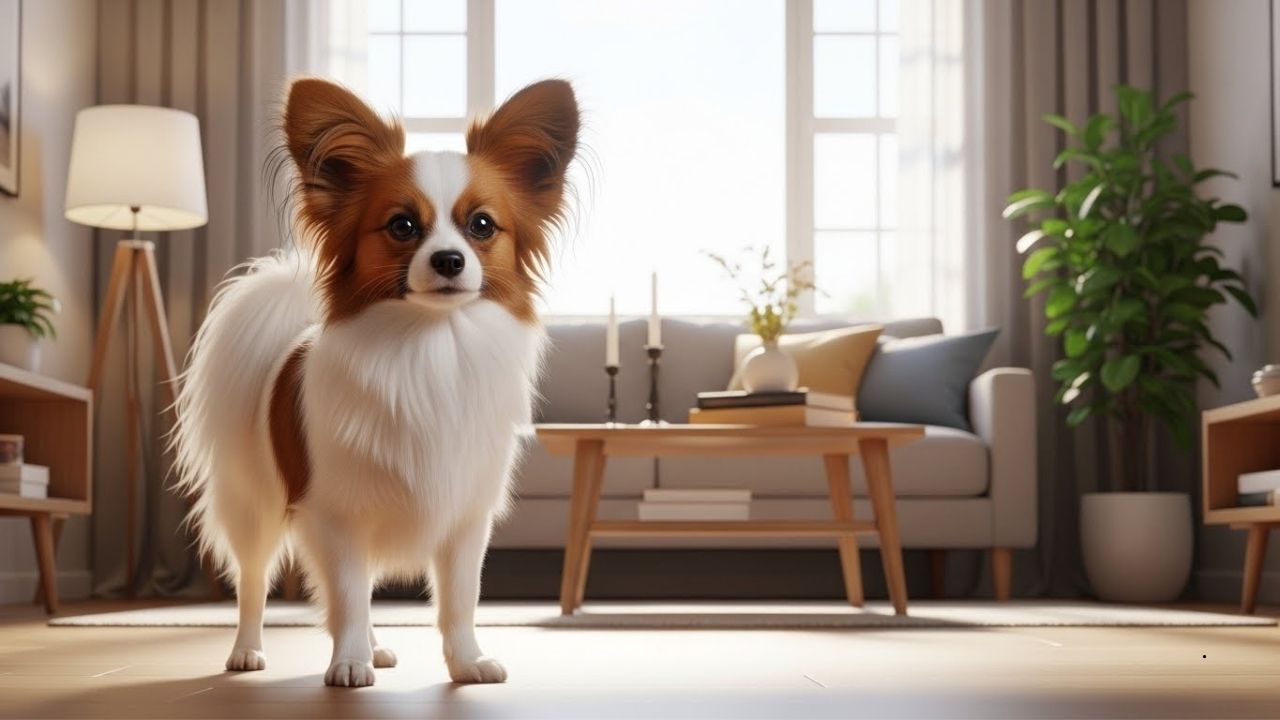
Small home, big love, tiny paws. Let’s find your perfect roommate.
Living in a small dwelling can feel cozy and calm. But adding a dog can also feel scary. Will they bark nonstop? Will they bounce off your walls? Will your neighbors start a group chat about you?
Here’s the good part. Some tiny dog breeds are made for apartment life. They fit your space, match your pace, and still bring that full “best friend” energy.
Below are seven small dog breeds that tend to do well in tight spaces when they get the care, time, and gentle training they deserve.
Tiny Dog Breeds That Are Ideal for Small Dwellings & Apartment Living
1. Brussels Griffon

The Brussels Griffon is tiny, but it acts like it owns the place. In a good way. This little dog often bonds hard with one person and loves being close. That can be perfect for small dwellings, because they enjoy sofa time, lap time, and just hanging near you while you do your thing.
They are known for that almost “human” face and expressive eyes. Sounds crazy, right? But it’s true. They can look like they are judging your snack choices.
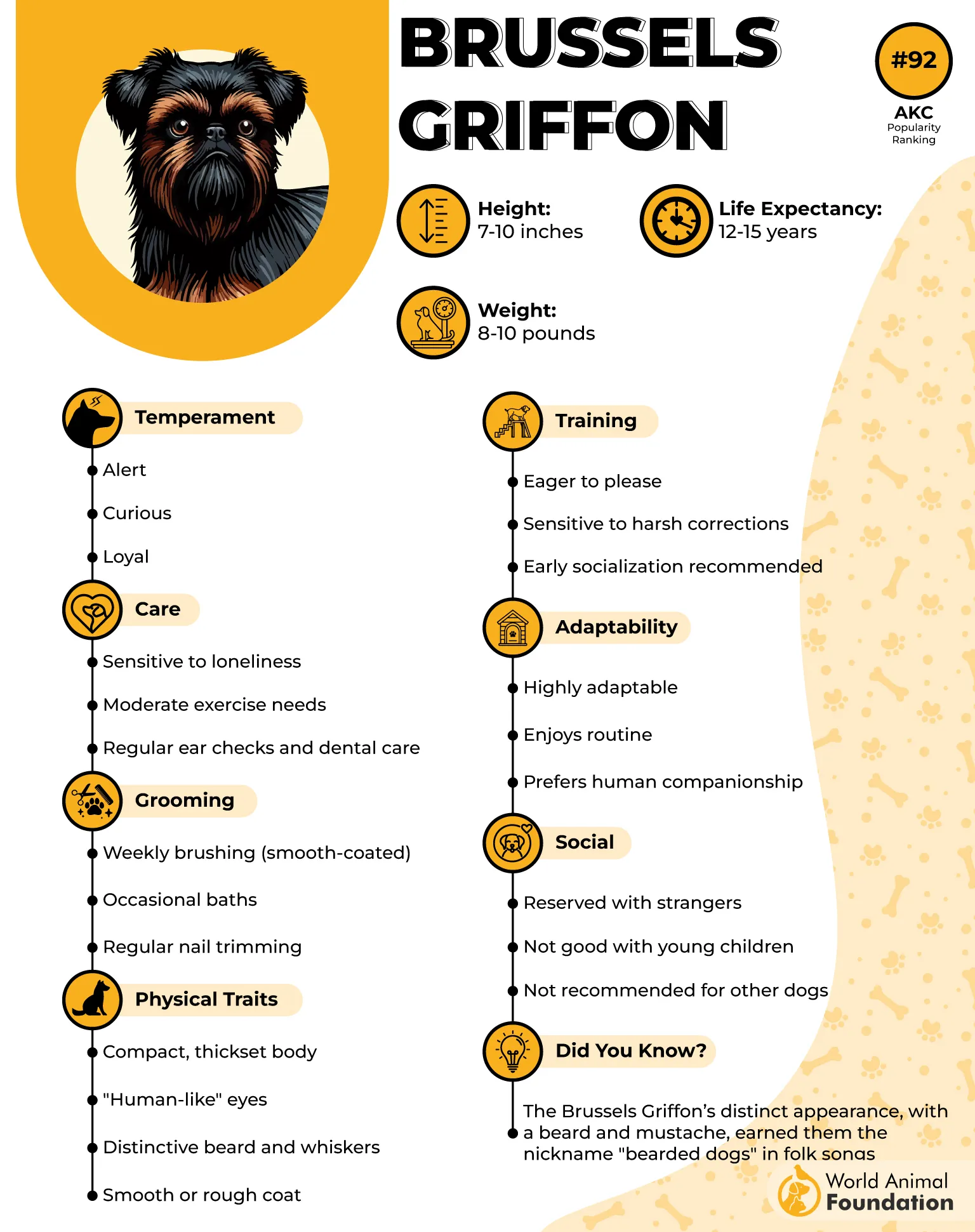
In small spaces, their biggest win is that they do not need a giant yard to feel happy. They do best with short walks and indoor play, plus lots of attention.
One thing to know is that they can be sensitive. Loud chaos and rough handling can stress them out. But if your home is more “cozy den” than “party house,” you may be a great match.
It gets even worse, though, if you ignore training. A bored Griffon can turn into a tiny boss. The fix is simple: keep it fun, keep it gentle, and stay consistent.
Small-Space Sweet Spot
They thrive on close contact and simple routines, which suit apartment living.
Best for people who want a clingy, loving companion
Works well with short walks and indoor games
Needs kind training to avoid “tiny ruler” behavior
May do better in quieter buildings with patient neighbors
2. Papillon

Papillons are small, bright, and full of sparkle. Their name comes from their butterfly-like ears, and yes, they really stand out. If you want a tiny dog that feels lively without needing a huge space, the Papillon can be a great fit.
This breed is often very smart and quick to learn. That matters in small dwellings because good manners go a long way.
Think: Calmer greetings at the door, less chaos in hallways, and better leash walking in tight elevator spaces.
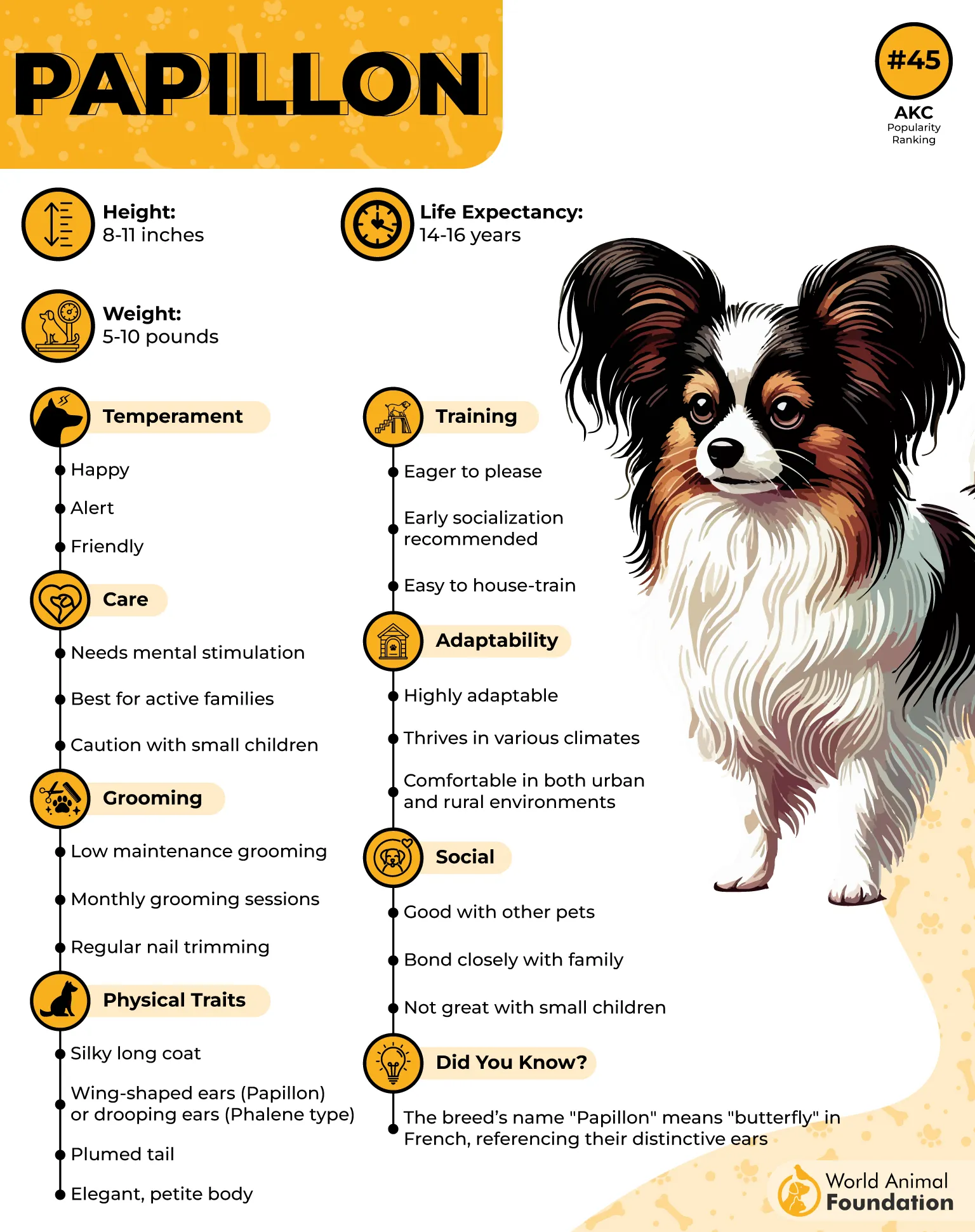
And here’s the best part: many Papillons love training like it’s a game. They enjoy puzzles, short practice sessions, and learning cute tricks that also build self-control.
But why bother with that? Because a clever dog with no outlet will invent their own entertainment. That can mean barking at every sound in the hallway.
You can prevent that with daily mental play, short walks, and a calm routine. Papillons are tiny, but they still like to move. Give them a little structure, and they shine.
Tiny Body, Big Brain
A smart, cheerful dog that can thrive indoors with training and play.
Often easy to train with treats and praise
Loves short games that burn energy fast
Can be alert, so early “quiet” training helps
Great for people who enjoy teaching tricks
3. Shih Tzu

The Shih Tzu is basically a professional relaxer. If your dream dog is more “Netflix buddy” than “marathon partner,” this breed often fits the vibe.
Many Shih Tzus enjoy calm indoor life, gentle walks, and lots of affection, according to the AKC. In small dwellings, that easygoing nature can be a huge win. They were bred to be companions, and it shows. They often love being near you, following you from room to room like a fluffy shadow. Exactly.
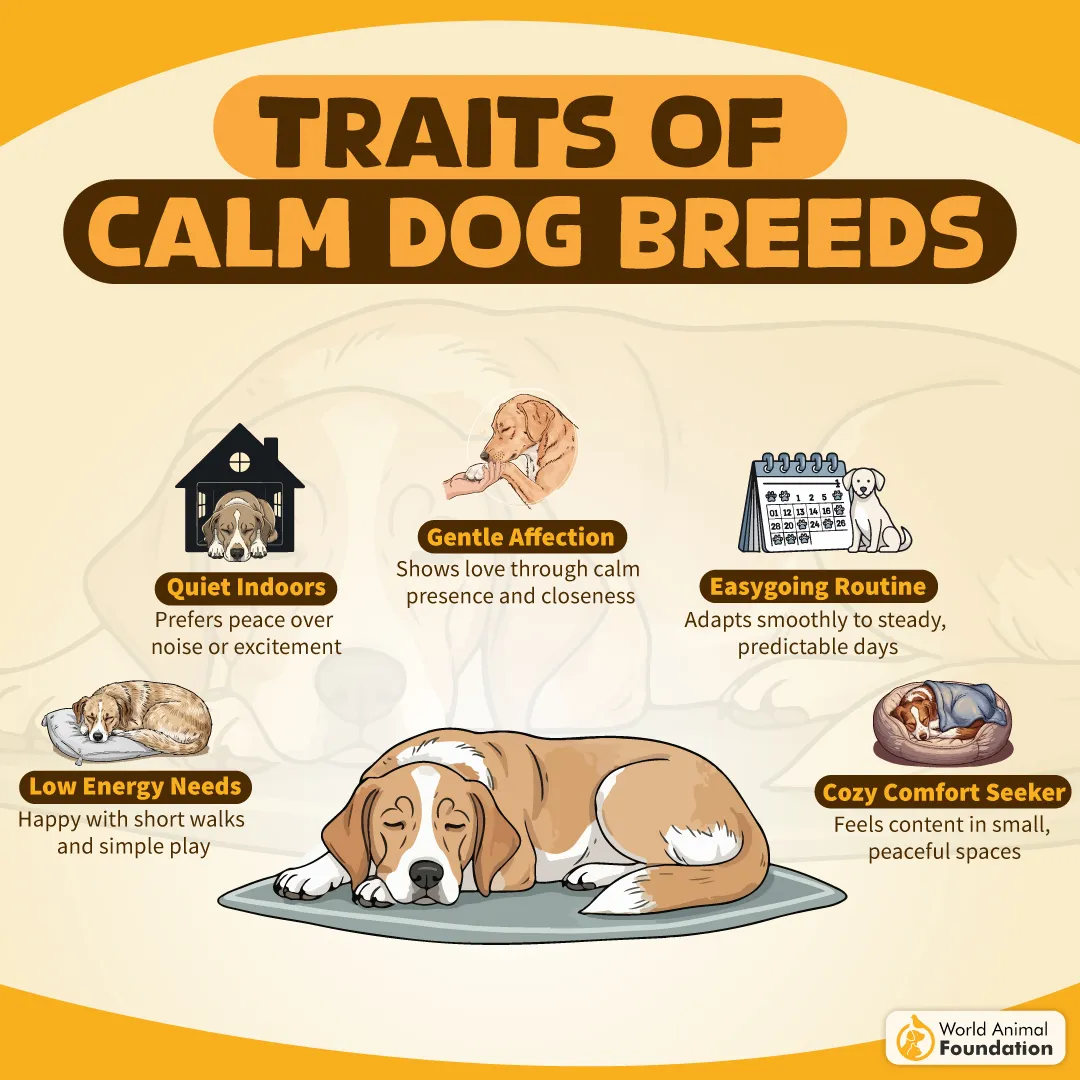
In an apartment, that closeness can feel sweet, not clingy, because you are already sharing a smaller space. They can do fine with short daily walks plus light indoor play.
Their coat is a big topic. If you keep it long, it needs regular brushing and grooming. If you keep it in a shorter “puppy cut,” it can be easier to manage.
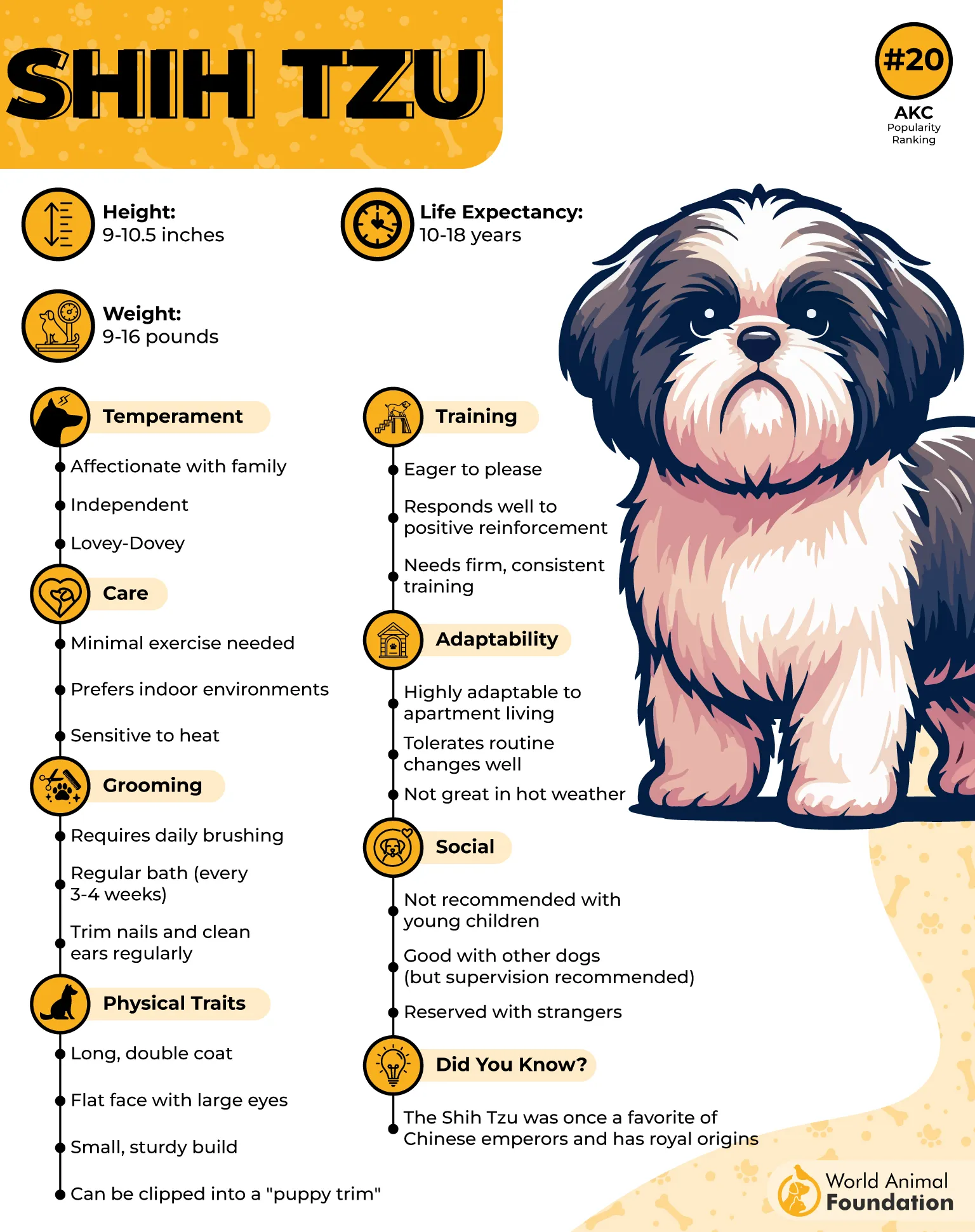
Either way, grooming is part of the deal. The good news is that their exercise needs are usually not intense, which makes them popular for small homes.
Calm Energy, Cozy Living
A gentle, friendly lap dog that often adapts well to apartment routines.
Usually happy with short walks and indoor play
Can do well with families and calmer households
Grooming needs are real; plan for it
Training helps with house manners and barking
4. Pomeranian
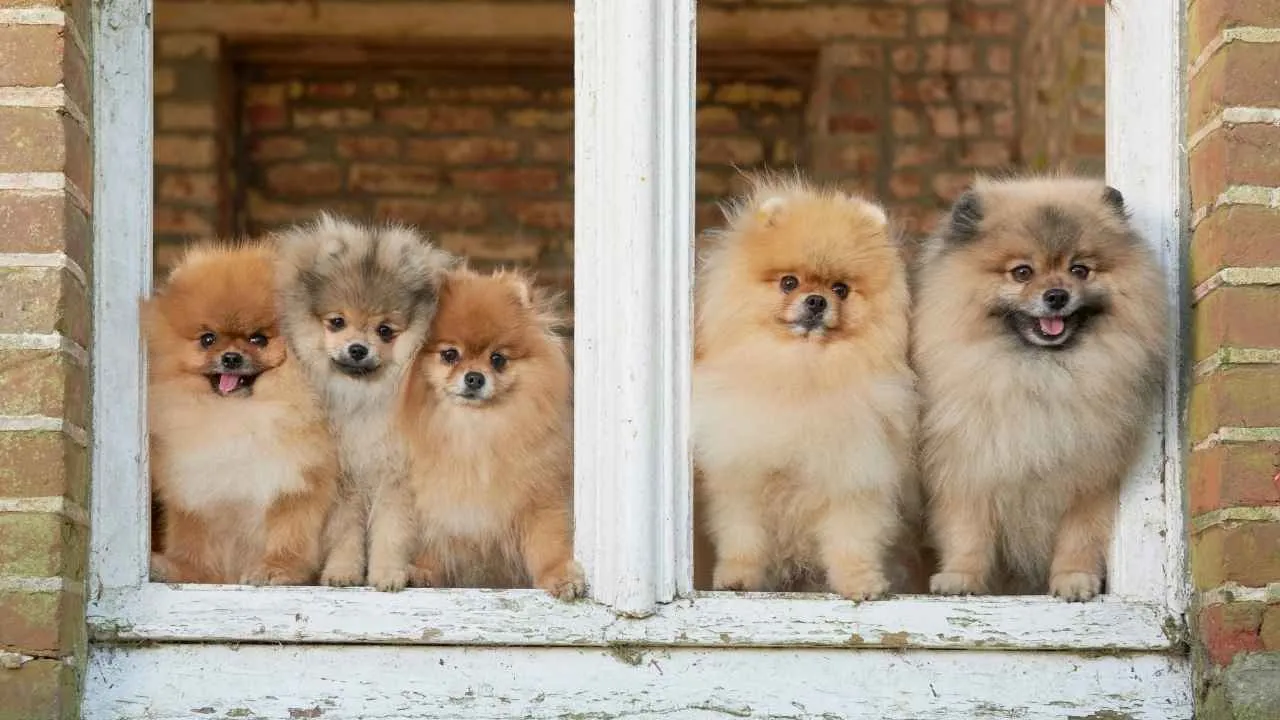
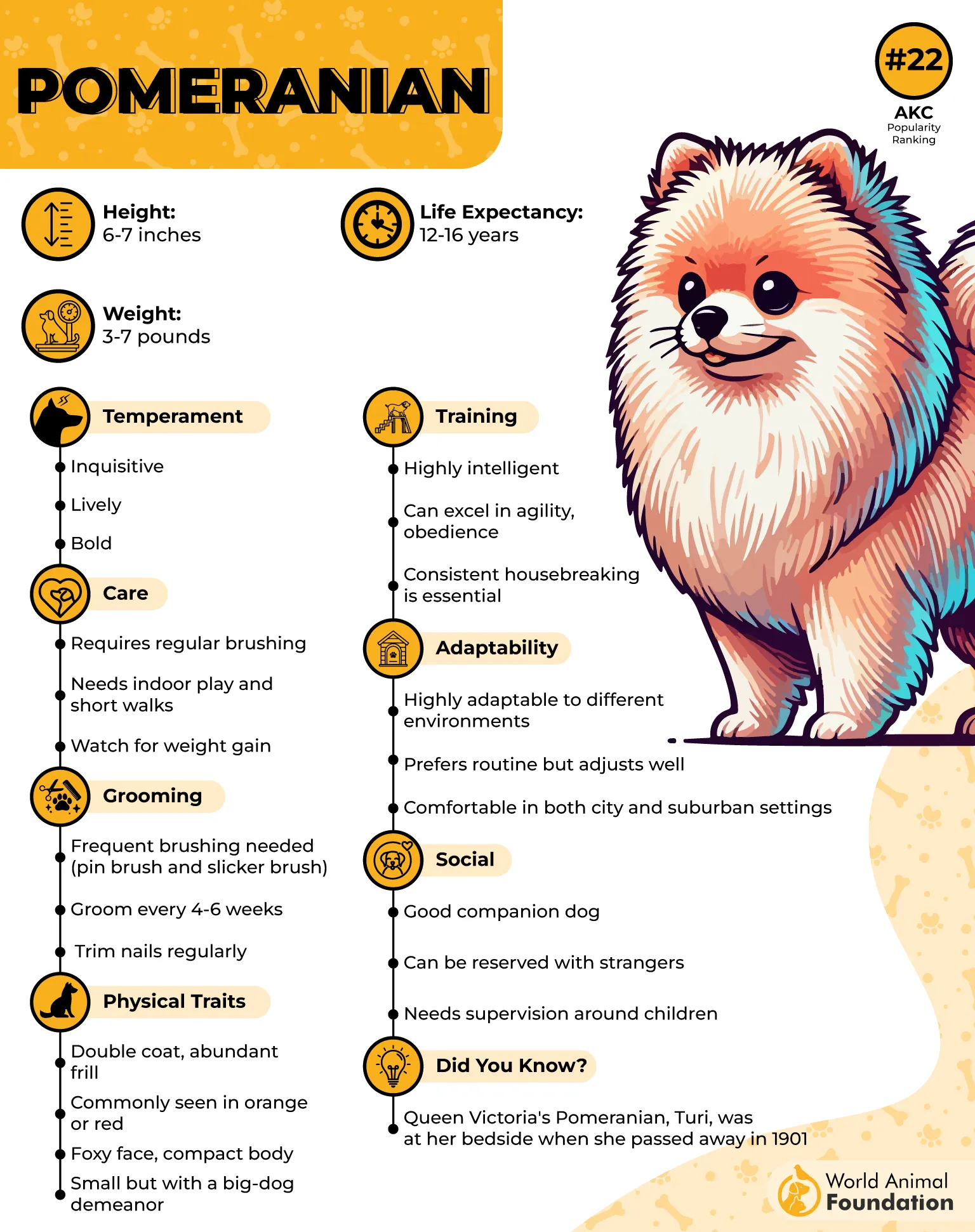
Pomeranians look like living fluff balls, but don’t be fooled. Many of them are confident, bold, and super alert. In small dwellings, that alert nature can be helpful and annoying at the same time. Helpful because they notice everything. Annoying because they might tell you about everything.
Now, the trick is to guide that energy. Poms can do great in apartments when they get daily play, short walks, and clear rules. They are tiny, so a little exercise goes a long way. A few indoor fetch sessions can take the edge off fast.
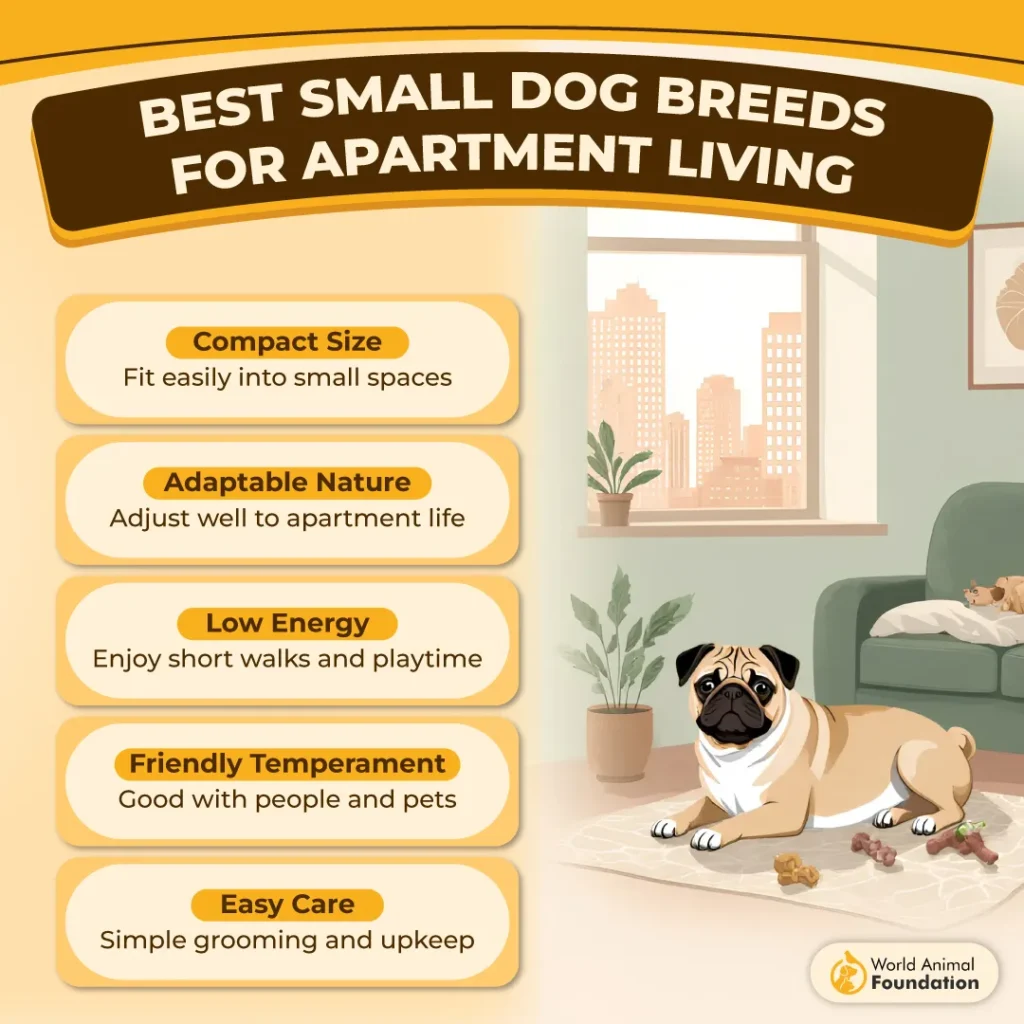
But wait, there’s more! They also love attention, and they often enjoy learning tricks, which helps burn mental energy.
As per PetMD, their coat is thick and needs steady brushing to reduce tangles and loose hair. If you keep up with grooming, your small space stays cleaner, and your dog stays comfy.
They can also be protective of their people, so early social habits matter. Calm introductions, reward-based training, and a “quiet” cue can make apartment life smoother.
Fluffy, Feisty, and Fun
A tiny watchdog type who needs training to keep the peace indoors.
Indoor games can meet a lot of their exercise needs
Early training helps reduce barking in apartments
Regular brushing keeps shedding more manageable
Often loves being the center of attention
5. Pug

Pugs are little comedians in a round body. They often love people, love snacks, and love naps. If you live in a small dwelling and want a dog that feels like a friendly roommate, the Pug is a classic choice.
Many Pugs have a moderate energy level. They enjoy short walks and some play, but they are usually not high-speed athletes. That can be ideal for apartment life.
They are often happiest doing normal daily stuff with you, like hanging out while you work, then waddling over for a quick cuddle break. And yes, that face can melt you.
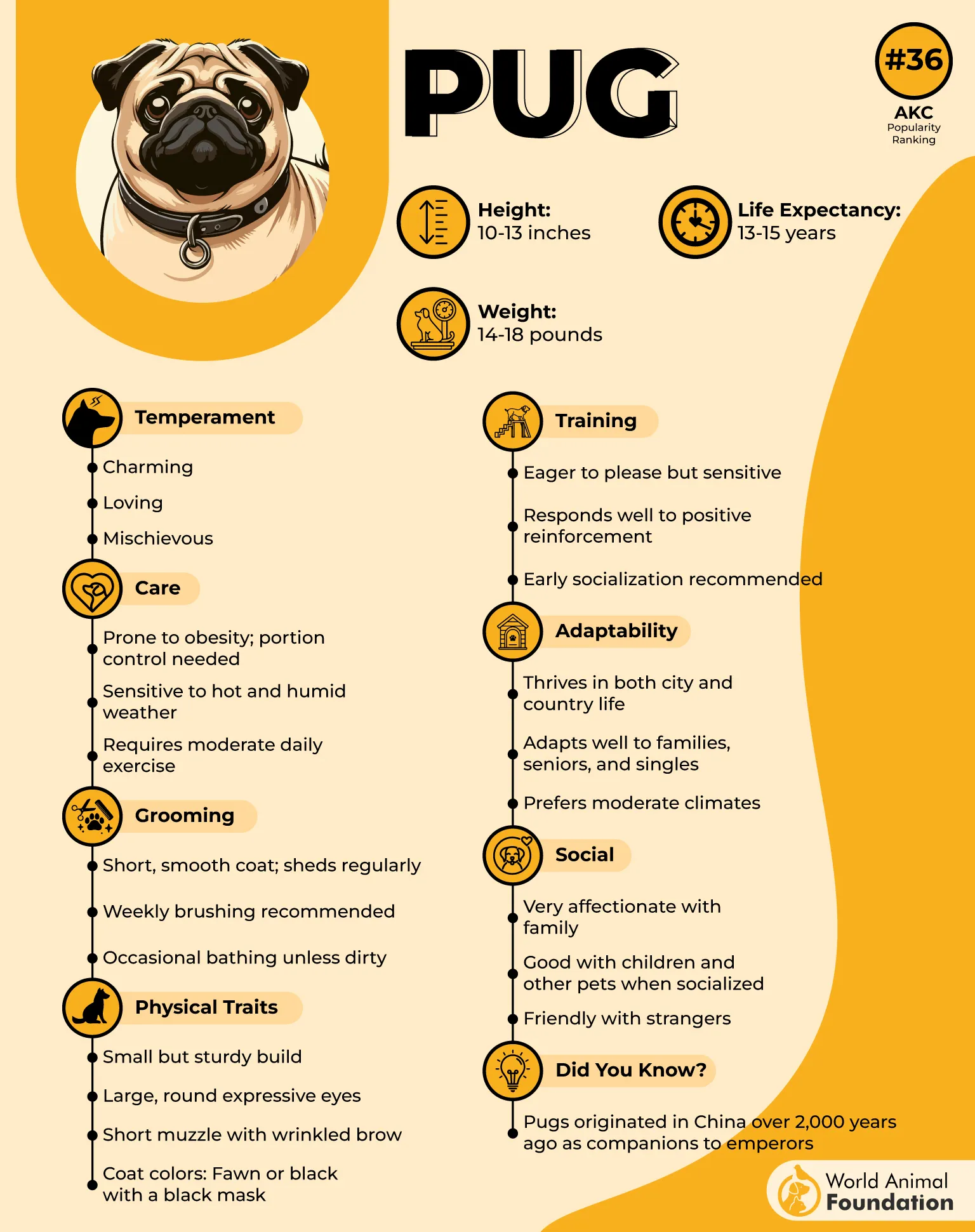
Important note: Britannica notes that Pugs can be sensitive to heat, and some may have breathing issues because of their short muzzle. That means you need to keep exercise gentle, avoid hot weather walks, and watch for heavy panting.
It gets even worse, though, if they gain too much weight. Extra weight can make breathing and joints harder. Portion control and regular vet care matter a lot for this breed.
Built for Cozy Homes
A loving, social dog that suits smaller spaces with gentle exercise.
Short walks and indoor play are often enough
Loves people and can fit well in social homes
Needs careful heat management and weight control
Training helps with manners and calm greetings
6. Poodle (Toy or Miniature)
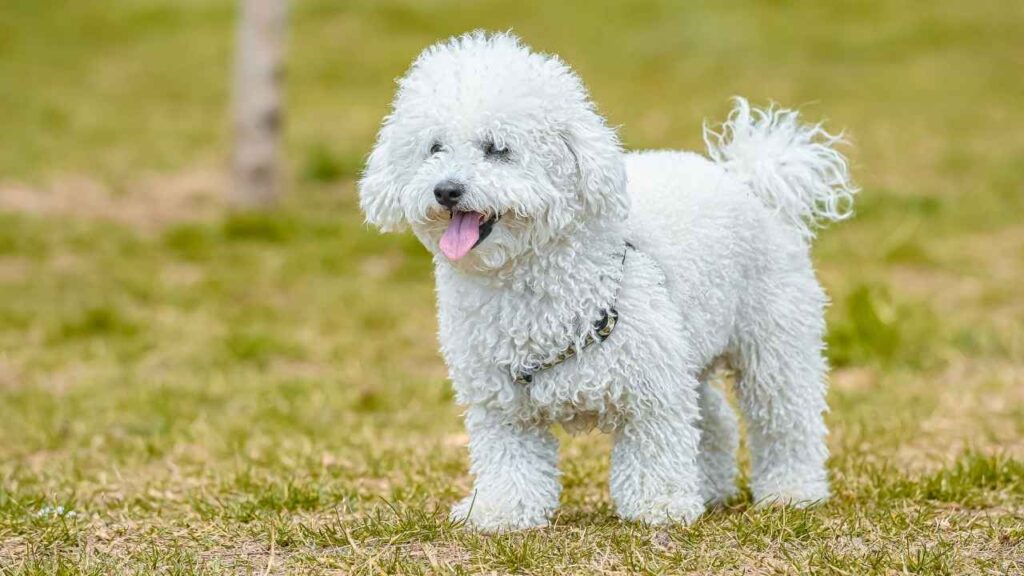
When people hear “Poodle,” they sometimes picture fancy haircuts. But the real story is this: Poodles are smart, trainable, and often very adaptable.
For small dwellings, Toy and Miniature Poodles can be especially practical because they are small, quick learners, and can enjoy indoor life with the right routine.
Their intelligence is a superpower in apartment living. You can teach them to settle, to stay calm when the door buzzes, and to focus on you in busy hallways.
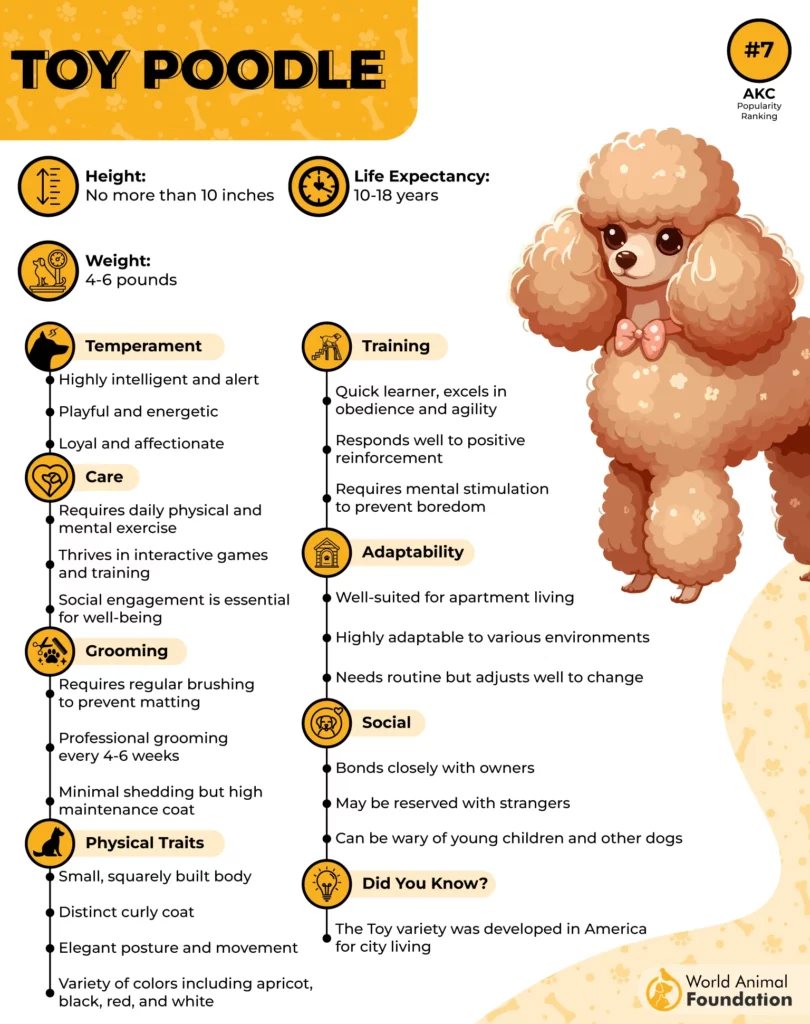
Here’s the good part: Many Poodles love mental games. Short training sessions can tire them out more than a long walk.
They also tend to have a coat that sheds less than many other breeds, though no dog is truly “no shed.” The trade-off is grooming. Regular trims and brushing help prevent mats.
If you want a tiny dog that feels clean, sharp, and easy to train, a Toy or Mini Poodle is worth considering.
Smart Dog, Small Footprint
A tidy, brainy companion who can thrive in apartments with training and grooming.
Often learns routines fast, great for indoor manners
Mental play can reduce boredom and barking
Needs regular grooming and coat care
Can be active, so daily play is important
7. Yorkshire Terrier

Yorkies are tiny, but they carry themselves like they are ten feet tall. They can be bold, loving, and very attached to their person.
In small dwellings, that close bond can feel amazing, like you always have a little buddy by your side.
They often do well with apartment living because their small size makes indoor play easy. A short walk plus a little tug game can cover a lot of their needs.
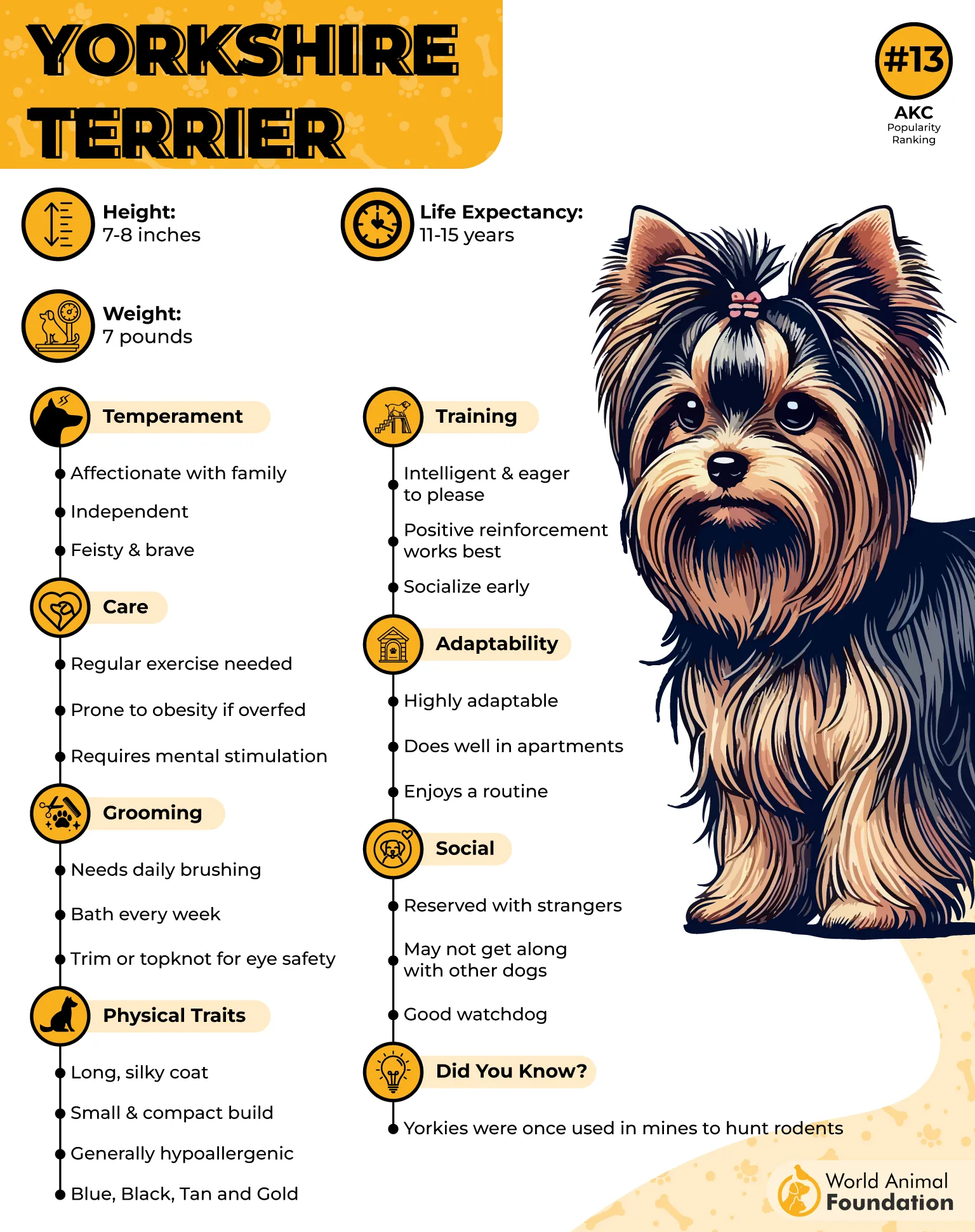
But why bother with training? Yorkies can be vocal and stubborn when they want to be. If you live near neighbors, it helps to teach calm behavior early, especially around door sounds.
Their coat can be silky and may need regular brushing. Some owners keep a shorter trim for easier care. Also, because they are small, they can be fragile around rough play.
If you have kids, teaching gentle handling is key. Many Yorkies love being carried, but they also need time on the ground to explore and feel confident.
Tiny Dog, Big Attitude
A brave little companion that can thrive in apartments with training and care.
Good fit for small homes with daily play
Training helps with barking and bold behavior
Coat care matters, especially if kept longer
Loves bonding and being close to their person
Conclusion
Choosing among small breeds can feel easier than living with large breeds that need much room and much space. Many of the best apartment dogs have a manageable size, a gentle demeanor, and a friendly nature that makes daily life smoother.
Some bond closely and turn into loyal and affectionate companions fast, because human companionship is their favorite thing.
You might love French Bulldogs for their affectionate temperament, or a Boston Terrier for that sweet nature and playful energy.
Some lively little dogs are high-energydogs that need at least an hour of activity, and they may do best with active families and safe outdoor adventures, even if it’s just a quick walk instead of a fenced-in area.
From Italian Greyhounds to a Scottish Terrier or Biewer Terrier, these dogs can become delightful companions with the right care, even those with protective instincts, distinctive bat-like ears, or endless charm.
