




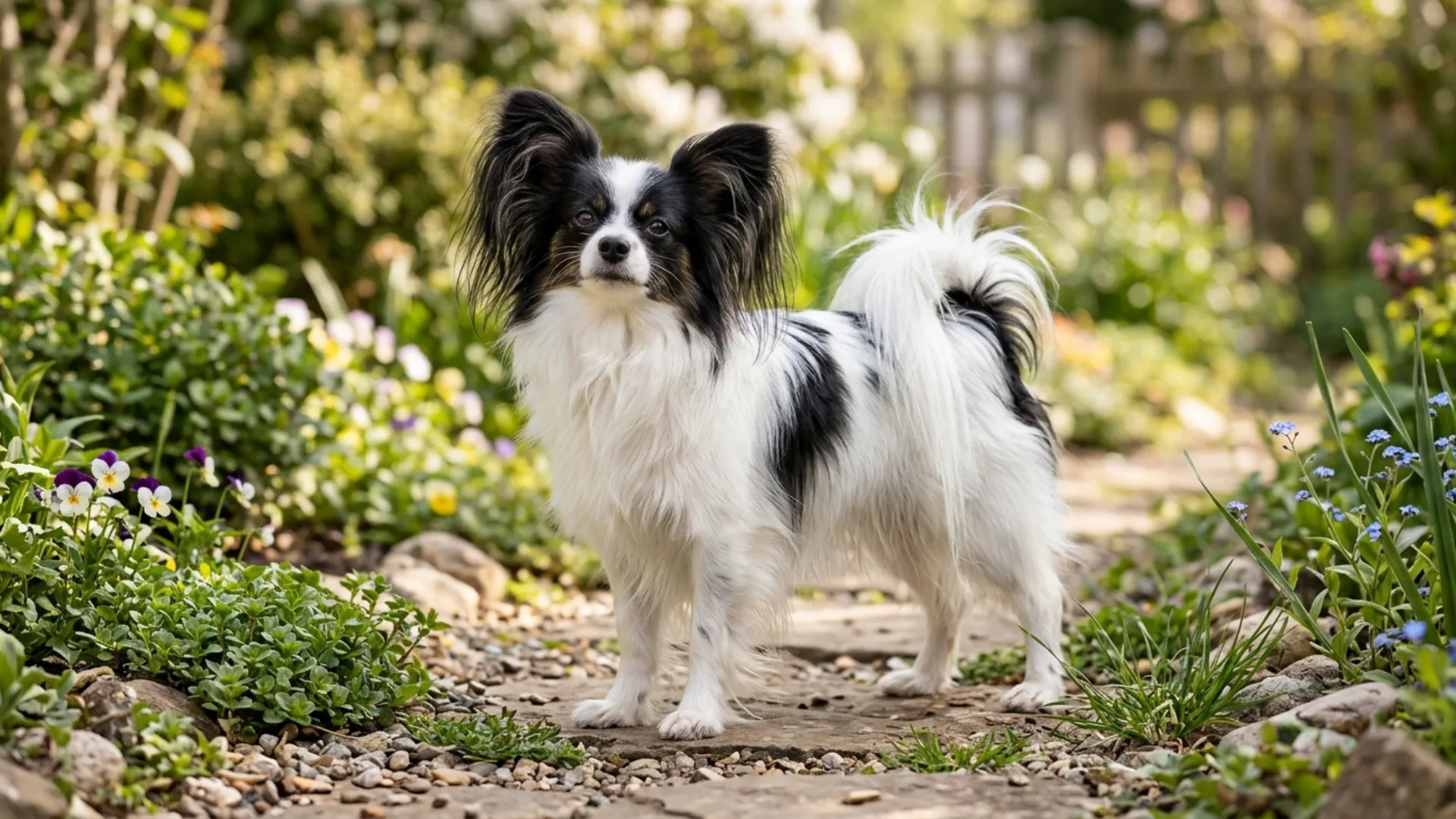
For people who love dogs but prefer a very small companion, toy breeds can offer plenty of personality in a compact package. Although puppies of many breeds start tiny, some eventually grow into considerably larger adults. Choosing a breed specifically developed to remain small can make its adult size more predictable.
Tiny dogs can be surprisingly energetic, intelligent, and confident despite their stature. Their small bodies may make them easier to carry or accommodate in compact homes, but that does not mean they are automatically low-maintenance. Exercise, training, grooming, dental care, and socialization remain important throughout their lives.
The breeds below are among the smallest commonly kept companion dogs. Each has a different history and temperament, so prospective owners should consider more than adult size when deciding which tiny breed is the right fit.
Tiny Dog Breeds That Stay Miniature Through Life
1. Chihuahua
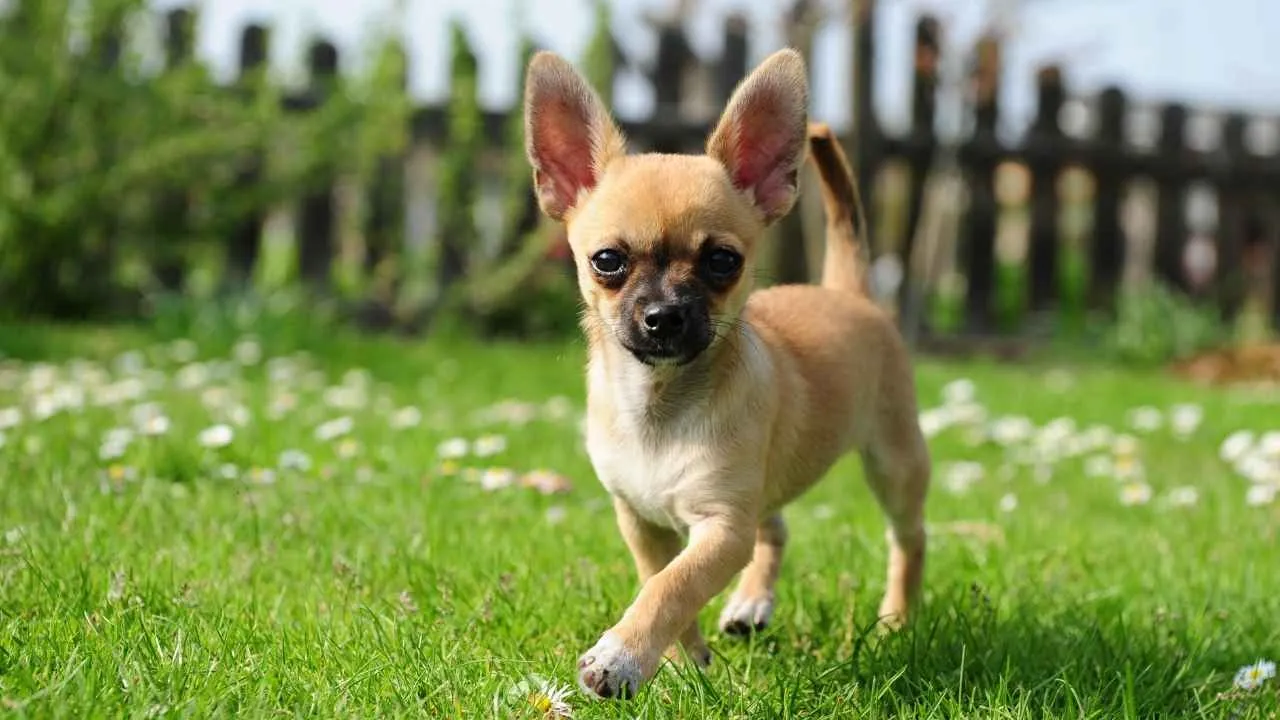
The Chihuahua takes its name from the Mexican state of Chihuahua, where the breed became widely recognized. Its deeper ancestry is associated with the Techichi, a small companion dog kept by the Toltec and later Aztec civilizations, as per PetMD. Modern Chihuahuas were developed in Mexico and eventually became one of the world’s most recognizable toy breeds.
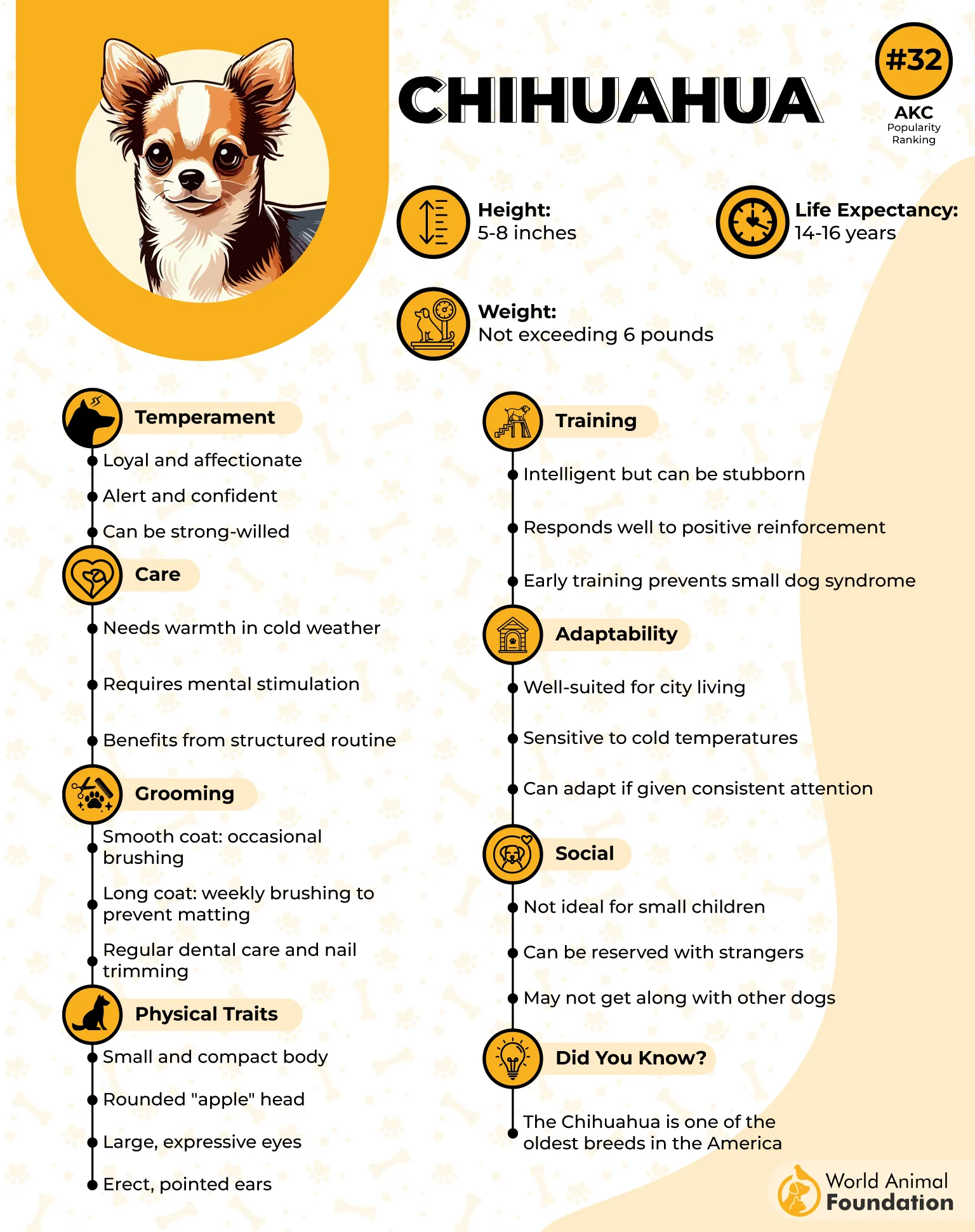
Small Body, Surprisingly Big Personality
Chihuahuas often behave as though their size is considerably larger than it really is. They can be alert, confident, affectionate, and intensely attached to their owners. Some are cautious around unfamiliar people or dogs, making early socialization especially useful for helping them become comfortable in different situations.
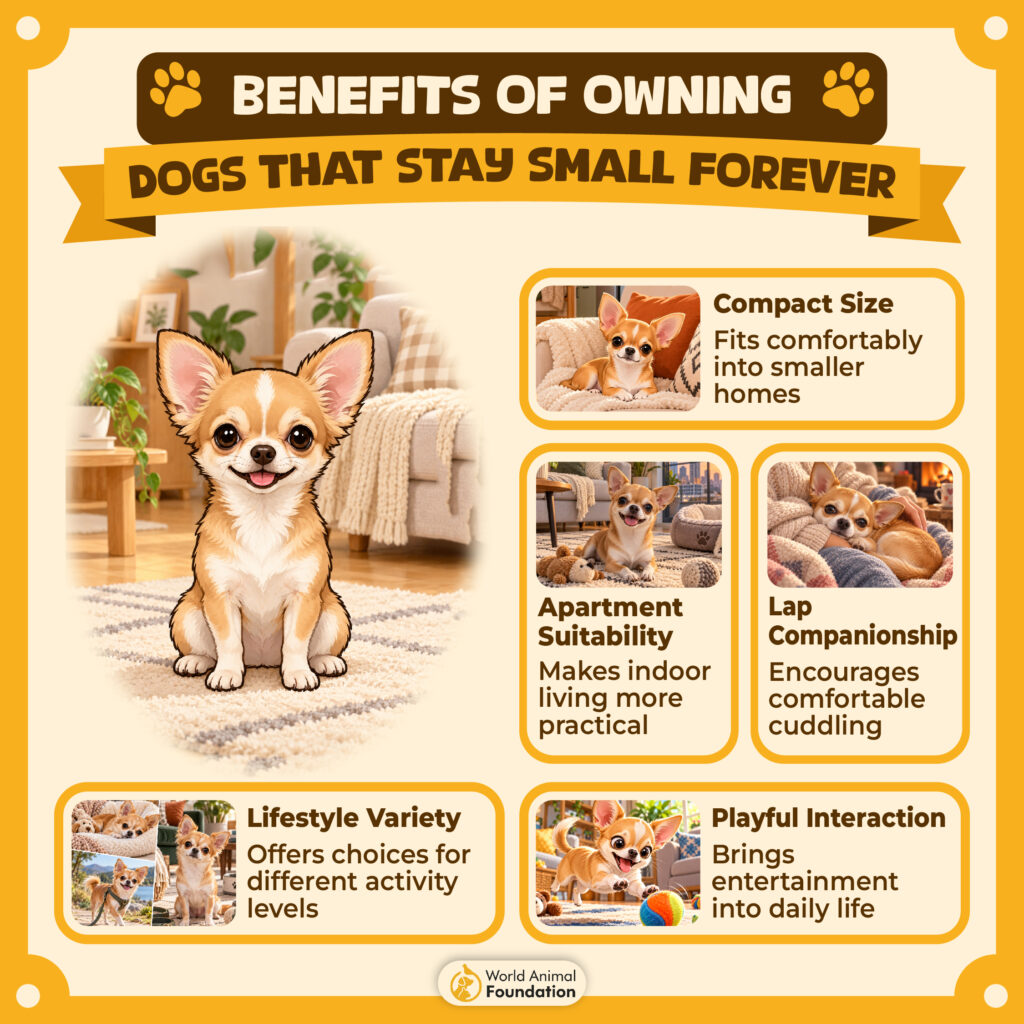
A Breed That Remains Exceptionally Small
The Chihuahua is one of the smallest recognized dog breeds, with many adults weighing only a few pounds. Its compact proportions remain throughout adulthood rather than being a puppy stage that leads to a much larger adult. This makes the breed particularly appealing to people specifically looking for a genuinely tiny lifelong companion.
2. Pomeranian
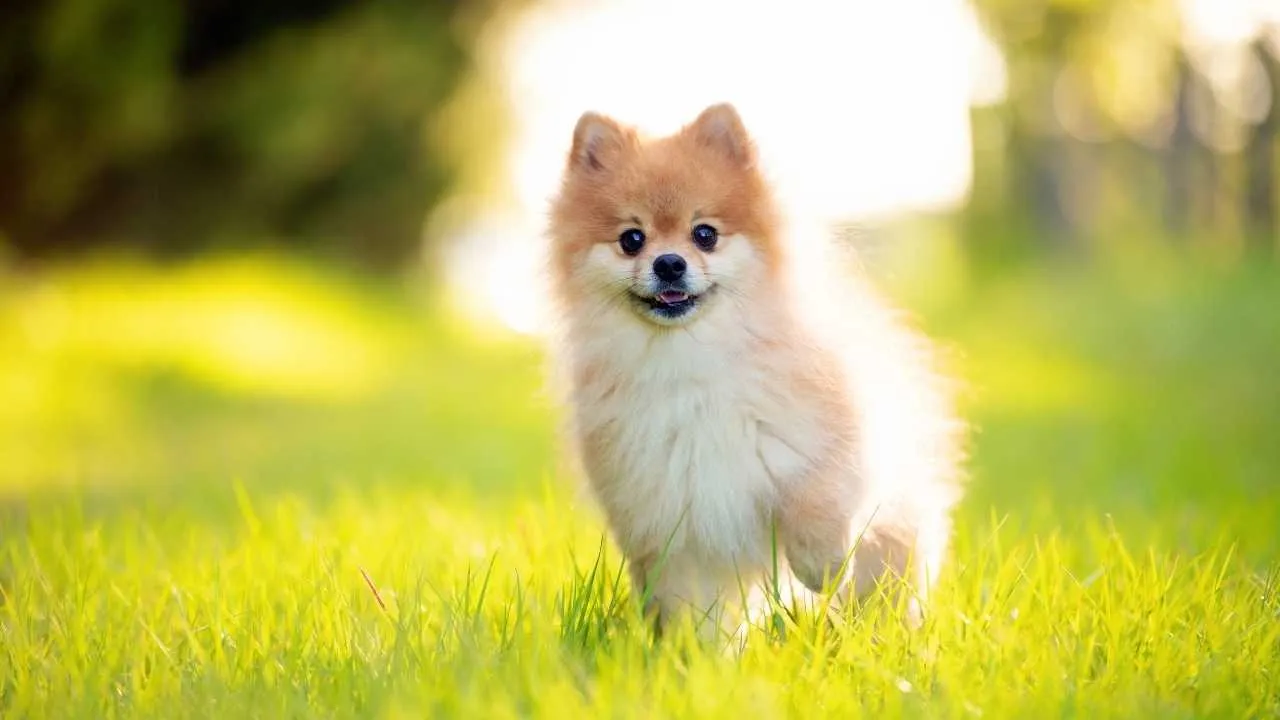
The Pomeranian originated from the larger Spitz-type dogs of the Pomerania region in Central Europe. Early ancestors were substantially bigger and were used as working dogs before selective breeding reduced their size. British breeders, including those working during the Victorian era, played an important role in developing the much smaller companion Pomeranian familiar today.
Lively, Curious, and Confident
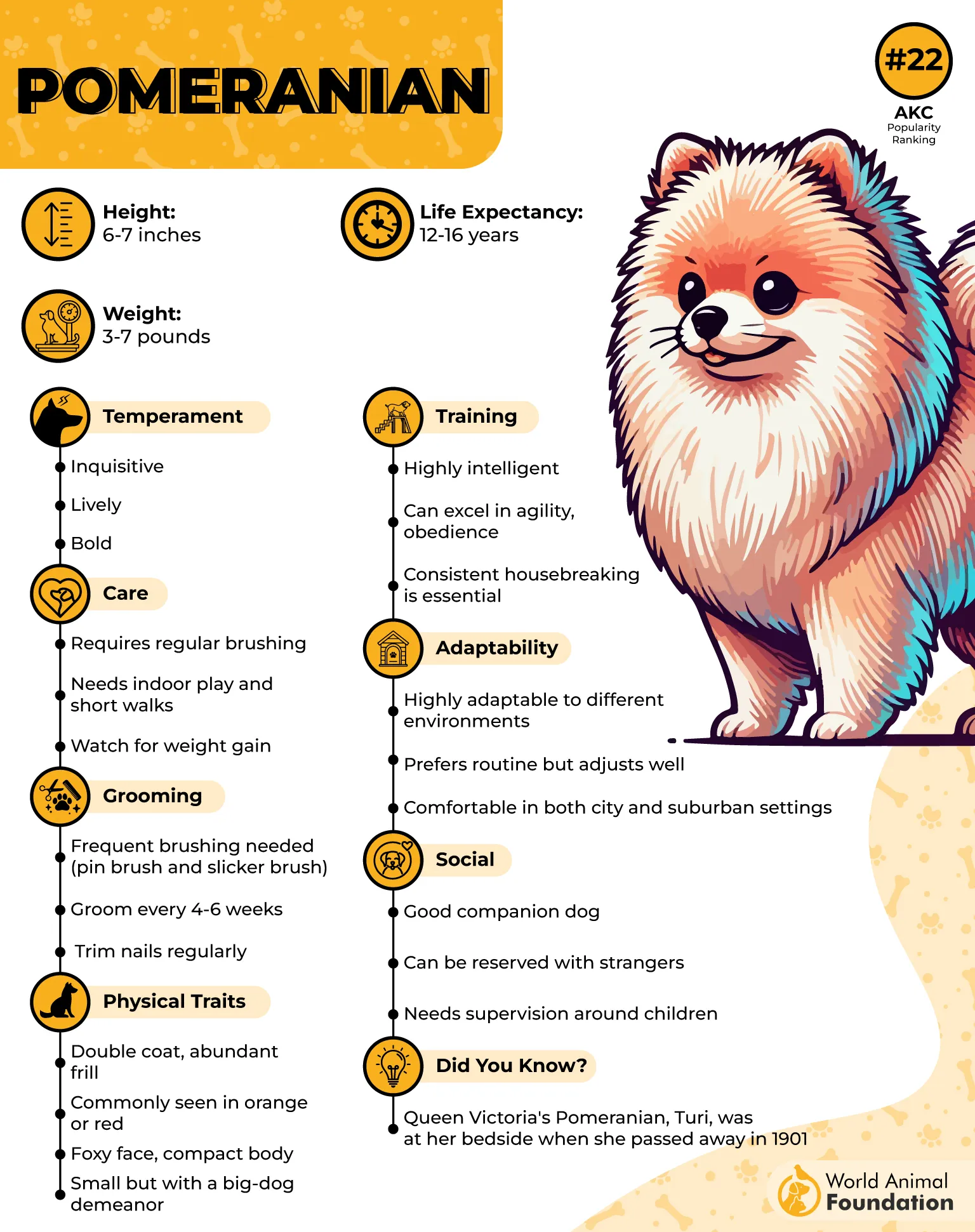
A Pomeranian can bring considerable energy into a very small household. These dogs are often playful, intelligent, attentive, and eager to interact with their owners. Their confidence can sometimes make them surprisingly assertive, so obedience training and sensible boundaries are valuable even though the dog is small enough to carry.
A Fluffy Toy Dog Into Adulthood
Pomeranians retain their tiny stature after reaching maturity, while their abundant double coat can make them look larger than they actually are. Their thick ruff, plumed tail, and fluffy body give them a substantial visual presence without adding much physical size. Regular grooming is therefore an important part of keeping their coat healthy and manageable.
3. Yorkshire Terrier
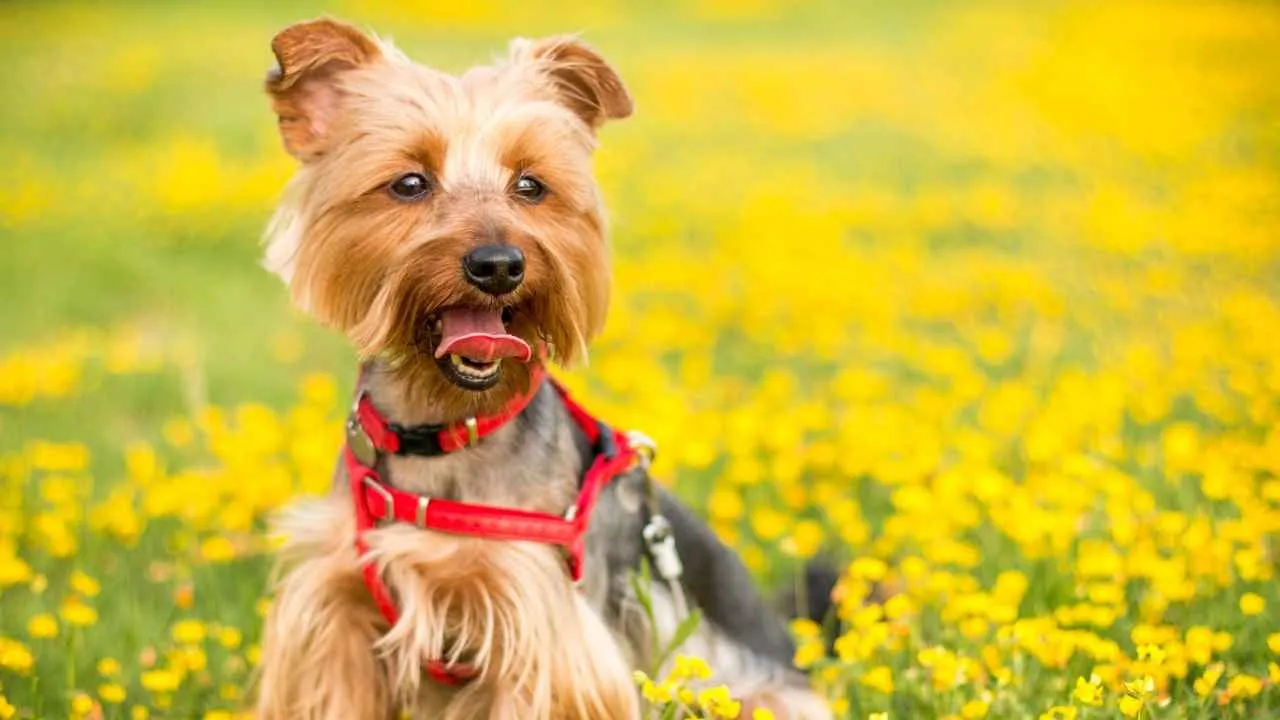
The Yorkshire Terrier developed in northern England during the Industrial Revolution. Scottish workers who moved to Yorkshire brought small terriers with them, and these small dogs contributed to the development of the breed. Yorkies were initially useful for controlling rats in mills and working environments before becoming fashionable companion dogs.
Spirited Terrier Temperament in a Tiny Package
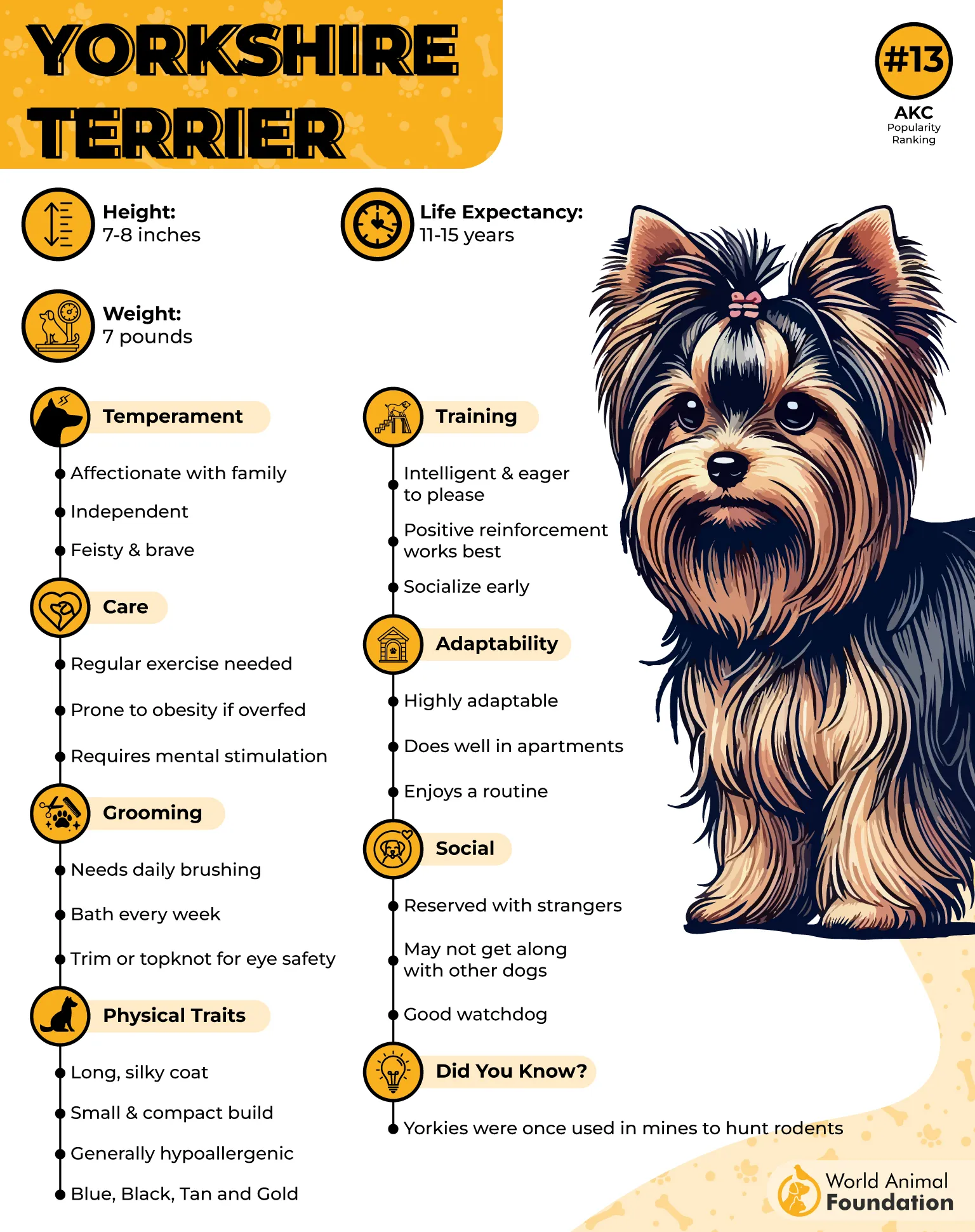
Yorkshire Terriers may be small enough to fit comfortably in an owner’s arms, but their behavior often reflects their terrier heritage. They can be bold, curious, energetic, and quick to react to movement or unfamiliar sounds. Many also form close bonds with their families and enjoy being involved in everyday activities.
Permanently Petite With a Long, Elegant Coat
Adult Yorkshire Terriers remain very small, generally retaining the compact frame that makes them a classic toy breed. Their fine, silky coat can grow considerably longer than their bodies are tall, creating an elegant appearance that can sometimes make them seem larger visually. Their coat requires regular brushing and grooming to prevent tangles.
4. Maltese
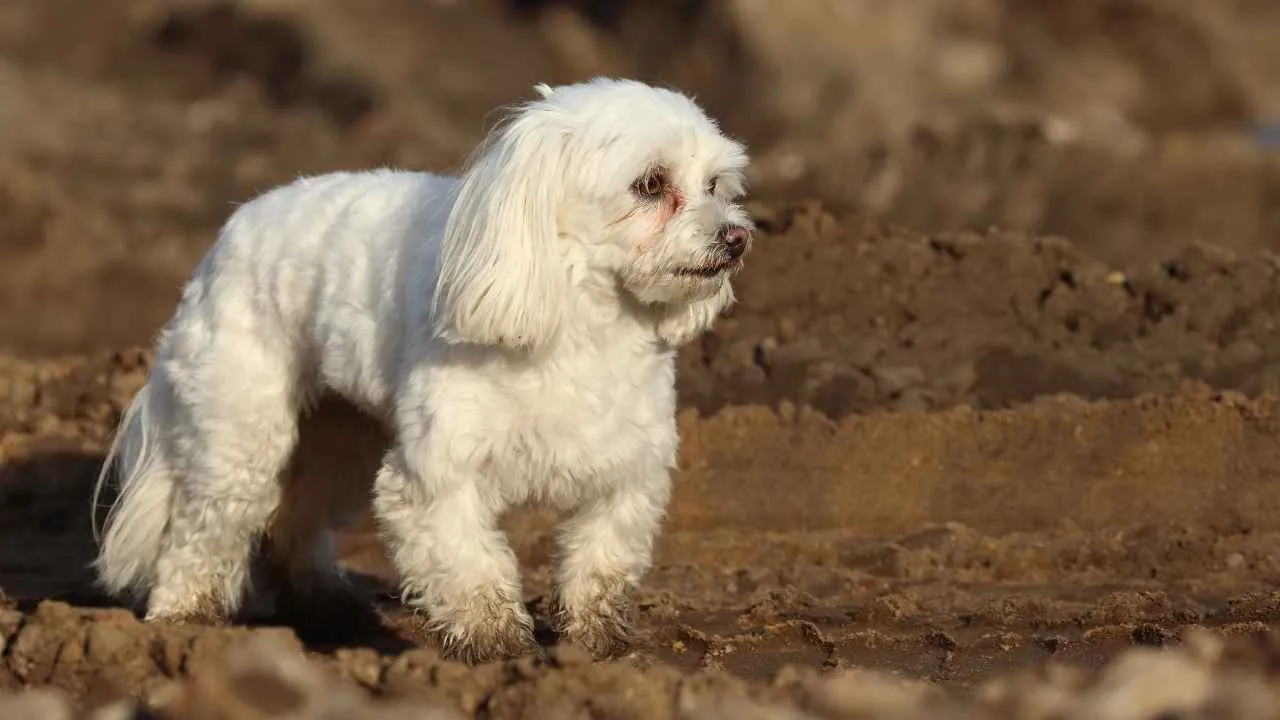
The Maltese has an ancient history as a small companion dog associated with the Mediterranean island of Malta. Small white dogs resembling the Maltese were known in the ancient Mediterranean world and were valued by people who appreciated their companionship. Over centuries, selective breeding helped establish the refined toy breed recognized today.
Gentle, Affectionate, and People-Focused
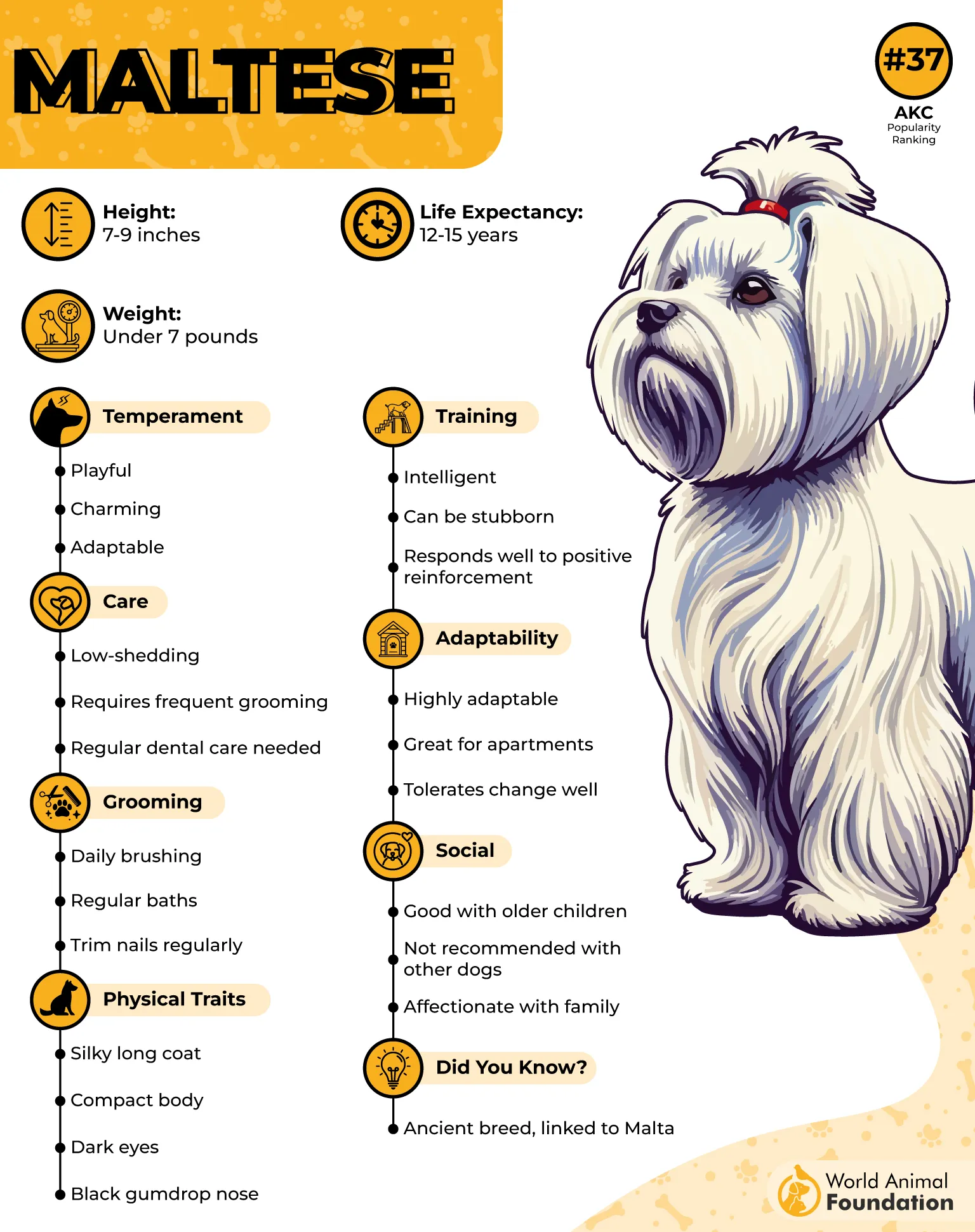
Maltese are typically devoted companion dogs that enjoy spending time with their owners. They can be playful and lively while also being content to relax close to their families. Despite their delicate appearance, they can be quite confident and may benefit from early training that prevents small-dog habits from becoming established.
A Tiny Adult With a Distinctive White Coat
The Maltese remains small throughout adulthood and is characterized by its flowing white coat. The hair has a silky texture and can grow long enough to reach the floor when carefully maintained. Owners who prefer a shorter style can keep the coat trimmed, making grooming easier while preserving the breed’s naturally petite proportions.
5. Papillon
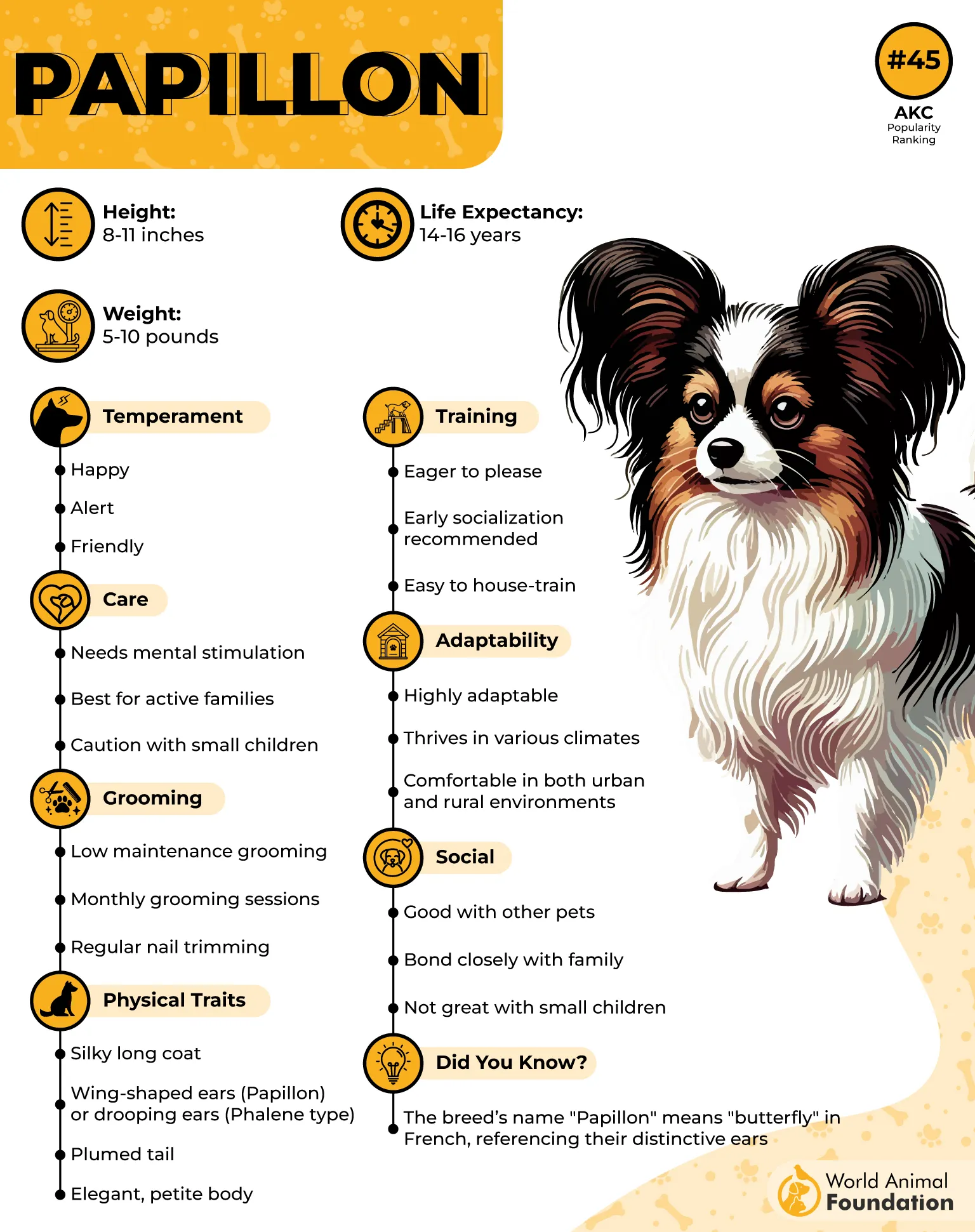
The Papillon developed in Europe and is closely associated with continental toy spaniels that were popular among European nobility, as per WebMD. Dogs resembling early Papillons appear in historical paintings dating back several centuries. The breed’s name comes from the French word for “butterfly,” referring to the distinctive shape of its upright, heavily fringed ears.
Clever, Athletic, and Far From Fragile
The Papillon’s delicate appearance can be misleading. These dogs are often remarkably agile and intelligent, with an enthusiasm for learning that has helped them succeed in obedience and agility activities. They tend to be alert and interactive, making mental stimulation just as valuable as simple physical exercise.
Compact Enough for Almost Any Home
Papillons remain very small as adults, but their proportions give them a more athletic appearance than some other toy breeds. Their feathered ears, flowing tail, and fine coat add elegance without significantly increasing their overall size. Their combination of portability and energy can work well for owners who want a tiny dog that can still participate in active routines.
6. Toy Poodle
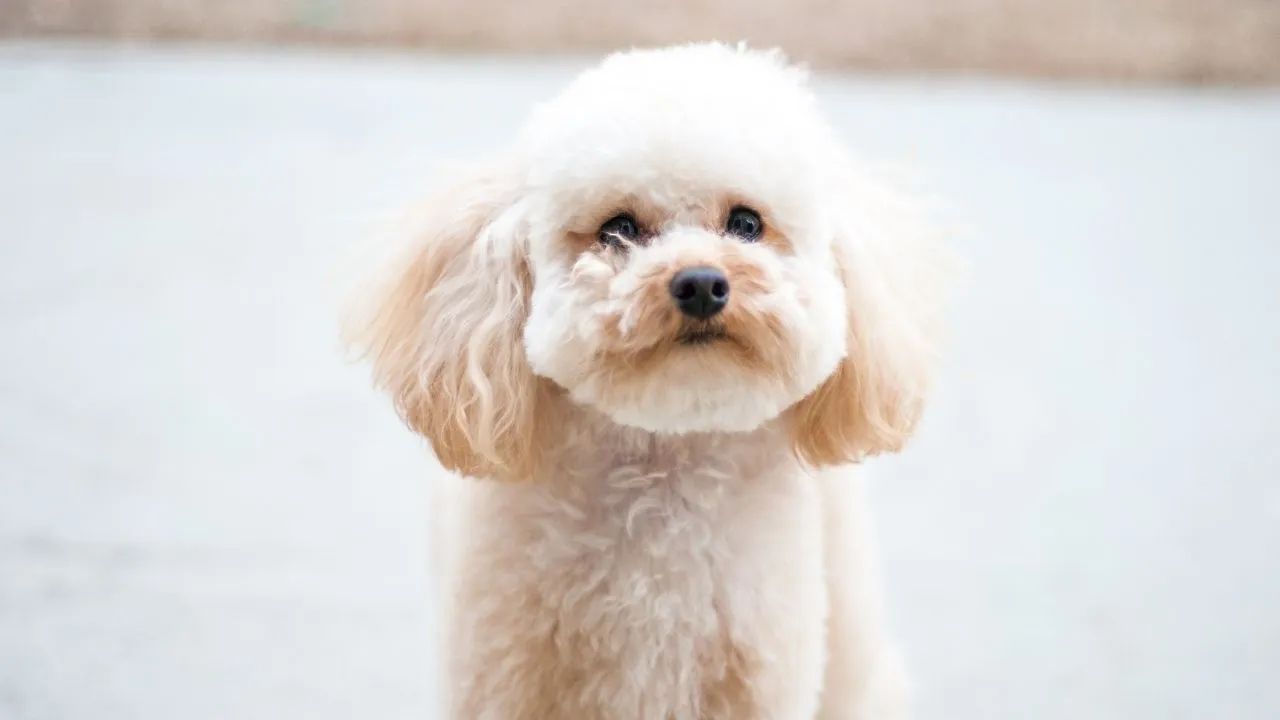
The Poodle’s early development is generally associated with Germany, although France played a major role in refining and popularizing the breed. Standard Poodles were historically used as water retrievers, and smaller varieties were subsequently developed as companion dogs. The Toy Poodle represents the smallest established Poodle variety.
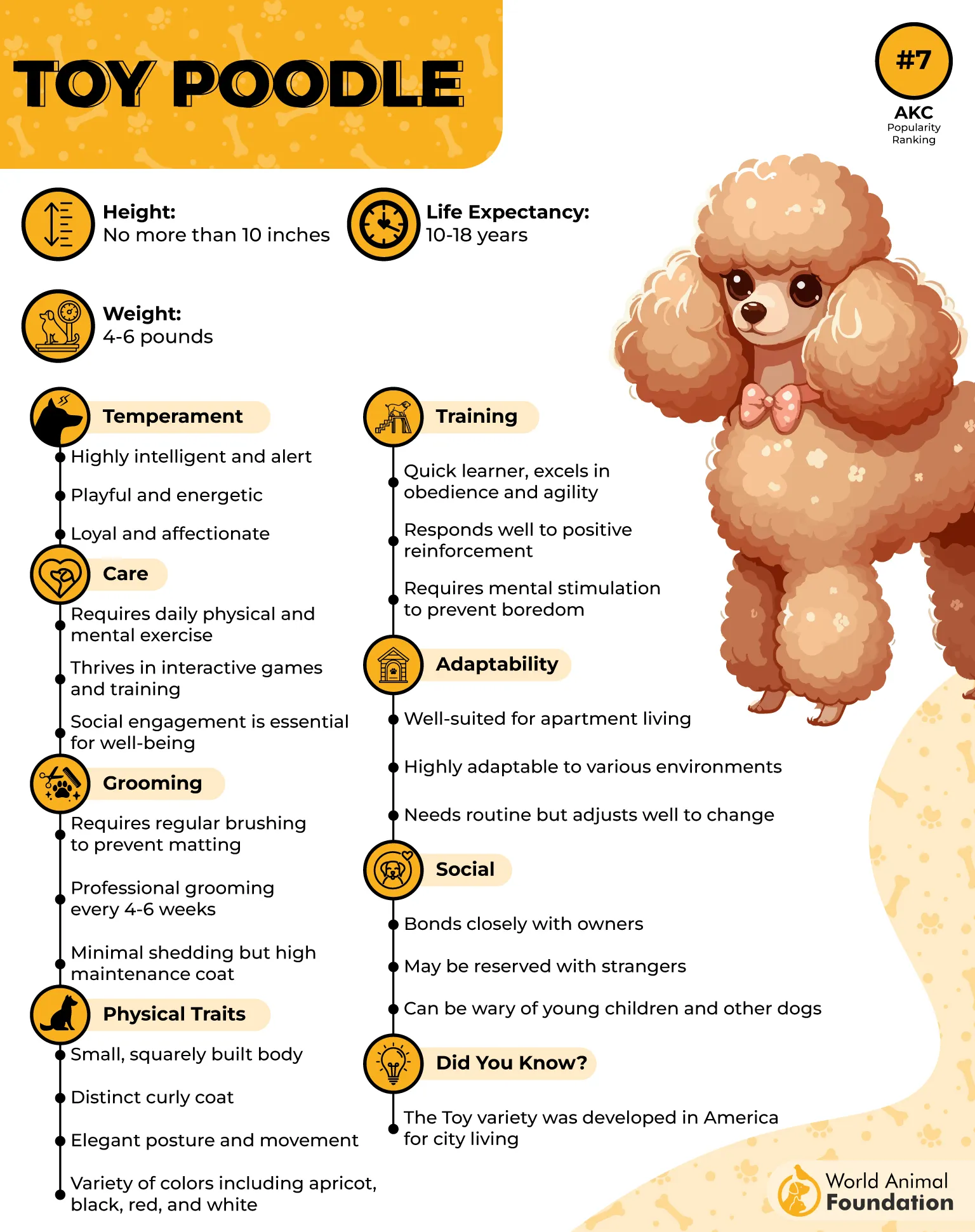
Exceptionally Intelligent and Highly Trainable
Toy Poodles may be tiny, but they possess the intelligence associated with the broader Poodle family. They can learn commands quickly and often enjoy training, puzzle activities, tricks, and interactive games. Their intelligence can also lead to boredom if they receive little stimulation, so a small body should not be mistaken for a need for very little activity.
A Miniature Adult With a Low-Shedding Coat
Toy Poodles stay compact into adulthood, making them one of the smallest Poodle varieties. Their curly coat does not shed in the same way as many other breeds, but it continues growing and therefore requires regular professional or at-home grooming. Their small stature combined with their distinctive coat makes them especially recognizable among toy breeds.
7. Russian Toy
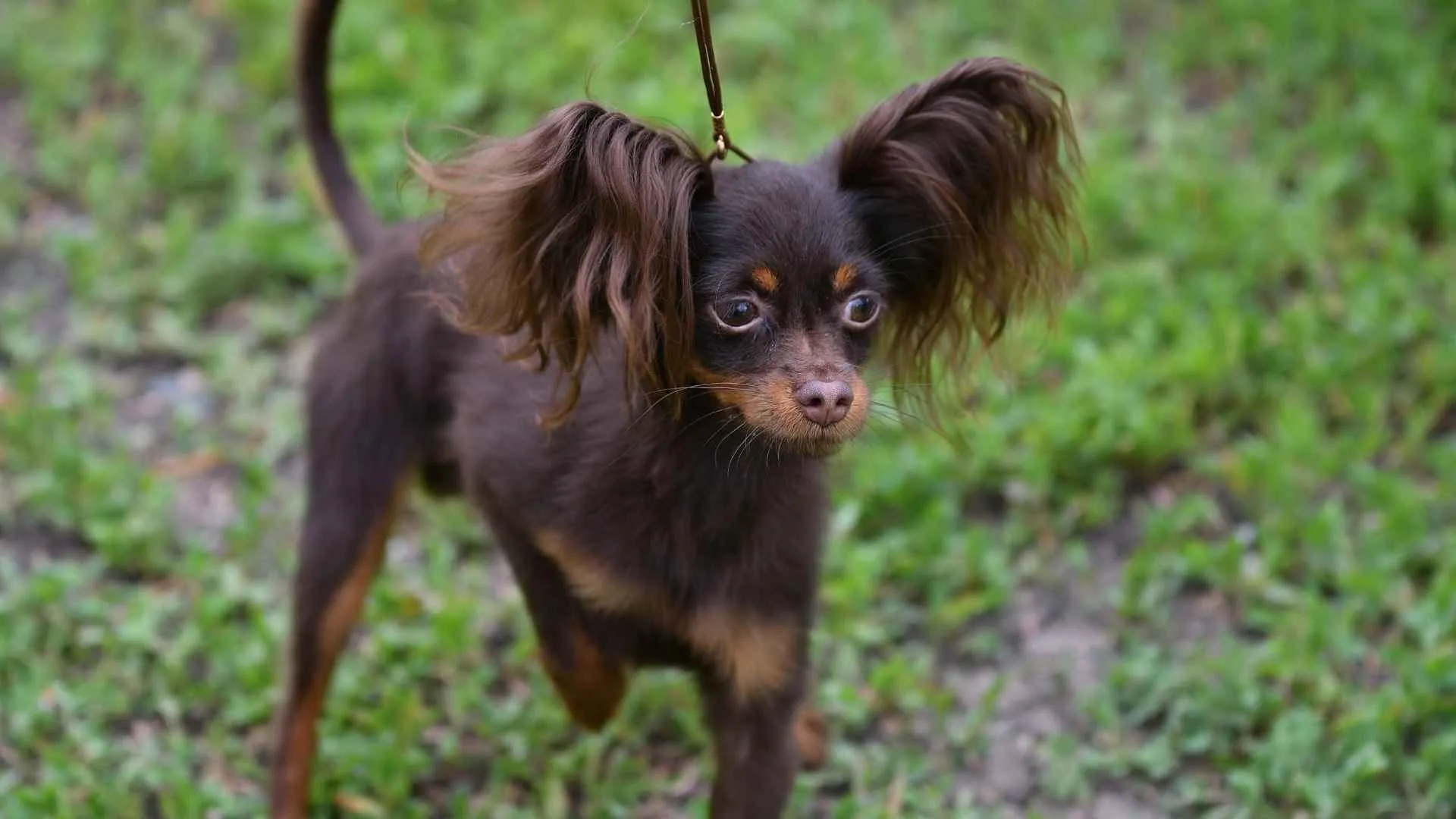
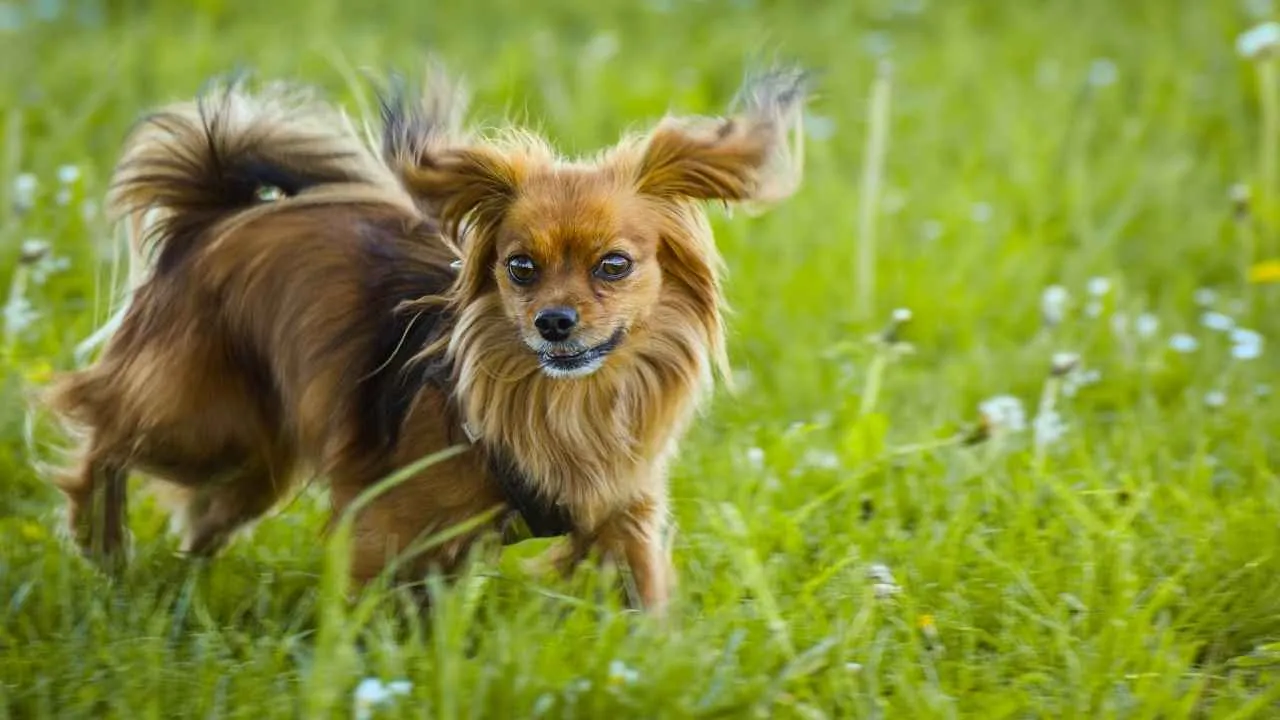
The Russian Toy was developed in Russia from small English Toy Terriers and related companion dogs. The breed became especially popular among Russian households during the 20th century, eventually developing into a distinct breed with both smooth-coated and long-coated varieties, as per Purina. Its tiny frame reflects generations of selection for companionship rather than heavy work.
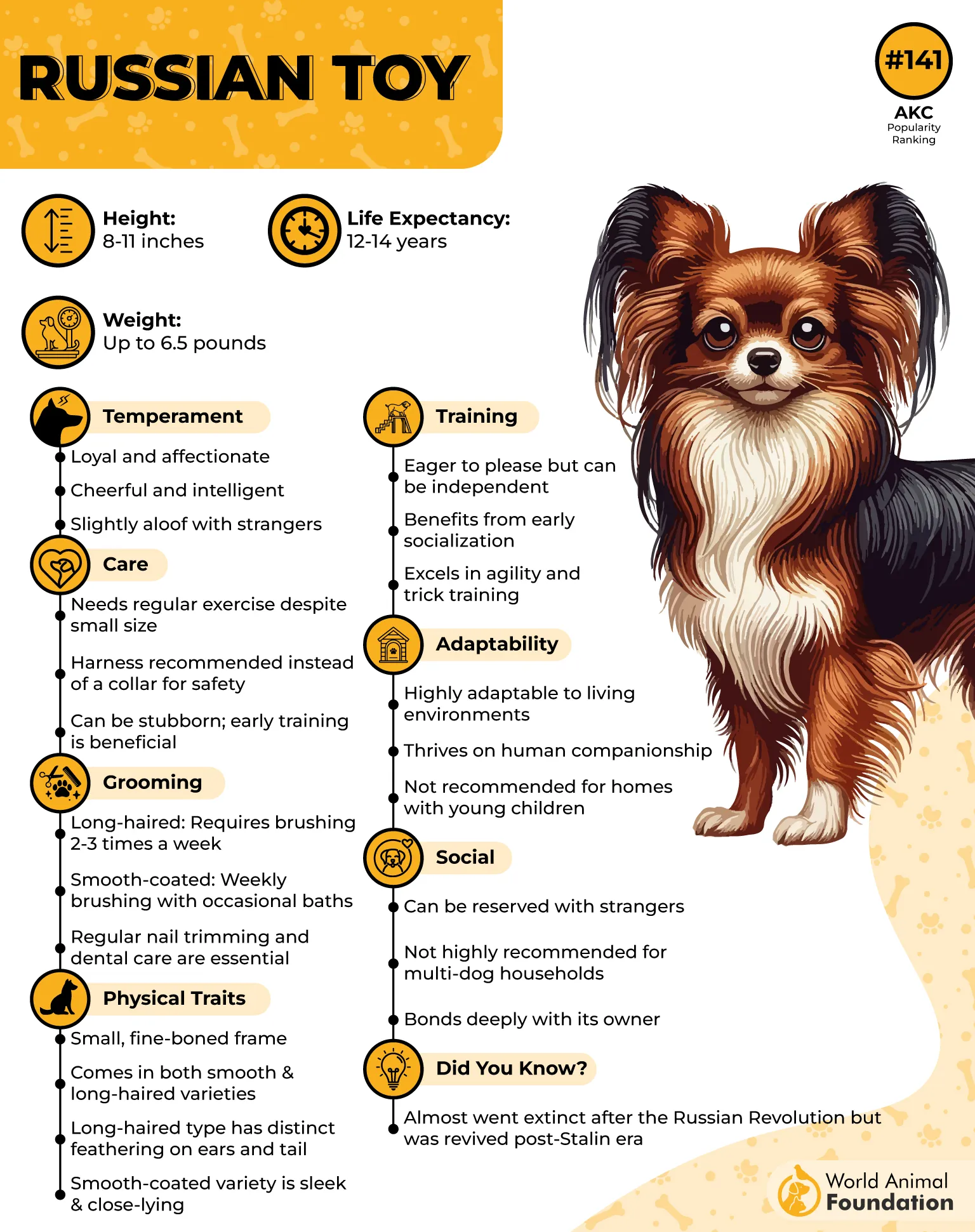
Animated, Devoted, and Surprisingly Brave
Russian Toys can be energetic little dogs with strong personalities. They often enjoy close interaction with their owners and may be alert to unfamiliar sounds and people. Their small size does not necessarily make them timid, and some individuals can display a confident attitude that requires gentle but consistent training.
One of the Smallest Modern Companion Breeds
The Russian Toy remains exceptionally petite once fully grown. Its slender body, fine limbs, and small head give it a distinctly delicate appearance. Both coat varieties remain short in overall body size, although the long-coated type has additional feathering around the ears and limbs that creates a more decorative look.
Conclusion
Tiny dog breeds can remain remarkably small throughout adulthood, making them appealing to people who want a companion that will continue to fit comfortably into a compact lifestyle. Chihuahuas, Pomeranians, Yorkshire Terriers, Maltese, Papillons, Toy Poodles, and Russian Toys all retain their petite stature beyond puppyhood.
Their small size, however, does not make them interchangeable. A Chihuahua may be bold and intensely devoted, a Papillon can be exceptionally active and clever, while a Maltese may place greater emphasis on close companionship. Grooming requirements also range from relatively straightforward coats to the substantial maintenance required by breeds with long or continuously growing hair.
Prospective owners should therefore look at temperament, exercise, training, grooming, and health considerations alongside adult size. A tiny dog still needs a well-balanced routine, appropriate socialization, veterinary care, and protection from hazards that can be particularly significant for very small animals.
