




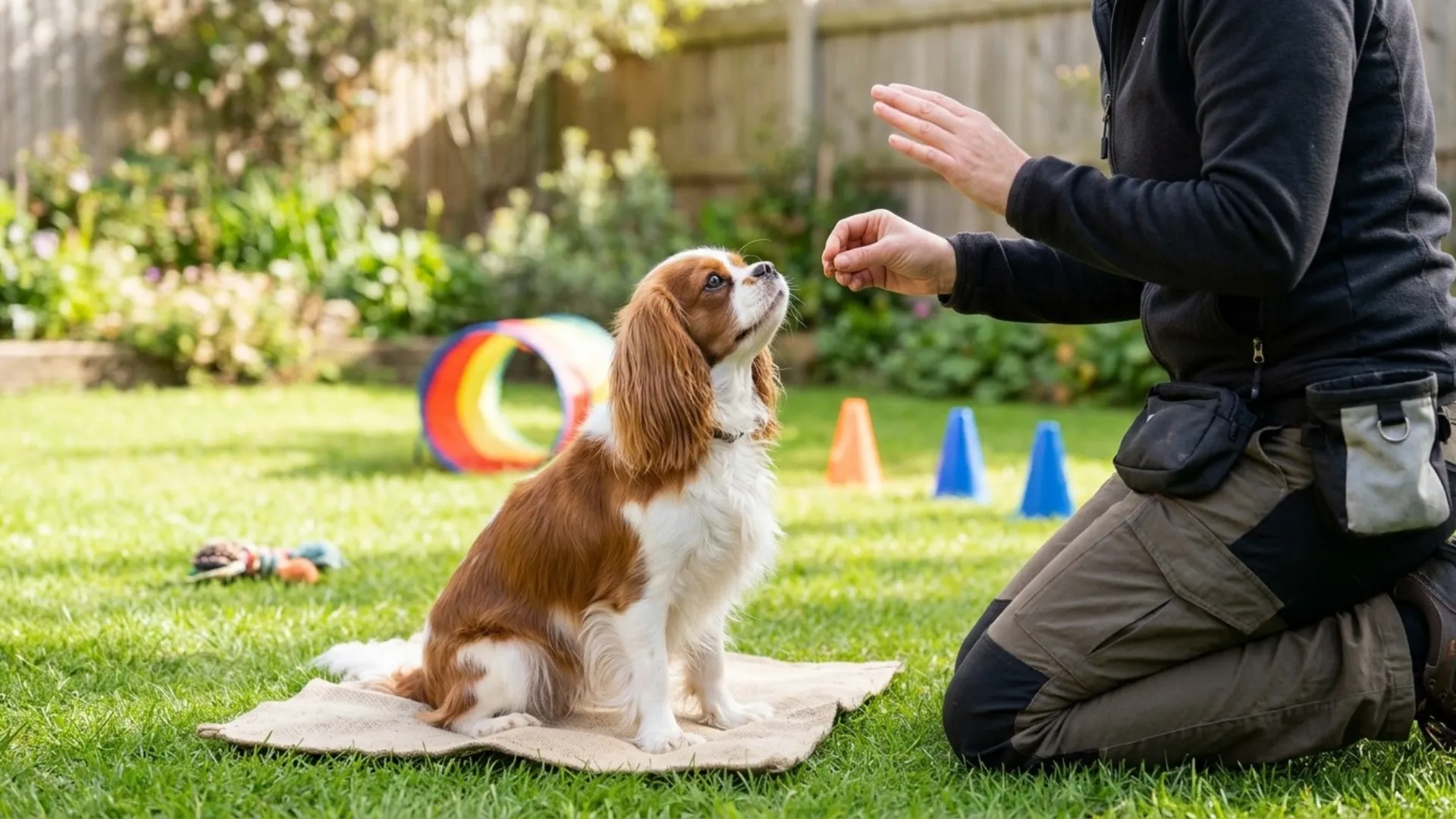
Once upon a time, a little pup got a treat for simply sitting.
It came when it heard its name. Another treat.
It rolled over? One more treat.
Before long, training became the favorite game in the house.
Of course, not every small dog learns at the same pace. Some are quick studies, some are born people-pleasers, and some just look adorable while pretending they can’t hear you. Still, a few small breeds are smart and genuinely love to learn.
Here are 7 small dog breeds that make training feel less like a chore and more like a fun adventure.
Tiny Dog Breeds That Master Training in Record Time
1. Papillon
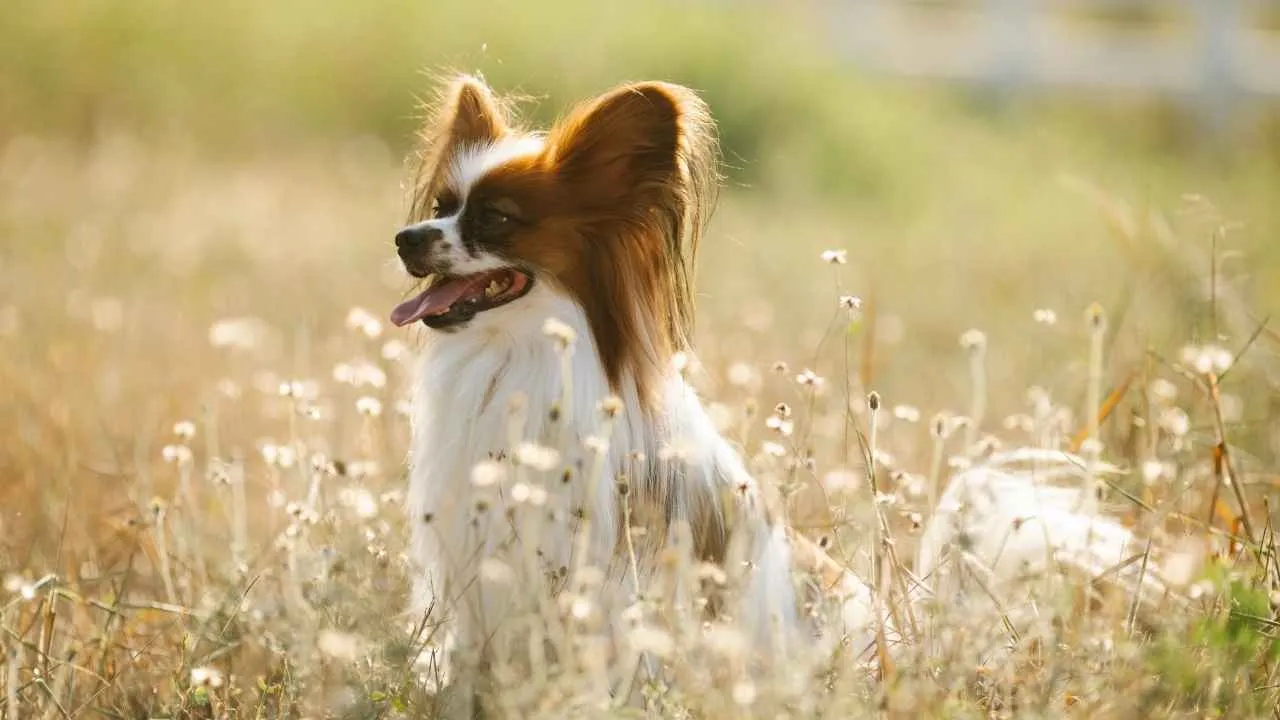
Our tale starts with a little canine with what appears to be butterfly wings on its head. Meet the Papillon.
This breed has ears that aren’t just for show. These ears make the breed recognizable, and there’s also a quick-witted brain under that pretty face.
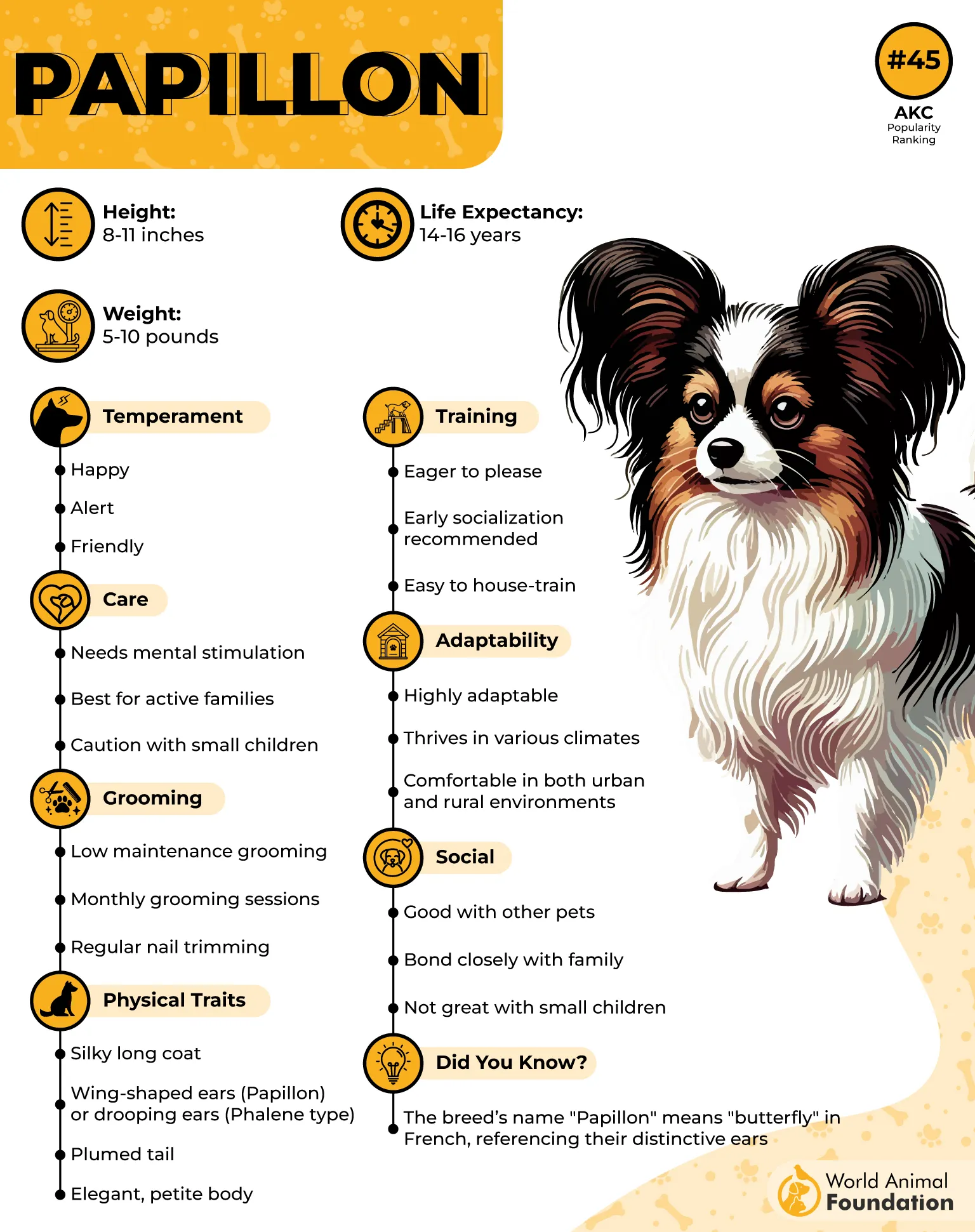
Papillons are highly regarded for their intelligence, curiosity, and pleasure-seeking attitude. The AKC has them on its most trainable list. They are good at learning commands and love to learn tricks, making them an ideal dog for owners who enjoy training.
They are also energetic and enthusiastic, which makes them great dogs to compete in agility trials. Remember to make training sessions positive and interesting. If a Papillon is bored, it will choose to create its own game with no regard for your garden.
2. Cavalier King Charles Spaniel
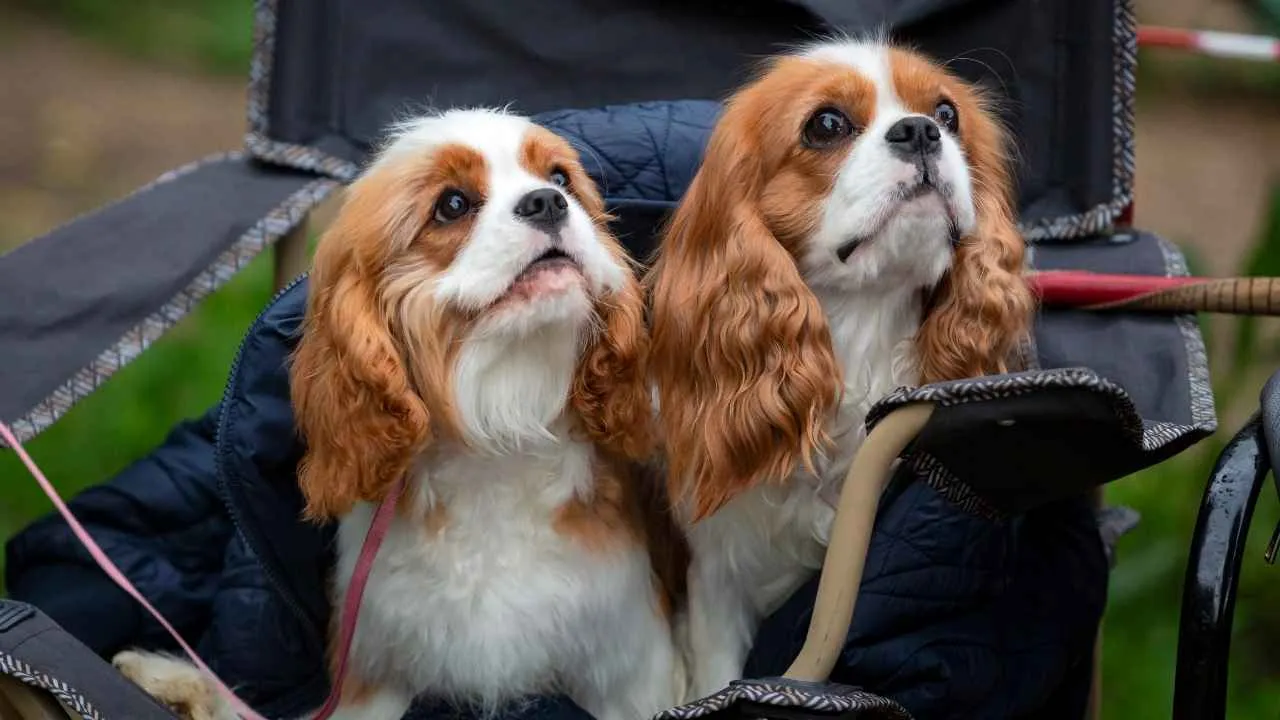
There’s a special place for a delightful royal in every tale. Described as charming by Orvis, this breed has silky ears, big round eyes, and a tail that wags frequently, all traits it uses to exude its charming temperament.
The Cavalier King Charles Spaniel is a wonderfully affectionate small dog breed with a royal name. It is intelligent and loves to spend time with its family.
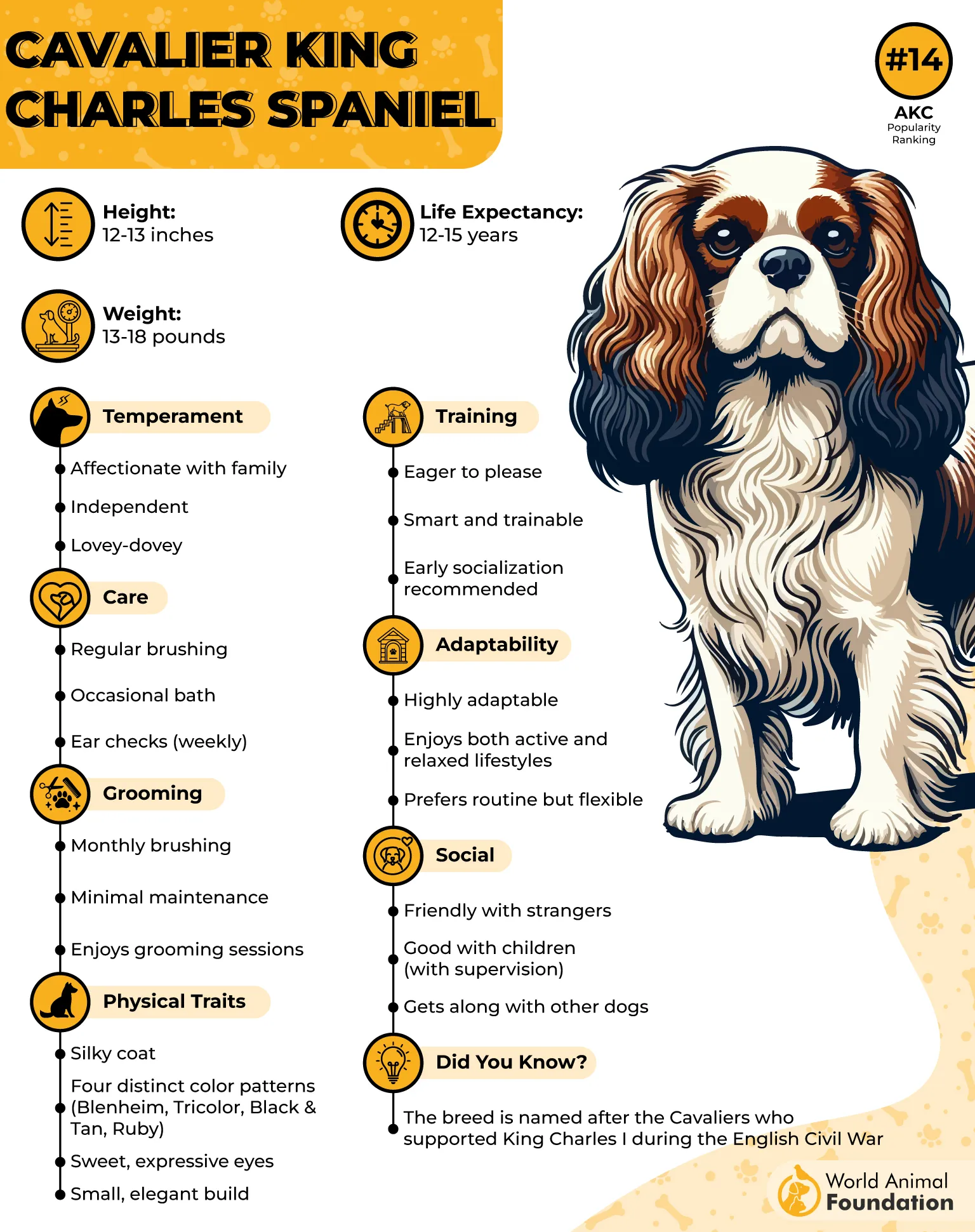
Sit, stay, come, and wait can be turned into fun little training exercises instead of formal classwork. Tricks can also be practiced with them, and reward-based training is an especially fitting preparation method due to their gentle temperament.
Keep in mind that Cavaliers are companion animals in the dog world. Maintain a positive, fun, and active classroom climate and incorporate learning into the daily routines of this breed.
3. Havanese
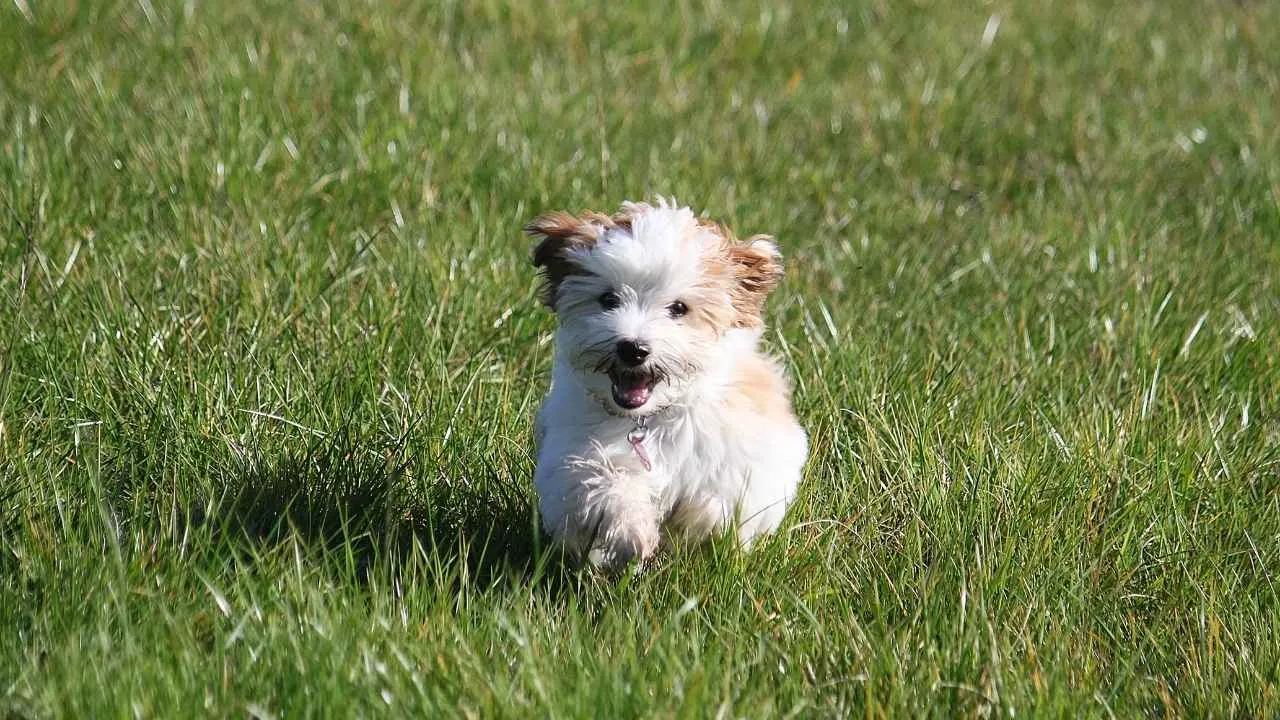
Described as highly trainable by PetMD, the Havanese is a perfect addition to this list.
It is cheerful, sociable, playful, and has an amazing sense of humor at times. This fluffy companion doesn’t want to simply sit by you. It desires to be integrated into whatever you are doing.
Fortunately, the “people person” characteristic of this adult dog makes training fun. Havanese dogs have high adaptability, can easily fit into smaller spaces, and love to tackle new commands and tricks if provided with positive reinforcement.
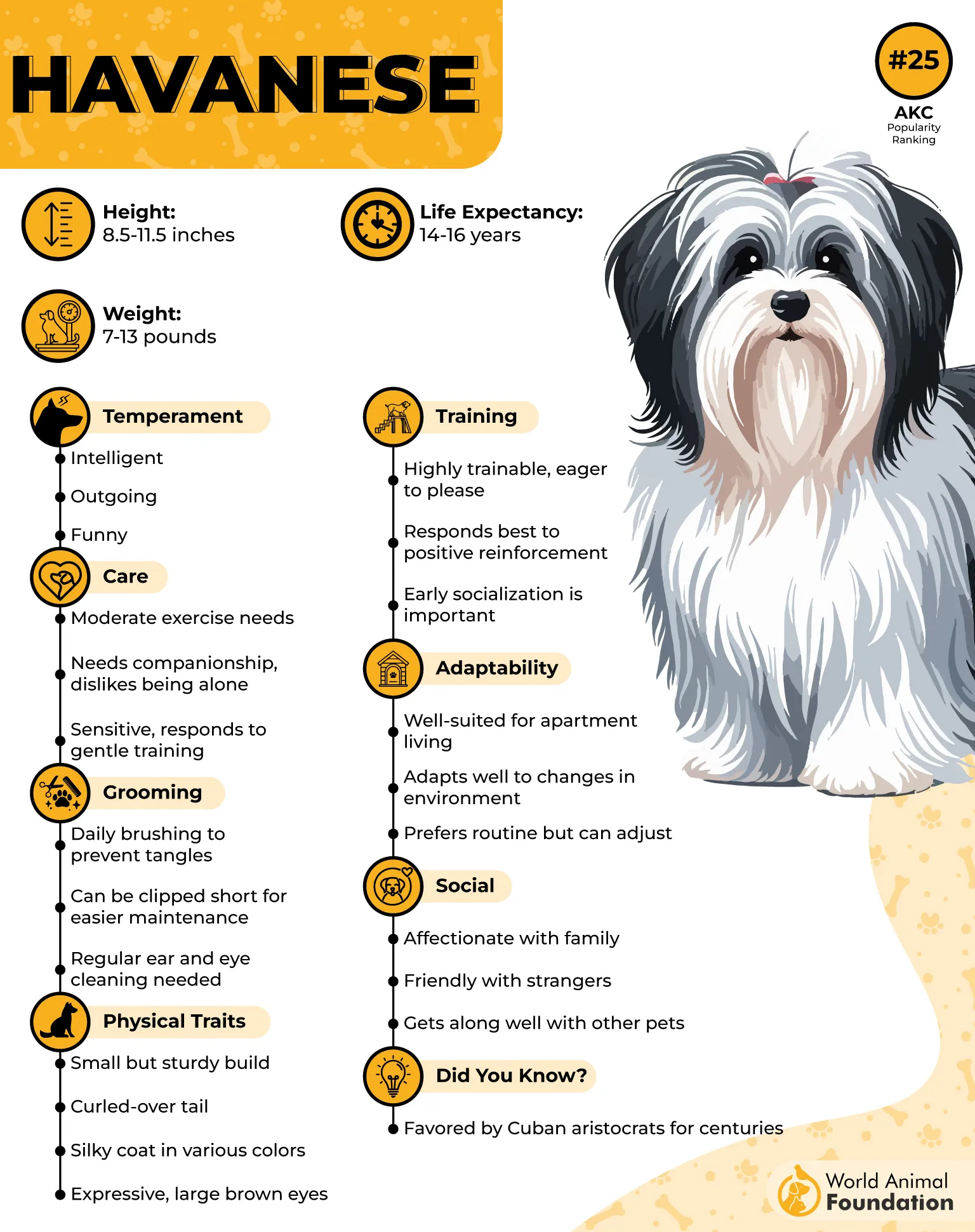
It may start with simple politeness and gradually progress to fun games like fetching a toy, walking nicely on a leash, or doing tricks for visitors to earn praise.
The key is not to take sessions seriously. These newborn puppies may be sensitive, so shouting and harsh corrections are not conducive to their well-being. Some practical tips are to reward your dog, praise milestones, and make training a positive experience.
4. Toy Fox Terrier
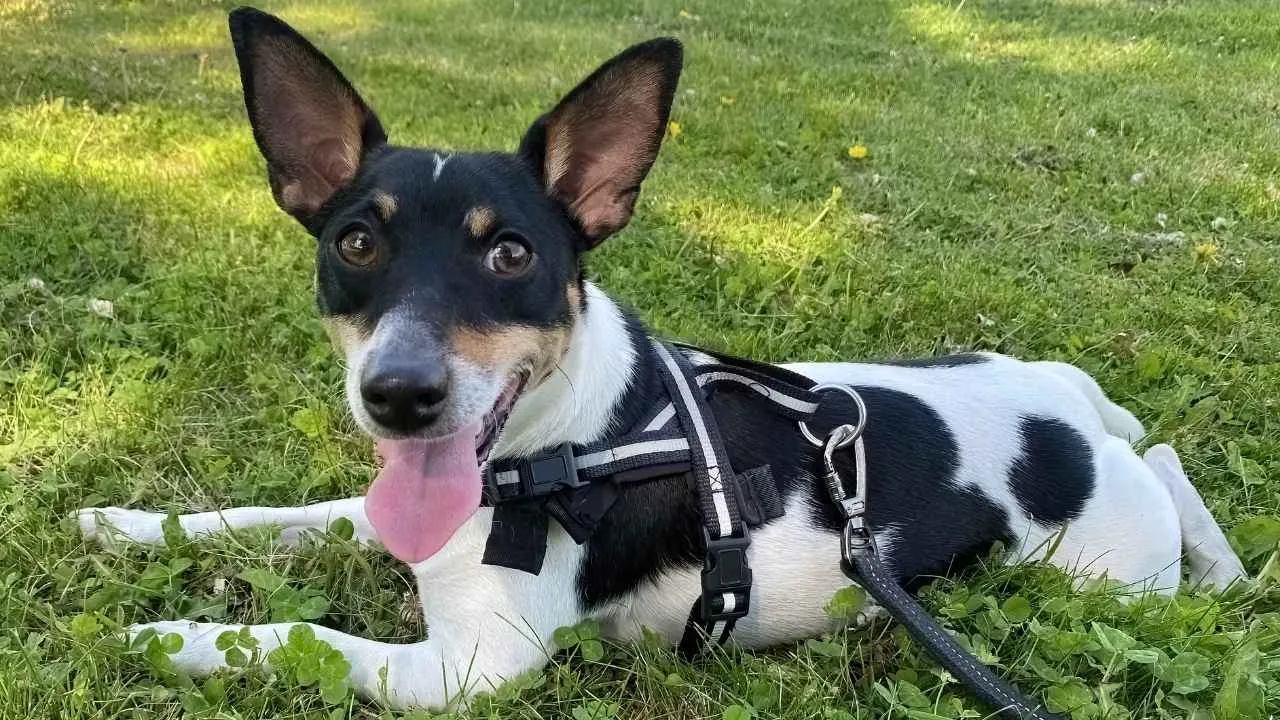
Picture a little dog with the confidence of a superhero and the energy level of a bouncing ball. That is the Toy Fox Terrier.
This small dog breed is full of character and naturally intelligent, alert, and outgoing. It is a cross between Smooth Fox Terriers and Toy breeds that make it lively and spirited like a Terrier, yet small enough to be a companion breed.
This little breed loves training sessions. It is eager to learn and can participate in obedience training, tricks, and agility.
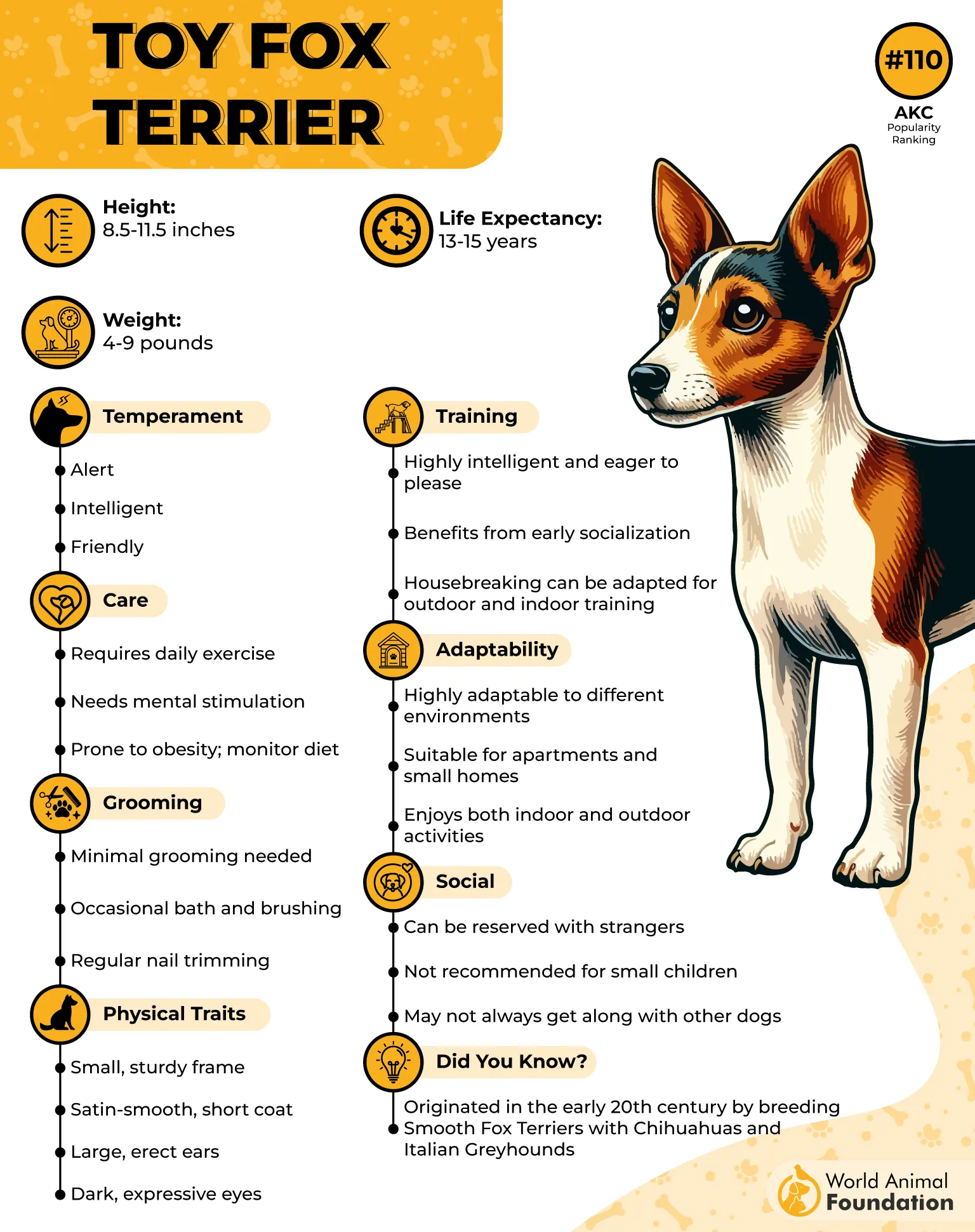
Don’t assume that quick learning equals good manners, however. This small, intelligent breed has a curious brain, and it needs direction; use positive reinforcement for good decisions; do not overload it by teaching your commands without breaks in between.
But watch out: this dog may be able to open a door, find a hidden toy, or sneak into a room quite fast. In that case, teaching your commands during its early age is essential, or else you’ll have to deal with a lot of trouble on a Saturday night.
5. Yorkshire Terrier
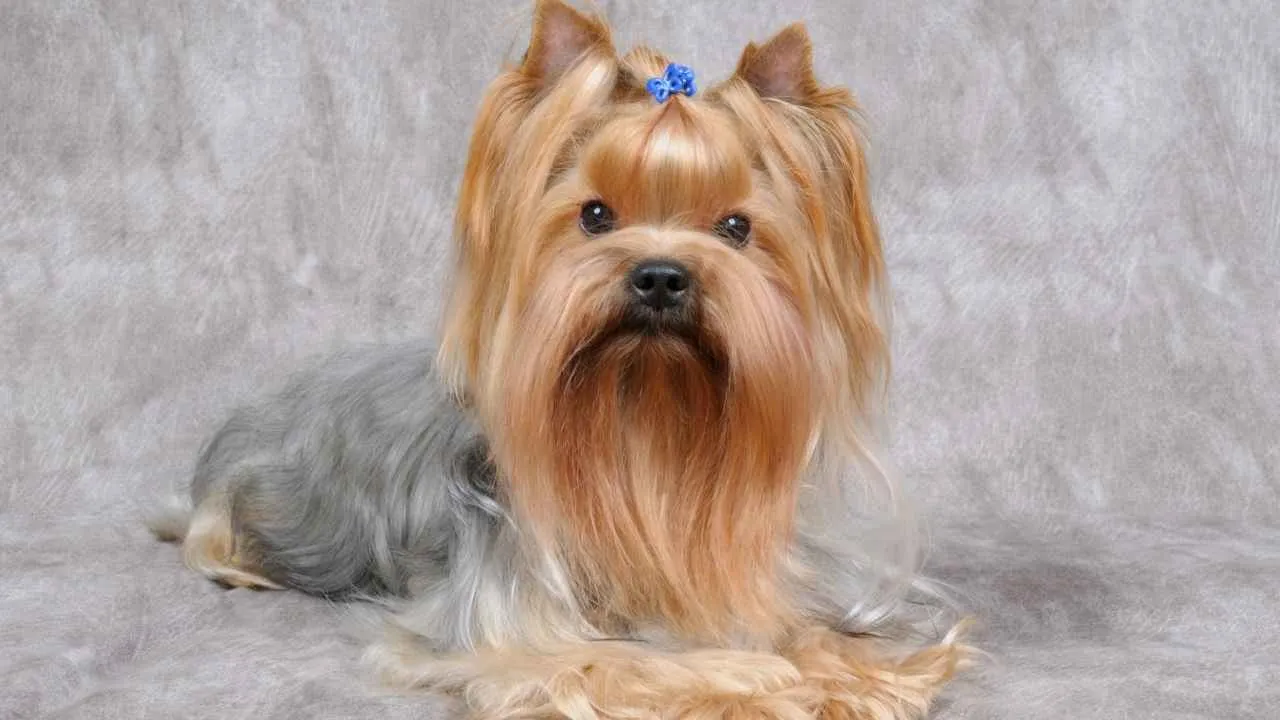
Don’t be fooled by the silky hairstyle of this individual dog. Fancy afternoon tea sessions might complement the appearance of the Yorkshire Terrier, but it has plenty of its own opinions under all its glamour.
Yorkies are smart, loving, and personable working dogs. They like to interact with their owner and can be taught commands, tricks, and house rules consistently.
They are spirited and independent, so patience is key. If Yorkies don’t obey commands, get back to basics, offer positive rewards such as routine feeding, and reward the behavior you want.
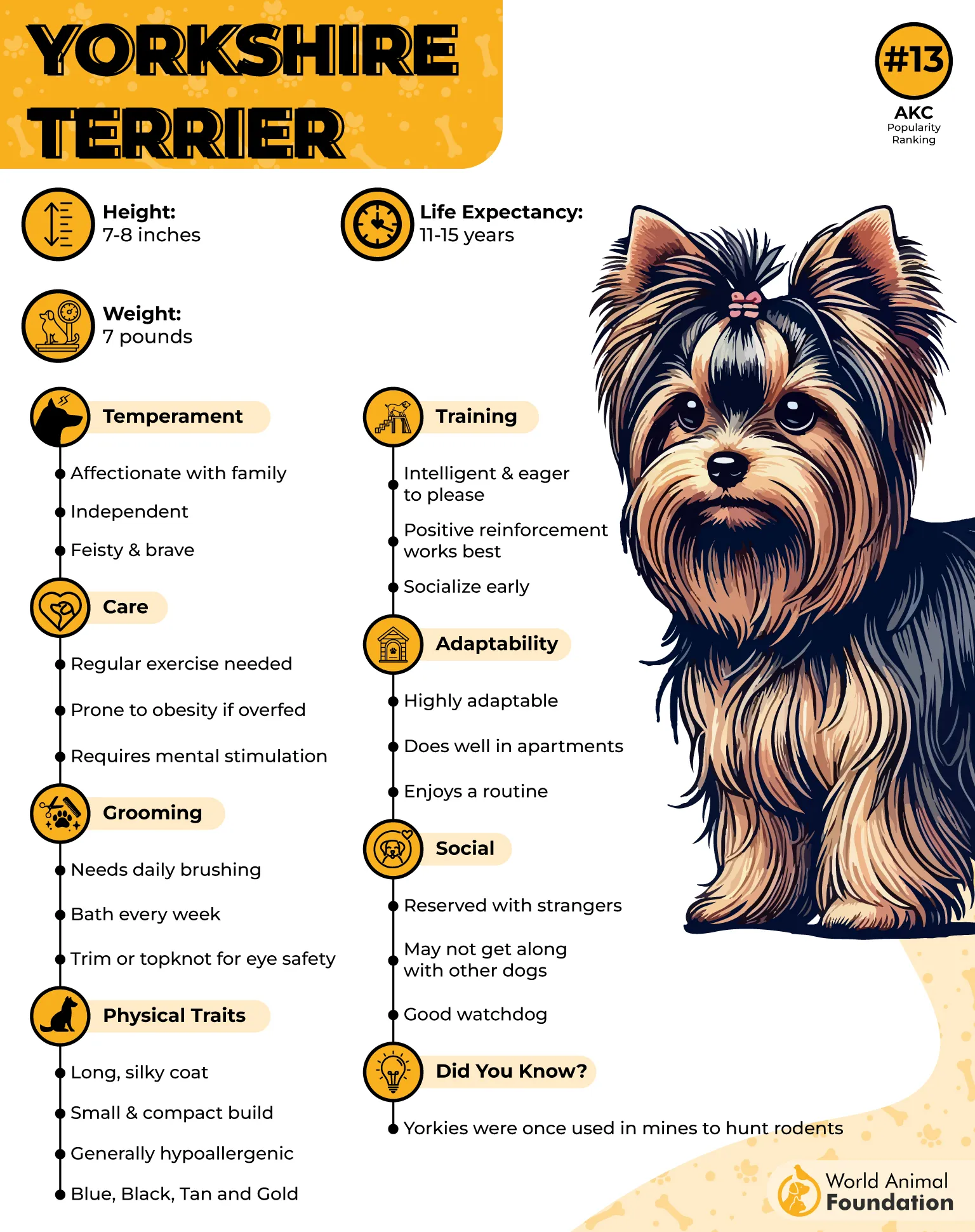
Early socialization is also important. Expose your pup to a variety of people, sounds, locations, and experiences in a relaxed, positive manner while fulfilling its exercise needs.
6. Maltese
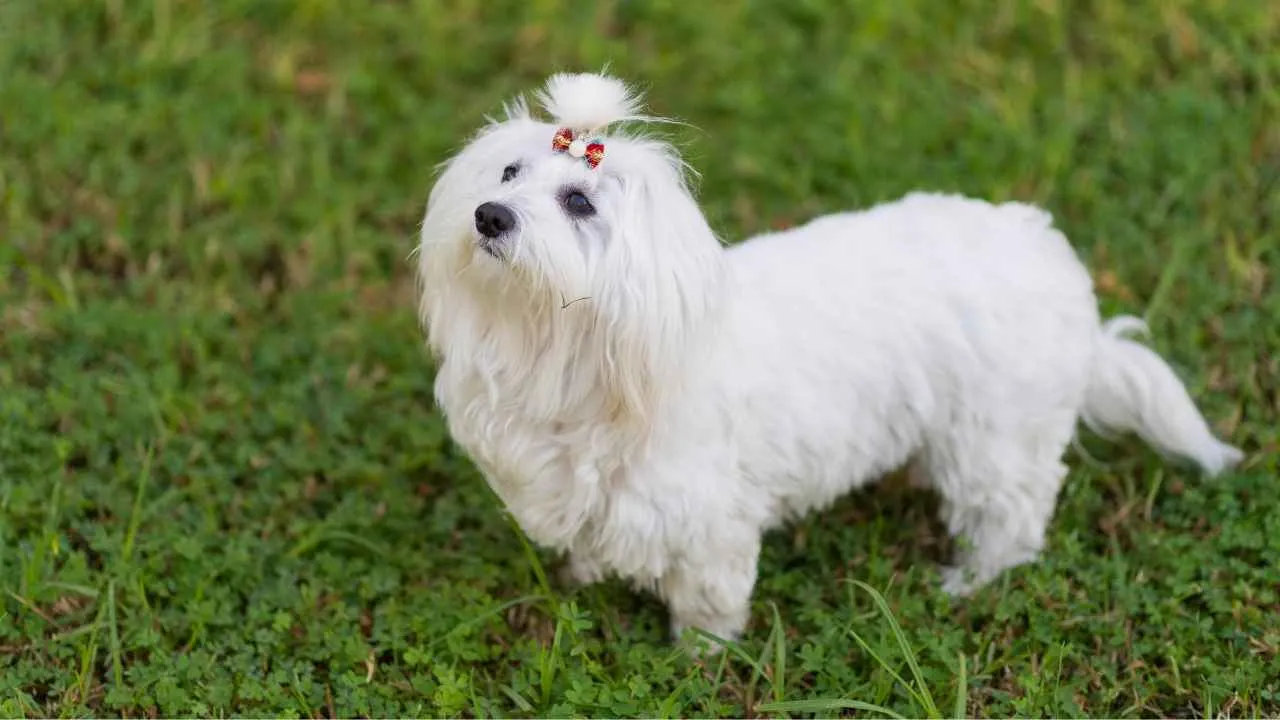
Imagine a small white cloud effortlessly strolling through the living room. It’s got dark, shimmering eyes and a shiny coat. And it always has a role to play in the house. This is the Maltese in all its glory.
Maltese are good learners who can be rewarded for learning and are easily motivated by classwork that is short, regular, and fun. Use basic obedience training words like sit, stay, and come.
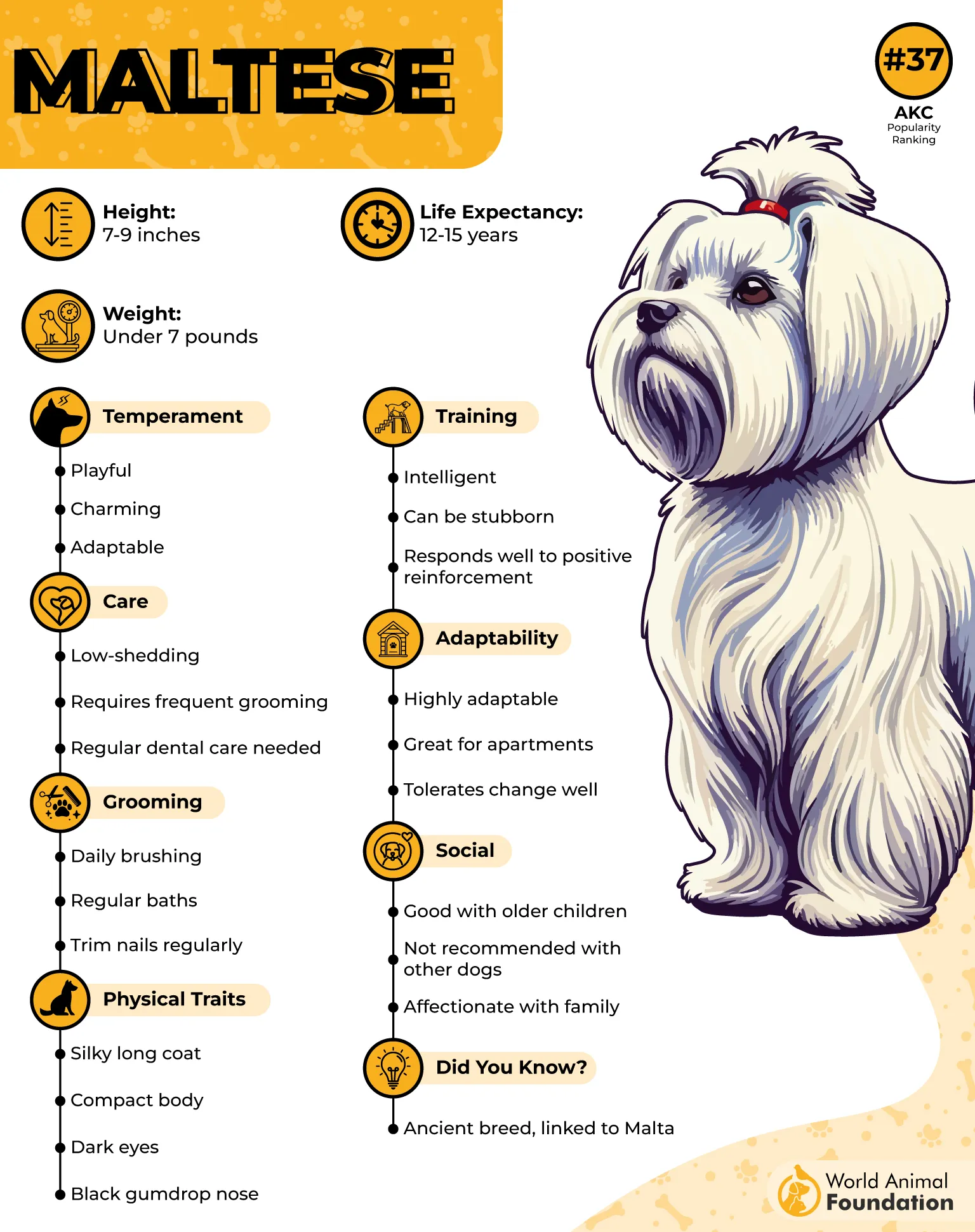
The key is consistency. However, refrain from rewarding barking or resorting to harsh training. Establish and enforce clear rules to encourage better behavior from this breed.
Their lovely coats should be groomed regularly. Training sessions are a great way to get them comfortable with gentle handling, regular brushing, and daily attention.
7. Pomeranian
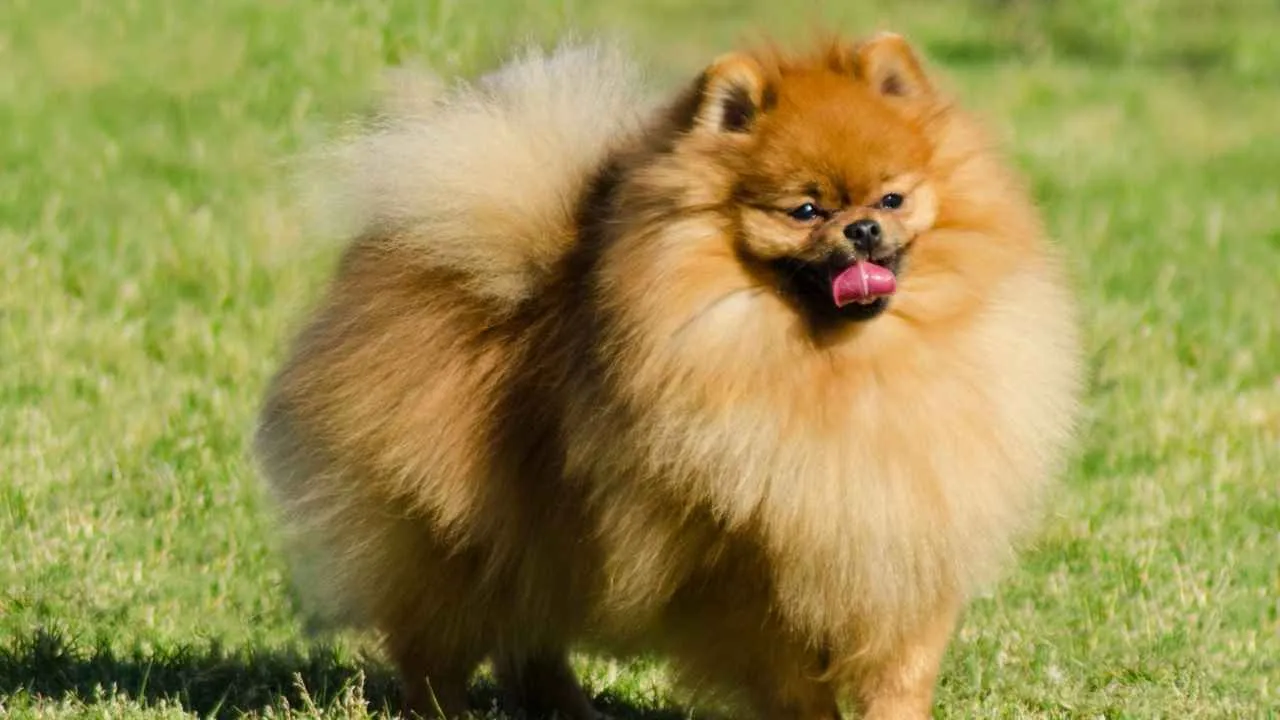
This breed is as cute as a teddy bear and acts like the neighborhood ruler.
It is lively, curious, bold, polite, and quite clever.
However, they can be challenging to train at times due to their intelligence; at the same time, they are confident in themselves and require patience and consistency.
Positive reinforcement is most effective. Use treats, praise, and play for good behavior, and keep lessons to a maximum length in order to avoid boring these small packages of joy.
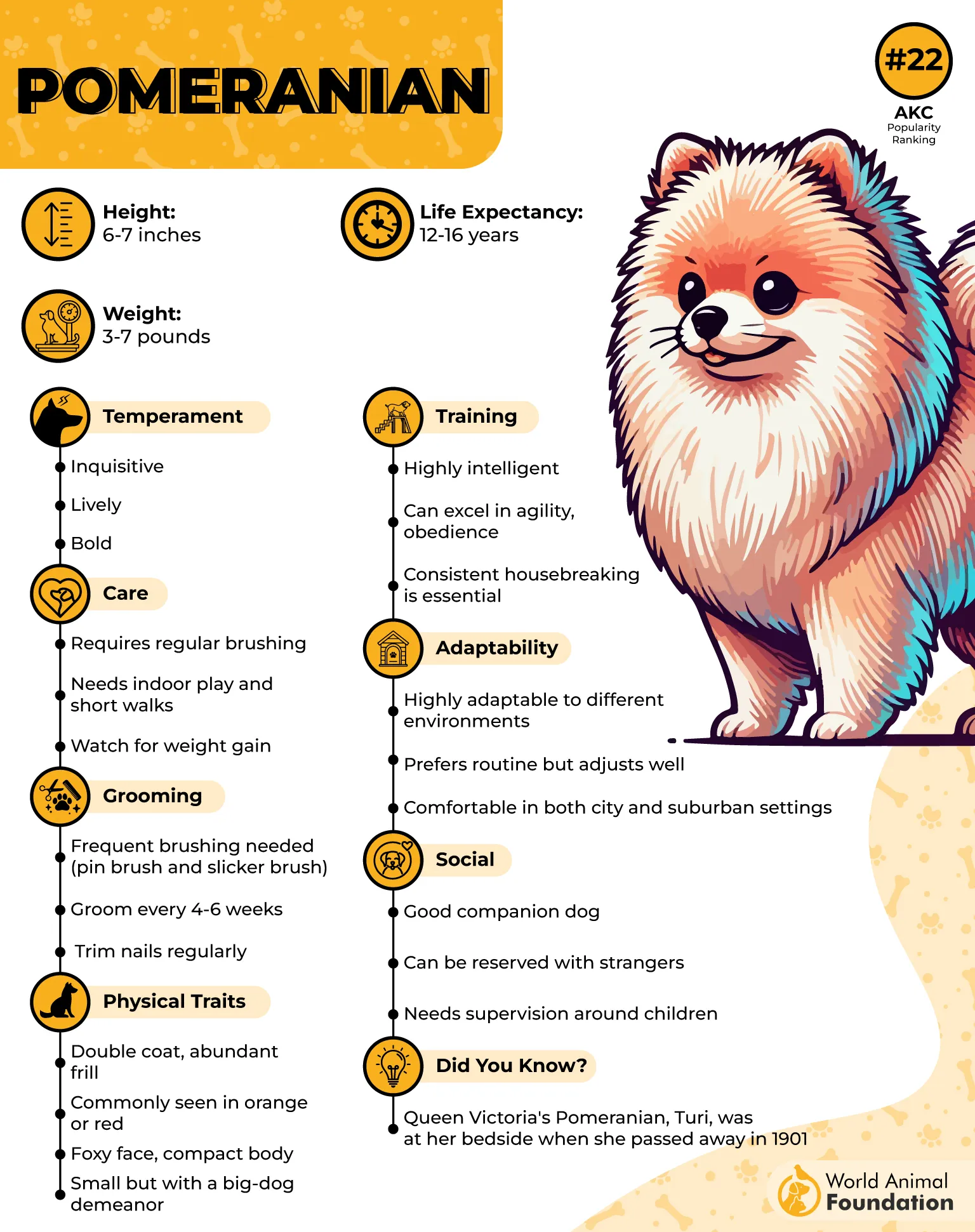
Early training in appropriate barking is also a good idea. Pomeranians can be talkative little dogs, and if left to their own devices, they’re going to make sure every person they see gets a royal announcement.
Provide mental challenges and clear boundaries with this fluffy little companion, and you will have a bright learner with a big personality that surpasses the personality of large dogs as well.
Conclusion
Even the smartest dog has to learn. Begin early, use positive reinforcement, have short lessons, and be consistent. Don’t punish too severely, and keep in mind that each puppy deserves patience and love during training sessions.
Take time to reward and acknowledge small successes, such as sitting without being asked, coming when named, or leaving your favorite slipper alone.
After all, the best training stories are not about getting things right. It’s the journey with your four-legged friend that matters the most, one treat at a time. So good luck with your puppy shopping for the future.
