




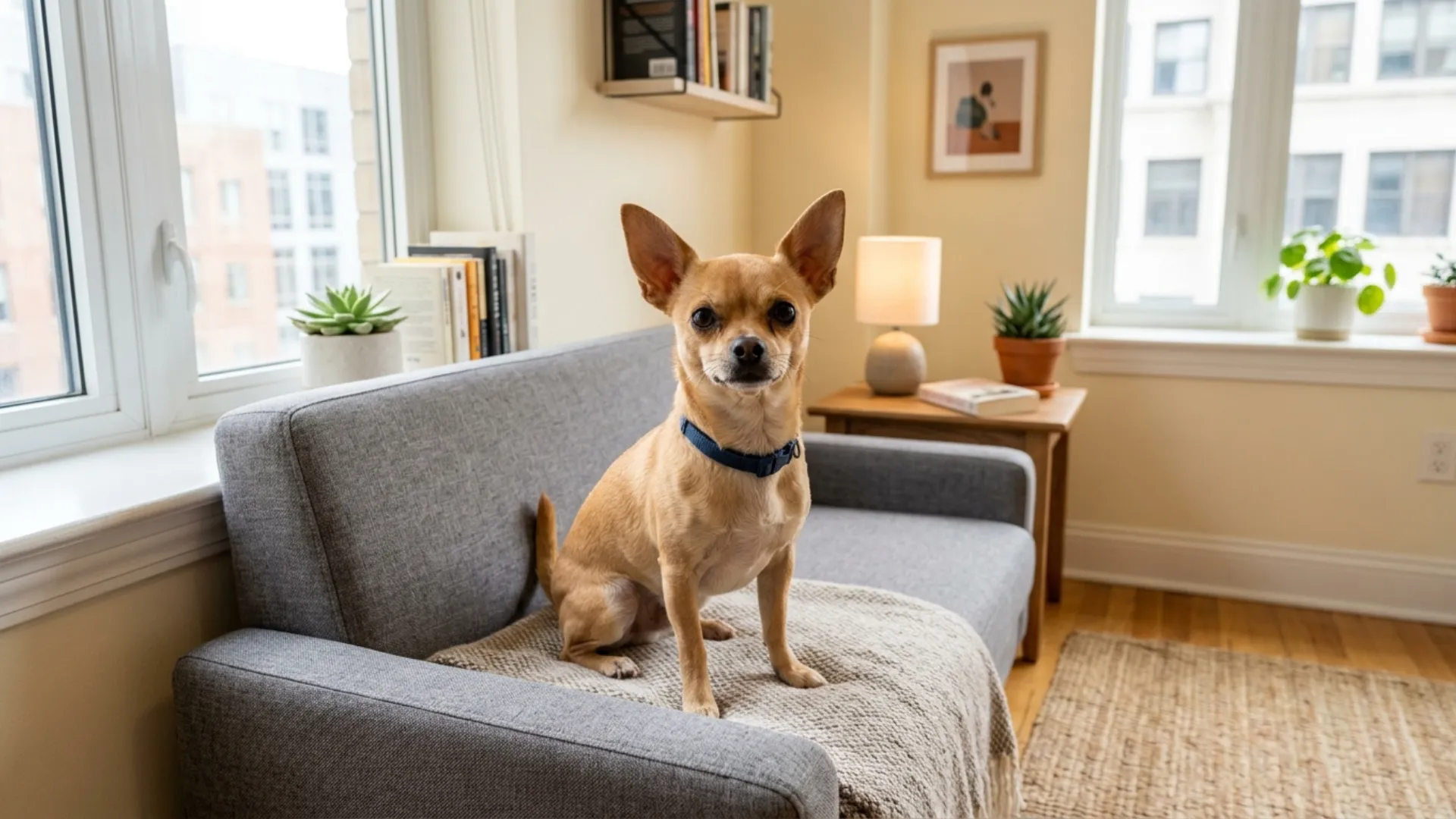
If your home is short on space, the dog you choose can change how comfortable that space feels. Tiny dog breeds offer an obvious advantage because beds, bowls, toys, and bodies take up less room.
Yet the real challenge is finding a companion whose habits work inside those same walls. Every dog still needs regular exercise, toilet breaks, stimulation, training, and a comfortable place to sleep. In shared buildings, barking can also become an issue when neighbors live close by.
These details are easy to overlook, but they matter once the excitement of bringing a dog home settles into an ordinary Tuesday morning. A suitable companion can make a compact dwelling feel lively and welcoming without making everyday life feel chaotic or cramped.
The choices ahead focus on dogs suited to tighter homes, giving you practical details before making room for four paws. That balance can make the choice clearer and everyday life easier from the start.
Key Takeaways
The right small dog can bring plenty of life to a compact home without turning every day into a struggle for space.
Havanese has a cheerful, entertaining personality, while the Pug can make even quiet moments at home more amusing with its expressive face and funny sounds.
Chihuahuas bring alertness into the mix, and Maltese prefer a routine filled with play, short walks, and plenty of human company.
The list gets even more interesting with a Yorkie known for its glossy hair-like coat, a Bichon Frise with a performer’s streak, and a Brussels Griffon that loves being your little shadow.
Tiny Dog Breeds: Ideal Dogs for Small Dwellings
1. Havanese
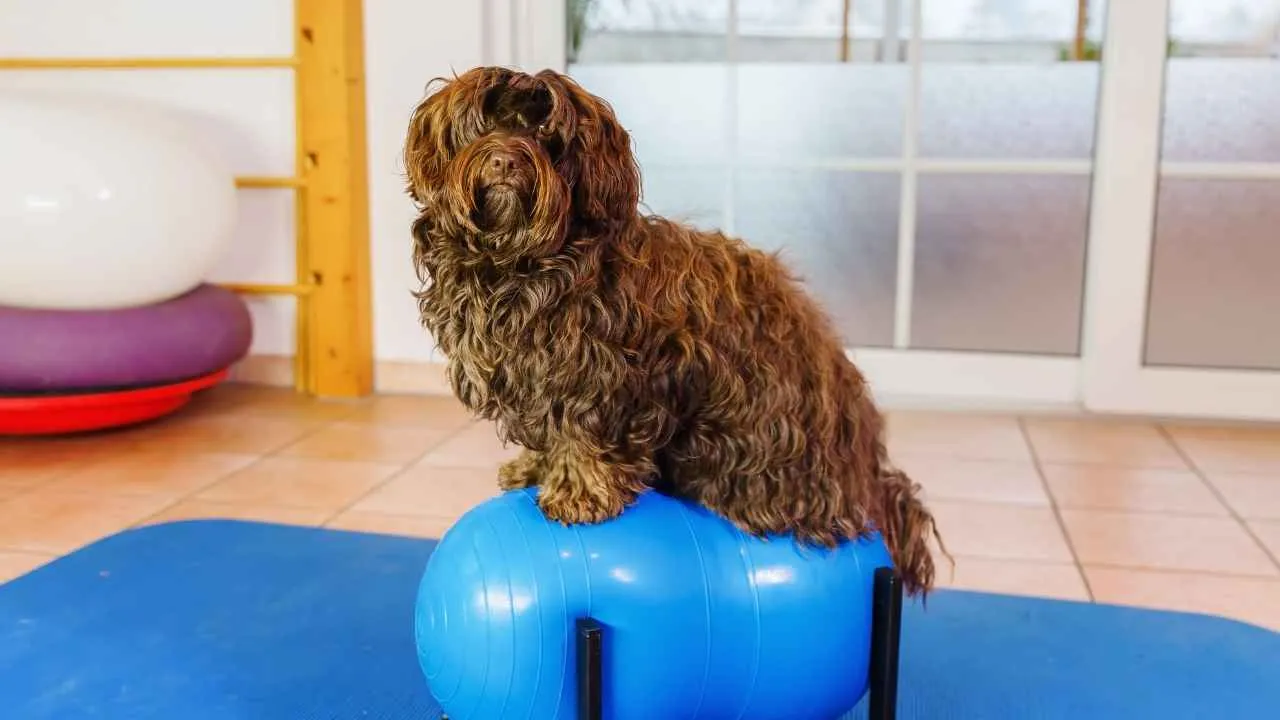
Havanese belongs to the Bichon family and began in the Mediterranean before Spanish traders took these little dogs to Cuba as gifts during trading arrangements. Cuban aristocrats soon favored them, while later generations reached Europe and even appeared as circus performers.
Made for City Life
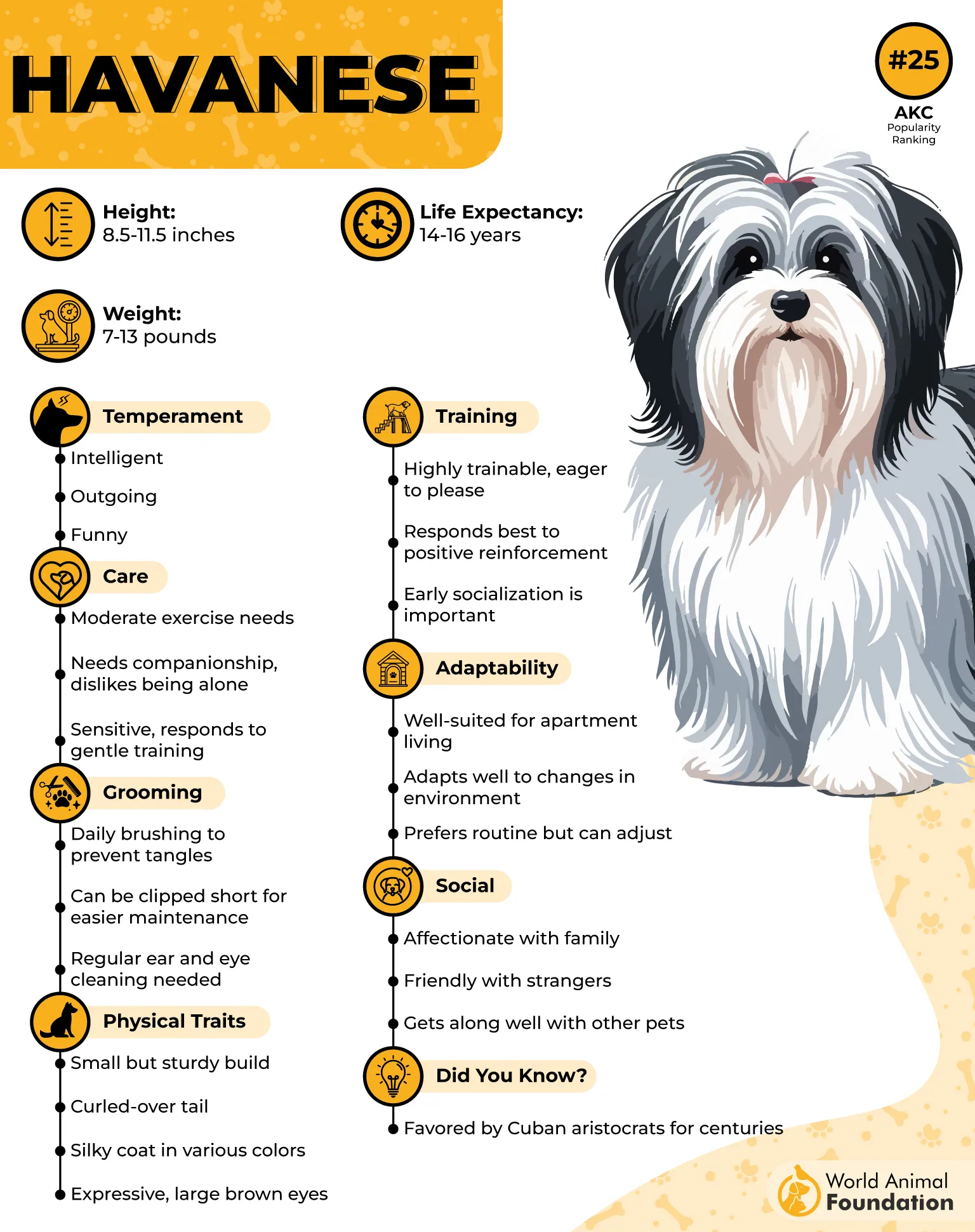
Havanese has a small yet sturdy build and an adaptable nature that suits apartments as well as larger homes. Moderate exercise needs make a brisk daily walk or playful time indoors enough for this social breed, as noted by the AKC.
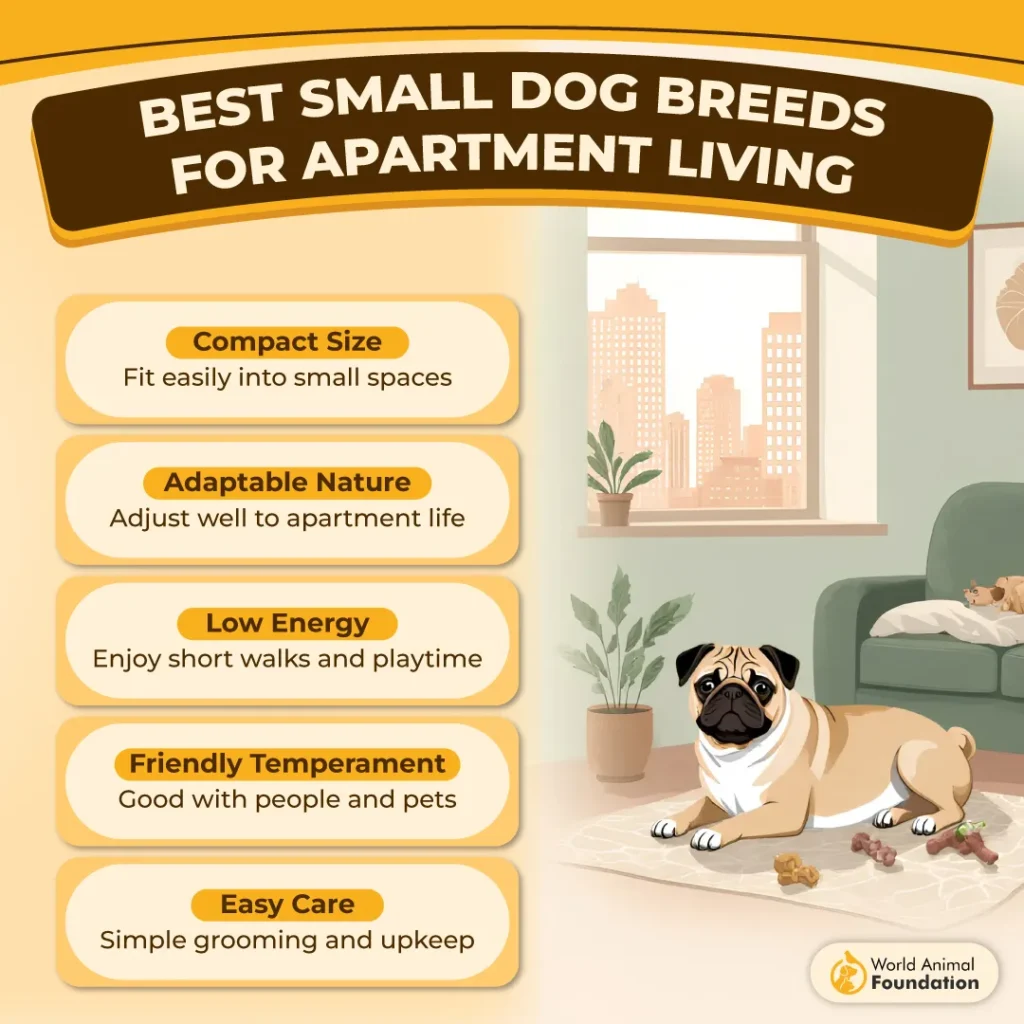
A simple routine can work well here:
Needs company rather than long hours alone
Over-exercise can lead to heavy panting and fatigue
Interacts well with dogs, cats, and other pets
A Natural Entertainer
This small breed is an intelligent, trainable extrovert with a knack for comic behavior, playful antics, and learning new tricks. Its social personality also makes it fond of regular family interaction, while its sturdier frame gives it more physical resilience than some other toy breeds.
2. Pug
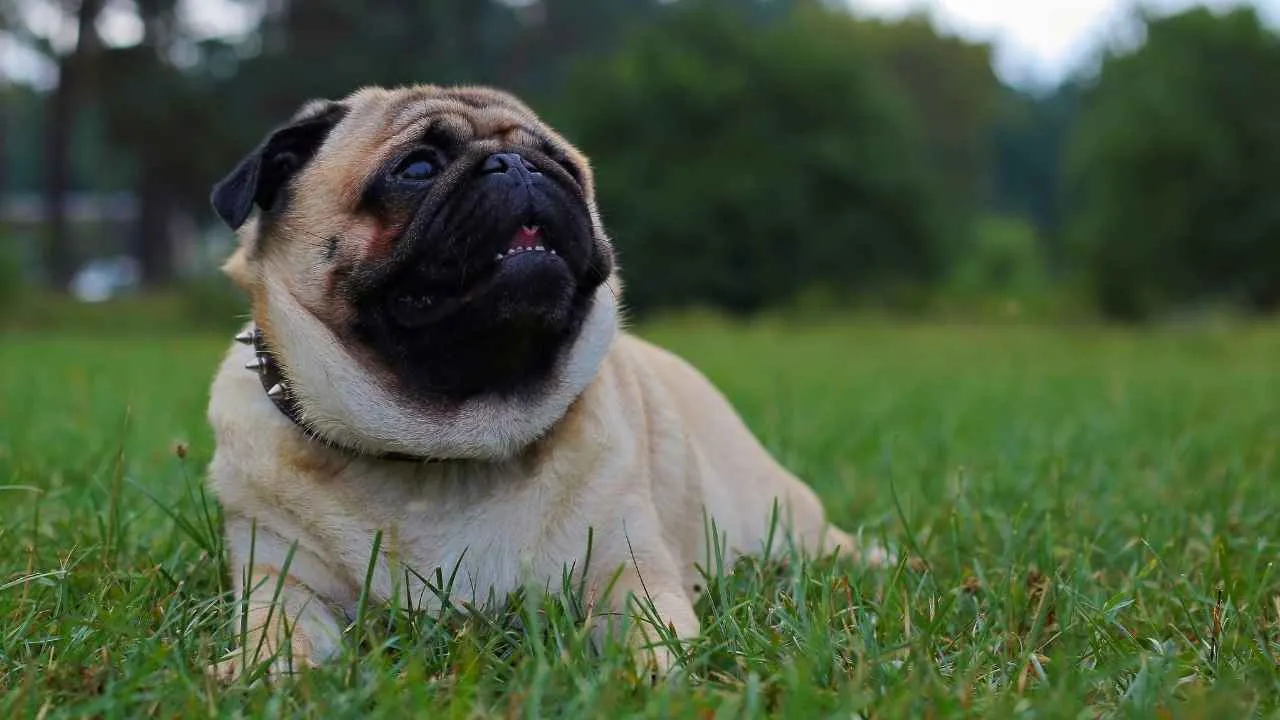
The Pug was originally bred in China during the Han Dynasty, between 206 BC and 200 AD, with Pug-like dogs also linked to Ancient Tibet and Japan.
Chinese emperors prized these compact companions, keeping them in luxury and assigning soldiers to guard them, as highlighted in Greencross Vets.
Small Home, Big Personality
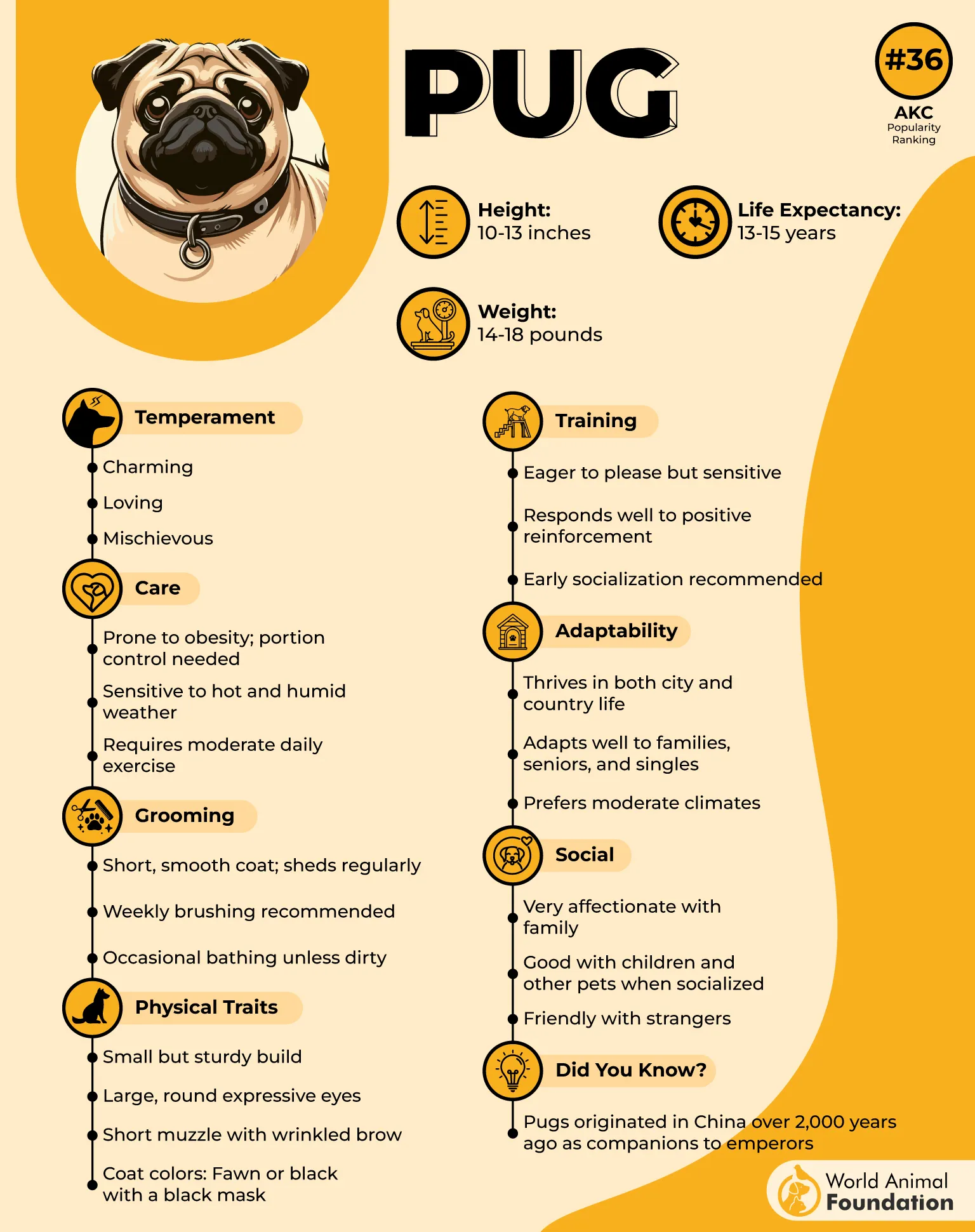
Pugs handle smaller spaces without demanding much exercise, and their easygoing indoor nature pairs with a relatively short bark that can be less disruptive in close surroundings. A daily stroll or play session can provide enough activity without turning the home into an exercise arena.
These characteristics make life with this breed easier:
Can be willful during training
May gain excess weight easily
Needs care during hot or humid weather
The Fun Starts at Home
This apartment companion has a playful, childlike personality and often turns ordinary moments into entertainment with its snorts, grunts, and expressive face. Its large eyes and wrinkled brow can create remarkably human-like expressions of curiosity, happiness, or surprise.
3. Chihuahua
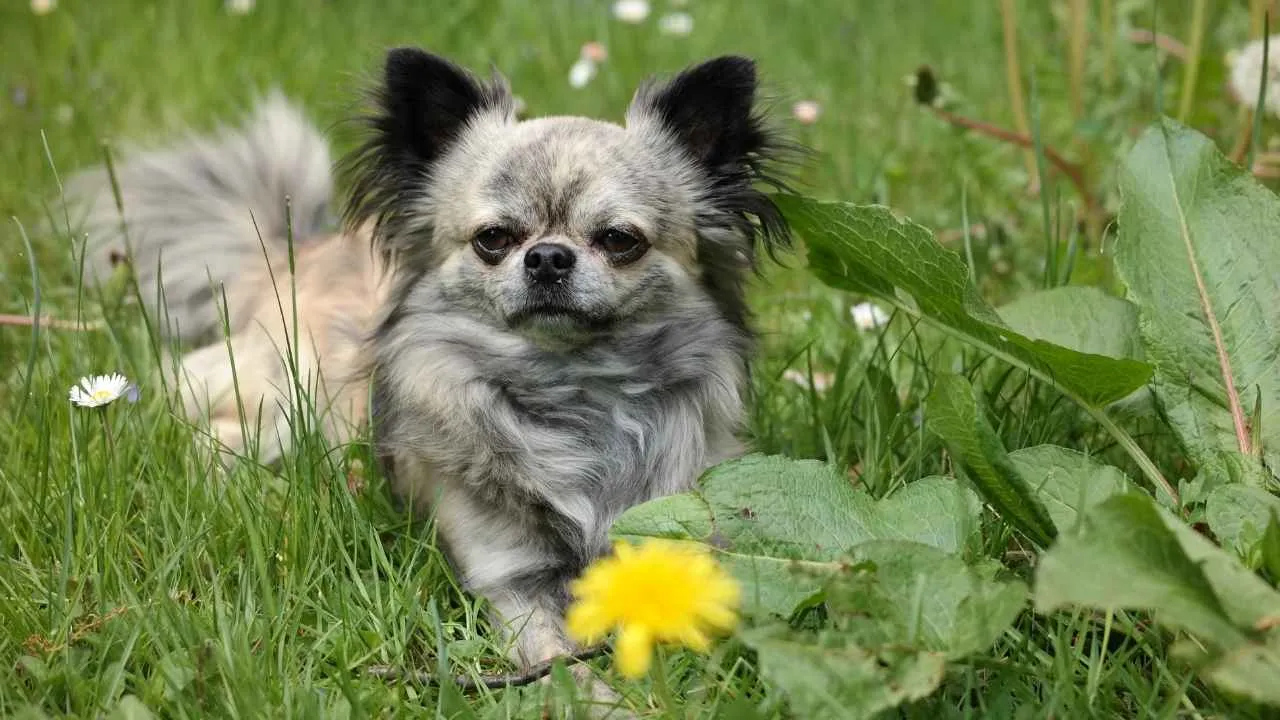
Chihuahua is named after the Mexican state where the tiny breed was discovered around 1850, although its earlier origins remain uncertain.
Theories connect it with ancient Aztec or Inca cultures, Spanish dogs dating to the 1500s, and religious practices in pre-Columbian Central America.
Made for Limited Room
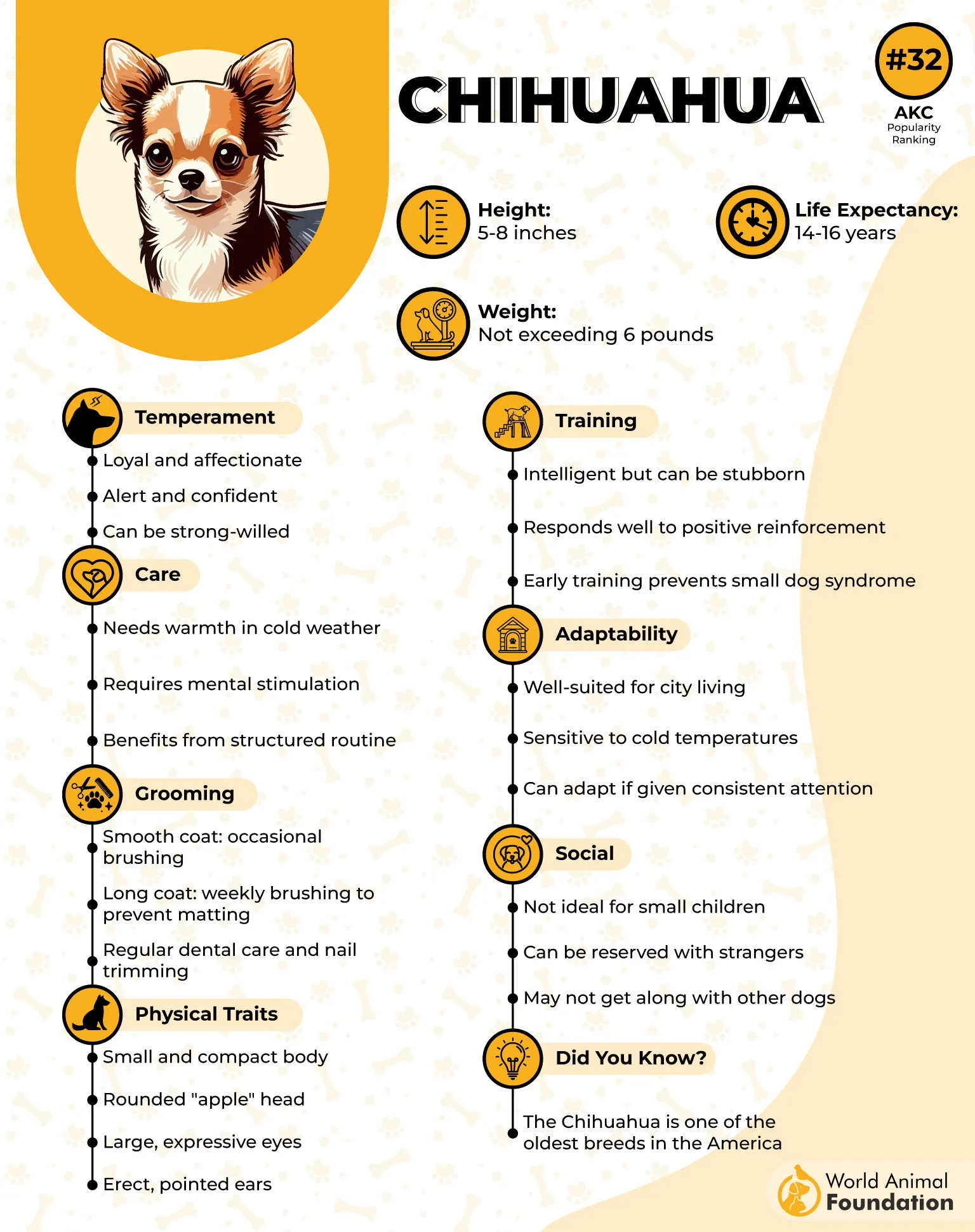
This apartment dog can get much of their daily activity through play, running, and simply trotting after their people around the home. Short, gentle walks also help keep it in good condition, while strenuous exercise can be too much for such a small frame.
The following considerations matter in a compact household:
Needs protection from cold weather
Too small for rough play with children
Sniffing and outdoor exploring remain important
Training Shapes Their Reactions
Chihuahuas can become vocal when unfamiliar people or situations make them feel threatened, especially without early guidance, as Petplan writes.
Gentle introductions to new places, people, and animals, along with young-age training, can help curb alarm barking and encourage friendlier responses.
4. Maltese
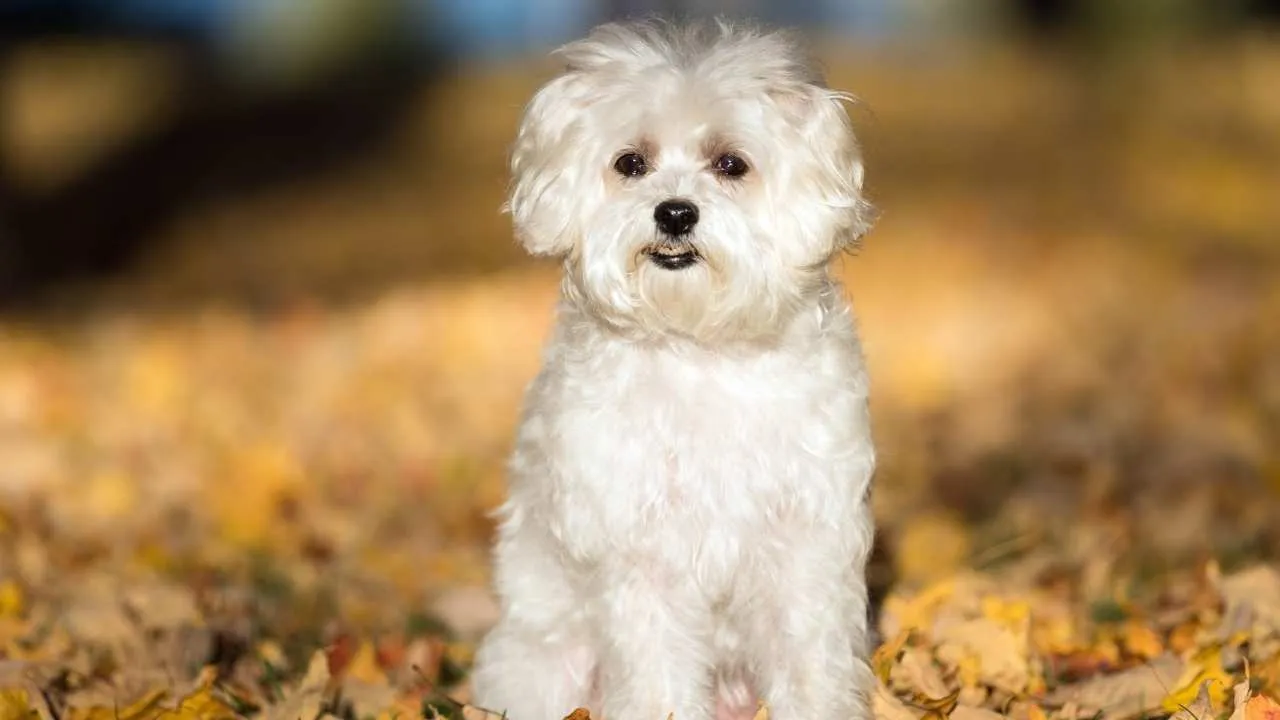
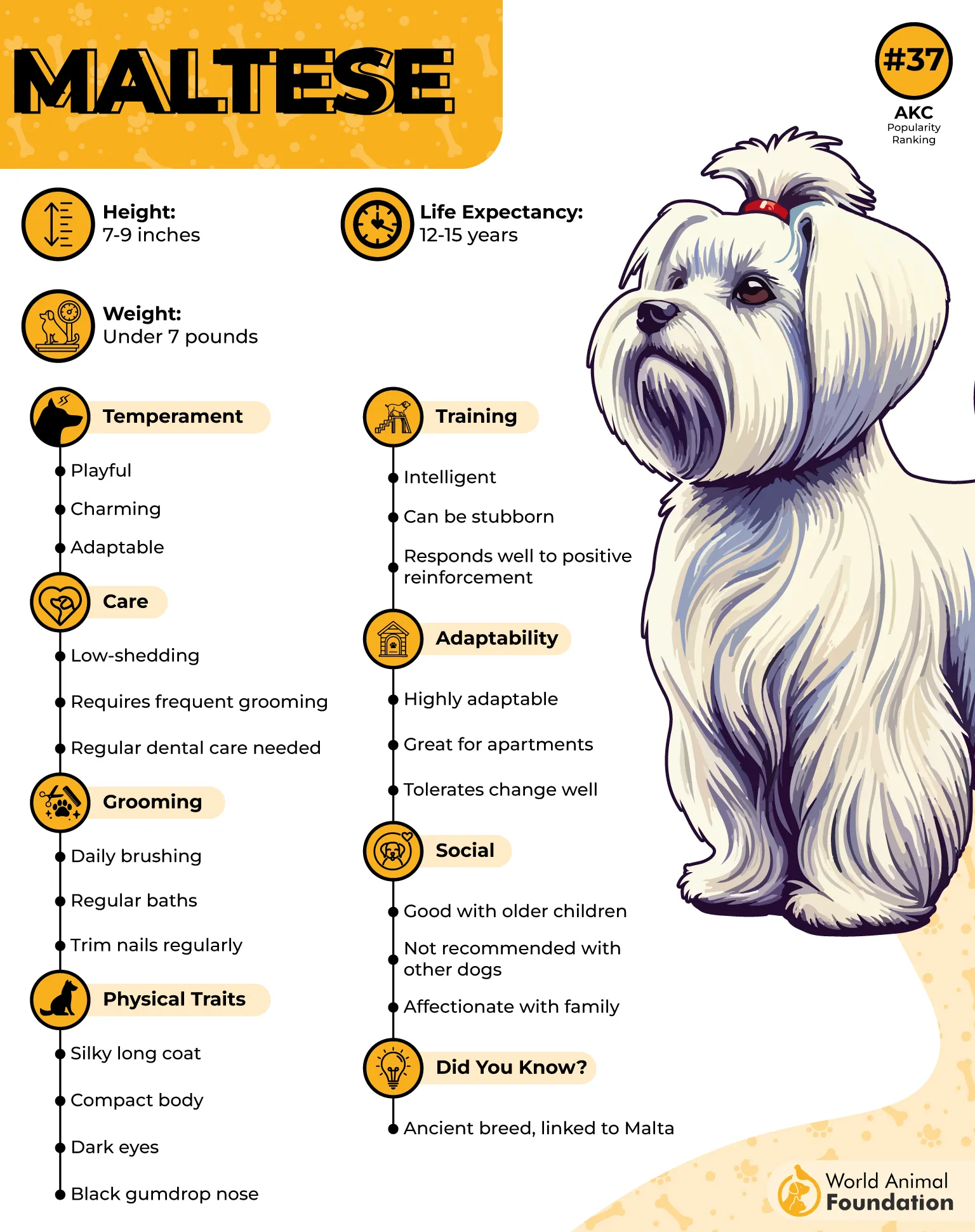
Maltese takes its name from Malta, where the breed was cherished long before modern dog keeping took shape. Phoenicians are thought to have brought these little dogs to the island, and Greek artists later depicted them while Aristotle praised their balanced appearance.
Easy on Exercise
For Maltese, staying active does not have to mean long or intense workouts. A brisk 20 to 30-minute neighborhood walk and some playful time indoors can provide plenty of daily movement while keeping its routine simple.
This is what matters when planning their routine:
Enjoys fetch and indoor games
Benefits from scent work
Interactive toys provide enrichment
People Matter Most
This lap dog is happiest when its favorite person is nearby, often choosing a lap over a distant corner of the room. The breed can also get along with children and other pets when properly socialized, while its delicate size calls for careful supervision around toddlers and larger dogs.
5. Yorkshire Terrier
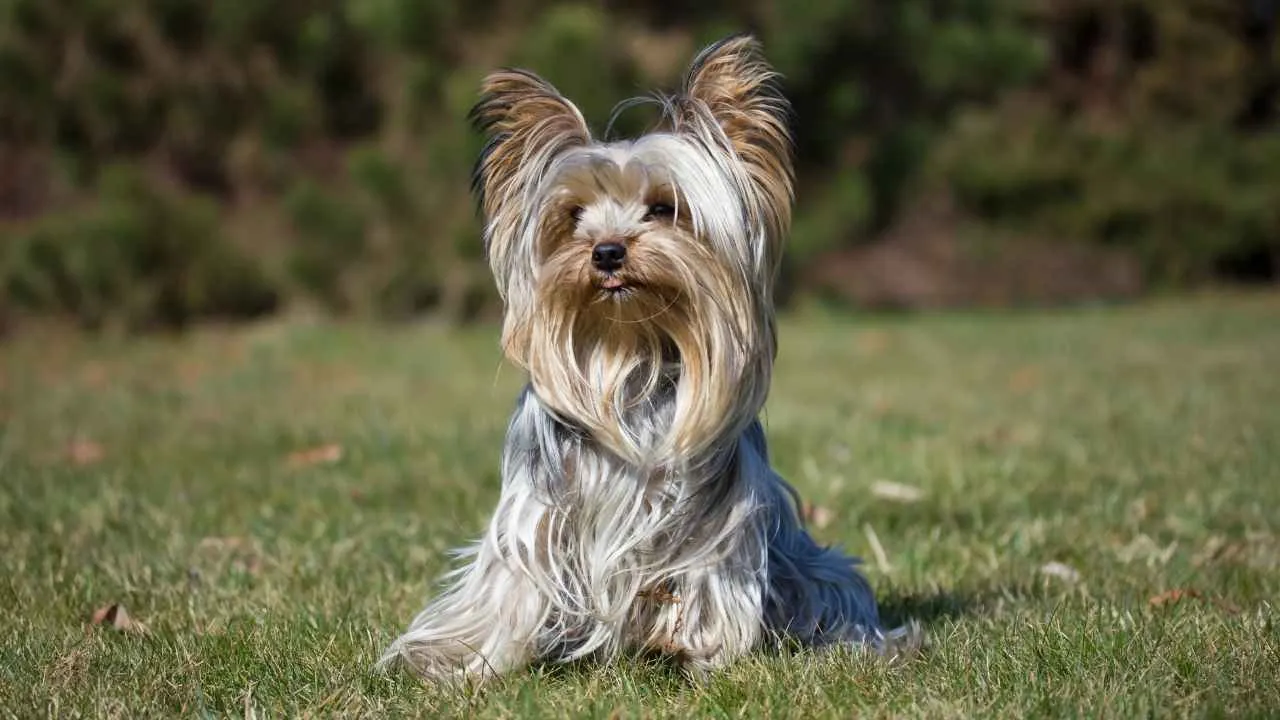
Yorkshire Terrier emerged in Yorkshire during the mid-19th century after Scottish workers brought small terriers into local cotton mills. These dogs were used to control rats, and later breeding efforts focused on producing the tiny size associated with the breed today.
Small Home, Big Character
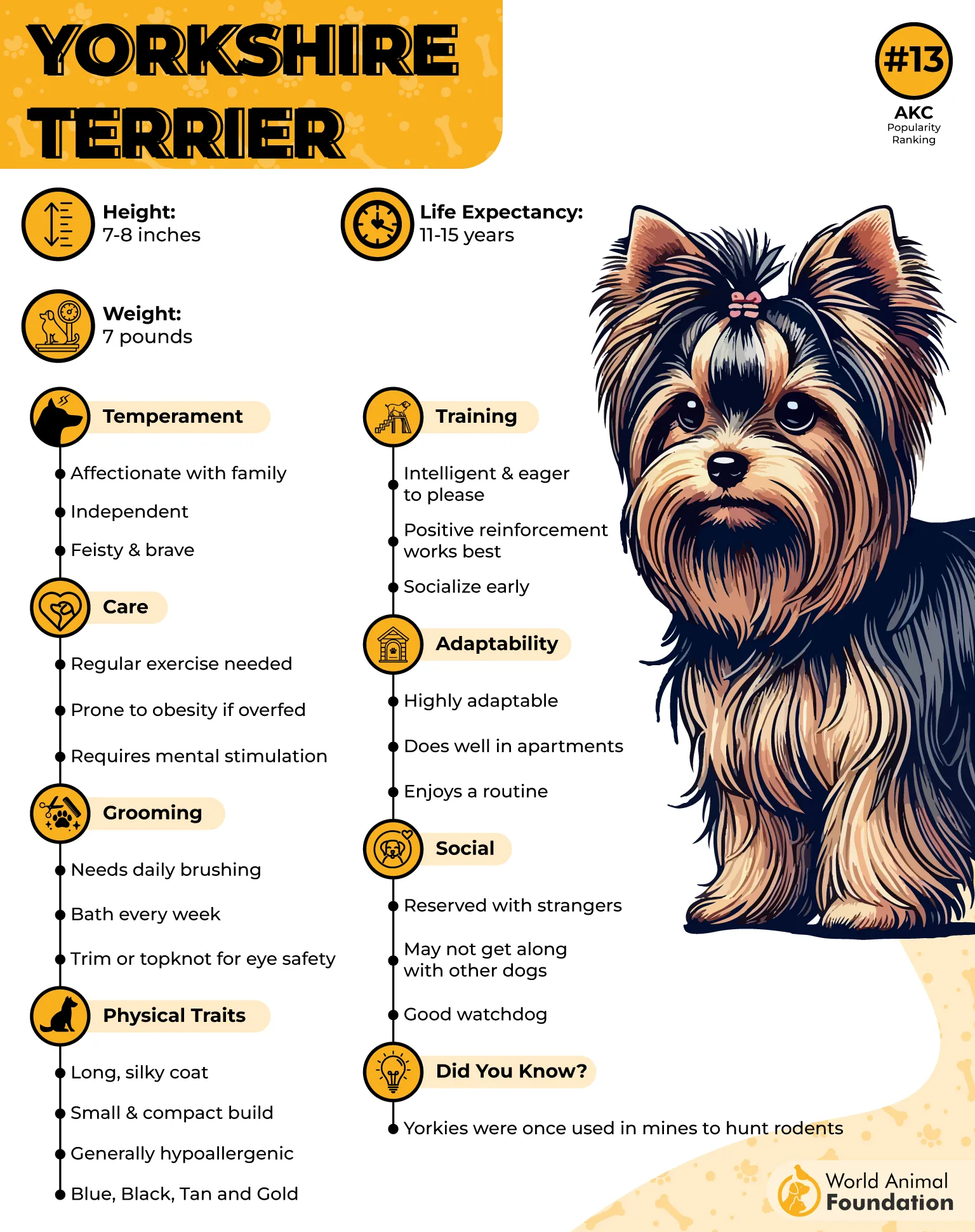
Yorkies weigh under 10 pounds and need only moderate daily activity, making their size an excellent option for compact living spaces. Two short walks can provide fresh scenery and exercise, while a quick game of tennis-ball chase adds another burst of activity.
Its small size hides a surprisingly confident nature:
Confident personality with a bossy streak
Obedience can challenge their minds
Agility adds structured activity
That Famous Coat
Yorkshire Terrier has a glossy, floor-length coat that resembles human hair more closely than typical animal fur, and the breed is considered hypoallergenic. Their long lifespan and natural alertness also make them useful little watchdogs in a household setting.
6. Bichon Frise
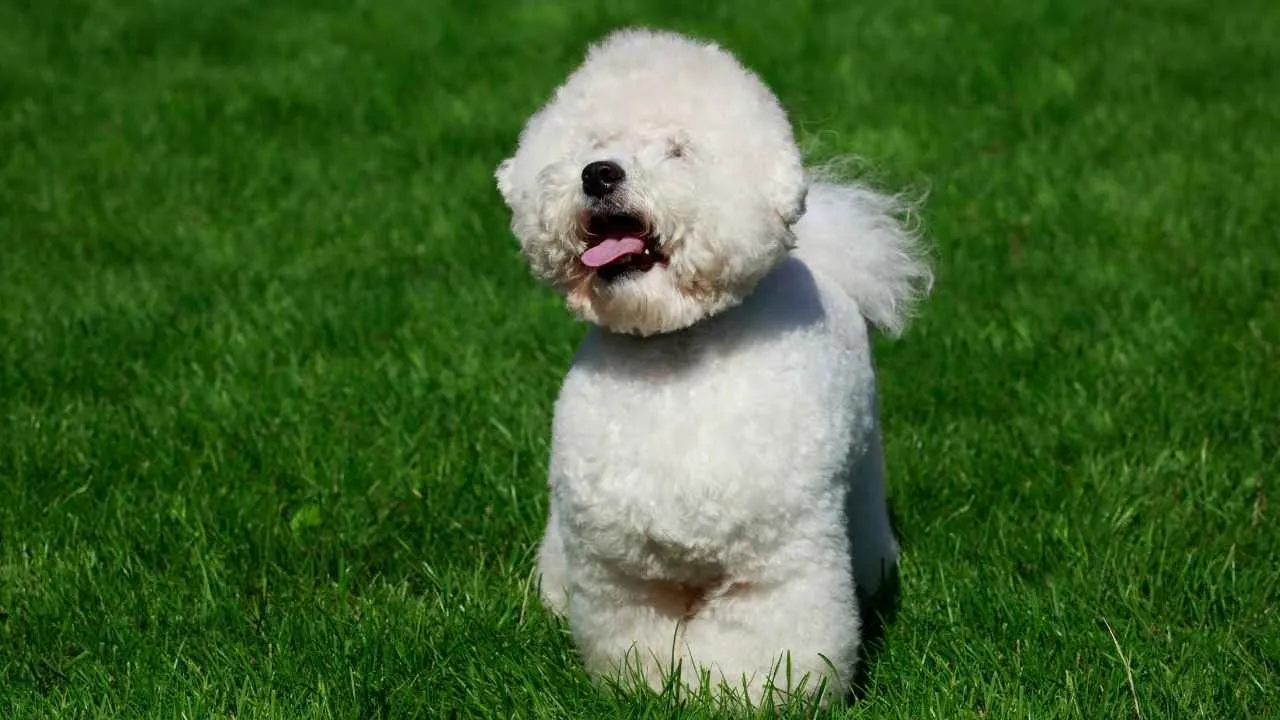
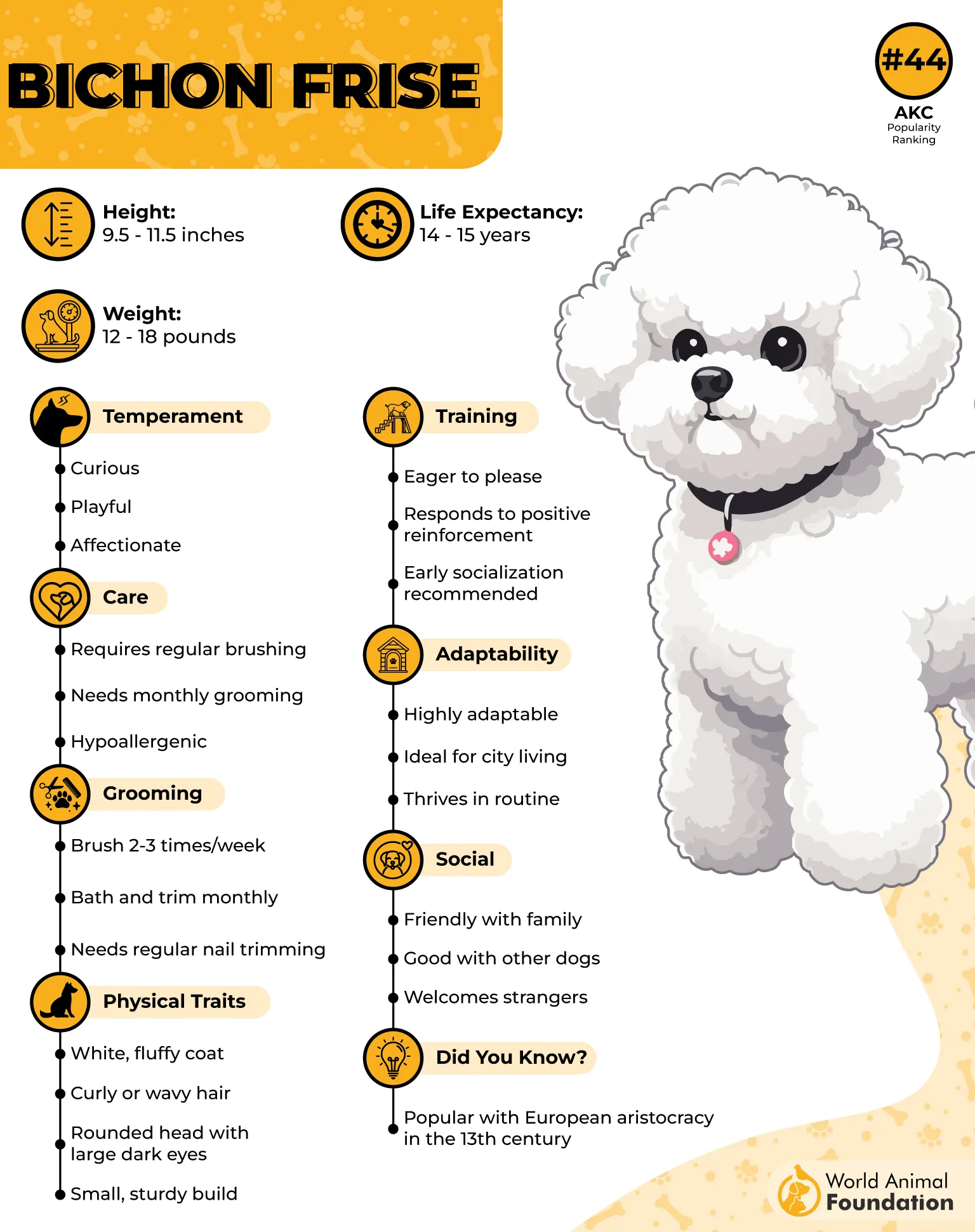
Bichon Frise originated in the Mediterranean from crosses between larger water dogs and small white dogs, producing the Barbichon group. The Tenerife type later became closely linked with the breed, which sailors brought to Italy, where it became popular among upper-class families.
A Small-House Personality
Bichon Frise needs only about 30 minutes of activity across the day, making short neighborhood walks, gentle fetch, and scent games practical choices.
Some also enjoy agility training, giving them an extra way to use their quick minds without demanding lengthy outings.
Three details add a different side to this little companion:
Sensitive to changes in human moods
Sharp hearing can trigger frequent barking
Early socialization helps with different people
A Natural Performer
This furry little friend has a playful intelligence that once made it useful to street performers, where tricks helped entertain crowds. That same eagerness for attention can make training sessions engaging, especially when the dog receives praise and interaction from familiar people.
7. Brussels Griffon
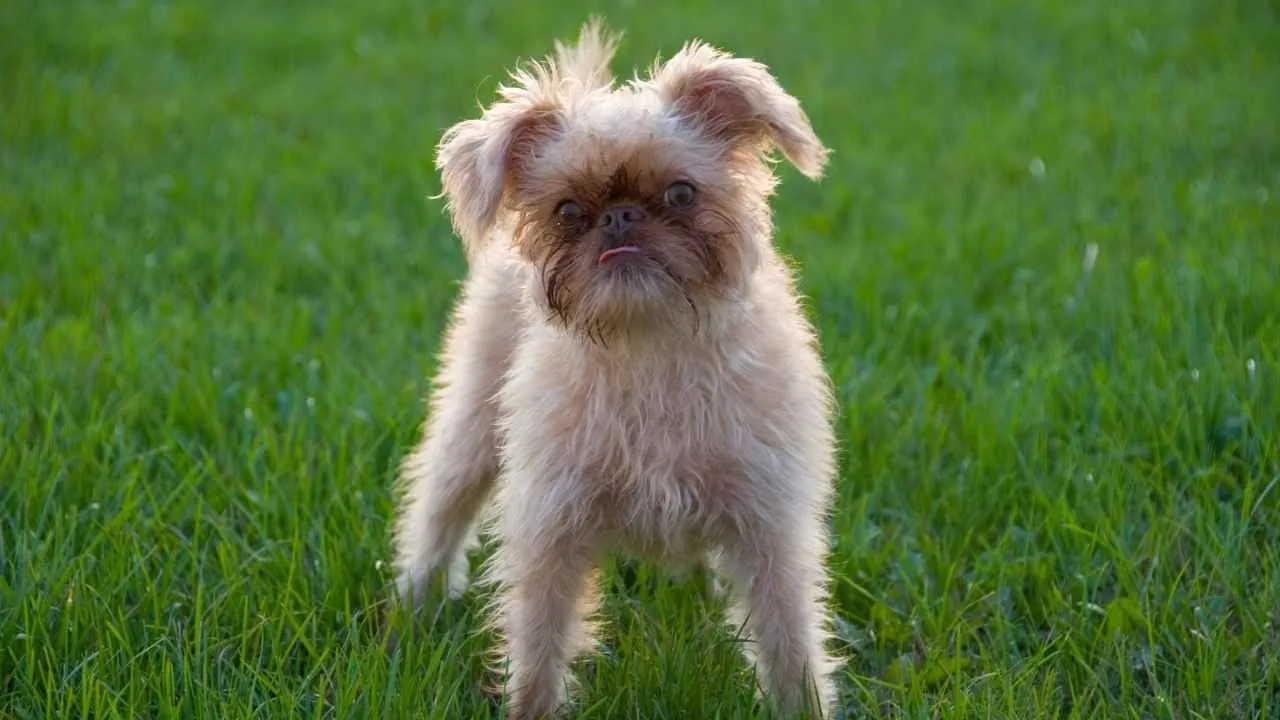
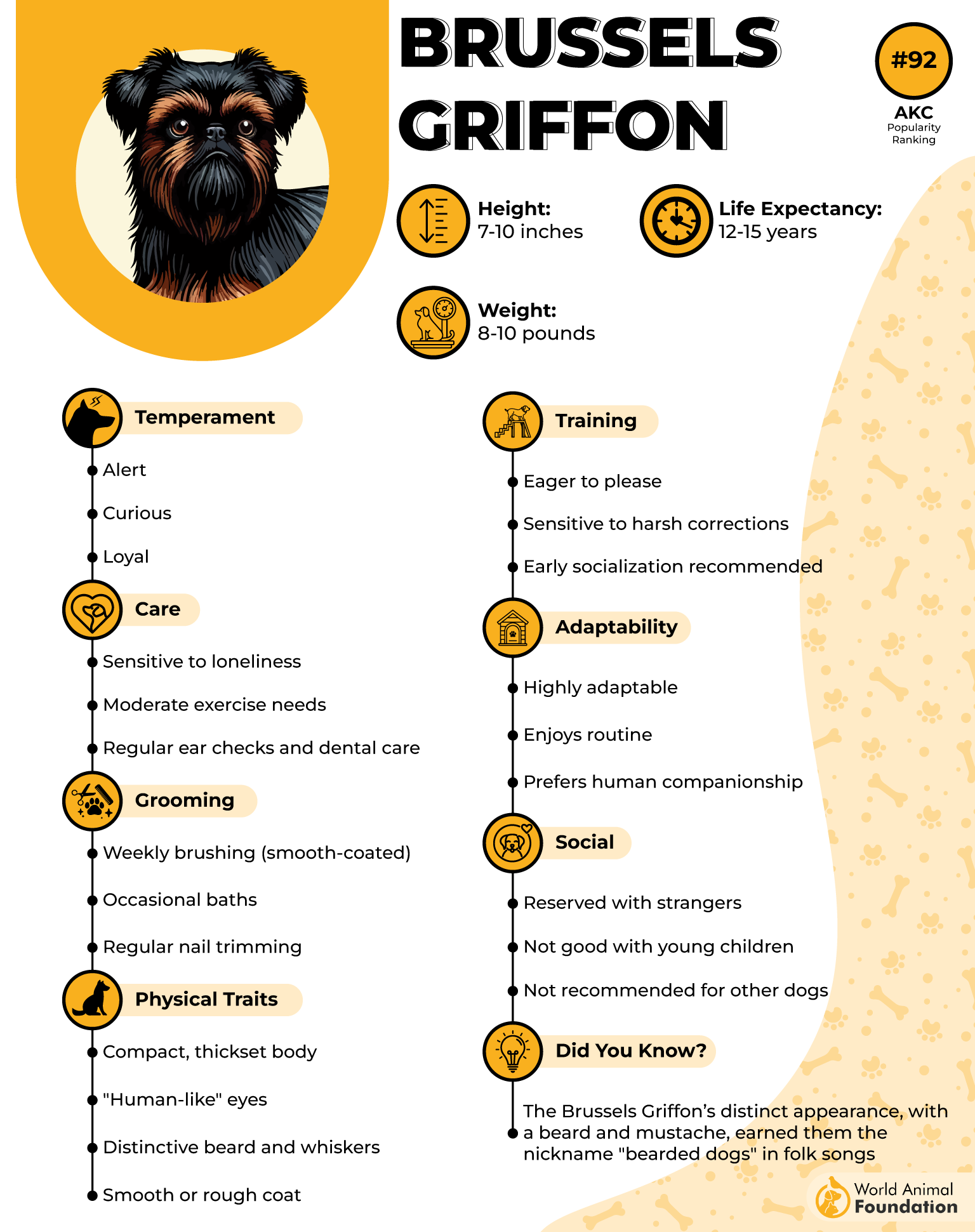
Brussels Griffon was developed in Brussels, Belgium, during the early 1800s as a mix involving the Affenpinscher, Pug, Cavalier King Charles Spaniel, and English Toy Spaniel.
The American Kennel Club recognized the breed in 1910, and its familiar face later appeared in the 1997 film As Good as It Gets.
Room to Play
Brussels Griffon needs about 30 minutes of daily exercise, with a combination of slower and brisk walks that give this energetic little dog time to explore. Games such as fetch or hide-and-seek can also turn a living room into a useful activity area.
For indoor fun, these options add variety:
Snuffle mats for scent-based searching
Treat puzzles for problem-solving
Plush-toy fetch for active play
A Social Little Shadow
This perfect canine companion enjoys being close to its favorite person and can feel unsettled when left without familiar company. At the same time, its playful side comes alive around other dogs, while careful introductions can help it interact with cats and new people.
Conclusion
Living with a tiny dog can be surprisingly practical when the companion’s habits match the home. Limited space can still provide room for indoor games, training, and comfortable rest, while short walks offer exercise and fresh experiences outside. Small living spaces can still suit dogs with friendly personalities when their daily needs are met.
Barking and time spent alone also deserve consideration, particularly in shared buildings. Owners should plan around weather, children, larger pets, and the dog’s individual personality too.
The right companion can fit perfectly into a smaller dwelling while still adding plenty of fun to ordinary daily life, helping them fit perfectly into your routine.
