




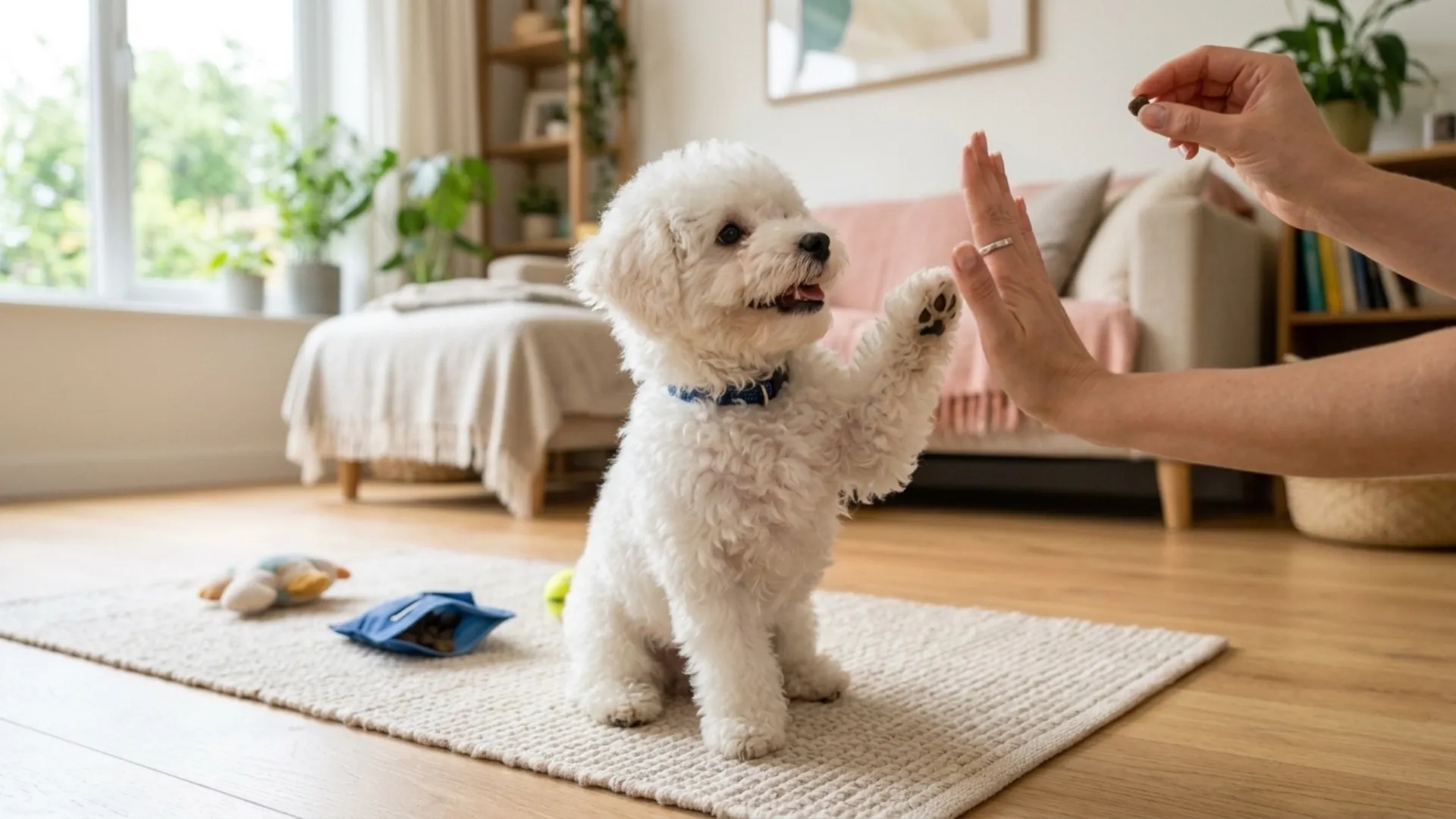
Tiny dogs may be small enough to fit in your lap, but many have sharp minds and eager personalities. If you’re looking for a companion that’s quick to learn and easy to teach, the right tiny breed can make training feel much simpler.
That said, no dog is completely effortless to train. Every pup needs patience, consistency, and positive reinforcement. However, some tiny breeds are naturally intelligent, eager to please, and more responsive to training, making them a great choice for first-time owners and busy households.
In this article, we’ll introduce some of the most intelligent dog breeds that are easy to train and adapt well to everyday life. Whether you live in an apartment or simply want a smart, easygoing companion, these little dogs prove that great things really do come in small packages.
Key Takeaways
Meet nine tiny dog breeds that are naturally smart, eager to please, and quick to train.
Discover why the Toy Poodle, Papillon, and Havanese are favorites for first-time dog owners.
Compare the personalities, exercise needs, and grooming requirements of each breed before you choose.
Find the perfect small companion that fits your lifestyle and makes training feel easy.
Tiny Dog Breeds That Train with Minimal Effort
1. Brussels Griffon
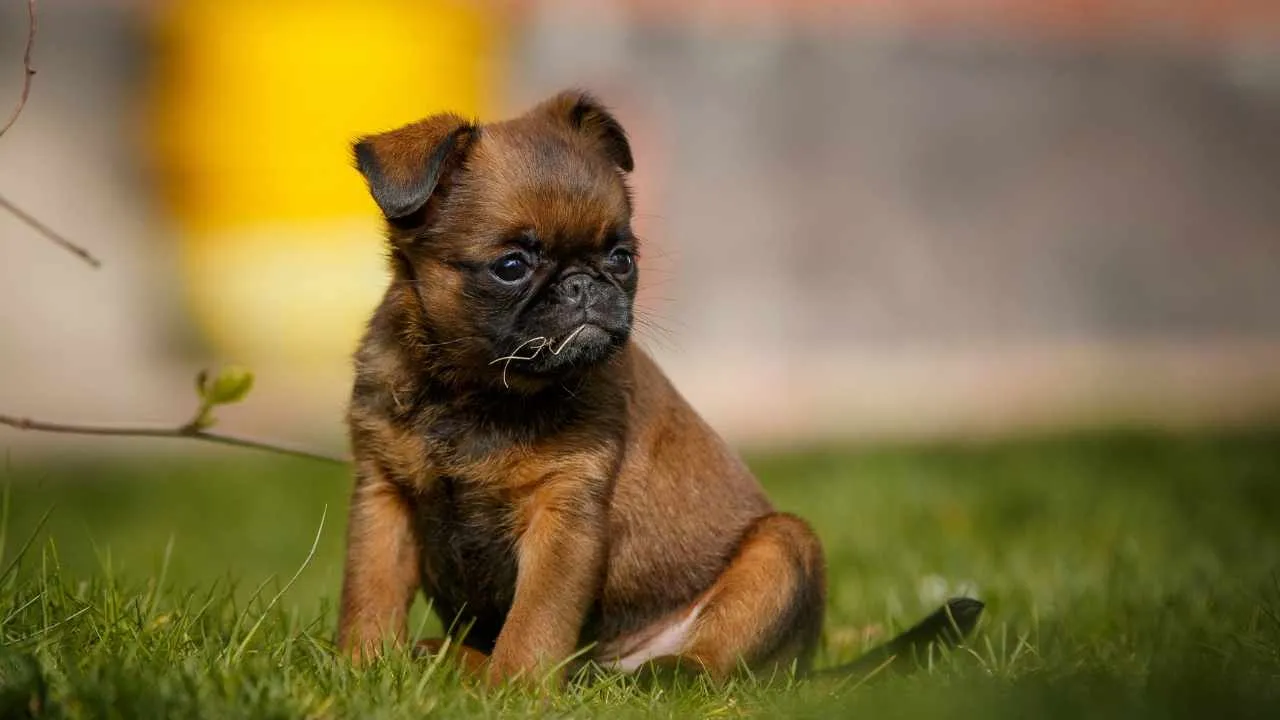
With their expressive, almost human faces and larger-than-life personalities, Brussels Griffons are impossible to ignore. These tiny dogs form incredibly close bonds with their families and are eager to stay involved in everything you do.
Training & Personality
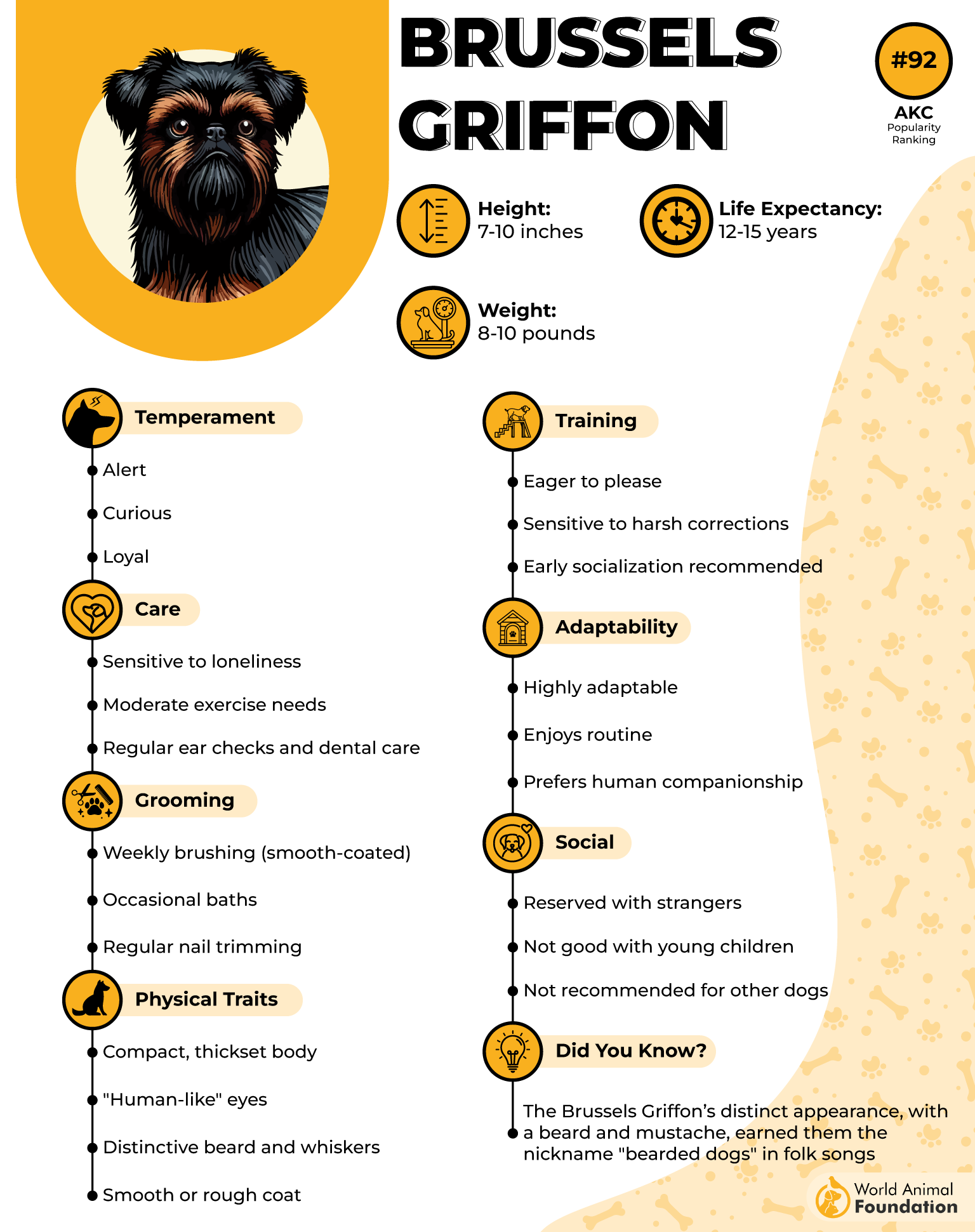
Brussels Griffons are smart, sensitive, and eager to please, making them quick learners. They respond best to gentle, reward-based training and enjoy learning new tricks, basic obedience, and even agility activities.
Early socialization and puppy training classes help them grow into confident, well-mannered companions. Potty training may take a little longer than with some breeds, so consistency and patience are important.
Care & Activity
These dogs have a moderate energy level and are happy with daily walks, indoor play, and plenty of cuddle time. They adapt well to apartment living as long as they get regular exercise and mental stimulation.
Brussels Griffons come in smooth and rough coats, with smooth-coated dogs shedding moderately and rough-coated dogs needing more regular grooming.
2. Papillon
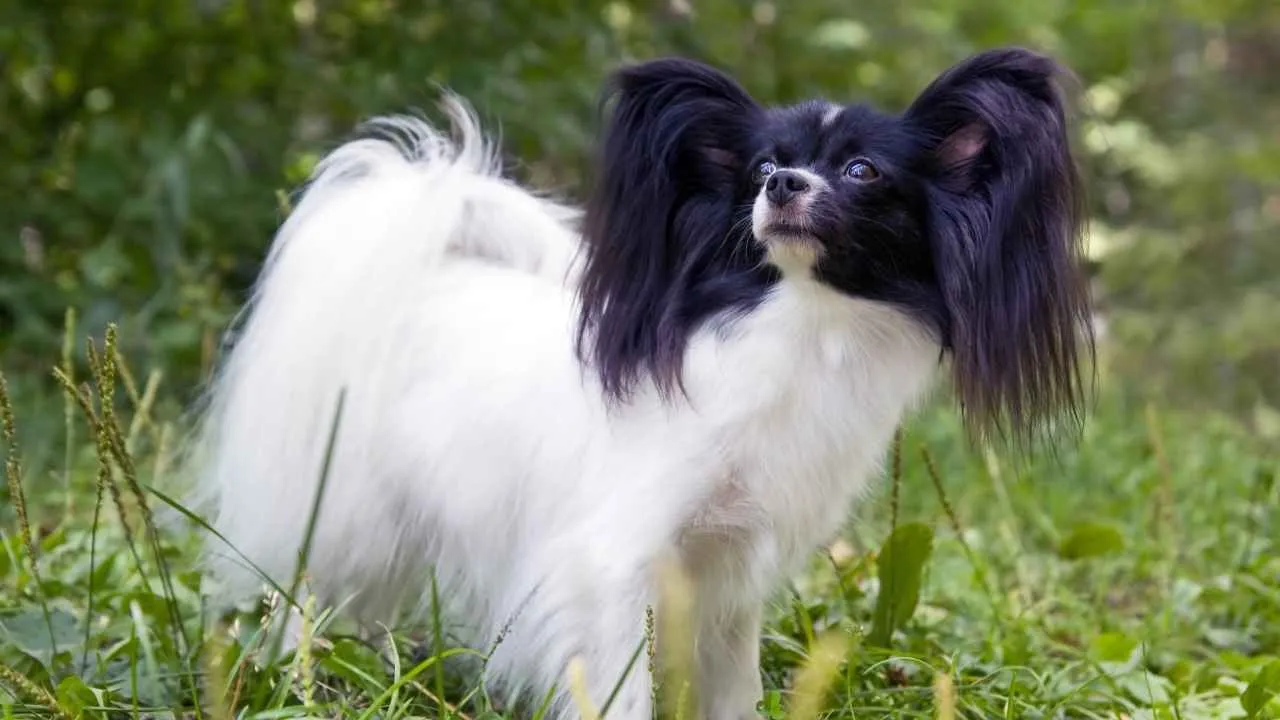
Papillons may look delicate, but they are among the smartest dog breeds in the world. Named after the French word for “butterfly” because of their signature ears, these charming dogs have been beloved companions for centuries and even appeared in European artwork dating back to the 16th century.
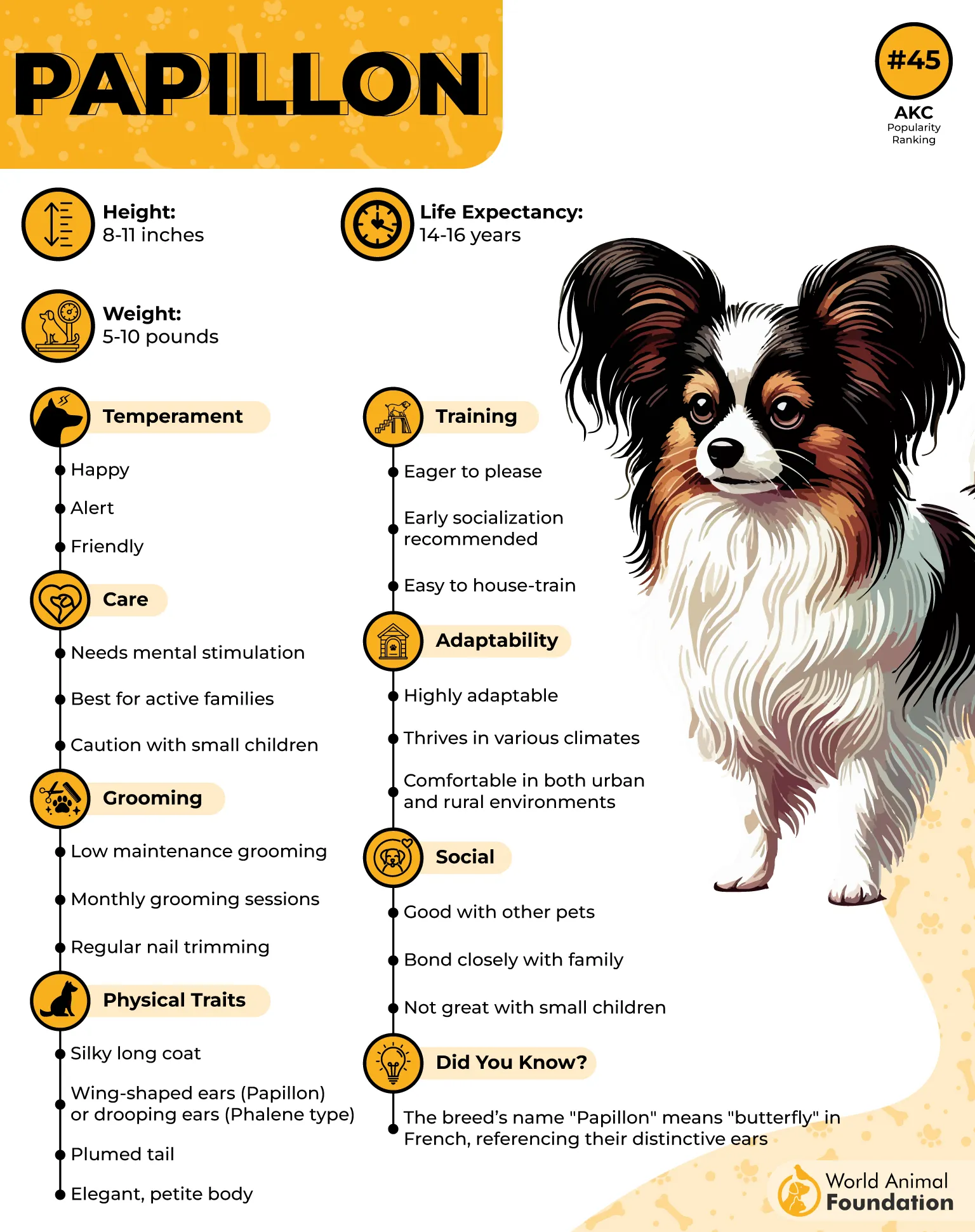
Training & Personality
Papillons are alert, affectionate, and highly intelligent. They learn basic commands quickly and enjoy obedience training, trick training, and agility activities. Positive reinforcement and consistent training help them become well-mannered companions.
Early socialization also allows them to get along well with other dogs, cats, and new people. Like many small breeds, house training can take extra patience, and they may bark to alert their owners or develop separation anxiety if left alone too often.
Care & Activity
Despite their small size, Papillons are active dogs that need daily walks, playtime, and mental stimulation. They adapt well to apartments but also enjoy having space to run and explore.
Their long, silky coat does not have an undercoat, but it still needs brushing several times a week to prevent tangles. Regular ear cleaning, dental care, nail trims, and routine grooming help keep them looking and feeling their best.
3. Toy Fox Terrier
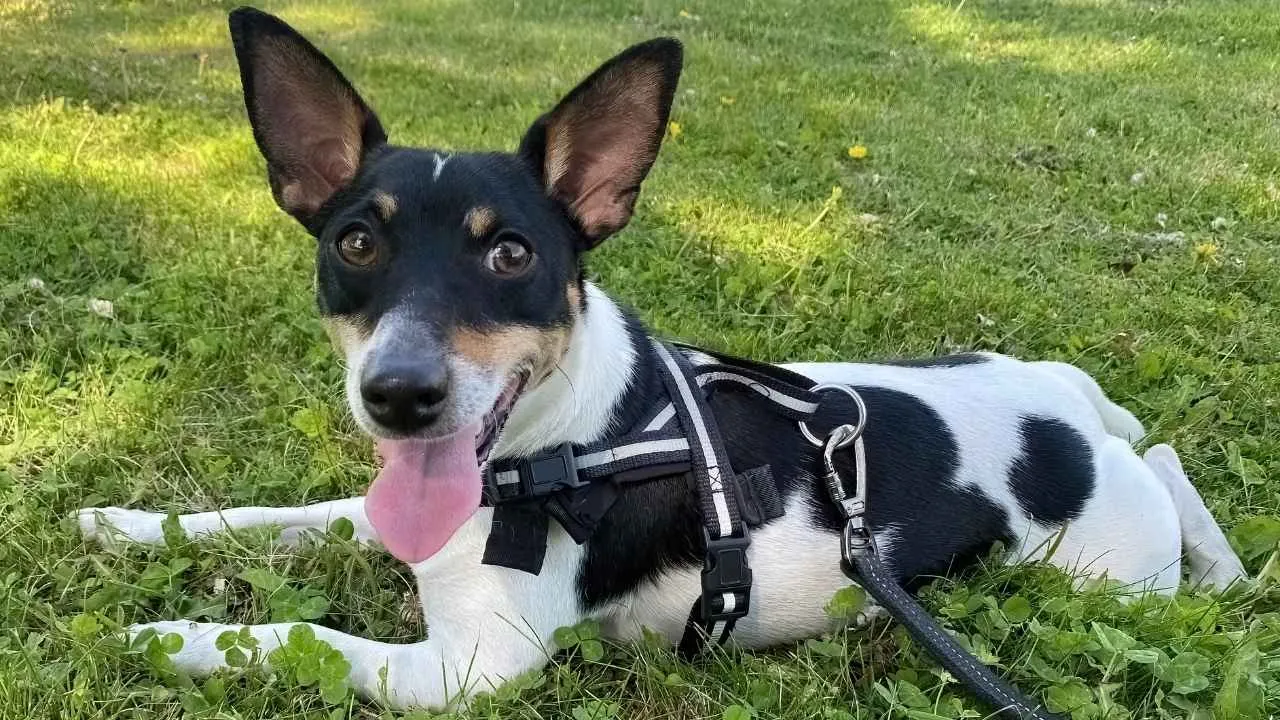
Toy Fox Terriers may be tiny, but they are fearless, athletic, and always ready for action. Originally developed from the Smooth Fox Terrier, these lively little dogs were once used for hunting before becoming popular companion animals and even circus performers.
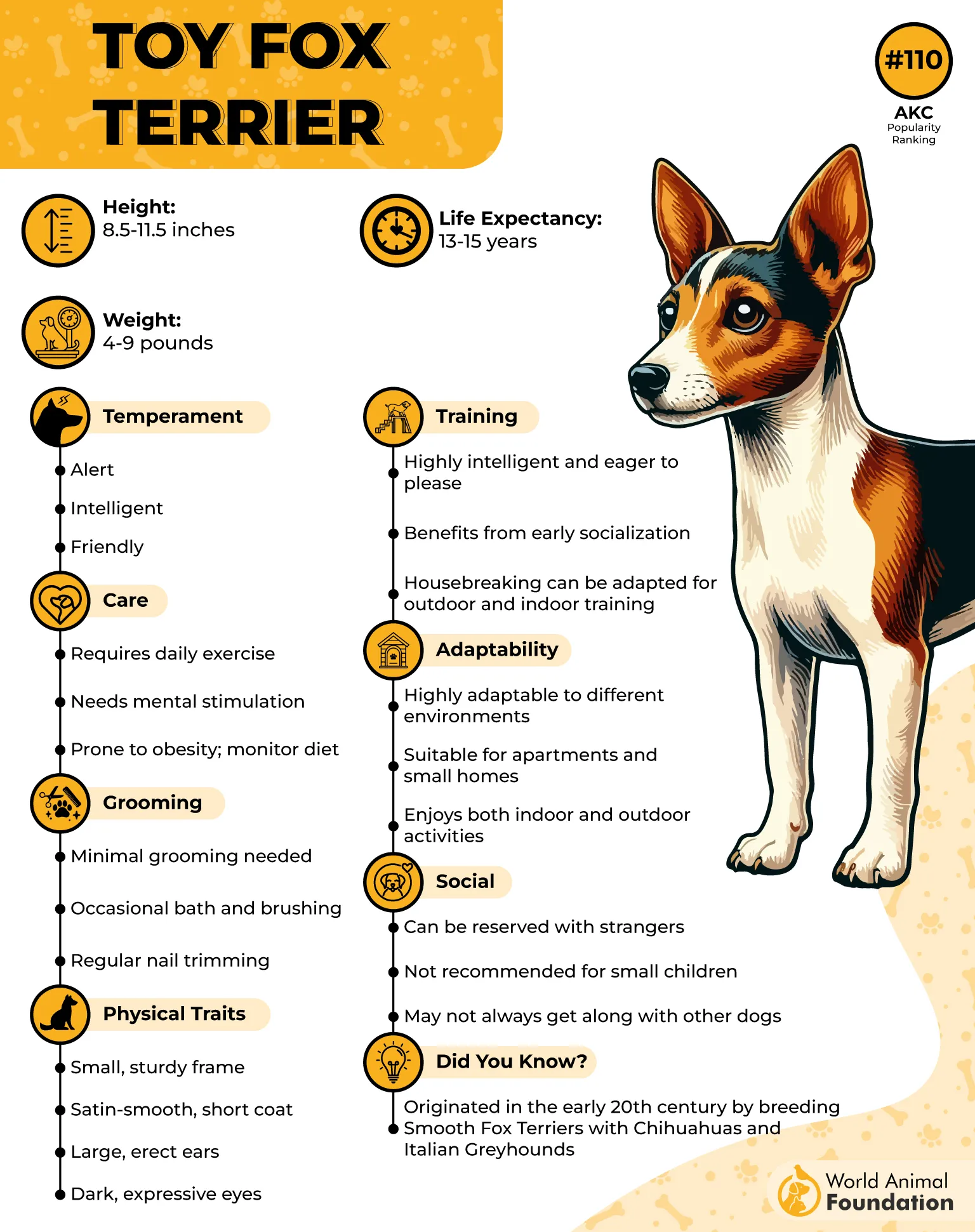
Training & Personality
Toy Fox Terriers are smart, confident, and eager to please. They learn commands quickly and respond well to short, fun training sessions with positive reinforcement. Early socialization helps them grow into friendly, well-mannered companions.
While they can have an independent and stubborn streak, consistent training keeps them focused. According to Orvis, they are affectionate with their families, get along well with other pets, and make excellent watchdogs thanks to their alert nature.
Care & Activity
These energetic dogs need daily exercise, interactive games, and mental challenges to stay happy. They adapt well to apartment living as long as they get enough outdoor activity.
Their short, smooth coat is easy to maintain with weekly brushing and occasional baths. Regular ear cleaning, dental care, and nail trims are also important parts of their grooming routine.
4. Cavalier King Charles Spaniel
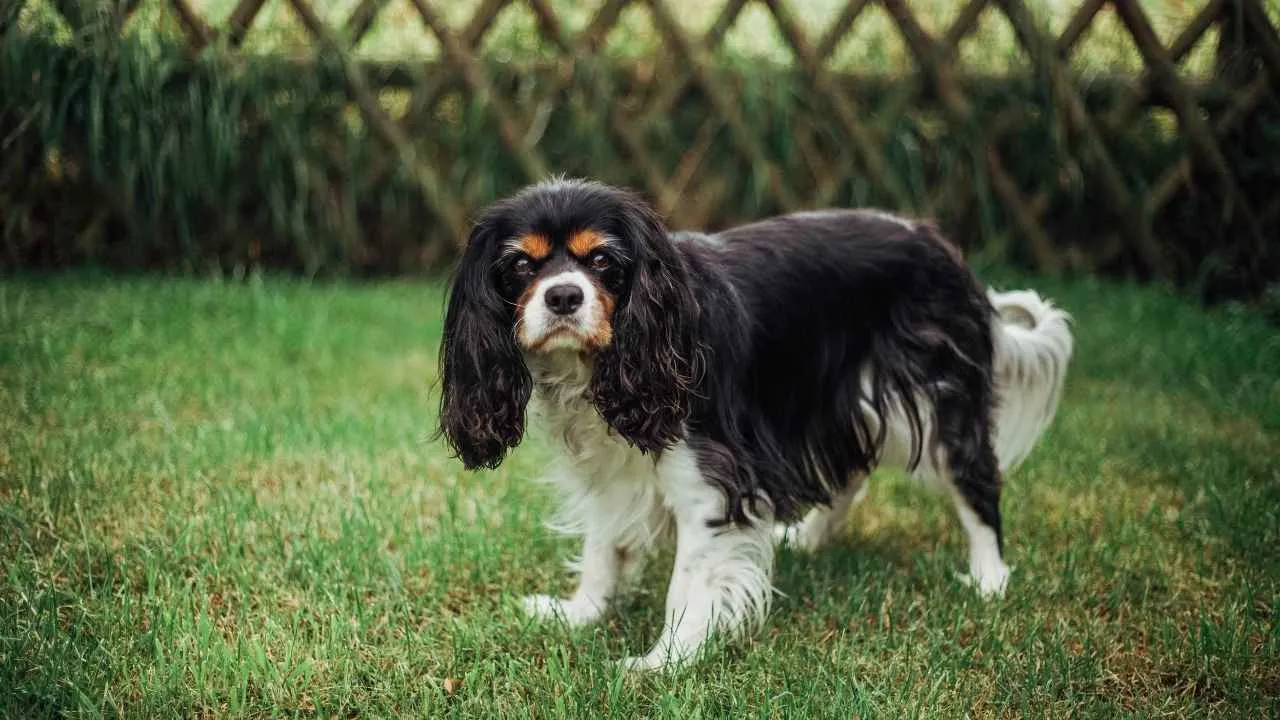
Cavalier King Charles Spaniels were originally bred to be loving companion dogs, and they still excel in that role today. Named after King Charles II of England, these charming little dogs are known for their gentle expressions, silky coats, and affectionate personalities.
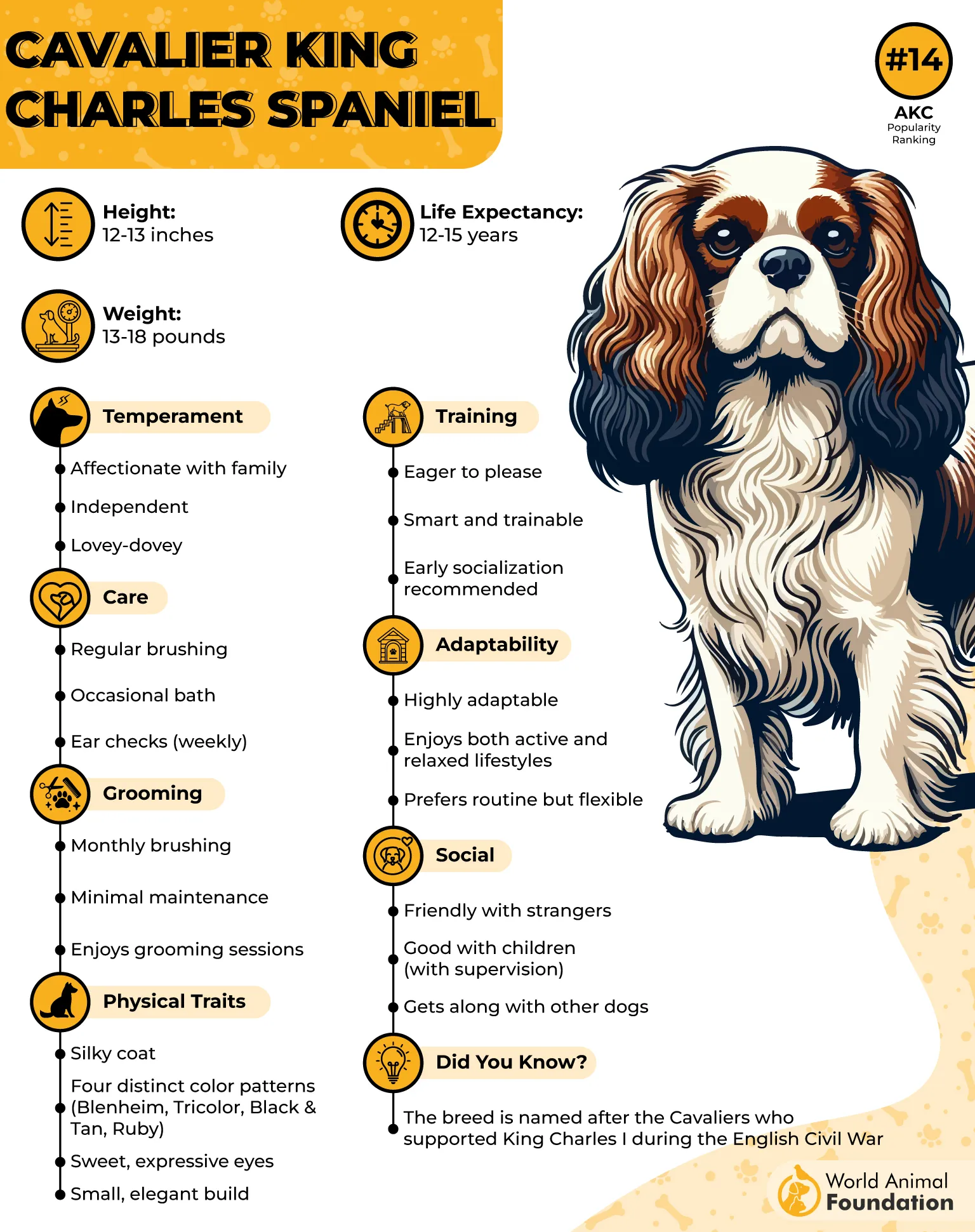
Training & Personality
Cavalier King Charles Spaniels are intelligent, friendly, and naturally people-oriented. They respond very well to positive reinforcement and usually learn basic commands quickly.
Early socialization helps them grow into confident, well-mannered dogs that get along well with children, strangers, other dogs, and even cats. They also enjoy activities like obedience, agility, rally, and interactive games. Because they love companionship, they should not be left alone for long periods.
Care & Activity
These dogs have moderate exercise needs and are happy with daily walks, playtime, and regular mental stimulation. They adapt well to apartments and homes with yards, making them suitable for many lifestyles.
Their long, silky coat needs regular brushing and occasional baths to stay tangle-free. Routine ear cleaning, dental care, and nail trimming are also important parts of their grooming routine.
5. Poodle (Toy)
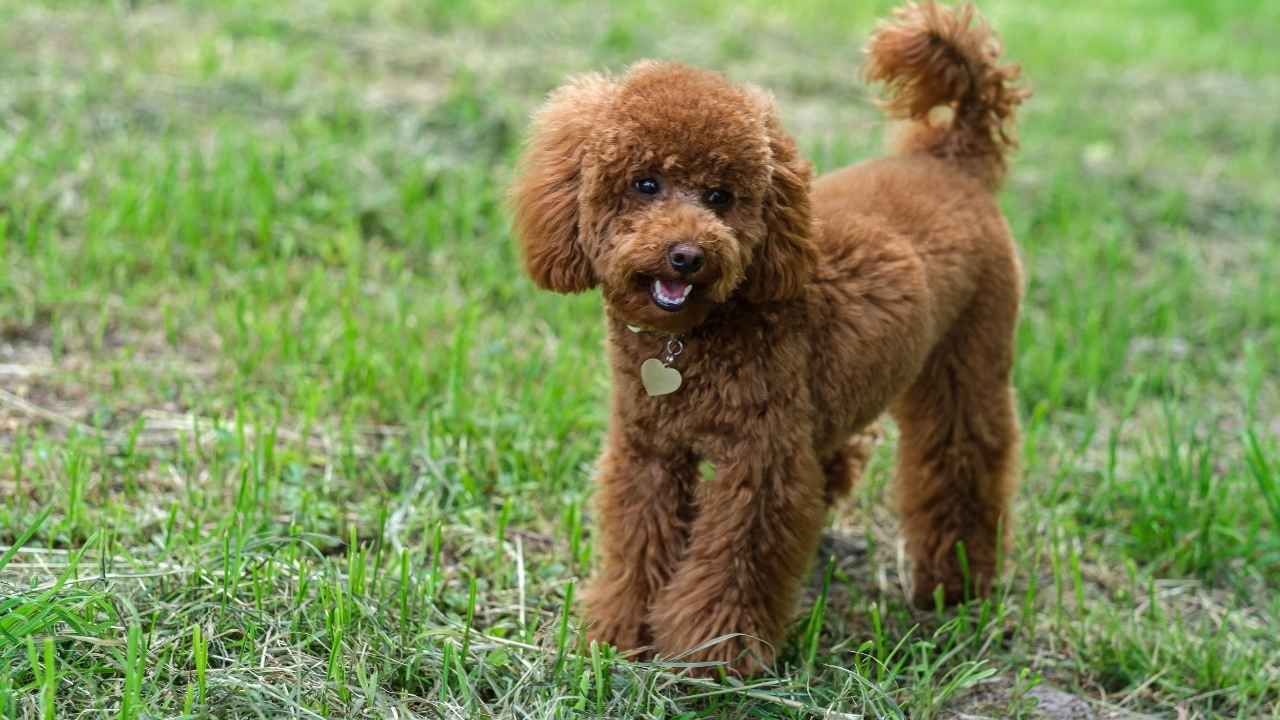
Toy Poodles are proof that great things come in small packages. Originally developed from the Standard Poodle, these tiny dogs are famous for their exceptional intelligence, playful personalities, and eagerness to please.
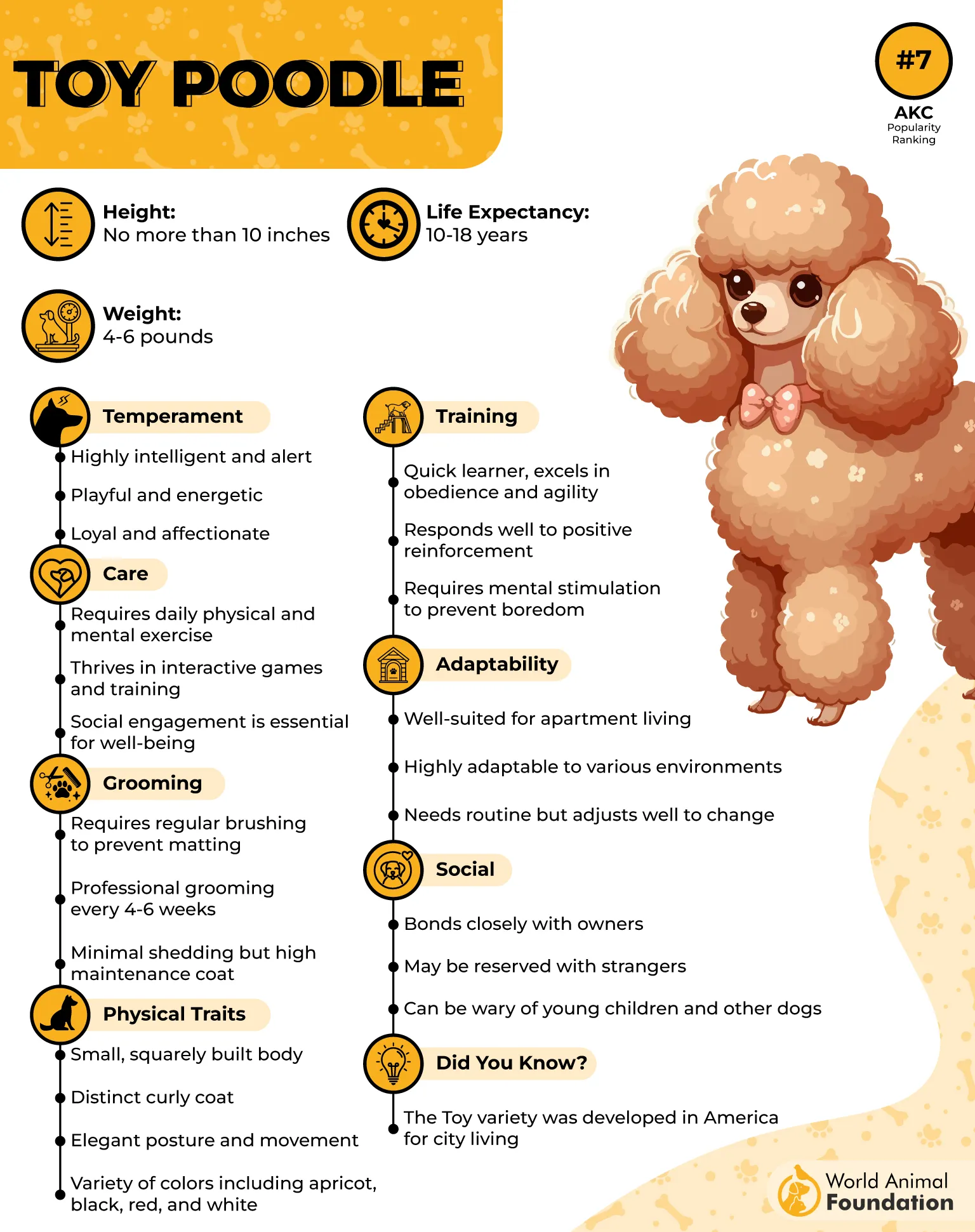
Training & Personality
Toy Poodles are highly intelligent, affectionate, and eager to learn. They pick up new commands, tricks, and routines quickly when trained with positive reinforcement. Obedience training, agility, puzzle toys, and scent games help keep their active minds engaged.
Early socialization also helps them grow into confident, friendly companions that usually get along well with children and other pets. Because they form strong bonds with their families, they don’t enjoy being left alone for long periods, as Purina notes.
Care & Activity
These little dogs have moderate exercise needs and are happy with daily walks, play sessions, and regular mental stimulation.
Their curly, low-shedding coat needs daily brushing to prevent mats and professional grooming every four to six weeks. Regular ear cleaning, dental care, eye cleaning, and nail trimming are also important to keep them healthy and looking their best.
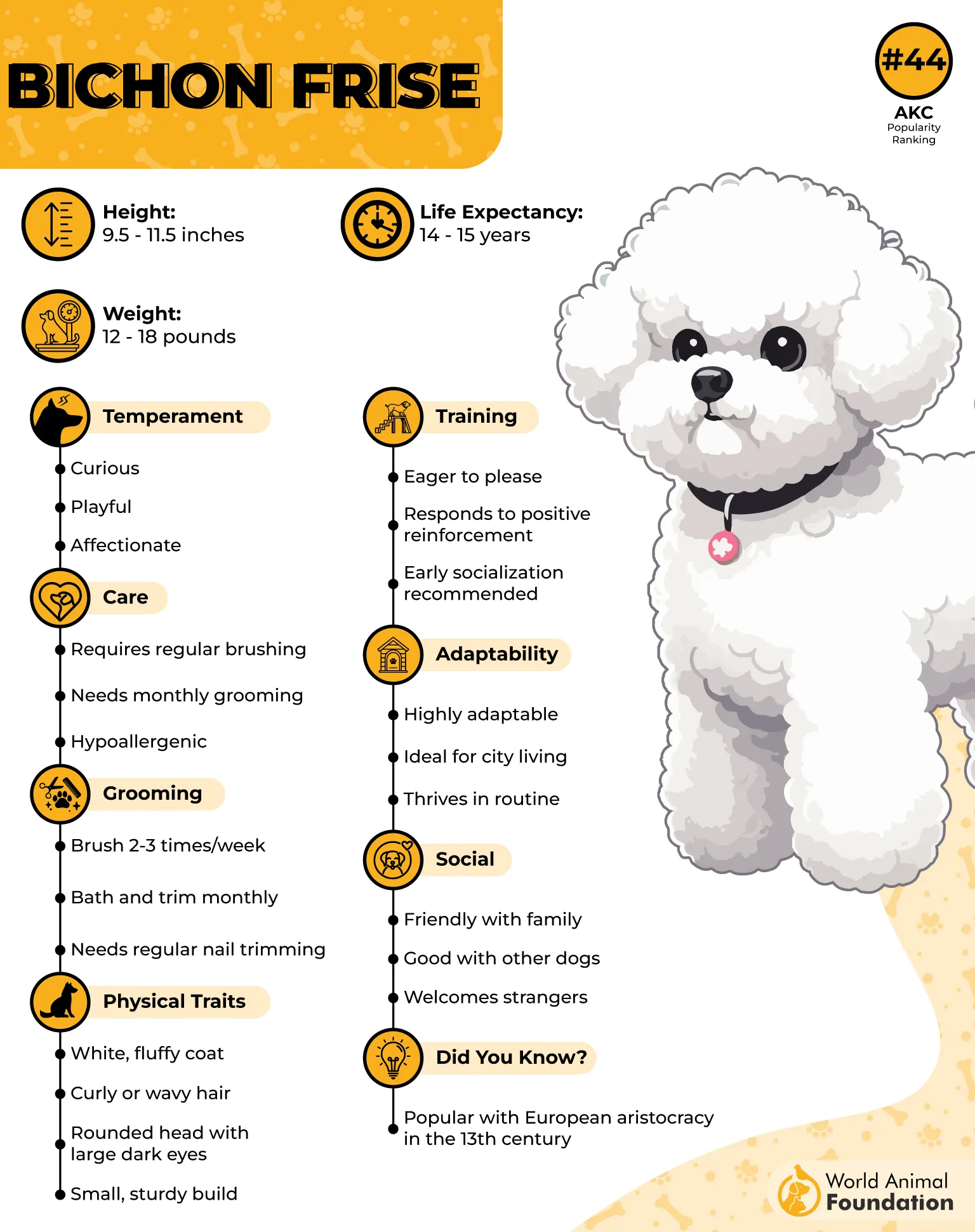
6. Bichon Frise
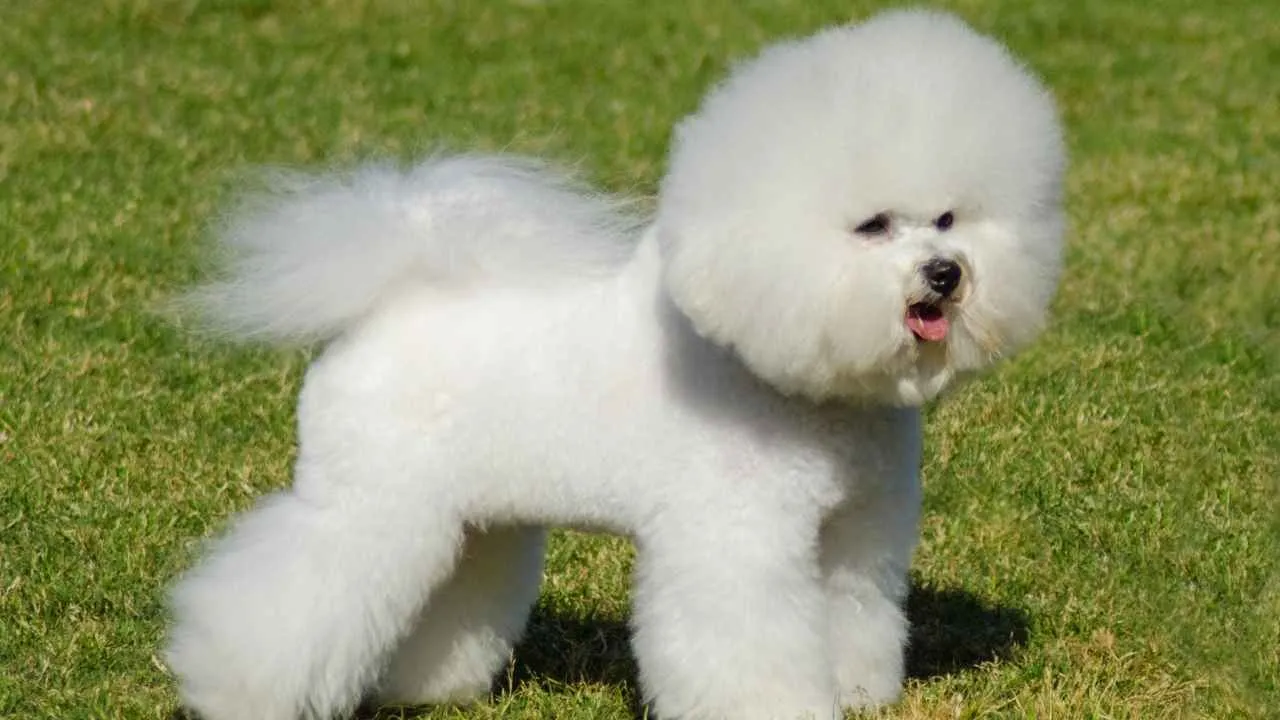
Bichon Frises are cheerful little dogs with fluffy white coats and playful personalities. Originally popular as companion dogs and even circus performers, they love being around people and enjoy learning new things.
Training & Personality
Bichon Frises are friendly, social, and quick learners. They respond well to positive reinforcement and can easily master basic commands, potty training, and fun tricks.
Early training and socialization help them become confident dogs that get along well with children, other pets, and new people. They thrive on attention and may bark or chew if they become bored or spend too much time alone.
Care & Activity
These adaptable dogs are happy in apartments or larger homes as long as they get daily walks, playtime, and mental stimulation. Their curly, low-shedding coat needs daily brushing, regular baths, and professional grooming to prevent mats.
Routine ear cleaning, dental care, nail trimming, and occasional eye cleaning help keep them looking and feeling their best.
7. Havanese
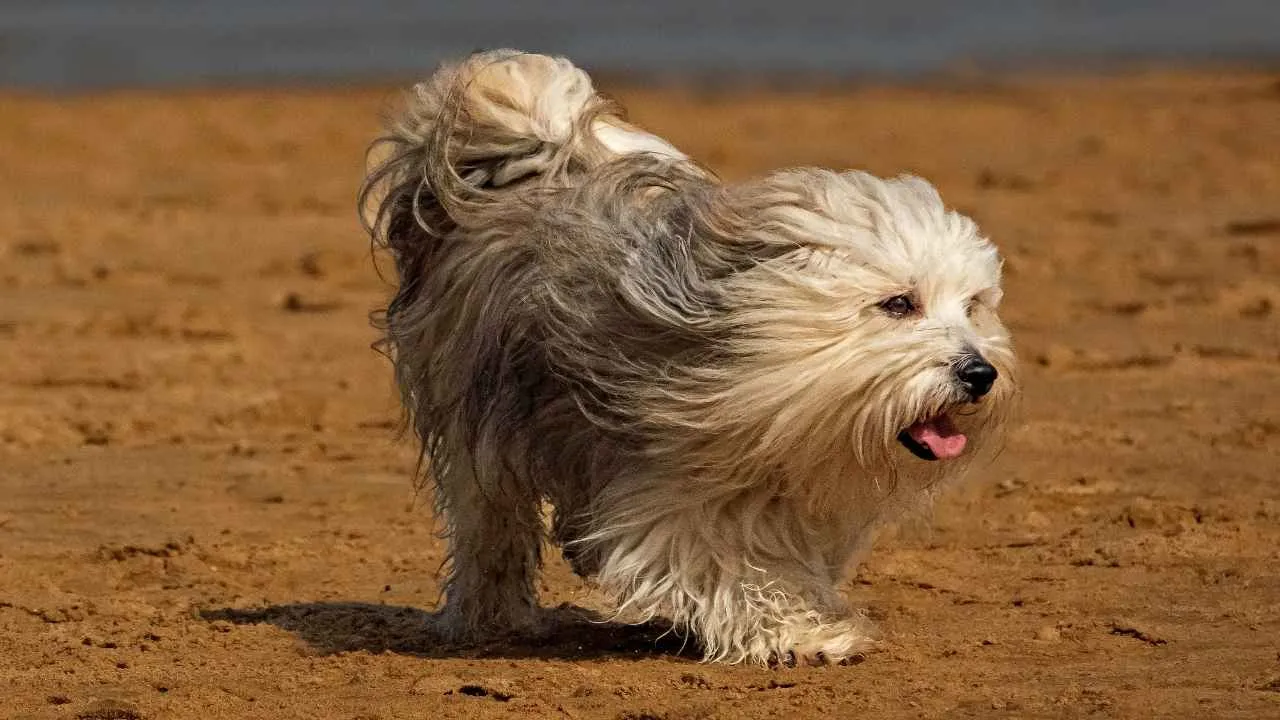
Havanese are affectionate little dogs with silky coats and lively personalities. Originally bred as companion dogs in Cuba, they thrive on human interaction and love being part of everyday family life.
Training & Personality
Havanese are friendly, intelligent, and highly trainable. They learn quickly with positive reinforcement and enjoy mastering basic commands, tricks, and interactive games.
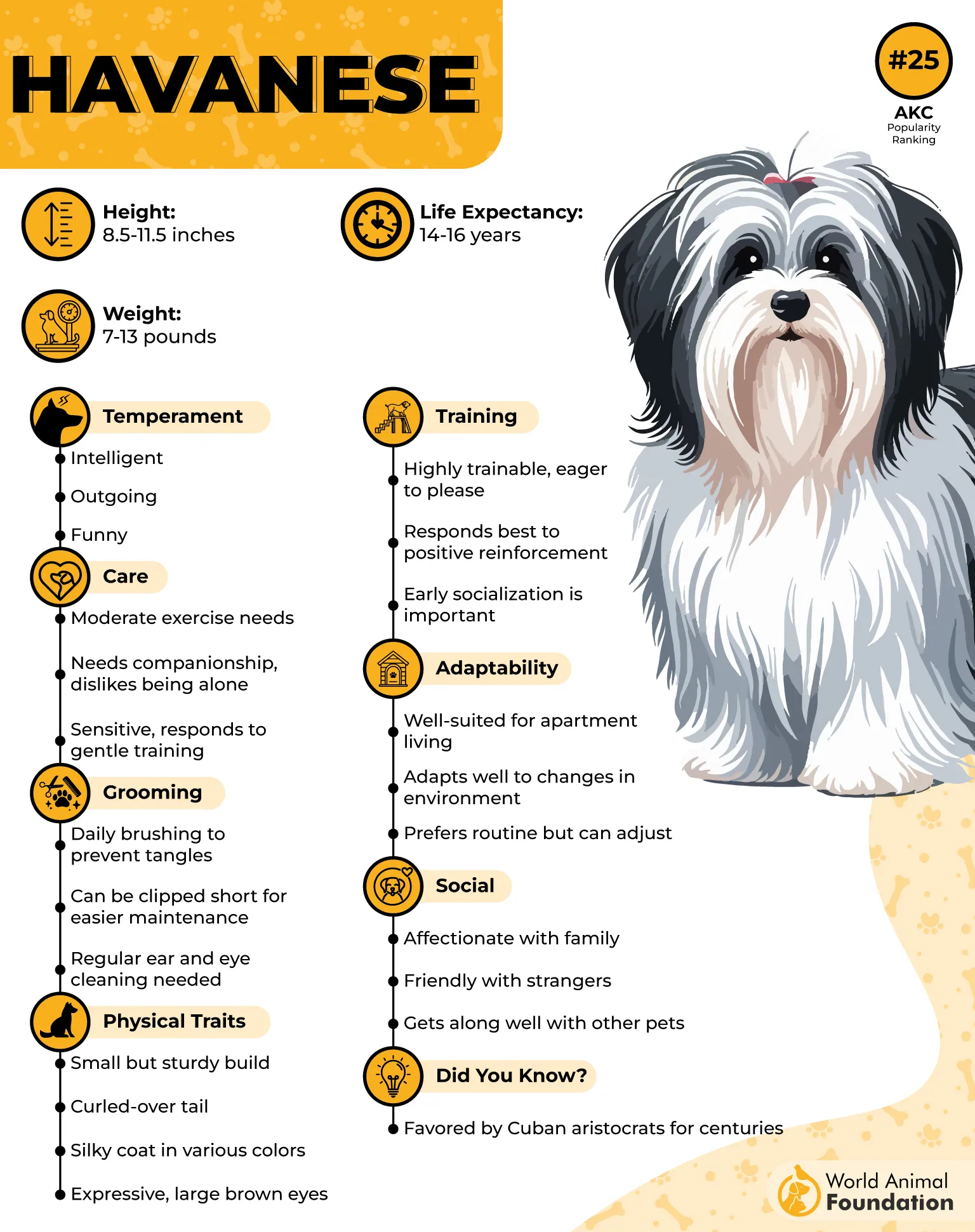
Early socialization helps them grow into confident, well-mannered dogs that get along well with children, other pets, and strangers. Because they form strong bonds with their families, they may develop separation anxiety or bark excessively if left alone for long periods, as stated by PetMD.
Care & Activity
These adaptable dogs do well in apartments or larger homes as long as they receive daily walks, playtime, and plenty of attention. Their long, silky coat requires frequent brushing, ideally daily or at least four times a week, to prevent tangles and mats.
8. Russian Toy
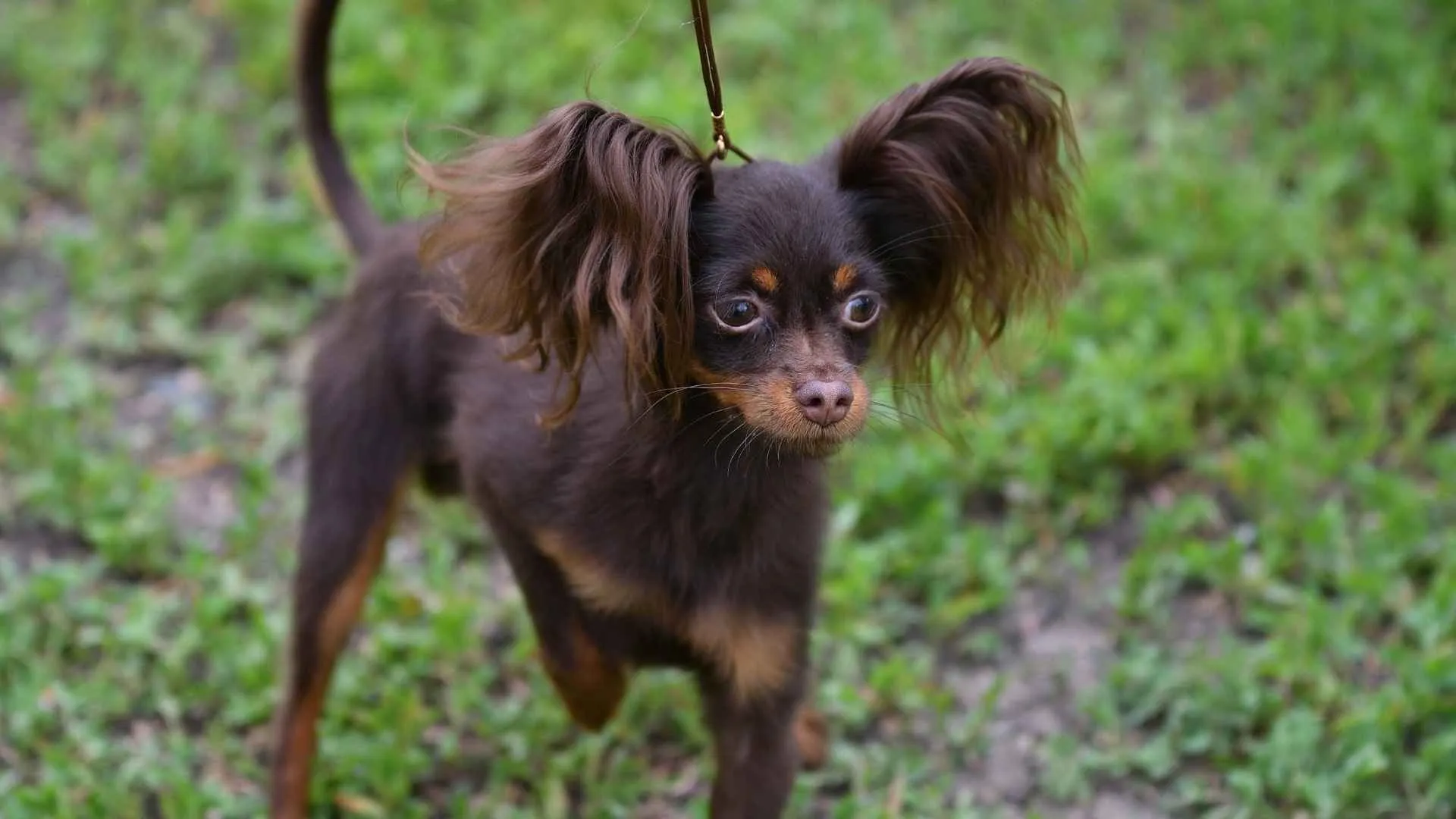
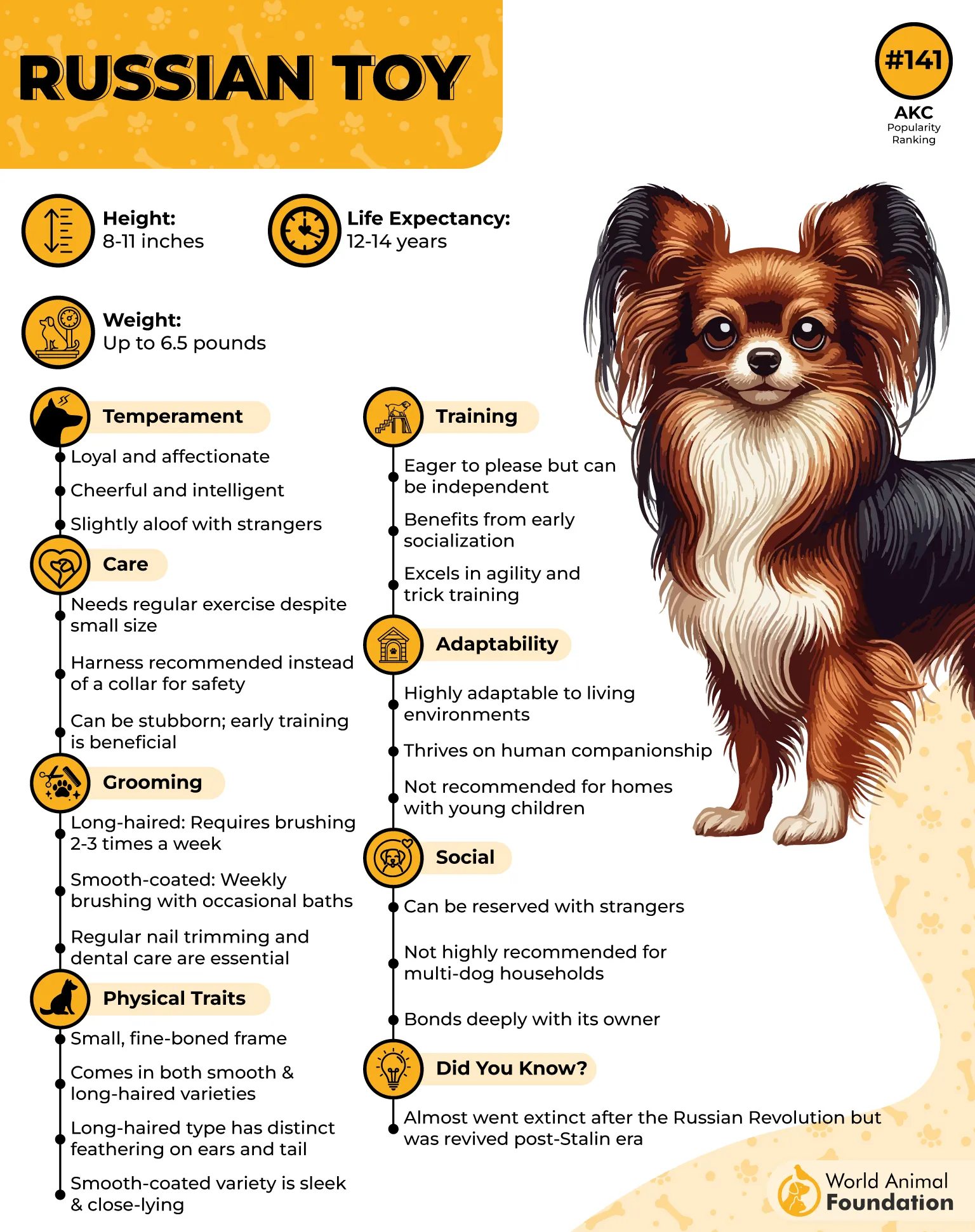
The Russian Toy is a tiny, elegant dog with a graceful build, long legs, and an energetic personality. Originally developed in Russia, this affectionate companion is known for its intelligence, playful spirit, and devotion to its family.
Training & Personality
Russian Toys are intelligent, cheerful, and quick learners who respond well to positive reinforcement. They enjoy learning new tricks and obedience skills, especially when training is fun and rewarding. Early socialization is important, as they can be reserved around strangers and cautious with unfamiliar dogs.
They form strong bonds with their families, thrive on human companionship, and may bark to alert their owners or develop separation anxiety if left alone for long periods.
Care & Activity
These small but active dogs need daily walks, play sessions, and mental stimulation to stay happy and healthy. They adapt well to apartment living but prefer homes where they receive plenty of attention.
Smooth-coated Russian Toys require minimal grooming, while long-coated varieties need weekly brushing to keep their silky feathering free of tangles.
9. Pomeranian
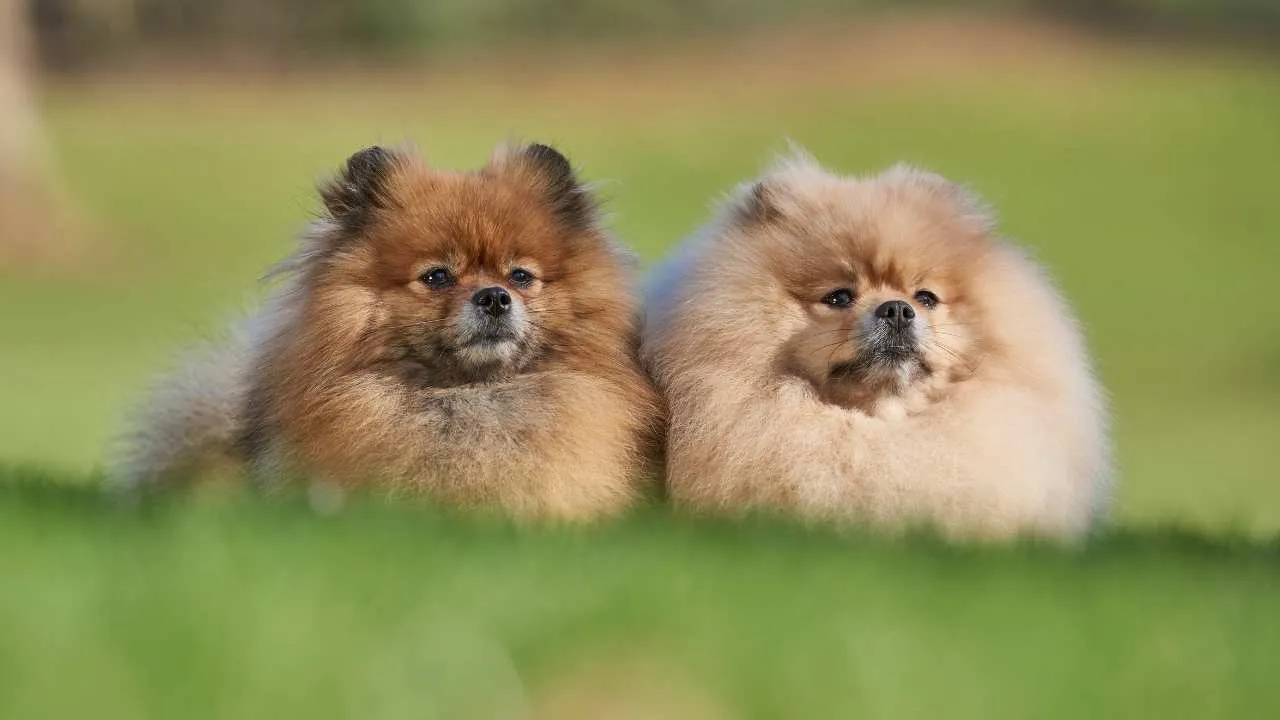
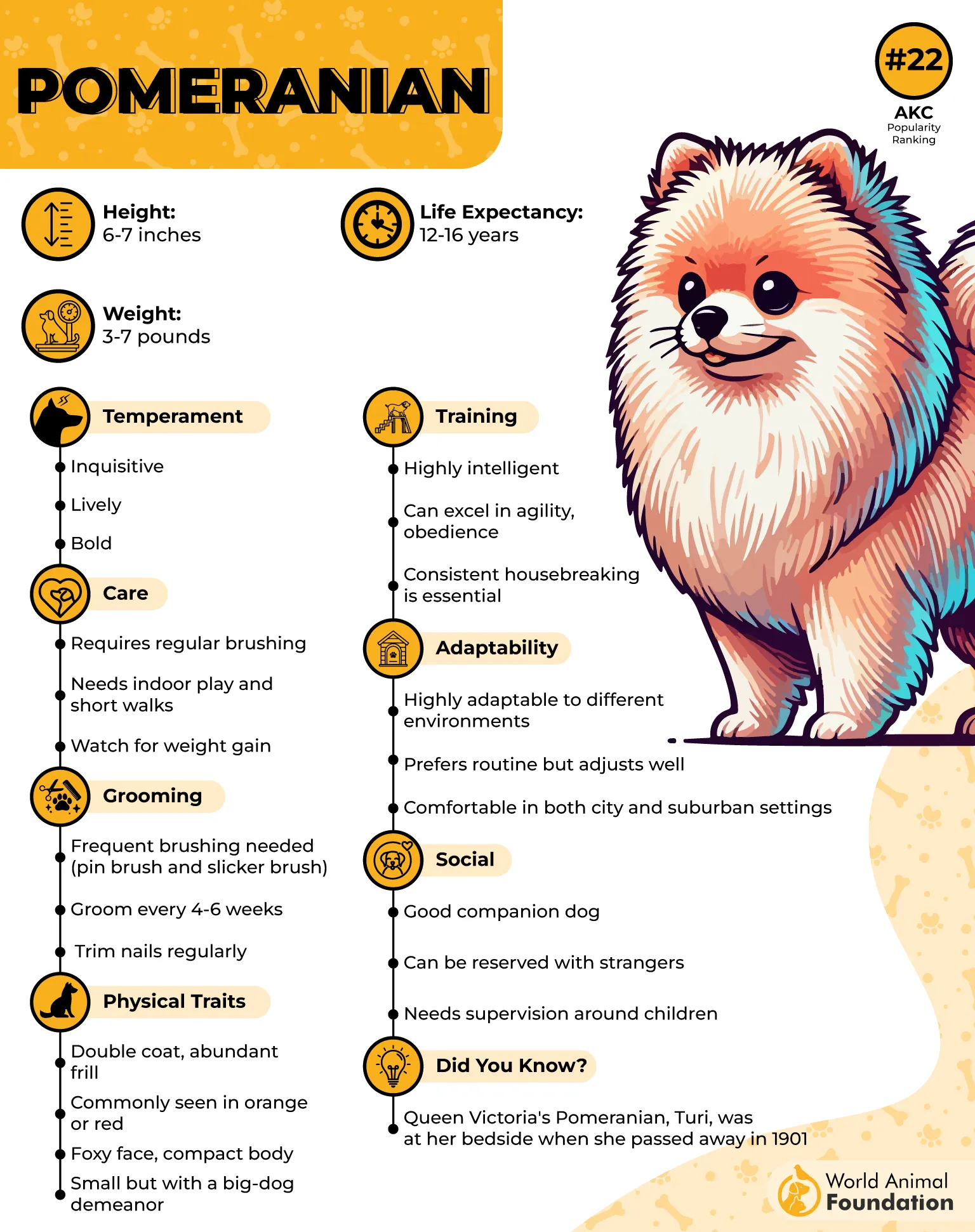
Pomeranians are tiny, fluffy dogs with bold personalities and fox-like faces. Descended from much larger Spitz working dogs, they have been bred into affectionate companion dogs that are confident, intelligent, and full of energy.
Training & Personality
Pomeranians are smart, alert, and eager to learn when training is fun and reward-based. They respond well to positive reinforcement and enjoy learning tricks, obedience, and puzzle games that challenge their minds.
Early socialization and consistent training are essential to prevent excessive barking, separation anxiety, and reactive behavior. Despite their small size, they are confident little dogs that love being involved in family activities and often get along well with other pets when properly introduced.
Care & Activity
These adaptable dogs are well suited to apartments and smaller homes, needing only short daily walks, indoor play, and mental stimulation to stay happy. Their thick double coat requires brushing several times a week—daily during shedding seasons—to prevent tangles and reduce loose hair.
Conclusion
Whether you’re looking for a playful family companion, an intelligent dog that’s easy to train, or a tiny breed that fits comfortably into apartment living, these small dogs prove that size has nothing to do with personality.
Before bringing one home, take time to consider your lifestyle, grooming commitment, and the amount of attention and exercise your future companion will need.
Choosing the breed that best matches your daily routine will help ensure a happy, lasting bond with a loyal little friend who will brighten your life for years to come.
Looking for more small dog breeds that also make wonderful family pets? You can also check out the Border Terrier, Shih Tzu, Miniature Poodle, Boston Terrier, Miniature Schnauzer, Cairn Terrier, and French Bulldog.
