




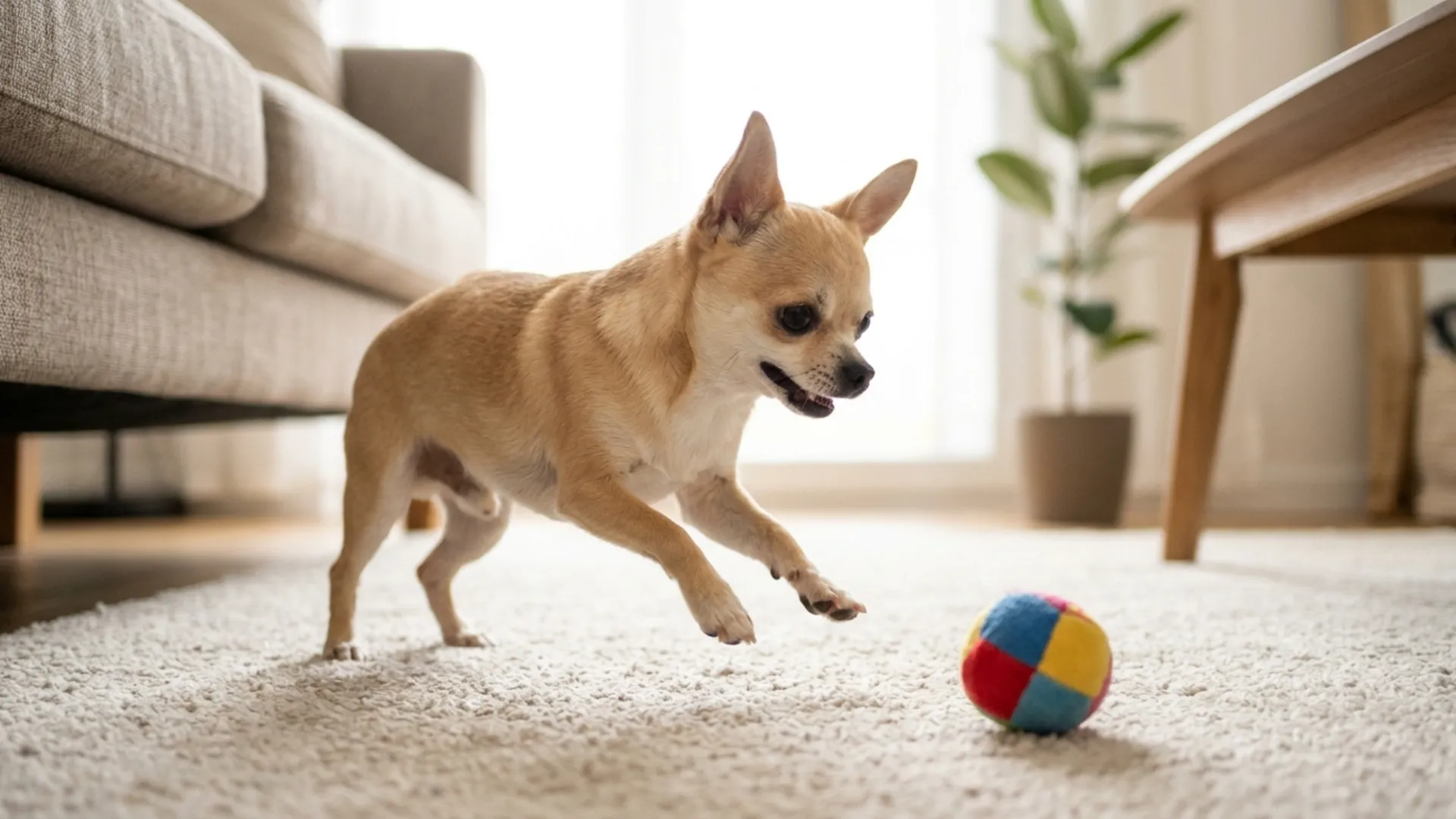
Small dogs can bring an extraordinary amount of happiness into everyday life. From energetic companions that love chasing toys to affectionate lap dogs that enjoy cuddling, tiny breeds often combine charming personalities with playful habits. Their compact size can also make them suitable for apartments and smaller homes, provided they receive enough exercise, attention, and mental stimulation.
However, tiny dogs are not all alike. Some are confident adventurers, others are gentle companions, and several possess surprisingly bold personalities despite their small stature. Understanding their individual temperaments, grooming requirements, and activity levels can help prospective owners choose a breed that fits their lifestyle.
From intelligent toy breeds to lively terriers and affectionate companion dogs, these ten tiny breeds demonstrate that happiness and playfulness have little to do with size.
Tiny Dog Breeds That Spark Joy and Endless Playfulness
1. Toy Poodle
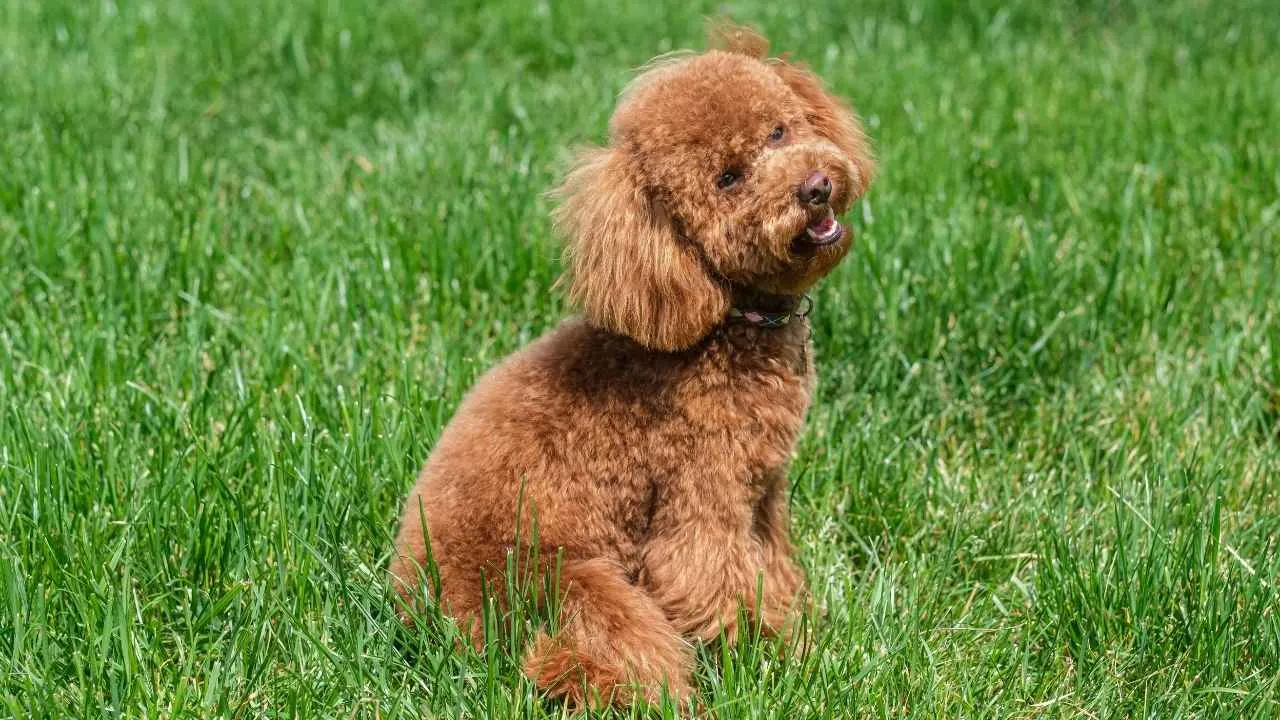
Toy Poodles are intelligent, affectionate dogs that bring curiosity and enthusiasm to everyday activities. Their small size makes them convenient companions for many households, while their quick learning abilities keep playtime interesting. These lively dogs enjoy interactive toys, short training sessions, and games that challenge their minds as well as their bodies.
A Little Dog With Remarkable Intelligence
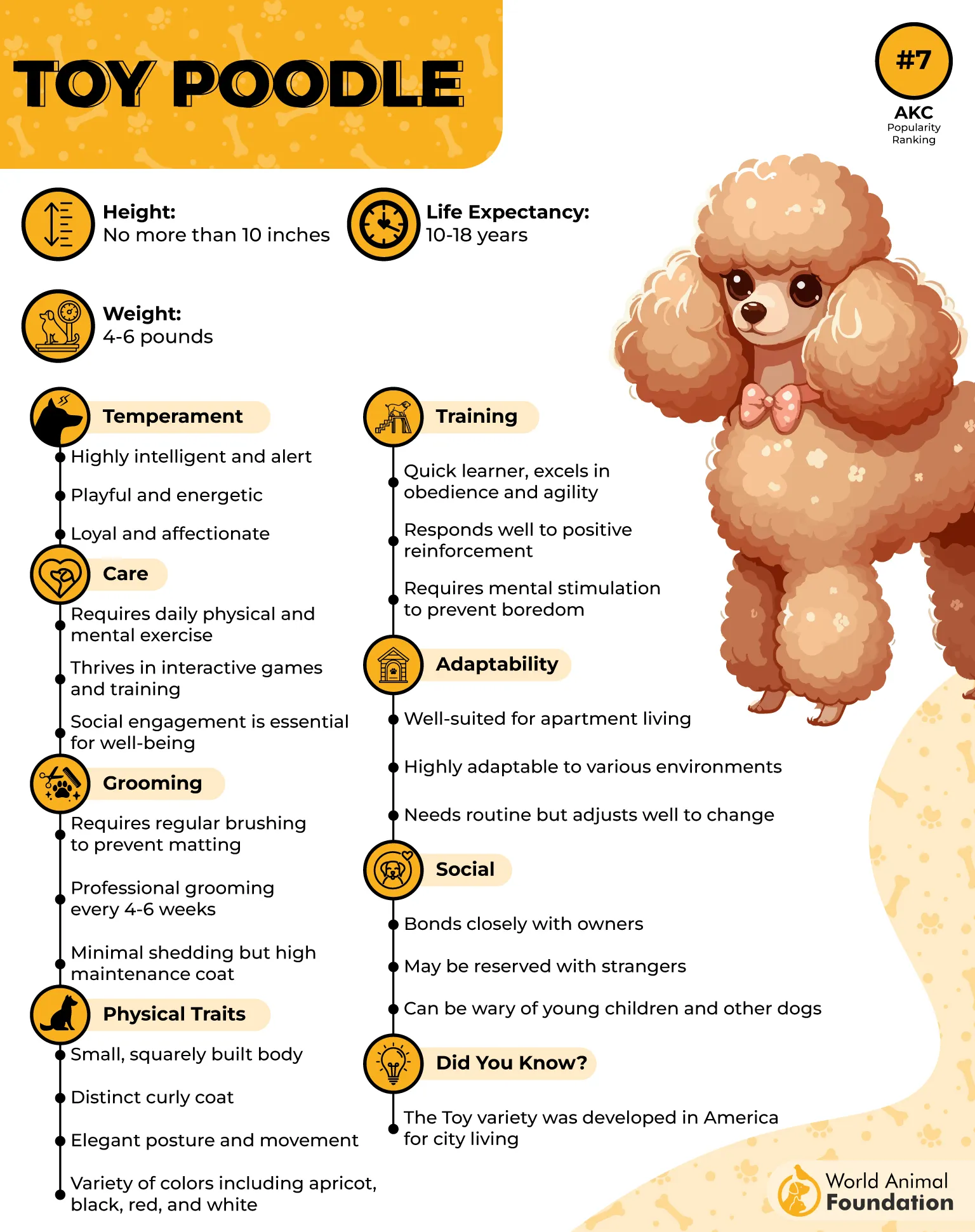
Toy Poodles belong to the Poodle family, which has a long history of water retrieving and versatile working ability. Over time, smaller varieties became popular companion dogs because of their manageable size and engaging personalities. Their intelligence, alertness, and responsiveness make them especially rewarding pets for owners who enjoy teaching new skills.
Turning Everyday Moments Into Playtime
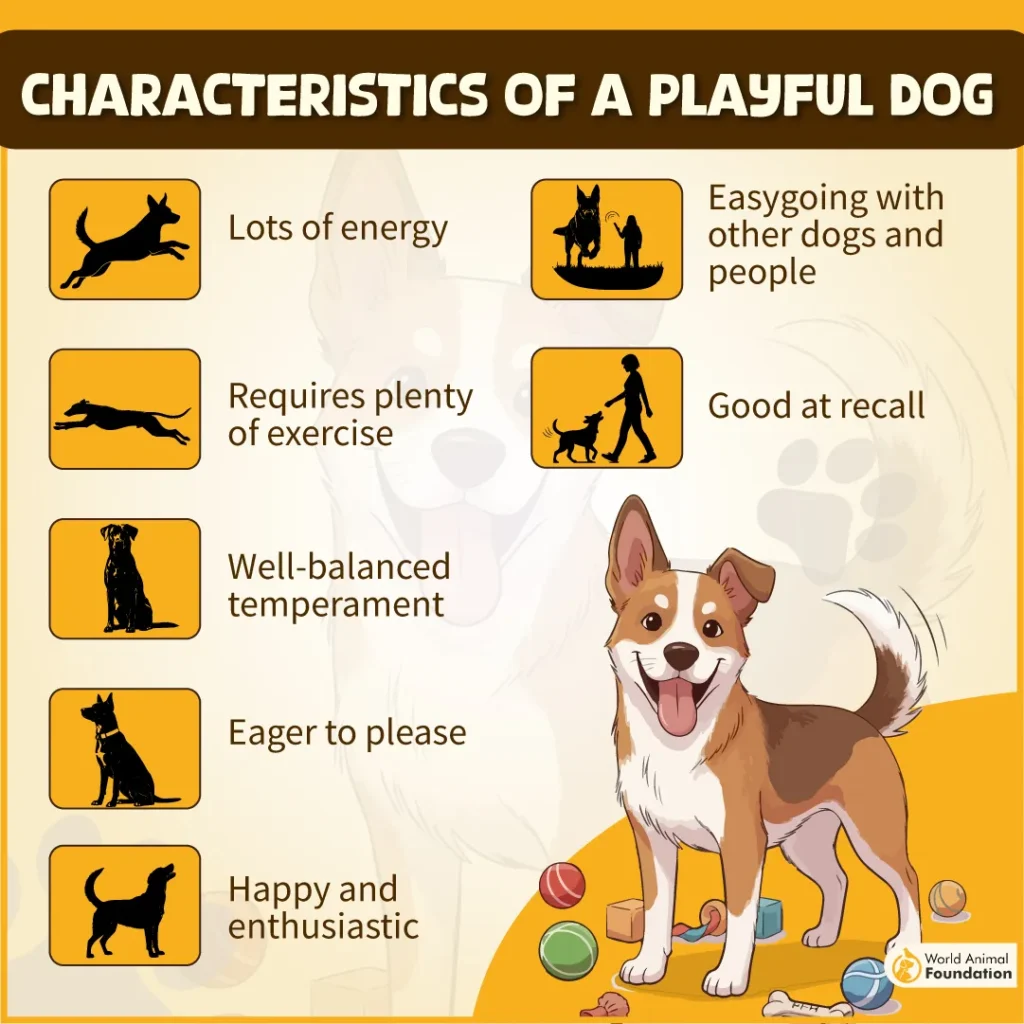
Toy Poodles often enjoy learning tricks, solving puzzle toys, and participating in gentle indoor games. Their affectionate nature also makes them happy to relax beside their favorite people after an active session. Regular grooming is essential to prevent their curly coats from matting, while consistent training helps keep their curious minds occupied.
2. Papillon
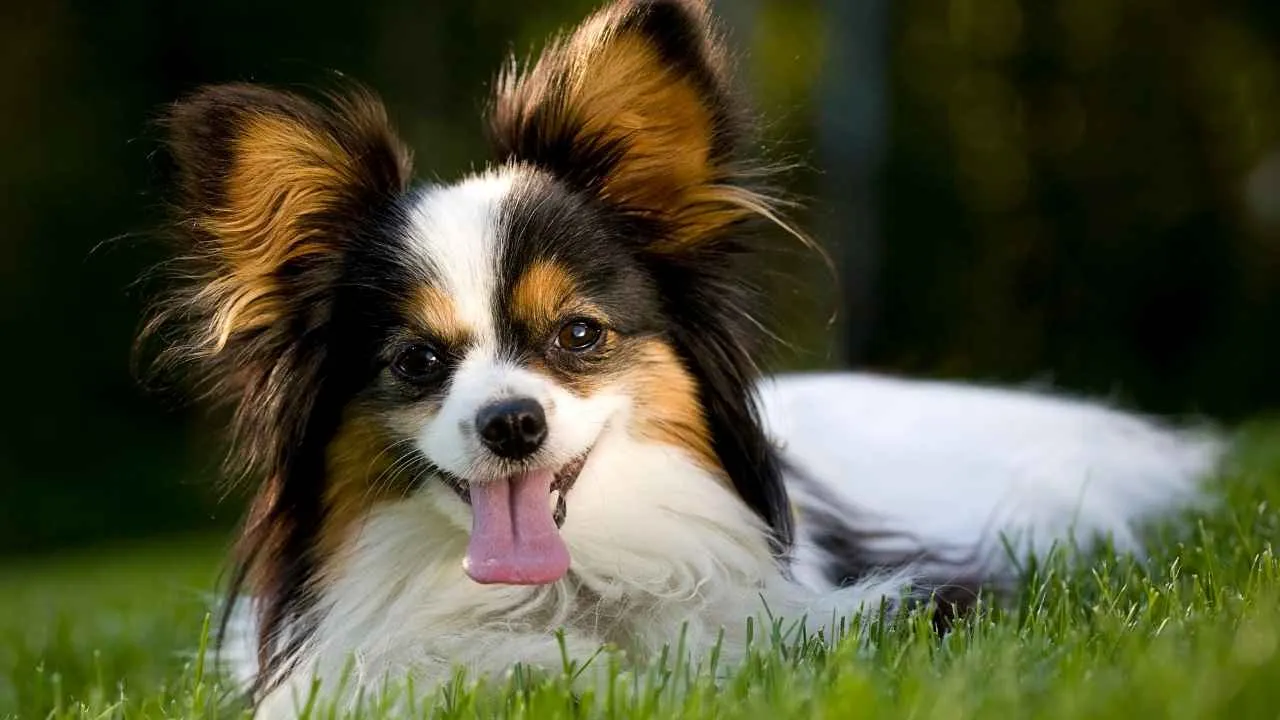
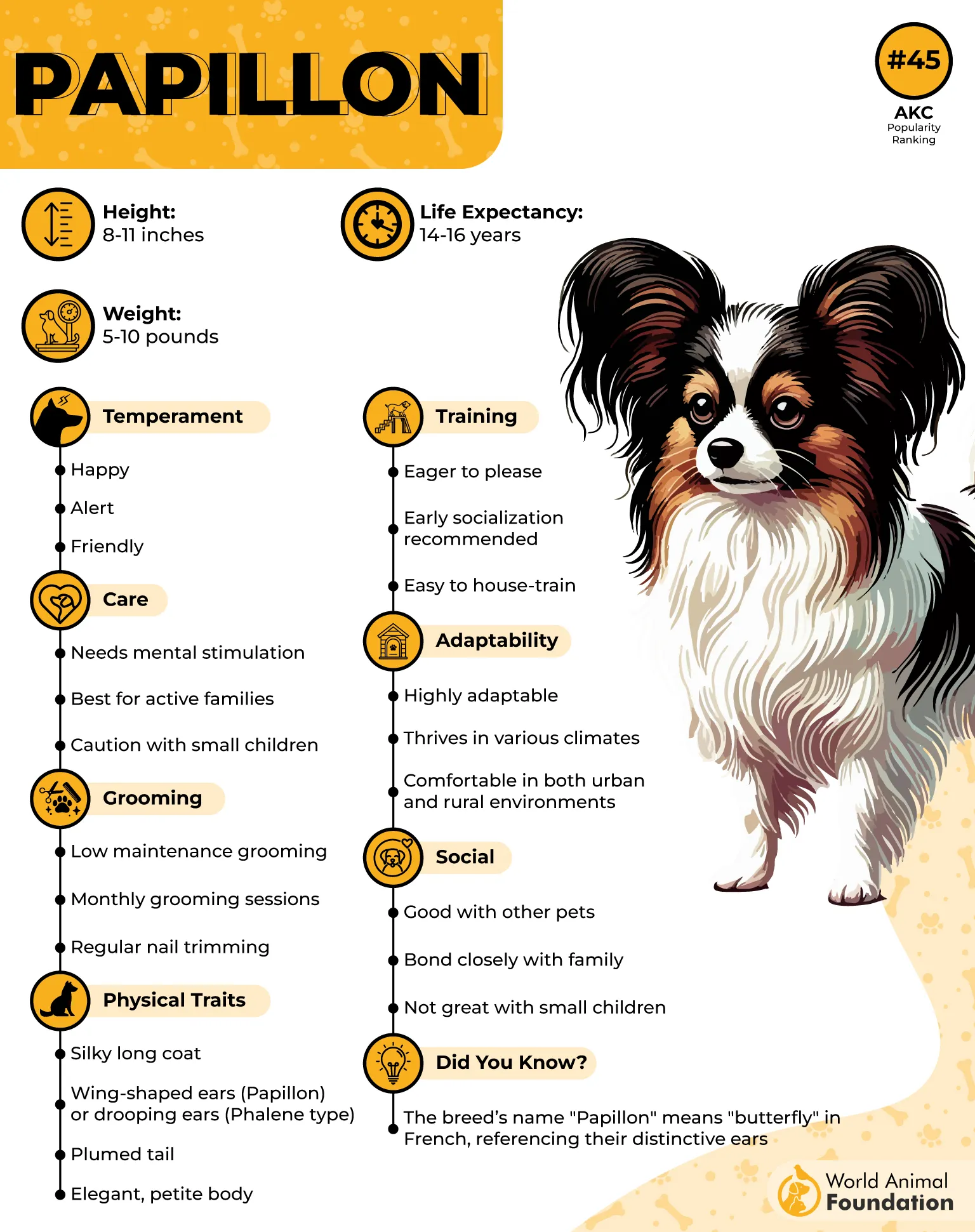
Papillons may be tiny, but their lively personalities and athletic abilities make them stand out among small companion breeds. Recognizable by their large, butterfly-like ears, these friendly dogs enjoy exploring, learning tricks, and interacting with their families. Their combination of curiosity and agility makes even ordinary play sessions exciting.
A Butterfly-Eared Breed With European Roots
The Papillon developed from small European spaniels that appeared in paintings and aristocratic households over several centuries. Its name means “butterfly” in French, referring to the distinctive shape of its upright ears. Despite its elegant appearance, the breed is energetic, alert, and capable of learning surprisingly complex behaviors.
Small Size With a Big Appetite for Fun
Papillons often thrive on fetch, agility exercises, and short reward-based training sessions. They enjoy being involved in household activities and can quickly learn routines when given consistent guidance. Although their long, silky coats require regular brushing, their playful personalities and adaptability make them appealing companions for active individuals and families.
3. Yorkshire Terrier
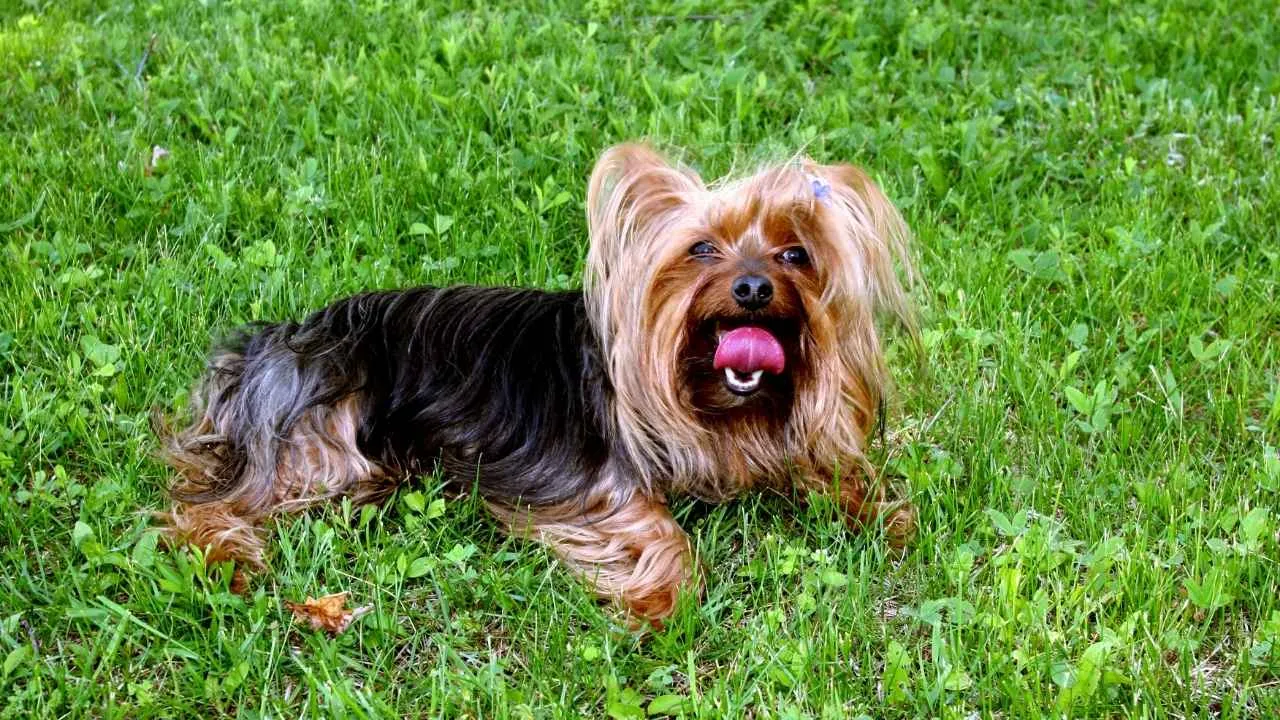
Yorkshire Terriers are spirited small dogs known for their confidence, affectionate nature, and adventurous attitudes. Their small bodies conceal a bold personality, reflecting their terrier heritage. These dogs enjoy exploring their surroundings, playing with toys, and spending time with their families, making them entertaining companions in homes of many sizes.
A Tiny Terrier With a Working Past
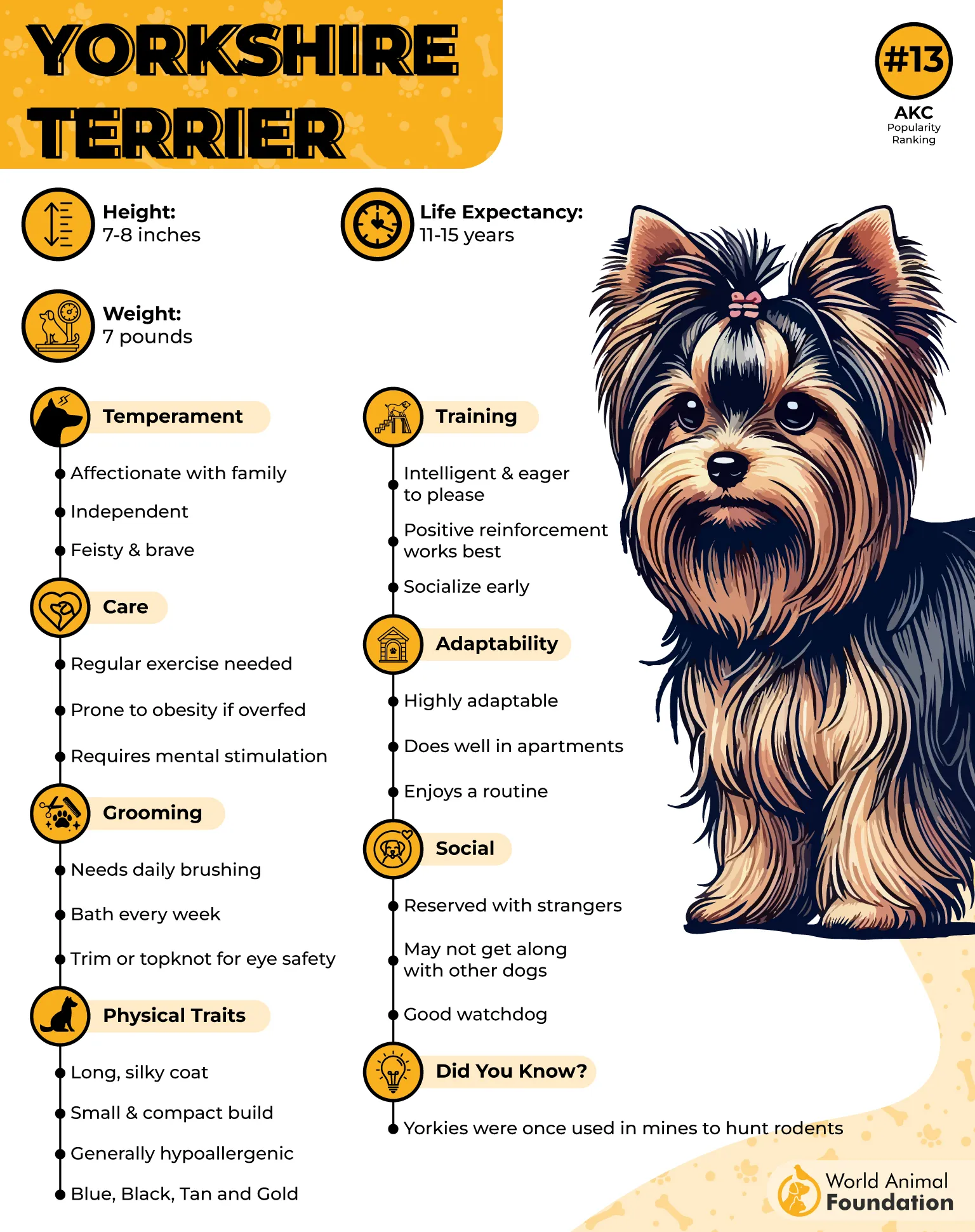
The Yorkshire Terrier originated in England during the 19th century, where its ancestors helped control rats in mills and other working environments. Selective breeding gradually produced the small, long-coated companion recognized today. The breed retains much of its original alertness and determination, despite becoming widely loved as a household pet.
Keeping a Spirited Companion Happy
Yorkshire Terriers often enjoy indoor games, short walks, and interactive activities that encourage their natural curiosity. Their intelligence makes training rewarding, although consistent boundaries help prevent excessive barking or stubborn behavior. Regular coat care is important, and careful supervision around larger dogs can help protect these small but confident companions.
4. Chihuahua
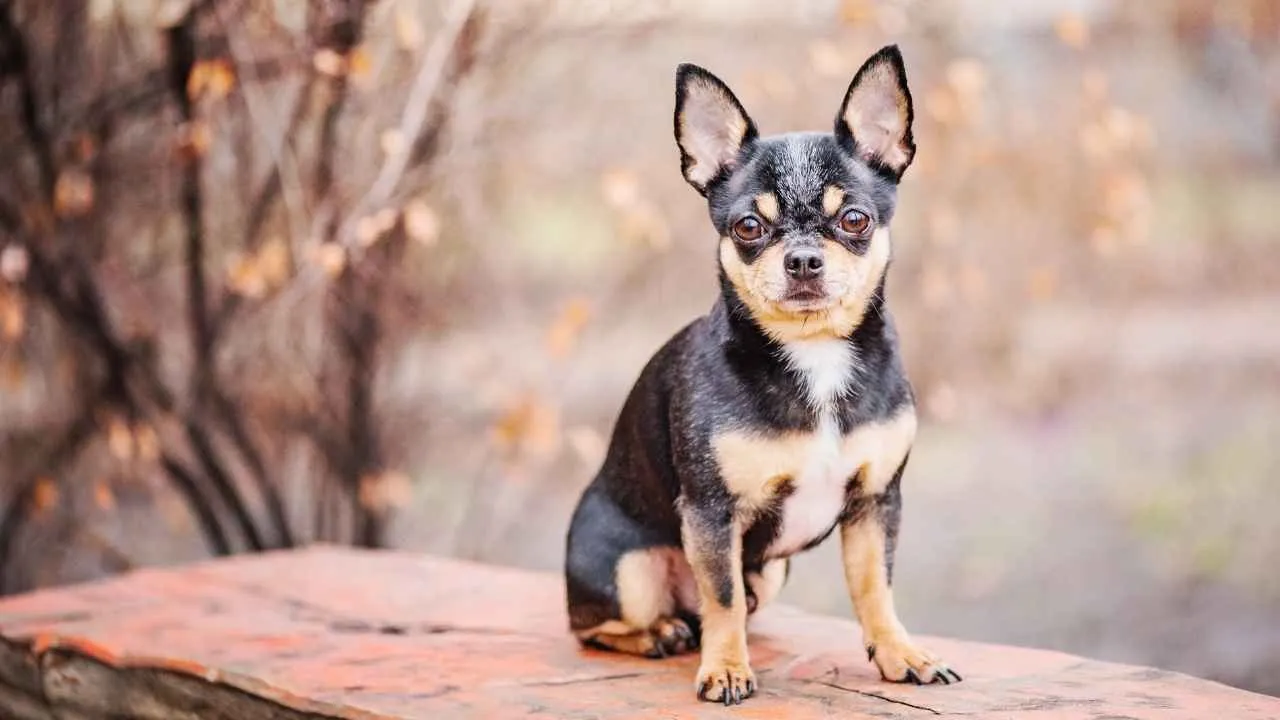
Chihuahuas are among the smallest dog breeds in the world, yet they often behave as though they can take on anything, as per PDSA. These expressive little companions form strong attachments to their families and enjoy games, exploration, and cozy resting spots. Their alertness and lively personalities make them engaging pets for owners who appreciate a small dog with plenty of character.
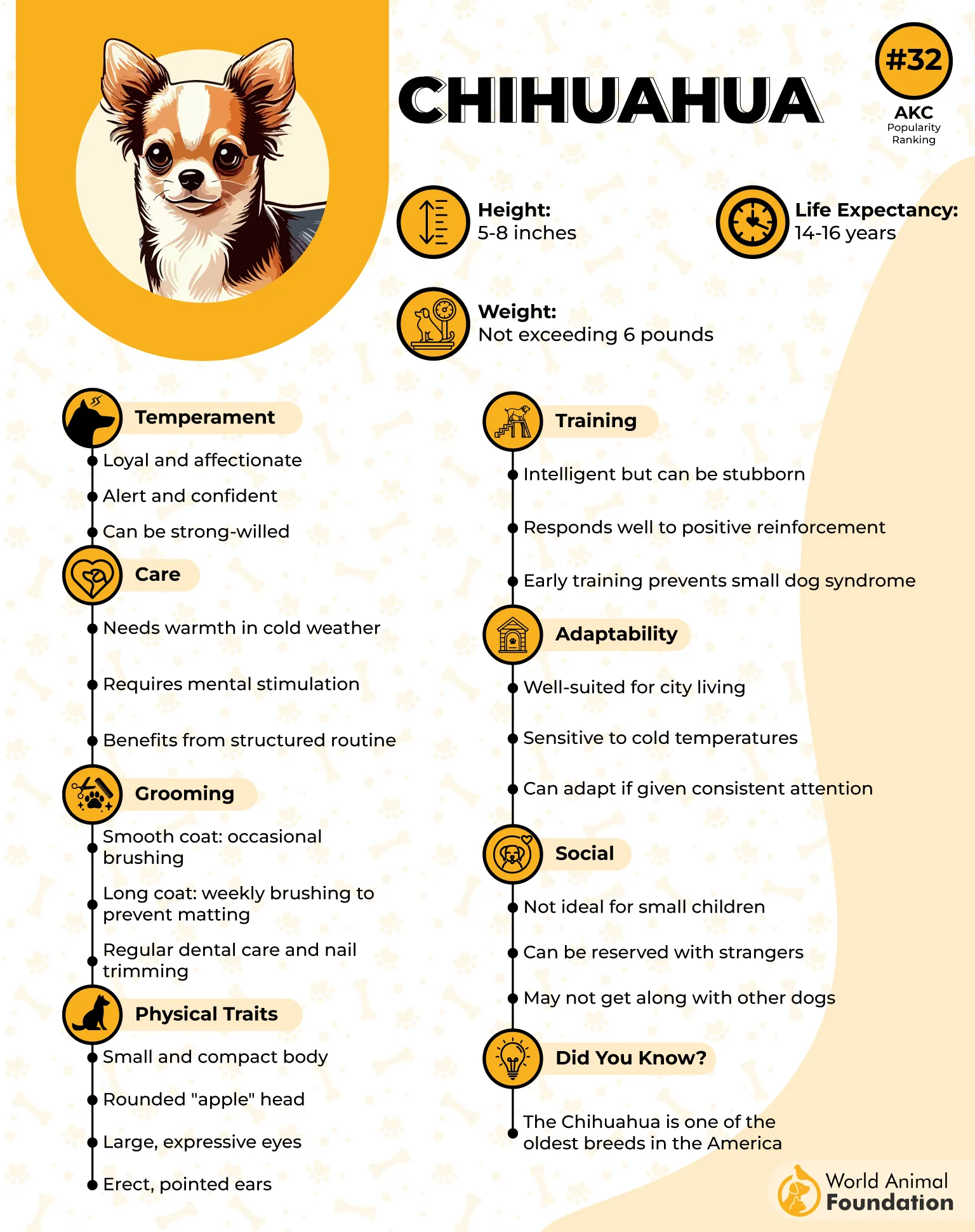
A Small Breed With a Distinctive History
The Chihuahua takes its name from the Mexican state of Chihuahua, where the modern breed became widely recognized. It is associated with ancient small dogs of Mexico, including the Techichi kept by earlier civilizations. Today, Chihuahuas are cherished for their compact size, devotion to their owners, and unmistakable confidence.
Big Personality in a Compact Package
Chihuahuas can enjoy gentle fetch games, short walks, and reward-based training that encourages good manners. Because of their tiny frames, they need protection from rough handling, falls, and overly enthusiastic play with larger animals. Early socialization also helps them become more comfortable around visitors, unfamiliar dogs, and new environments.
5. Russian Toy
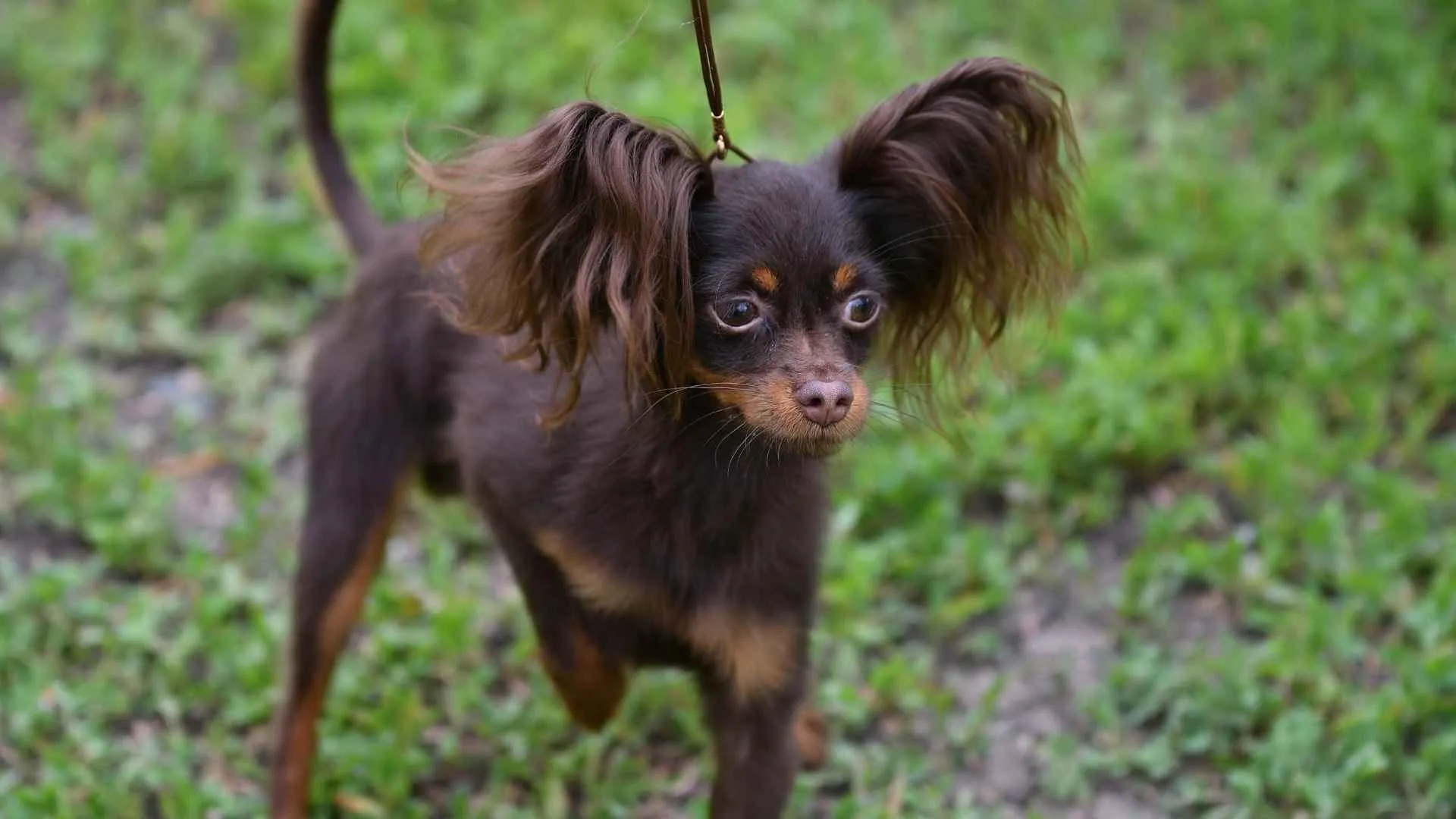
The Russian Toy is a delicate, energetic companion breed known for its elegant appearance and lively temperament. These tiny dogs often enjoy interactive games, short walks, and close contact with their families, as per Purina. Their alert nature and enthusiasm for learning make them entertaining companions, especially in households that can provide gentle handling and regular attention.
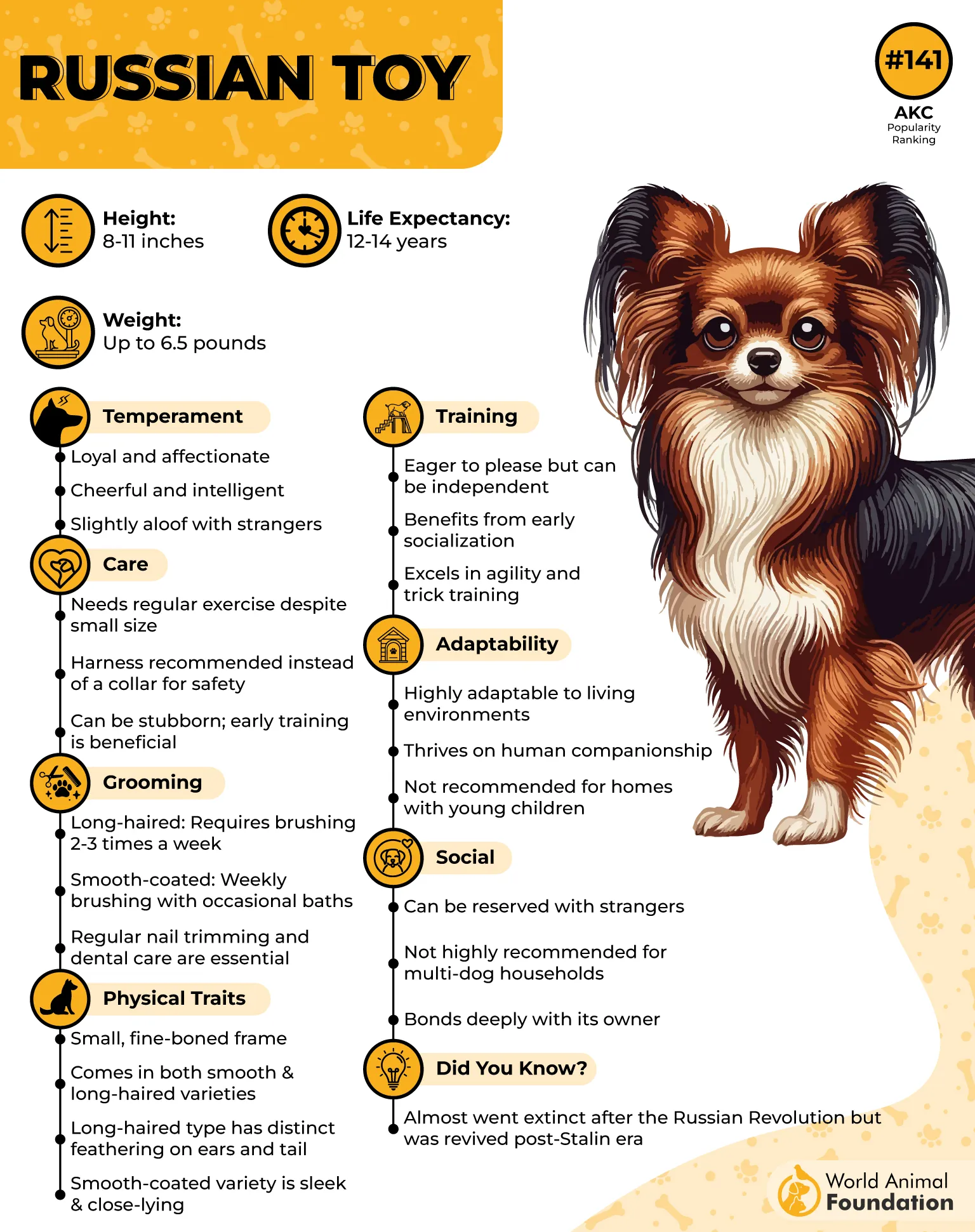
A Petite Companion From Russia
The Russian Toy developed from small English Toy Terriers brought to Russia, where the breed evolved into a distinctive companion dog. It comes in both smooth-haired and long-haired varieties, with the latter featuring decorative fringes on its ears. Despite its fragile appearance, the breed is often lively, curious, and eager to interact.
Making Room for Safe, Engaging Play
Russian Toys benefit from short training sessions, gentle indoor games, and regular opportunities to explore secure outdoor spaces. Their small size makes careful handling particularly important, especially around children and larger pets. Positive socialization and predictable routines can help these sensitive dogs develop confidence while maintaining their cheerful, affectionate personalities.
6. Brussels Griffon
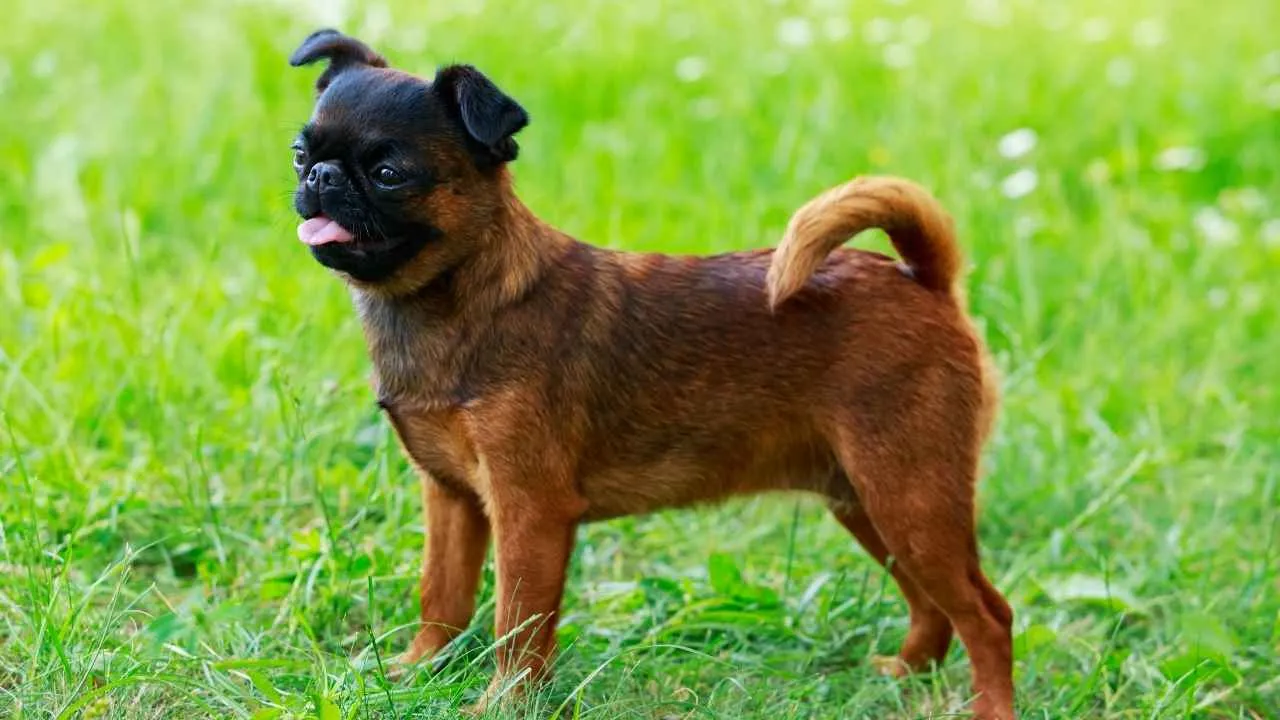
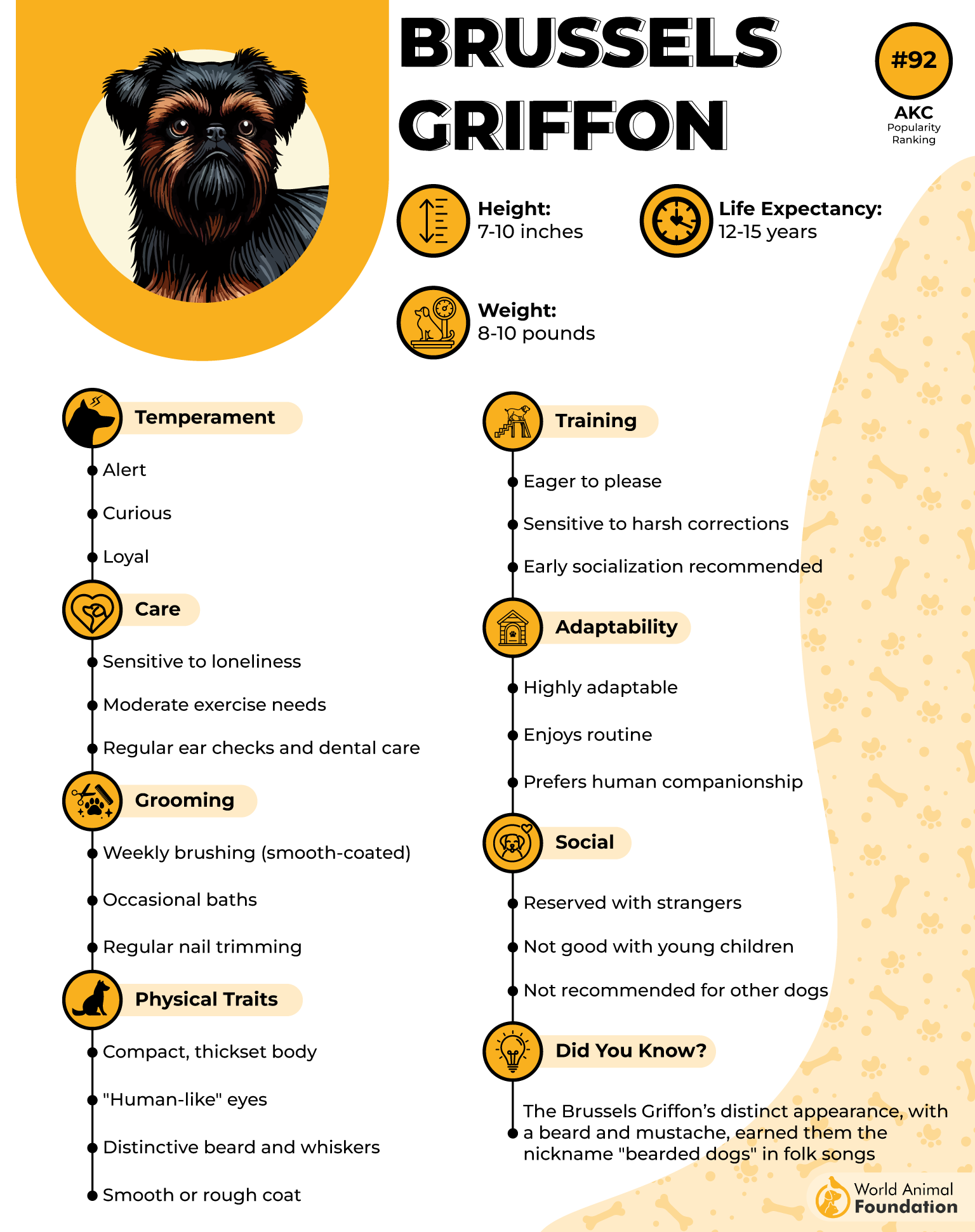
Brussels Griffons are charming little dogs with expressive faces, distinctive beards in some coat varieties, and personalities that often seem larger than life. They enjoy close companionship and frequently seek attention from their favorite people. Their playful antics, alert expressions, and affectionate behavior can make everyday household moments especially entertaining.
A Belgian Breed With Plenty of Character
The Brussels Griffon originated in Belgium, where small rough-coated dogs were used to control rats in stables. Over time, these working dogs developed into distinctive companions valued for their expressive faces and engaging temperaments, as per PetMD. Their compact bodies and human-focused personalities helped establish their popularity among people seeking affectionate indoor pets.
Playful Companionship With a Sensitive Side
Brussels Griffons often enjoy gentle tug games, interactive toys, and short training sessions that reward their curiosity. They typically prefer being close to their families rather than spending long periods alone. Their facial structure can make them sensitive to heat and strenuous exercise, so play should be adjusted to their comfort and breathing.
7. Pomeranian
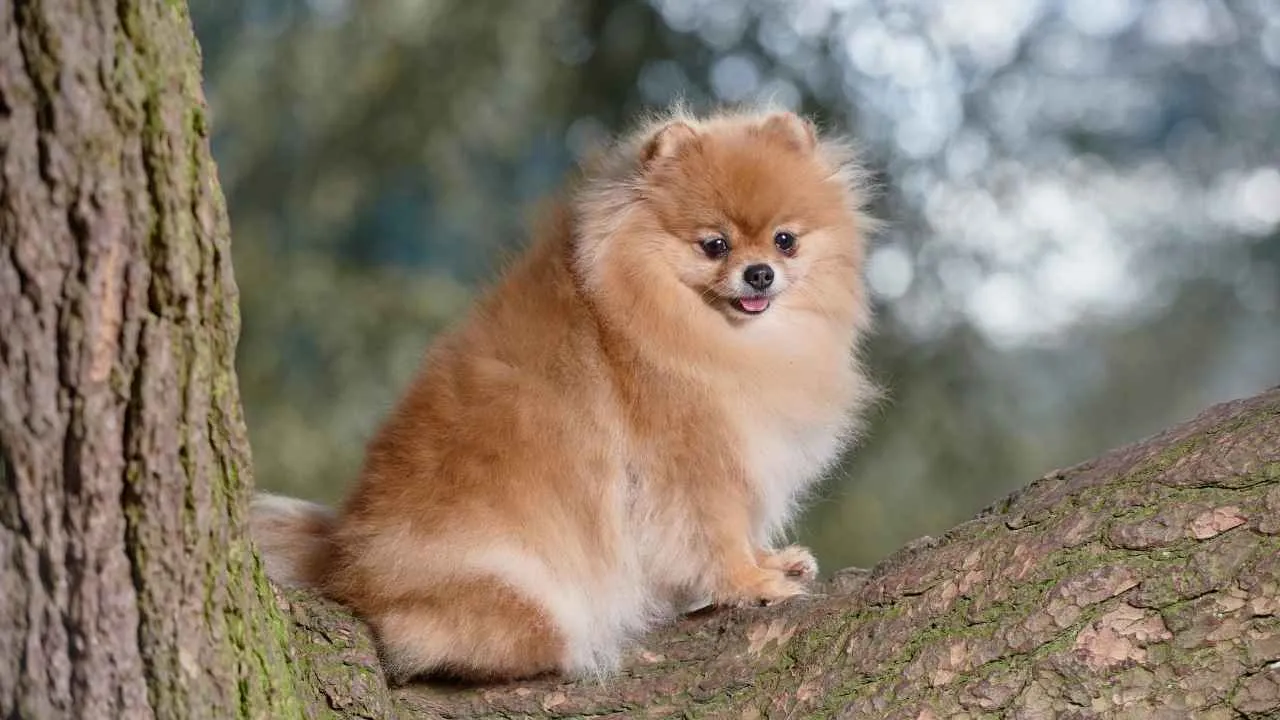
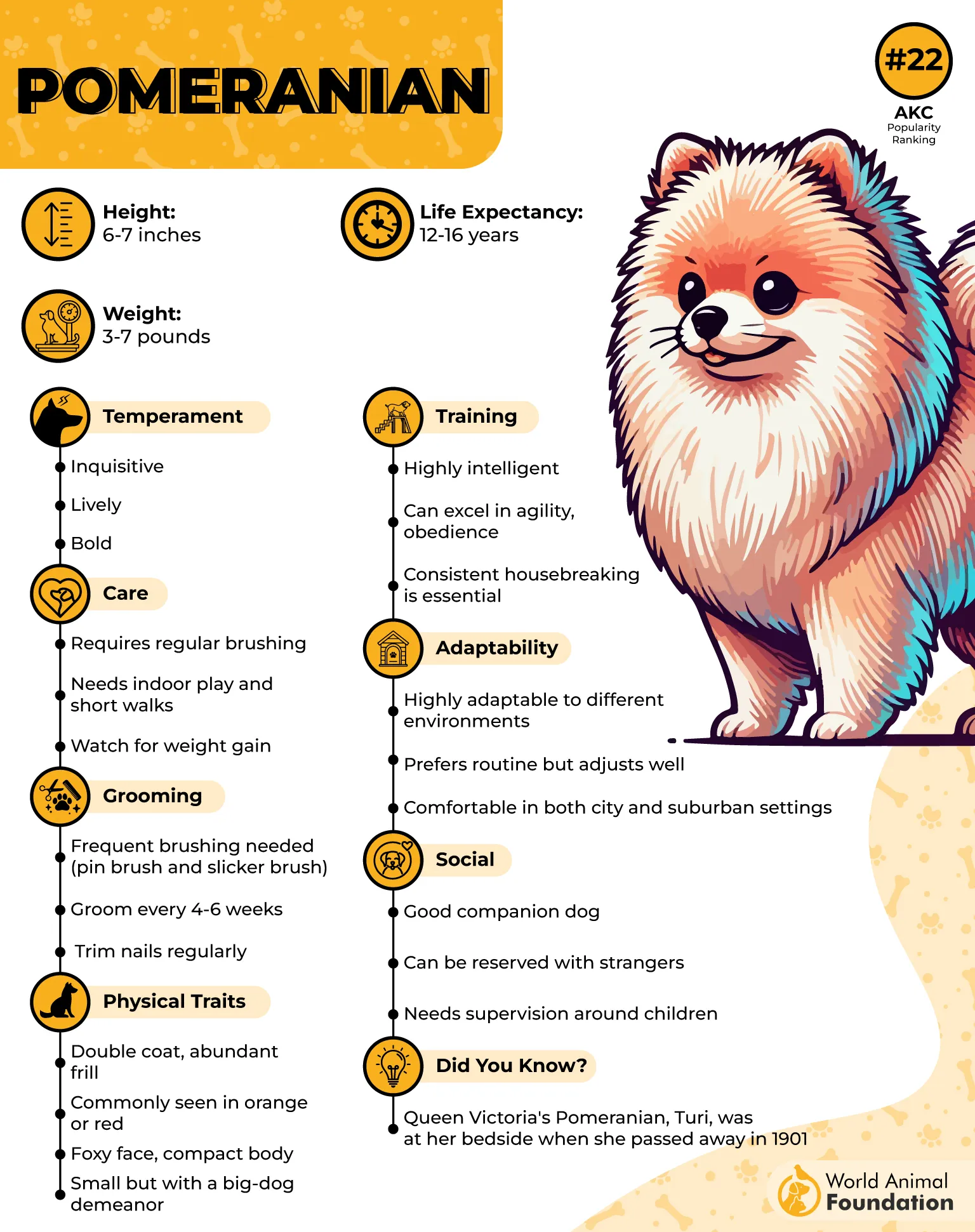
Pomeranians are fluffy, energetic dogs that bring a lively presence to almost any household. Their fox-like faces, plumed tails, and confident attitudes make them instantly recognizable. Despite their small stature, they often enjoy exploring, learning tricks, and alerting their families to unfamiliar sounds, combining playful companionship with a naturally watchful personality.
A Fluffy Companion With Spitz Ancestry
Pomeranians belong to the Spitz family and descend from larger dogs associated with northern European regions. The breed was reduced in size over generations and became especially popular as a companion dog in Europe. Its thick double coat, upright ears, and spirited temperament reflect its distinctive ancestry.
Keeping a Small Dog Mentally Engaged
Pomeranians often thrive on puzzle toys, short walks, and reward-based training that encourages calm behavior. Their intelligence and alertness can make them quick learners, although some develop frequent barking without consistent guidance. Regular brushing helps manage their dense coats, while careful supervision protects them from injuries during energetic play.
8. Havanese
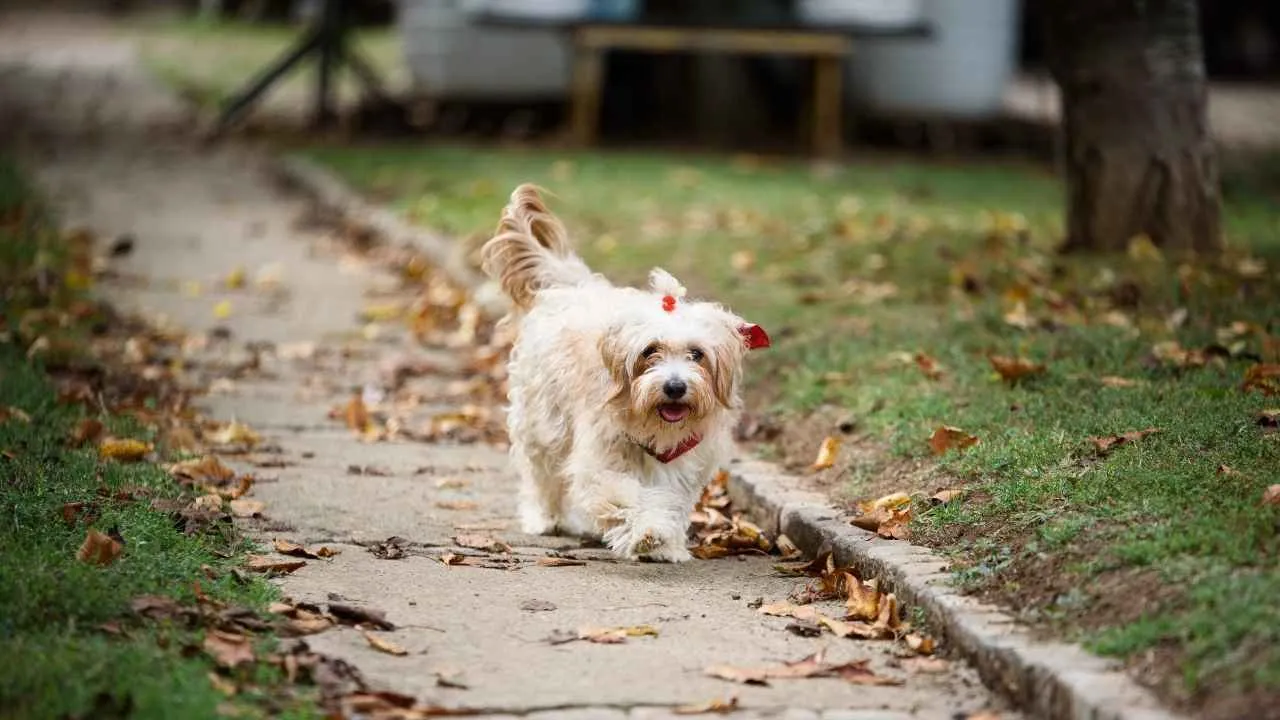
Havanese dogs are affectionate, sociable companions known for their cheerful personalities and love of interaction. They often enjoy entertaining their families with playful movements, carrying toys around the house, and learning simple tricks. Their adaptable nature makes them suitable for many living situations, provided they receive companionship, regular grooming, and opportunities for daily activity.
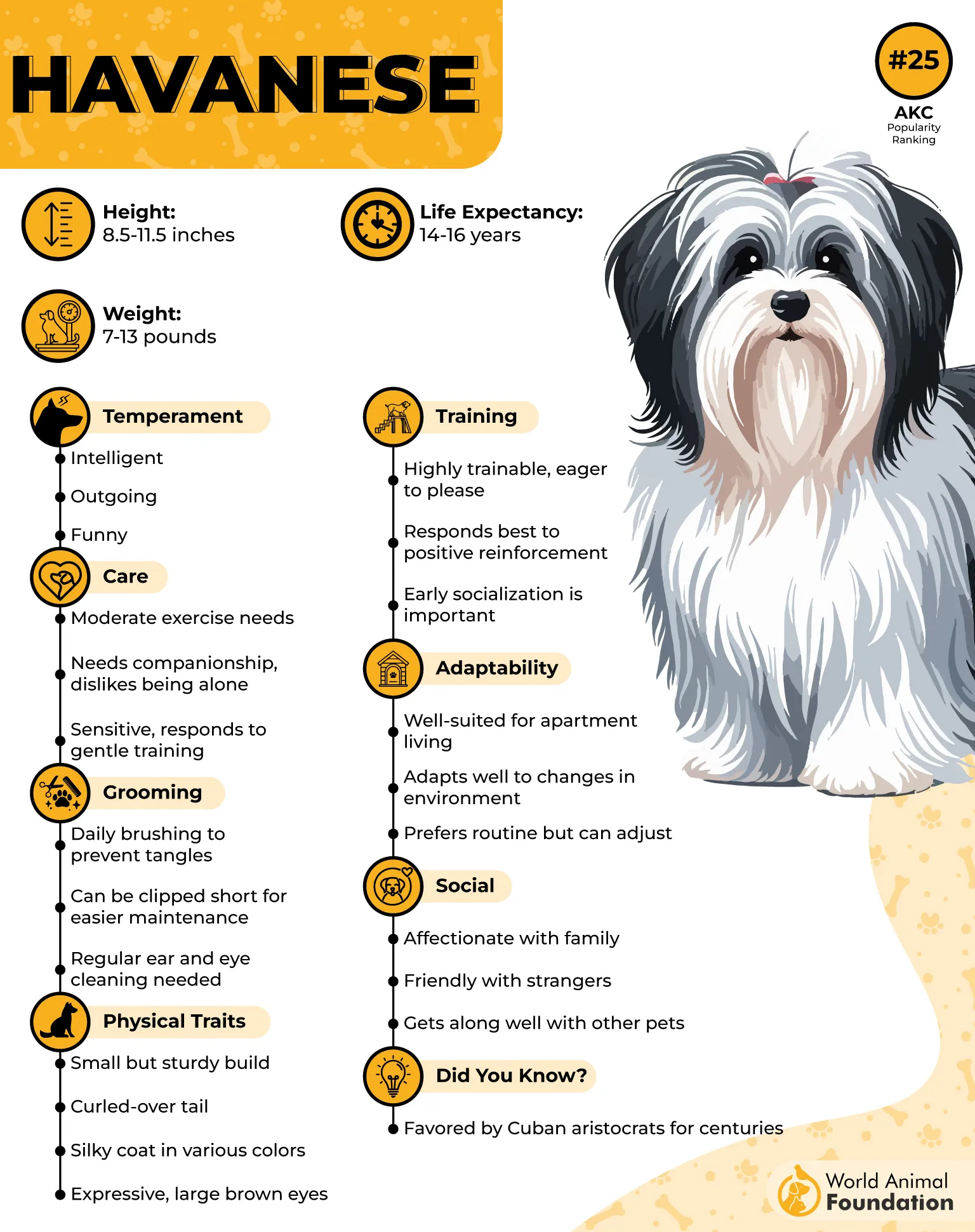
Cuba’s Beloved Little Companion
The Havanese developed in Cuba from small companion dogs brought to the island by European settlers. Over generations, the breed became associated with Cuban households and developed its distinctive silky coat and friendly temperament. Its history as a companion dog helps explain its strong interest in human company and social interaction.
A Happy Partner for Games and Cuddles
Havanese dogs often enjoy gentle fetch, hide-and-seek, and interactive training that allows them to work closely with their owners. Their sociable personalities can make them good candidates for households seeking an affectionate, playful pet. Regular brushing is necessary to prevent tangles, and gradual independence training can help reduce distress when they are left alone.
9. Silky Terrier
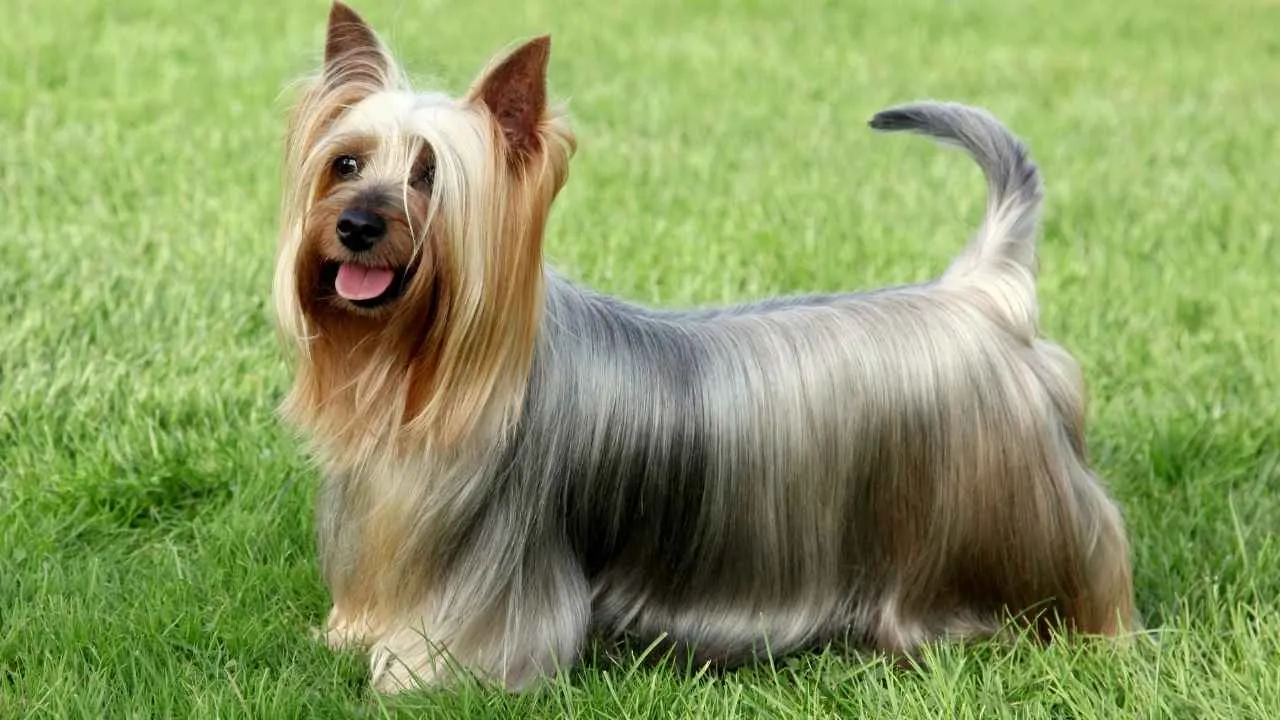
Silky Terriers are small, alert dogs with glossy coats and the confident temperament typical of terriers. They enjoy exploring their surroundings, chasing toys, and participating in activities that challenge their quick minds. Although affectionate with their families, they can also be independent and determined, bringing an adventurous spirit to everyday life.
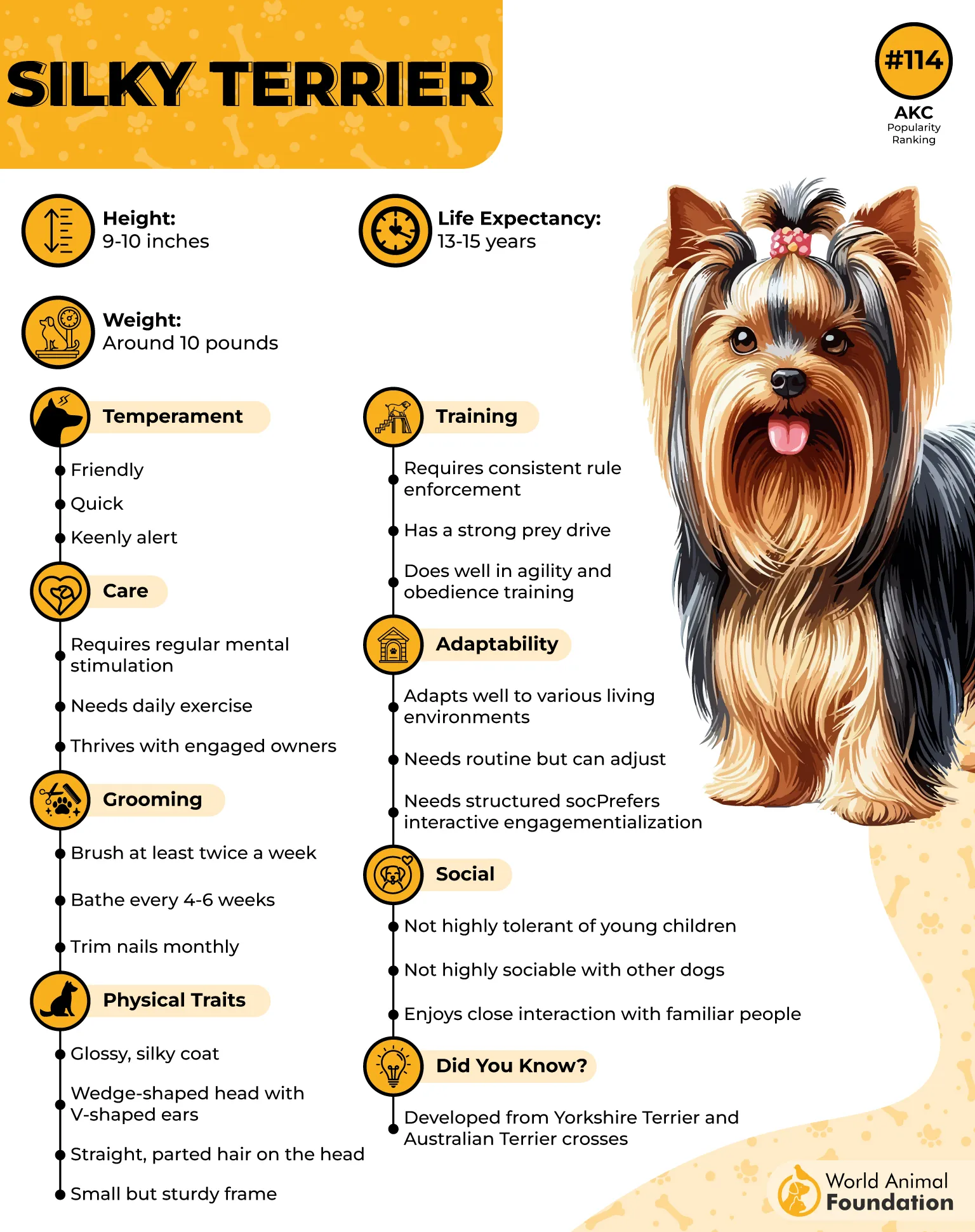
An Australian Terrier With British Roots
The Silky Terrier was developed in Australia during the late 19th and early 20th centuries, drawing on small terriers including the Yorkshire Terrier. Breeders sought a companion dog that combined an elegant, silky coat with the alertness and working instincts of a terrier. The result was a compact breed with a lively and confident disposition.
Channeling Curiosity Into Positive Activities
Silky Terriers often enjoy short walks, scent games, and interactive toys that satisfy their natural curiosity. Their intelligence makes training productive, but consistent boundaries are important because they can become persistent when pursuing something interesting. Regular coat maintenance and supervised outdoor exploration help keep these energetic little companions comfortable and engaged.
10. Biewer Terrier
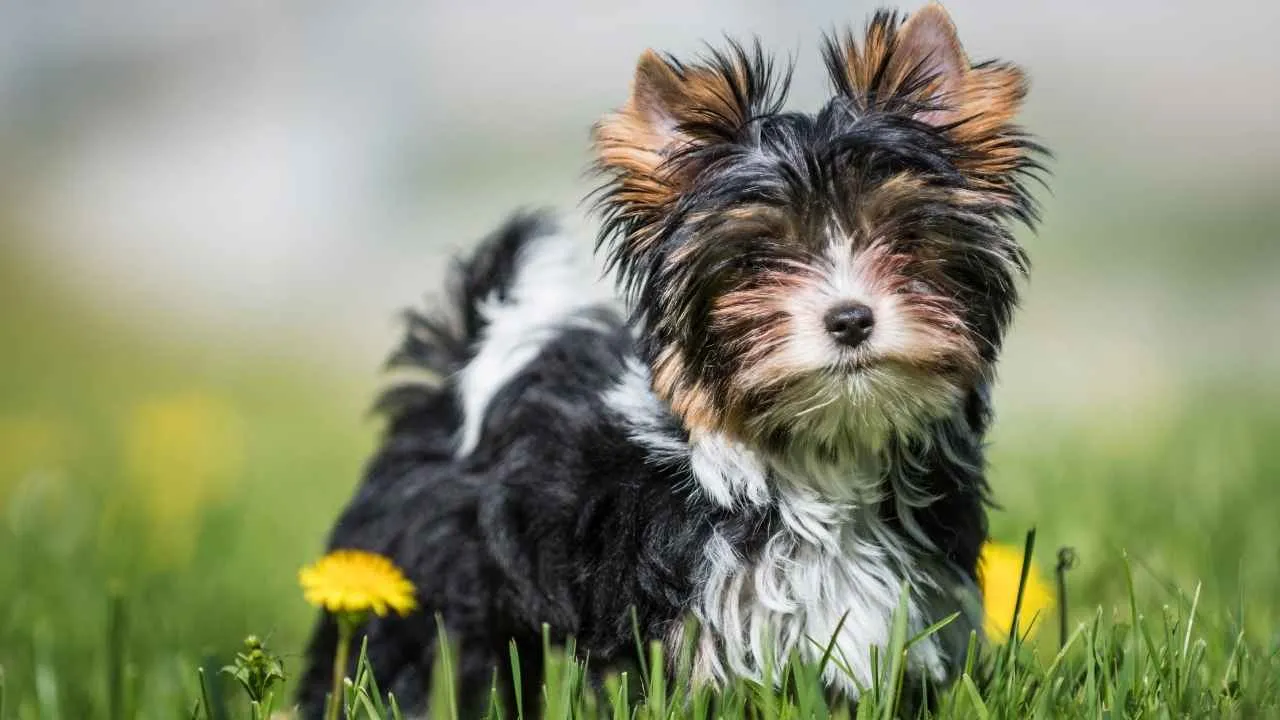
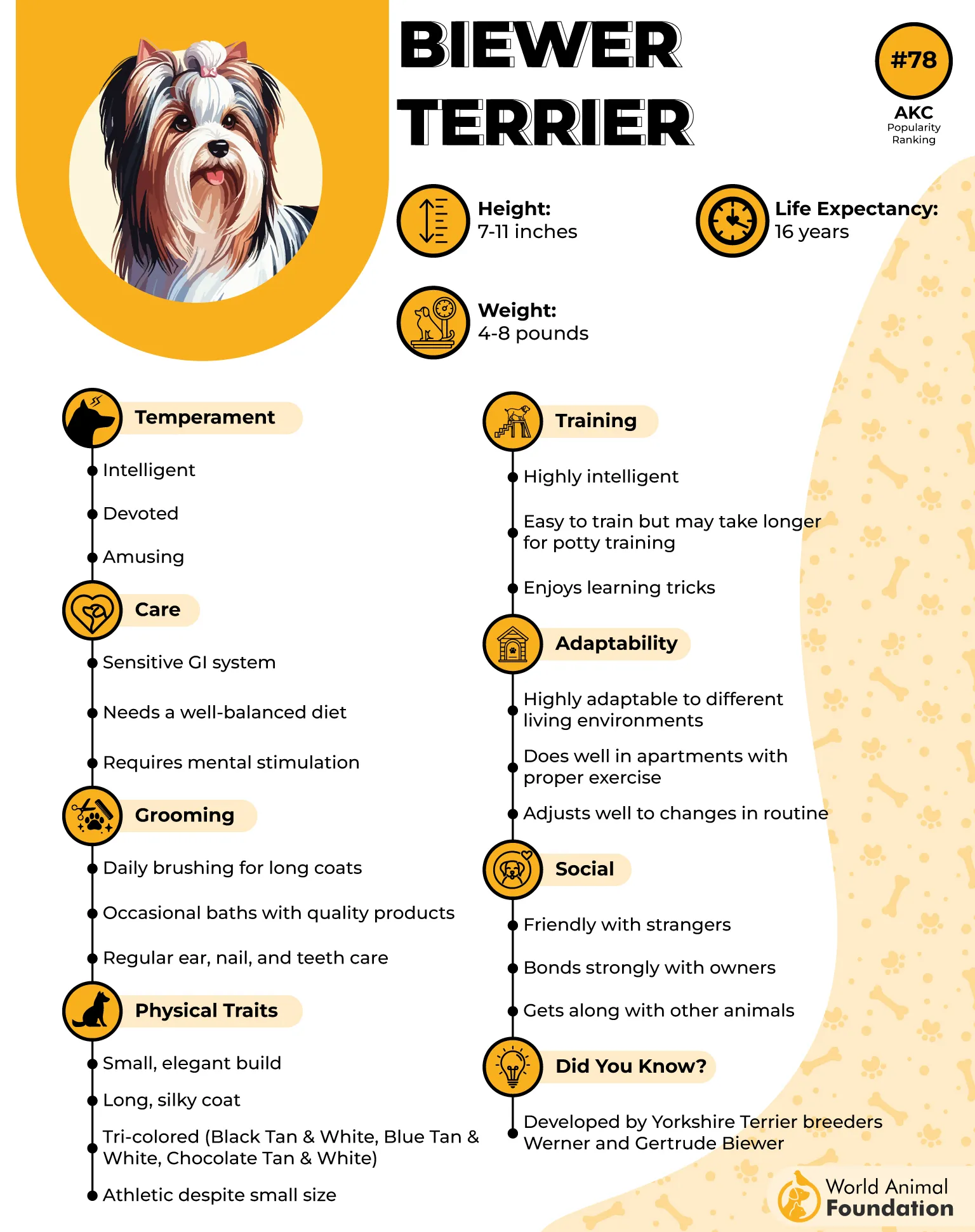
The Biewer Terrier is a small, cheerful companion dog recognized for its long, silky coat and distinctive three-color pattern. These affectionate dogs often enjoy attention, playful interaction, and learning simple tricks. Their compact size and sociable nature can make them appealing pets for people seeking a lively companion with an elegant appearance.
A Modern Companion Breed With German Origins
The Biewer Terrier originated in Germany in the 1980s from Yorkshire Terriers carrying a distinctive piebald coloring pattern. Breeders developed them into a separate companion breed, known for their characteristic white, black, and tan or gold markings. Their development emphasized a small size, attractive coat, and friendly household temperament.
Everyday Fun for a Playful Little Dog
Biewer Terriers can enjoy gentle fetch, indoor games, and reward-based training that keeps their minds active. Their affectionate nature often makes them eager participants in family activities, while their small frames require protection from rough play and accidental falls. Daily brushing and regular grooming help maintain their long coats and prevent painful tangles.
Conclusion
All of the above dog breeds demonstrate how much personality can fit into a tiny body. Each breed offers its own blend of affection, curiosity, intelligence, and playful energy, giving prospective owners plenty of options to consider.
Still, a small dog is not automatically a low-maintenance companion. Many tiny breeds need daily exercise, mental stimulation, consistent training, and regular grooming. Their delicate bodies also require thoughtful handling, particularly around young children and larger animals.
Before choosing a breed, consider your household routine, available time, and preferred activity level. With appropriate care, positive training, and plenty of companionship, these tiny dogs can bring years of laughter, affection, and playful moments into everyday life.
