




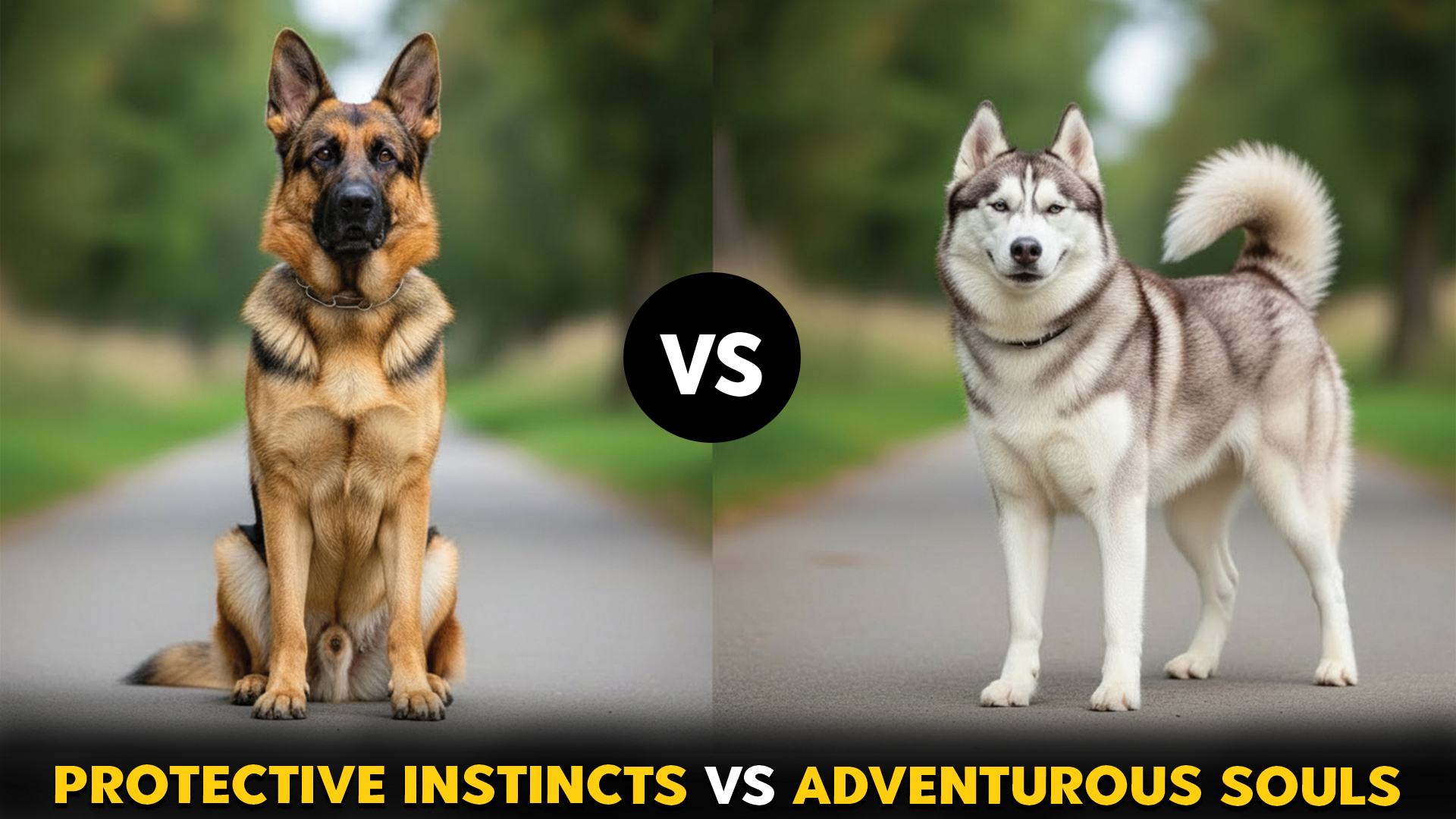
You might think a Husky or German Shepherd showdown is just about looks, but there’s so much more to these two amazing dogs.
At first glance, they may seem similar — some Huskies and German Shepherds share bold markings and striking colors. That resemblance can make them appear almost interchangeable. But in reality, these breeds only share a few surface traits.
Don’t let their confident, intimidating presence fool you. Beneath it, both dogs are friendly, intelligent, and deeply people-focused.
The unique strengths of each breed shine. The American Kennel Club notes that German Shepherds are loyal, intelligent, and hard-working, which makes them ideal partners for both family life and demanding tasks.
Meanwhile, PetMD highlights that Siberian Huskies are playful, energetic, and talkative, requiring plenty of activity to stay happy.
So while these dogs may look similar at first, their personalities, needs, and lifestyles can be very different. Let’s have a look!
Things to Know: German Shepherd Dog Breeds vs Huskies
Overview
Let’s start with the German Shepherd. Surprisingly, it’s a fairly young breed, officially developed in 1899 in Germany. The credit goes to Captain Max von Stephanitz, who aimed to create the perfect working dog.
From the very beginning, German Shepherds were trained for practical tasks rather than companionship. They quickly proved their value in police work and military service, even serving during World War I and World War II.
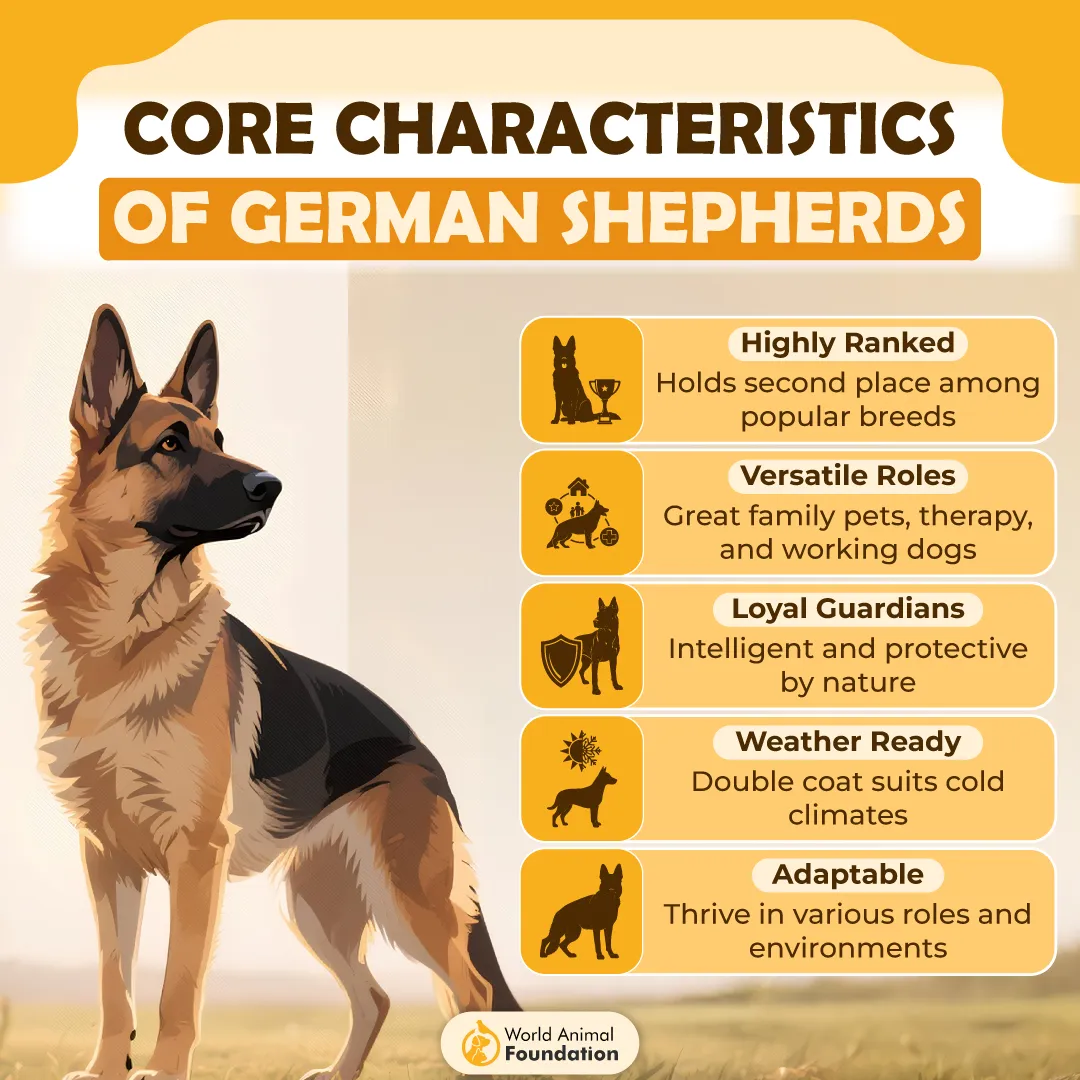
Their strong presence and versatility also caught Hollywood’s attention, with the famous German Shepherd Rin Tin Tin becoming a star on the silver screen, inspiring generations of dog lovers.
Now, onto the Husky. Unlike the German Shepherd, the Husky is one of the oldest dog breeds, with roots deep in Siberia. The Chukchi people bred them as sled dogs, perfect for hauling loads across harsh, icy terrain.
Some Huskies even slept with the tribe’s children to keep them warm during freezing nights. Over time, the breed spread to Alaska, giving us the Alaskan Husky, while the original Siberian Husky remained famous for endurance and strength.
Even at first glance, these breeds couldn’t be more different — one young and deliberately crafted, the other ancient and shaped by survival in the Arctic. Yet both have captured hearts worldwide.
Physical Structure: Size, Strength & Build Comparison
Height Comparison
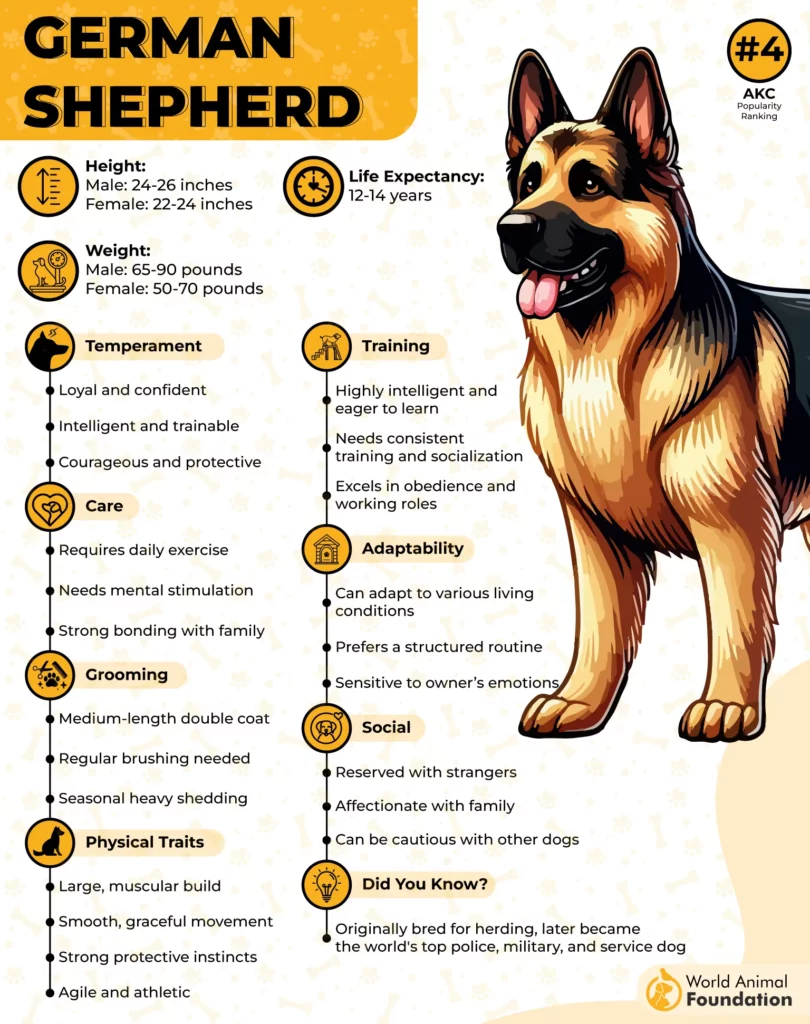
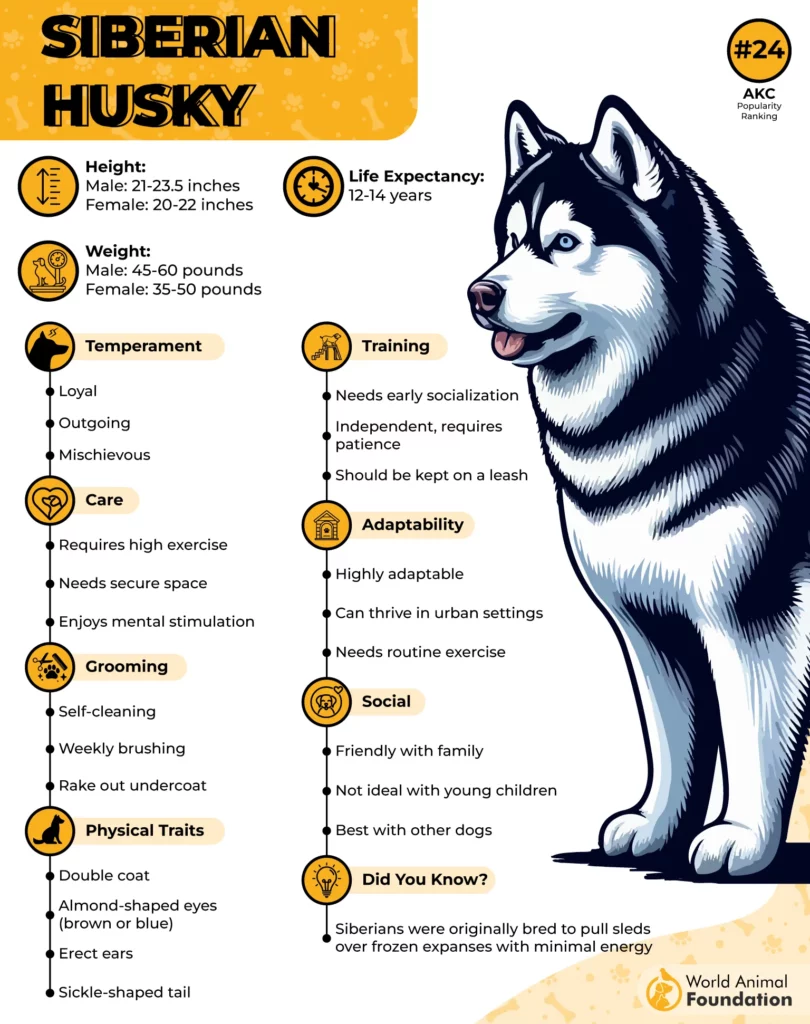
The German Shepherd is slightly taller than a Husky on average. Male German Shepherds usually stand 24–26 inches, while females reach 22–24 inches. In contrast, male Siberian Huskies are a bit shorter, around 21–23 inches, while females measure 20–22 inches.
Weight Comparison
Large dogs like German Shepherds are heavier, weighing 65–90 pounds for males and 50–70 pounds for females. Huskies are medium-sized, with males around 45–60 pounds and females 35–50 pounds, giving them a lighter, more agile frame.
Coat Type & Colors
Both breeds have a double coat, but the textures differ. German Shepherds have a dense, slightly coarse coat, often in black-and-tan or sable shades. Huskies have a soft undercoat with a smooth outer layer and come in many colors, from black, gray, red, to pure white.
Eye Color
German Shepherds usually have dark brown eyes, giving them an alert, steady look. Huskies are famous for striking eyes, which can be blue, brown, or even one of each, making them truly eye-catching.
Build & Strength
German Shepherds have a muscular, powerful build, perfect for work and endurance. Huskies are lean and athletic, built for speed and pulling sleds over long distances. Both are beautiful breeds, but their strengths serve very different purposes.
Temperament, Nature & Personality Traits
Both German Shepherds and Huskies are energetic and social dogs, but they show their personalities in very different ways. While German Shepherds often take their duties seriously, Huskies tend to be playful and outgoing.
Observing their daily behavior shows that both breeds need interaction, attention, and activities to keep them happy and healthy.
German Shepherd Traits
German Shepherds are known for their protective nature and strong sense of duty. They are alert and attentive to their surroundings, often acting as a natural guardian for their family. While they can be reserved around strangers, they are affectionate and deeply loyal to those they trust.
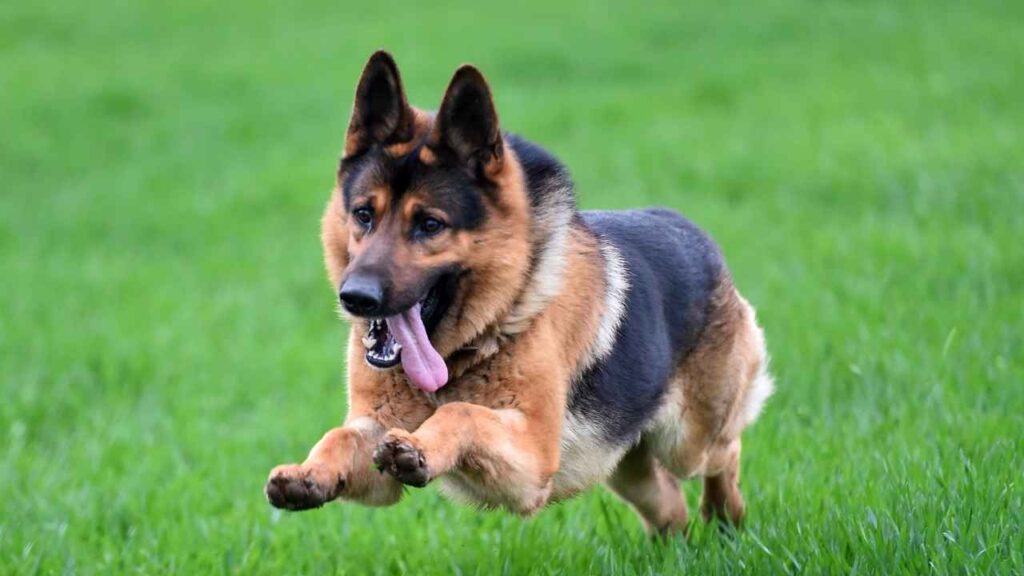
German Shepherds also display a confident personality that makes them excellent working dogs and attentive companions.
Husky Traits
Siberian Huskies are generally friendly, playful, and curious, showing high levels of energy throughout the day. They enjoy interacting with people and other animals, including other dogs, but their independent streak means they sometimes follow their own rules.
Huskies are known for their adventurous spirit, strong prey drive, and love of outdoor activity, making them a good family dog for active families who can match their energy levels.
Activity Demands: Exercise & Energy Levels
Both German Shepherds and Huskies are high-energy dogs, meaning they need plenty of activity every day. Without enough movement, they can become bored or restless, which may lead to unwanted behaviors. Their energy levels are best managed through a mix of physical and mental challenges.
Here’s what works well for each breed:
Daily walks: Both breeds benefit from long walks or jogs to release energy.
Playtime: Interactive games like fetch, tug, or puzzle toys keep them engaged.
Training exercises: Short, fun sessions provide physical and mental stimulation.
Outdoor adventures: Huskies, in particular, enjoy running or hiking in open spaces.
Structured work: German Shepherds excel when given jobs, tasks, or obedience practice.

Meeting these needs ensures both breeds stay happy, healthy, and well-behaved. Regular activity is not just good for their body but also for their mind.
Intelligence, Trainability & Working Ability
When it comes to intelligence and trainability, German Shepherds and Huskies show very different learning styles.
German Shepherds are quick to pick up commands and excel in structured training, while Huskies are smart but often independent, requiring more patience and creativity from their owners. Understanding these differences helps you make a better choice for your lifestyle.
German Shepherd
German Shepherds are famously intelligent and highly trainable. They learn commands quickly and enjoy structured tasks that challenge their mind. Their focused nature allows them to excel in police work, search and rescue, and obedience competitions.
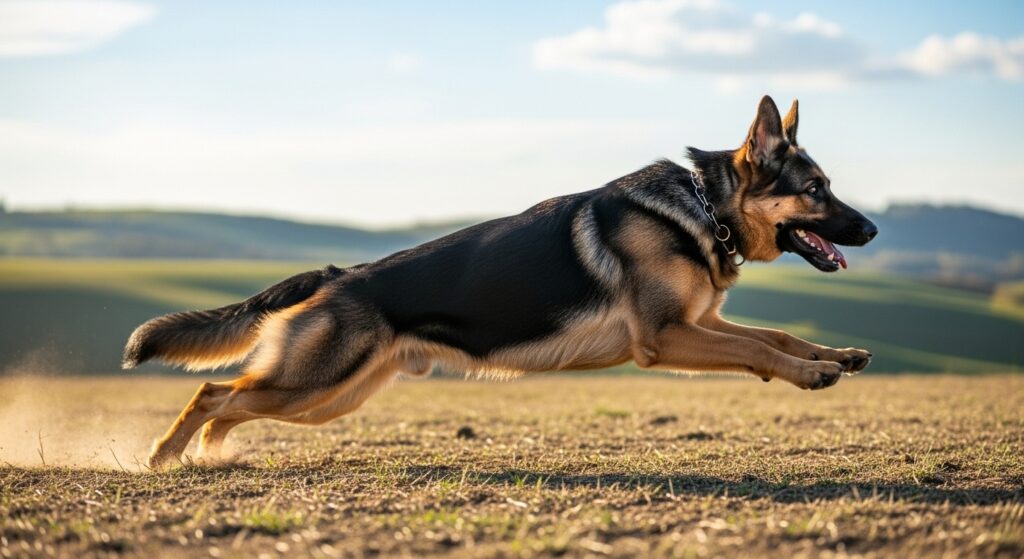
With consistent training and positive reinforcement, German Shepherds respond well to learning new skills, making them a reliable companion for both work and family life.
Husky
Huskies are also intelligent but notoriously difficult to train at times due to their independent streak, often thinking for themselves. While they are playful and energetic, they sometimes follow their own rules. However, their cleverness shines in problem-solving and navigating challenging environments.
Did You Know?
As noted by Wikipedia, one of the most famous Siberian Huskies, Balto, led its team through harsh conditions to deliver medicine during a diphtheria outbreak in 1925, saving countless lives. This incredible story showcases the breed’s determination, intelligence, and endurance.
Vocal Tendencies & Alertness Level
When it comes to vocal tendencies, Huskies are famous for howling more than barking. They often “talk” to their owners and can carry on long, playful howls that are part of their natural personality. It’s charming to watch, but it can be a little noisy if your home is usually quiet.
German Shepherds use their voice differently. They are highly alert and will bark to warn their families of approaching strangers or unusual activity. Their bark is purposeful and controlled, reflecting their protective instincts.
Both breeds are attentive to their surroundings, but in very different ways. Huskies engage vocally for fun and social interaction, while German Shepherds focus on family safety.
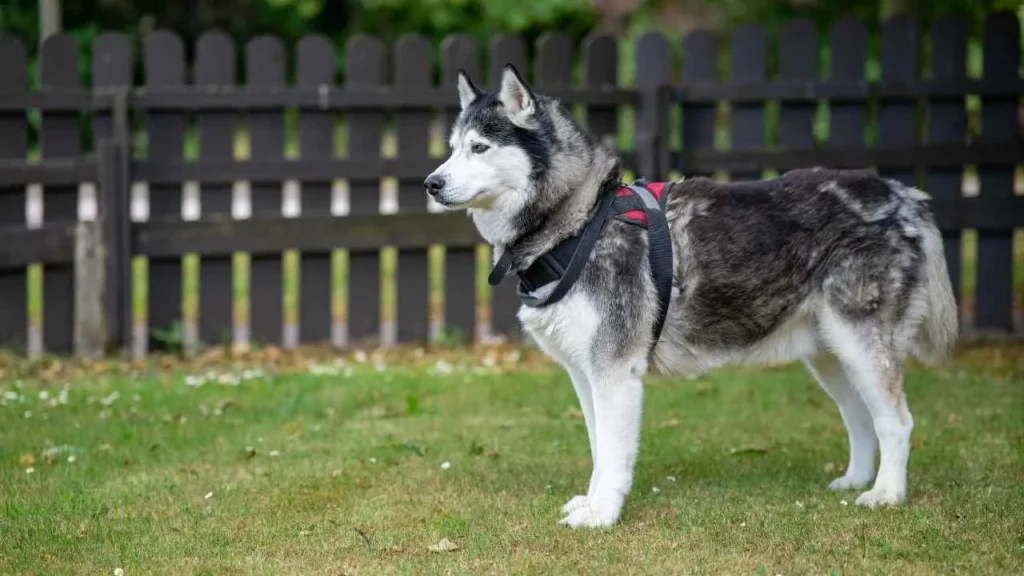
This makes German Shepherds perfect for homes where security and alertness are important, whereas Huskies thrive in more active households where their vocal personality is appreciated.
Coat Type, Shedding Patterns & Grooming Requirements
German Shepherd
German Shepherds have a double coat that is dense and slightly coarse, designed to protect them from the elements. They shed year-round, with heavier shedding during seasonal changes. Regular grooming is important to keep their coat healthy and to minimize loose hair around the house.
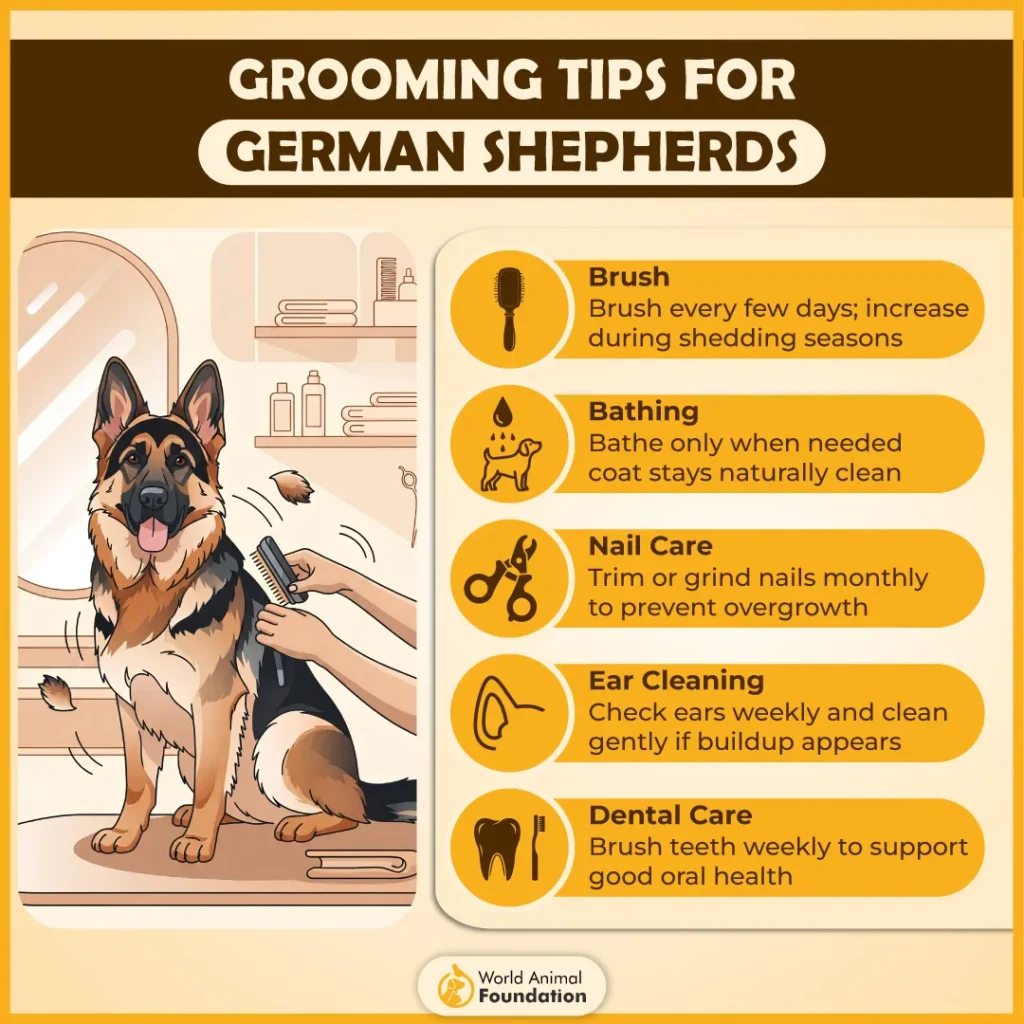
Regular brushing helps remove dead hair and prevents matting, keeping their coat looking shiny and clean. Proper grooming also supports skin health and overall comfort. Maintaining a German Shepherd’s coat includes routine brushing, occasional baths, and attention to their nails and ears.
Husky
Huskies also have a double coat, but it is softer and fluffier, built to handle Arctic conditions. They are famous for their heavy seasonal shed, known as “blowing coat,” but still require year-round grooming to manage loose hair.
Regular brushing is essential to prevent tangles and remove dead undercoat. Huskies do not need frequent baths, but grooming is vital to keep their fur healthy and reduce shedding around the home. According to Hill’s Pet, consistent grooming also contributes to better skin condition and overall well-being.
Health Concerns, Genetic Issues & Average Lifespan
Both German Shepherds and Huskies are generally healthy, but they can be prone to specific health issues due to genetics and size. Knowing their potential concerns helps owners provide the best care and plan regular checkups with a vet.
German Shepherd Health
German Shepherds are prone to hip dysplasia and elbow dysplasia, which can affect mobility as they age. Regular physical exercise, a balanced diet, and vet checkups can help manage these health problems.
Other concerns may include digestive issues or progressive conditions like degenerative myelopathy. The German Shepherd’s life expectancy typically ranges from 9 to 13 years, but attentive care can support a longer, healthier life.
Husky Health
Huskies are generally robust but may face eye problems such as progressive retinal atrophy and corneal dystrophy, which can affect vision over time.
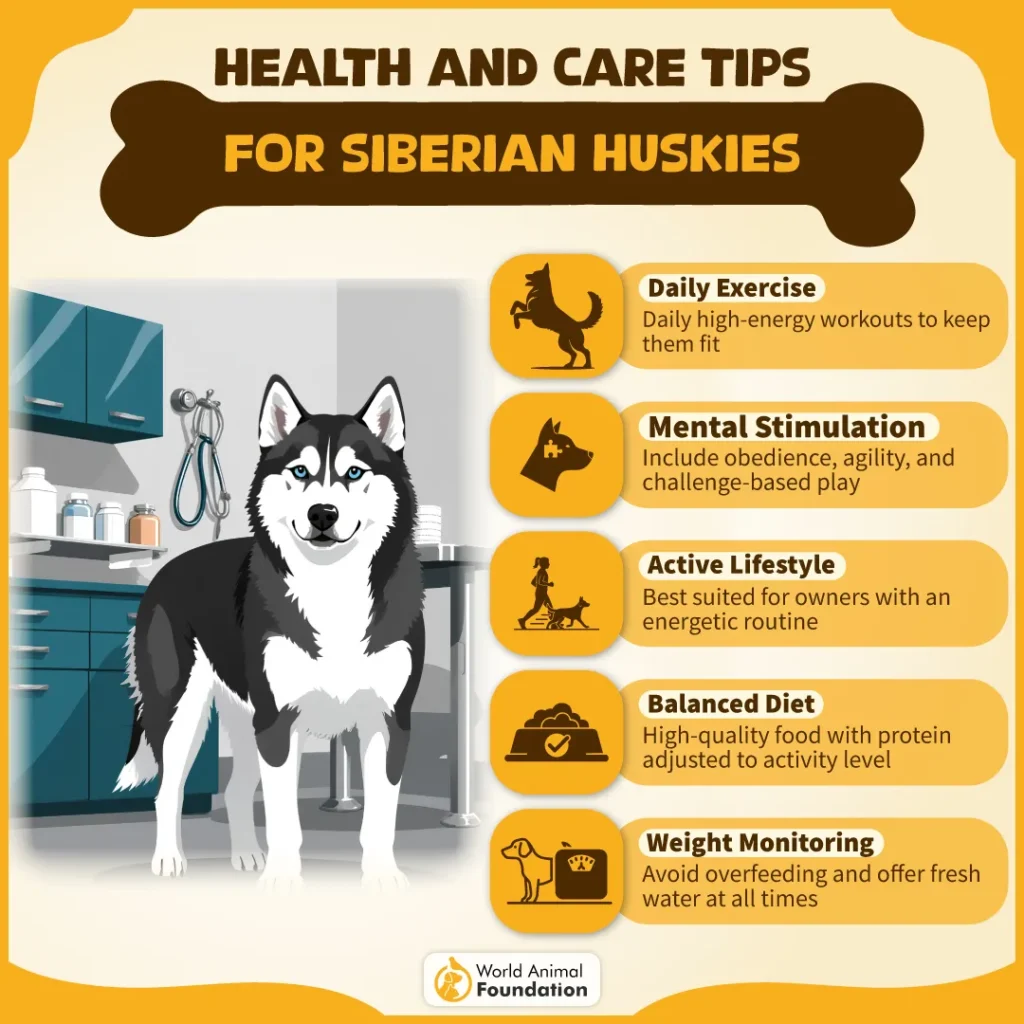
They are less prone to joint issues compared to German Shepherds, but still need regular checkups, a good diet, and adequate exercise to maintain optimal health conditions. Siberian Huskies usually have a life expectancy of 12 to 15 years, reflecting their hardiness and adaptability.
Home Security, Guarding & Family Environment
By now, you have a clearer picture of both breeds and how unique they really are. Choosing between a German Shepherd and a Husky isn’t just about looks or energy — it’s about which dog fits your family’s lifestyle best.
German Shepherds are natural home protectors. Their alertness, focus, and protective instincts make them excellent guardians for families and property. They pay close attention to strangers and can help keep your home secure while still being loving with family members.
Huskies, on the other hand, are friendly, playful companions. They enjoy interacting with people, including children and other pets such as cats, but their guarding instincts are minimal. Huskies thrive in active homes where they can play with smaller animals, run, and explore safely.
Both breeds can be great family pets, but the choice comes down to your needs. If you want a loyal guardian, a German Shepherd is well-suited. If you prefer a social, energetic companion, a Husky may be the perfect match.
Conclusion
You can clearly see the key differences between these two incredible breeds. The German Shepherd vs Husky debate isn’t just about looks — it’s about energy levels, needs, and personality. German Shepherds excel as loyal home protectors with strong protective instincts, while Huskies are playful, energetic companions who thrive in active households.
When deciding between these two breeds, consider your lifestyle carefully. Time, space, and effort matter — both dogs need exercise, attention, and mental stimulation to stay happy and healthy. Choosing the right breed means understanding their history, behavior, and daily requirements.
Ultimately, both dogs can be great family pets, but responsible ownership is key. Make a decision that fits your home, your schedule, and your family, and you’ll enjoy a loving companion for years to come.
