




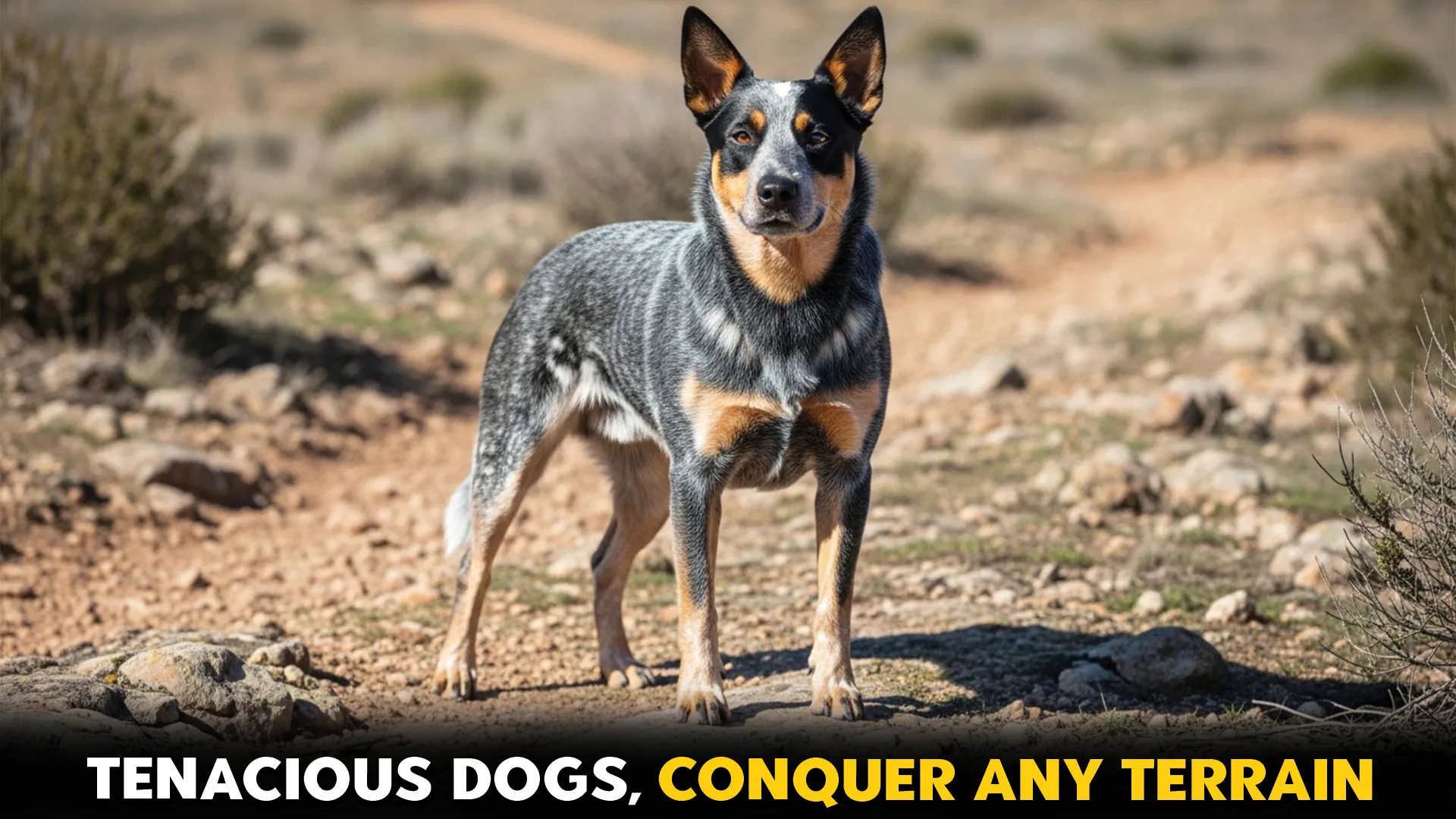
If you love the thrill of fresh air, winding trails, and long days spent outdoors, having a four-legged companion by your side can turn every adventure into something unforgettable.
But not all dogs are built for rugged terrain or endless exploration—some are happiest curled up on the couch, while others practically bounce with excitement the moment they step outside.
The truth is, certain dogs are natural explorers. They thrive on challenging hikes, love discovering new smells, and have the stamina to keep pace with your most ambitious outdoor plans.
Choosing the right adventure partner isn’t just about energy—it’s about finding a dog that genuinely loves being outside, soaking up the sun, and making every hike, run, or camping trip more exciting.
In this article, we’re diving into tenacious dog breeds that thrive on rugged outdoor terrain—the ones that will happily keep up with your active lifestyle and turn every outing into a shared adventure.
Key Takeaways
Meet rugged explorers like the Alaskan Malamute, Siberian Husky, and Australian Cattle Dog, built for tough outdoor adventures.
Discover scent-driven trackers like the Bloodhound, Black and Tan Coonhound, and American Foxhound with unstoppable stamina.
Find out which dogs can truly keep up with hikes, trails, and high-energy outdoor living.
Learn how to choose a companion that matches your adventurous lifestyle.
Tenacious Dog Breeds That Thrive on Rugged Outdoor Terrain
1. Alaskan Malamute
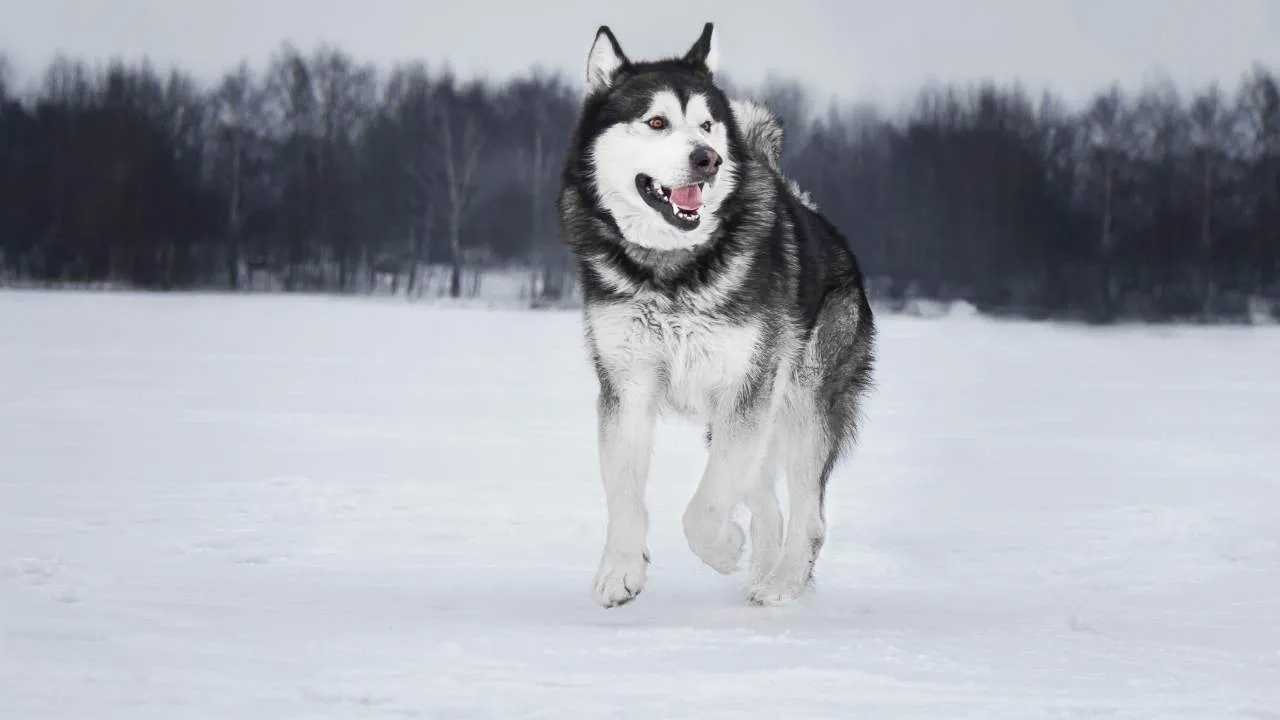
If you’re looking for a dog built for rugged outdoor life, the Alaskan Malamute is a natural choice. This spitz-type breed was developed in the Arctic and bred to work hard, hauling heavy loads across snow and ice, as mentioned by the AKC.
Everything about them—from their dense, weatherproof coat to their powerful shoulders—shouts endurance and strength. Yet beneath that hardworking exterior lies a playful, affectionate, and loyal companion who loves snuggling with their human pack.
Personality and Behavior
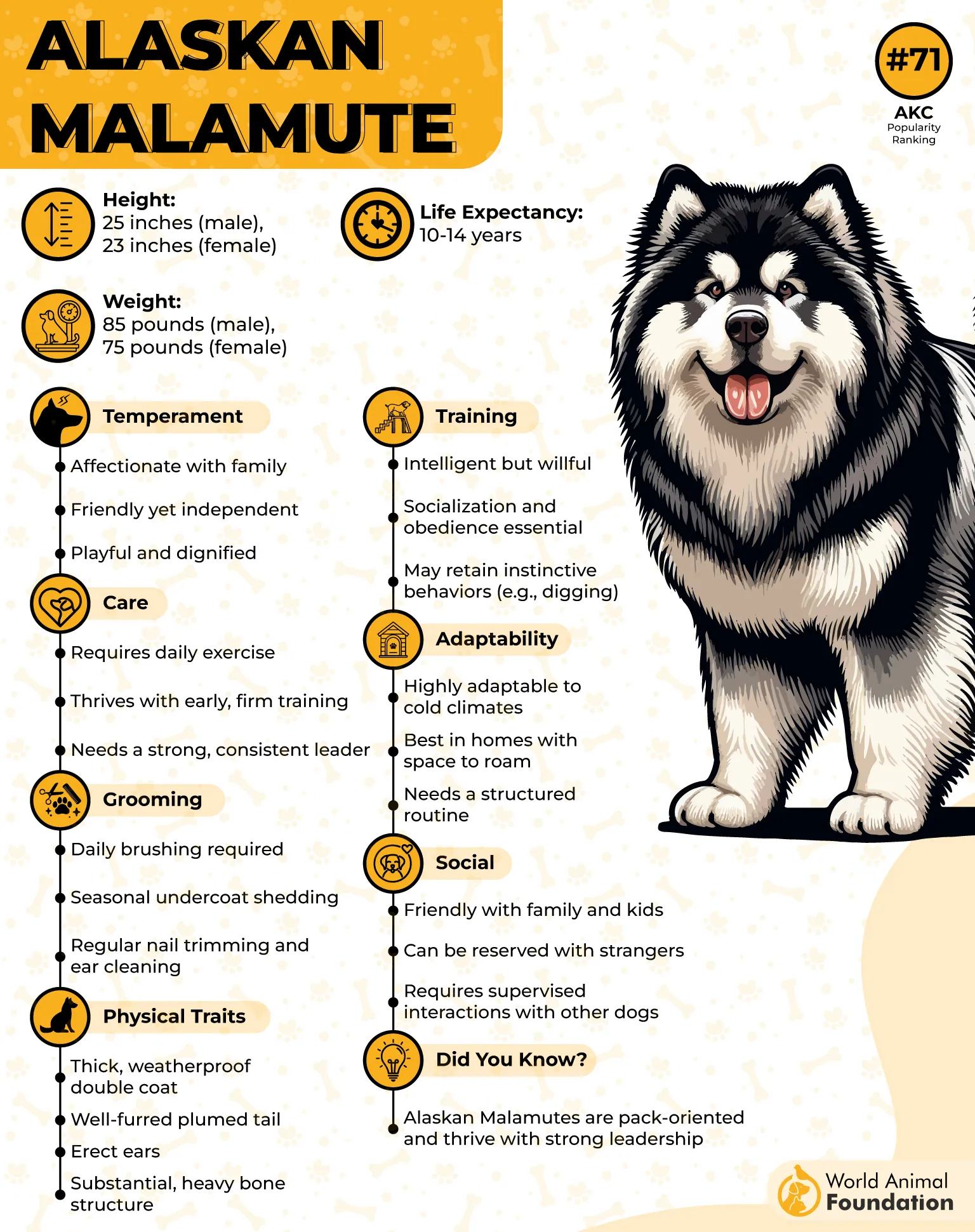
Malamutes are strong, independent, and full of energy. They need early, proper training to respect you as the pack leader. While they love people and are friendly with everyone, they are not natural guard dogs.
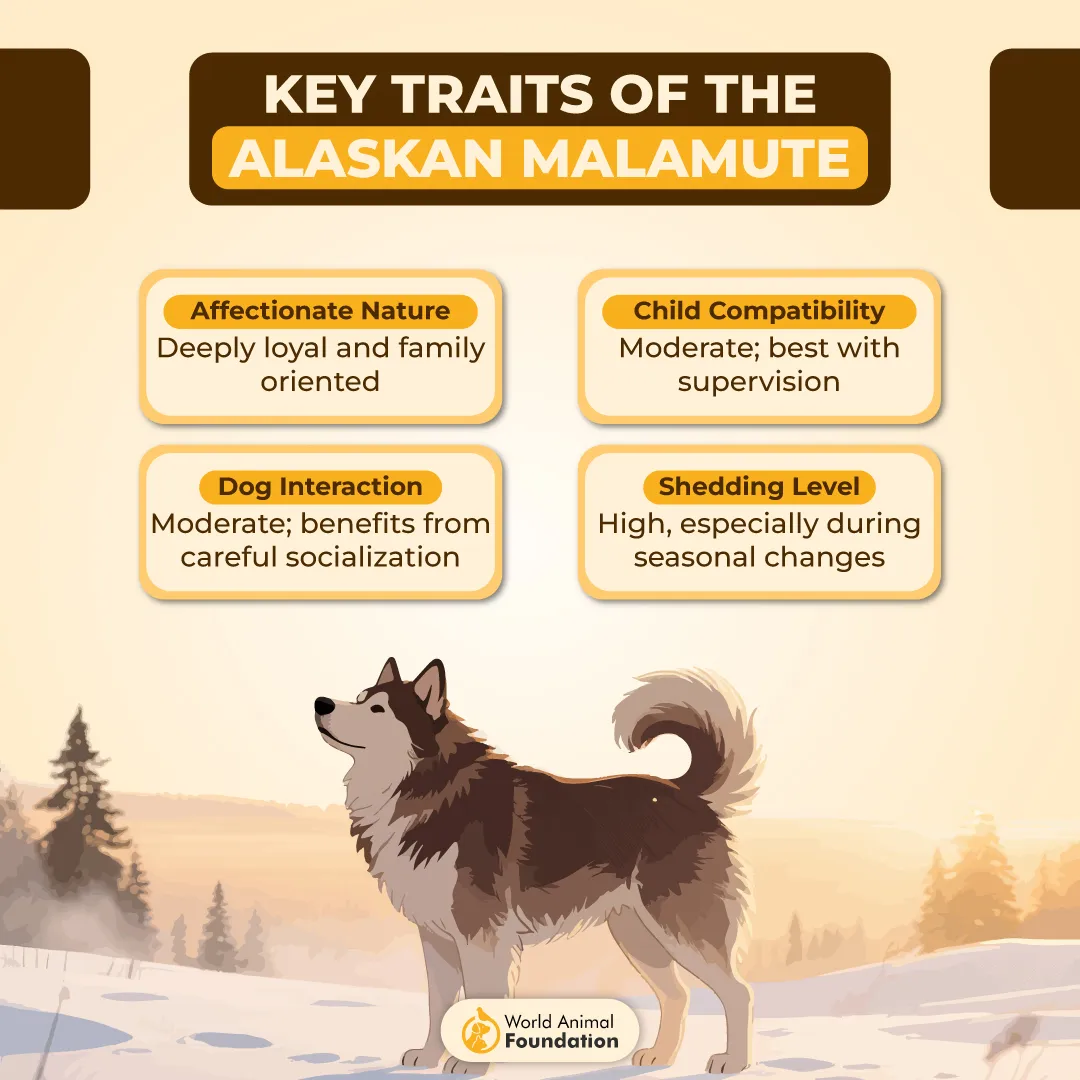
Their chatty ways include yelps, howls, and “woo woo” sounds, which add to their charm. These dogs thrive on human attention and love being included in all family activities.
Outdoor Adventures and Exercise
These athletic dogs were initially bred to work, not race, but their stamina is incredible. Daily exercise is a must—hikes, runs, swimming, or playtime in a secure yard all work.
Malamutes also enjoy activities like backpacking, sledding, skijoring, and weight-pulling competitions. With plenty of physical and mental stimulation, your Malamute will happily keep pace with even the most rugged adventures.
2. Siberian Husky
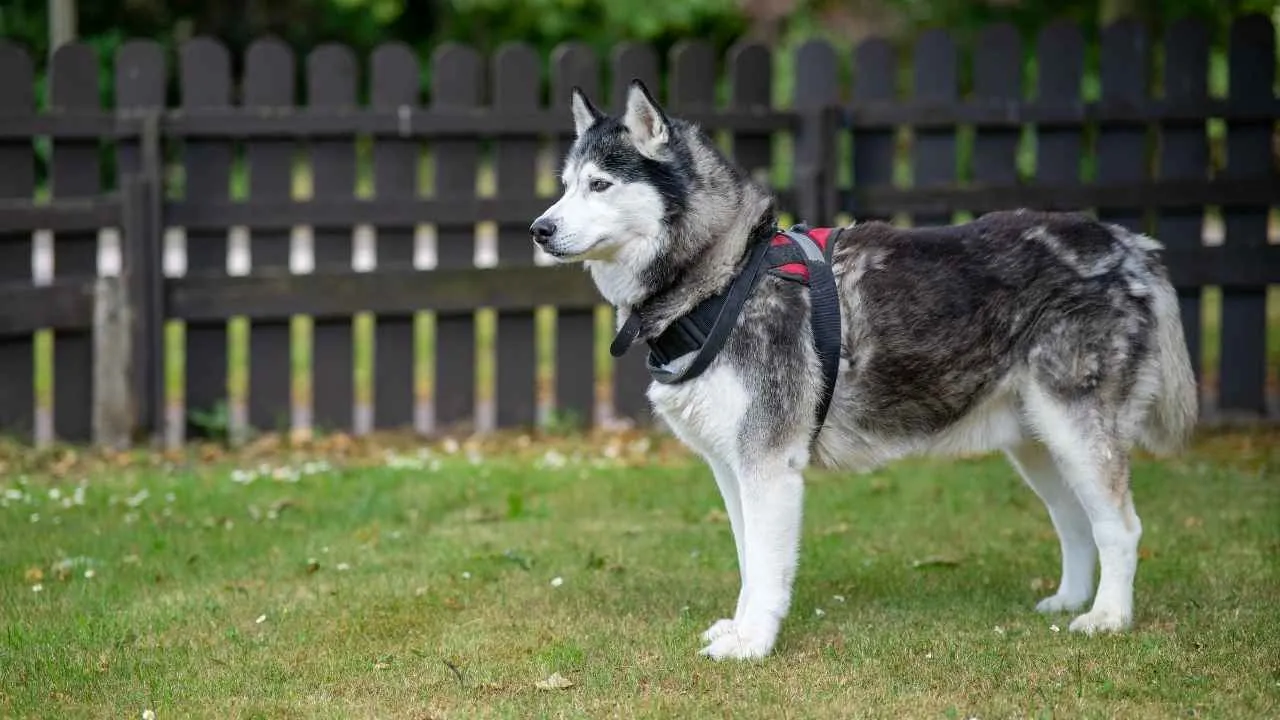
For those seeking a spirited companion on rugged terrain, the Siberian Husky is built to move. Bred for long-distance sled work in harsh Arctic conditions, Huskies are quick, nimble, and full of stamina.
Their striking eyes—sometimes one blue, one brown—mirror a playful and mischievous personality. Friendly and social, these dogs thrive in a family pack and enjoy the company of other dogs.
Personality and Behavior
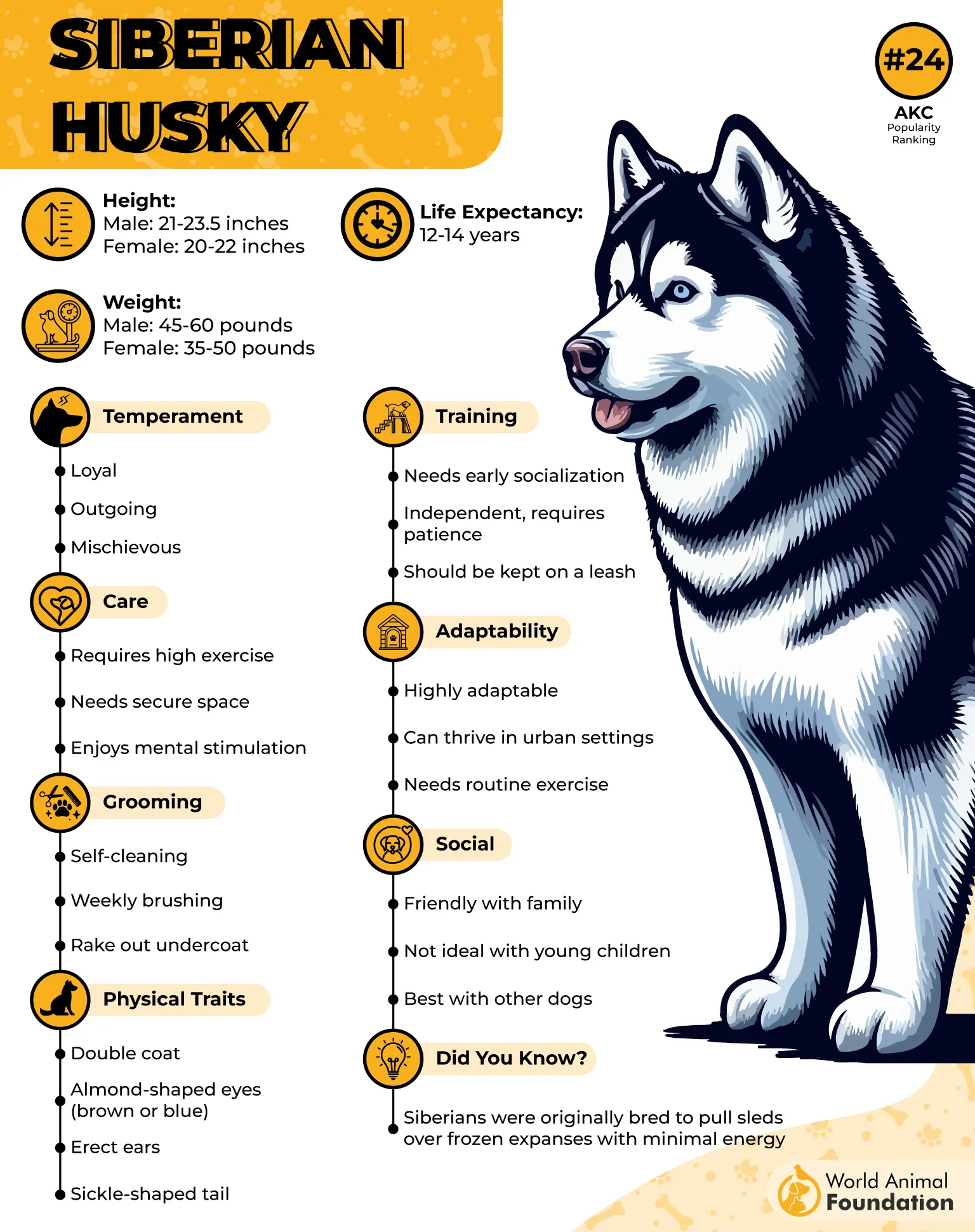
Siberians are smart, energetic, and independent. They love people and children, but their natural curiosity means they might chase small animals if left unchecked.
Early training and socialization are essential. PetMD mentions that they are vocal dogs, often howling or “talking” to express themselves. While not natural guard dogs, Huskies are affectionate and loyal to their human pack.
Exercise and Outdoor Lifestyle
These energetic dogs were born to run. Daily exercise is a must—hiking, skijoring, bikejoring, or play in a secure, fenced area keeps them happy and healthy. Huskies also excel in agility, obedience, and other dog sports.
Without enough mental and physical stimulation, they can become bored and mischievous. For active families who love outdoor adventures, a Siberian Husky is the perfect partner on challenging trails.
3. Great Pyrenees
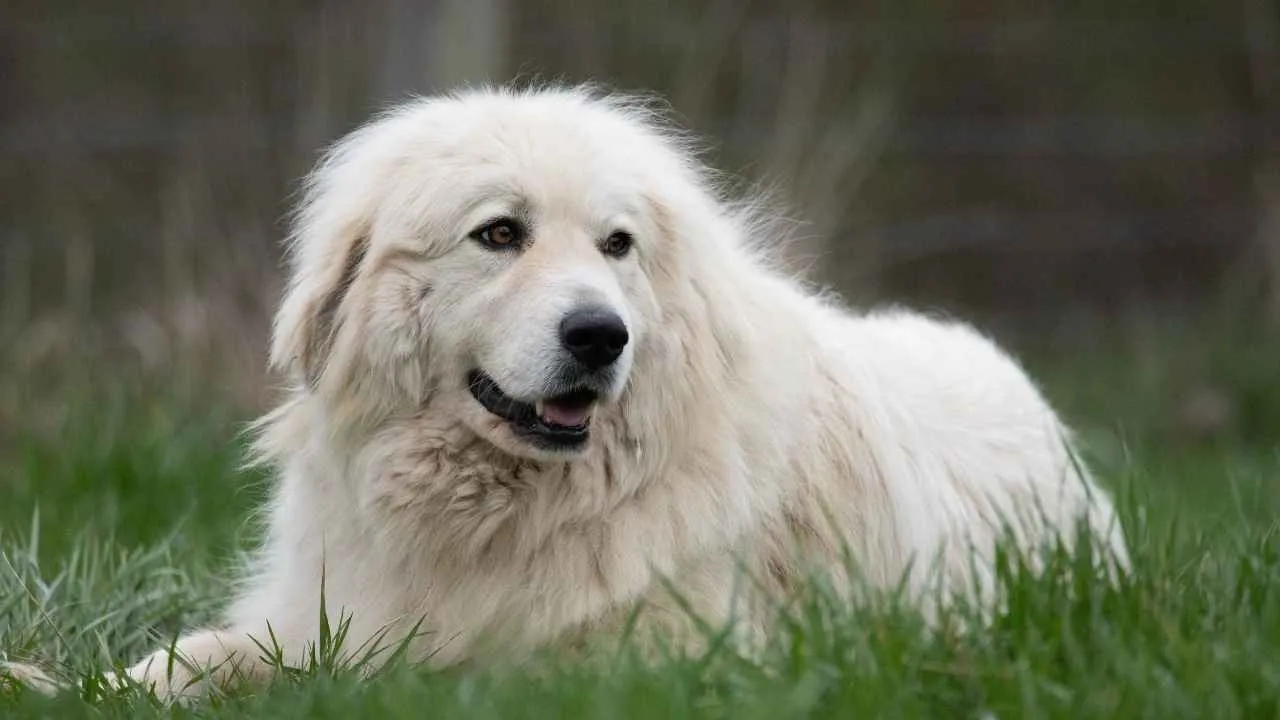
The Great Pyrenees is a powerful working dog bred to protect livestock on snowy mountaintops. Originally from the Pyrenees Mountains between Spain and France, they guarded sheep from wolves, bears, and human threats.
Their weatherproof, thick coat provides camouflage in the snow, while their strength and size make them formidable guardians. Despite their working background, Pyrs are calm, patient, and gentle with their human family.
Personality and Behavior
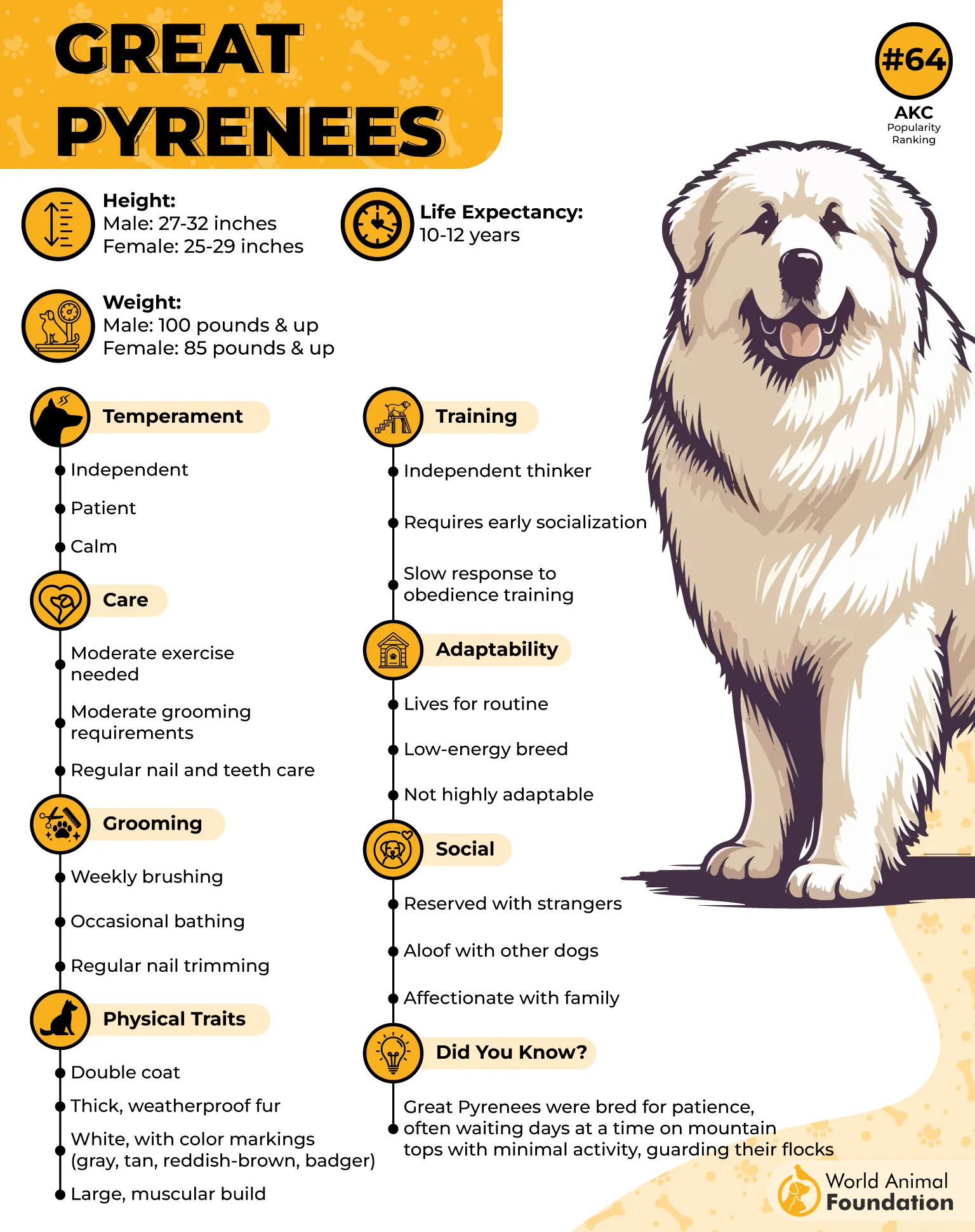
Pyrs are independent and strong-willed, traits inherited from their guardian ancestors. They are patient and mellow but can quickly move with grace and speed to meet a threat. Friendly and affectionate at home, they get along well with children, other dogs, and even cats.
Early training and socialization are essential because their size and territorial instincts require guidance. They may resist obedience commands if bored, but their loyalty and intelligence make them reliable companions.
Exercise and Outdoor Lifestyle
Great Pyrenees are not highly active and do not need strenuous exercise. Daily walks, light hikes, or play in a fenced yard keep them healthy and fit.
They prefer conserving energy, much like when guarding flocks, but moderate activity maintains muscle strength and mental stimulation. While not ideal for running or high-speed adventures, they thrive in the great outdoors, enjoying gentle patrols and exploring rugged terrain at their own pace.
4. Rhodesian Ridgeback
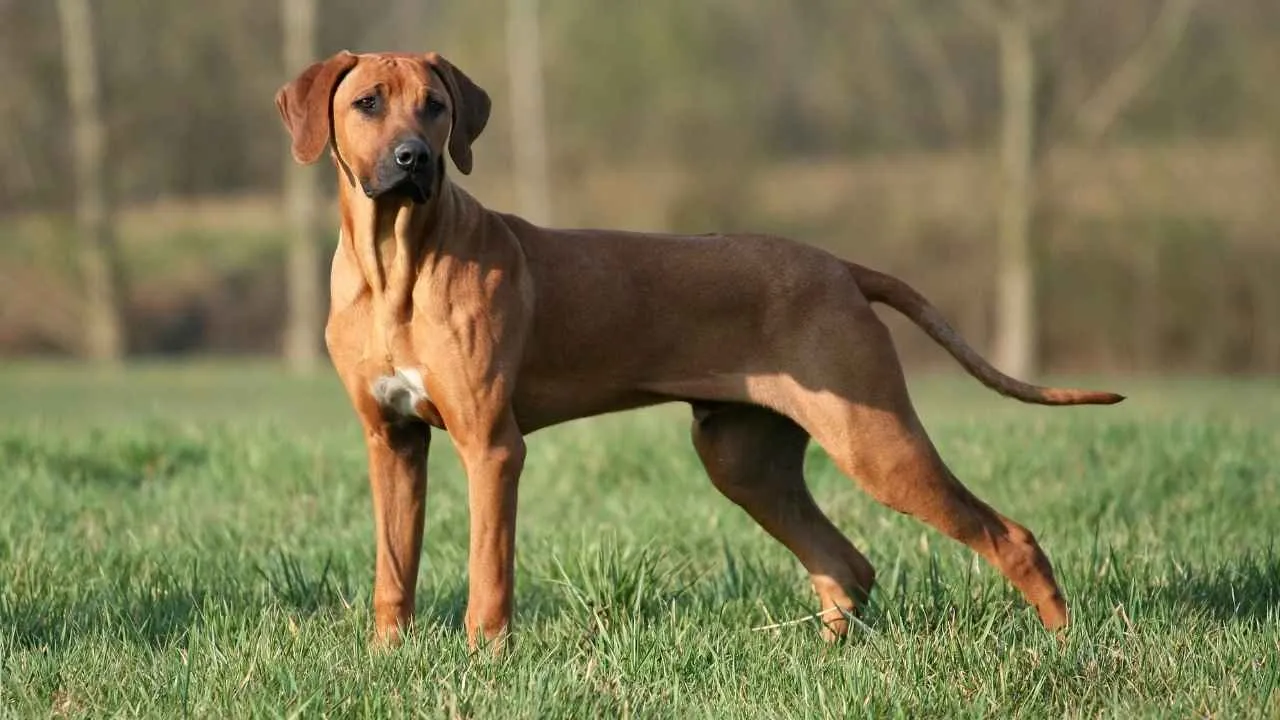
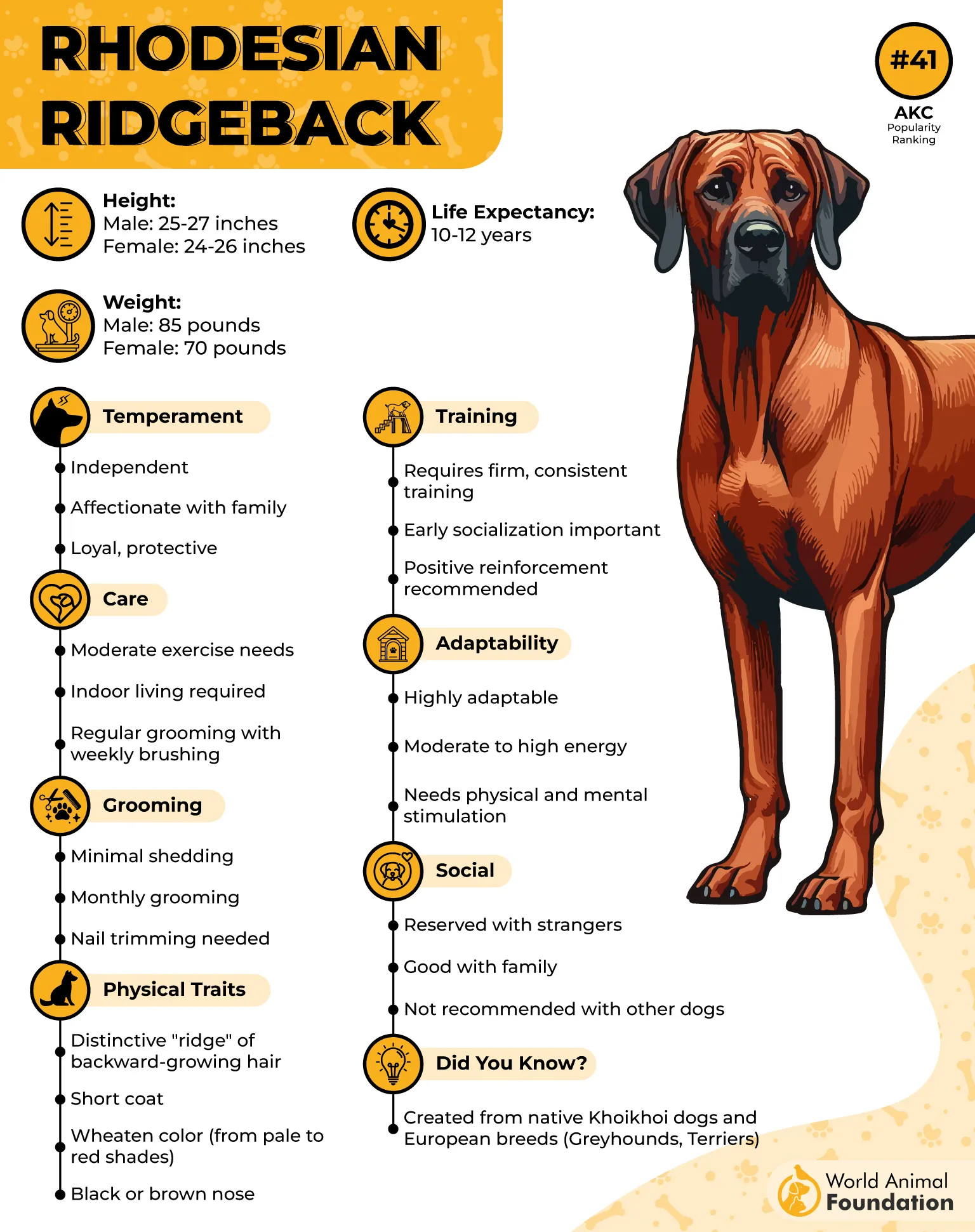
The Rhodesian Ridgeback is a powerful, athletic dog famous for the ridge of backward-growing hair along its back. Originally bred in Africa as a hunting dog to track and bay lions without killing them, Ridgebacks are strong, fast, and full of endurance.

Today, they are cherished family dogs with independent minds and a strong prey drive, making them best suited to experienced owners.
Personality and Behavior
Ridgebacks are intelligent, dignified, and loyal to their human family. They can be aloof with strangers but affectionate with those they trust. Strong-willed and determined, they require early, firm, and consistent training.
Socialization from puppyhood helps them get along with children and other pets. Despite their reserved elegance, Ridgebacks also have a playful, goofy side that emerges with familiar companions.
Exercise and Outdoor Lifestyle
These hounds are energetic and need daily physical activity to stay healthy and happy. At least two 30-minute walks are required, but they thrive with more exercise, including running, hiking, agility, and nose work.
Ridgebacks love challenges and outdoor adventures, whether it’s exploring a rugged trail or playing in a fenced yard. With the right guidance and engagement, they make loyal, active companions for adventurous families.
5. Weimaraner
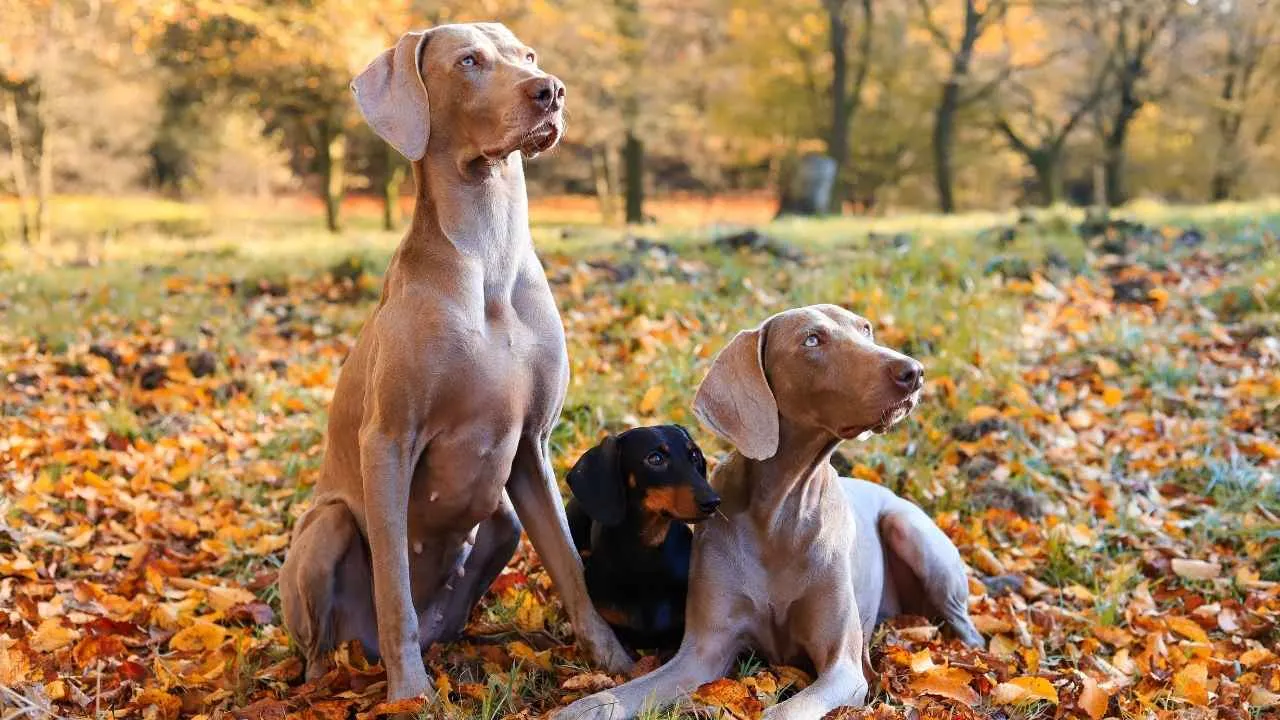
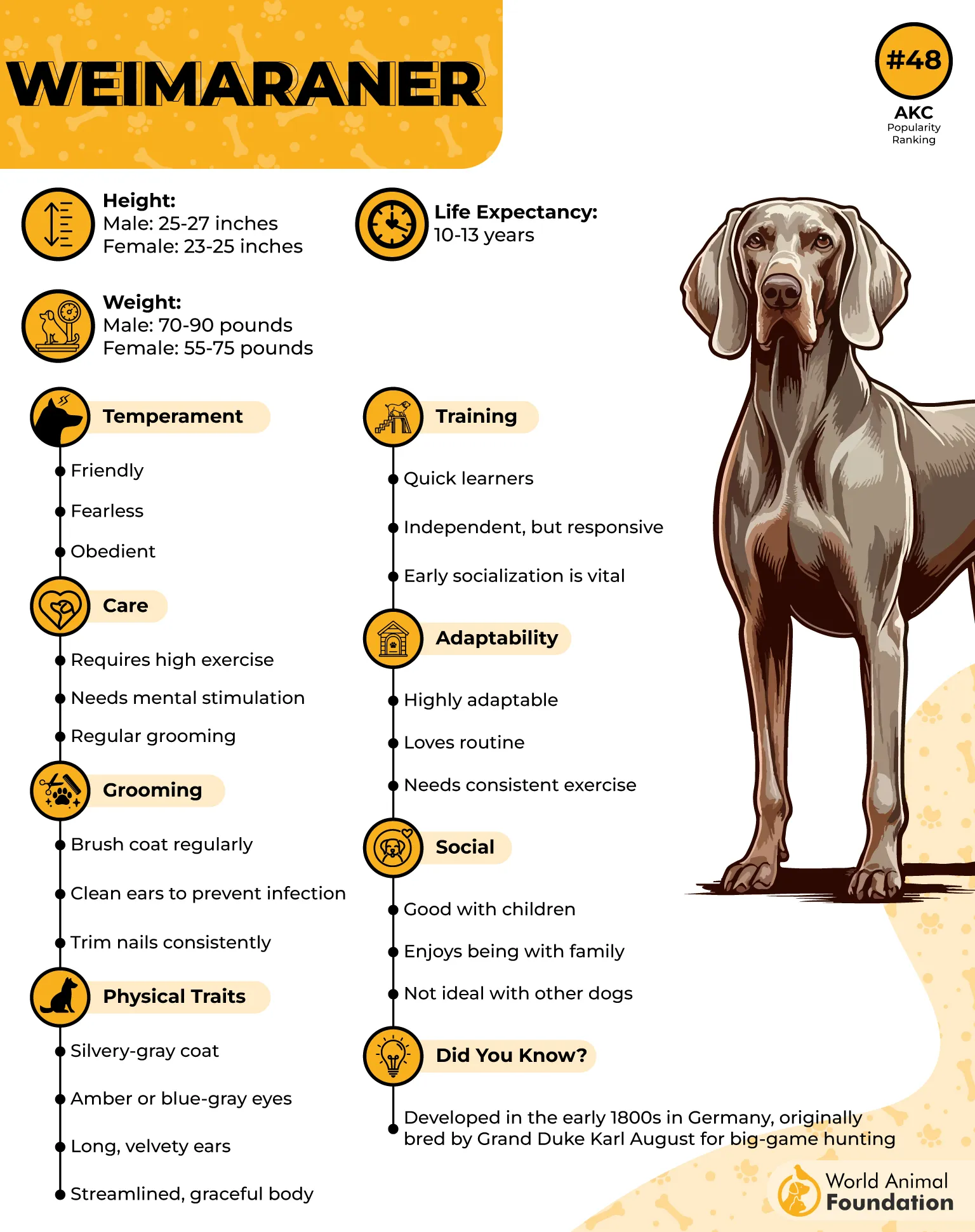
The Weimaraner, known as the “Gray Ghost,” is a sleek, athletic dog built for speed, endurance, and adventure. Originally bred in 19th-century Germany for hunting, they are friendly, fearless, and highly trainable.
With a smooth silver-gray coat, amber or blue-gray eyes, and long, velvety ears, the Weimaraner is instantly recognizable. They are affectionate family dogs who thrive on human companionship and enjoy being included in all aspects of family life.
Personality and Behavior
Weimaraners are intelligent, social, and full of curiosity. They bond closely with their humans and love children, though they need supervision around smaller pets, as hunting instincts may kick in.
Highly trainable, these active dogs respond well to consistent guidance and positive reinforcement. Their playful and inquisitive nature makes them eager participants in outdoor adventures and family activities.
Exercise and Outdoor Lifestyle
This breed has very high energy needs. Weimaraners require at least one to two hours of daily exercise, including running, hiking, swimming, fetch, or dog sports like agility and flyball. Mental stimulation is just as important—they enjoy interactive toys and challenges that engage their minds.
Whether exploring rugged trails or playing in the backyard, a Weimaraner thrives when they have plenty of physical and mental outlets for their boundless energy.
6. Australian Cattle Dog
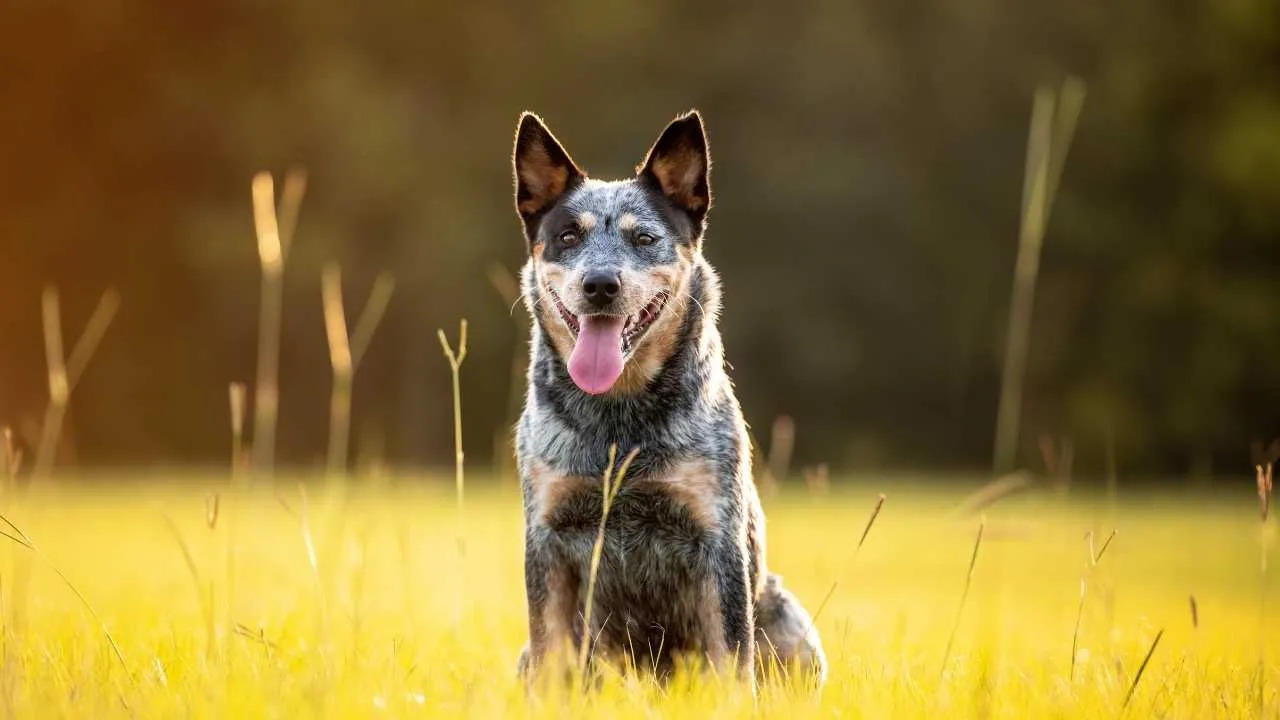
The Australian Cattle Dog, also known as the Blue or Red Heeler, is a compact, muscular, and resilient herder with a strong work ethic.
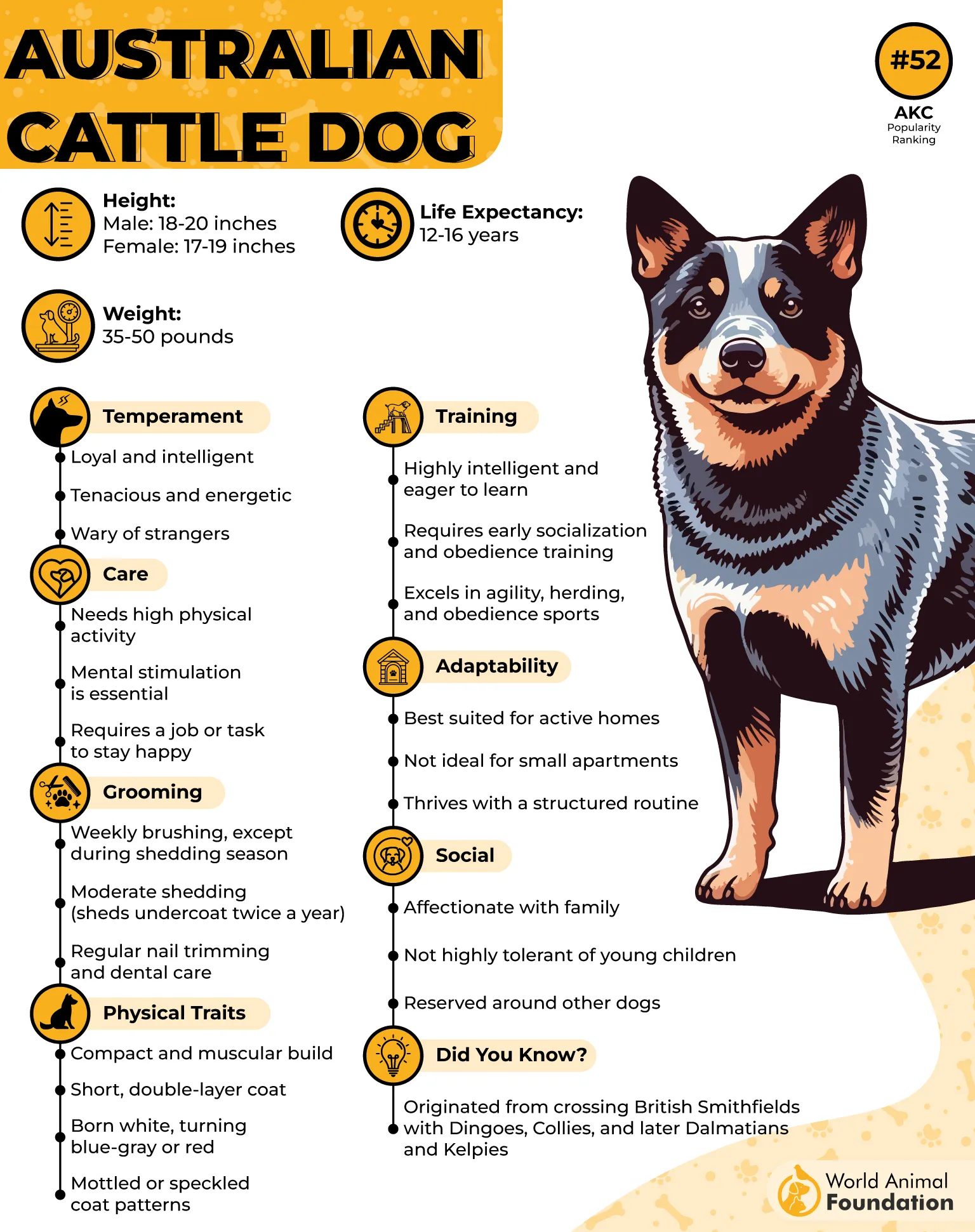
Descended from the dingo, these dogs were bred in the 19th century to move cattle across the harsh Australian Outback by nipping at their heels, as stated by Britannica. Loyal, affectionate, and independent-minded, ACDs are best suited for active households that can match their energy and drive.
Personality and Behavior
Australian Cattle Dogs are smart, tenacious, and highly independent. They form strong bonds with their owners and are famously loyal, though wary of strangers. Without adequate mental and physical challenges, they can become bored and mischievous.
These clever problem-solvers thrive when given tasks or opportunities for canine sports, agility, obedience, or tracking, making them perfect companions for active pet parents who enjoy adventures outdoors.
Exercise and Outdoor Lifestyle
ACDs have enormous stamina and need at least two hours of vigorous exercise daily. Long hikes, runs, fetch, frisbee, agility, and other high-energy activities keep them happy and healthy. They excel at herding, dog sports, and games that challenge their minds and bodies.
While adaptable to both hot and cold climates, these dogs are happiest in spacious environments where they can roam, explore, and burn off their boundless energy.
7. Bloodhound
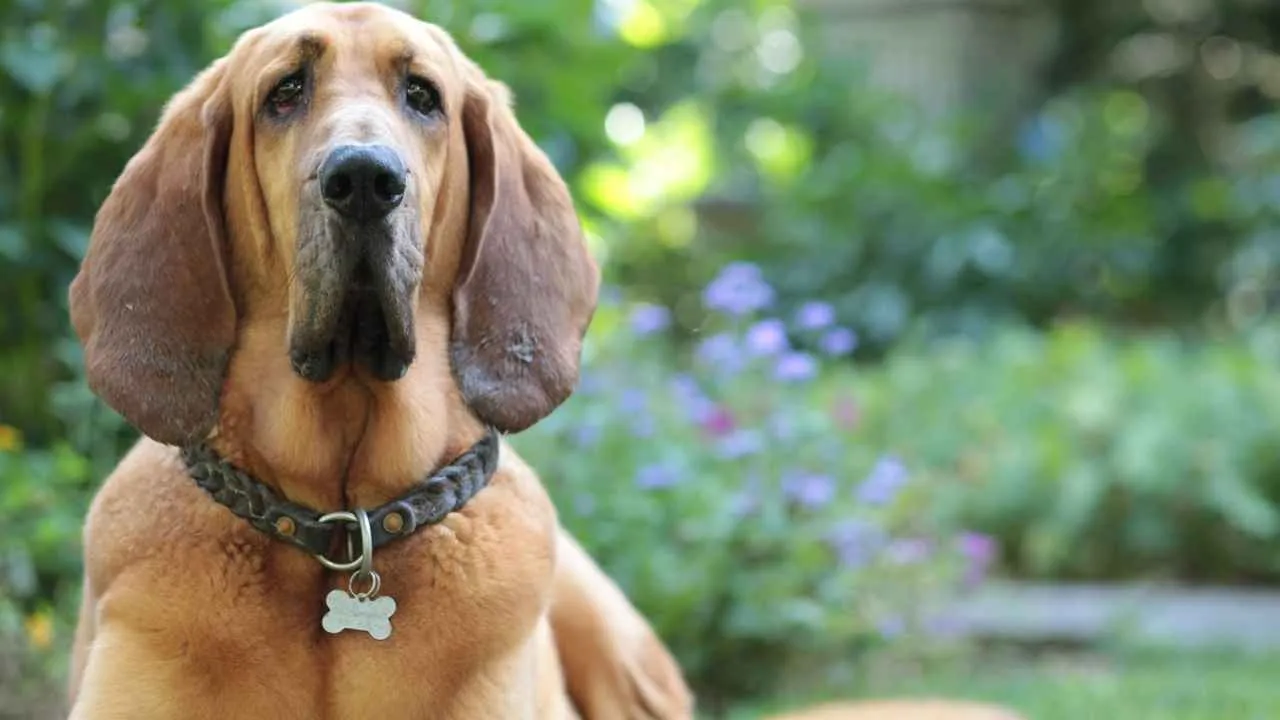
The Bloodhound, often called the “Sleuth Hound,” is unmatched at tracking scents. Their long, wrinkled face, drooping ears, and deep-set eyes give them a solemn, dignified expression.
Gentle, patient, and affectionate, Bloodhounds enjoy the company of kids, adults, and other pets, especially when socialized from a young age.
Personality and Behavior
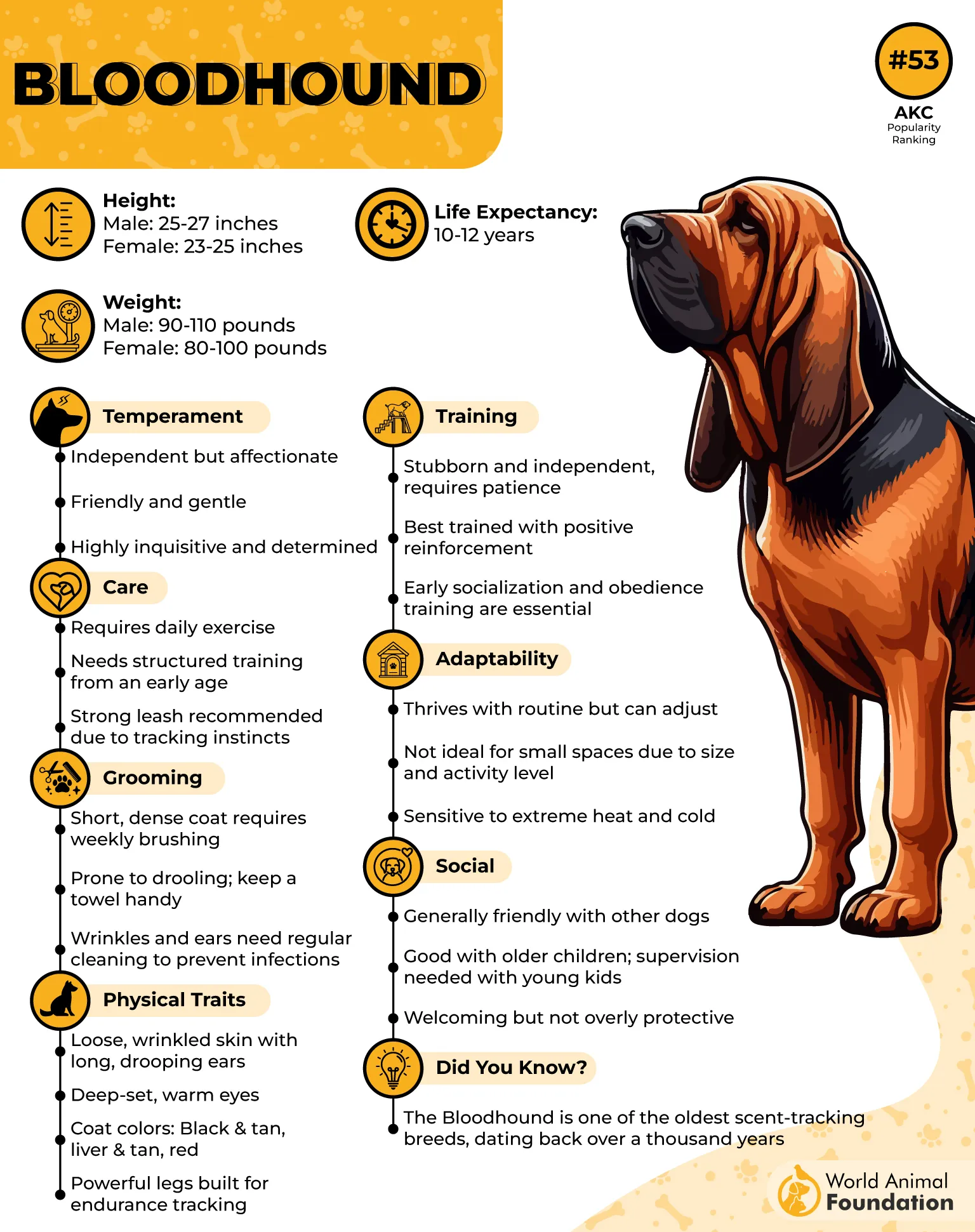
Though calm and amiable off duty, Bloodhounds are relentless when following a scent. This makes training a challenge—they are willing to please but stubborn and easily distracted by interesting smells. Vocal and expressive, they use their deep howl to communicate.
Highly individualistic, some Bloodhounds are always on the move, while others balance bursts of activity with relaxation. They thrive in families that understand their determined, scent-driven nature.
Exercise and Lifestyle
Bloodhounds require at least one hour of daily outdoor activity. Long walks, jogs, fetch, and nose work are perfect outlets, but exercise must be on-leash or in a securely fenced area due to their tracking instincts and digging tendencies.
Their endurance allows them to trail scents for hours, so they benefit from consistent physical and mental stimulation. Despite their size, Bloodhounds are gentle and patient, making them excellent companions for active households that can meet their unique exercise and attention needs.
8. Black and Tan Coonhound
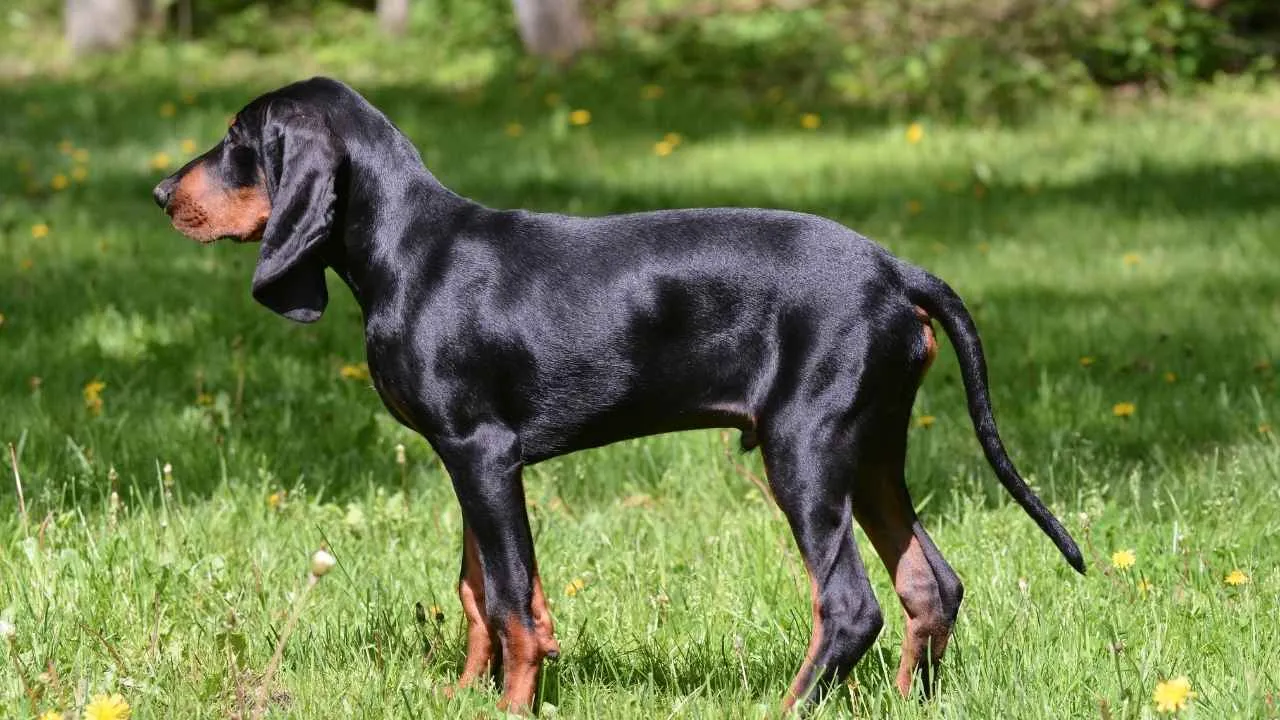
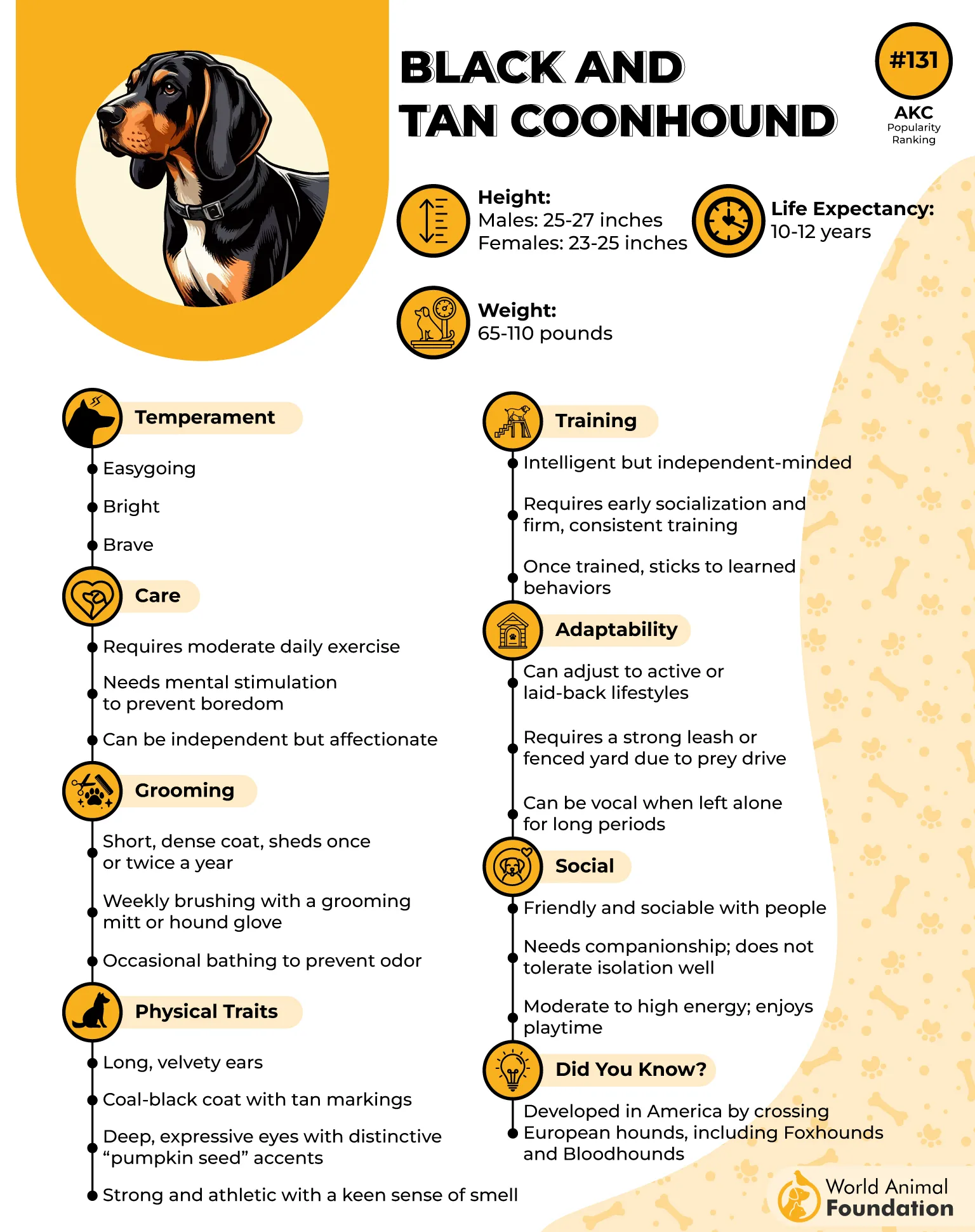
The Black and Tan Coonhound is a large, athletic American hound, bred from Bloodhounds and Black and Tan Virginia Foxhounds. Males can stand up to 27 inches at the shoulder, carrying coal-black coats with rich tan accents, including the signature “pumpkin seeds” above expressive eyes.
Gentle and sociable indoors, these hounds are friendly, mellow, and love company—but outdoors, their hunting instincts shine.
Personality and Behavior
Black and Tan Coonhounds are clever, independent, and incredibly intelligent dogs. They are quiet and calm at home but will bay, howl, or chase when their prey drive is triggered.
Slow to mature, they require patient, consistent, positive training, especially since their strong sense of smell and tracking instincts make them easily distracted. Socialization from a young age ensures they are loyal, gentle, and friendly with children and other pets.
Exercise and Lifestyle
These hounds need a moderate to high amount of daily activity. At least 30–60 minutes of walking, plus opportunities to follow scents and explore safely, is essential. For adults, two hours of exercise over varied terrains, including tracking, scent games, or man-trailing, is ideal.
A tall, sturdy fence and a strong leash are must-haves to prevent them from bolting after wildlife. While Black and Tan Coonhounds can be playful and sociable, mental stimulation is just as important as physical activity to keep their clever minds engaged.
9. American Foxhound
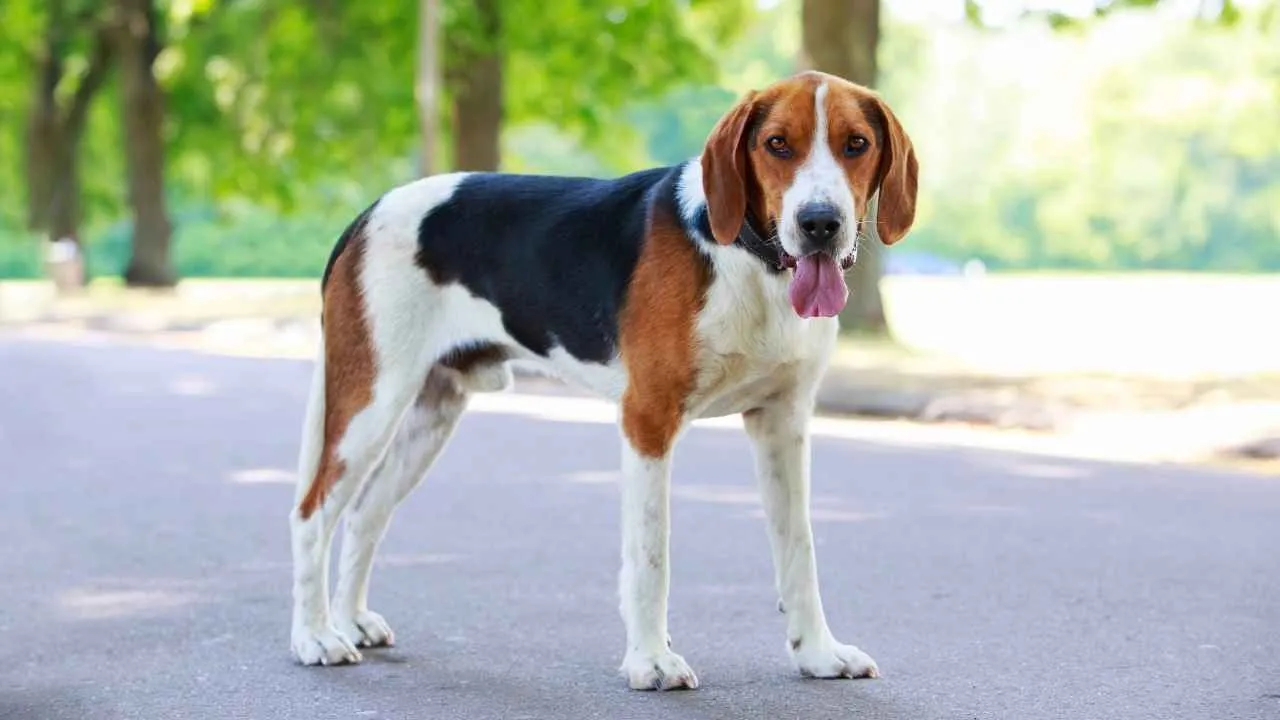
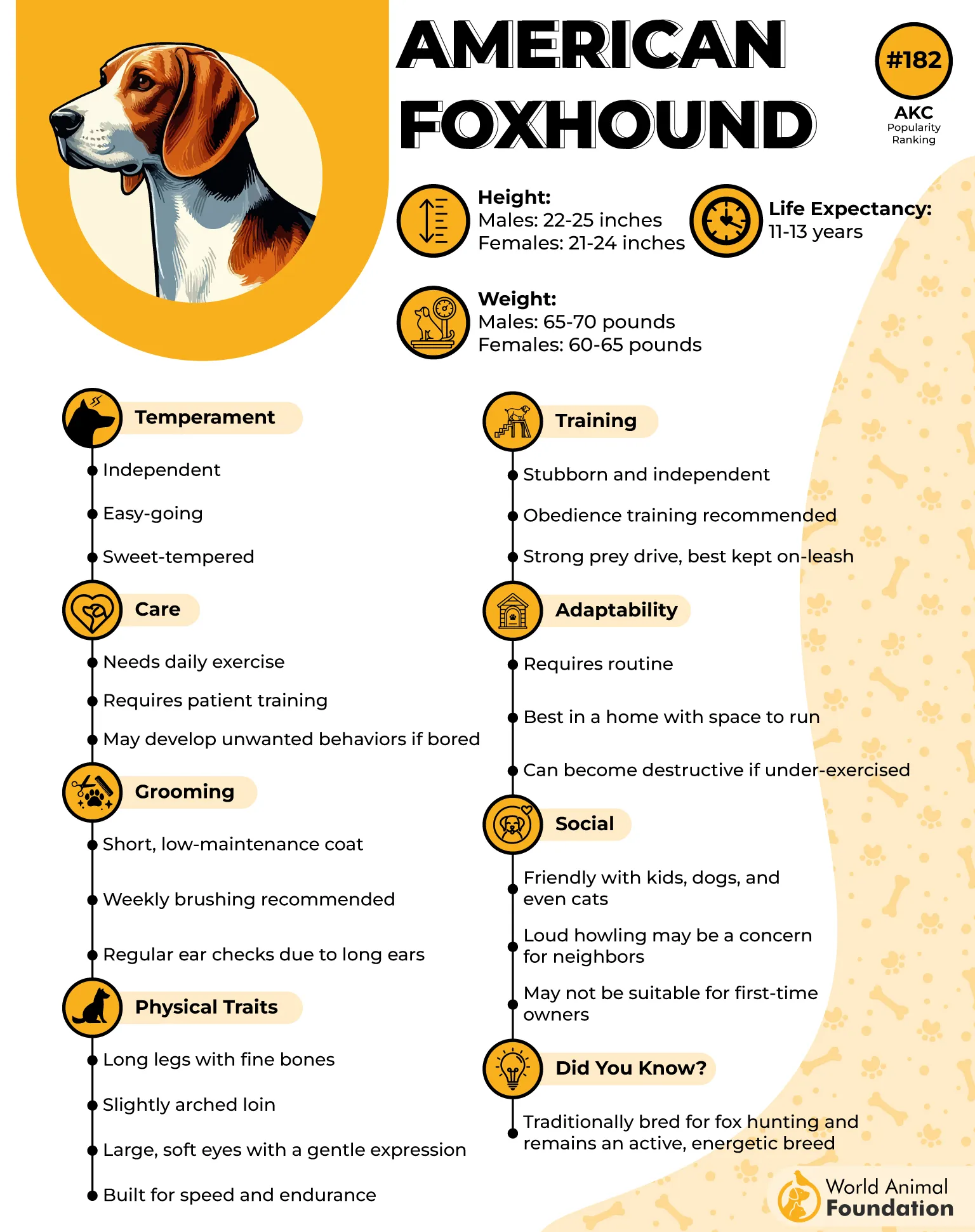
The American Foxhound is a sleek, rangy hunter with long legs, a slightly arched loin, and large, soft eyes that convey a gentle, pleading expression.
Developed in the 1700s by George Washington, this rare breed was designed for long hours chasing foxes during Colonial-era hunts. Males and females are athletic and built for speed, endurance, and stamina, making them ideal companions for active families or rural living.
Personality and Behavior
American Foxhounds are good-natured, mild-mannered, and social. They thrive in the company of children, other dogs, and even cats if introduced carefully, but their strong prey drive means caution is needed with smaller pets.
As pack dogs, they prefer companionship—human or canine—and can become bored or lonely if left alone for long periods. Their distinctive baying is a hallmark of the breed, used historically to signal a scent to hunters, and may be a consideration for neighbors.
Exercise and Lifestyle
Foxhounds have huge energy stores and require one to two hours of exercise daily. Long walks, hikes, and securely fenced play areas are essential to prevent boredom and destructive behavior.
They also enjoy canine sports like tracking, rally, and coursing ability tests to exercise both mind and body. Recall training is critical from day one due to their instinct to roam and follow scents.
Conclusion
For those who crave adventure, some dogs are built to thrive in rugged outdoor terrain. Strong, energetic, and intelligent, these tenacious companions excel in environments that challenge both body and mind.
They love long hikes, open trails, and active play, and their stamina and determination make them perfect partners for anyone who enjoys exploring the wild.
By embracing an active lifestyle and giving these dogs the exercise and mental stimulation they need, you’ll forge a bond rooted in trust, loyalty, and shared adventure.
For those ready to venture off the beaten path, these dogs aren’t just pets—they’re steadfast teammates who turn every outdoor experience into an unforgettable journey.
Looking for more options? You can also check out the Jack Russell Terrier, Bernese Mountain Dog, Australian Shepherd, Border Collie, Labrador Retriever, German Shepherd, Golden Retriever, Miniature Dachshund, and German Shorthaired Pointer.
