




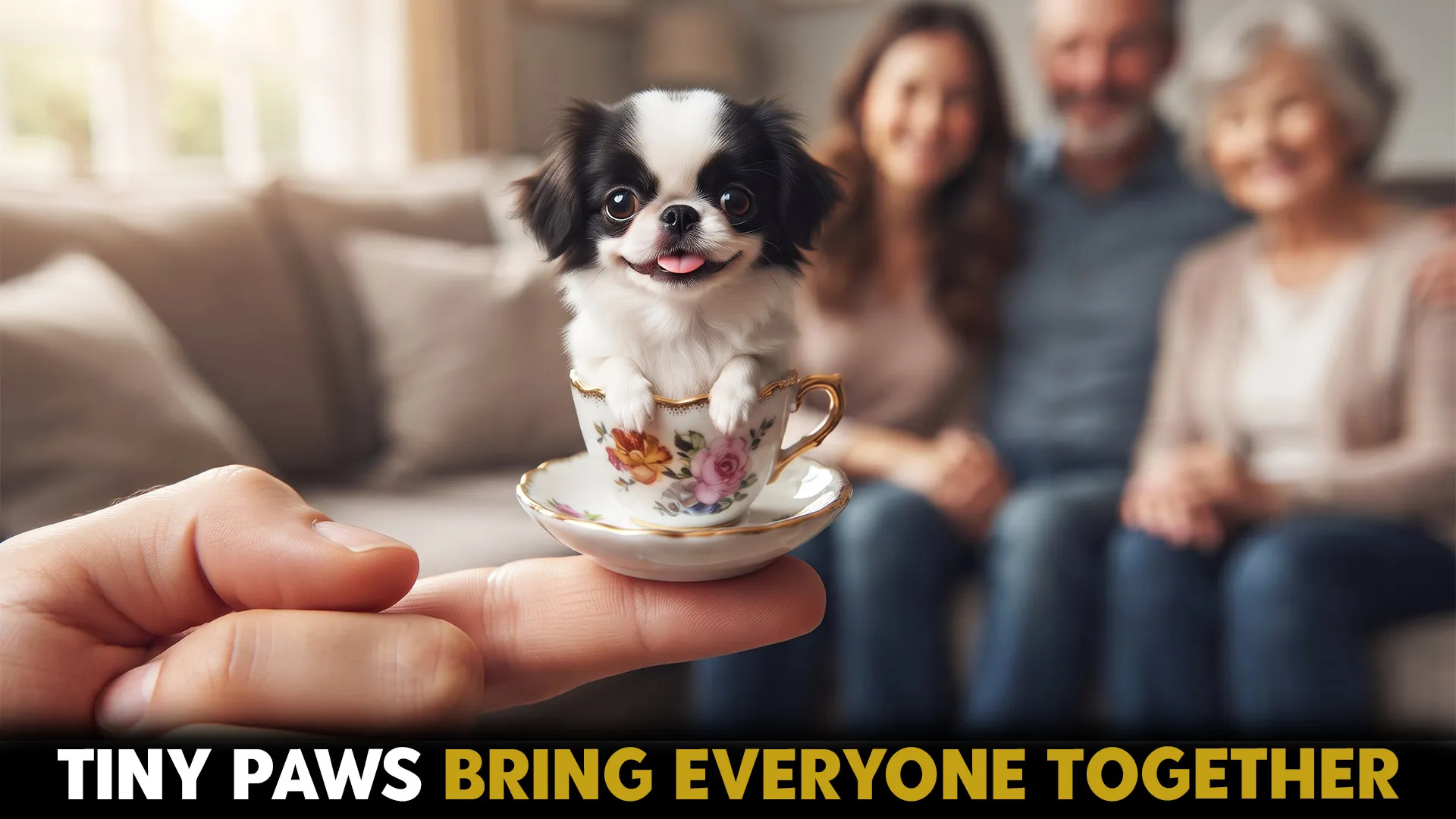
A family may picture a tiny dog padding through the house, curling up beside the children, and fitting neatly into everyday routines. That picture can be charming, but choosing among teacup dog breeds requires a closer look.
Dogs bred to exceptionally small sizes can weigh only a few pounds, which affects how families handle them, exercise them, and protect them from accidental falls or rough play. Their compact bodies do not remove their need for training, attention, socialization, and appropriate veterinary care.
Some are lively enough to enjoy games and short adventures, while others are happier in calm homes with gentle handling. Age and personality matter too, especially when young children are involved. The smallest dog is not automatically the easiest choice for every household.
Finding a suitable match means looking past cuteness and considering daily life from the dog’s point of view. By the end, the tiny details will matter far more than size alone.
Key Takeaways
A small teacup dog breed can bring plenty of life into a family home, but these little bodies need thoughtful handling, especially around young children.
The Biewer Terrier needs only short bursts of daily activity, while the Brussels Griffon can turn a living room into a playground with puzzles and nose work.
Papillons add quick learning and plenty of enthusiasm, followed by the affectionate Havanese, which would rather be part of every family moment.
Then come the Shih Tzu, Yorkshire Terrier, and Maltese, each bringing a different personality that makes choosing among these tiny companions more interesting
Top Teacup Dog Breeds for Families
1. Biewer Terrier
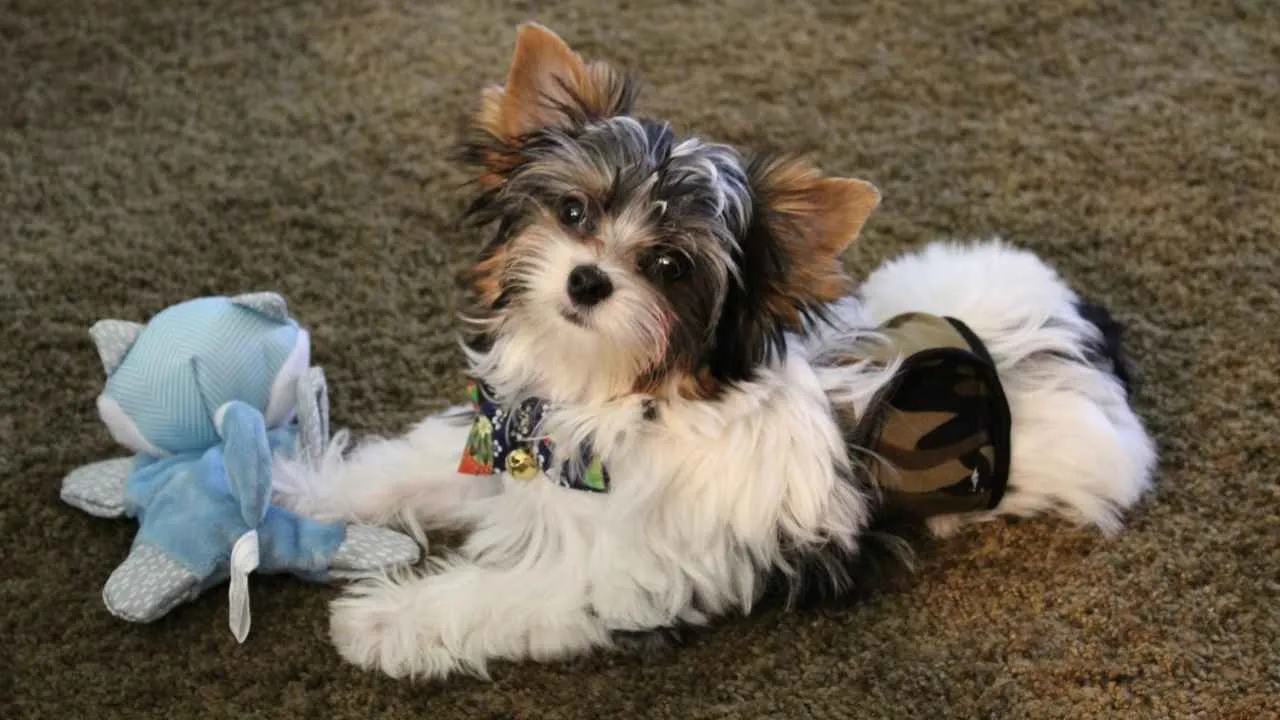
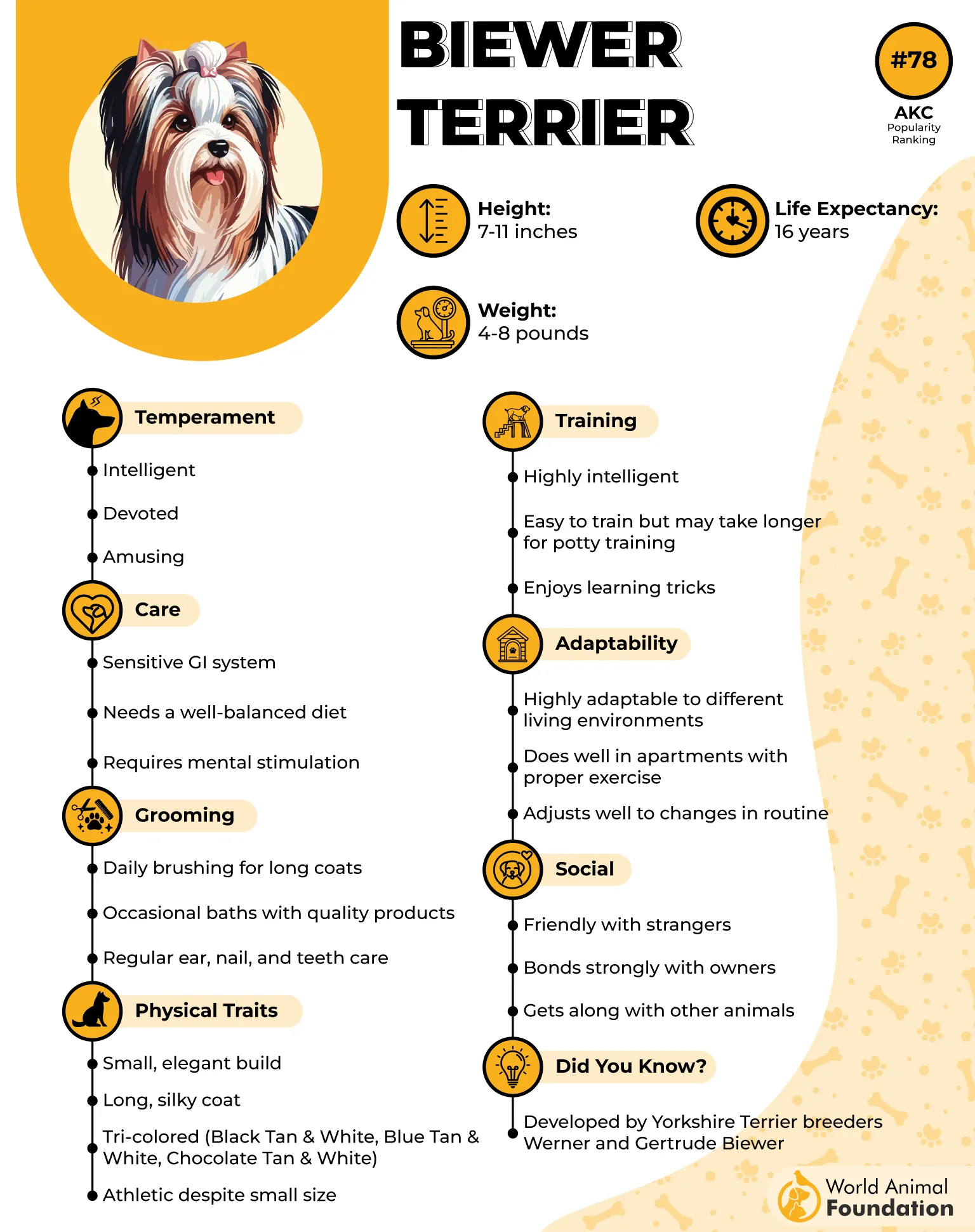
Biewer Terrier began in Germany in 1984 after Werner and Gertrud Biewer produced Yorkshire Terrier puppies carrying a rare recessive piebald gene. Their unusual spotted coloring led to the early name German Yorkshire Terrier before the breed became known by its current name.
Small-Space Energy
This small dog breed needs only about 30 minutes of daily exercise, making short neighborhood walks, indoor play, and puzzle toys practical for a compact home. Their tiny frames also make backyard games such as fetch or hide-and-seek easy ways to add a quick burst of activity.
These specifics make their routine especially manageable:
Agility can suit their quick reflexes
Surprisingly fast for its size
Need careful supervision around toddlers and larger dogs
Social Little Companion
Biewer Terrier enjoys being involved with people and generally gets along with adults, older children, cats, and other animals. Their breed standard describes a “fun-loving, childlike attitude,” while early socialization helps them handle family life with greater ease, as per PetMD.
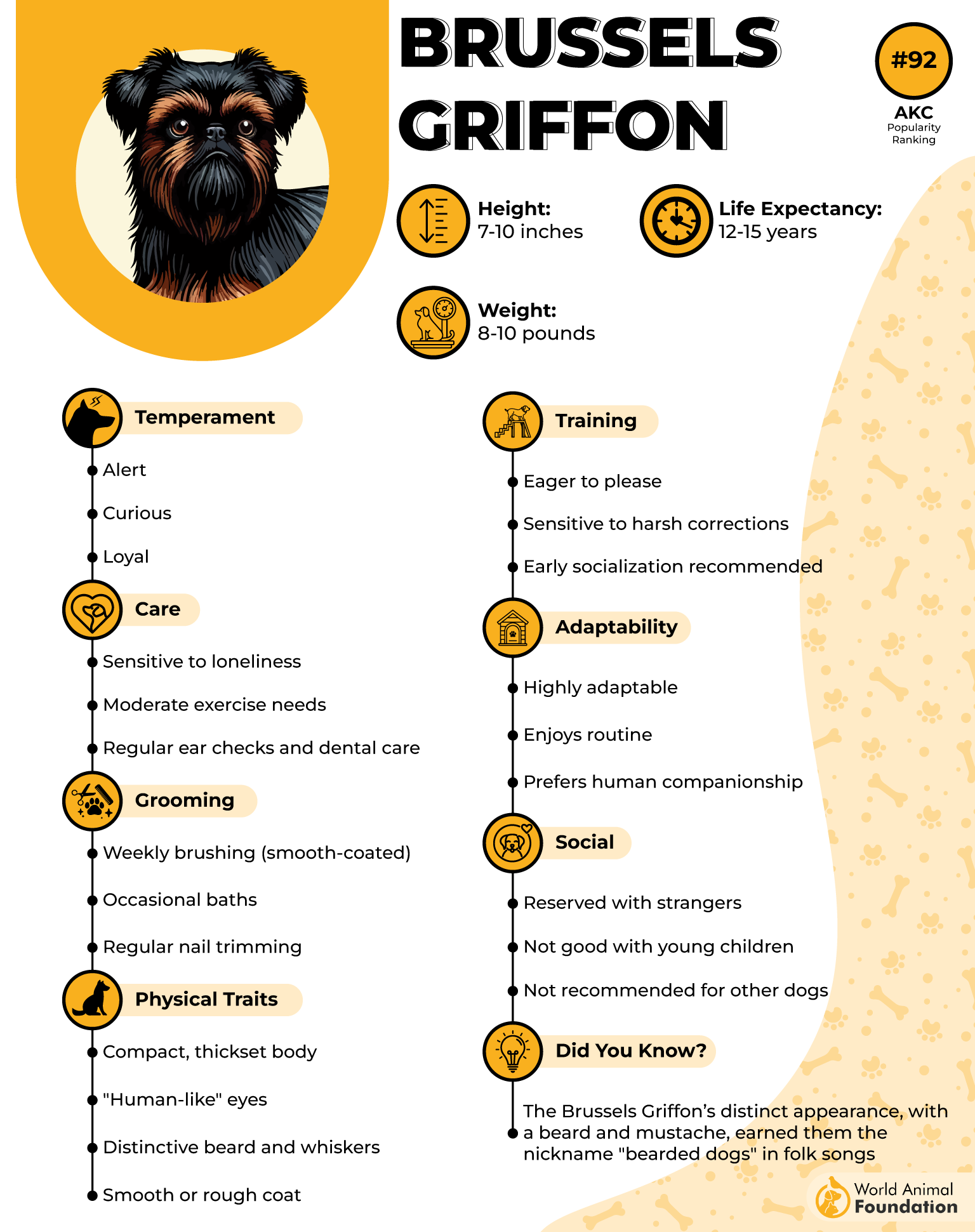
2. Brussels Griffon
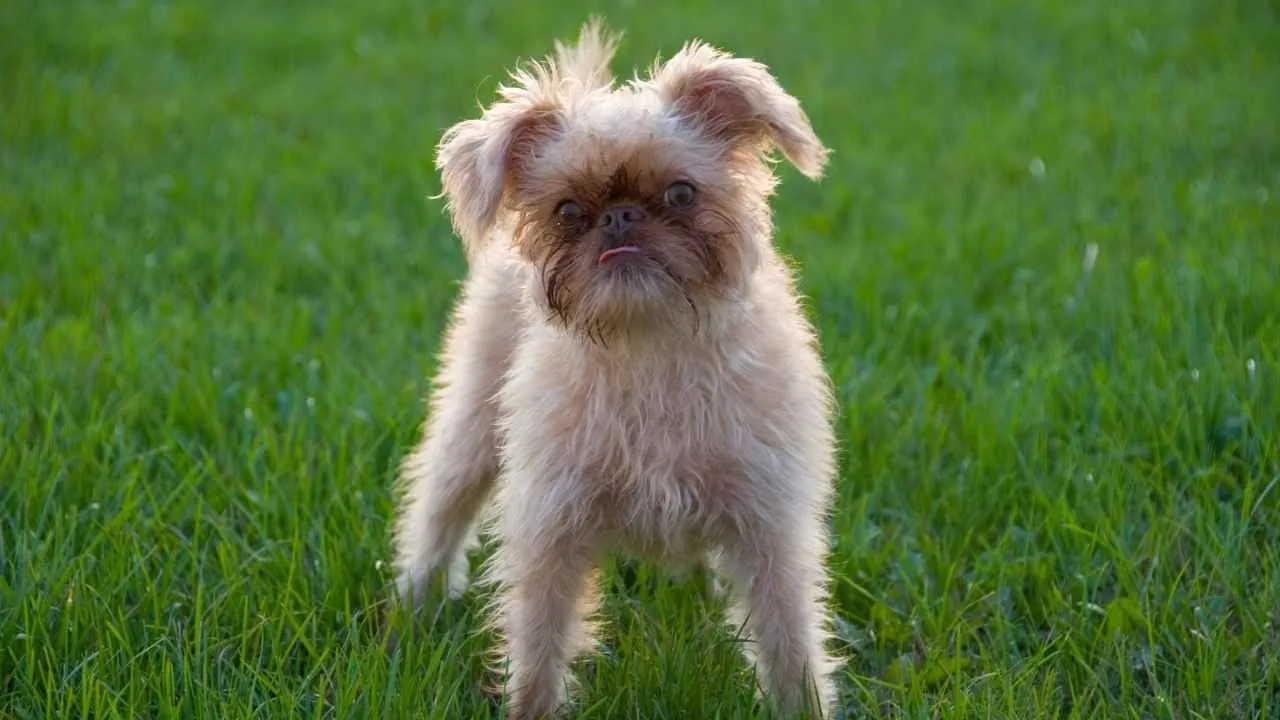
Brussels Griffon emerged in Belgium from German Affenpinscher and Belgian street-dog ancestry, with the rough-coated Griffon appearing by the 17th century.
Later Pug crosses produced a smooth-coated variety, while the breed became familiar, gaining attention among the country’s upper class, as Hill’s Pet reported.
Small-Home Energy
This teacup breed has plenty of activity in a tiny package, with about 30 minutes of daily exercise helping channel that energy. Indoor games such as hide-and-seek, plush-toy fetch, snuffle mats, and treat puzzles can also turn a living room into an active play space.
A few practical details make that routine more interesting:
Agility training can suit their athletic side
Nose work gives their scent skills a job
Tracking classes offer structured outdoor activity
People Matter
Once a Brussels Griffon gets attached to someone, it often wants to stay close and may struggle with being left alone for long periods. Its people-focused nature can make it enjoyable around the family, while children still need to handle this small dog gently and with care.
3. Papillon
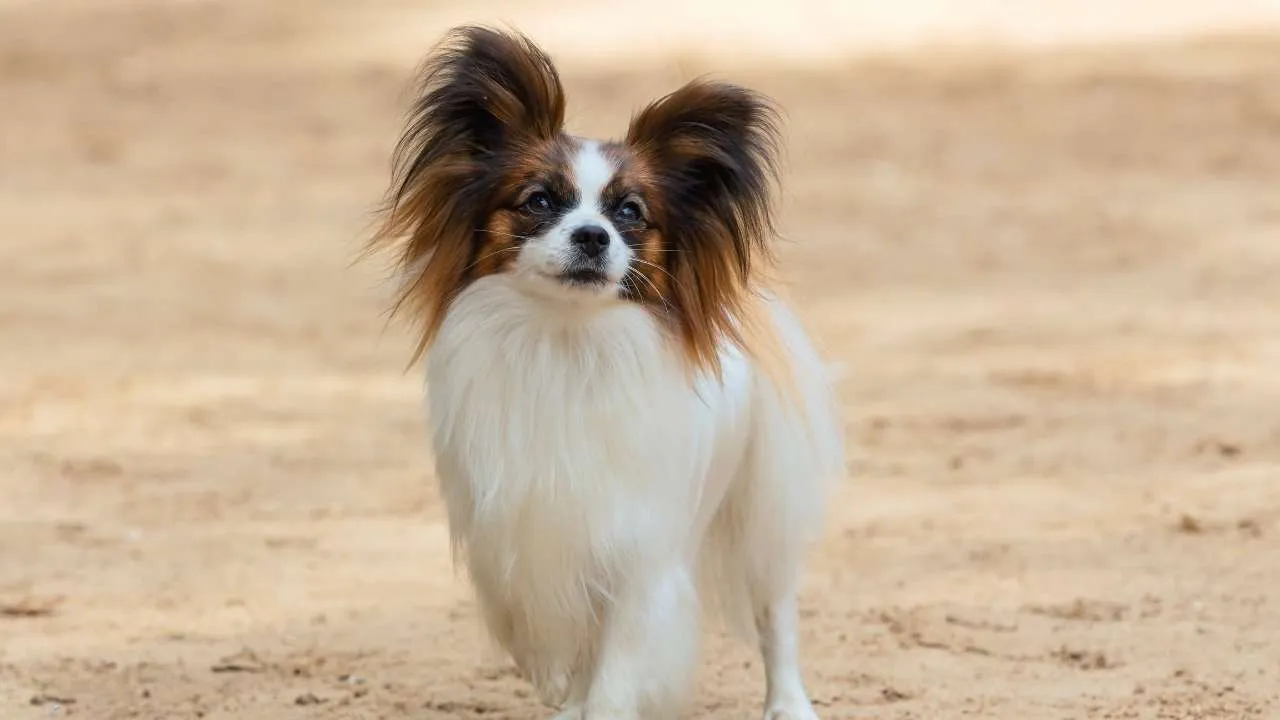
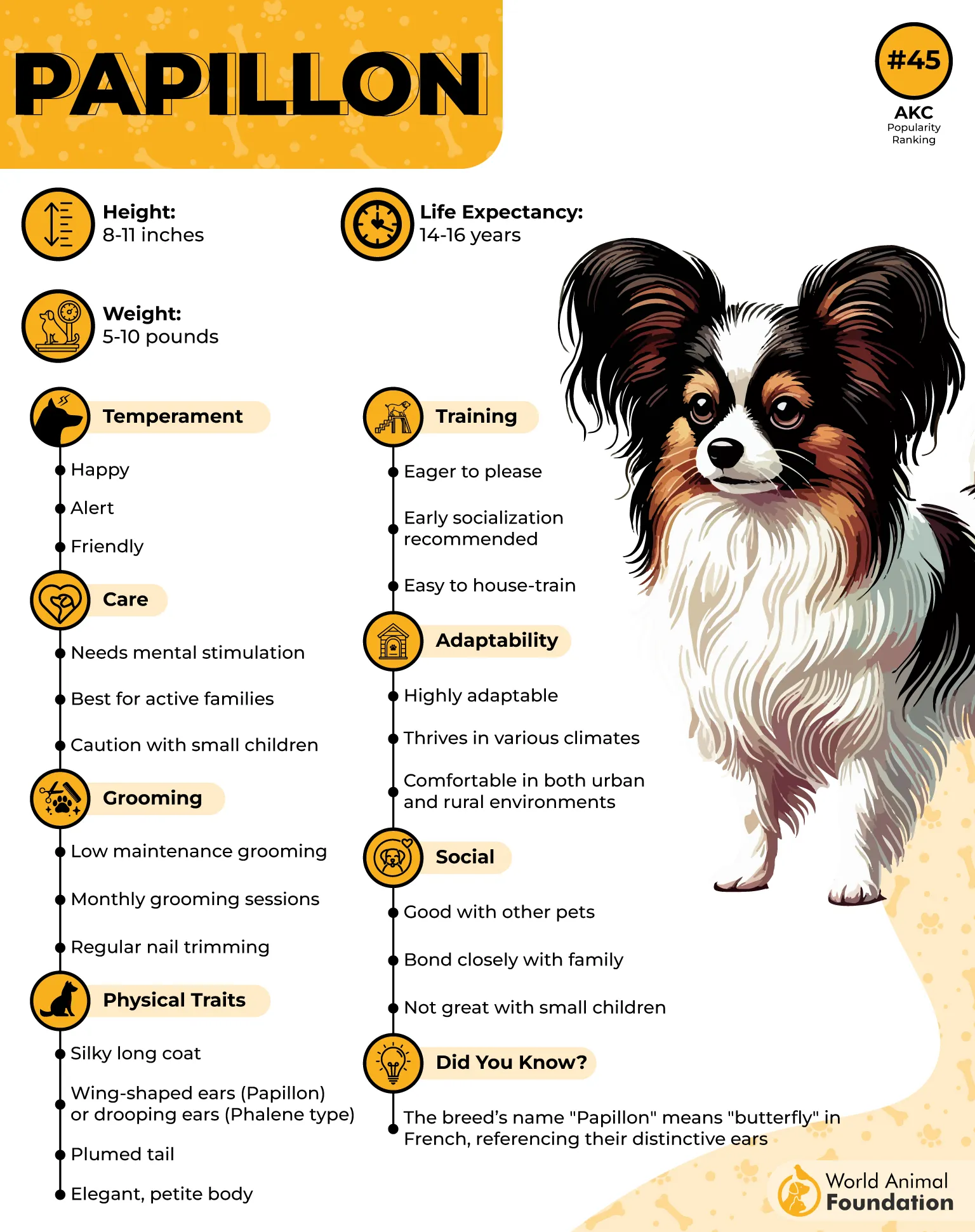
Papillon descends from European Toy Spaniels that appear in royal court paintings dating to the early 16th century. Titian included these tiny spaniels in several works from around 1500, while their butterfly-like upright ears became fashionable much later in the 19th century.
Small Home, Big Personality
A busy day at home can give Papillon plenty to do, as interactive games can keep its small body and sharp mind moving. Add several brief walks to that routine, and around 30 minutes of daily activity can usually give this lively companion enough exercise.
Its small size does not slow down its enthusiasm:
Needs supervision during outdoor play
Fast enough to require secure areas
Learns quickly and enjoys performing for people
Handle With Care
Children and Papillons can get along nicely when play stays gentle, and everyone learns how to handle this tiny dog properly, as VCA Hospital claims. Its small body is vulnerable to rough games, and sudden movements or loud sounds can be unsettling, especially for households with very young children.
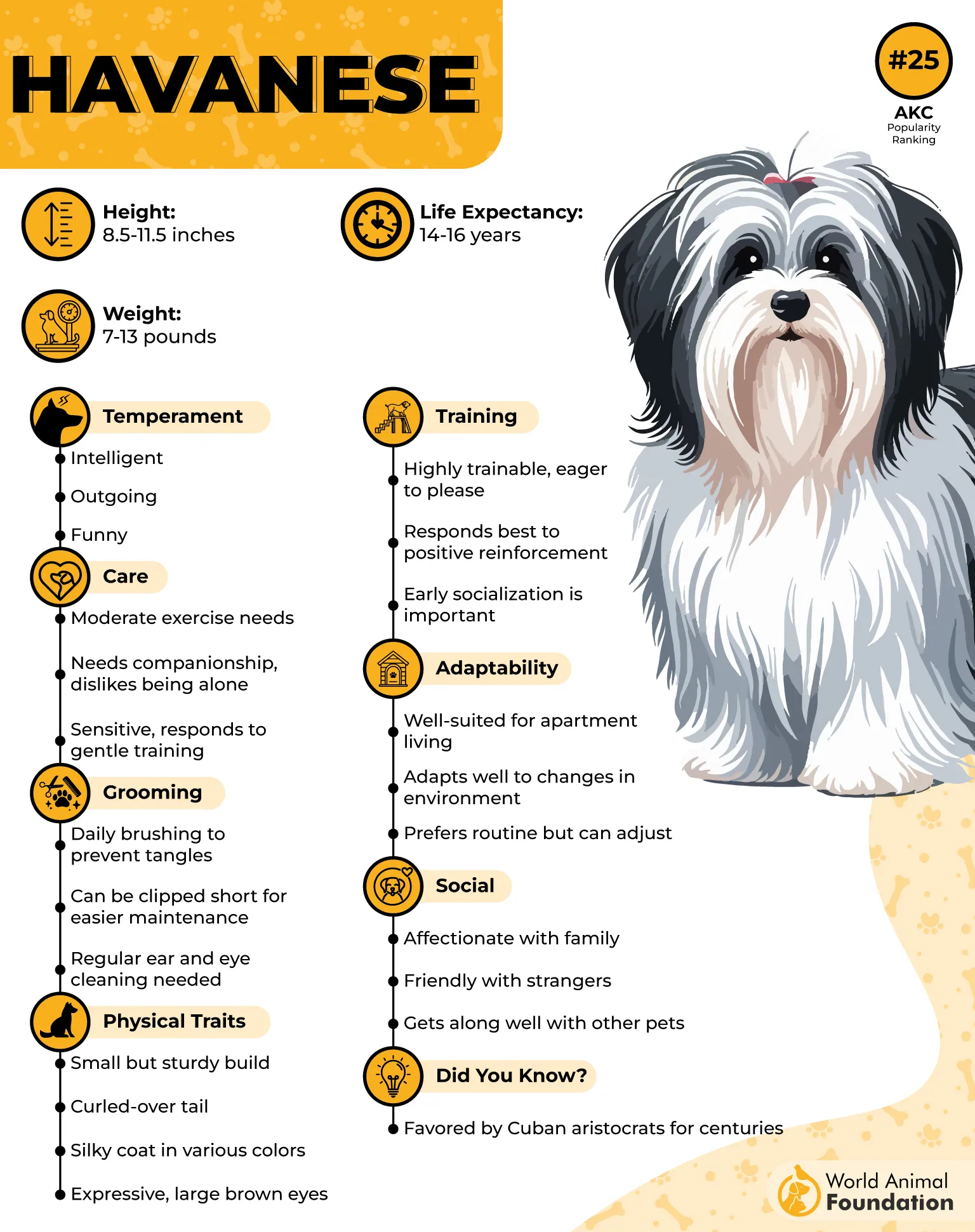
4. Havanese
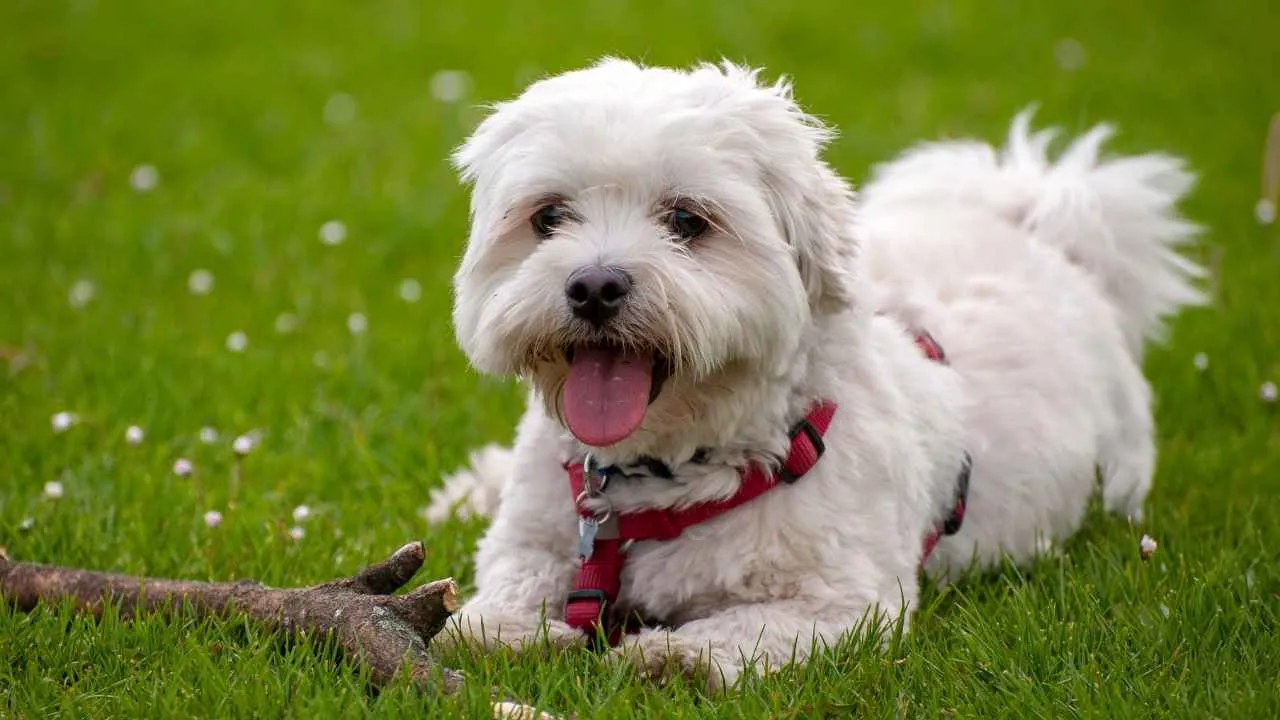
Havanese traces its early roots to Cuba, where ancestors arriving from Tenerife in the 1500s eventually became prized household companions in Havana. By the 18th century, the breed had reached Europe and gained favor among British, French, and Spanish nobility.
Made for Family Life
This toy dog is a lively presence in family homes, with enough activity needs for games and outdoor fun without requiring demanding athletic routines. Its small size, cheerful nature, and ability to adapt to different surroundings make it practical for households with children.
Its friendly nature still leaves room for caution:
Learns tricks quickly with consistent training
May be cautious around unfamiliar people
Playful antics can test household rules
A Dog That Wants In
Havanese enjoys being involved in whatever the household is doing and can become unhappy when ignored for long periods. The breed can learn to handle short periods alone with early training, while its affectionate nature often earns it the nickname “velcro dog.”
5. Shih Tzu
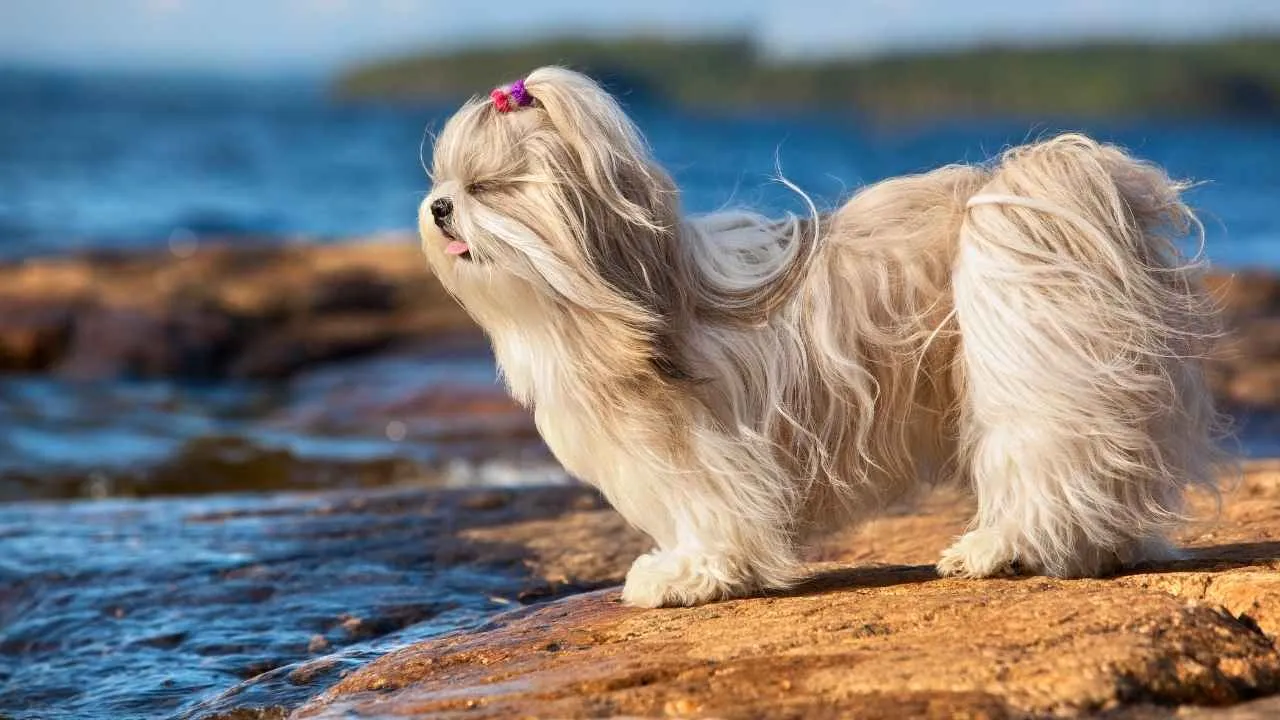
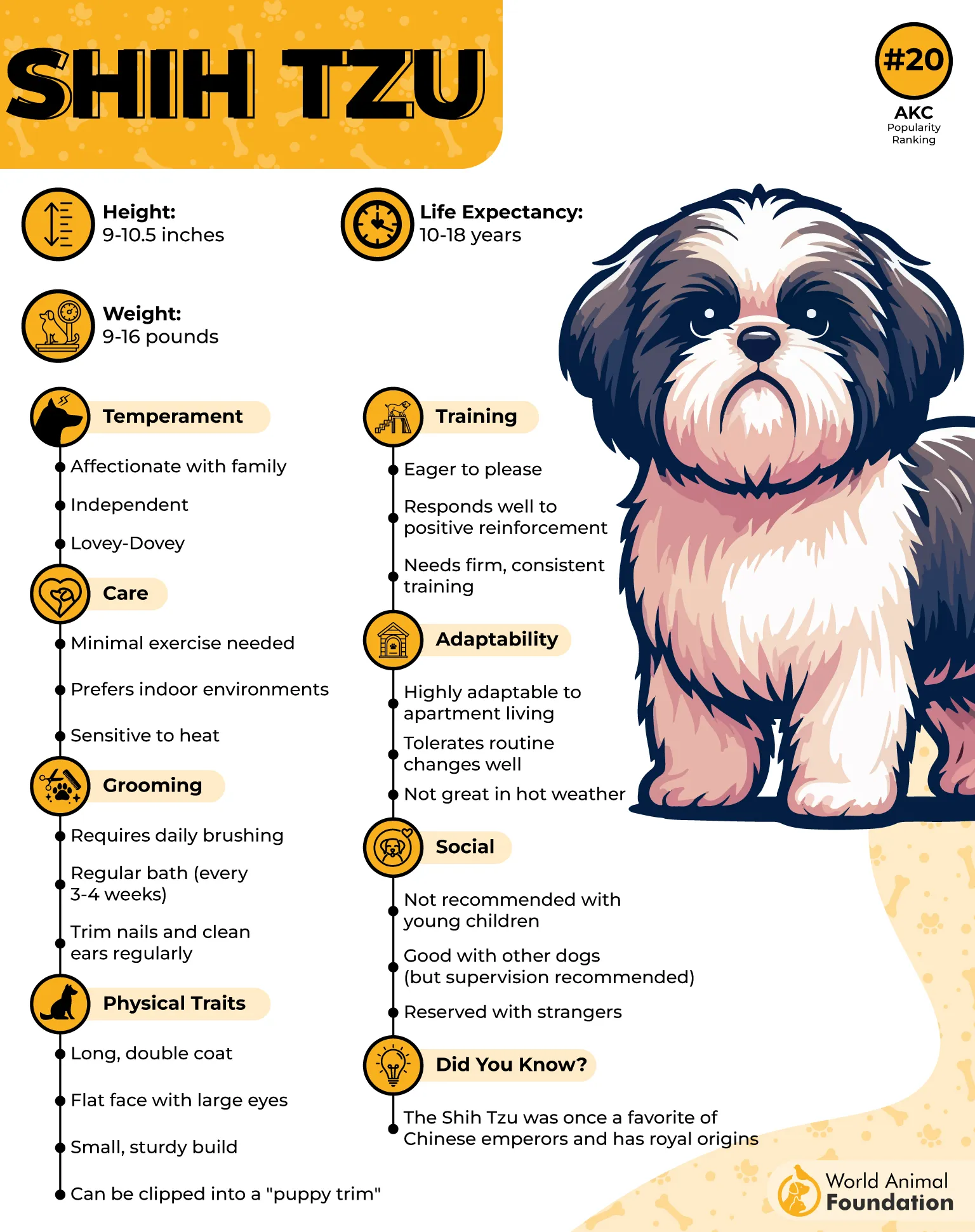
Shih Tzu was originally bred in the Forbidden City during the 17th century from crosses involving the Tibetan Lhasa Apso and an early form of the Pekingese. Called Lhasa Lion Dogs, these little companions remained largely hidden from Western eyes until the 20th century.
Small-Home Energy
This canine companion can get its daily movement without demanding hours outdoors. Short walks, gentle games, and a little trick training can keep it busy, while its compact size makes quick play sessions easy to fit into a typical family day.
Its small frame calls for a little extra care:
Cheerful and affectionate with children and pets
Gets along well with dogs and cats
Children should avoid lifting this small dog
A Tiny Alarm Bell
Shih Tzu was valued for alerting people when visitors approached monasteries, and that habit can still appear when someone arrives at the door.
Their strong need for human company can also make prolonged solitude difficult, with distress sometimes appearing through whining, chewing furniture, or indoor accidents.
6. Yorkshire Terrier
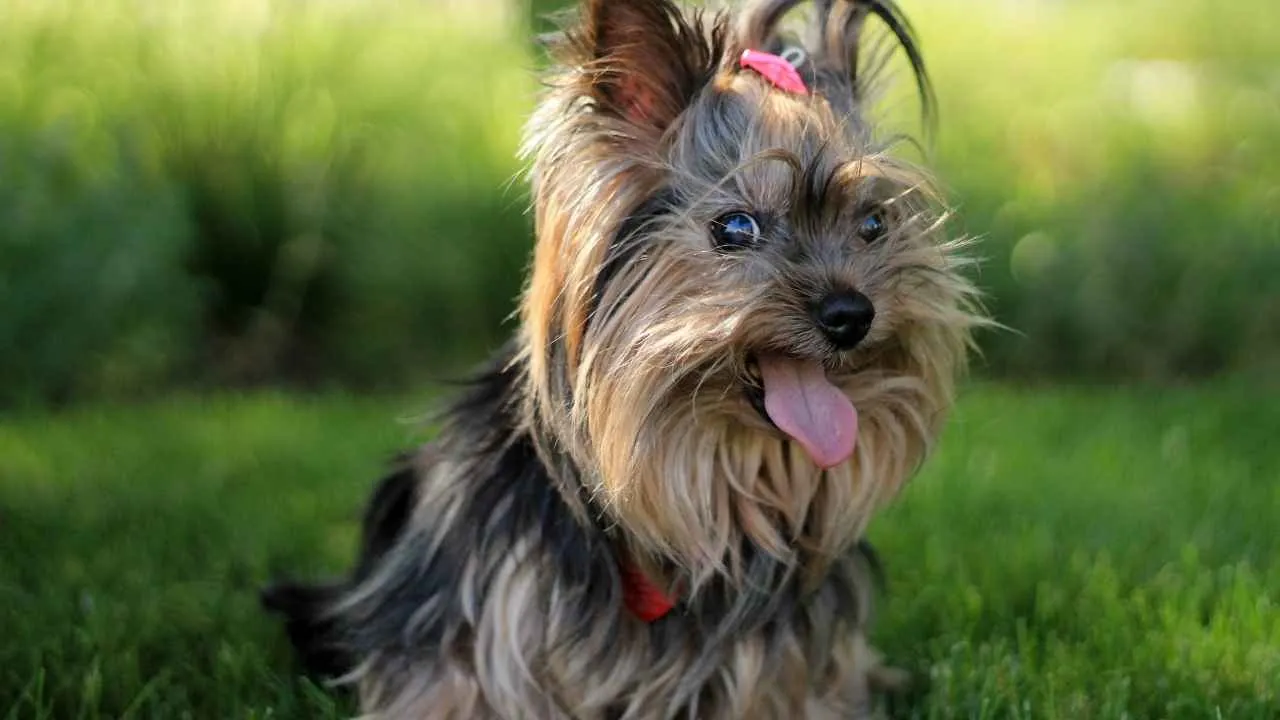
Yorkshire Terrier emerged in Yorkshire during the mid-19th century after Scottish workers brought small terriers into the region’s cotton mills. These little dogs were used to catch rats, with Waterside, Paisley, and Skye Terriers believed to have influenced the breed’s early form.
Tiny Dog, Big Energy
Teacup Yorkies have plenty of curiosity and confidence in a very small frame, with an instinct to investigate whatever is happening nearby. Its alert, lively nature makes everyday family life feel more active, especially when there is something new to explore.
Its small size calls for extra care during early learning:
Needs supervision around very young children
Early socialization can start around 7–8 weeks
Consistent training helps prevent aggressive behavior
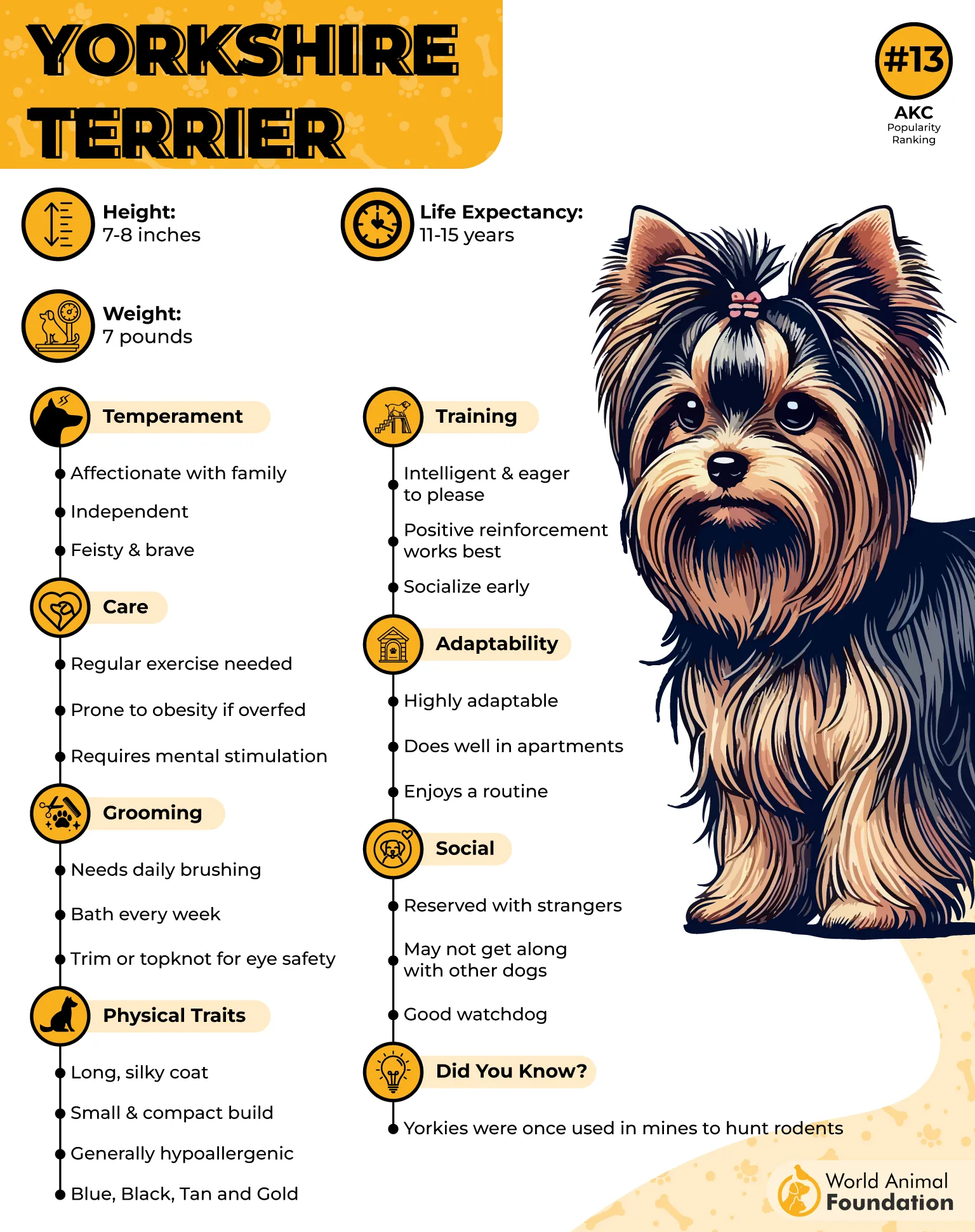
Always Part of the Action
Yorkie likes having something to do, whether that means learning a trick, exploring the house, playing a game, or simply tagging along behind its favorite person.
After all that activity, a quiet cuddle can be just as appealing, while early training helps turn its fearless personality into polite household behavior.
7. Maltese
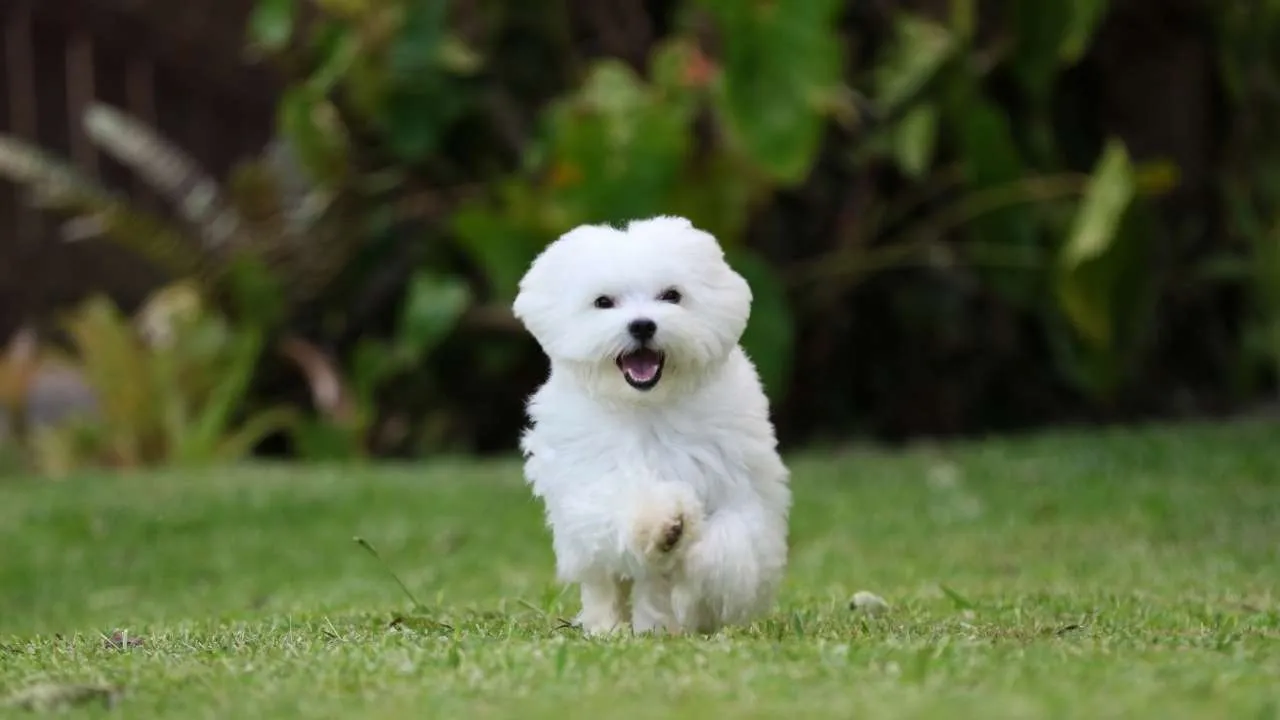
Maltese is one of the oldest toy breeds, with roots reaching back at least 2,000 years in the Mediterranean region. Its exact birthplace remains uncertain, with Malta and Melita in Sicily among the locations suggested by historical evidence and long-standing historical records.
Made for Indoor Life
A backyard is hardly essential for teacup Maltese, which can stay active through everyday play and shorter outings. Its exercise needs are modest compared with larger breeds, so a walk, some indoor games, and time with toys can give it enough movement.
There is more to its daily needs than exercise:
Enjoys learning tricks
Gets along with other breeds and other pets
Limited attention may leave this breed anxious
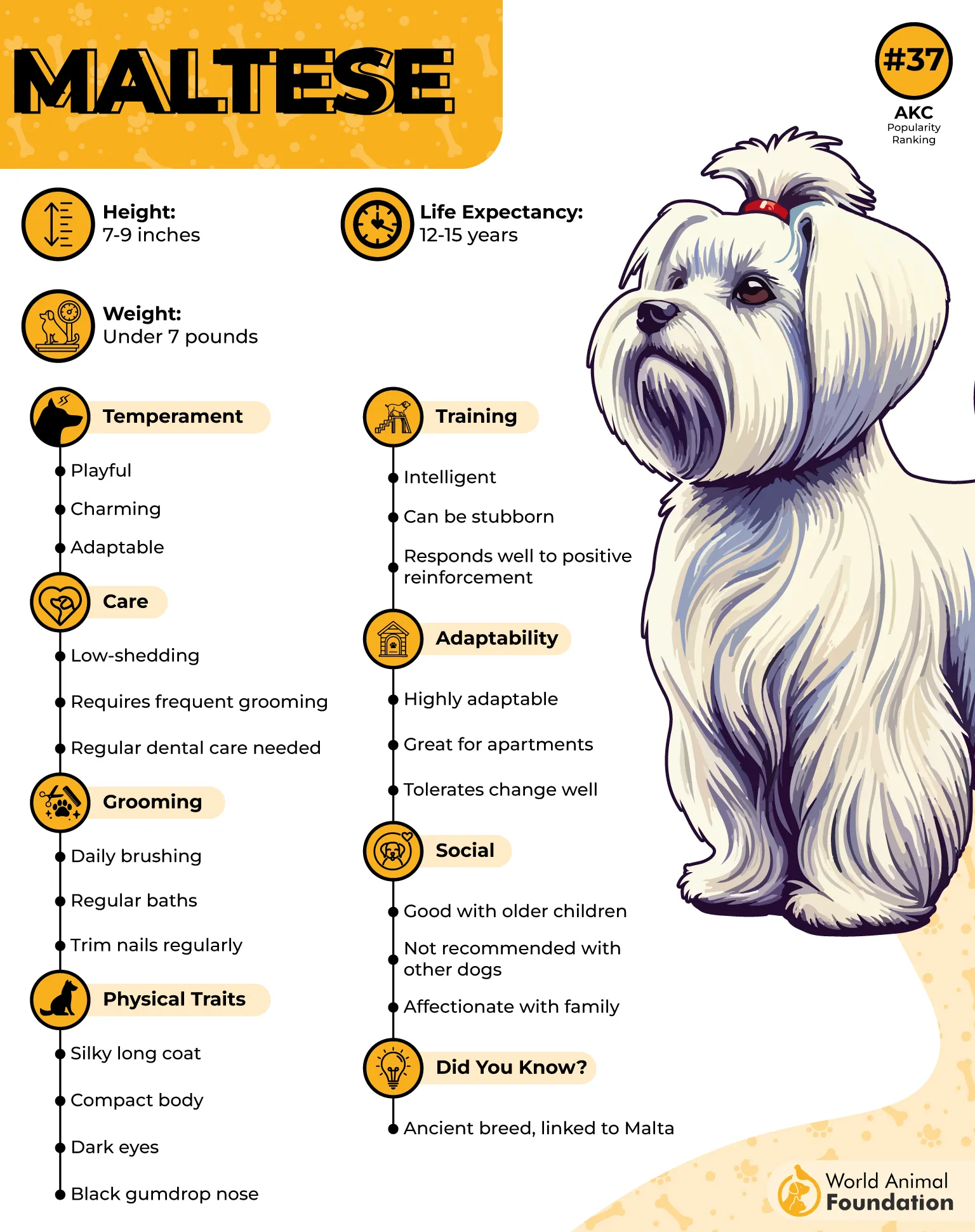
Small Dog, Sharp Alertness
This small breed may react boldly when it senses a threat, giving unfamiliar people a much tougher first impression than its size suggests. Its alert nature also makes it useful as a household watchdog, while its response can soften quickly once a visitor seems safe.
Conclusion
A tiny dog can bring plenty of affection, energy, and personality into family life, but its small size also calls for thoughtful care. Gentle handling matters, especially around young children, larger pets, and busy household activity. Exercise needs may be modest, yet training, socialization, attention, and regular veterinary care remain important for pet owners considering teacup puppies.
Some little companions enjoy games and learning, while others prefer staying close to their people throughout the day. Families should consider age, temperament, time alone, and safety before bringing one home. The right match can fit naturally into daily routines, while a teacup version can still form strong bonds and bring warmth, fun, and companionship to everyone together.
