




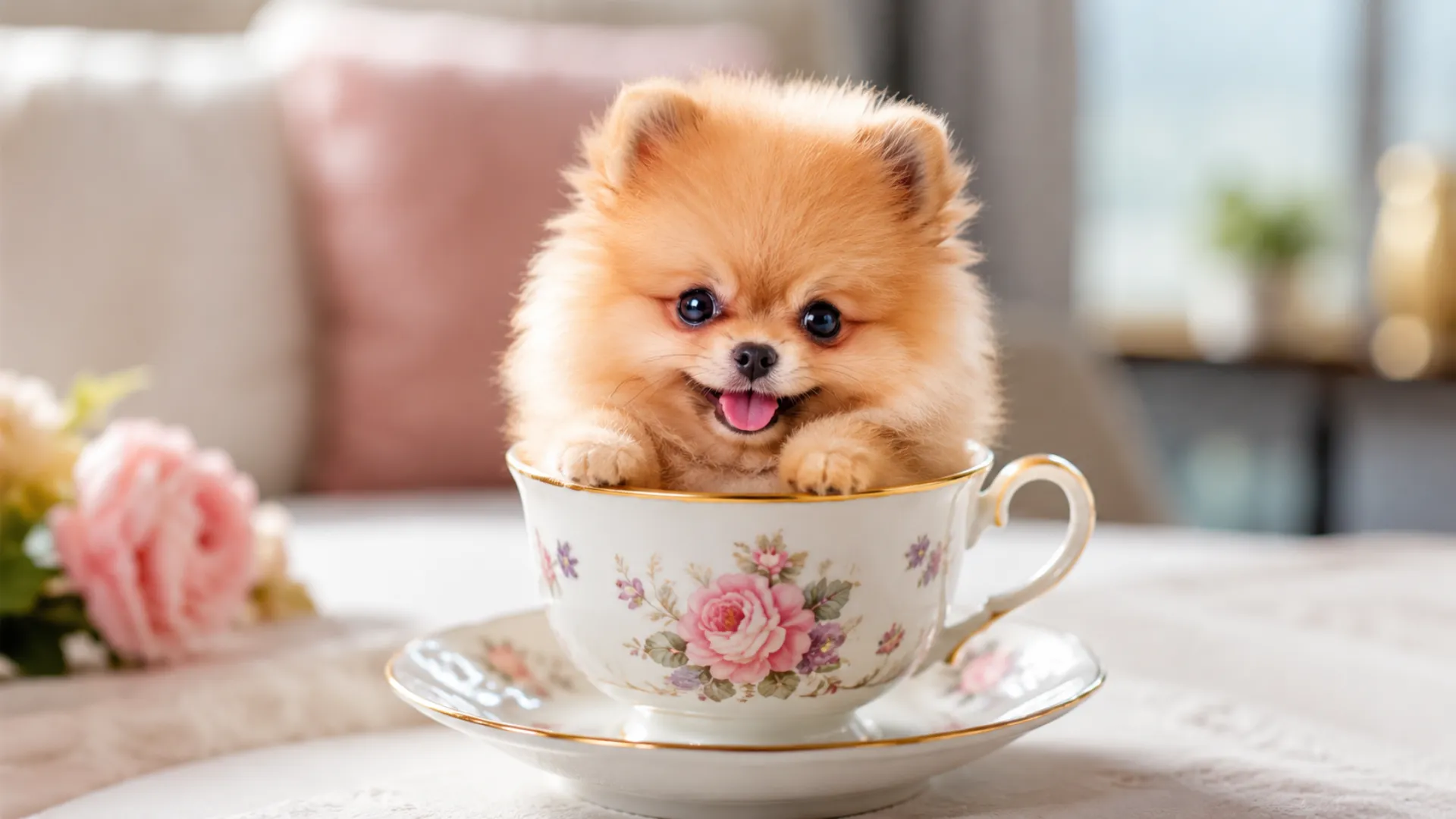
Living in an apartment doesn’t mean giving up on your dream of owning a dog. In fact, some of the happiest companions come in the tiniest packages. Teacup dog breeds can fit comfortably into smaller homes while still filling every corner with love, laughter, and a little bit of mischief.
Anyone who has shared a couch with a tiny pup knows exactly what that means. Still, size alone doesn’t make a great apartment dog. Temperament, exercise needs, barking habits, and trainability matter just as much.
This guide explores ten teacup-sized companions that can thrive in apartment living when given proper care, attention, and plenty of affection.
Top Teacup Dog Breeds for Apartment Living
1. Chihuahua
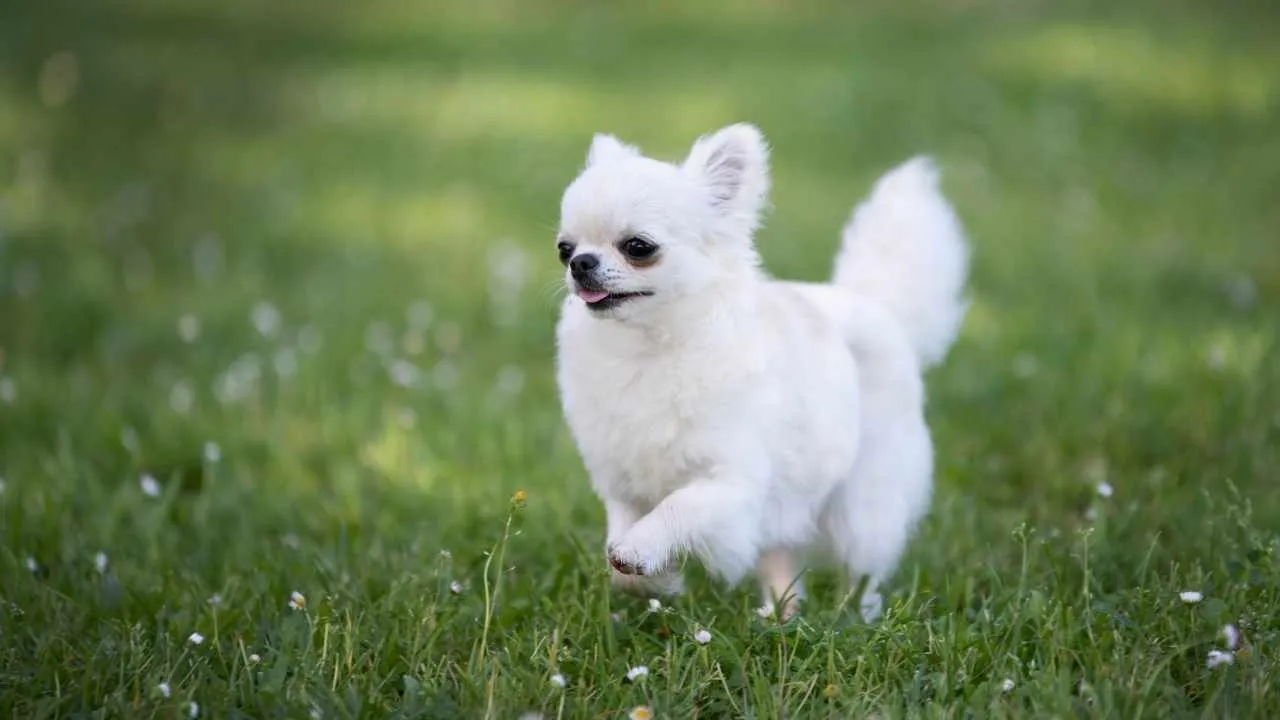
Named after a state of Mexico where the breed was originally developed, the Chihuahua is descended from the Techichi, a sacred breed for the Toltecs. Though the breed existed before the 19th century, the modern-day small dog breed is the result of crossing with Chinese crested dogs, says PetMD.
This apartment dweller loves giving and receiving the owner’s attention. This breed has wide eyes and erect ears that stay alert to notice any unusual activity. Its favorite activity is to snuggle and play with its human family. It can be accidentally hit by small kids because of its small size.
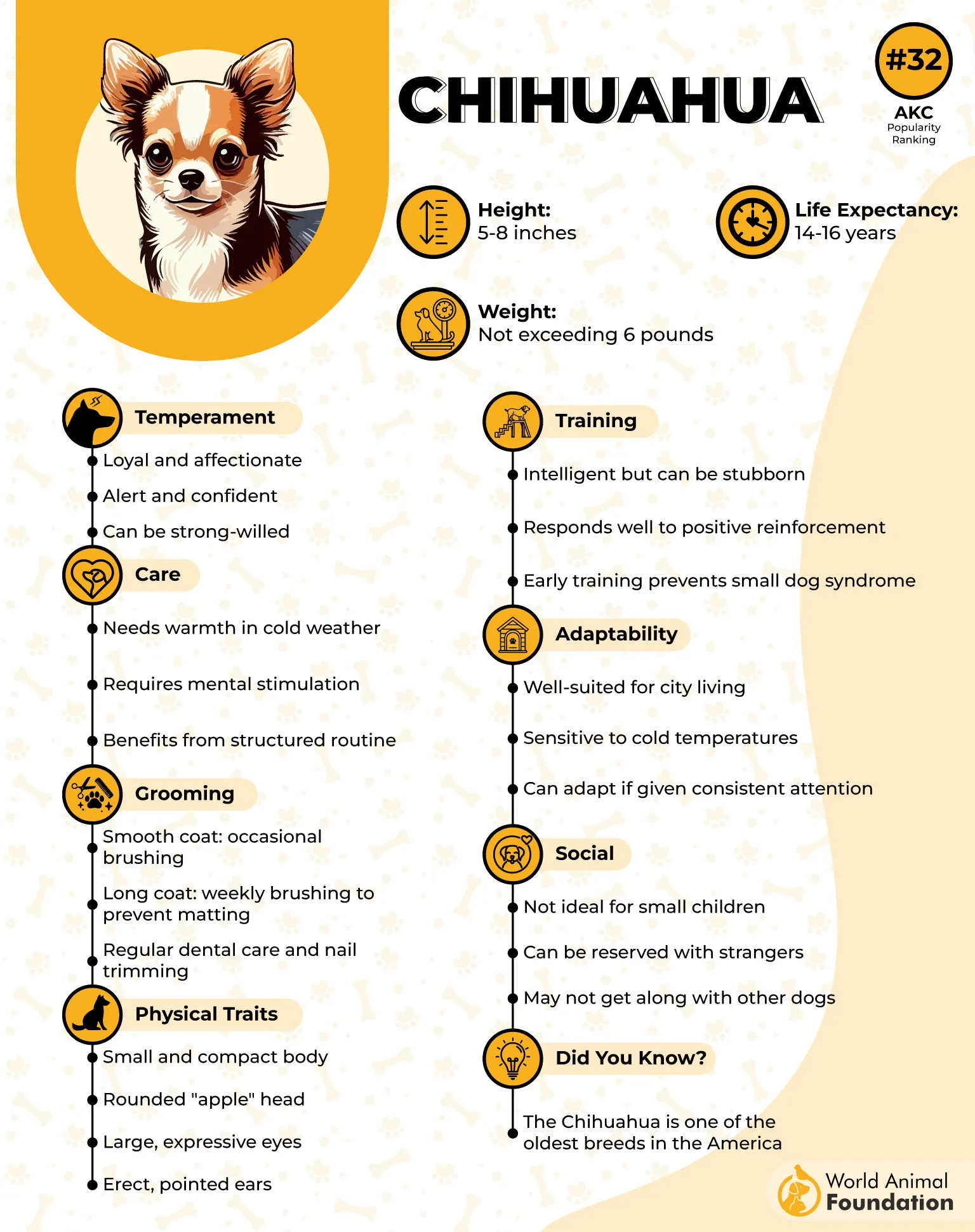
It has a moderate-to-high energy level and requires regular exercise and mental stimulation. The coat comes in two types. The shorthaired breed has minimal grooming needs while the longhaired breed needs frequent brushing.
2. Pomeranian
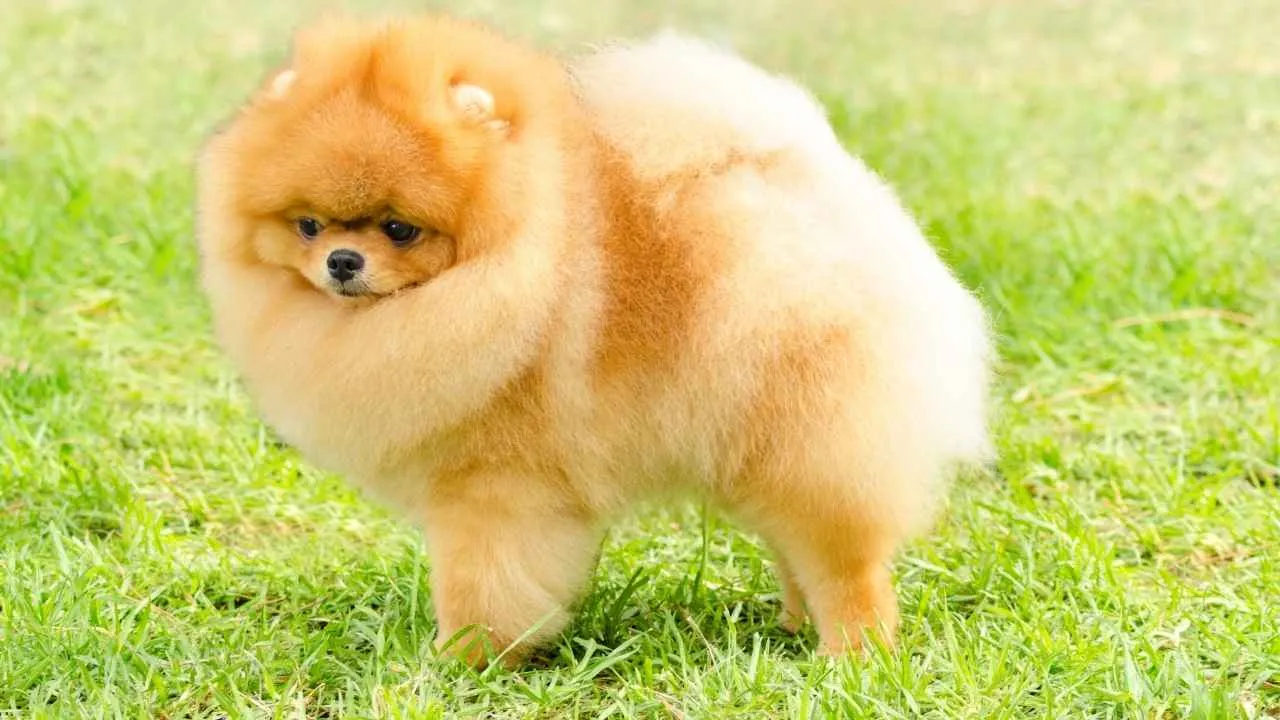
Originating from the Spitz-type dog, this tiny breed was developed in north-west Poland and north-east Germany as a toy dog. It was favored by royalty in the 18th century, including Queen Victoria, who had many of them and is credited with the size reduction of the breed.
It is prone to excessive barking at new stimuli because of its alert nature. Since it has strong territorial instincts, it is a great watchdog. It is a one-man dog, and bonds closely with one or two persons; thus, ideal for single women. It is an eager-to-please breed and tends to learn tricks quickly.
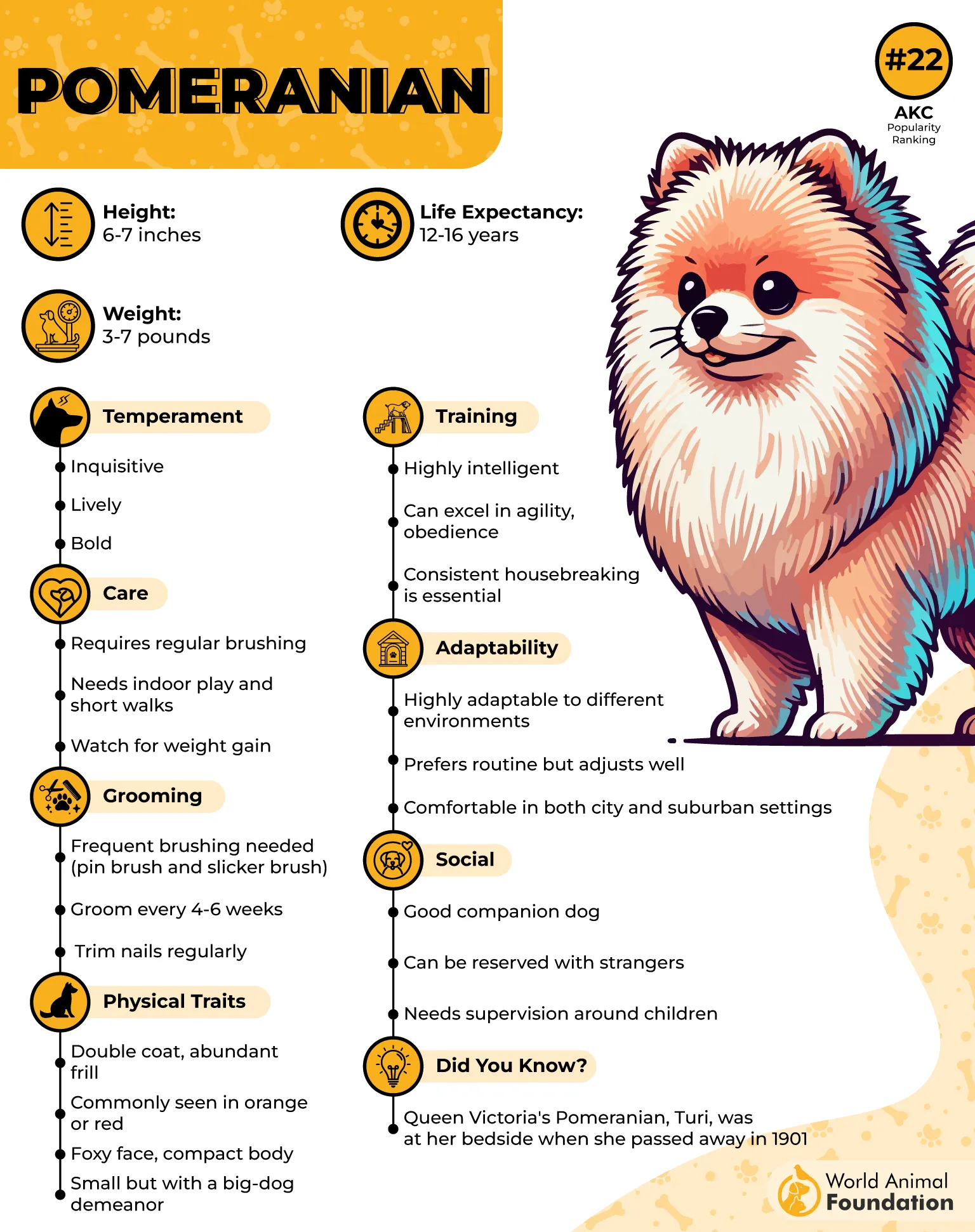
This breed needs at least 30 minutes of daily exercise and thrives in short walks, running, puzzle toys, and soft fetching. This fluffy dog needs daily brushing because of high shedding coat.
3. Teacup Poodle
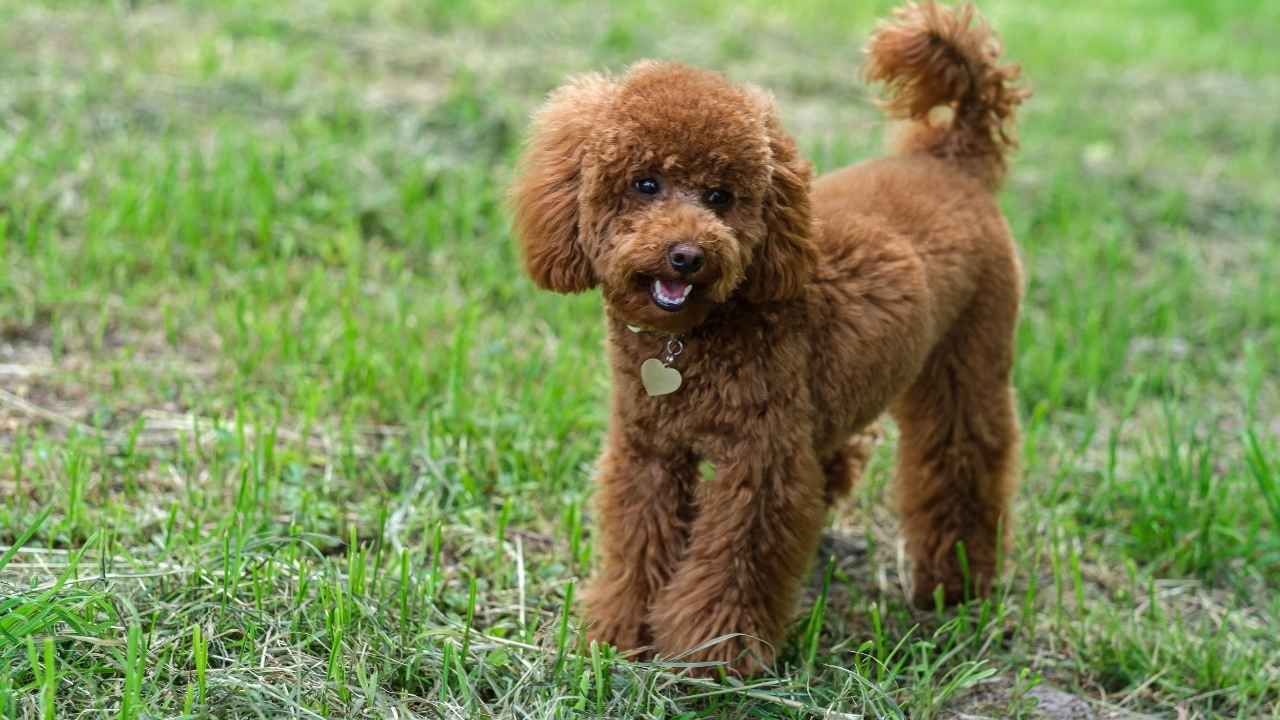
Also known as Pudel in German and Caniche in French, the Poodle was originally bred as a duck hunting breed. Today, it has 4 varieties: Standard, Miniature, Toy, and Teacup. The Teacup Poodle is the smallest breed of all, and an average Poodle lives around 10-18 years.

One of the reasons for making the 4th variety of the Poodle was the desire to reduce Poodle entries at the conformation shows. It is a hypoallergenic breed that produces less dander, so if you are an allergy sufferer or a busy person, this is a perfect dog for you.
This breed is unable to overcome serious genetic abnormalities. Since it is the most intelligent breed among all toy dogs, it is widely used for therapy purposes.
4. Maltese

The history of this ancient dog dates back to 1500 B.C, where it was developed in the Mediterranean region from Spaniel or Spitz-type dogs. The breed entered Britain in the 14th century and became famous among the royalty and nobility as a lap dog, as reported by the Royal Kennel Club.
Because of its bright expressions, gentle disposition, and comforting cuddles, it is an excellent therapy dog. It loves to perform tricks to entertain the people it loves. Leave it alone for too long, and this affectionate dog will develop separation anxiety.
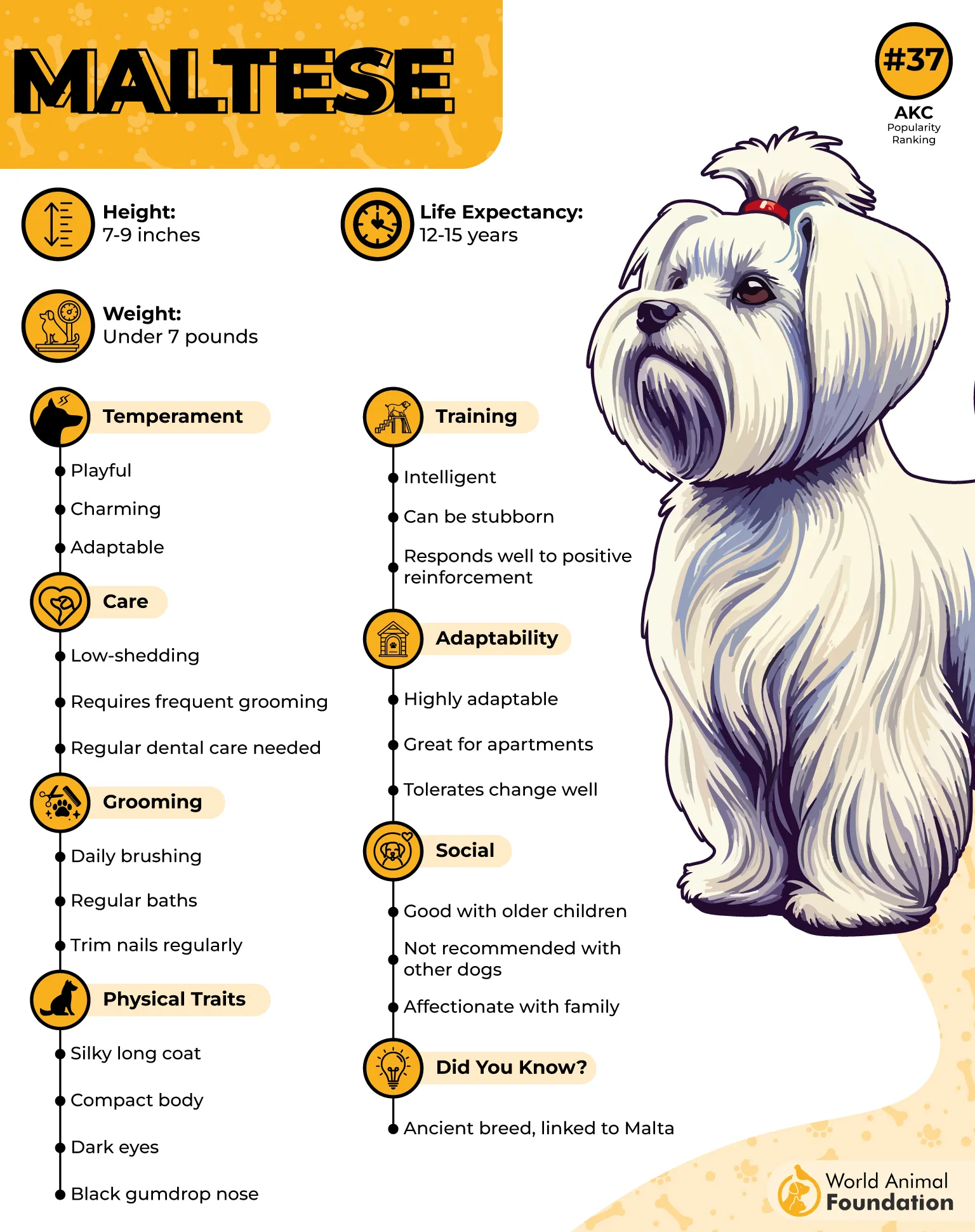
Since it has a slight independent streak, early training sessions and proper socialization are non-negotiable. An adult dog requires 20-30 minutes of daily exercise: hide-and-seek, fetching, and tug-of-war.
5. Yorkshire Terrier
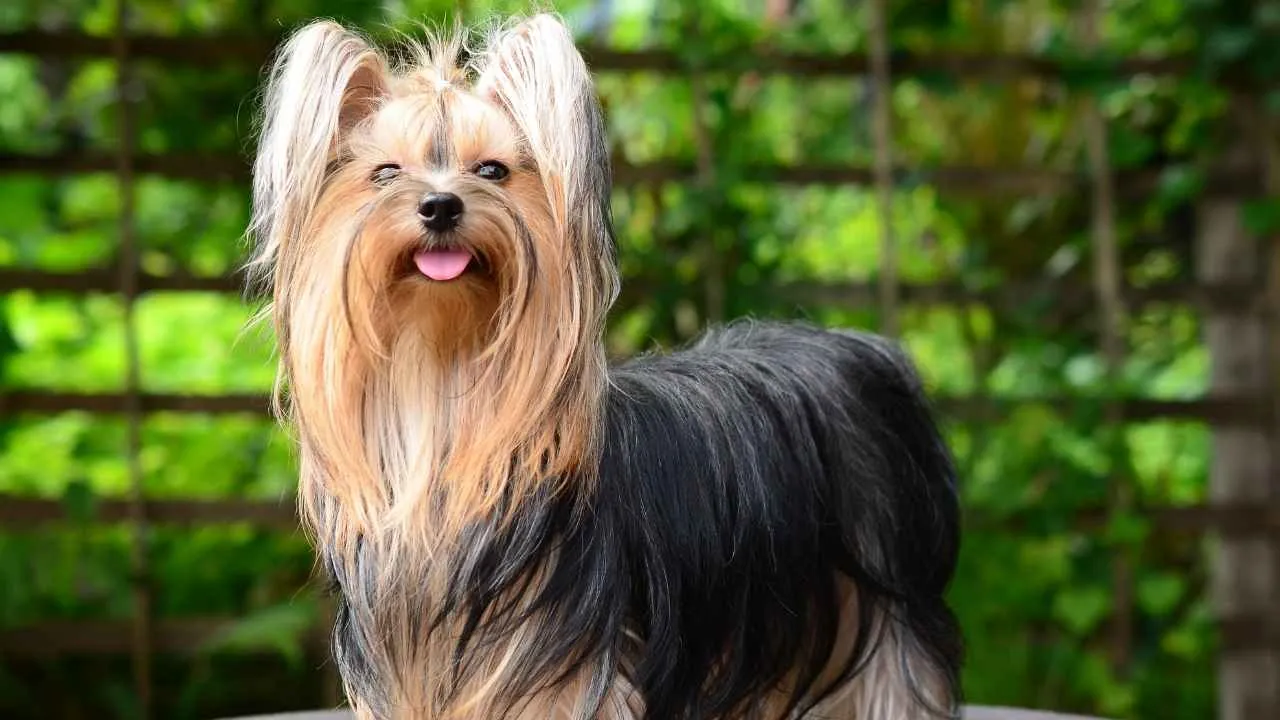
Originating in the city of Yorkshire in the mid 19th century, this breed was developed by crossing the Scottish small terriers with the Waterside, Paisley, and Skye terrier. The primary goal was to be a hunting breed to kill rats and rodents in the cotton and wool mills.
It has strong territorial and protective instincts. Known for having an inquisitive and playful nature, this dog tends to roam around in the house rather than being a lap dog. Obedience training and early socialization are crucial, as it may not be friendly towards other dogs and strangers.
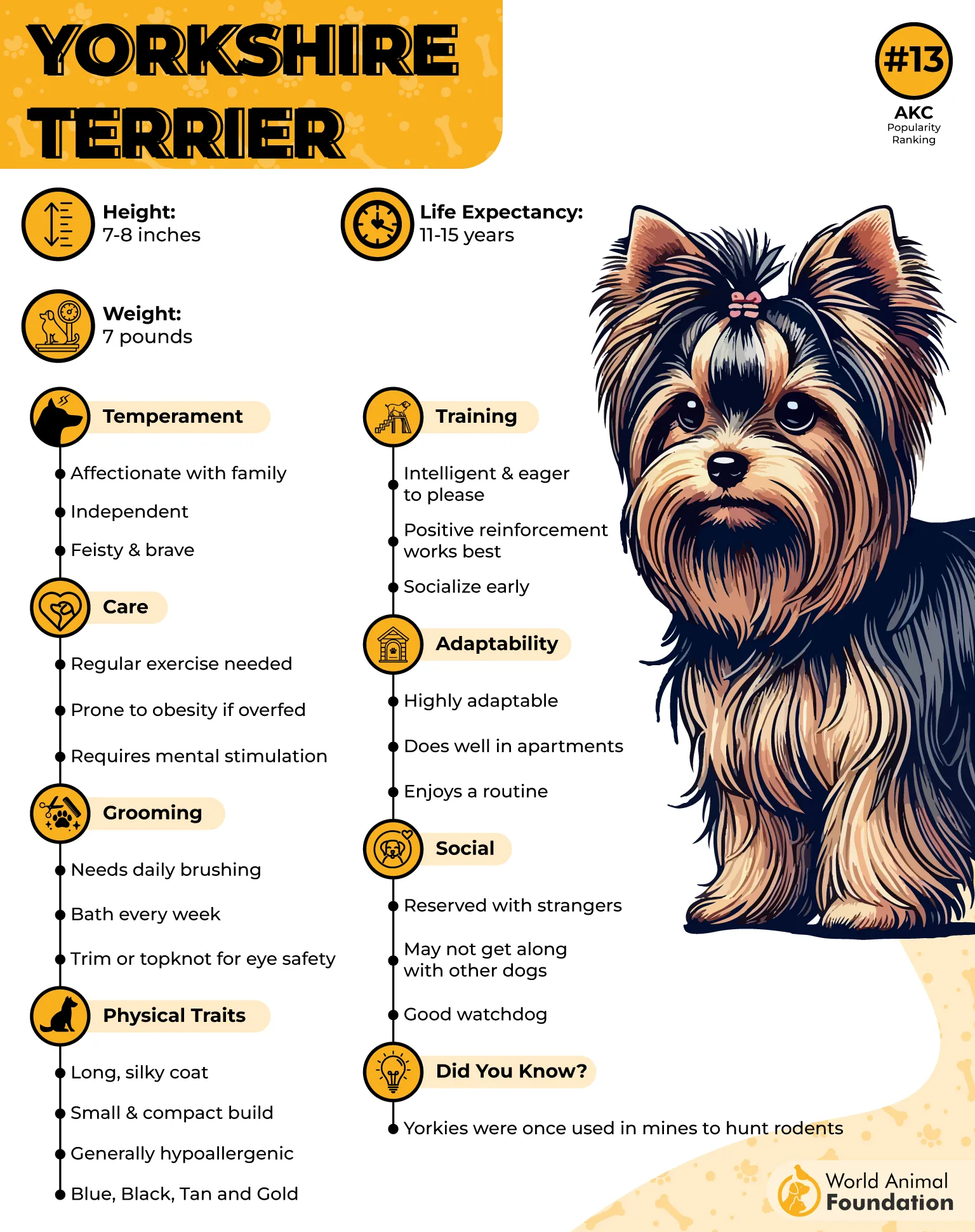
Yorkshire Terrier needs a constant job to prevent destructive behaviors: fetching, short walks, and indoor play sessions. Since it has a long coat that requires extensive grooming, a ‘puppy cut’ is usually suggested if you are a busy person.
6. Shih Tzu
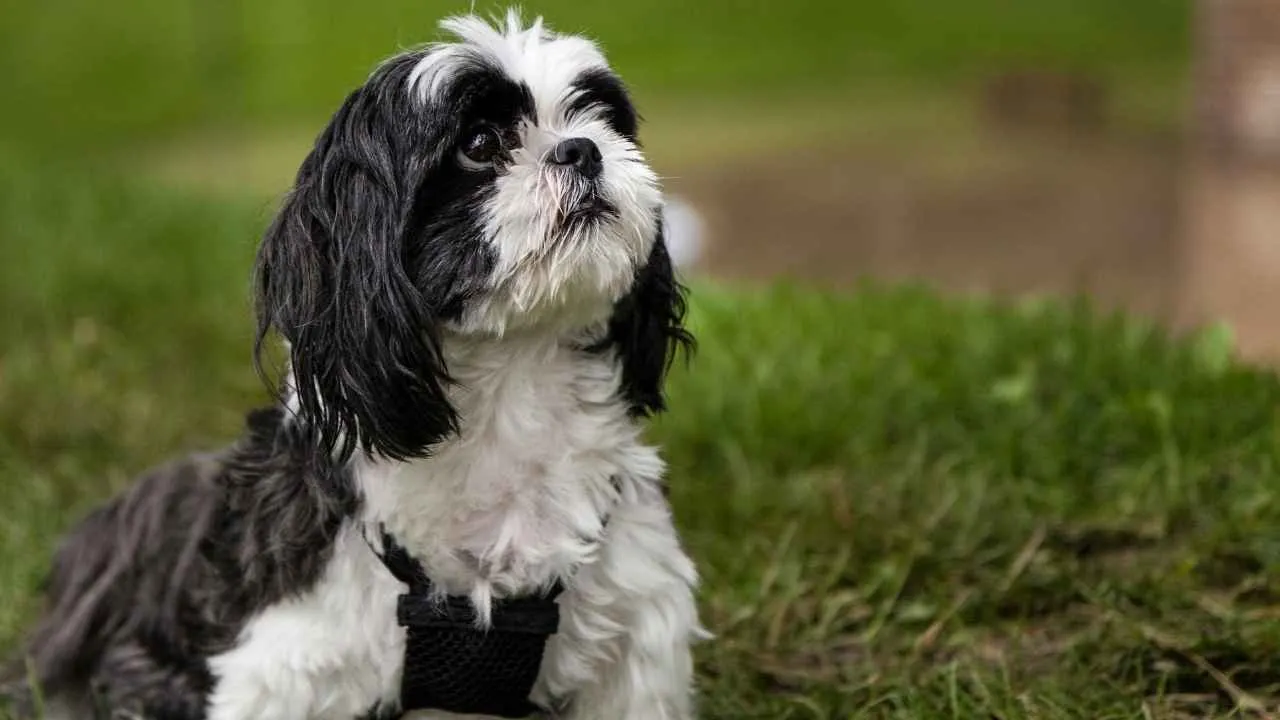
Also known as the ‘Lion Dog,’ this cute breed was developed in ancient China. Since it closely resembles a lion in appearance, it is considered sacred across Buddhist culture. This breed was developed by crossing the Lhasa Apso and the Pekingese.
Being a brachycephalic breed (having a flat face, short muzzle, and narrowed airways), it produces funny sounds while sleeping and is prone to breathing issues outdoors. This breed loves to perform clownish antics and play interactive games with the family. Once its daily exercise needs are met, it goes back to the sofa, watching through the window and alert to a potential threat.
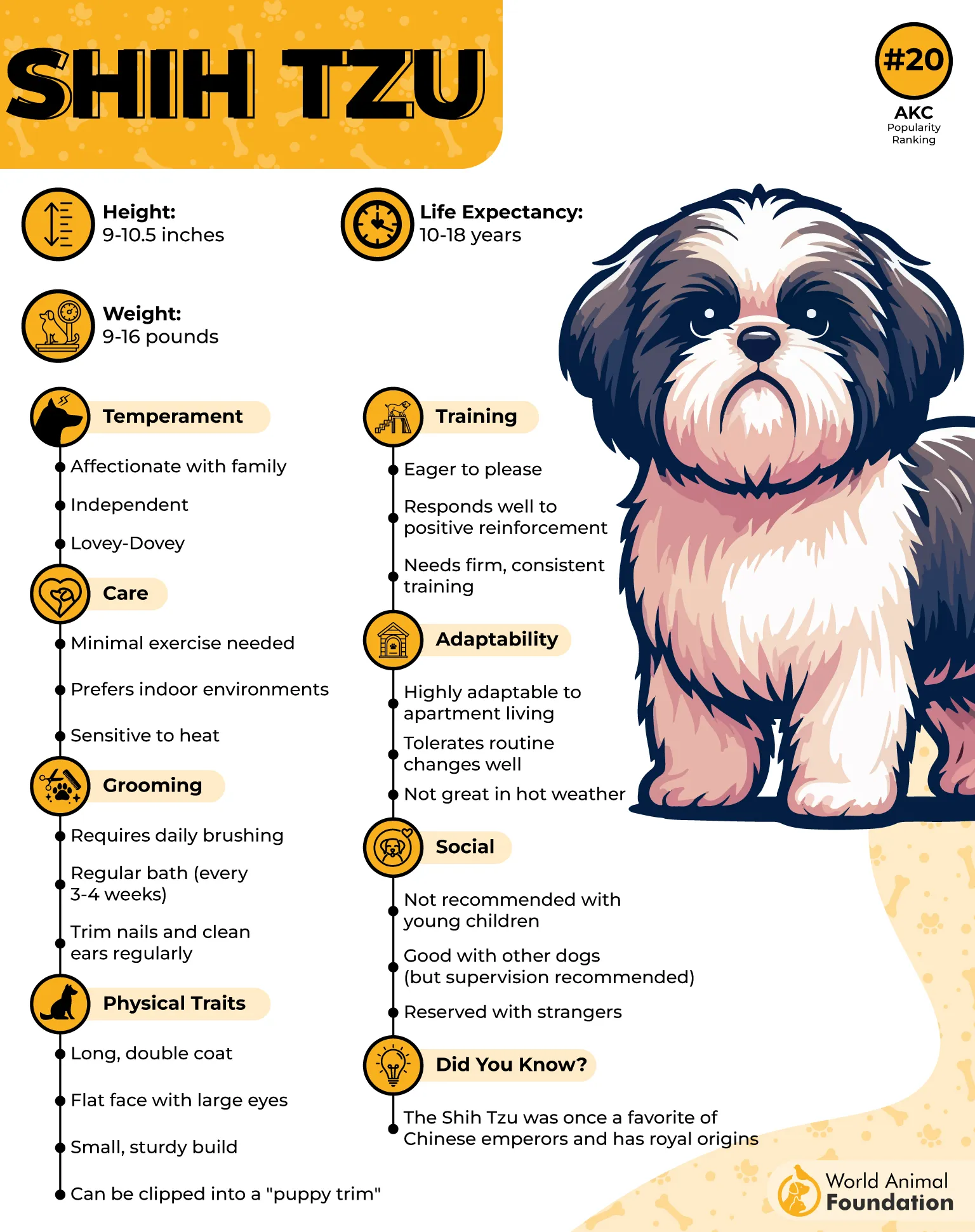
This breed has minimal exercise requirements (20-30 minutes daily): hide-and-seek, short walks, and puzzle toys. It has a beautiful low-shedding silky coat that needs weekly brushing with a ‘puppy cut.’
7. Papillon
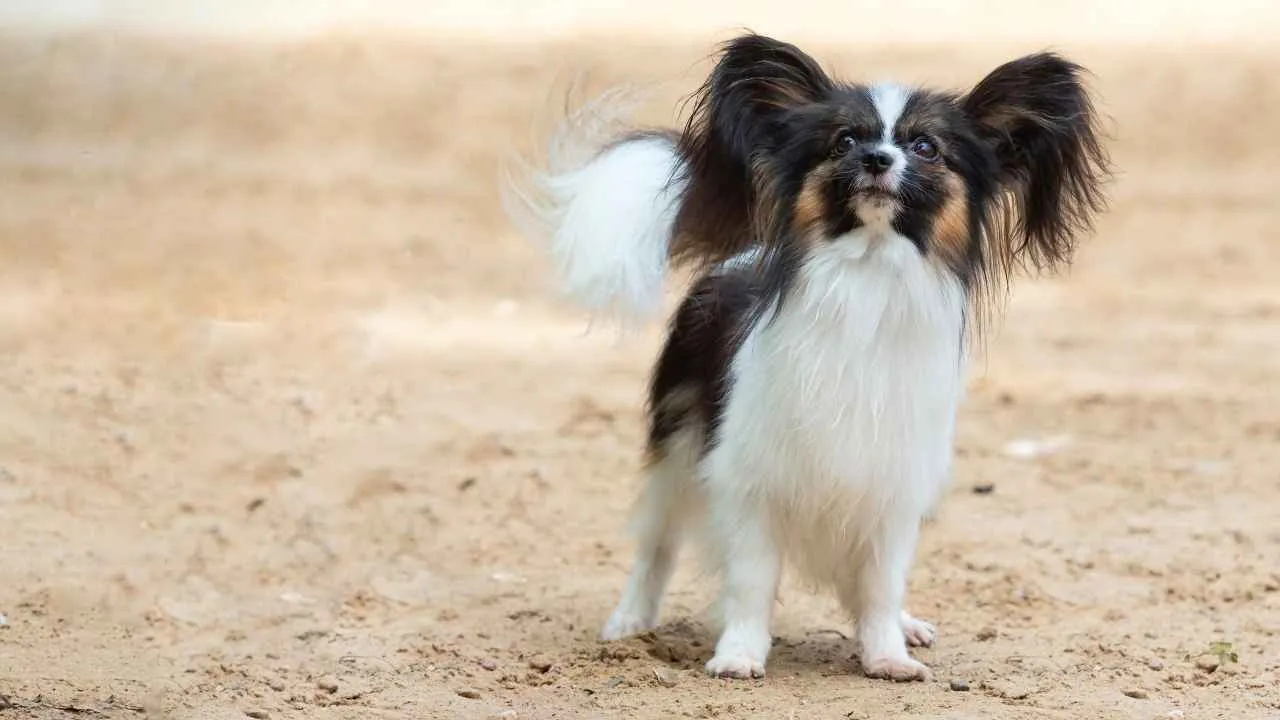
The history begins in Spain, where its ancestors, the dwarf spaniels, were used as a ratting breed and a companion dog. A similar dog was depicted in Italian paintings in the 16th century and was kept by royalty, including King Louis XIV. This breed was named after its butterfly ears, says Orvis.
This small breed has an even temperament: neither too shy nor aggressive. It comes in two varieties based on the ear shape: drop-eared breed (Phalène) and butterfly-eared (Papillon). This breed is sensitive to loud noises and quick movements; thus, it tends to remain calm indoors.
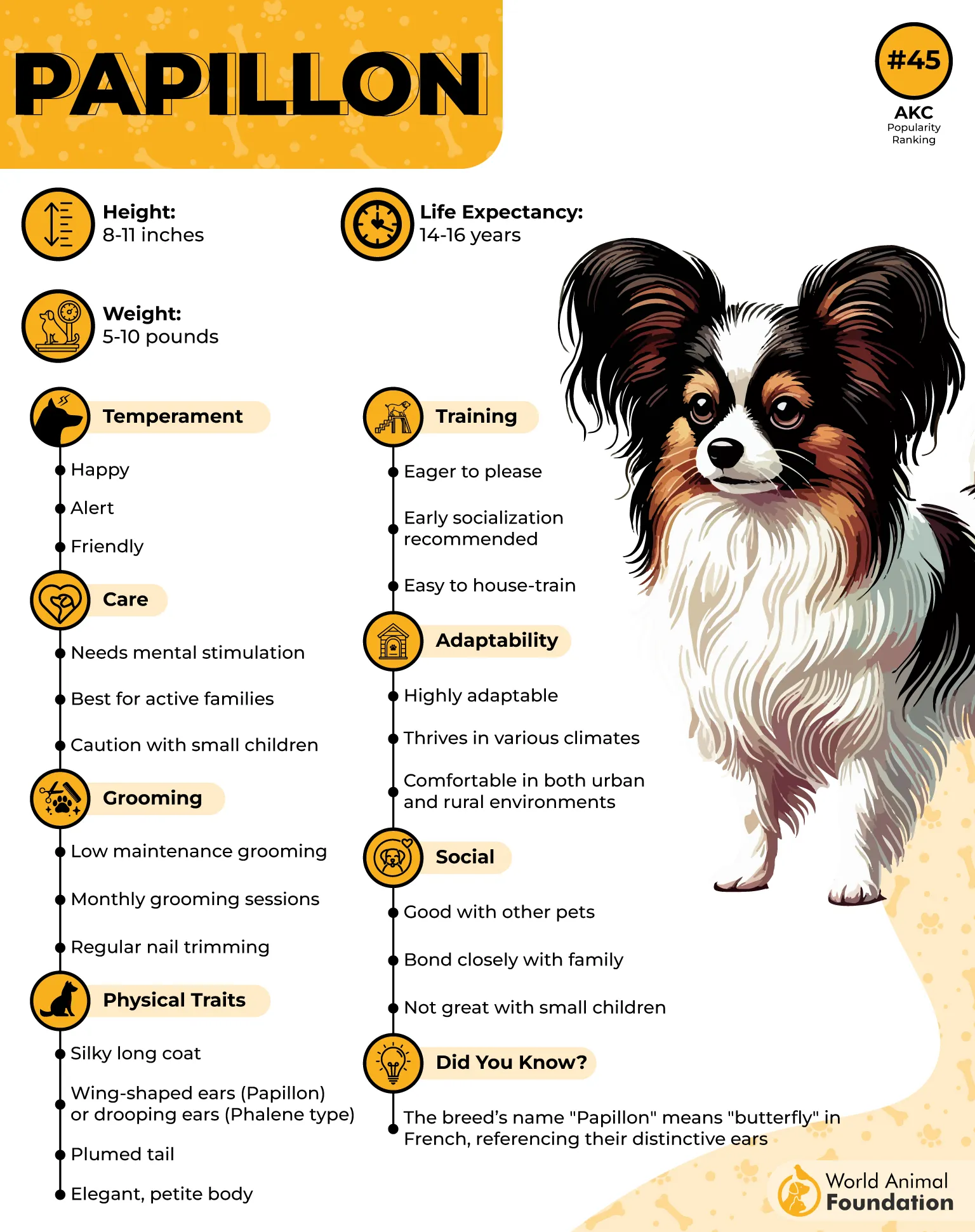
It may not be suitable with other pets because of its chasing nature. This breed has a high energy level and needs regular exercise: daily walks, running, hiking, and indoor play sessions.
8. Japanese Chin
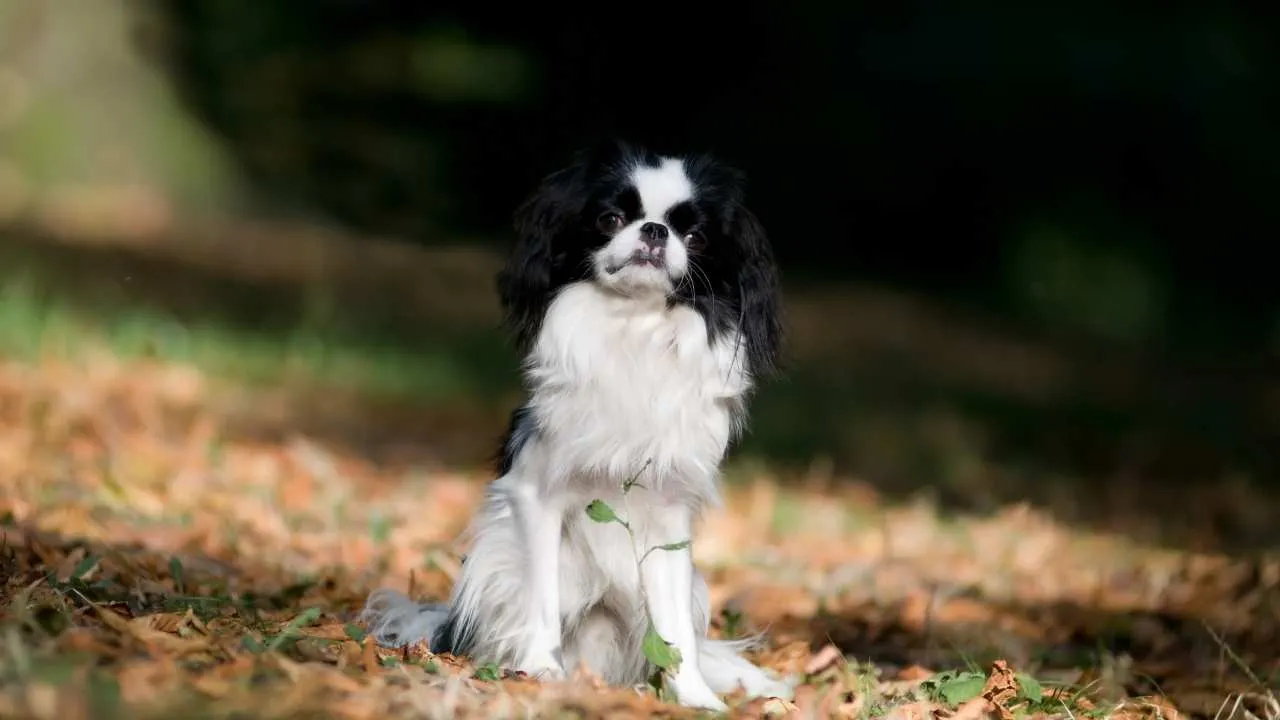
This ancient breed is closely related to the Pekingese and was thought to have been bred in China and then interbred in Japan, resulting in the modern-day Japanese Chin. Commodore Matthew Perry in 1853 discovered this hidden gem in Japan and brought it to the U.S.
It has a cat-like personality and tends to groom itself by licking its paws and coat to remove dirt. It chooses a high vantage point to sit on and observes its surroundings. It has a calm temperament and only barks to alert the owner. It is a velcro dog and loves to spend most of its time with you.
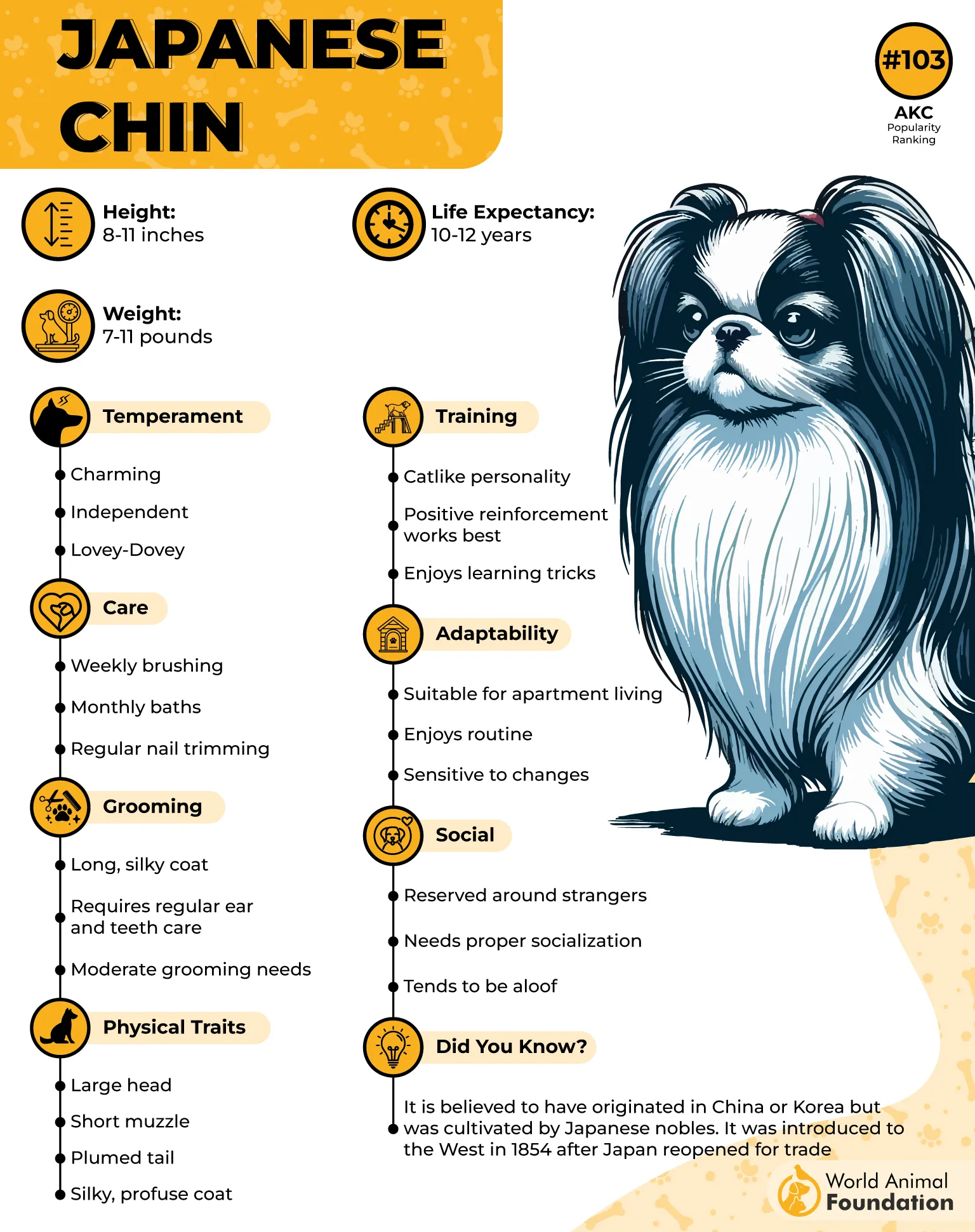
This breed requires light exercise daily (20 minutes daily): hide-and-seek, short walks, and indoor play sessions. It is a heat-intolerant breed and needs to stay most of the time indoors.
9. Brussels Griffon

This breed has an affectionate personality and was developed from a terrier-type dog, the Smousje. The primary goal was to hunt rodents in stables, where it was named as ‘Griffons d’Ecurie’ by coachmen. It is likely to be bred by crossing the King Charles Spaniel and the Pug.
This dog has large, prominent eyes with long eyelashes, and an alert expression. This family-oriented breed has an attitude of a larger dog and can be snappy with rough treatment. It has a strong will and loves to cuddle on its own terms. It is a highly sensitive breed and may nip if not properly handled.
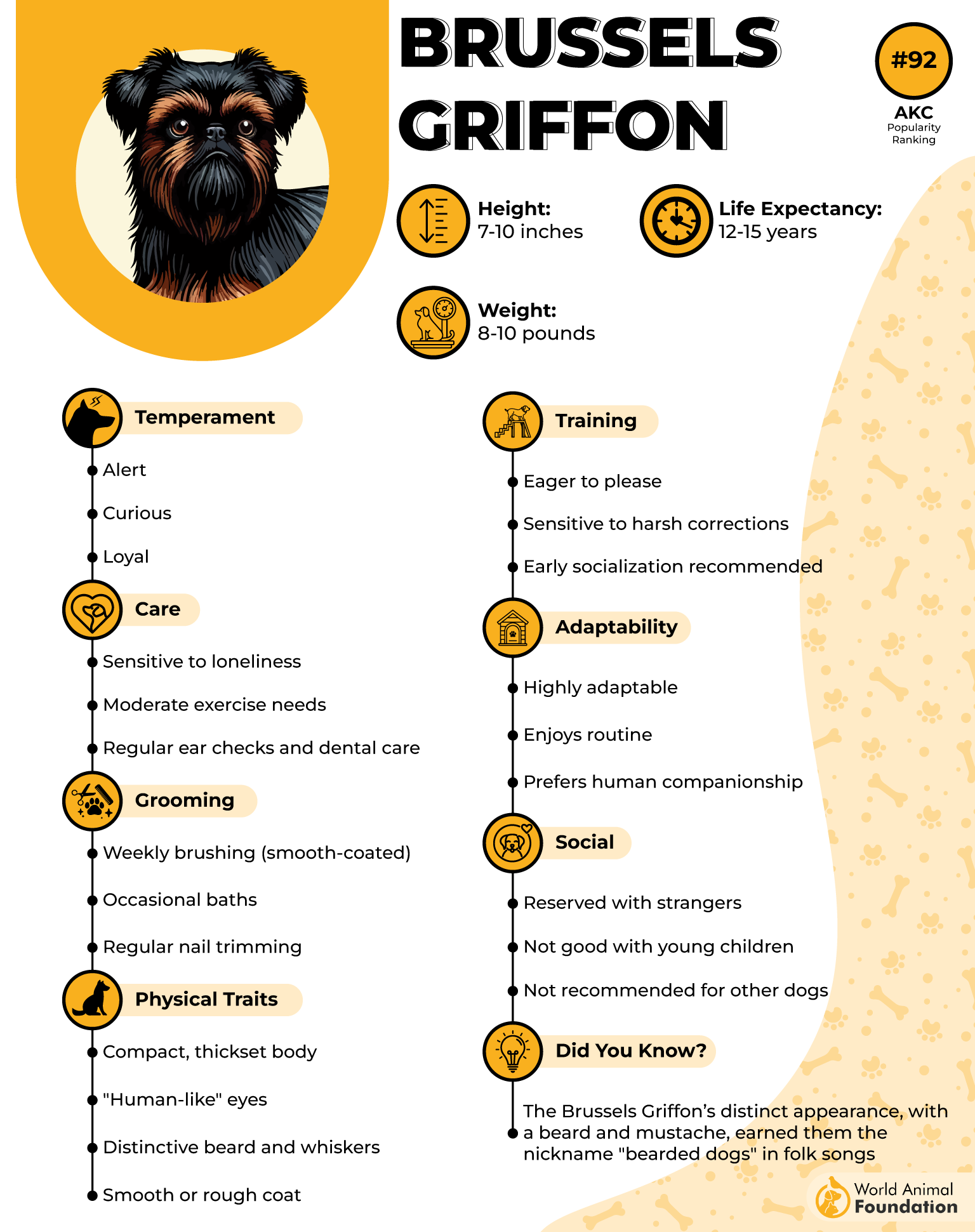
It has a lot of energy and needs plenty of exercise to stay happy and healthy. Since it prefers indoor activities, a fenced area and strict supervision are highly recommended.
10. Havanese
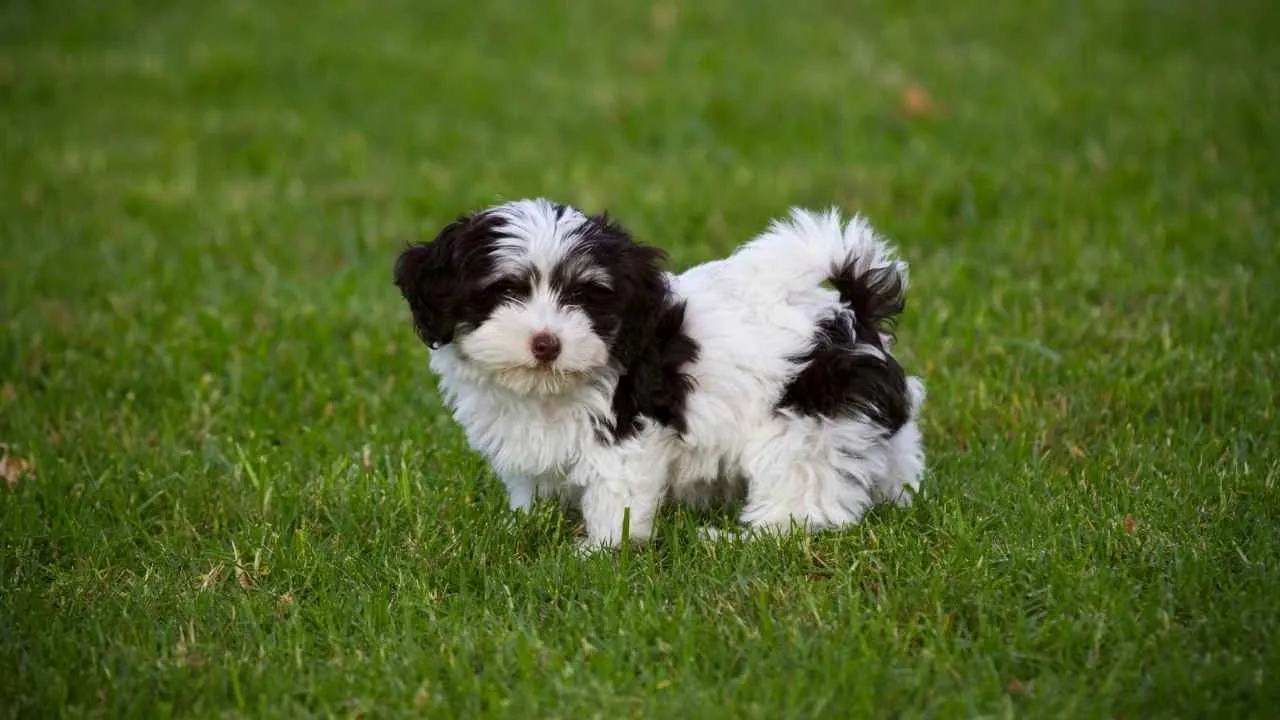
This bichon-type dog breed is the national dog of Cuba and was originally developed from a dog brought to Cuba from Tenerife in the Canary Islands (16th century). The most unique feature is its coat, because of which it was once known as the ‘Havana Silk Dog.’
The springy gait shows its alert and playful nature. The high-set ears exhibit an alert expression. This breed has a constant smile on its face and loves to show off its tricks to the owner. This breed thrives on human interaction. It tends to follow children around the home.
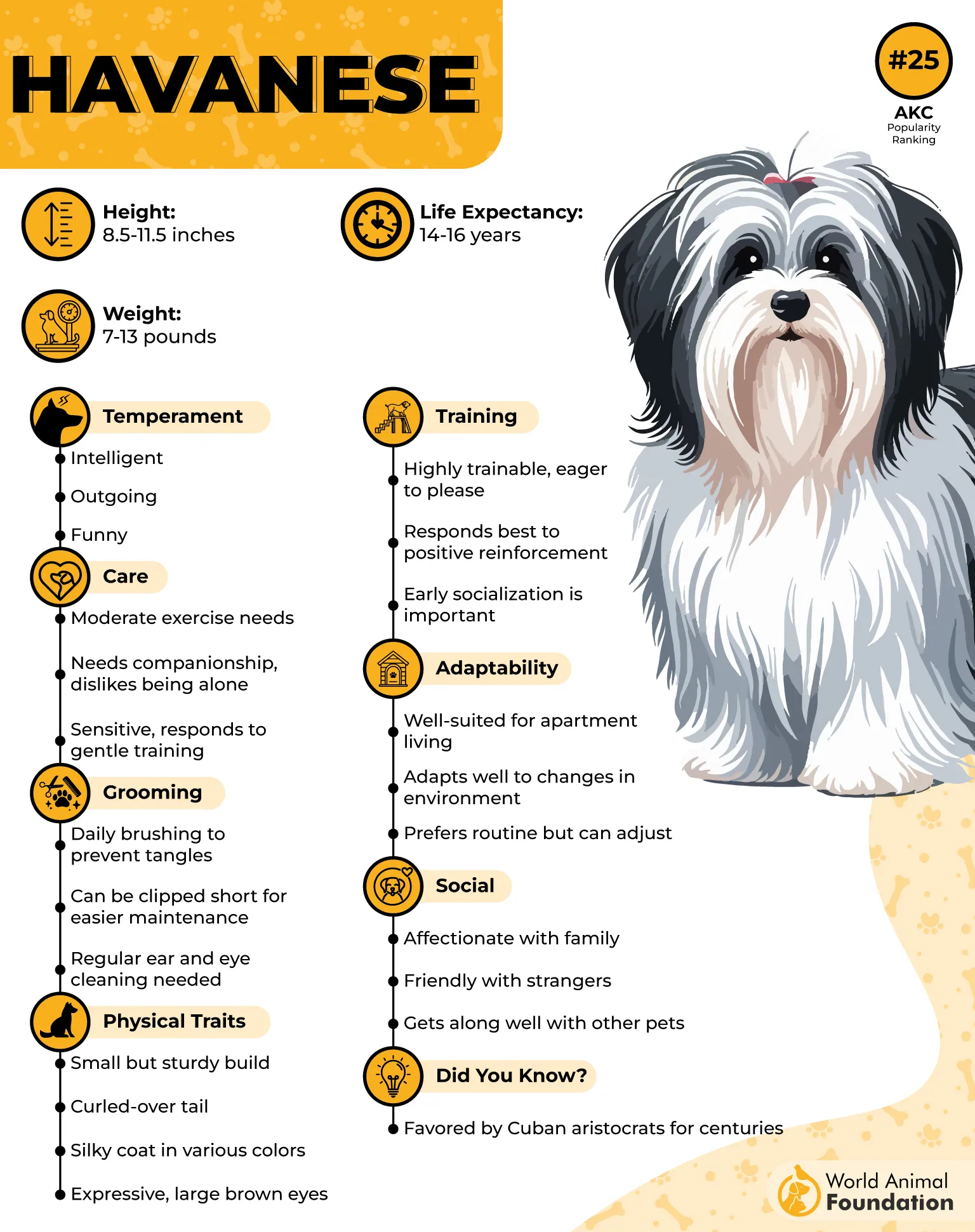
Since it was used as a watchdog in Cuba, it may bark at approaching strangers. This breed has a moderate energy level and does not require intense exercise.
Conclusion
Living in an apartment does not mean settling for less when it comes to choosing a dog. The right teacup breed can become your workout buddy, movie-night partner, and loyal shadow without demanding a huge backyard. Every breed brings something different to the table. Some love cuddles for hours, while others are tiny comedians who keep you smiling every day.
The secret is not finding the smallest dog. It is finding the one whose personality matches your lifestyle. With patient training, regular exercise, mental stimulation, and routine veterinary care, these little companions can enjoy long, healthy, and happy lives. After all, home is not measured in square feet. It is measured by the love waiting at the door every time you come back.
