




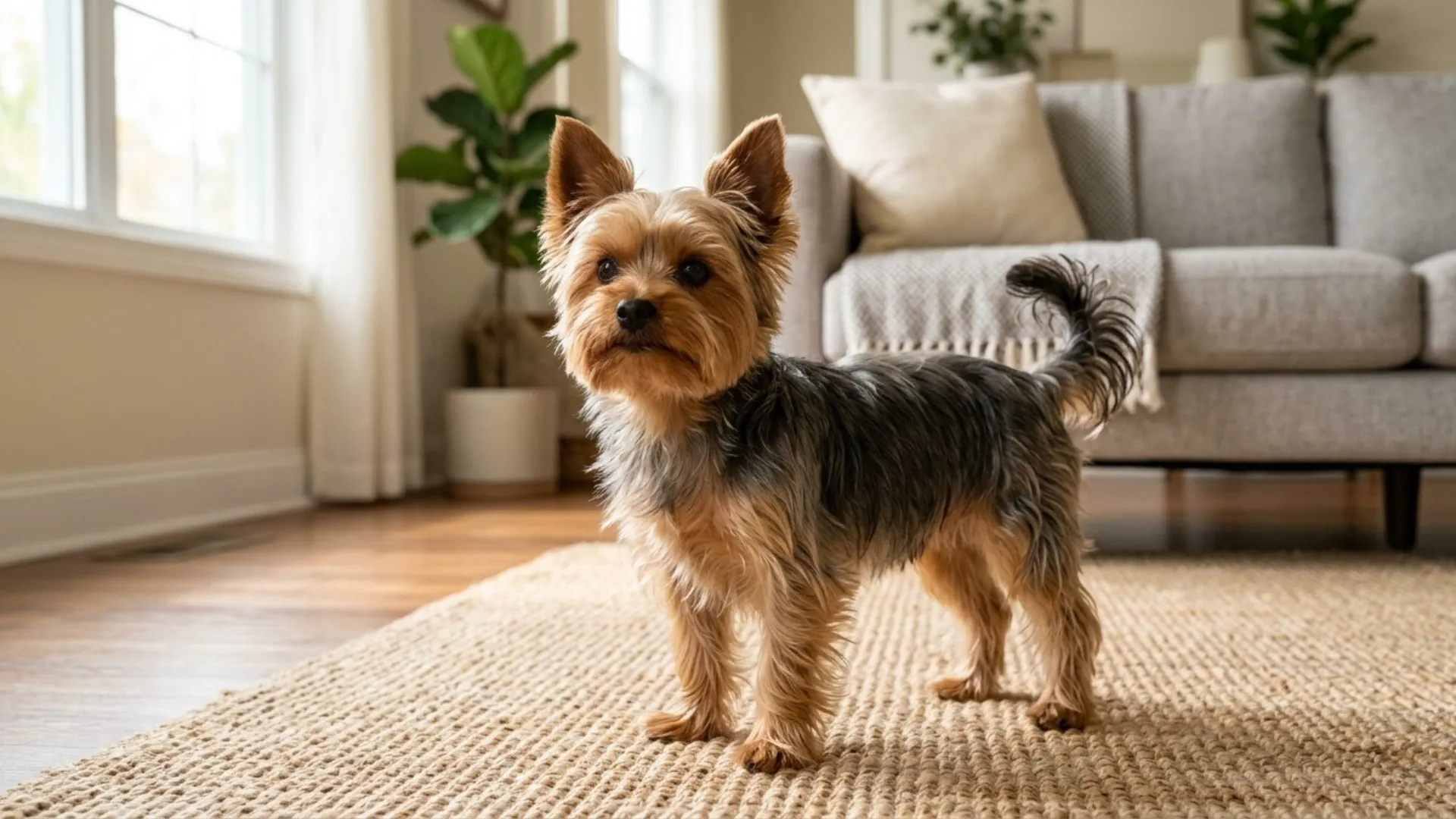
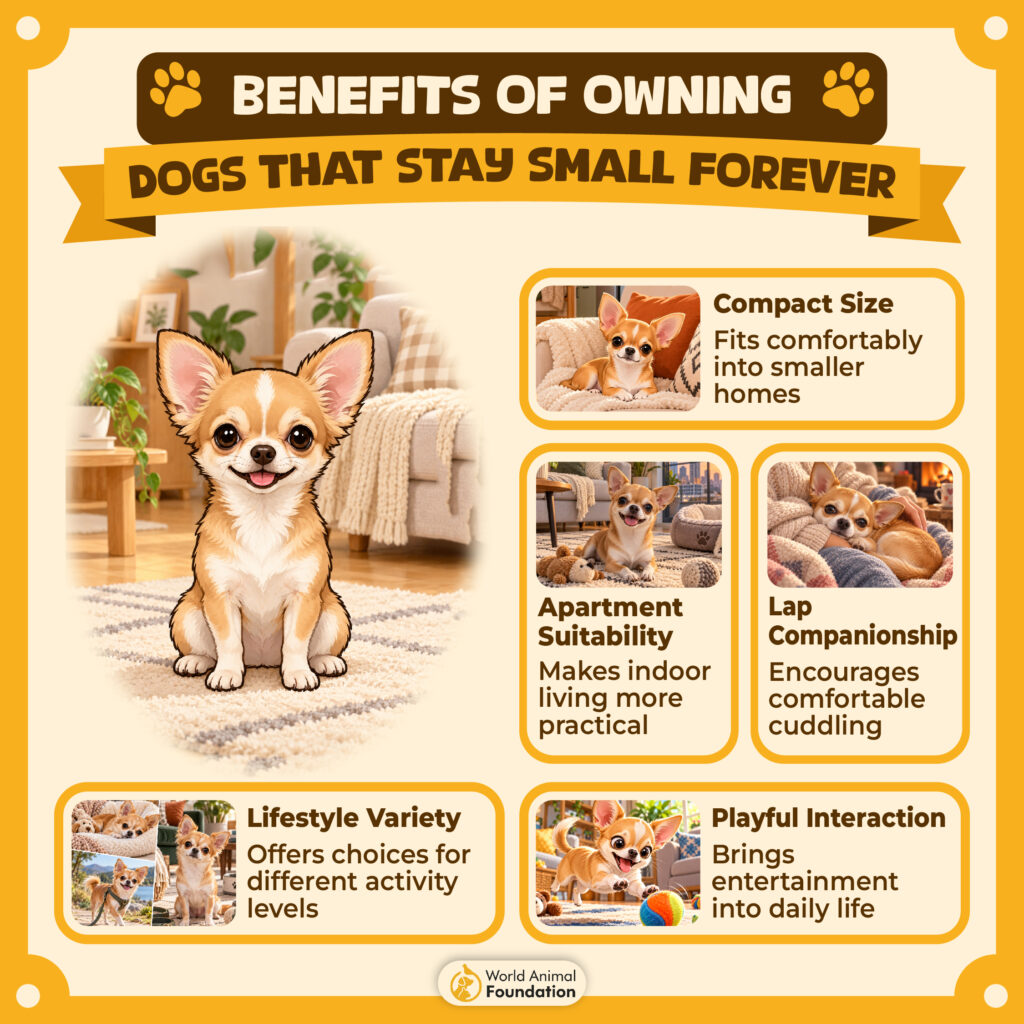
Some dogs keep a puppy-sized appearance long after puppyhood. That makes tiny adult breeds especially appealing to people who want a small companion for years rather than a little dog that eventually becomes much larger.
Many toy dog breeds mature at around 12 months, and numerous adults remain below 15 pounds, with the tiniest weighing a few pounds. Their compact size can make them easier to lift, travel with, and accommodate in smaller living spaces. It can also create special responsibilities.
Tiny dogs need careful handling around stairs, furniture, children, and larger dogs, while dental care deserves particular attention because crowded teeth are common in small dogs. Their personalities can be just as varied as their sizes, ranging from cuddly and gentle to lively and outgoing.
If a permanently petite companion is what you have in mind, the sweetest small breeds ahead offer a closer look at what makes each one appealing.
Key Takeaways
A tiny dog can stay tiny for its entire life, and that can make a big difference when you are looking for a companion that is easy to carry and manage at home.
Pomeranians take that small size to an interesting place, with some puppies weighing less than a kilogram and a history that traces back to much larger Arctic working dogs.
Maltese, Yorkies, Papillons, and Shih Tzus each have their own reason for making this list, from playful personalities to surprising skills and long histories.
Then come the Havanese and Toy Poodle, two petite breeds that show just how much energy and intelligence can fit into a very small body.
Sweetest Small Dog Breeds That Stay Tiny Throughout Life
1. Pomeranian
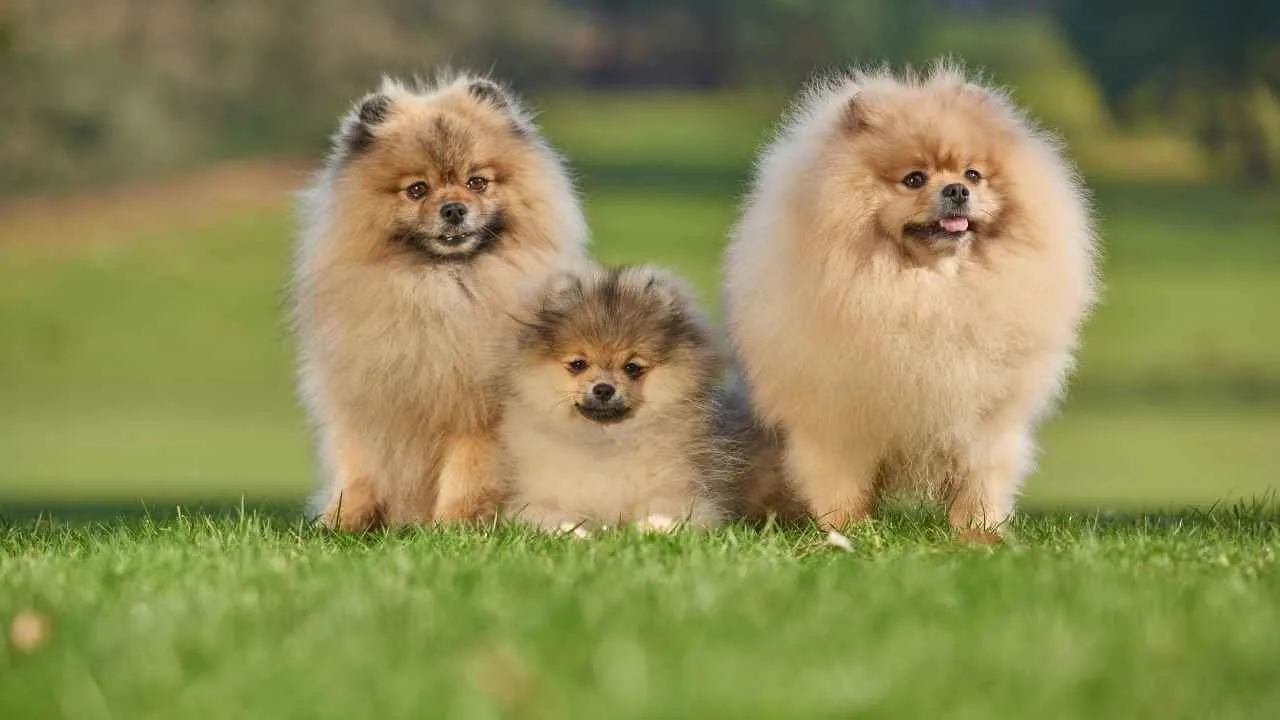
The life of the Pomeranian began as a much larger Arctic working dog associated with the Baltic Sea region of Pomerania. Early Pomeranians were used for guarding homes, pulling sledges, and protecting livestock before later breeding in England produced the much smaller companion dog familiar today.
Tiny From the Start
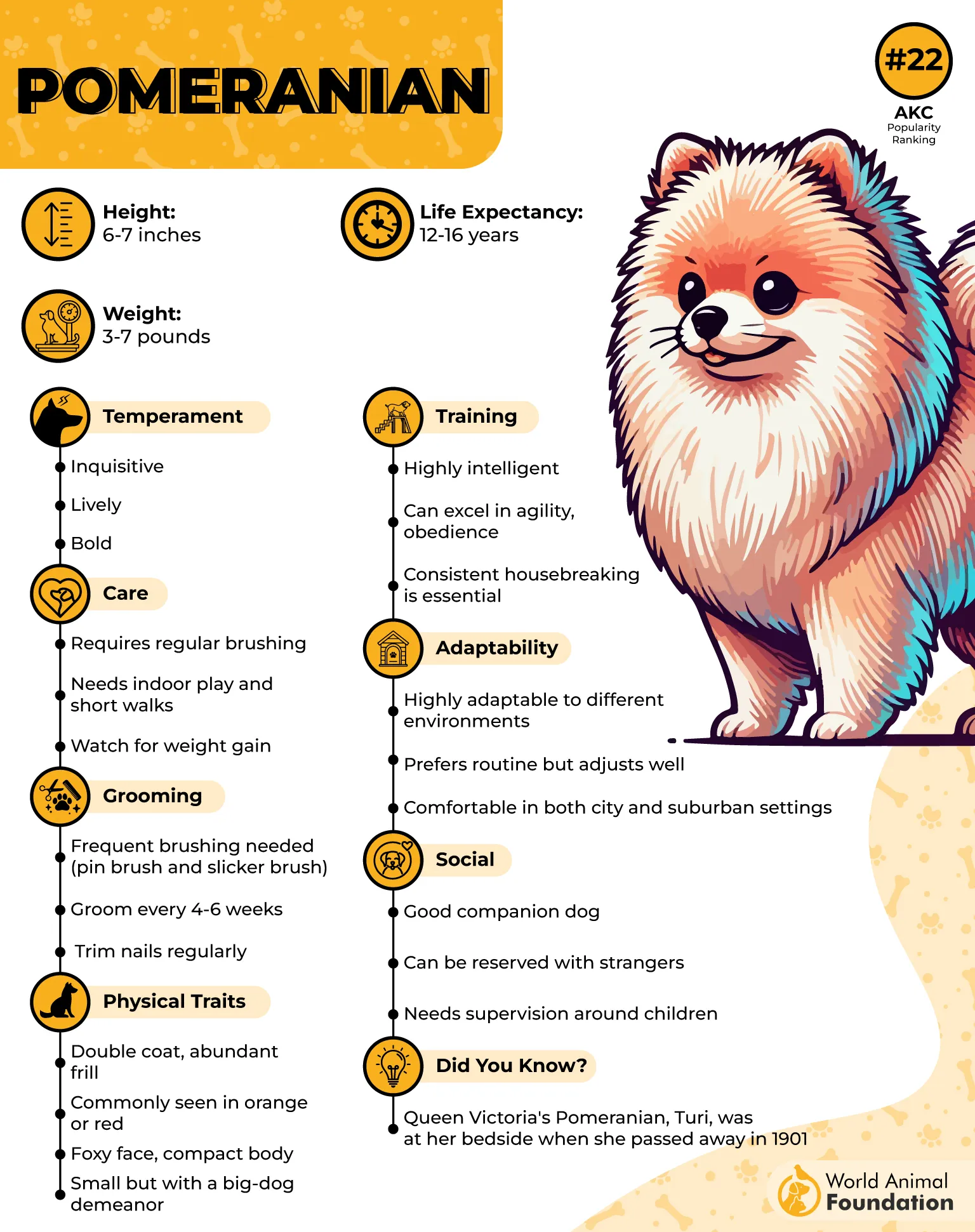
Poms belong to the toy group, with newborn puppies sometimes weighing less than a kilogram and small enough to fit in a palm. Adults generally reach 18 to 30 centimetres in height and weigh about 1 to 4 kilograms, making their lifelong size especially easy to manage indoors.
Its tiny size also comes with a fascinating history:
Queen Victoria helped reduce their size through selective breeding
A Pomeranian survived the RMS Titanic sinking
Puppies can double their size within only a few days
Small Body, Serious Rules
This toy dog generally gets along with other pets and can become a cheerful family companion when introduced to children appropriately, as outlined by Greencross Vets.
Because the breed is delicate and may be nippy, children need to understand that this tiny dog is not a toy, and big dogs require careful supervision around it.
2. Maltese
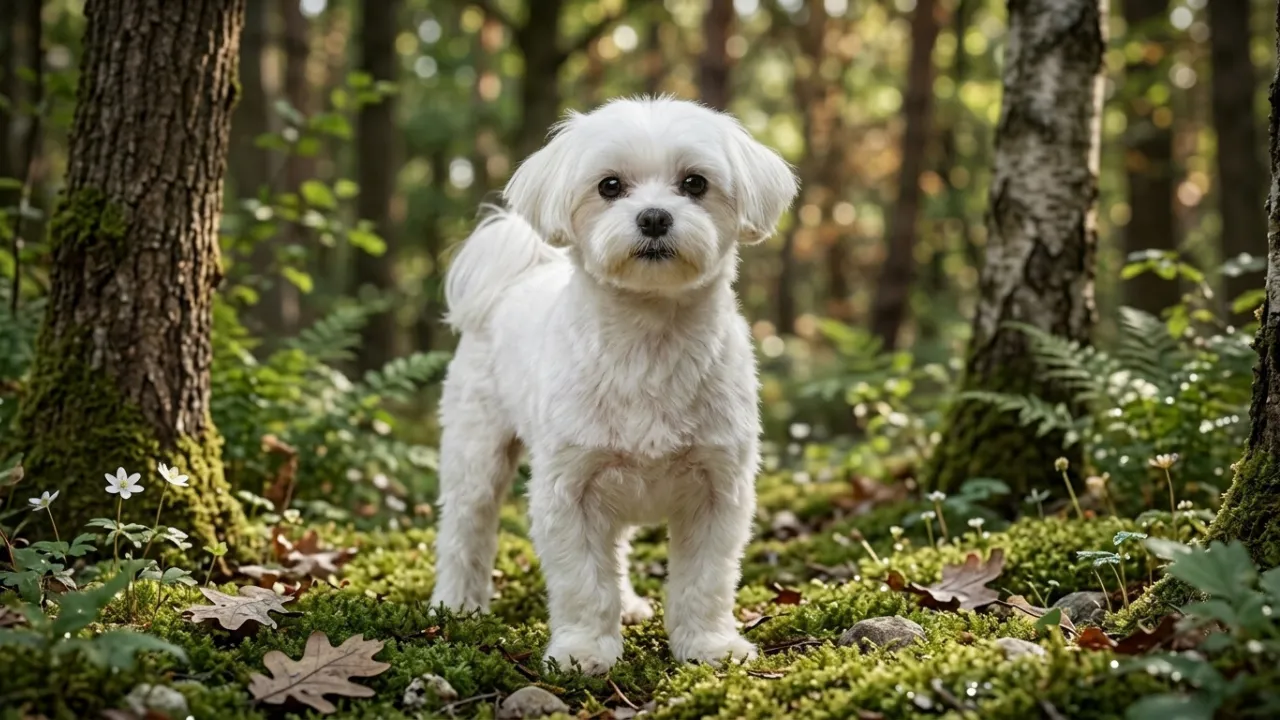
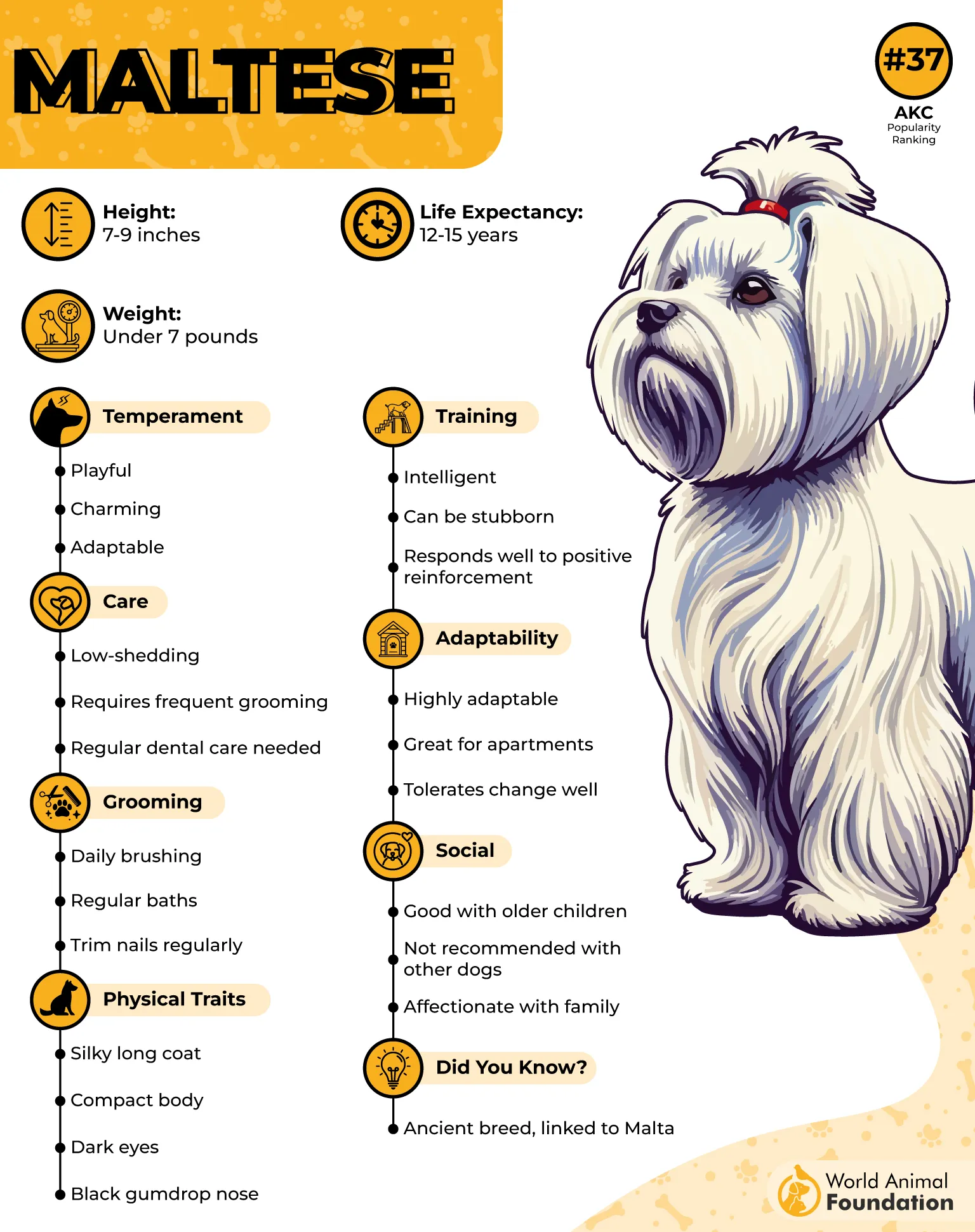
The history of Maltese stretches back over 2,000 years to the Mediterranean island of Malta and the civilizations of the ancient world. Greek pottery features dogs resembling the breed, and even the philosopher Aristotle made mention of these small companions many centuries ago.
Tiny in Size
Maltese fits the tiny-dog breed category without losing its playful side, making its small stature especially noticeable in everyday life. Its energy can turn a living room into a place for tricks, games, and quick bursts of activity without needing a large space.
Their compact profile has these details:
Less than 8 pounds in adult weight
Long, silky white coat
Agile enough for obedience competitions
A Surprisingly Bold Side
This lap dog can be remarkably alert for such a petite companion, barking when something unfamiliar catches its attention and readily interacting with other dogs and pets. The breed also has a playful curiosity that can turn ordinary household moments into opportunities for exploration and activity.
3. Yorkshire Terrier
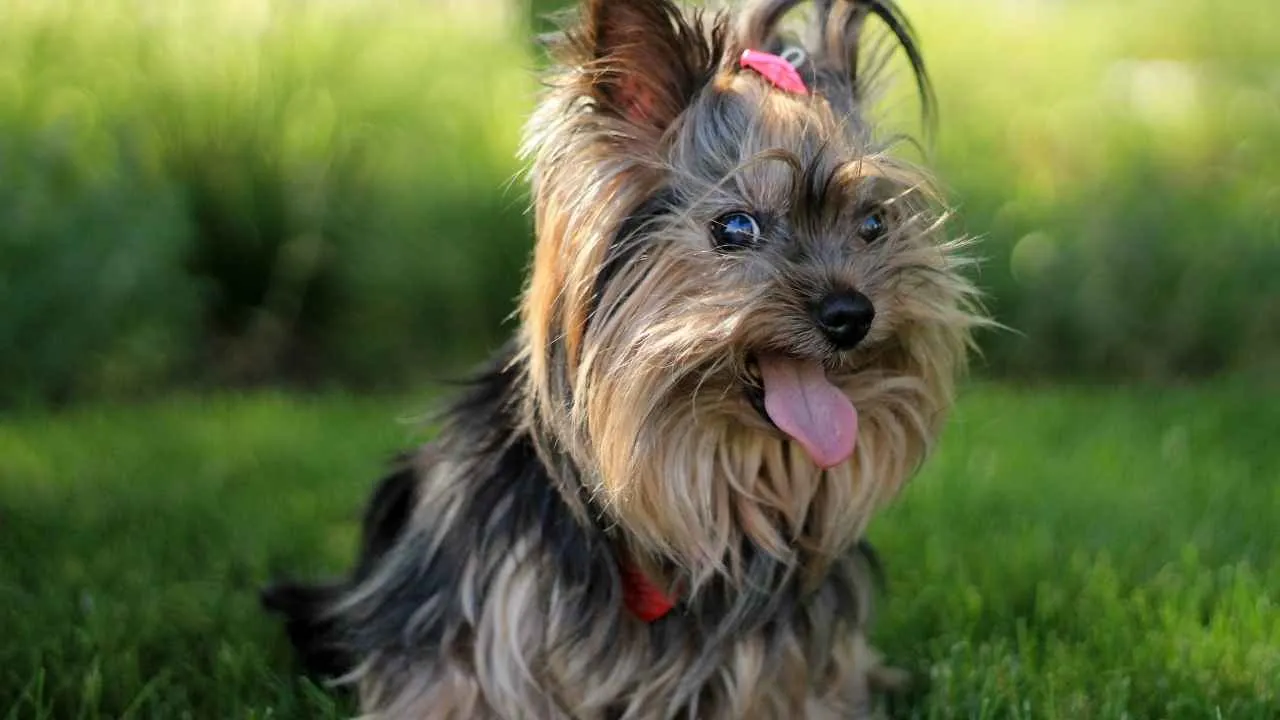
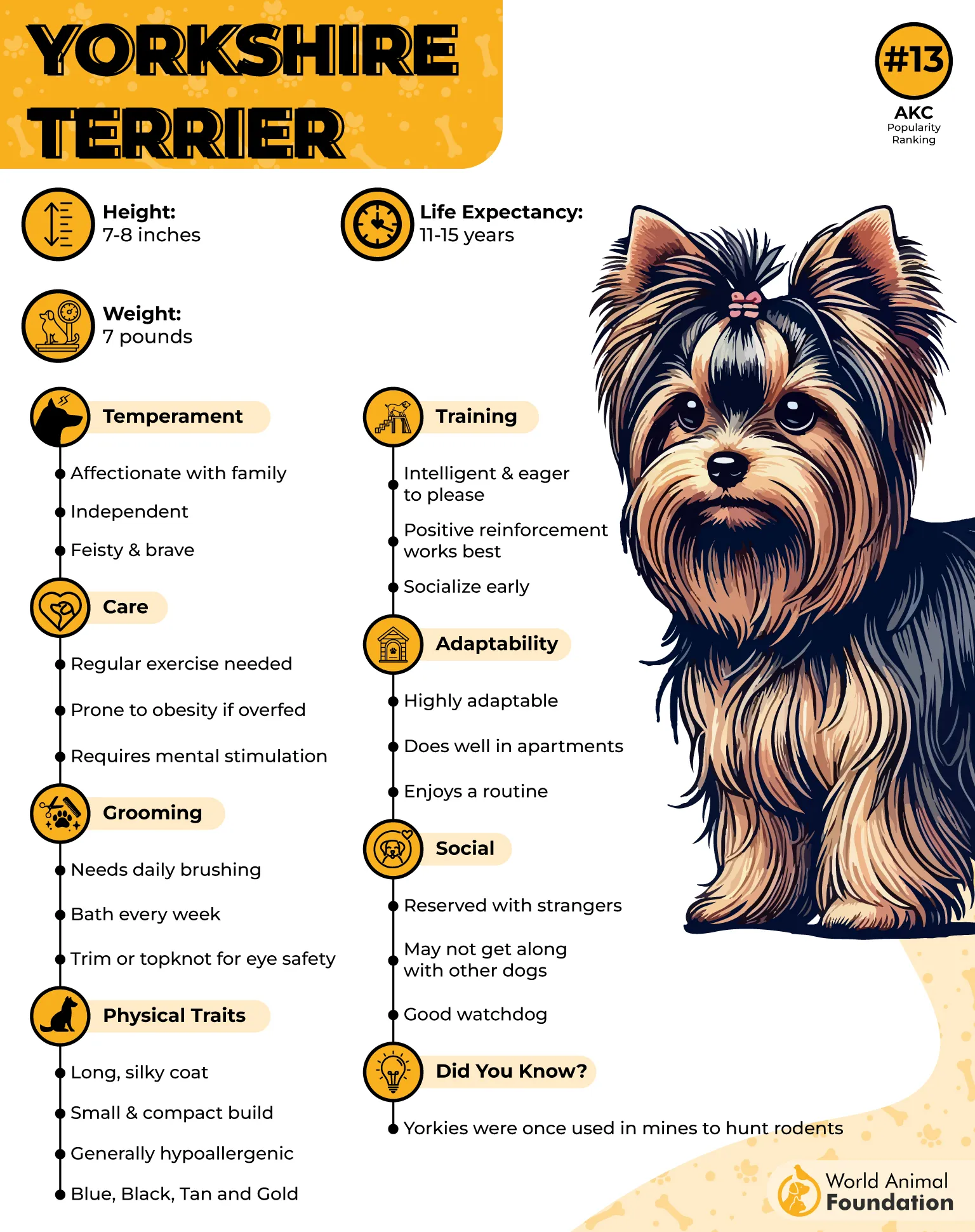
Yorkshire Terrier was originally bred in Yorkshire during the mid-1800s after Scottish workers brought small terriers into the region’s cotton mills. These dogs were used to catch rats, while later breeding focused on producing a much smaller terrier weighing under 10 pounds, as per Omlet.
Tiny Frame, Big Routine
Teacup Yorkies may be tiny, yet their personalities can fill a room quickly, with a confident streak that often keeps them on track for breakfast, walks, and family attention. Their small size makes those everyday routines easy to fit around a compact household.
These specifics give this little terrier extra character:
Eager to please and learns cues quickly
Early training helps build good habits
Socialization needs to start from 7–8 weeks
Cozy Yet Confident
This popular tiny dog breed can be playful and sociable around people and other pets, then happily settle beside their favorite person for quiet time. Young children need supervision because its tiny frame can be mistaken for a toy, while comfortable covered beds can give it a secure resting spot.
4. Papillon
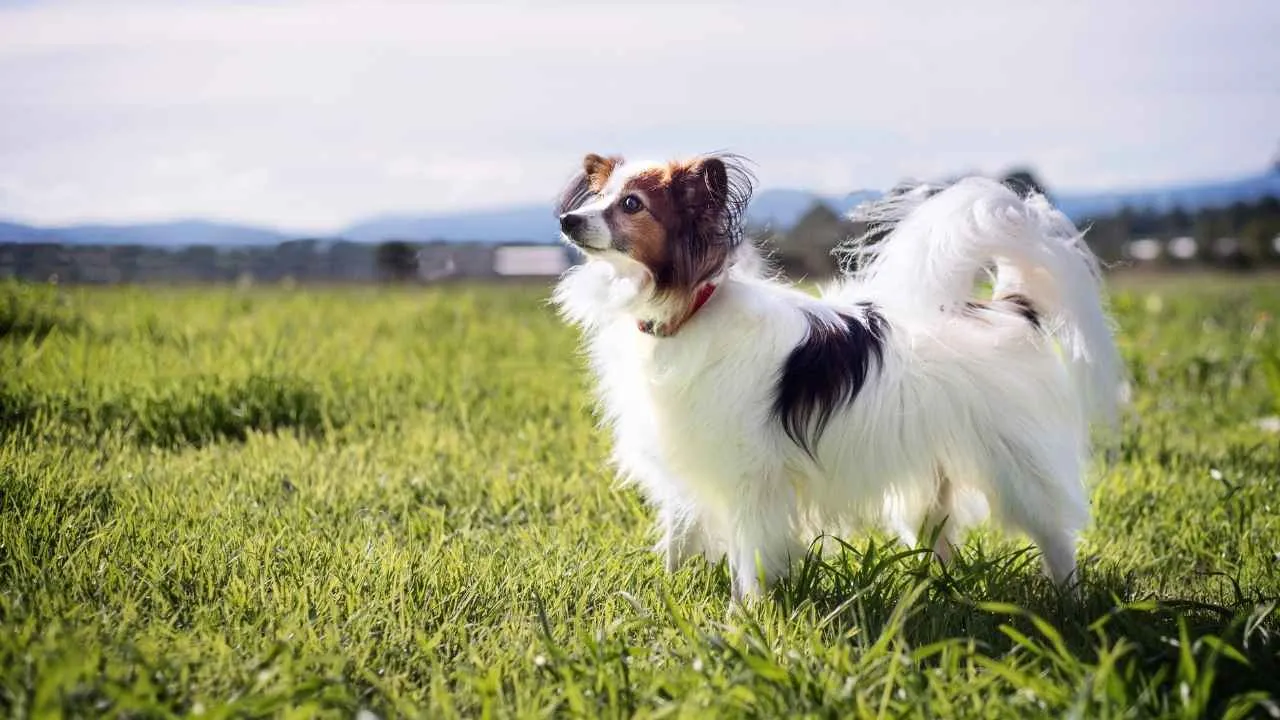
Papillon descends from European Toy Spaniels that appeared in royal court paintings as early as the 16th century. Renaissance artist Titian included these tiny spaniels in several works around 1500, while the breed’s famous upright ears became fashionable centuries later.
Small Body, Big Range
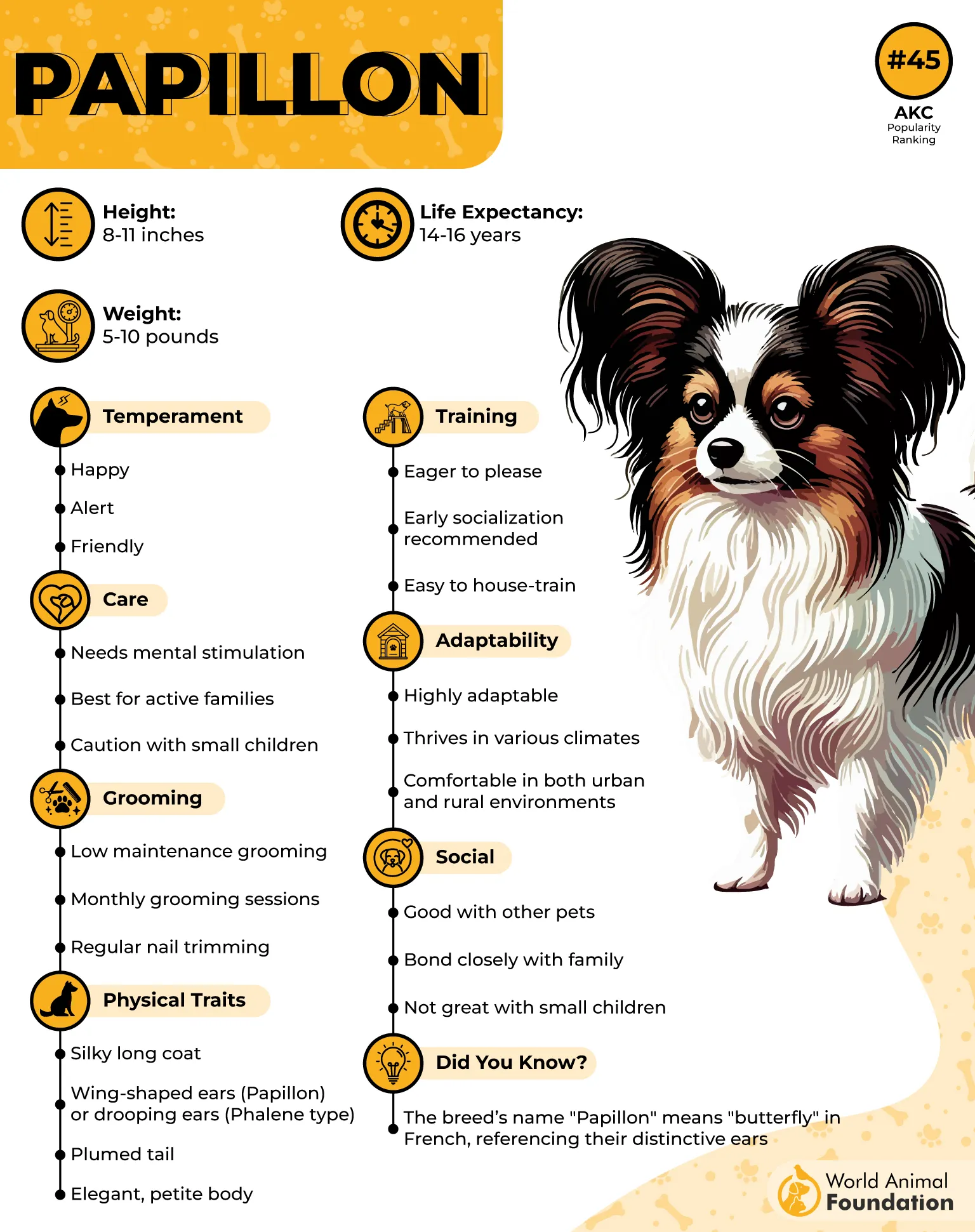
Papillon can get by with fairly little exercise, especially when it has room to race around indoors between calmer periods. Its compact body also means it eats less, rarely has a strong doggy odor, and can settle easily into apartment life.
These characteristics make this little breed especially versatile:
They can fit beneath an airplane seat
Crates are usually small enough for cabin travel
Country homes suit them as well as city apartments
A Surprisingly Capable Competitor
This fluffy dog brings sharp intelligence and a strong desire to please into training, making obedience work a natural and rewarding outlet. The breed has also earned recognition for tracking, agility, and therapy work, giving its small frame plenty of useful purpose and variety, as stated by Hill’s Pet.
5. Shih Tzu
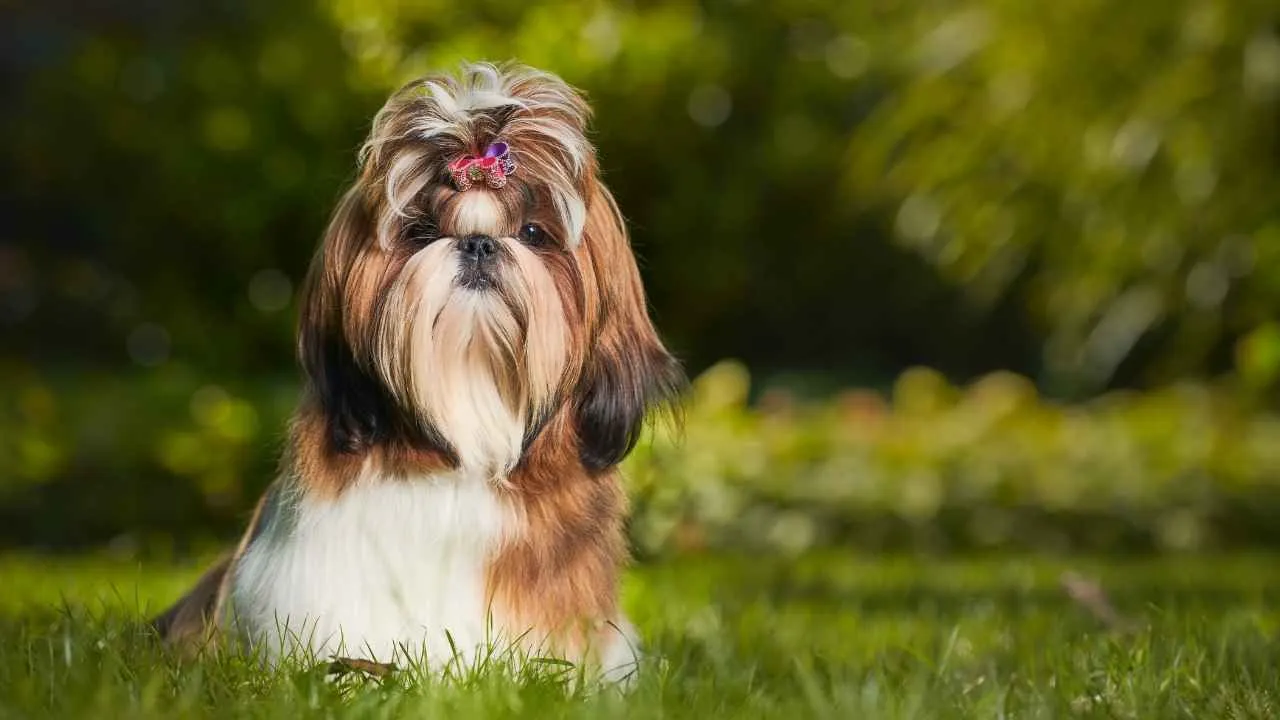
Shih Tzu is closely linked with Chinese Buddhist traditions and was known as the Lion Dog, with early accounts also placing its beginnings in Tibet.
Its resemblance to the Lhasa Apso and Tibetan Terrier led to these dogs being grouped before the smaller, wider-skulled Shih Tzu was classified separately.
Easy on Exercise
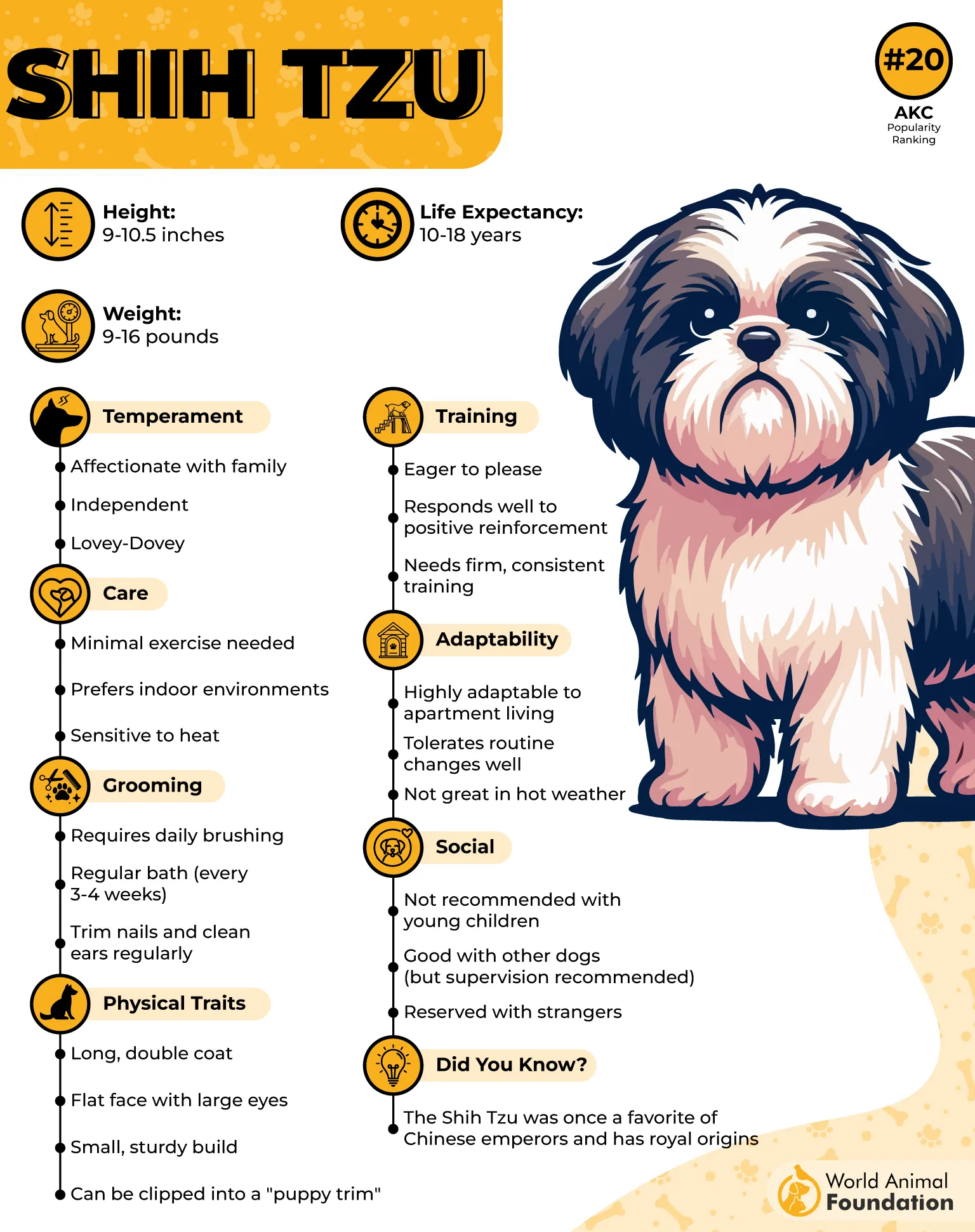
A small home can work nicely for this family dog, especially when its daily routine includes a simple walk around the neighborhood. Once that bit of activity is over, this little dog often heads straight back indoors, where a lap, sofa, or bed makes an inviting place for a long afternoon nap.
This tiny breed has more to its story than size:
Heat can be difficult for this breed
Less vocal than several similar-looking breeds
Enjoys meeting familiar pets and visitors
Gentle Handling
Getting a Shih Tzu to stay focused during training can call for extra patience when its attention shifts toward whatever has caught its interest. Its small body also deserves consideration around babies and young children, who need supervision when their play becomes energetic or physical.
6. Havanese
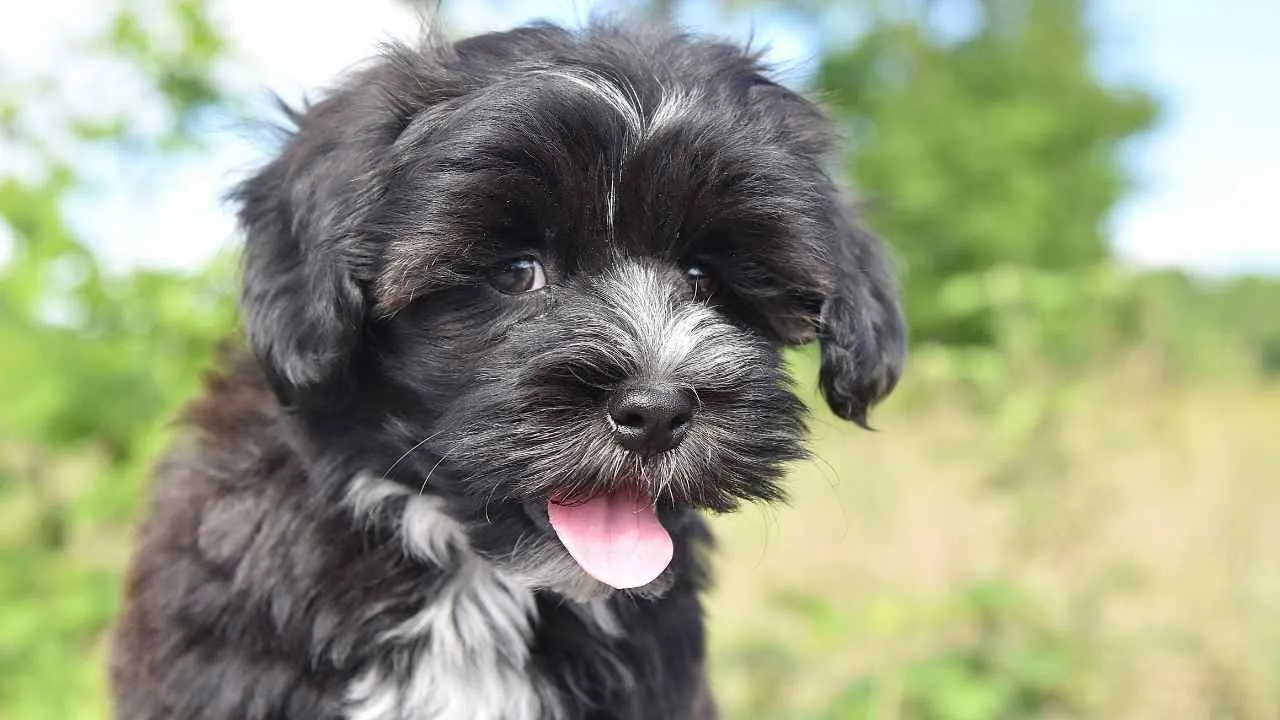
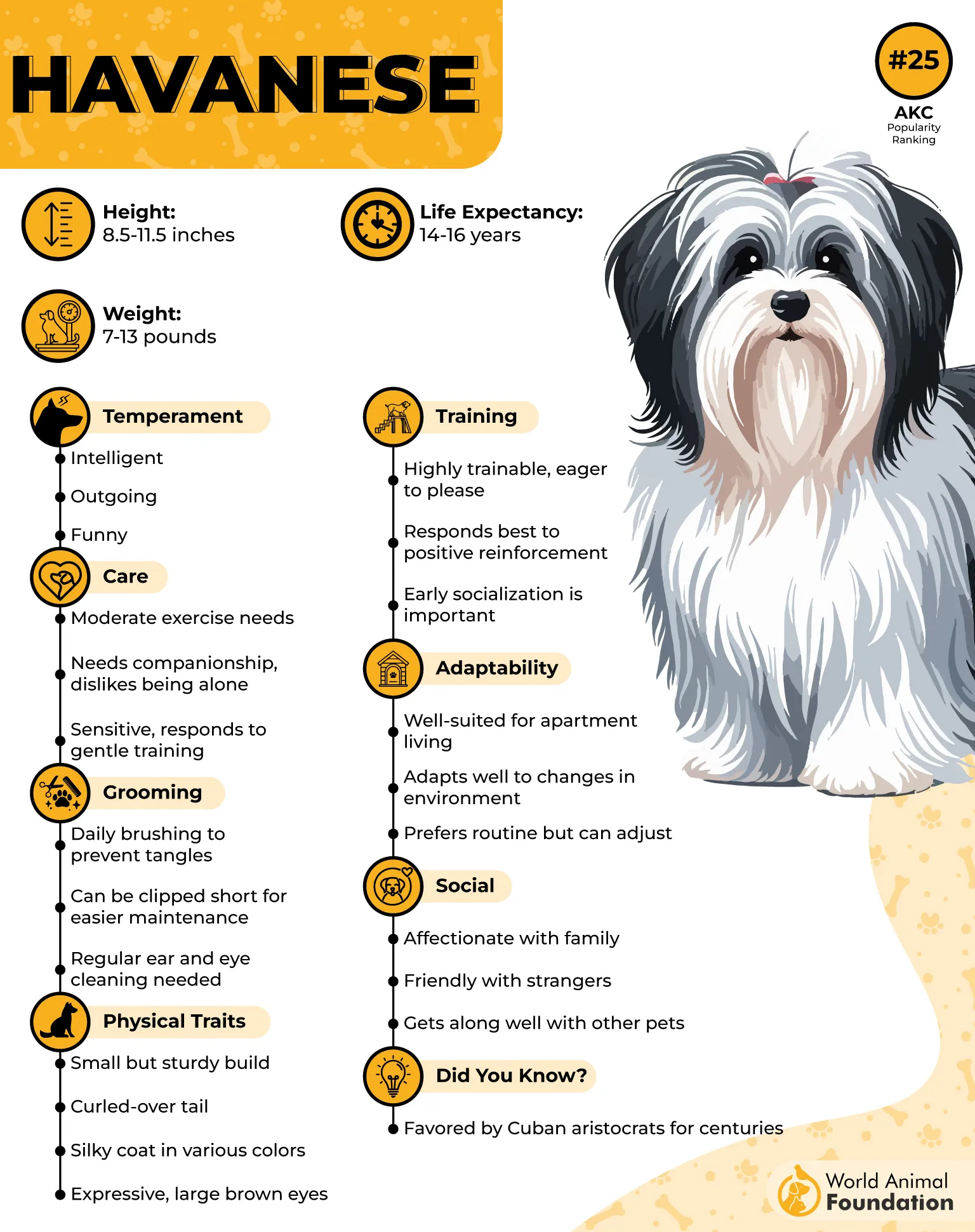
Havanese is Cuba’s only native dog breed, with the most accepted account linking its beginnings to dogs brought from Tenerife in the 16th century. The breed later became associated with Cuban aristocracy and nearly disappeared during the mid-20th century before making a strong return.
Small Yet Lively
This fun-loving toy breed has enough energy for a couple of neighborhood sprints each day. Its sturdy build also makes it more robust than some other toy breeds, while agility can add an extra challenge for an athletic Havanese.
Its social side is just as noticeable at home:
Intelligent and quick to learn simple cues
Gets along with children, dogs, cats, and pets
Needs supervised play around younger children
People Come First
Havanese has earned the nickname “velcro dog” because it likes keeping close to its favorite person, whether they are relaxing or doing everyday chores. Its playful side can appear suddenly when a favorite toy lands at your feet, signaling that fetch has just become the priority.
7. Toy Poodle
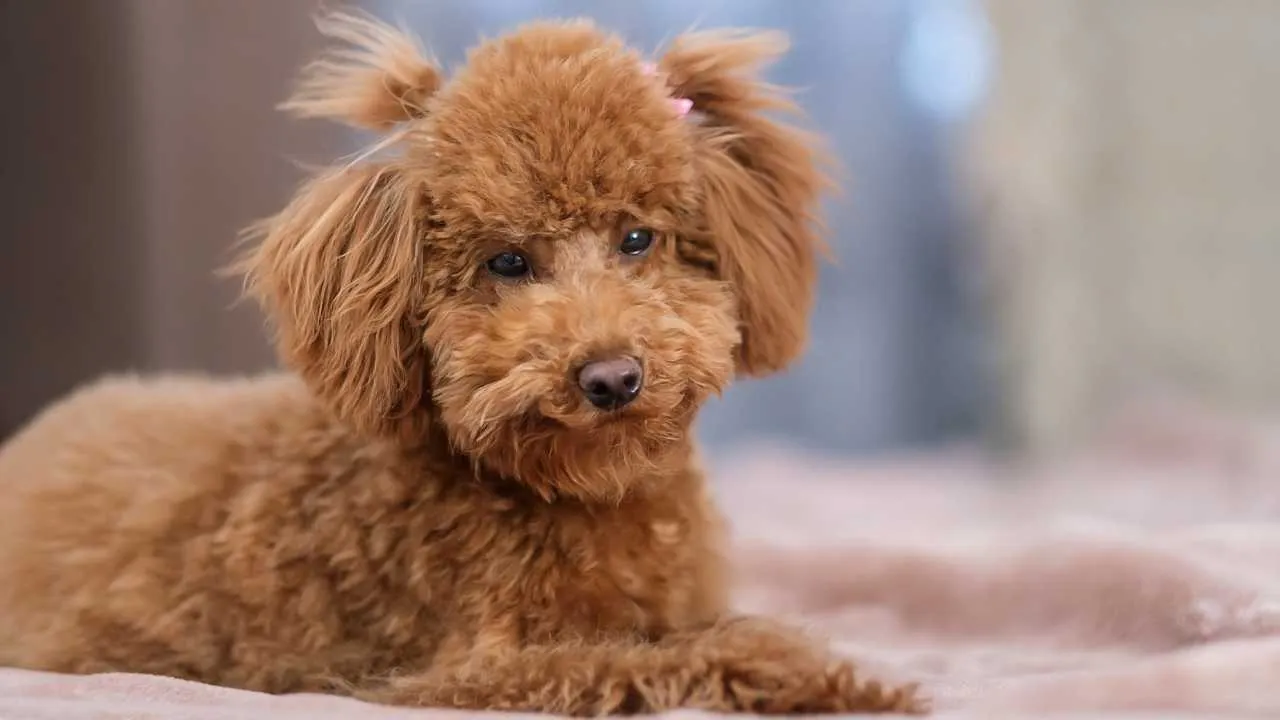
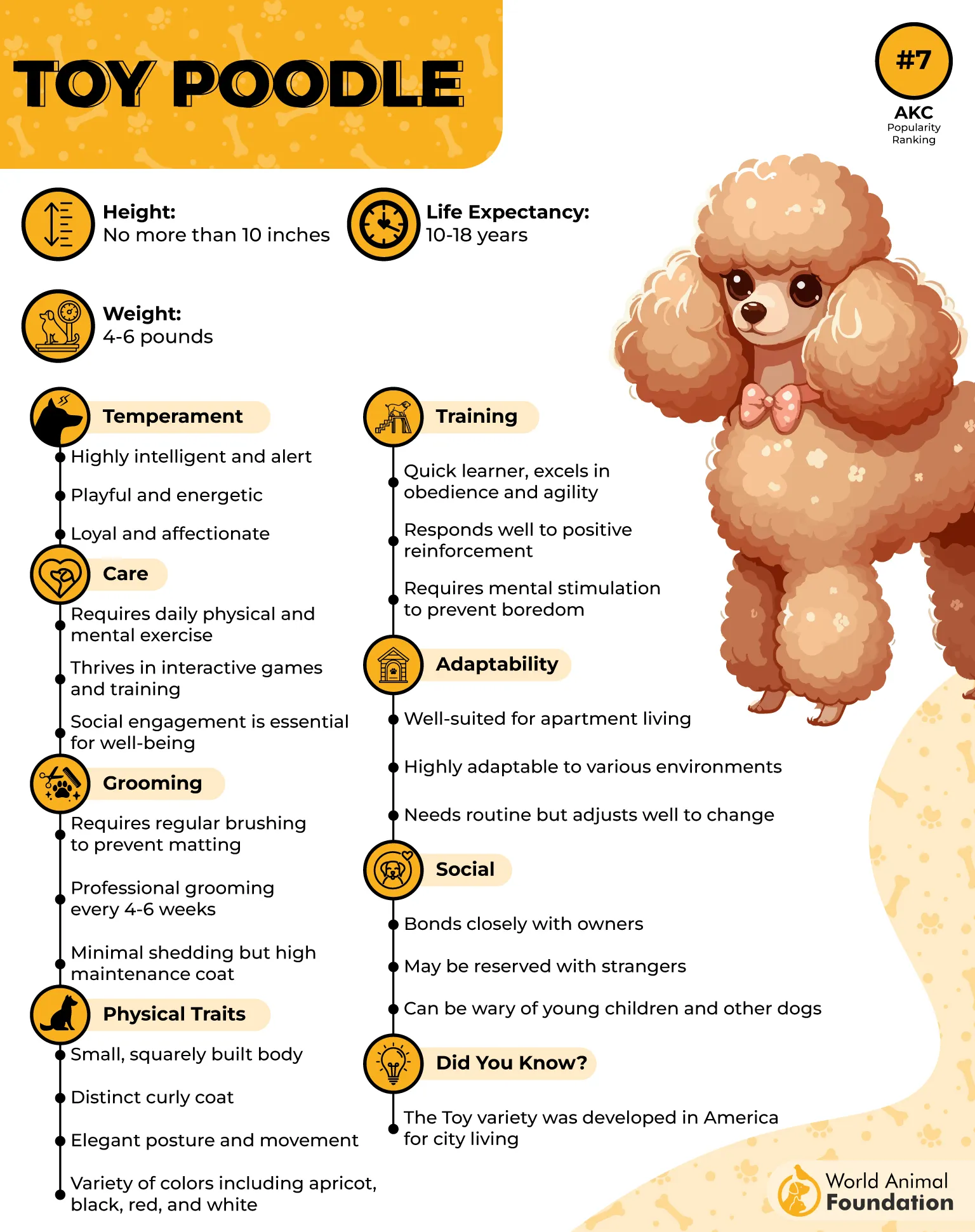
Toy Poodle belongs to the smallest of the three Poodle varieties, while the Poodle’s story reaches far beyond France, where it later became the national dog. Curly-coated ancestors likely entered Europe from Asia with herders, while Germany helped shape the Poodle we recognize today.
Tiny Home, Big Energy
This hypoallergenic dog can fit easily into a small apartment or condo, yet its tiny frame holds surprising stamina and energy. At under 10 inches tall, it still needs regular walks and playtime rather than spending every hour curled up in a lap.
Its tiny size also calls for some extra care:
Weighs only 4 to 6 pounds
Needs protection during rough play
Requires care around outdoor predators
A Sharp Little Mind
Toy Poodles learn quickly and enjoy different dog sports that keep their intelligent mind busy, including obedience, agility, and flyball. Positive training works particularly well, while harsh treatment can make learning sessions unpleasant for this sensitive breed.
Conclusion
Tiny dogs can bring huge personality into life while remaining small enough to fit into apartments, travel plans, and family routines. Their size can make handling easier, but it also means taking extra care around falls, rough play, children, and larger animals. Dental care deserves attention too, particularly when small mouths have crowded teeth, especially for first-time pet parents.
Pet parents should also consider exercise, grooming, training, and companionship needs rather than focusing only on appearance. Some little companions are easy to train and enjoy mental stimulation through games and learning, while others prefer quiet time beside their people.
A suitable match can bring affection and character while fitting comfortably into a small space at home.
