




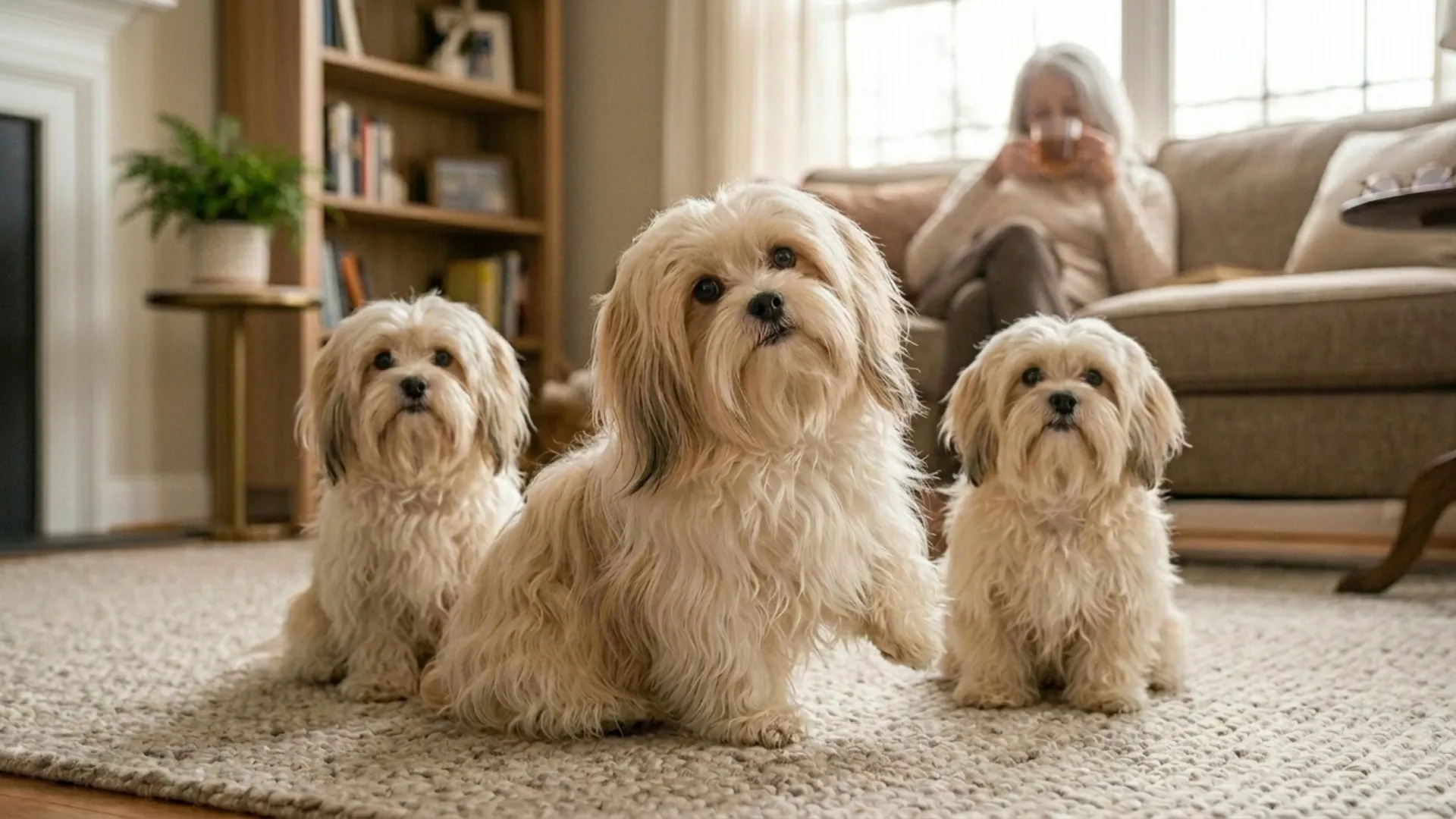
Some small dogs have a way of becoming the heart of a household without anyone noticing exactly when it happened.
They greet every family member with genuine excitement, quietly settle beside you after a long day, and somehow turn ordinary routines into moments worth remembering. Yet not every small breed offers the same experience, even if they appear equally adorable at first glance.
Behind those bright eyes and tiny paws are personalities that can shape daily life in surprisingly different ways. Some crave constant closeness, while others naturally create a calm and comforting presence. Knowing what truly matters makes choosing the right companion much easier than judging by appearance alone.
By the end of this article, you will meet delightful little dogs whose affectionate personalities and family-friendly nature could make them the perfect addition to a loving household.
Key Takeaways
The right little dog does much more than share your home. It becomes part of every greeting, every quiet evening, and every family tradition.
A Cavalier King Charles Spaniel once warmed the laps and feet of royalty, while the Havanese entertained crowds long before becoming a beloved family companion.
From the cheerful Maltese to the confident Yorkshire Terrier, each breed brings a different kind of affection that shapes life at home in its own way.
A few of these stories are far more surprising than their size suggests, and they are well worth discovering before choosing your next companion.
Sweet Small Dog Breeds for a Loving Household
1. Cavalier King Charles Spaniel
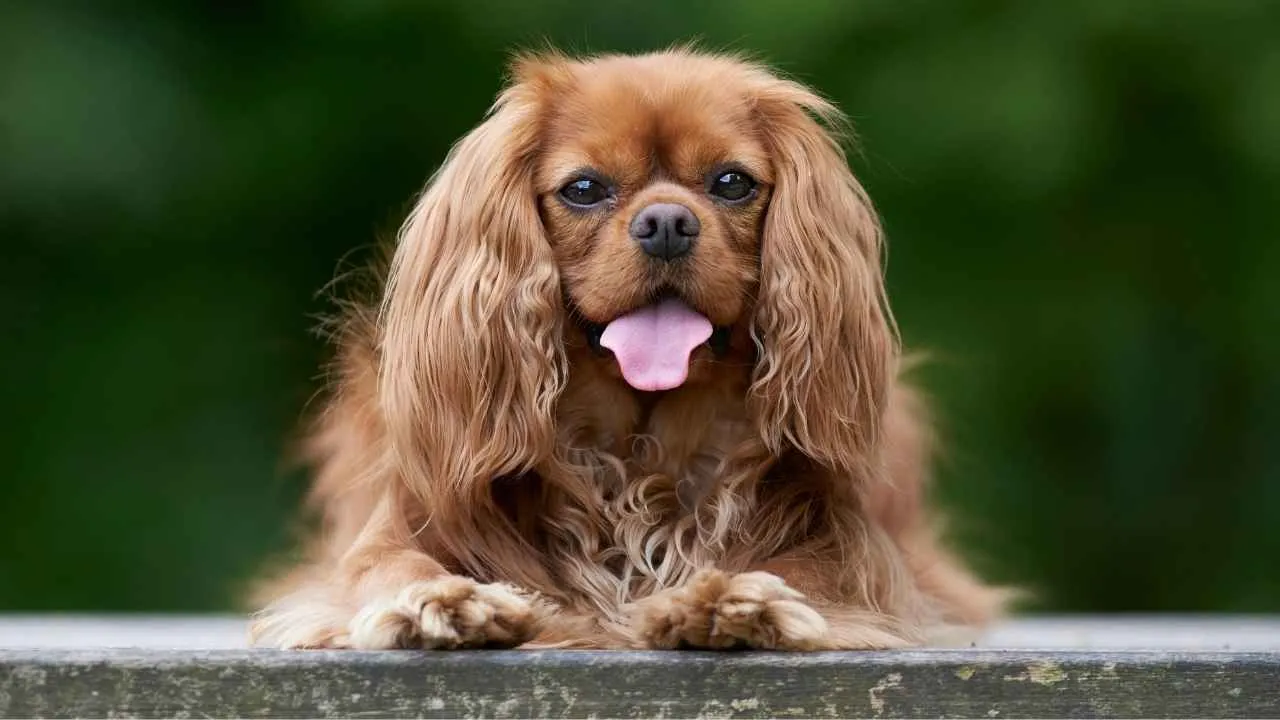
The Cavalier King Charles Spaniel spent its early years as a cherished lap dog during Tudor times, where it also served as a comforting foot warmer. Its close connection with King Charles II later inspired the name by which this small breed is still recognized today, as Omlet noted.
Gentle by Nature
It enjoys close family life and easily shifts from playful moments to quiet cuddles on the sofa or bed. Its calm temperament also explains why this breed is frequently chosen for therapy work with people of different ages.
These historical details make its story even more interesting:
Once used as a living foot warmer
Nicknamed a mobile hot water bottle
A shorter muzzle became fashionable after years of selective breeding
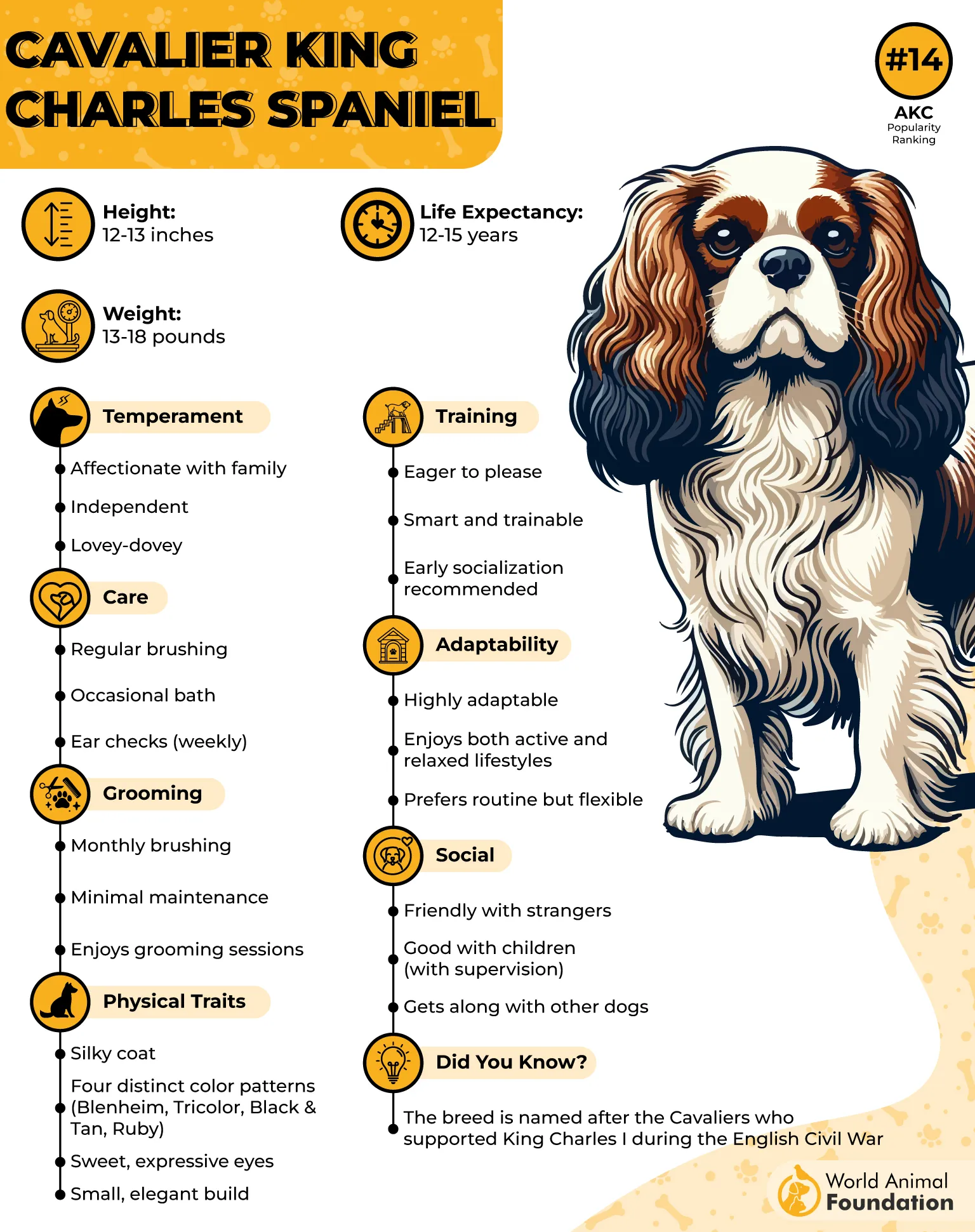
Curious Outdoors
Cavalier King Charles Spaniel learns new lessons fairly quickly, although a tummy rub can easily distract it from the task at hand. Walks filled with fresh scents are especially enjoyable, and an interesting animal may briefly become far more exciting than returning on command.
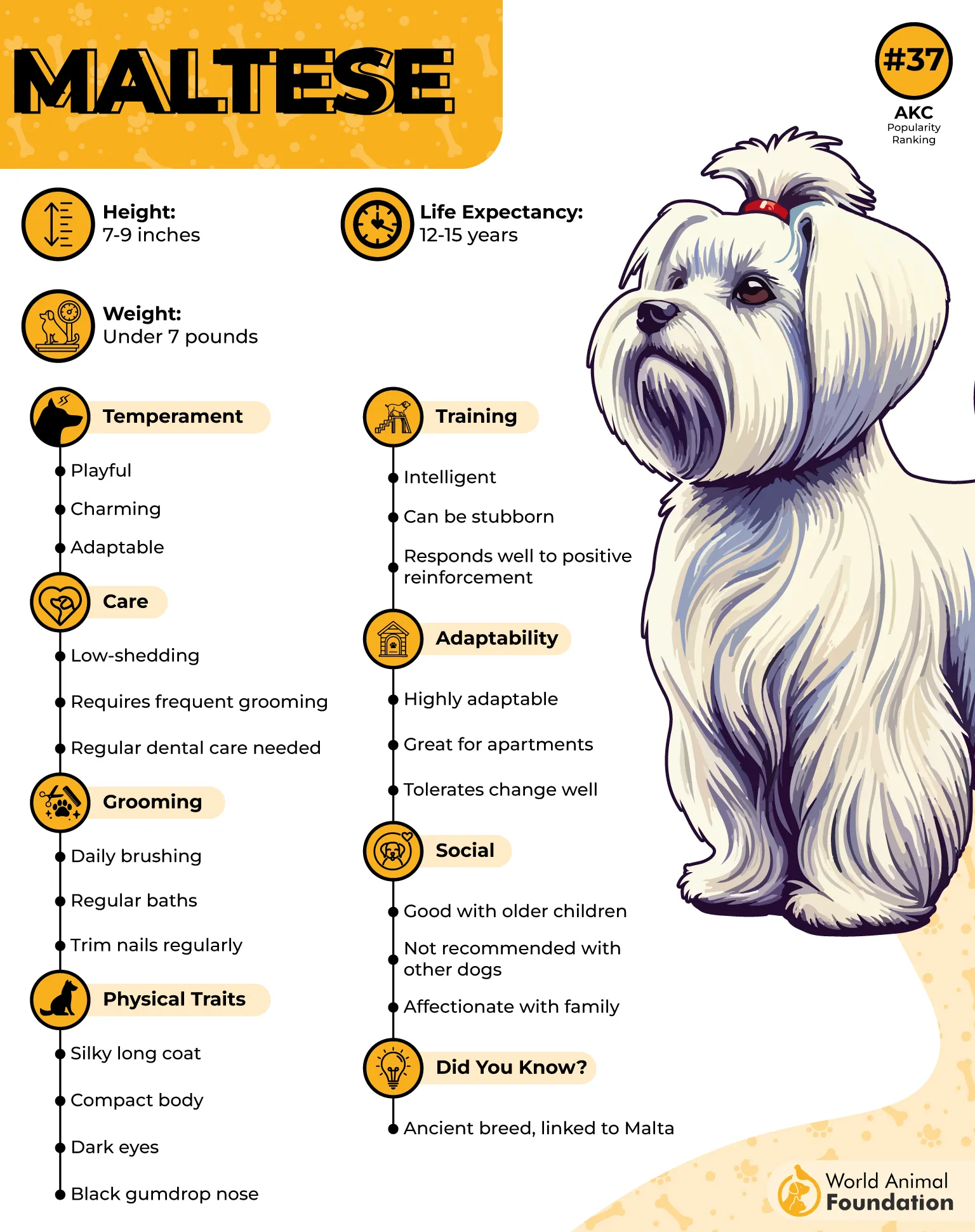
2. Maltese
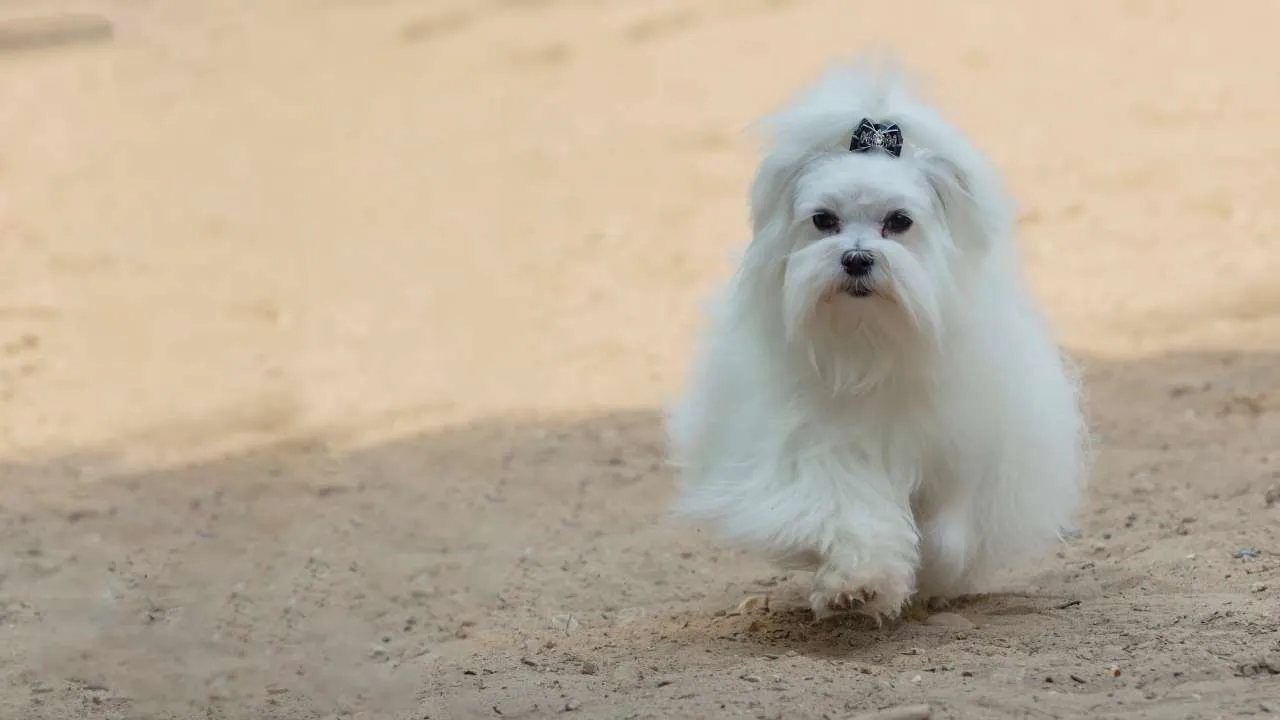
Maltese has appeared in written records dating back to around 300 BC, with Malta widely believed to be its original home and an important trading port. Some accounts also connect this breed to traders traveling through Asia and even suggest a possible link to the Tibetan Terrier.
Made for Close Company
They settle comfortably into apartment living because their daily exercise needs are quite modest, often satisfied with a short walk or backyard play, as PetMD noted. Most of the day is happily spent close to the people it loves rather than searching for constant activity.
These fascinating traits enhance the breed’s charm further:
Popular among England’s upper-class ladies by the 14th century
The exact origin remains uncertain
Possible connection to the Tibetan Terrier
Always Nearby
The Maltese enjoys human attention throughout the day and happily curls up on a lap whenever the opportunity appears. Its playful personality often continues well into adulthood, making family games and affectionate moments part of everyday life with respectful children and other pets.
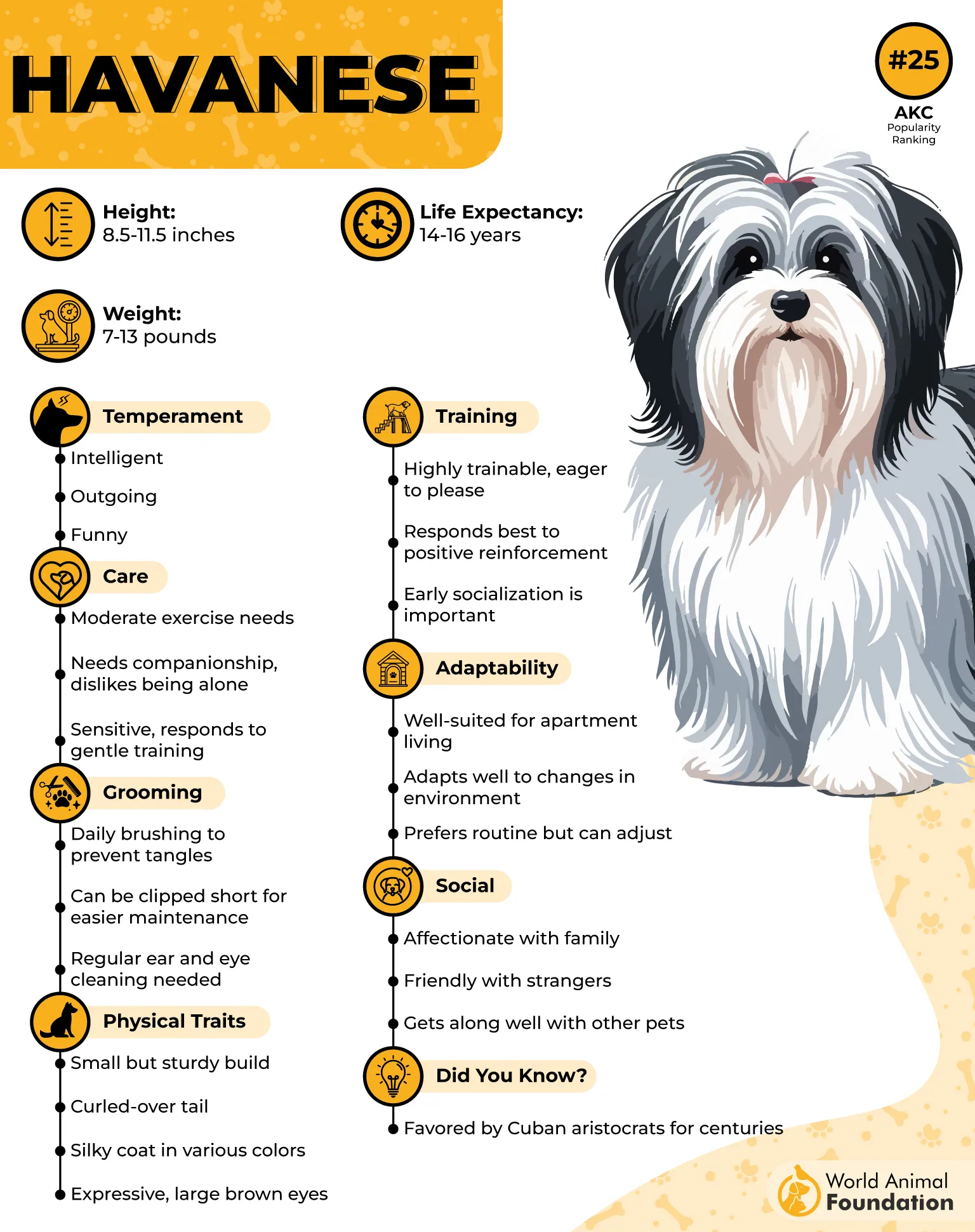
3. Havanese
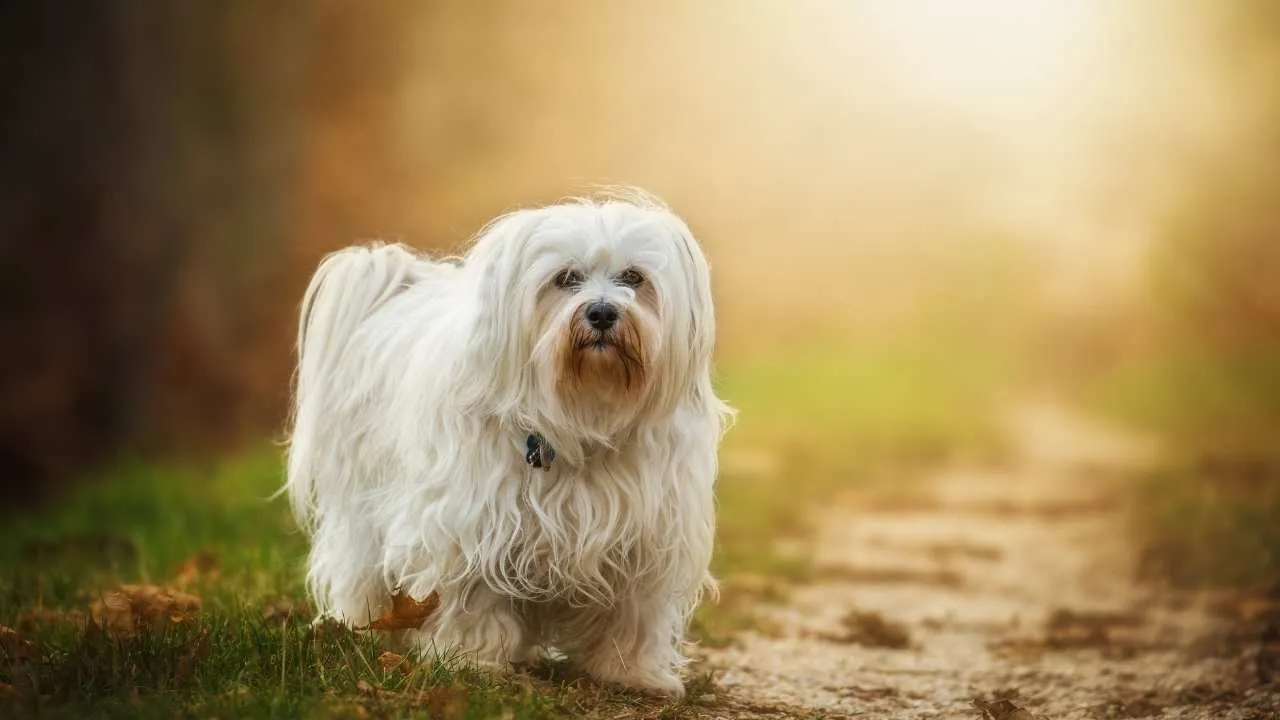
The Havanese reached Cuba centuries ago with Spanish traders, where it quickly became a favorite among wealthy families under the nickname “White Cuban.” Years later, circus performers also appreciated this bright little dog because it learned routines with impressive speed, as VCA Animal Hospitals writes.
Always Part of the Action
They like knowing what is happening around the home and happily join everyday activities instead of watching from a distance. Time spent with family matters greatly, and long periods without company can be difficult unless introduced gradually from an early age.
A few details add another layer to its story:
Non-shedding long coat
Have a plucky and happy-go temperament
They may become timid and need proper socialization
Quick to Learn
This toy dog breed enjoys learning new tricks and responds especially well to patient, consistent guidance that keeps training interesting. Its playful personality can be quite persuasive, so clear boundaries help prevent this clever little dog from getting its own way too often.
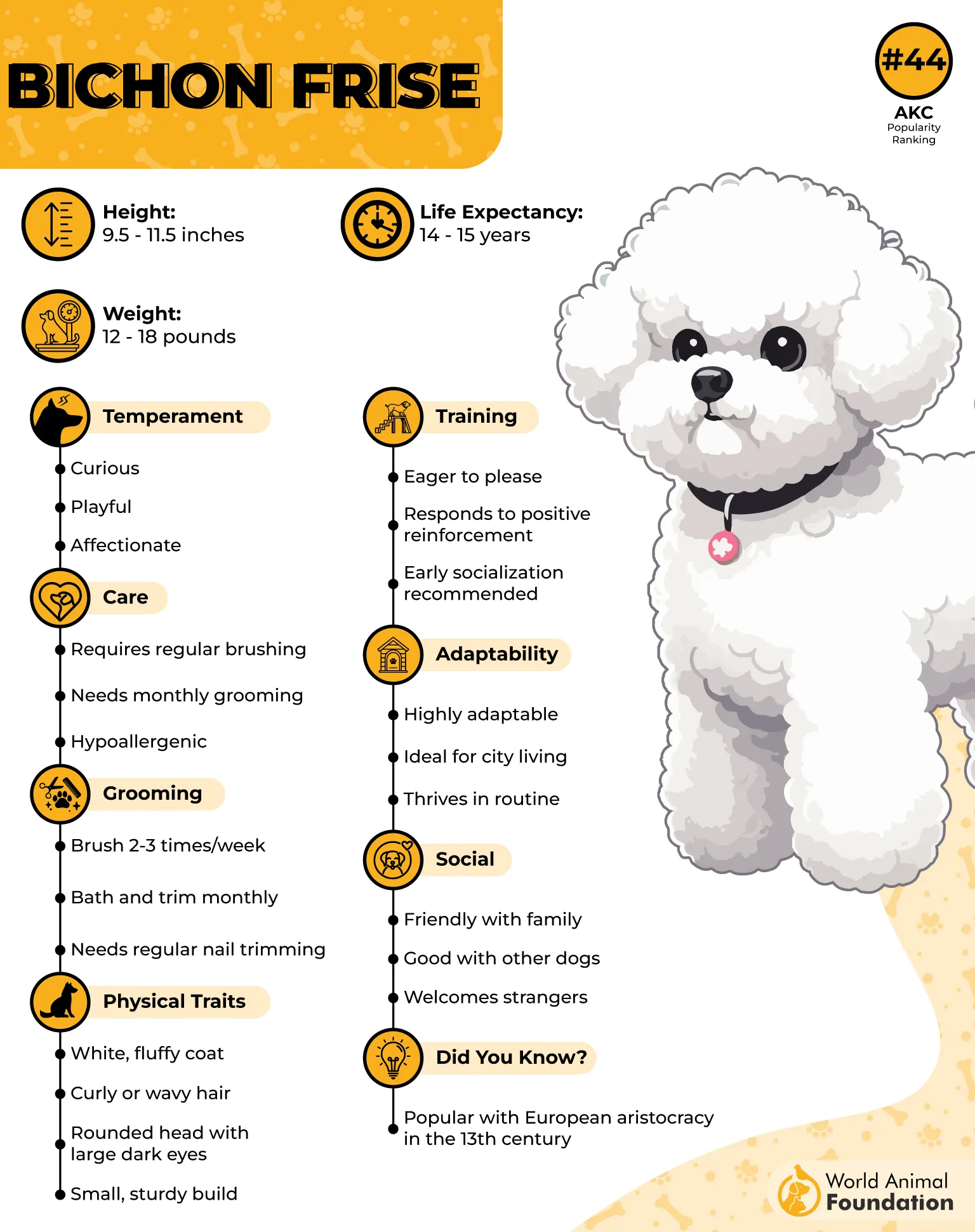
4. Bichon Frise
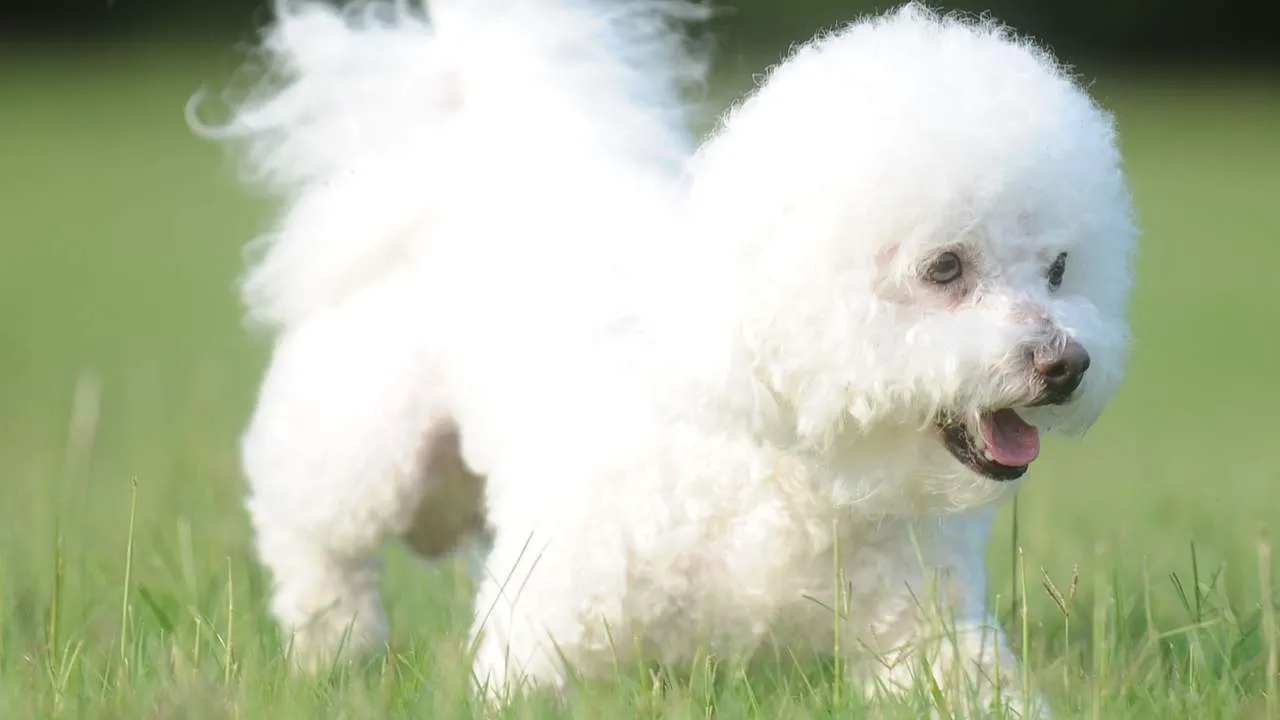
The Bichon Frise belongs to a family of small companion dogs that first emerged around the Mediterranean after larger water dogs were crossed with small white dogs. Sailors later introduced this cheerful breed to Italy, where its popularity quickly spread among different social circles.

People at Heart
They enjoy being close to people and prefer an active household where someone is around for much of the day. Long periods alone can lead to boredom, making regular interaction an important part of this breed’s daily routine.
The breed’s story continues below:
Descended from the Barbichon family
Once performed tricks for street entertainers
Closely related to the Maltese, Havanese, and Bolognese
Tuned Into Home Life
This lively little dog responds closely to the emotions of the people around it and adjusts quickly as the atmosphere changes. Its playful personality also helps it build comfortable relationships with respectful children, other dogs, and visiting guests.
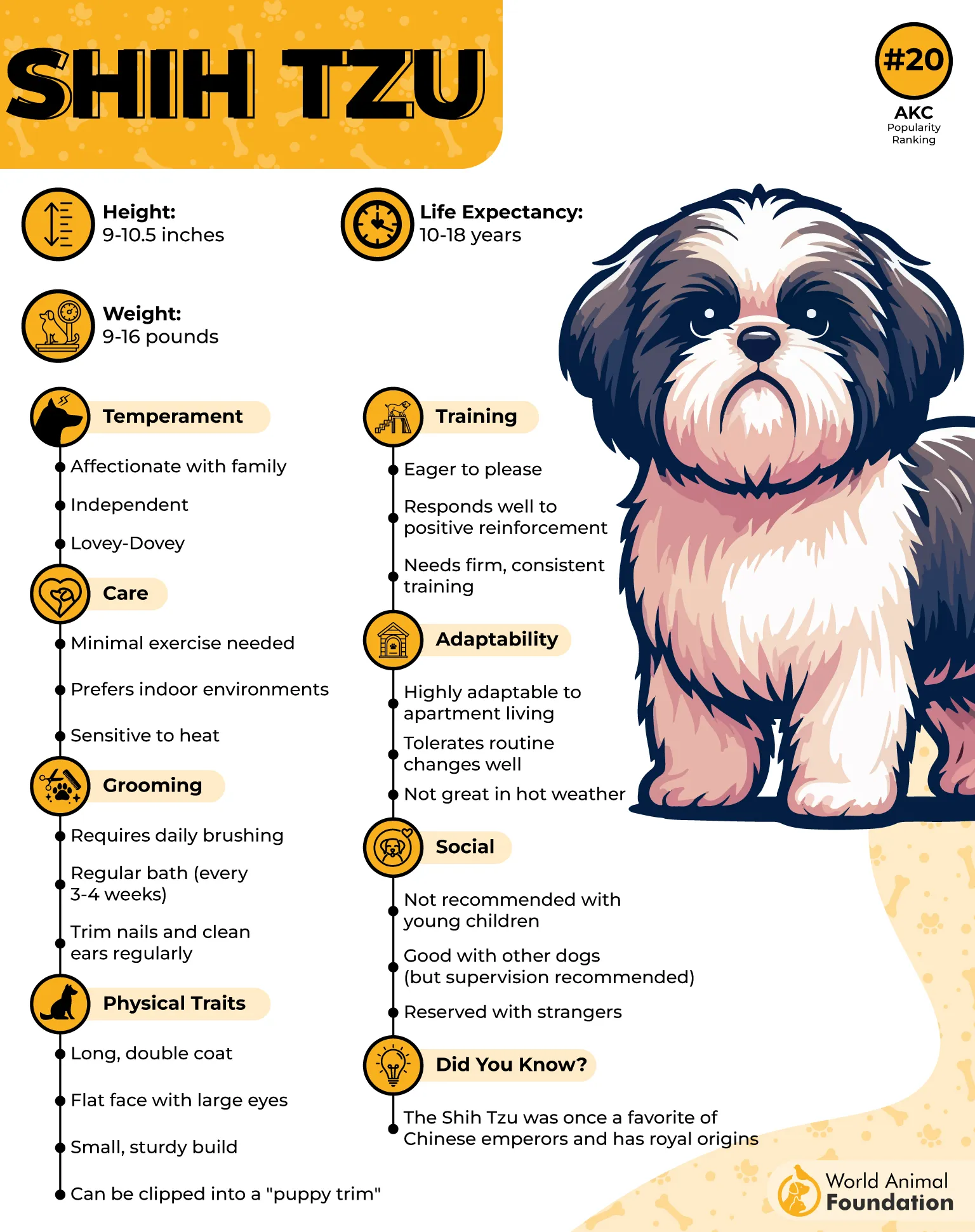
5. Shih Tzu
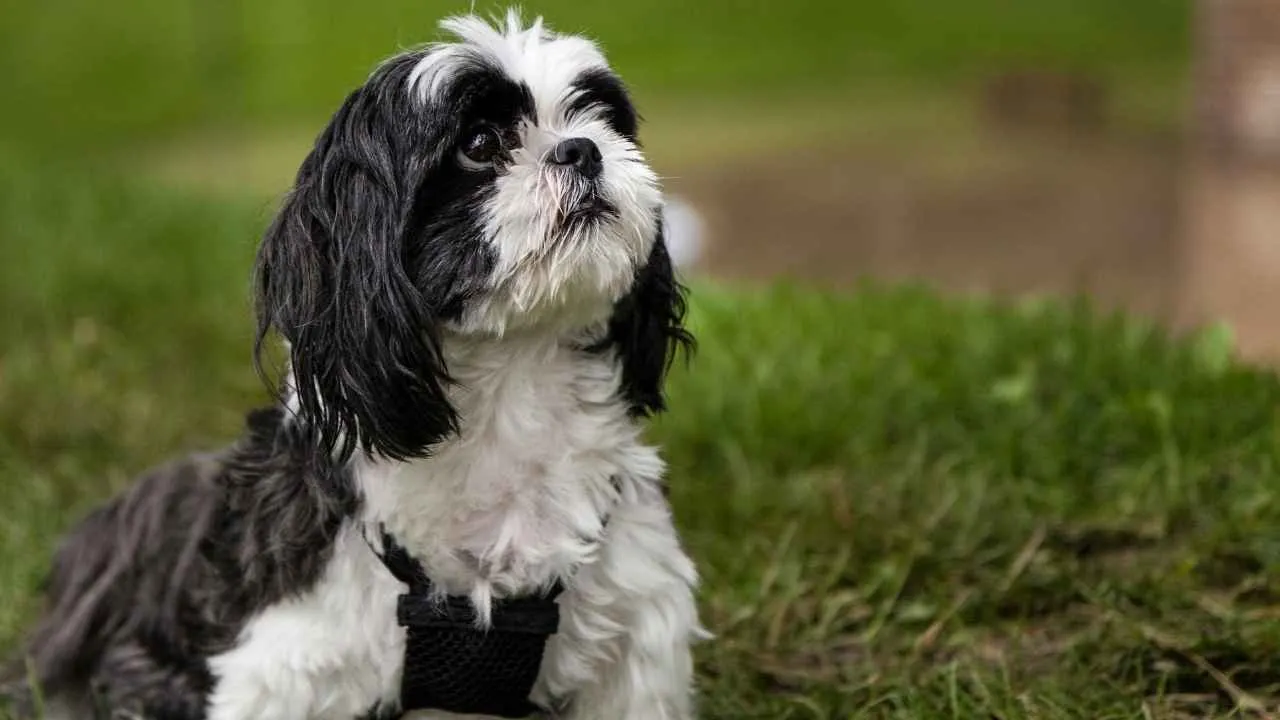
The Shih Tzu has long been associated with China, where it shared close ties with Buddhist traditions and became widely recognized as the Lion Dog. That early connection helps explain why this affectionate little companion enjoys spending so much time close to the people it loves.
Always Close By
They enjoy quiet moments just as much as playful ones, often choosing a lap, sofa, or soft bed as their favorite place to relax. Friendly interactions with other pets, strangers, and respectful children make everyday life feel easy for this sociable breed.
This side of this breed also deserves a closer look:
Males can be snappy at times
Listens eagerly when someone arrives
Attention often excites this breed
Full of Personality
The playful nature of this breed combines with a confident streak and can hold its ground when the situation calls for it. That independent mindset often appears through its familiar “what’s in it for me?” attitude during everyday routines and learning sessions.
6. Pomeranian
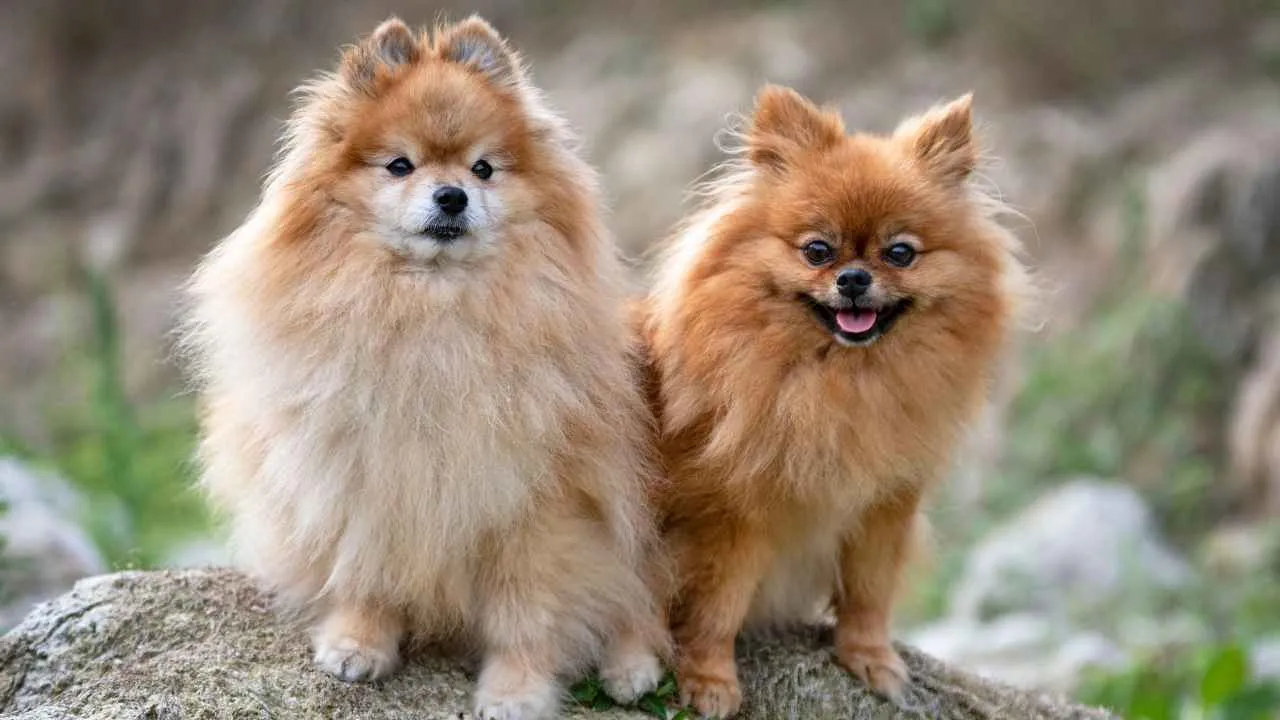
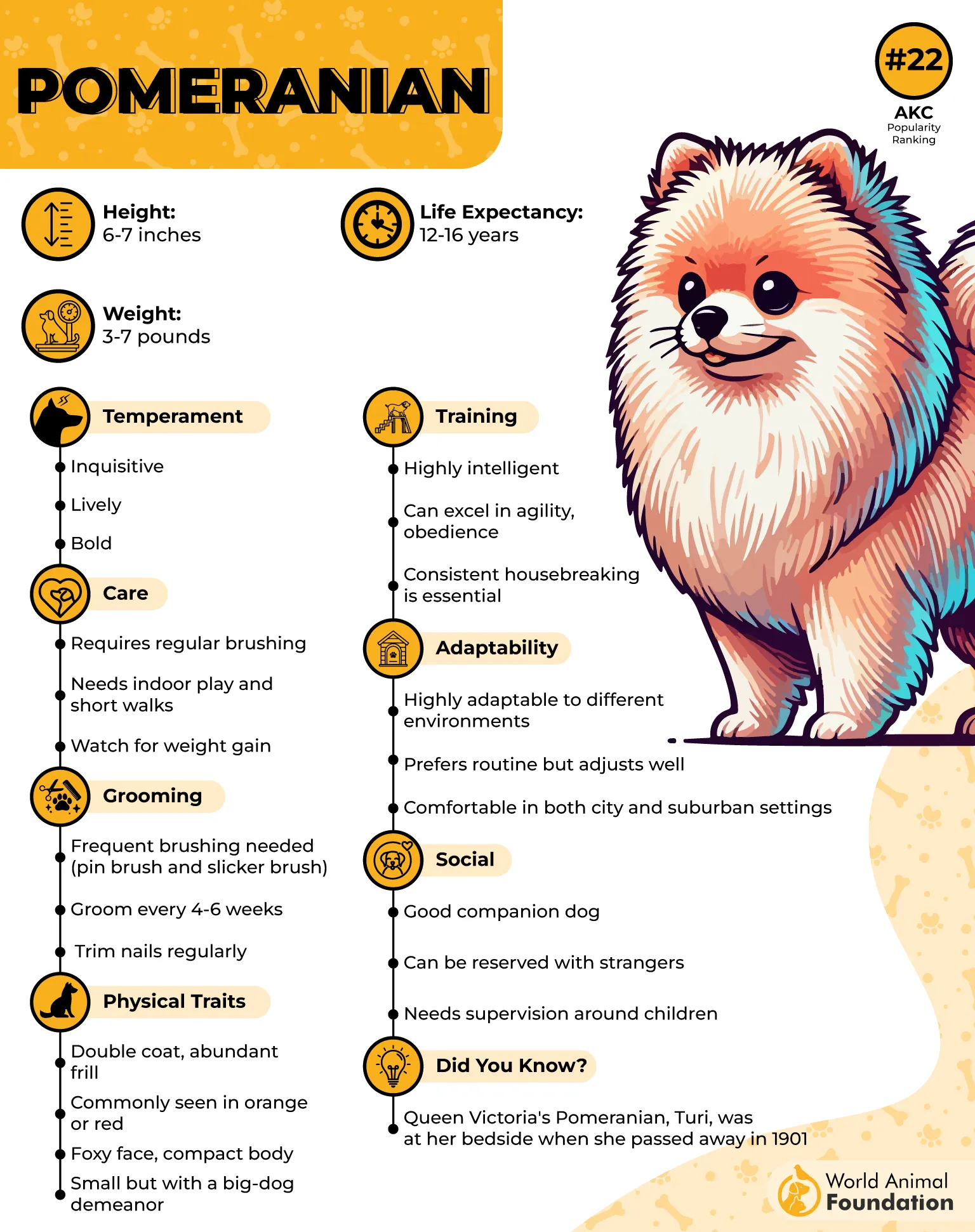
The Pomeranian came from the Pomerania region between present-day Poland and Germany, with roots linked to the German Spitz. Interest in the breed grew during the 18th century, and Queen Victoria helped bring this lively little companion into the spotlight.
Full of Curiosity
Poms like to be involved in everything happening around the home and happily follow people from room to room for company. Its quick mind responds well to learning, making games, tricks, and structured activities especially rewarding.
A few lesser-known details add another layer:
Descended from the German Spitz
Later bred into a smaller size
Often chosen as therapy dogs
Big Character
The Pomeranian may be small in size, but it often approaches life with remarkable confidence and enjoys being the center of attention. Early socialization is especially valuable because this bold personality can encourage confrontations with much larger dogs.
7. Yorkshire Terrier
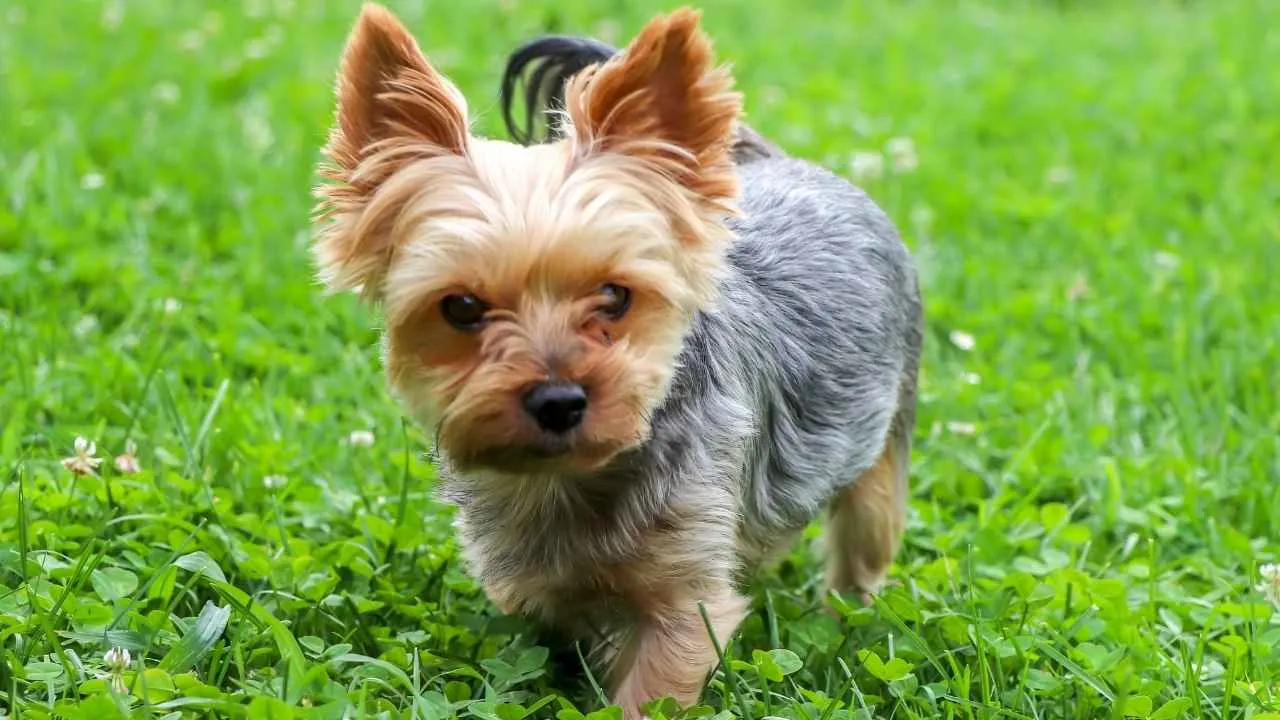
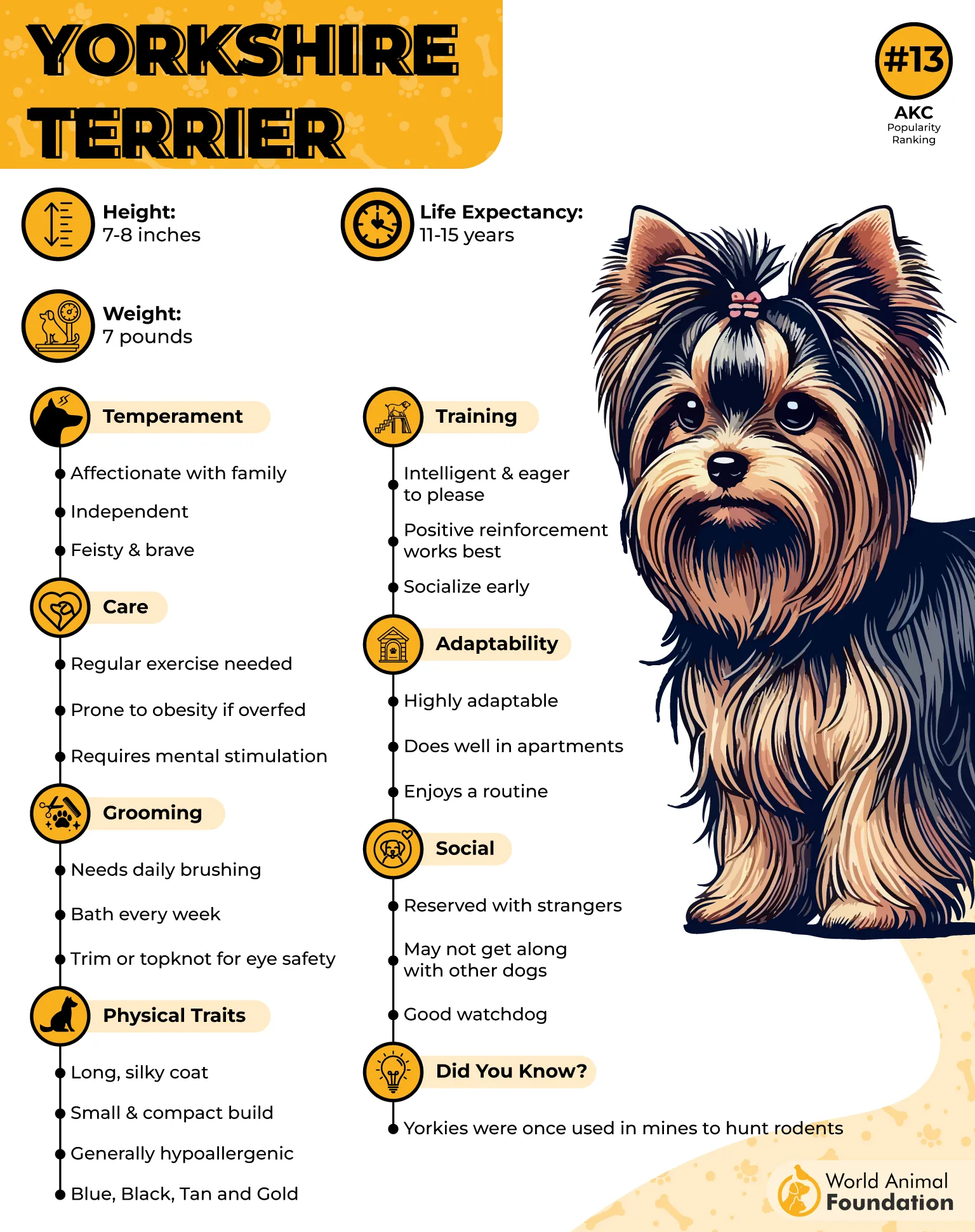
The Yorkshire Terrier first appeared in Yorkshire during the mid-19th century, where Scottish mill workers brought small terriers that helped control rat populations in cotton mills. That working role explains why this little dog combines curiosity with plenty of determination.
Full of Character
Yorkies pack an energetic and affectionate personality into a compact frame, often looking for their next game or a little adventure around the house. Early socialization and puppy classes help this confident breed become more comfortable with unfamiliar people.
These traits reveal even more about its nature:
Originally worked as a rat catcher
Alerts quickly when someone approaches the door
Dislikes being left alone for long periods
Family Connection
The Yorkshire Terrier builds close relationships with the people it trusts and often prefers being part of everyday household activities. Respectful children are generally welcomed after proper introductions, although this independent little dog also appreciates regular companionship and attention.
Conclusion
Living with a dog should feel enjoyable rather than overwhelming, especially when everyday responsibilities are already demanding enough. A friendly small dog breed whose care fits comfortably into your routine allows more opportunities to enjoy walks, quiet evenings, and time together without constant maintenance.
The dogs featured here demonstrate that easy care does not mean giving up personality, loyalty, or affection. Each brings something different while remaining practical for small dog owners with busy schedules.
Finding the right companion is often less about choosing the most impressive dog and more about selecting one whose needs naturally match the life you already enjoy.
