




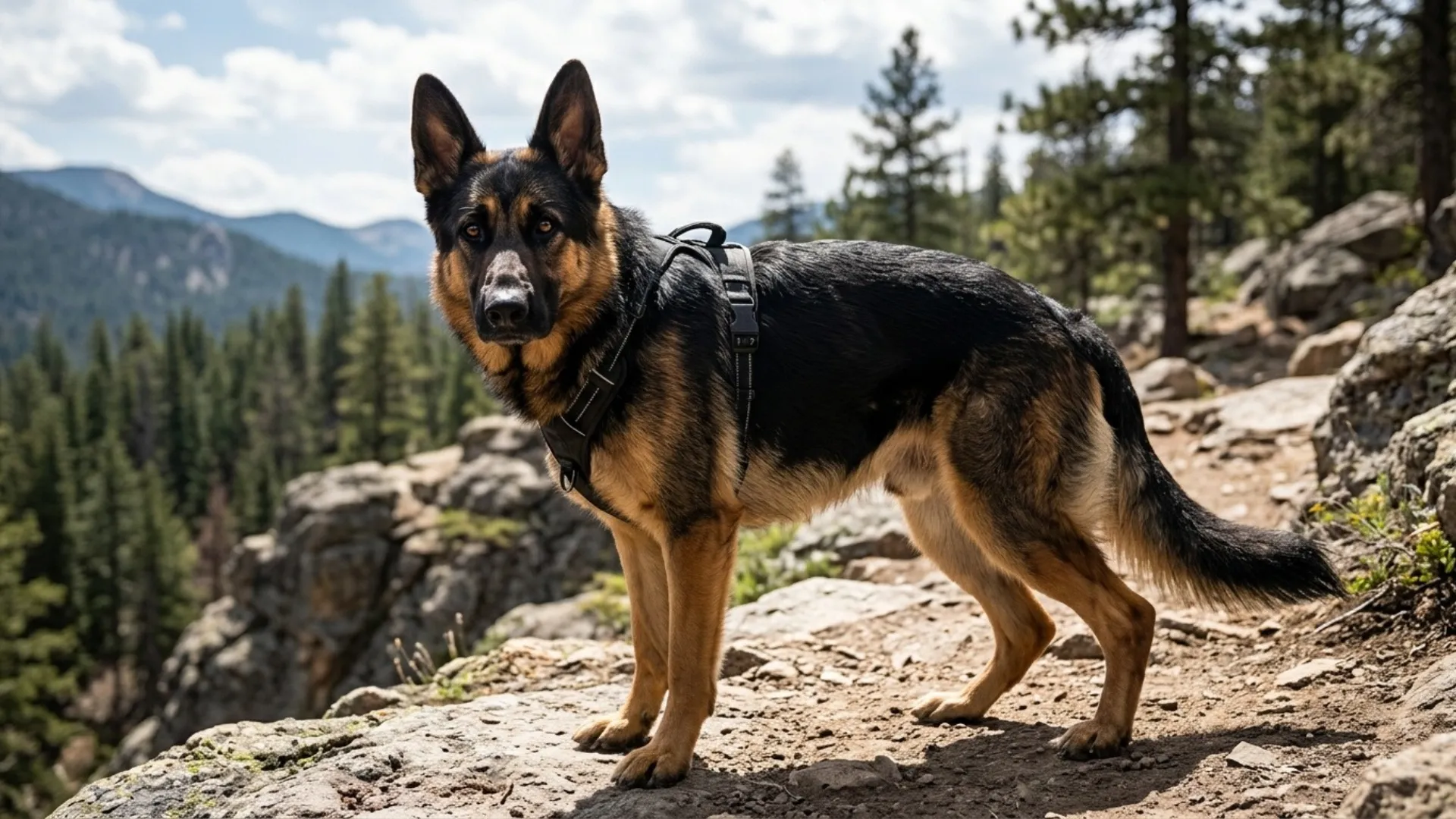
Homes with a licensed dog see property crime rates drop by nearly 2 percentage points, and it has nothing to do with size or volume.
A University of Louisville study found exactly that, revealing what most people overlook when picking a protective companion. An imposing presence alone does not make a dog a reliable guardian.
Real protection comes down to judgment: knowing when to react and who to trust. That is the overlooked half behind every truly protective dog breed.
This list spotlights dogs that pair natural protective instincts with genuine intelligence, so you get a loyal guardian you can trust around your family, not just an imposing presence at the door.
Curious which breeds strike that rare balance of brains and brawn? Keep reading to meet them.
Sturdy Dog Breeds With Natural Protectiveness and Intelligence
1. German Shepherd
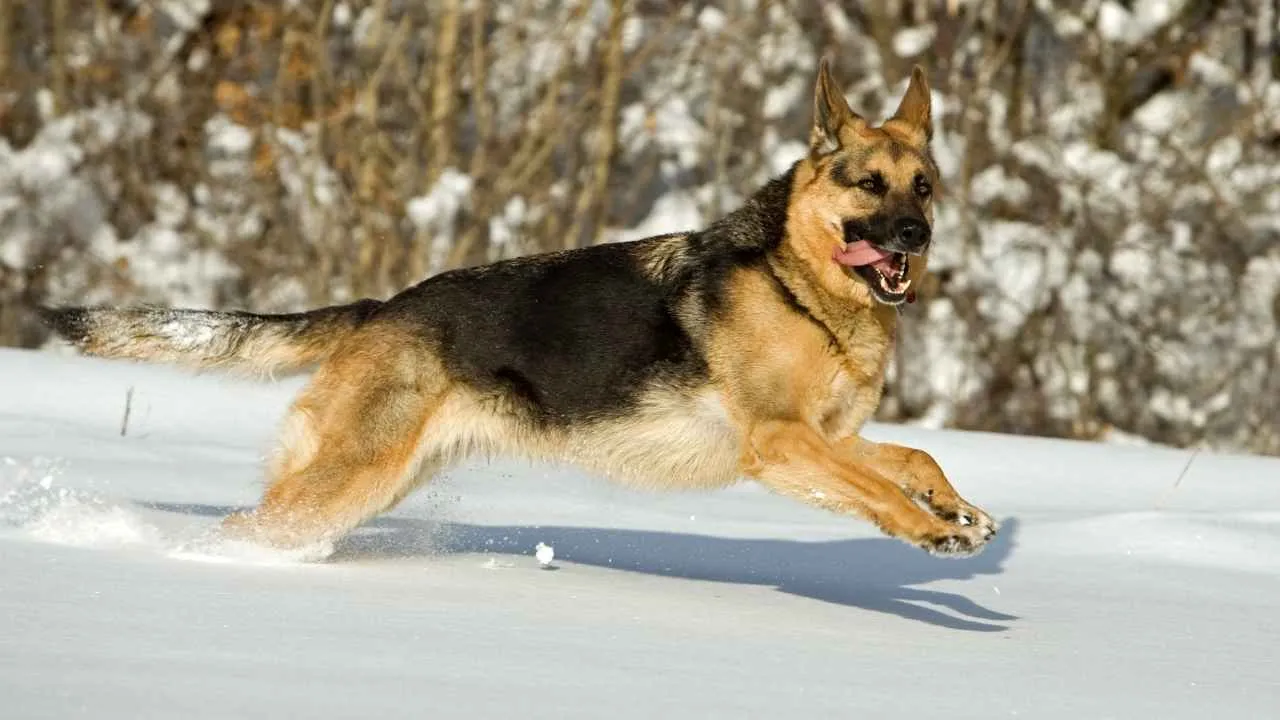
A German Shepherd on a police beat is a great example of protectiveness and intelligence working together. The dog holds position and waits for a command instead of lunging at every noise. That is a mind doing as much work as the muscle behind it.
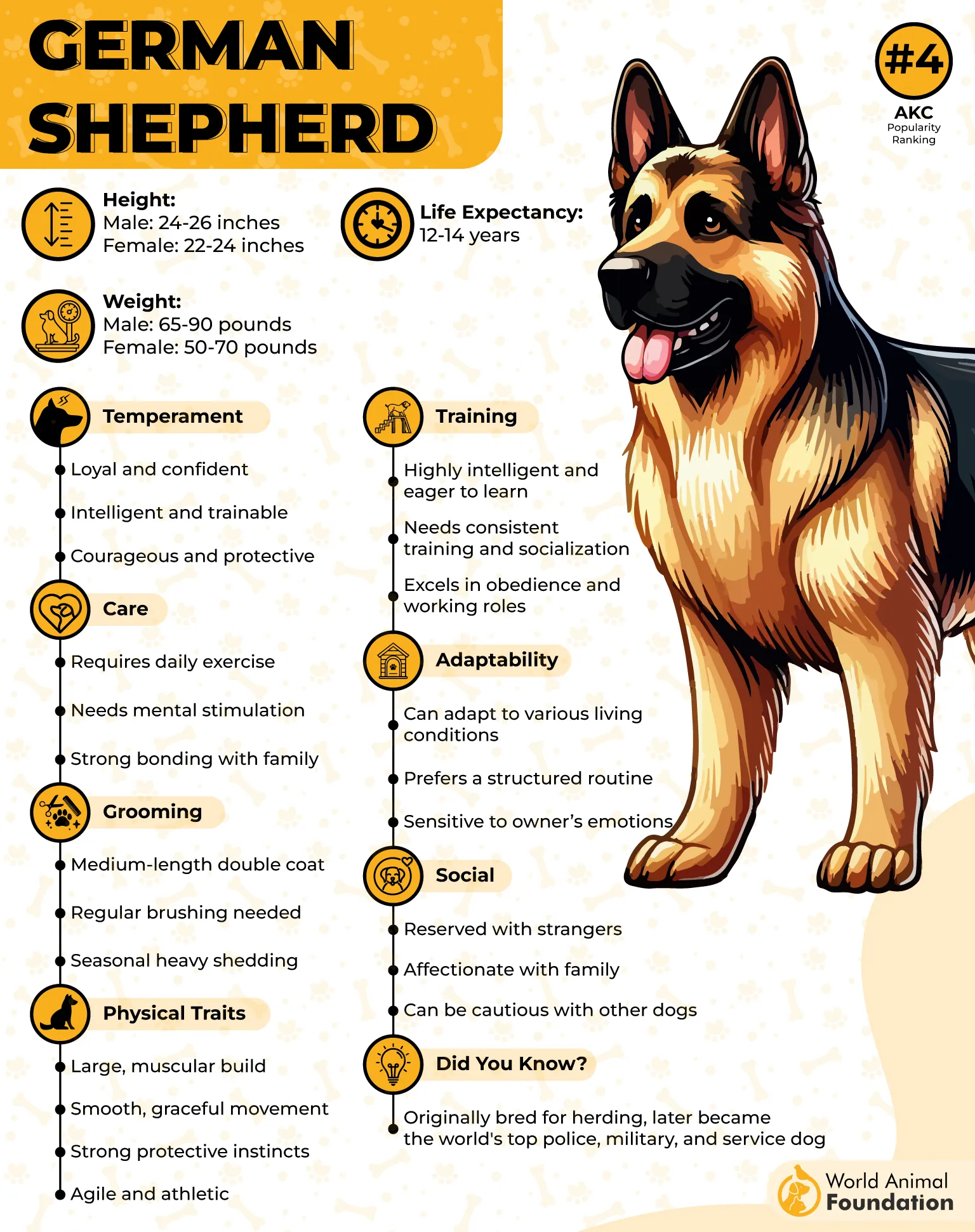
Breeders in Germany during the late 1800s paired working shepherds with careful selection for structure and nerve, as the AKC notes. The result was a dog built to think on the job, not just stand guard.
Decision-making: Sorts a nervous delivery person from an actual threat before reacting.
Trainability: Picks up new commands in just a handful of repetitions.
Situational awareness: Reads tense body language in a room before anyone speaks.
- All that drive needs an outlet. Skip the daily exercise and mental work, and a German Shepherd turns bored energy into chewed furniture. First-time owners should plan for real structure, not just a leash and a yard.
2. Doberman Pinscher
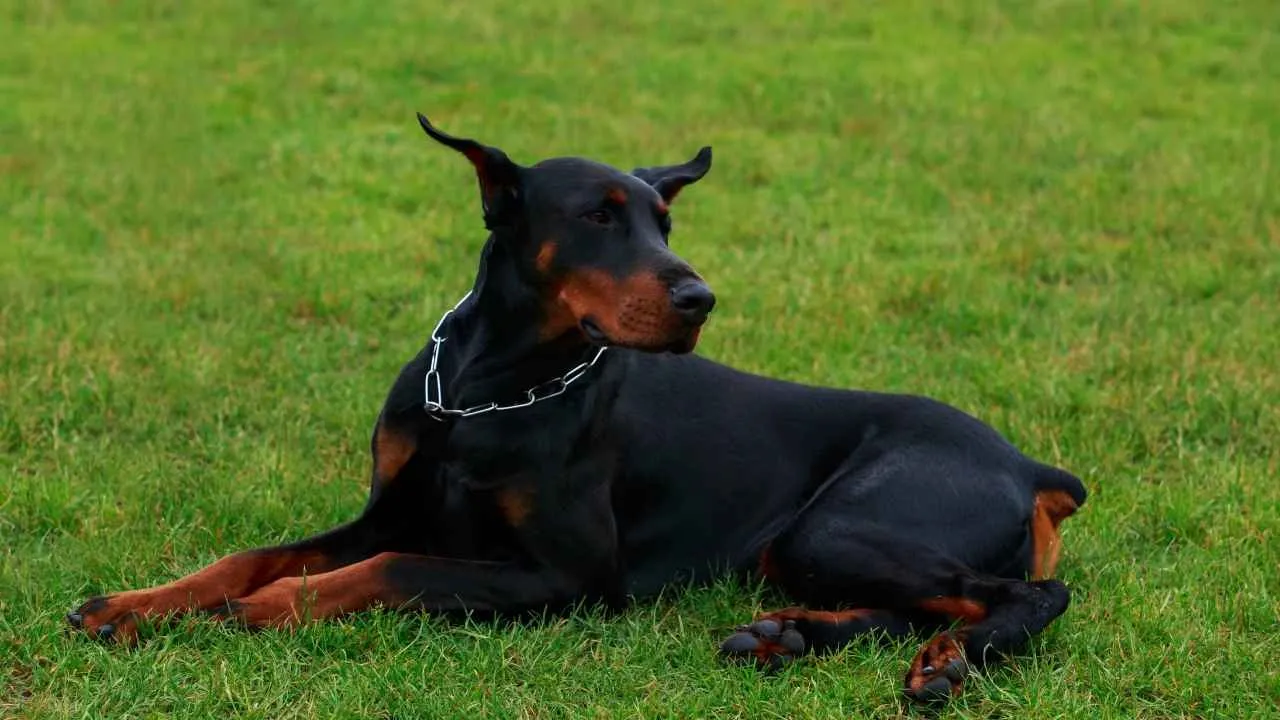
A Doberman Pinscher does not bark at everything that moves. It studies the situation first, then commits fully if the threat is real. That pause before action is the intelligence showing through the protective instinct.
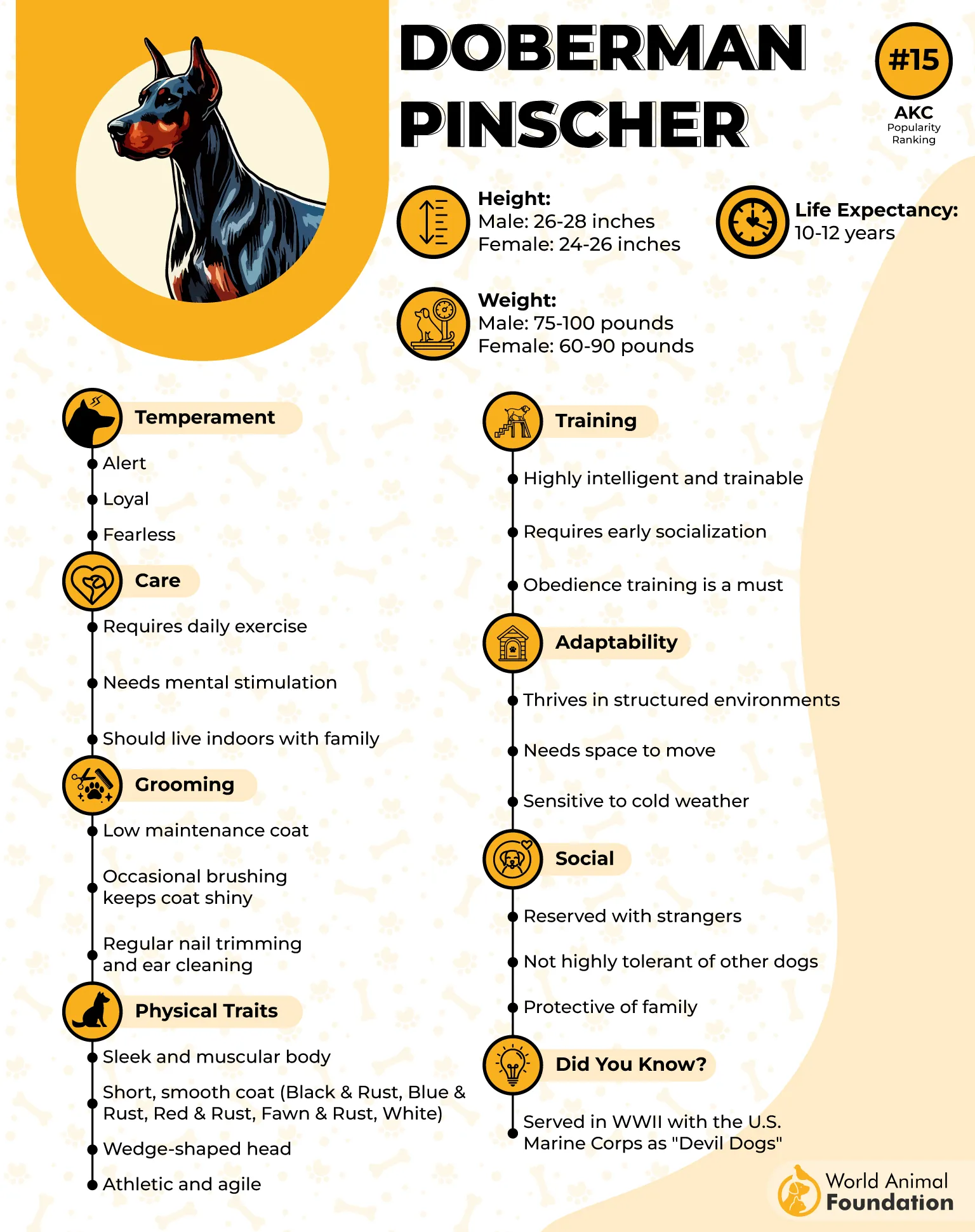
The breed was shaped in Germany by a tax collector who wanted a sharp, reliable companion for risky rounds. Early breeding favored nerve and focus over raw size, producing a dog built for close protection work.
Decision-making: Separates a startled jogger from a genuine intruder with visible hesitation before reacting.
Responsiveness: Takes direction from a handler mid-task without losing focus.
Situational awareness: Positions itself between family members and a stranger without being told.
- That same sharp mind needs consistent training and early socialization, or wariness can tip into suspicion of everyone new. A Doberman thrives with an owner who sets clear rules from puppyhood.
3. Rottweiler
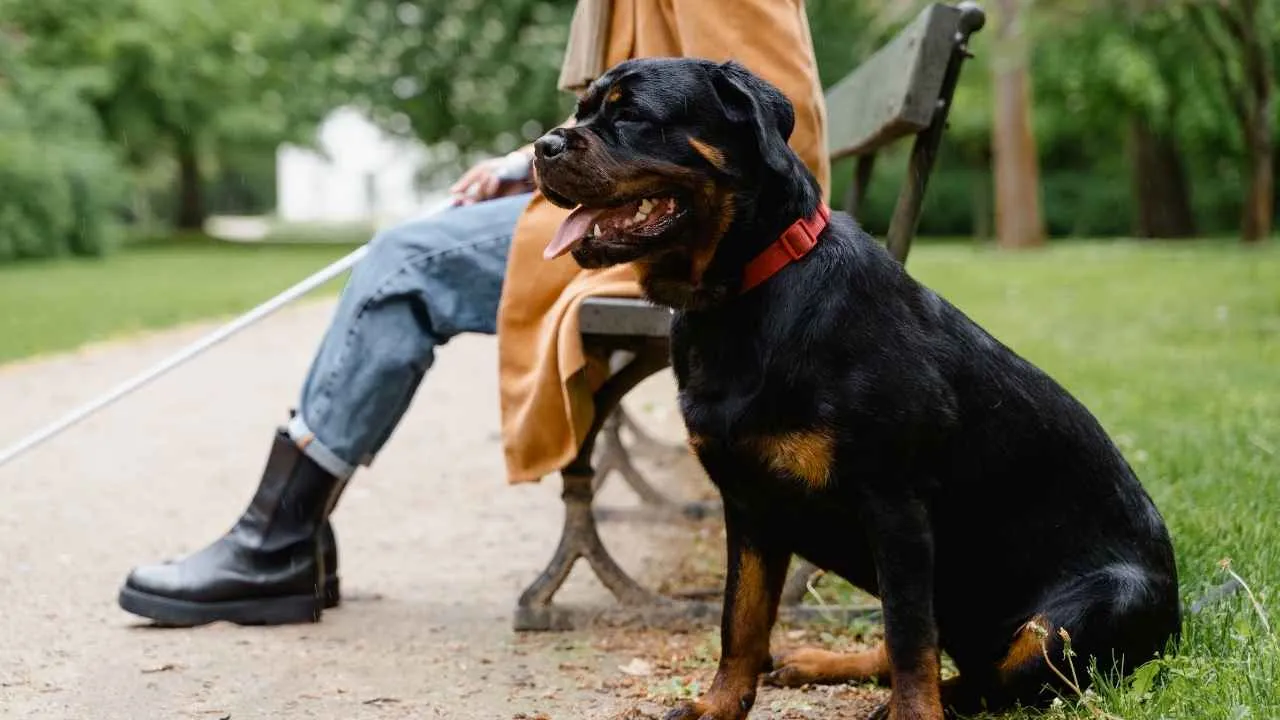
A Rottweiler guarding a yard will often just stand and watch, calm until the moment calls for action. That composure under pressure is intelligence at work, not a lack of protective drive.
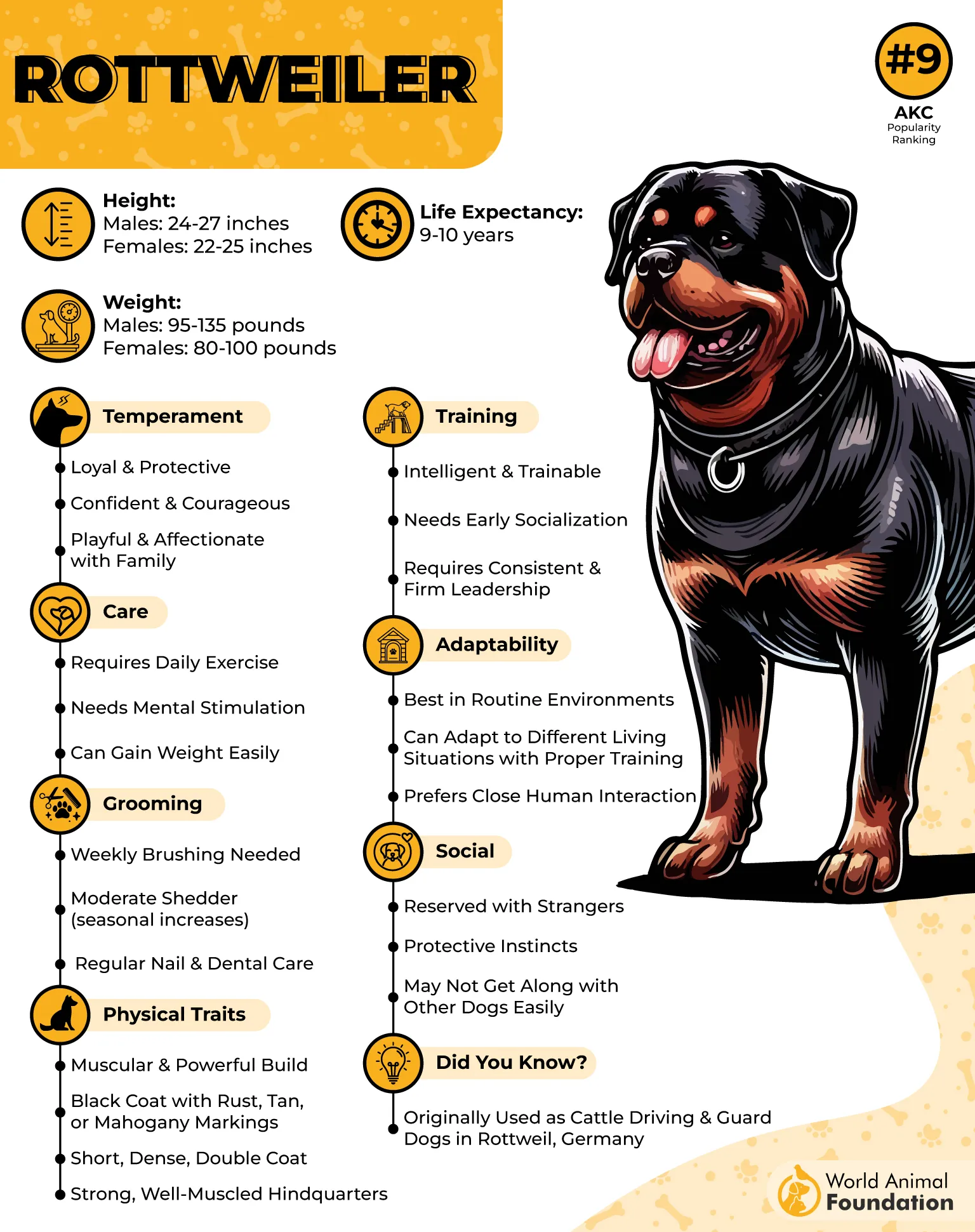
Rottweilers descend from Roman cattle-driving dogs that later worked German butcher routes, moving livestock and guarding money pouches. Centuries of that dual job built a breed that protects with purpose instead of panic.
Judgment: Waits to see what a visitor does before deciding how to respond.
Trainability: Learns complex routines used in search and rescue or cart work.
Confidence: Holds ground calmly rather than reacting with noise.
A Rottweiler’s powerful build means careless handling causes real problems. New owners need experienced guidance and early socialization, or that natural confidence can turn into pushiness around other dogs and strangers.
4. Belgian Malinois
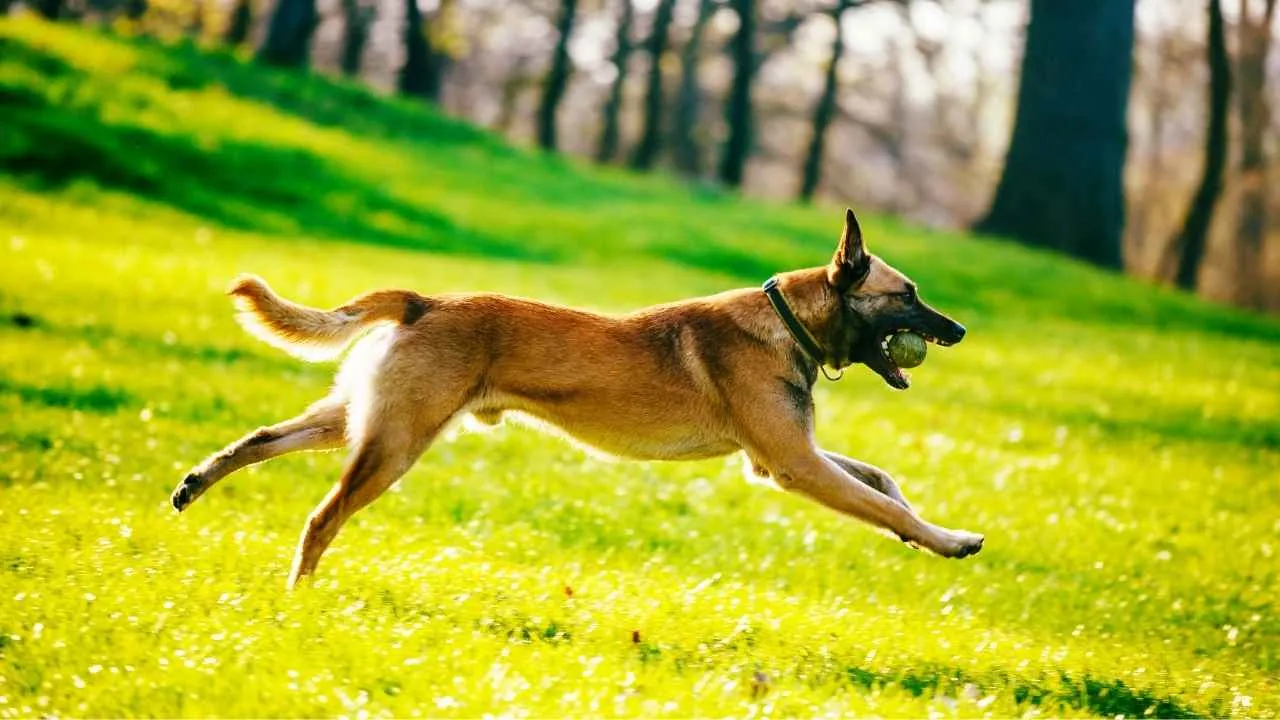
Military and police units choose the Belgian Malinois because it reads a scene fast and adjusts its response on the move. Protectiveness here comes paired with split-second thinking, not blind aggression.
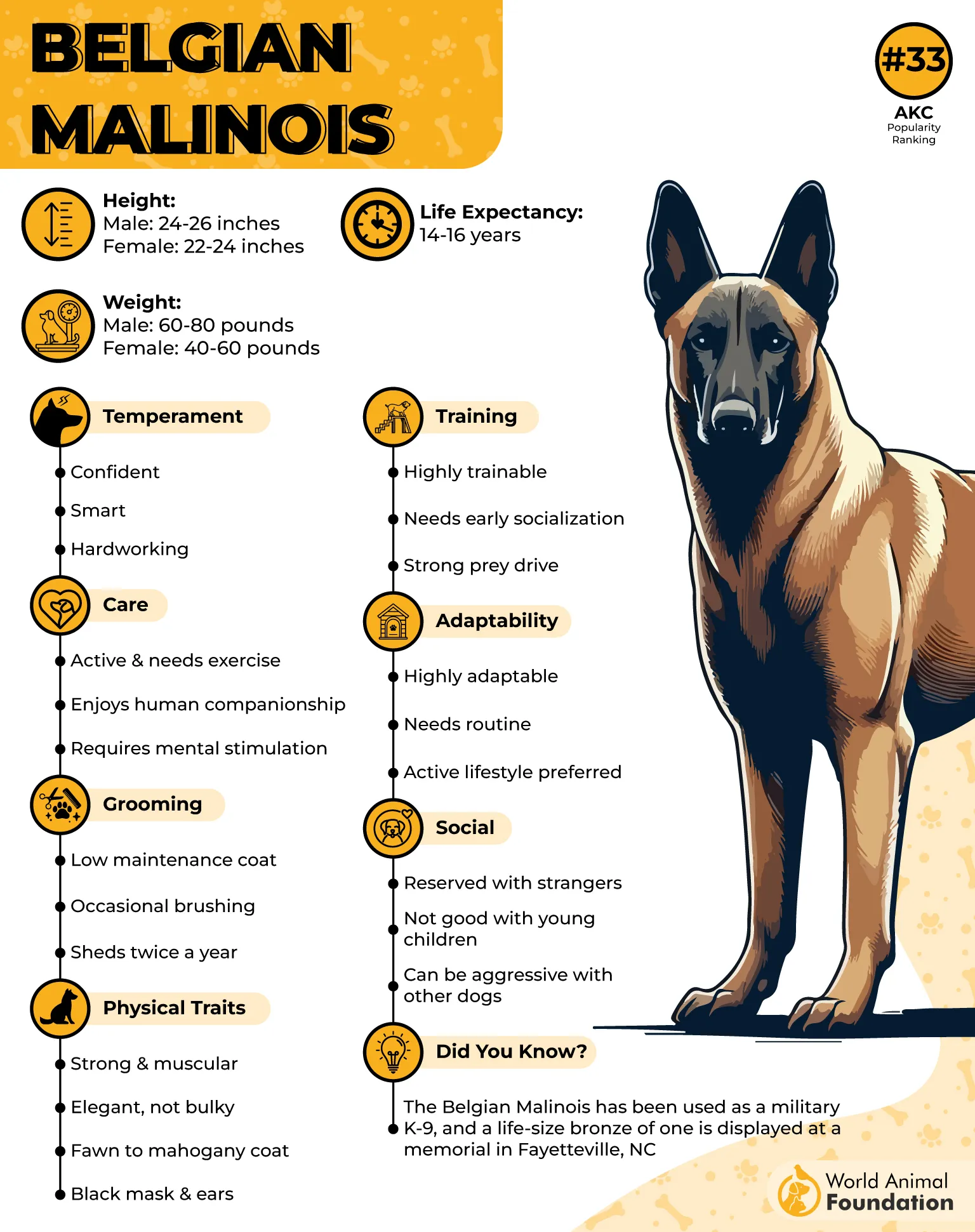
Bred in Belgium as a herding dog, the Malinois learned to track movement and anticipate where livestock would go next. That same anticipatory thinking now makes it one of the most sought-after working dogs in security roles.
Adaptive thinking: Changes strategy mid-task when a situation shifts unexpectedly.
High drive focus: Stays locked on a single objective through distraction.
Trainability: Masters advanced obedience and scent work faster than most breeds.
This is not a breed for a relaxed household. A Malinois needs intense daily exercise and a job to do, or that high drive turns into anxious, repetitive behavior indoors.
5. Boxer
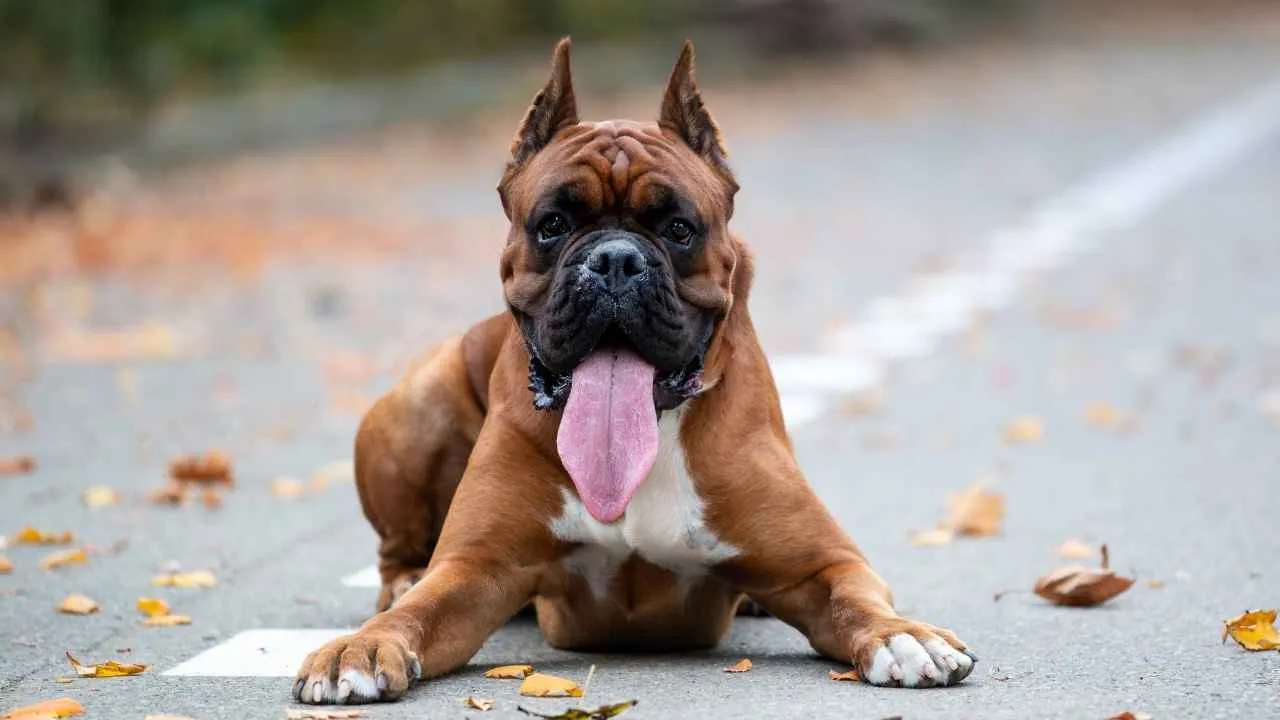
A Boxer plays goofy with its own family one minute and squares up to a stranger at the door the next. That quick switch between affectionate companion and alert protector shows real situational intelligence.
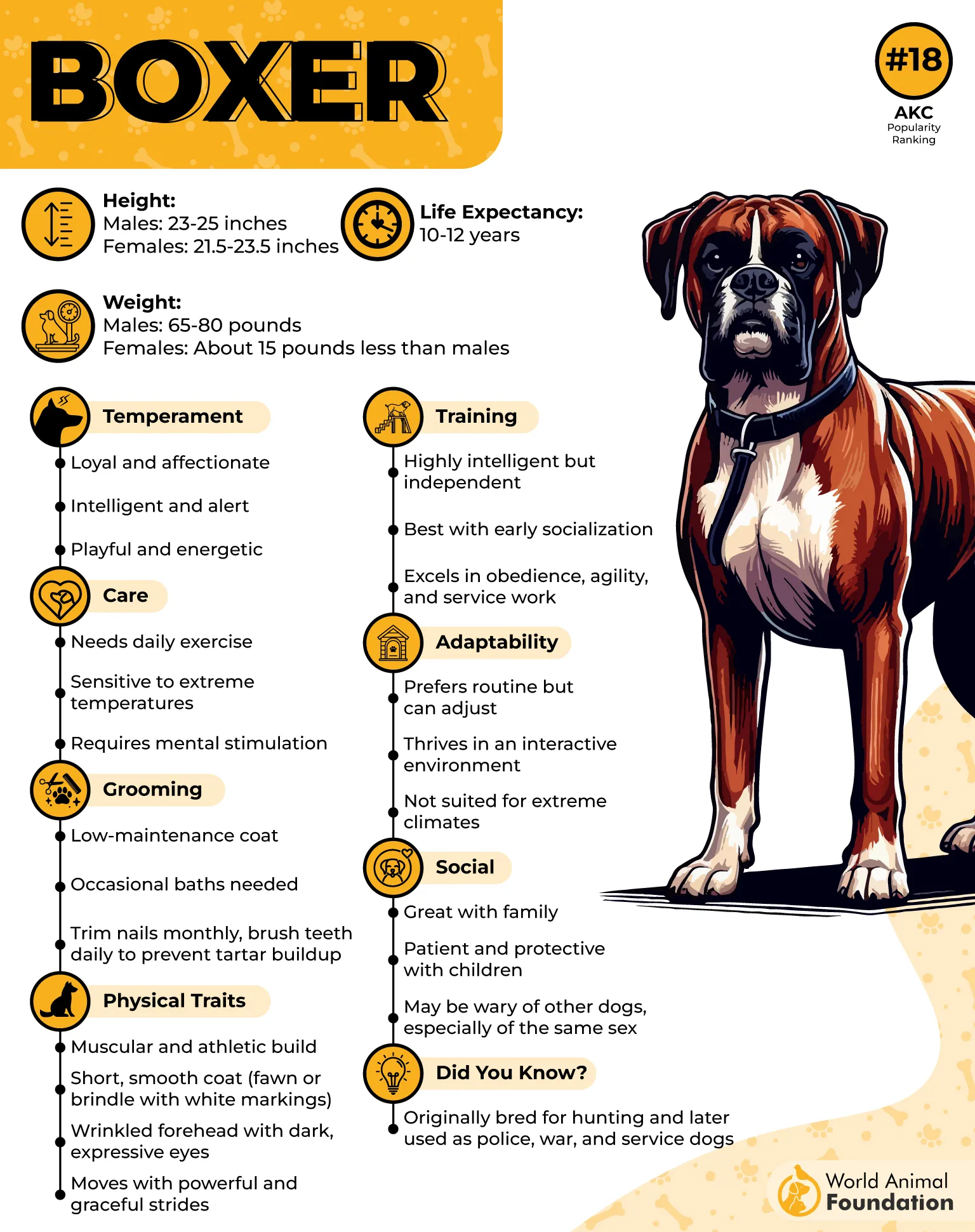
The Boxer was developed in Germany from Bulldog and Great Dane stock. Early handlers valued it for police work, and the Britannica breed profile credits that role to its courage and sharp instincts.
Social reading: Tells a playful kid from a real stranger within seconds.
Trainability: Picks up obedience and service dog work quickly.
Energy management: Channels alertness into play until an actual threat appears.
That same energy means a bored Boxer gets destructive fast. Plenty of exercise and consistent training keep this breed’s sharp instincts pointed in the right direction instead of toward the furniture.
6. Cane Corso
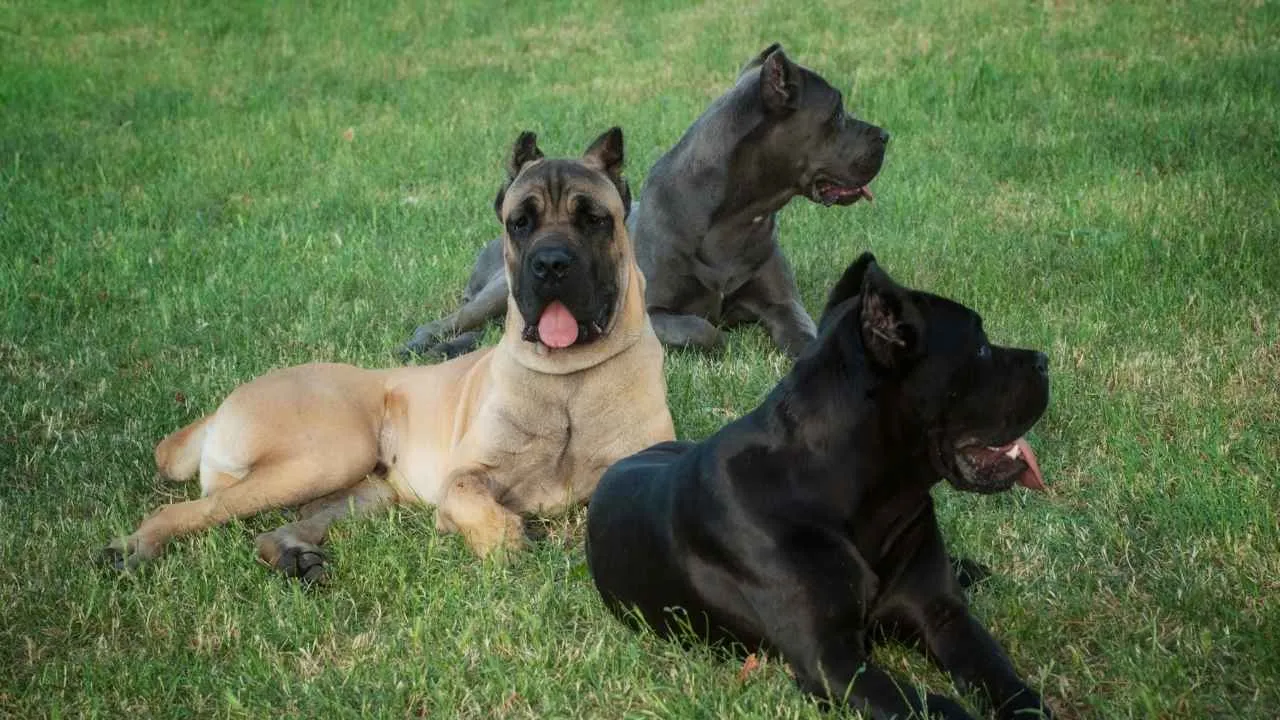
A Cane Corso can stand at a gate for hours without moving, then react in a heartbeat the moment a real threat appears. That patience paired with quick judgment is the whole point of this breed.
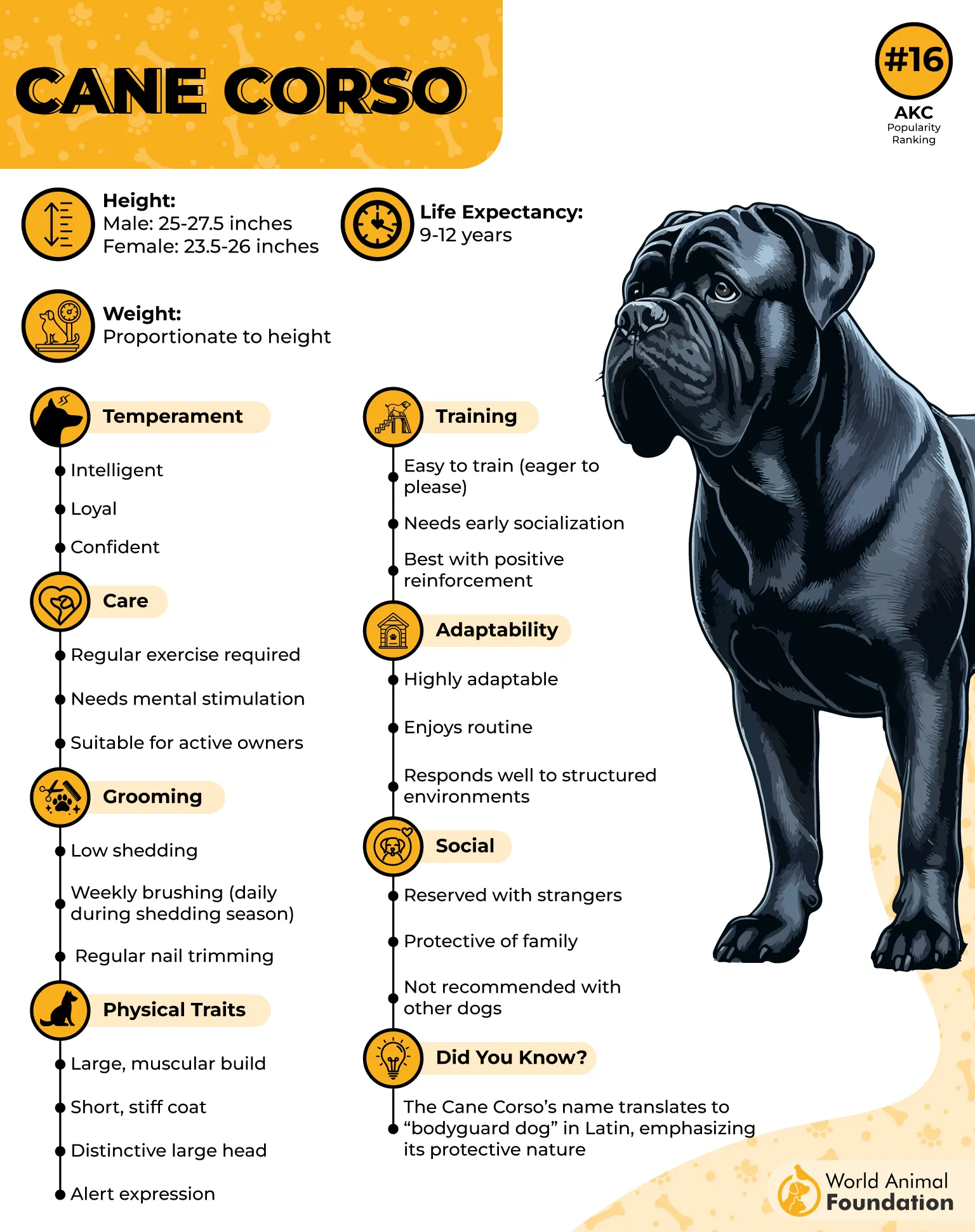
Italian farmers bred the Cane Corso from old Roman war dogs to guard property and livestock. The name itself traces back to a Latin word for protector, as Purina explains.
Threat assessment: Distinguishes a familiar farmhand from an unknown visitor without prompting.
Independent decisions: Makes guarding calls without waiting on constant direction.
Territorial tracking: Monitors movement around property boundaries on its own.
That independence can be a problem for a first-time owner. The Cane Corso needs early socialization and firm, experienced handling, or its natural wariness can turn into suspicion of everyone outside the family.
7. Giant Schnauzer
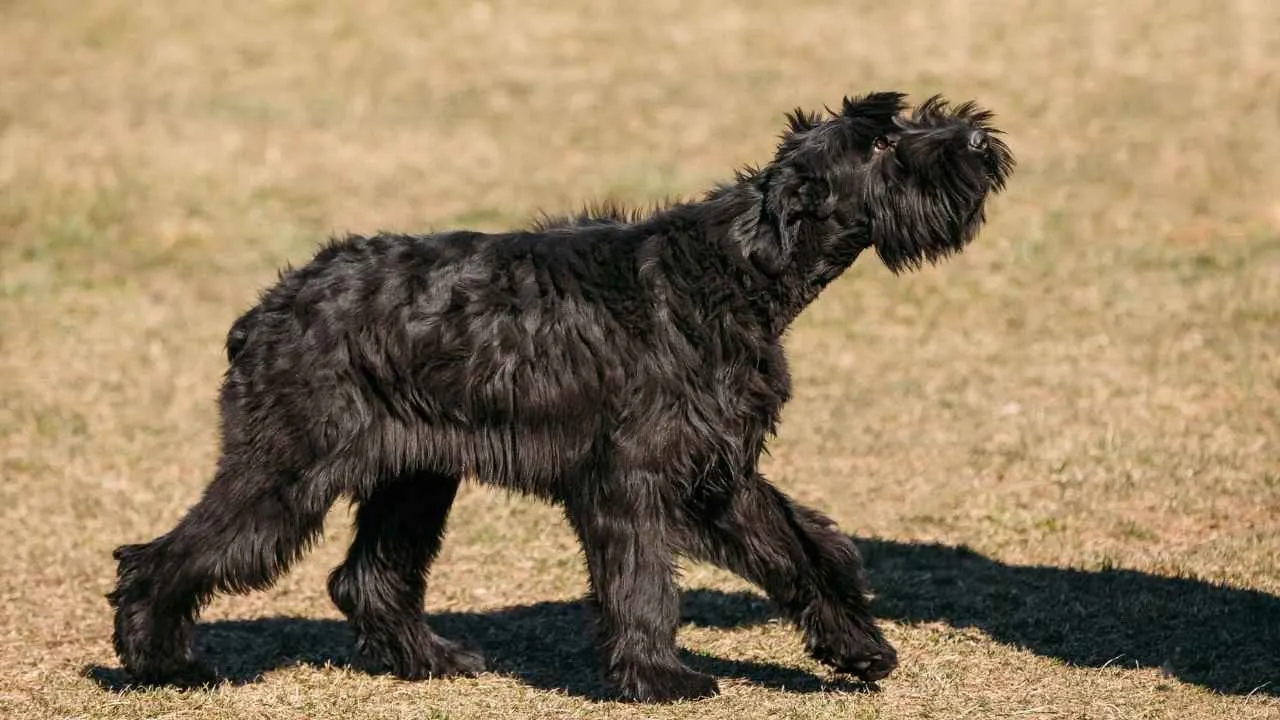
A Giant Schnauzer will bark once at something unusual, then stop and watch to see what happens next. That restraint instead of constant noise is a sign of a dog thinking, not just reacting.
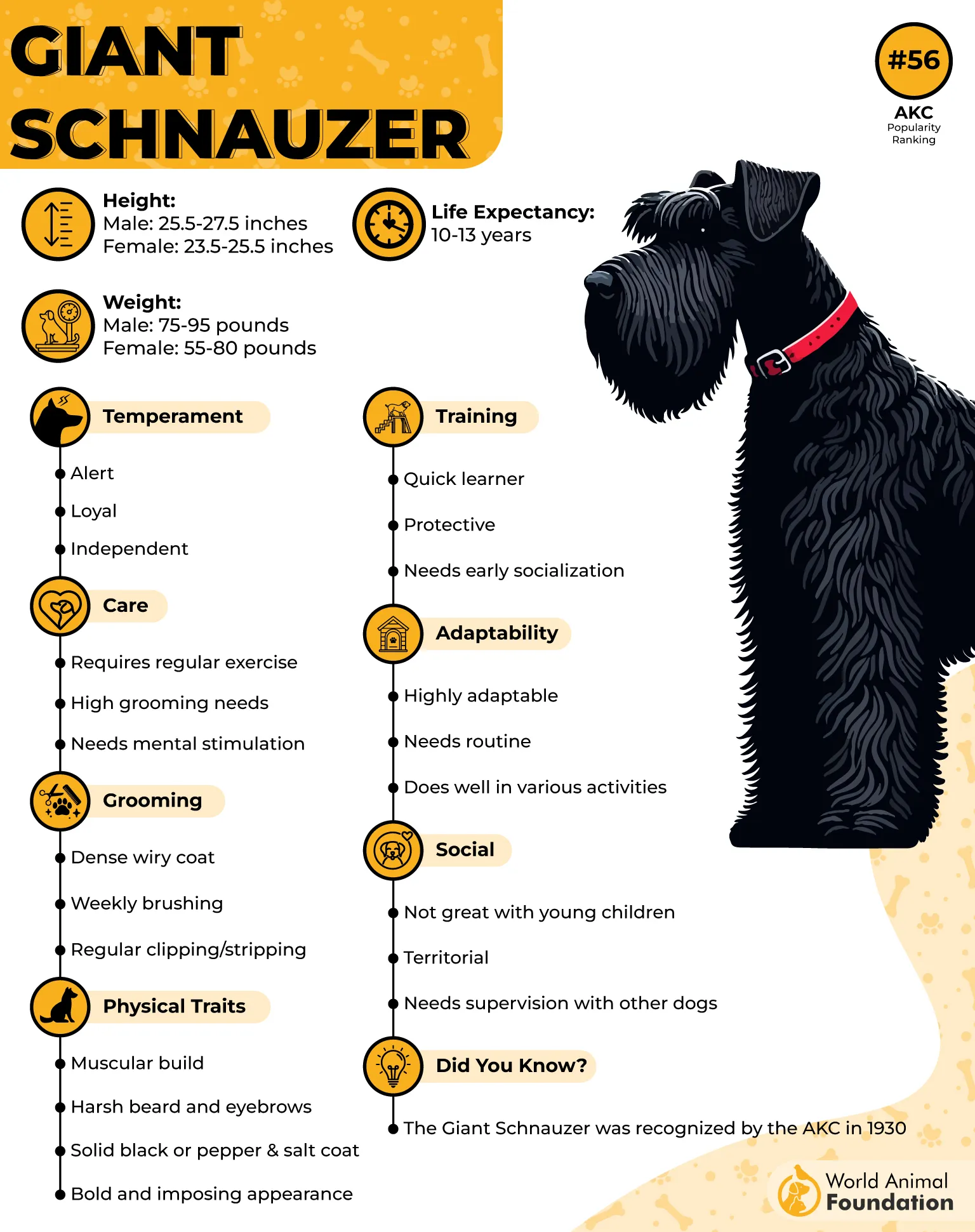
German farmers bred the Giant Schnauzer from the standard Schnauzer and larger breeds to guard homes and cattle yards, according to PetMD. The job demanded a dog that could work independently for hours.
Independent thinking: Solves guarding problems without needing step-by-step direction.
Trainability: Learns obedience routines fast once trust is built with an owner.
Discrimination: Separates a routine delivery from an actual intrusion.
That independent streak means a Giant Schnauzer can get stubborn with an inexperienced handler. Early, consistent training matters here, or that sharp mind starts making its own rules.
8. Bullmastiff
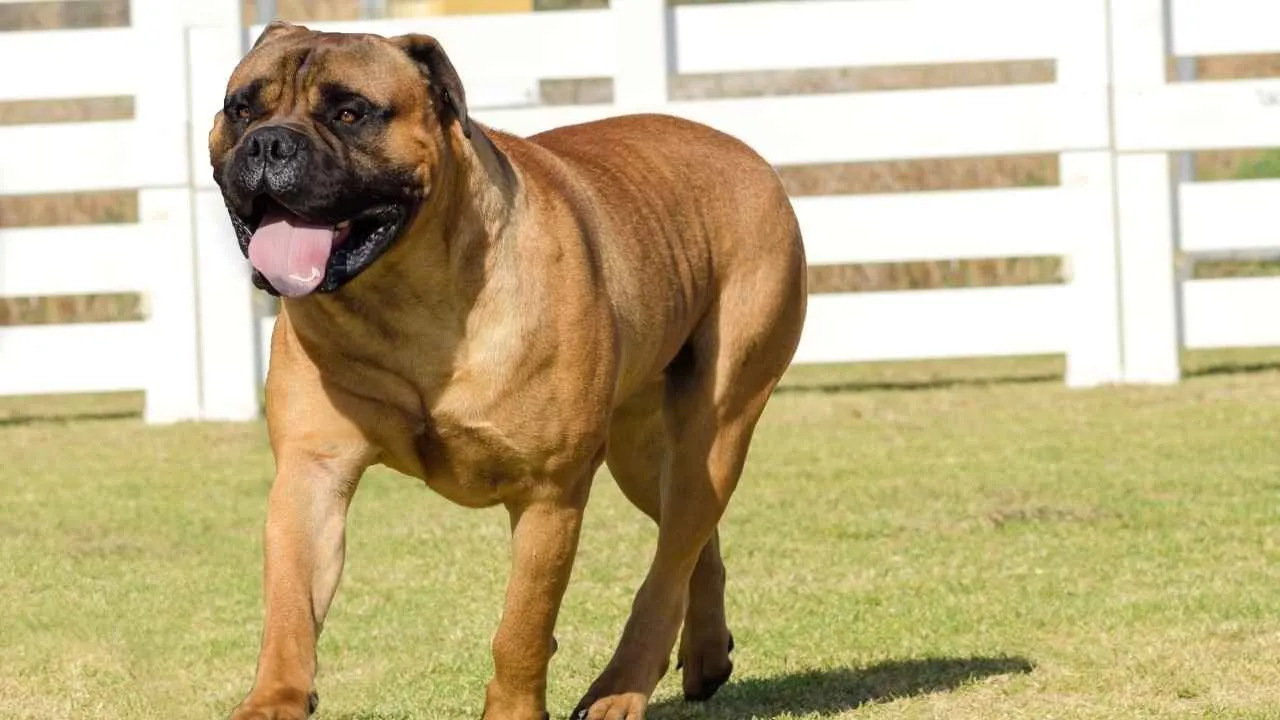
A Bullmastiff does not bite first and ask questions later. Historical gamekeepers prized it for stopping a poacher without inflicting real damage, a clear case of restraint guiding raw power.
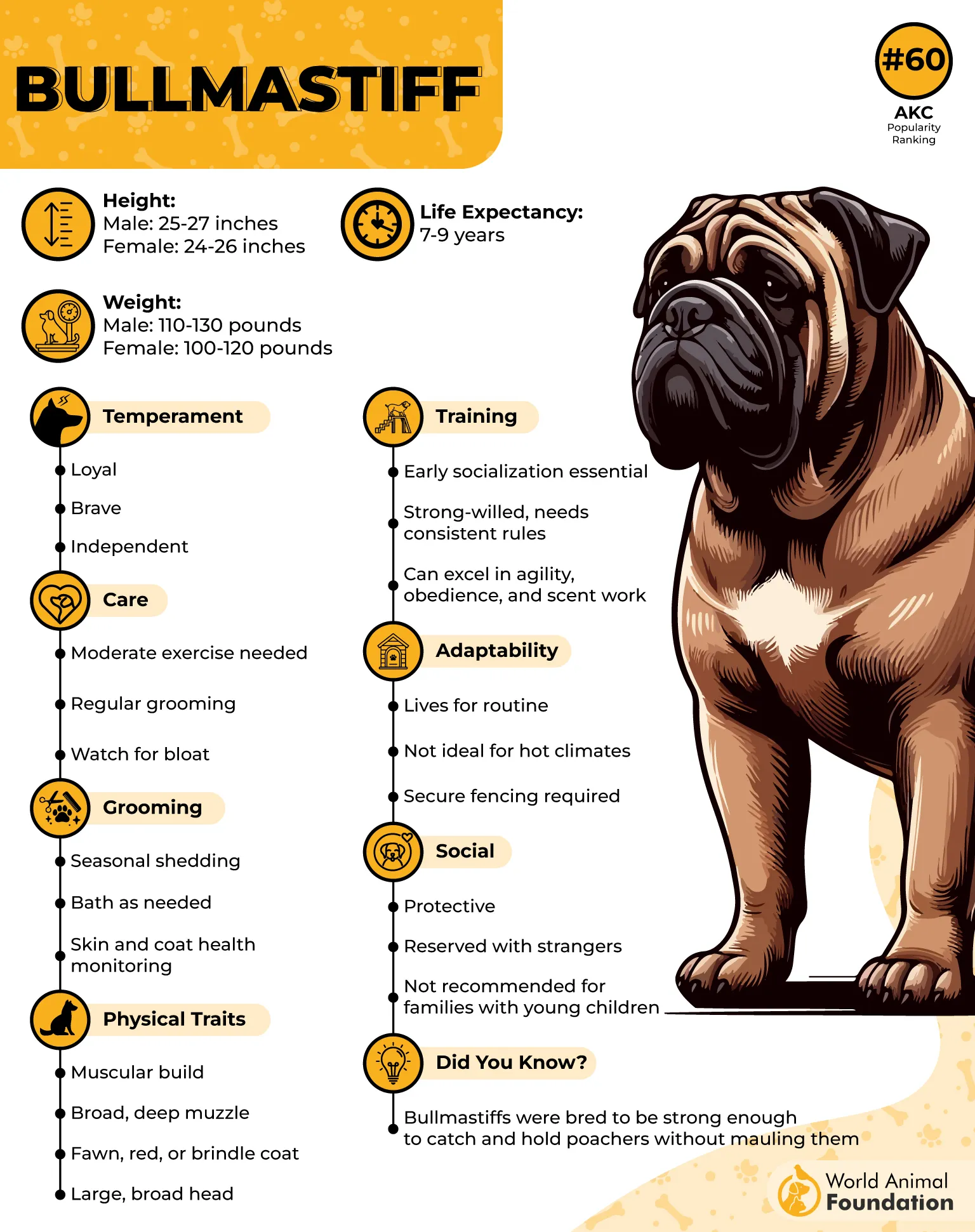
English gamekeepers developed the Bullmastiff in the 1800s by crossing Mastiffs and Bulldogs to tackle poachers on large estates. The breed needed to be strong enough to stop a person and controlled enough not to cause serious harm.
Controlled force: Uses body weight to pin and hold an intruder rather than biting.
Reading intent: Tells a lost visitor from someone meaning harm.
Loyalty-based judgment: Relaxes instantly once a handler signals a person is safe.
A Bullmastiff’s size means training cannot be an afterthought. Early obedience work is necessary, since a grown Bullmastiff that never learned manners is nearly impossible to physically manage.
9. Akita
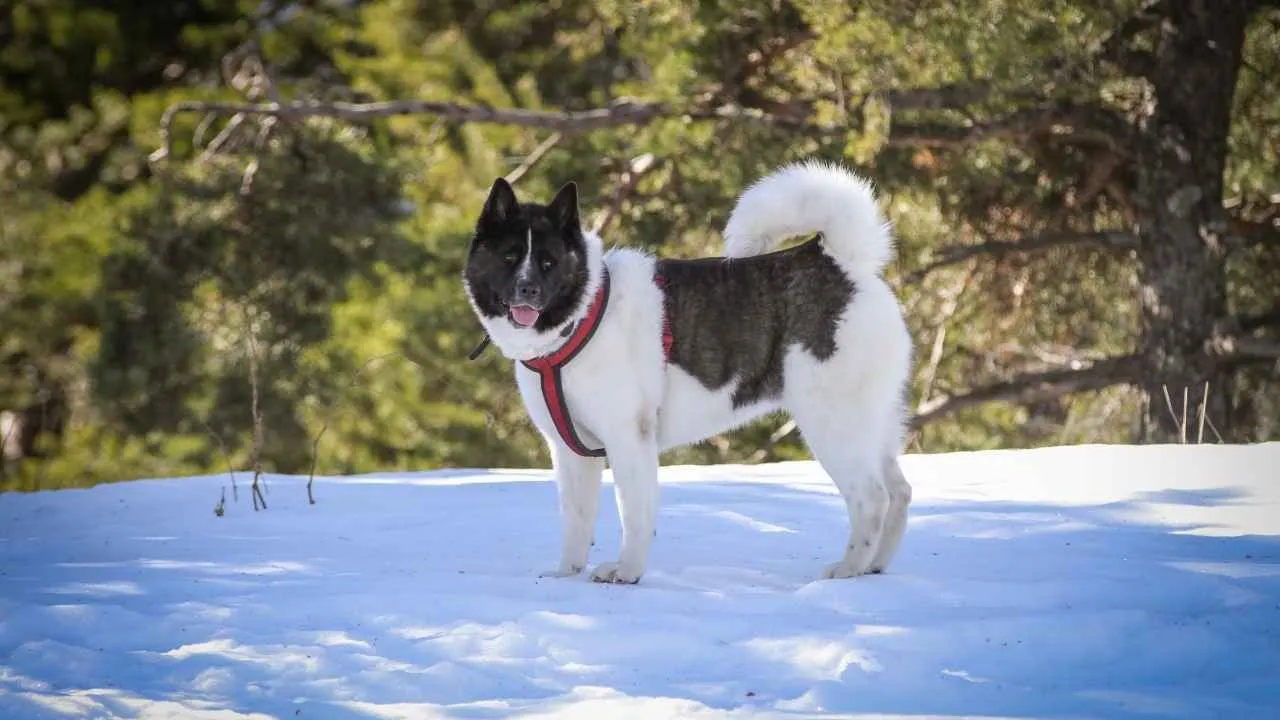
An Akita greeting a stranger will often just watch in silence, giving nothing away until it decides how to respond. That quiet evaluation, not loud barking, is the breed’s signature style of protection.
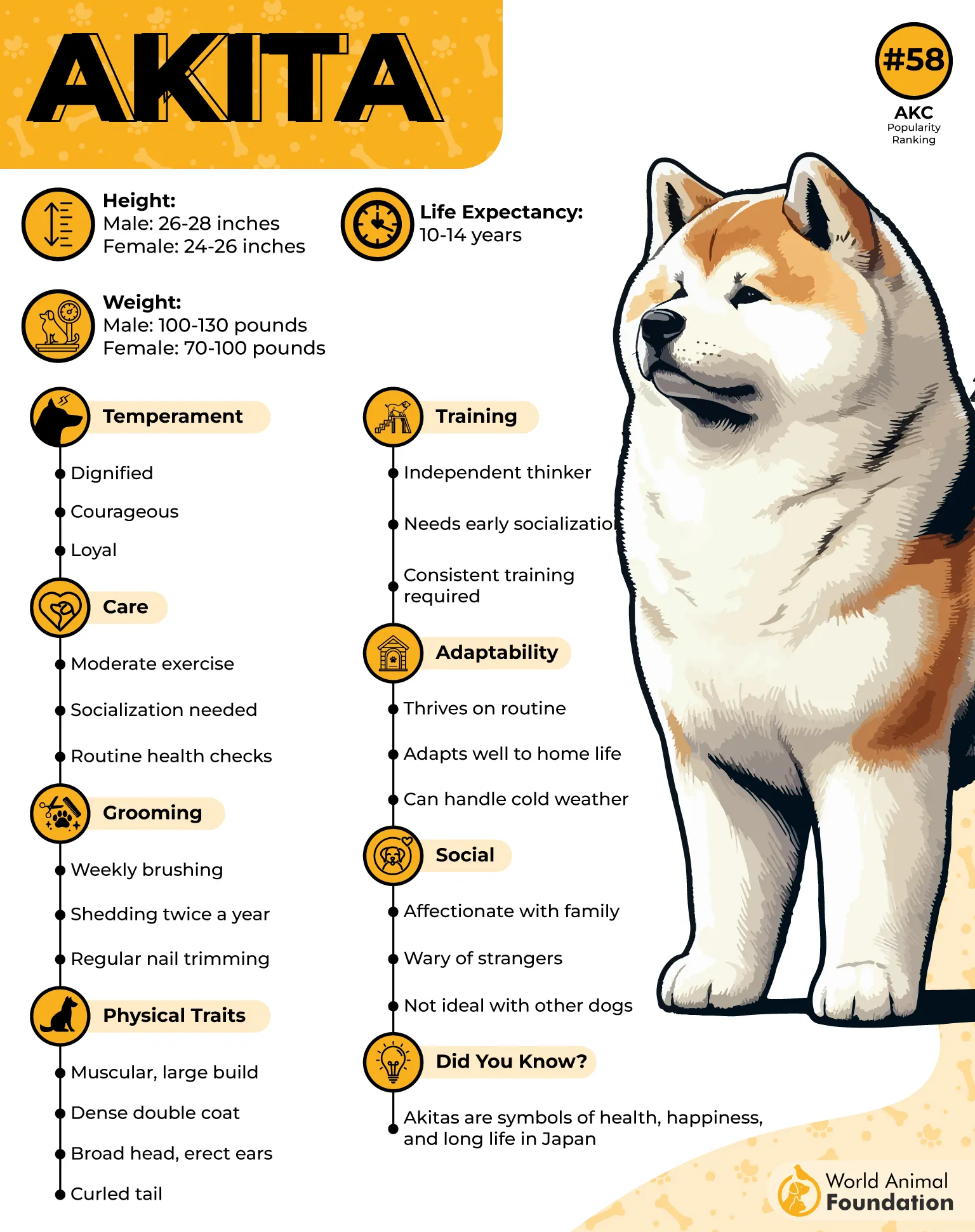
Akitas originated in the mountains of northern Japan, where samurai once used them for guarding and hunting large game, as Hill’s Pet describes. That history built a dog that protects with quiet confidence rather than noise.
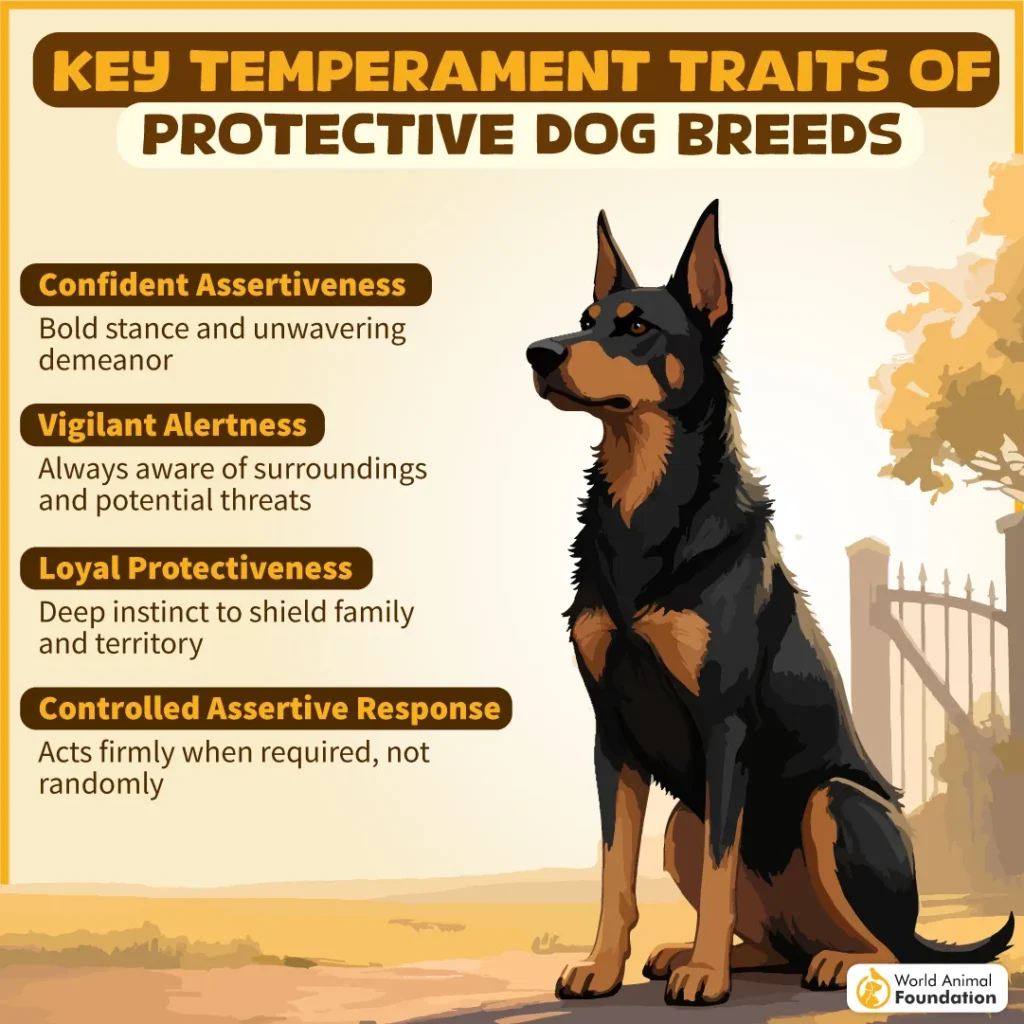
Selective bonding: Forms deep loyalty to its own family while staying reserved with outsiders.
Independent judgment: Decides how to respond to a stranger without needing a command.
Calm confidence: Holds its ground steadily instead of reacting with constant alertness.
That same independence makes an Akita a poor match for a first-time owner. Early socialization and an experienced, confident handler are essential, or that natural wariness can turn into real aggression toward other dogs.
Conclusion
Sturdy bodies grab attention, but it’s sharp minds that turn these 9 breeds into true guardians and excellent family companions. From the Akita’s quiet watchfulness to the Malinois’s split-second focus, strong protective instincts only become real safety when paired with intelligence, consistent training, and early socialization.
Ready to welcome one of these devoted protectors into your family life? Talk to a reputable breeder or trainer first, and commit to regular exercise and professional guidance so your new guardian grows into a confident, watchful companion you can trust completely.
