




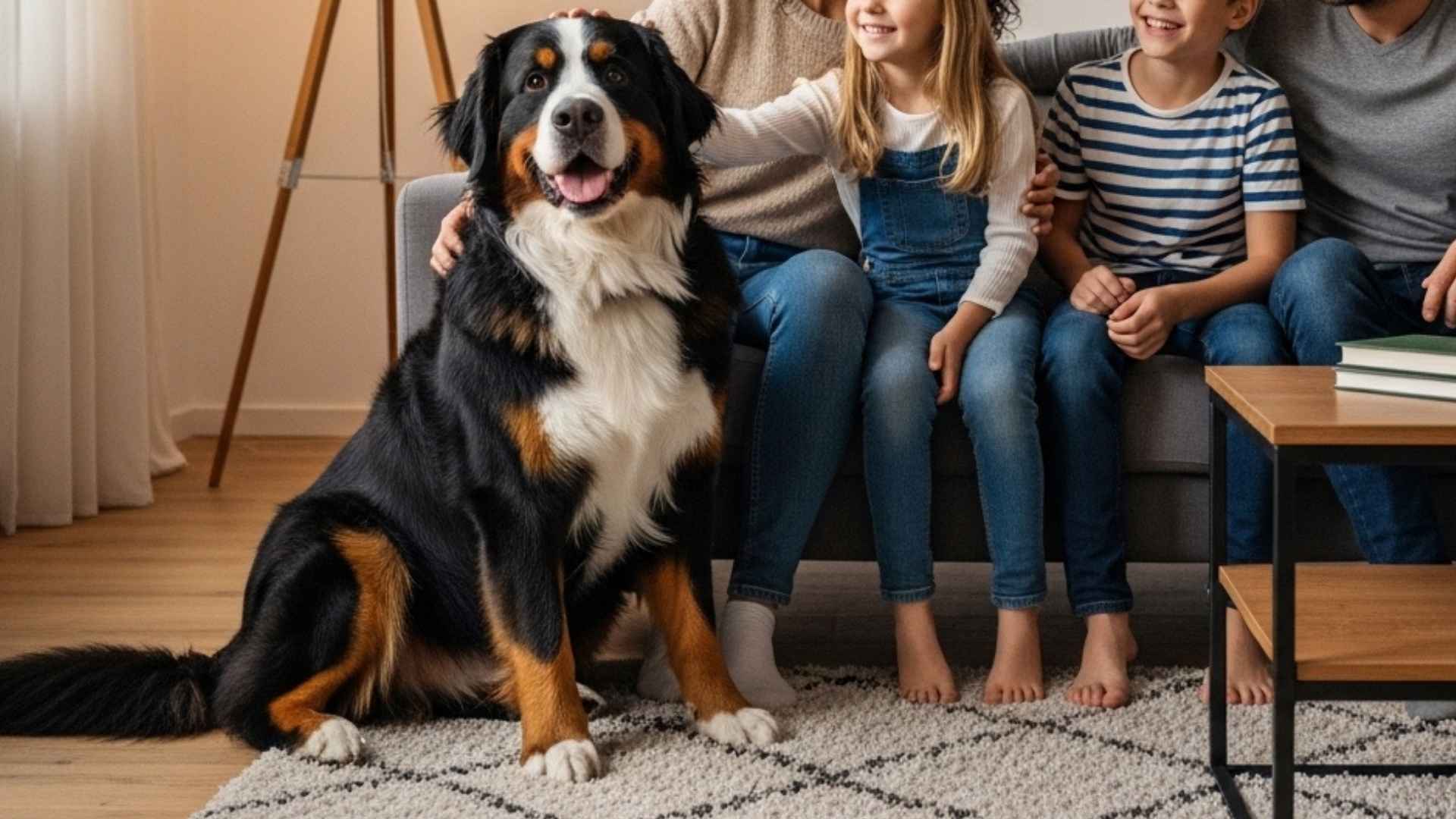
There’s something undeniably special about a large dog who thinks they’re a lap dog. Big breeds bring presence, warmth, and a kind of emotional gravity that fills a home in the best way possible. For families who have space, time, and love to give, large dogs often become loyal shadows and devoted protectors.
According to the American Kennel Club, several dog breeds consistently rank among the most popular family companions in the U.S. That popularity reflects temperament stability, trainability, and compatibility with children. But size comes with responsibility — from exercise needs to grooming and health considerations.
The good news? Some of these best large dog breeds are famously gentle and family-oriented. The key is understanding personality, energy level, and care needs before committing.
Let’s dive into seven stunning large breeds that bring both beauty and heart into a home.
Stunning Large Dog Breeds for a Big-Hearted Family
1. Irish Setter
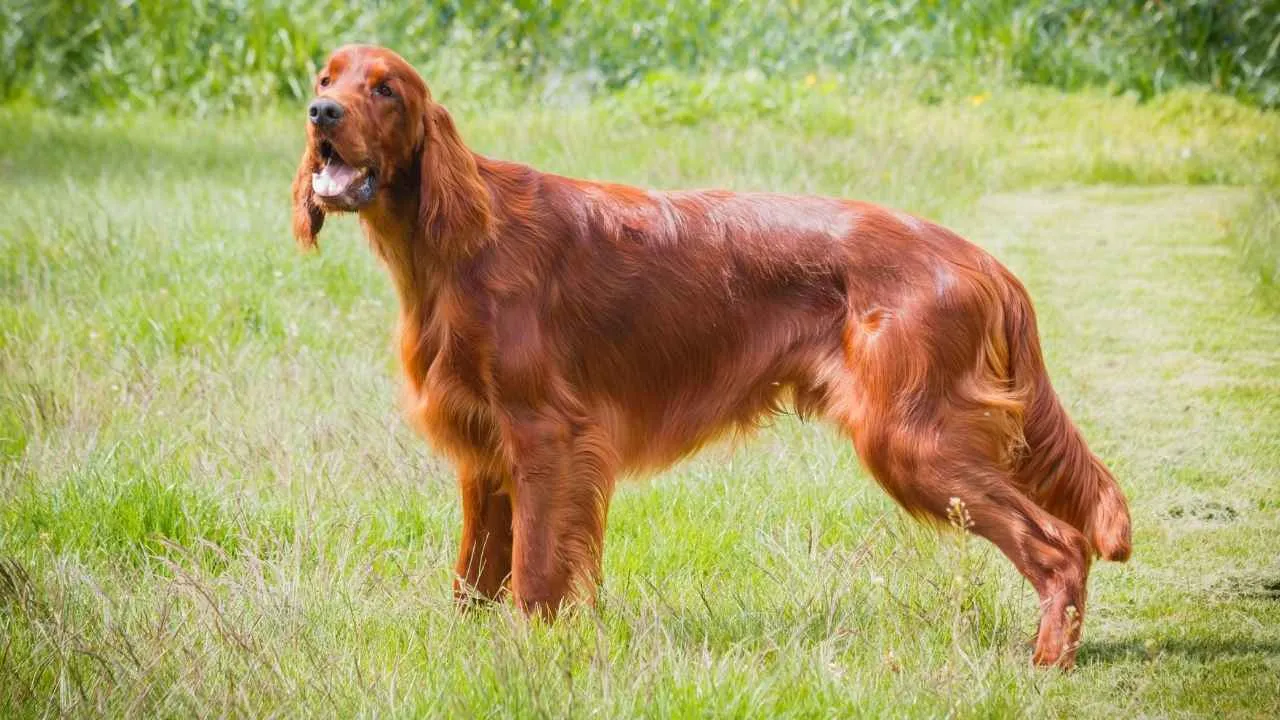
The Irish Setter is basically the extrovert friend who convinces you to go outside and live your best life. Originally developed in Ireland as a bird-hunting dog, this breed combines elegance with nonstop enthusiasm. Their signature mahogany-red coat makes them one of the most visually striking sporting dogs.
These loyal family companions are athletic and built for movement, as per Hills Pet. They require at least 60–90 minutes of daily exercise to stay emotionally balanced. Without structured activity, they can become mischievous and overly energetic.
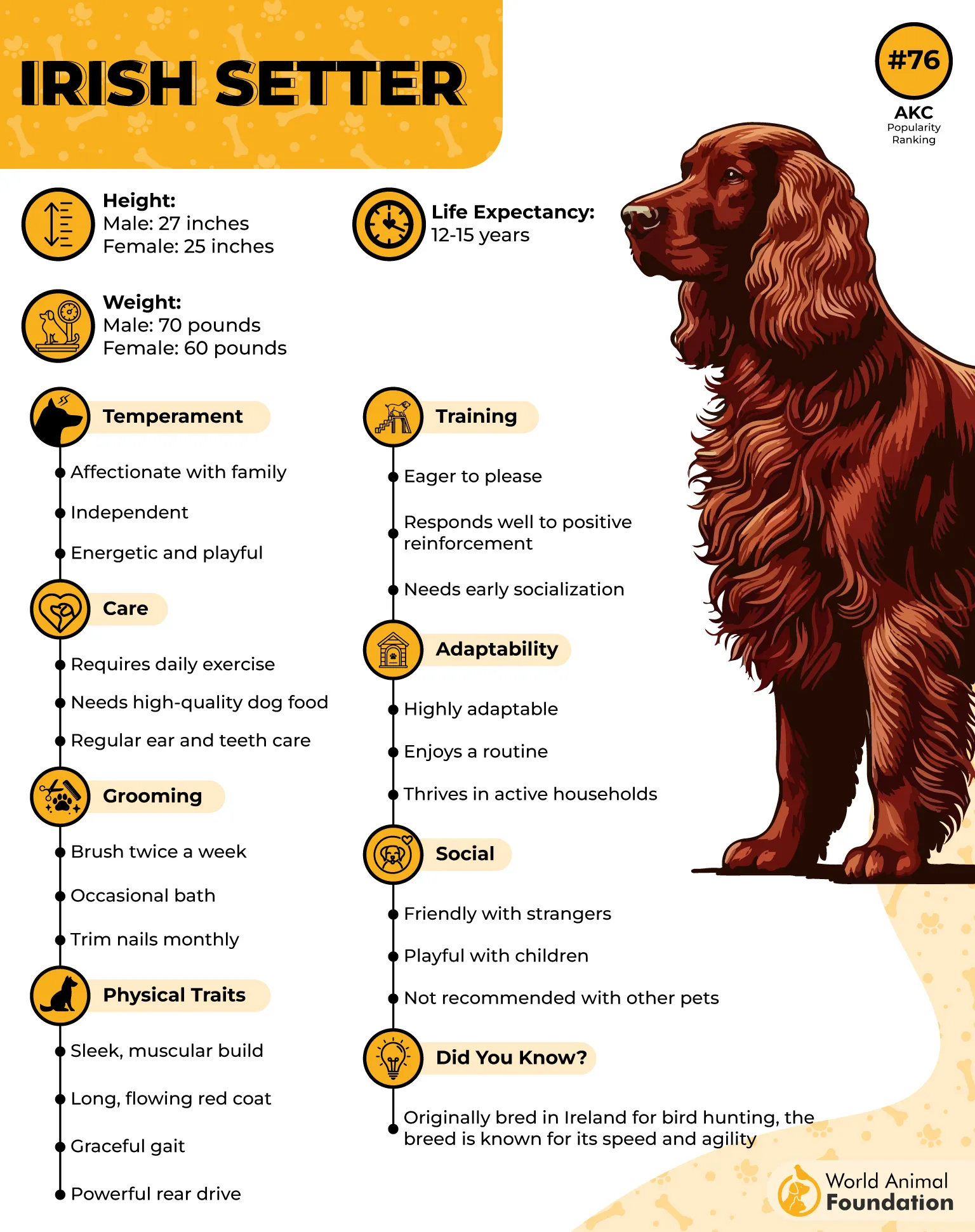
Despite being a giant dog breed, these creatures are affectionate and famously friendly. They are often described as “big kids” themselves, which makes them wonderful playmates for older children. However, their enthusiasm may overwhelm toddlers.
These affectionate dogs are intelligent but not robotic rule-followers. Training requires patience, positive reinforcement, and consistency. When socialized well, they are deeply loyal and loving companions.
For active families who enjoy outdoor adventures, the Irish Setter delivers beauty and heart in equal measure.
2. Old English Sheepdog
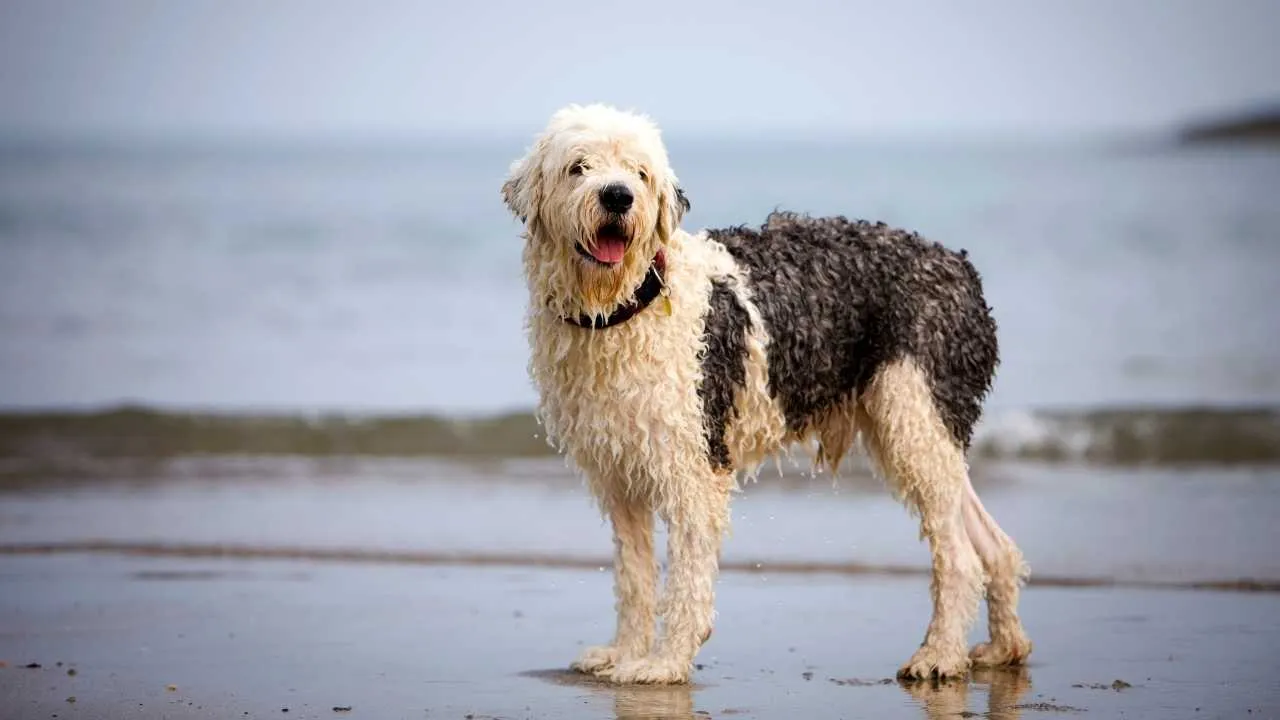
With their iconic shaggy coat and bear-like charm, Old English Sheepdogs turn heads everywhere. Originally bred in England as drover dogs to move cattle, they bring herding intelligence and family devotion into modern homes.
Their thick double coat requires serious grooming commitment. Brushing multiple times a week isn’t optional — it’s survival.
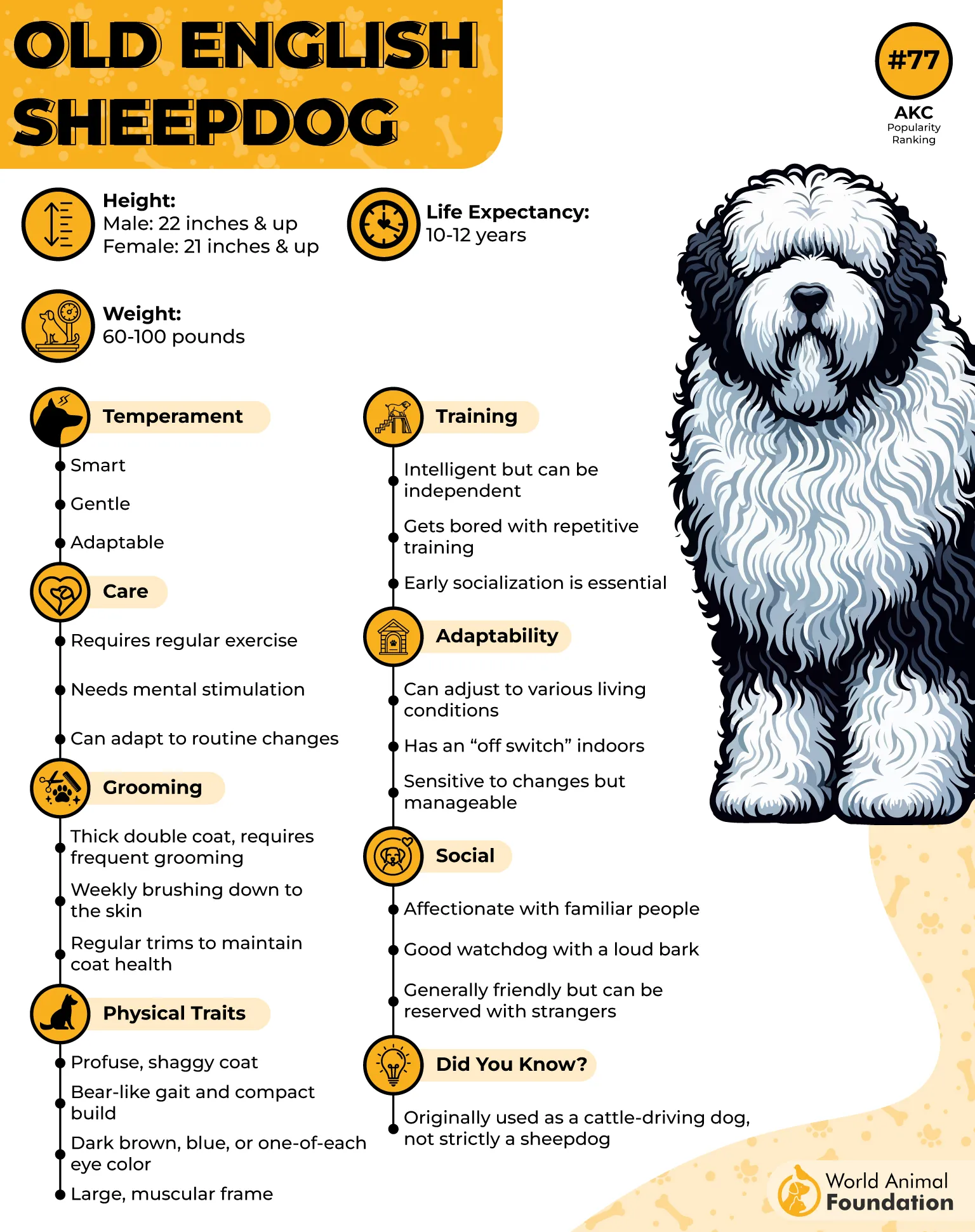
Omlet claims to be affectionate, cheerful, and family-oriented. They bond closely and tend to be protective without being aggressive. Early socialization keeps them balanced and confident.
They are energetic and require regular physical and mental stimulation, which is why they are a great fit in an active lifestyle. Herding instincts can occasionally show up as playful nudging behaviors.
They’re not ideal for first-time owners unless fully committed to training and grooming. But in the right household, they’re loyal and delightfully goofy companions.
3. Rottweiler
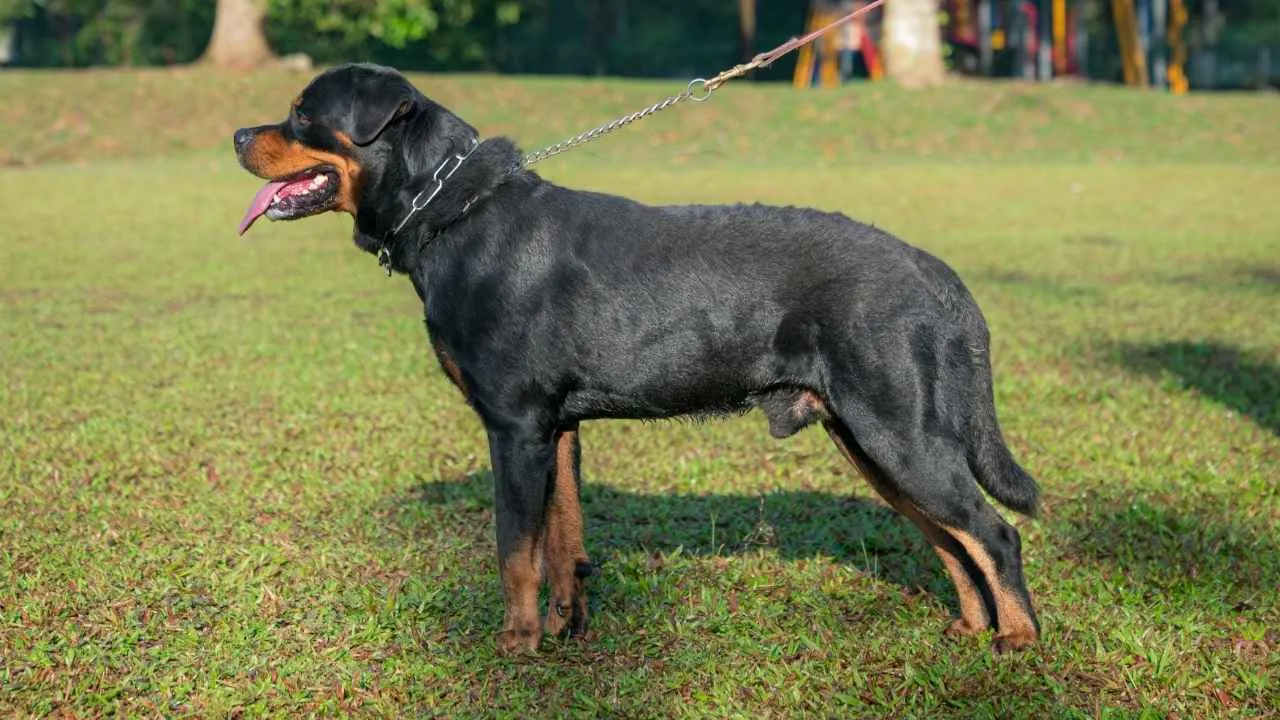
The Rottweiler is strength wrapped in loyalty. Descended from Roman cattle-driving dogs, they were historically used for herding and guarding livestock. Today, they are versatile working dogs and devoted family protectors.
Adult Rottweilers have a muscular and powerful build. Despite their reputation, well-bred and well-trained Rottweilers are calm, confident, and affectionate with family members.
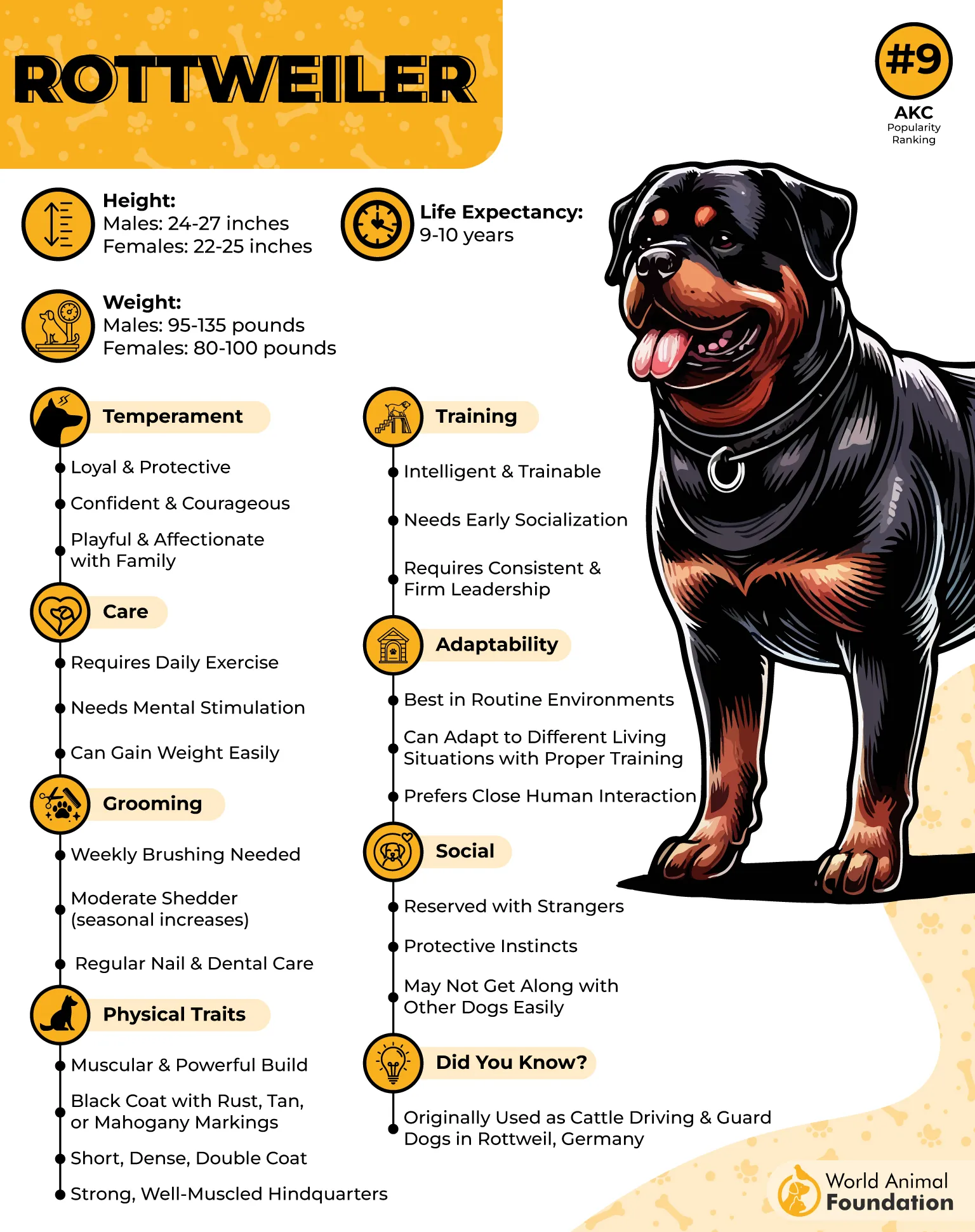
They form strong bonds and are often described as “leaners,” pressing their weight against their favorite person as a sign of affection. However, they require firm, consistent training and early socialization. They are best suited for experienced owners.
These great companions can be excellent with children when raised properly, though supervision is essential due to their size. The Royal Kennel Club states that protective instincts must be guided responsibly.
If you want a loyal guardian who doubles as a cuddly companion, the Rottweiler is a powerhouse option — with structure.
4. Irish Water Spaniel
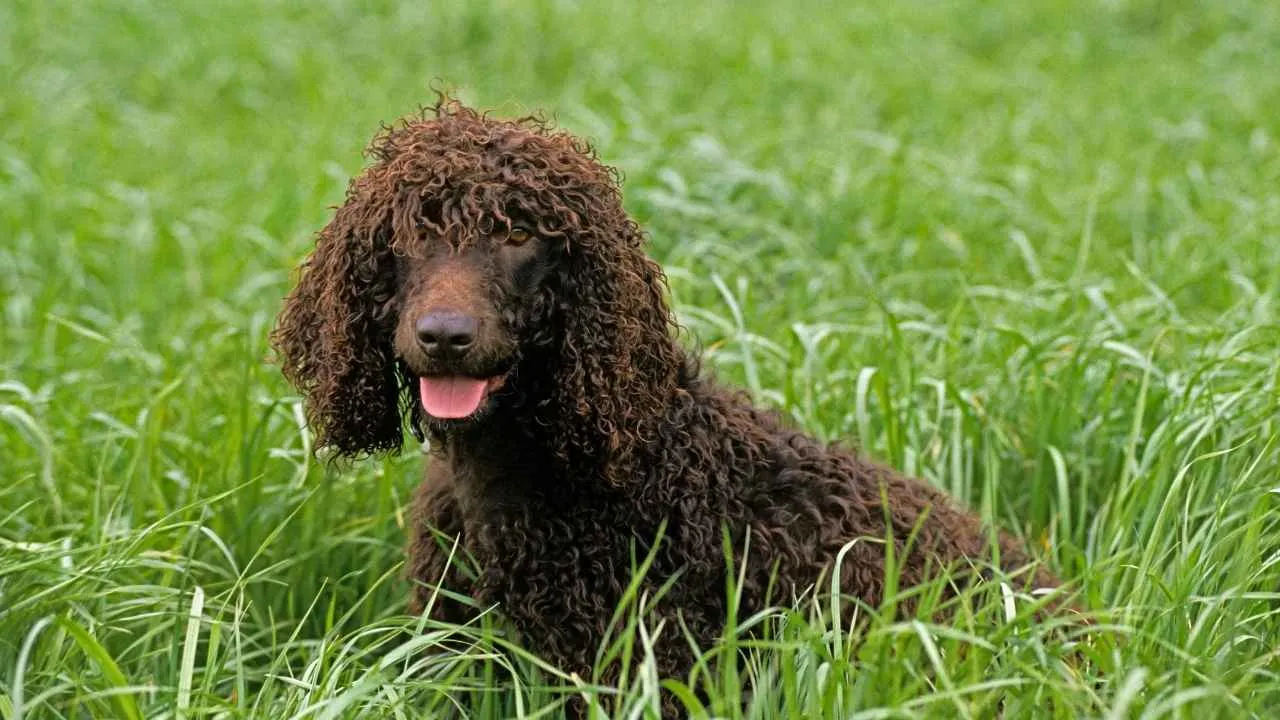
The Irish Water Spaniel is the tallest of the AKC-recognized spaniels. Known for their dense, curly, liver-colored coat and distinctive “rat tail,” they are athletic water dogs with serious personalities.
What really stands out is their dense, tightly curled, liver-colored coat and distinctive smooth “rat tail.” That rich chocolate coat, combined with a prominent topknot of curls and a confident posture, gives them a bold presence.
To someone unfamiliar with the breed, their intense eyes and muscular frame might look serious — but it’s not the kind of look that deters strangers.
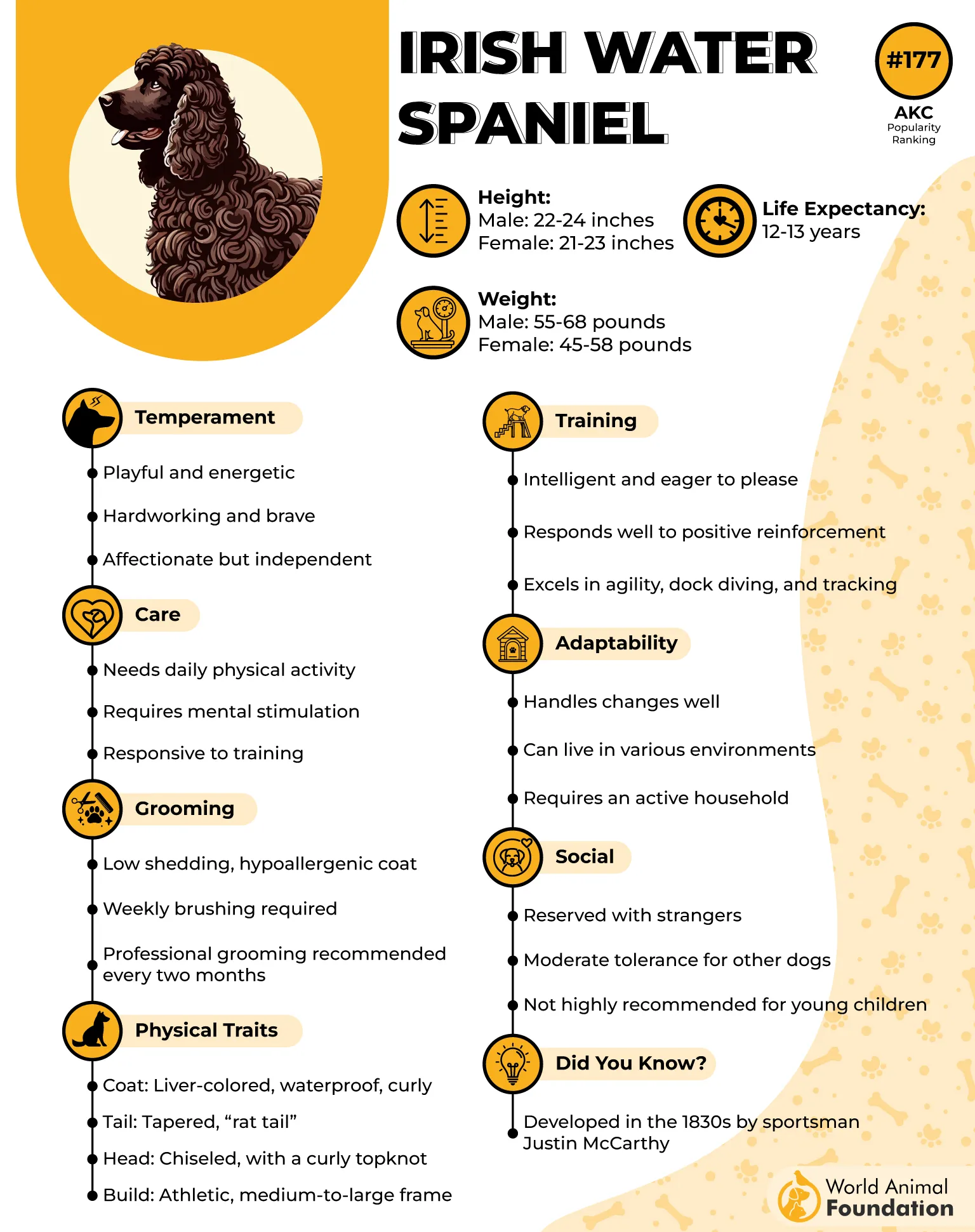
They are intelligent, playful, and sometimes mischievous. They bond strongly with their families and are generally good with children when properly trained.
Their patient nature proves that they were rightly bred for retrieving waterfowl, which means stamina and swimming ability are top-tier. They require significant exercise and thrive in active families. Their waterproof coat requires regular grooming, though it sheds less than many large breeds.
They are often described as clownish but loyal.
5. Bernese Mountain Dog
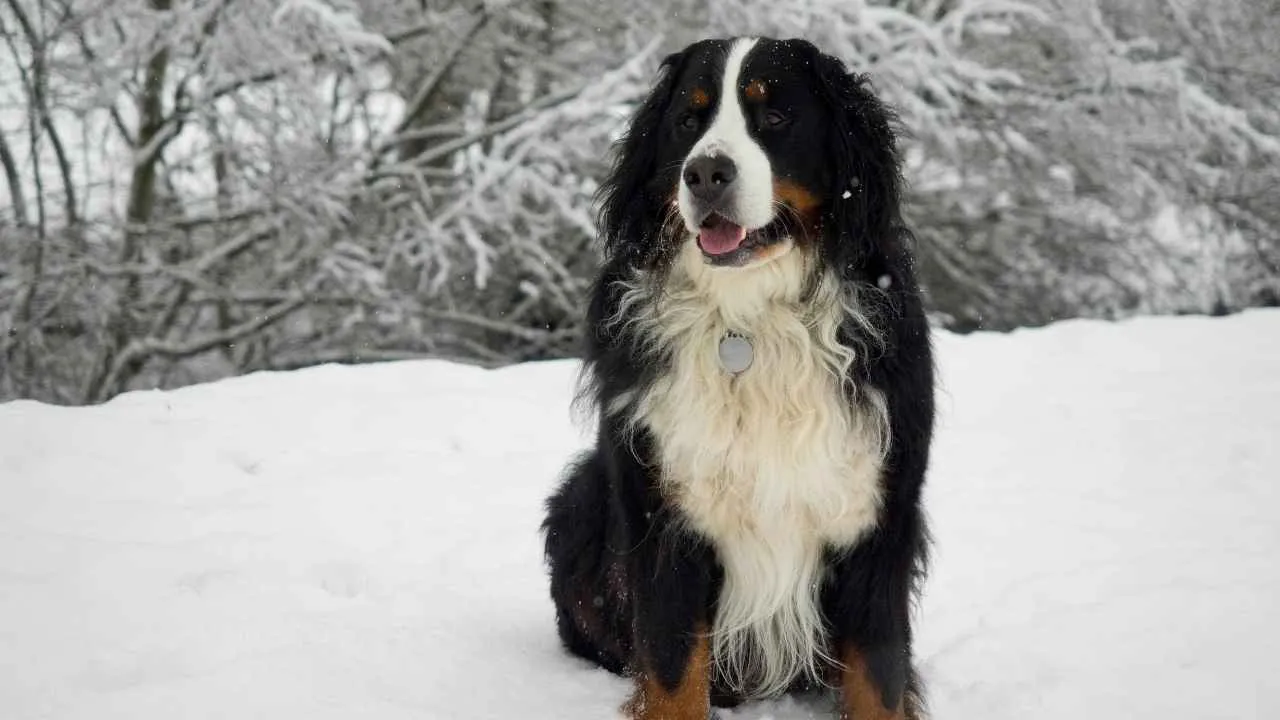
The Bernese Mountain Dog looks like a living teddy bear. Originating from Switzerland, they were used as draft dogs and farm helpers. Their tricolor coat (black, white, and rust) is instantly recognizable.
Berners thrive on human interaction and are famously patient with children. Their even temperament makes them exceptional family companions.
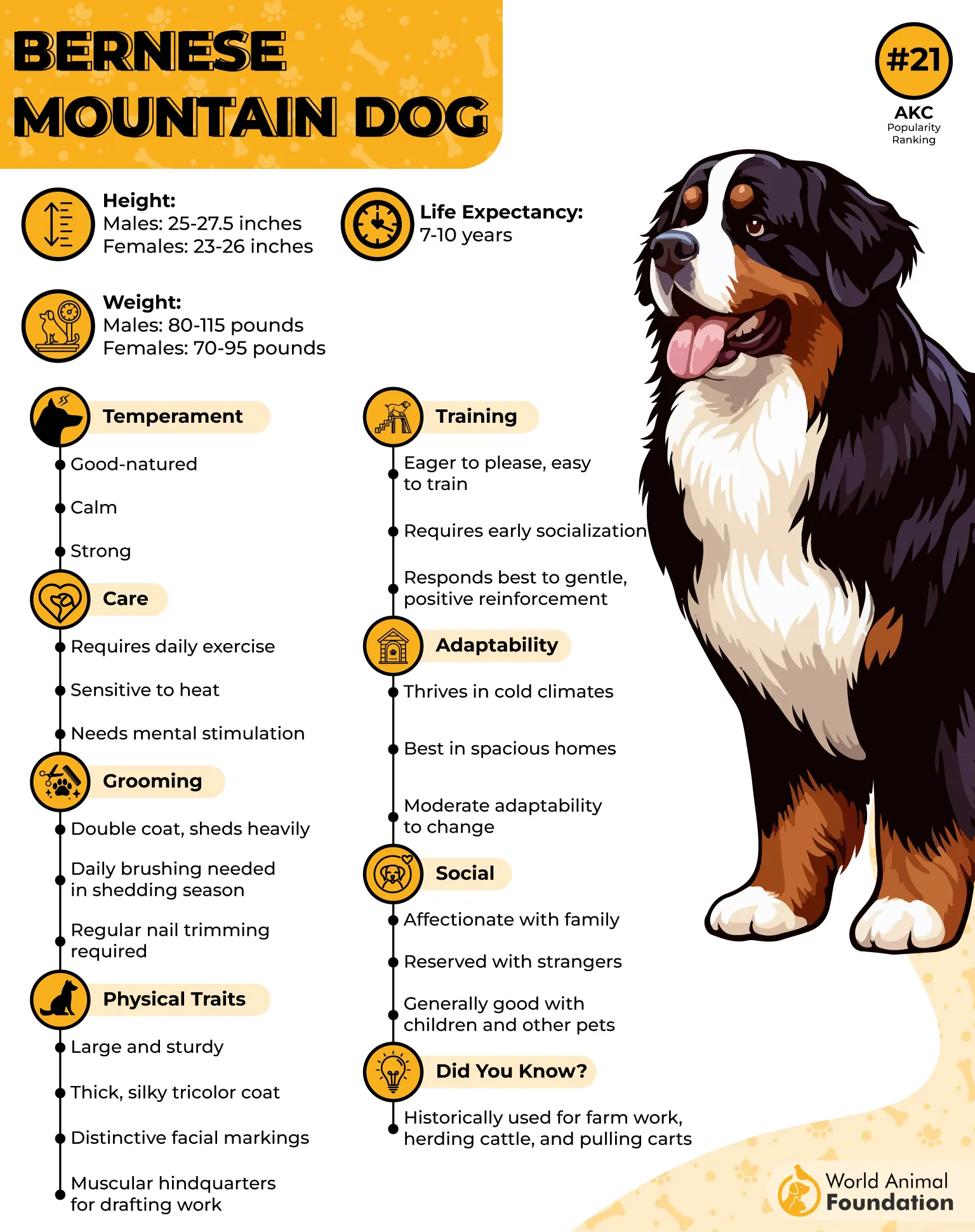
However, lifespan averages only 6–8 years, which is shorter than that of many breeds. They are also prone to joint and certain cancer-related issues. They enjoy walks, hikes, and outdoor time, but they aren’t as high-octane as some sporting breeds.
Daily exercise is important, but they’re usually happy to relax once their activity needs are met. That balance makes them manageable for families who are active but not extreme athletes.
They’re ideal for families with space (a yard is helpful), households where someone is home often, people who don’t mind brushing a thick coat regularly, and where kids are taught respectful dog interaction.
6. Newfoundland
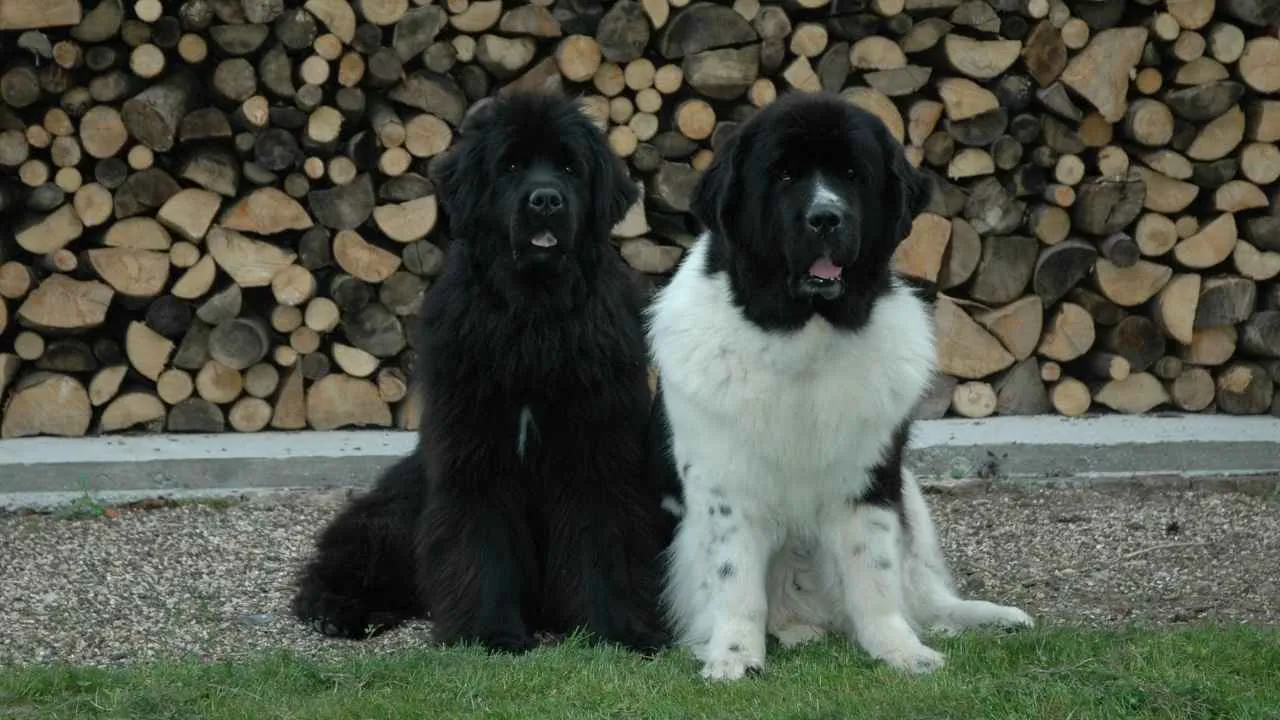
Newfoundlands are the ultimate gentle giants. Originally bred in Canada to assist fishermen, they possess webbed feet and extraordinary swimming ability. Historically, they have been credited with lifesaving water rescues.
Despite their size, they are famously gentle and patient with children, often earning the nickname “nanny dog.”
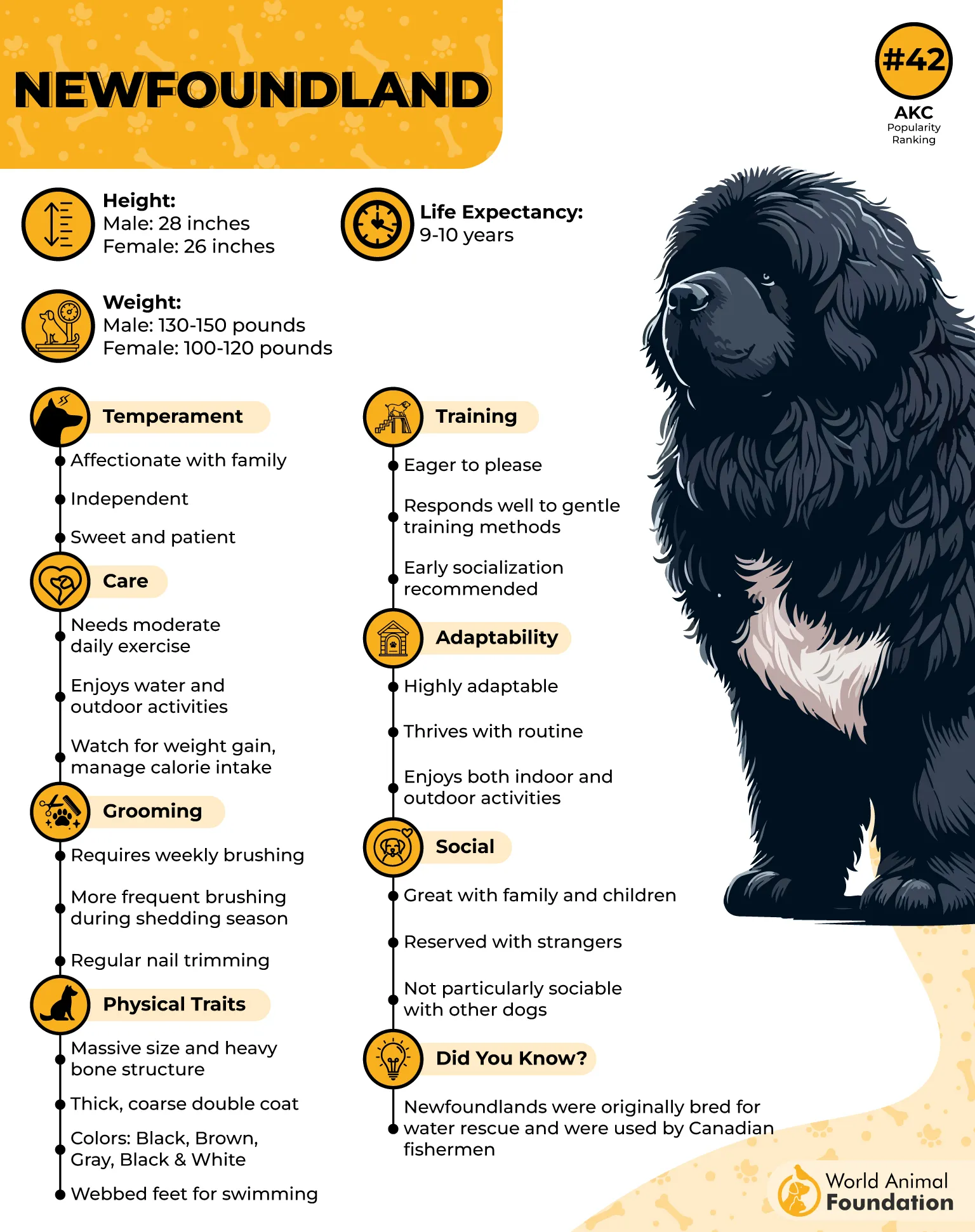
They’re not high-strung or reactive dogs. In most home environments, a well-bred Newfoundland is relaxed indoors, content to lounge near their family after moderate daily exercise. They aren’t excessive barkers and generally prefer quiet observation over constant alertness.
They are calm, sweet-natured, and not excessive barkers. However, grooming is a major commitment, especially during shedding seasons. Drool is also part of the deal. Sweet, patient, and stable. Their main challenges are size, grooming, and drool — not temperament complexity.
This big dog breed with a gentle nature requires moderate exercise, not high-intensity activity. They thrive in cooler climates due to their thick coats.
7. Great Pyrenees
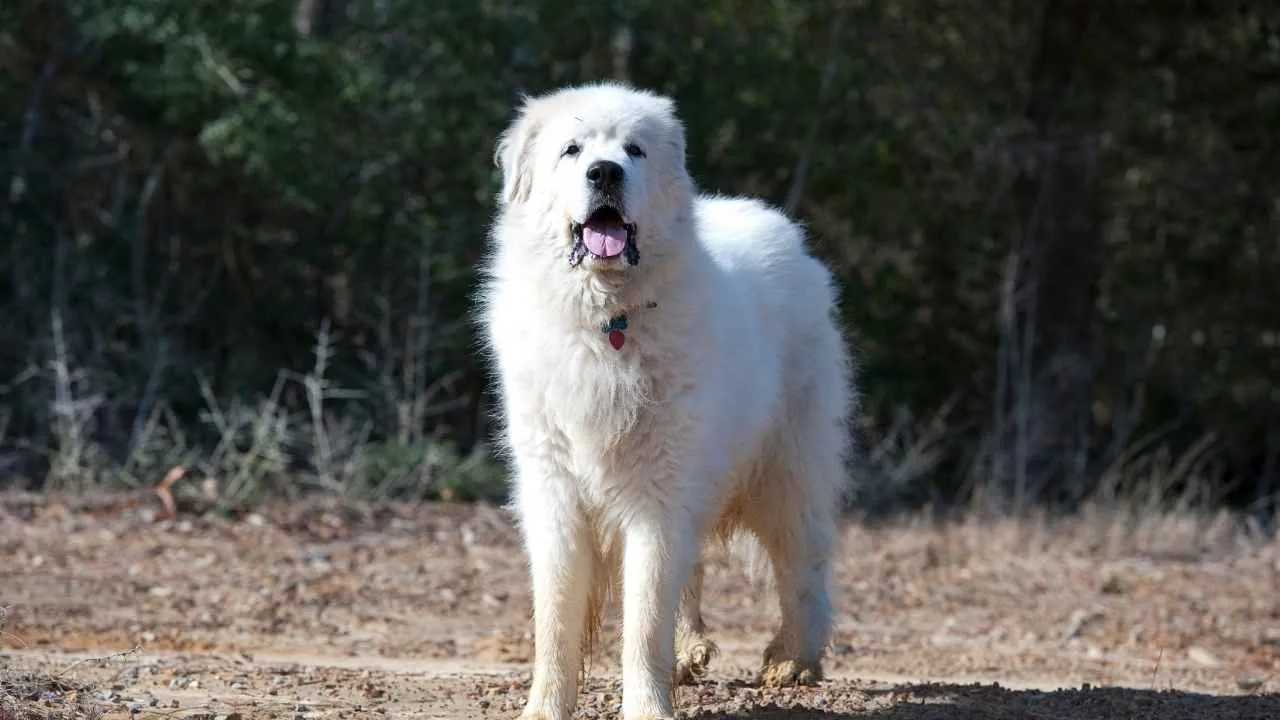
The Great Pyrenees is majestic and dignified. Originally bred to guard flocks in the Pyrenees Mountains, they are independent and naturally protective.
They have a thick white double coat designed for harsh climates. They are calm and affectionate with family but instinctively watchful.
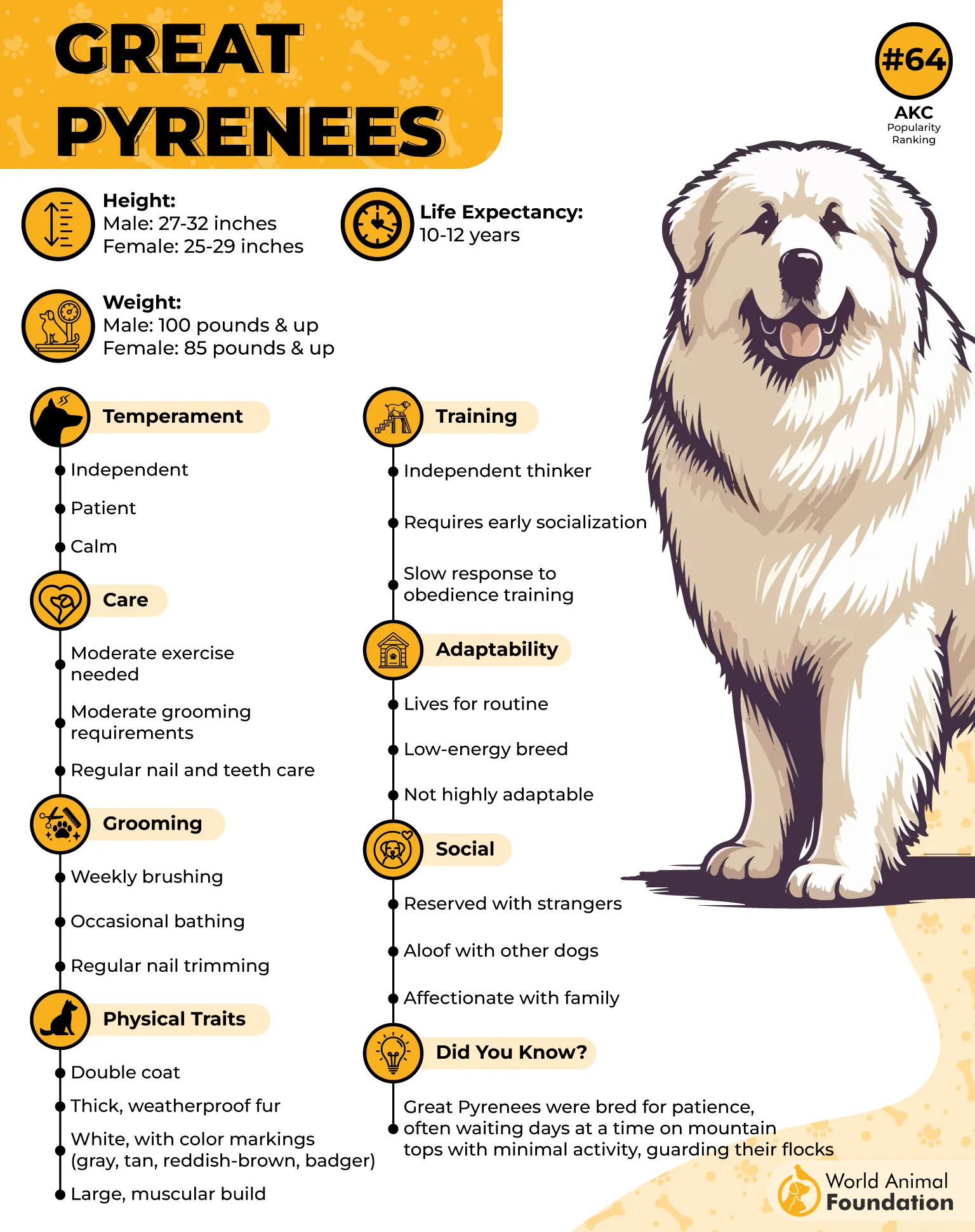
They are known as “gentle giants” with children, according to WebMD. Historically called the “Royal Dog of France,” they carry quiet confidence. While gentle with family, they are highly independent livestock guardians. They were bred to think for themselves, which can come across as stubbornness in a home setting.
First-time owners may struggle with their independence and nighttime barking, which is why experienced dog owners are the right pet parents!
Training requires patience due to their independent streak. They are best suited for experienced owners with space. If you are seeking a calm guardian with majestic presence, these big dogs deliver both loyalty and beauty.
Conclusion
Large dogs aren’t just pets — they’re a presence. Despite being some of the tallest dog breeds, they lean against you, watch over your kids, and fill your home with warmth.
Irish Setters and Irish Water Spaniels bring athletic energy with a gentle disposition. Old English Sheepdogs and Bernese Mountain Dogs balance playfulness with devotion. Rottweilers and Great Pyrenees offer protective strength. Newfoundlands redefine gentle giant.
French Mastiff, Labrador Retriever, Irish Wolfhound, Great Dane, German Shepherd, Doberman Pinscher, Golden Retriever, and Siberian Husky are also stunning breeds that families love.
The right match depends on lifestyle, space, and training commitment.
When chosen wisely, a large dog doesn’t just join your family — they become its steady, beating heart.
