




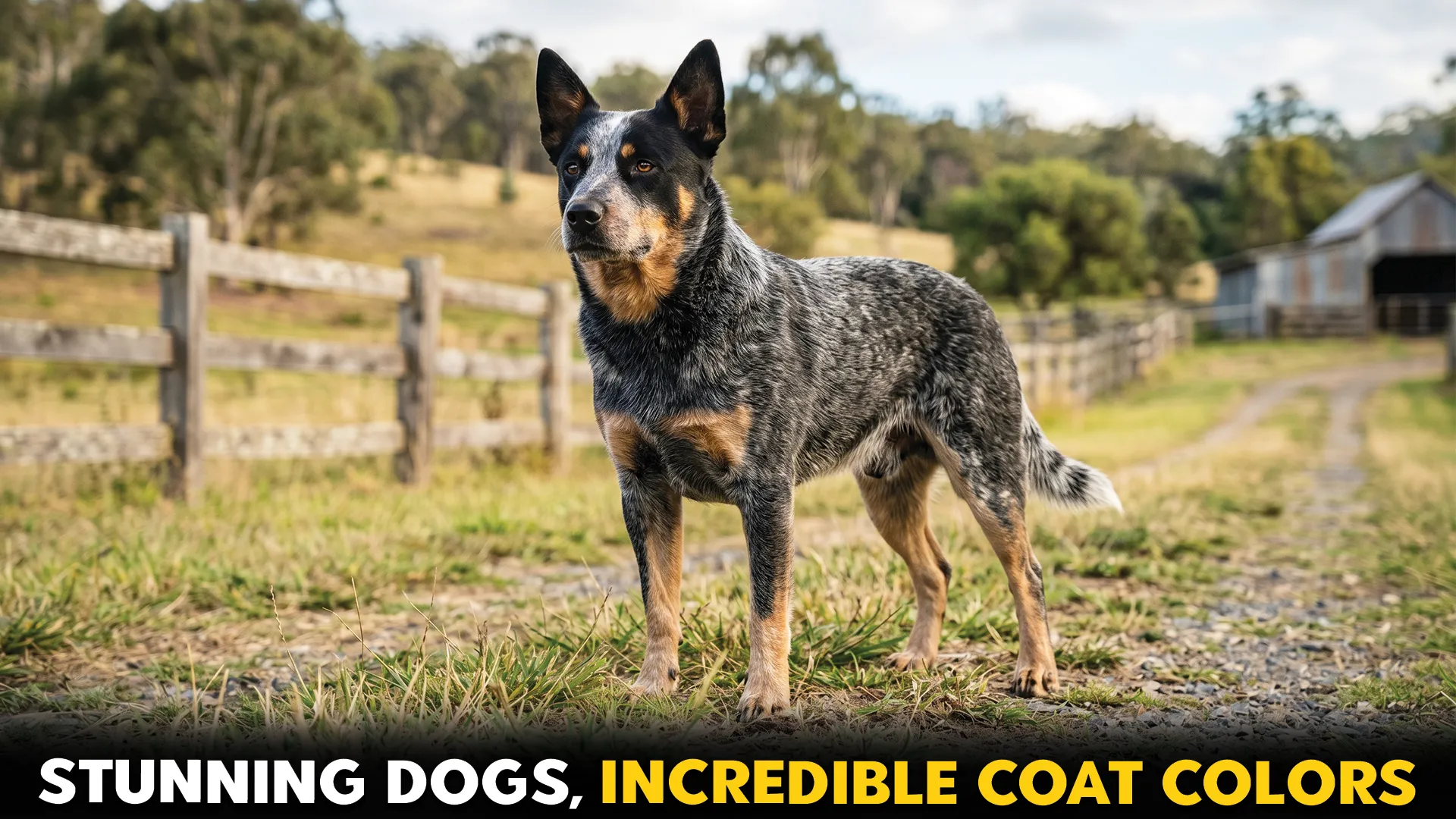
Some dogs are remembered purely because of how they look, and in many cases, it comes down to their coat. Color combinations can turn an ordinary appearance into something that feels rare and instantly recognizable.
While many dogs share similar shades, there are those that carry patterns and blends that stand apart without effort. These are not small variations. There are clear differences that change how the dog is perceived at first glance.
What makes them even more interesting is that these combinations are not always easy to find. They appear in specific lines and are often linked to distinct genetic traits. For anyone who values appearance, these details become hard to ignore.
This article focuses on those standout dogs and the striking color combinations that define their appearance so clearly.
Key Takeaways
A single glance at some dogs is enough to remember them, and their coat combinations are usually the reason why.
The English Springer Spaniel and Beagle carry blends like roan, tricolor, and lemon shades that instantly set them apart in a crowd.
Basset Hound and Smooth Fox Terrier add contrast through bold markings and structure, creating looks that stay in your mind long after.
Keep going, and you’ll start noticing how each breed carries a coat that feels carefully crafted rather than ordinary.
Stunning Dog Breeds with Unique Coat Color Combinations
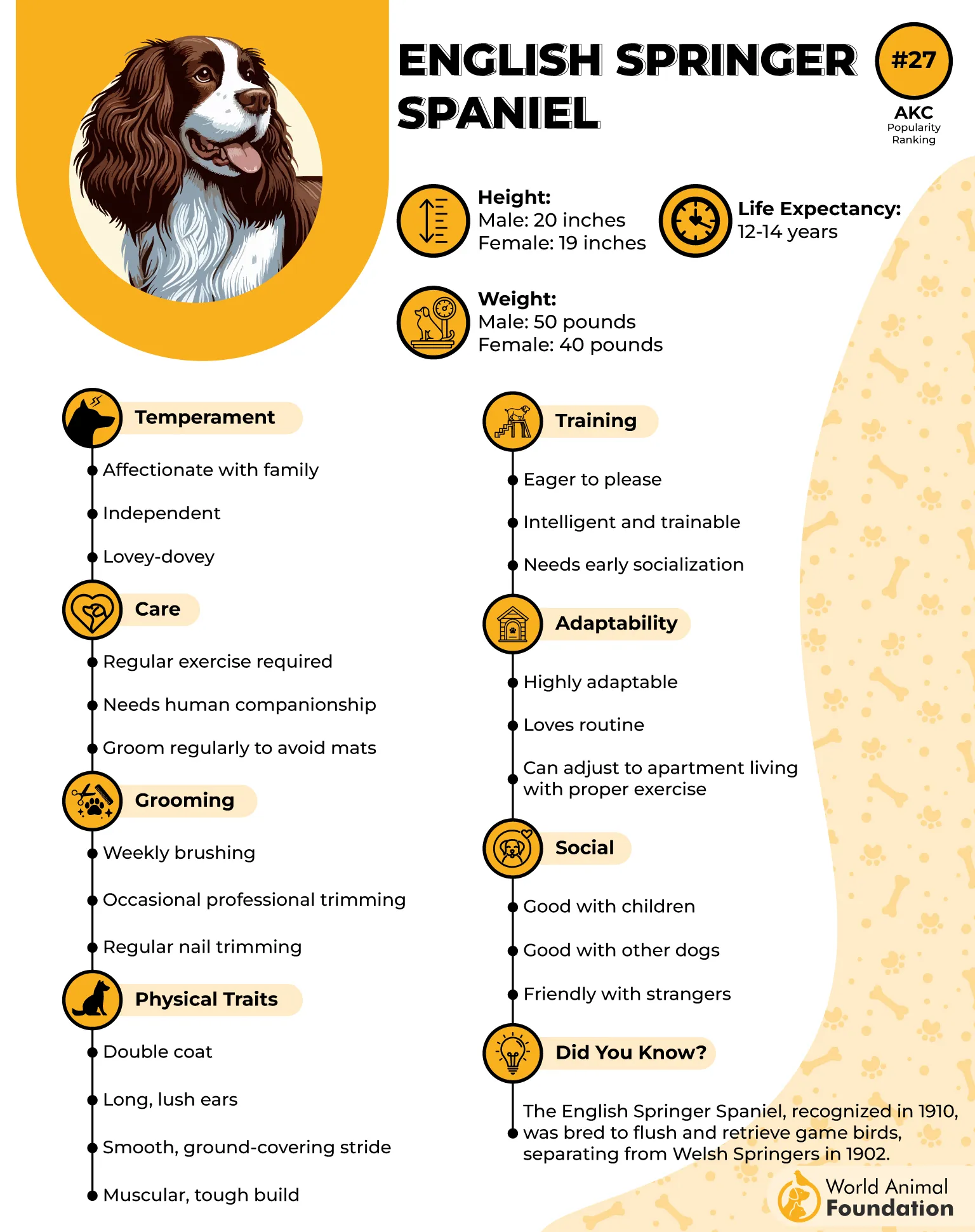
1. English Springer Spaniel
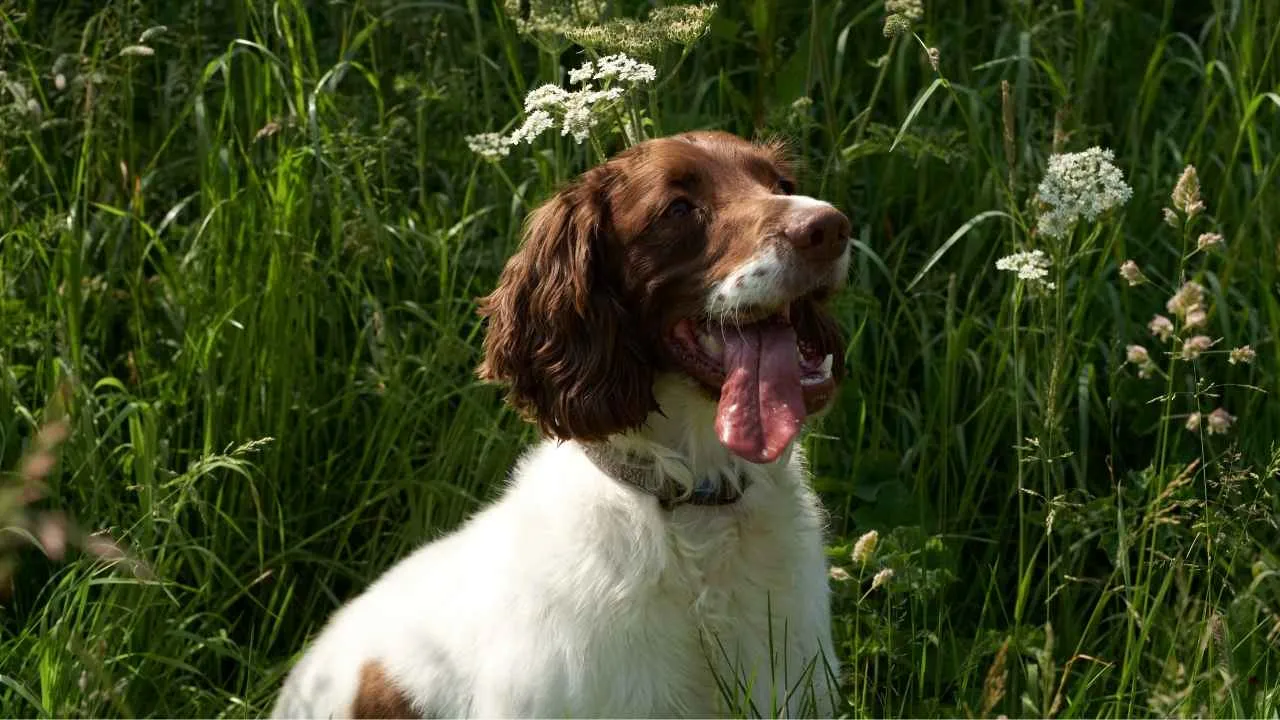
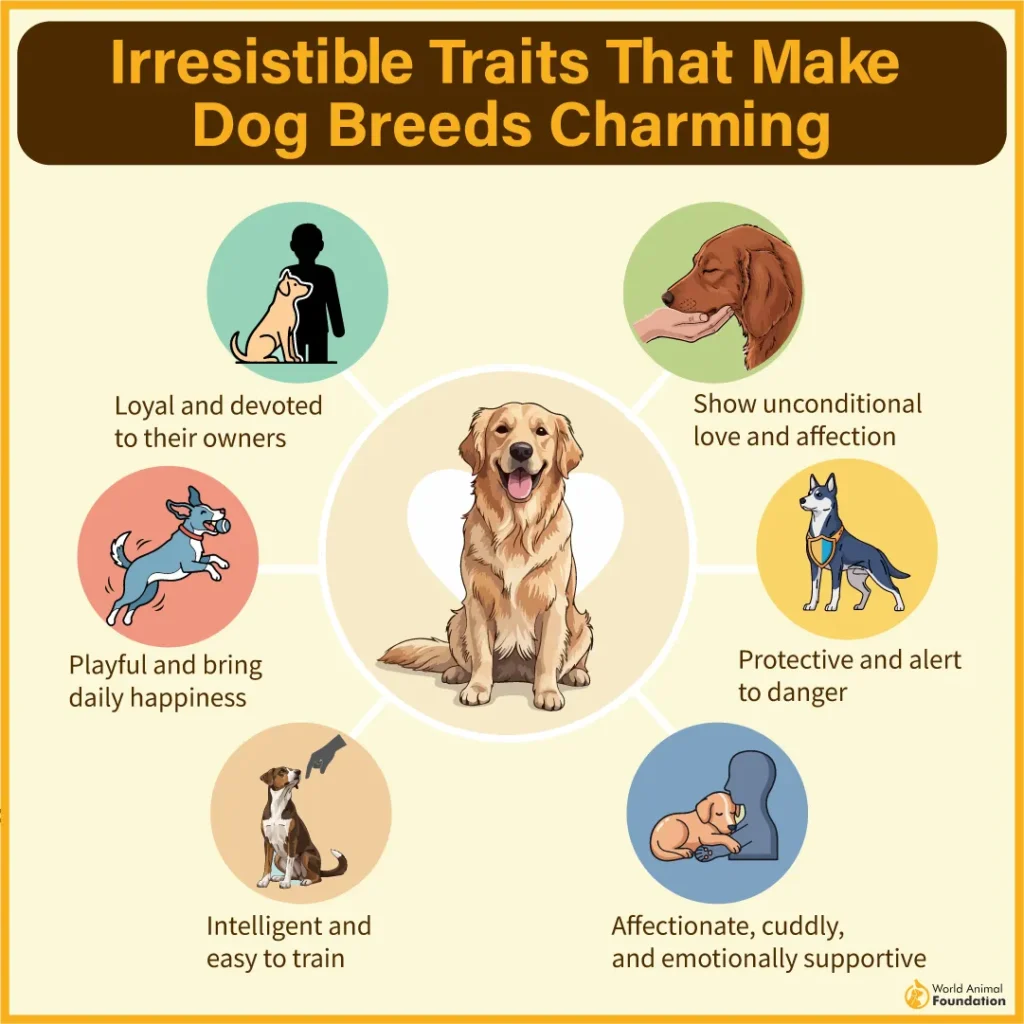
English Springer Spaniel draws attention through its distinct coat patterns, where black or liver blends with white in clear markings or roan textures.
Tricolor combinations add depth, while certain shades are excluded to preserve breed distinction. The long ears frame this coloring, adding softness to its overall look.
Built for coordinated field work
This colorful dog breed operates with energy and stamina, working closely alongside humans rather than independently. Its stride covers ground efficiently, keeping pace during long hunting sessions while staying responsive to direction.
That coordination appears in visible traits:
Smooth stride covering wide ground
Close working range with the handler
Balanced stamina for extended outings
Social behavior within the home
They form strong bonds with people, often seeking constant interaction and involvement in daily activities. It integrates easily into family settings, showing patience with children and other animals. Lack of attention can affect its behavior noticeably, as per the AKC.
2. Beagle
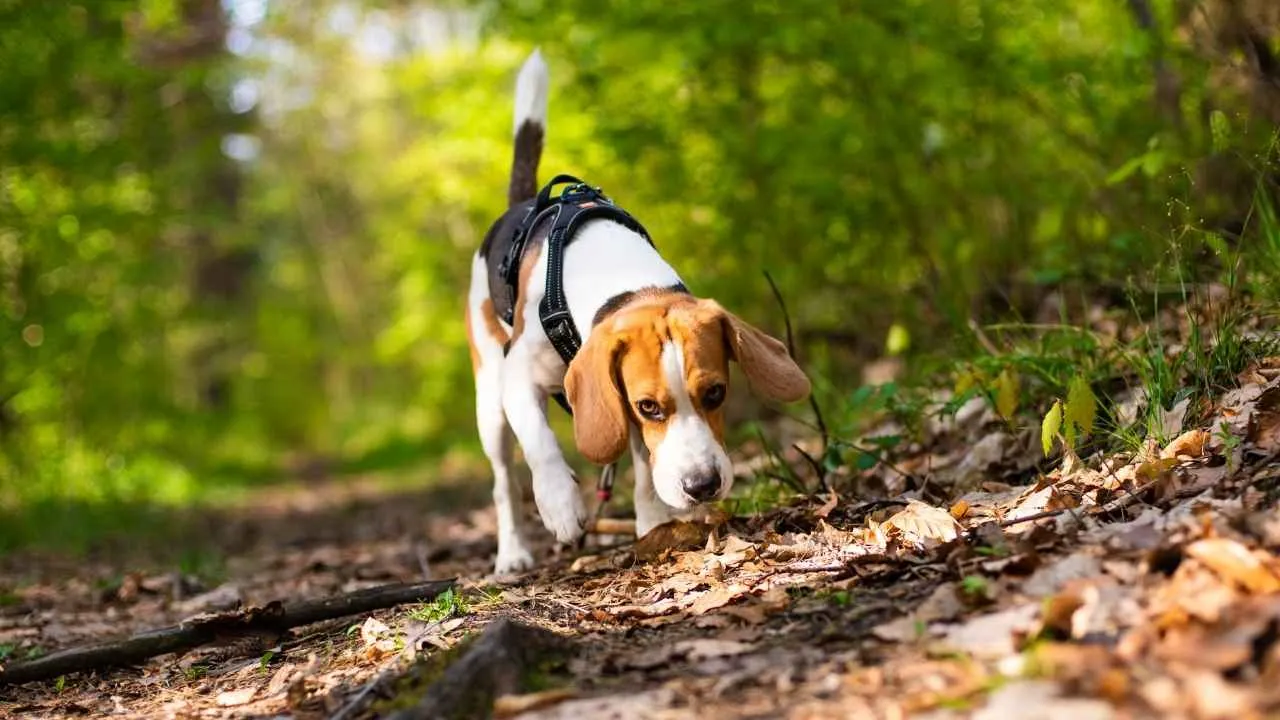
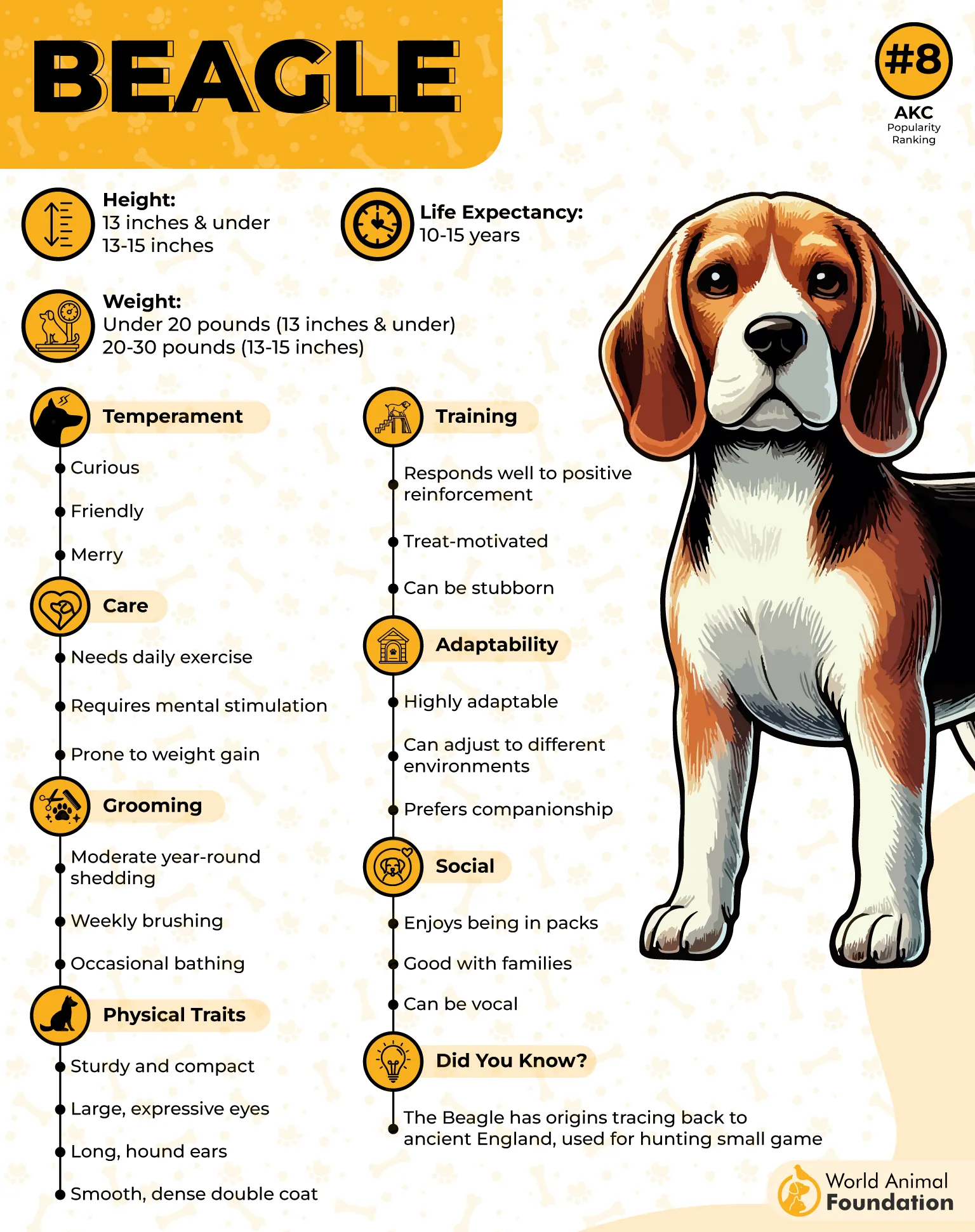
Beagles draw attention through their soft, pleading expressions framed by long, low-set ears and wide brown or hazel eyes.
Coat patterns range across lemon, red, and white, and tricolor combinations, giving each dog a distinct visual identity. Its compact yet solid build adds to a balanced and appealing look.
Built for pack life and visual charm
This medium-sized dog fits naturally into group settings, reflecting its origin as a pack-hunting hound with an easygoing nature. Its size varies between smaller and slightly taller types, yet both share the same sturdy frame and recognizable features.
These details shape its overall appearance:
Long ears placed low on a broad head
Compact, elegant, and athletic look
Coat patterns in lemon, red, and white, or tricolor
Energy guided by curiosity
Beagles approach daily activity with a sharp sense of curiosity, often following scents or exploring surroundings with interest, as Purina notes.
Its clever nature responds well to interaction that keeps it mentally engaged. This behavior reflects a dog that stays involved rather than remaining passive.
3. Basset Hound
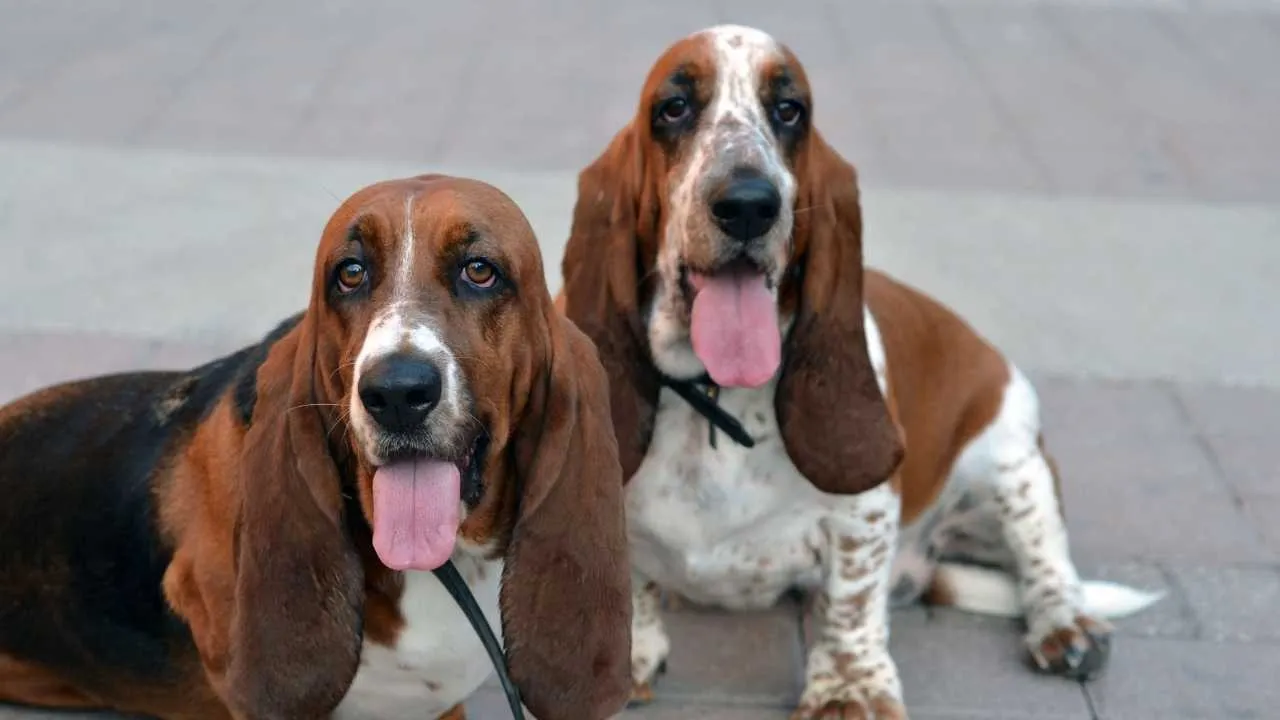
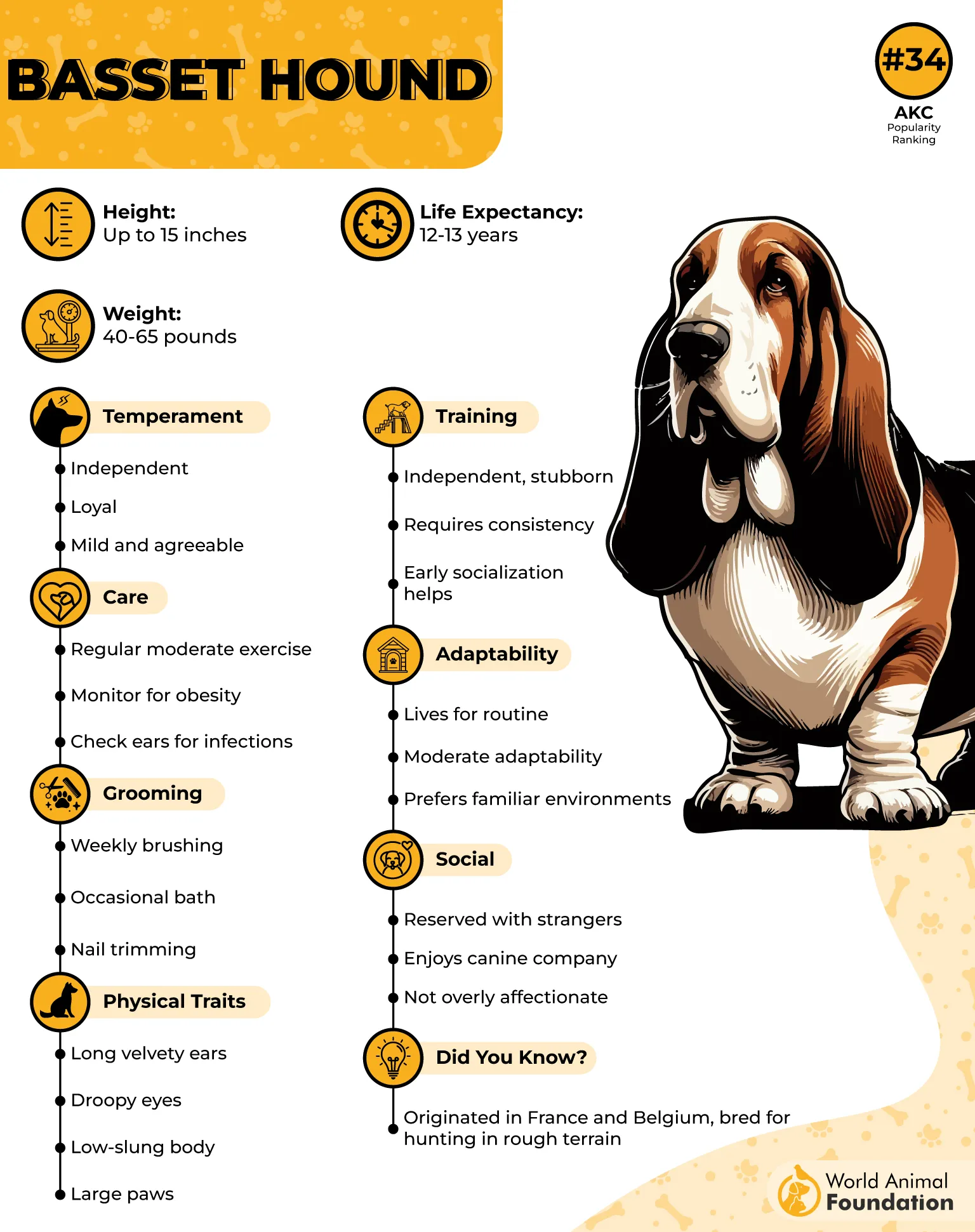
Basset Hound draws attention through its low-slung body paired with varied coat patterns, often seen in tri-color blends of black, white, and tan.
Some appear in bi-color combinations, while solid shades exist but remain rare. The visual contrast sits against a heavy-boned structure and oversized paws.
Structure behind the signature look
They combine compact height with dense bone and a large head, creating a form built for steady ground work. Long ears, loose skin, and a wrinkled brow shape its instantly recognizable expression.
These elements connect clearly in their design:
Extremely long, velvety ears framing the face
Domed head with loose skin and folds
Massive paws supporting a low frame
Temperament across settings
Basset Hound remains mild and easygoing indoors, with a quieter, steadier presence around familiar people. On the trail, a different side appears, marked by determination and a loud, ringing bark when engaged in scent work. Loyalty remains consistent, even with a reserved way of showing affection.
4. Smooth Fox Terrier
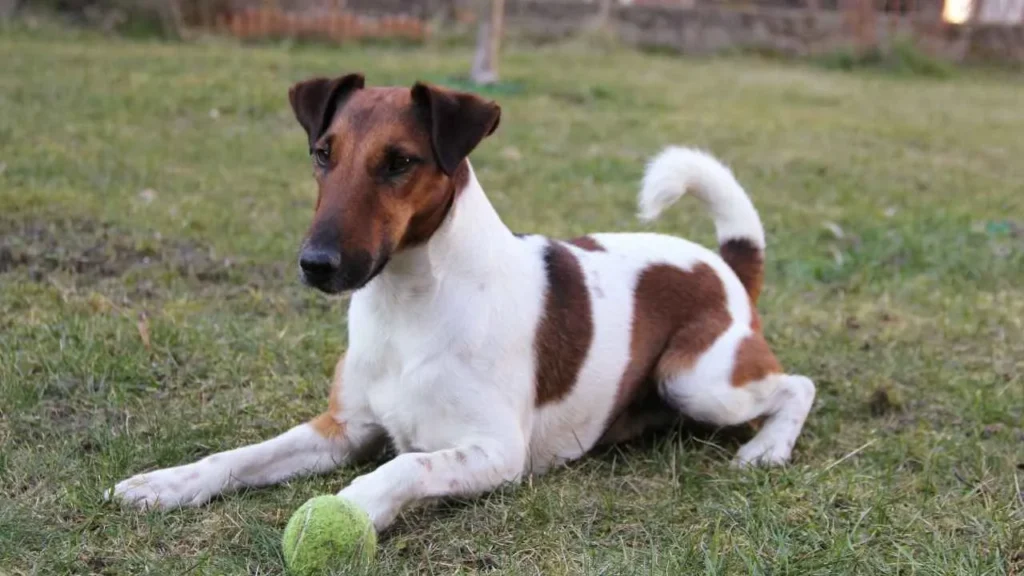
Smooth Fox Terrier draws attention through its dense, flat coat, where white dominates, broken by black, tan, or mixed markings.
The clean color layout works alongside a narrow V-shaped head that gives a defined, alert look. Its overall appearance feels neat, balanced, and visually striking without excess.
Built with controlled precision
They combine a short-backed frame with a symmetrical outline that keeps its structure compact and efficient. Strength sits within a refined build, avoiding any heavy or bulky impression.
That physical balance comes through clearly:
Predominantly white coat with sharp markings
V-shaped head with clean lines
Compact body with even proportions
Energetic temperament with playful edge
These terriers bring a lively and social personality, often engaging quickly with their surroundings. Its terrier nature reflects curiosity and a tendency to dig or explore when given the chance, as mentioned by PetMD. This behavior aligns closely with its origins in active hunting environments.
5. Border Terrier
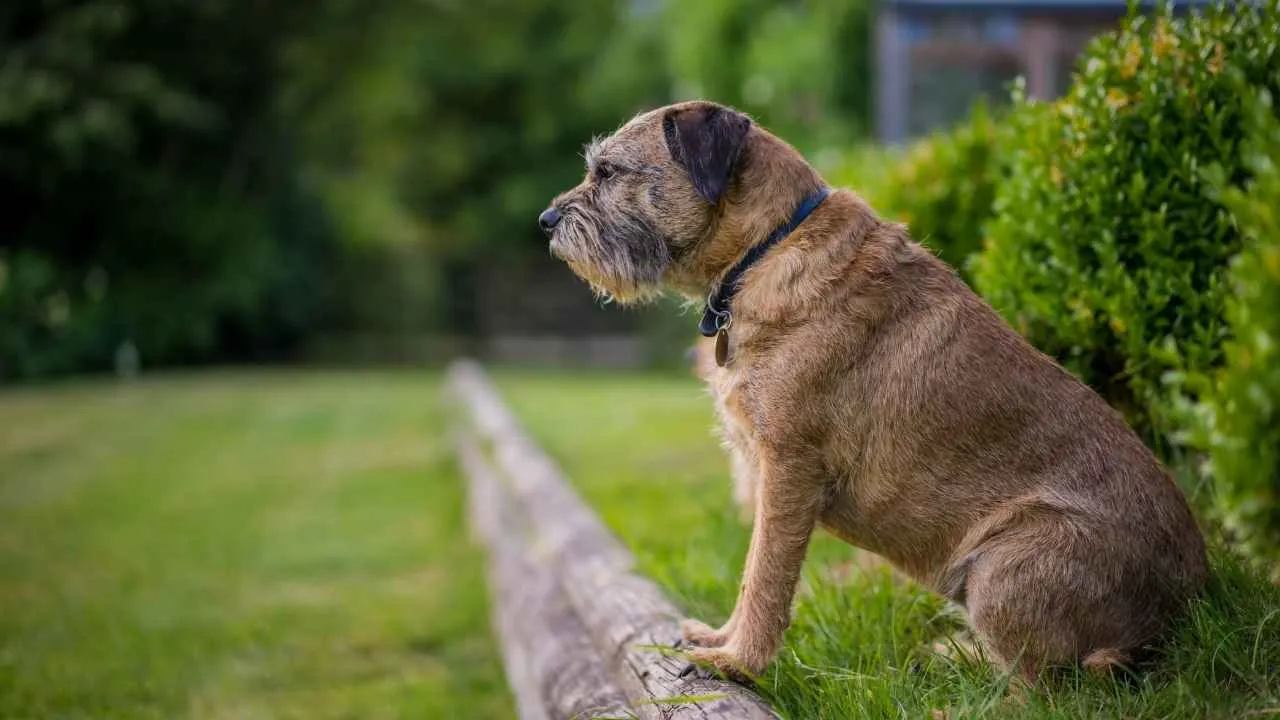
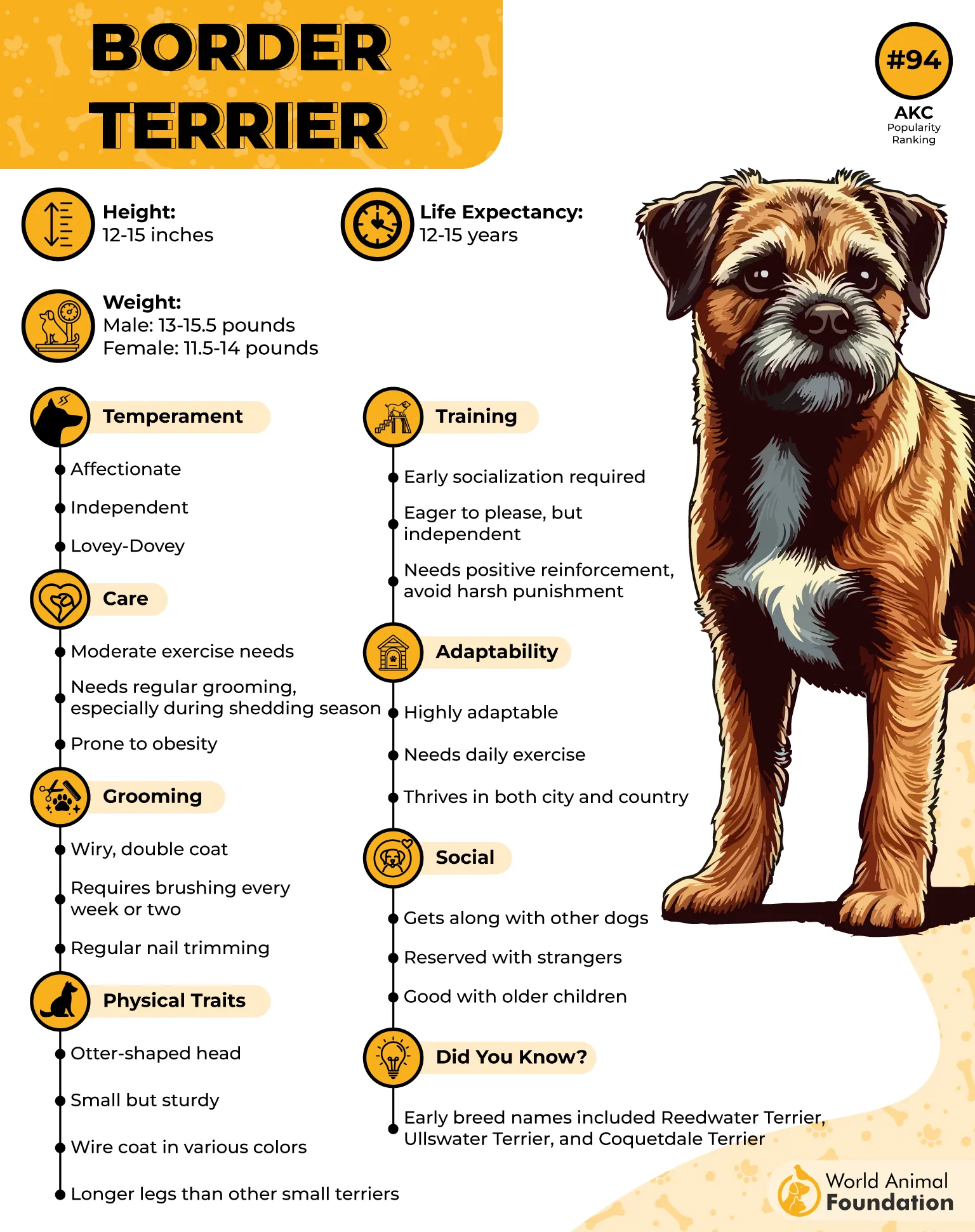
Border Terrier draws attention with its “otter head” and a wiry outer coat that comes in grizzle and tan, blue and tan, wheaten, or red.
This rough texture is practical and easy to manage, fitting its working roots. Within the dog world, this combination feels both functional and visually different.
Built for ground work
They have slightly longer legs than similar small terriers, giving them better reach during outdoor pursuits. Its compact yet tough structure reflects a dog shaped for active environments rather than ornament.
That working design becomes clearer through:
Longer legs aid ground coverage
Wiry coat that handles rough conditions
Compact build suited for tight terrain
Activity and engagement needs
Border Terrier responds best when daily activity includes both movement and mental stimulation, keeping its active nature balanced.
A brisk walk or interactive play helps channel its energy in a controlled way. This routine fits both city spaces and open areas when handled consistently.
6. Bullmastiff
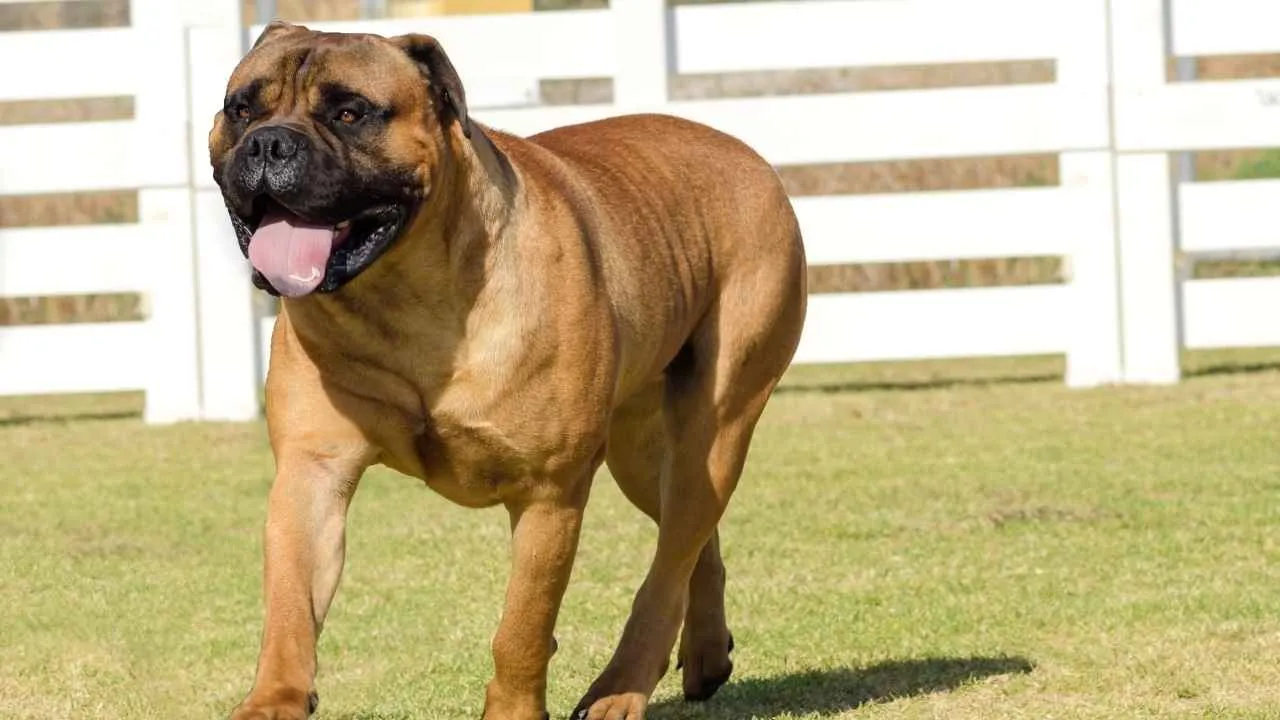
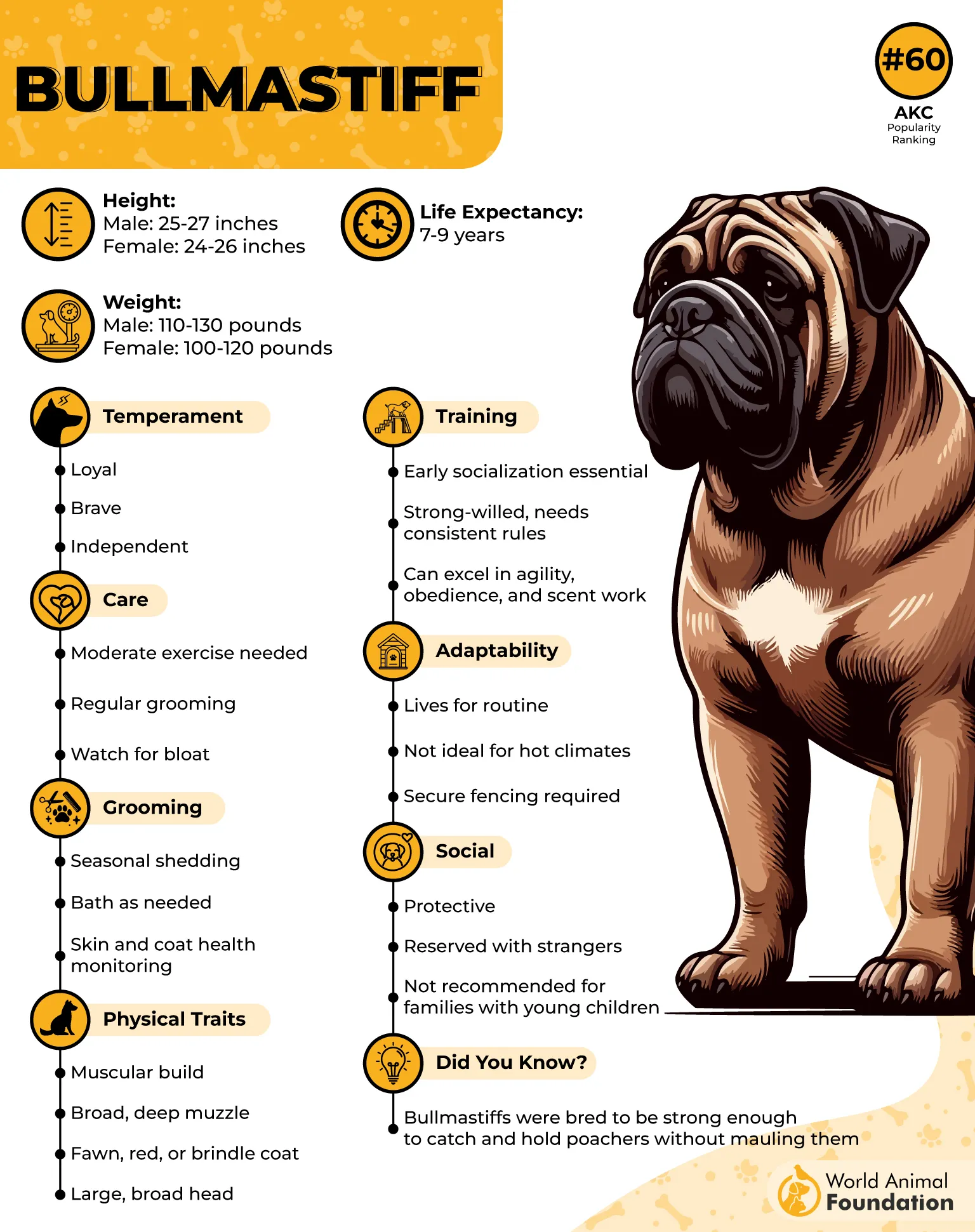
Bullmastiffs draw attention with their dense coats in fawn, red, or brindle, each shade set over a heavily built frame. The broad head, dark eyes, and deep muzzle shape a face that reads alert and self-assured. This visual impression forms before any action takes place.
Structure behind that visual weight
They come from Bulldog and Mastiff crosses, reflected in a body built for control rather than speed. Its strength is directed through steady physical engagement, especially when handling intruders.
That structure becomes clearer in key features:
A broad skull paired with a deep muzzle
High-set V-shaped ears framing expression
Muscular build suited for holding ground
Work instinct and home behavior
Bullmastiffs were used to track and restrain poachers, relying on physical control instead of unnecessary aggression. Within familiar settings, it settles into a calmer and more relaxed companion role. This shift highlights a clear divide between task-driven behavior and home life.
7. Basenji
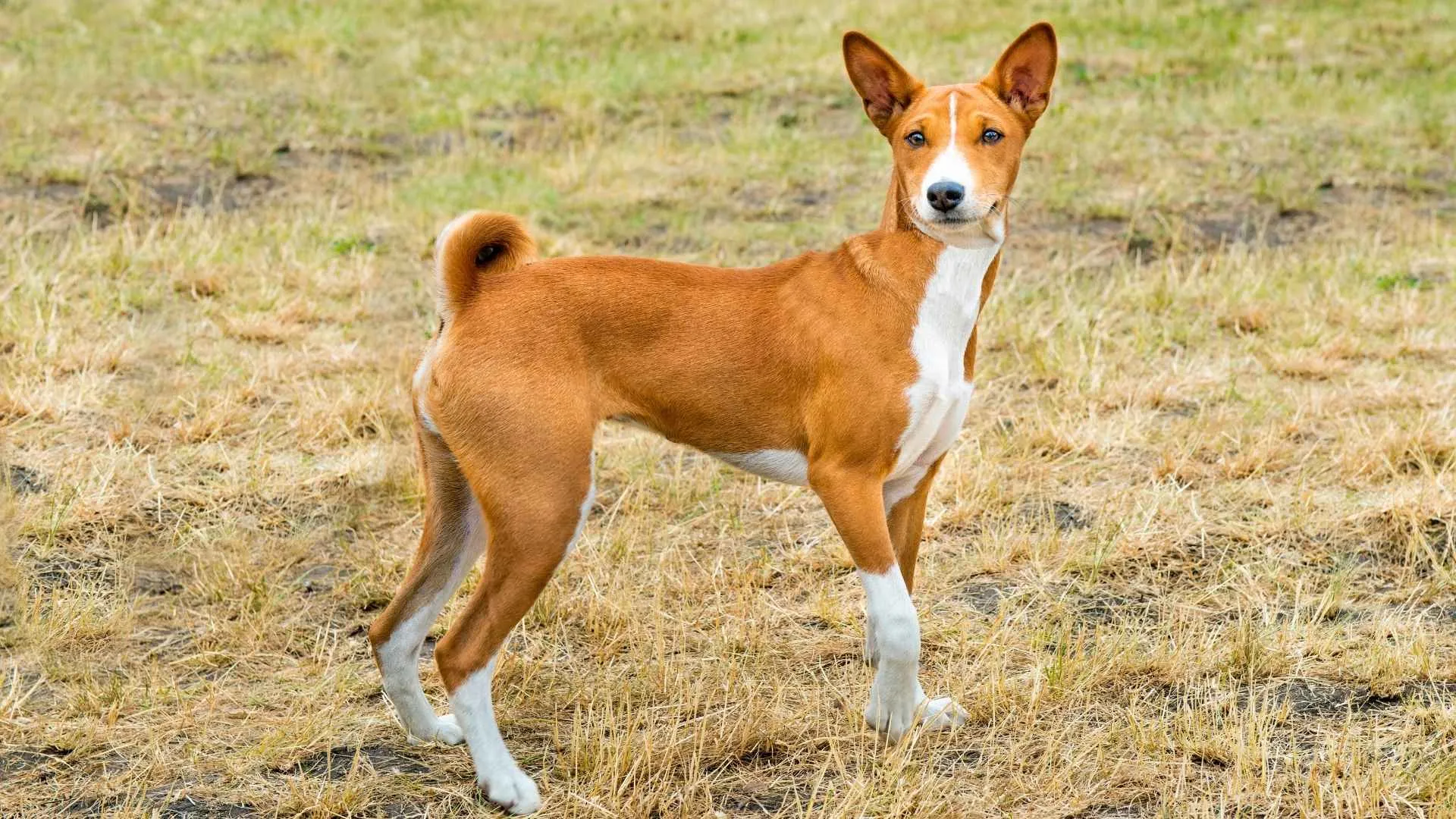
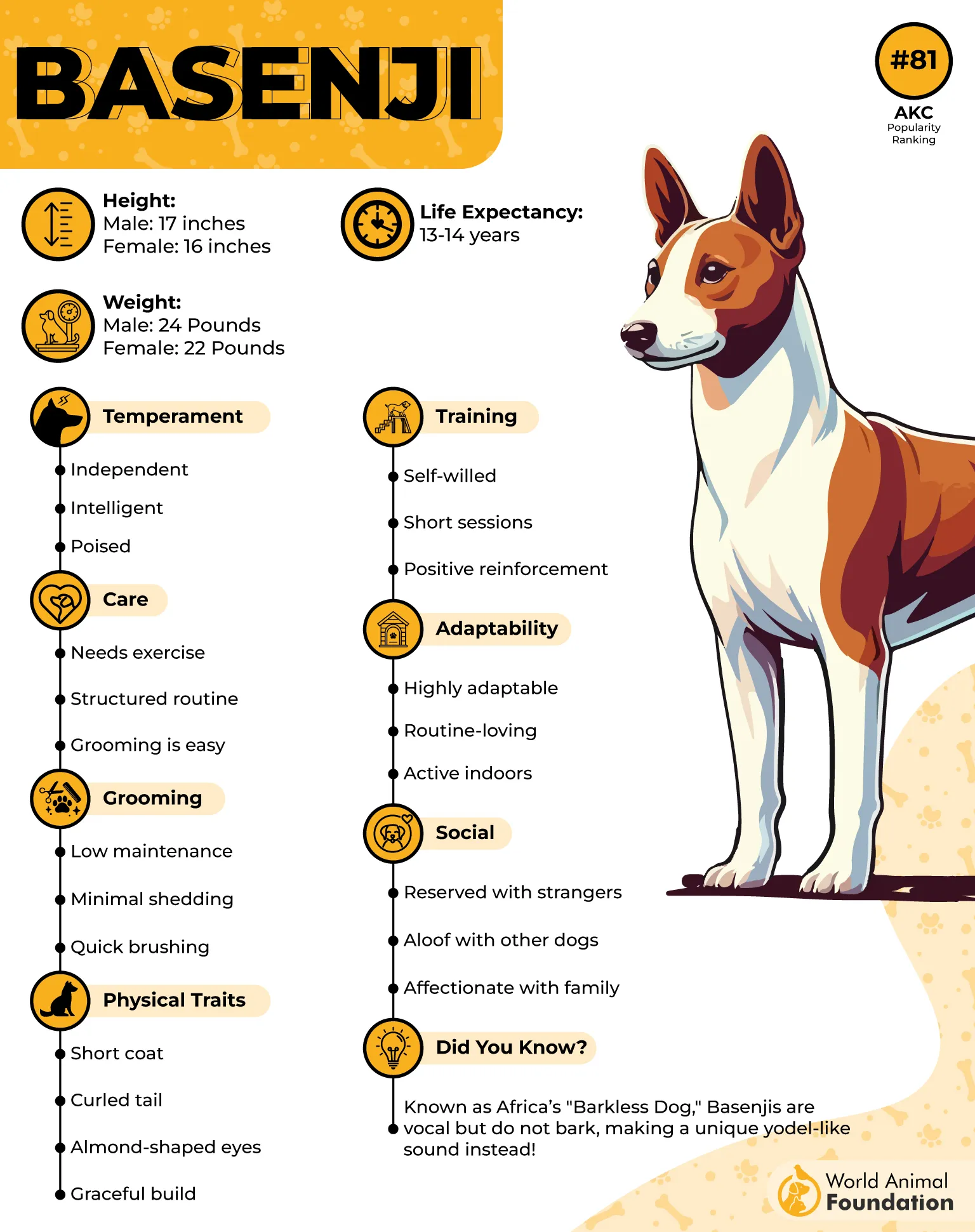
The Basenji draws attention through its unusual vocal style, producing a yodel-like sound instead of a typical bark. Its almond-shaped eyes and wrinkled forehead create shifting expressions that feel almost human. This quiet communication style adds a distinct personality layer to its appearance.
Coat clarity and visual identity
They feature a short, glossy coat that highlights sharp color contrasts across their compact frame. Recognized combinations include black and white, red and white, brindle and white, and black tan with white.
These details define its unmistakable look:
Glistening short coat with clean color separation
Tightly curled tail resting over the back
Fine facial wrinkles framing expressive eyes
Behavior rooted in independence
Basenji approaches daily life with a self-grooming habit similar to cats, often cleaning itself without prompting. Its independent thinking adds a layer of challenge during training, requiring patience and consistency. This mindset pairs with a strong attachment to familiar people.
Conclusion
It does not take long before certain coats stay in your mind. Not because they are loud or unusual in an obvious way, but because the combination feels precise without trying too hard, like the most colorful dog breeds. Some patterns settle in quietly, and you start noticing them again in ways you did not expect, across different coat types.
That impression does not fade quickly. The colors hold their place, and the details begin to stand out more with time. Nothing about them feels random or excessive. Whether it is a curly coat, a thick double coat, a rough coat, or a smooth coat, even across two dogs, each seems to carry its own balance. What remains is not just appearance, but a memory that feels clear even after the moment has passed.
