




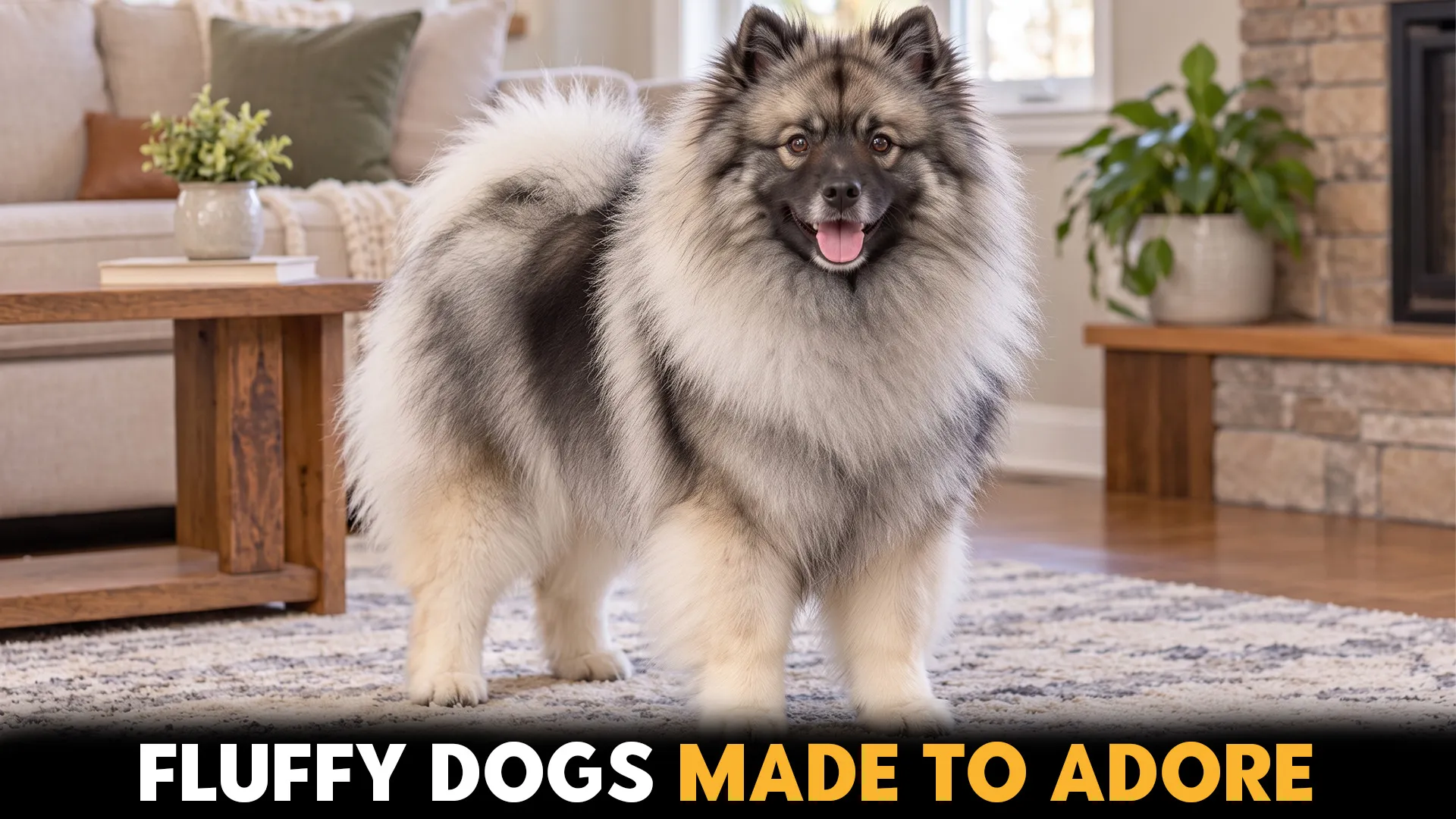
Some dogs walk into a room. Others float in like a cloud with paws! There is something ridiculously charming about a dog with soft, fluffy fur that practically begs to be petted. But that gorgeous fluff is not just about looking adorable.
Many fluffy coats come with their own grooming needs, from regular brushing to keeping tangles and loose hair under control. Some are thick and plush, while others feel light, silky, or wonderfully soft.
And yes, your clothes may collect a little extra fur along the way. Ready to meet seven seriously fluffy showstoppers?
Did you know?
Dogs can make social moments feel easier by giving people a natural conversation starter. Some dog owners report finding it easier to make friends, so that gorgeous, fluffy coat might attract more than a few admiring hellos.
Stunning Dog Breeds With Soft, Fluffy Fur
1. Samoyed
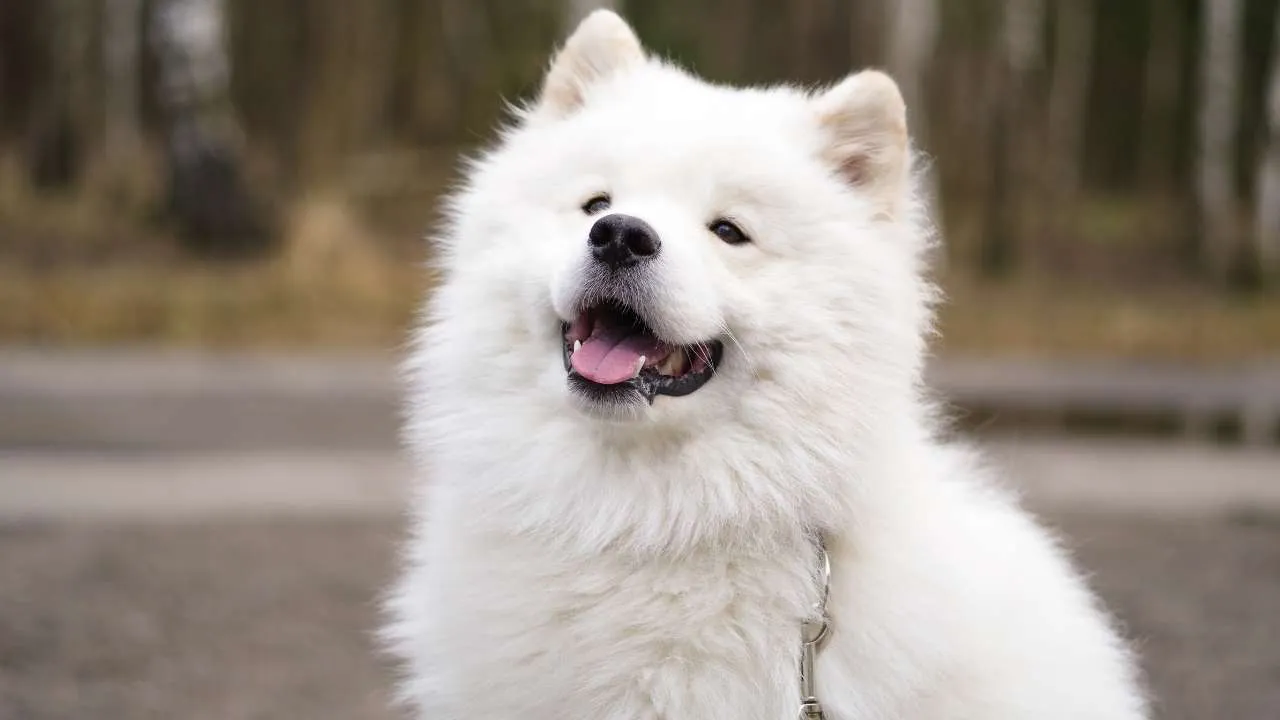
Well, the Samoyed does not exactly believe in subtle entrances. This Siberian working dog arrives wrapped in a thick white double coat, complete with pointed ears, a curled tail, and that famous upturned mouth that creates the cheerful Sammy smile.
Honestly, the Samoyed has the kind of fluffy charm that grabs attention almost instantly. That dense coat gives the breed its cloudlike look, while the straight outer hair and soft undercoat help create the wonderfully plush appearance people notice first.
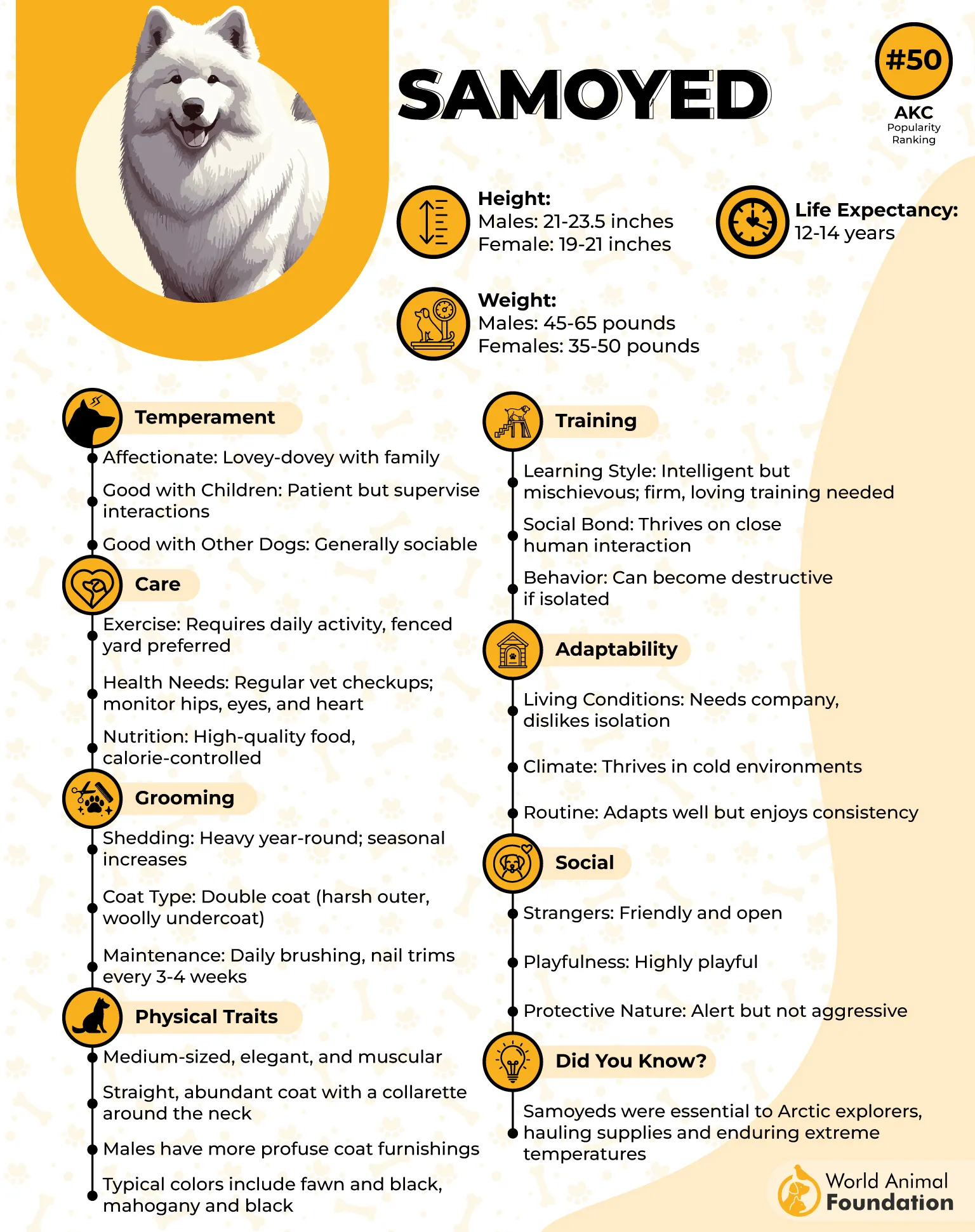
Good news for social households, Sammies genuinely enjoy company. They are playful and friendly with family, children, strangers, and other pets, and they thrive when included in activities instead of being left alone for long stretches.
Grooming Tips For This Breed
Brush daily to clear dirt and loose hair from the profuse double coat.
Work out mats and tangles carefully with a slicker brush or metal comb.
2. Bichon Frise
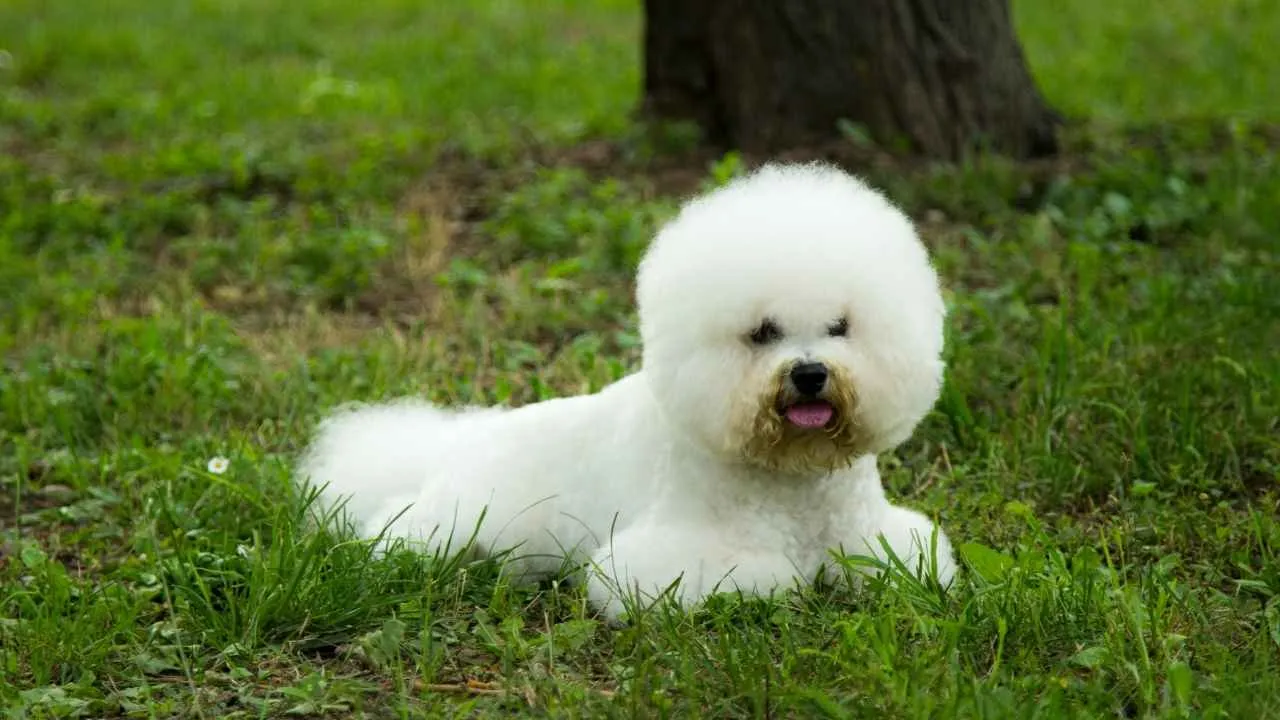
Now, this is one dog that seems permanently dressed for a celebration. The Bichon Frise combines a cheerful expression with a plush coat and lively personality, creating a little companion that looks polished even when plotting its next playful burst.
Look closely, and the coat gets even more interesting. Bichons wear soft white curls over a dense undercoat, giving the fur its springy, velvety feel and rounded finish, while the dark eyes and black nose create a striking contrast.
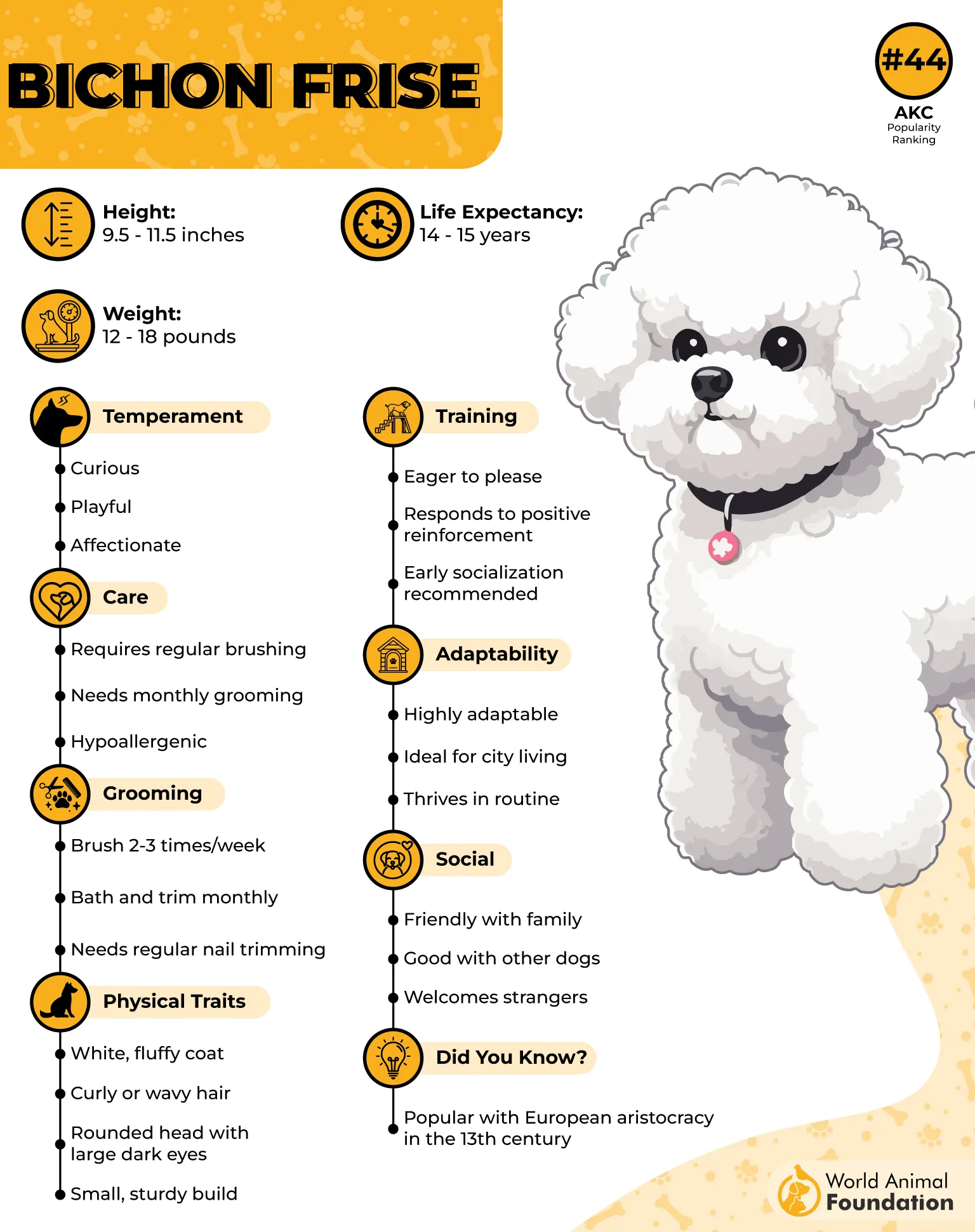
As noted by PetMD, that lovely white coat asks for regular attention. Daily brushing helps prevent matting, while monthly professional grooming keeps the fur neat and trimmed, so maintaining that soft finish becomes part of the routine.
Grooming Tips For This Breed
Use suitable dog shampoo and conditioner during baths to help the coat stay soft and white.
Clean normal tear staining with dog-safe stain removers or eye wipes when needed.
3. Chow Chow
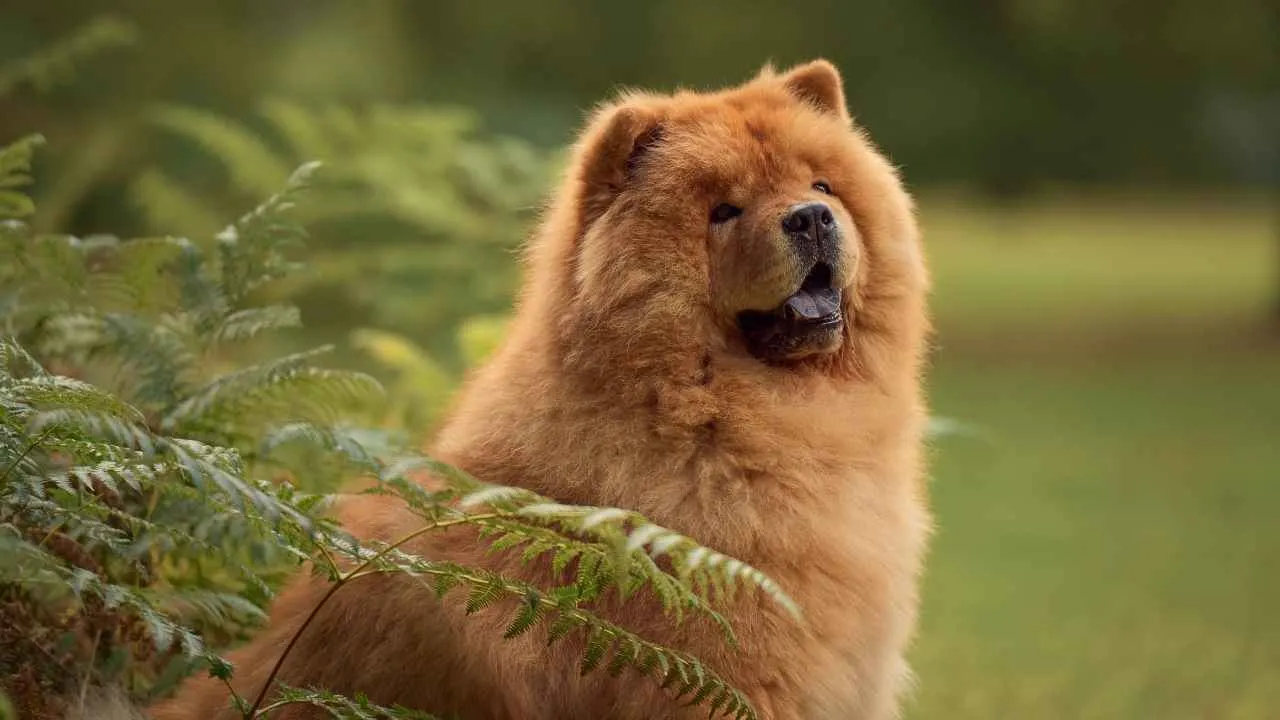
Some dogs look cuddly. The Chow Chow looks like it has its own royal portrait waiting somewhere. With ancient Chinese roots, a fluffy coat, curled tail, and unmistakably serious expression, this breed brings a wonderfully dramatic presence.
Then comes the face, and honestly, it is impossible to miss. Chows are known for a blue-black tongue, deep-set almond eyes, a lionlike ruff, and rough or smooth coats that may appear red, black, blue, cinnamon, or cream.
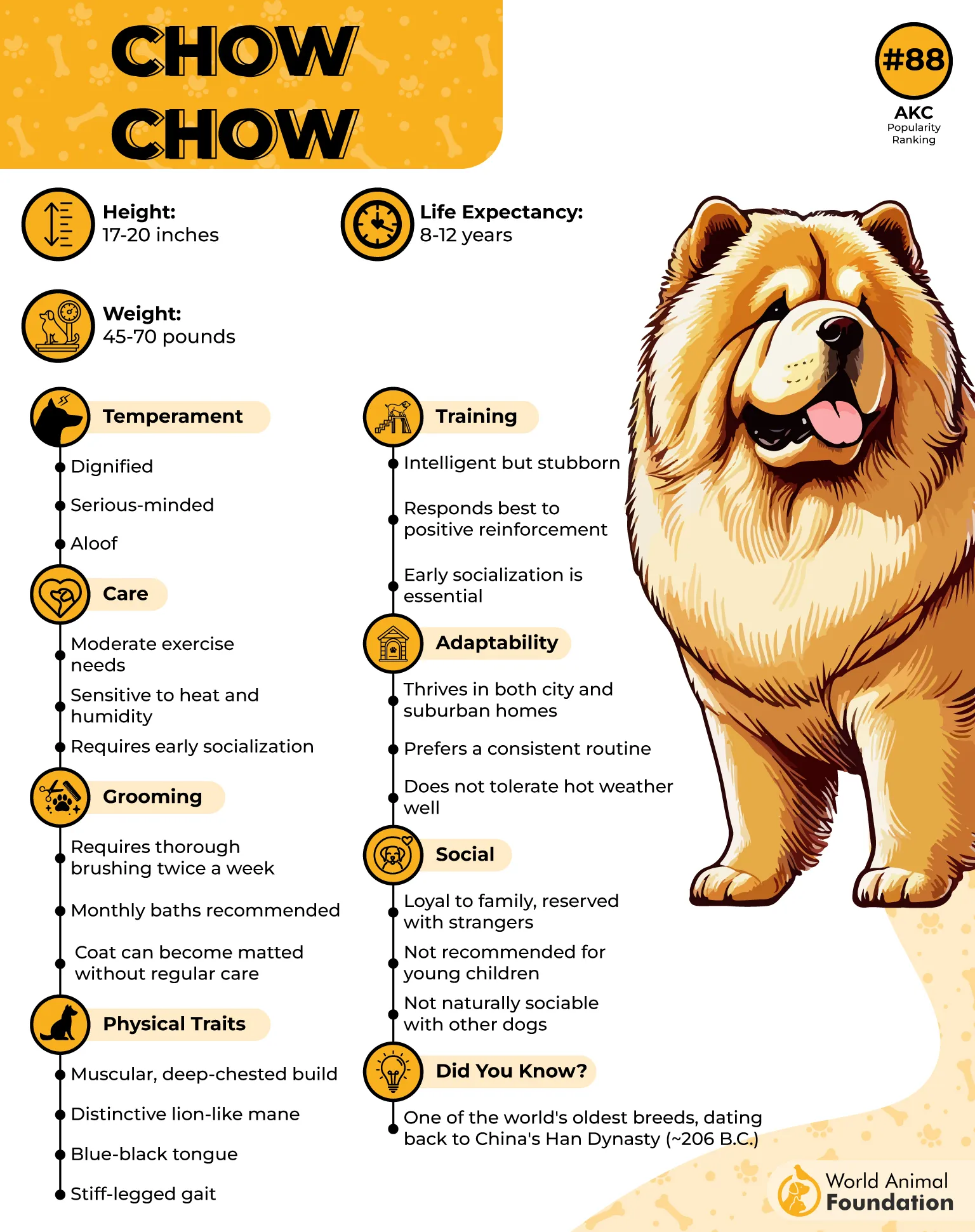
When it is time to move, Chows prefer things sensible rather than frantic. Short walks and moderate play suit them well, while mental activities help keep their intelligent minds engaged without turning the day into a canine marathon.
Grooming Tips For This Breed
Comb thoroughly through the undercoat because the puppy coat and head area can mat badly.
Use a cool air dryer after bathing to dry the Chow thoroughly.
4. Keeshond
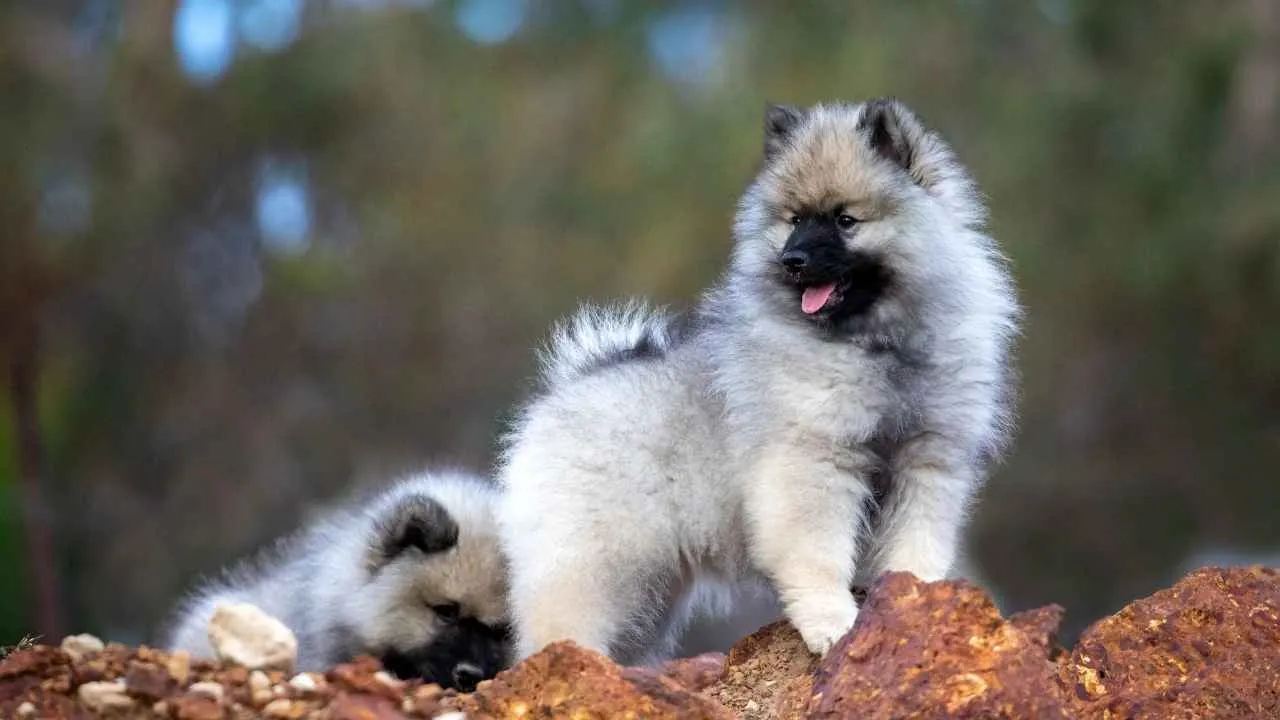
Quite the Dutch original, the Keeshond once accompanied people on canal barges and still carries plenty of visual flair. Recognized by the AKC in 1930, the breed pairs its plush coat with expressive eyes and unmistakable spitz character.
Around people, the Keeshond is hardly the mysterious type. These dogs are friendly, outgoing, playful, and eager to stay involved, often sticking close to their families and getting along well with children and other pets.
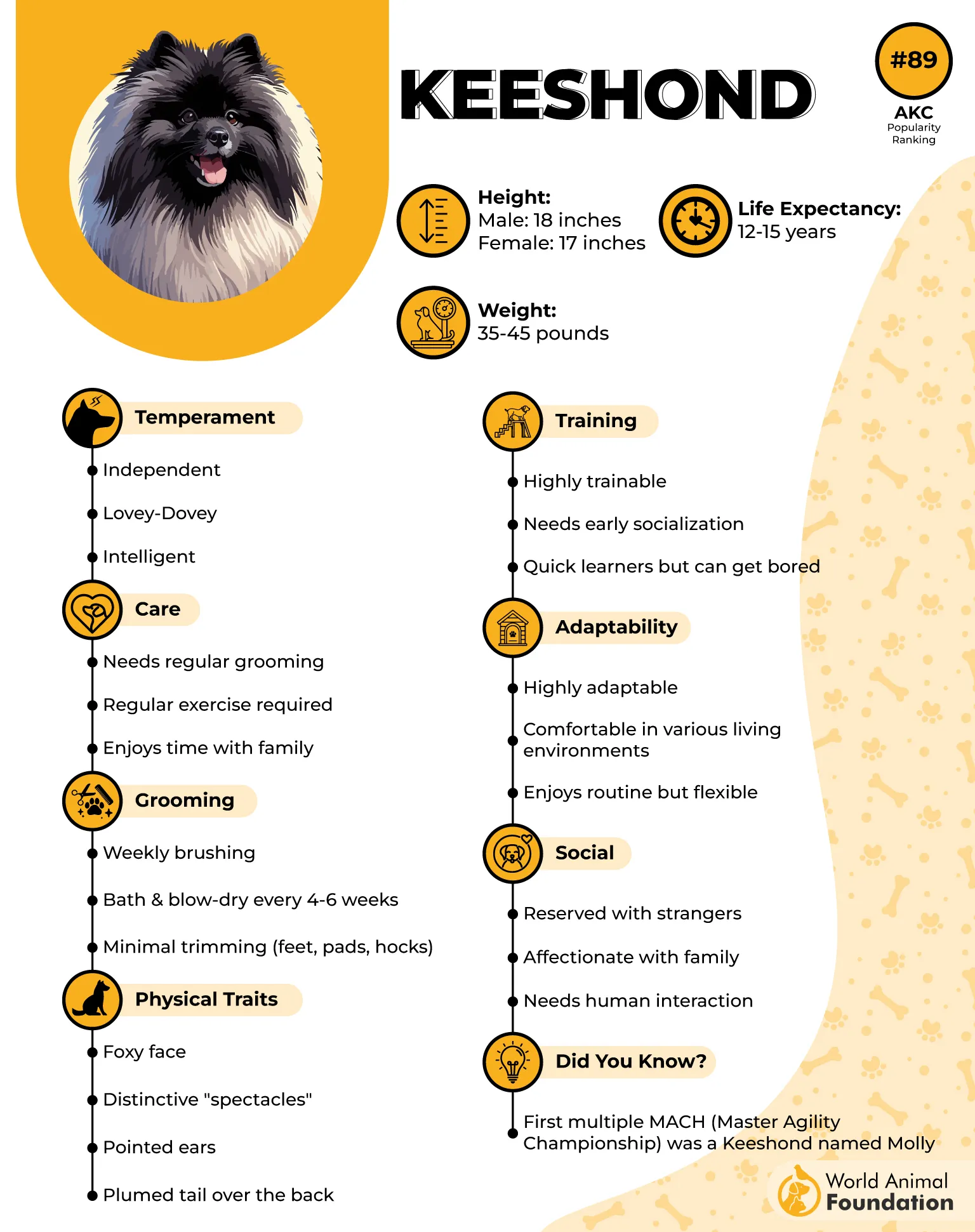
Best of all, those brains are wonderfully usable. Keeshonden respond well to positive reinforcement and can excel in obedience, while early puppy classes and socialization help channel their eagerness into good manners without making lessons feel dull.
Grooming Tips For This Breed
Limit trimming to tidying the fur around the feet, pads, and hocks.
A bath and blow-dry every four to six weeks can form part of the grooming routine.
5. Pomeranian
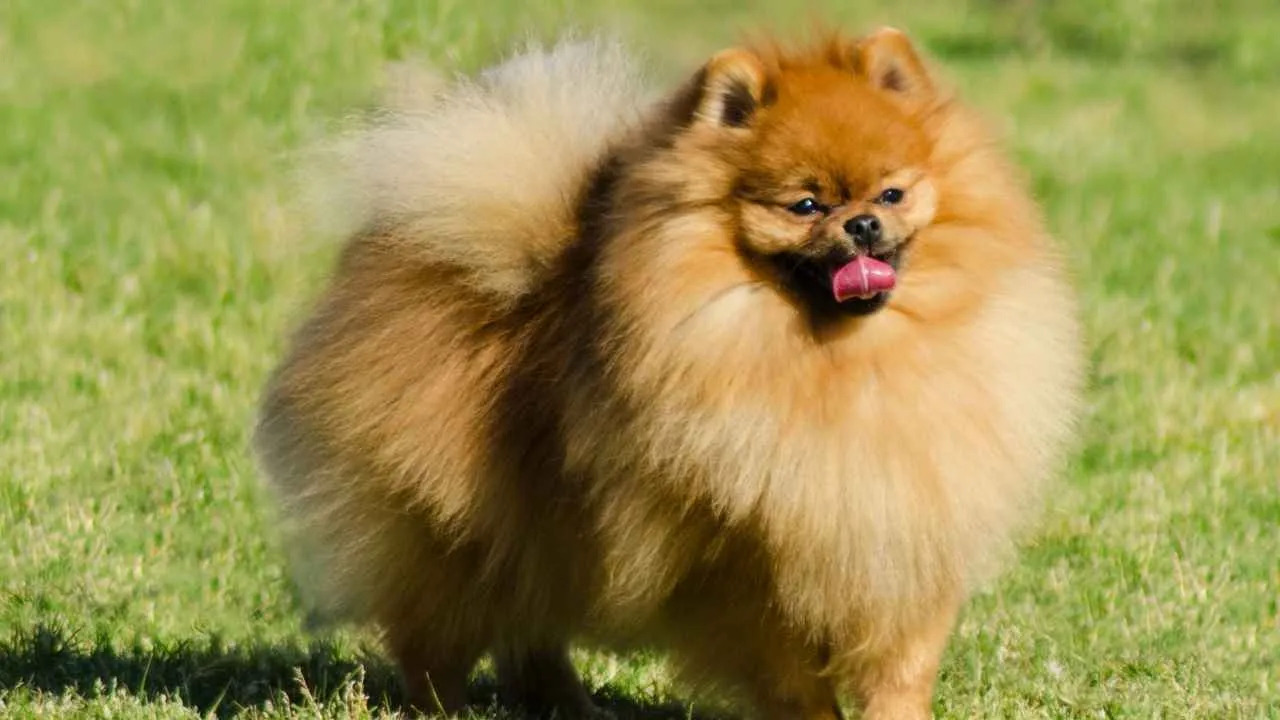
Oh, Pomeranians know exactly how to make an entrance. Their foxlike faces and abundant double coats instantly grab attention. Add that bold, lively personality, and all that fluff suddenly feels less decorative and much more like part of the performance.
And yes, that coat really is the main attraction. Short, thick fur sits underneath a fuller outer layer. Together, they create the soft, cloudlike finish that makes reaching down for one more gentle stroke very tempting.
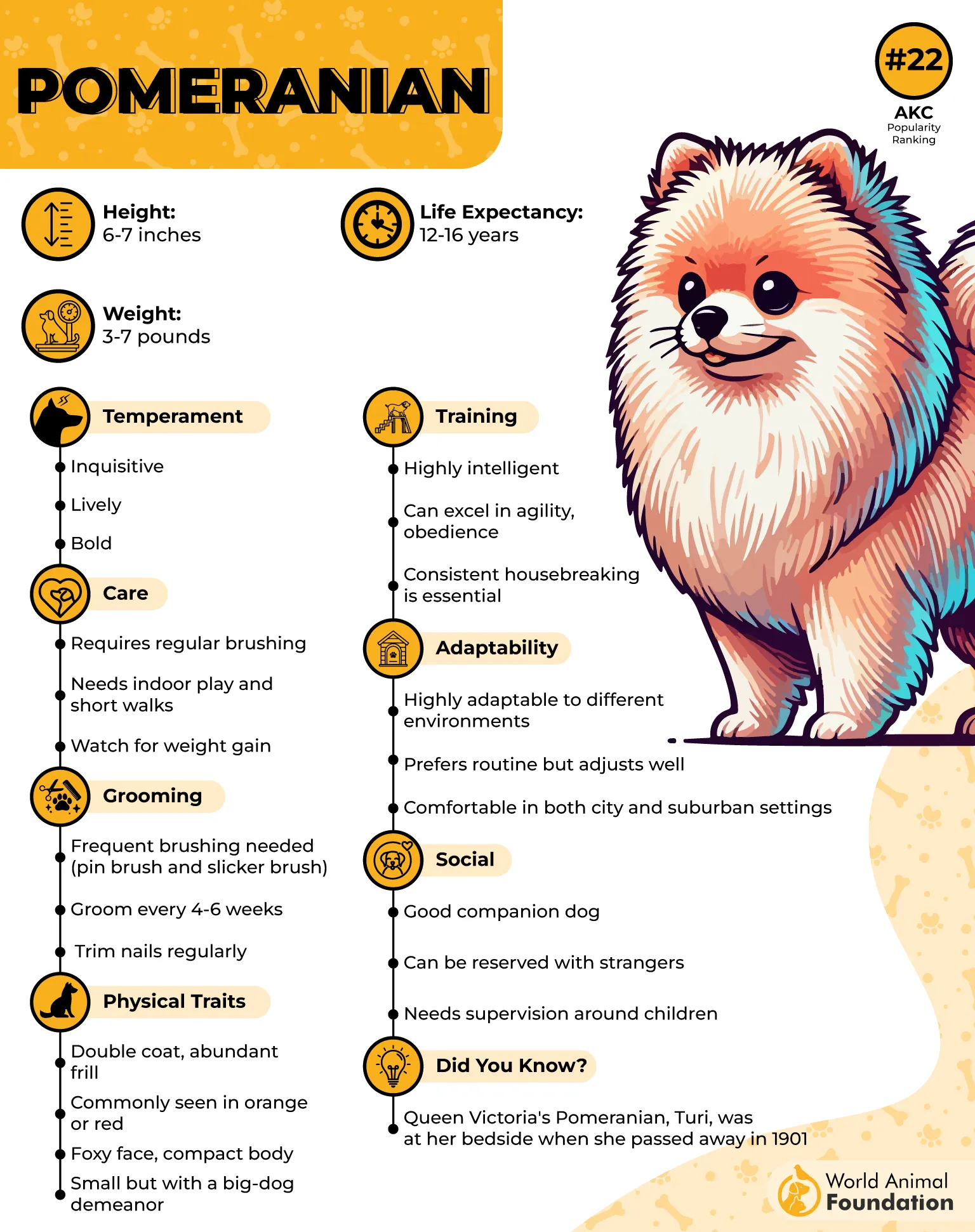
Best of all, Pomeranians can fit nicely into many households. They enjoy attention and can live with other pets. Families, singles, and older adults may suit them, though young children need supervision because these little dogs are physically delicate.
Grooming Tips For This Breed
Consider a sanitary shave around the rear so waste does not become caught in the fur.
Check the eyes regularly and clean tear staining with a dog-friendly eye cleanser when needed.
6. Great Pyrenees
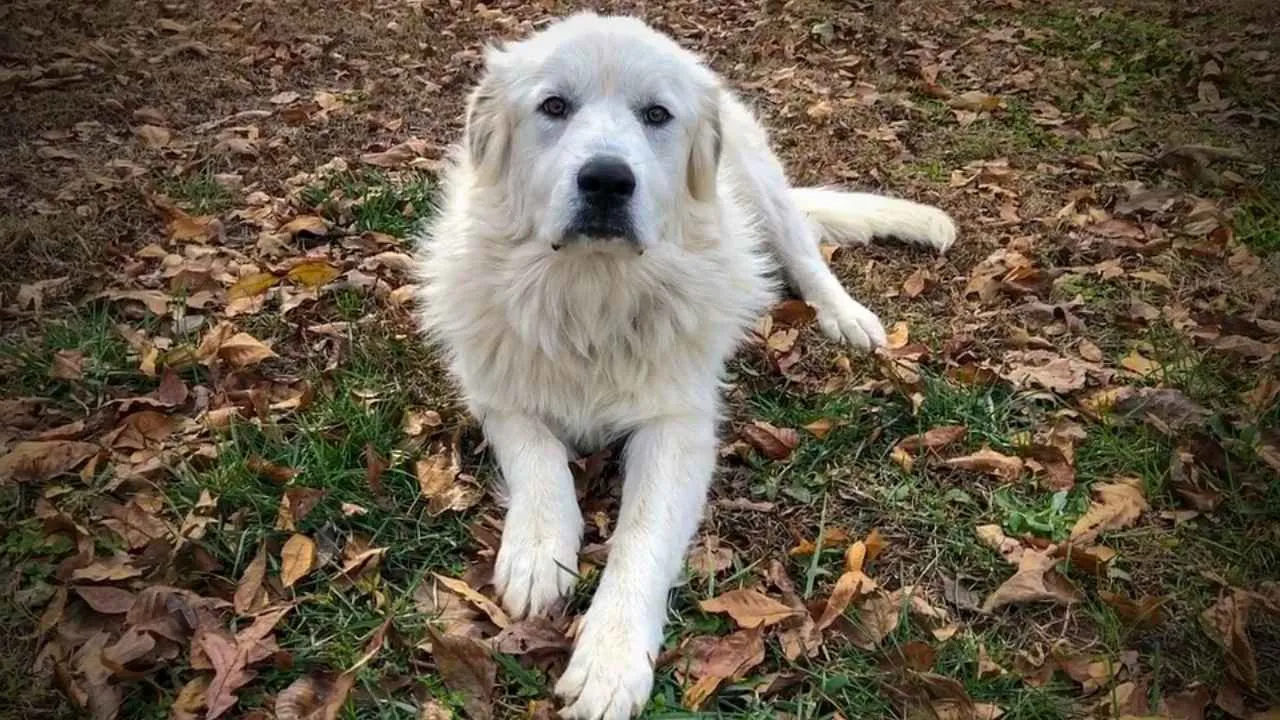
Now, the Great Pyrenees brings mountain-dog drama without acting dramatic about it. These dogs were bred to guard livestock in the Pyrenees. Their thick white coat also helped them blend naturally into the snowy landscapes where they worked.
That independent streak is worth knowing before bringing one home. Great Pyrenees can be strong-willed during training. Experienced owners may appreciate why, since these former flock guardians were developed to work and make decisions without constant direction.
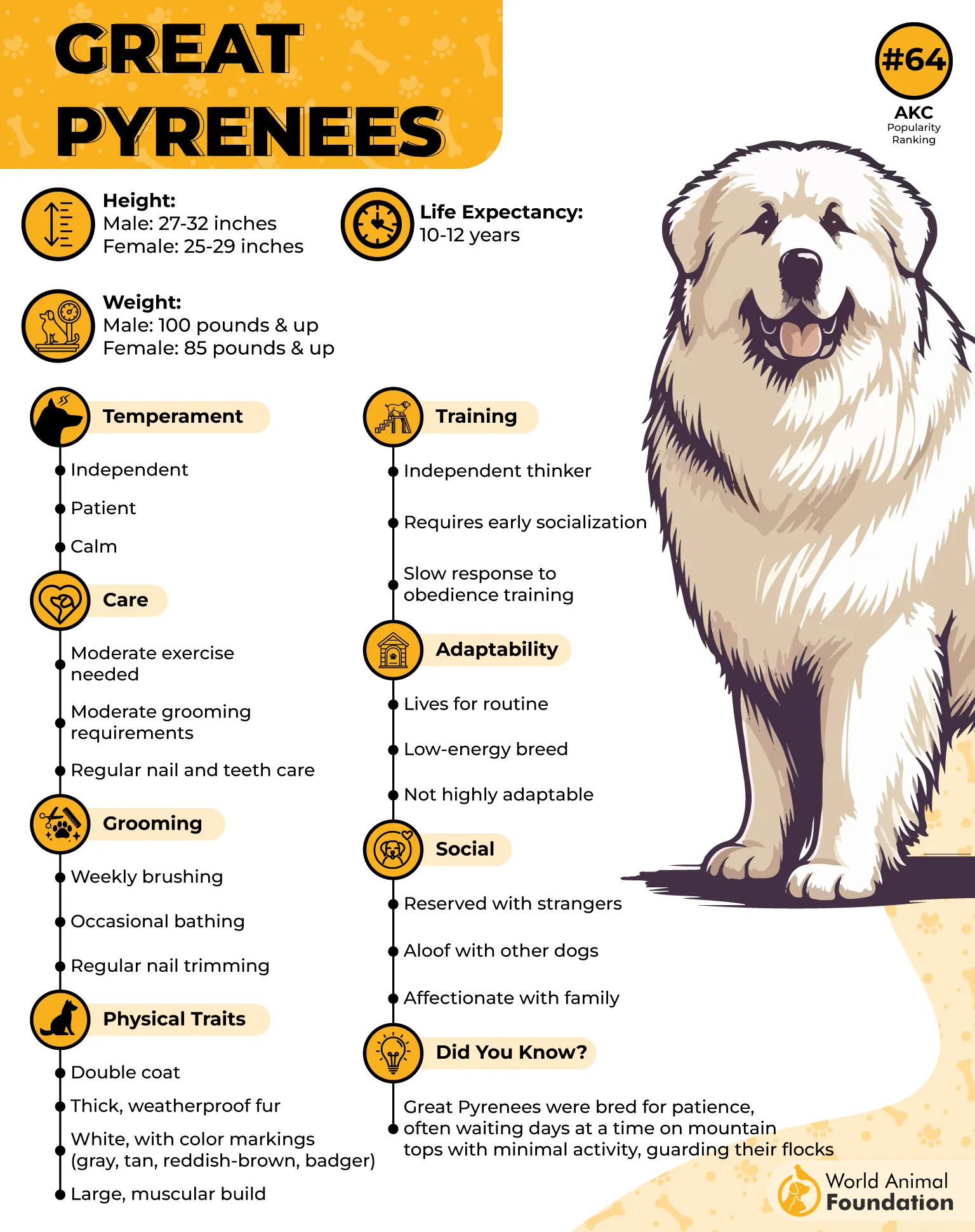
As mentioned by WebMD, the Great Pyrenees has a dirt- and tangle-resistant double coat that needs surprisingly little fuss. Weekly combing or raking helps control shedding, while regular ear checks, daily tooth brushing, and dewclaw trimming complete the routine.
Grooming Tips For This Breed
Avoid trimming or shaving the coat during hot weather because it helps protect the dog from the sun.
Keep the rear dewclaw nails trimmed so they are less likely to split.
7. American Eskimo Dog
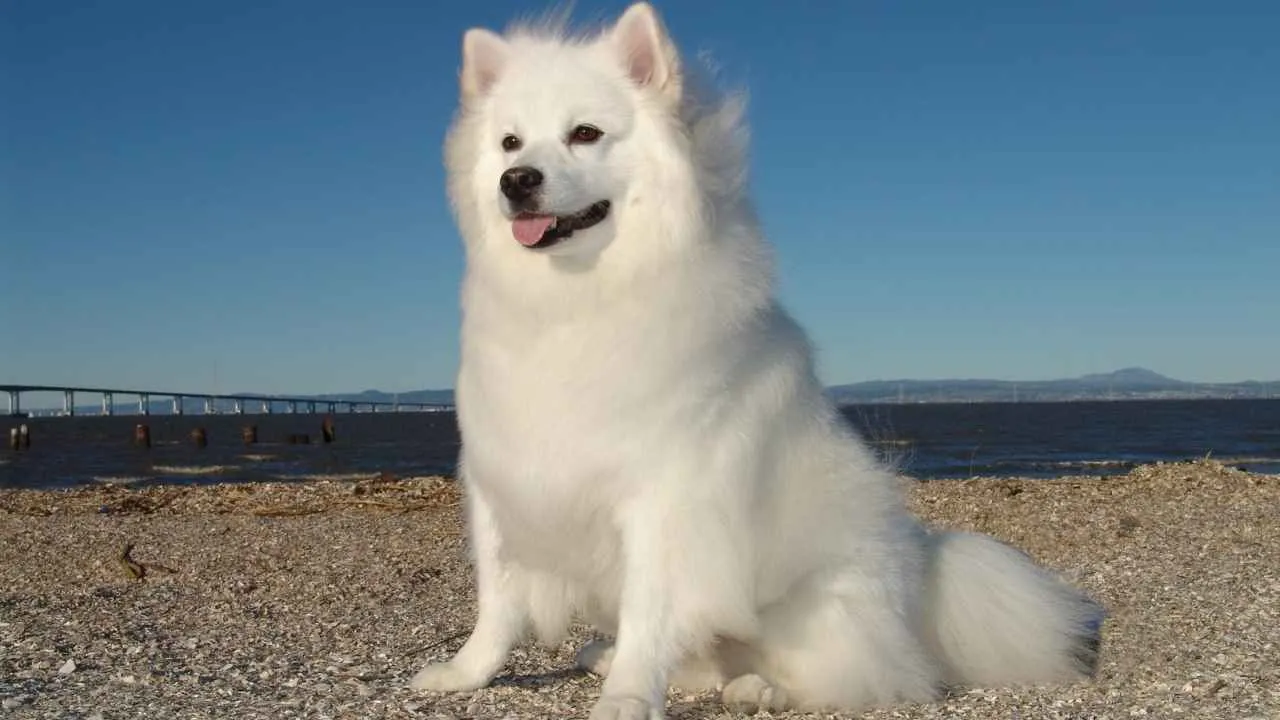
Well, American Eskimo Dogs certainly understand the assignment when it comes to looking polished. Their bright white or cream double coat immediately catches the eye. A plumed tail and alert expression add even more personality to the finished look.
Long before becoming family companions, American Eskimo Dogs had working roots. Their German Spitz ancestors came to the United States with German immigrants and helped herd and guard livestock. Later, their intelligence and showy appearance carried them into circus performances.
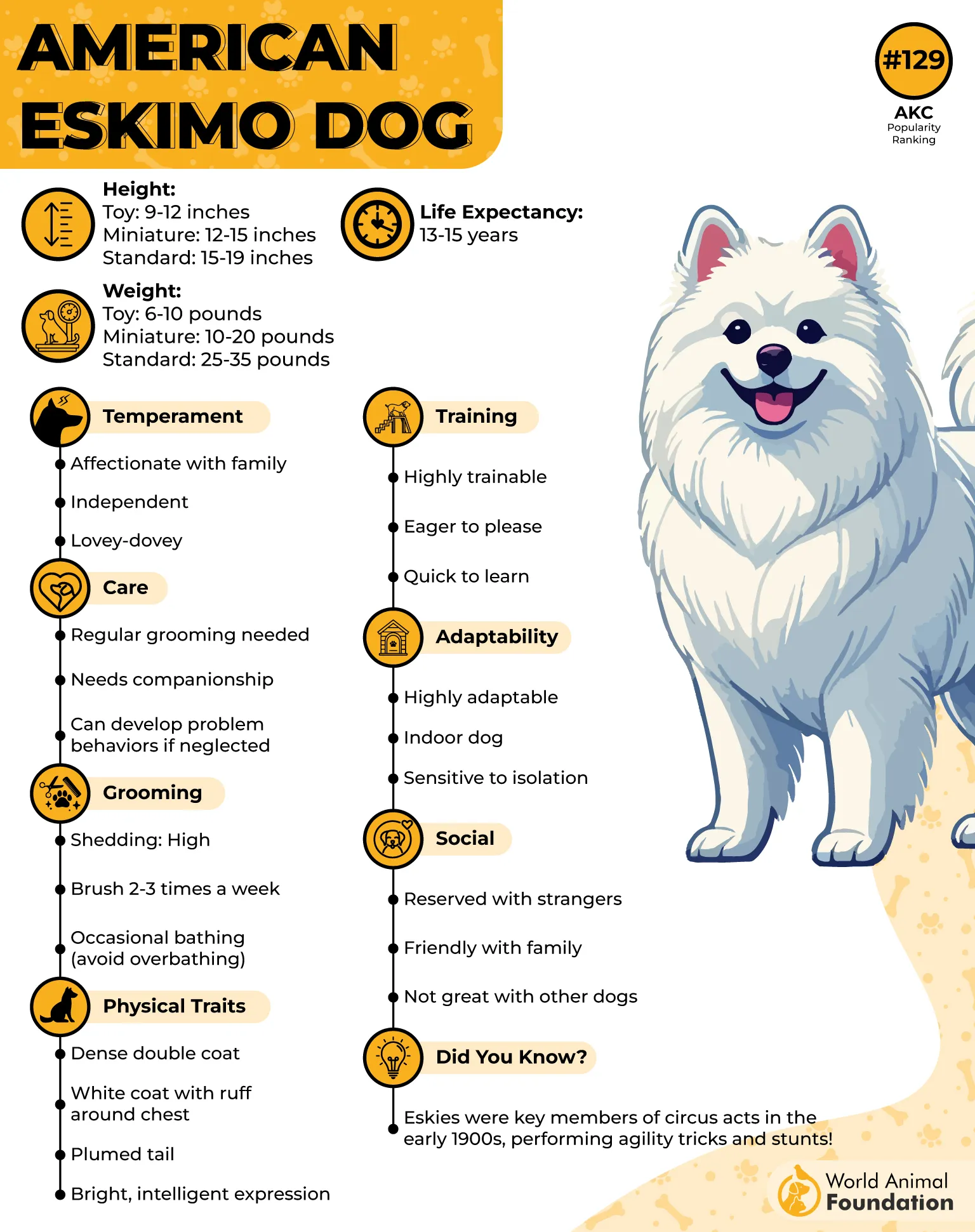
And then there is that fabulous coat. A dense undercoat sits beneath longer outer hair, giving these dogs their signature fullness. Extra length around the neck and chest creates the soft ruff that makes the breed look especially striking.
Grooming Tips For This Breed
Pay extra attention to mats around the harness, collar, ears, and rump.
Keep bathing occasional because washing too frequently can leave the skin dry and irritated.
Conclusion
Soft, fluffy dogs certainly know how to leave an impression, but those beautiful coats come with different personalities, histories, and care needs. Some are lively little entertainers, while others are calm guardians or devoted family dogs. The best match is the one that truly fits your routine.
So before falling completely for the fluff, look at the whole dog too. Think about grooming, training, activity, and the kind of companionship you want. Then choose the breed that feels right for your home, because the best choice should make both you and your dog happy.
