




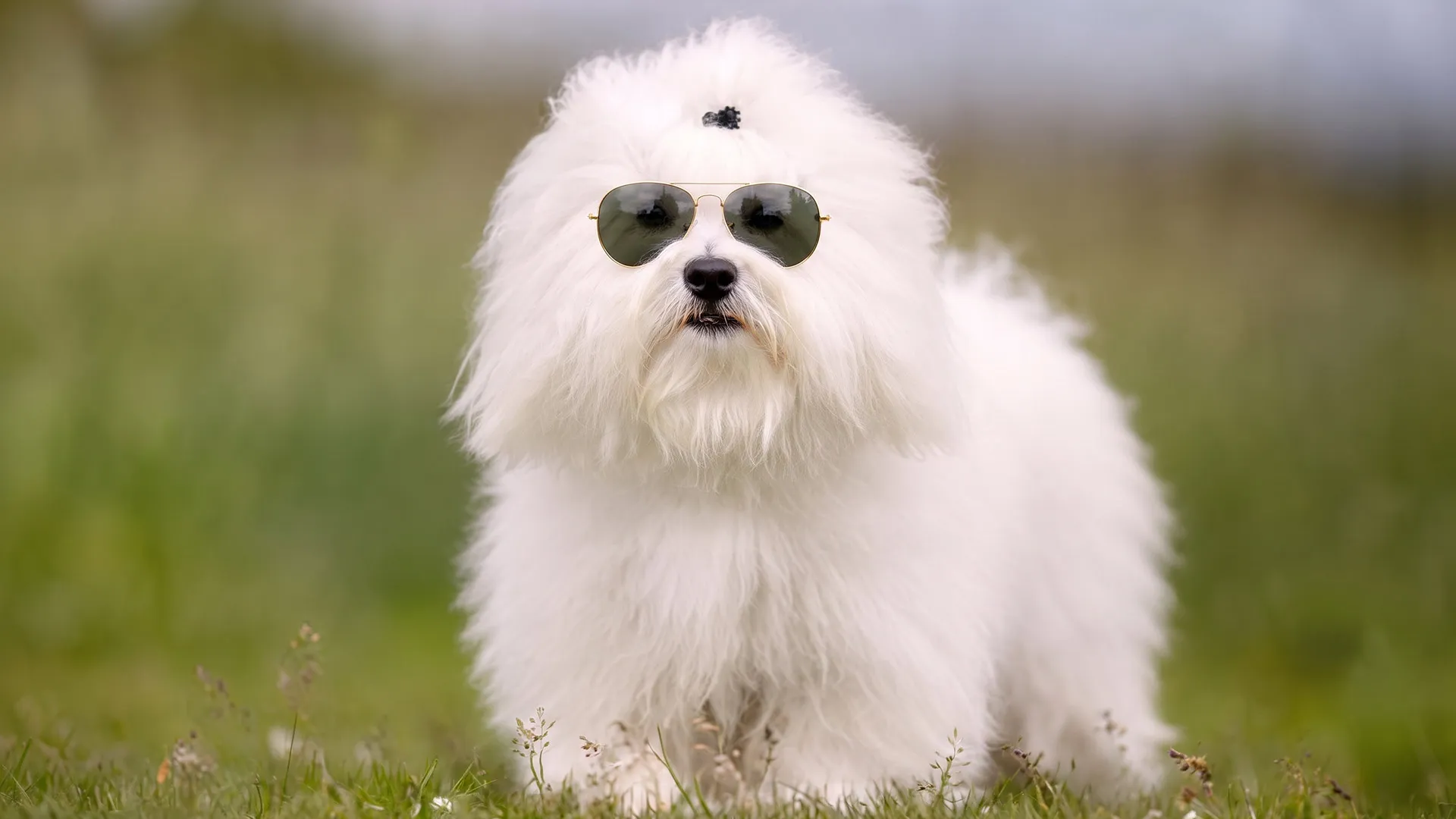
There’s something irresistibly comforting about a dog with a thick, fluffy coat. That soft fur practically begs for cuddles, and once you start petting them, it can be hard to stop.
But those plush coats aren’t just about looks. They can also provide warmth, protection, and a distinctive appearance that makes these dogs impossible to ignore.
Of course, fluffy doesn’t always mean high-maintenance. Some dogs with luxurious coats need frequent brushing and regular grooming, while others are surprisingly easy to care for.
Their coats can also differ in texture, from dense and woolly to silky, feathery, or curly, so it’s worth knowing what you’re getting into before bringing one home.
If you’re the kind of person who loves a dog that looks like a walking cloud, you’re in for a treat. We’re rounding up seven fluffy dog breeds known for their plush coats, along with the traits that make each one special.
Stunning Dog Breeds that Boast Fluffy, Plush Coats
1. Pomeranian
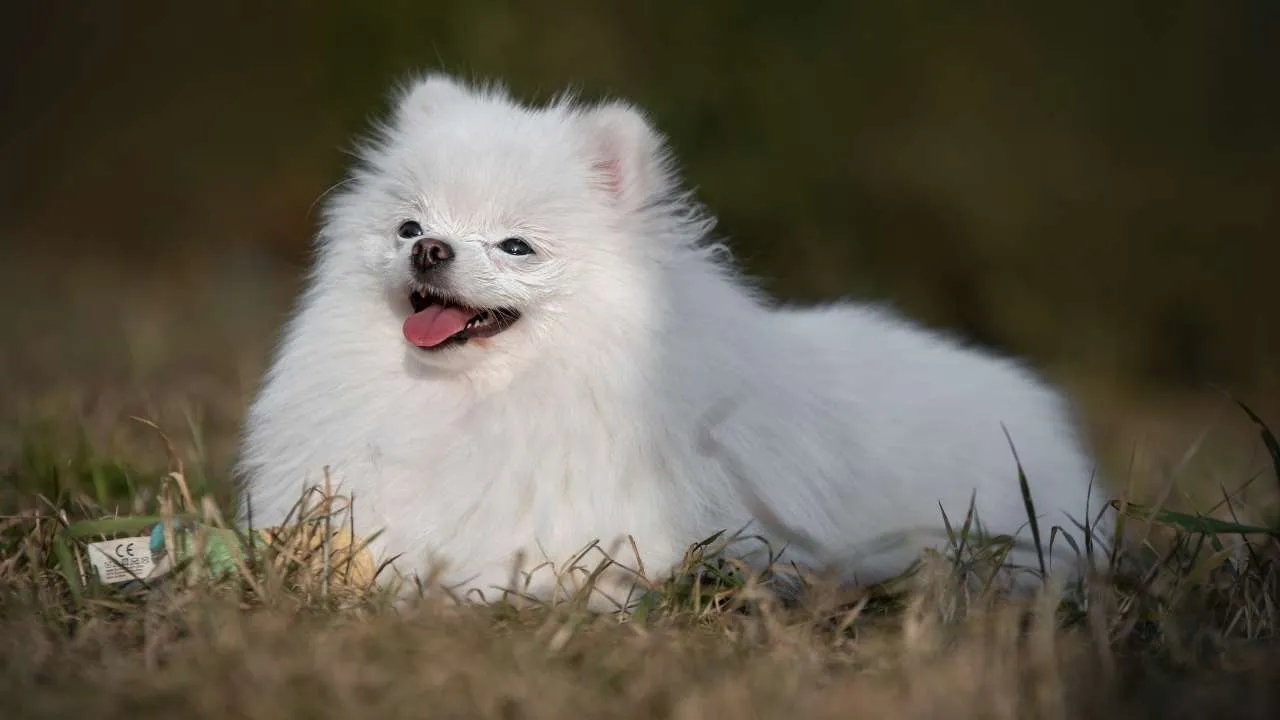
Pomeranians may be small dogs, but they have the confidence and spirit of much larger dogs. They are lively, curious, and known for their bold personalities.
Their history can be traced to larger Spitz-type dogs that were once used for herding. Over time, these dogs were bred down in size, eventually becoming the cheerful companion dogs we know today.
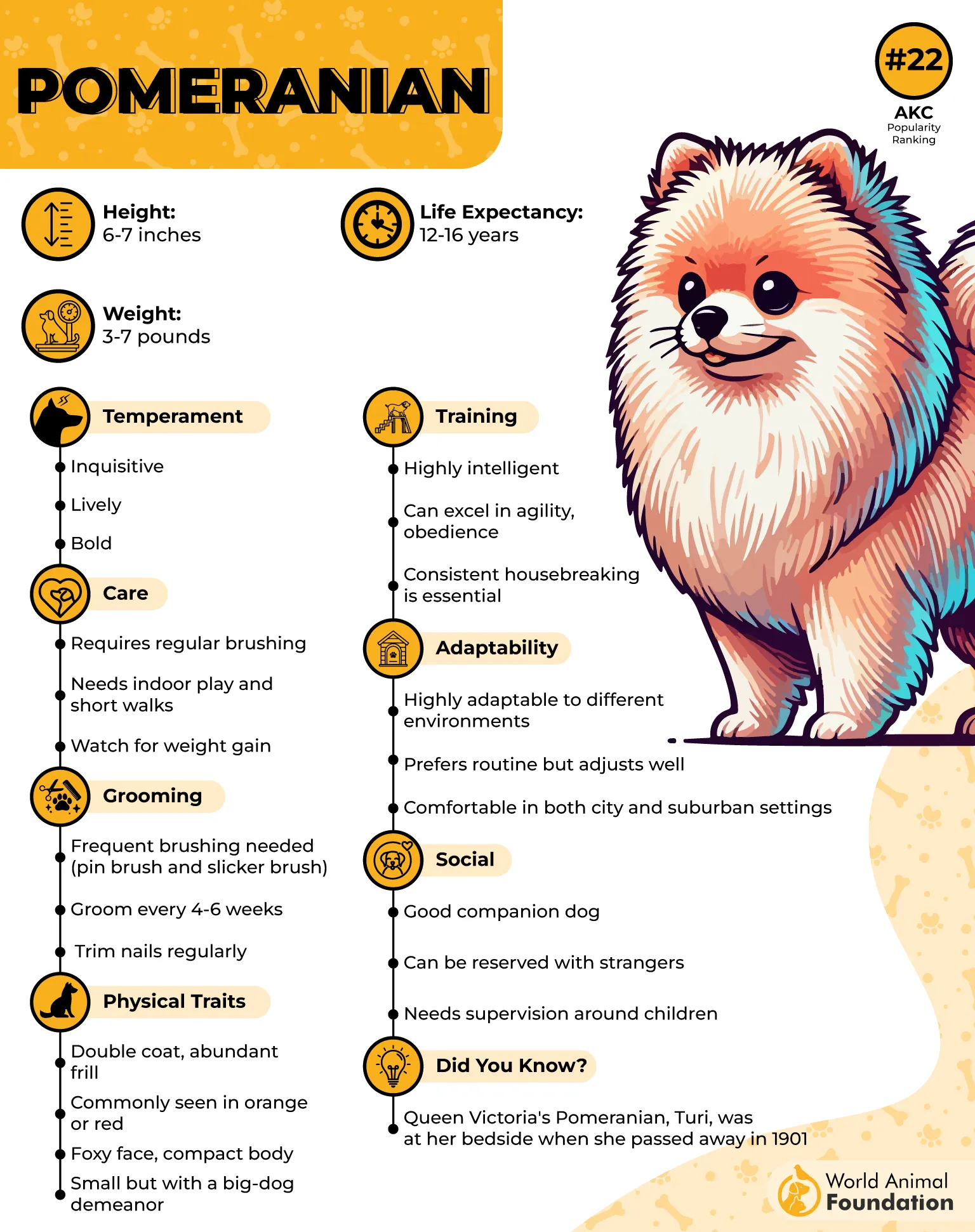
Playful and Confident Personalities
Pomeranians are clever, active, and full of personality. They enjoy attention and can happily switch between cuddling on a lap, playing indoors, going for walks, or learning agility skills. They often get along well with other pets and can adapt to different lifestyles.
Their confidence can sometimes make them fearless around large dogs. They can also be vocal, making them effective alert dogs, although training can help manage excessive barking. Families with young children should be careful, as these little dogs can be fragile.
Caring for Pomeranians
Their luxurious fur needs consistent grooming to stay clean, healthy, and free from tangles. Brushing two to three times a week is important, with daily brushing during spring and fall shedding seasons, as mentioned by PetMD.
Professional grooming can also make it easier to manage their dense fur. Baths are usually needed every month or two, depending on their lifestyle and skin needs. Pomeranians can also develop dry skin, so check for redness, flaking, or unusual lumps during grooming.
2. Coton de Tulear
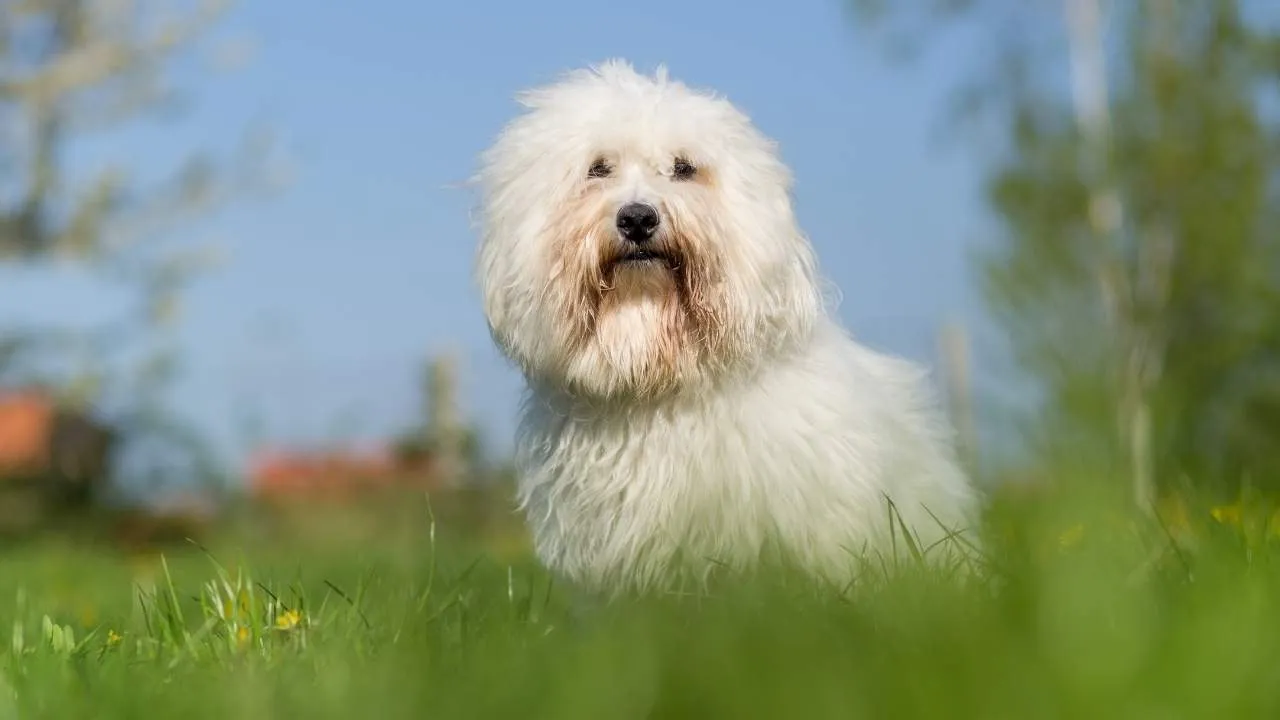
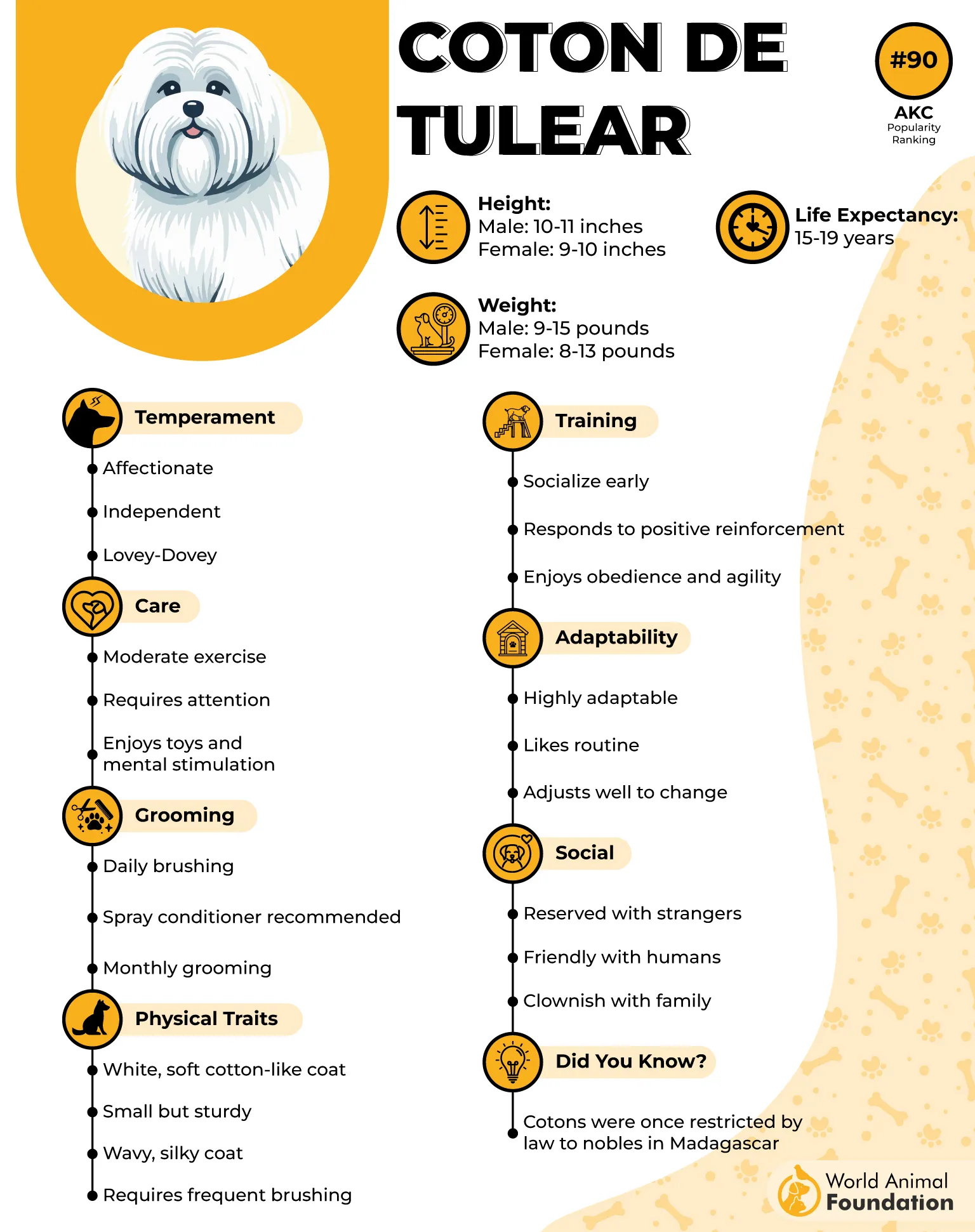
The Coton de Tulear is a small, cheerful breed known for its happy and easygoing nature. These dogs originated in Madagascar and were named after the port city of Toliara, also called Tulear.
Their exact history is uncertain, but they likely arrived on the island by ship several hundred years ago. They later became favorites of Madagascar’s nobility and earned the nickname “Royal Dog of Madagascar.”
Happy, Affectionate Personalities
Coton de Tulears are playful, clever, and naturally outgoing, as noted by the AKC. They love being around their people and often enjoy cuddles as much as games and training. They generally get along well with children, other dogs, and cats in the home.
However, they do not enjoy being left alone for long periods and can develop separation anxiety. They may bark or become destructive when lonely. Their alert nature also makes them reliable little watchdogs.
Caring for Coton de Tulears
These adaptable dogs can be happy in many types of homes. They enjoy playing and having fun but do not need constant activity to stay content. Their fluffy, cloudlike coats need regular attention to remain soft and free of mats.
Brushing three to four times a week is recommended, with extra care around areas such as the ears, legs, and elbows where tangles can develop. A pin brush and detangler can help manage stubborn knots.
3. American Eskimo Dog
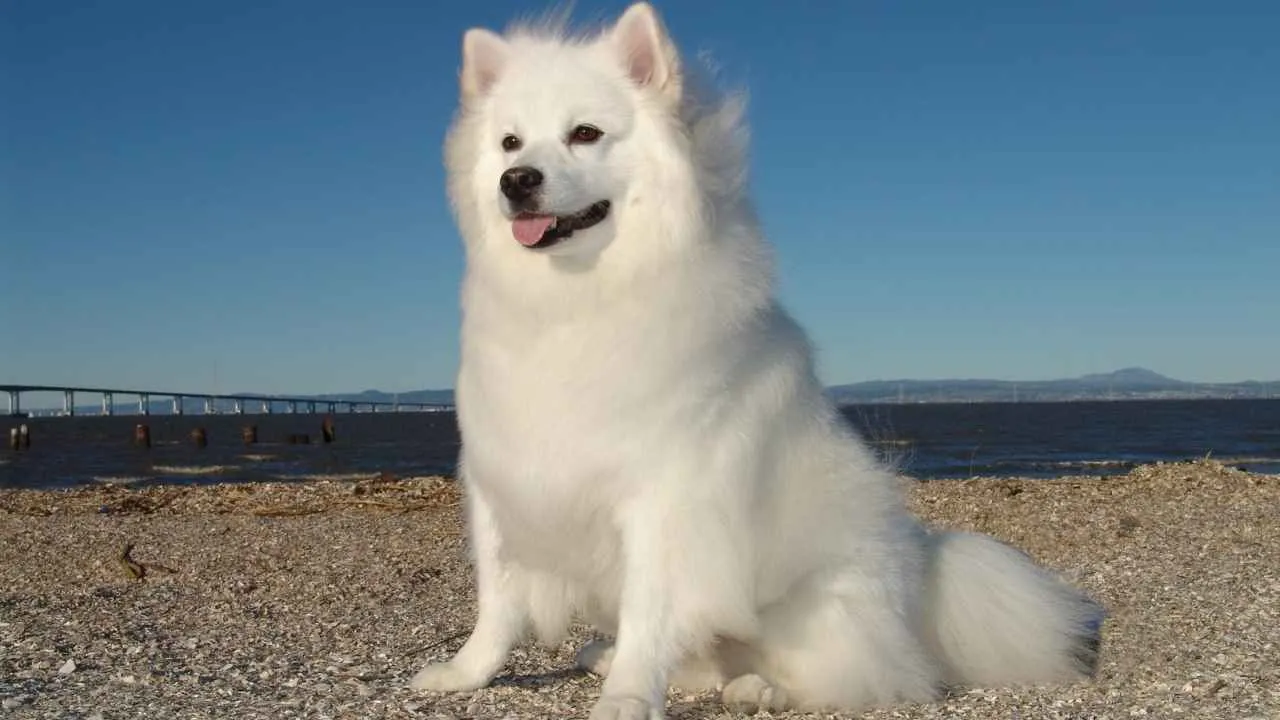
Despite their name, American Eskimo Dogs are not related to the North American Inuit peoples. They descended from German Spitz dogs brought to the United States by German immigrants. They originally worked on farms, helping herd and guard livestock.
Later, their intelligence and plush appearance made them popular circus performers in the late 1800s. Today, these dogs are mainly cherished as lively family companions.
Clever, Energetic, and Entertaining
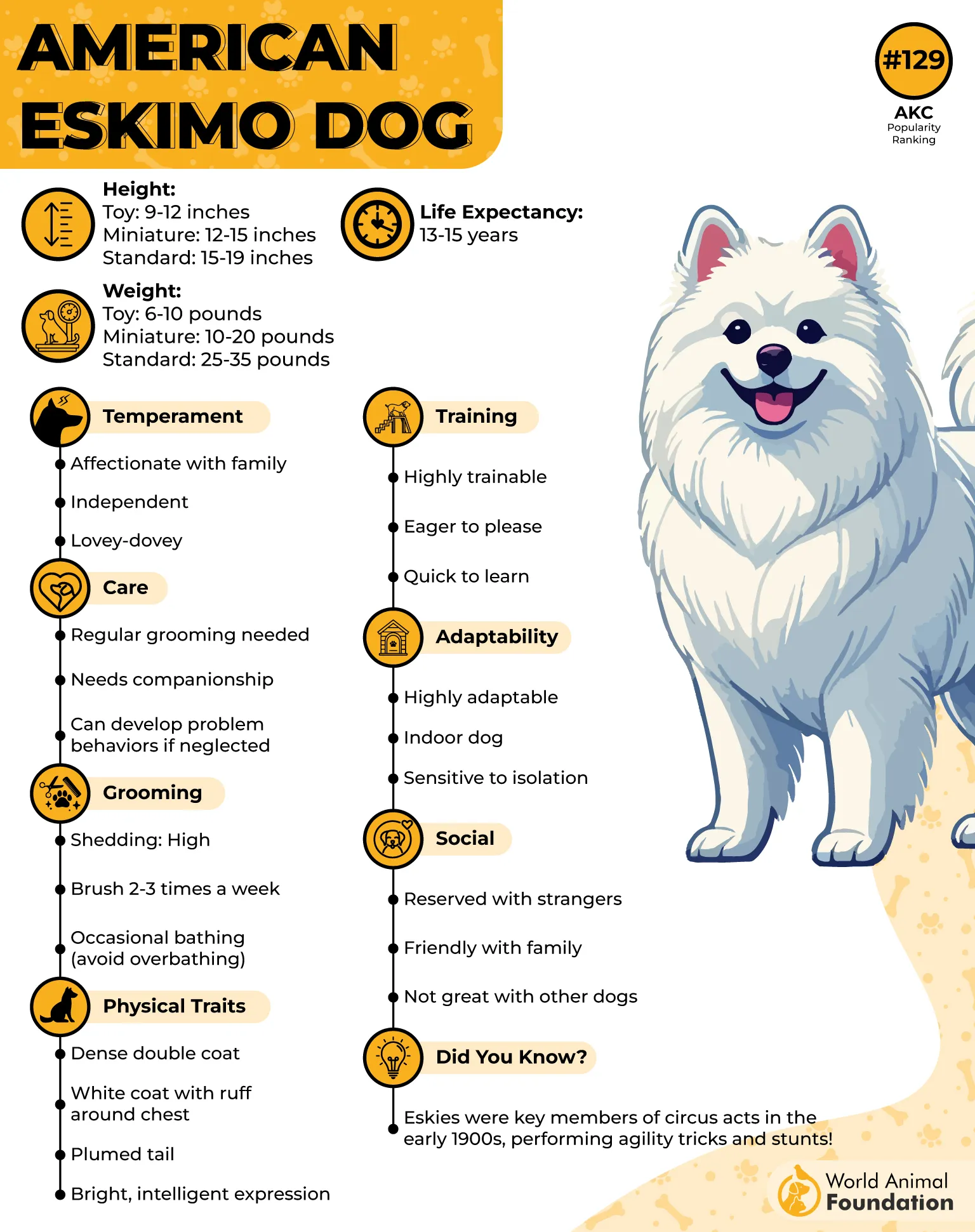
American Eskimo Dogs, or Eskies, are intelligent, alert, and eager to please. They are loyal to their families and love being involved in daily activities. Their playful and mischievous nature can keep owners entertained, but it also means they need plenty of exercise and mental stimulation.
Without enough to do, they may dig, chew, or even find creative ways to escape. They can also be stubborn and prone to excessive barking, as noted by Hill’s Pet. Early socialization helps them become more comfortable around strangers.
Caring for American Eskimo Dogs
Eskies have striking white or cream double coats that look more demanding than they actually are. Regular brushing at least twice a week helps keep their fur clean and manageable.
Brushing more often during the spring and fall shedding seasons can also help reduce loose hair around the home. Their coats naturally repel dirt, so bathing every few months is usually enough. Frequent bathing can strip away the natural oils that help protect their fur.
4. Japanese Spitz
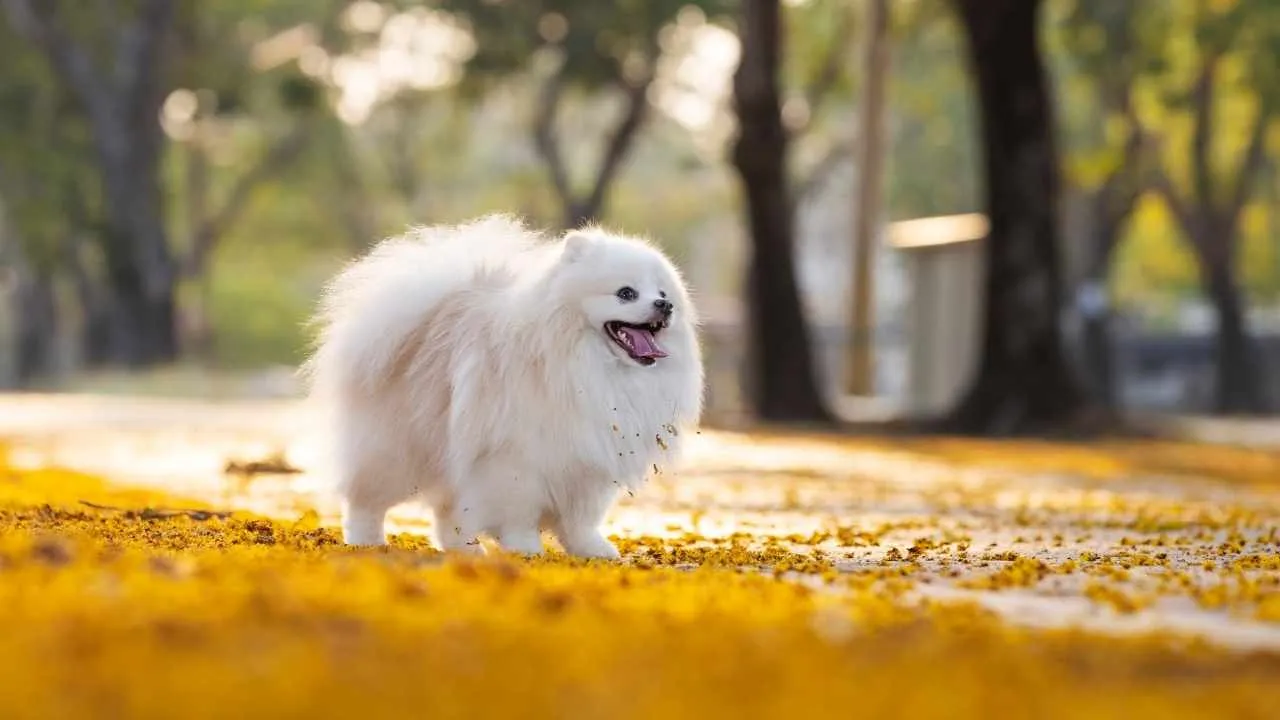
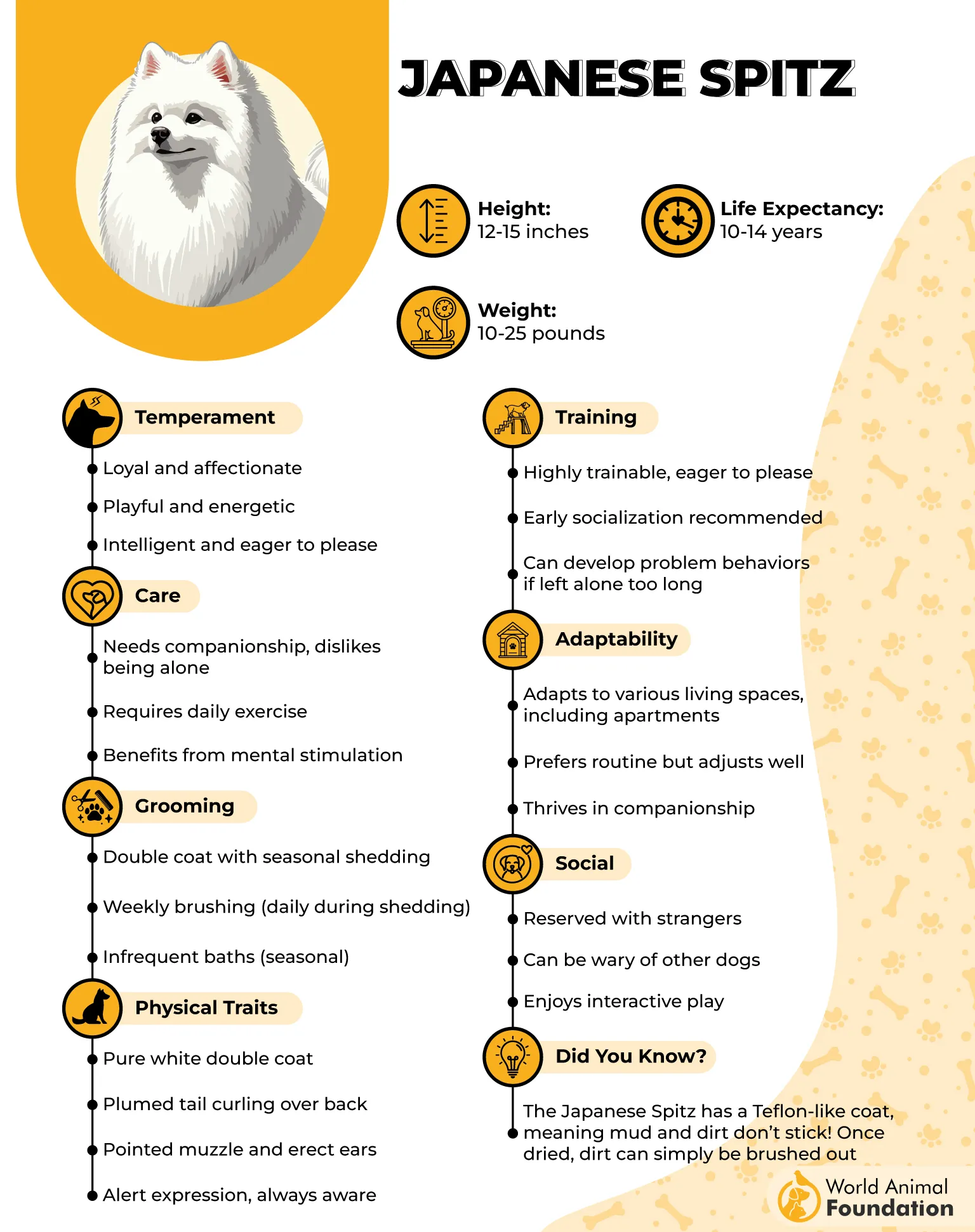
The Japanese Spitz is a small companion dog developed in Japan during the 1920s. Its earlier history is unclear, but the breed shares features with several other Spitz-type dogs.
It has a classic foxy face, upright triangular ears, dark eyes, and a tail carried over its back. Friendly and affectionate, these dogs were developed primarily as cheerful companions and family pets.
Playful and Family-Friendly Personalities
Japanese Spitz dogs are cheerful, affectionate, and easy to train. They love spending time with their families and can make wonderful house dogs. Their moderate energy level makes them suitable for apartments as well as larger homes.
Around 30–60 minutes of daily exercise, such as walks, fetch, or backyard play, can help keep them happy. With proper training and socialization, they generally get along well with children, other dogs, and cats.
Caring for Japanese Spitz Dogs
Despite their fluffy appearance, Japanese Spitz dogs are surprisingly easy to maintain. Their white, fluffy double coats need regular brushing, but grooming is fairly simple for most of the year.
The main exception comes during their twice-yearly shedding periods, when they lose much of their undercoat and benefit from daily brushing for several weeks. Baths are usually needed only every few months.
5. Samoyed
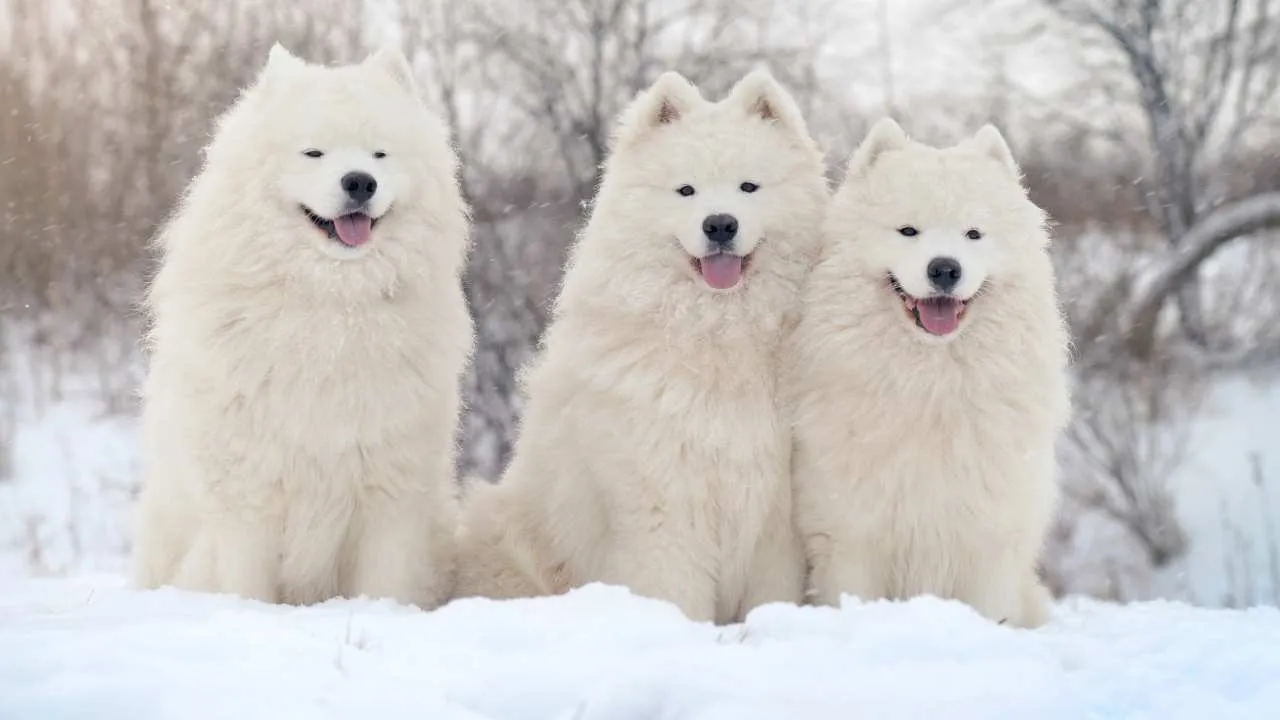
Few dogs are as instantly recognizable as Samoyeds, with their bright expressions and naturally cheerful appearance. These ancient working dogs originated in Siberia, where they lived and worked closely with the Samoyede people.
They helped pull sleds and herd reindeer while their fluffy white fur protected them from the harsh cold. Over time, their gentle nature and close bond with people helped shape the devoted family companions we know today.
Playful and Devoted Personalities
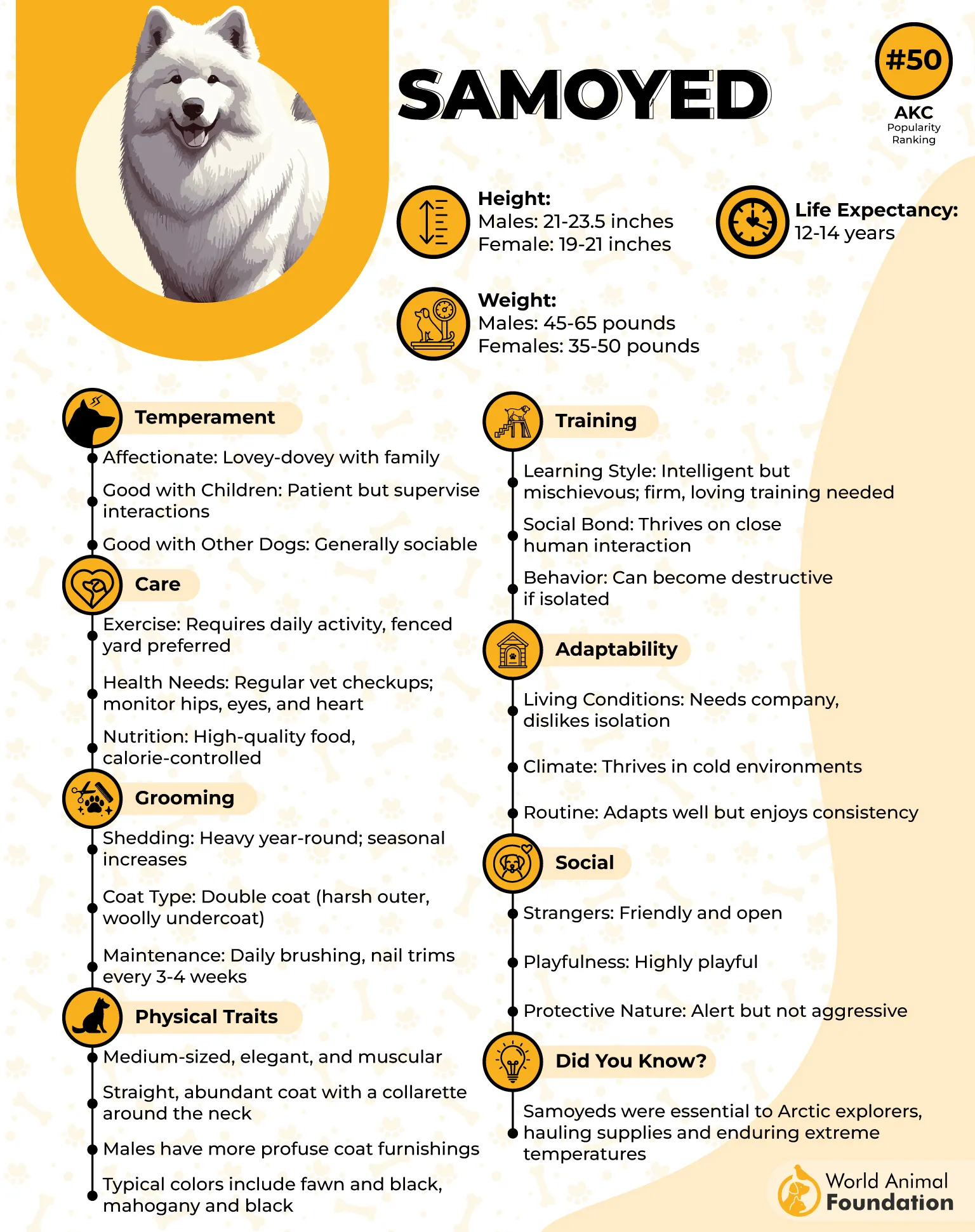
Samoyeds are friendly, affectionate, and full of energy. They tend to be gentle with children and welcoming toward strangers, other dogs, and pets. These intelligent dogs enjoy having something to do and need daily exercise, training, and plenty of interaction with their families.
They can also be independent and stubborn, so patient, reward-based training works best. Without enough activity or companionship, they may become bored and start digging, barking, or getting into mischief.
Caring for Samoyeds
That thick, beautiful coat needs regular attention to stay clean and tangle-free. Daily brushing is especially important when Samoyeds shed their undercoat, while frequent brushing throughout the rest of the year helps remove dirt, loose fur, and prevent mats. Baths are usually needed every few months or whenever they become particularly dirty.
6. Chow Chow
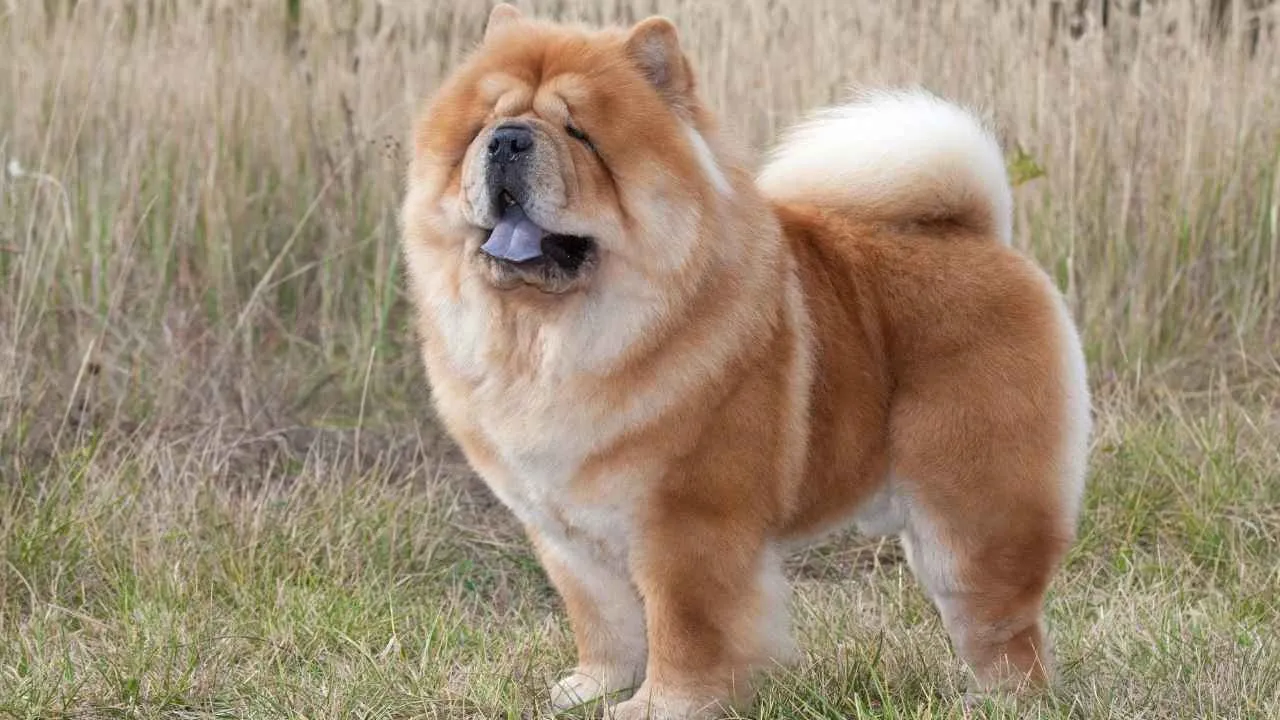
The Chow Chow is one of the oldest dog breeds, with roots tracing back to China during the Han Dynasty. Over the centuries, these dogs worked in many roles, including hunting, guarding, and pulling carts, while also serving as companions.
Today, they are easy to recognize by their fluffy appearance, distinctive blue-black tongue, and dignified expression.
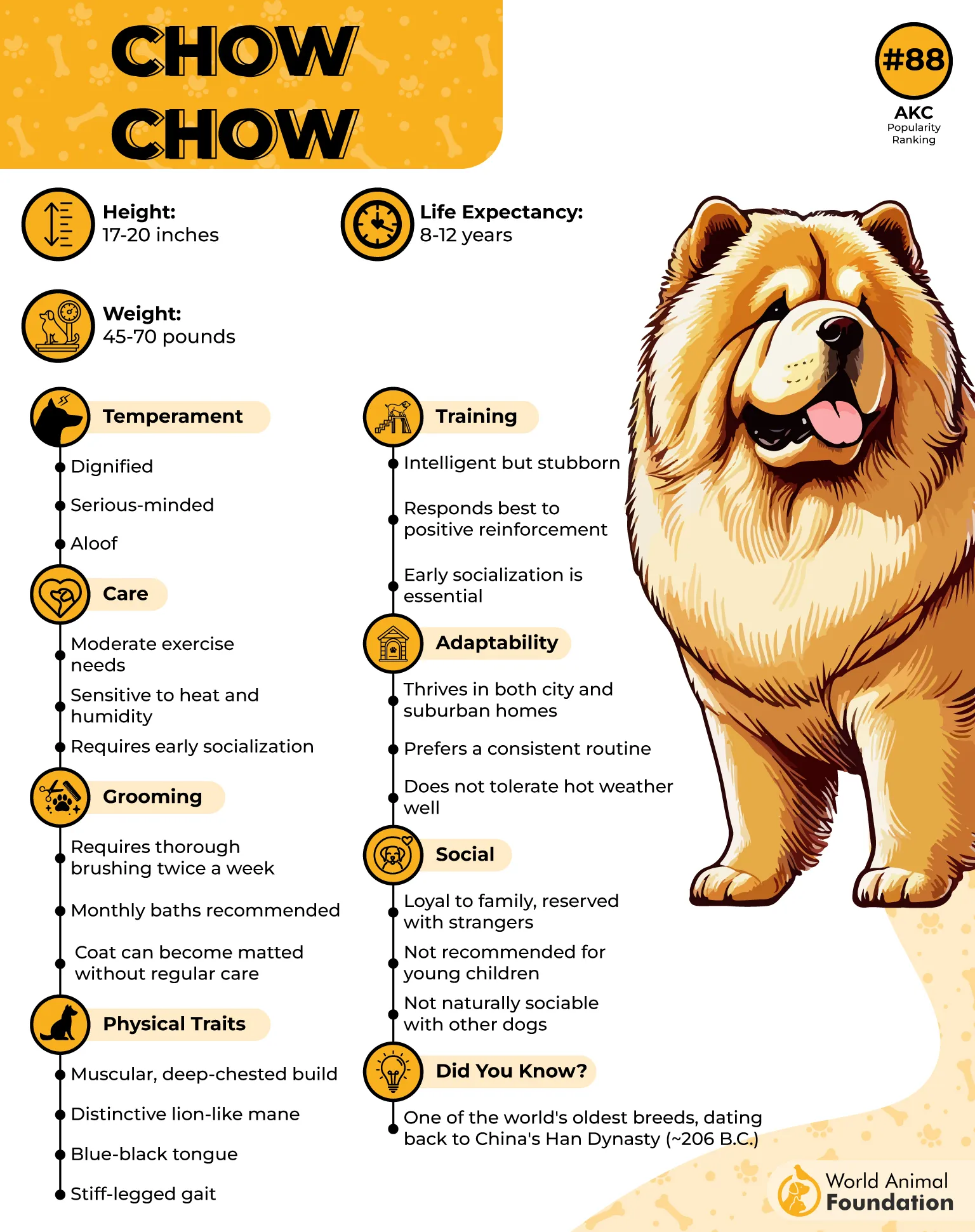
Independent and Loyal Personalities
Chow Chows are confident, independent, and often reserved. They tend to form strong bonds with their families but are not usually the cuddly, people-pleasing type. They are also fairly quiet, clean, and easy to house-train.
Their low-energy nature means they do not need excessive exercise. However, their stubborn streak can make training challenging. Early socialization is especially important because they may be wary of unfamiliar people and dogs.
Caring for Chow Chows
Their thick, plush coats require regular grooming and can take several hours of care each week. Regular brushing, bathing, and grooming help keep their skin and fur healthy.
A proper dog shampoo should always be used rather than human shampoo. Their dense coats can also make them uncomfortable in hot weather, so they need protection from overheating.
7. Keeshond
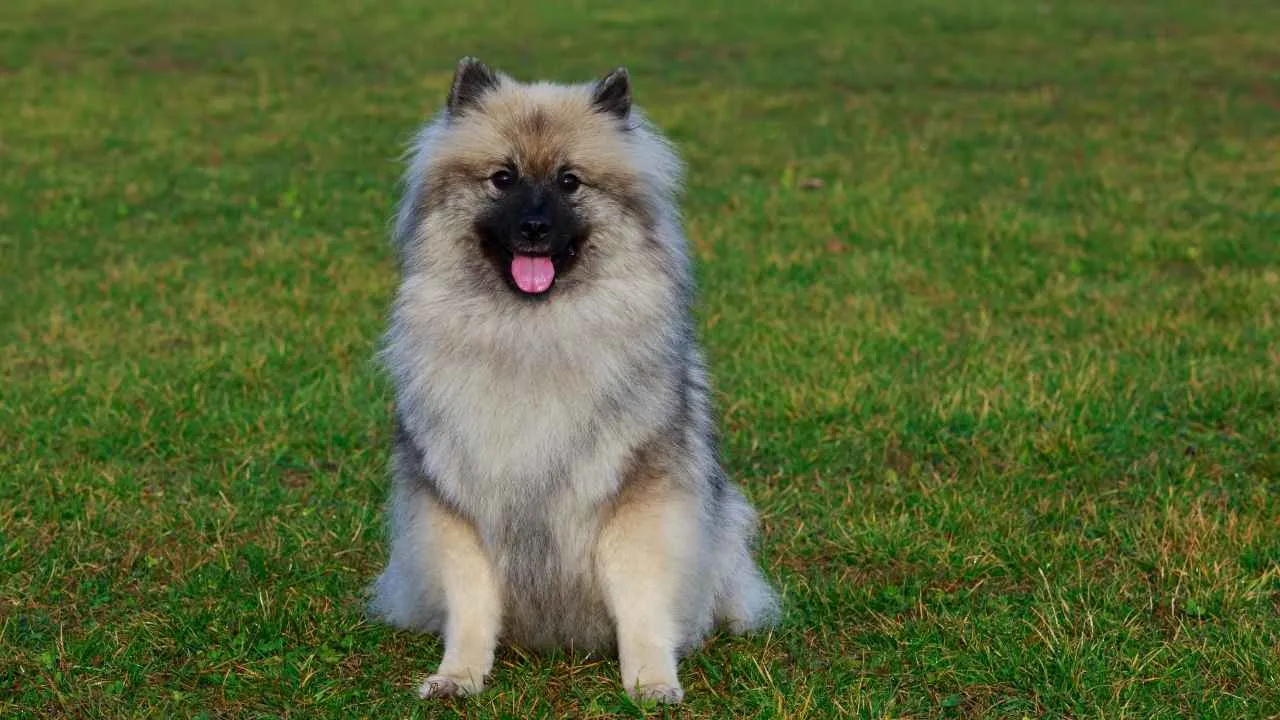
The Keeshond is a medium-sized Spitz breed from the Netherlands. Known as the “Dutch Barge Dog,” these dogs once watched over barges traveling through Holland’s waterways, rivers, and canals.
They date back to before the 17th century and were bred mainly as companions rather than for hunting or fighting. Their foxy faces, pointed ears, curled tails, and distinctive dark markings around the eyes give them an alert look that resembles a pair of spectacles.
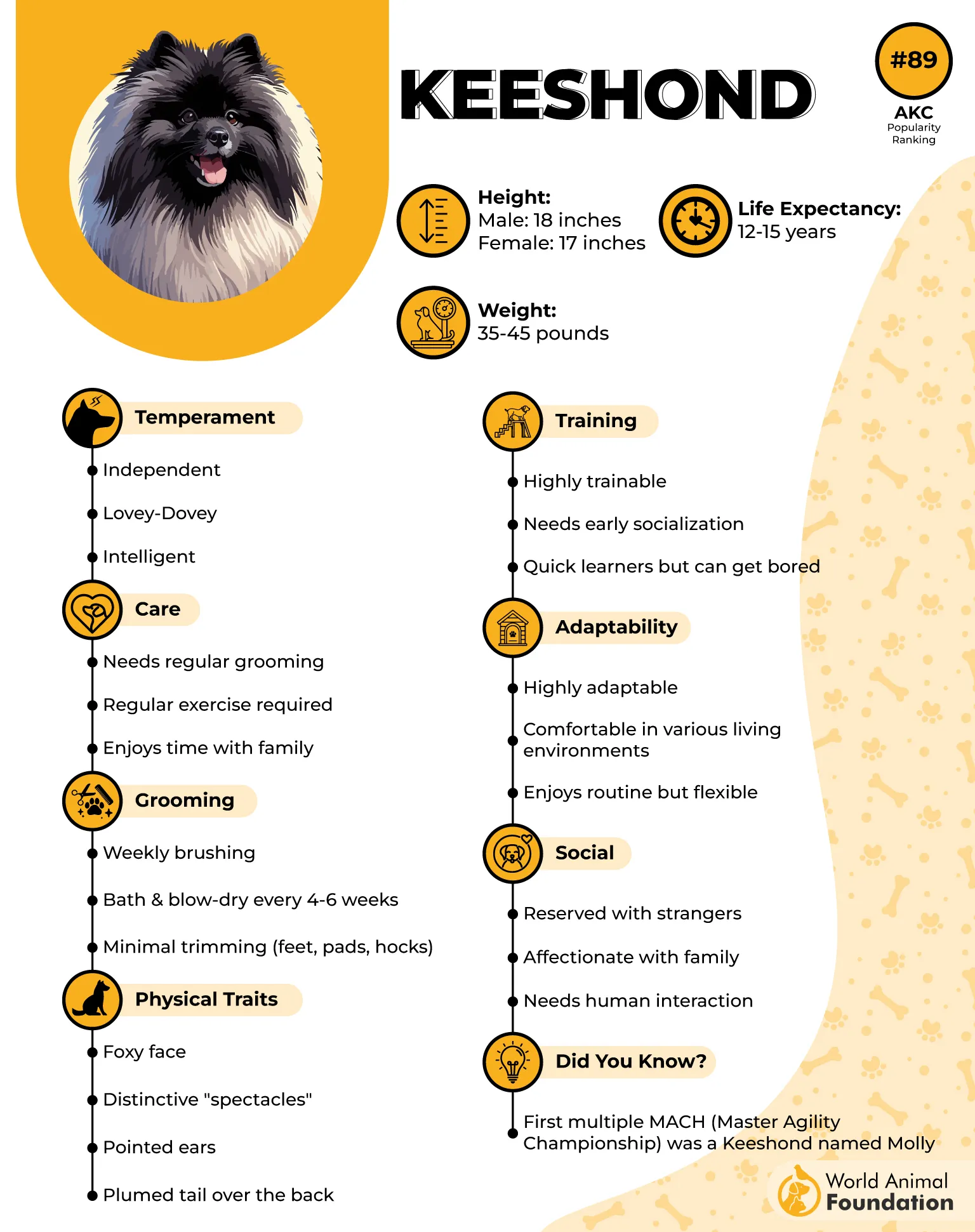
Affectionate and Watchful Personalities
These cute furry dogs are playful, intelligent, and devoted to their families. They love being around people and generally do well with children, dogs, and other pets. Their loud bark makes them good watchdogs, but they are usually too friendly to be effective protection dogs.
They learn quickly and respond best to firm, patient, and positive training. Because they enjoy constant companionship, they can struggle when left alone for too long. Boredom may also lead to digging or chewing, so regular walks, play, and mental stimulation are important.
Caring for Keeshonds
Keeshonds have abundant coats that shed throughout the year, with heavier shedding twice a year. Daily brushing helps control loose fur and keeps their coats looking their best.
Despite all that lovable fluff, they are naturally clean and rarely develop a strong doggy odor, so frequent baths are usually unnecessary. Their thick coats can make hot weather uncomfortable, so they need access to cool areas during warm days.
Conclusion
Fluffy dogs have a way of turning heads, but their appeal goes far beyond those beautiful, eye-catching coats. Some need regular brushing and grooming, while others are surprisingly easy to maintain.
The key is finding a dog whose personality, energy level, and care needs fit naturally into your lifestyle. If one of these fluffy little furballs has caught your eye, take some time to learn more before bringing one home.
Consider how much exercise, grooming, training, and companionship you can provide. After all, the best dog for you isn’t simply the one with the fluffiest coat. It’s the one whose personality makes you excited to come home every day.
