




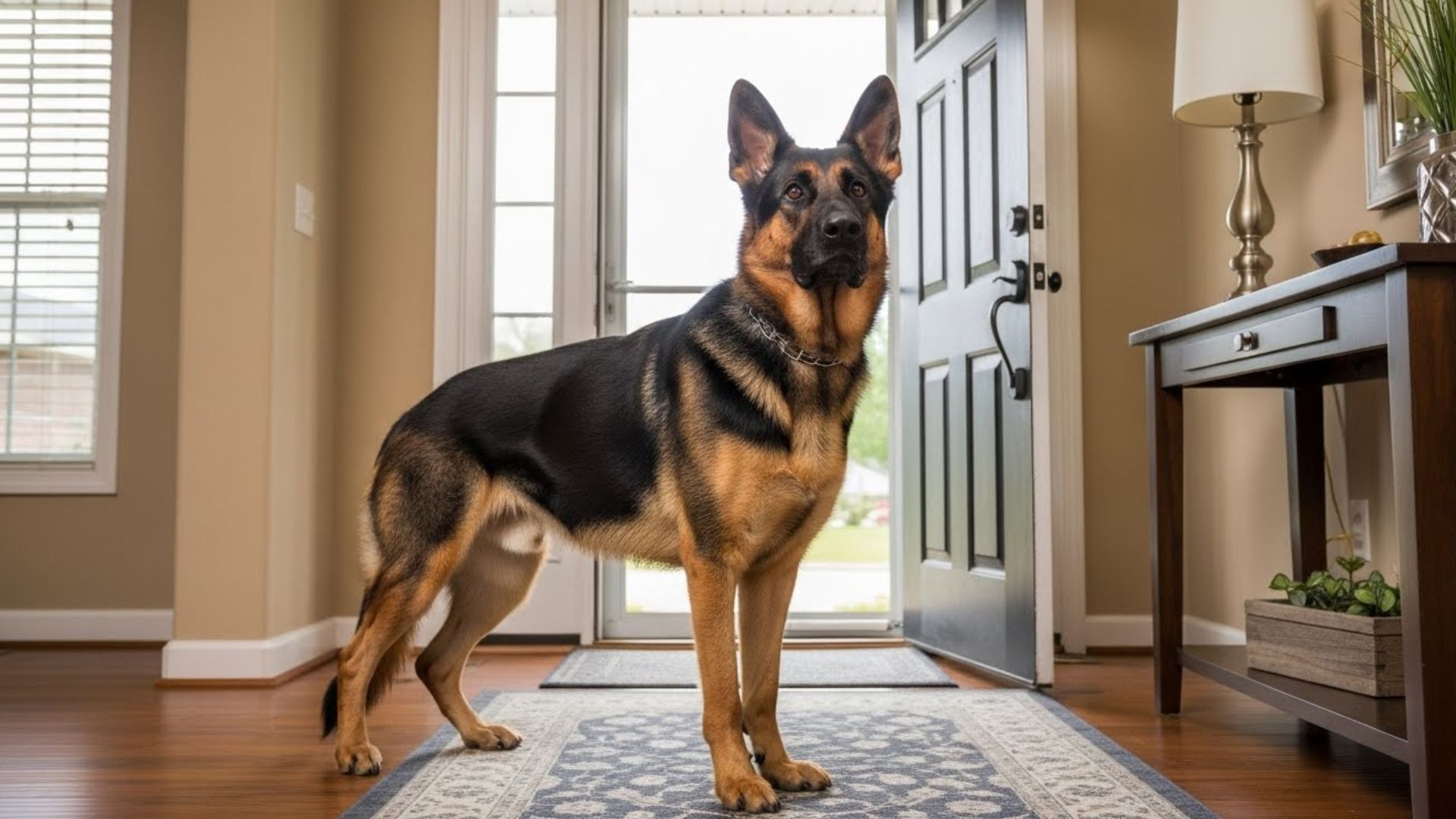
Have you ever wondered why the presence of a muscular dog can make a would-be burglar think twice before approaching your home? It turns out that houses with dogs are less likely to be burglarized than homes without them, a striking real-world pattern that highlights the power of canine presence in home protection.
But this isn’t just about size or strength — it’s about psychology. The sound of a bark, combined with unpredictable movement, introduces uncertainty that most intruders prefer to avoid. A curious mind might ask: what makes a dog more than just a pet — but also an effective deterrent?
In this guide, we explore the art of deterrence without danger — how strong dogs help keep homes safe without encouraging aggression. We’ll dig into instincts, training, and behavior that make deterrent dogs both safe and smart.
So let’s unravel what makes these loyal protectors such compelling guardians of home and hearth.
Strongest Dog Breeds To Deter Burglars
1. German Shepherd
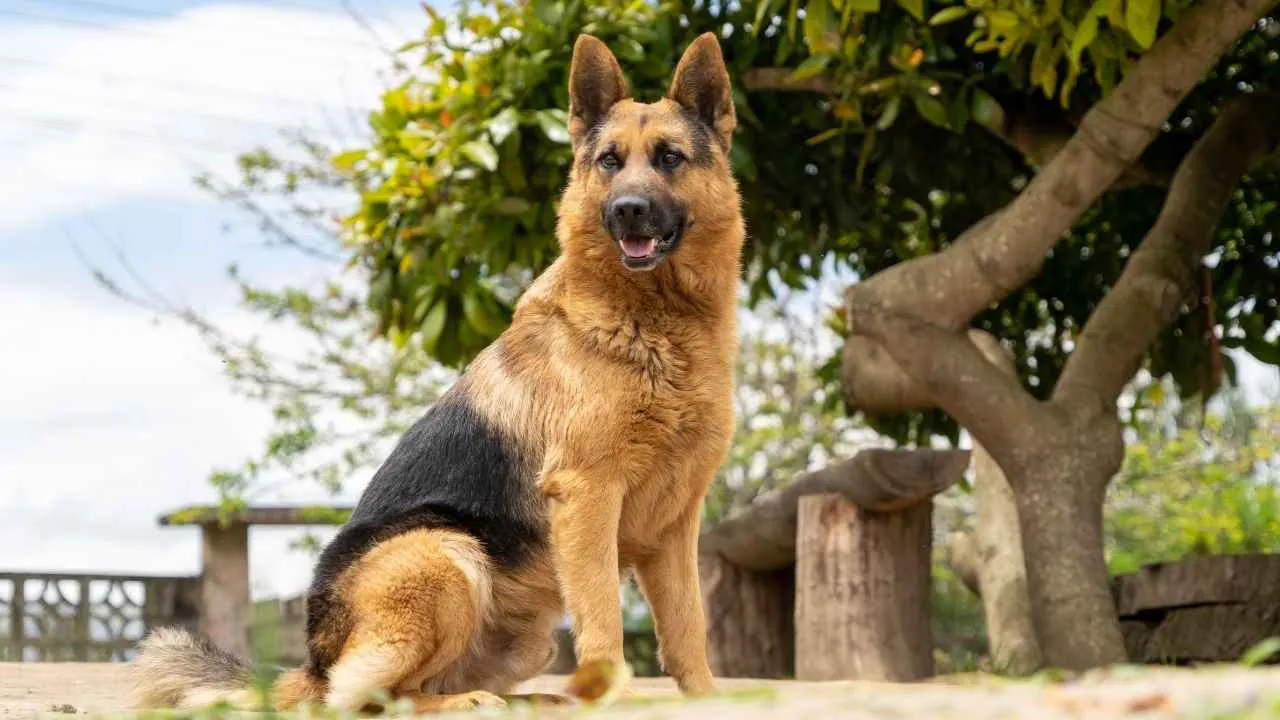
Few dogs command attention as instantly as the German Shepherd. With a confident stance and an alert gaze, this breed has long been associated with purpose-driven work, originally developed in Germany to herd and protect livestock.
They are also employed in police and military operations worldwide. That working heritage still defines its reputation as one of the strongest dog breeds to deter burglars and protect your home.
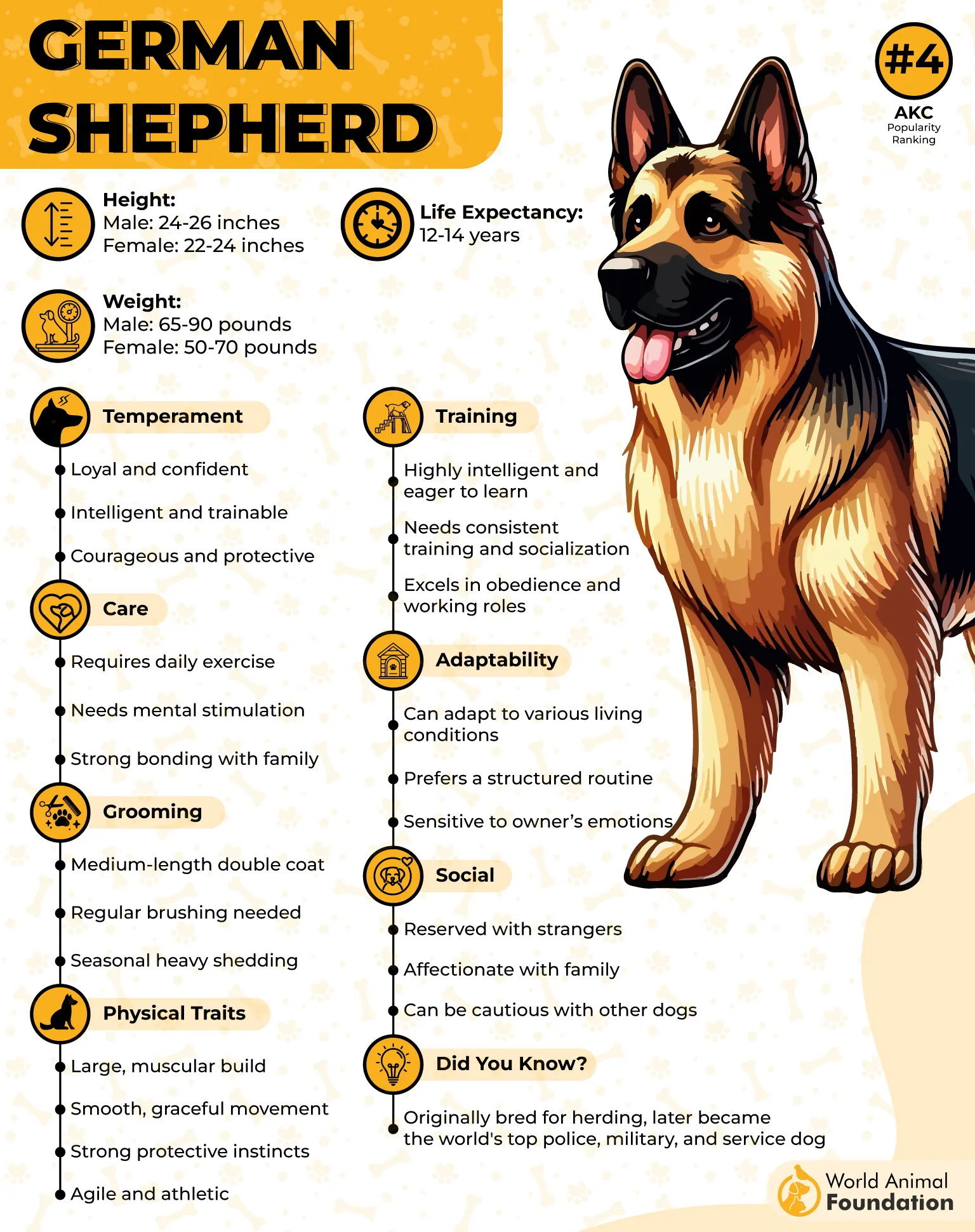
Inside the home, German Shepherds are loyal, intuitive, and deeply bonded to their family. When something feels off, their posture changes, their bark sharpens, and their presence alone can discourage intruders. Their athletic build, powerful stride, and controlled intensity create a sense of security without constant aggression.
Training Potential and Owner Commitment
Highly trainable and thrives on structured learning
Requires consistent mental stimulation and leadership
Responds exceptionally well to obedience and protection training
Deterrence Without Danger
Relies on alert barking and body language rather than impulsive aggression
Quick to assess situations before reacting
Naturally protective without being reckless
AKC claims that German Shepherds suit active households that value engagement and purpose. Their intelligence allows them to read situations quickly, making independent decisions when guarding territory.
What truly sets this breed apart is its balance: powerful yet controlled, protective yet deeply affectionate, making it a gold standard for home deterrence dogs.
2. Rottweiler
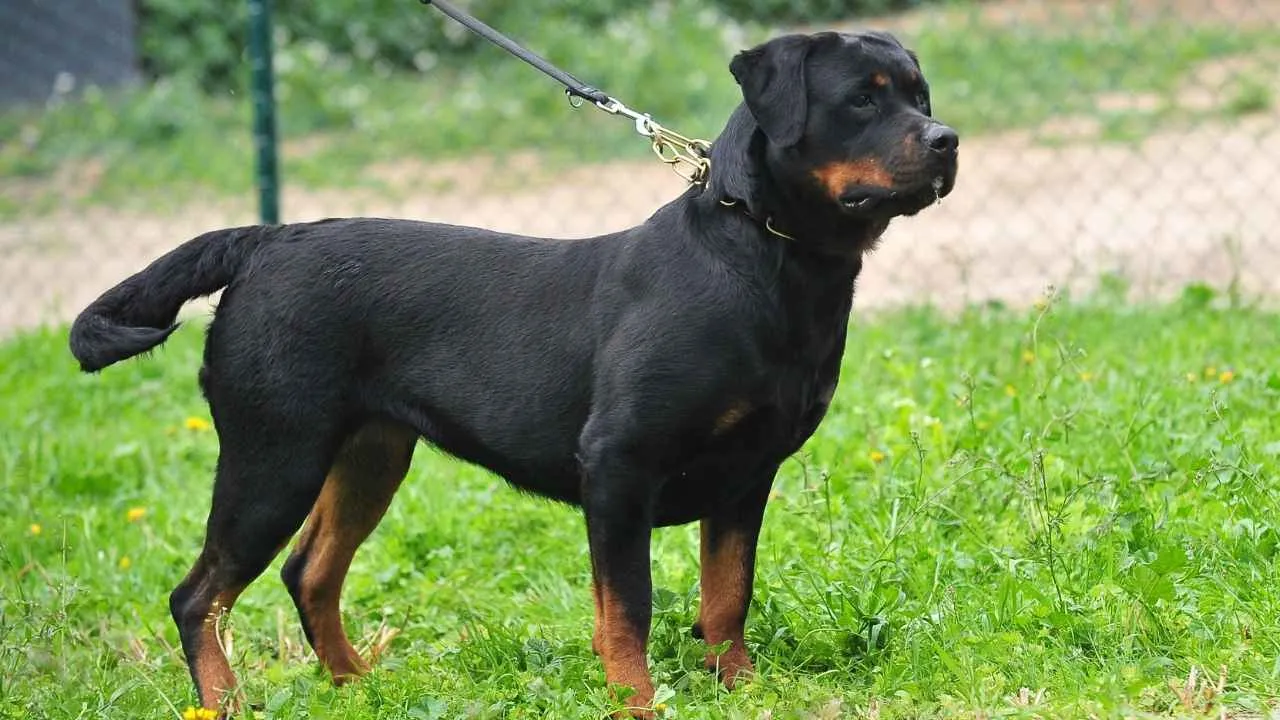
The Rottweiler’s commanding presence leaves little room for doubt. Descended from ancient Roman drover dogs and later refined as cattle guardians and property protectors, this breed was built for strength and responsibility.
That legacy explains why Rottweilers remain one of the most intimidating and effective deterrent dogs for home security.
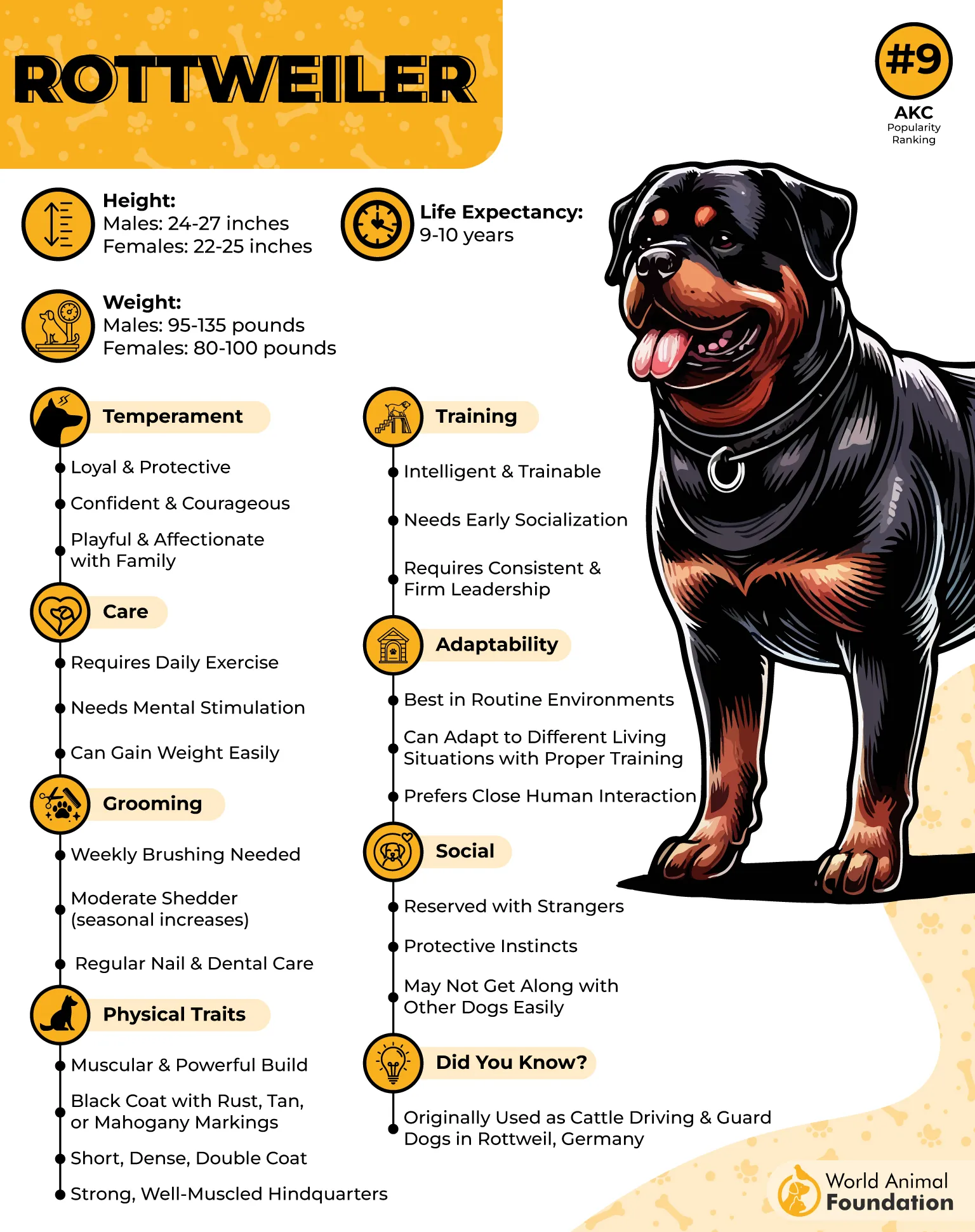
At home, Rottweilers are calm, affectionate, and surprisingly playful with their families. When guarding, their demeanor shifts into quiet confidence, reinforced by a broad chest, muscular frame, and deliberate movements that signal authority. A single warning bark often communicates everything an intruder needs to know.
Training Potential and Owner Commitment
Benefits from firm, confident handling
Excels with early socialization and obedience work
Thrives under experienced ownership
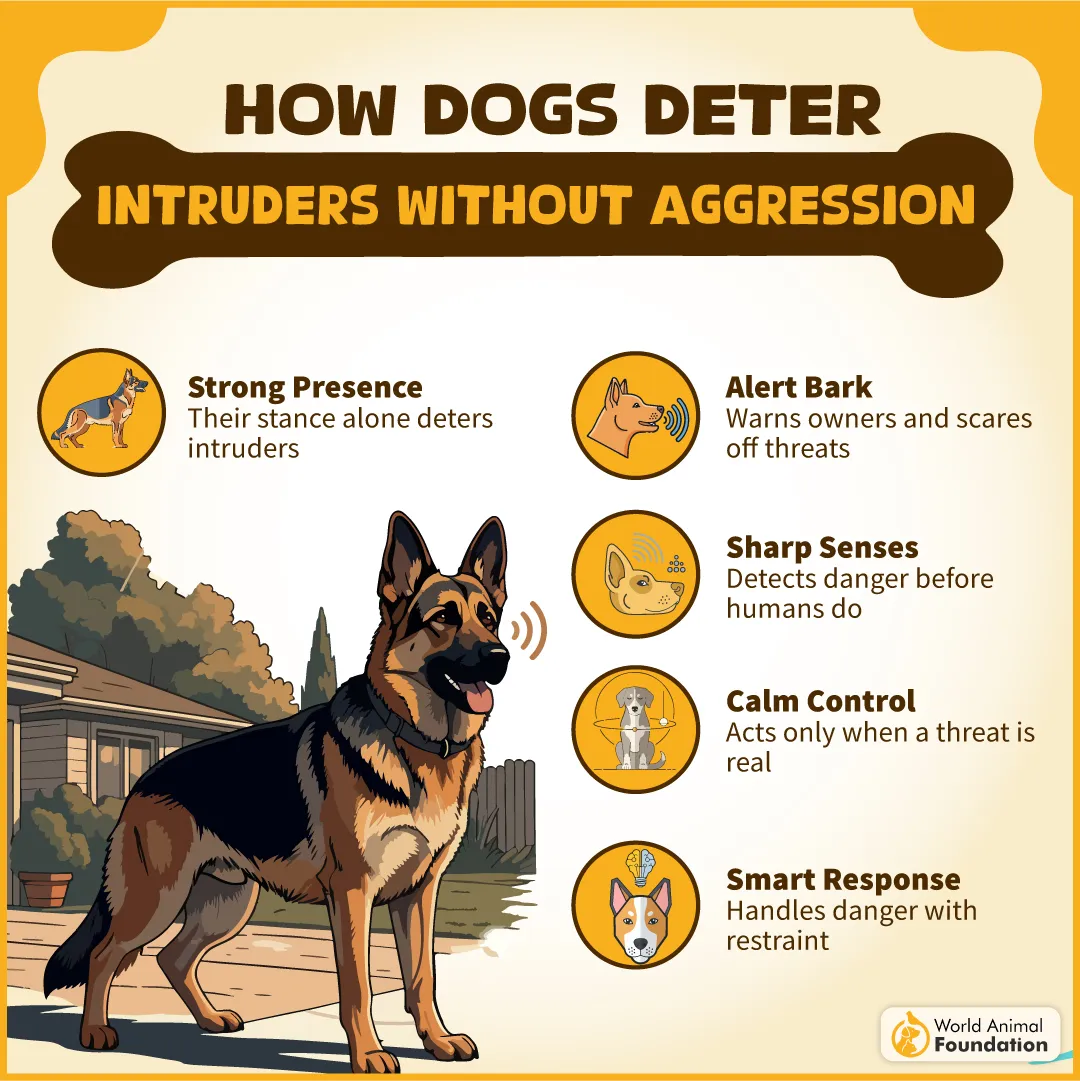
Deterrence Without Danger
Uses presence and posture to discourage threats
Prefers standing ground over chasing
Protective instincts are measured, not reactive
Britannica explains that Rottweilers do best in stable homes where boundaries are clear. Their intelligence leans toward situational awareness rather than constant activity, allowing them to conserve energy and act decisively. What makes this breed stand out is its ability to project calm power, a trait burglars instinctively avoid.
3. Cane Corso
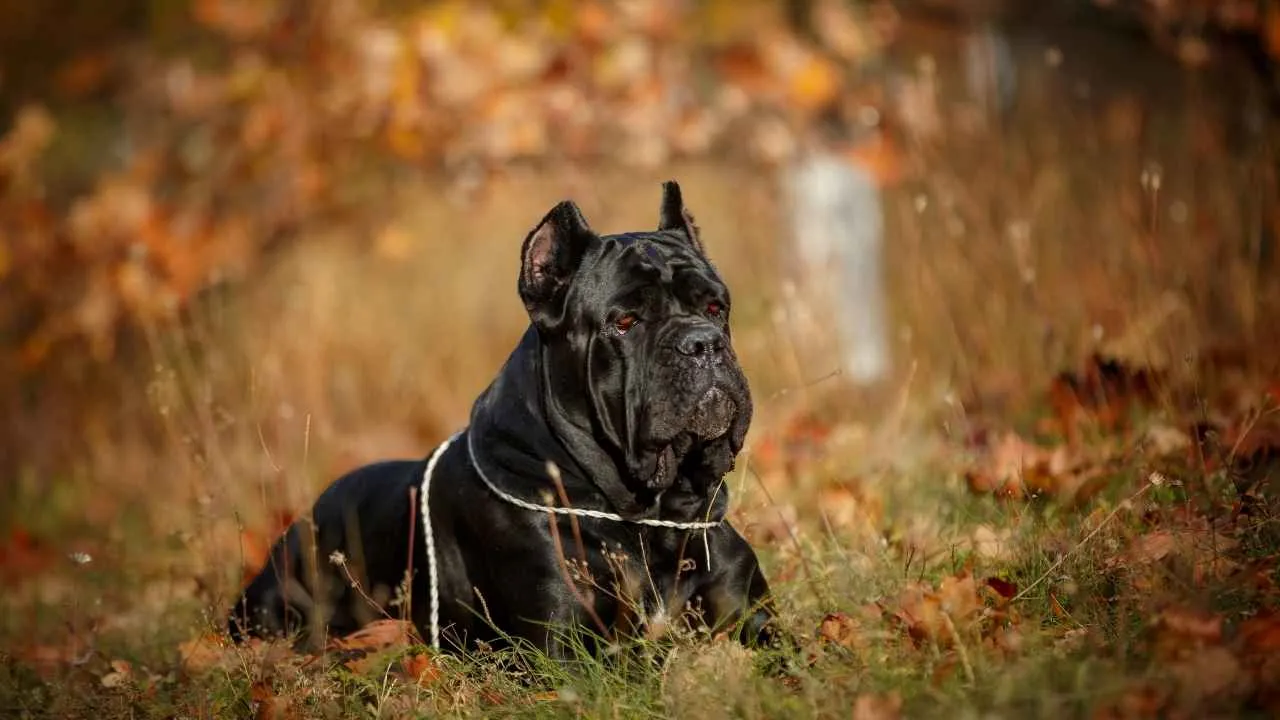
The Cane Corso looks like it was sculpted for protection—and historically, it was. Originating in Italy as a guardian of estates and farms, this breed was bred to defend property with seriousness and restraint. Its imposing size alone places it among the best guard dogs and protects your home.
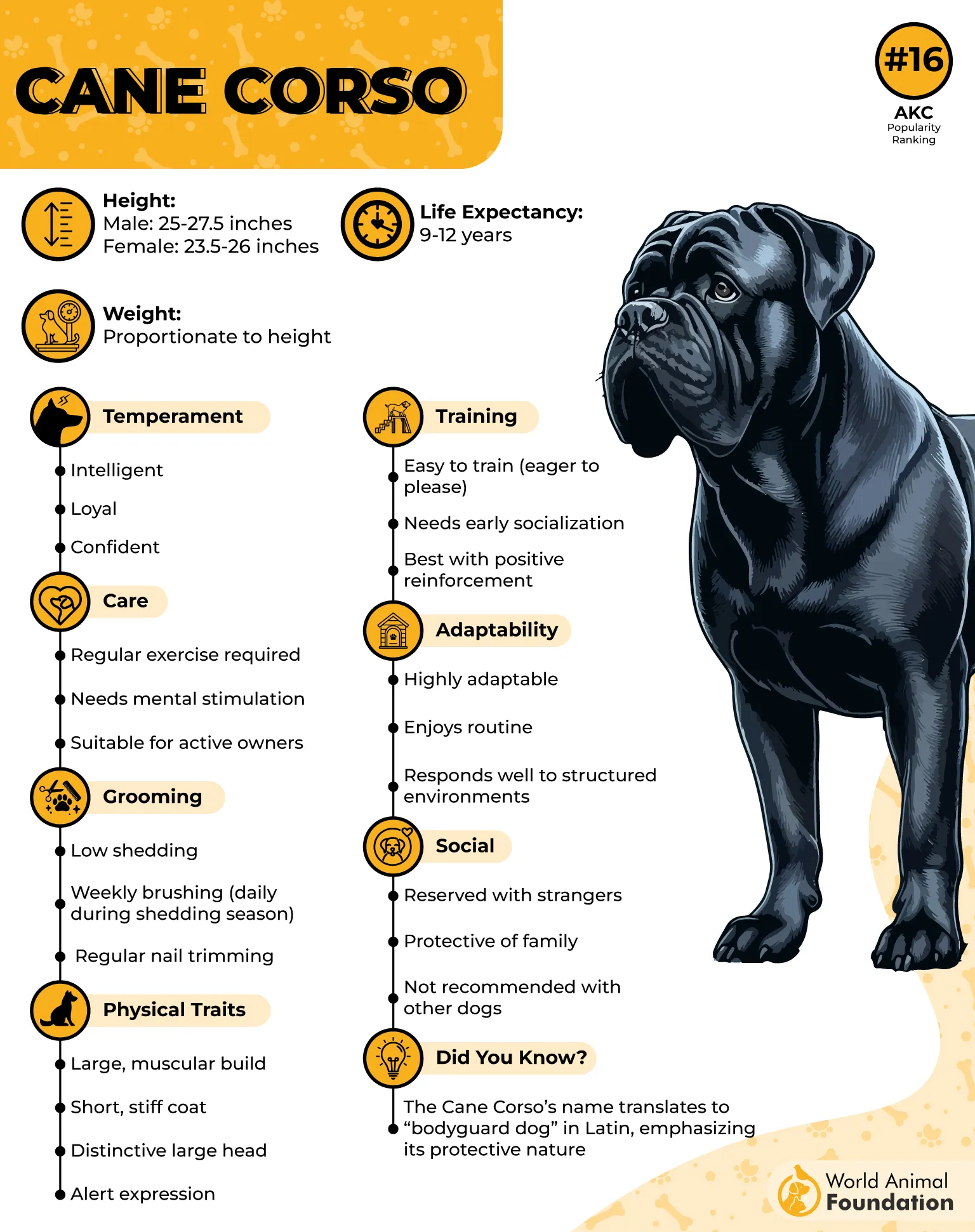
Within the household, the Cane Corso is composed, observant, and deeply loyal. On alert, its massive frame, deep bark, and unwavering stare send a clear message without unnecessary movement. Strength here is paired with self-control, creating a silent but effective deterrent.
Training Potential and Owner Commitment
Requires early, structured training
Responds best to calm, confident leadership
Needs consistent social exposure
Deterrence Without Danger
Naturally territorial without being chaotic
Relies on watchfulness rather than constant barking
Intervenes only when a threat feels genuine
PDSA claims that Cane Corsos are best suited for owners who appreciate calm authority and space. Their intelligence shows in patience and judgment, not impulsivity. What defines this breed is its seriousness of purpose: a guardian that does not bluff, making it a powerful presence against unwanted entry.
4. Doberman Pinscher
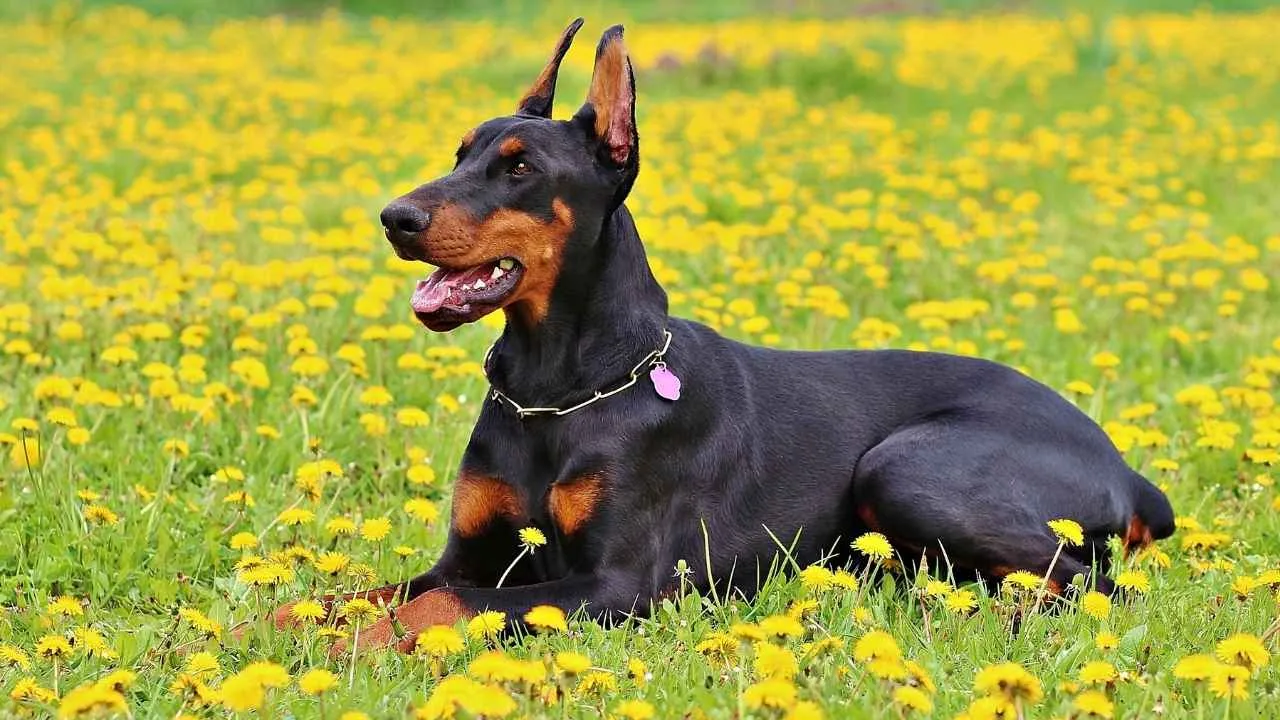
Sleek, fast, and intensely focused, the Doberman Pinscher commands attention differently. Originally developed in Germany as a personal protection dog, this breed was designed to stay close to its owner while remaining constantly alert. That design makes it a standout choice for deterring burglars efficiently.
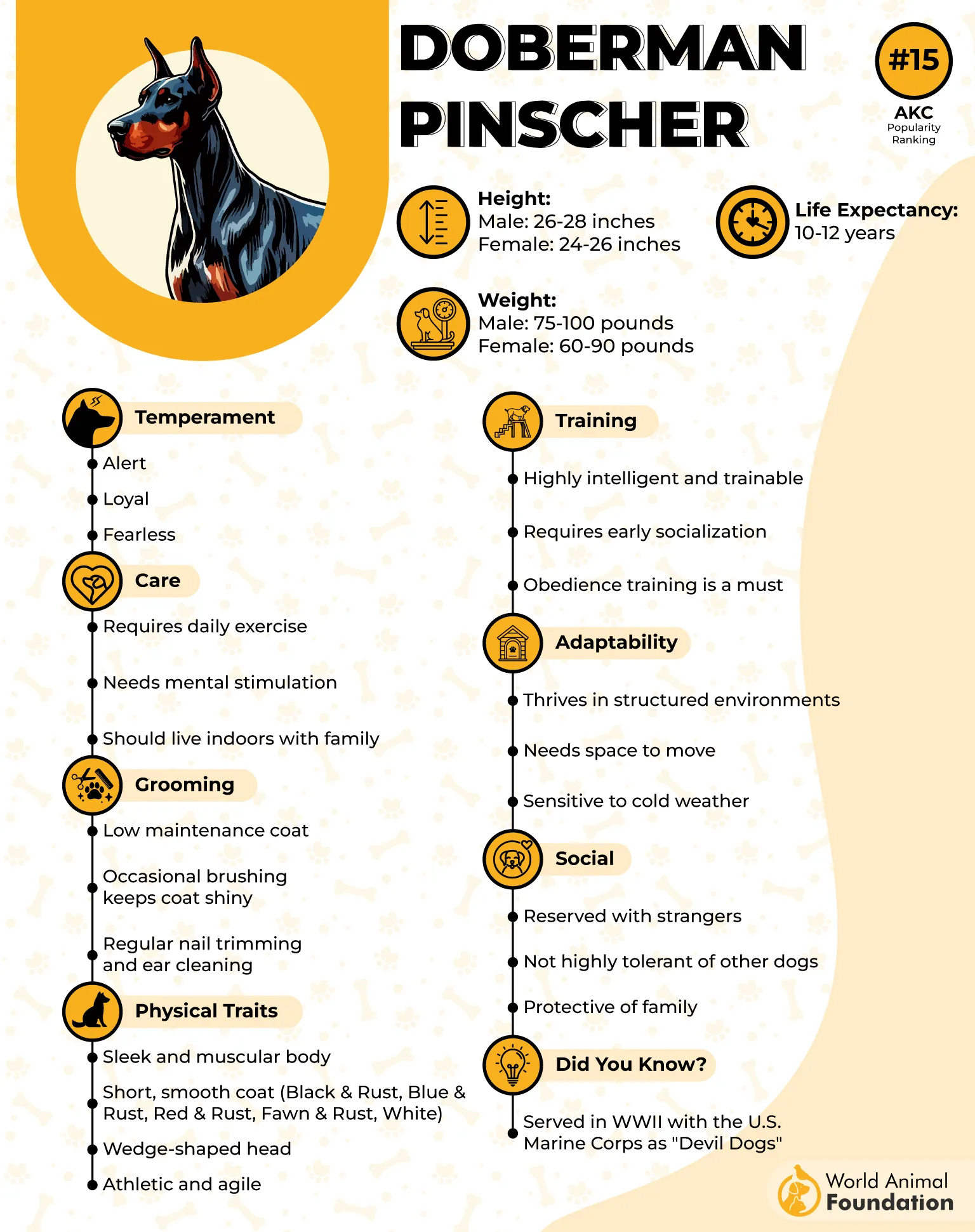
At home, Dobermans are affectionate, people-oriented, and highly responsive. When on guard, their speed, upright posture, and sharp bark create immediate psychological pressure. Their athletic build allows them to move quickly, reinforcing the impression of readiness.
Training Potential and Owner Commitment
Learns commands rapidly and retains them well
Needs daily mental and physical engagement
Thrives on close interaction with owners
Deterrence Without Danger
Uses vigilance and vocal alerts to signal threats
Strong impulse control with proper training
Protects through awareness rather than brute force
Dobermans suit active households that value interaction and structure. Their intelligence shines in real-time decision-making, reading environments with remarkable accuracy. What sets this breed apart is its blend of elegance and intensity, a combination that makes intruders rethink their choices instantly.
5. Belgian Malinois
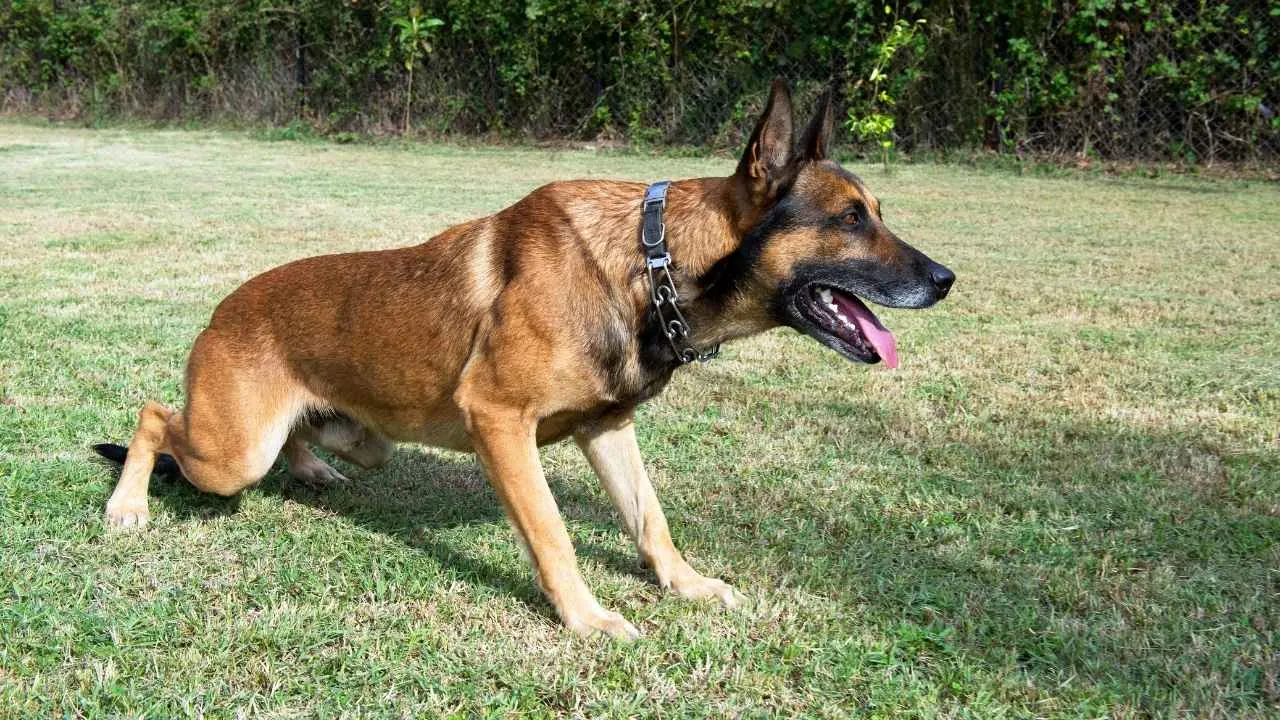
The Belgian Malinois doesn’t just attract attention—it demands it through intensity and focus. Originally bred in Belgium for herding and later refined for elite working roles, this breed has become a favorite in military and law-enforcement circles for good reason.
Its reputation as one of the great family pets and protector of your home is built on precision rather than sheer bulk.
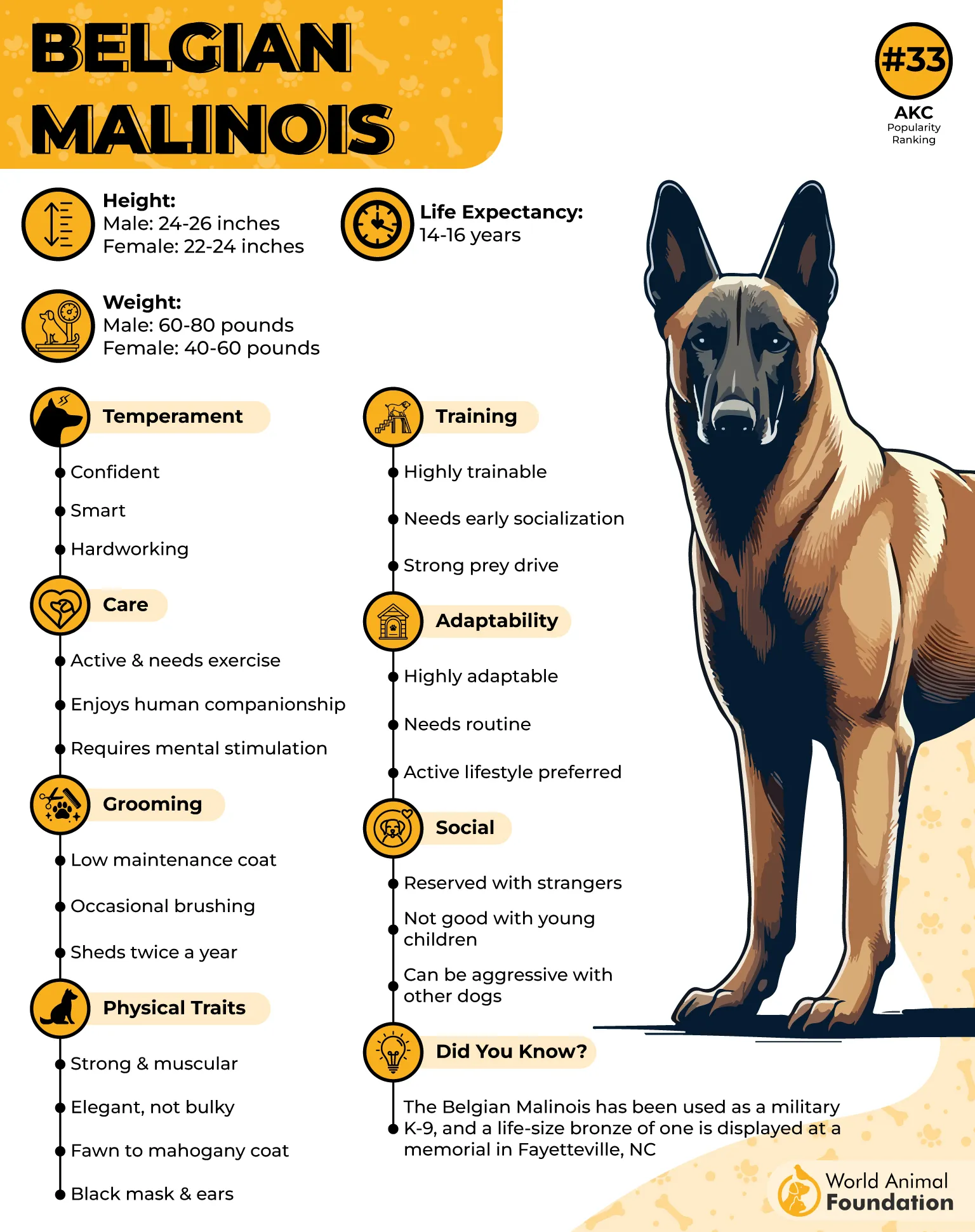
In a home setting, the Malinois is loyal, energetic, and deeply engaged with its people. When alert, its lean, athletic frame springs into action, paired with sharp movements and a piercing bark that signals immediate awareness. Its physical presence is less about size and more about speed, agility, and unmistakable readiness.
Training Potential and Owner Commitment
Exceptionally responsive to advanced training
Requires daily mental challenges
Best suited for experienced, active owners
Deterrence Without Danger
Relies on vigilance and quick alerts
Reads situations before escalating
Protective instincts are channelled, not chaotic
This breed thrives in high-energy households where structure is non-negotiable. Its intelligence supports rapid decision-making and situational assessment. What makes the Belgian Malinois stand out is its laser-focused guardianship; intruders feel at risk instantly.
6. Bullmastiff
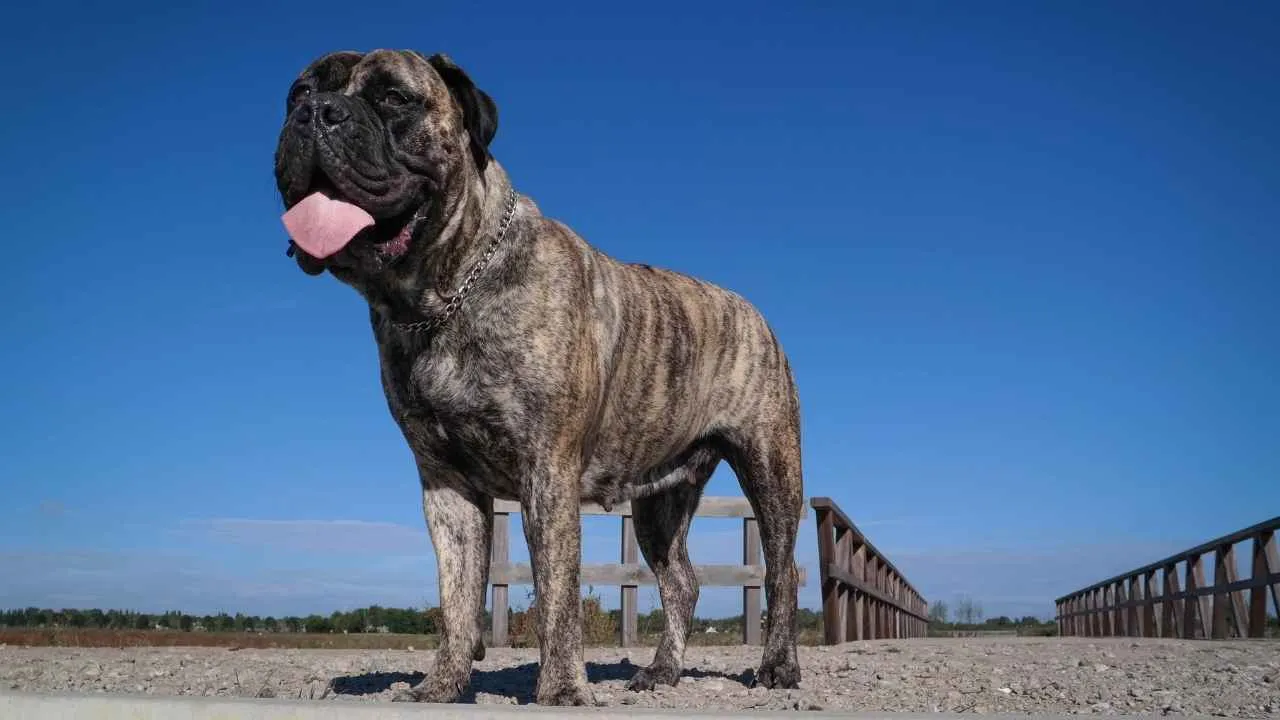
The Bullmastiff’s presence is quiet but overwhelming. Developed in England to guard large estates against poachers, this breed was designed to stop intruders through intimidation rather than pursuit. That history explains its enduring reputation as a powerful home deterrent.
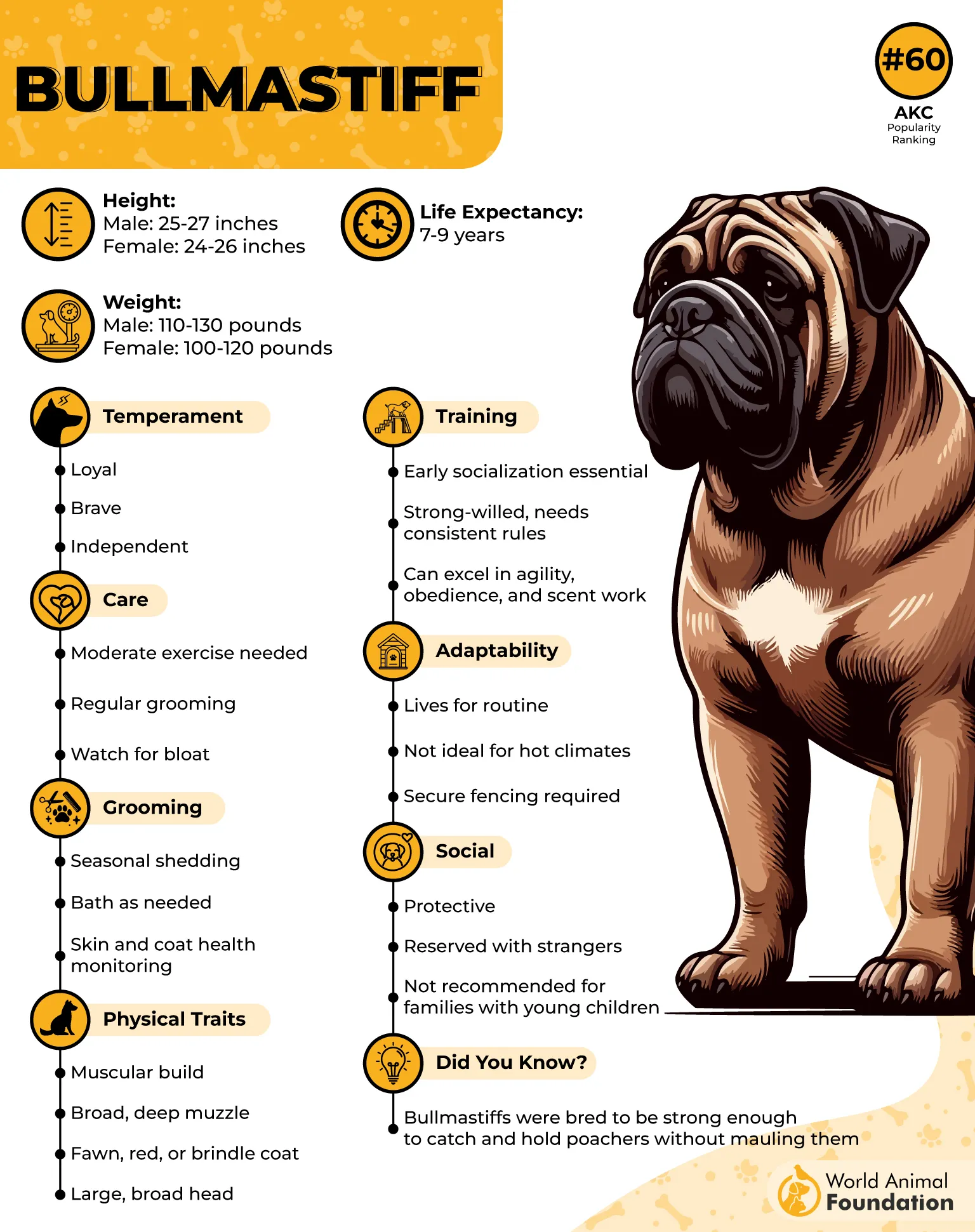
At home, Bullmastiffs are calm, affectionate, and surprisingly gentle. On alert, their massive frame, solid stance, and unwavering watchfulness communicate authority without excessive barking. Their strength lies in stillness—few sights are more discouraging to a trespasser.
Training Potential and Owner Commitment
Responds well to calm, consistent guidance
Needs early socialization
Moderate activity requirements
Deterrence Without Danger
Uses presence over aggression
Naturally blocks and guards territory
Low reactivity when properly trained
Bullmastiffs suit homes that value peace paired with protection. Their intelligence favors judgment and restraint over speed. What sets this breed apart is its ability to deter silently, turning size and confidence into an effective security feature.
7. Rhodesian Ridgeback
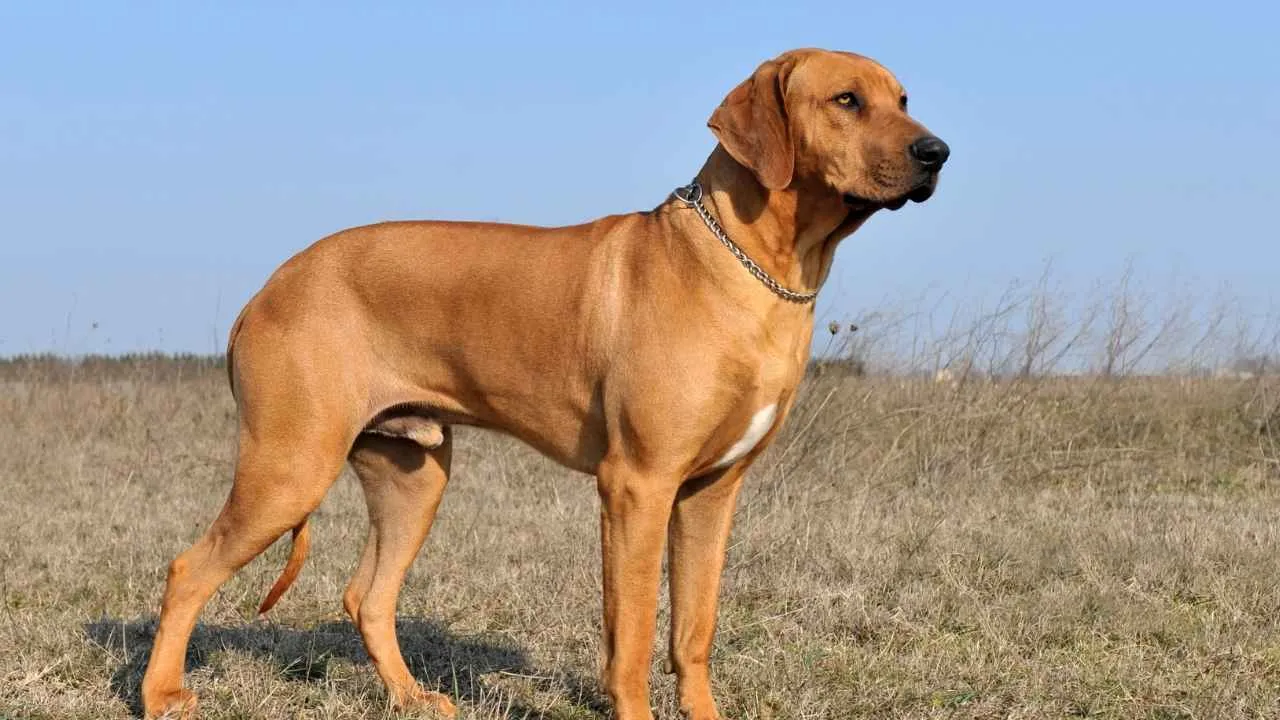
The Rhodesian Ridgeback brings a different kind of authority. Originally bred in southern Africa to guard homesteads and track large game, this breed developed courage and independence early on. Its distinctive ridge and athletic build give it a commanding look that discourages unwanted attention.
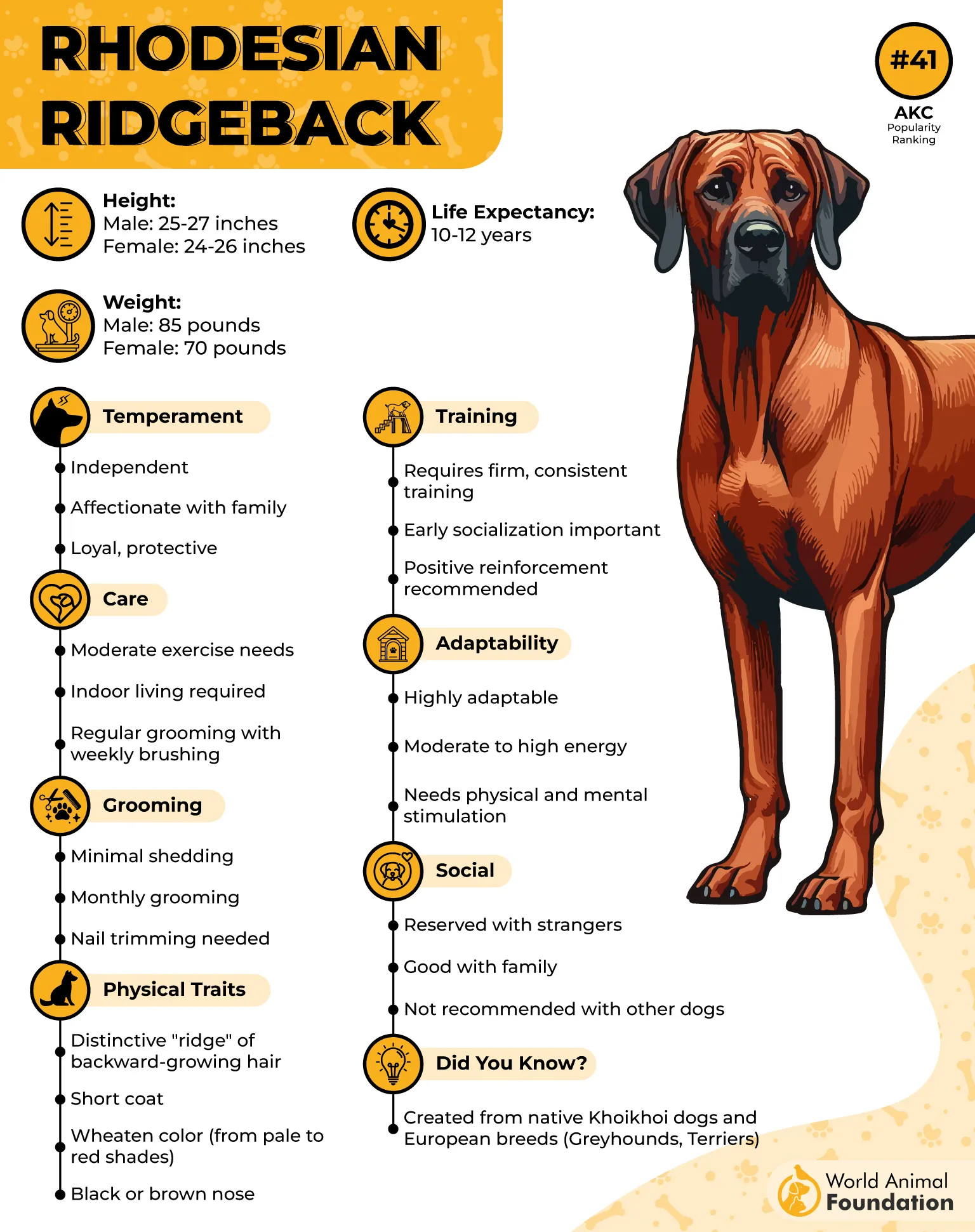
In family life, Ridgebacks are loyal, composed, and often reserved. When guarding, their posture stiffens, their gaze sharpens, and their presence alone can halt curiosity at the gate. They project confidence without constant noise or motion.
Training Potential and Owner Commitment
Independent thinker requiring patient training
Responds best to positive reinforcement
Moderate exercise needs
Deterrence Without Danger
Protects through awareness and confidence
Low tendency toward unnecessary aggression
Acts decisively only when needed
This breed fits households that respect independence and calm authority. Its intelligence supports thoughtful decision-making. What makes the Rhodesian Ridgeback stand out is its quiet courage, offering protection that feels natural rather than forced.
Conclusion
The best guard dog breeds rely on more than an intimidating presence or sheer size. With consistent training and obedience training from a young age, a dog trained well can become one of the most effective guard dogs while remaining a great family dog for family members, kids, and children.
For dog owners, raising a large dog or other large breeds means committing to daily exercise and guidance.
These working dogs, including police dogs and military dogs, are naturally suspicious of strangers, bark loudly like an alarm system, and help deter potential burglars through strong bonds and a protective nature.
Beyond the breeds discussed, other breeds such as the Giant Schnauzer, English Mastiff, English Bulldog, and Great Dane also stand out. With their intimidating presence and fiercely loyal traits, these great dogs can become an incredibly loyal four-legged friend and a powerful dog that protects loved ones.
