




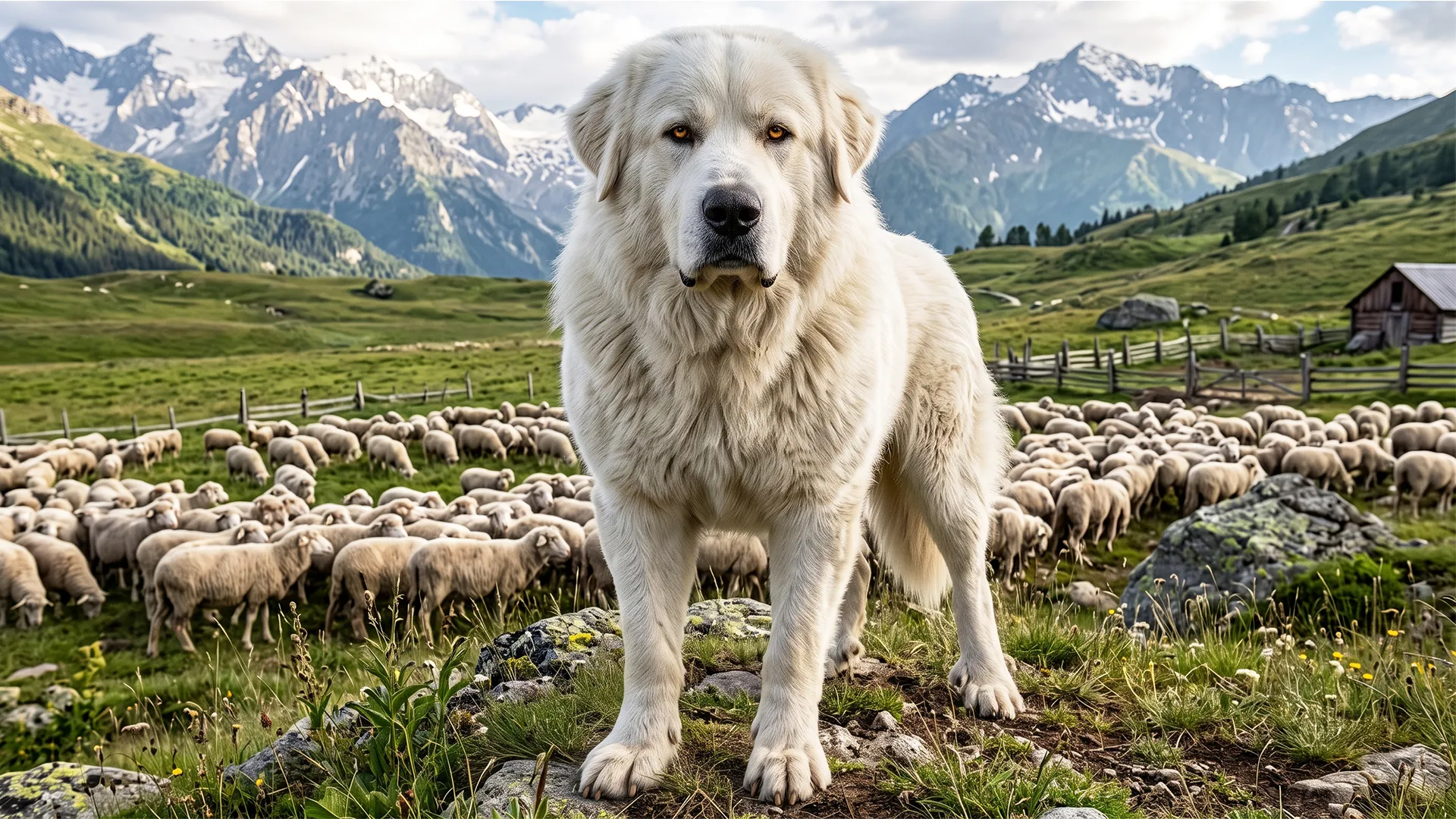
Here’s a surprising fact: the strongest livestock dogs aren’t defined by muscle alone. Their real power comes from a remarkable blend of intelligence, endurance, instinct, and the ability to make split-second decisions while working alongside humans.
For thousands of years, these dogs have helped manage herds, guard valuable livestock, and navigate demanding terrain. Whether moving cattle across open fields or standing watch over a flock, they perform tasks that require far more than physical strength. Their adaptability and work ethic remain invaluable even in the modern age.
Picture a determined dog guiding livestock with precision one moment and protecting them the next. That versatility is what sets elite working breeds apart. The dogs featured in this guide have earned their reputation through generations of purposeful breeding, making them some of the most capable and dependable partners in the world of livestock management.
Strongest Dog Breeds for Working with Livestock and Herding
1. Bouvier Des Flandres
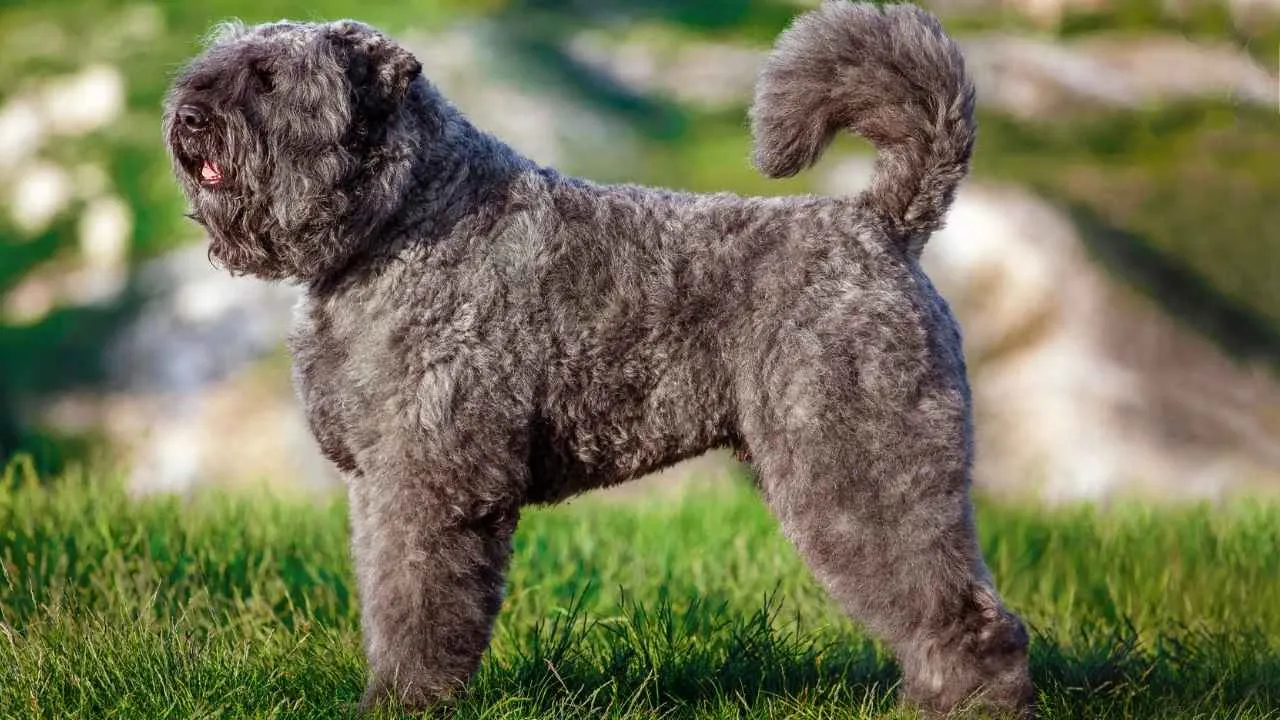
Often called the Bouvier, Flanders Cattle Dog, or even “Dirty Beard” because of its distinctive facial hair, the Bouvier des Flandres was developed in Belgium as the ultimate farm helper.
Farmers needed a dog strong enough to move cattle, pull heavy carts, and guard property, and this breed proved capable of handling every task. According to Purina, Bouvier des Flandres dogs are powerful, compact working companions with a rugged appearance.
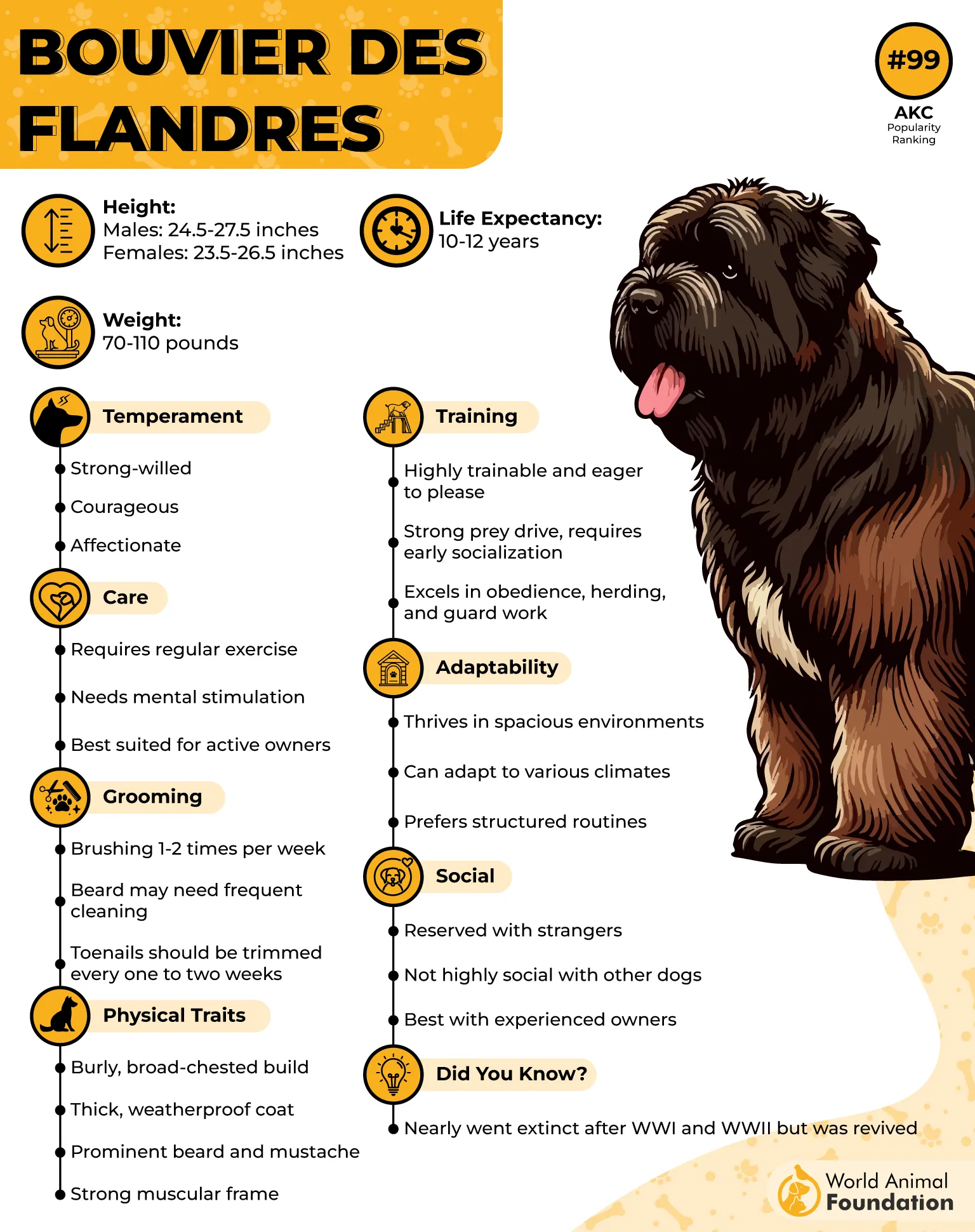
Built with impressive muscle and endurance, the Bouvier thrives in demanding livestock environments. Its calm, steady temperament helps it manage cattle with confidence, while its natural alertness makes it a dependable guardian around farms and ranches. Despite its size, it moves with surprising agility when herding animals across challenging terrain.
The breed’s working reputation was further strengthened during both World Wars, when Bouviers served as messengers, draft dogs, and sentries. That versatility remains evident today in their intelligence and strong desire to work alongside their people.
Highly trainable and loyal, Bouviers learn commands quickly but benefit from consistent leadership and early socialization. Regular physical activity and mentally engaging tasks are essential to keep this powerful farm utility dog focused and fulfilled.
2. Beauceron
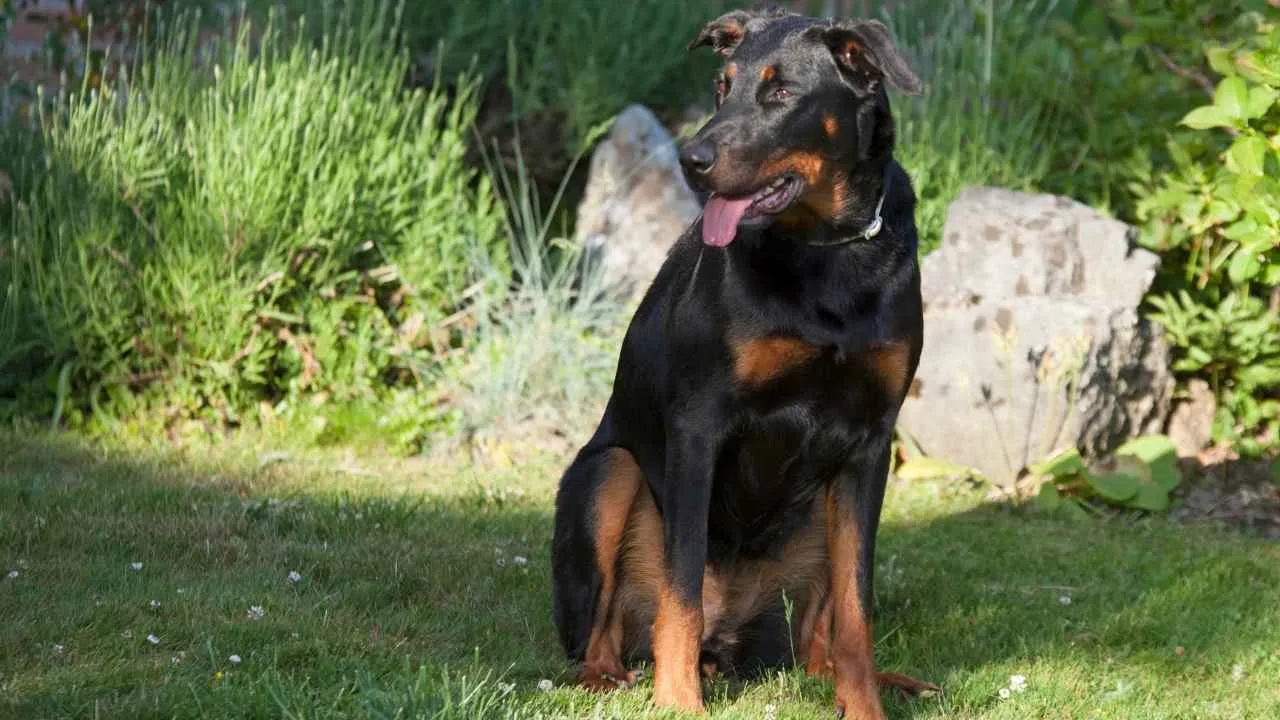
They are known as the Beauce Shepherd, Berger de Beauce, or “Bas Rouge” (red stockings). Powerful enough to manage hundreds of sheep yet agile enough to cover long distances, this breed combines physical strength with impressive intelligence.
According to PetMD, Beauceron dogs were originally bred in central France to herd and protect sheep. Beyond their farm work, they also proved their versatility by serving as military dogs during World War I.
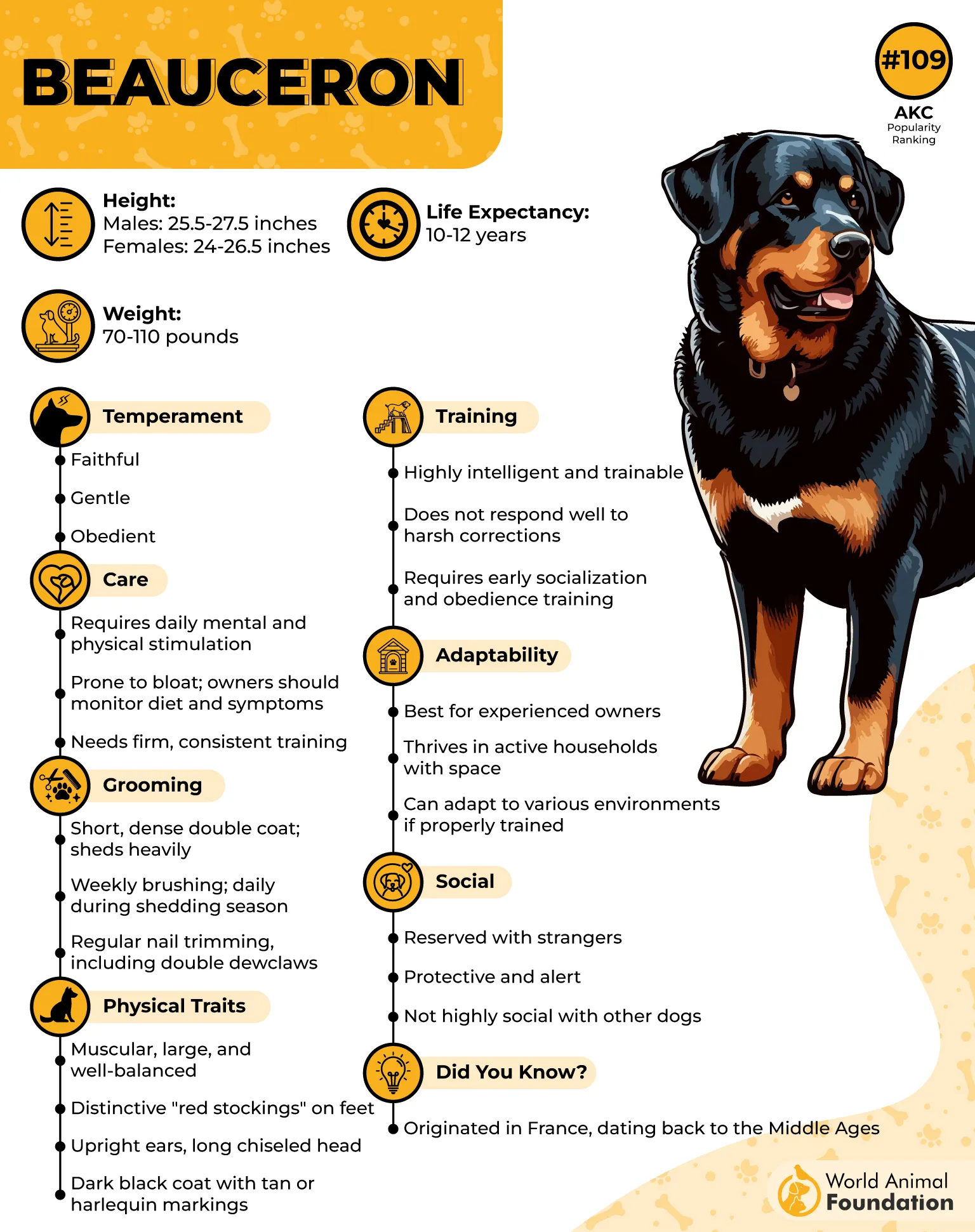
Picture a capable farm dog confidently moving livestock through open fields while keeping a watchful eye on its surroundings. That balance of endurance, courage, and quick decision-making made the Beauceron a trusted partner for French shepherds. Its athletic frame, glossy black coat, and distinctive mahogany markings only add to its commanding presence.
The Beauceron thrives when given meaningful work. Highly trainable and eager to learn, it excels at herding, guarding, tracking, and other demanding tasks. However, its strong-willed nature means it responds best to experienced owners who provide consistent leadership, structure, and mental challenges.
While naturally reserved around strangers and protective of its flock, a well-socialized Beauceron is deeply loyal, playful, and affectionate with its family, making it as dependable at home as it is in the pasture.
3. Komondor
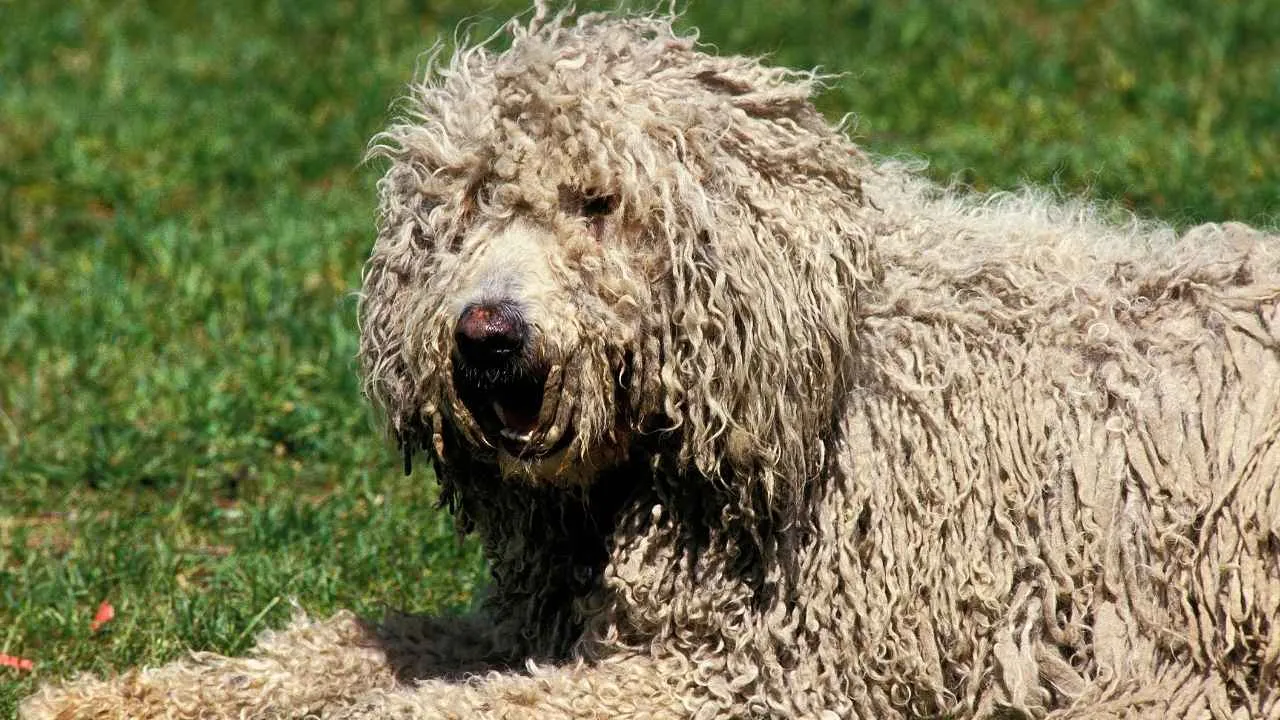
Picture a quiet Hungarian pasture centuries ago, where predators lurked beyond the flock. Blending almost perfectly among the sheep stood the Komondor—a powerful guardian whose iconic white cords served a purpose far beyond appearance. Those rope-like locks helped camouflage the dog and provided extra protection during confrontations with wolves.
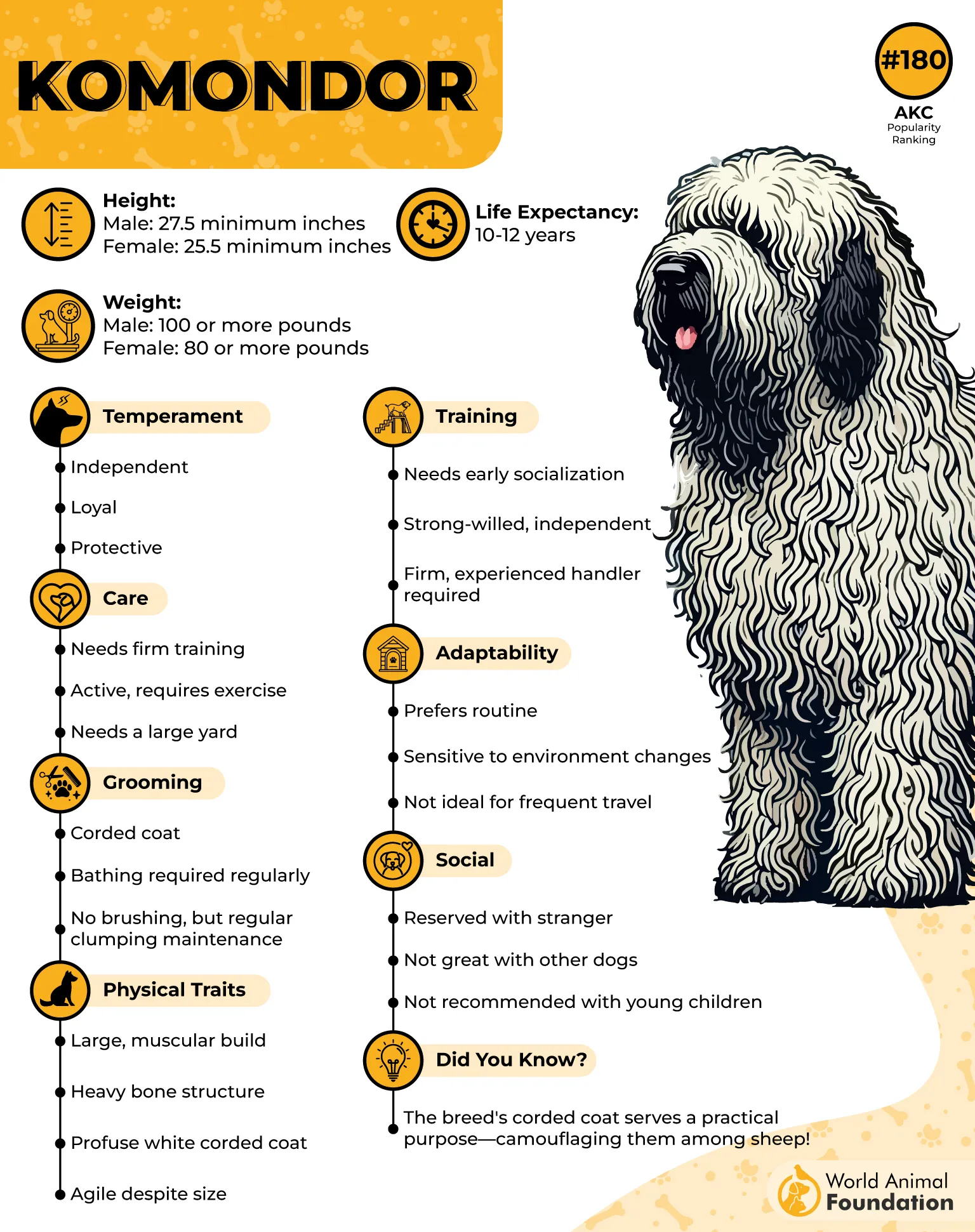
Often described as a “living fortress,” the Komondor combines strength, intelligence, and remarkable independence. Unlike traditional herding breeds that move livestock, this dog was bred to guard it, remaining calm and watchful until a threat appears. Then, its protective instincts take over with impressive speed.

Despite its imposing presence, the breed is surprisingly agile and athletic. Daily walks and space to patrol help satisfy its working-dog instincts, while early socialization and consistent training are essential to channel its strong-willed nature. Komondors respect confident leadership and thrive when clear boundaries are established.
According to WebMD, Komondors are brave, energetic dogs known for their distinctive corded coats. Their coats require specialized care, but beneath those famous locks is a loyal, devoted protector that has safeguarded flocks for centuries.
4. Great Pyrenees
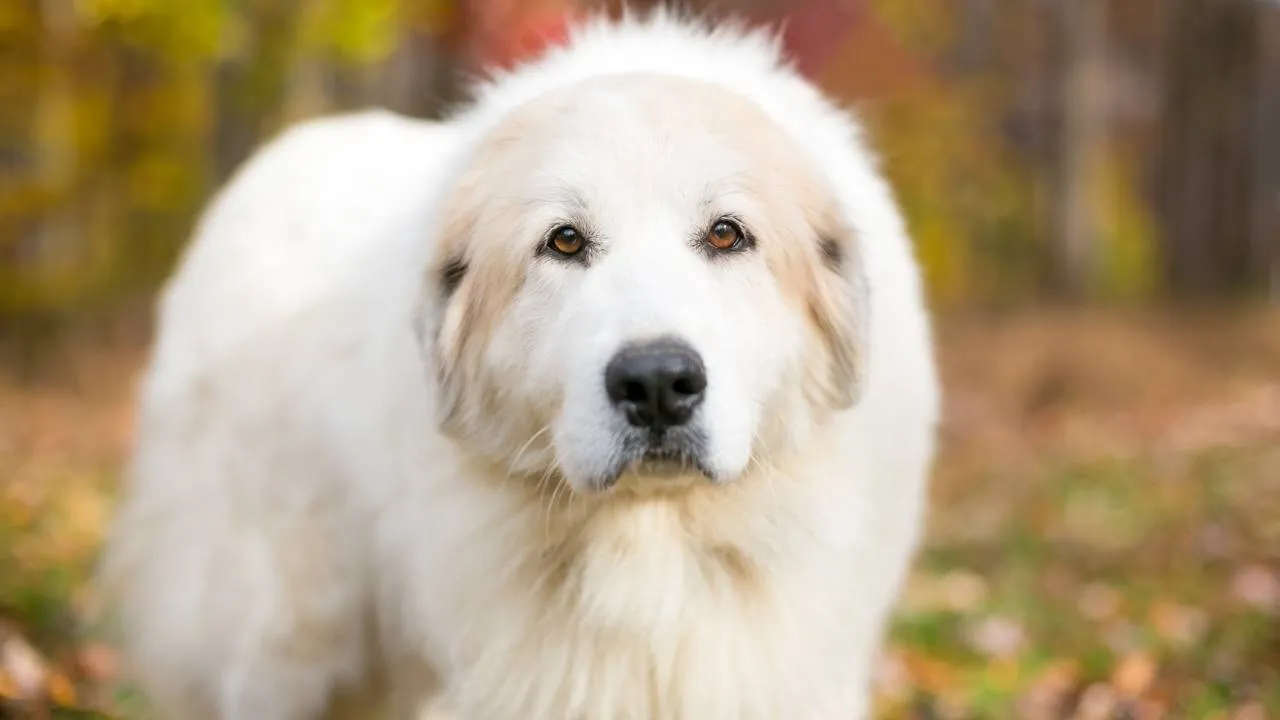
The Great Pyrenees earned its reputation in the rugged mountain regions between France and Spain, where it spent centuries guarding sheep against predators and harsh weather. Beneath its thick white coat and imposing frame is a remarkably gentle dog that combines strength with patience.
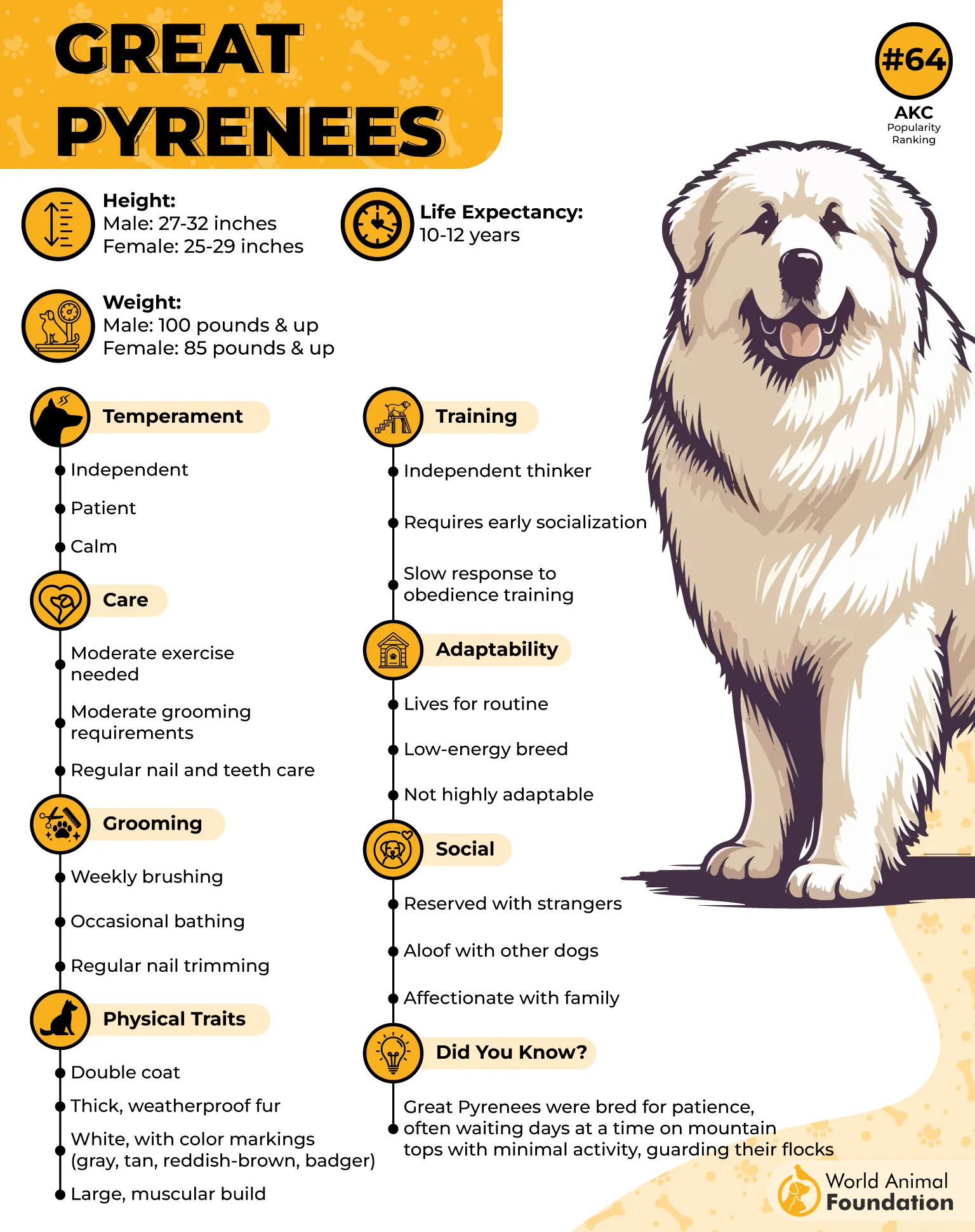
The Pyr excels as a livestock guardian. It watches calmly over flocks, relying on keen awareness, territorial instincts, and quiet confidence to deter threats. This protective nature makes it a trusted partner on farms and ranches.
With family and livestock alike, the Great Pyrenees is affectionate, steady, and deeply devoted. Their natural patience allows them to coexist well with children and other animals, a trait shaped by generations spent living alongside sheep in remote pastures.
While intelligent, this breed prefers independent decision-making, so early socialization and consistent, positive reinforcement training are essential. Given space to patrol and a purpose to fulfill, the Great Pyrenees becomes a loyal guardian whose courage is matched only by its gentle heart.
5. Anatolian Shepherd
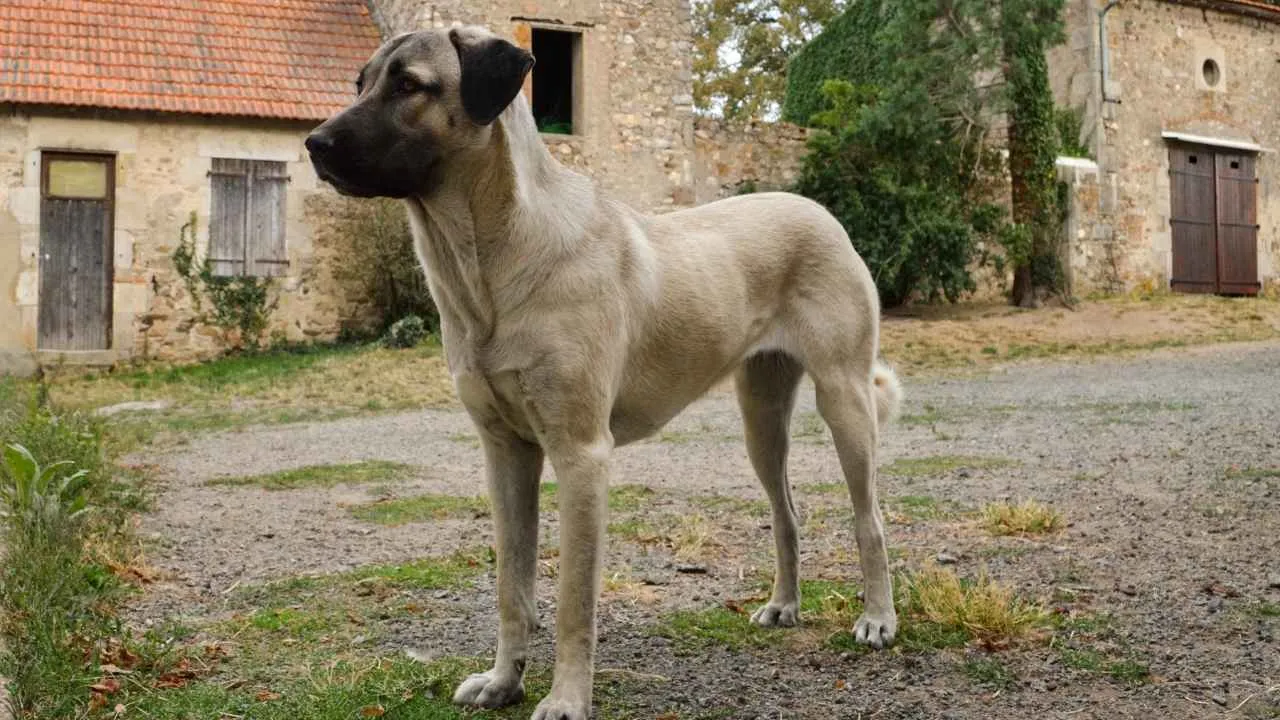
Across the rugged landscapes of Turkey, the Anatolian Shepherd earned its reputation as a fearless livestock guardian rather than a traditional herding dog. Known locally as the “Çoban Köpeği,” or shepherd’s dog, this powerful breed spent centuries living among sheep and goats, protecting them from wolves and other predators across vast, unforgiving terrain.
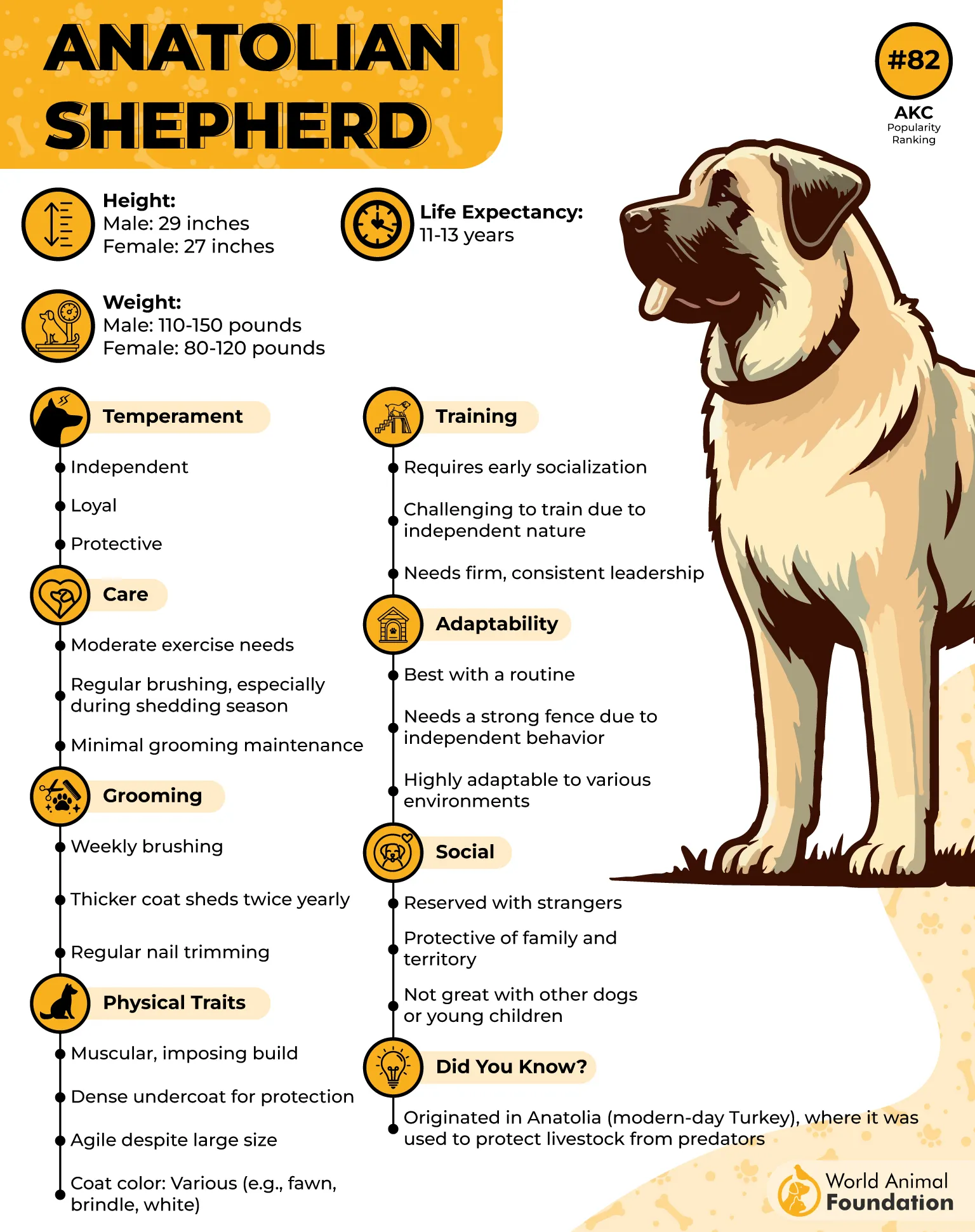
Built for endurance as much as strength, Anatolians can weigh up to 150 pounds and possess the speed and agility needed to intercept threats before they reach the flock. Their independent nature allows them to make split-second decisions in remote pastures where human guidance may be miles away.
Adventure comes naturally to this breed. Whether patrolling large ranches, traversing rough countryside, or standing watch through changing weather, the Anatolian remains alert and composed. Some Turkish shepherds even equipped them with iron-spiked collars to help defend against attacks aimed at the throat.
Despite their imposing presence, Anatolian Shepherds form deep bonds with their families and livestock. Intelligent but strong-willed, they respond best to confident leadership, early socialization, and purposeful work that channels their natural guardian instincts.
6. Maremma Sheepdog
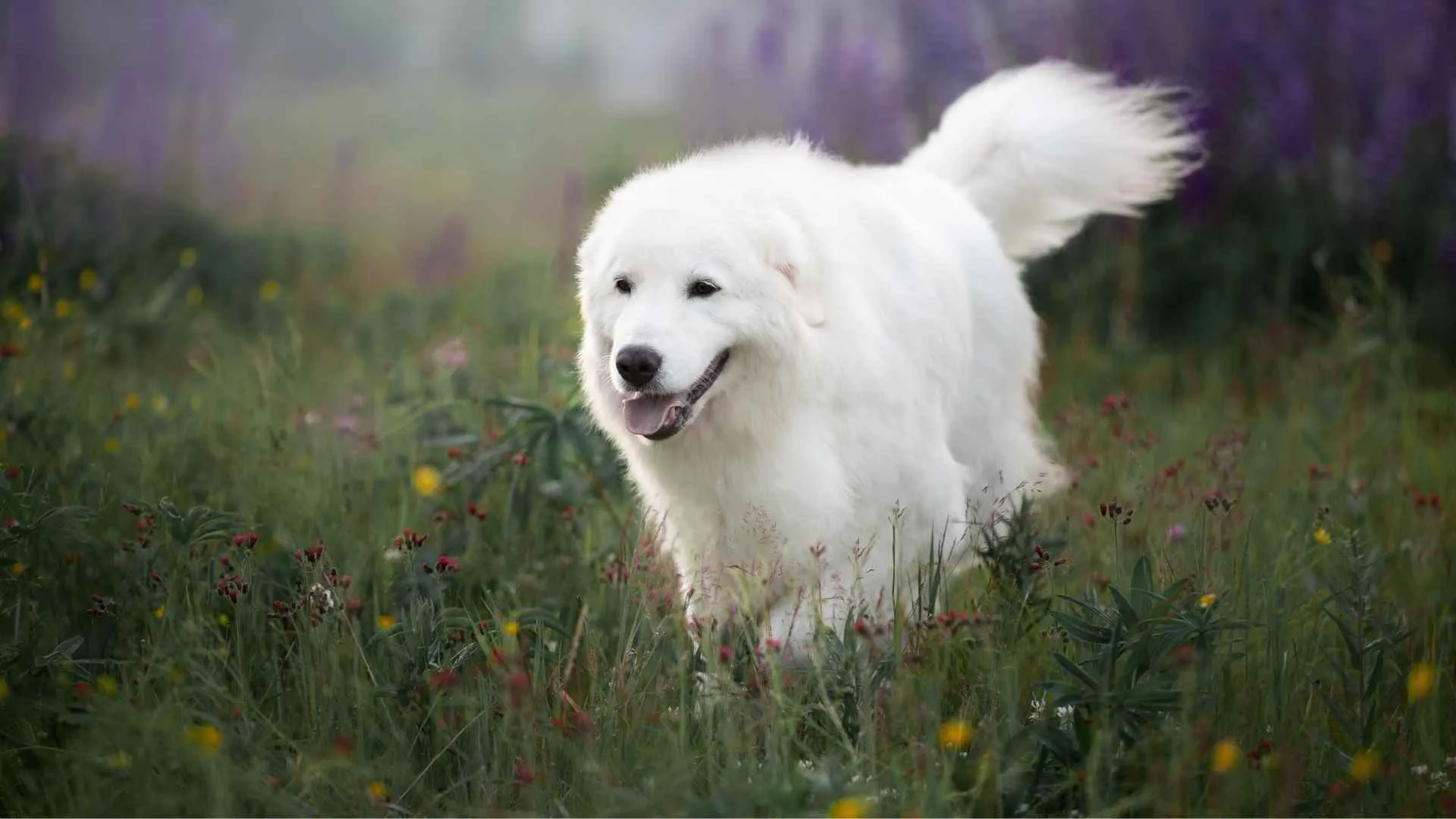
For centuries, the Maremma Sheepdog has stood watch over flocks in the rugged regions of central and southern Italy, protecting sheep from predators with quiet confidence. Unlike many working breeds, this powerful livestock guardian was bred to make decisions independently, allowing it to react quickly when danger approached.
A story often repeated among farmers is how a bonded Maremma treats its flock almost like family. Once attached to livestock, it patrols boundaries, monitors unusual activity, and responds to threats without waiting for instructions. That natural protectiveness is inherited, not taught, making the breed a remarkably dependable guardian.
Its intelligence comes with a strong sense of self-direction. Maremmas respond best to patient leadership and mutual trust rather than strict, repetitive commands. Early socialization, leash training, and exposure to different situations help channel their instincts while preserving their confidence.
Large, white-coated, and courageous, the Maremma combines strength with steady judgment. On farms and ranches, its calm vigilance and unwavering dedication make it one of the most respected flock protectors in the livestock world.
7. Spanish Mastiff
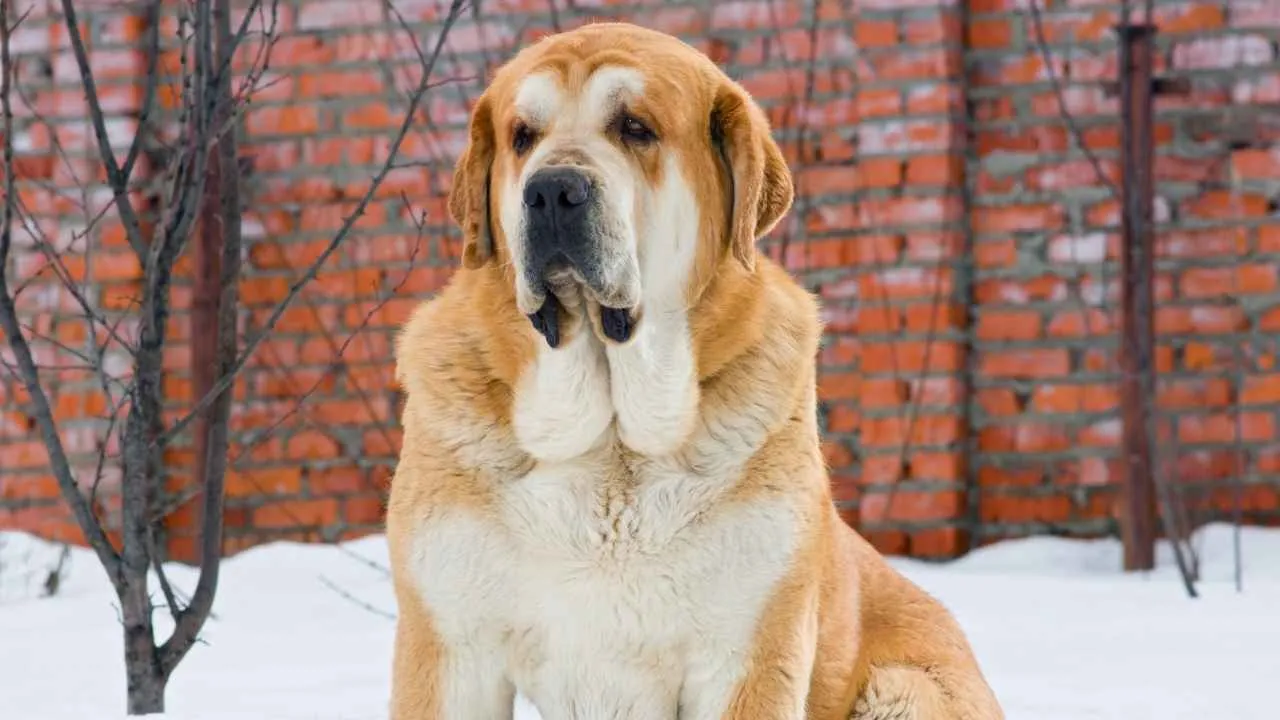
Many people assume giant livestock guardians rely only on size, but the Spanish Mastiff proves that calm judgment can be just as important as strength.
Developed in Spain to protect flocks from wolves and other predators, this massive guardian earned its reputation through courage, endurance, and unwavering loyalty in the field.
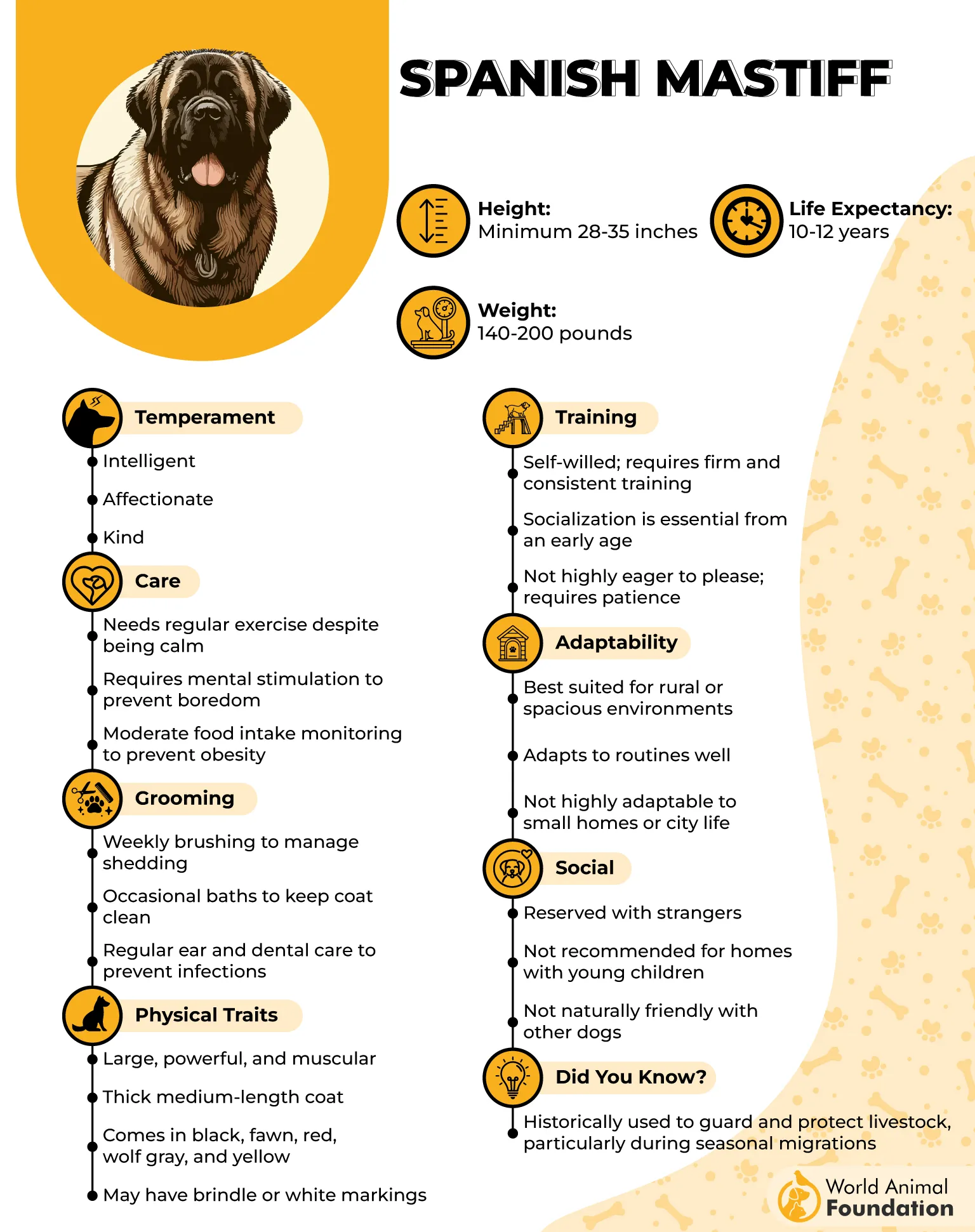
Built with a powerful frame, a massive head, and distinctive loose skin around the neck, the breed was designed for real-world protection. Those famous neck folds weren’t merely cosmetic—they helped shield the dog during confrontations while defending livestock across rugged grazing routes.
Despite its imposing appearance, the Spanish Mastiff is typically composed and affectionate with its family. Ranchers value its watchful nature, as it can spend hours quietly surveying its surroundings before reacting swiftly when a threat appears. Its deep bark alone is often enough to deter intruders.
This independent thinker thrives with early socialization, positive training, and plenty of space to roam. While not overly energetic, it still benefits from daily walks, outdoor exploration, and mentally engaging activities that channel its guardian instincts.
Conclusion
The strongest livestock and herding dogs offer far more than physical power. Their intelligence, endurance, and instincts allow them to handle demanding tasks while remaining focused and dependable partners.
For generations, these breeds have helped move, manage, and protect livestock in a wide range of environments. Their ability to adapt quickly and respond to challenges has made them invaluable on farms and ranches around the world.
These dogs thrive when given meaningful work and clear direction. Without adequate mental and physical stimulation, their energy can become difficult to manage, but with purpose, they excel in remarkable ways.
Choosing the right working breed means understanding its strengths, temperament, and needs. With proper training, activity, and engagement, these powerful dogs can become trusted companions whose dedication and work ethic continue to set the standard for livestock management and herding.
