




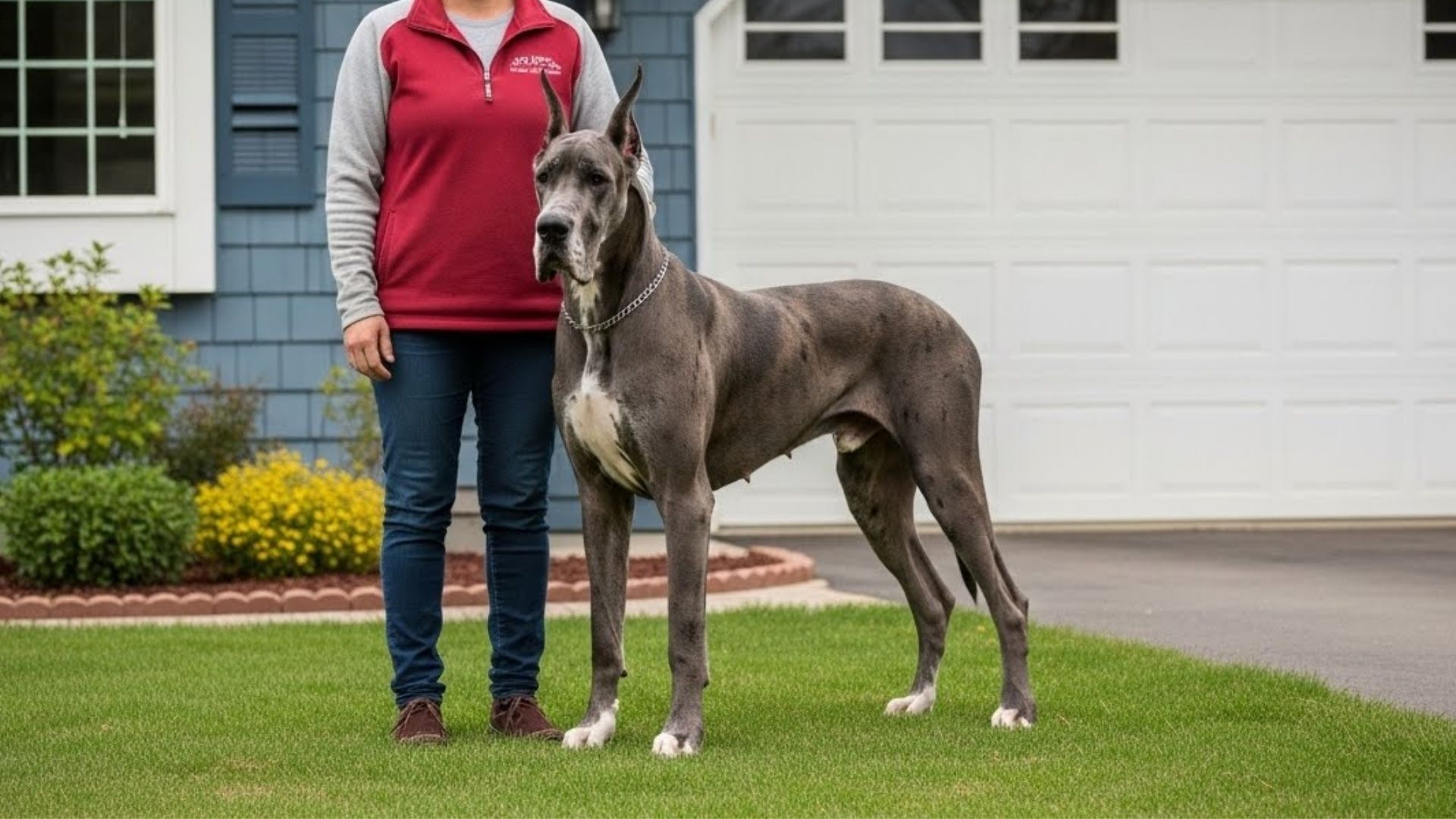
Locks help. Cameras help. But a good dog changes the whole vibe.
Living alone can feel amazing, until the hallway creaks at night. Everyone has been there, staring at the door like it might start talking back. A strong, energetic dog can bring something simple but huge: peace.
It is the feeling that you are not the only set of eyes in the house. The right dog notices odd stuff early, warns you fast, and still turns into a couch buddy when life is normal.
And here’s the best part! A protection-minded breed does not need to be mean. The best home defense dogs are steady, loyal, and easy to read.
In this blog, you will meet the best dog breeds that can help you feel safer and more confident at home.
Strong Guard Dog Breeds for Single Women and Home Defense
1. Akita
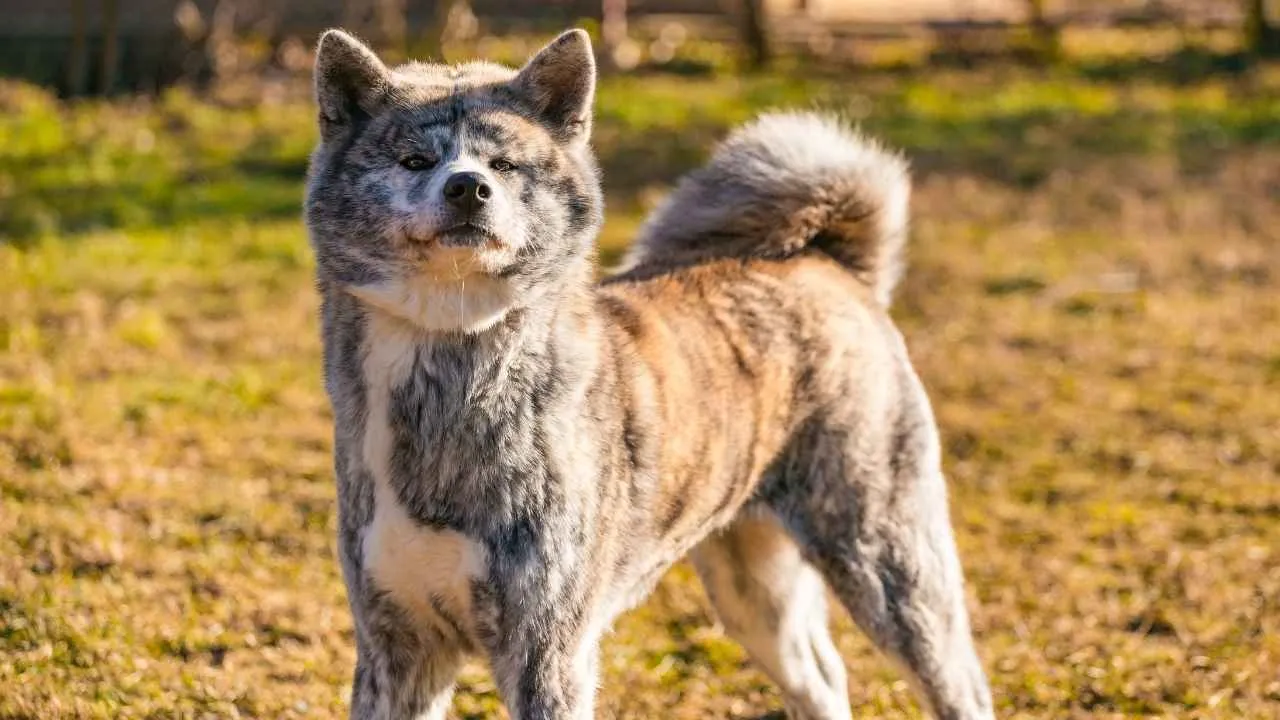
Akitas carry themselves like they own the place, in the best way. They are dignified, bold, and deeply loyal. Akitas are known for their loyalty and protective instincts, making them suitable protection dogs for women living alone.
Many people in Japan have long seen them as family protectors, and you can feel that guardian instinct in how they watch a room. They are alert, they read body language fast, and they do not hand out trust to strangers for free, but they do get along well with other animals.
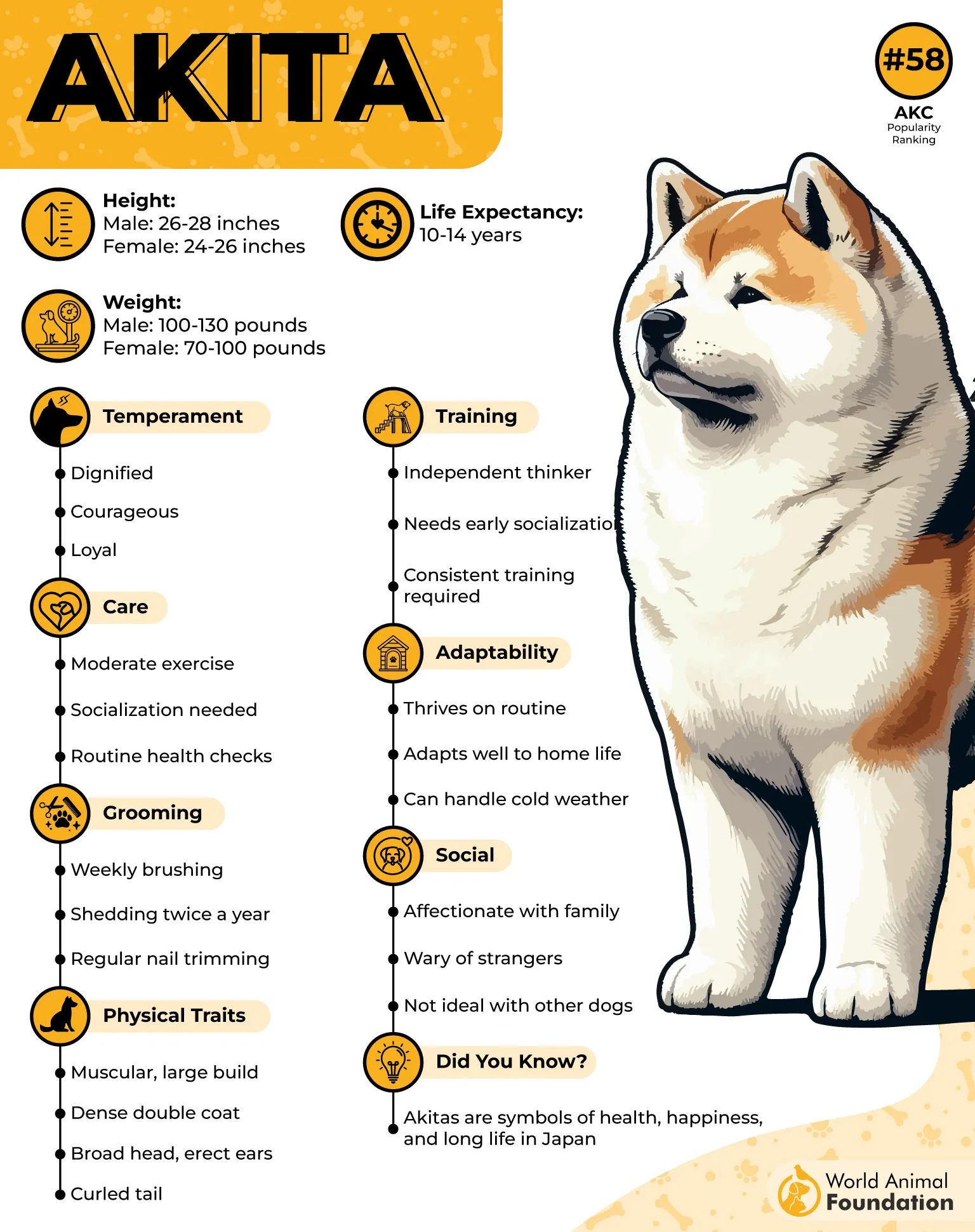
Most Akitas are solidly built and can sit anywhere from about 70 to 130 pounds, so their presence is not subtle.
Here’s the good part. Akitas tend to guard without making a big show. They can be quiet, then suddenly very present when something feels off. Akitas thrive on companionship and form strong bonds with their owners.
They are friendly dogs with those they trust, seeking regular human contact and closeness. That calm confidence can be a strong home defense trait, because it often means fewer false alarms and more focus when it matters.
But why bother with early training and social time? Because Akitas are willful. If you want a dog that listens in a stressful moment, you need firm, kind, consistent work from puppy days.
Early socialization helps them stay stable around guests, delivery people, and noisy city life, while still keeping that protective edge. Fun fact: Akitas are heavy shedders in season, so brushing and a good vacuum become your sidekicks.
What makes them shine?
Strong loyalty to one main person
Naturally suspicious of strangers, in a controlled way
Powerful build that deters without effort
Needs steady training so the guard instinct stays safe
2. Great Dane
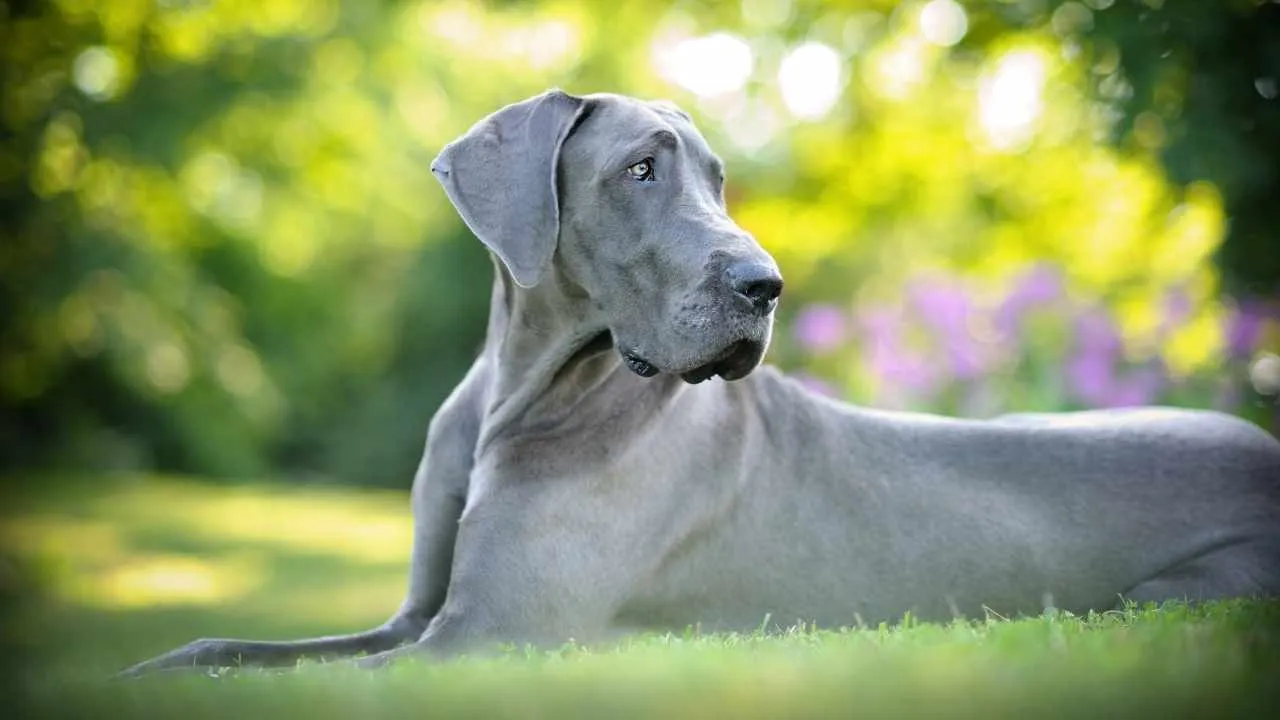
Great Danes are the “gentle giant” that can still make a stranger think twice. Their size alone is a home security system with fur. When a Dane stands at the door, it is hard for anyone to pretend they did not notice the dog.
Great Danes have an intimidating presence, independent nature, and strong protective instincts, making them effective guard dogs for women. Sounds crazy, right? A dog that big can also be calm. But that is the Dane vibe.

They are often affectionate, patient, and loyal, which matters if you want a protector who also feels like family. Great Danes are known for their gentle and extremely affectionate nature with families, making them wonderful companions for single women seeking both security and companionship.
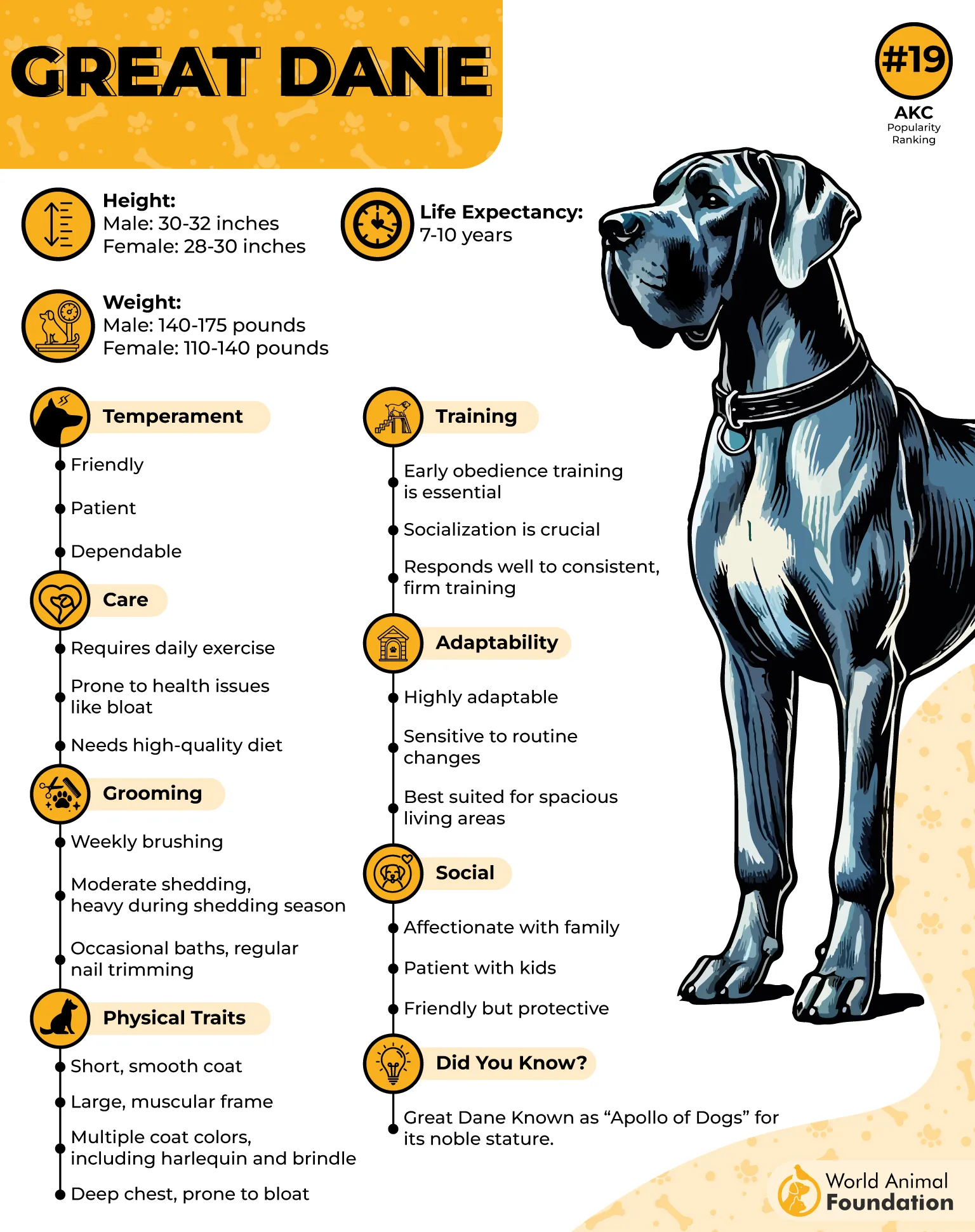
Many stand around 28 to 32 inches at the shoulder, so even a calm Dane looks like a bouncer. Many Danes are friendly, but they can be watchful and will use their deep bark to announce, “Hey, who is that?” That first warning is a big deal for home defense, because it buys you time.
The tricky part is planning your space and routine. A Great Dane can live in an apartment if you manage walks and have room to turn around, but they still need daily movement. They also need manners.
Important note: According to the AKC, giant breeds can be prone to bloat, so slow meals and calm time after eating are smart habits.
A sweet giant who jumps on guests is not cute for long. Good training turns them into calm, steady protection dogs that look scary but act sane.
What makes them shine?
Huge presence that deters intruders fast
Calm temperament in many homes
Loyal, people-focused, fantastic companions
Needs basic obedience so size stays manageable
3. American Staffordshire Terrier
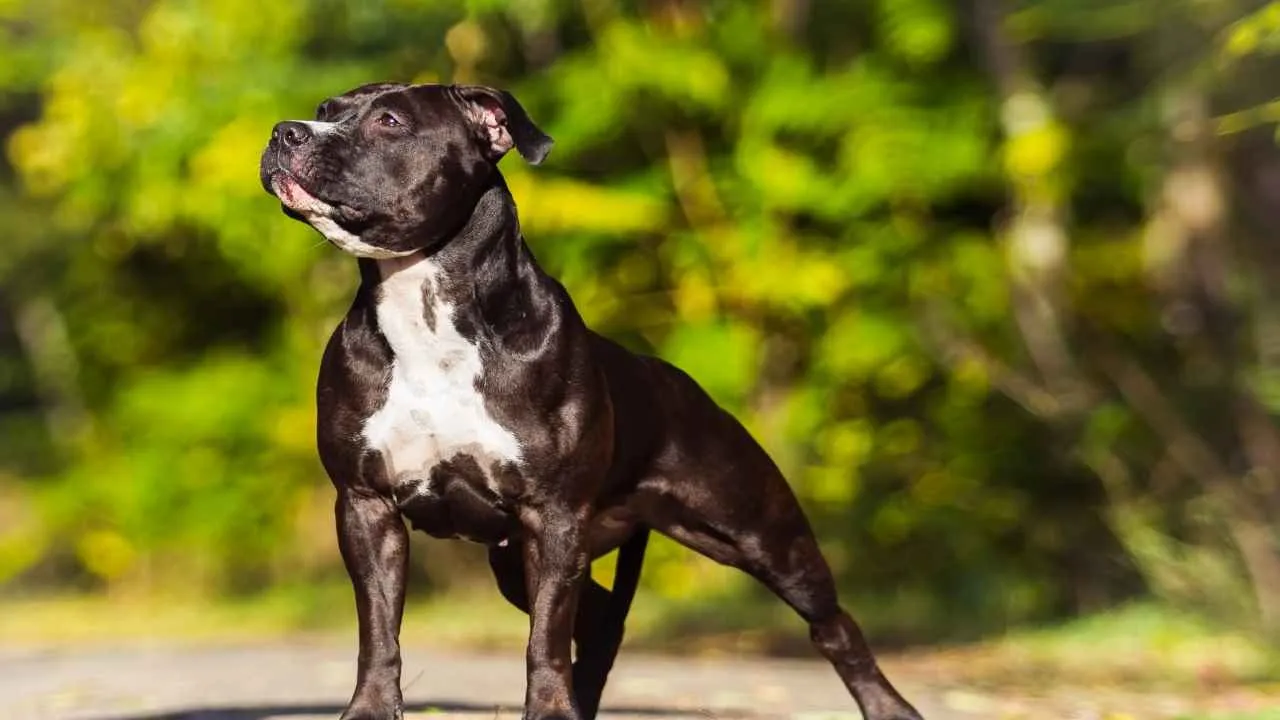
The American Staffordshire Terrier, often called AmStaff, is compact power. As per PetMD, they are muscular, brave, and usually very people-connected.
When they bond with you, they bond hard. That closeness can be a comfort when you live alone, because you get a dog that wants to be near you, not a dog that wanders off emotionally. They are usually 17 to 19 inches tall, so they fit many homes, but they still feel like pure muscle.
It gets even worse, though, if you skip training. This breed is strong and confident, so they need clear rules and daily outlets. Done right, they can be sweet, playful, and steady at home. Their courage is famous, and they tend to stand their ground if they think you are in danger.
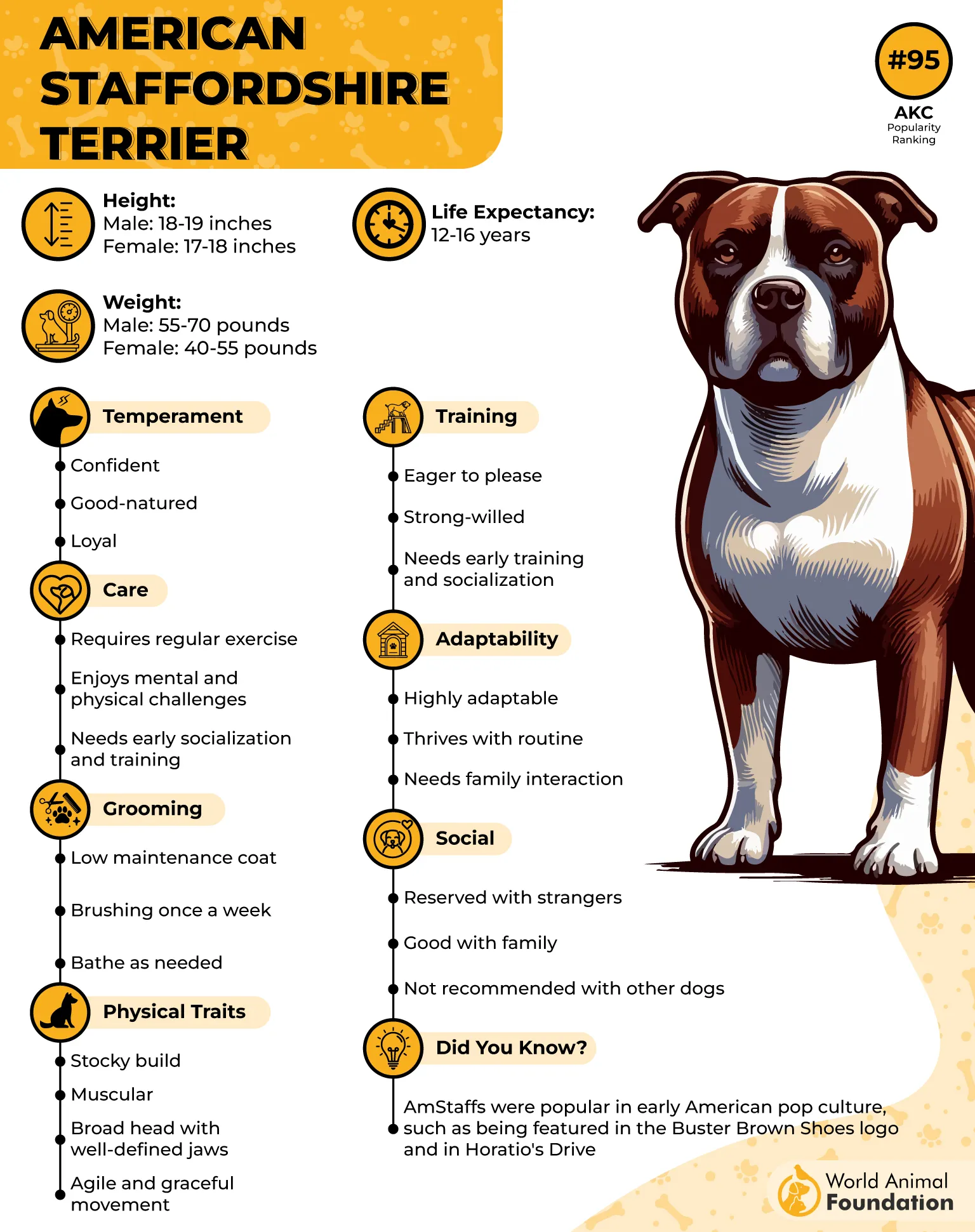
AmStaffs also deal with unfair stigma. So you have to be extra smart. Socialize early, keep them polite in public, and stay on top of leash skills.
A well-raised AmStaff can be a loyal home defender, a great cuddle buddy, and a dog that makes you feel less alone on a bad day.
Did you know many AmStaffs love learning tricks? That “show me” attitude makes training feel like play, not homework. This breed is best for women who have a yard and can spend time playing or exercising with their dogs.
How to bring out the best AmStaff energy?
Give daily play, training, and brain games
Teach calm greetings so guests feel safe
Use positive training, but be consistent
Build trust with routines and clear boundaries
4. Great Pyrenees
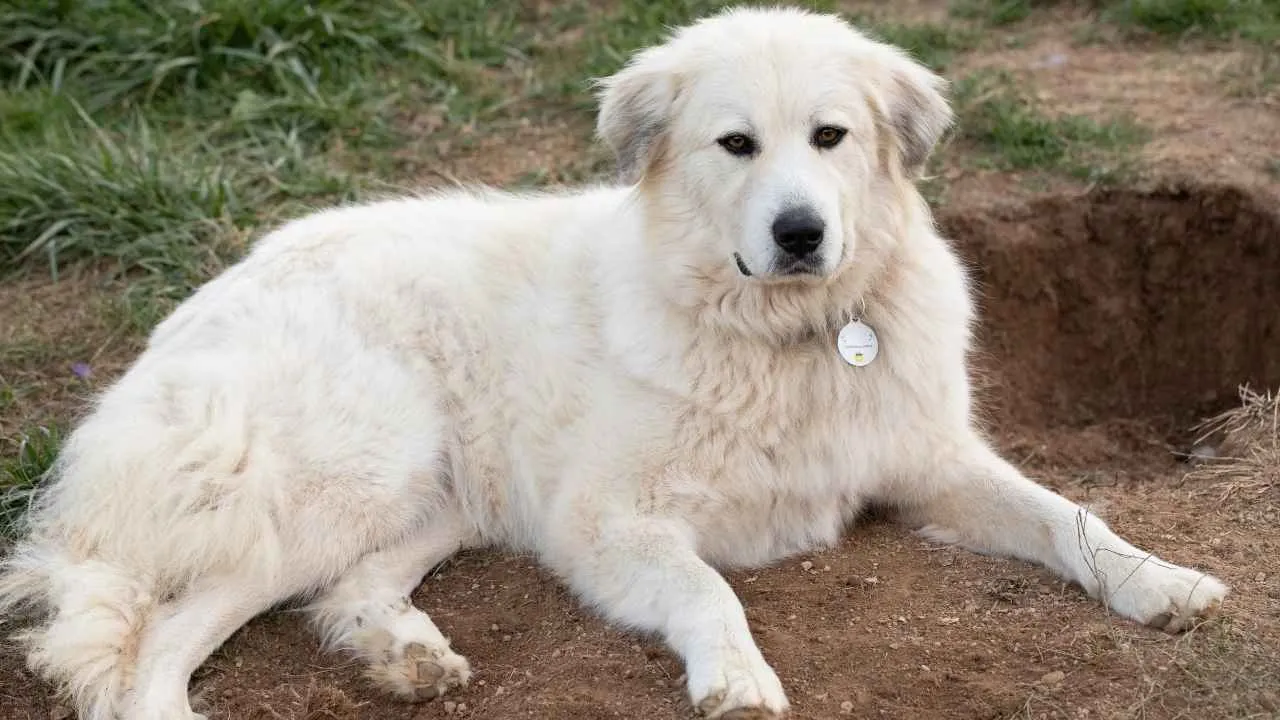
The Great Pyrenees was originally bred to guard, period. These dogs protected flocks in harsh places, often at night, often alone.
That history shows up today as a calm, watchful guardian who takes home territory seriously. They are powerful, thick-coated, and not easily rattled by bumps, wind, or strange sounds.
Here’s the best part! Many Pyrs have a mellow, gentle side with their people. They can be big softies at home, then turn into serious sentries when a stranger steps too close.
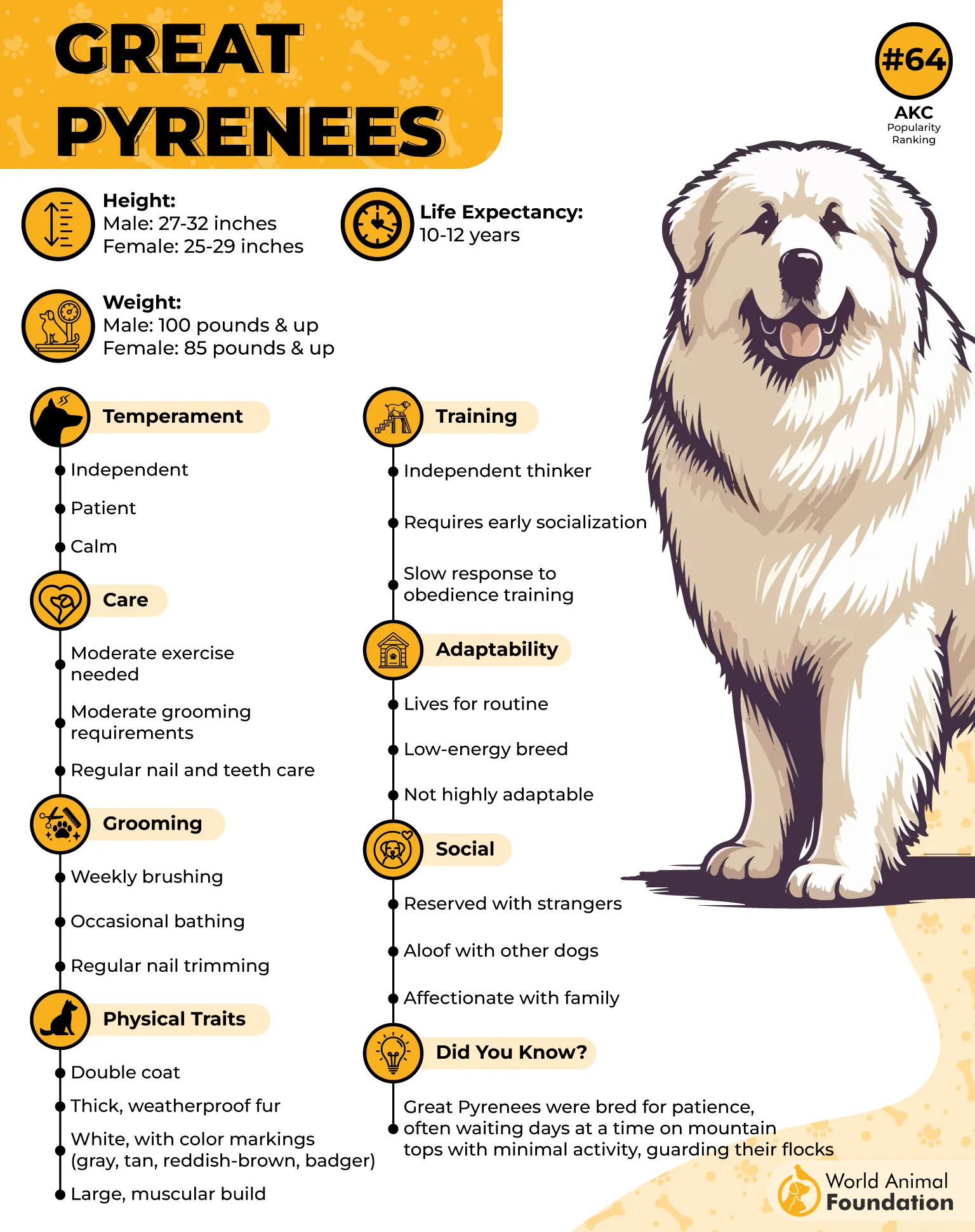
They are often reserved with new people, which can help if you want a dog that does not instantly love everyone.
But wait, there’s more! They can also be independent and stubborn. They were built to make decisions without a human nearby. That means you need patience in training and a strong fence if you have a yard.
Many adults weigh well over 85 pounds, and some can be much more, so plan for a big dog who moves slowly but means business. If you respect their protective nature and teach solid basics, a Great Pyrenees can be a steady, low-drama home defense partner.
A note for Pyr owners
Nighttime barking can happen because guarding is their job, and they often take the night shift seriously
A thick coat needs regular brushing
An independent mind means training takes patience
Best in homes that can handle big-dog space
5. Doberman Pinscher
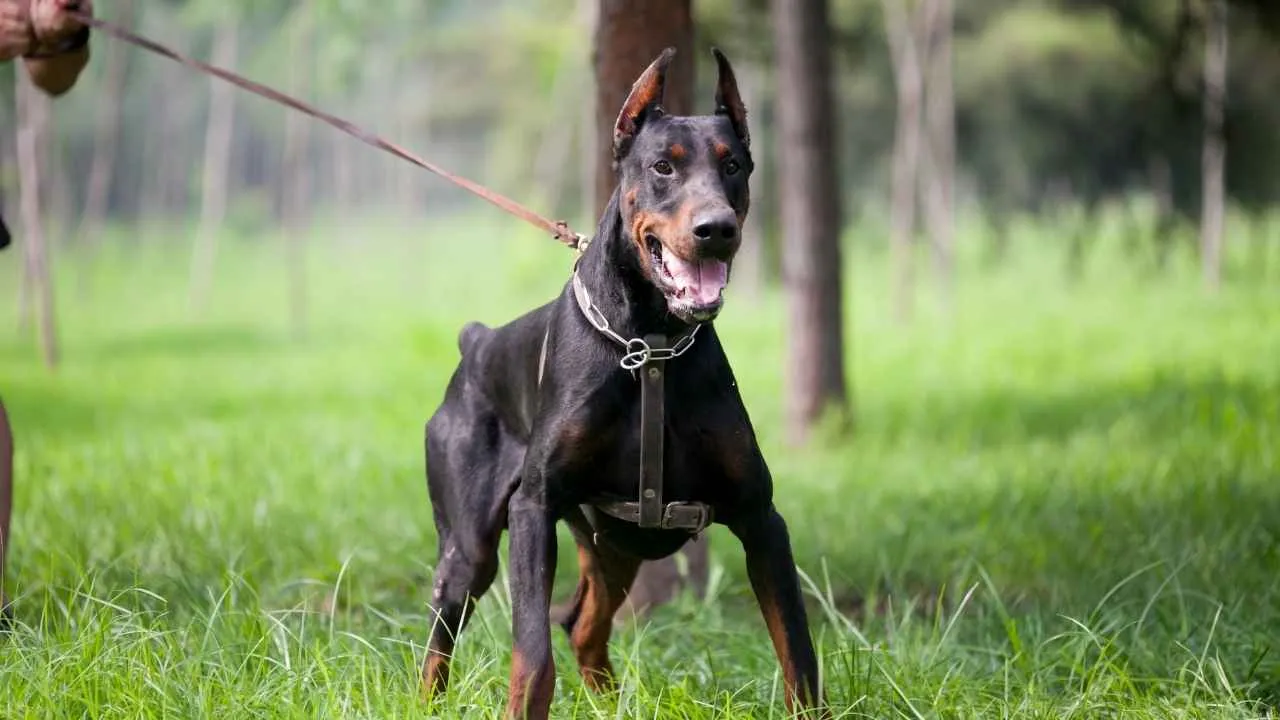
The Doberman Pinscher was bred for protection, and it shows. They are fast, sharp, and tuned in to their person like a radar dish. Many people call them “Velcro dogs” because they stick close, making them excellent guard dogs for women.
For a single woman, that can feel like having a loyal shadow who notices everything, including the weird vibe on a late-night walk.
WebMD notes that Dobies are highly intelligent and quick learners. They love structure, and they often enjoy training once you make it fun. Their look is sleek and intimidating, and their presence alone can be a serious deterrent.
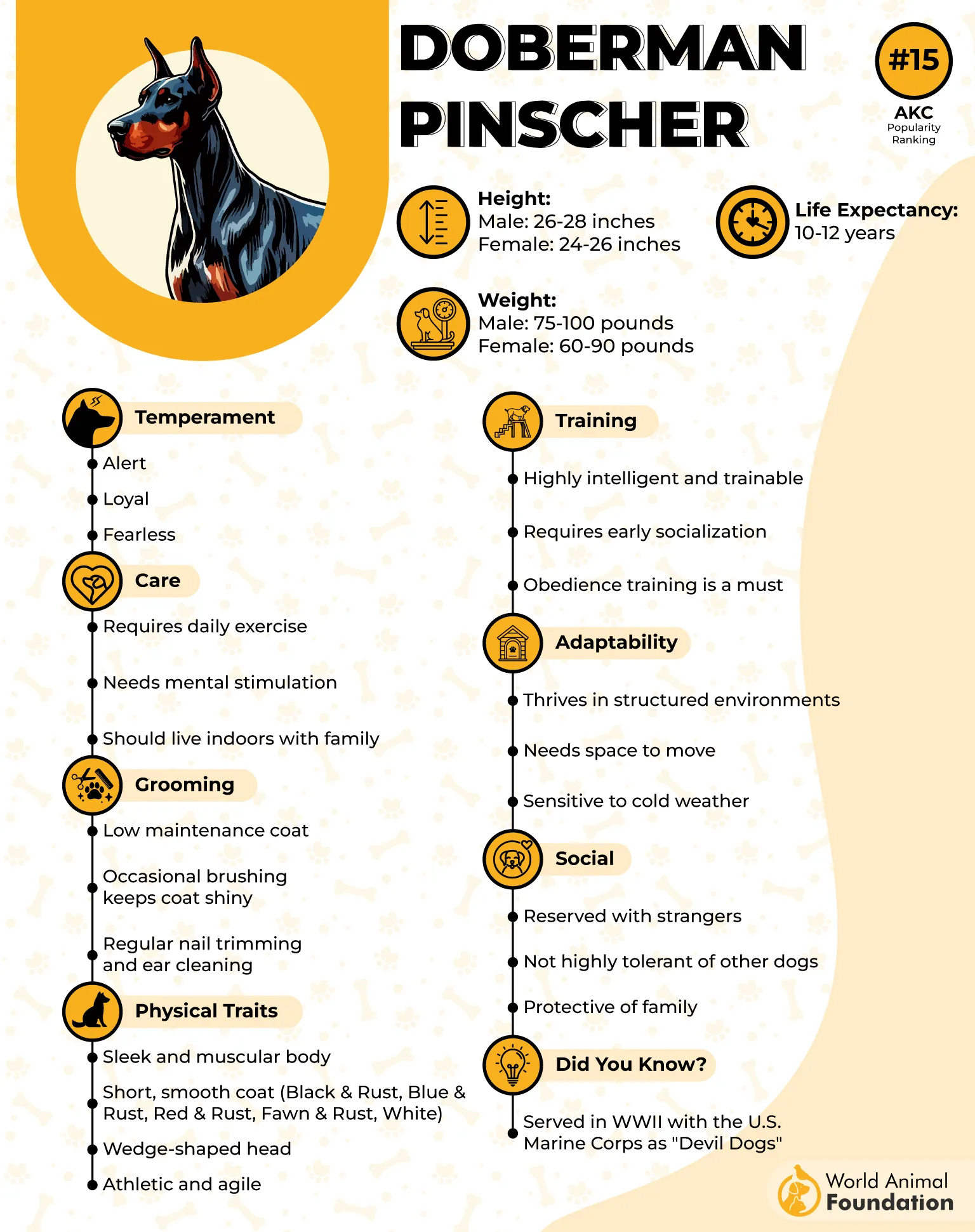
Their short coat is easy to groom, but they can get cold fast, so they are happiest as indoor dogs with you. If someone is scanning houses, a Doberman in the window is a strong “nope” sign.
The catch is simple: they need work. Without regular exercise and mental tasks, a Doberman can get restless and pushy. So build a routine. Walks, obedience, scent games, and calm time at home.
When you are out, practice polite “heel” and “watch me” skills, so your Dobie stays focused instead of scanning people like a threat. Do that, and you get a focused protector with a big heart who will guard you and then nap at your feet.
Daily routine that keeps a Doberman balanced
One solid walk plus active play
Short training sessions, twice a day
Puzzle toys or scent work for the brain
Calm boundaries inside the home
6. German Shepherd Dog
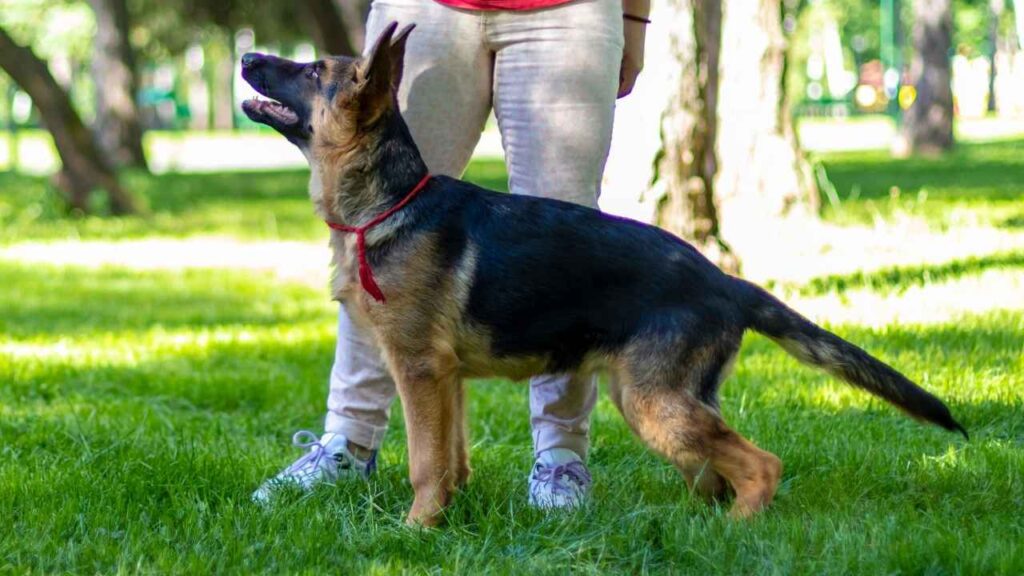
German Shepherds are often called the all-purpose worker for a reason. They are smart, confident, and built to learn, making them the best guard dogs for women. German Shepherds are known for their intelligence, strength, and loyalty.
They have that deep bark and serious posture that can stop trouble before it starts. Many fall in the 55 to 90 pound range, and they carry that weight with athletic, ready-to-move energy.
Many are naturally protective, and they often form strong bonds with one person while still loving the whole household.
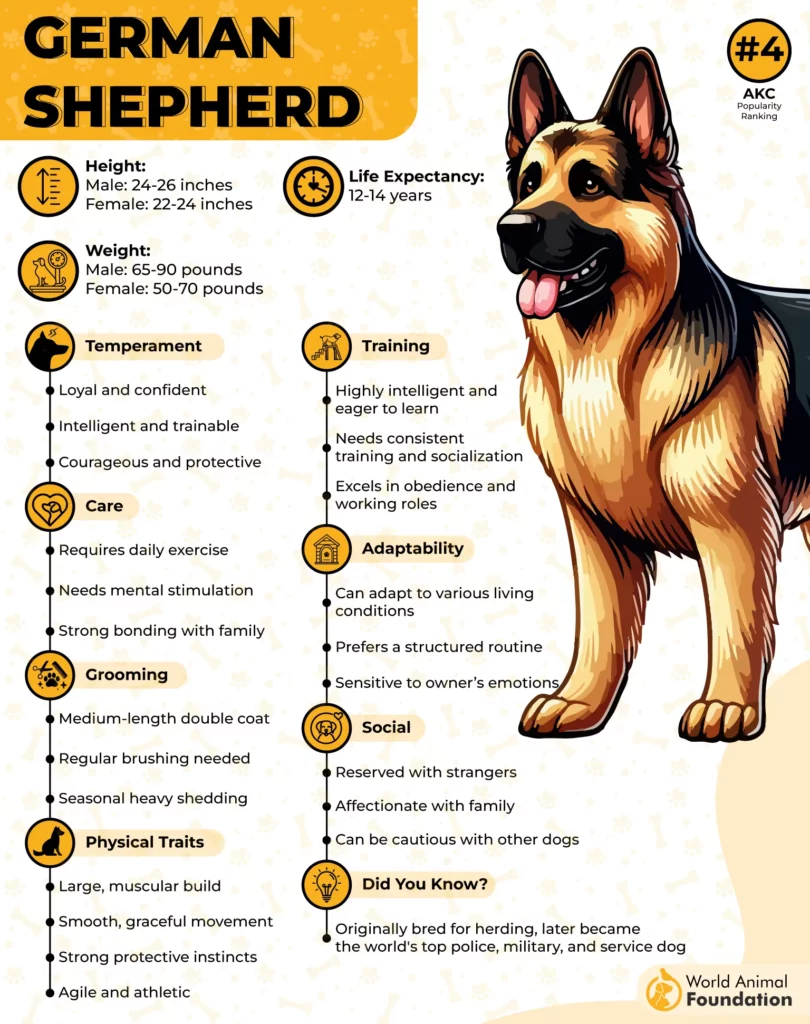
Here’s the good part. They want a job. Training is not a chore with a good German Shepherd; it is bonding time. German Shepherds are extremely loyal to their owners and form strong bonds with them.
They are also extremely intelligent and highly trainable, excelling in obedience training. They tend to read your tone, your face, and your stress level. That makes them a solid partner for home defense, because they can switch from playful to alert in a blink.
But why bother with moderate exercise? Because a bored Shepherd is a loud, messy Shepherd. They need walks, training, and mental work. They also need proper socialization so they do not get overly suspicious.
Their double coat sheds a lot, so brushing also becomes a bonding moment, not a chore. When you do it right, you get a loyal, steady guardian who makes you feel like you have backup, even on your worst days.
What makes them shine?
Reliable alert barking without panic
Strong obedience potential
Confident presence on walks
Needs structured activity to stay calm
7. Rottweiler
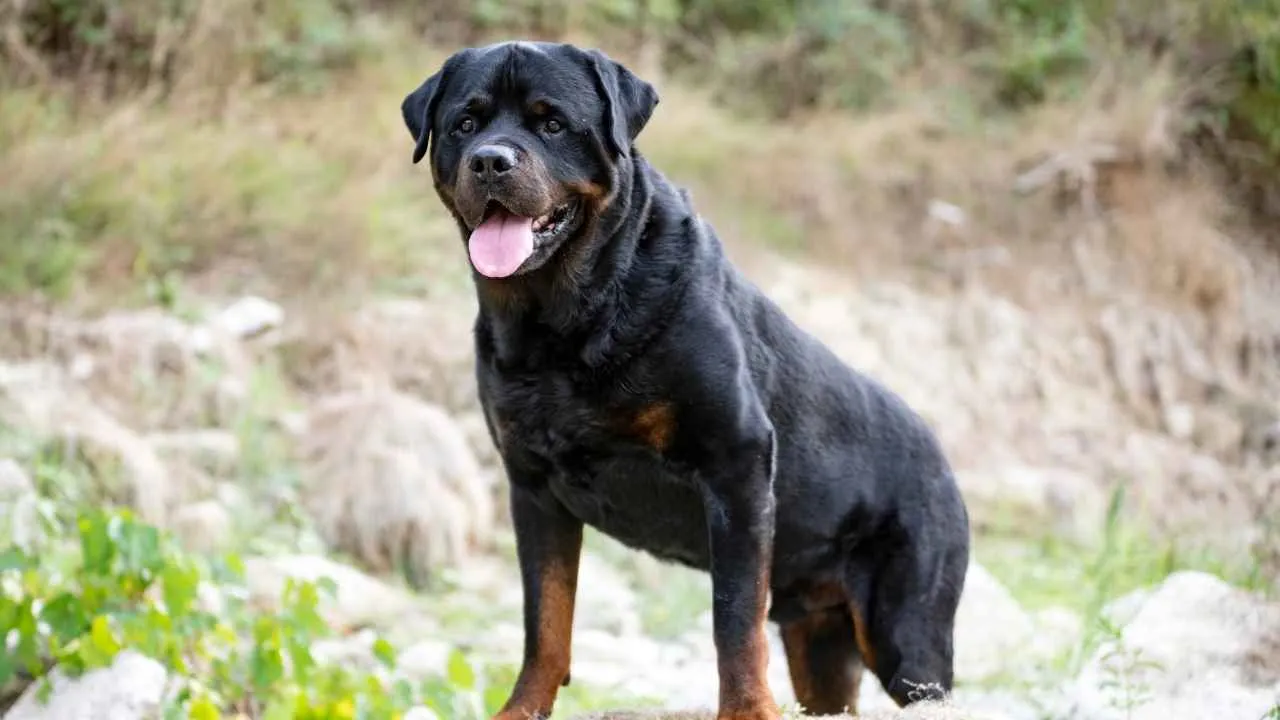
Rottweilers look like security guards in dog form, and that is not an accident. They are strong, confident, and often very loyal to their family.
A well-bred, well-trained Rottie can be calm at home, then instantly serious when something feels wrong. Their size and power alone can deter an intruder.
Rotties are often described as having a “heart of gold,” and that matters. You do not want a hot-headed dog. You want a protection dog with a clear head and a steady pulse, even when a door slams or a stranger shouts.
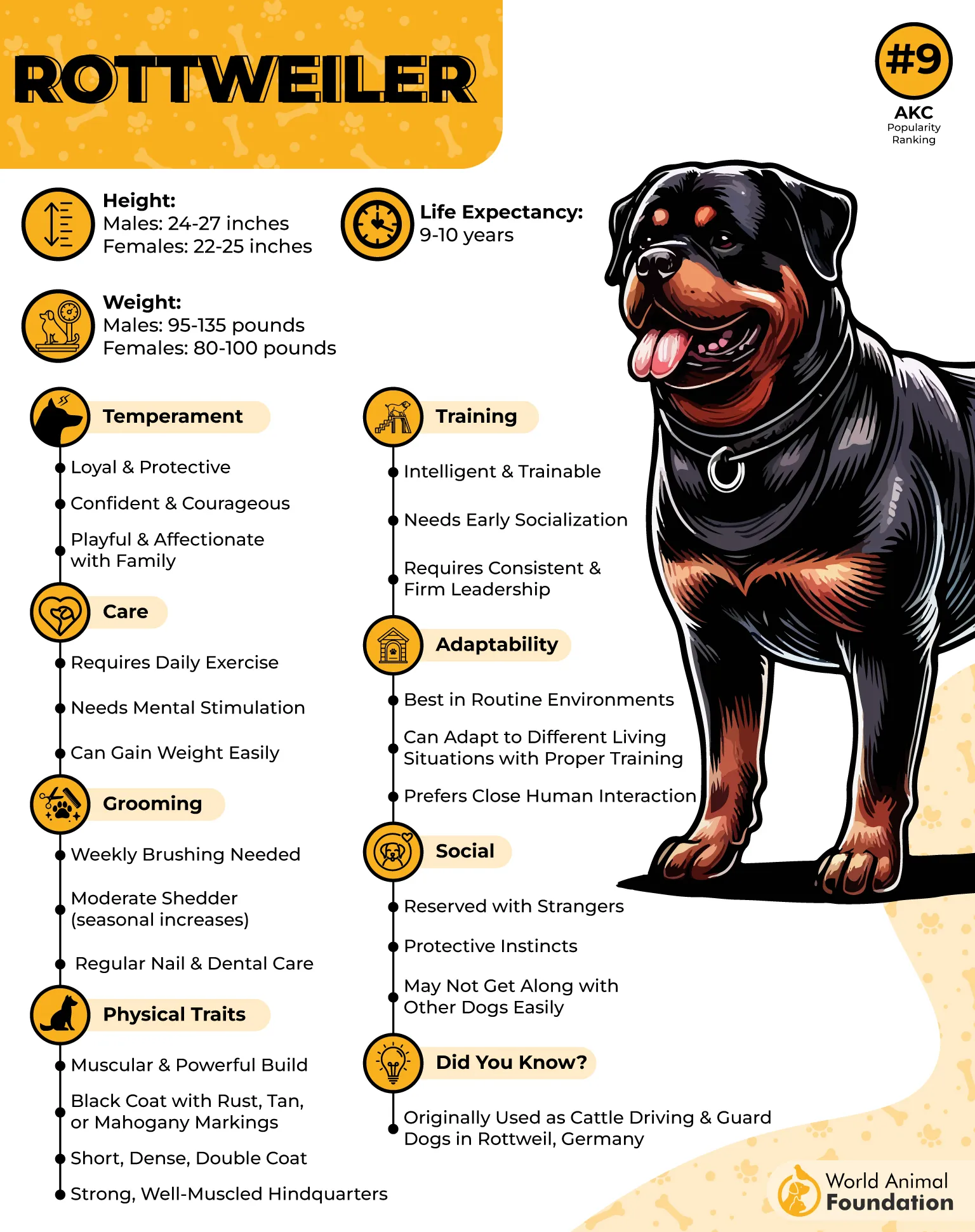
You want a stable dog who protects because they care, not because they are frantic. Many Rottweilers are affectionate and even cuddly with their people, which makes them a comforting partner for solo living.
Training is non-negotiable. They are powerful and can weigh up to about 130 pounds. If you skip manners, you will regret it. Start early, keep rules clear, and socialize them so they stay steady with visitors.
A calm Rottie who can ignore a guest on cue is gold. Do that, and you get a serious protector who is also a big baby on the couch.
Smart ways to keep a Rottie safe and steady
Early leash training, no pulling allowed
Calm guest routines, like “place” on a mat
Confidence-building walks, not chaotic parks
Consistent handling, gentle but firm
8. Belgian Malinois
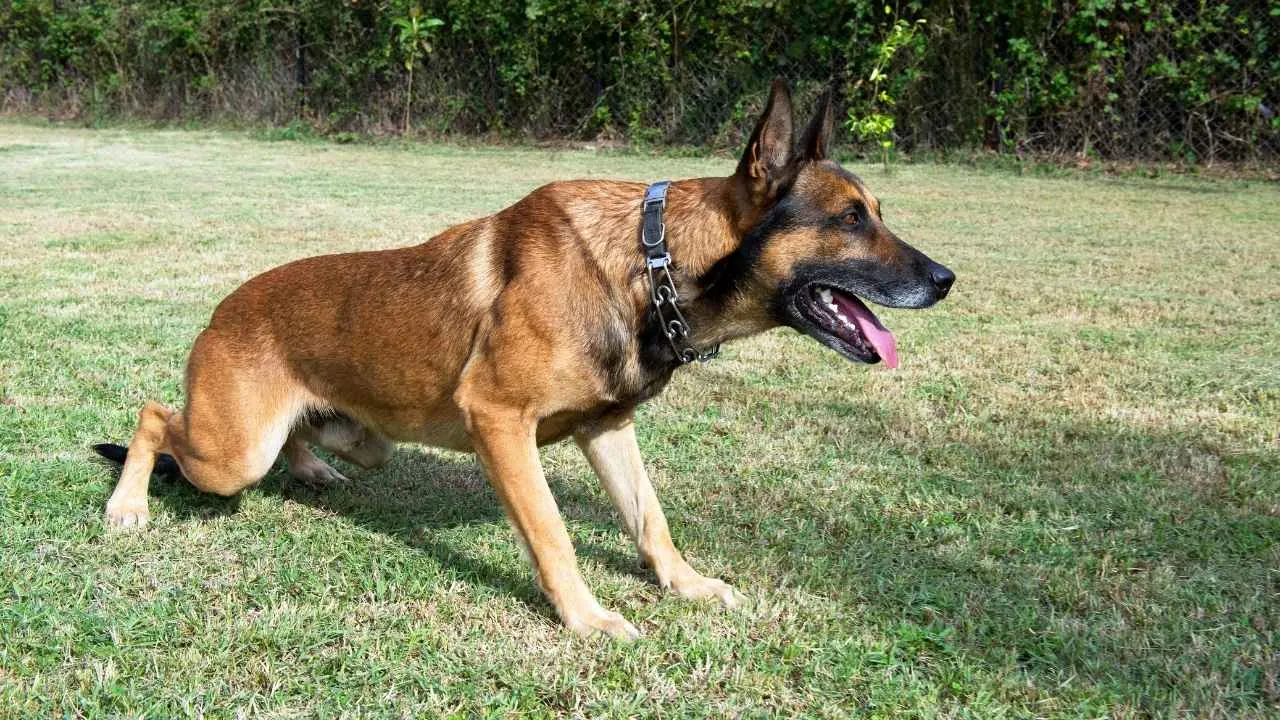
The Belgian Malinois is a high-drive working large dog with a brain that never shuts off. These dogs are popular in protection work for a reason: speed, focus, and intense trainability.
Belgian Malinois are often chosen for police and military work due to their ability to serve in demanding roles, and they are extremely intelligent with a high prey drive.
Many are in that 40 to 80 pound zone, so they are not giant, but they move like lightning. If you want a protection dog that can learn advanced obedience and stay laser-locked on you, this breed can feel like a superhero.
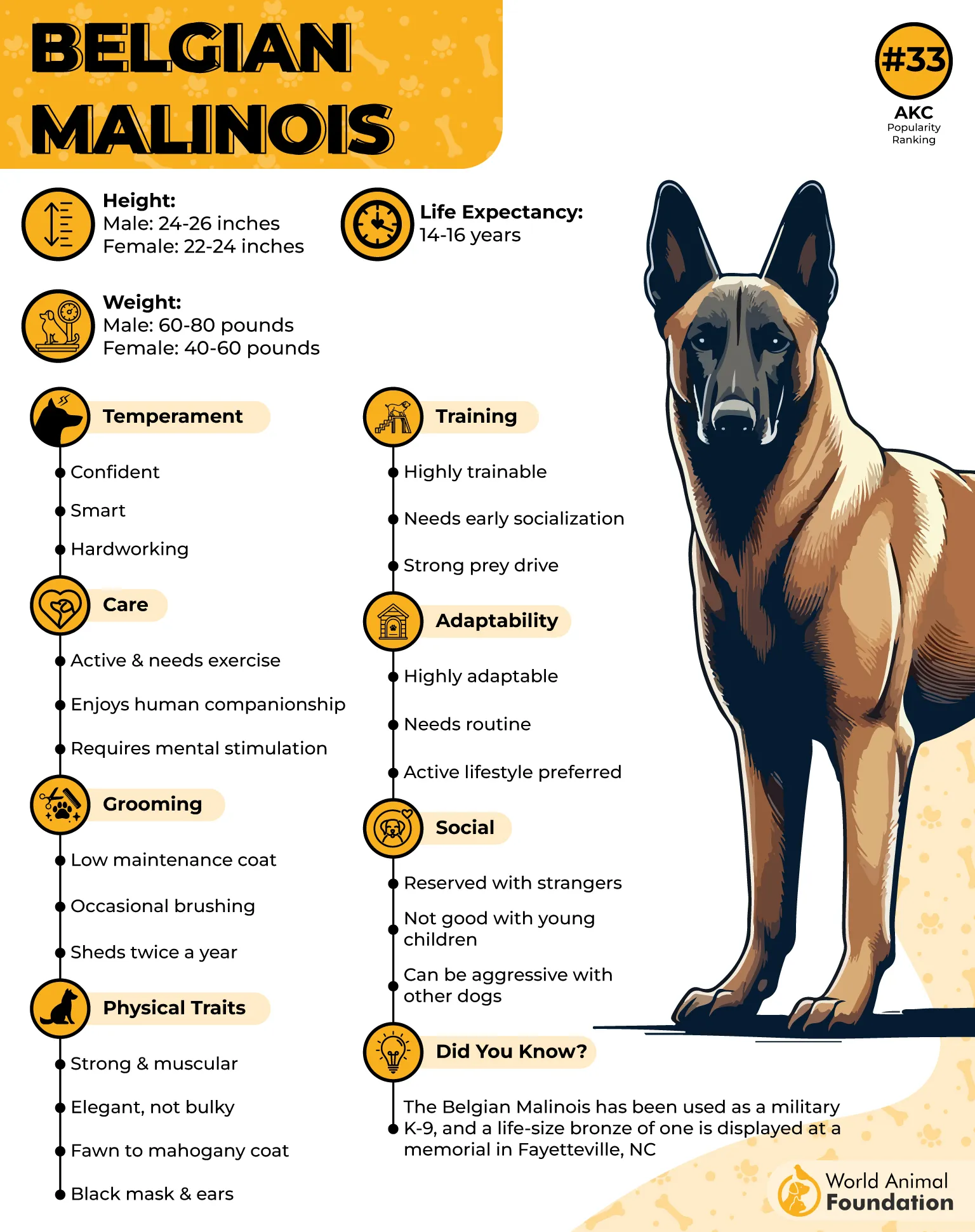
Belgian Malinois are highly trainable and possess strong protective instincts, making them the best guard dogs for women. Their high energy and drive mean they require an experienced handler, and some first-time dog owners may need professional training assistance.
Here’s the best part, and also the warning label. A Malinois thrives with a strict routine, daily exercise, and a lot of mental work. If you meet that need, they can be fearless, incredibly responsive, and loyal companions. If you do not, it gets even worse, though, because they can turn that energy into chaos at home.
A Malinois is best for single women who are active and ready to train like it is a hobby. If you are brand new to dogs, think hard, because this breed can outsmart you by breakfast. Runs, long walks, structured games, and clear rules.
If that sounds like your kind of life, a Malinois can be a serious home defense companion who makes you feel confident walking in your own neighborhood.
Malinois must-haves for real life
Daily hard exercise, not just a quick stroll
Advanced training goals to keep focus
Calm off-switch practice inside the home
Safe outlets like fetch, tug, and scent games
9. Boxer
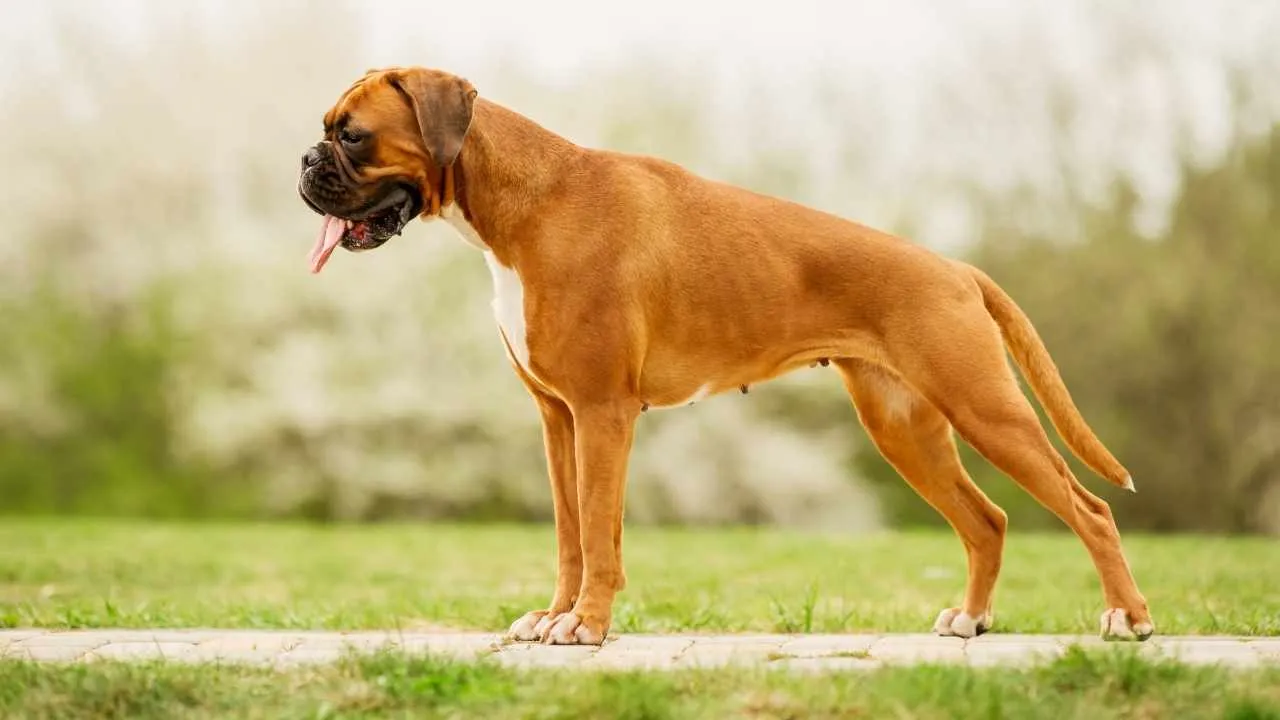
Boxers are the goofy friend who can flip into watchdog mode. They are playful, bright, and often very attached to their people, making them one of the most loving companions. Boxers require regular physical exercise and mental stimulation due to their high energy levels.
They might look silly when they “box” with their front paws, but do not let that fool you. They are alert, protective, and quick to notice strangers near the home.
They can be a great pick for single women who want both fun and safety. Though many dogs bark to alert you of the potential threat, Boxers often have a strong bark and a bold stance, which helps with deterrence.
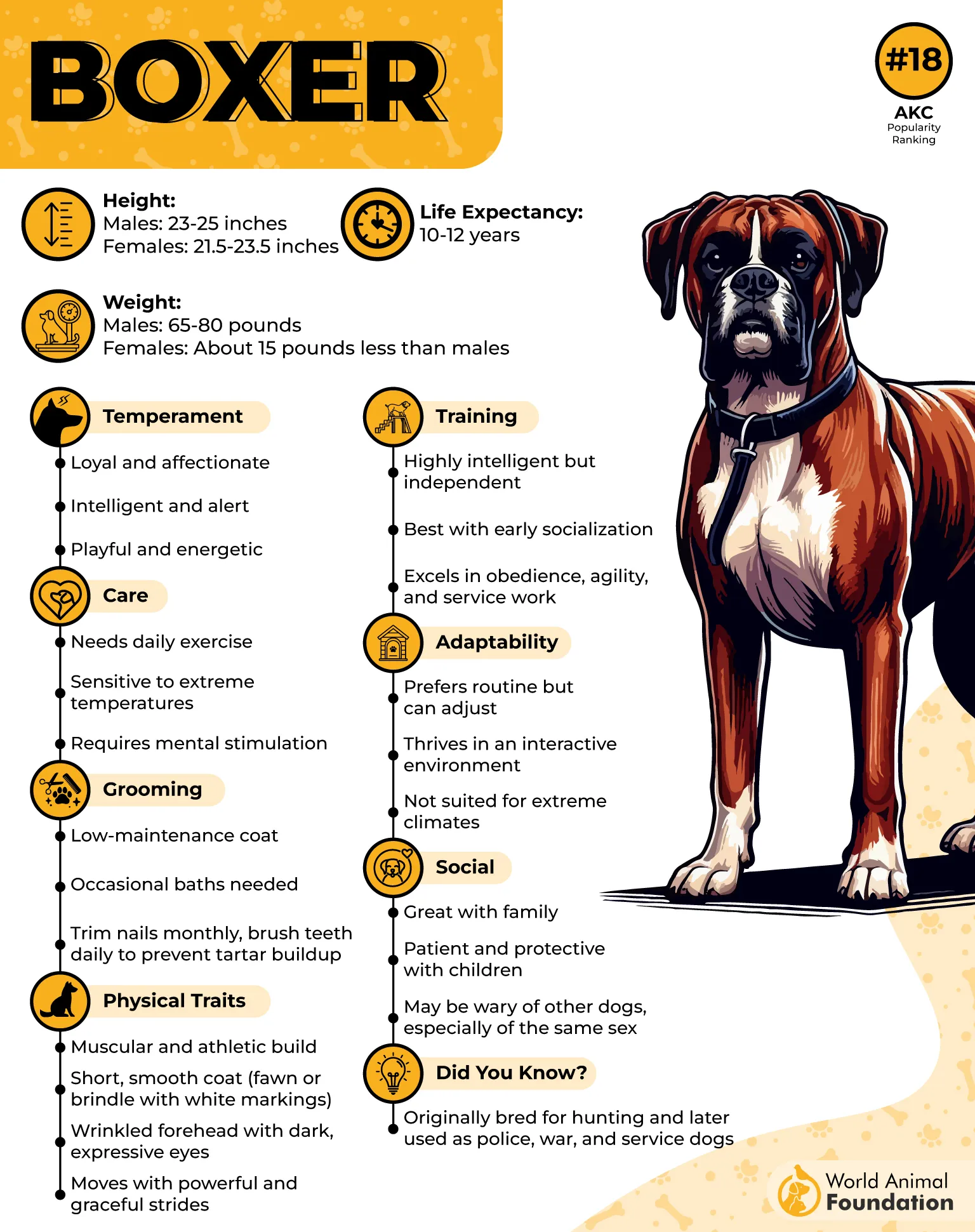
Boxers can adapt well to smaller spaces, such as apartments, if given regular outdoor physical activity. They also tend to love routines and family time, so you get a dog that keeps you moving and laughing, even when your week is trash.
The big key is proper training and social time, because Boxers can get overexcited. Teach polite greetings, basic obedience, and calm indoor habits. Give them daily exercise.
Also, watch heat, since many Boxers do not handle hot weather as well as long-nosed breeds, especially on long summer walks. Do that, and you get a loyal, best guard dog who makes the home feel alive, not tense.
What makes them shine?
Natural alertness with a clear bark
Strong bond with their person
An athletic body that moves fast
Needs structure so that play does not become chaos
Conclusion
Choosing a guard dog is not about finding the “toughest” breed. It is about the right match for your home, your energy, and your comfort.
Size helps. A deep bark helps, too. But the real magic is loyalty, steady nerves, and consistent training you can keep up with.
And here’s the best part! When you do that, your dog becomes more than home defense. They become your routine, your laughs, and your courage on four paws.
If you are ready, meet reputable breeders or rescues, ask about temperament, and commit to training. Look for breeds known for their loyalty and guarding instincts. You deserve to feel safe, and you deserve a best friend while you get there.
