




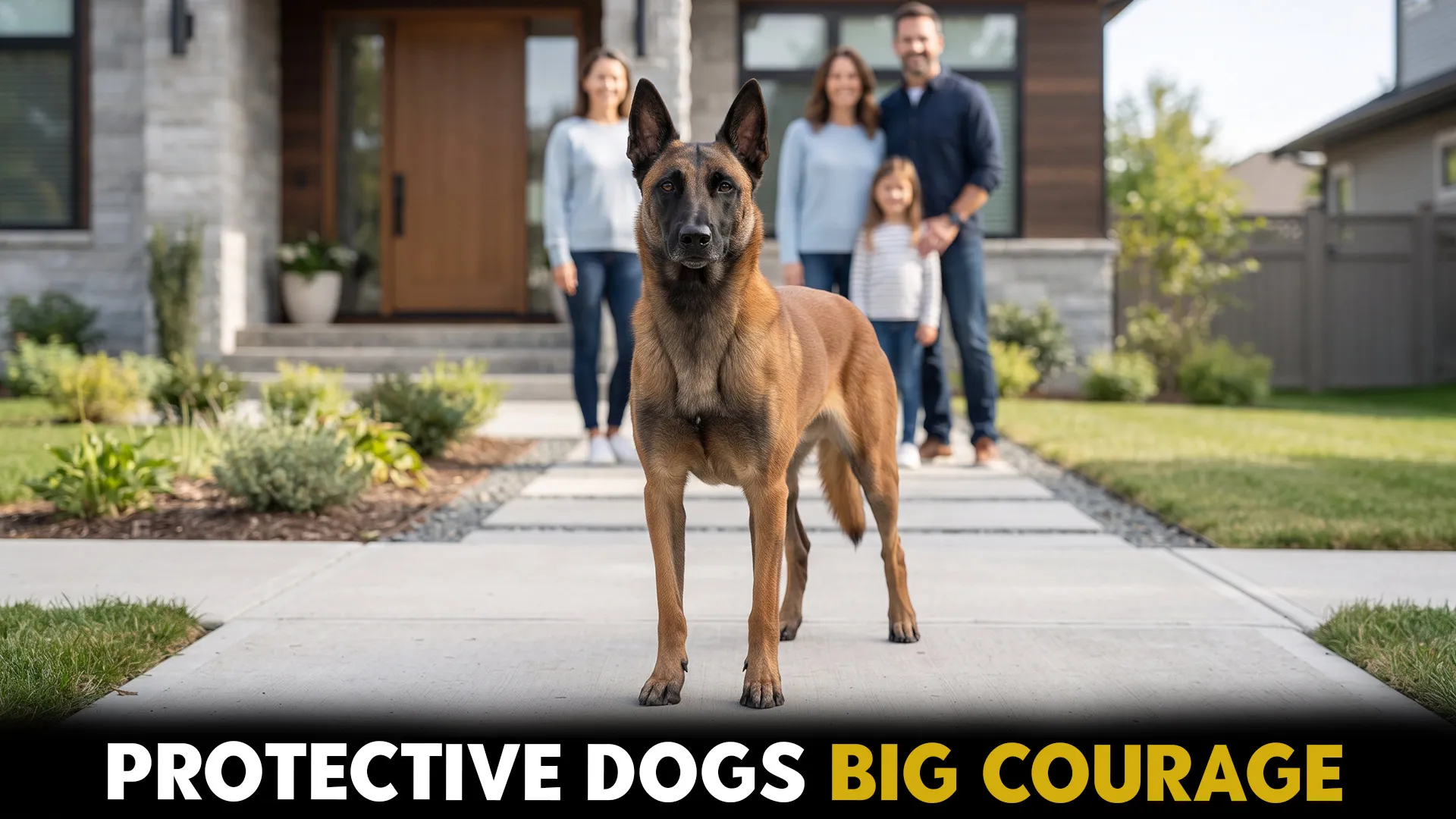
When it comes to keeping your family safe, a loyal dog can offer more than just companionship. The right dog can be an alert set of eyes and ears around your home, quick to notice unfamiliar people or unusual activity.
But being a good guard dog is not simply about being big or intimidating. Confidence, intelligence, loyalty, courage, and a natural protective instinct all matter.
The best family guard dogs know when to be watchful and when to relax. A protective dog should be able to recognize a genuine threat without treating every stranger, visitor, or passing noise as a danger.
This is why early socialization and consistent, positive training are so important. They help dogs become confident protectors while remaining calm, obedient, and friendly around the people they trust.
If you are looking for a strong and protective dog, the key is finding one whose temperament, exercise needs, trainability, and energy level match your lifestyle. The breeds ahead offer a fascinating mix of strength, loyalty, alertness, and family-friendly qualities.
Strong and Protective Dog Breeds That Keep Your Family Safe
1. German Shepherd
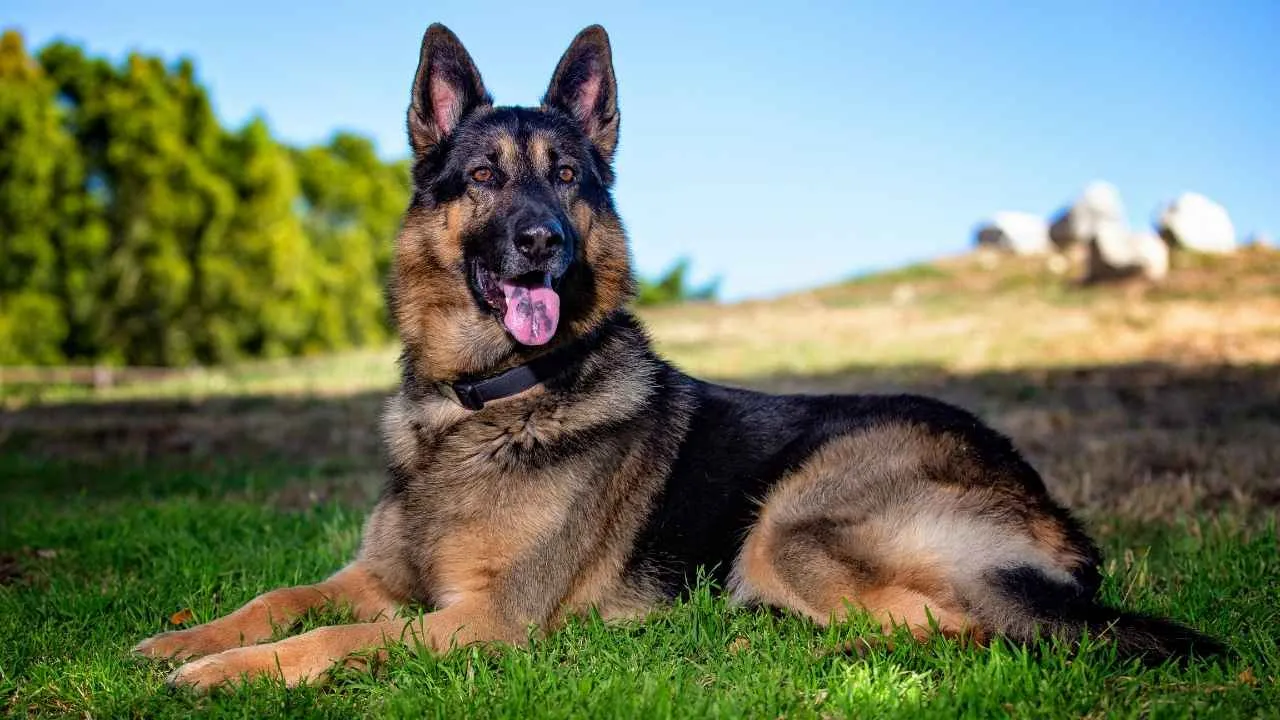
German Shepherds are natural protectors with a long history of working alongside people. Their confidence, bravery, and alert nature make them excellent guard dogs.
They are also widely used by police and military forces for patrol work, tracking, bomb and drug detection, and search and rescue. Their intelligence also makes them suitable as service and guide dogs.
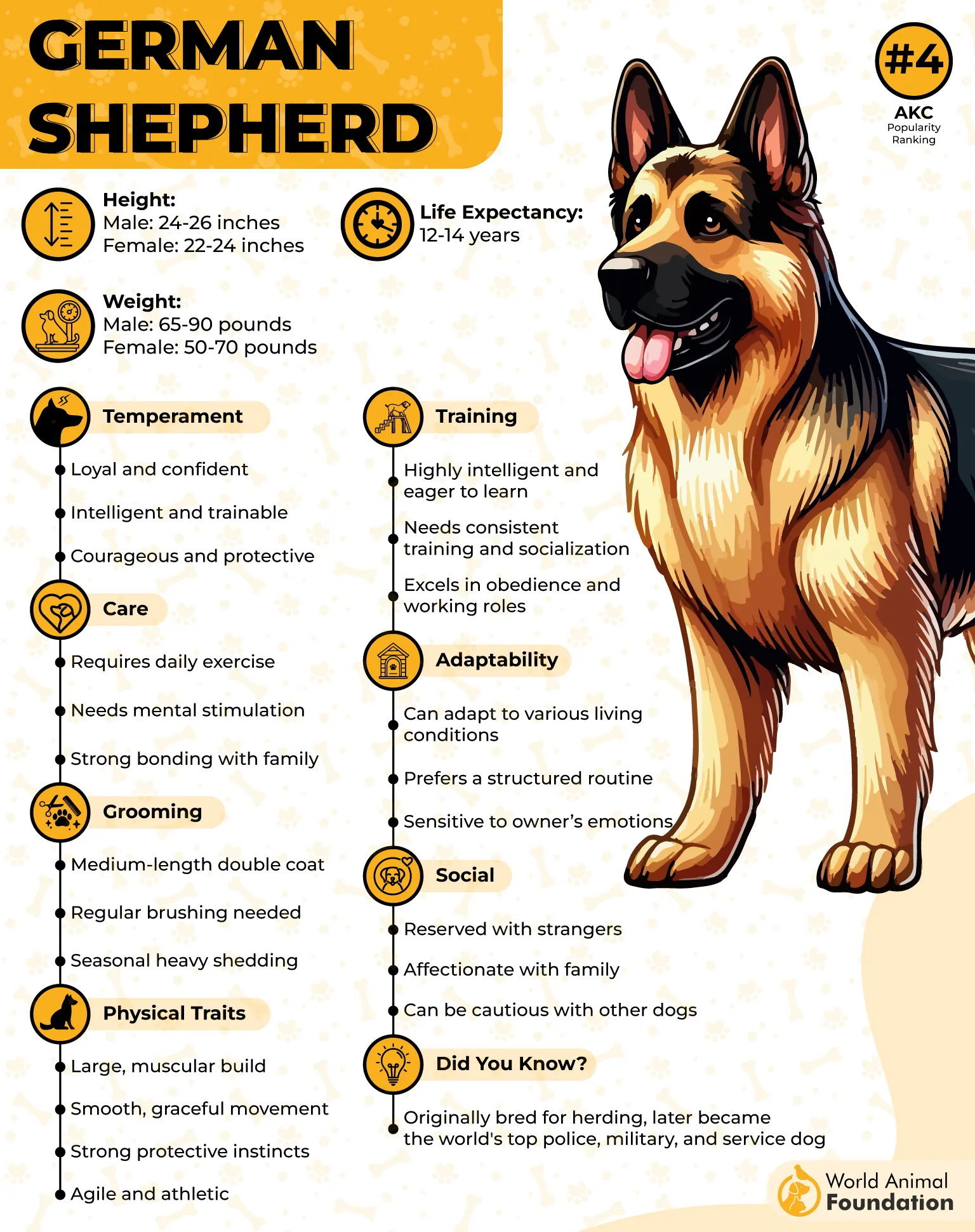
Why German Shepherds Stand Out
German Shepherds are devoted to their family members but can be reserved around strangers, as mentioned by PetMD. They are often playful and affectionate with the people they know. Early socialization and consistent training are important for managing their protective instincts.
They learn quickly but need clear guidance. Without proper training, some may become overly protective or aggressive toward people or other pets. Supervised interactions with children and other animals are also important.
Exercise & Grooming Needs
These high-energy dogs need one to two hours of exercise each day, along with mental stimulation. They enjoy having a job, whether it involves obedience training, tracking, scent work, or puzzle games.
Their double coats shed heavily throughout the year, with heavier shedding during spring and fall. Regular brushing helps manage the loose fur. They may also bark when they sense something unusual, although training and sufficient exercise can help reduce unnecessary barking.
2. Doberman Pinscher
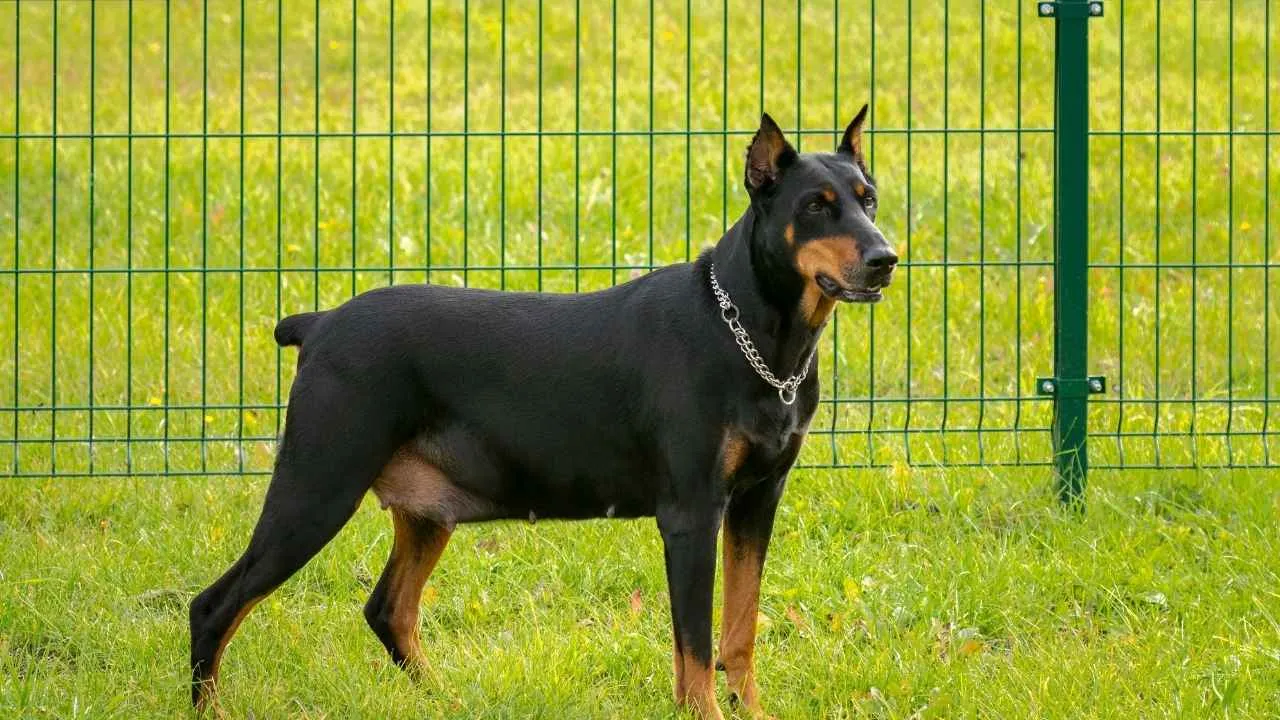
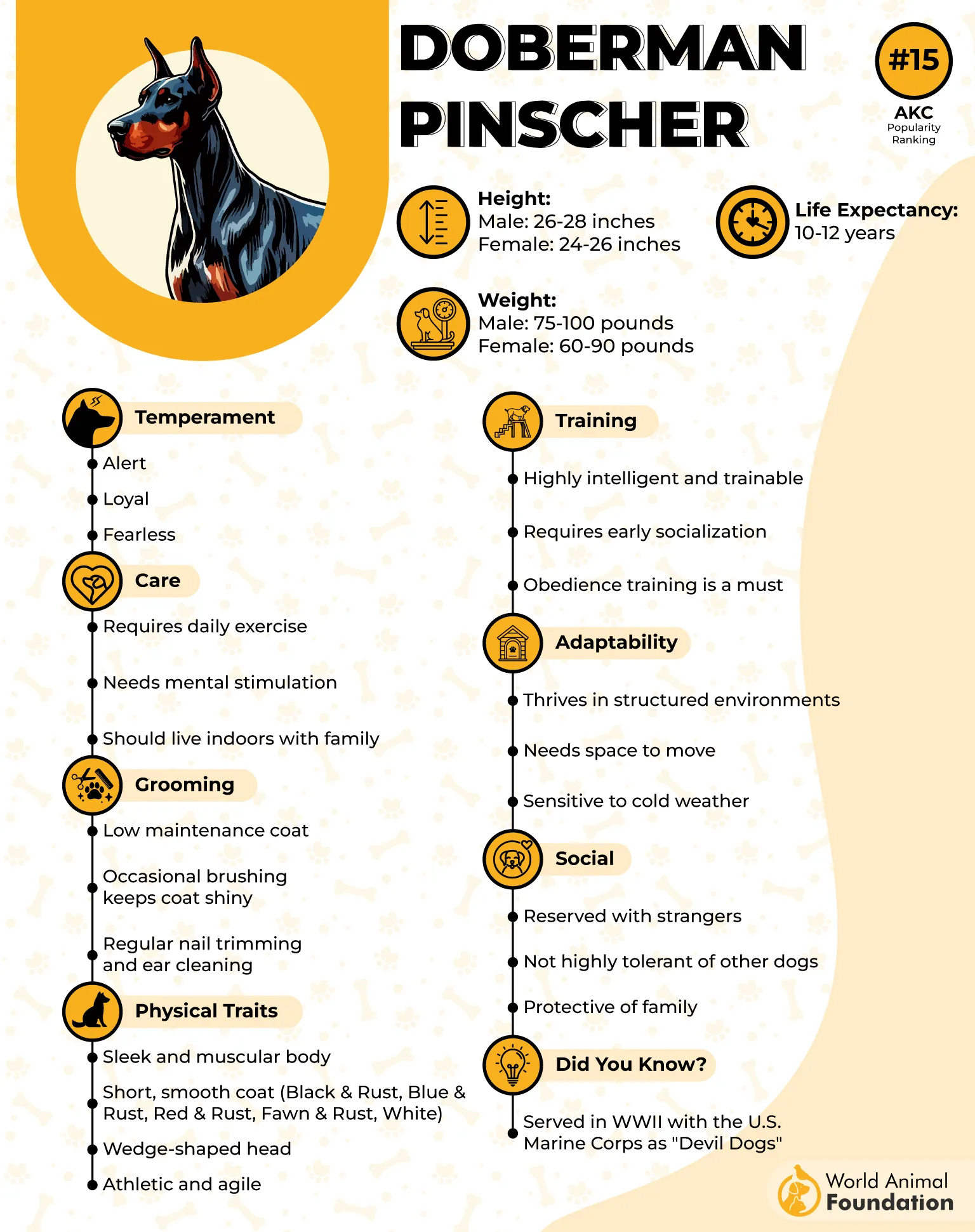
Doberman Pinschers are powerful dogs with a strong protective instinct. Originally developed in Germany as both guard dogs and companions, they are now also used in security, police work, and search and rescue.
They are usually quiet but quick to sound an alarm when they sense a threat. With their speed, strength, and eagerness to learn, they can handle complex training and obedience tasks.
Why Doberman Pinschers Stand Out
Dobermans are deeply loyal and affectionate with their families. They can be wary of strangers and domineering toward unfamiliar dogs because of their protective nature. Early and consistent training helps keep these instincts under control.
They are sensitive and eager to please, and they enjoy obedience training. Dobermans can do well with children and familiar pets, but their strong prey drive may make them unsuitable for homes with small animals such as rabbits or guinea pigs.
Exercise & Grooming Needs
Doberman Pinschers are energetic dogs that need regular physical activity and mental stimulation. Long walks, runs, obedience work, and other activities can help keep them occupied. Without enough exercise, they may become bored and develop destructive behaviors.
They should be kept on a leash or within a secure fence outdoors because they may chase smaller animals. Their very short coat requires minimal grooming, with an occasional brush enough to keep it neat and glossy.
3. Akita
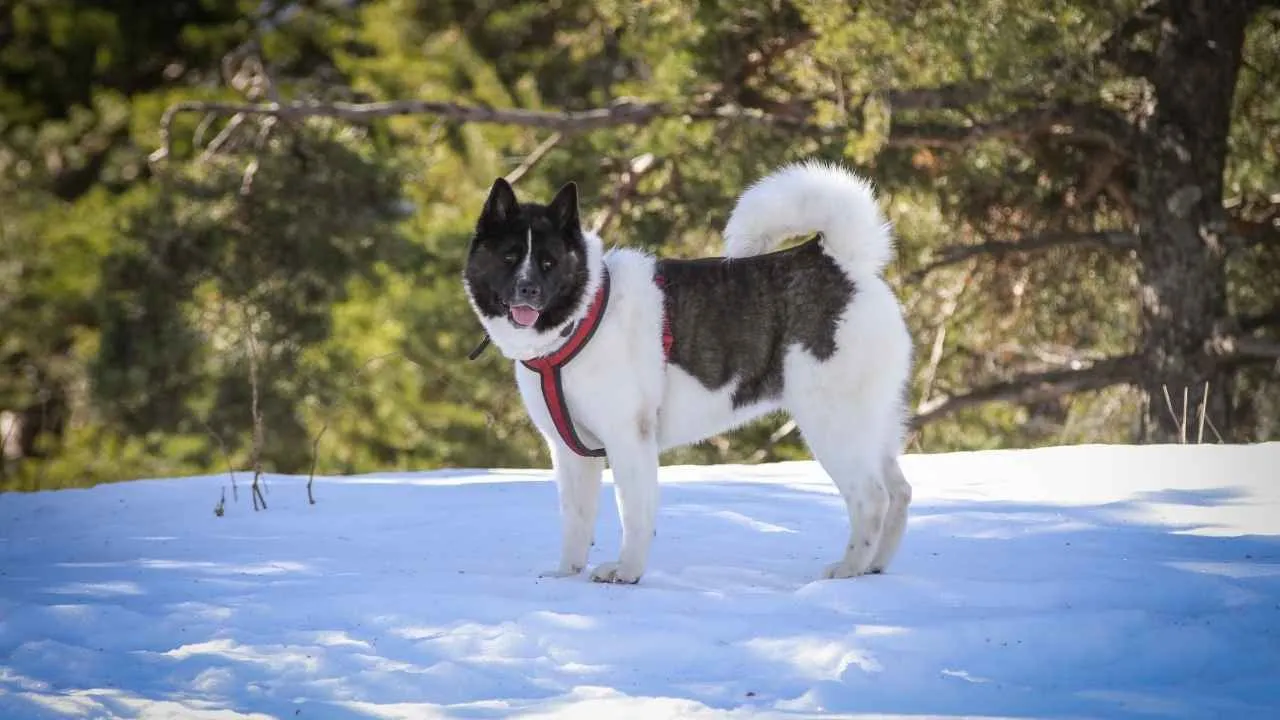
Akitas are Japanese working dogs with a natural instinct to protect their families. Originally bred for hunting, they are known for their courage and independent nature. Akitas are excellent watchdogs and usually do not bark without reason.
Instead, they quietly observe their surroundings and alert their families when someone enters their territory. Their loyalty is famously represented by Hachiko, an Akita remembered for waiting years for his deceased owner.
Why Akitas Stand Out
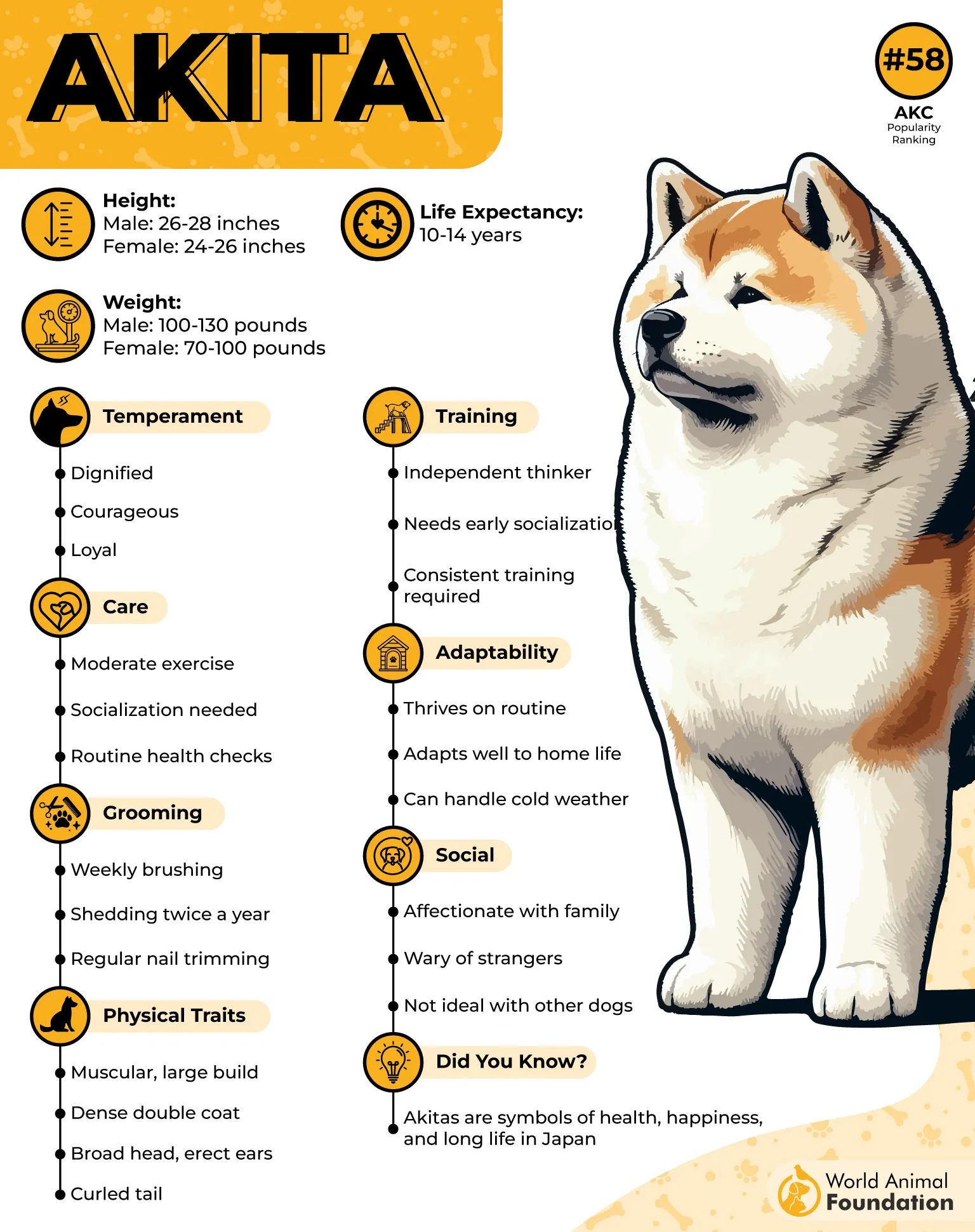
Akitas are affectionate and playful with their families but tend to be reserved around strangers. They may even place themselves between their loved ones and a perceived threat. Their strong-willed and independent nature means they need firm, consistent training and early socialization.
They are best suited to experienced owners who understand their boundaries. Children and other pets should always be supervised, and children should be taught to interact with them respectfully.
Exercise & Care Needs
Akitas are fairly active and enjoy both physical and mental challenges. Long walks, hikes, and puzzle toys can help keep them engaged.
Their thick, plush coat also means they can be sensitive to heat and are better suited to cooler climates. Regular care is needed for their heavy coat, while their independent nature makes consistent training an important part of daily life.
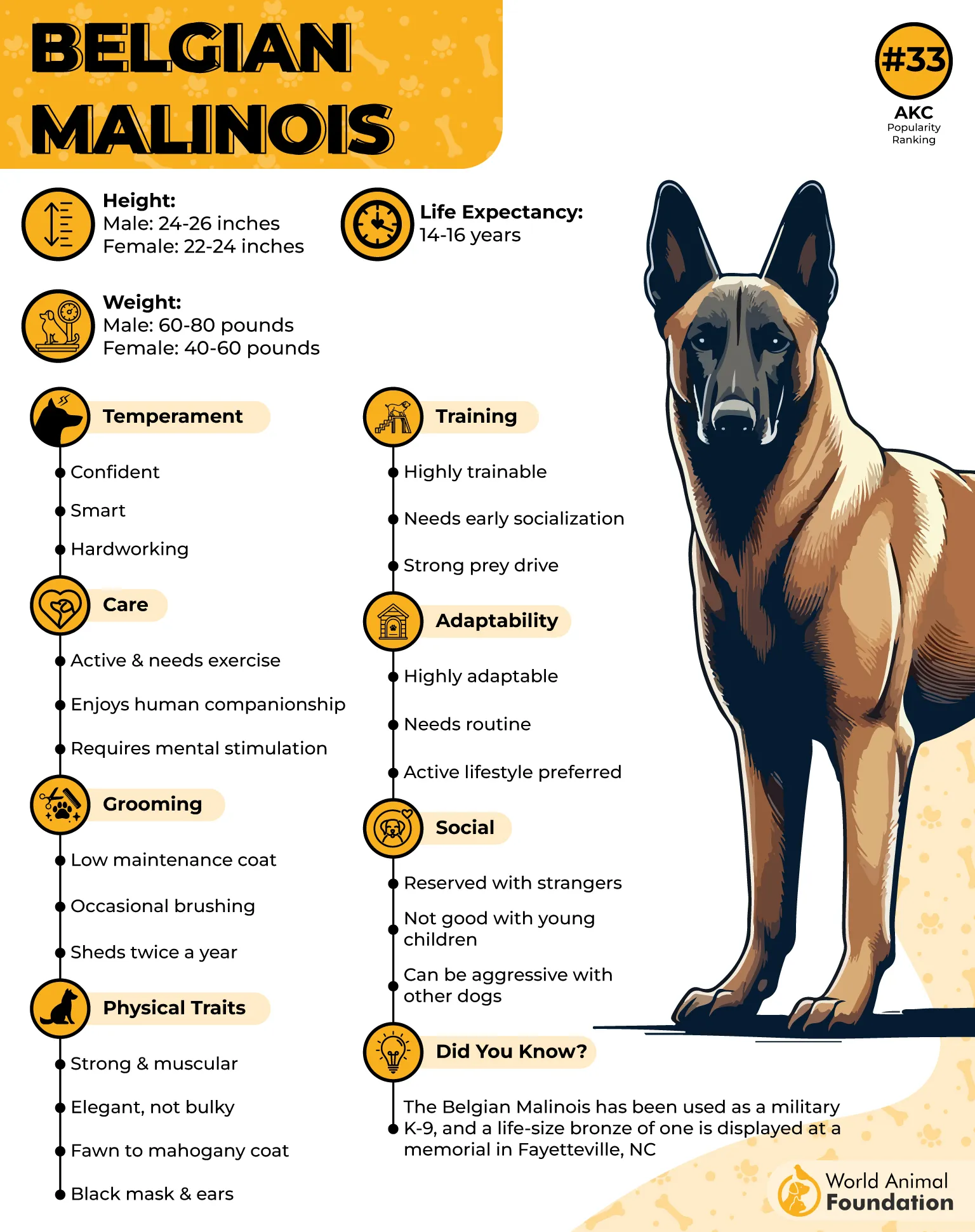
4. Belgian Malinois
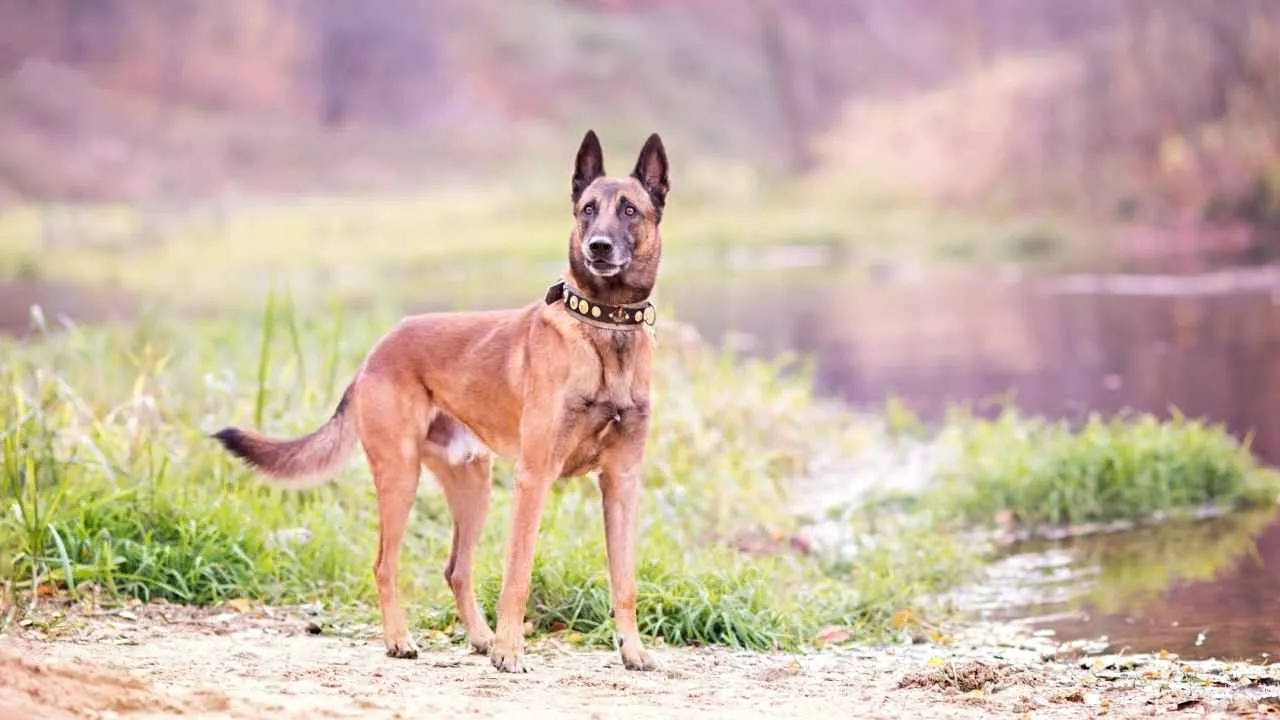
Belgian Malinois are powerful working dogs with strong protective instincts. Originally bred as herding dogs in Belgium, their trainability and energy later made them valuable in police and military work.
They are now used for search and rescue, tracking, and bomb and drug detection. They are happiest when they have a clear job to do and an active lifestyle to match.
Why Belgian Malinois Stand Out
Belgian Malinois are intensely loyal and quick to respond to their handlers. Their strength, focus, and sharp intelligence make them reliable working dogs. However, they need experienced owners who can provide early, consistent, and long-term training.
They can live with children when properly trained and socialized, but play should always be supervised. Their high prey drive may cause them to chase toddlers, cats, other dogs, cars, or anything that moves.
Exercise & Training Needs
Daily walks alone are not enough for this energetic breed. Belgian Malinois need intensive physical activity, such as running, hiking, biking, agility, tracking, herding, or obedience work. They also need plenty of mental stimulation.
Without enough exercise and structured activities, they may become bored and develop destructive behaviors, according to Orvis. Their demanding energy levels make them better suited to very active households.
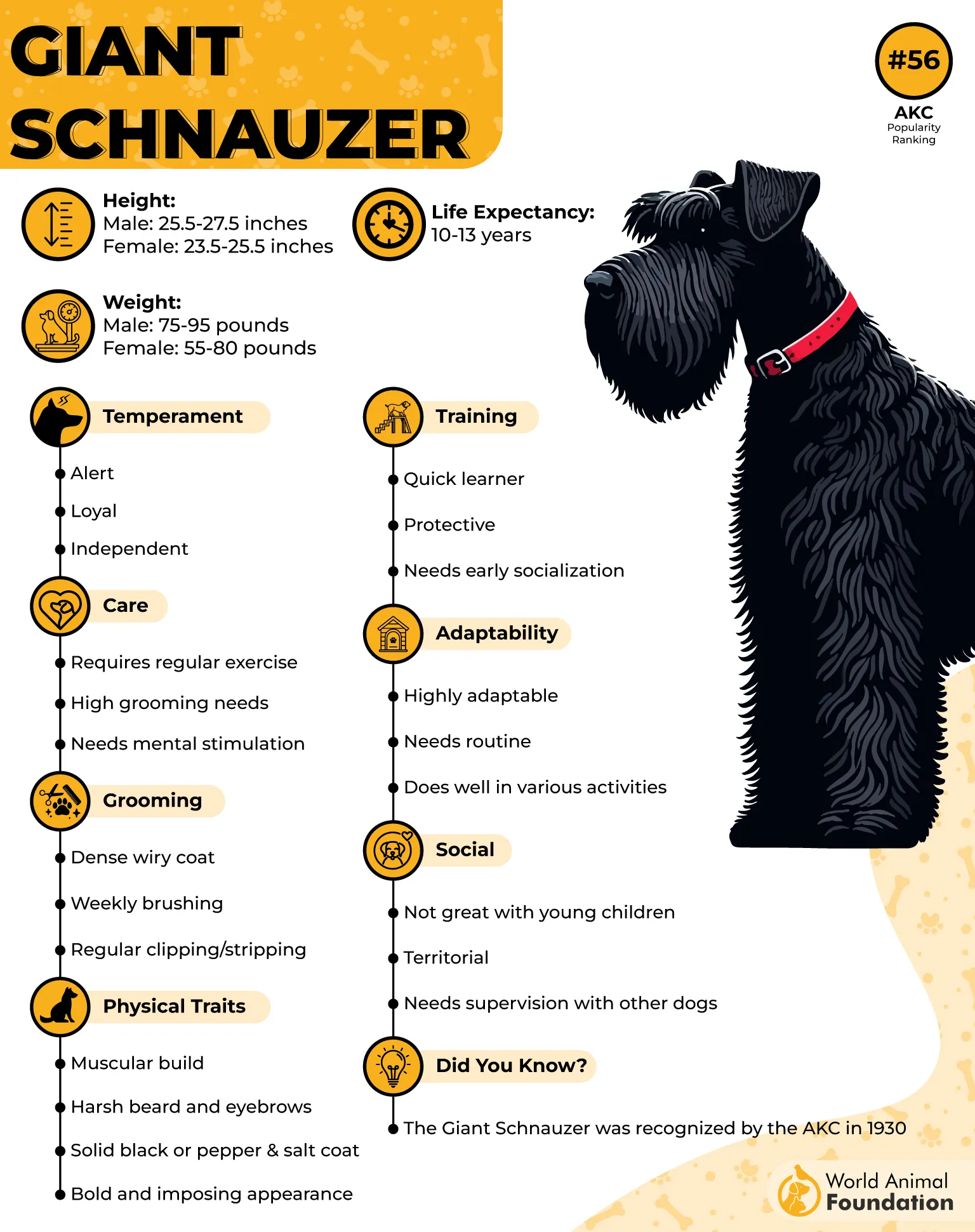
5. Giant Schnauzer
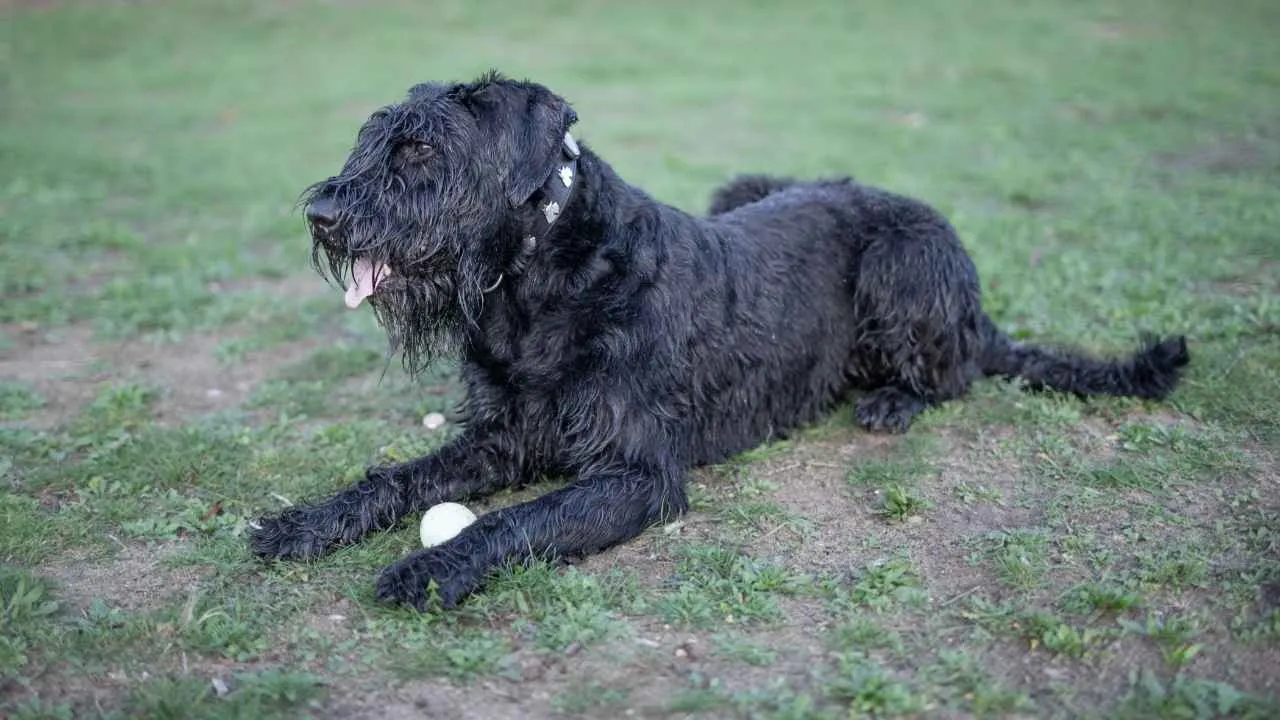
Confident, intelligent, and deeply loyal, Giant Schnauzers are powerful working dogs with strong protective instincts. Developed in Germany as farm and home guardians, they later became popular in police and military work.
They form close bonds with their families and are calm and affectionate at home. Around strangers, however, they tend to be cautious and watchful rather than immediately friendly.
Why Giant Schnauzers Stand Out
Giant Schnauzers are naturally protective and territorial, but they are not inherently aggressive. Early training is important because they may try to take control if boundaries are unclear. Puppy socialization should include different people, animals, and experiences, especially visitors entering the home.
When raised with other dogs and cats, they can usually live peacefully with them, but their history of catching vermin means they should not be trusted around rodents. They are generally quiet and bark when they have a reason.
Exercise, Training & Grooming Needs
These energetic dogs need daily exercise, mental stimulation, training, and play. They enjoy having a job to do and can excel at activities such as fetch and obedience work.
Their intelligence makes them eager to learn, but they can also be mischievous without enough activity. Their wiry double coat requires daily brushing and regular professional grooming to stay in good condition.
6. Cane Corso
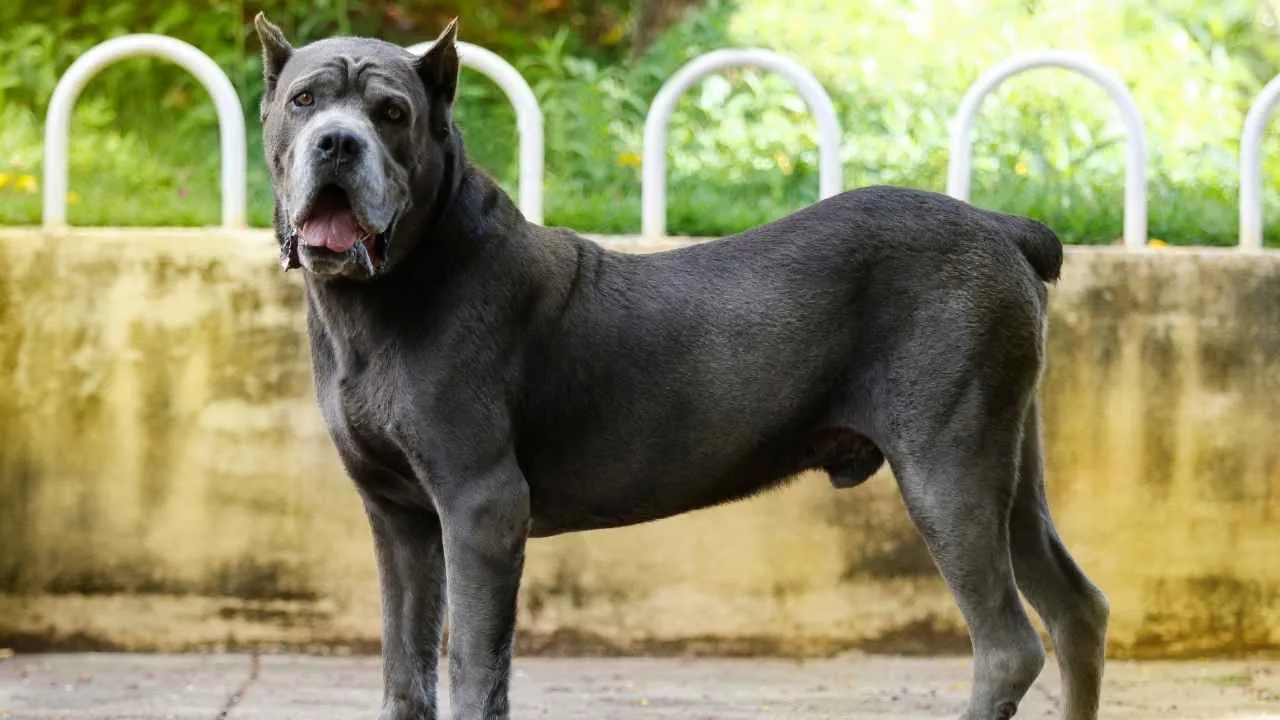
Cane Corsos are Italian Mastiffs with a long history as working and guardian dogs. Their ancestors served as watchdogs, farm workers, and even canine soldiers.
The name Cane Corso can be translated from Latin as “guard dog of the courtyard,” which reflects their natural protective instincts. Despite their imposing appearance, they are affectionate and devoted to their families.
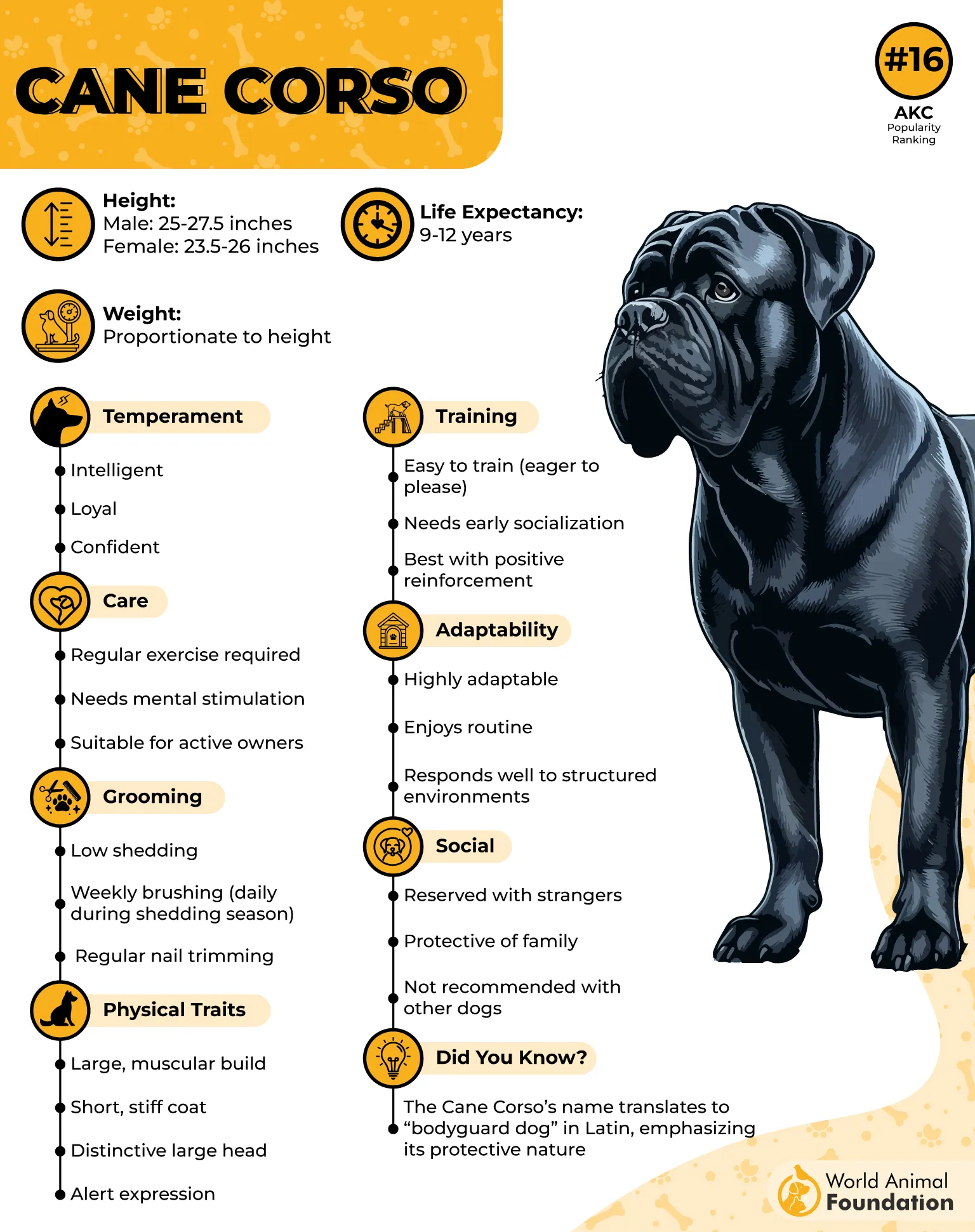
Why Cane Corsos Stand Out
Cane Corsos are naturally protective of their homes and people. They can be suspicious of unfamiliar people and animals, so early socialization is essential. They are intelligent and eager to please but can also be willful. Positive-reinforcement training works better than harsh corrections.
With proper socialization, they can form close bonds with children and live well with other dogs. However, they may stand their ground when challenged by unfamiliar dogs.
Exercise, Training & Grooming Needs
These muscular working dogs need plenty of daily exercise and mental stimulation. A brisk walk of about a mile in the morning and evening can help keep them fit, while activities such as agility, obedience, tracking, and protection sports give them a job to do.
Their short coat is relatively easy to maintain, although moderate shedding occurs throughout the year.
7. Rottweiler
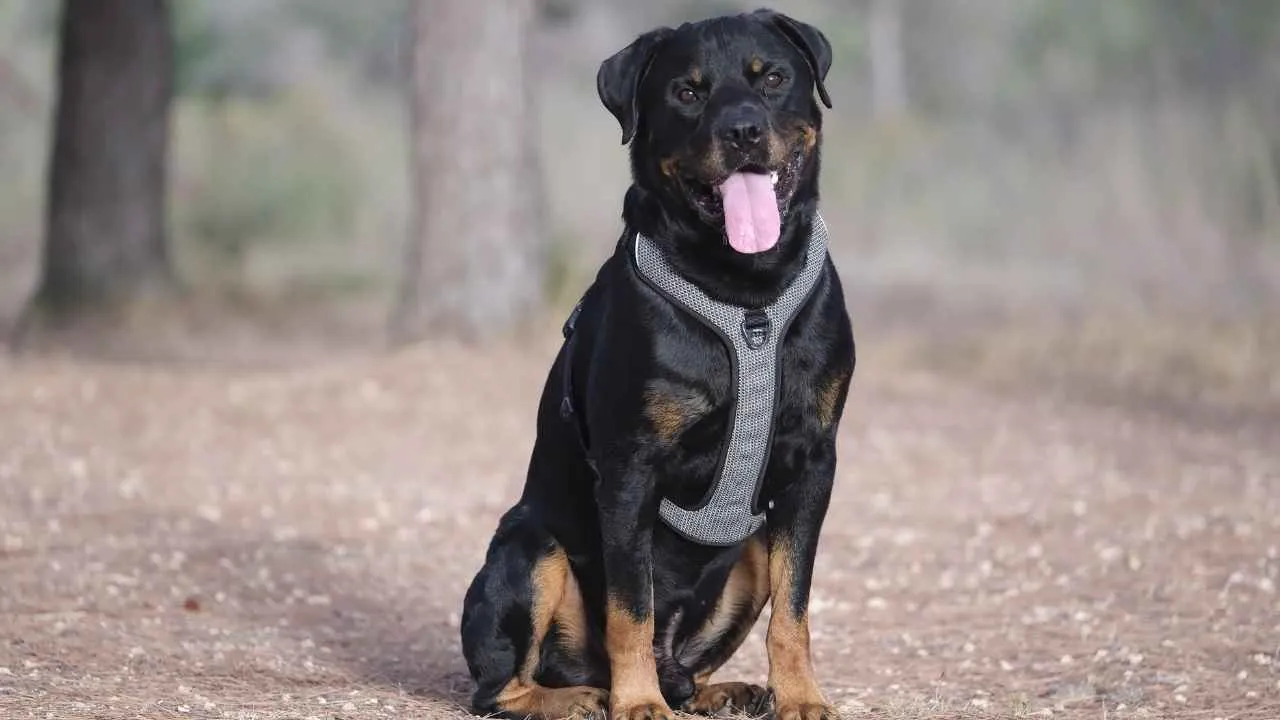
Powerful, loyal, and intelligent, Rottweilers are working dogs with a long history as guardians and companions. They are believed to descend from mastiffs used by the ancient Roman legions.
Despite their strong appearance, they are often calm, gentle, and affectionate with their families. Many Rottweilers form close bonds with their owners and like staying near them.
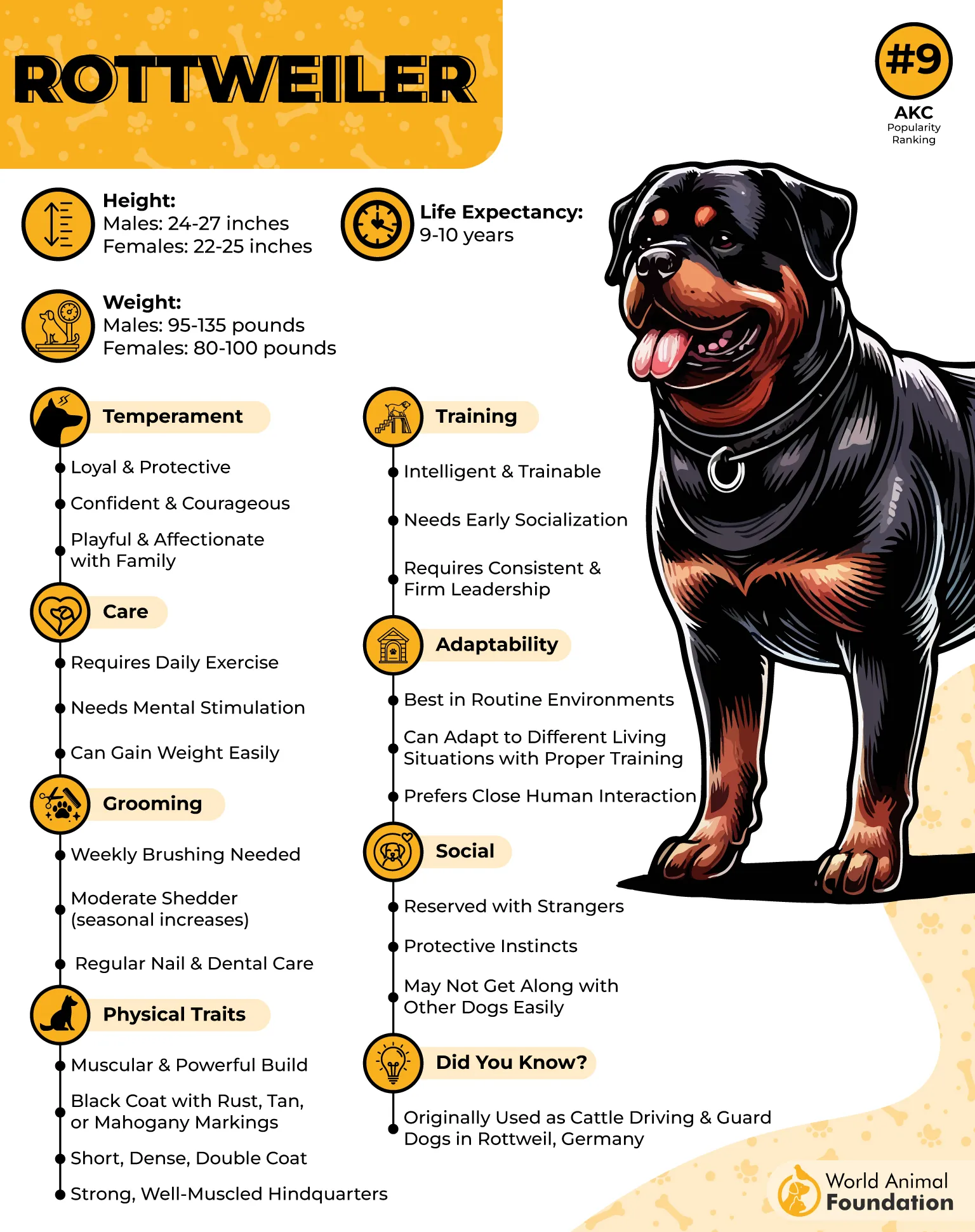
Why Rottweilers Stand Out
Rottweilers can be reserved in unfamiliar situations and may bark when meeting new people. Early training and socialization help them become polite around guests, children, and other dogs. They are eager to please and respond well to positive reinforcement using treats, toys, and praise.
Their size and strength make proper training especially important. They can also struggle with isolation, so they do best with plenty of companionship.
Exercise, Training & Grooming Needs
Chewy says Rottweilers need at least one to three hours of exercise each day. Walks, hikes, dog sports, and backyard play can keep them active, while mental stimulation helps prevent boredom and unwanted chewing or other behaviors.
Their short black-and-tan coats shed throughout the year, so regular brushing is needed. They are generally quiet dogs and may make a deep rumbling sound when relaxed and content, rather than barking.
Conclusion
Strong guard dog breeds can bring an extra sense of security to a home while also becoming loyal family companions. From their intelligence and courage to their alertness and devotion, each breed offers different qualities. But strength alone does not make a good family guardian.
Before choosing a protection dog, take time to consider your family, lifestyle, experience, and the dog’s daily needs.
The best match is not necessarily the biggest or strongest breed, but the one that fits naturally into your home. With the right choice, your four-legged guardian can become one of the most trusted members of the family.
