




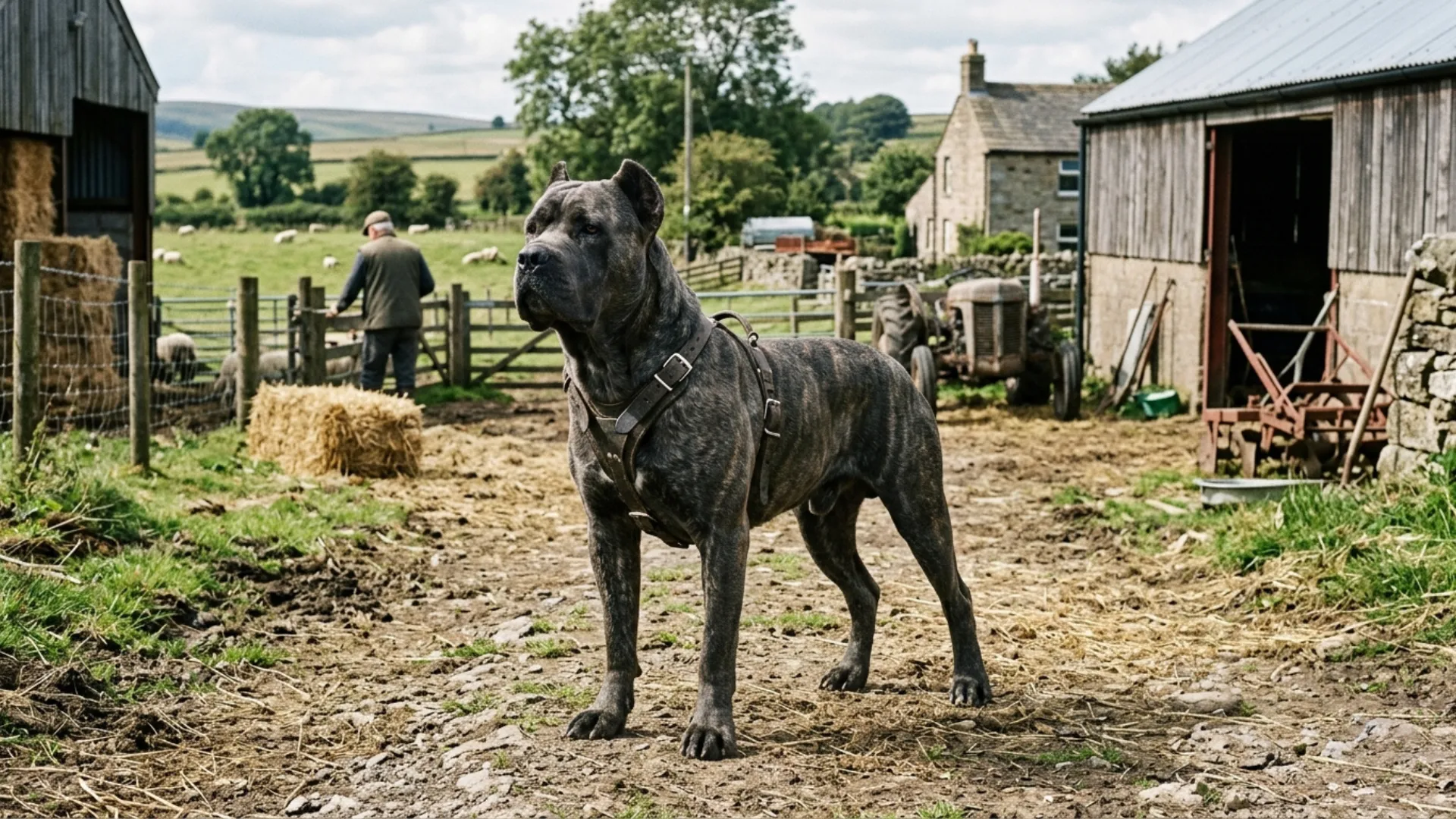
In rural life, where wide fields meet long days of physical work, the right dog isn’t just helpful, it’s essential. A reliable working dog becomes more than a companion; it’s a partner in labor, a guardian of property, and a steady protector of livestock.
These breeds weren’t created by chance. Over generations, they’ve been shaped to handle tough conditions, combining raw strength with sharp intelligence. What truly sets them apart isn’t just muscle, but their ability to think, adapt, and respond to demanding, real-world tasks.
From herding cattle across open pastures to pulling heavy loads, guarding farms, and supporting daily agricultural work, these dogs deliver a rare blend of power and purpose. Their endurance allows them to work long hours without wearing down, something few animals can match.
In this article, we’ll explore some of the most powerful dog breeds built for strength, resilience, and real value in rural life.
Top Strength‑Focused Working Dog Breeds for Rural Life
There are certain powerful and strong working dogs that are ideal for rural life. Let’s discuss such breeds in detail:
1. Great Pyrenees
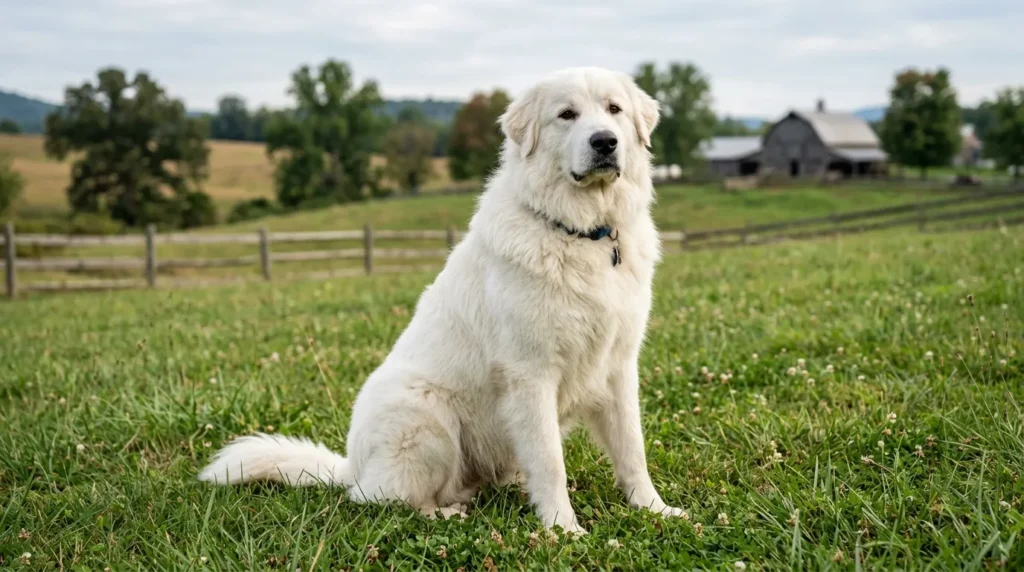
The Great Pyrenees is a large dog that is a powerful guardian with a dense white coat and an imposing size. It was originally bred in the mountainous regions between France and Spain. Yes, it was built for endurance and has strong protective instincts.
Fact
According to Purina, it has many different names, such as Le Grande Chien des Montagnes, which means “the big dog of the mountains,” Le Chien des Pyrenees, which means “the dog of the Pyrenees,” or, as it is known throughout England, the Pyrenean Mountain Dog.
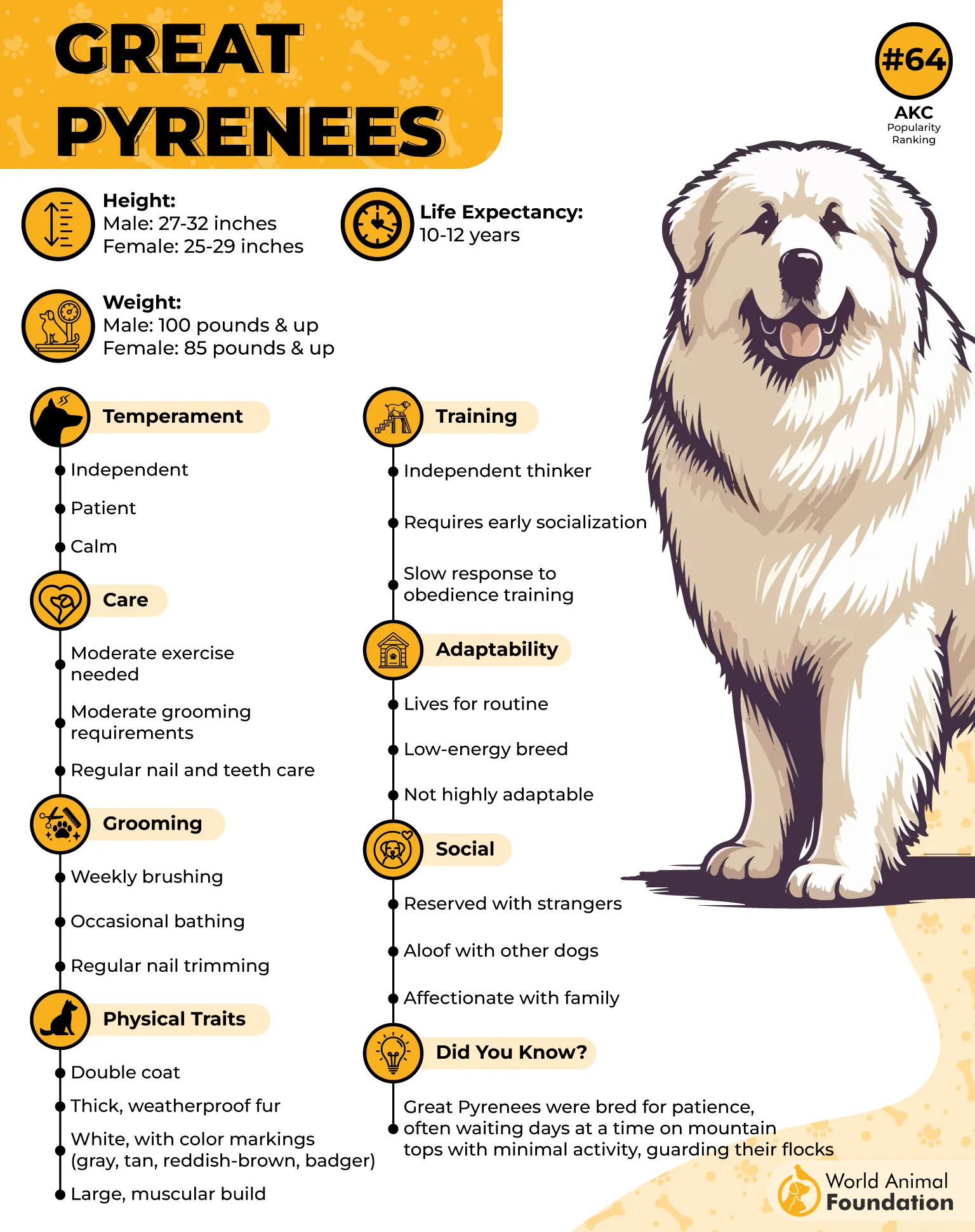
The Great Pyrenees is calm, patient, and one of the most loyal dog breeds that is deeply devoted to its territory and livestock. Of course, despite its gentle behavior, it becomes highly alert and assertive when facing threats. Yes, it has an instinctive understanding of protecting sheep, goats, and cattle without needing extensive training.
It is exceptionally active at night, when predators are most dangerous. The good thing is that its calm demeanor prevents unnecessary panic in livestock. Moreover, its independent decision-making ability allows it to assess threats and take action without waiting for commands.
Once bonded to a farm or herd, it treats that entire space as its own responsibility and remains consistent in long-term guarding duties. But due to its heavy double coat, it is not suitable for hot climates.
2. Rottweiler
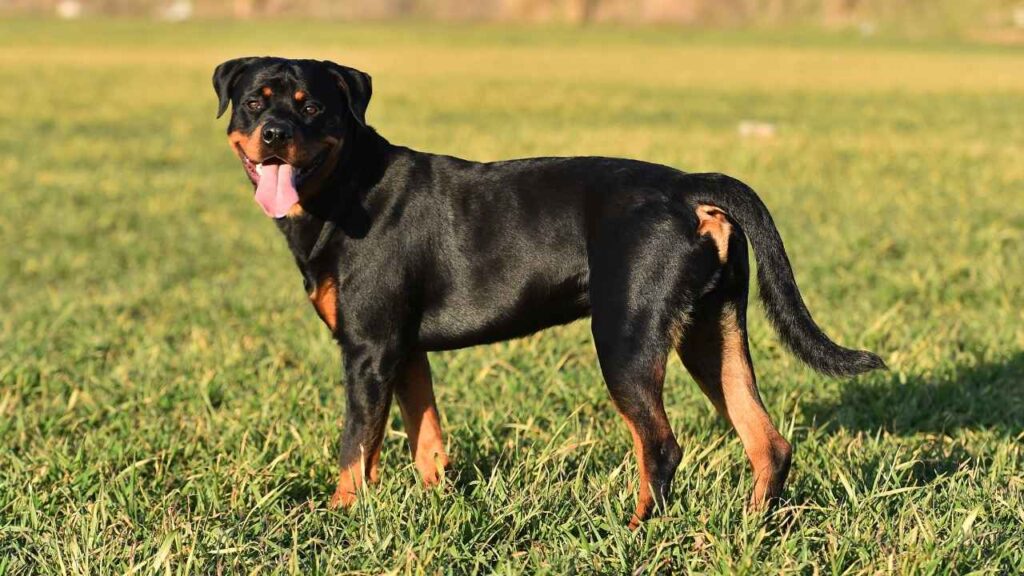
The Rottie is a big, muscular dog breed, with a broad head, a short, smooth coat, and a threatening appearance. Interestingly, its bite force is among the strongest in the canine world. Its structure is built for endurance, power, and control rather than speed.
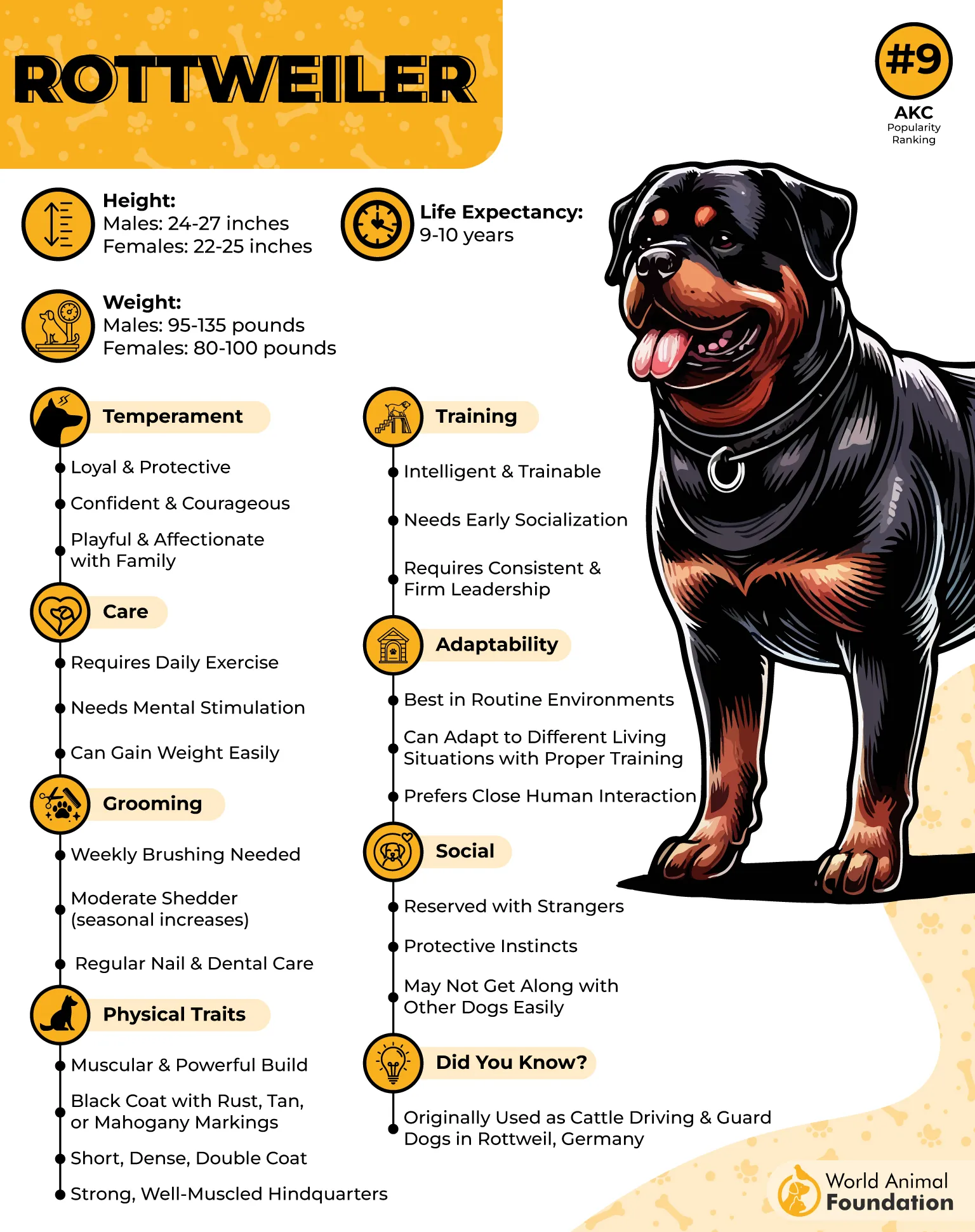
The Rottie is a confident and highly self-assured dog that is naturally observant and tends to assess situations before reacting. And it also forms strong bonds with the family members. As far as its job at the farm is concerned, its brawny frame allows it to physically overpower intruders or large animals when necessary.
Furthermore, it instinctively patrols and monitors boundaries, which makes it well-suited for large farmlands. Yes, being an intelligent dog, it can quickly comprehend complex tasks such as protecting livestock or guarding gates. It has a great adaptability to mixed rural roles.
Due to its great resilience, it holds its ground against aggressive animals without retreating easily. However, due to its dominant behavior, it requires an experienced handler and structured training. It also needs mental stimulation and regular exercise since it has high energy.
🎧 Dogcast
Episode 37 — Why Dogs Stay Close without Touching
If you don’t hear sound, tap the button above to enable audio.
3. Cane Corso
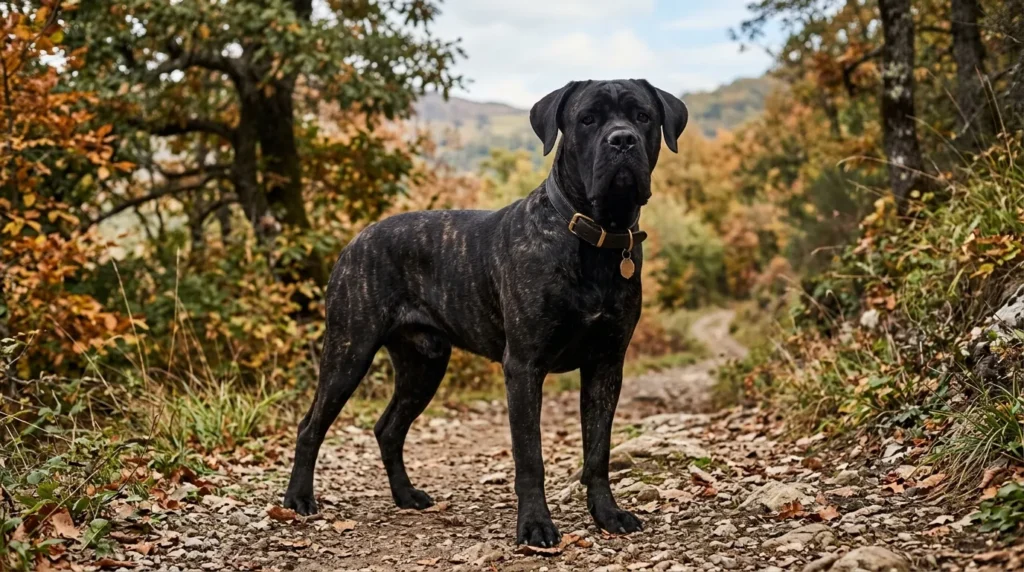
The Cane Corso is a large, muscular, working breed with a sheer, intimidating appearance. It is an ancient Italian mastiff-type breed that is surprisingly agile for its size and well known for its commanding presence.
Fact
PetMD states that in Italian, Cane Corso is translated as “bodyguard dog” or “guard dog of the courtyard”.
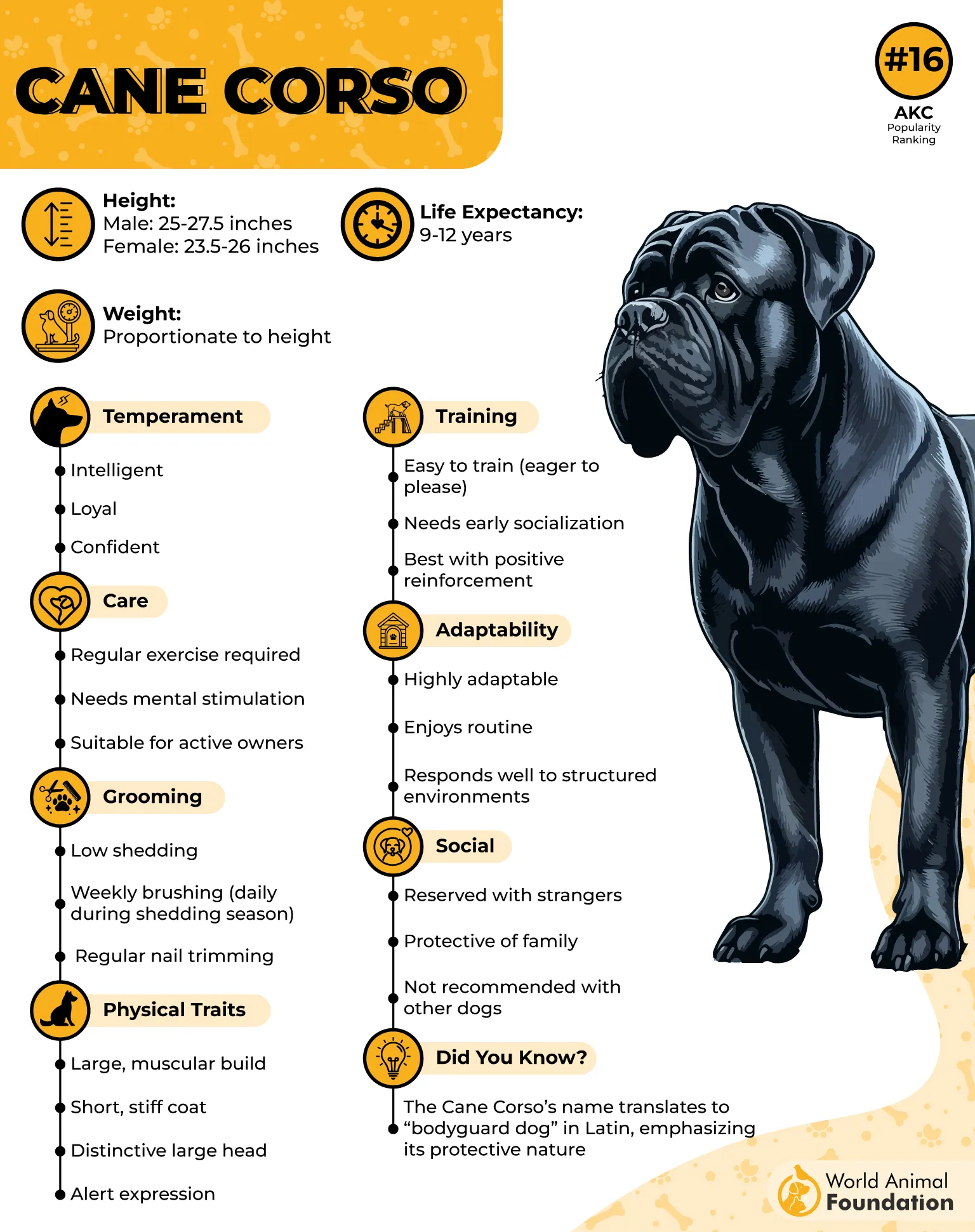
The Cane Corso has a serious, stable, and highly perceptive temperament. Yes, it is usually calm and composed in familiar surroundings and observes the surroundings quietly. The area where it actually stands out is that it naturally monitors large rural properties and maintains strong territorial awareness.
Unlike impulsive guard dogs, it evaluates the intentions first and acts strategically rather than aggressively. Besides, it instinctively prevents animals from wandering and also keeps predators away from the grazing area. It has balanced endurance for long rural shifts and can remain alert and active for extended periods.
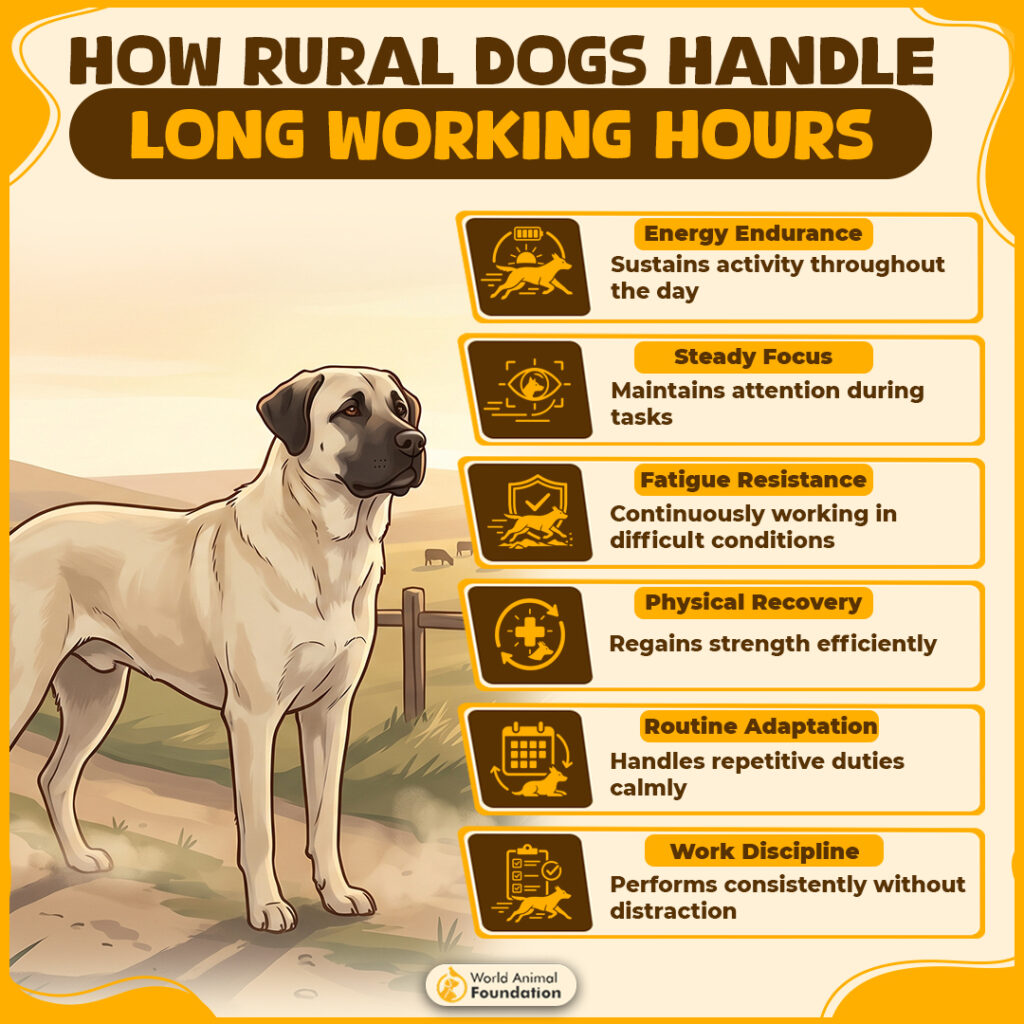
Undoubtedly, it combines mastiff-level strength with agility, which allows it to respond instantly in high-pressure farm defense situations. Nonetheless, it needs early socialization to manage wariness of strangers. And not ideal for owners who prefer casual training approaches.
4. Anatolian Shepherd
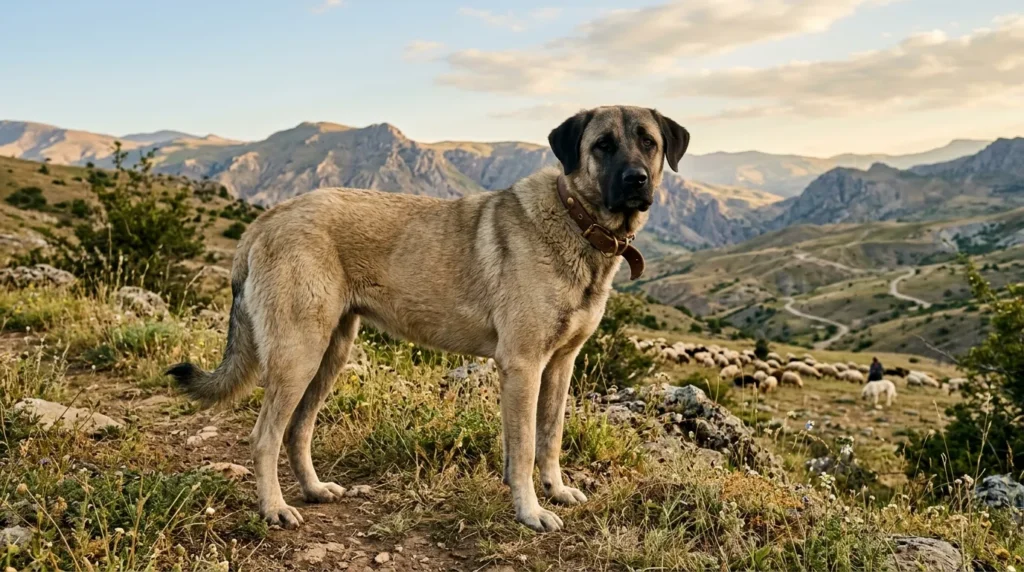
The Anatolian Shepherd is a powerful, top livestock guardian breed, hailing all the way from Turkey with a short to medium thick coat and a brawny body. It is naturally independent and self-reliant, often making decisions on its own while guarding.
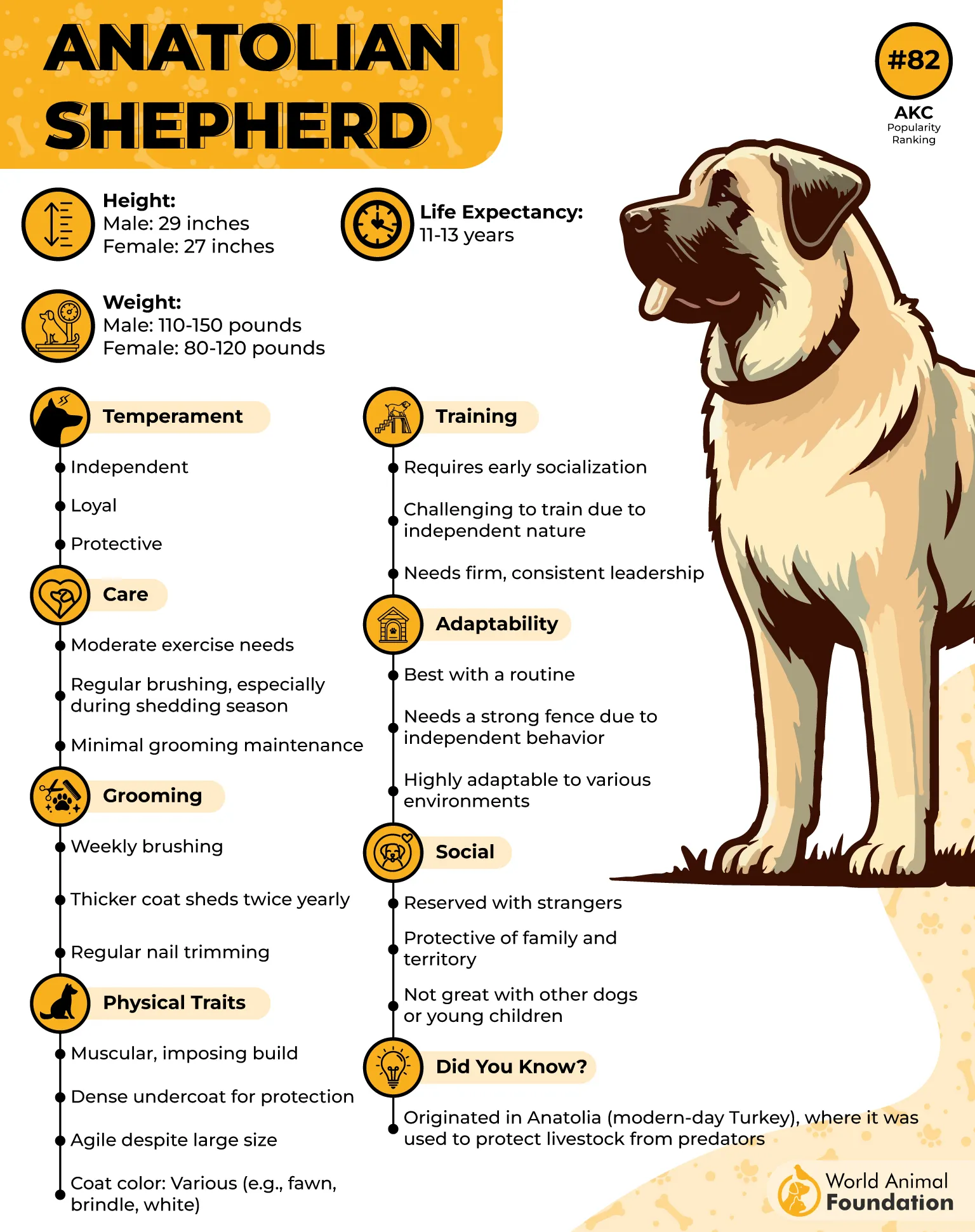
The Anatolian Shepherd has a calm, serious, and highly self-directed temperament. But it is not an overly affectionate or attention-seeking dog. With its family and flock, it is incredibly loyal and protective. Yeah, it has an inborn ability to cover wide rural territories throughout the day without losing its focus and energy.
In addition to this, its presence alone is more than enough to discourage serious predators from attacking precious livestock. It has a natural “range-guardian” behavior rather than fixed-point guarding, and due to this, it actively patrols and controls entire grazing areas.
Moreover, it treats the assigned area as a permanent responsibility and remains consistent in protection. However, it is not suitable for owners expecting close companionship. It is not ideal for small farms or confined rural spaces due to its roaming instincts.
5. Boerboel
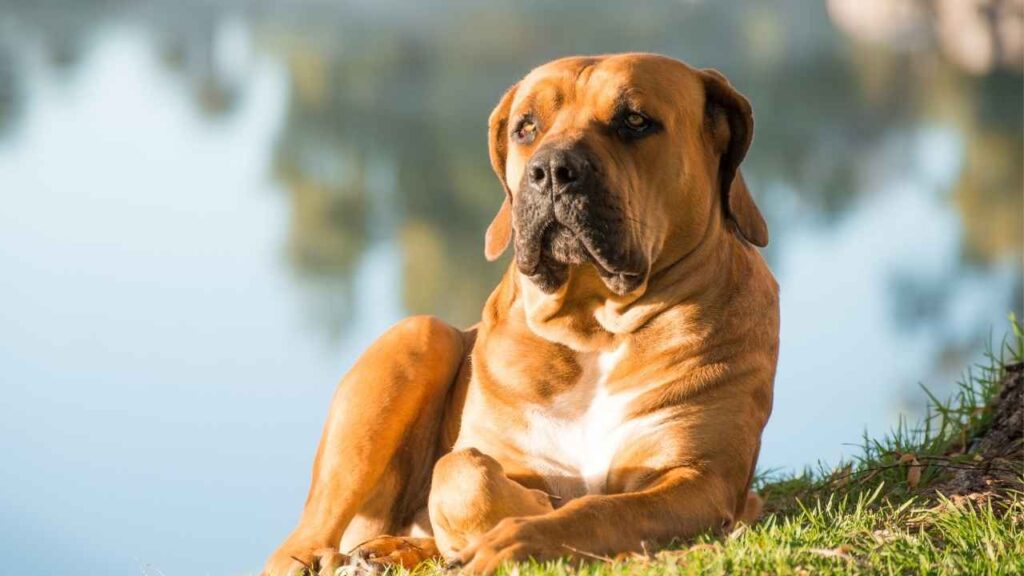
The Boerboel is a powerful South African Mastiff-type working dog bred primarily and specifically for guarding farms in a challenging rural environment. It has a broad chest, thick neck, and solid, heavy frame designed for both stability and strength.
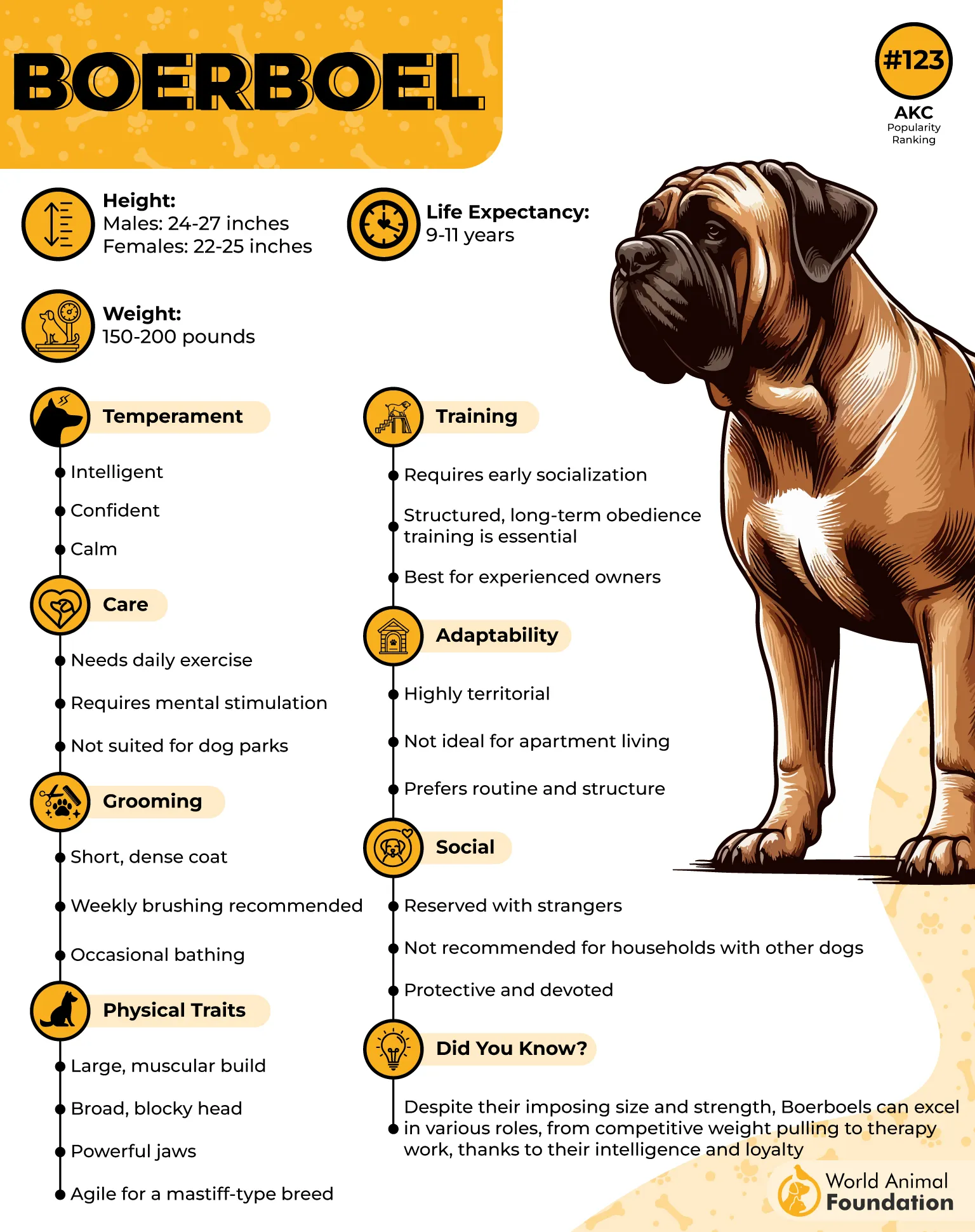
The Boerboel has a confident, stable, and highly territorial temperament. With its own people, it is affectionate, calm, and surprisingly a gentle giant with the kids it has been raised around. Good thing at its end is that, unlike heavier guardian dogs, it can move quickly and respond decisively when confrontation is unavoidable.
Furthermore, it does not waste energy due to its balanced temperament but instantly switches into protection mode when needed. To your surprise, it can sustain physical confrontation longer than many breeds without losing effectiveness.
Yes, its coat and body structure allow it to work effectively in warm, dry environments where other dogs struggle. But it can be overly dominant if leadership is inconsistent. And its strong-willed personality requires experienced handling.
6. Black Russian Terrier
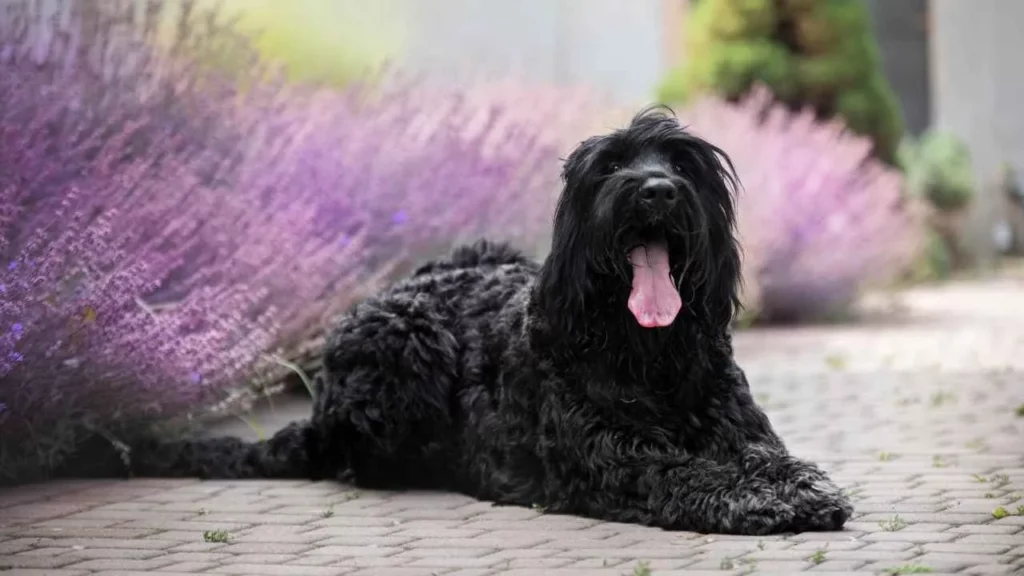
The Black Russian Terrier is a large, powerful working dog with strong bone structure, a large frame, and excellent physical endurance. Amazingly, it was specifically engineered by crossing multiple strong working breeds to create a versatile guardian capable of patrol, protection, and controlled aggression.
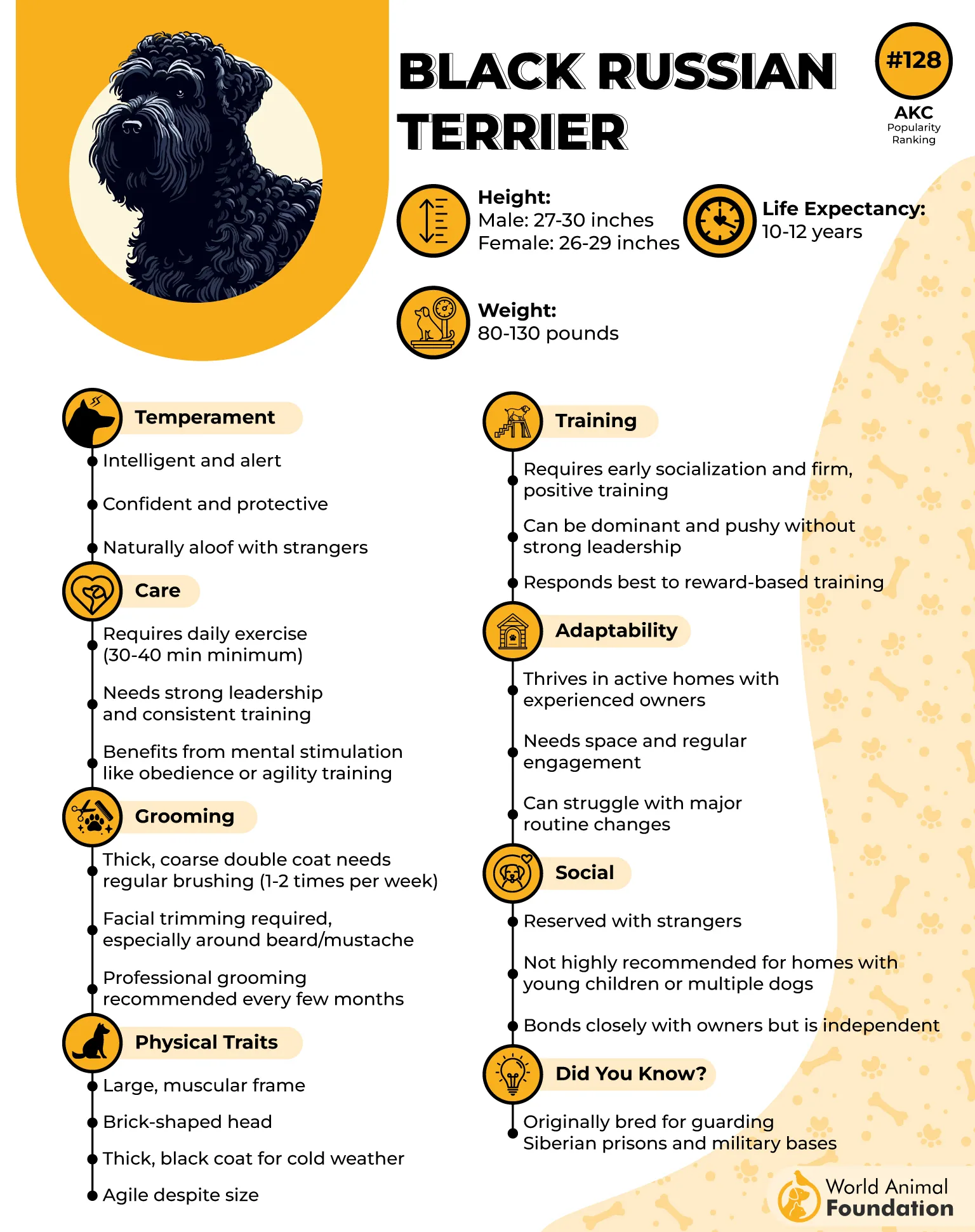
Yes, it has a serious, composed, and highly intelligent temperament. With its family and handlers, it is deeply loyal, emotionally stable, and obedient. It is a military-developed guardian that was bred for protection and patrol duties. It naturally covers and monitors wide areas and provides excellent security.
Moreover, its brawny build allows it to physically control intruders or aggressive animals when needed. Once bonded, it treats its environment as a secure zone and maintains consistent vigilance. A good thing to tell is that its dense coat allows it to function effectively in freezing environments where many working dogs struggle.
It responds well to disciplined training and a clear hierarchy. However, it needs regular grooming due to its dense coat. It can also become overly reserved or suspicious without proper socialization.
7. Akita
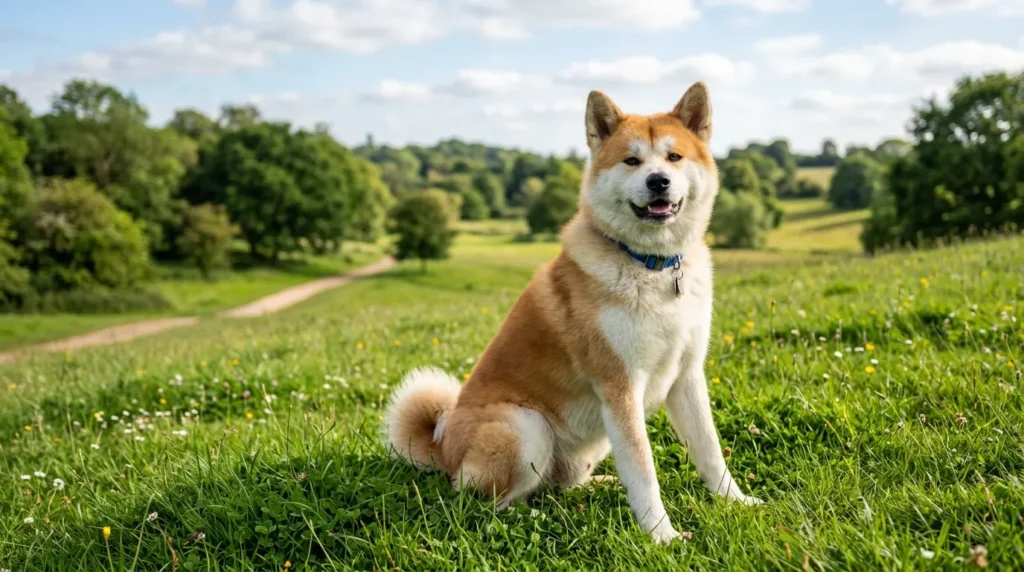
The Akita is a big, strong spitz-type working Japanese dog with a well-balanced frame and dense double coat to provide insulation in cold climates. Its physical strength is complemented by agility and surprising stamina, especially in rough terrain.
Fact
According to VCA, the Japanese government declared it a national monument or national treasure of Japan.
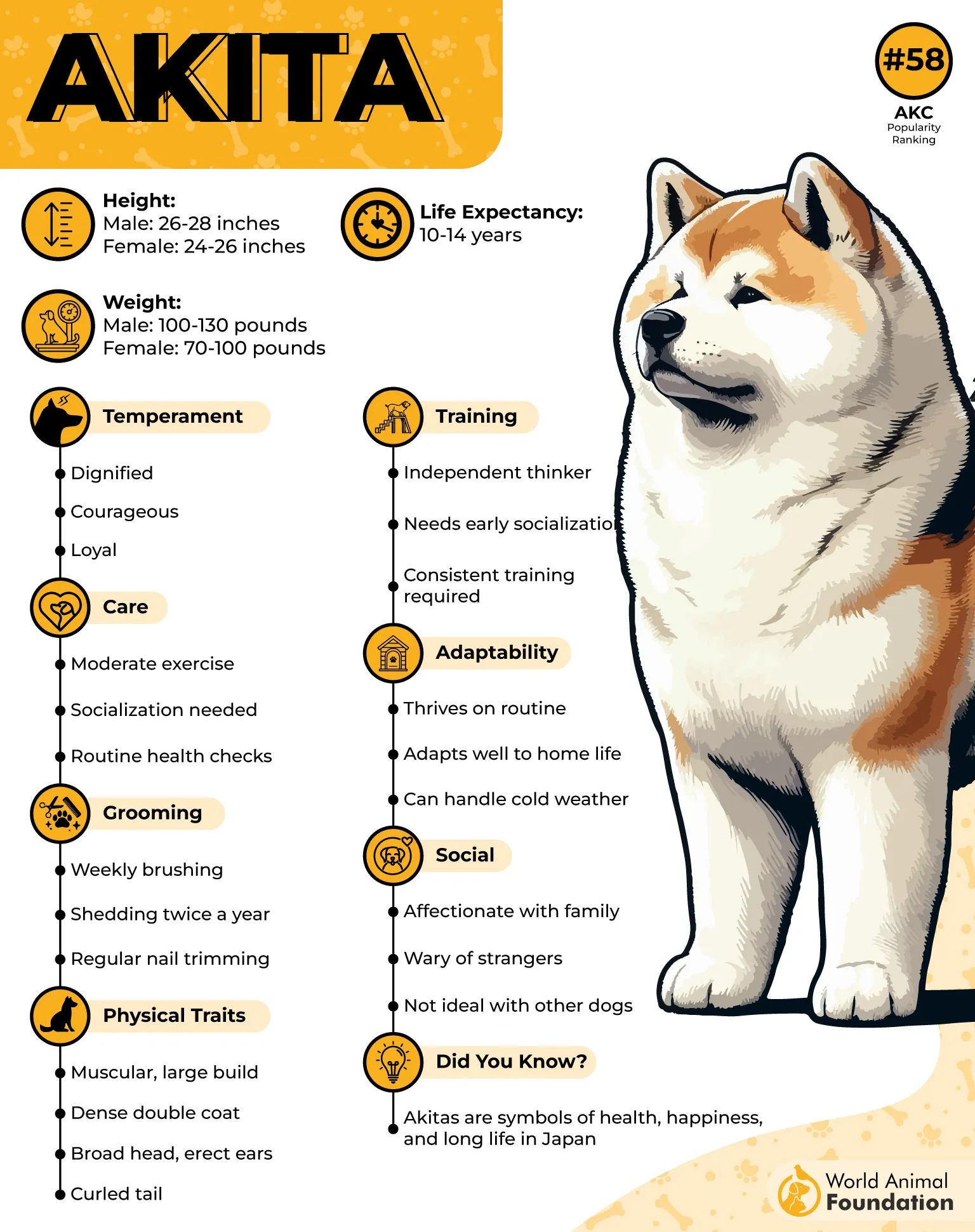
The Akita is dignified, quiet, and always incredibly loyal. It does not seek constant attention or social interaction. Being highly territorial and protective, it is always alert to unfamiliar people or animals entering its space. Yeah, it becomes intensely firm and decisive when it senses a threat.
It does not bark excessively but remains constantly aware of environmental changes. Besides, its dense coat and body structure make it highly resistant to harsh weather conditions. Interestingly, it can operate without constant commands, which is actually valuable in less supervised environments.
The Akita’s background makes it naturally suited for rugged rural terrain and survival-based tasks. But it is less obedient in repetitive training compared to highly biddable breeds. It can be dominant and highly independent and requires experienced handling.
Conclusion
All in all, when you look at the strong working dogs in rural life, one thing becomes very clear: they are not just animals but partners in responsibility, survival, and daily security. Each breed we discussed brings something unique to the table.
In rural scenarios where distances are wide, threats can be unpredictable, and human presence alone is not always enough, these remarkable dogs step into roles that are both practical and deeply important. They guard livestock, protect homes, deter predators, and, to be honest, often act as the first line of defense.
However, it is also important to remember that these breeds are not easy to keep. They need training, structure, respect, and the right environment to truly thrive. Ultimately, choosing such a breed is less about ownership and more about partnership. And trust me, in the rhythm of rural life, such a partnership can make all the difference.
Only Dog Experts Ace These Rural Working Powerhouses 🐕
Which breed was originally bred in the mountainous regions between France and Spain?
Which working dog is described as especially active at night when predators are most dangerous?
In Italian, what does “Cane Corso” translate to according to the article?
Which breed is from Turkey and has natural “range-guardian” behavior?
Which South African Mastiff-type dog was bred specifically for guarding farms?
Which breed was declared a national monument or national treasure of Japan?
